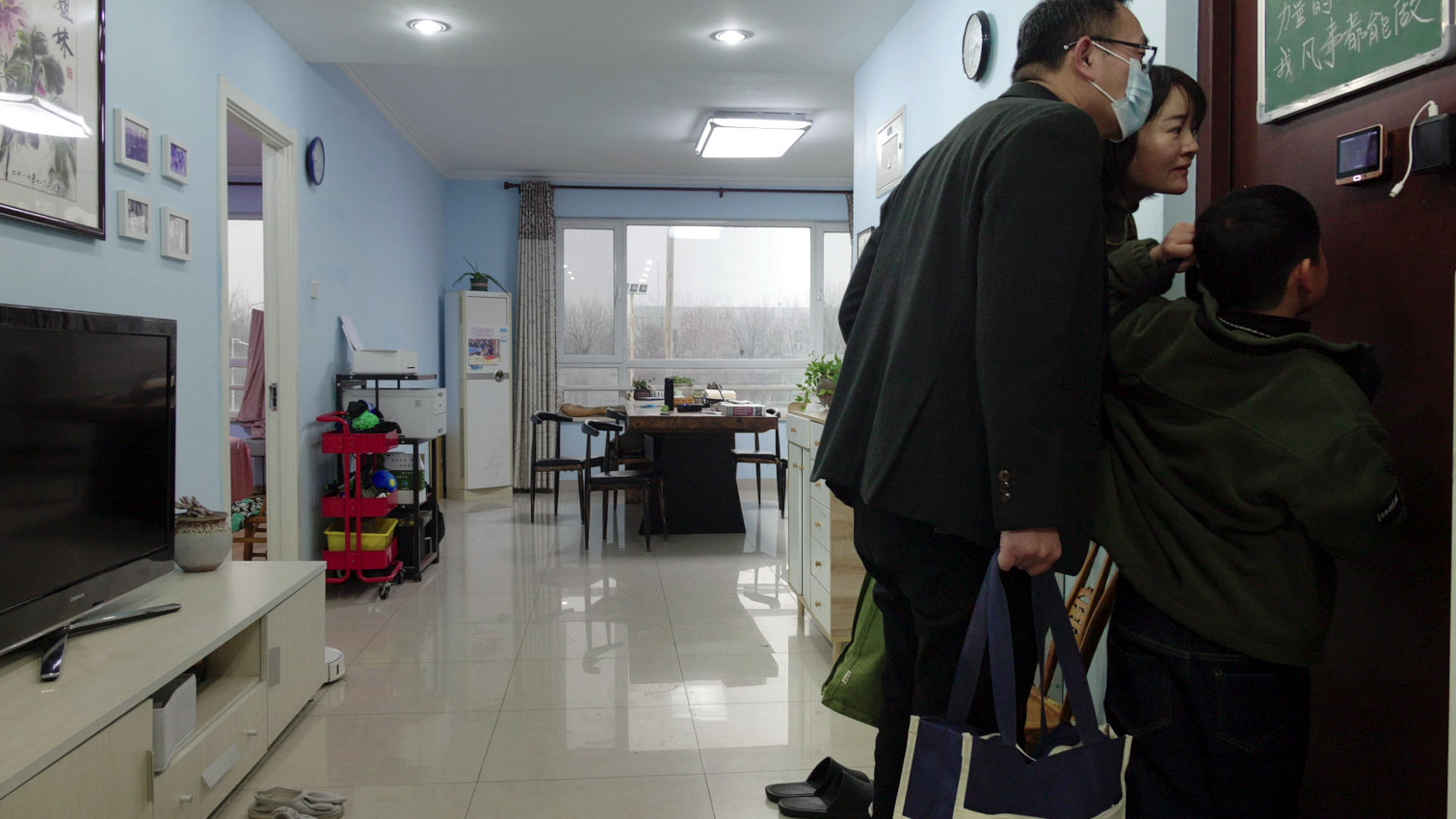
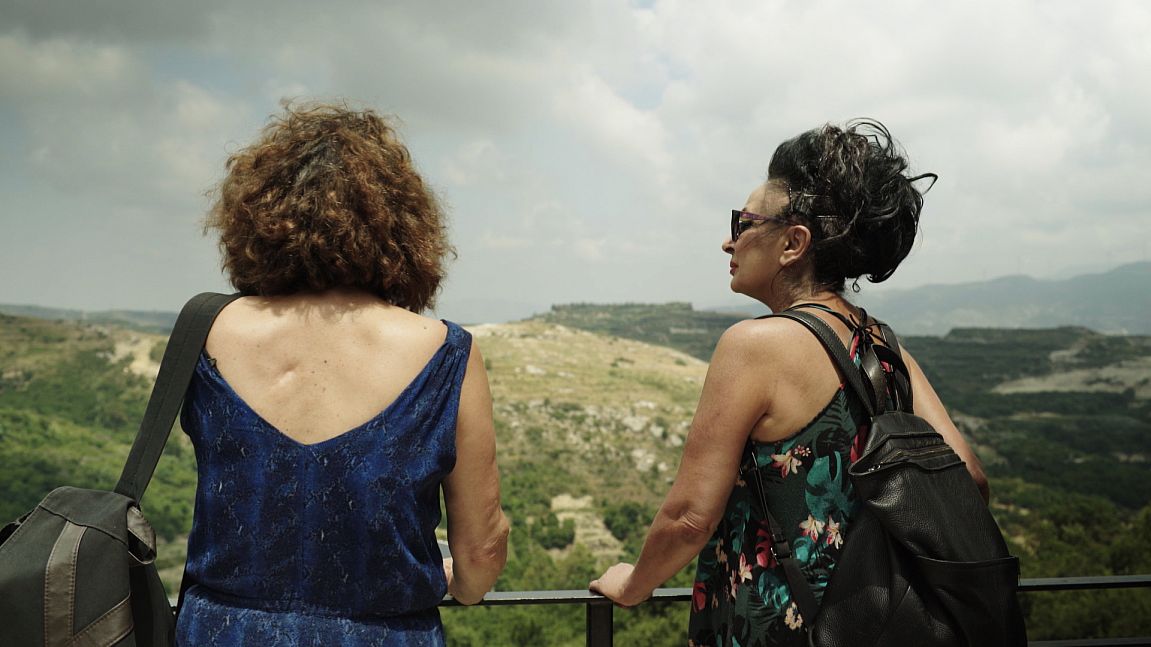
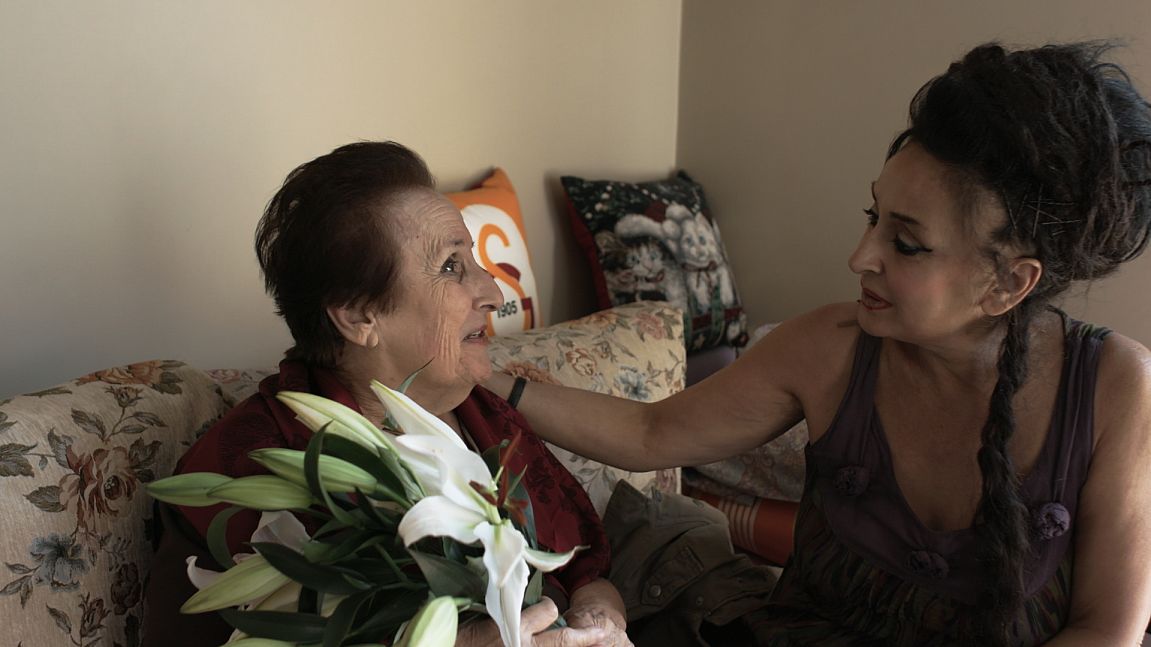
Ob man Blumen kauft, sein Kind zur Schule bringt oder nachts den Müll raus bringt, Big Data und digitale Technologien überwachen alles. Der Film der in den USA lebenden chinesischen Filmemacherin Jialing Zhang schärft das Bewusstsein für die Gefahren der Big-Data-Sammelwut. Persönlichkeitsprofile, Kontakte und Konsumverhalten können nicht nur, schlimm genug, private Unternehmen, sondern auch Behörden interessieren. Was passiert, wenn der Schutz unserer Privatsphäre missachtet wird? Wie umfassend sind die aus Big Data gewonnen Informationen über unsere Aktivitäten und Überzeugungen, Abneigungen, Vorlieben und Gewohnheiten? Lässt sich sicherstellen, dass diese Daten nicht in die falschen Hände geraten? Sind sie vielleicht schon in den falschen Händen? Total Trust ist ein zutiefst beunruhigender und bewegender Film über die unheimliche Macht von Big Data und KI, über ihren Gebrauch und Missbrauch im öffentlichen wie im privaten Leben, über Zensur und Selbstzensur. Anhand eindringlicher Schicksale von Menschen in China, die überwacht, eingeschüchtert und sogar gefoltert wurden, erzählt Total Trust von den Gefahren aktueller Technologien in den Händen einer ungezügelten Macht. Mit China als Spiegel schlägt der Film Alarm: Der zunehmende Einsatz von digitalen Überwachungstools ist längst ein globales Phänomen – auch in demokratisch geführten Ländern.
Ob man Blumen kauft, sein Kind zur Schule bringt oder nachts den Müll raus bringt, Big Data und digitale Technologien überwachen alles. Der Film der in den USA lebenden chinesischen Filmemacherin Jialing Zhang schärft das Bewusstsein für die Gefahren der Big-Data-Sammelwut. Persönlichkeitsprofile, Kontakte und Konsumverhalten können nicht nur, schlimm genug, private Unternehmen, sondern auch Behörden interessieren. Was passiert, wenn der Schutz unserer Privatsphäre missachtet wird? Wie umfassend sind die aus Big Data gewonnen Informationen über unsere Aktivitäten und Überzeugungen, Abneigungen, Vorlieben und Gewohnheiten? Lässt sich sicherstellen, dass diese Daten nicht in die falschen Hände geraten? Sind sie vielleicht schon in den falschen Händen? Total Trust ist ein zutiefst beunruhigender und bewegender Film über die unheimliche Macht von Big Data und KI, über ihren Gebrauch und Missbrauch im öffentlichen wie im privaten Leben, über Zensur und Selbstzensur. Anhand eindringlicher Schicksale von Menschen in China, die überwacht, eingeschüchtert und sogar gefoltert wurden, erzählt Total Trust von den Gefahren aktueller Technologien in den Händen einer ungezügelten Macht. Mit China als Spiegel schlägt der Film Alarm: Der zunehmende Einsatz von digitalen Überwachungstools ist längst ein globales Phänomen – auch in demokratisch geführten Ländern.
Nach der feierlichen Verleihung des FIRSTSTEPS Award – Der Deutsche Nachwuchspreis am 08.10.2023, zeigen wir an vier Freitagen eine Auswahl der nominierten Filme exklusiv und in Anwesenheit zahlreicher Filmschaffender im fsk Kino in Berlin!
FIRSTSTEPS ist der wichtigste deutsche Filmnachwuchspreis und wurde von 2000 gegründet.
In zehn Kategorien werden Preise in Höhe von 131.00,00 Euro verliehen, die von ganz kurzen Filmen bis hin zum Drehbuchpreis reichen.
Im fsk präsentieren wir zwei abendfüllende Spielfilme und zwei Dokumentarfilme und freuen uns auf spannenden Gespräche nach dem Film und natürlich auf die Filmemacher:innen selbst!
Seine Mutter beschuldigt den Kommunismus, sein Onkel macht einen Erbstreit verantwortlich, der Rest verfällt in Schweigen. Regisseur Dieu Hao Do erforscht die Zersplitterung seiner Familie. Der Amerikanische Krieg in Vietnam hat sie auf drei Kontinente verstreut. Nach dem Fall von Saigon am 30. April 1975 waren mehr als 1,5 Millionen Menschen vor dem kommunistischen Regime geflohen, viele davon – auch die Familie des Regisseurs – gehörten zur chinesischen Minderheit. Fast 50 Jahre nach ihrer Flucht ist der Kontakt zwischen den sieben Familienmitgliedern so gut wie abgebrochen. Wie haben sich Traumata durch Verfolgung und Gewalt in die Körper und Seelen der Überlebenden und die ihrer Kinder eingeschrieben? Was hat das Leben im Exil über die Jahre mit ihnen gemacht? Ist der Kommunismus daran schuld, dass sie nicht mehr miteinander sprechen?
Zu Gast: Emina Smajić (Produktion), Bayan Layla (Schauspielerin), Armin Wahedi (Schauspieler), Derya Durmaz (Schauspielerin), Christopher Behrmann (Kamera)
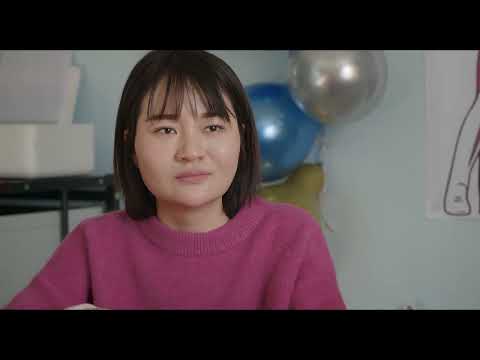
Eine nackte junge Frau steht vor einer laufenden Waschmaschine. Rückblende. Die 22-jährige Elaha versucht mit allen Mitteln ihre vermeintliche „Unschuld“, die sie durch Sex verloren hat, wiederzuerlangen. Ein plastischer Chirurg soll ihr dabei helfen. Doch sie kann das Geld für den kostspieligen operativen Eingriff nicht aufbringen. Auf der Suche nach einer Alternative stößt sie auf ein spezielles Produkt – eine Kapsel mit künstlichem Blut. Doch diese vermeintliche Lösung zwingt sie in die Selbstausbeutung.
Zu Gast: Sarah Deichsel (Protagonistin), Laura Espinel (Editorin), Jakob Mäsel (Sound Designer), Till Aldigner (Sound), Florian Schewe (Produktion), David-Simon Groß (Kamera, Co-Regie)
THEHOMESWECARRY zeichnet das Porträt einer von den Wirrungen der Weltgeschichte zerrissenen Familie zwischen Deutschland, Mosambik und Südafrika. Im Zentrum steht Sarah, eine junge Afrodeutsche. Sie will ihrer kleinen Tochter Luana Beziehungen ermöglichen, die ihr selbst als Kind gefehlt haben. Deshalb reist sie mit ihr ins südliche Afrika, wo ihr eigener Vater und der Kindsvater auf sie warten. Doch die Begegnung mit dem Vater ihrer Tochter, stellt sie vor große Herausforderungen. Währenddessen erinnert sich Sarahs Vater Eulidio an die fast vergessene und ungerechte Geschichte der mosambikanischen Vertragsarbeiter in der ehemaligen DDR. In seinen nostalgischen Tagträumen kehrt er zurück zum Ursprung seiner europäischen Familie und ihrer plötzlichen Trennung – ein Schicksal, das er mit vielen anderen deutsch-mosambikanischen Familien teilt.
Zu Gast: Hannes Hirsch (Regie), Jost Hering (Produktion), River Matzke (Drehbuch), Elena Weihe (Schnitt), Lorenz Hochhuth (Hauptdarsteller)
Moritz ist 22 und gerade von seinem Freund Jonas verlassen worden, für den er eigentlich nach Berlin gezogen war. Eine Zeit lang findet er Geborgenheit bei dem älteren Noah, bis es ihm zu eng wird. Moritz ändert sein Aussehen und taucht ein in die Berliner Partyszene. Er lebt seine unterdrückten Sehnsüchte und sexuellen Fetische aus, verliert sich aber auch zunehmend in Drogenexzessen und emotionaler Entfremdung. Erst mit Hilfe seiner queeren Freunde findet er heraus, wer er wirklich sein möchte.
Erinnert der Film an Tagebuch eines Lanpfarrers von Bresson oder eher an Die Aussenseiterbande von Godard? Wer Kaurismäkis Fallende Blätte gesehen hat, weiß, wovon die Rede ist, und auch, dass die Polizei keine Chance hatte. Für alle anderen: Eine Verschiebung der Erdachse löst eine Abfolge seltsamer Geschehnisse in der beschaulichen Kleinstadt Centerville aus. Während Sherriff Cliff Robertson (Bill Murray) noch rätselt, ist sich sein Kollege Ronald Peterson (Adam Driver) sicher: Es muss sich um eine Epidemie von Zombies handeln. Diese haben es allerdings nicht nur auf die Bürger von Centerville abgesehen, sondern auch auf Dinge, mit denen sie sich bevorzugt zu Lebzeiten beschäftigt haben. So wandeln sie auf den Straßen – hungrig nach Menschenfleisch, Kaffee und gerne auch einem Gläschen Chardonnay.
Credits:
USA 2019, 103 Min., engl. OmU Regie & Buch: Jim Jarmusch Darsteller: Bill Murray, Adam Driver, Tilda Swinton, Chloë Sevigny, Danny Glover, Caleb Landry Jones, Selena Gomez, Austin Butler, Luka Sabbat, Rosie Perez, Eszter Balint, Iggy Pop, Sara Driver, RZA, Carol Kane, Larry Fessenden, Tom Waits.
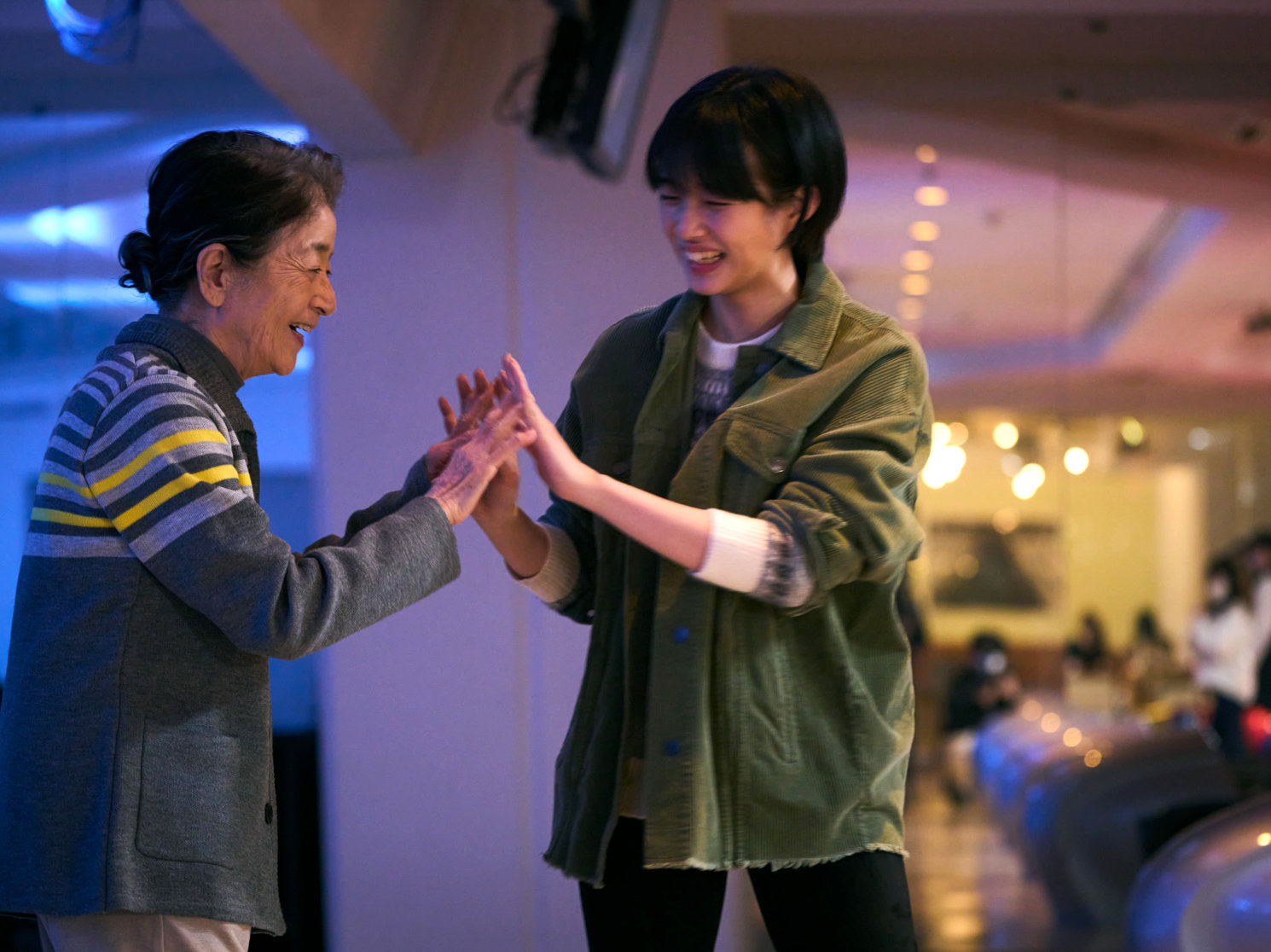
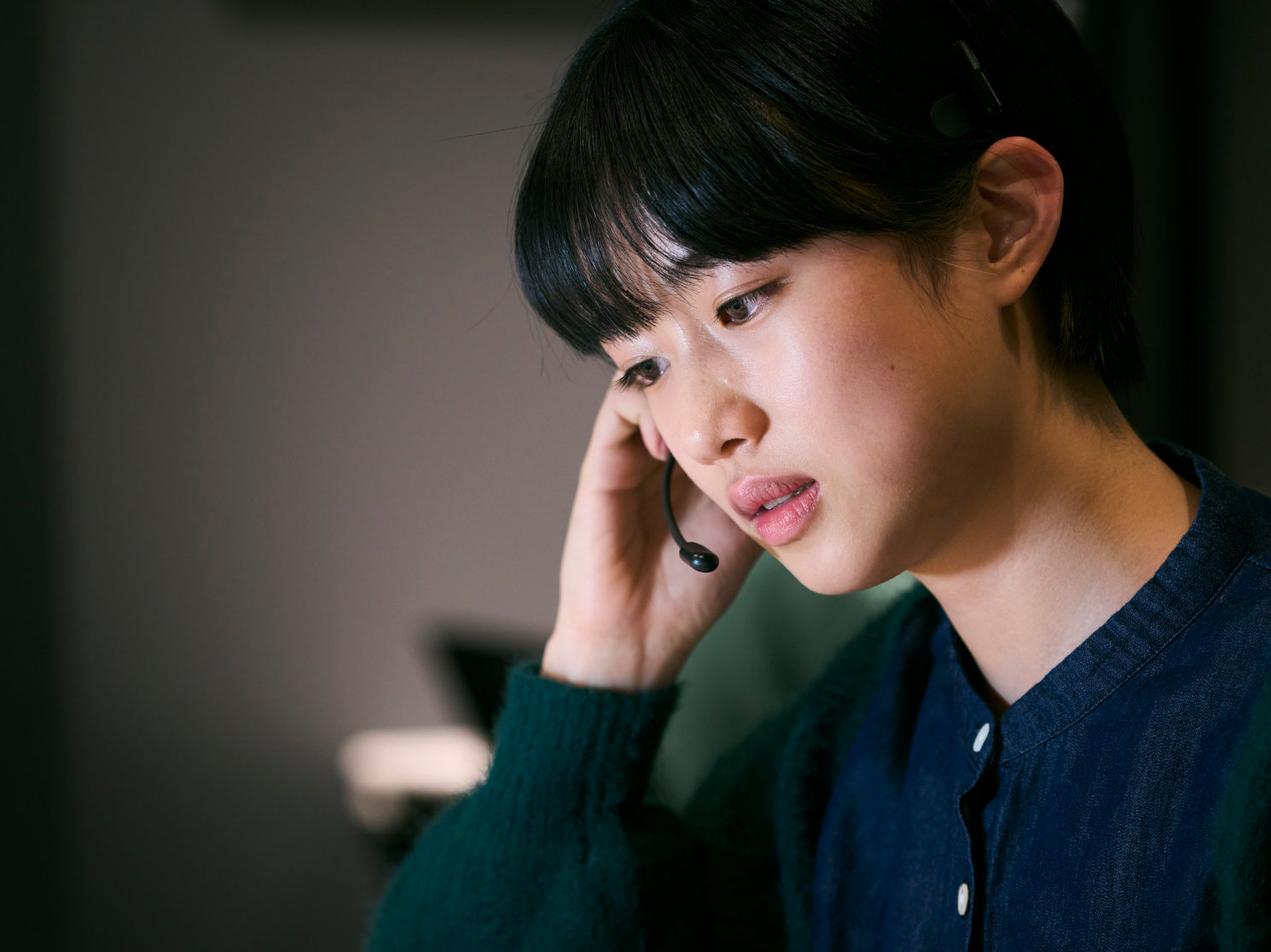
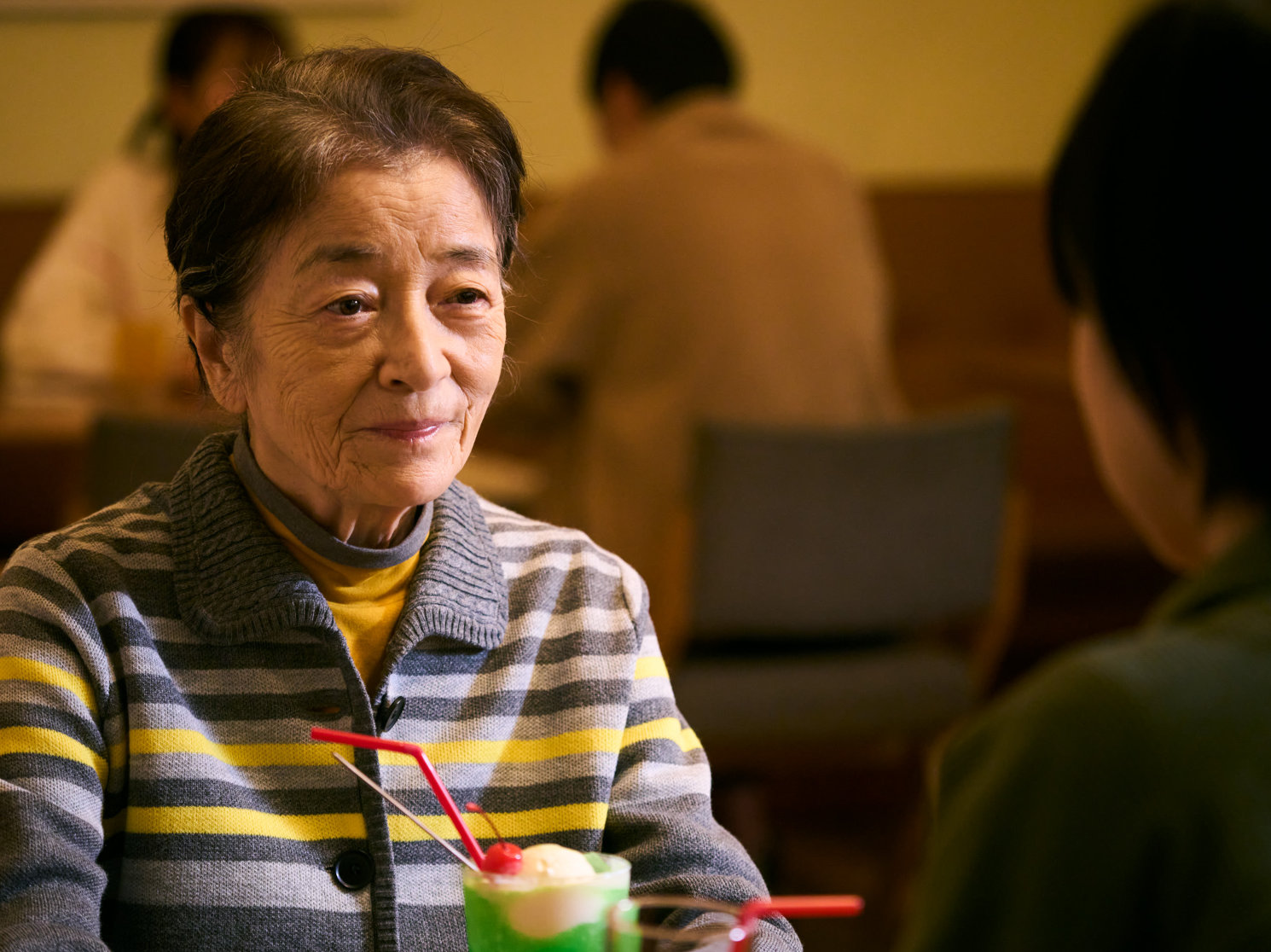
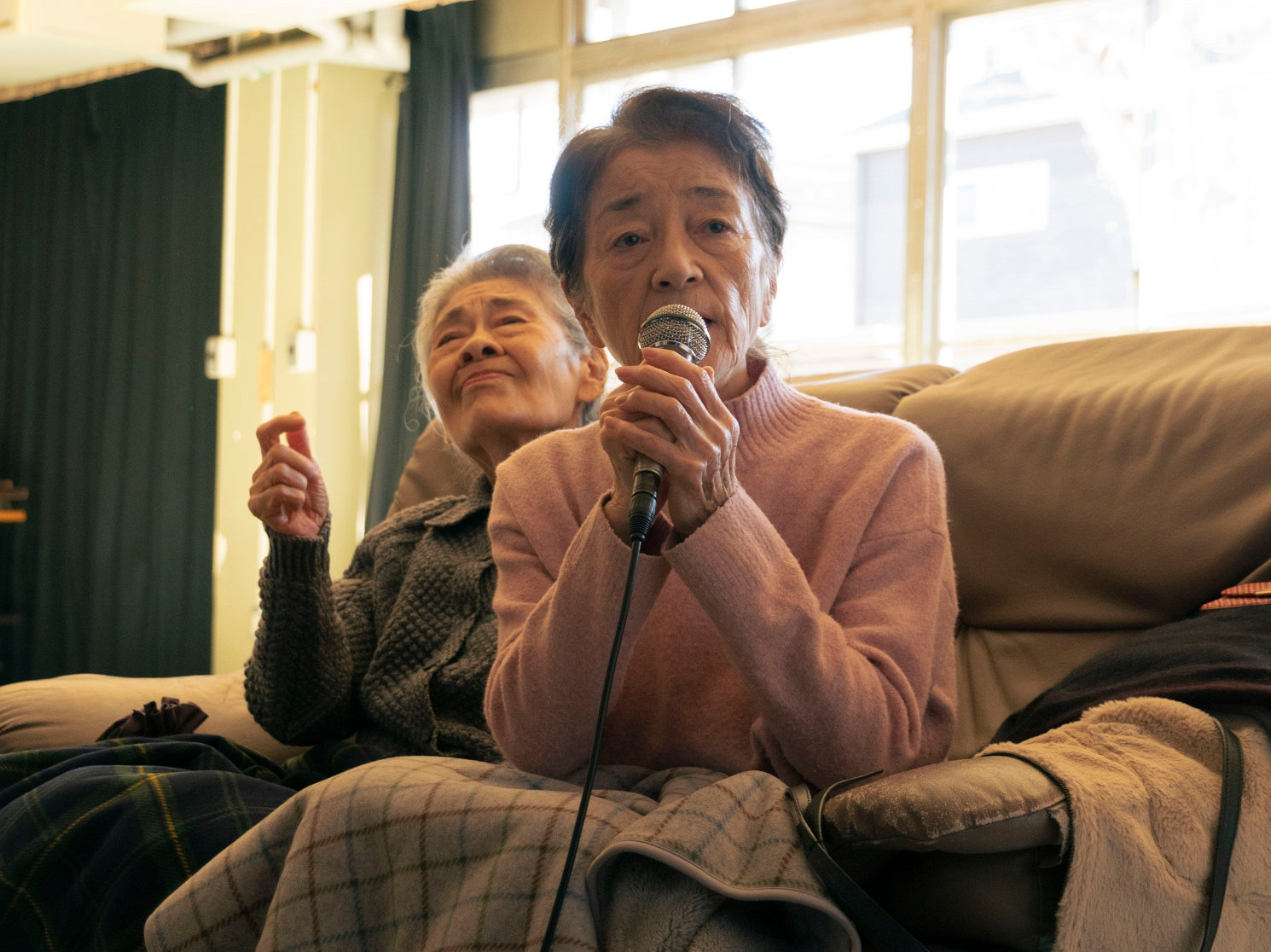
Was ist der Guppenplan? Kann die „Vorschusszahlung“ beliebig ausgegeben werden, oder geht sie für die Beerdigung drauf? Die 78-jährige Michi hat viele Fragen zum neuen staatlichen Programm PLAN 75. Die Gewalt gegen alte Menschen hatte ein so großes Ausmaß angenommen, dass dringend agiert werden musste. PLAN 75 gilt als die Lösung, auf die alle Welt schaut: Wer 75 ist und sich anmeldet, bekommt zum Zeitpunkt seiner Wahl einen sanften, würdevollen Tod. So kann die Zahl der Alten, die der Allgemeinheit teuer kommen, schneller als natürlich reduziert werden. Lebensmüde ist Michi eigentlich nicht, aber nachdem sie ihren Job und auch ihre Wohnung verliert, weiß sie nicht weiter. Sozialhilfe beantragen will sie, wie die meisten Rentner:innen in Japan, die nicht genug zum Leben haben, nicht. Yoko und Hiromu sind jung und angestellt bei PLAN 75, zur Aufnahme und Betreuung der Klienten:innen. Die Filipina Maria bekommt ein Arbeitsangebot von PLAN 75, wo sie genug verdienen kann, um ihre kleine Tochter daheim zu versorgen. Freundlich und höflich im Umgang, ist den dreien nicht bewusst, was sie da tatsächlich tun. Erst beim näheren, aber verbotenen Kontakt zu Michi kommen Yoko Zweifel. Hiromu erst, als sich ein Onkel aufs Sterben vorbereitet. Schön und sauber, ruhig und serviceorientiert ist die Welt in dieser nicht so fernen Zukunft, und der Film findet die passenden Bilder dazu. Chie Hayakawa: „Der Film beschreibt die intolerante Atmosphäre gegenüber sozial schwachen Menschen, einschließlich älterer Menschen. … Ich glaube, dass Mitgefühl ein Schlüssel zum Kampf gegen Intoleranz und Apathie ist. Ich habe versucht, die Gesellschaft zu kritisieren, die der Wirtschaft und der Produktivität Vorrang vor der Menschenwürde einräumt. Das zu eliminieren, was sie «die Unproduktiven» nennen, kommt dem Konzept des Faschismus sehr nahe. Obwohl wir keine Diktatur haben, wird eine solche Atmosphäre spontan unter den Menschen geschaffen. Das ist es, was mir Angst macht.
Credits:
Hikari No Hana 光のはな Japan, Frankreich, Philippinen, Katar 2022, 112 Minuten · Japanisch mit deutschen Untertiteln Regie: Chie Hayakawa 早川千絵 Kamera : Hideho Urata Schnitt : Anne Klotz mit: Chieko Baisho, Hayato Isomura, Taka Takao, Yumi Kawai, Stefanie Arianne, Hisako Okata
Trailer:
PLAN 75 | Chie Hayakawa | 2022 | Offizieller Trailer
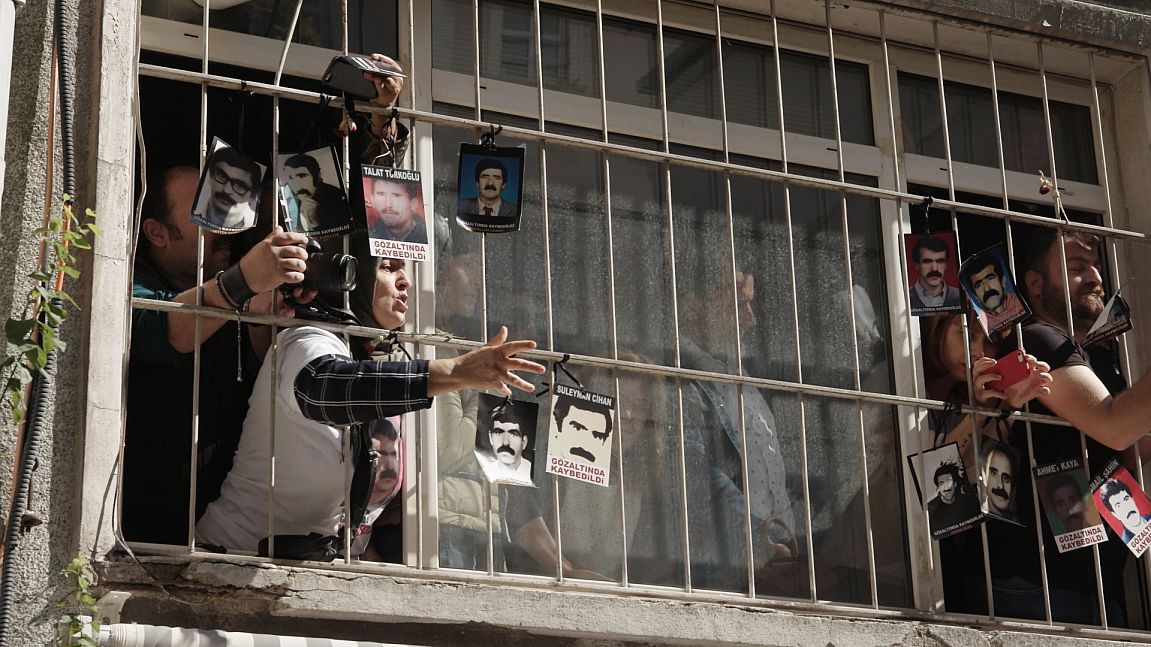
Eren Keskin ist unbequem. Sie stellt das System in Frage, sie stellt sich in Diensten jener, deren Stimme unterdrückt werden soll, setzt sich gegen ein System ein, das auf vielfältige Art Unterdrückungsmechanismen nutzt. Dafür wurde sie schon verhaftet, verklagt und eingesperrt, aber aufgehalten kann sie das nicht. Maria Binders Dokumentation wirft einen Blick auf ein Land, an dessen Grundfesten die Anwältin wieder und wieder rüttelt. Die Menschenrechtsverteidigerin kämpft seit über 30 Jahren in der Türkei für Pressefreiheit und die Rechte von Frauen, LGBTIQ+ sowie andere Minderheiten und setzt sich gegen Folter und staatliche, sexualisierte Gewalt ein. Mehr als 140 Strafverfahren wurden gegen sie eröffnet, aber die Trägerin u.a. des Amnesty Menschenrechtspreises gab nie auf. Das zeigt die Regisseurin auf eindringliche Weise. Sie traf Eren Keskin vor 20 Jahren, bei einem Fall, der sie persönlich anging und begleitet sie seitdem über viele Jahre. Der Film gibt einen intensiven Einblick in ihre Vergangenheit und Arbeit, privat ist hier wenig, politisch fast alles. Die Anwältin selbst erzählt von den Repressionen, die sie erfahren hat, als sie den PKK-Anführer Öcalan vertrat, von Morddrohungen und öffentlichen Verurteilungen. Sie liess sich jedoch nie einschüchtern, selbst jetzt nicht, obwohl sie als „Staatsfeindin“ gerade heute jederzeit mit einer Verhaftung rechnen muss.
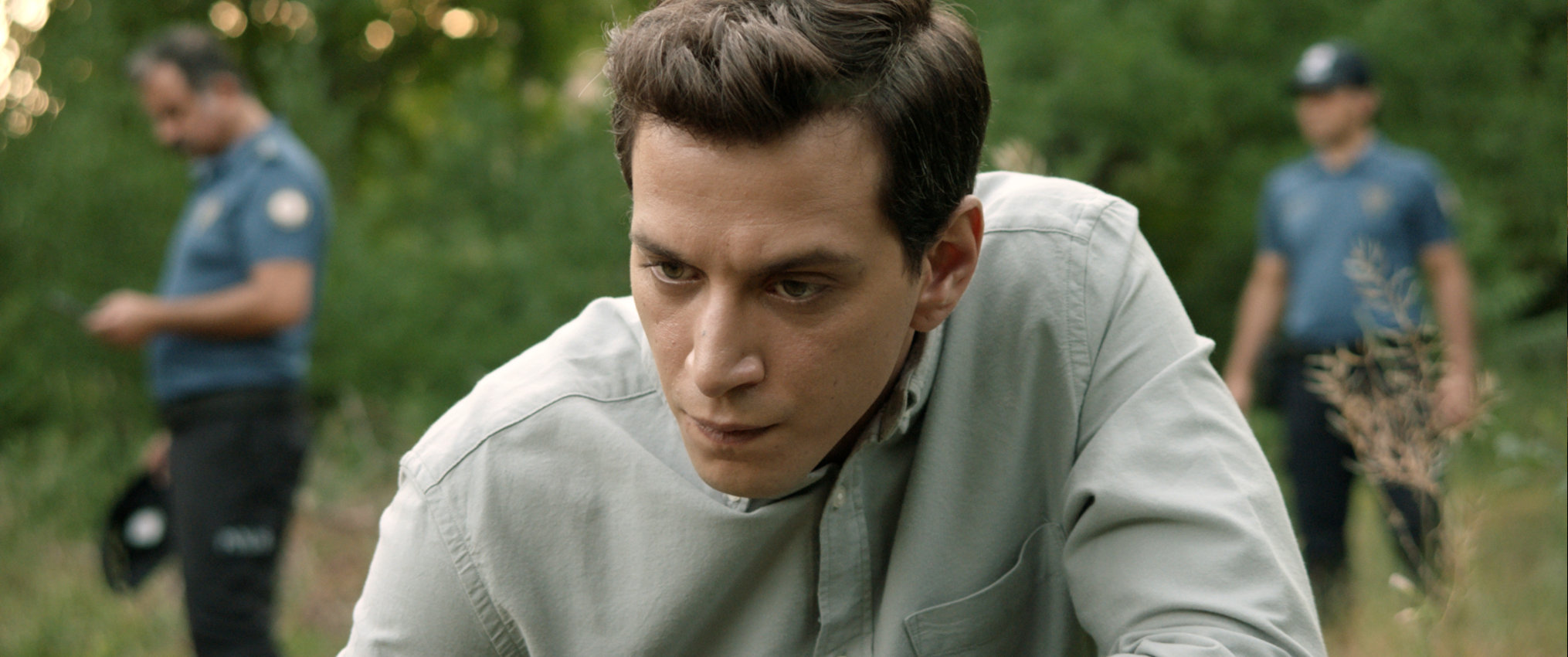
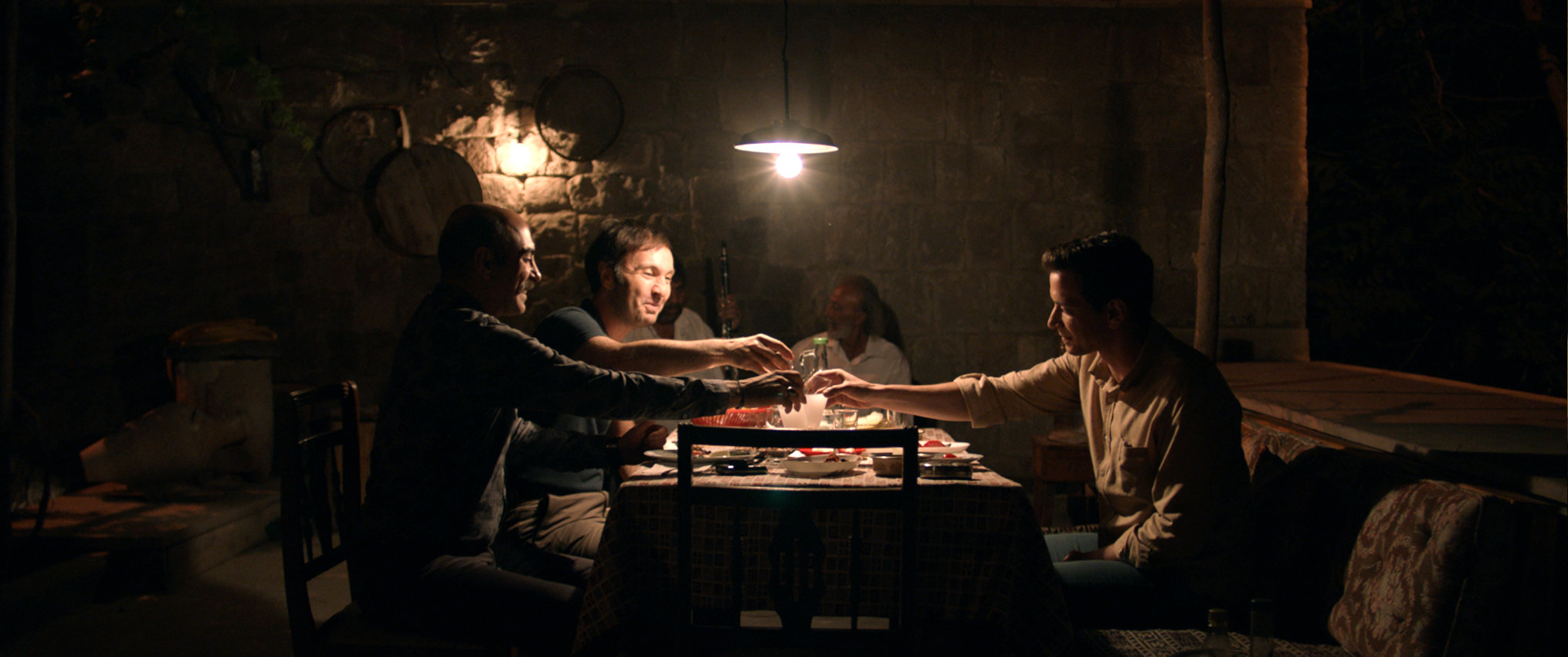
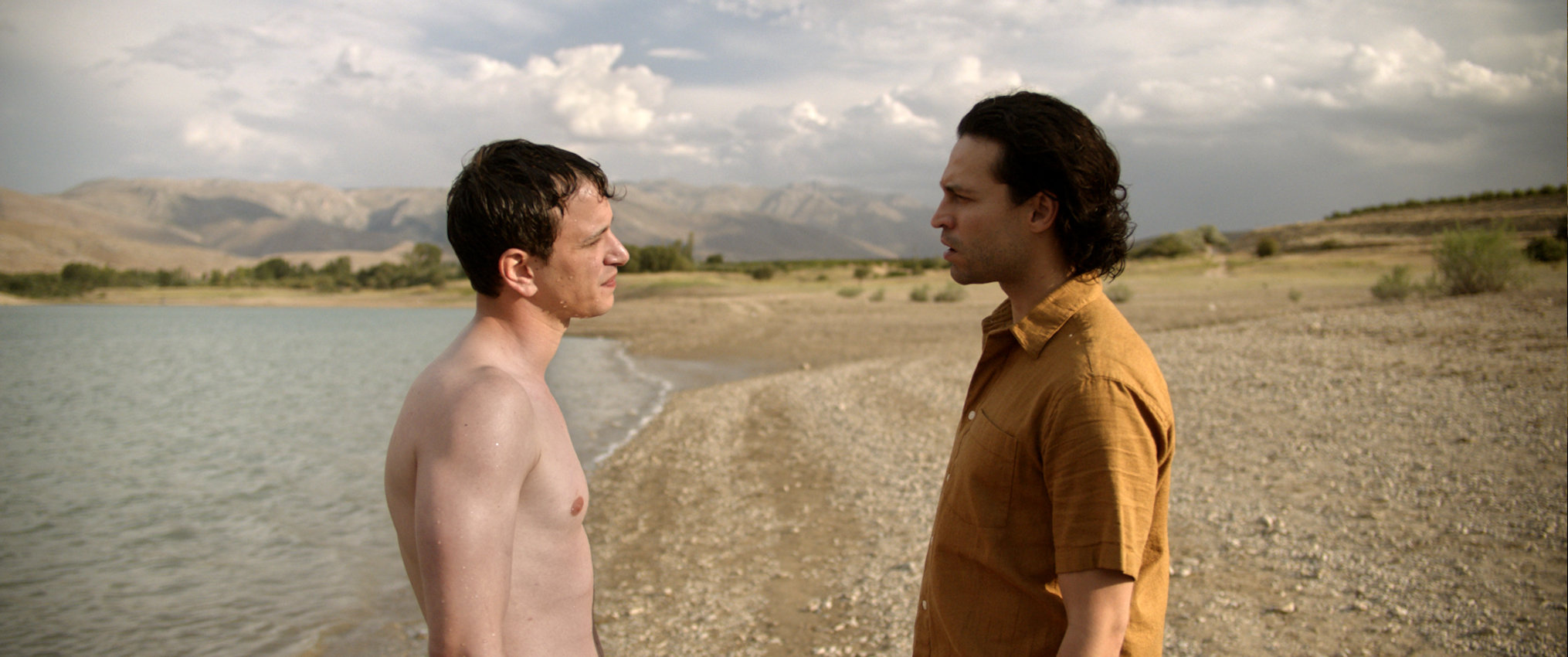
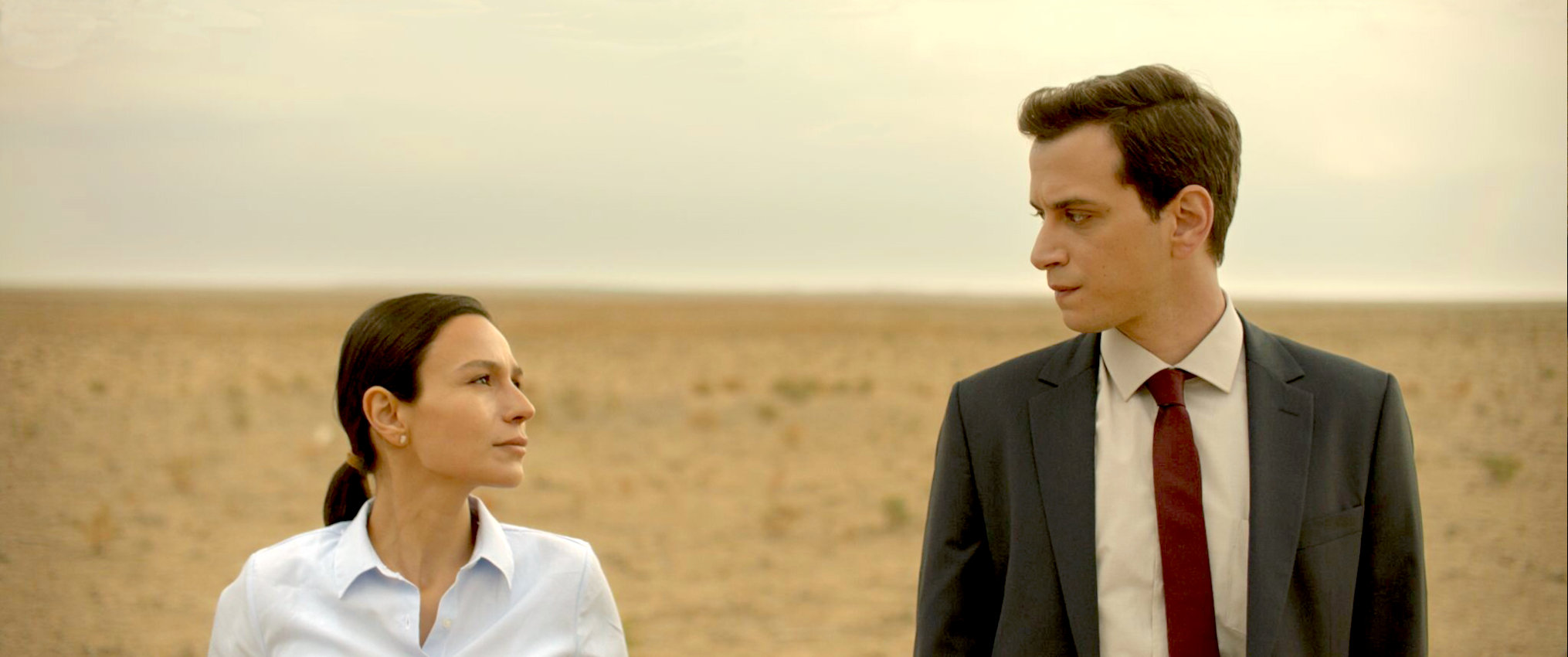
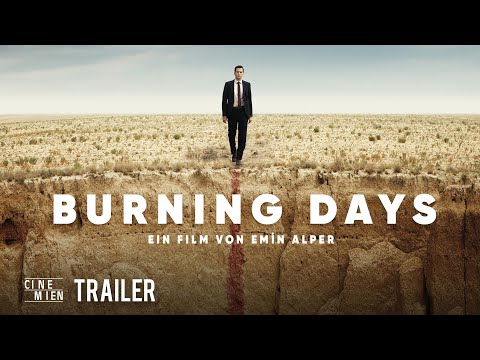
Erst fördert der türkische Staat den Film, dann fordert er das Geld zurück – weil er dem Kulturministerium nicht passt. Der Grund hierfür kann nur geraten werden: Drogen, Homosexualität, Zweifel an der nationalen Identität, das sind Themen, die nicht gut ankommen bei den Zensur- und anderen Behörden. Die Aufmerksamkeit auf den Film führte immerhin zu großem Interesse und einem Kassenerfolg in der Türkei. Der Thriller spielt in einer Kleinstadt, wo Wassermangel immer mehr Böden absinken und riesige Sinklöcher entstehen lässt. Ob bestimmte soziale Gefüge und Machtkonstellationen auch mitschuldig an dieser Entwicklung sein könnten, soll ein neuer Staatsanwalt untersuchen. Aber schon die Richterin warnt den jungen Mann: „Sie müssen sich ändern, wenn Sie in der Provinz arbeiten möchten!“ rät sie ihm. Und dann war da noch das Gerücht, sein Vorgänger habe das Handtuch geschmissen, aus Angst, vergiftet zu werden. „Alper schafft es, viele eindrückliche Suspense-Momente zu erzeugen, die sowohl an den Film noir der 1950er und 60er Jahre als auch an das Paranoia-Kino der 1970er Jahre denken lassen. Die ambivalent gezeichneten Figuren, die stets Zweifel erwecken, ob ihnen wirklich zu trauen ist, und die von Korruption geprägten Strukturen innerhalb des dörflichen Kosmos, der nach seinen ganz eigenen Regeln funktioniert, erinnern an Werke wie Orson Welles’ Im Zeichen des Bösen (1958). … Die Bilder, die der Regisseur zusammen mit seinem Kameramann Christos Karamanis findet, sind überaus atmosphärisch – etwa die Aufnahmen des tiefen Kraters in der weiten Landschaft oder die Passagen in der oft klaustrophobisch anmutenden Wohnung, in der sich der Protagonist zunehmend unsicher fühlt.“ Andreas Köhnemann | kino-zeit.de
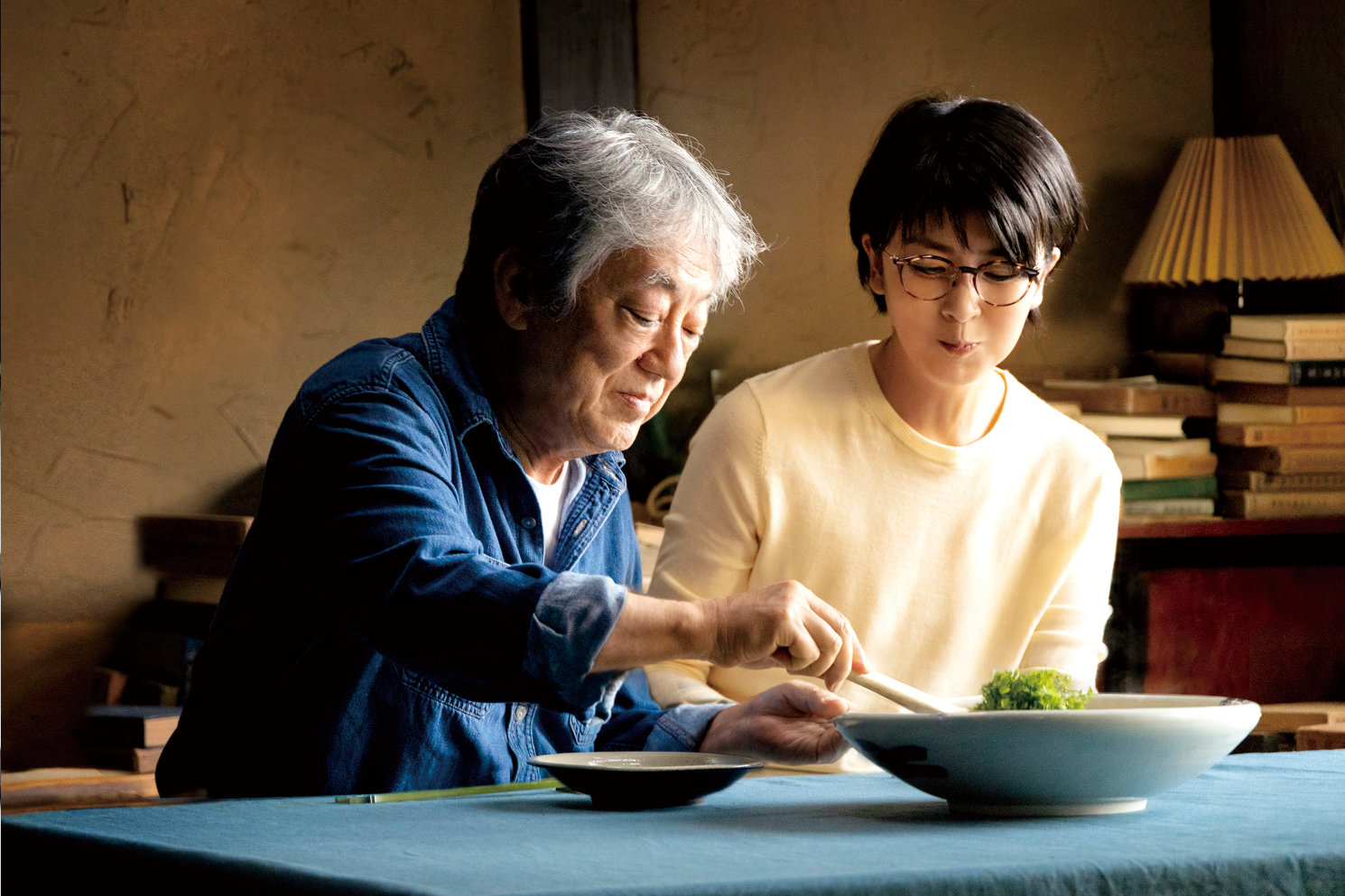
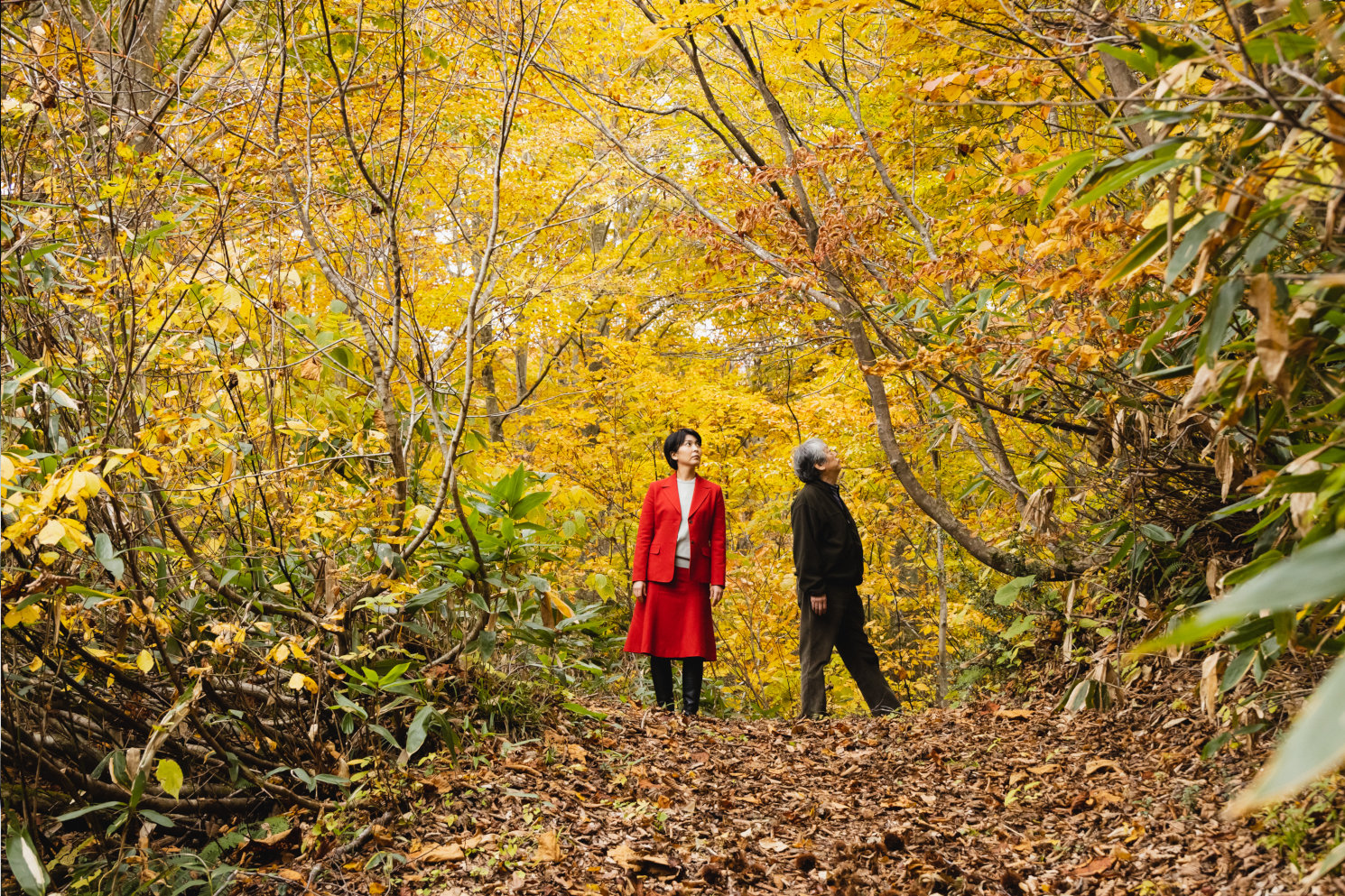
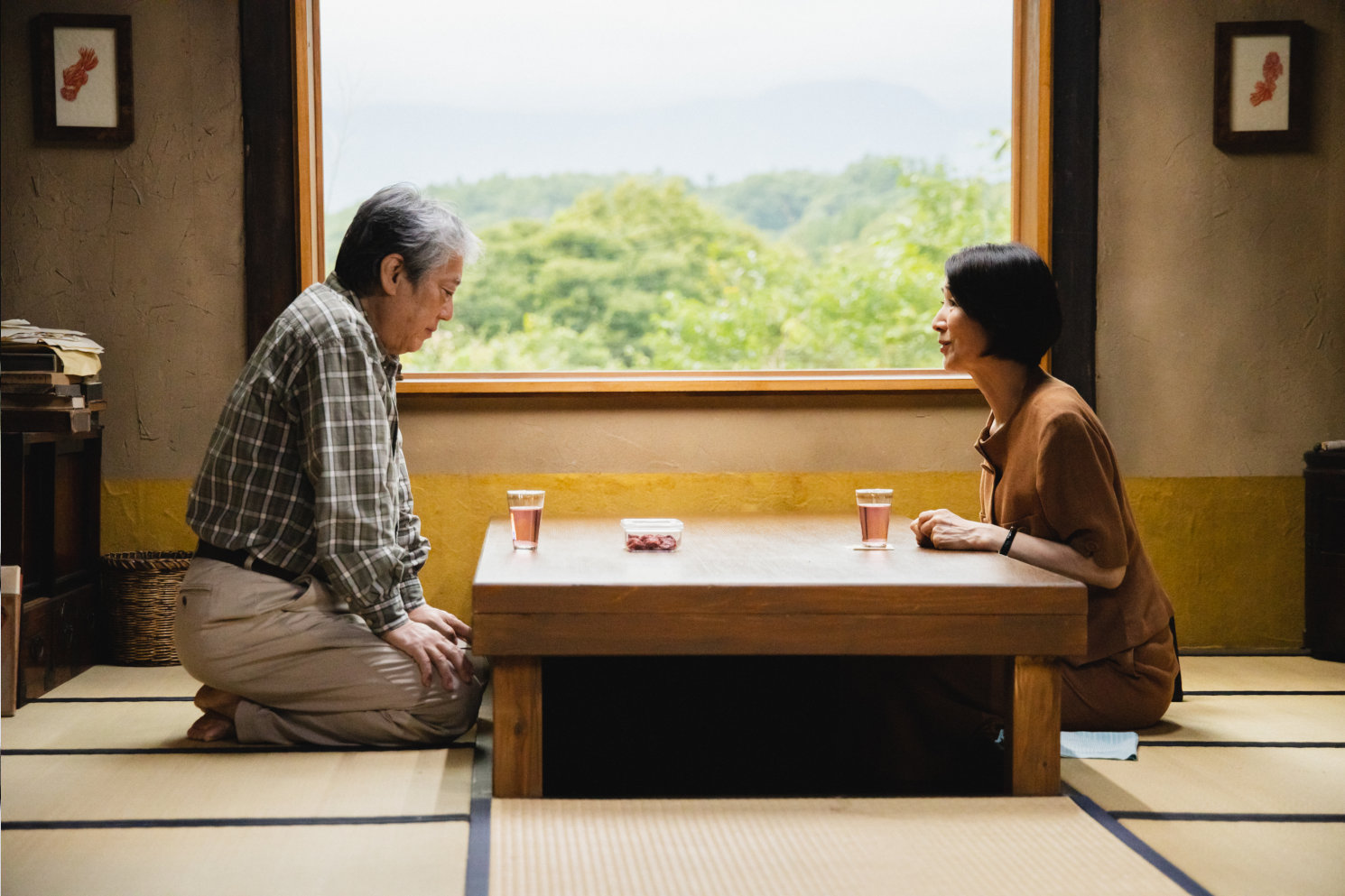
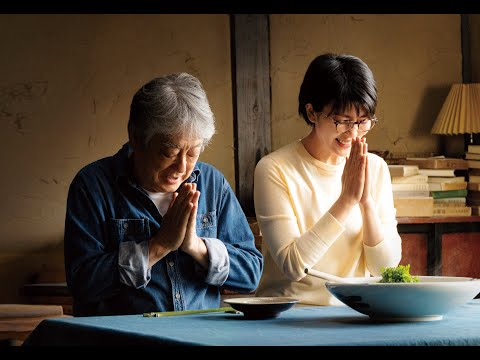
Tsutomu Mizukami war neun Jahre alt war, als ihn seine Eltern aus Armut in ein Zen-Kloster in Kyoto schickten. Mit 13 hatte er genug und rannte fort, nahm aber die ihm dort begonnene Liebe fürs Kochen mit. Er wurde Amateur-Bauer und Amateur-Koch, wie er sagt, – und Schriftsteller. Die Essensvorbereitung sei kein bloßer äußerer Ablauf, das Kochen nach Zen bestehe darin, das meiste aus den Lebensmitteln zu machen. Der Mönch ist dafür verantwortlich, das Feld mit der Küche zu verbinden, so die verfassten Lehren. Yuji Nakaes Film Das Zen Tagebuch folgt der autobiografischen Erzählung des Autors (der auch bekannt war für seine Krimis mit sozialen Themen), und verbindet diese mit Geschichten aus dem Leben des in den Bergen allein lebenden Protagonisten. Er nimmt sich Zeit, um von Einsamkeit, dem literarischen Schaffensprozess, den punktuellen, aber wichtigen Kontakten und über Ernährung zu erzählen. Tsutomu baut Gemüse an, sammelt Pilze, Adler- und Straußenfarne, Wassersellerie, Udo-Spargel, Kakis – alles, was die Natur hergibt: „du sollst das Gemüsefeld fragen, was du kochen sollst“ heißt eine der Zen-Regeln, die er befolgt. Seine gekochten, eingelegten, getrockneten Köstlichkeiten teilt er gerne mit anderen, besonders mit Machiko, seiner Lektorin. Sie kommt gelegentlich von Tokio hinauf in die Berge, um ihn an die Fertigstellung seines neuen Buches zu erinnern – und das Essen zu genießen. Und eines Tages muss unerwartet eine große Gesellschaft bekocht werden … Durch seine spielerische Komponente und faszinierende Einfachheit ist Das Zen Tagebuch fast eine Komödie über Zen im Alltag, nimmt aber dabei seine Hauptfigur, den Schriftsteller, sehr ernst. Die Verantwortung und Achtung gegenüber den Dingen. die wir zum Leben brauchen, stehen in Verbindung mit der Gelassenheit gegenüber den Herausforderungen angesichts des immer bevorstehenden Todes. Ein abgeschiedener Ort in den Bergen ist wahrscheinlich ein guter Ausgangspunkt, um so zu leben. Es kann aber auch einem:er gewöhnlichen Städter:in nicht schaden, sich dem, ähnlich wie Machiko, gelegentlich anzunähern.
Michael Meyns | programmkino.de
Credits:
Tsuchi o kurau jûnika getsu JP 2022, 111 Min., japan. OmU Regie: Yûji Nakae Kamera: Hirotaka Matsune Schnitt: Ryuji Miyajima Buch: Yûji Nakae nach der Erzählung „Tsuchi wo Kurau Hibi – 12 Monate von der Erde essen” von Mizukami Tsutomu mit: Kenji Sawada, Takako Matsu, Fumi Dan, Naomi Nishida, Toshinori Omi, Koihachi Takigawa
Vom 06.–13.09.2023 findet dieses Jahr das größte polnische Filmfestival außerhalb Polens statt (mehr, Katalog). Im fsk zeigen wir alle sieben Wettbewerbsbeiträge und zwei Specials:
Vom 06.–13.09.2023 findet dieses Jahr das größte polnische Filmfestival außerhalb Polens statt (mehr). Im fsk zeigen wir alle sieben Wettbewerbsbeiträge und zwei Specials: So erzählt Damian Kocurs mit Laiendarstellerinnen besetztes Drama CHLEB I SÓL / BROTUNDSALZ im 4:3‑Format vom Klavierstudenten Tymoteusz, der in seine altes abgehängtes Provinzstädtchen zurückkehrt, wo Alkohol, Aggression und Ressentiments gegen alles Fremde auf der Tagesordnung stehen – und von der Eskalation, die daraus folgen muss. (13.9. / 20:00 Tickets) Ebenfalls in einer Stadt ohne Perspektiven angesiedelt ist der Dokumentarfilm LOMBARD / DASPFANDHAUS von Łukasz Kowalski, der bei DOK Leipzig 2022 den Doc Alliance Award gewann. Die dokumentarische Studie ist ein intimer Blick hinter die Kulissen eines Pfandhauses in Bytom, das nicht nur von den Schicksalen der Käuferinnen und Betreiberinnen, sondern den prekären Lebensentwürfen vieler Menschen in strukturell schwachen Gegenden zu berichten weiß. (9.9. / 20:00 GAST: Łukasz KowalskiTickets) DASPFANDHAUS ist nicht der einzige dokumentarische Beitrag im Wettbewerb. Als zweites Roadmovie im filmPOLSKA-Programm widmet sich BÓG I WOJOWNICYLUNAPARKÓW / GOD&LUNAPARKWARRIORS wieder einer Familienkonstellation, diesesmal aus Vater und Sohn. Der atheistische Schriftsteller Andrzej Rodan und sein Sohn Paweł, ein tief gläubiger Christ mit entsprechenden Karriereabsichten, liegen in ihren Ansichten grundsätzlich über Kreuz und machen sich auf den Weg, den herzkranken Vater zu retten. Geistig-geistlich versteht sich, denn es handelt sich um den verzweifelten Versuch einer Evangelisation. (11.9. / 20:00 GAST: Bartłomiej Żmuda Tickets) Mit THESILENTTWINS von Agnieszka Smoczyńska ist auch ein international von der Kritik gefeierter Beitrag im Programm. Smoczyńskas zwischen Drama und Thriller changierender erster fremdsprachiger Film feierte in Cannes 2022 seine Premiere und basiert auf realen Ereignissen: Das barbadische Zwillingspaar June und Jennifer Gibbons wächst in den 70er-Jahren in der xenophoben walisischen Provinz auf und beschließt irgendwann, mit niemandem mehr zu sprechen. (7.9. / 20:00GAST: Agnieszka Smoczyńska Tickets) Ergänzend dazu steuert Dorota Lamparska mit PRZEJŚCIE/ THEPASSAGEeinen dezidierten Arthouse-Film bei, in dem die Themen Vergänglichkeit und Tod anhand einer kaputten Brücke ins Jenseits und dem Schicksal der zwischen Leben und Tod herumirrenden Protagonistin Maria mit ironischem Unterton verhandelt werden. (12.9. / 20:00 GAST: Dorota Lamparska Tickets) Zwei Filme beleuchten Machtverhältnisse und Manipulation. In Grzegorz Mołdas Kammerspiel MATECZNIK / THEHATCHER muss sich der junge Strafgefangene Karol mit elektronischer Fußfessel den bisweilen sadistisch anmutenden Resozialisierungsmethoden seiner Betreuerin Marta fügen. (10.9. / 20:00TicketsGAST: Grzegorz Mołda) Im Mittelpunkt von Tomasz Habowskis Schwarz-Weiß-Film PIOSENKI O MIŁOŚCI / LIEBESLIEDER steht hingegen die Musik zwischen Karriere und zweckbefreiter Leidenschaft: Hier prallen die Welten des hochambitionierten, wohlsituiert aufgewachsenen Komponisten Robert und der als Kellnerin arbeitenden, „heimlichen“ Sängerin Alicja unerbittlich aufeinander, mit schwer wiegenden Konsequenzen. Der Film ist prominent besetzt: Die Rolle der Alicja spielt Justyna Święs, Sängerin des erfolgreichen Pop-Duos The Dumplings. (8.9. / 20:00 GAST: Tomasz Habowski Tickets) Die Specials: CICHAZIEMIA | Stilles Landvon Aga Woszczyńska beobachtet ein polnischen Ehepaar beim Versuch, einen entspannten Urlaub an der Küste Sardiniens zu verbringen. (10.9. / 15:00 Tickets) In KOBIETANADACHU / Woman On The Roofvon Anna Jadowska verzeifel die Ärztin Mira kurz vor der Rente an drückenden Schulden. (9.9. / 15:00GAST: Anna Jadowska Tickets) * = mit Gast
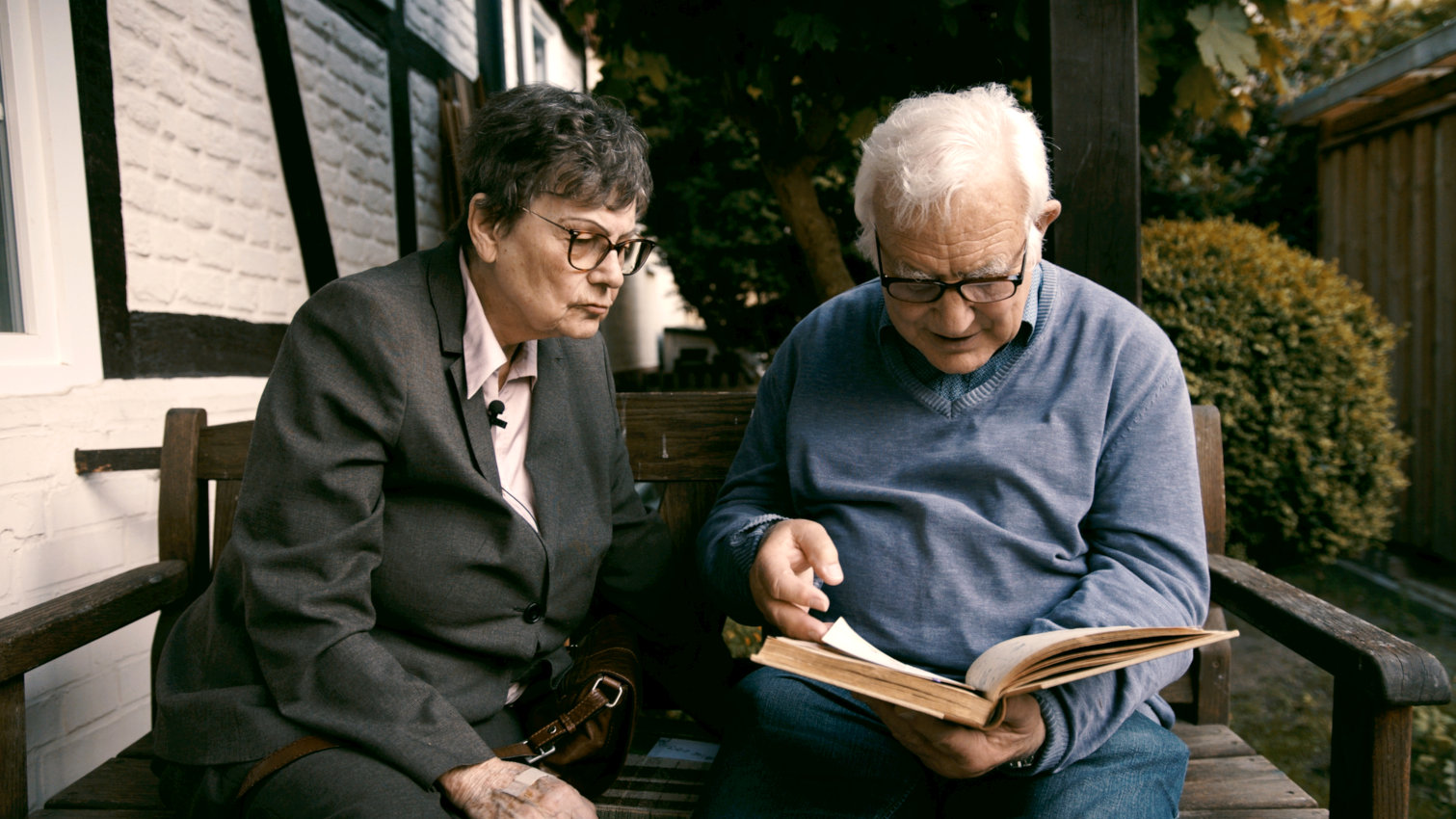
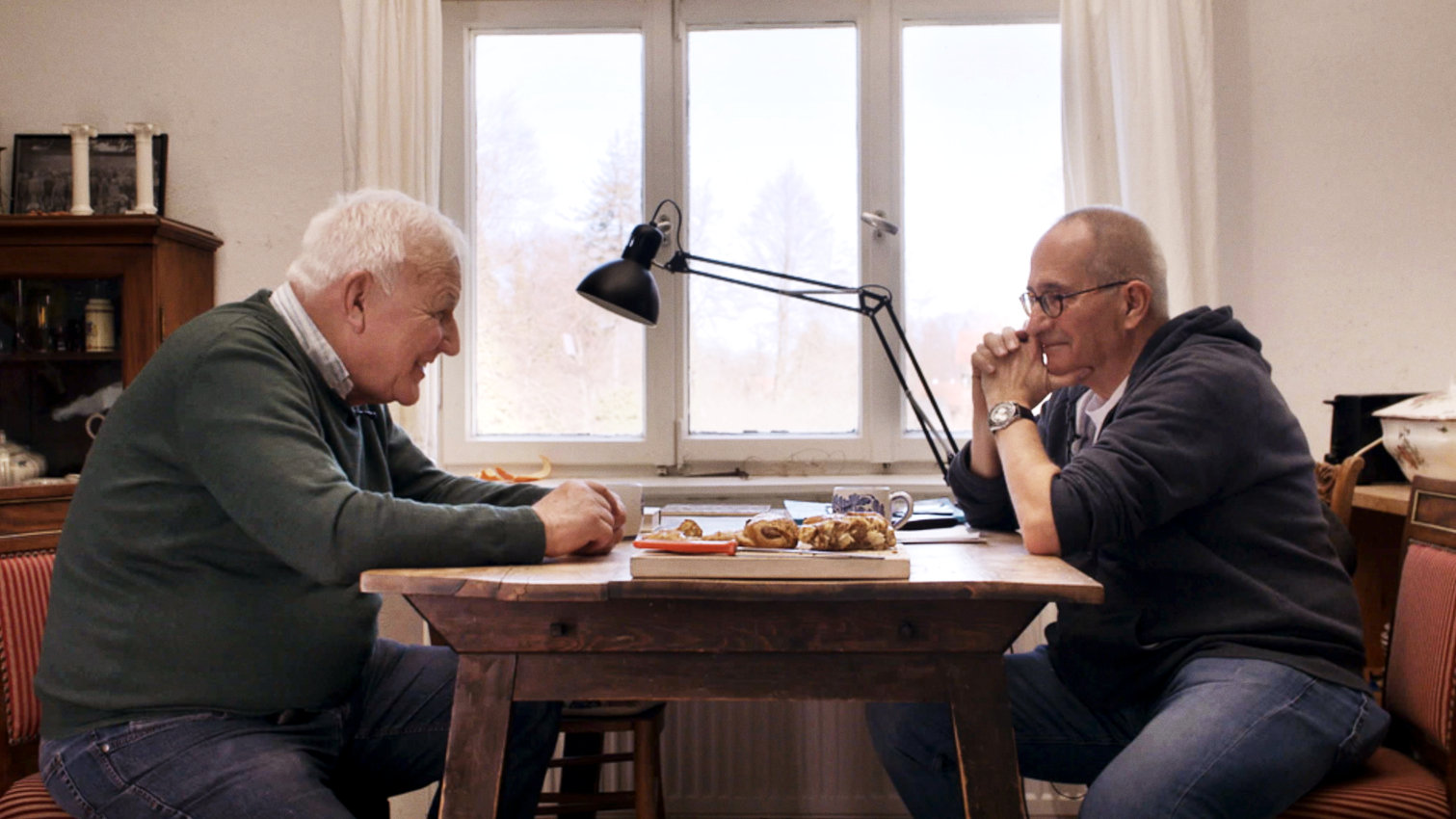
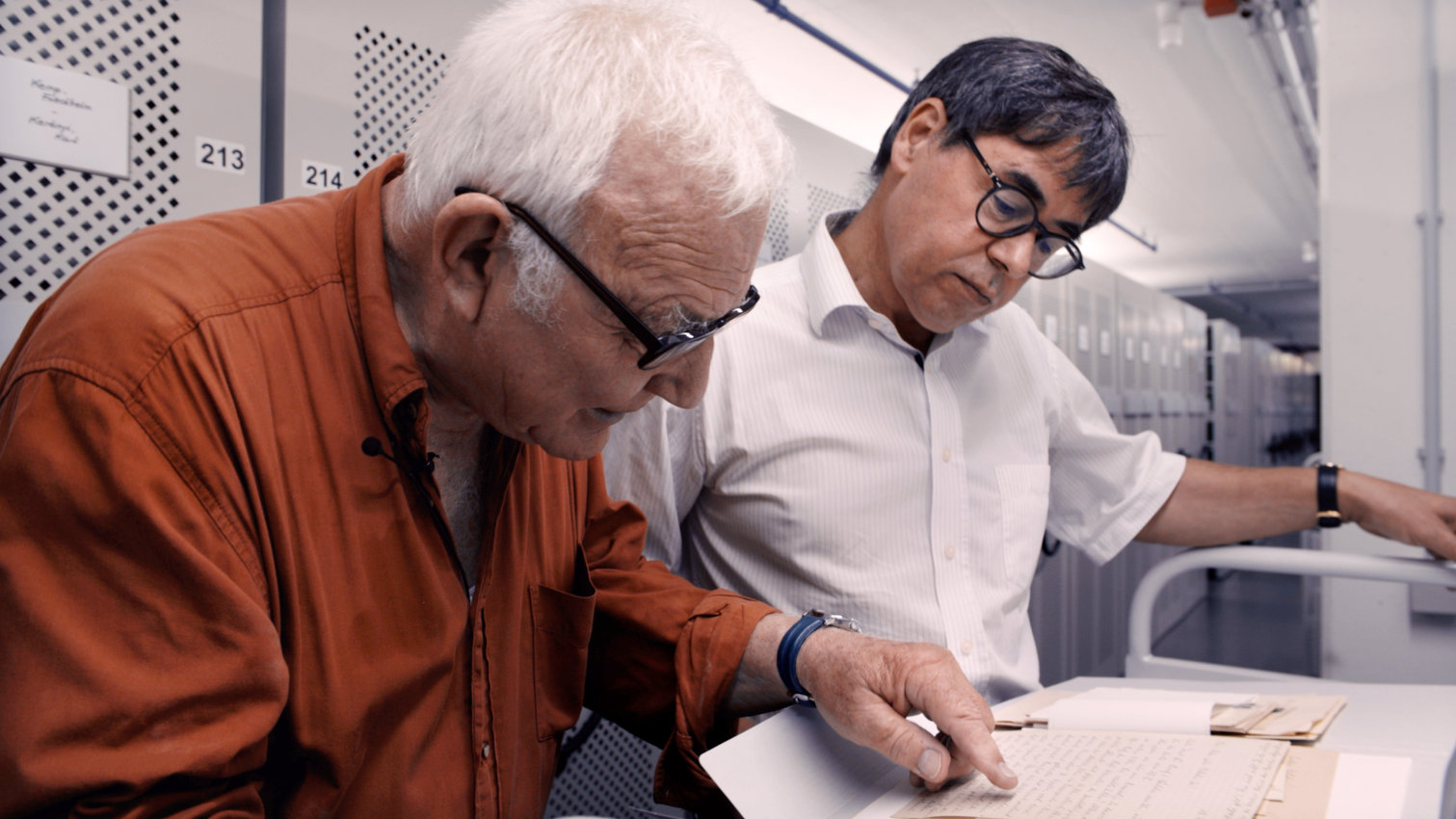
Der Schriftsteller Anatole Reignier folgt in seinem Buch Jeder schreibt für sich allein den Schicksalen und Entscheidungen von über 60 Kolleg:innen von 1933 bis 1945 in Deutschland. Für ihren gleichnamigen Film suchten sich Dominik Graf und Felix von Böhm einige, meist bekanntere Persönlichkeiten heraus, die für die unterschiedlichen Strategien stehen, mit dem totalitären System umzugehen. Innere Emigration ist ein Begriff, der gerne verwendet wird, wenn es z.B. um Hans Fallada oder Frank Thiess geht, andere, wie Thomas Mann, emigrierten tatsächlich. Gottfried Benn folgte begeistert der „neuen Zeit“, es wurde offen oder heimlich (Erich Kästner) paktiert, profitiert, oder sich versteckt. „Sie haben sich alle gewunden und durchgewurschtelt in verschiedenen Graustufen von Abhängigkeit und Distanzierung.” so Graf. Jochen Klepper sah 1942 allerdings keinen anderen Ausweg mehr als den Suizid. Lässt sich Kunst von den Personen trennen, die sie erschaffen haben? Die große Interesse der Regisseure für das hochspannende Thema überträgt sich beim Schauen. Auch der Rückblick heutiger Autor:innen und Kunstschaffenden bietet Erhellendes, arbeitet der Film schließlich gegen die Selbstgerechtigkeit der Spätgeborenen und möchte die bei überall vorhandenen Ambivalenzen ansprechen. Ob das Beispiel der RAF für das Weiterleben einer systemischen Empathielosigkeit nicht unbewusst einer Relativierung der vor nicht allzu langer Zeit als Singularität angesehenen Naziverbrechen Vorschub leistet, und ob die kurz eingesprochene These, dass der Faschismus einer virulenten Krankheit ähnelt, einer anthropologischen Konstante sozusagen, nicht allzu psychologisch und unpolitisch daherkommt, wie es das Ende nahelegt, sei dahingestellt. Aber darüber kann ja geredet werden. Gerade für Künstler:innen hat die Frage, die Gabriele von Arnim zu Beginn des Filmes stellt, nichts von ihrer Aktualität verloren, angesichts der vielen Möglichkeiten, korrumpiert, verführt oder in Furcht versetzt zu werden: „Wie sicher kann ein Mensch sich seiner selbst sein?“
(Filmgespräch mit Co-Autor Constantin Lieb am 3.9.)
Credits:
DE 2023, 169 Min., deutsche Fassung (engl. UT auf Nachfrage) Regie: Dominik Graf, Felix von Boehm Kamera: Florian Mag, Markus Schindler, Niclas Reed Middleton, Pierre Nativel, Sven Jakob-Engelmann Schnitt: Claudia Wolscht mit Anatol Regnier, Florian Illies, Géraldine Mercier, Albert von Schirnding, Christoph Stölzl, Henrike Stolze, Günter Rohrbach, Gabriele von Arnim, Julia Voss, Willy Kristen, Wendelin Neubert, Carlo Paulus, Simon Strauß, Clemens von Lucius, Lena Winter
Trailer:
Trailer JEDERSCHREIBTFÜRSICHALLEIN – ab 24. August 2023 im Kino
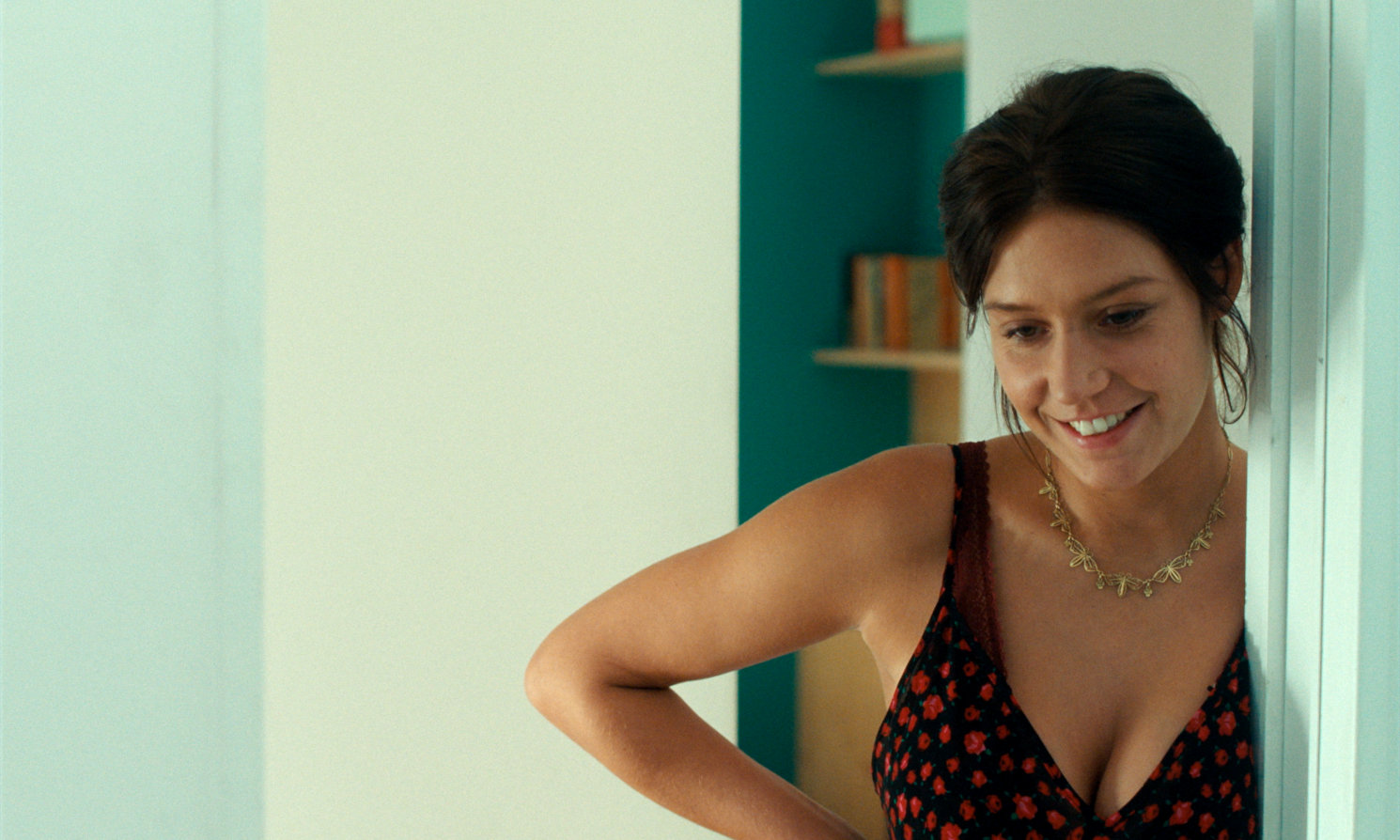
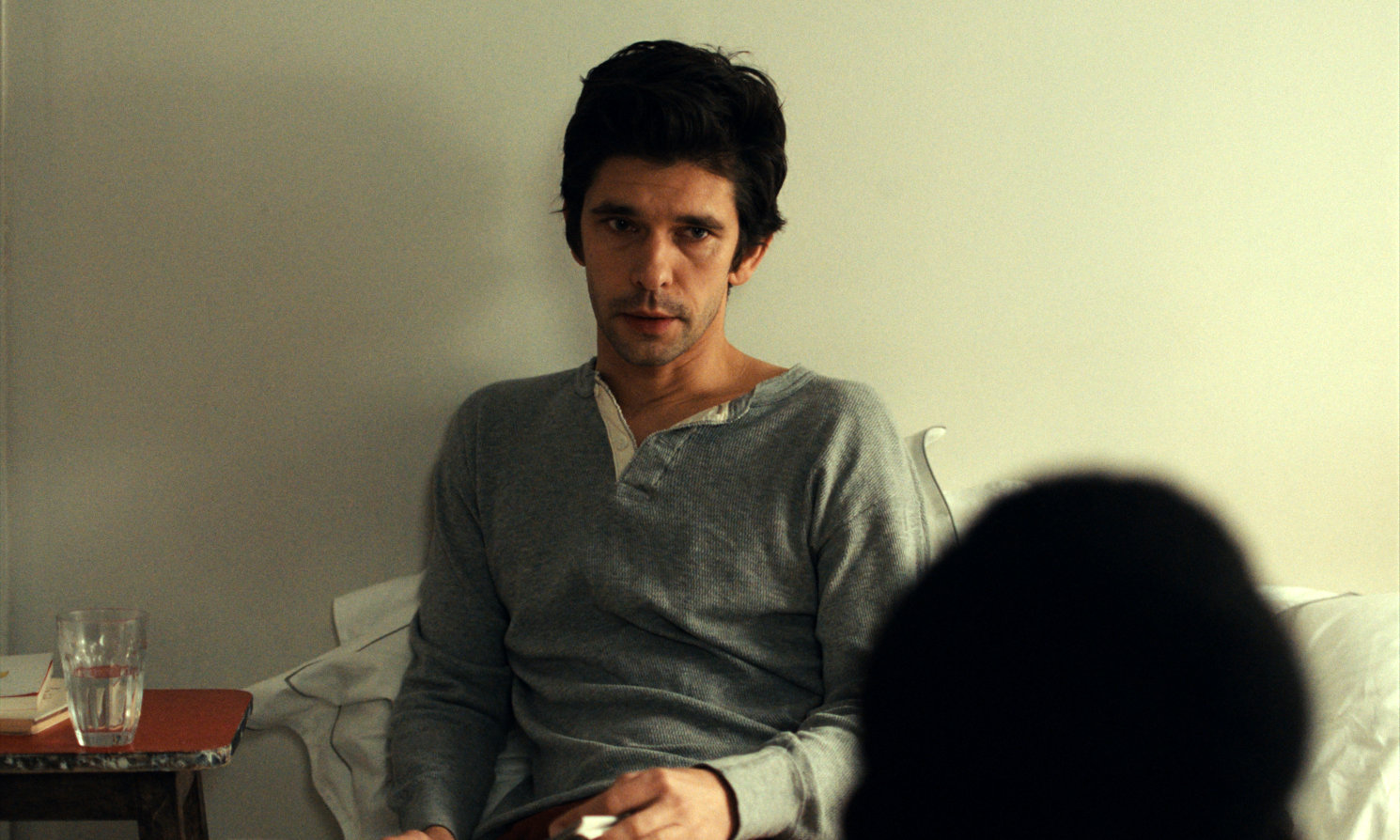
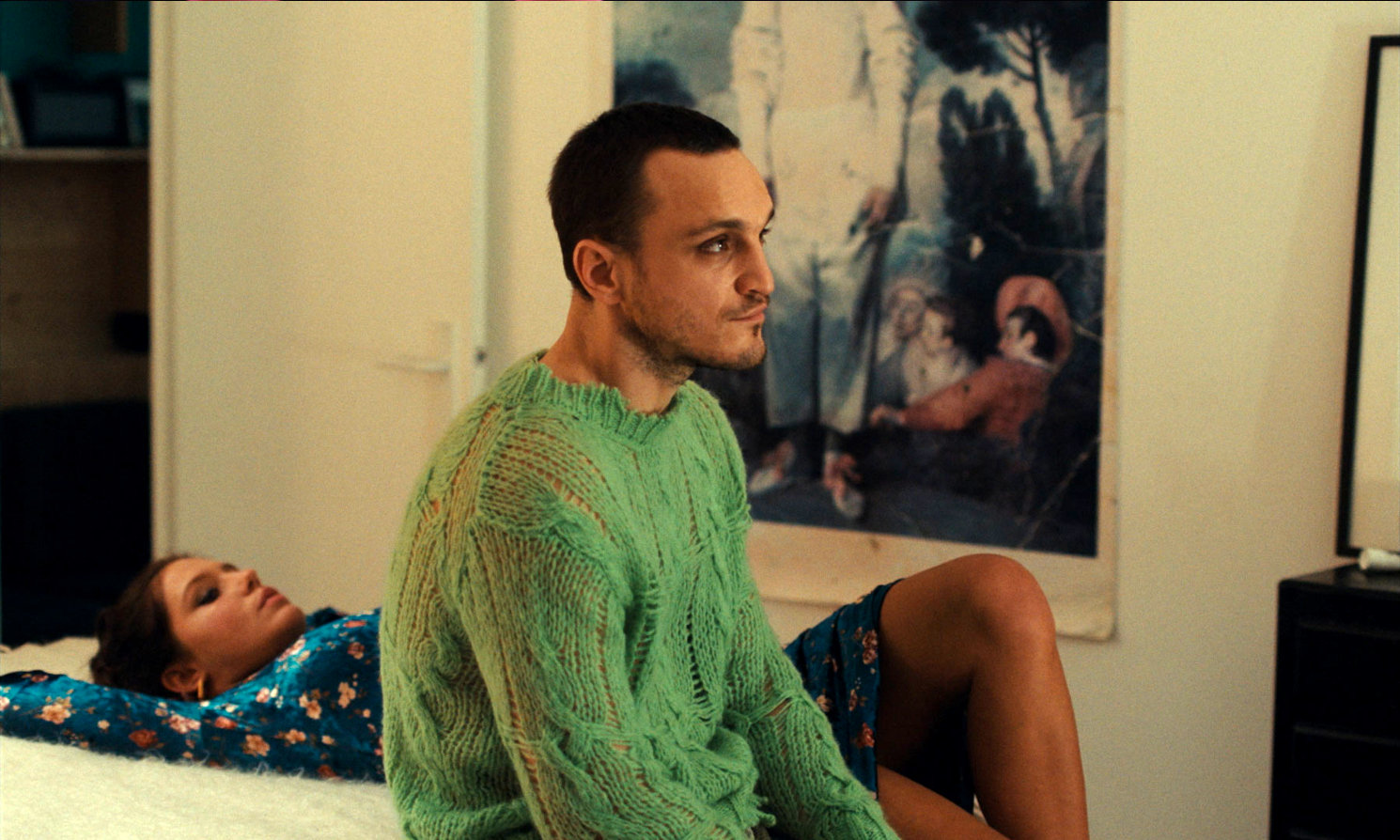
Ira Sachs (zuletzt mit Little menbei uns) hat Franz Rogowski eine perfekte Rolle auf den Leib geschneidert: Tomas ist Regisseur in Paris, hat einen Film beendet und gönnt sich nach der Phase intensiver Arbeit und Verantwortung die verdiente Freizeit, wechselt die Garderobe und läßt seine kindliche Seite glänzen. Unbedarft und mit viel Sinn für Grenzüberschreitungen nimmt er Fahrt auf und verlangt immer mehr Freiheiten. Auf die Ehe mit Martin, der Tomas viel Geduld schenkt, fällt langsam ein Schatten, der immer länger wird, denn Tomas fängt ein Verhältnis mit Agathe an, fasziniert von sich selbst, gelingt ihm doch mühelos, sich auch in eine Frau zu verlieben. Die Ménage-à-trois nimmt also Fahrt auf, der Aufstieg zum Scherbenhaufen beginnt und Tomas wechselt wieder mal die Garderobe. „‘Ich hatte letzte Nacht Sex mit einer Frau’, sagt Tomas seinem Ehemann. Von einem Geständnis zu sprechen, würde der Sache nicht gerecht. Reue, gar Scham, empfindet Tomas gegenüber Martin nicht. Im Gegenteil, schon im nächsten Augenblick bittet er seinen Mann darum, ihm davon erzählen zu dürfen. Ohne eine Antwort abzuwarten, berichtet er von den berauschenden Gefühlen, die er schon so lange nicht mehr empfunden habe. Nüchtern betrachtet, offenbart das Drama seinen zentralen Protagonisten jäh als empathielosen Narzissten. Doch Ira Sachs, der ein besonderes Talent für das genaue Beobachten abseits professoraler Wertungen besitzt, neigt auch in dieser intimen Charakterstudie nicht zur Pathologisierung. Stattdessen versteht es Passages, den besonderen Bann, in den Tomas erst Martin und später auch Agathe – die augenscheinlich alles verändernde Frau – zieht, auf das Publikum auszuweiten.“ Arabella Wintermayr | taz
Credits:
FR 2023, 91 Min., Englisch, Französisch OmU Regie: Ira Sachs Kamera: Josée Deshaies Schnitt: Sophie Reine mit Franz Rogowski, Ben Whishaw, Adèle Exarchopoulos
Wir verwenden Cookies, um unsere Website und unseren Service zu optimieren.
Funktionale Cookies
Immer aktiv
Die technische Speicherung oder der Zugang ist unbedingt erforderlich für den rechtmäßigen Zweck, die Nutzung eines bestimmten Dienstes zu ermöglichen, der vom Teilnehmer oder Nutzer ausdrücklich gewünscht wird, oder für den alleinigen Zweck, die Übertragung einer Nachricht über ein elektronisches Kommunikationsnetz durchzuführen.
Vorlieben
Die technische Speicherung oder der Zugriff ist für den rechtmäßigen Zweck der Speicherung von Präferenzen erforderlich, die nicht vom Abonnenten oder Benutzer angefordert wurden.
Statistiken
Die technische Speicherung oder der Zugriff, der ausschließlich zu statistischen Zwecken erfolgt.Die technische Speicherung oder der Zugriff, der ausschließlich zu anonymen statistischen Zwecken verwendet wird. Ohne eine Vorladung, die freiwillige Zustimmung deines Internetdienstanbieters oder zusätzliche Aufzeichnungen von Dritten können die zu diesem Zweck gespeicherten oder abgerufenen Informationen allein in der Regel nicht dazu verwendet werden, dich zu identifizieren.
Marketing
Die technische Speicherung oder der Zugriff ist erforderlich, um Nutzerprofile zu erstellen, um Werbung zu versenden oder um den Nutzer auf einer Website oder über mehrere Websites hinweg zu ähnlichen Marketingzwecken zu verfolgen.