Blog

  • Meine Tochter – Figlia Mia

    Meine Tochter – Figlia Mia

    A film by Laura Bispuri. In ita­li­an with ger­man subtitles.

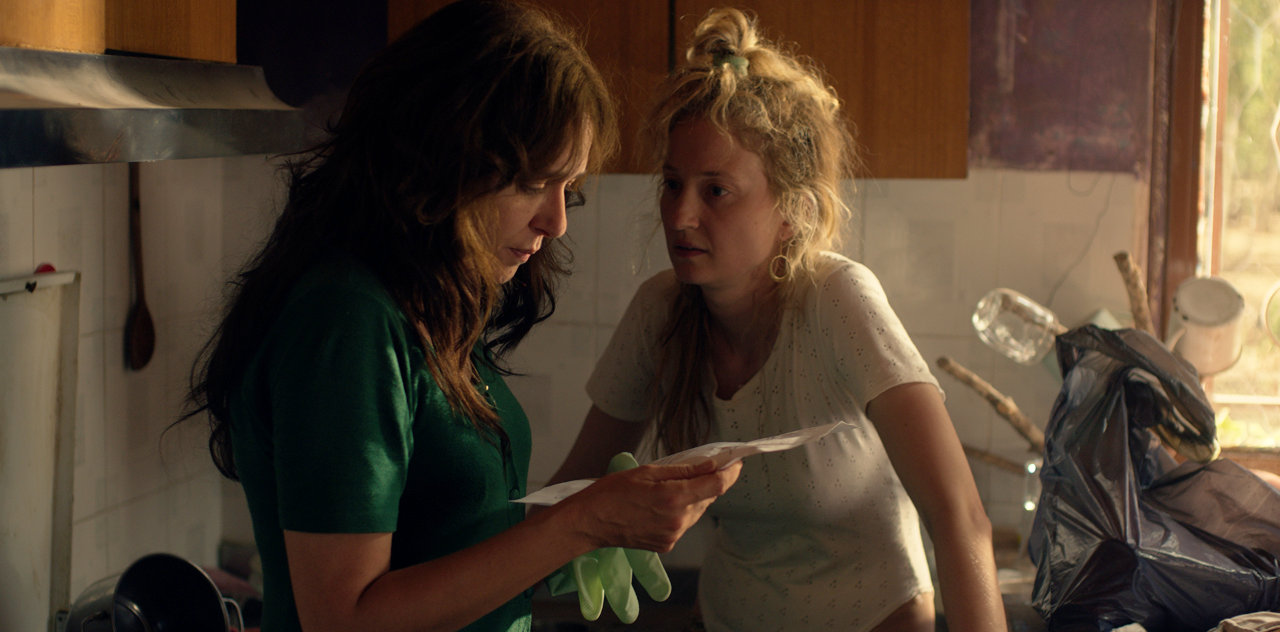
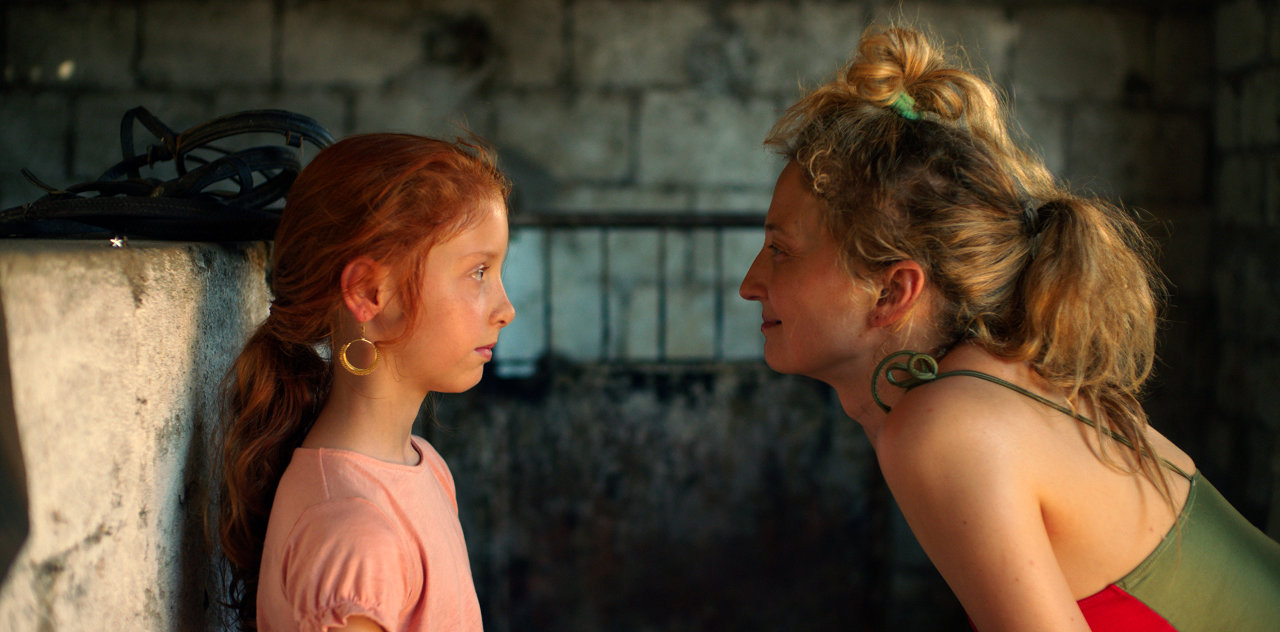
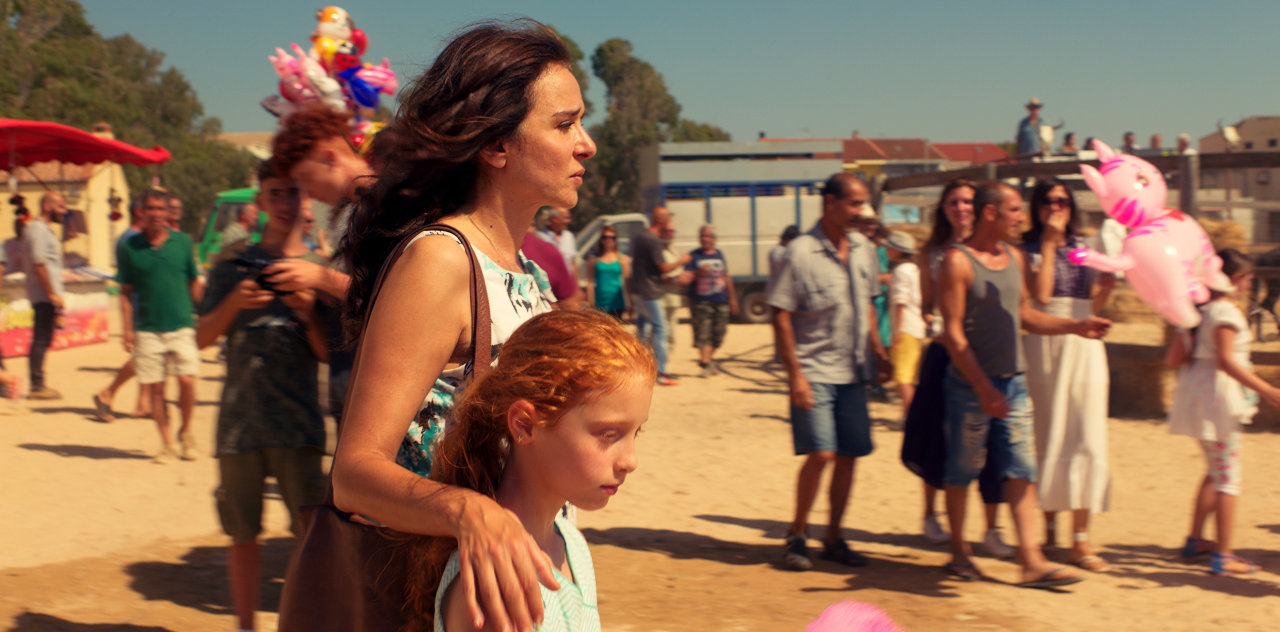
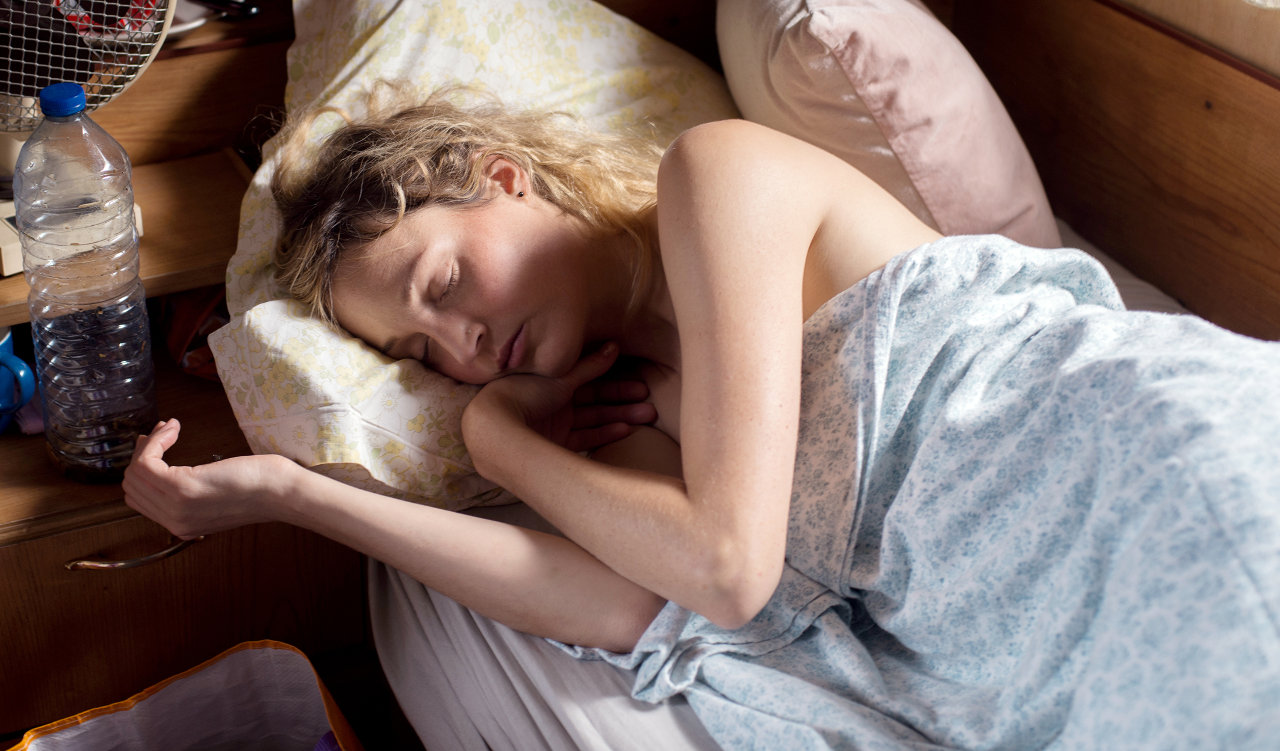
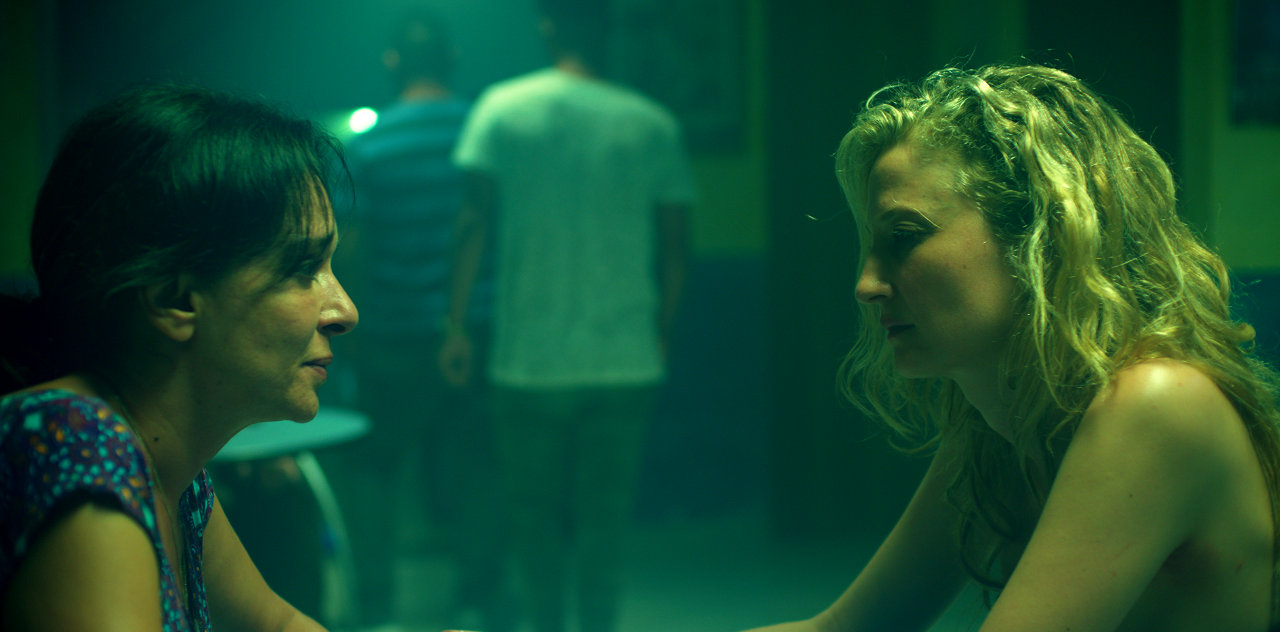
    Ten-year-old Vittoria is gro­wing up in a Sardinian vil­la­ge untouch­ed by tou­rism. One day at a rodeo she meets the impe­tuous Angelica, who is com­ple­te­ly dif­fe­rent to her own caring mother Tina. Vittoria does not suspect that the two women are con­nec­ted by a secret. Tina has been visi­ting Angelica for a long time on the run-down farm whe­re Angelica lives a hap­py-go-lucky life with some old hor­ses and a faithful dog. Tina is not at all hap­py about Angelica and her daugh­ter Vittoria get­ting to know each other. In debt, Angelica deci­des to move to the main­land. Relieved, Tina offers her finan­cial sup­port, but she can­not pre­vent fur­ther encoun­ters bet­ween the two. Captivated by this fearless, inde­pen­dent woman, Vittoria beg­ins redis­co­ve­ring the island with her.
    As in her direc­ting debut, Vergine giura­ta, Laura Bispuri once again fol­lows her prot­ago­nist as she encoun­ters, imi­ta­tes and ques­ti­ons seve­ral role models until she gra­du­al­ly dis­co­vers who she is. The warm light of a Sardinian sum­mer accom­pa­nies Vittoria on her tur­bu­lent journey.
    Berlinale 2018: Compwetition


    Credits:
    Italien / Deutschland / Schweiz 2018, 100 Min., ital. OmU
    Regie: Laura Bispuri
    Buch: Francesca Manieri, Laura Bispuri
    Kamera: Vladan Radovic
    Schnitt: Carlotta Cristiani
    mit:
    Valeria Golino (Tina)
    Alba Rohrwacher (Angelica)
    Sara Casu (Vittoria)
    Udo Kier (Bruno)
    Michele Carboni (Umberto)

     
    Termine:
    • noch kei­ne oder kei­ne mehr 


  • Augenblicke: Gesichter einer Reise

    Augenblicke: Gesichter einer Reise

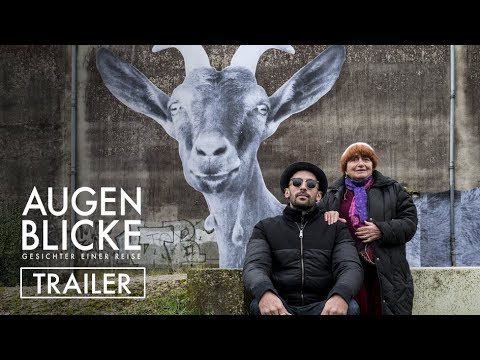
    A Film by Agnes Varda and JR.  In french with ger­man subtitles.

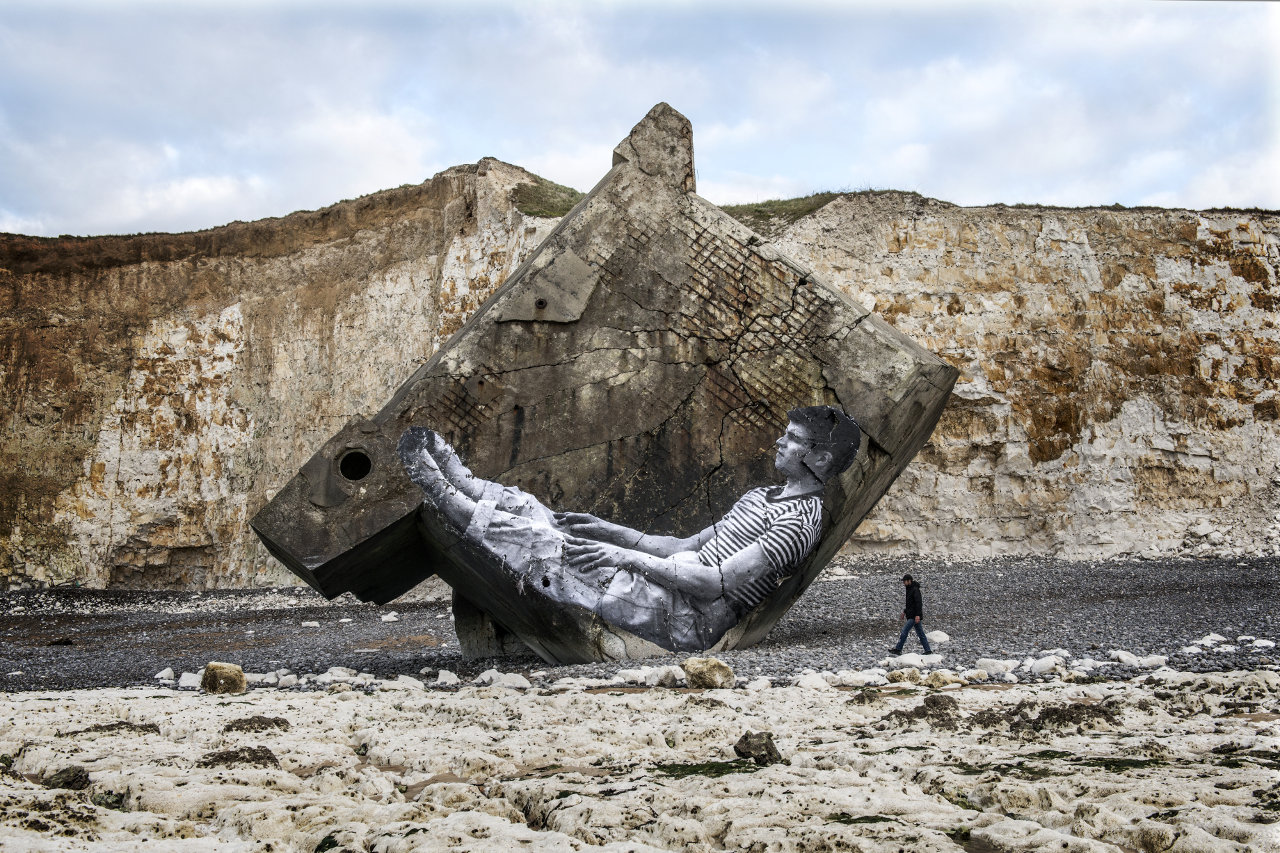
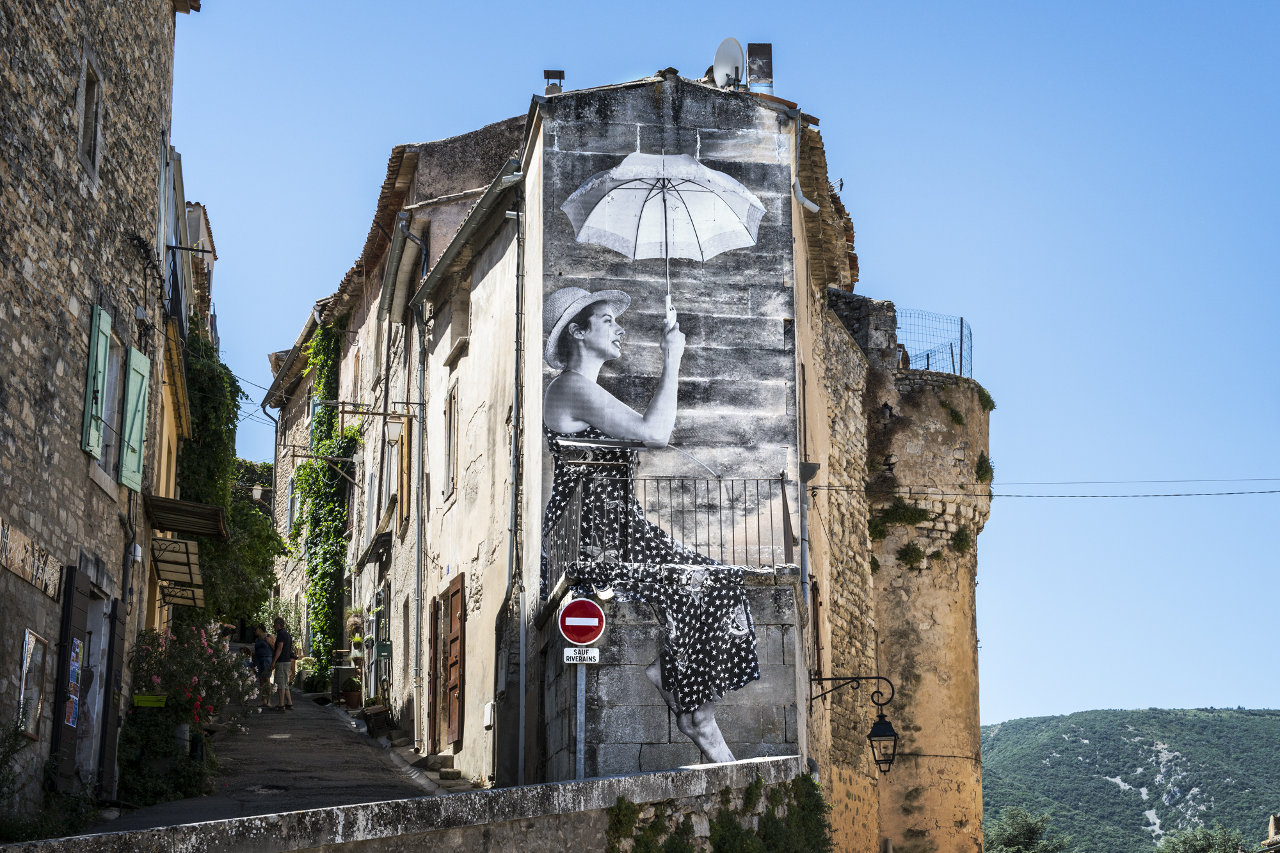
    Agnes Varda and JR have things in com­mon: their pas­si­on for images in gene­ral and more par­ti­cu­lar­ly ques­ti­on­ning the places whe­re they are show­ed, how they are shared, exposed.
    Agnès cho­se cinema.
    JR cho­se to crea­te open-air pho­to­gra­phic galleries.
    When Agnès and JR met in 2015, they imme­dia­te­ly wan­ted to work tog­e­ther, shoot a film in France, far from the cities.
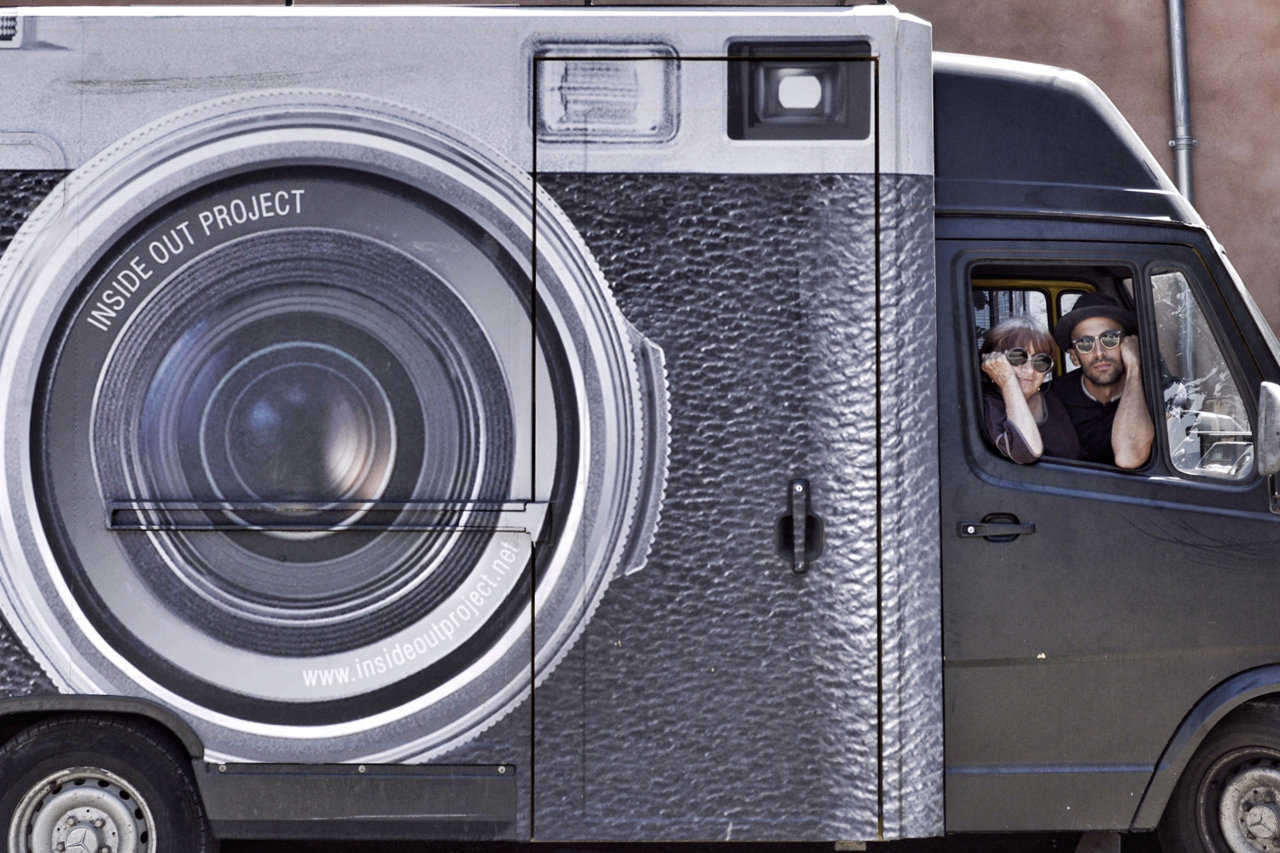
    Random encoun­ters or pre­pared pro­jects, they will go towards the others and get them to fol­low them on their trip with JR’s pho­to­gra­phic truck.
    The film is also about their fri­end­ship that grows during the shoo­ting, bet­ween sur­pri­ses and mali­ce, laug­hing of their differences.


    Credits:
    OT: Visages villages
    Frankreich 2017, 89 Min., frz. OmU
    Regie & Buch: JR, Agnès Varda
    Kamera: Claire Duguet (Bonnieux, Reillanne, Usine), Nicolas Guicheteau (Paris, Usine, le Nord), Valentin Vignet (BnF, côte Normande), Romain Le Bonniec (Vexin, Le Havre, Pirou), Raphael Minnesota (Musée du Louvre), Roberto De Angelis (Cuisine, Suisse), Julia Fabr
    Schnitt: Agnès Varda, Maxime Pozzi-Garcia
    Musik: Matthieu Chedid aka ‑M-
    Mitwirkende: JR, Agnès Varda, Jean-Paul Beaujon, Amaury Bossy, Yves Boulen, Jeannine Carpentier, Marie Douvet, Jean-Luc Godard

    Termine:

    • noch kei­ne oder kei­ne mehr 


    AUGENBLICKE: Gesichter einer Reise | Offizieller Trailer Deutsch HD
  • The Cleaners (OmU)

    The Cleaners (OmU)

    A film by Hans Block & Moritz Riesewieck. 

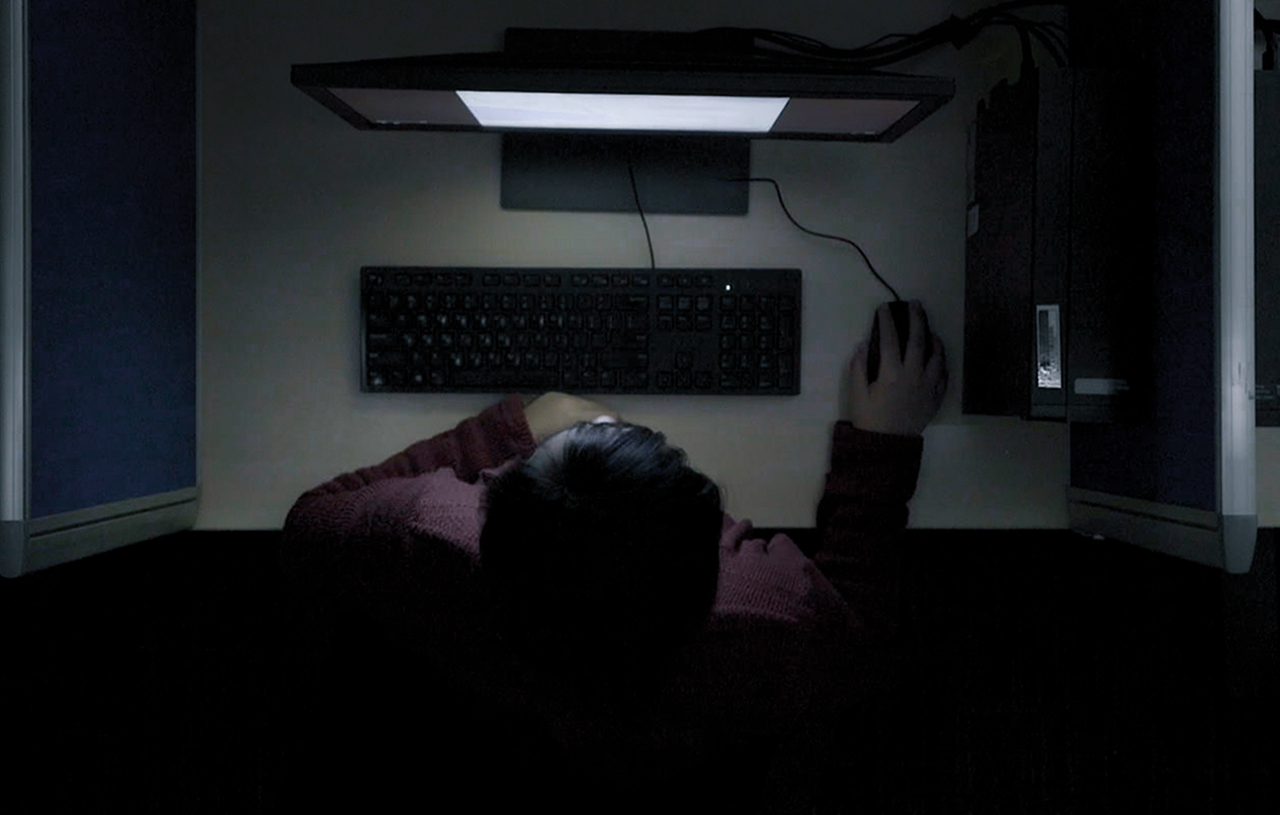
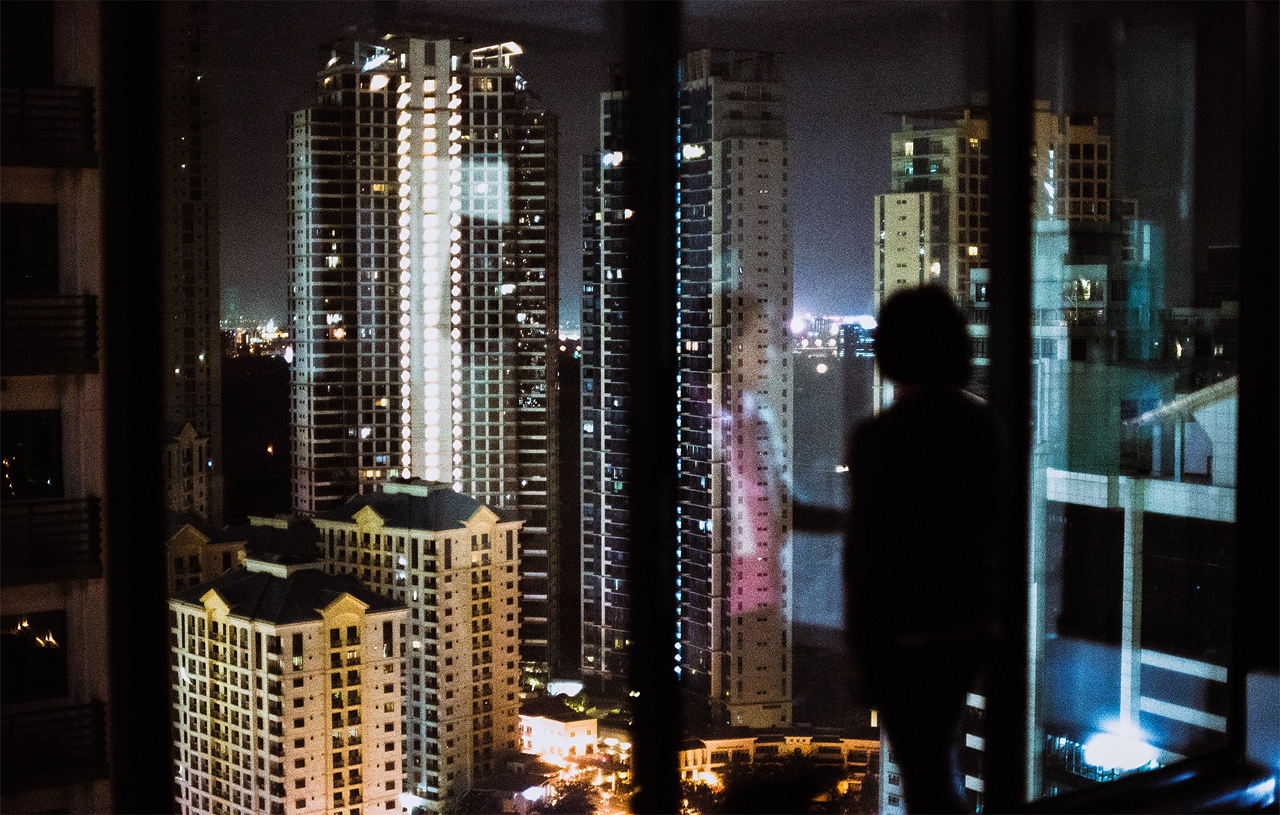
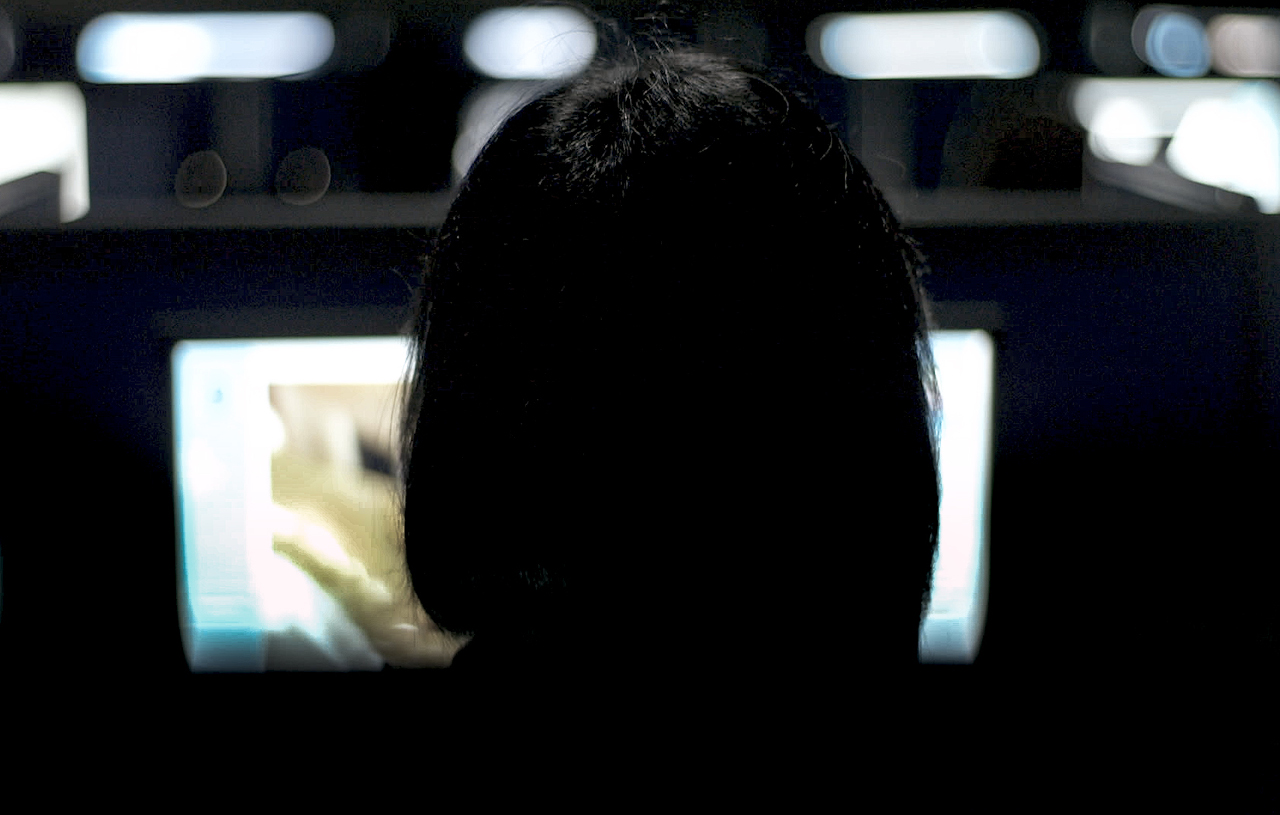
    Dive into a secret, third-world shadow indus­try of online con­tent mode­ra­ti­on. Here we meet five “digi­tal sca­ven­gers,” a handful of thou­sands of peo­p­le out­sour­ced from Silicon Valley who­se job is to dele­te “inap­pro­pria­te” con­tent off of the inter­net. In a par­al­lel strugg­le, we meet peo­p­le around the glo­be who­se lives are dra­ma­ti­cal­ly affec­ted by online cen­sor­ship. A typi­cal “clea­ner” must obser­ve and rate thou­sands of inten­se images every day, from war zone pho­to­gra­phy to por­no­gra­phy, lea­ding to las­ting psy­cho­lo­gi­cal impacts. Yet under­neath their work lies pro­found ques­ti­ons around what makes an image art or pro­pa­gan­da and what defi­nes journalism.

    The Cleaners reve­als the bit­ter rea­li­ty that social media is as much a tool for expres­si­on as it is a plat­form for radi­cal­i­zed social and poli­ti­cal opi­ni­ons, the impacts of which are still unknown. Debut direc­tors Hans Block and Moritz Riesewieck unpack an urgent con­ver­sa­ti­on sur­roun­ding Silicon Valley’s con­trol over our per­cep­ti­on of free speech that we must all grapp­le with as it threa­tens to unra­vel the fabric of our socie­ty: both online and IRL.


    Credits:
    D 2018, 88 Min. engl. OmU
    Regie: Hans Block, Moritz Riesewieck
    Kamera: Axel Schneppat, Max Preiss
    Schnitt: Philipp Gromov, Hansjörg Weissbrich, Markus CM Schmidt
    Musik: Paradox Paradise (John Gürtler, Jan Miserre, Lars Voges)

     
    Termine:
    • noch kei­ne oder kei­ne mehr 


    The Cleaners – Offizieller Trailer HD
  • Wunder der Wirklichkeit

    Wunder der Wirklichkeit

    Ein Film von Thomas Frickel.

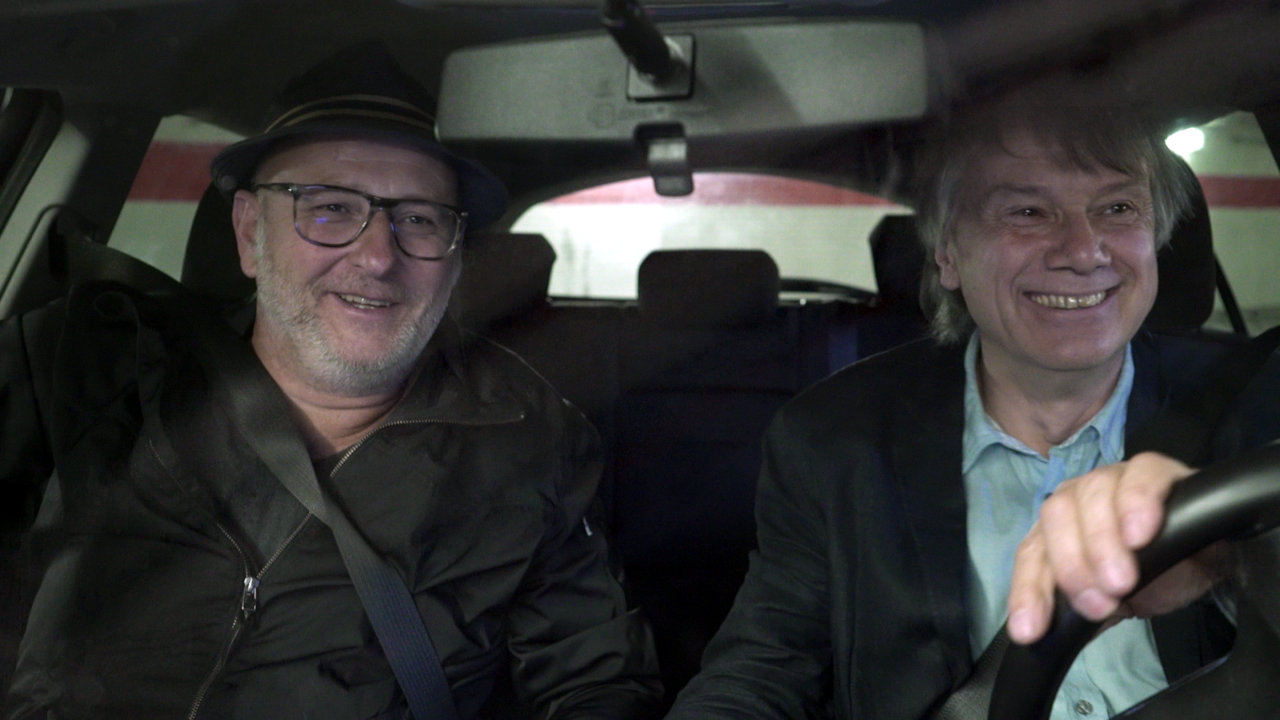
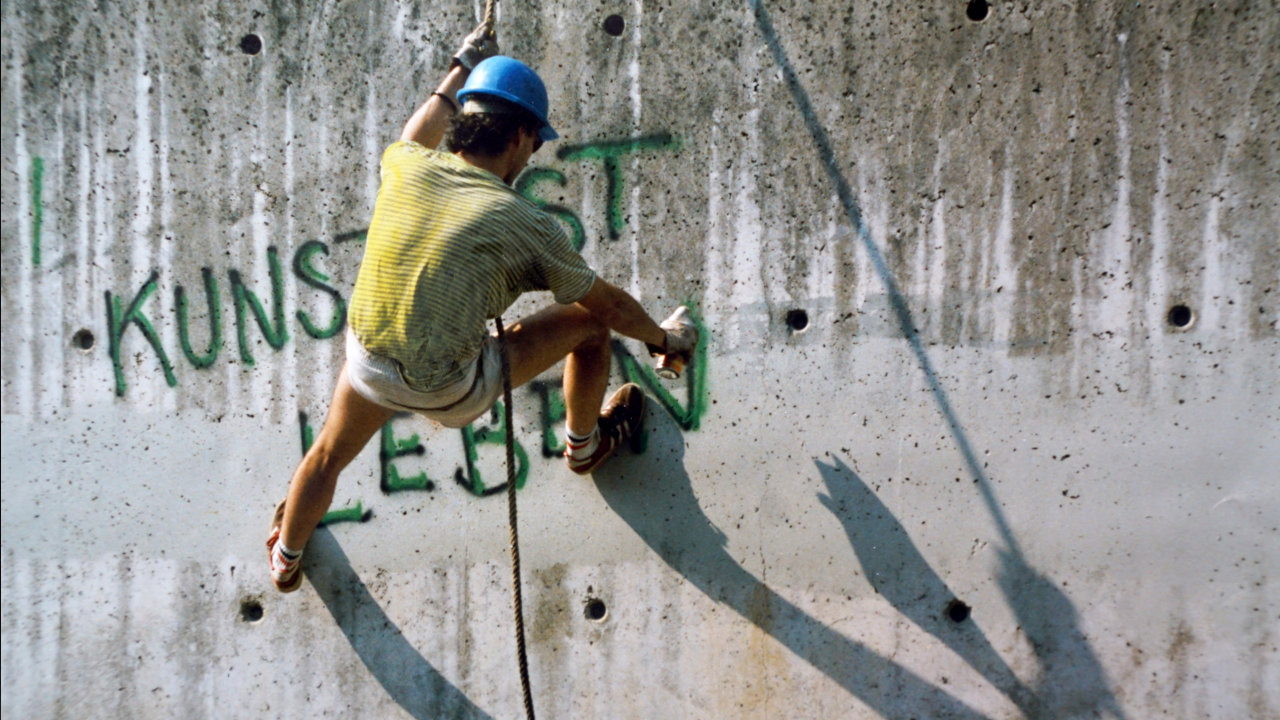
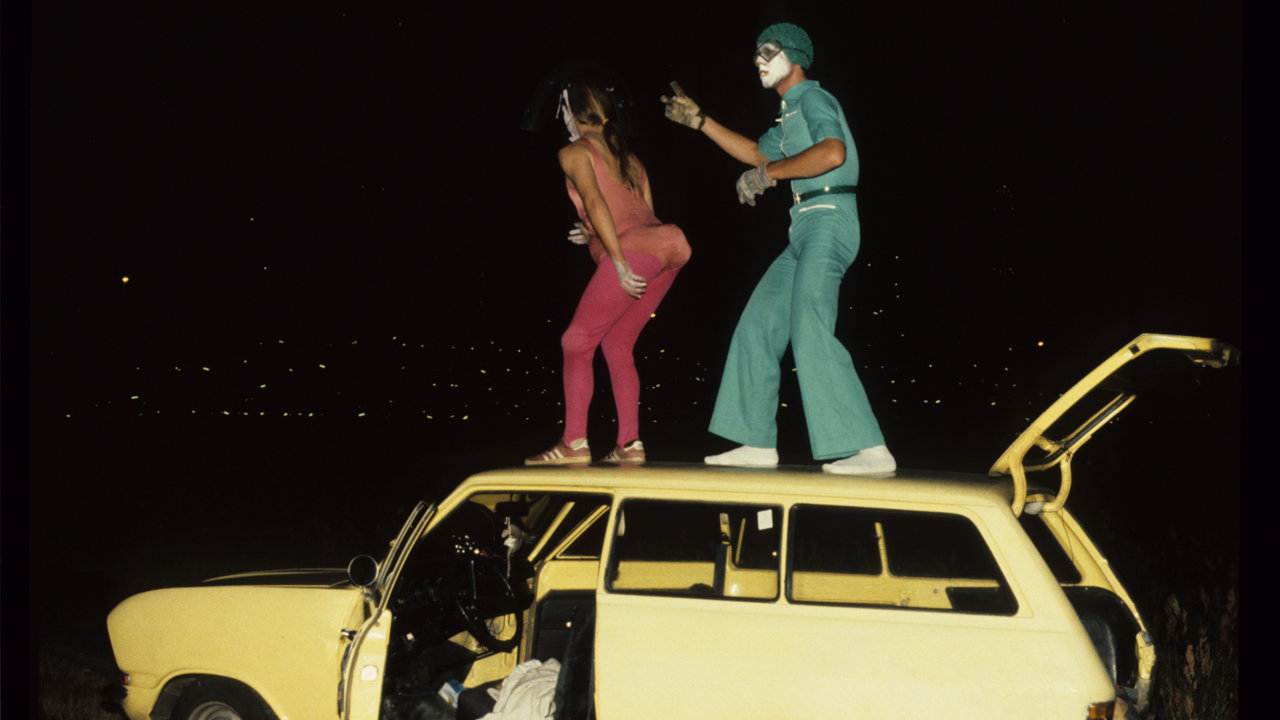
    Shortly befo­re Christmas 1991 a his­to­ri­cal DC‑3 cra­s­hes near Heidelberg with artist Martin Kirchberger and his team on board. Kirchberger‘s fri­end, film­ma­ker Thomas Frickel, exami­nes the cir­cum­s­tances of the tra­ge­dy and Kirchberger‘s short career.

    Shortly befo­re Christmas 1991 a his­to­ri­cal DC‑3 cra­s­hes near Heidelberg with artist Martin Kirchberger and his team on board. Kirchberger‘s fri­end, film­ma­ker Thomas Frickel, exami­nes the cir­cum­s­tances of the tra­ge­dy and Kirchberger‘s short career.


    Credits:
    D 2017,  101 Min.
    Regie: Thomas Frickel
    Kamera: Thomas Frickel, Voxi Bärenklau
    Schnitt: Torsten Truscheit
     
    Termine:
    • noch kei­ne oder kei­ne mehr 
     

    Wunder der Wirklichkeit
  • Ein Leben

    Ein Leben

    A film by Stéphane Brizé.  In french with ger­man subtitles.

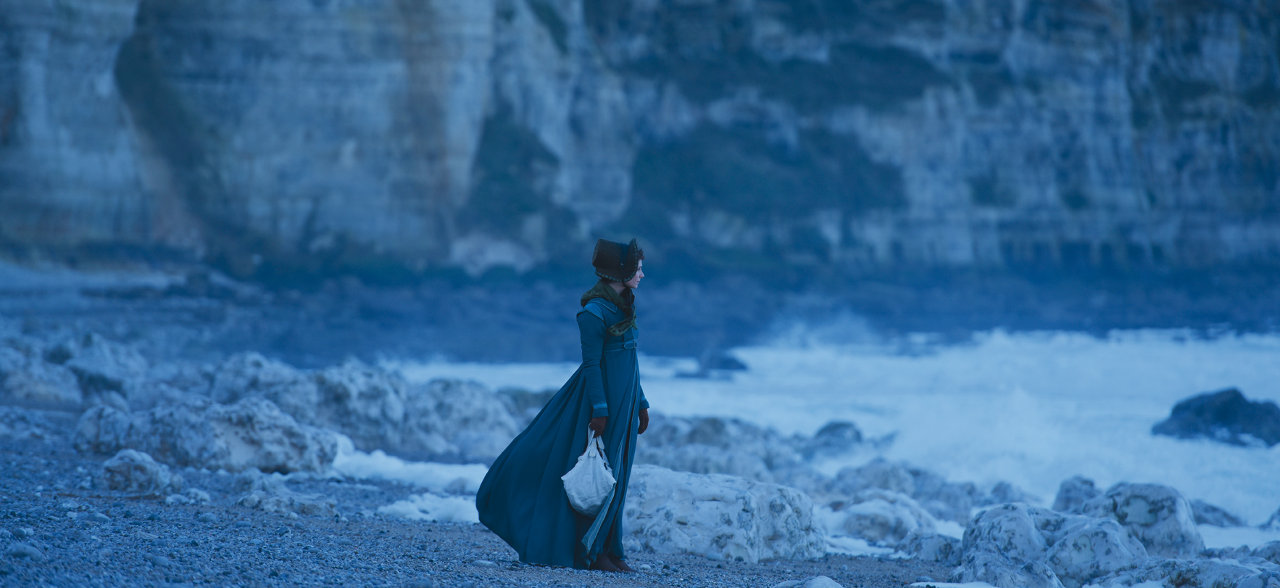
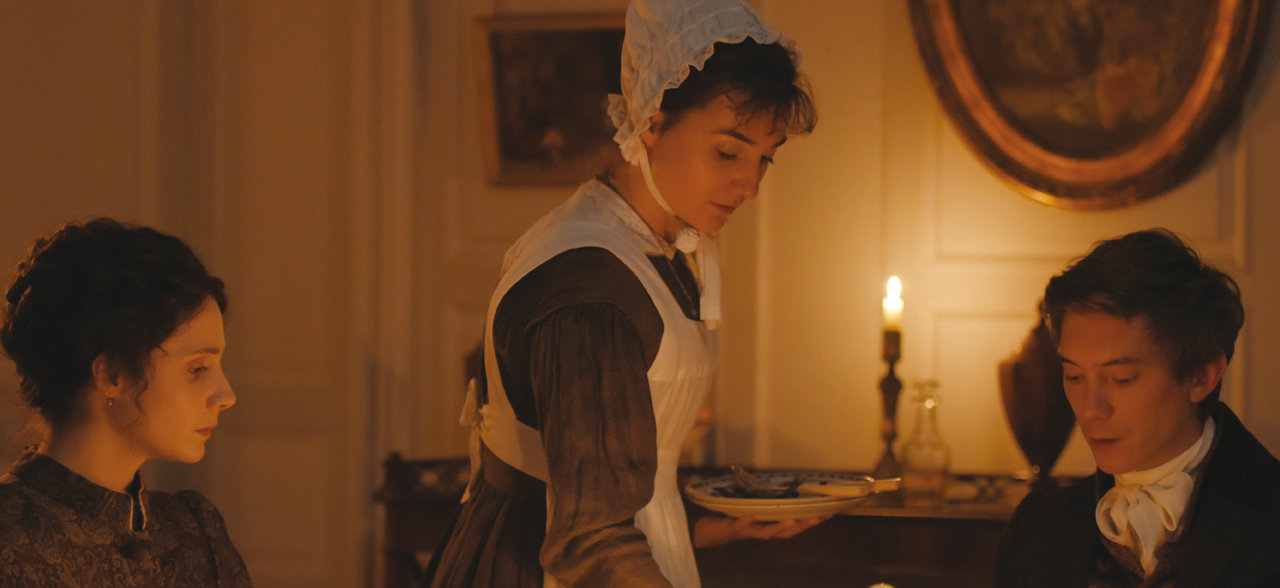
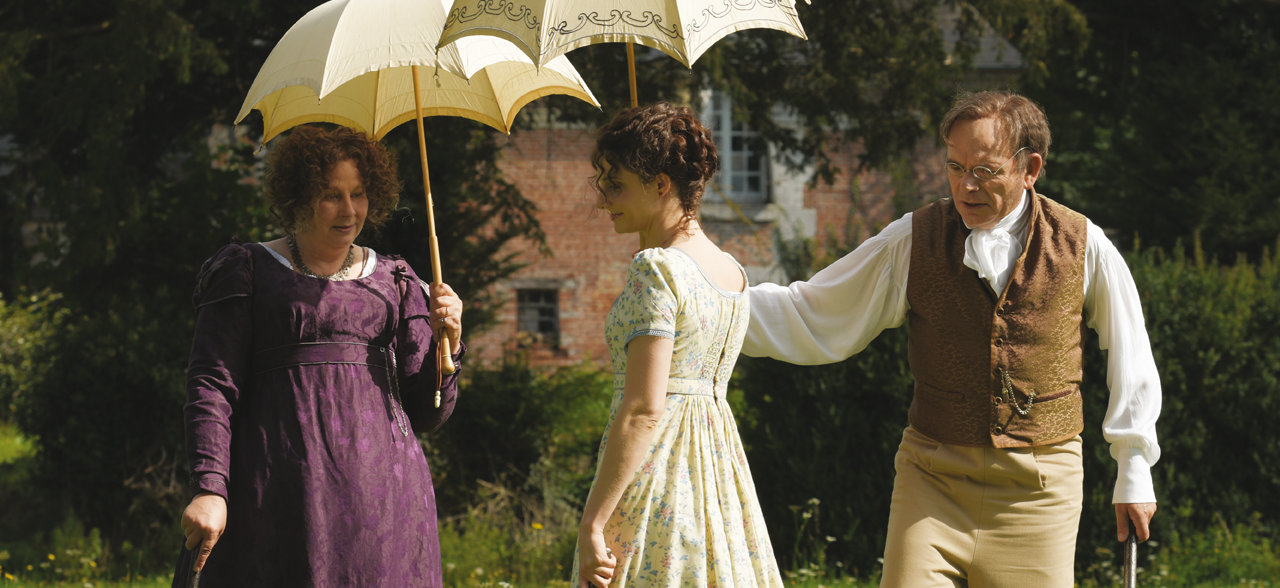
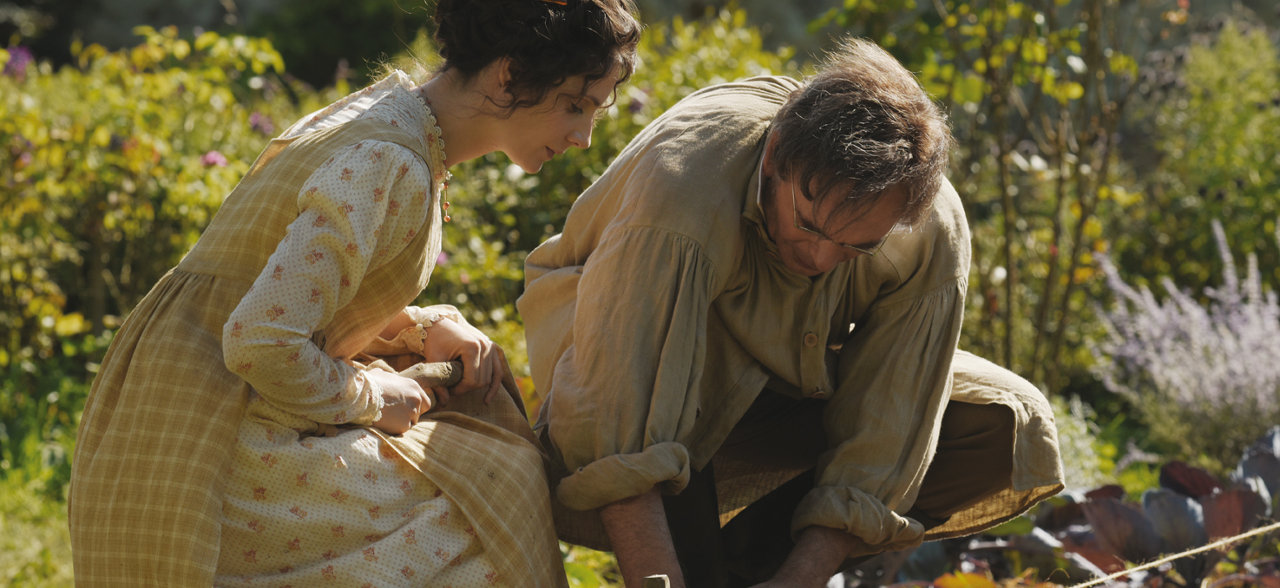
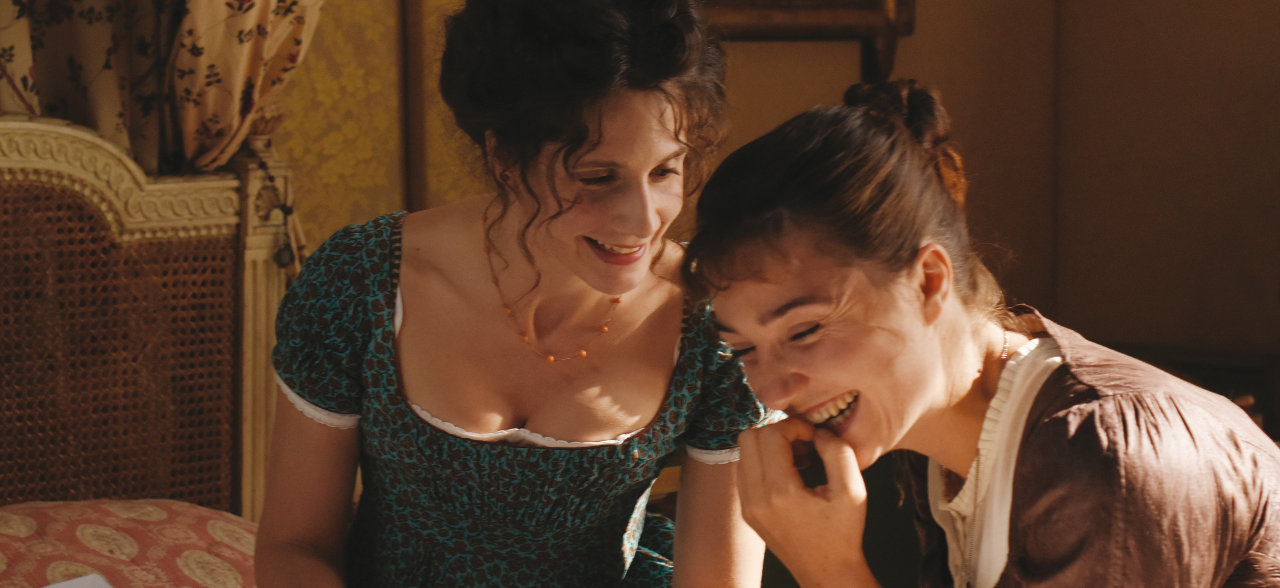
    Based on a novel by Guy de Maupassant and sha­ring the­mes (male tre­a­chery, suf­fe­ring) as well as a title with Mikio Naruse’s 1963 dra­ma, Stéphane Brizé’s gor­ge­ous peri­od pie­ce explo­res the bleak lot of an aris­to­cra­tic hei­ress in 19th-cen­tu­ry France. Shot in boxy 1.33:1 ratio, and kissed by fli­cke­ring cand­le­light, this a world so per­sua­si­ve­ly rea­li­sed that you can almost smell the damp that rises, along with the debt. We fol­low Jeanne (Judith Chemla) from the clear-eyed hop­eful­ness of youth to late midd­le age; it’s a per­for­mance that is so com­pel­ling that we for­gi­ve the film its fair­ly dis­pi­ri­ting tra­jec­to­ry and por­tra­y­al of a woman who often seems litt­le more than a hel­p­less chat­tel. (The Guardian)

    Credits:
    F/B 2016, 119 Min., franz. OmU
    Regie: Stéphane Brizé, Kamera: Antoine Héberlé
    Schnitt: Anne Klotz
    mit:Judith Chemla, Jean-Pierre Darroussin, Yolande Moreau, Swann Arlaud

    Termine:

    • noch kei­ne oder kei­ne mehr 
  • Therapie für Gangster

    Therapie für Gangster

    Ein Film von Sobo Swobodnik.

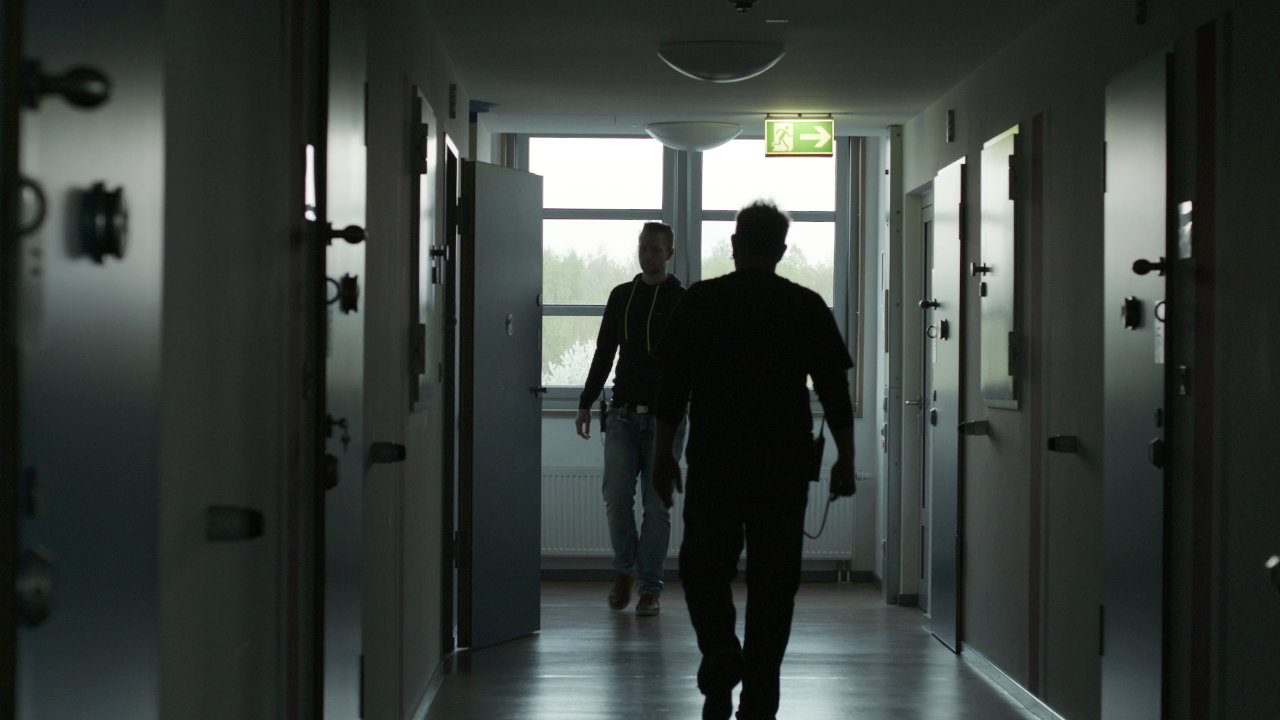
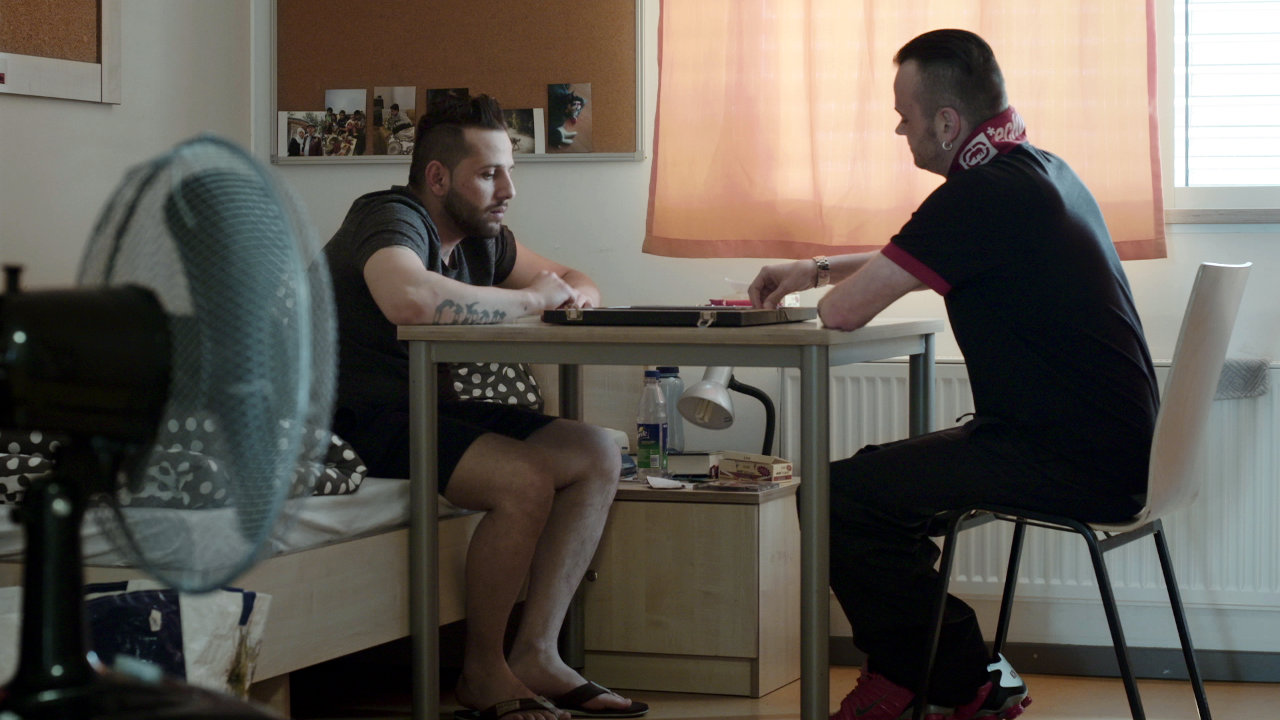
    Therapie für Gangster zeigt das Leben und die Wirklichkeit im Maßregelvollzug aus der Sicht sucht­kran­ker Straftäter , fern­ab der Gesellschaft mit ihren eige­nen Regeln und Gesetzen. Zwischen dem all­täg­li­chen Kampf gegen den Suchtdruck, die eige­ne Schuld und die Einsamkeit betrach­tet der Film dabei die Menschen hin­ter dem Profil des Täters. Menschen, die ver­su­chen, die letz­te Chance ihres miss­glück­ten Lebens wahr­zu­neh­men, anstatt in den aus­sichts­lo­sen Abgründen der Gefängnisse erneut hoff­nungs­los zu verschwinden.

    Ein Film, der sen­si­ble Einblicke in eine für Außenstehende nor­ma­ler­wei­se ver­schlos­se­ne Welt preis­gibt und Menschen zeigt, die in die­ser Form sel­ten von der Gesellschaft wahr­ge­nom­men werden.

    Credits:
    Deutschland 2017, 86 Min.
    Regie: Sobo Swobodnik
    Buch: Sobo Swobodnik, Eckhard Geitz
    Kamera: Sobo Swobodnik
    Schnitt: Manuel Stettner

    • noch kei­ne oder kei­ne mehr 
     

  • The Poetess

    The Poetess

    A film by Andreas Wolff. In ara­bic with ger­man subtitles.

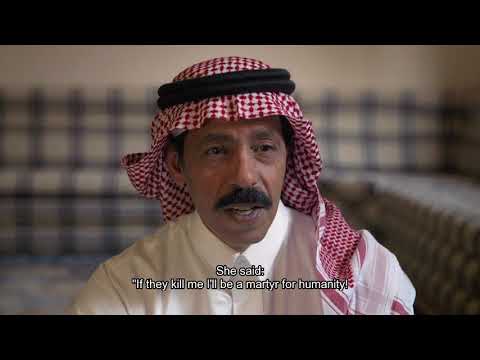
    Hissa Hilal, a 43-year-old poe­tess and acti­vist from Saudi Arabia, tests her boun­da­ries in the dai­ly strugg­le for chan­ge. Veiled in a bur­qa, she gains inter­na­tio­nal fame at Abu Dhabi’s pres­ti­gious con­test “Million’s Poet” with her poems cri­ti­cal of ter­ro­rism and the ideo­lo­gies of fana­tic islamists.

    D, Saudi-Arabien 2017 89 Min. OmU – Arabisch mit dt. Untertiteln
    Regie: Stefanie Brockhaus, Andreas Wolff
    Kamera: Tobias Tempel, Stefanie Brockhaus
    Schnitt: Hansjörg Weissbrich, Anja Pohl

    • noch kei­ne oder kei­ne mehr 

    [nbsp]

    IDFA 2017 | Trailer | The Poetess
  • Auf der Jagd

    Auf der Jagd

    A film by Alice Agneskirchner. In german.

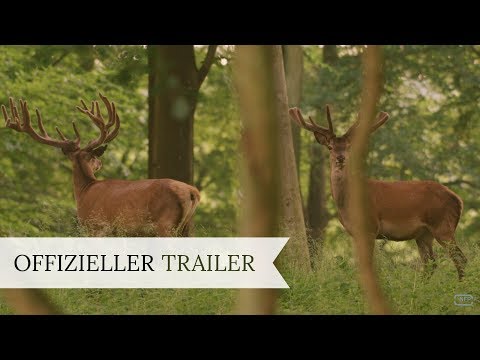
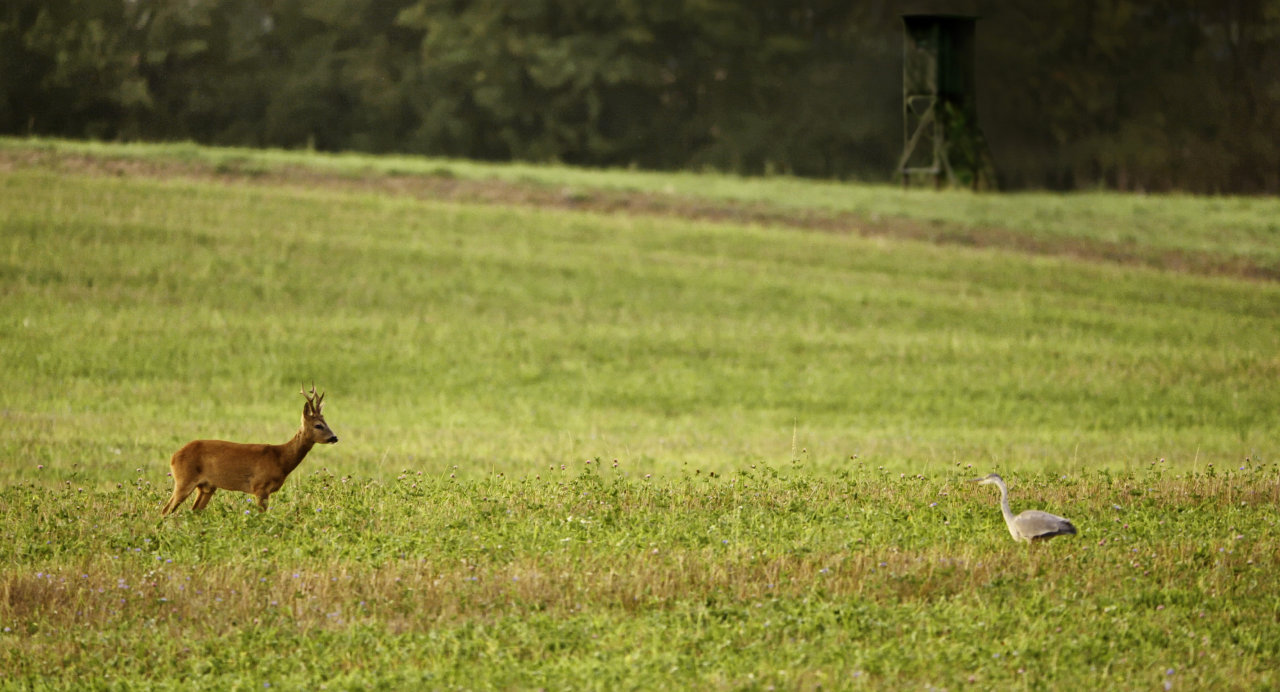
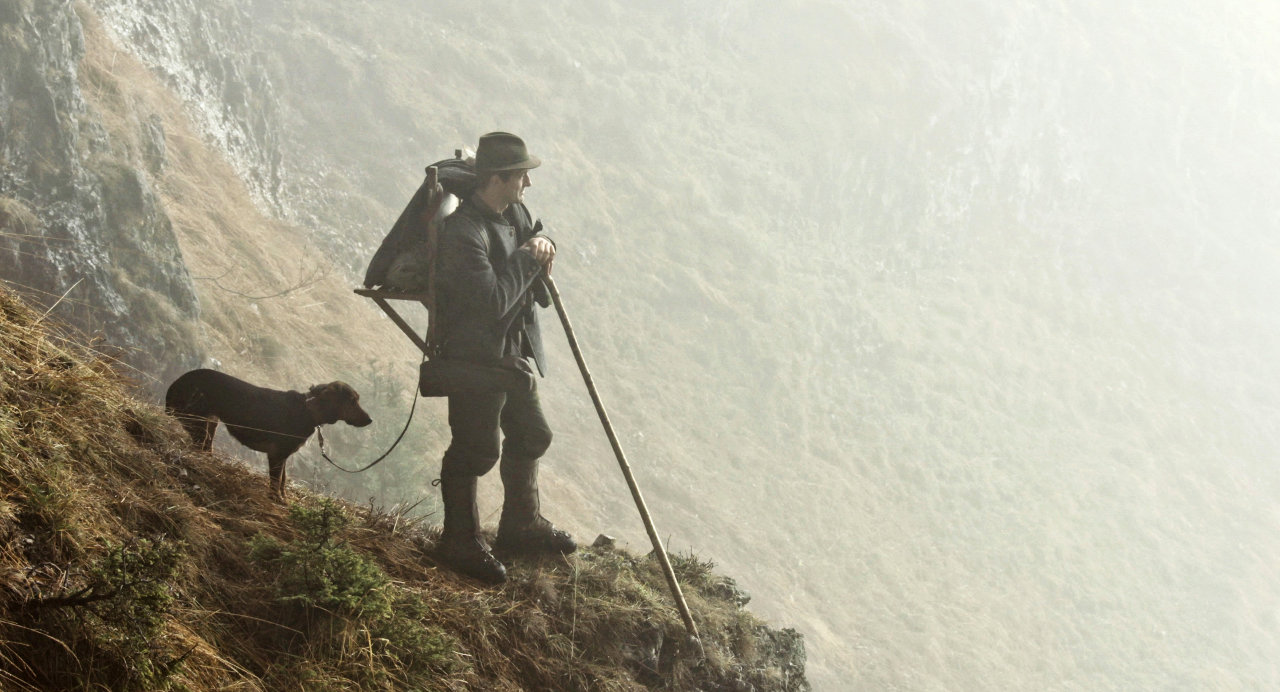
    Where do we as humans find our­sel­ves on the sca­le: are we nature’s – our world’s – pro­tec­tors or its des­troy­ers? In expan­si­ve film thea­ter images we will enter the wild ani­mals’ cos­mos– not in Africa, but here at home. In one of the most beau­tiful land­scapes in Europe – in the German, Austrian, French and Swiss alps – we will pose this ques­ti­on to huma­ni­ty on the basis of the con­di­ti­on of the forests, their owners, the wild ani­mals, their hun­ters and the far­mers in the cycle of the seasons.

    The ques­ti­on “Who Owns Nature?” imme­dia­te­ly leads to the next ques­ti­on: what is natu­re? Almost all of us live in cities. What most of us under­stand to be natu­re is: the plants, the city park or what we see when we tra­vel with a train or car from one city to the next. But is the green mea­dow natu­re? Is the forest, which flies by us one tree trunk at a time, natural?
    So who do the deer, stags, cha­mois, wild boars, hares, foxes, lyn­xes, bears or wol­ves belong to? They have no owners. They belong to them­sel­ves; they are a part of natu­re. However, to be pre­cise, natu­re no lon­ger exists in Europe. There are “green” sur­faces that are used and plan­ted agri­cul­tu­ral­ly. The wild ani­mals share their habi­tats with us. Who deter­mi­nes how we live with them?

    In opti­cal­ly lavish images, the film takes us into the uni­que world of the wild ani­mals, archaic land­scapes, sea­sons – and the hun­ters. In the heart of our wes­tern civi­liza­ti­on, we enter a world that doesn’t seem to fit to our con­tem­po­ra­ry age. Mountain goats, bel­lo­wing stags, a pack of wol­ves, forest ran­gers, far­mers, wild­life bio­lo­gists, hun­ting oppon­ents and hun­ters: they are all prot­ago­nists in a dra­ma­tic alpi­ne play.


    Credits:
    Deutschland 2018, 96 Min.
    Buch und Regie: Alice Agneskirchner
    Kamera: Johannes Imdahl, Owen Prümm
    Montage: André Hammesfahr
    Kommentar: Patrick Winczewski
    Musik: Gert Wilden Jr.

    Termine:

    • noch kei­ne oder kei­ne mehr 
    AUF DER JAGDWEM GEHÖRT DIE NATUR | Trailer | Deutsch HD German
  • In den Gängen

    In den Gängen

    A Film by Thomas Stuber. In german.

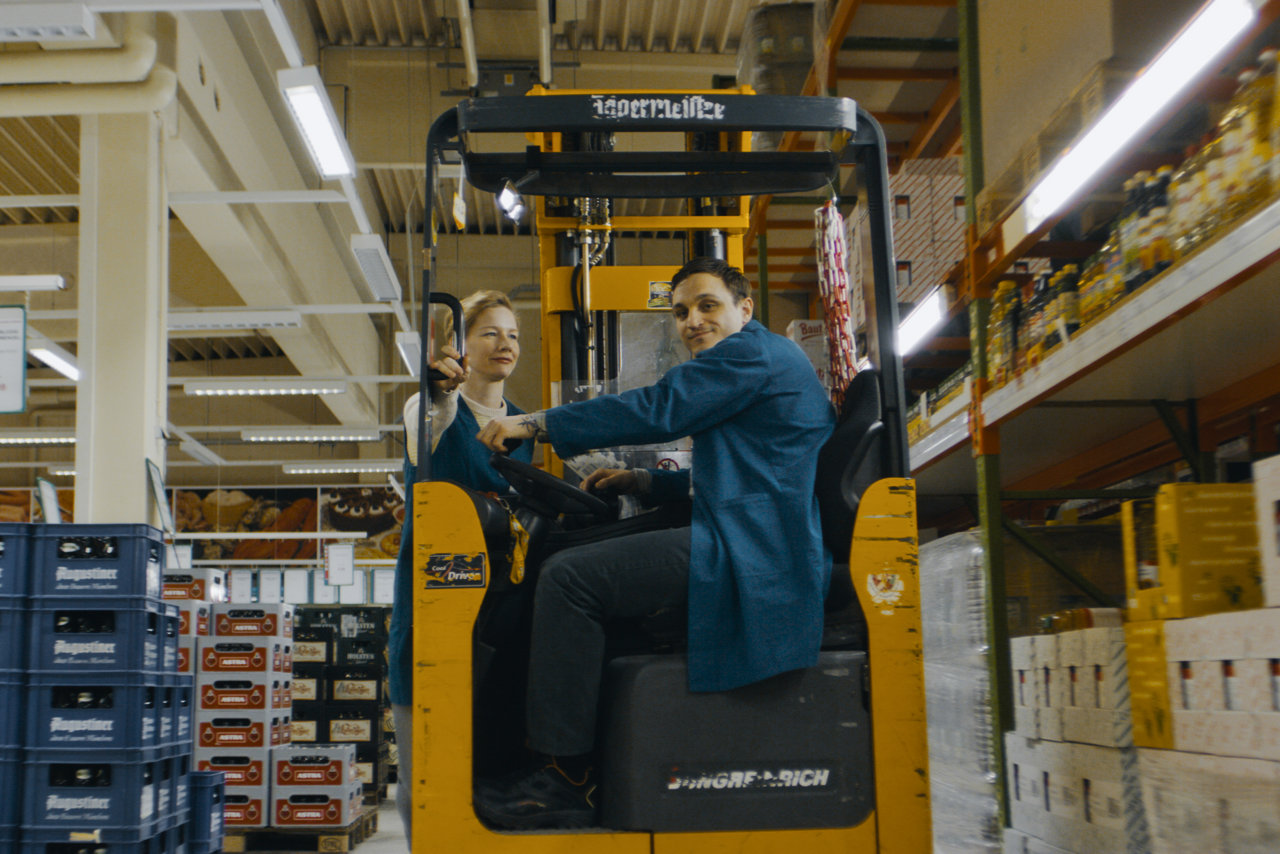
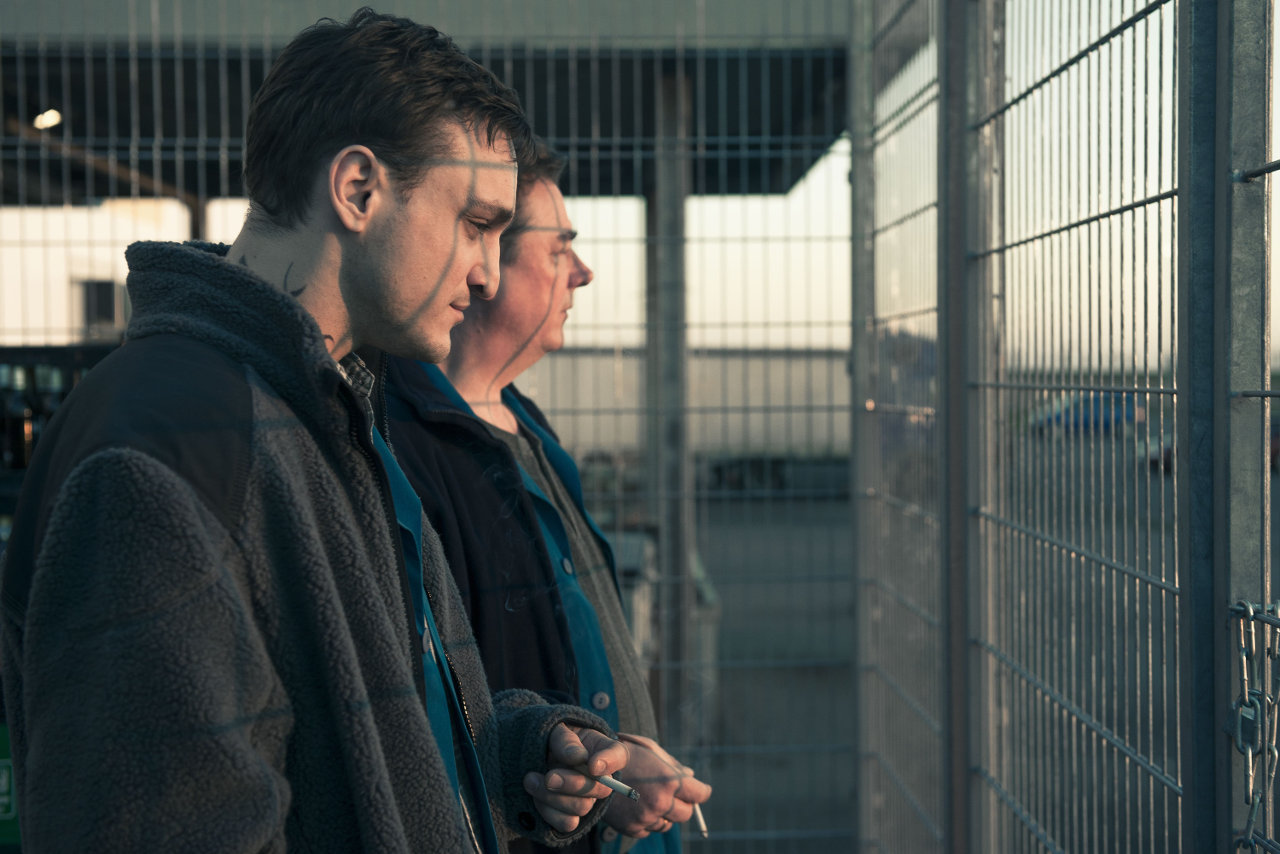
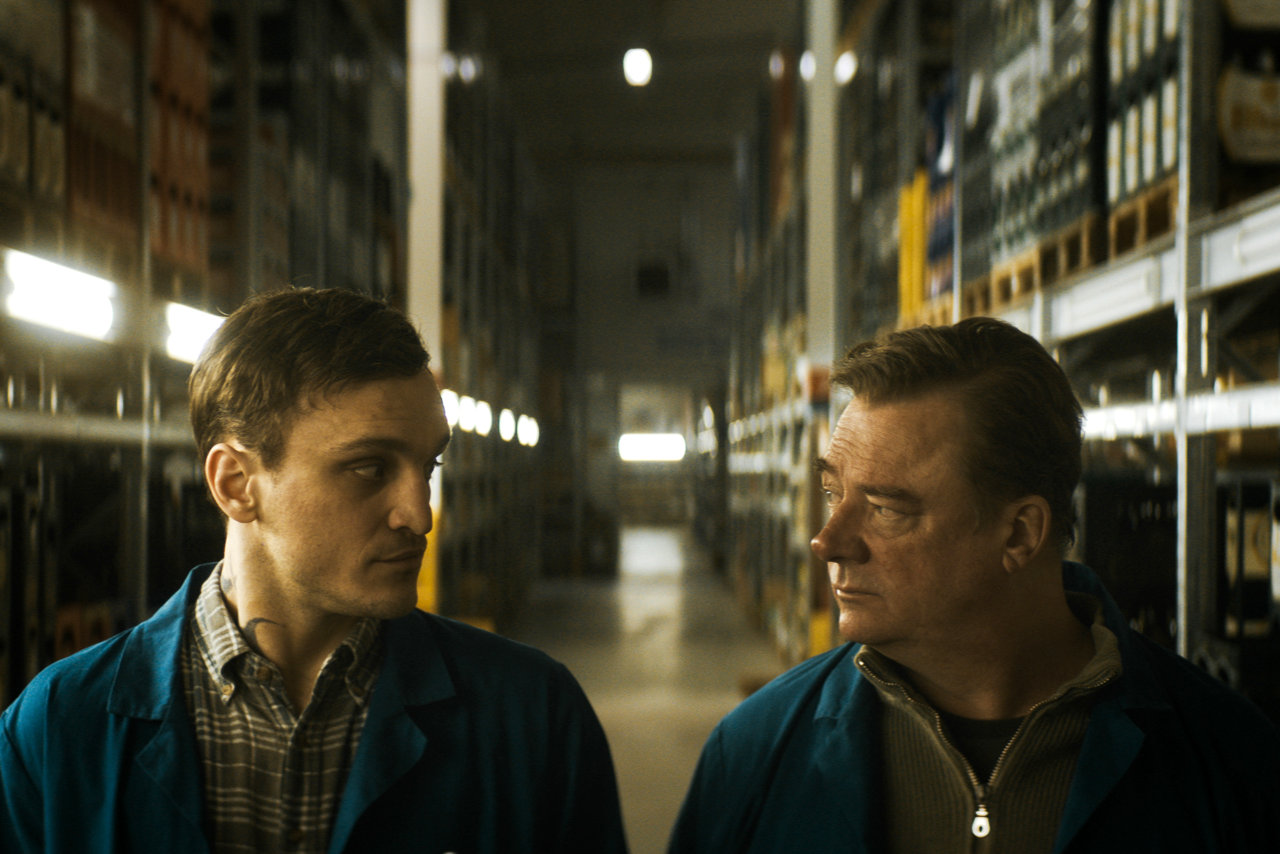
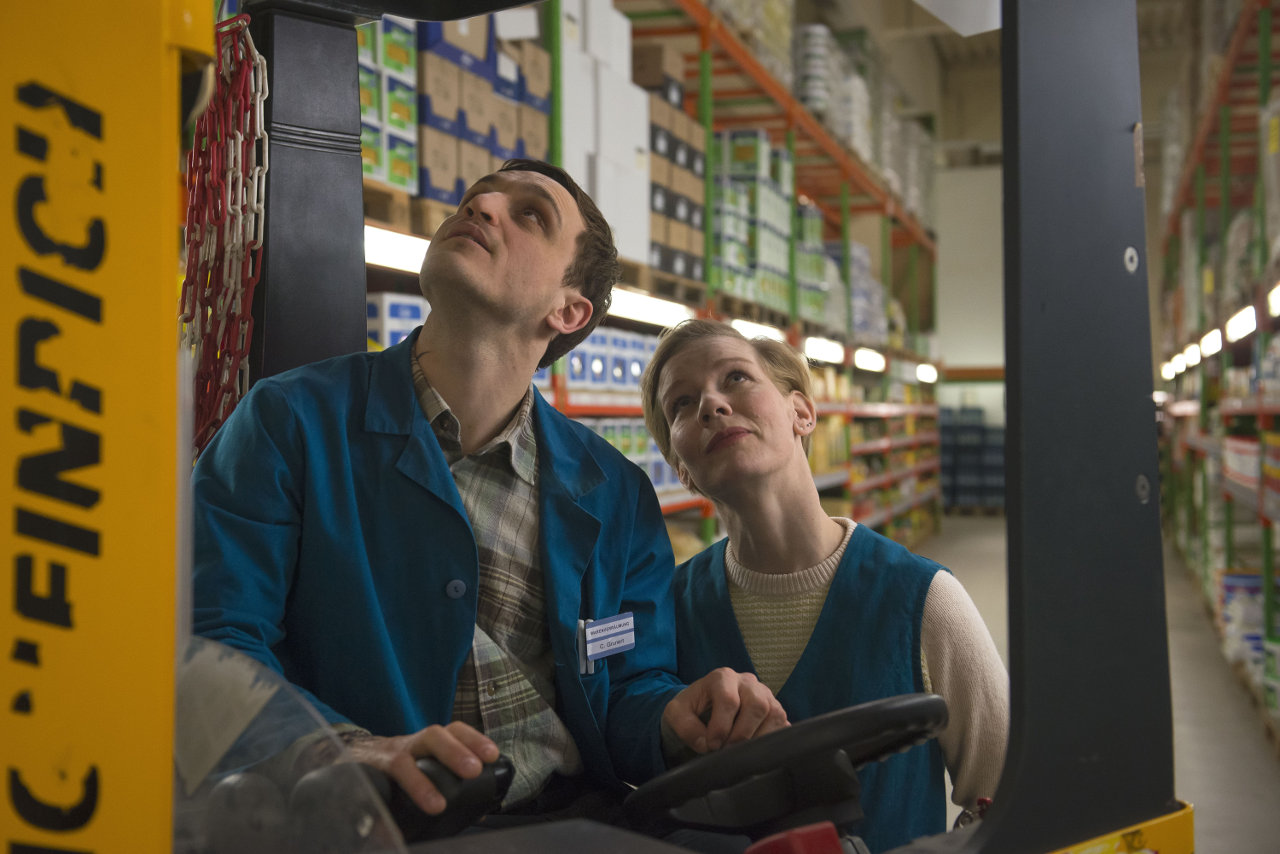
    Christian is new to the super­s­to­re. He mute­ly plun­ges into this unknown uni­ver­se: the end­less ais­les, the eter­nal order of the warehou­ses, the sur­re­al mecha­ni­cisms of the for­k­lift trucks. His col­le­ague Bruno from the drinks depart­ment takes him under his wing, show­ing him all the tricks of the trade and soon beco­mes a fat­her­ly fri­end. Marion from the con­fec­tion­a­ry depart­ment likes to have a bit of a laugh and a joke with Christian. When he falls in love with her, the enti­re warehouse is roo­ting for him. But Marion is mar­ried, albeit unhap­pi­ly by all accounts. All of a sud­den she goes on sick lea­ve. Christian falls into a deep hole, so deep in fact, that his mise­ra­ble old life threa­tens to engulf him once more.
    In his film In den Gängen Thomas Stuber opens a win­dow on the world of an ordi­na­ry worker in the east German pro­vin­ces. A cho­reo­gra­phy of peo­p­le and things, rea­li­ty, desi­res and dreams unfolds in pre­cis­e­ly framed images. The ever­y­day is trans­for­med into a magi­cal rea­lism which tran­s­cends this ten­der love sto­ry to point ten­ta­tively towards the con­cept of hope.

    Berlinale 2018 Competition

    Credits:
    Deutschland 2018, 125 Min.

    Regie: Thomas Stuber
    Buch: Clemens Meyer, Thomas Stuber
    Kamera: Peter Matjasko
    Schnitt: Kaya Inan
    mit:
    Franz Rogowski (Christian), Sandra Hüller (Marion), Peter Kurth (Bruno), Andreas Leupold (Rudi), Michael Specht (Paletten-Klaus), Ramona Kunze-Libnow (Irina), Henning Peker (Wolfgang), Steffen Scheumann (Norbert), Matthias Brenner (Jürgen), Gerdy Zint (Tino)


    Termine:

    • noch kei­ne oder kei­ne mehr 


  • Gutland

    Gutland

    A film by Govinda Van Maele.

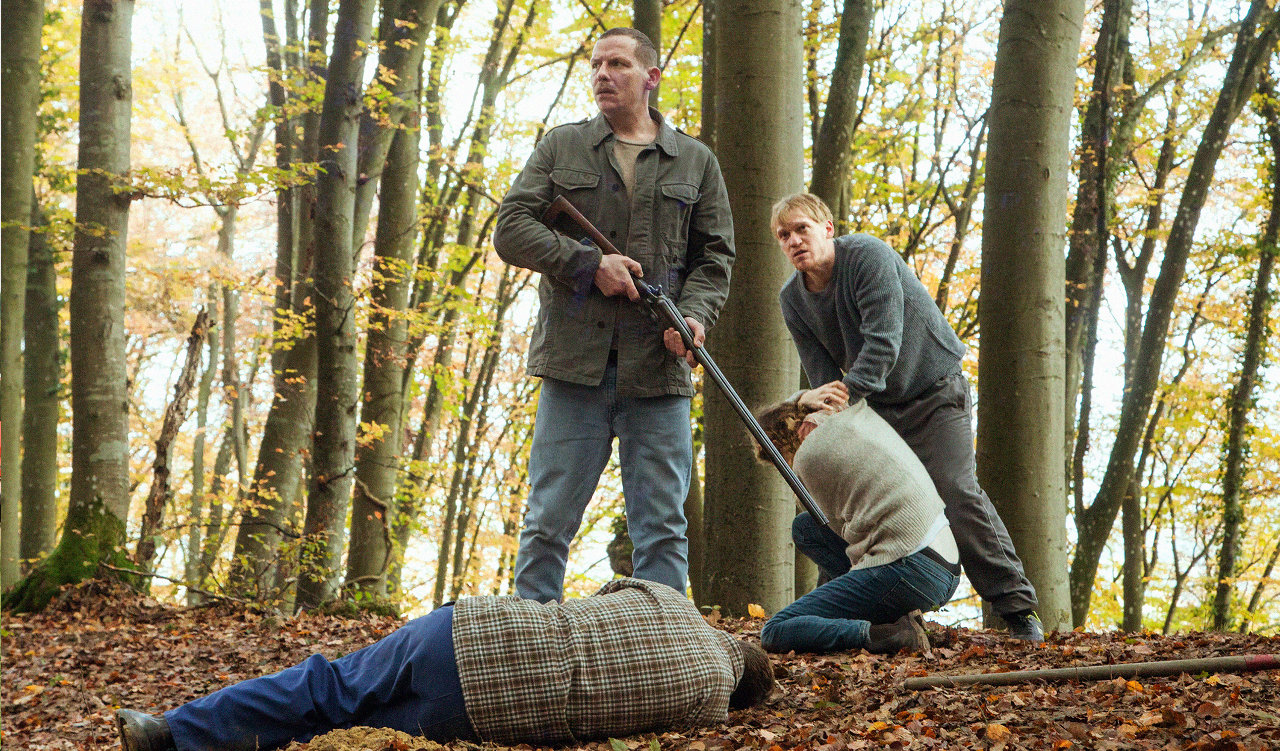
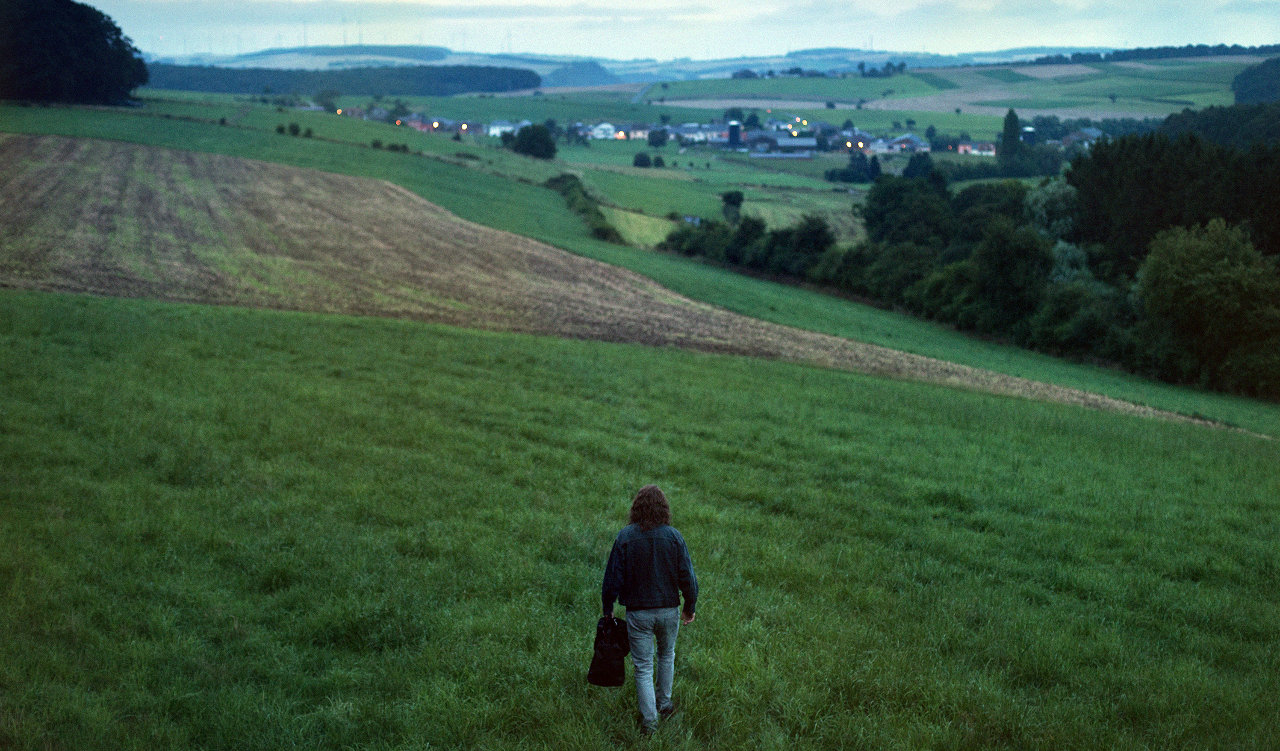
    Early one sum­mer mor­ning a young man, with a secret stas­hed away in a duf­fel bag, emer­ges from the forest. In a near­by vil­la­ge he asks around for work, but the far­mers, sus­pi­cious to the point of hosti­li­ty, are not very forth­co­ming. Only when Lucy, the mayor’s unru­ly daugh­ter, takes a liking to him, does the vil­la­ge chan­ge its atti­tu­de: he is prompt­ly offe­red a job as a farm­hand and a cara­van to live in.

    As time pas­ses and he is gra­du­al­ly inte­gra­ted into the com­mu­ni­ty, it emer­ges that he’s not the only one with a past to hide. Something sinis­ter is lur­king under the imma­cu­la­te sur­face of this pic­tures­que litt­le world – and it is slow­ly dra­wing him in.


    Luxemburg, Belgien, Deutschland 2017, 107 Min.
    Regie & Buch Govinda Van Maele
    mit: Frederick Lau, Vicky Krieps, Marco Lorenzini, Leo Folschette, Gerard Blaschette, Irina Blanaru u.a
     
    • noch kei­ne oder kei­ne mehr