The Trouble With Being Born

A film by Sandra Wollner. Scheduled for July 1st.

[Credits] [Tickets & Termine] [Trailer]

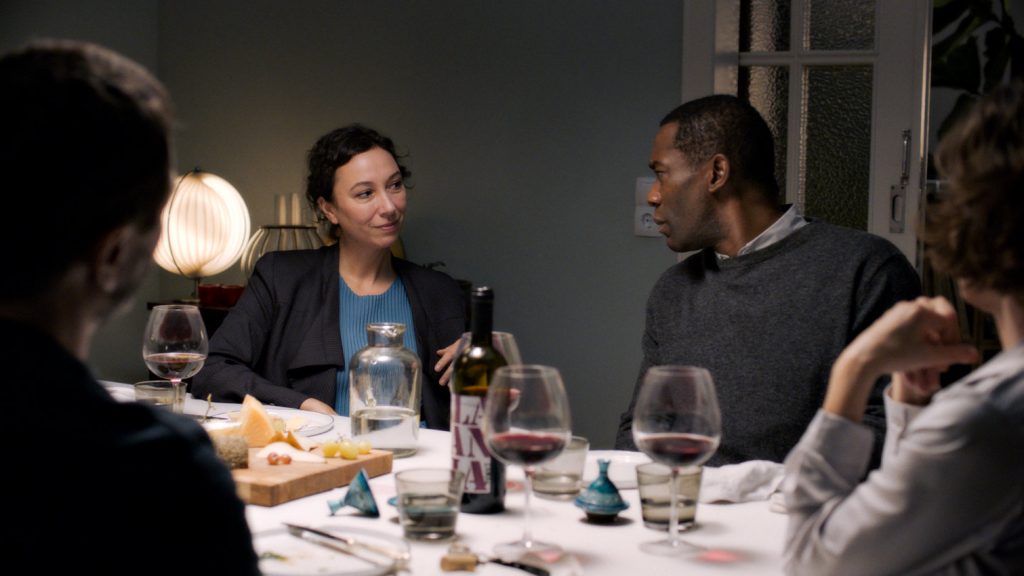
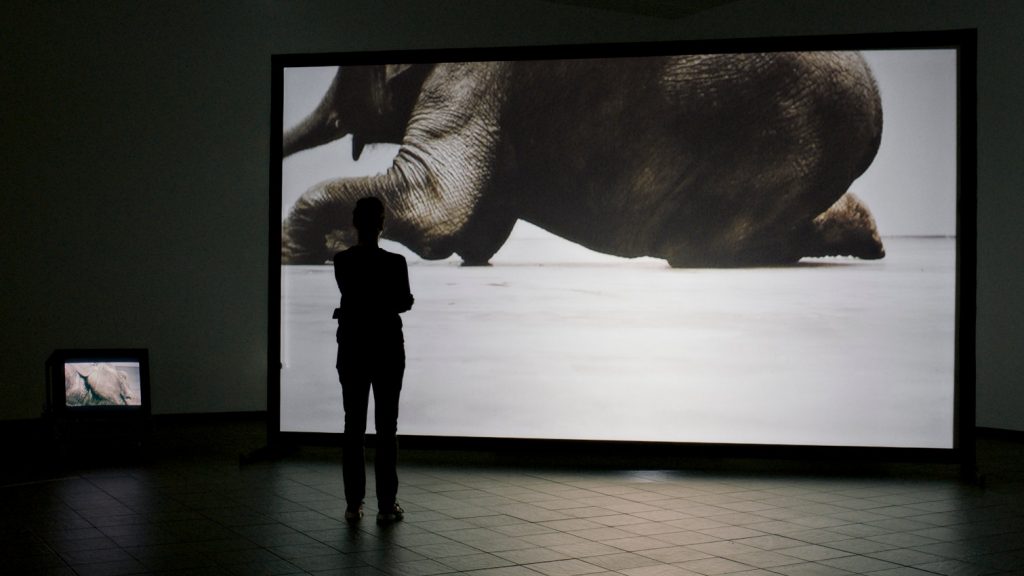
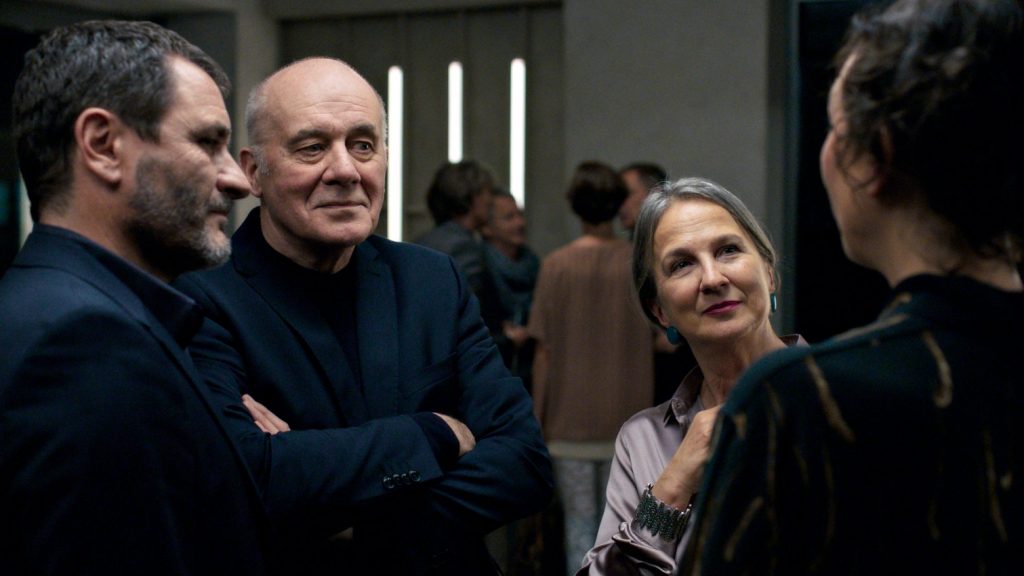
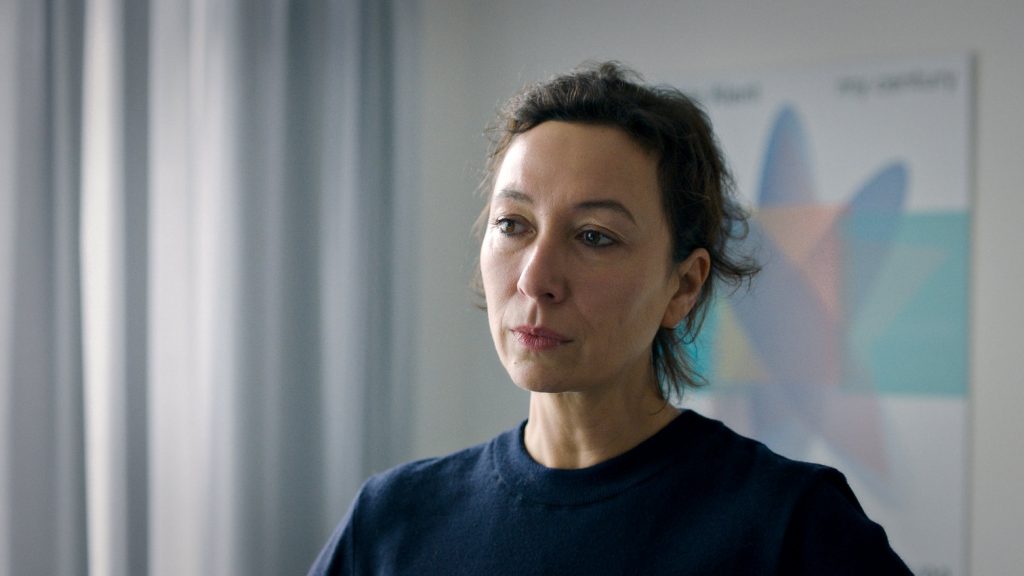
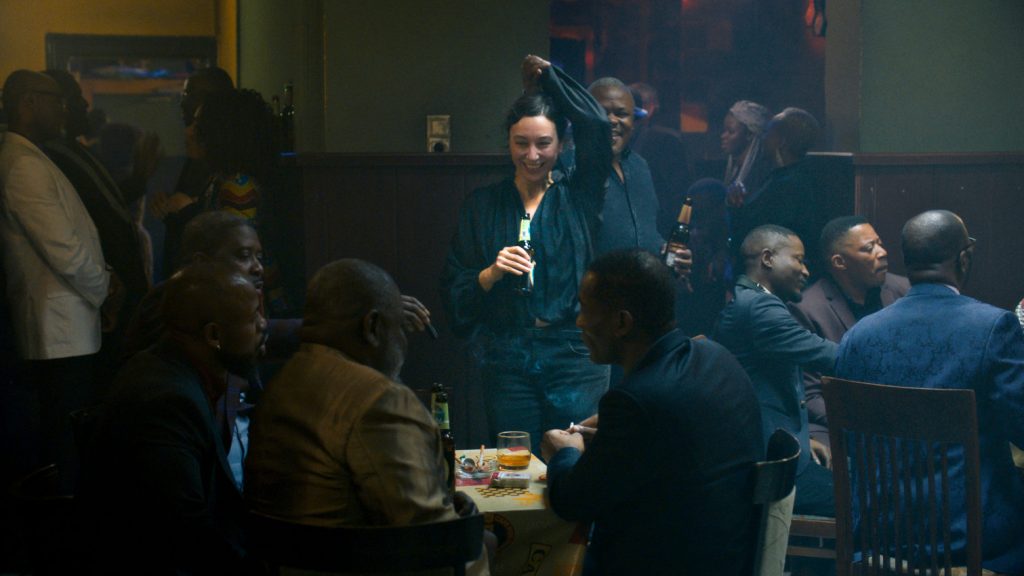
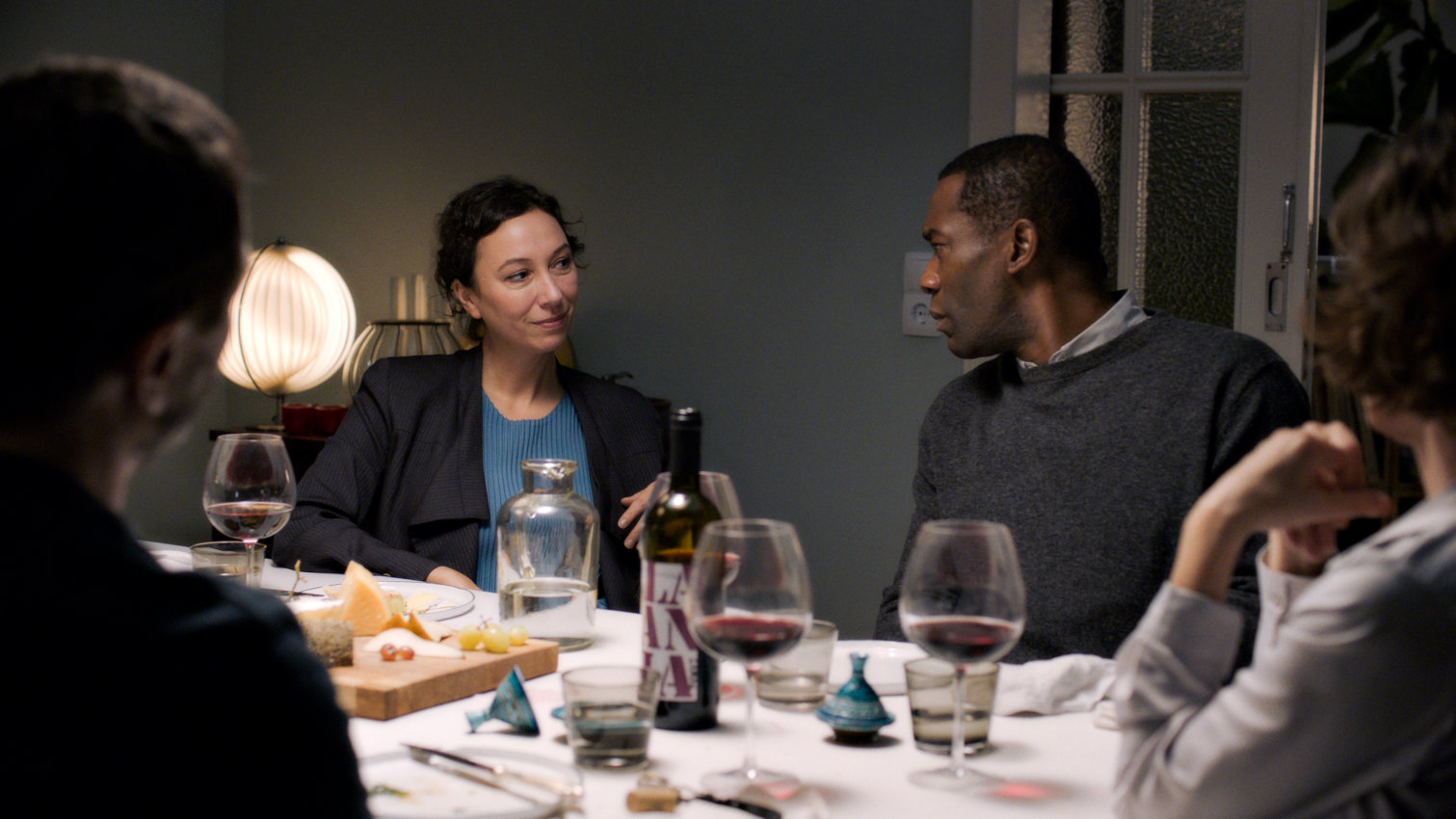
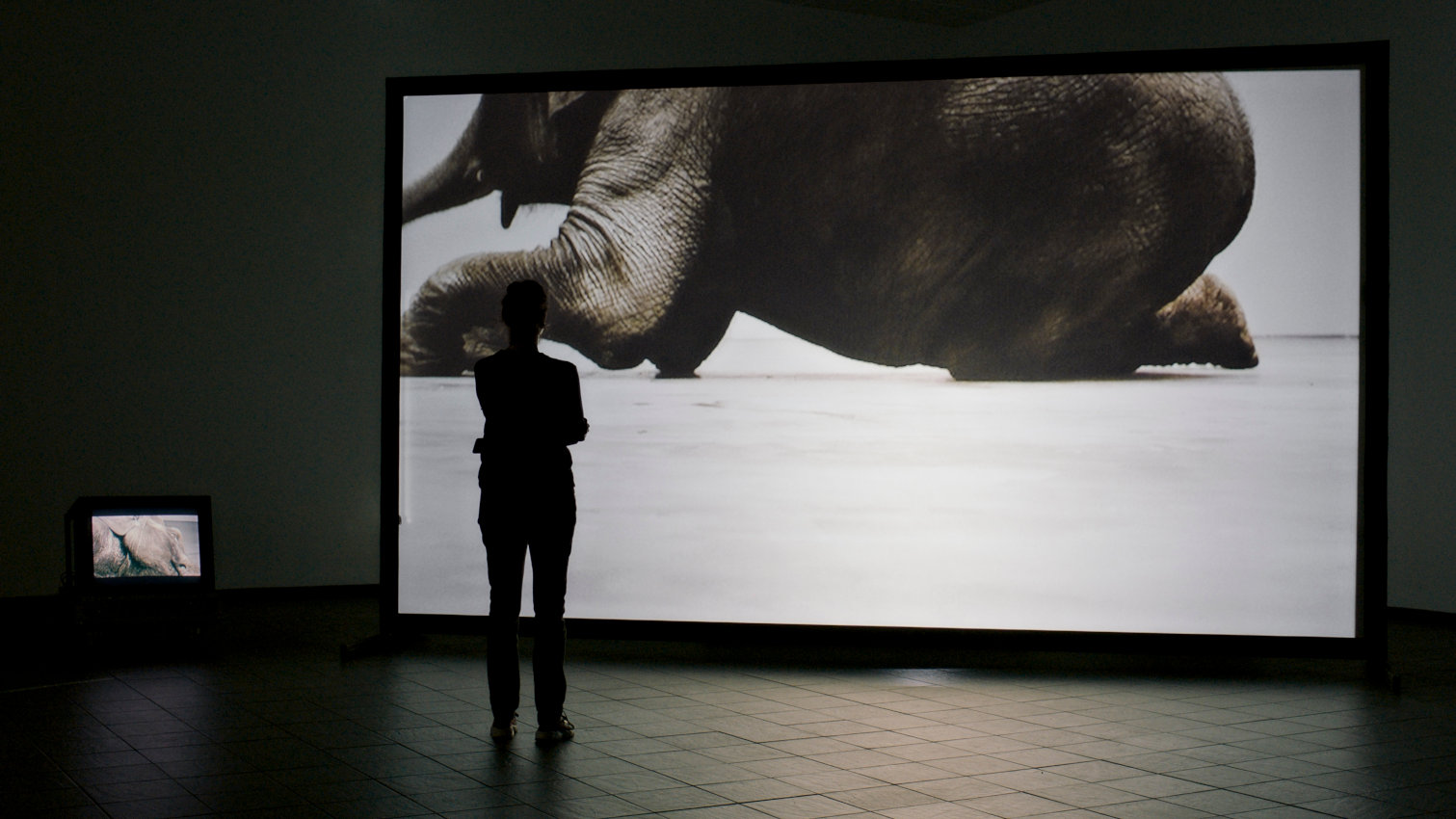
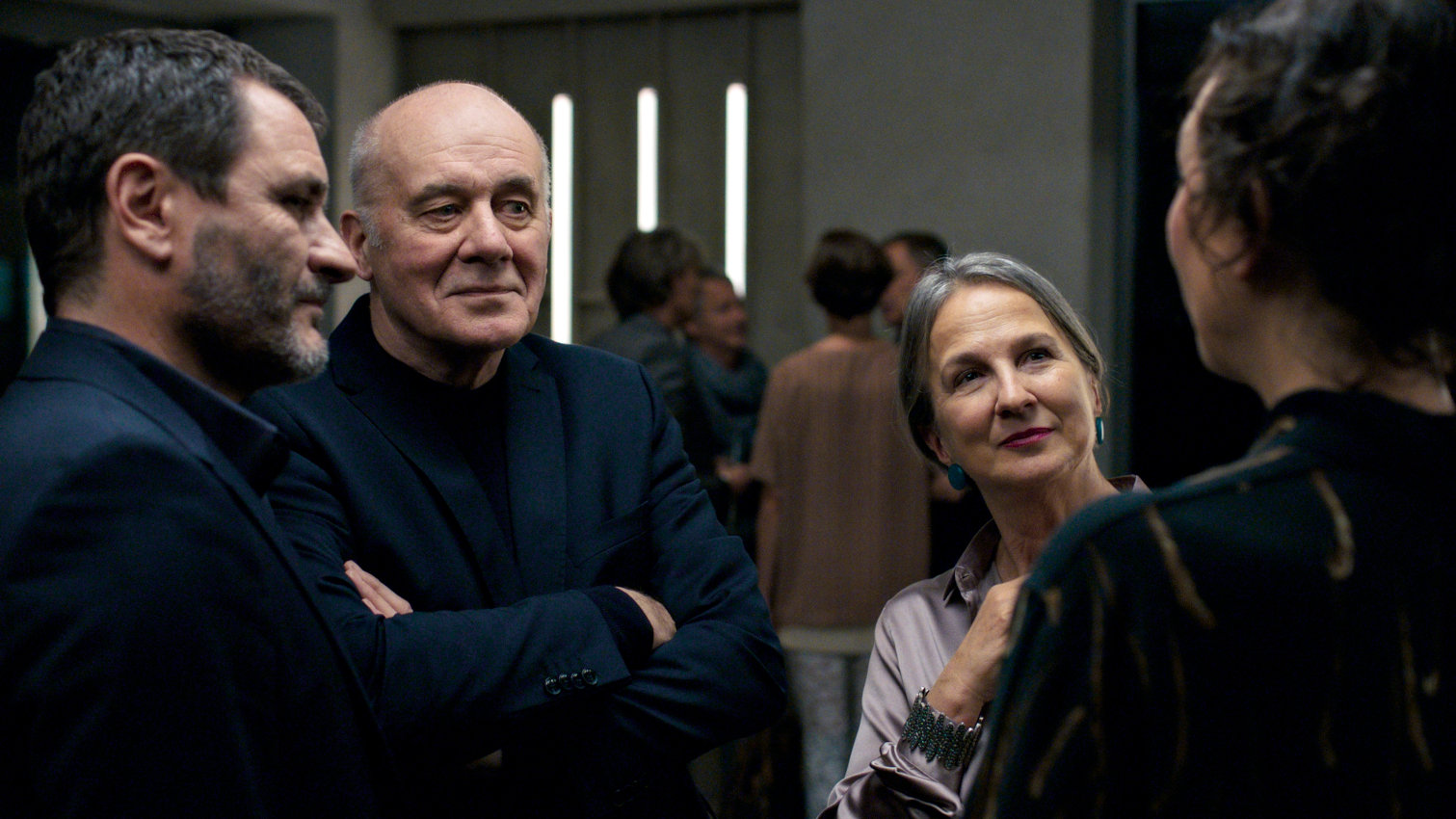
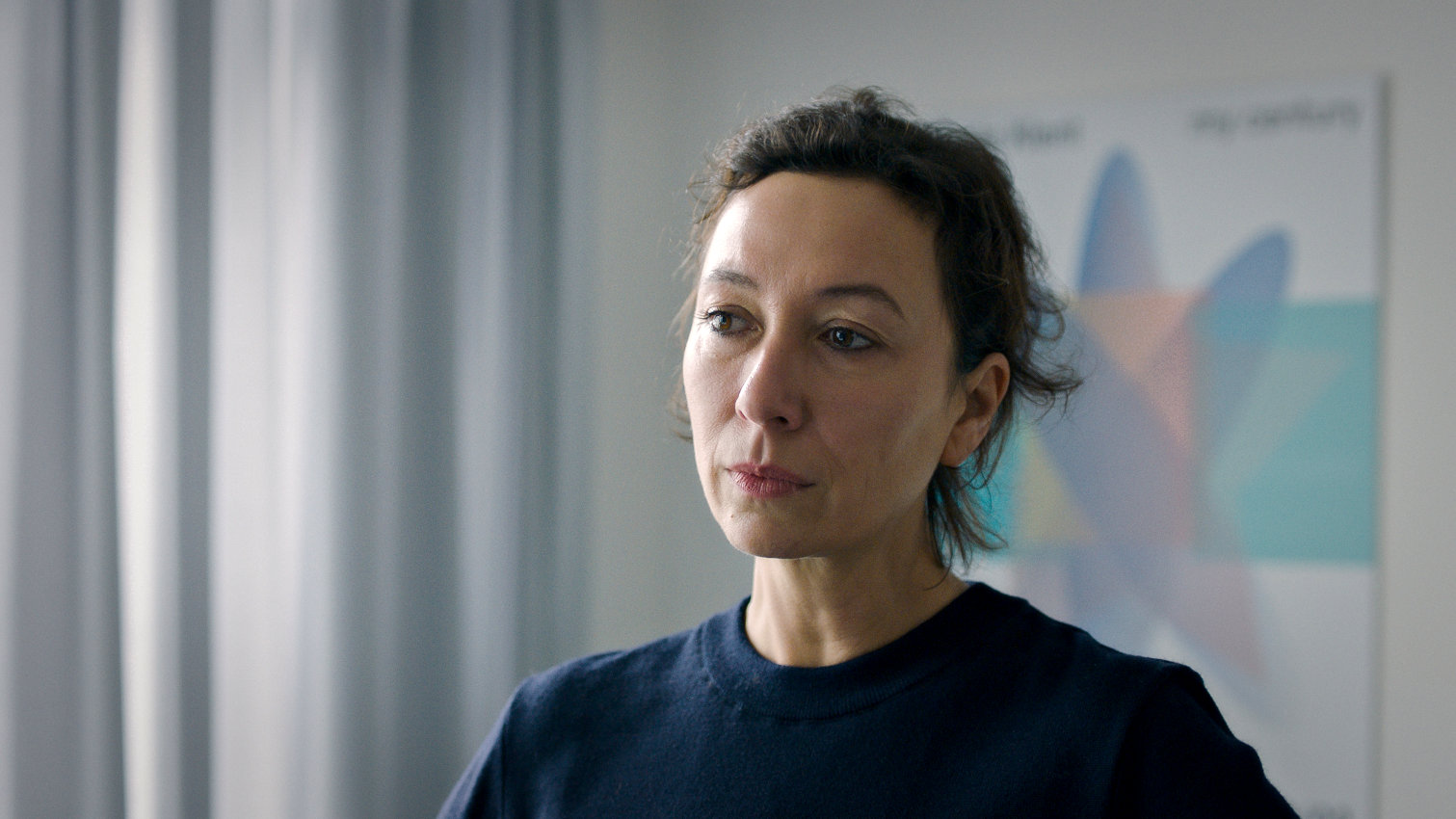
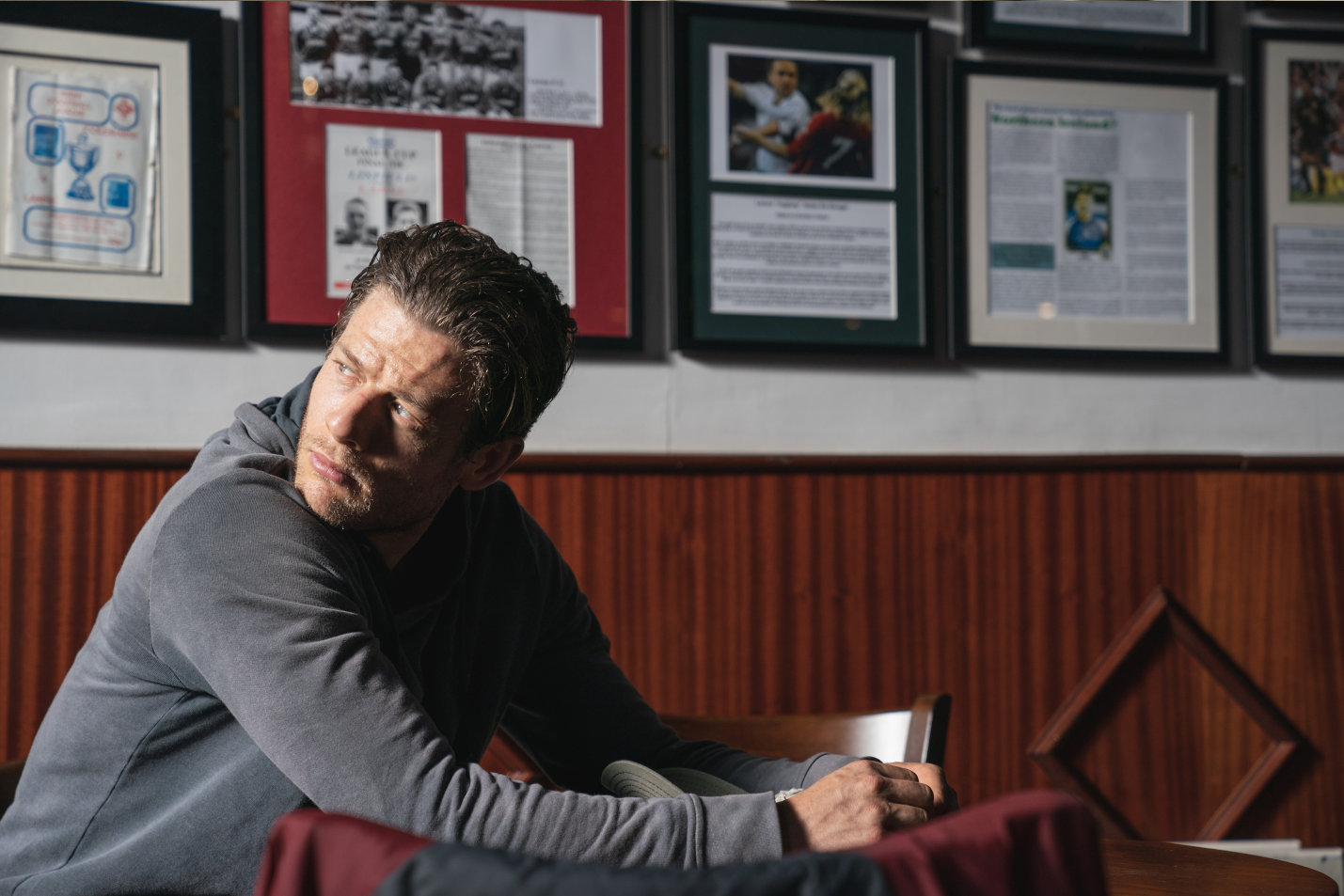
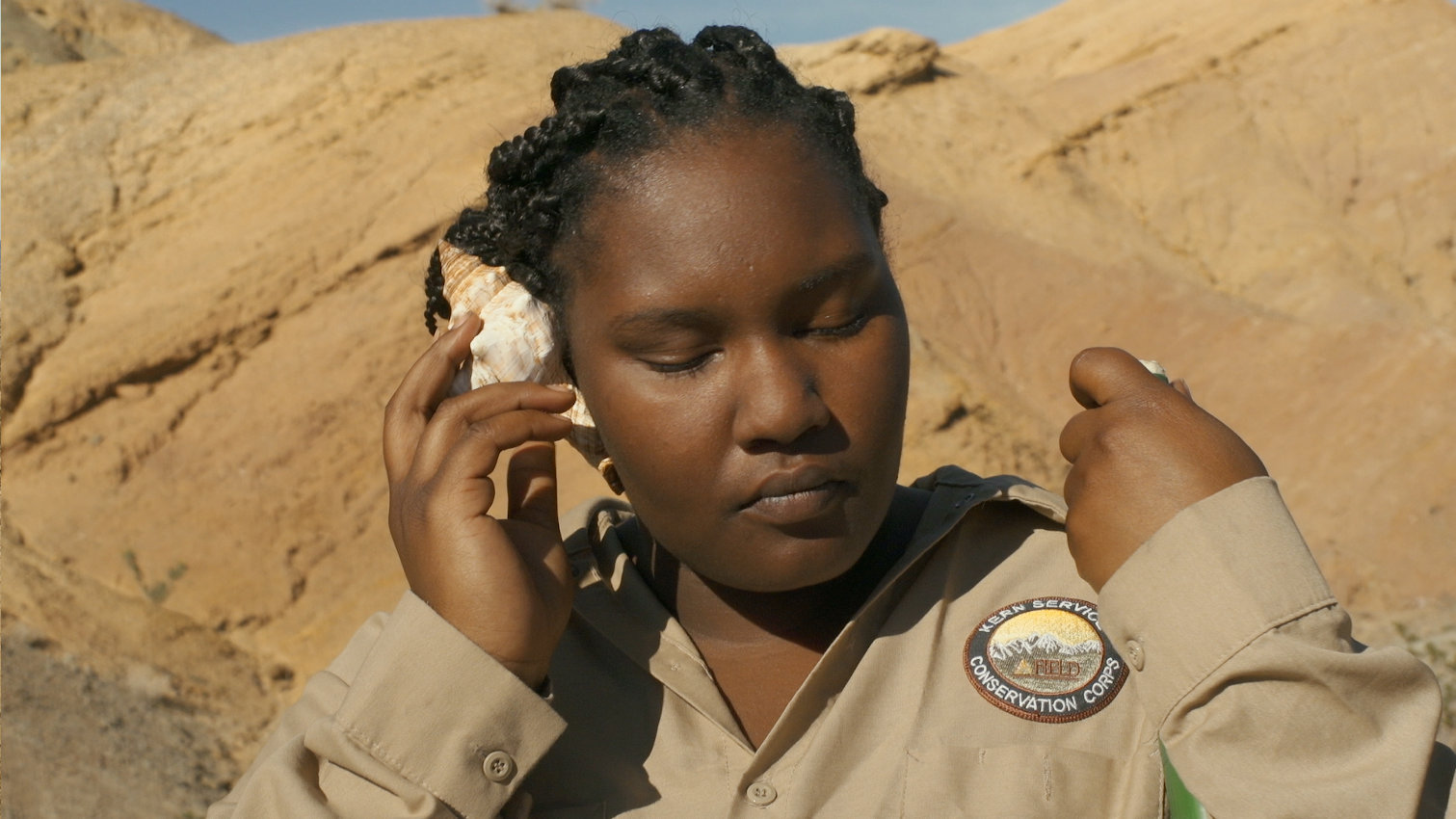
Somewhere in Central Europe, per­haps in the vici­ni­ty of Vienna, in the near future. Ten-year-old Elli is an android, as we soon learn. She takes shape through pro­gramming and this turns her into a fan­ta­sy figu­re. Firstly for a man she calls “Daddy” with whom she lies by the pool and for whom she dres­ses up in the house at the edge of the forest. Elli is the ves­sel for his memo­ries, which mean not­hing to her, but ever­y­thing to him. One day he runs after a stran­ge echo and gets lost in the dark­ness while Elli, who fol­lows him, is picked up by stran­gers. A new iden­ti­ty awaits her, a new ghost­ly exis­tence – as a blank screen onto which others can pro­ject their loss of the para­di­se that is child­hood. Austria’s new voice for the nexus bet­ween desi­re and the abyss, fear and mys­tery, fee­ling and emp­tin­ess is Sandra Wollner. As in Das unmög­li­che Bild, in her pro­vo­ca­ti­ve second fea­ture film she deve­lo­ps the plot from a com­plex basic con­stel­la­ti­on (not the other way around) and recon­s­tructs fami­lies that never exis­ted. And so the machi­ne beco­mes a mir­ror of human emo­ti­on, and the film a cap­ti­vat­ing lad­der into vir­tu­al and psy­cho­lo­gi­cal realities.

Credits:

AU/DE 2020, 94 Min.,
Regie: Sandra Wollner
Kamera: Timm Kröger
Schnitt: Hannes Bruun
mit Lena Watson, Dominik Warta, Ingrid Burkhard, Jana McKinnon


Trailer:

nach oben
Author: fsk

  • The Trouble With Being Born

    The Trouble With Being Born

    A film by Sandra Wollner. Scheduled for July 1st.

    [Credits] [Tickets & Termine] [Trailer]

    Somewhere in Central Europe, per­haps in the vici­ni­ty of Vienna, in the near future. Ten-year-old Elli is an android, as we soon learn. She takes shape through pro­gramming and this turns her into a fan­ta­sy figu­re. Firstly for a man she calls “Daddy” with whom she lies by the pool and for whom she dres­ses up in the house at the edge of the forest. Elli is the ves­sel for his memo­ries, which mean not­hing to her, but ever­y­thing to him. One day he runs after a stran­ge echo and gets lost in the dark­ness while Elli, who fol­lows him, is picked up by stran­gers. A new iden­ti­ty awaits her, a new ghost­ly exis­tence – as a blank screen onto which others can pro­ject their loss of the para­di­se that is child­hood. Austria’s new voice for the nexus bet­ween desi­re and the abyss, fear and mys­tery, fee­ling and emp­tin­ess is Sandra Wollner. As in Das unmög­li­che Bild, in her pro­vo­ca­ti­ve second fea­ture film she deve­lo­ps the plot from a com­plex basic con­stel­la­ti­on (not the other way around) and recon­s­tructs fami­lies that never exis­ted. And so the machi­ne beco­mes a mir­ror of human emo­ti­on, and the film a cap­ti­vat­ing lad­der into vir­tu­al and psy­cho­lo­gi­cal realities.

    Credits:

    AU/DE 2020, 94 Min.,
    Regie: Sandra Wollner
    Kamera: Timm Kröger
    Schnitt: Hannes Bruun
    mit Lena Watson, Dominik Warta, Ingrid Burkhard, Jana McKinnon


    Trailer:

    nach oben
  • Bad Luck Banging or Loony Porn

    Bad Luck Banging or Loony Porn

    A film by Radu Jude. In Romanian with German subtitles.

    [Credits] [Tickets & Termine] [Trailer]

    A video goes viral. It shows a man and a woman having sex while wea­ring masks. The woman is, nevert­hel­ess, iden­ti­fied. Too bad she is a tea­cher and sup­po­sed to be a role model. And this, moreo­ver, in a (post-socia­list but ulti­m­ate­ly any) socie­ty that is about to get lost in a social net­work dis­cour­se of would-be heal­ing sque­aky-clean atti­tu­des, pseu­do-poli­ti­cal kno­wing-it-all, sanc­ti­mo­nious chau­vi­nism and gro­tes­que con­spi­ra­cy theo­ries. Everyone has an opi­ni­on. The deba­te turns into a tri­bu­nal – about con­sen­su­al sex, por­no­gra­phy and more.
    Always up for inno­va­ti­ve cine­ma­tic expe­ri­ments, Radu Jude has craf­ted from this con­stel­la­ti­on an intel­li­gent, sati­ri­cal tri­ptych: with its non­cha­lant­ly pre­cise came­ra­work and manic humour found in the stress of ever­y­day life on Bucharest’s streets, the first part shows us what con­tem­po­ra­ry cine­ma at the docu­men­ta­ry-fic­tion inter­face can look like. The second part is an off­beat series of laco­nic, sta­tic images inten­ded as an ency­clo­paed­ia of the sym­bols of our time. The film’s grand – albeit open-ended – fina­le is a dis­cus­sion held at the school in which jud­ge­ment is pas­sed on our heroine’s right to exist.

    Credits:

    Babardeală cu bucluc sau por­no balamuc
    Rumänien / Luxemburg / Kroatien / Tschechische Republik 2021, 108 Min., rumä­ni­sche OmU
    Regie, Buch: Radu Jude
    Kamera: Marius Panduru
    Schnitt: Cătălin Cristuțiu
    mit Katia Pascariu, Claudia Ieremia, Olimpia Mălai, Nicodim Ungureanu, Alexandru Potocean


    Trailer:

    Im Kino mit deut­schen Untertiteln.

    nach oben

  • Night Moves

    Night Moves

    Sorry, this ent­ry is only available in Deutsch.

    Ein Film von Kelly Reichardt

    [Credits] [Indiekino Club] [Trailer]

    Josh, Dena und Harmon pla­nen ein Fanal gegen die Gleichgültigkeit einer über­tech­ni­sier­ten Welt. Ruhig und kon­zen­triert zeich­net Kelly Reichardt die Bewegungen der drei auf, ihre kon­spi­ra­ti­ven Treffen, die Organisation des Materials, die Fahrt zum spä­te­ren Tatort. Night Moves ent­fal­tet sich als küh­ler, prä­zi­ser Zeitlupenthriller. Später müs­sen sich die drei mit der Frage des gegen­sei­ti­gen Vertrauens aus­ein­an­der­set­zen. Sind sie tat­säch­lich eine Gruppe und ver­fol­gen ein gemein­sa­mes Ziel? 
     Reichardts Figuren sind auch hier auf der Reise und ste­hen dabei sich selbst über­las­sen am Rand. Wie schon Bill Oldham in Old Joy, der vom Verschwinden einer Freundschaft erzähl­te, oder Michelle Williams in Wendy & Lucy, der vom Aufenthalt in der Fremde han­del­te, und von Armut. In Meek’s Cutoff  beweg­te sich eine Siedlergruppe durchs Niemandsland des Westens, das zum Grab wird. Night Moves bie­tet sei­nen Protagonisten zwar das Umfeld von Gleichgesinnten, mit denen sie leben, aber sie bege­hen eine radi­ka­le Tat, die sie von den ande­ren unter­schei­det und in die Isolation treibt. Kelly Reichardt ver­mag es dabei ganz selbst­ver­ständ­lich Genrekino mit Gesellschaftsanalyse auf­zu­la­den. 

    „In gewis­ser Weise berührt die­se Struktur, die auch Night Moves beschreibt, auch die Geschichte des Radikalismus. Ich bin in den 1970er Jahren auf­ge­wach­sen, habe die Geschehnisse um Patty Hearst und Angela Davis mit­er­lebt, die Nachwirkungen der Weather-Underground-Bewegung, oder auch in jün­ge­rer Zeit die Aktionen der Earth Liberation Front. Es stellt sich ja zumeist erst mal ein gewis­ser Enthusiasmus ein, wenn die wie­der eine gan­ze Flotte von Hummer-Geländewagen in die Luft spren­gen, danach aber denkt man sich, ver­dammt, jetzt sit­zen die­se jun­gen Menschen im Gefängnis, bis sie vier­zig sind, und über­all ste­hen Millionen von Hummer-Autos rum, war es das wirk­lich wert? Ich glau­be, dass alle die­se radi­ka­len Bewegungen irgend­wann immer selbst­be­züg­li­cher wer­den, sich immer mehr ihre eige­ne Wirklichkeit schaf­fen, dann kommt irgend­wann Egoismus auf, Paranoia, Isolation, das scheint fast eine zwangs­läu­fi­ge Entwicklung zu sein.“ (Kelly Reichardt)

    Credits:

    USA 2013 ,  112 Min.
    engl. OmU 

    Regie:  Kelly Reichardt

    Buch: Kelly Reichardt,  Jon Raymond
    Kamera: Christopher Blauvelt
    Schnitt: Kelly Reichardt 

    mit: Jesse Eisenberg, Dakota Fanning,  Peter Sarsgaard

    Trailer:


    Night Moves – Trailer (OmU)
    nach oben
  • Like Father, Like Son

    Sorry, this ent­ry is only available in Deutsch.

    Like Father, Like Son

    [Credits] [Indiekino Club]


    Inhalt

    Like Father, Like Son

    Ein Anruf, und ihre Welt ist nicht mehr wie sie war: Keita, der 6‑jährige Sohn, wur­de als Neugeborener im Krankenhaus ver­tauscht, erfah­ren die wohl­si­tu­ier­ten Nonomiyas eines Tages. Ihr Sohn ist nicht ihr leib­li­ches Kind. „Das erklärt also alles“ ent­fährt es spon­tan Ryota, dem Vater,  der sich doch schon oft über den man­geln­den Ehrgeiz sei­nes ein­zi­gen Kindes geär­gert hat. Seine Frau Midori dage­gen macht sich Vorwürfe, als Mutter nicht gespürt zu haben, dass ihr gelieb­ter Keita nicht ihr leib­li­ches Kind war. Was ist jetzt der nächs­te Schritt? Erstmal müs­sen sie die Saikis, Eltern des „rich­ti­gen“ Sohnes tref­fen. Eher ein­fach als wohl­ha­bend, leben die in einem leben­di­gen Haushalt mit 3 Kindern; nicht gera­de das, was sich Ryota für sei­nen Sprößling erhofft. Und was nun? Die Psychologen raten zu einem mög­lichst schnel­len Kindertausch – aber das geht natür­lich nicht so ein­fach. Zunächst ent­schlie­ßen sich die Familien für eine Wochenendlösung.

    Man ist […] ganz hin­ge­ris­sen von sei­nem [Kore-Edas] Zartgefühl für’s Menschenmögliche. Für eine Frau zum Beispiel, die schon aus ihrer Haut könn­te, wenn ihr Mann, der es nicht kann, sie lie­ße.  Für die wehr­lo­se Fröhlichkeit von Kindern – Hirokazu Kore-eda ist ein genia­ler Kinder-Regisseur,  … und für alle Varianten von Elternliebe, die sym­pa­thi­schen und die unsym­pa­thi­schen. Denn dar­um geht es am Ende doch immer in die­ser Inszenierung, die sich nie mora­lisch auf­bläst. In ihrer fas­zi­nie­ren­den, vor­sich­tig möch­te man sagen: japa­nisch dis­zi­pli­nier­ten Contenance steckt eine gro­ße Melancholie des Verstehens.“ Christoph Schneider | Tagesanzeiger ch

    zurück nach oben

    Credits:
    Like Father, Like Son

    [Soshite chi­chi ni naru]
    Japan 2013  120 Min.  jap. OmU

    Regie & Buch: KORE-EDA Hirokazu
    Kamera: Takimoto Mikiya
    Schnitt: Kore-Eda Hirokazu

    mit  Masaharu Fukuyama,  Yôko Maki,  Machiko Ono,  Lily Franky,  Hiroshi Ohkochi, Keita Ninomiya

    zurück nach oben

  • Was sehen wir, wenn wir zum Himmel schauen?

    Was sehen wir, wenn wir zum Himmel schauen?

    A film by Alexandre Koberidze.

    [Credits] [Credits] [Tickets & Termine] [Trailer]

    A chan­ce encoun­ter at the gates of a school in Kutaisi in Georgia. Lisa and Giorgi bump into each other and a book falls to the ground. Clearly dazed, they arran­ge a date wit­hout even having told each other their names. It is love at first sight and, as if enchan­ted, things begin to come to life: the sur­veil­lan­ce came­ra beco­mes an evil eye, the drain­pipe an ora­cle, they clo­se their eyes and – ding! The lovers are cur­sed, con­dem­ned to wake up the next day loo­king com­ple­te­ly dif­fe­rent. But it is pre­cis­e­ly this super­na­tu­ral obs­ta­cle to them mee­ting again which beco­mes their ticket to a world ruled enti­re­ly by the magic of the ever­y­day – in all its simp­le beau­ty, ten­der come­dy and an enthu­si­asm for foot­ball that infects young and old ali­ke, even the phleg­ma­tic street dog Vardy.
    As in Let the Summer Never Come Again, it is the poet­ry of aim­less­ness that enables Alexandre Koberidze to make visi­ble and nar­rata­ble in cine­ma ever­y­thing that we rare­ly per­cei­ve in the rea­li­ty of our ever­y­day lives. Get your ligh­ters out becau­se, as Gianna Nannini is allo­wed to sing so fer­vent­ly in this gem of a film, the nights are inde­ed magical.

    Credits:

    Ras vkhe­davt, rode­sac cas vuku­rebt?
    DE/GE 2021, 150 Minuten, geor­gisch mit dt. Untertiteln,
    Regie: Alexandre Koberidze
    Kamera: Faraz Fesharaki
    Schnitt: Alexandre Koberidze
    mit: Ani Karseladze, Giorgi Bochorishvili, Oliko Barbakadze, Giorgi Ambroladze, Vakhtang Panchulidze, Sofio Tchanishvili, Irina Chelidze, David Koberidze, Sofio Sharashidze

    Trailer:
    Was sehen wir, wenn wir zum Himmel schau­en? (offi­zi­el­ler Trailer)
    nach oben
  • Das Mädchen und die Spinne

    Das Mädchen und die Spinne

    a film by Ramon und Silvan Zürcher

    [Credits] [Termine] [Trailer]

    Over the cour­se of two days and one night, as Lisa moves out of the apart­ment she has shared with Mara and into the one whe­re she will live alo­ne, many things will break and some will be repai­red.
    Like the titu­lar spider’s web, the film has a per­fect, fra­gi­le geo­me­try. Set almost enti­re­ly in inte­ri­ors, it is also an invol­un­t­a­ry sum­ma­ry of the para­do­xi­cal age of the pan­de­mic. The tran­si­ti­on from one abo­de to ano­ther, and the ener­gy that is released bet­ween one sto­ry ending and ano­ther begin­ning, puts the enti­re ensem­ble into an alte­red sta­te of grace. This crea­tes a sort of seduc­ti­ve jam ses­si­on, rep­le­te with the evo­ca­ti­ve pre­sence of tot­emic ani­mals. It is, as they say at one point, “As if a secret force were hol­ding ever­y­thing tog­e­ther”. This weird magne­tism comes from the Zürcher brot­hers’ orga­nic wri­ting and direc­ting. Once again, framing, sca­le and deep focus are all essen­ti­al ele­ments of their cine­ma­tic lan­guage, while the editing orchestra­tes the­mes and figu­res at a relent­less pace. This leads to con­stant for­mal ten­si­on bet­ween move­ments, gazes, sounds, colours and details, which all sup­port each other as if part of a diz­zy­ing house of cards.

    Credits:

    CH 2021, 98 Min., deut­sche Fassung,
    Regie:
    Ramon Zürcher, Silvan Zürcher
    Kamera: Alex Haßkerl
    Schnitt: Ramon Zürcher, Katharina Bhend
    mit: Henriette Confurius, Liliane Amuat, Ursina Lardi, Flurin Giger, André M. Hennicke, Ivan Georgiev, Dagna Litzenberger Vinet, Lea Draeger, Sabine Timoteo, Birte Schnöink

    Trailer:

    nach oben
  • Herr Bachmann und seine Klasse

    Herr Bachmann und seine Klasse

    A film by Maria Speth. In German with English subtitles.

    [Credits] [Tickets & Termine] [Trailer]

    Where does one feel at home? In Stadtallendorf, a German city with a com­plex histo­ry of both exclu­ding and inte­gra­ting for­eig­ners, geni­al tea­cher Dieter Bachmann offers his pupils the key to at least fee­ling as if they are at home. Aged bet­ween twel­ve and four­teen, the­se pupils come from twel­ve dif­fe­rent nati­ons; some have not quite mas­te­red the German lan­guage. On the brink of reti­re­ment, Bachmann is eager to inspi­re the­se citi­zens-in-the-making with a sen­se of curio­si­ty for a wide ran­ge of crafts, sub­jects, cul­tures and opi­ni­ons. Watching this absor­bing, sen­si­ti­ve docu­men­ta­ry, one is over­whel­med with the rea­li­sa­ti­on that, if only all child­ren were bles­sed with such emo­tio­nal­ly intel­li­gent, ever-pati­ent edu­ca­tors, con­flict would be miti­ga­ted via dis­cus­sion and John Lennon’s “Imagine” could be our rea­li­ty. Those who, like film­ma­ker Maria Speth and her cine­ma­to­grapher Reinhold Vorschneider, are able to reco­g­ni­se and high­light so beau­tiful­ly not only the importance of edu­ca­ti­on but also what a quiet­ly spec­ta­cu­lar pro­cess it can be, are heroes in their own right, too.

    .

    Credits:

    DE 2021, 217 Minuten, dt. OmeU
    Regie: Maria Speth
    Buch: Maria Speth, Reinhold Vorschneider
    Kamera: Reinhold Vorschneider
    Schnitt: Maria Spethm
    mit: Dieter Bachmann, Aynur Bal, Önder Cavdar und den Schüler*innen der Klassen 6 b und 6 f

    Trailer:


    Excerpt
    nach oben
  • Eine Geschichte von drei Schwestern

    Eine Geschichte von drei Schwestern

    A film by Emin Alper.

    Here on „Video on demand”:

    [Credits] [Termine] [Trailer]

    The three sis­ters Reyhan (20), Nurhan (16) and Havva (13) all live with their father in a remo­te vil­la­ge in cen­tral Anatolia. One after the other they were sent away to town to work as house­maids, but each of them has now retur­ned. The last of the sis­ters to do so is Nurhan. She beat the local doctor’s son becau­se he wet his bed every night. When Reyhan retur­ned home pregnant, her father hasti­ly mar­ried her off to the she­p­herd, Veysel. One day, the ine­bria­ted Veysel rises up against the vil­la­ge elder; his actions have dra­ma­tic con­se­quen­ces. Even if the dream of a bet­ter future does not come true for any of the­se young women and they always seem to be get­ting into argu­ments with each other, they none­thel­ess stead­fast­ly stick tog­e­ther. While they wait for the snow-cover­ed roads to beco­me pas­sa­ble again, father and daugh­ters pass the time with stories.
    Emin Alper, who grew up in the Anatolian moun­ta­ins hims­elf, unfolds his fairy tale in haun­ting images. He por­trays a socie­ty in which neither women nor men have a chan­ce to break their pre­de­ter­mi­ned cycle, and yet he still lea­ves room for hope


    [nbsp]
    Credits:

    Kız Kardeşler
    Türkei/Deutschland/Niederlande/Griechenland 2019, 108 Min., tür­ki­sche OmU-Fassung
    Buch und Regie: Emin Alper
    Kamera: Emre Erkmen
    Schnitt: Çiçek Kahraman
    mit Cemre Ebüzziya, Ece Yüksel, Helin Kandemir, Kayhan Açıkgöz, Müfit Kayacan, Kubilay Tunçer

    Termine:

    • keine 

    [nbsp]
    Trailer:


    nach oben

  • Supernova

    Supernova

    Sorry, this ent­ry is only available in Deutsch.

    PL 2019, R/B: Bartosz Kruhlik, 78 min, OmU
    K: Michał Dymek, S: Magdalena Chowańska, M: Endy Iden,
    D: Marek Braun, Marcin Hycnar, Marcin Zarzeczny, Agnieszka Skibicka u.a.

    Eine son­nen­über­flu­te­te som­mer­li­che Dorfstraße. Nichts pas­siert, die Luft flirrt, eine Kuh schiebt sich behä­big durch das Bild. Kein guter Ort für gro­ßes Kino? Oh doch, denn in nur weni­gen Minuten ent­wi­ckelt sich hier aus einem Familienkrach und einem Verkehrsunfall eine Tragödie anti­ker Dimensionen, die in rasen­der Unumkehrbarkeit immer mehr Beteiligte in ihren Strudel zieht. In der Zeitung wären die­se Ereignisse maxi­mal eine Randnotiz wert, aber aus der schmerz­haf­ten Nähe der uner­müd­li­chen Kamera sind sie unend­lich tra­gisch, weil schmerz­haft menschlich.

    Dem Überraschungs-Debütanten Kruhlik gelingt es, auf kleins­tem Raum, mit spar­sa­mer Ausstattung (Handkamera, Verzicht auf Musik und künst­li­ches Licht) und einem klei­nen, aus unver­brauch­ten Gesichtern bestehen­den Ensemble nahe­zu in Echtzeit ein Drama zu ent­wi­ckeln, das den Zuschauer förm­lich ein­saugt. Darüber hin­aus ver­mit­telt die Handlung in ihrer Alltäglichkeit eine Metaebene: Eine Supernova ist ein hell explo­die­ren­der Stern kurz vor sei­nem Untergang, eine ster­ben­de Welt – und gleich­zei­tig der Beginn von etwas Neuem.

    Bartosz Kruhlik (geb. 1985) stu­dier­te Regie in Łódź und dreh­te ein Dutzend Kurz- und Dokumentarfilme, mit denen er diver­se Preise gewann. „Supernova“ ist sein Langspiel-Debüt.

  • Das neue Evangelikum (Stream)

    Sorry, this ent­ry is only available in Deutsch.

    »Milo Rau gehört zu jenen Künstlern, die immer wie­der dahin gehen, wo’s weh­tut. Seine Bühnen- und Film-Essays bear­bei­ten oft, zugleich direkt und reflek­tiert, die Zuschauer*innen stets invol­vie­rend, die Bruchstellen unse­rer Zivilisationslegende: das Verbrechen, den Terror, das Unrecht. Man kann über bei­na­he jedes sei­ner Projekte und über jede Wahl sei­ner Mittel strei­ten. Etwas Besseres kann man von Kunst zur­zeit kaum sagen.« Georg Seeßlen, epd-Film

    Milo Rau insze­niert in der süd­ita­lie­ni­schen Stadt Matera, in der sowohl Pier Paolo Pasolini als auch Mel Gibson ihre legen­dä­ren Filme über das Leben Jesus’ gedreht haben, DAS NEUE EVANGELIUM. Gemeinsam mit dem Politaktivisten Yvan Sagnet schafft er einen hoch­po­li­ti­schen Jesus-Film, in dem bibli­sche Erzählung und ver­zwei­fel­te Revolte inein­an­der­flie­ßen. Entstanden ist ein hybri­der Film: eine Verschmelzung von Dokumentarfilm, Spielfilm, poli­ti­scher Aktionskunst und Passionsspiel. DAS NEUE EVANGELIUM ist ein Manifest für die Opfer des west­li­chen Kapitalismus, das ange­sichts der euro­päi­schen Flüchtlingskrise und der welt­wei­ten Black-Lives-Matter-Bewegung aktu­el­ler nicht sein könn­te. Ein authen­tisch poli­ti­sches wie auch thea­tra­li­sches und fil­mi­sches neu­es Evangelium für das 21. Jahrhundert.

     ✶  ✶  ✶  ✶ 

    »Nichts an »Das Neue Evangelium« ist kom­pli­ziert, abs­trakt oder didak­tisch, nichts könn­te als Provokation oder Effekthascherei des­avou­iert wer­den. … »Das Neue Evangelium« ist Milo Raus zugäng­lichs­te, zärt­lichs­te und opti­mis­tischs­te Arbeit bis­lang gewor­den.« schreibt der her­vor­ra­gen­de Georg Seeßlen auch noch.

    Am 17. Dezember hät­te der Film, der bei den Filmfestspielen in Venedig für Aufmerksamkeit sorg­te, auf den gro­ßen Leinwänden star­ten soll. Stattdessen wird die­ser eine exklu­si­ve digi­ta­le Kinoauswertung ab eben die­sem Datum genie­ßen, bei der die teil­neh­men­den Kinos kon­kret und unmit­tel­bar an den Umsätzen betei­ligt sein werden.


    ✶  ✶  ✶  ✶ 


    Wie funk­tio­niert das DIGITALE KINO?
    Unter www.dasneueevangelium.de wählt man beim Kauf sei­nes Online-Kinoticket aus, wel­ches Kino man betei­li­gen möch­te. Der Film ist nach Bezahlung 24 Stunden stream­bar. Zusätzlich ist ein Gespräch mit Regisseur Milo
    Rau und Hauptdarsteller & Politaktivist Yvan Sagnet als Bonusmaterial abrufbar.
    Der Vorverkauf star­tet am 1.12., der Film ist ab dem 17.12. abrufbar.
    Ein Einzelticket für 24 Stunden kos­tet 9,99€.Weitere Informationen im bei­lie­gen­den Flyer und bei https://dasneueevangelium.de