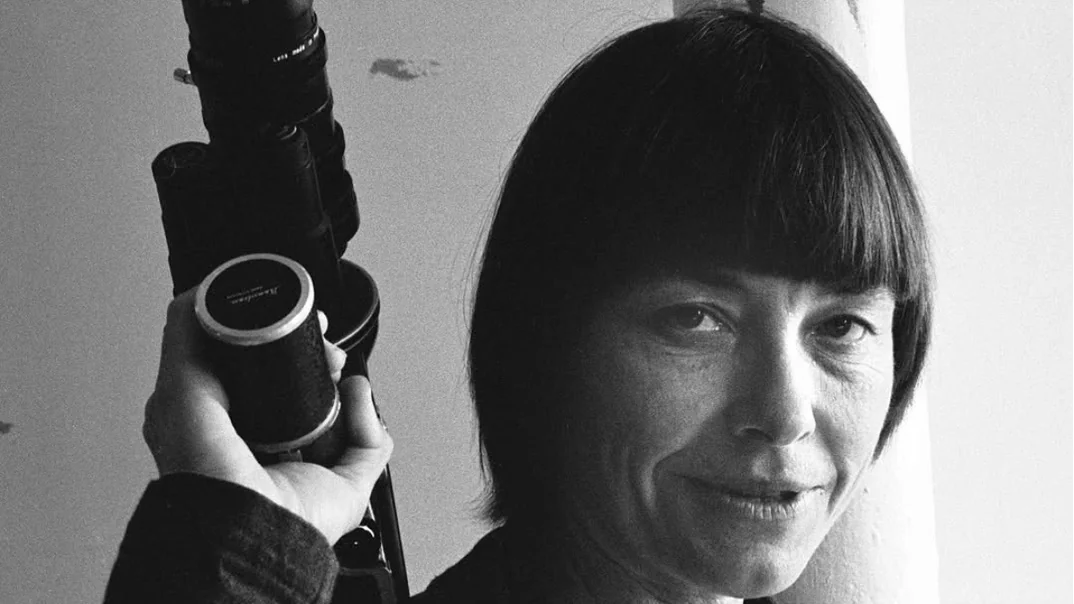
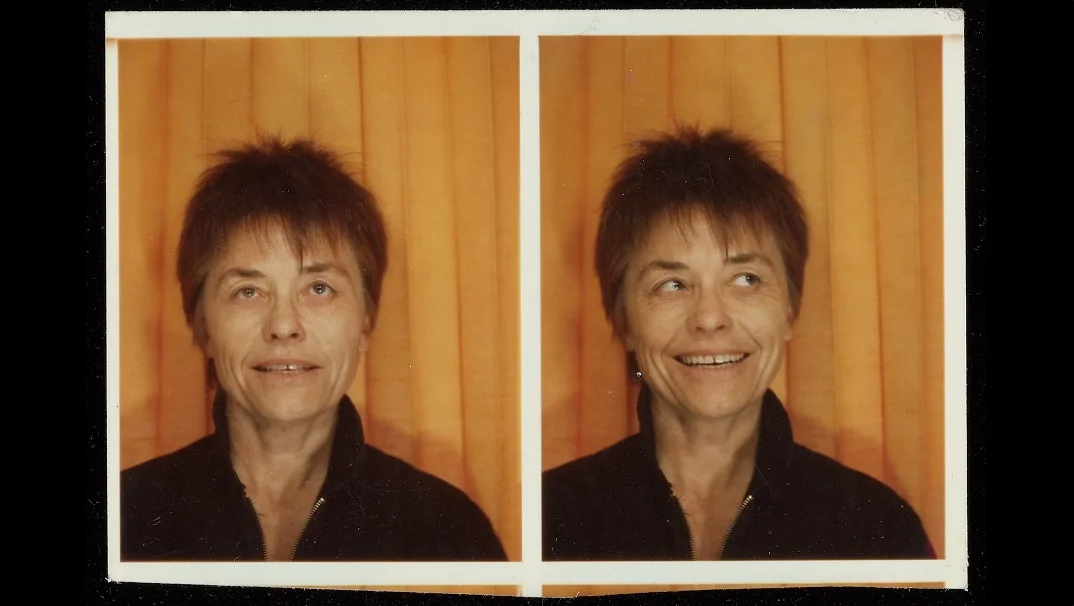
Queer cinema pioneer Barbara Hammer (1939–2019) started making films at the age of 27, coming out as a lesbian in her early 30s: “My life has been lived in film.” The sheer wealth of film material of her life also forms the basis for Barbara Forever, Brydie O’Connor’s debut feature which achieves the mammoth task of doing justice to her dazzling and charismatic personality: a pioneer of lesbian and queer self-representation “in a world where we are invisible”, a seductive lover – and a both experimental and daring filmmaker. Above all this: a lust for life. Through her films, which include Dyketactics (1974), Audience (1982) and Nitrate Kisses (1992), hitherto unseen archive material, Barbara’s narrative voice – and with her life partner Florrie Burke as another focal point – the temporality of life itself is queered: lots of sex and intimacy, the theory of the cinema of touch, the desire for artistic recognition, her relationship with her mother in an immigrant family and the mission to pass on and share what film does best, not least in view of her illness and dying. Fans, newcomers and returning viewers alike: allow yourselves to be touched by this Dyke Poetry!
Credits:
US 2026, 102 min., English with German subtitles. Regie: Brydie O’Connor Montage: Matt Hixon mit: Barbara Hammer
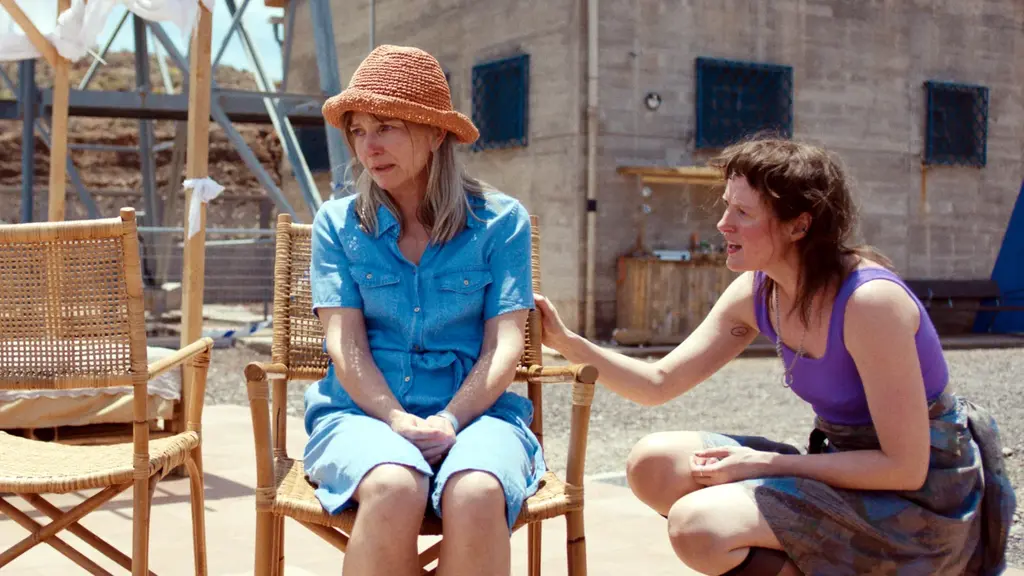
Two half-sisters (Renate Reinsve, Helene Bjørneby) are reunited after 25 years in Gran Canaria, where they grew up in an all-inclusive resort. Following the death of their esoteric mother, the very different women are forced to come to terms with their shared past.
Credits:
NO/UK/SE/DE 2026, 116 mins, Norwegian, English, Spanish, German (original version with German subtitles) Director & Screenplay: Itonje Søimer Guttormsen Cinematography: David Raedeker Editing: Kristin Grundström & Itonje Søimer Guttormsen Starring: Renate Reinsve, Helene Bjørnebye, Lillian Müller, Numan Acar
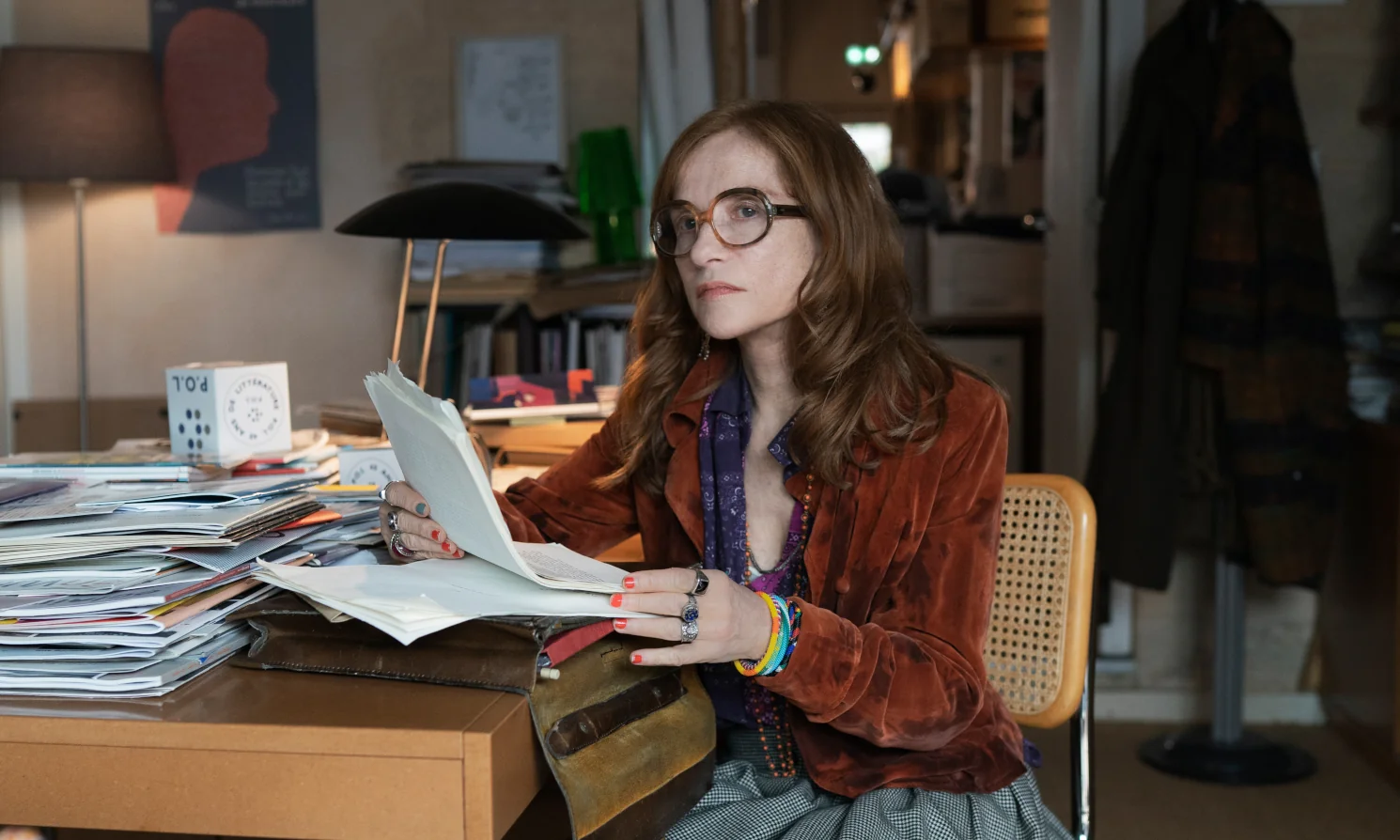
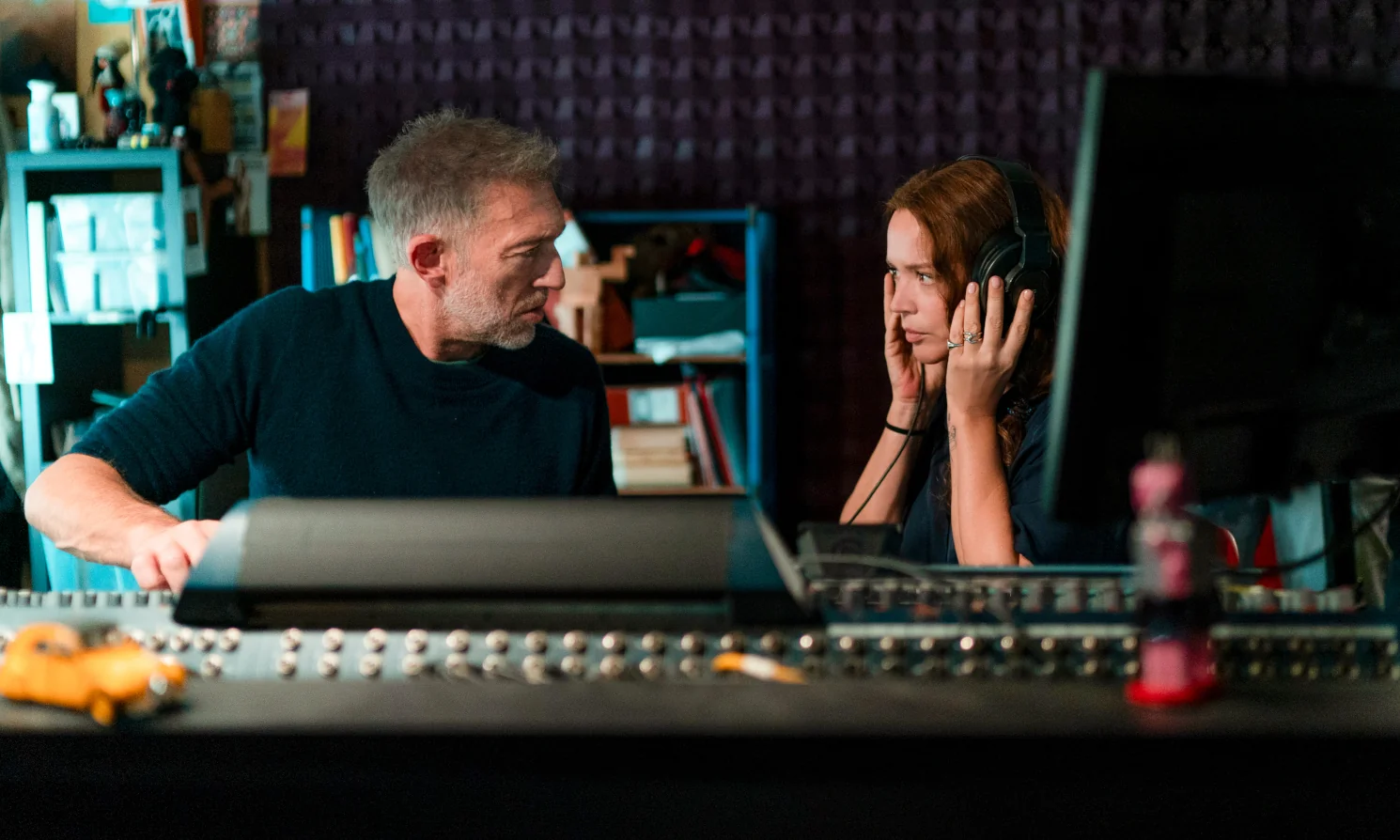
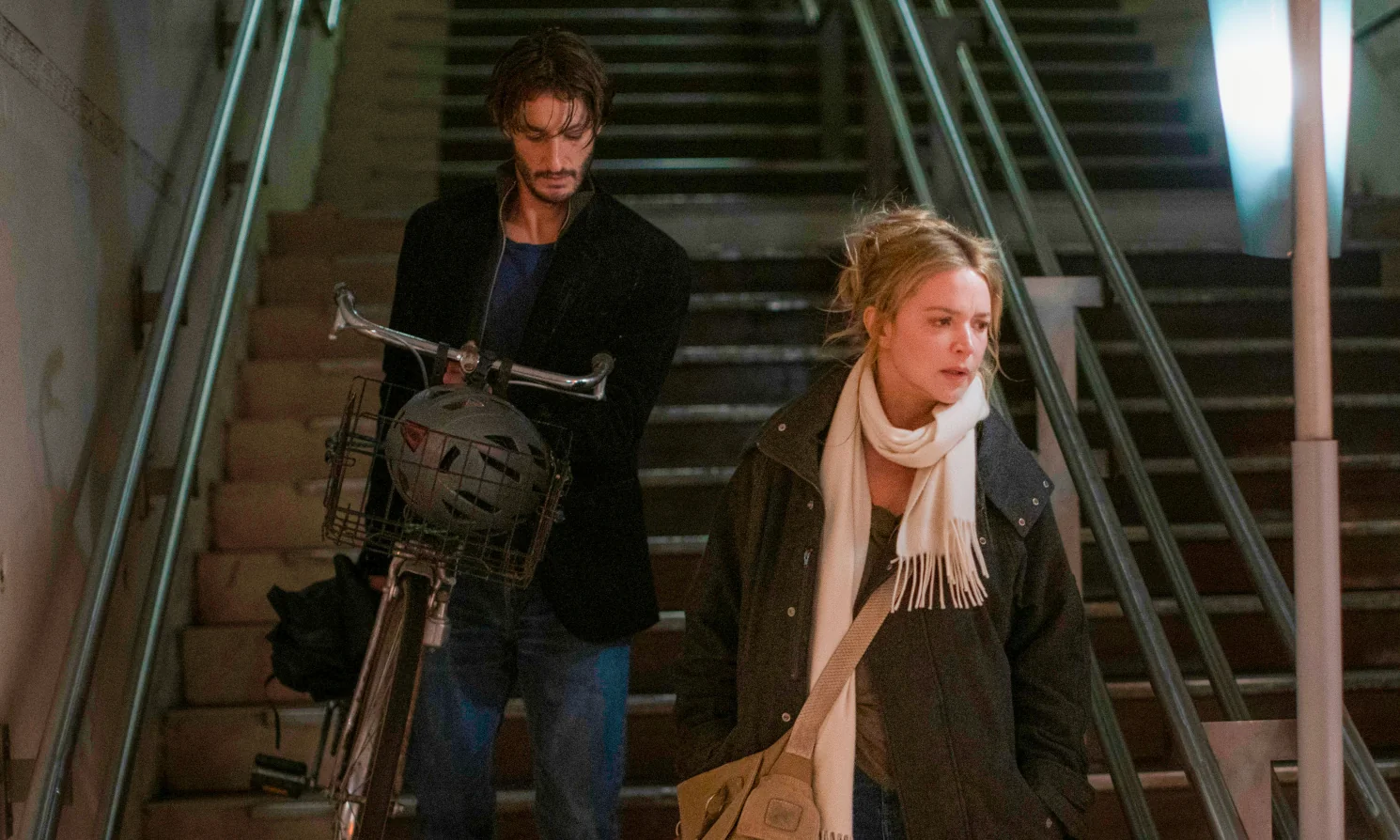
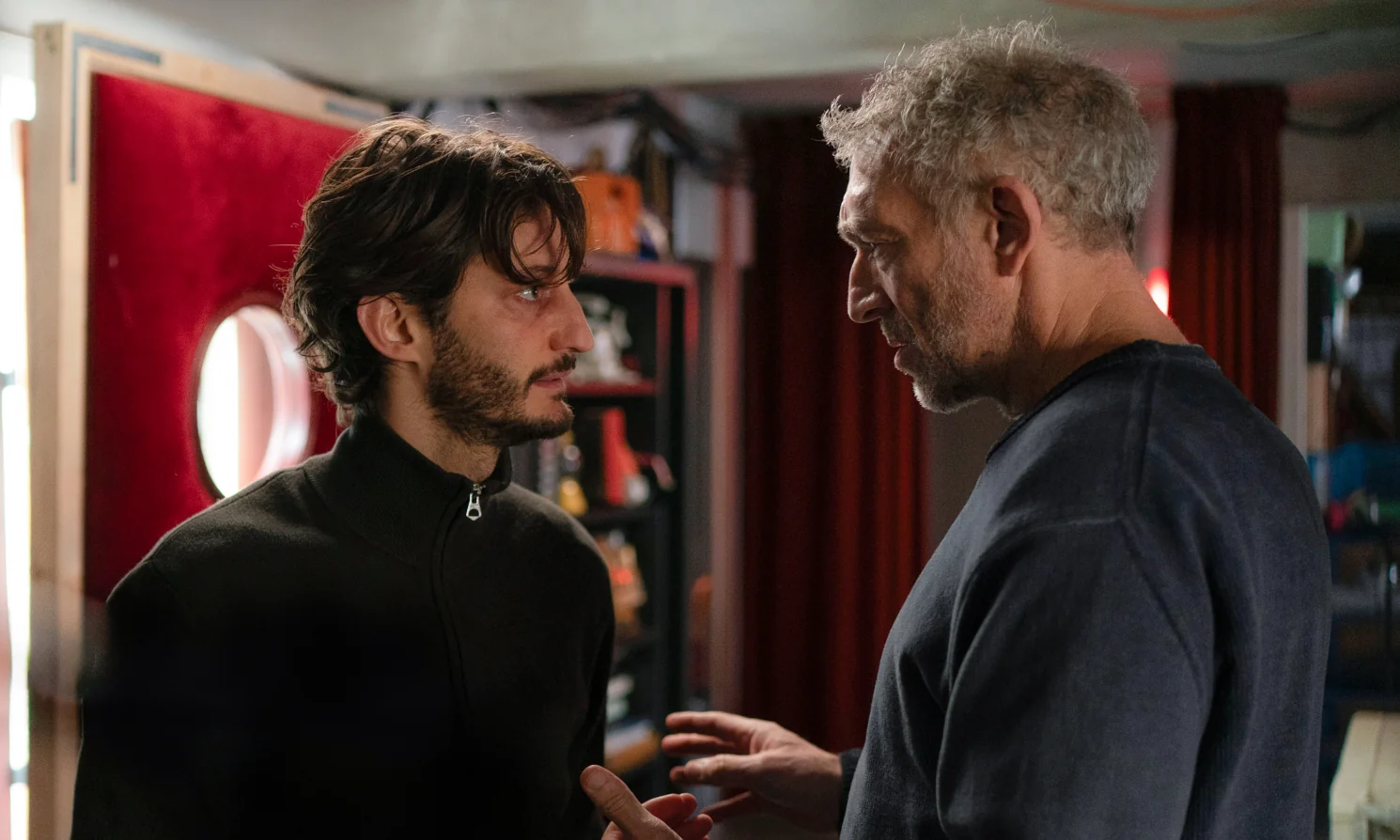
A writer uses a telescope to observe what is happening in the flat opposite, where two brothers and a female colleague are working in a film sound studio. When she is forced to accept an assistant, he too becomes captivated by the events unfolding there and pretends to be a writer to the woman across the way, passing off samples of his boss’s work as his own. A multi-layered drama by Asghar Farhadi.
Credits:
FR/BE/IT 2026, 139 mins, French with German subtitles Director: Asghar Farhadi Screenplay: Asghar Farhadi, Massoumeh Lahidji Cinematography: Guillaume Deffontaines Editing: Hayedeh Safiyari Starring: Isabelle Huppert, Virginie Efira, Vincent Cassel, Pierre Niney
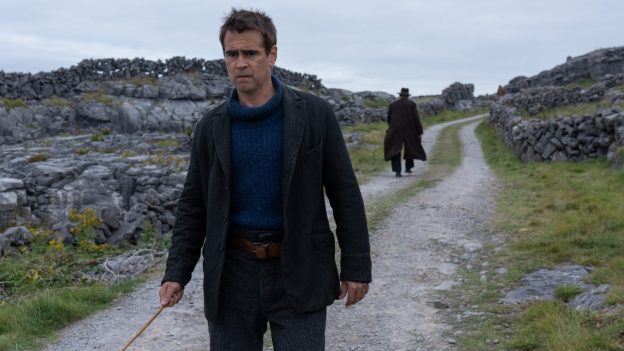
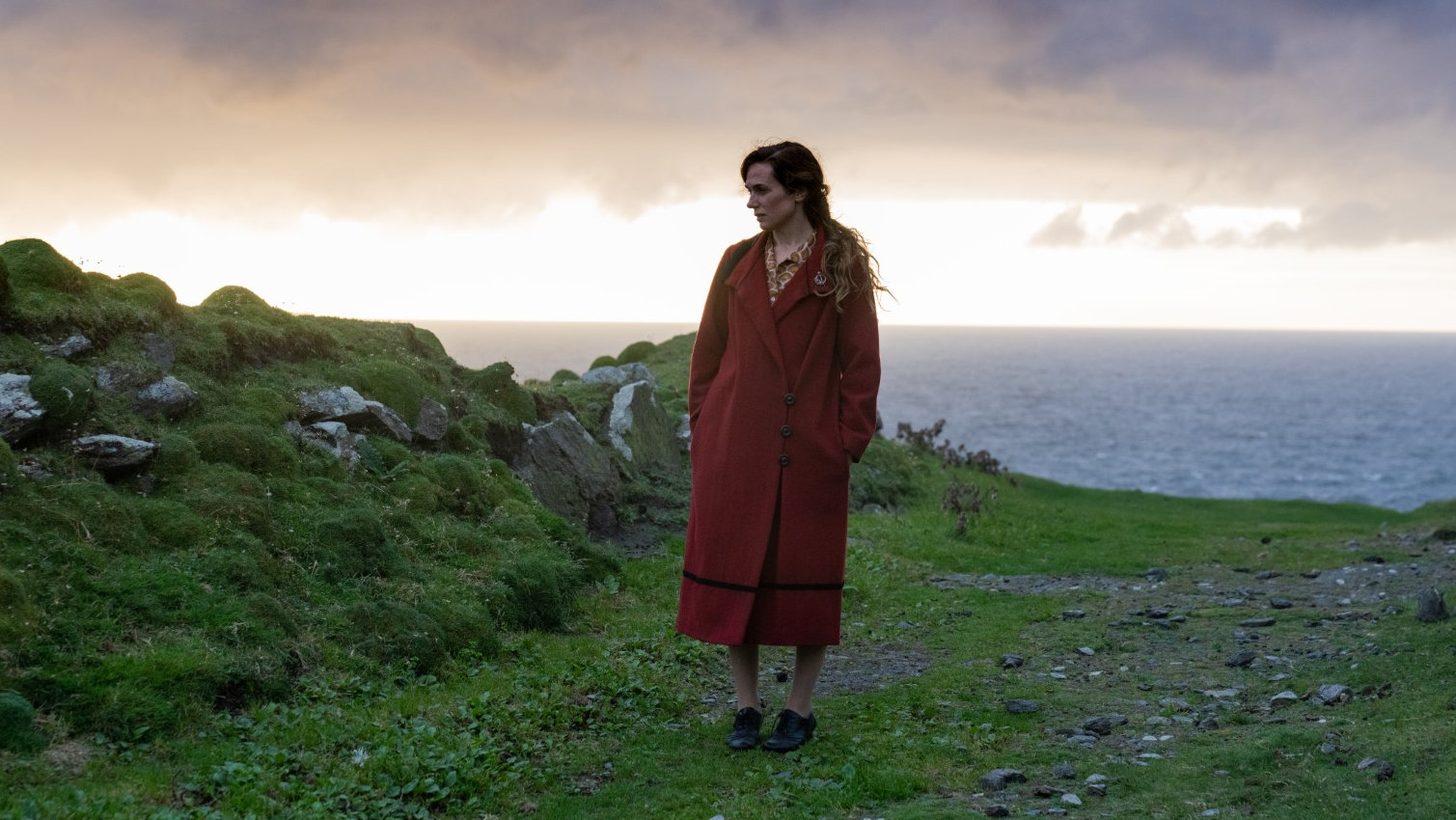
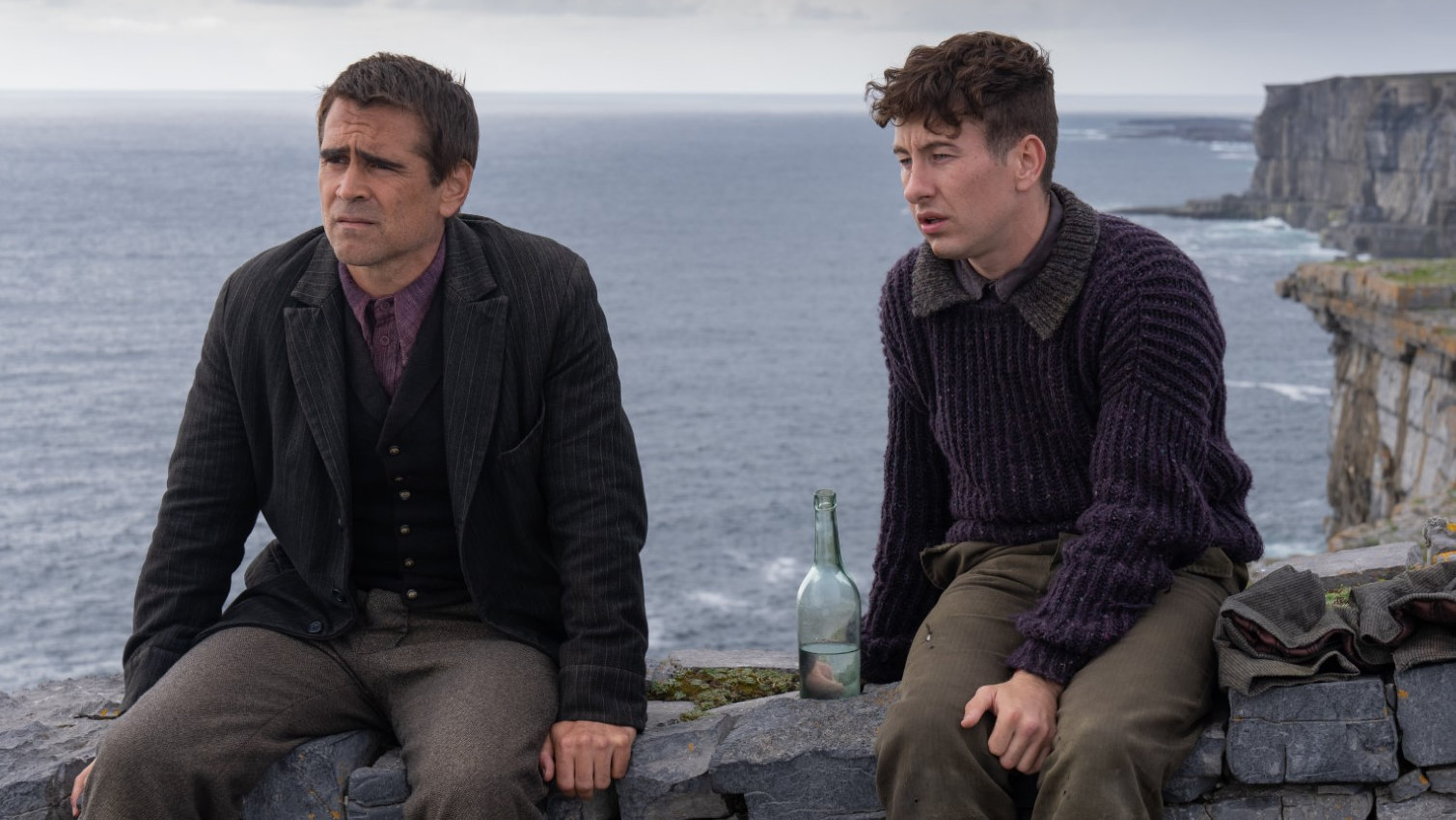
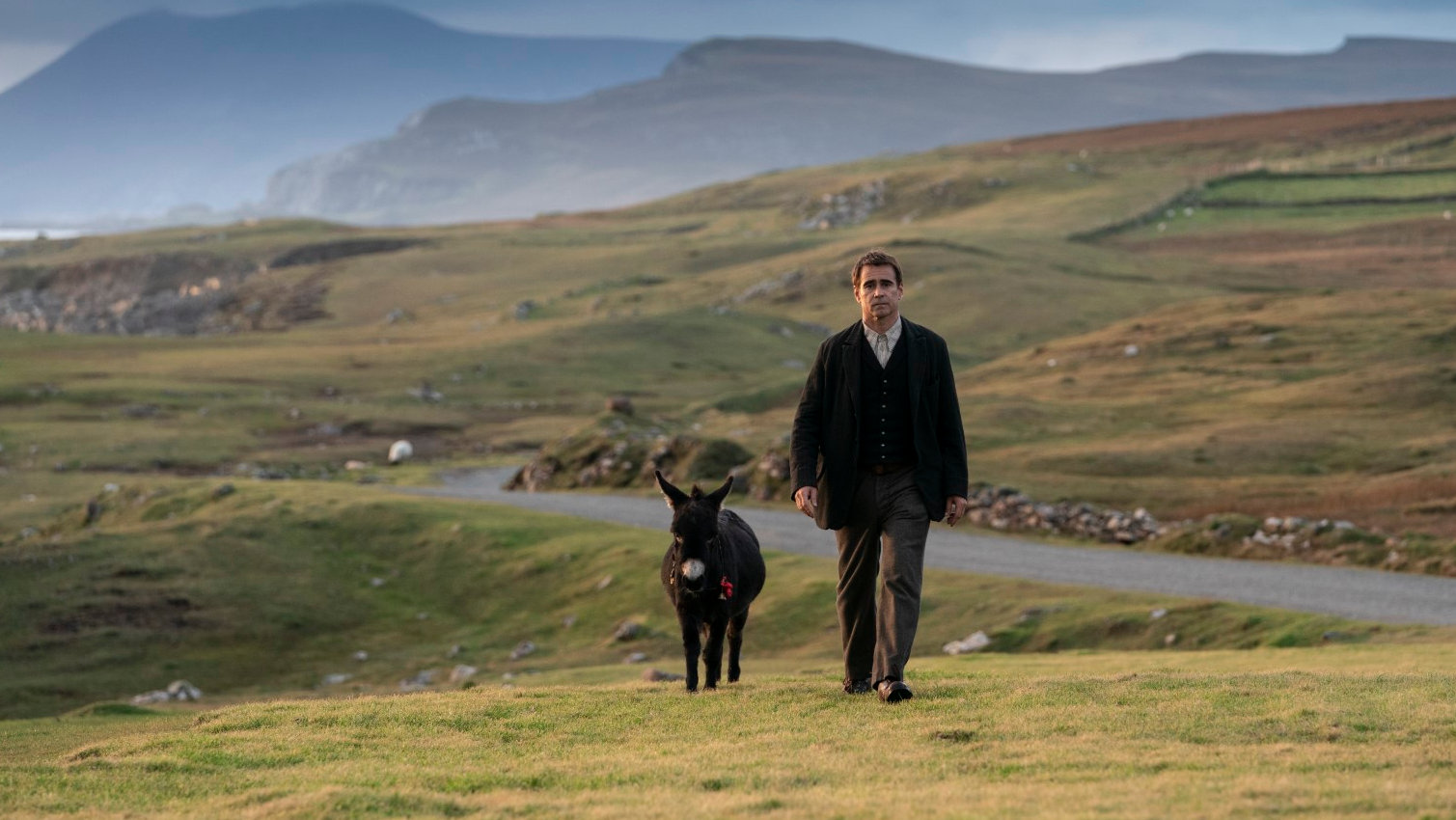
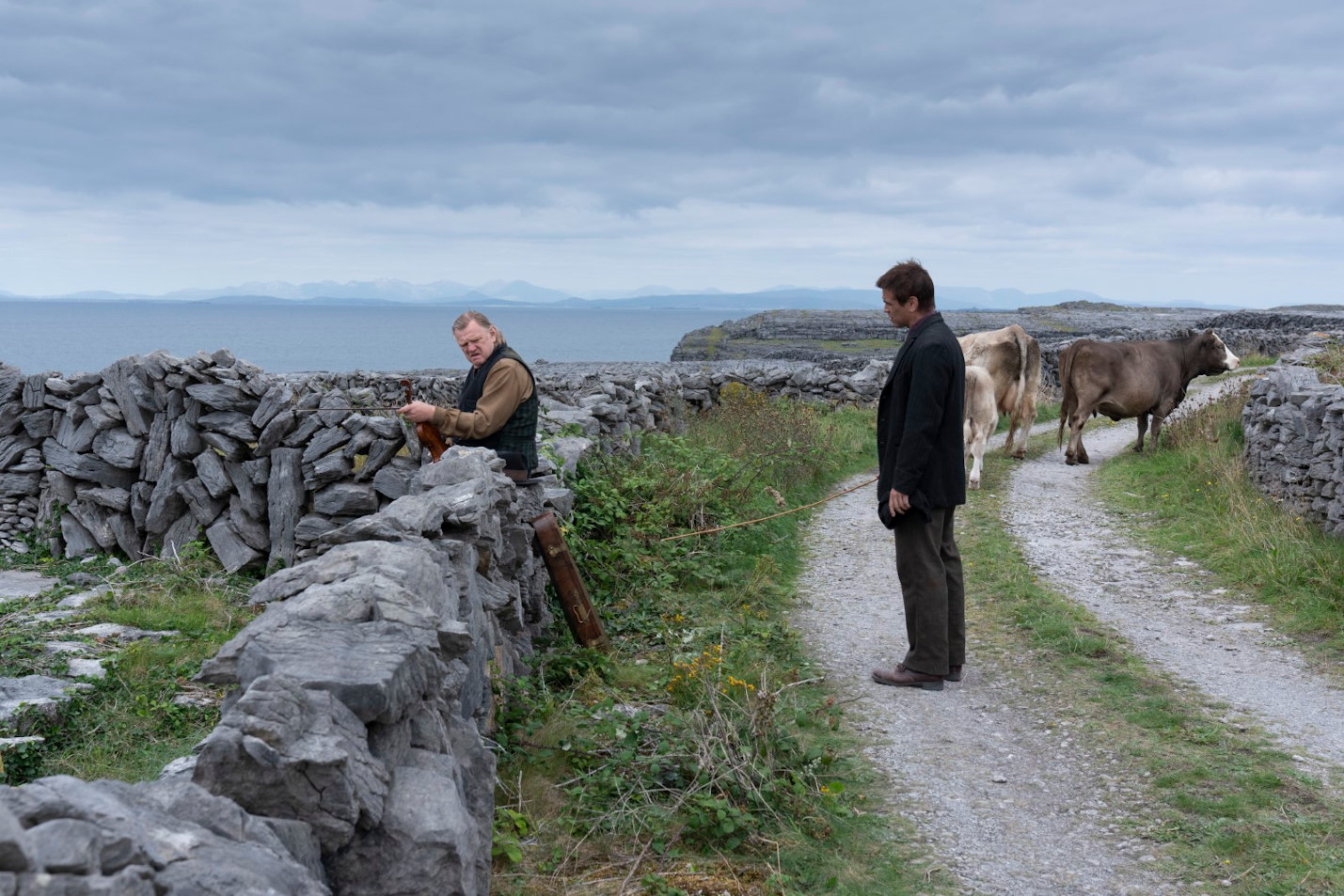
As the Irish Civil War rages on, the island of Inisherin remains just out of reach. When the wind drops, bombs can be heard, but many of the inhabitants are so disconnected from everything that they are unsure where their allegiances lie. Martin McDonagh’s film never leaves the island, but its sweeping vistas and stunningly-shot coastlines ensure that the film never feels claustrophobic, its few inhabitants spread out so sparsely that each home is like a testimony to loneliness. BANSHEESOFINISHERIN takes its name from a piece of music Colm composes across the course of the film. Unfortunately for his best friend Pádraic, Colm has decided that he must stop speaking to him in order to devote his final years to music. When Padraic refuses to accept this, Colm swears that any time Padraic speaks to him he will cut off one of his own fingers. The film is blackly comic, frequently absurd and proves to be McDonagh’s finest work, with a career-best turn from Farrell playing a lost soul confronting crippling loneliness and inadequacy. The film’s allegory for the civil war is present but not overplayed, a hauntingly lyrical tribute to humanity’s capacity for self-destruction. (Leila Latif)
Credits:
GB/IR/US 2022, 109 Min., engl. OmU Regie: Martin McDonagh Kamera: Ben Davis Schnitt: Mikkel E.G. Nielsen mit: Colin Farrell Brendan Gleeson Kerry Condon Barry Keoghan
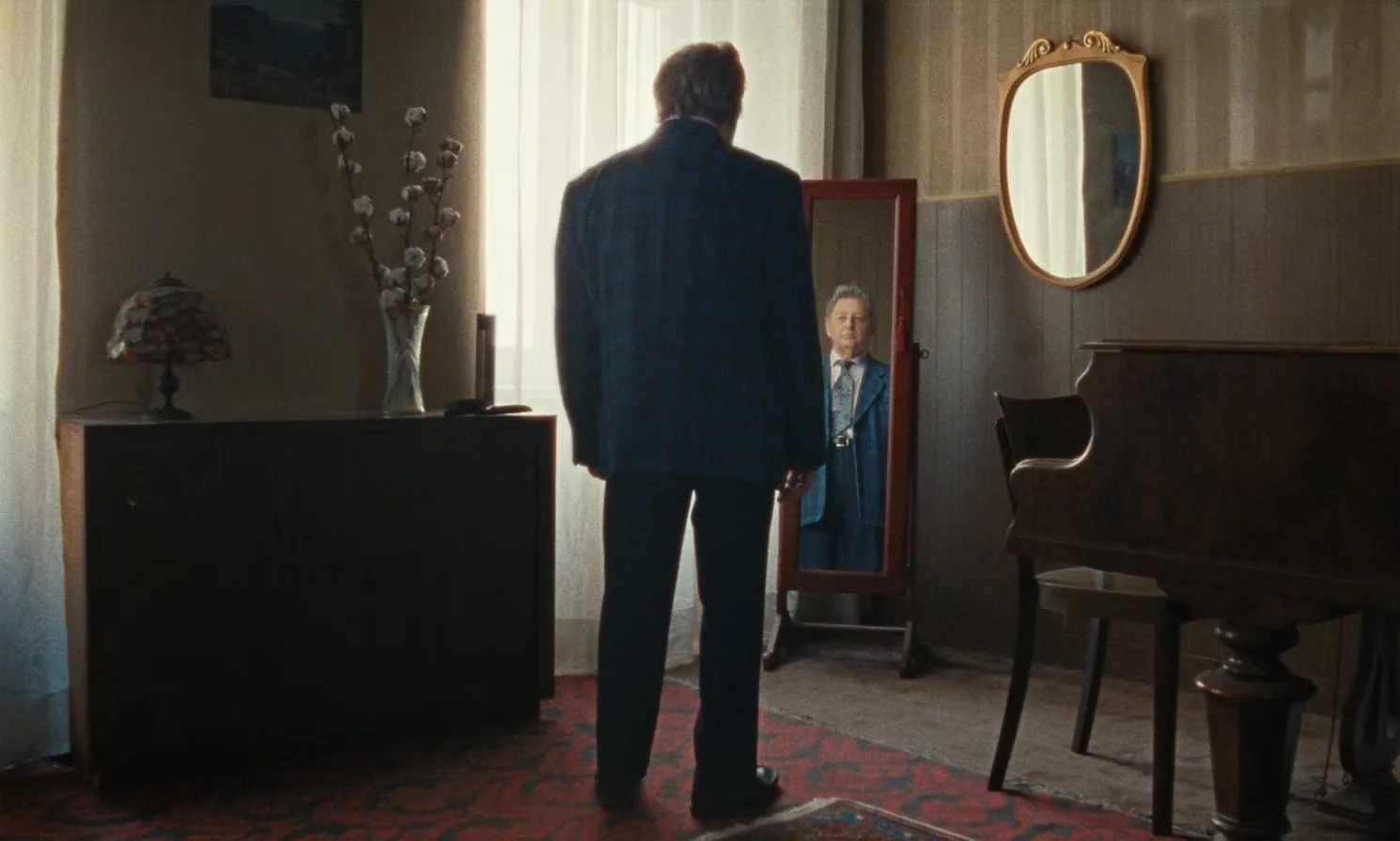
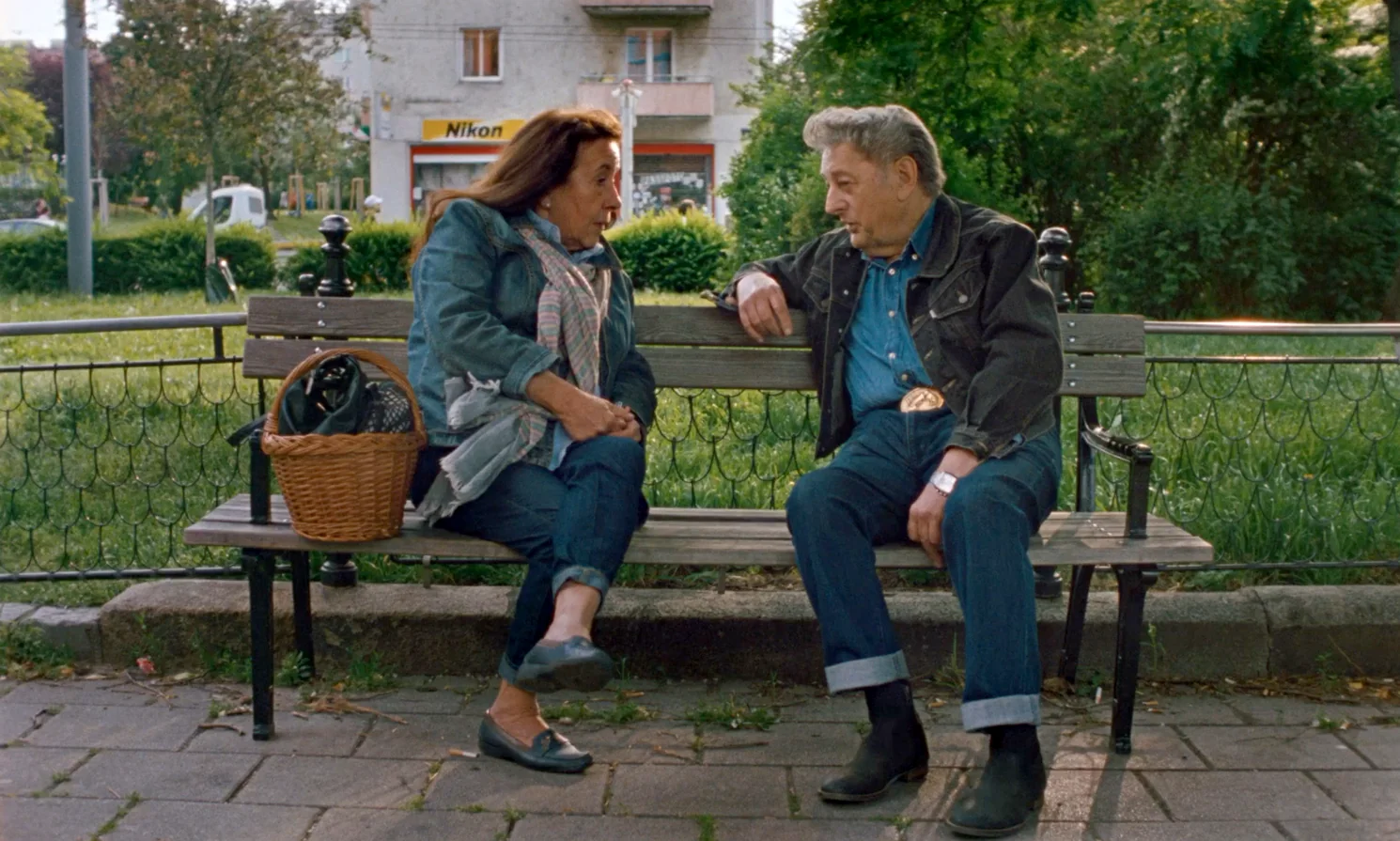
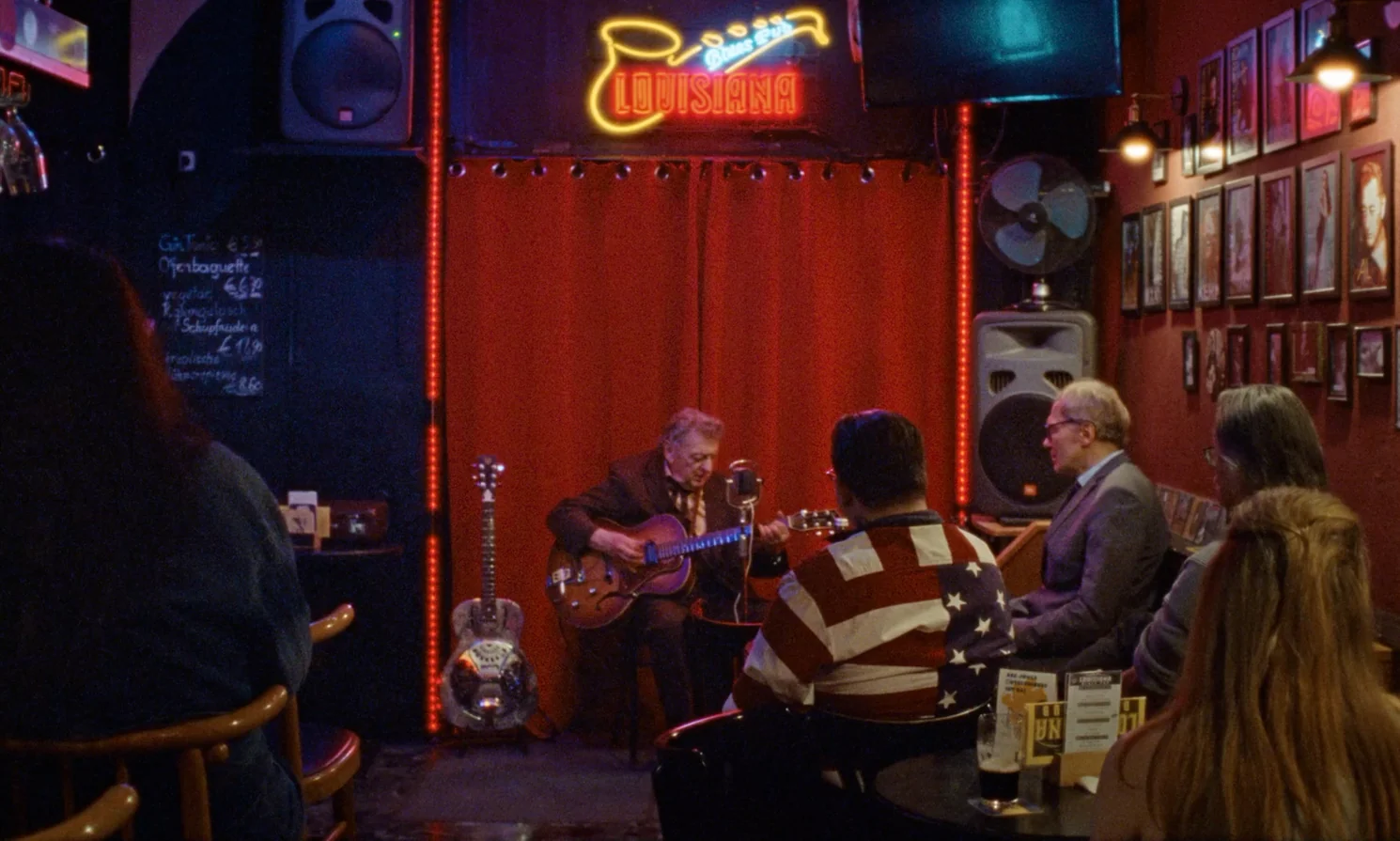
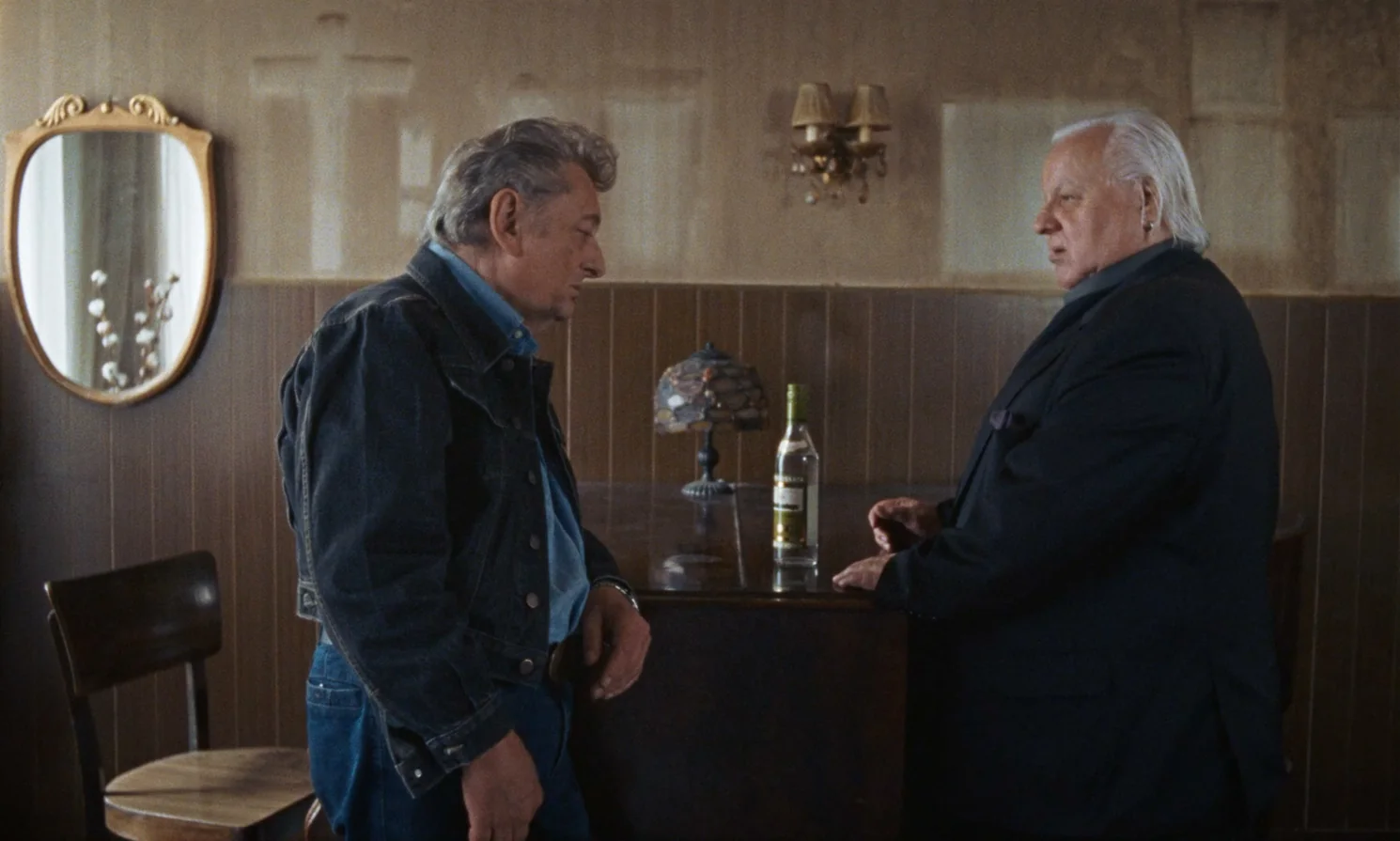
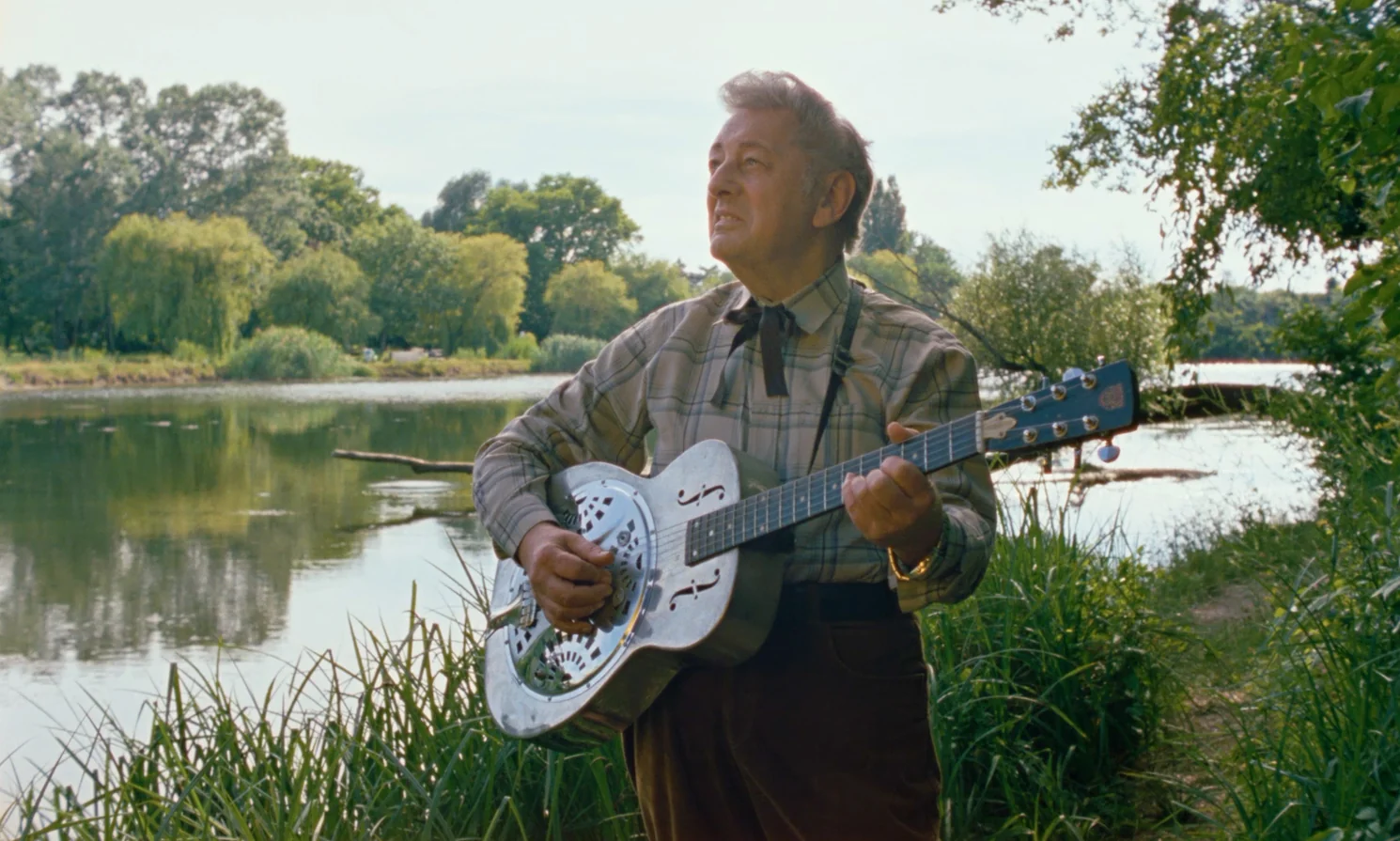
Al Cook lives surrounded by memories. His apartment and basement studio are crammed full of books, videotapes and vinyl records – all that remains of a life once fully lived. Here, time seems to stand still while, beyond these four walls, the world has moved on. The blues, the music that means everything to Al, is slowly being forgotten. His hometown no longer feels like home, and the loss of his beloved wife, Silvia, still weighs heavy on his heart. When a ruthless real estate company targets his home for demolition, his refuge is taken away, leaving him to face the ruins of his life. As Al is forced to let go of his treasures one by one, he must ask himself the painful question: How do you move forward when memories are all you have left? In the face of total loss, he chooses a radical new beginning.
„Despite all the nostalgic melancholy that echoes through this film and the character of Al Cooke, The Loneliest Man in Town is at the same time a life-affirming, at times very funny and exceedingly tender film. When the cool blues musician places flowers on the altar at home for his late wife, or awkwardly flirts with a former lover who dumped him because, whilst she was into the Beatles, he preferred Elvis records, then these small gestures strike you right in the heart and also reveal the loneliness already hinted at in the title (which, in turn, comes from a song that Cooke performs at one point in front of a very small audience). (…) And Cooke / Koch himself fits seamlessly into the long line of characters from Tizza Covi and Rainer Frimmel’s previous films, who are often musicians, circus performers, travellers or actors and actresses. Yet the directing duo are not particularly interested in the glitz and glamour associated with such lives. Rather, with deep affection for those they portray, they reveal all the frailties and fractures within a life that these people have dedicated to art, regardless of material security. All their attention, all their love, is directed towards them. The fact that they repeatedly succeed in making such magnificent, utterly unique, immensely humorous and at the same time deeply moving films about true masters of (survival) art, such as Alois Koch, makes Tizza Covi and Rainer Frimmel exceptional figures and their films truly precious treasures, which, with all their warmth and empathy, one would not wish to be without.„ Joachim Kurz | Kino-Zeit
Credits:
AT 2026, 86 mins, German Directed by: Tizza Covi and Rainer Frimmel Screenplay: Tizza Covi Cinematography: Rainer Frimmel Editing: Tizza Covi, Emily Artmann Starring: Alois Koch, Brigitte Meduna, Alfred Blechinger, Flurina Schneider
Trailer:
Wiener Blues – The Loneliest Man in Town | Trailer Deutsch | Ab 19. November im Kino
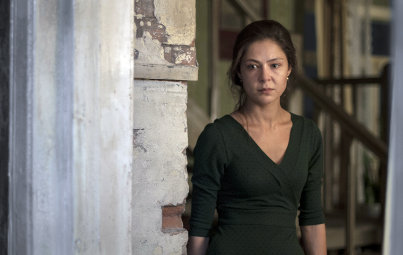
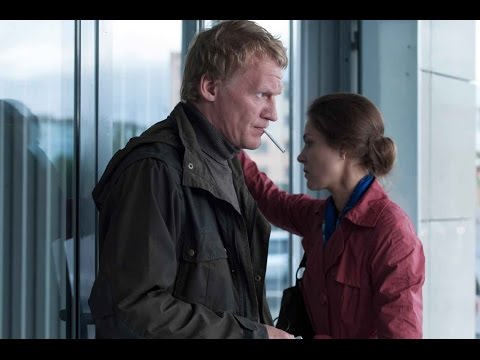
A film by Andrei Zvyagintsev. In russian with german subtitles.
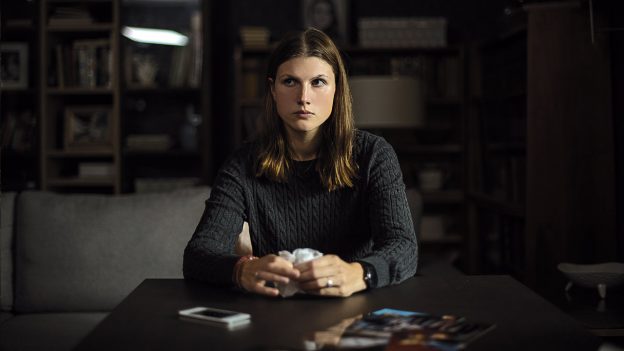
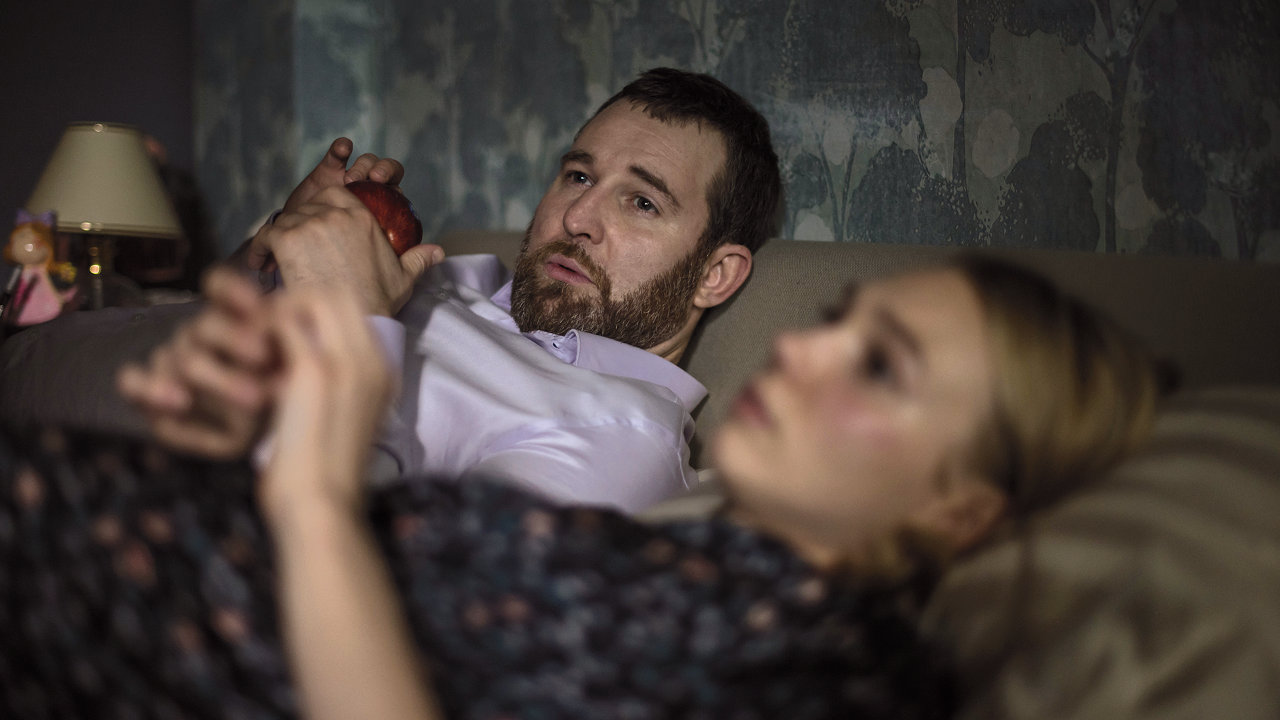
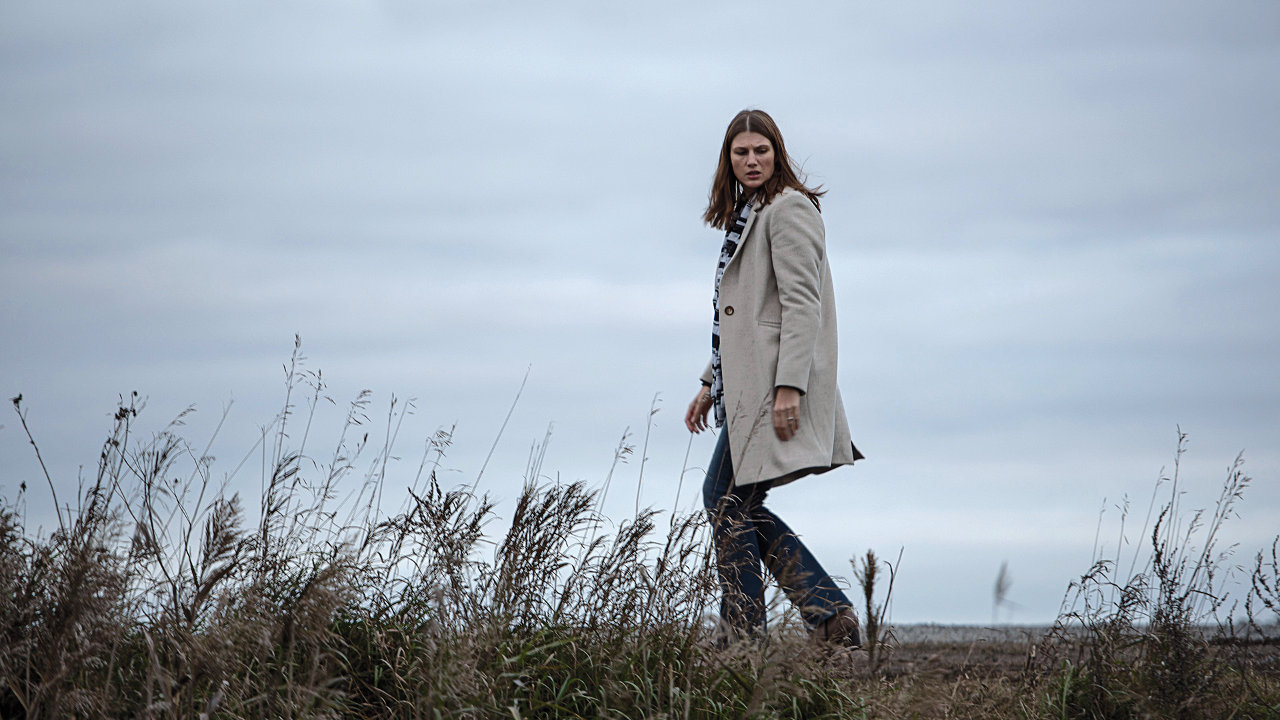
In Moscow, at the end of the school day, students are departing on their way home. One twelve year old boy, Alexey, decides to take an indirect path home rather than using the regular city streets. Alexey takes a path which leads him to walk by a local river in a wooded area just on the outskirts of town. He appears to be in no particular rush to get home. His parents, Zhenya and Boris, are in the midst of obtaining a divorce, with much animosity. They are portrayed as having divergent and incompatible personalities. Both are trying to form new lives in new relationships.
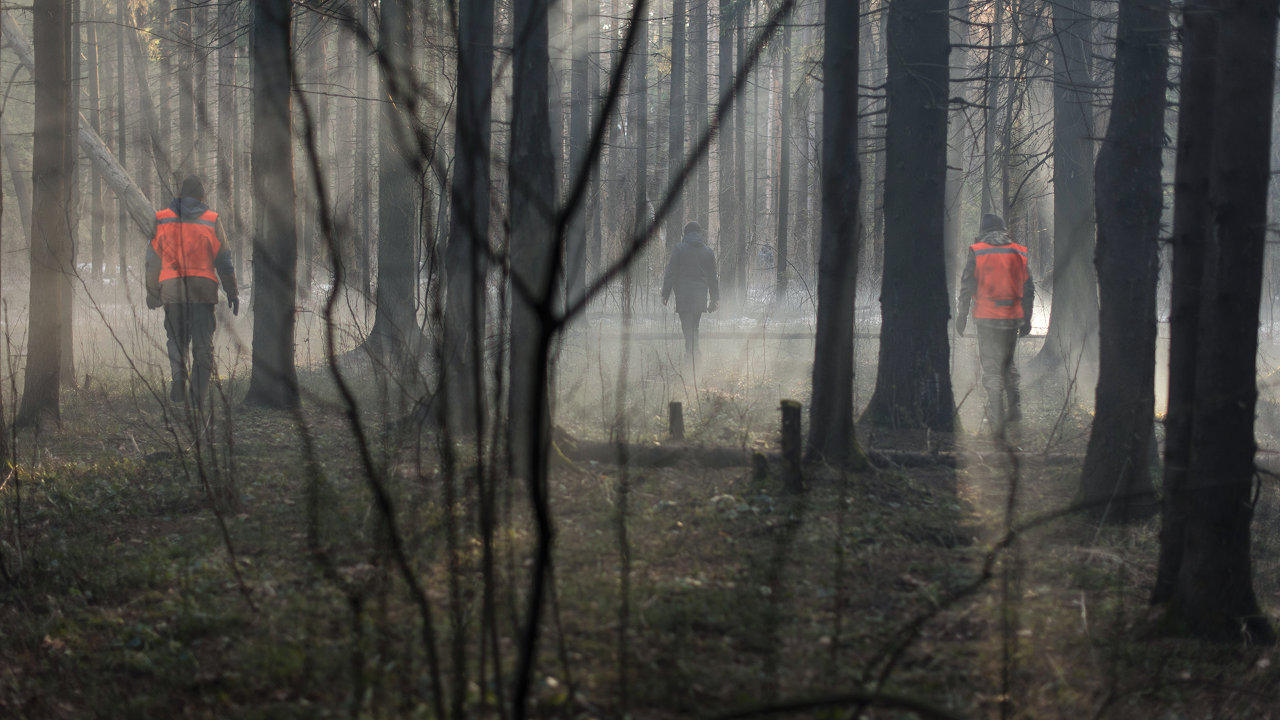
One day, it is discovered that the boy has disappeared from home, and his mother calls the police for assistance. At first, the police see this as the simple case of a runaway child and expect the boy to return home within a day or two. However, when Alexey does not return, a volunteer group specializing in the search for missing persons takes over the case and promptly initiates a preliminary search for the boy by sending the parents to estranged relatives in the hope of locating him. They are first sent to see if Alexey is at his mother’s parents. Alexey is not there when they arrive, though their trip to visit her mother out of town is punctuated by tension between the estranged relatives and Boris is verbally berated and excoriated by Zhenya. On the return trip home, her verbal abuse escalates to the point that Boris discharges her on the rural roadway before they get back to town.
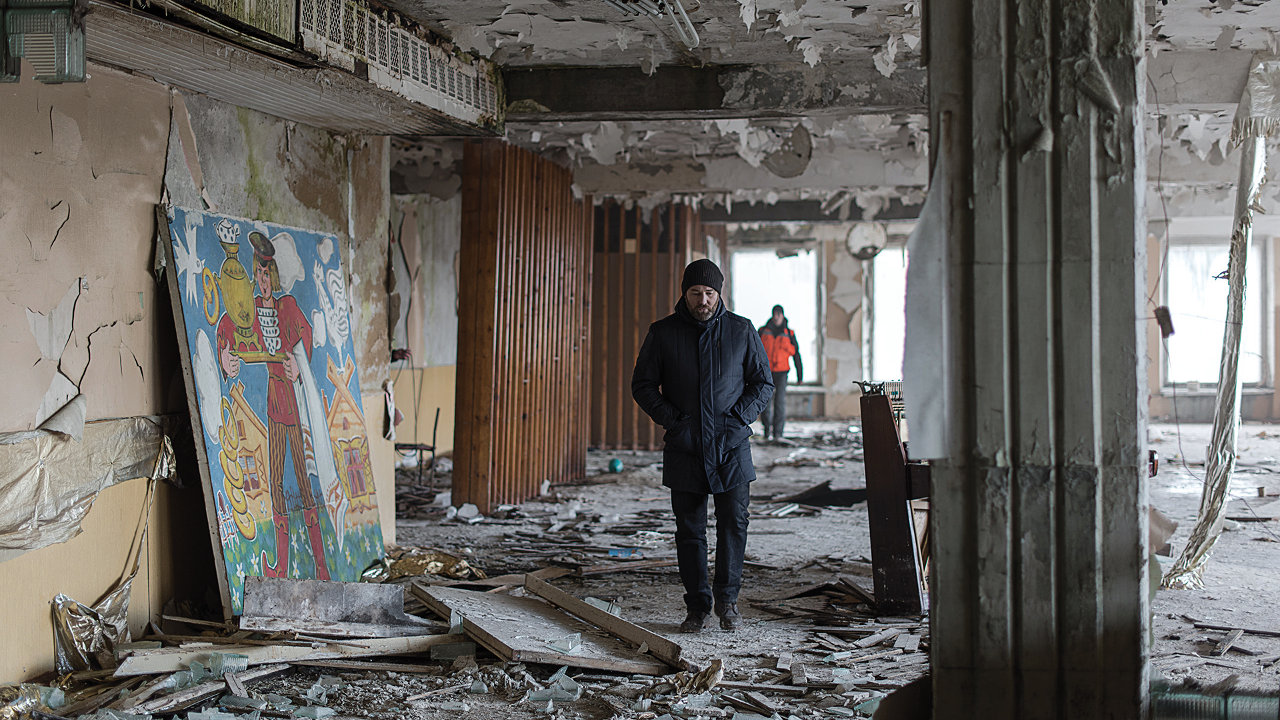
The failure of the police to find Alexey promptly escalates the search for him into an all out emergency missing persons search across the town and surrounding areas. A search of an abandoned municipal building from an old dilapidated city development project where Alexey was known to have visited turns up nothing. Finally, the parents are asked to come to the morgue to examine and try to identify the remains of a John Doe child of still unknown identity. The parents both deny that the disfigured dead child’s body is their son, though the experience of being put through the identification process is emotionally traumatic to them as they breakdown in tears of desperation, with Alexey still missing.
Later, Alexey’s mother has sold their apartment and workers begin dismantling wall hangings and appliances left behind in the now vacant apartment. Outside on the street, missing person posters of Alexey now canvas large parts of the city trying to seek help in locating the missing boy. The scene shifts to the nearby river by the wooded path which Alexey used to use to walk home after school and the view focuses on an extended landscape scene looking through naked winter branches of the surrounding very tall trees. The tree branches sway slightly against the winter sky with no sight of Alexey or anyone else among the naked winter branches.
Credits: Originaltitel: Nelyubov Frankreich/Russland 2017, 127 Min., Regie: Andrei Zvyagintsev Buch: Oieg Negin Kamera: Mikhail Krichman Schnitt: Anna Mass mit: Maryana Spivak, Matvey Novikov, Aleksey Rozin
The Kola Peninsula on the Barents Sea – this is where Kolya lives with Lilya, his second wife, and Roma, his son from his first marriage, in a house with a workshop offering a wonderful view across the bay. The land has been in his family’s possession for generations, but now the current mayor of the village has realised its value. He wants to buy it and threatens expropriation when Kolya refuses. The car mechanic turns to his old army friend Dmitri, a successful lawyer from Moscow. Should the court case prove unsuccessful, Dmitri still has some information about the mayor up his sleeve. But nothing goes according to plan for Kolya here.
Through striking imagery and small doses of gallows humour, Zvyagintsev (The Return, Golden Lion at Venice 2003) explores corruption, disillusionment and alcoholism – and, of course, the harsh consequences these have on people’s private lives. However, he expressly does not wish to limit this to Russia: “Replace the Orthodox Church with the Catholic Church, and you’re in Italy. A Mexican critic told me, ‘Swap the vodka for tequila, and it’s a Mexican story.’ In fact, the director was inspired to make the film following an incident in Colorado, in which a car mechanic, whose land had been unlawfully seized, used a bulldozer to flatten the town hall and the mayor’s house before taking his own life. However, the winner of the 2015 Golden Globe is Russian enough that Culture Minister Medinsky, referring to *Leviathan*, warned that he would no longer fund films that criticise those in power and “even spit on them”, as well as films that “spread the spirit of hopelessness and meaninglessness in our lives” – and this despite the fact that the film had previously been selected as Russia’s entry for the ‘Foreign Language Oscar’. ‘Leviathan is not merely a pessimistic assessment of contemporary Russia, but also a thoroughly masterful narrative that grows even richer with every detour it takes.’ critic.de
Russland 2014, 141 Min., russ. OmU
Regie: Andrey Zvyagintsev
Kamera: Mikhail Krichaman Schnitt: Anna Mass Musik: Phillip Glass
mit: Aleksey Serebryakov Elena Lyadova, Vladimir Vdovitchenkov, Roman Madyanov, Anna Ukolova Filmwebseite
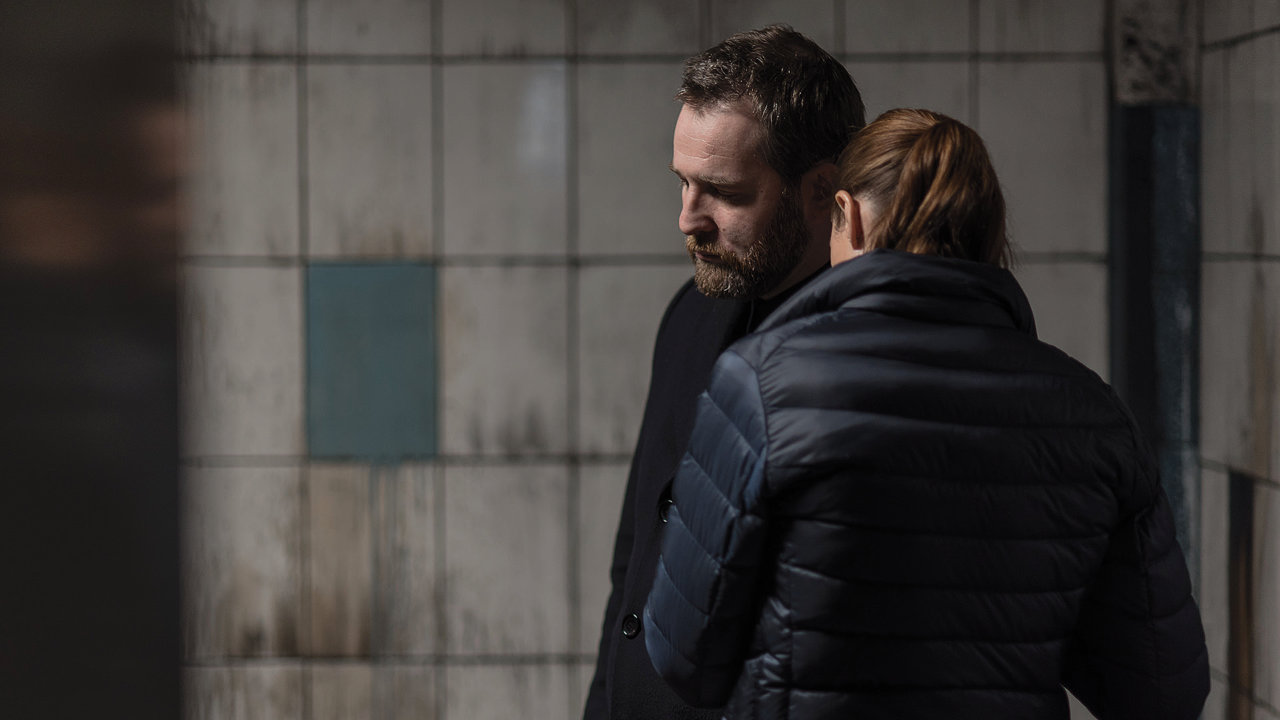
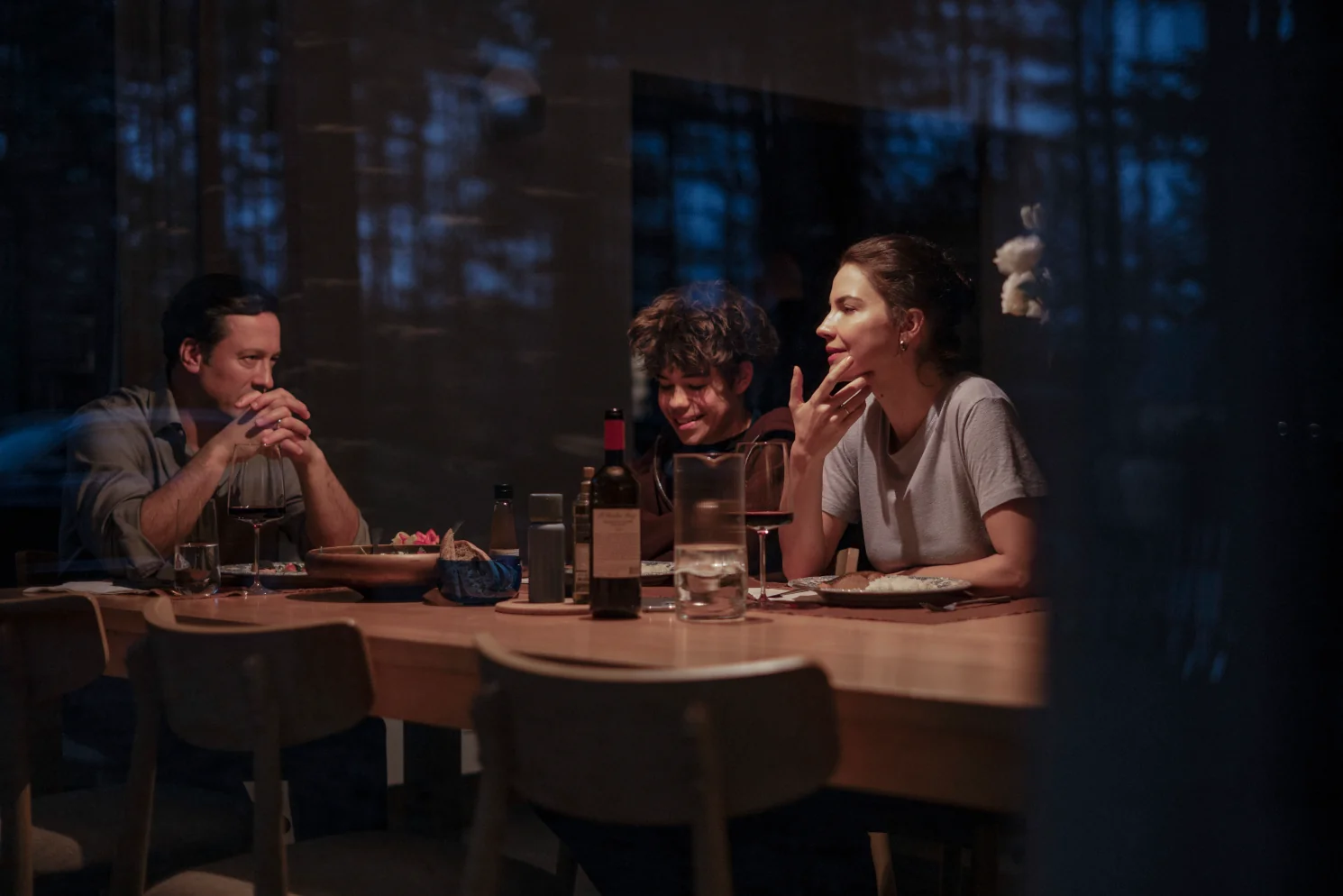
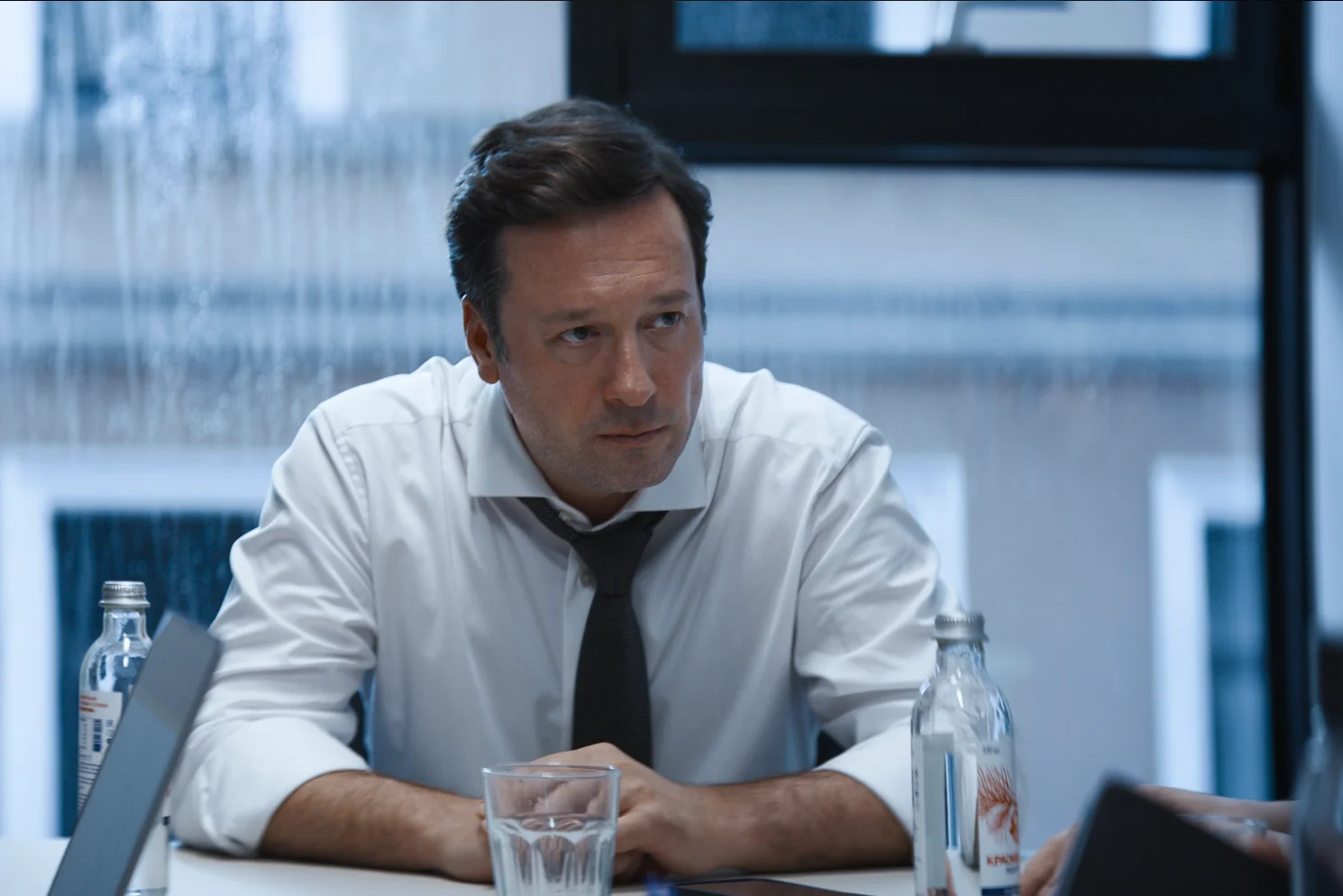
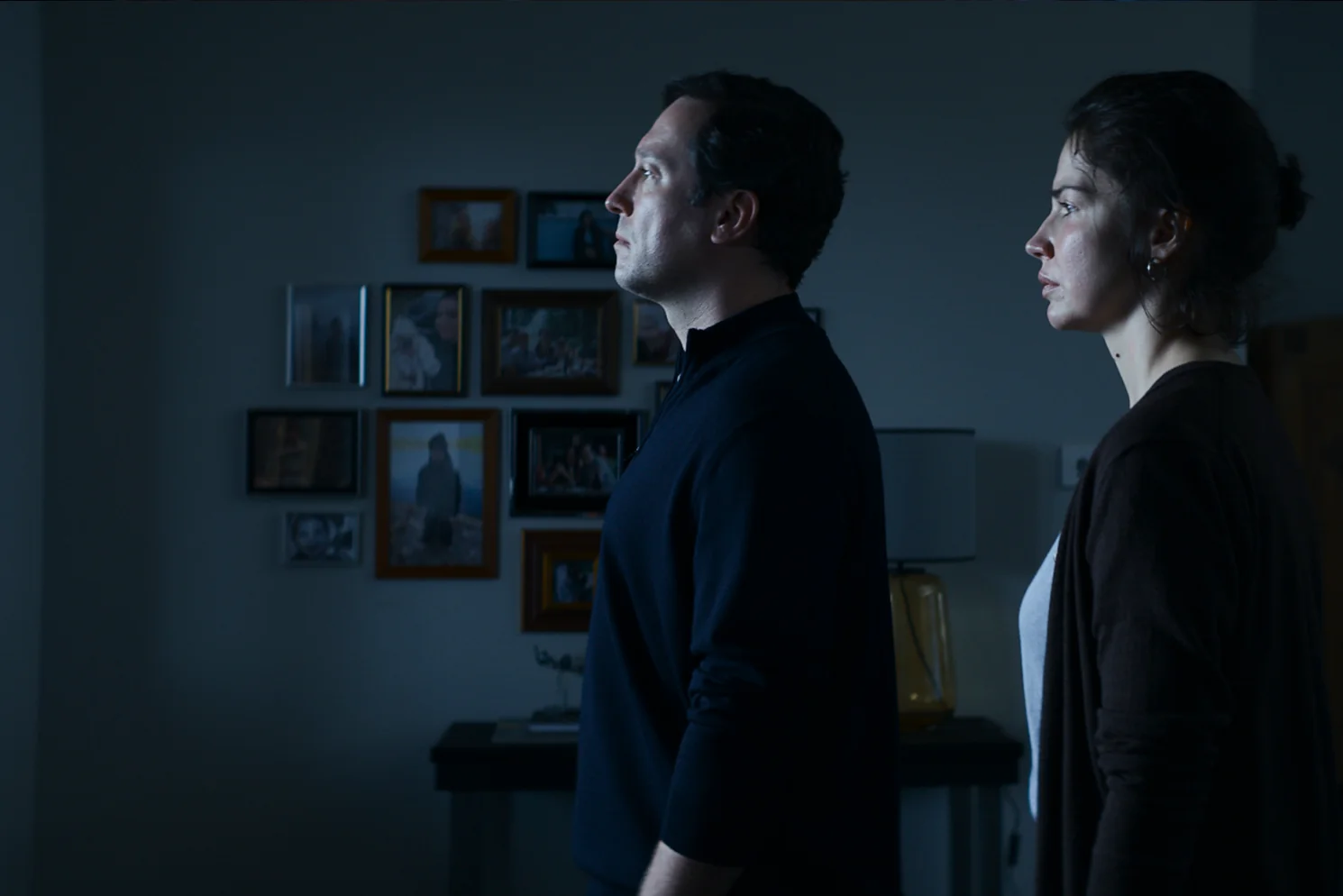
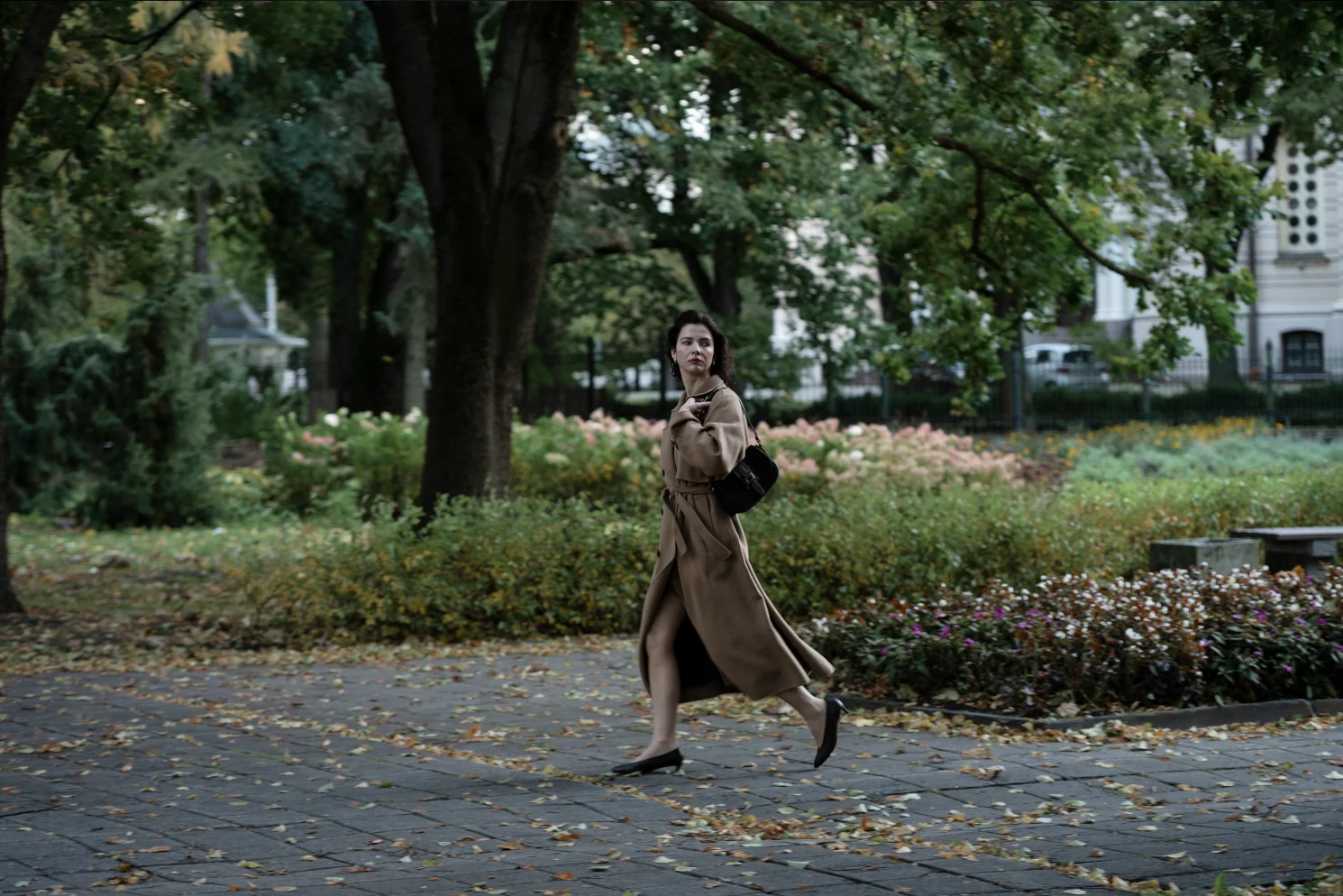
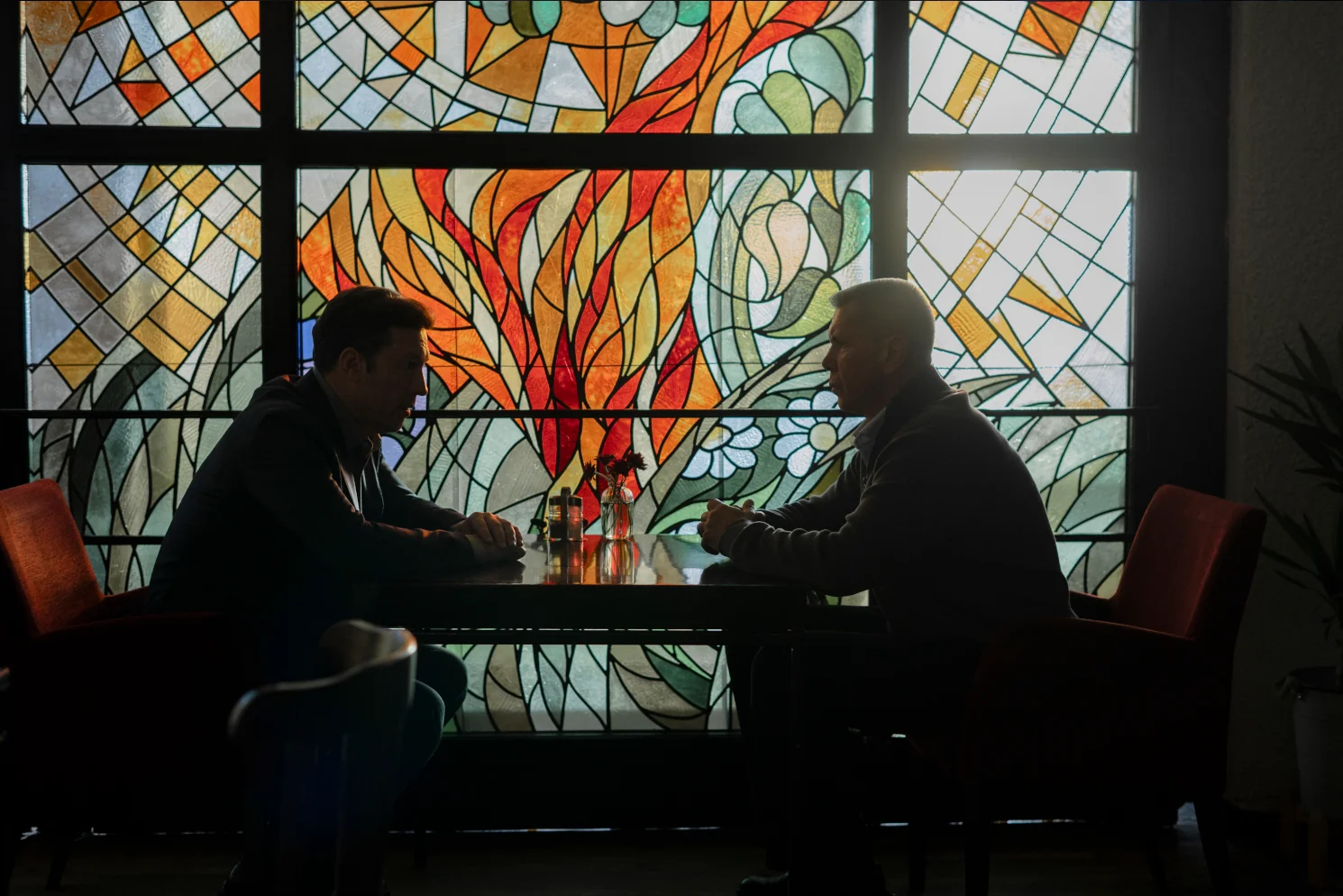
Russia, 2022. Gleb, a successful businessman, finds himself facing mounting business pressures and political instability. The more he loses control over his carefully structured life, the more relentlessly he heads towards violence.
“With *Minotaur*, Andrey Zvyagintsev returns to the cinema after nine years and makes it immediately clear that his view of Russia has not changed. If anything, he has become even more uncompromising. His previous films, *Leviathan* and *Loveless*, already depicted a country whose social and moral structures had long since begun to crumble. *Minotaur* now feels like the ultimate escalation of this world: a film about people who have become so accustomed to violence, corruption and emotional coldness that they barely realise how deeply they themselves have already sunk into it. (…)
Above all, *Minotaur* is a film that reaches far beyond its specific political context. It tells the story of a society in which people have, bit by bit, traded their humanity for stability, prosperity and self-preservation – and recognises this as a tragedy.” Mia Pflüger | kinozeit
Cannes Film Festival 2026: Grand Prix
Credits:
Original title: Minotaur FR/DE/LT 2026, 140 mins, Russian with original subtitles Director & Editor: Andrei Zvyagintsev Screenplay: Seymen Lyashenko and Andrey Zvyagintsev Cinematography: Mikhail Krichman Starring: Dmitrii Mazurov, Iris Lebedeva, Boris Kudrin, Yuriy Zavalnyouk
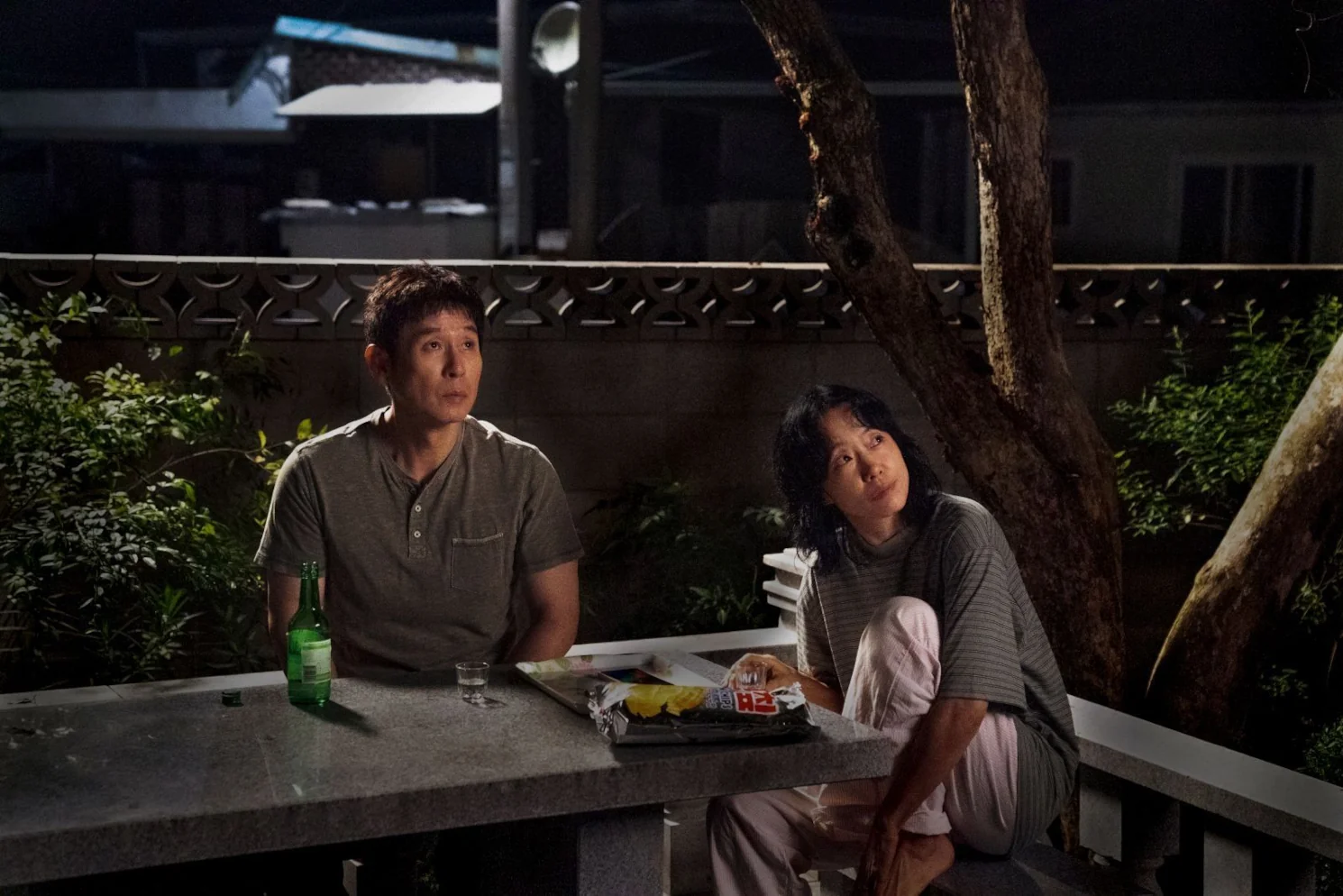
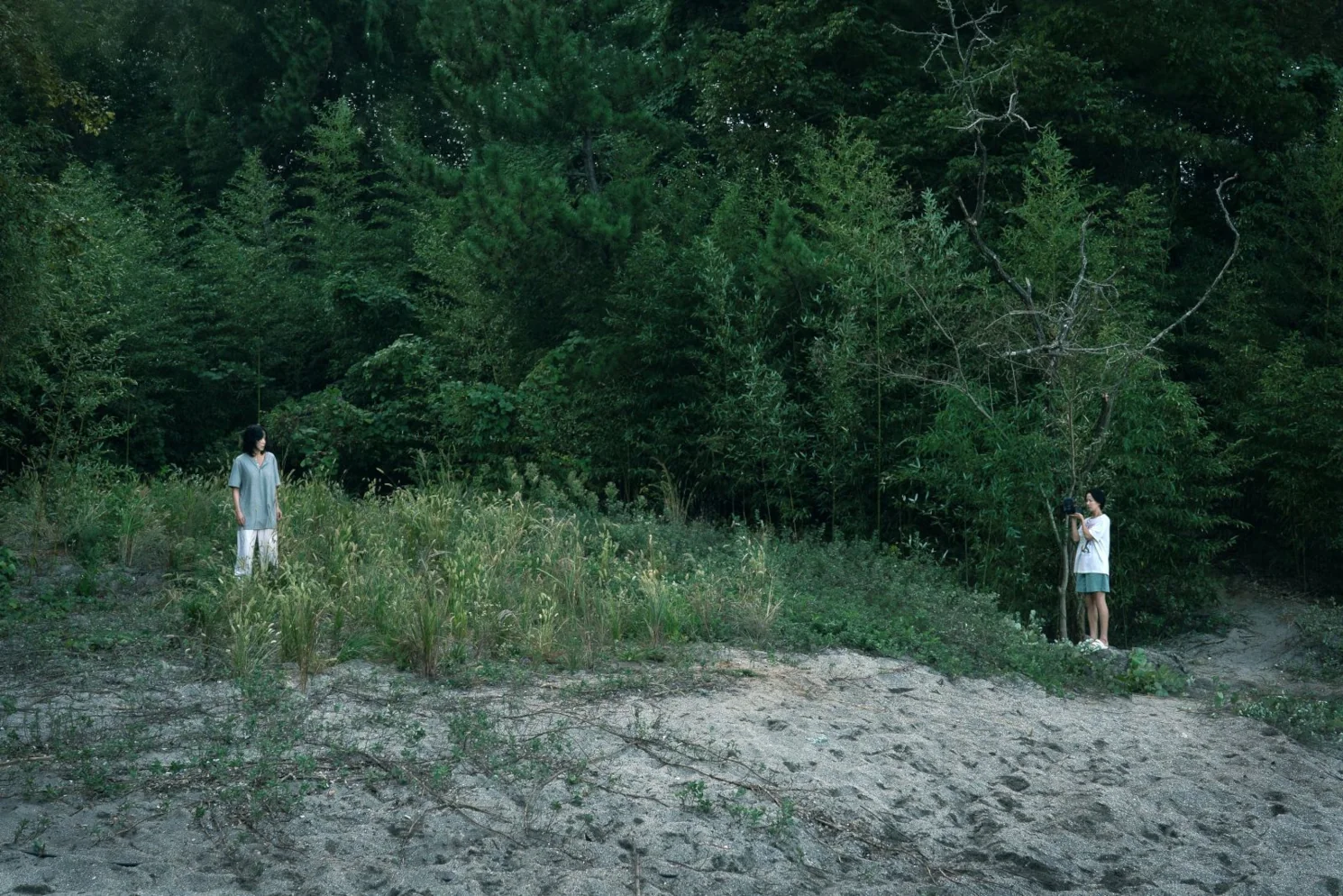
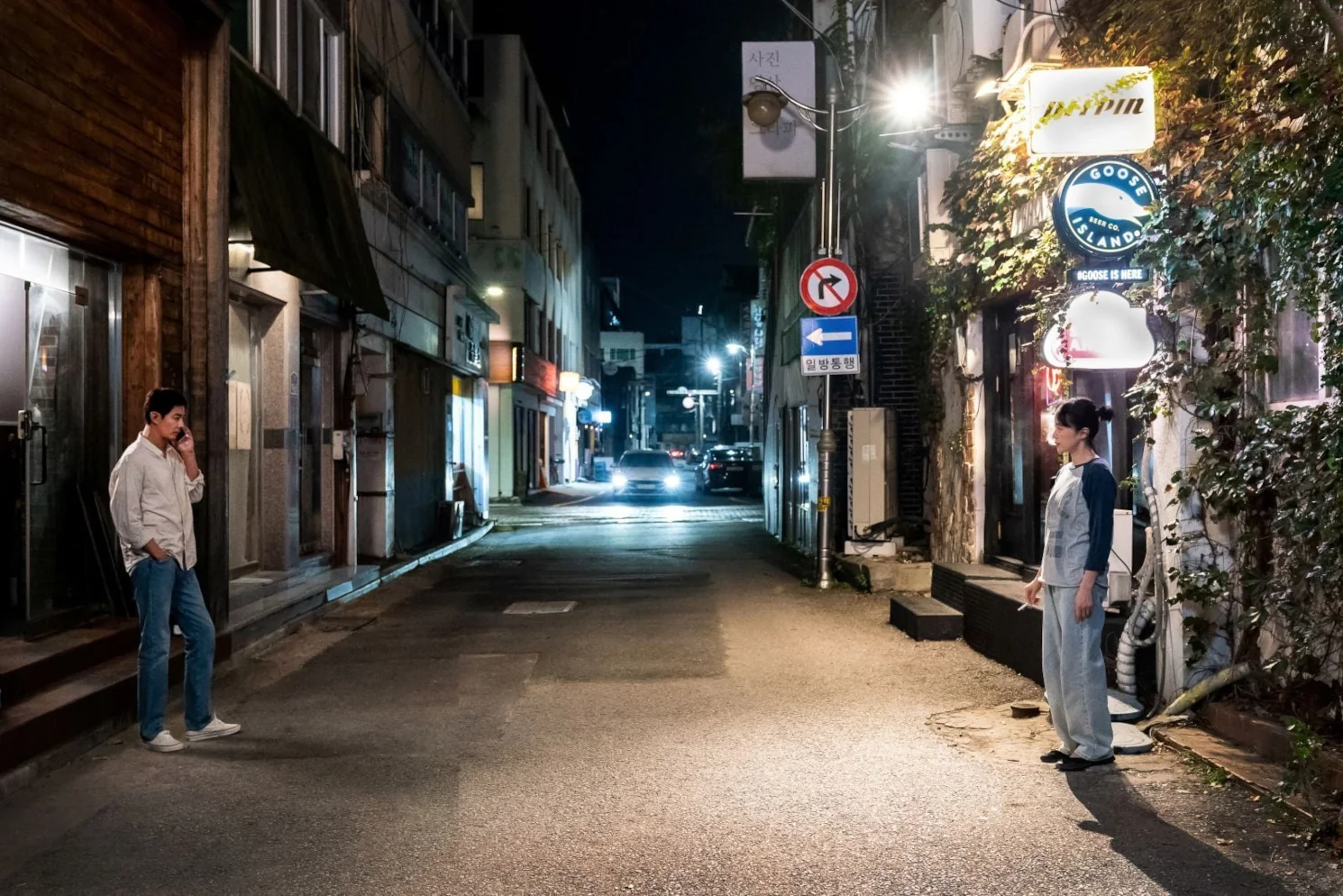
In a clash between two families, class differences, moral convictions and secret desires are laid bare. Following the violent end to a strike, Ho-seok and his wife Mi-ok try to get their lives back on track. But when the young, ambitious filmmaker Ye-ji enters their lives – intent on documenting the story of this labour dispute in a documentary – suppressed anger and hurt resurface. At the same time, Possible Love explores questions of artistic and personal responsibility, weaving them into a complex, multi-perspective character study.
‘Verdict: The masterpiece of the century, Burning, is one of those films that leaves you wondering afterwards what on earth could possibly come next. With Possible Love – his second absolutely brilliant five-star masterpiece in a row – Lee Chang-dong provides an impressive answer.’ Christoph Petersen | filmstarts.de
Credits:
Original title: 가능한 사랑 (Ga-neung-han Sa-rang) South Korea 2026, 164 mins, Korean with original subtitles Director: Lee Chang-dong Screenplay: Lee Chang-dong, Oh Jung-mi Cinematography: Kim Ji-Yong Editing: Kim Da-won Starring: Jeon Do-yeon, Sul Kyung-gu, Zo In-sung, Cho Yeo-jeong
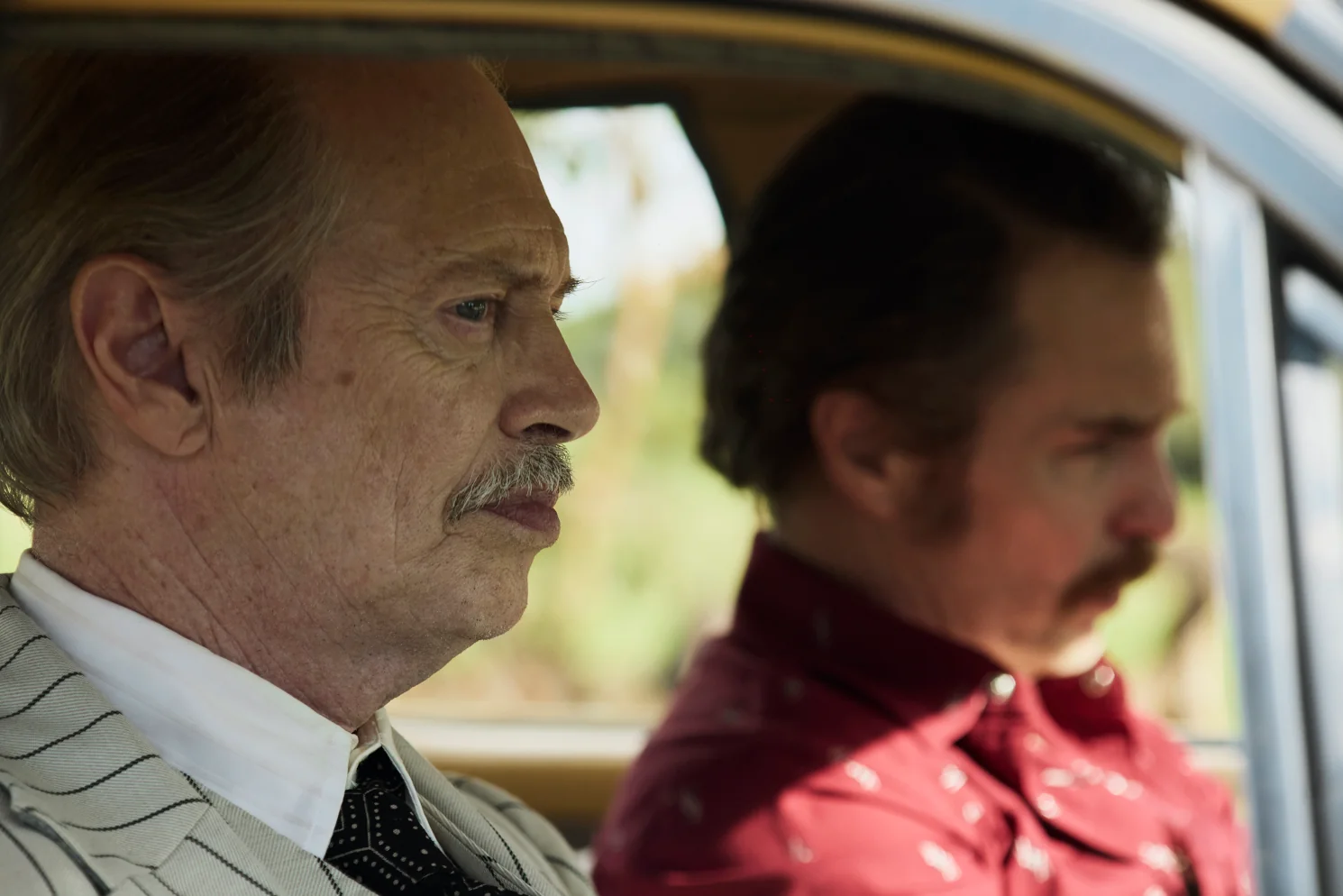
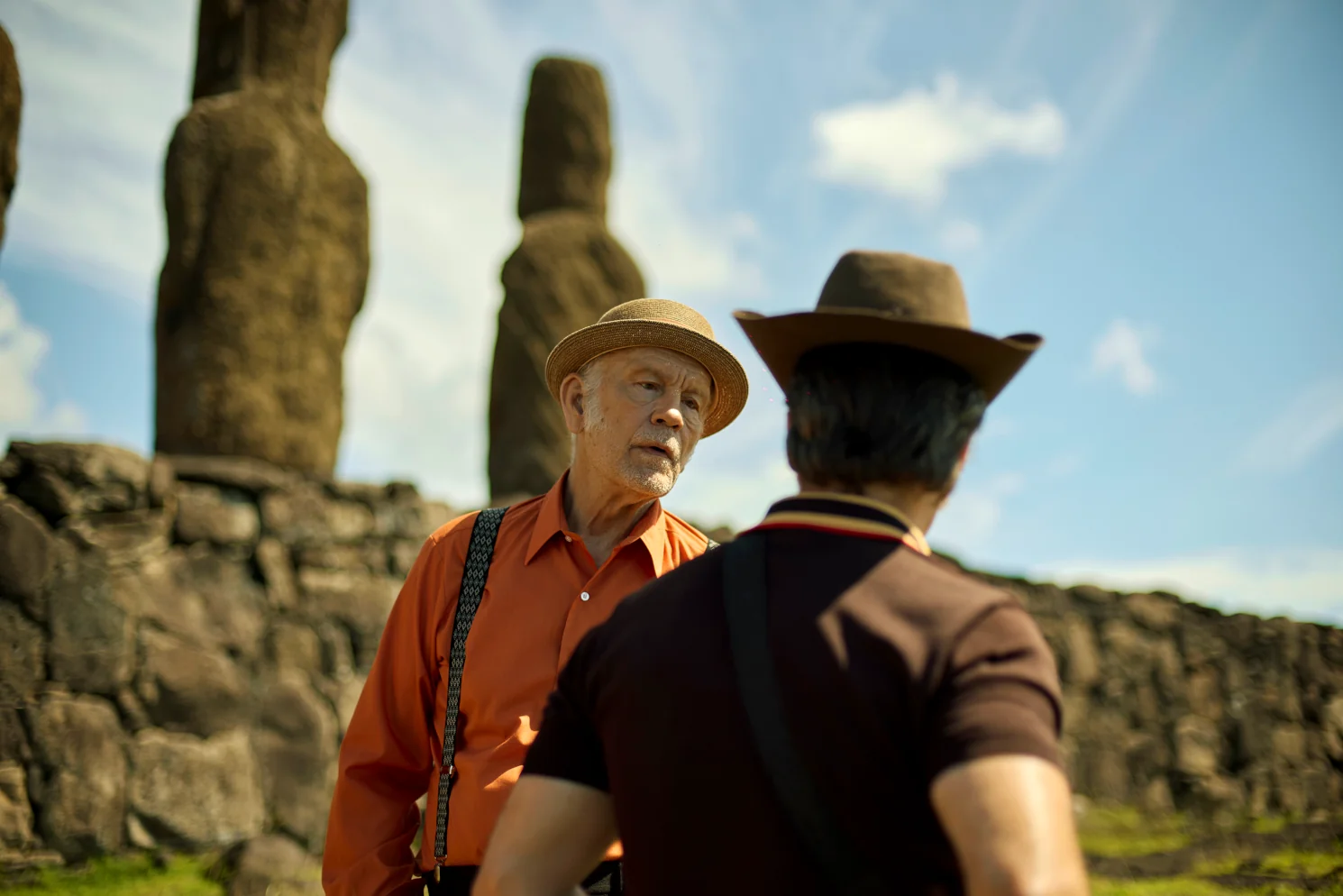
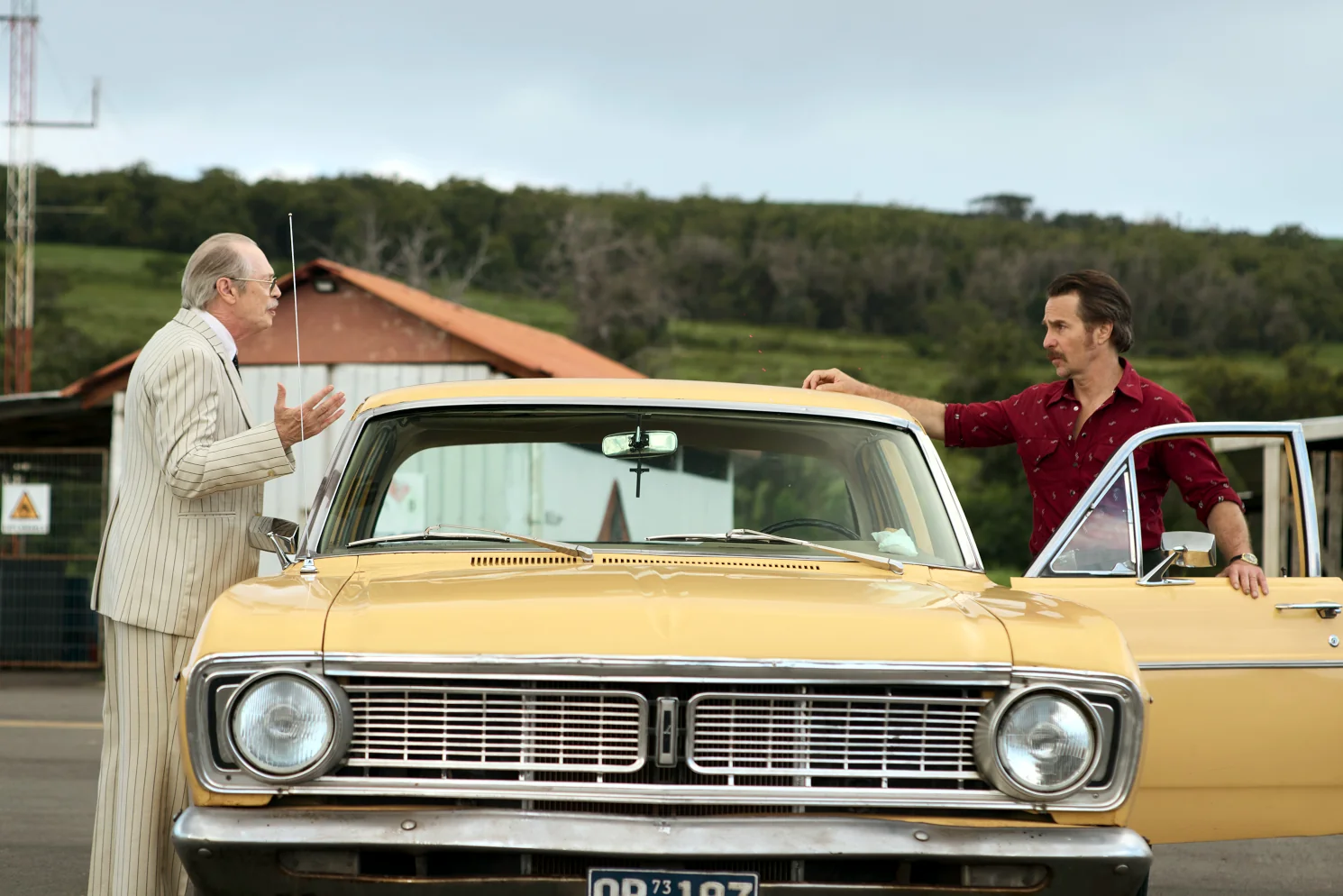
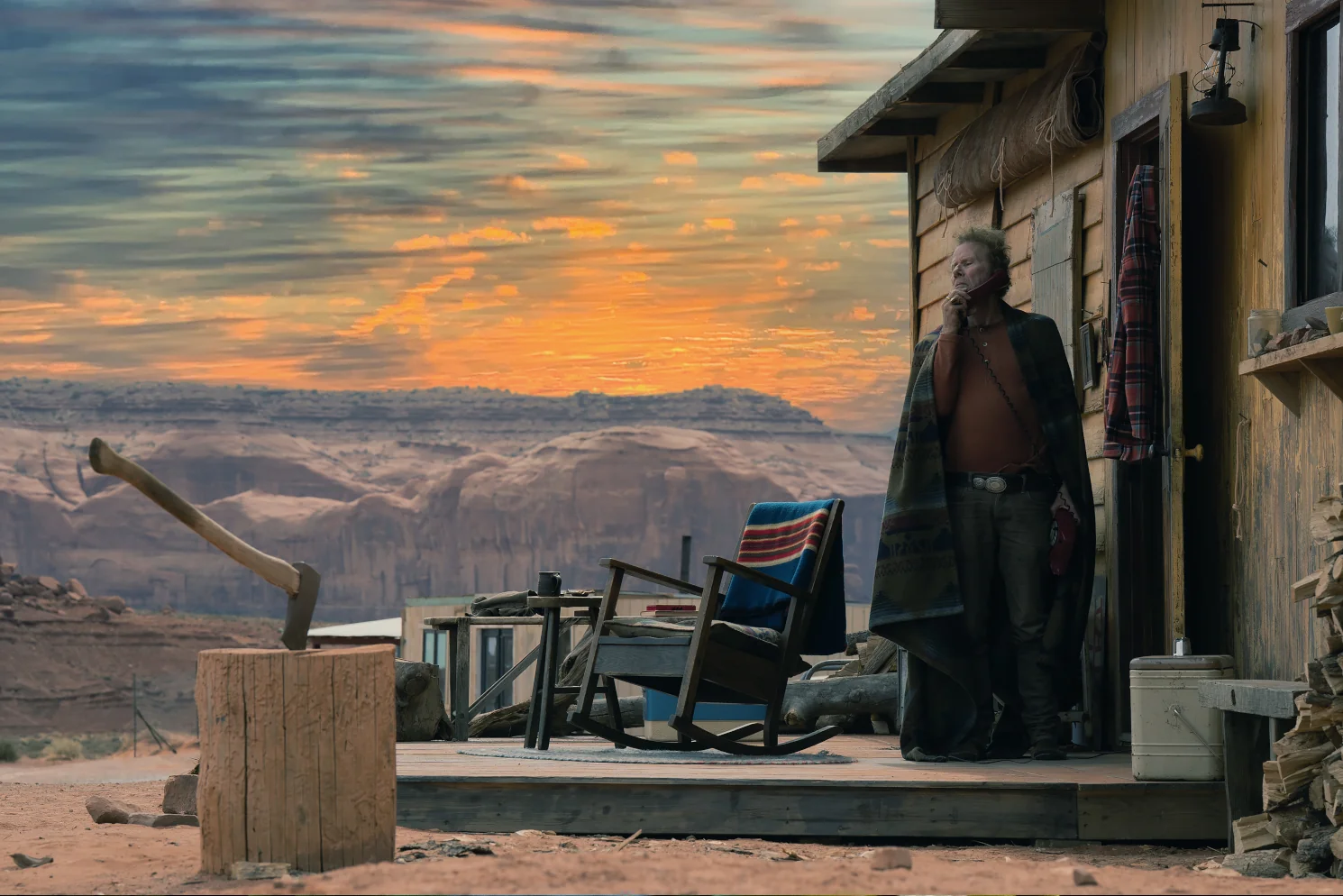
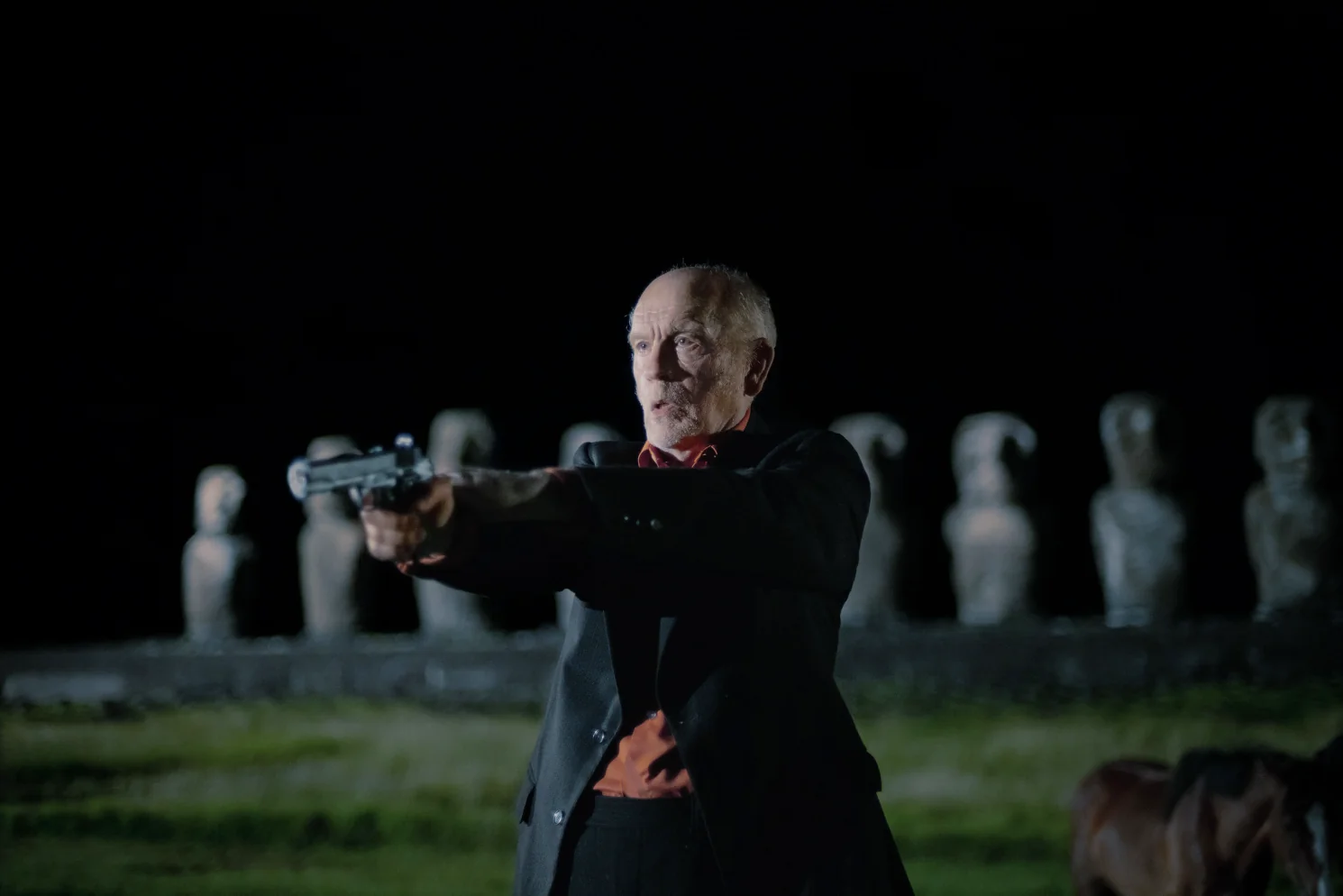
CIA agents Lee (Sam Rockwell) and Chris (John Malkovich) are stationed in Santiago de Chile. In the summer of 1973, they are working to destabilise the Allende government, but Chris is increasingly becoming a security risk. He is terminally ill, forgets a great deal and likes to talk about what the CIA gets up to. Lee and Chris travel to Easter Island because Chris has always wanted to see the giant heads, but that’s not the only reason. It is a remote place that is virtually ideal for saying goodbye to life.
In *In Bruges*, the older hitman was supposed to kill the younger one; here it’s the other way round, and the reasons are different, but at its core, it’s the same story that McDonagh is telling here. One might view this negatively; at first glance, it’s also a little bit disappointing, because McDonagh, as a playwright and screenwriter, usually tells stories in a far, far more original way. But he proves once again that he not only knows how to create vivid characters, but – as a master of dialogue – also how to put polished lines into their mouths. The script is pure gold; the dialogue is witty, over-the-top and dramatic, yet never so over-the-top that it ceases to feel authentic. For actors of the calibre of Sam Rockwell or John Malkovich, this is pure gold. Their performances are simply brilliant.
McDonagh also knows how to showcase the beauty of Easter Island; and he uses this splendour for a story that can also be astonishingly dark. For the backdrop is the coup by the Pinochet regime in Chile, supported by the US – which took place on 11 September 1973. There are scenes that send shivers down your spine, such as when Chris speaks to a student from Chile and explains to her what will happen on 11 September. How she and her friends will be taken to the stadium, how they will be tortured, and how many of them will die. Chris, the eternal liar, tells the truth, and coming from the mouth of a man who has done cruel things in the service of the greater good, it is electrifying.
McDonagh has a perfect command of the full range of narrative beauty. When he introduces something in one act, it takes on significance in the final act, be it the rifle used in an assassination – which feels like a MacGuffin for a long time – or a warning never to let yourself be lured into a car.
The dialogue thrives on biting humour; it can veer into the absurd, yet it is always multi-layered and contributes to character development. Even if the story itself may not be entirely new, McDonagh turns it into clever entertainment of the highest calibre. Cinema for people who love great acting and great dialogue.
Peter Osteried | programmkino.de
Credits:
UK/US/Chile 2026, 118 mins, English with German subtitles Director & Screenplay: Martin McDonagh Cinematography: Ben Davis Editing: Mikkel E.G. Nielsen Starring: John Malkovich, Sam Rockwell, Steve Buscemi, Mariana di Girolamo, Ailín Salas; Tom Waits, Parker Posey, Paola Giannini
Trailer:
WILDHORSENINE | Official Trailer | Searchlight Pictures
Wir verwenden Cookies, um unsere Website und unseren Service zu optimieren.
Funktionale Cookies
Always active
Die technische Speicherung oder der Zugang ist unbedingt erforderlich für den rechtmäßigen Zweck, die Nutzung eines bestimmten Dienstes zu ermöglichen, der vom Teilnehmer oder Nutzer ausdrücklich gewünscht wird, oder für den alleinigen Zweck, die Übertragung einer Nachricht über ein elektronisches Kommunikationsnetz durchzuführen.
Vorlieben
Die technische Speicherung oder der Zugriff ist für den rechtmäßigen Zweck der Speicherung von Präferenzen erforderlich, die nicht vom Abonnenten oder Benutzer angefordert wurden.
Statistiken
Die technische Speicherung oder der Zugriff, der ausschließlich zu statistischen Zwecken erfolgt.Die technische Speicherung oder der Zugriff, der ausschließlich zu anonymen statistischen Zwecken verwendet wird. Ohne eine Vorladung, die freiwillige Zustimmung deines Internetdienstanbieters oder zusätzliche Aufzeichnungen von Dritten können die zu diesem Zweck gespeicherten oder abgerufenen Informationen allein in der Regel nicht dazu verwendet werden, dich zu identifizieren.
Marketing
Die technische Speicherung oder der Zugriff ist erforderlich, um Nutzerprofile zu erstellen, um Werbung zu versenden oder um den Nutzer auf einer Website oder über mehrere Websites hinweg zu ähnlichen Marketingzwecken zu verfolgen.
![[:de]fsk Kino Logo[:]](https://fsk-kino.peripherfilm.de/wp-content/uploads/2022/08/kino-fsk-logo-dark.png)