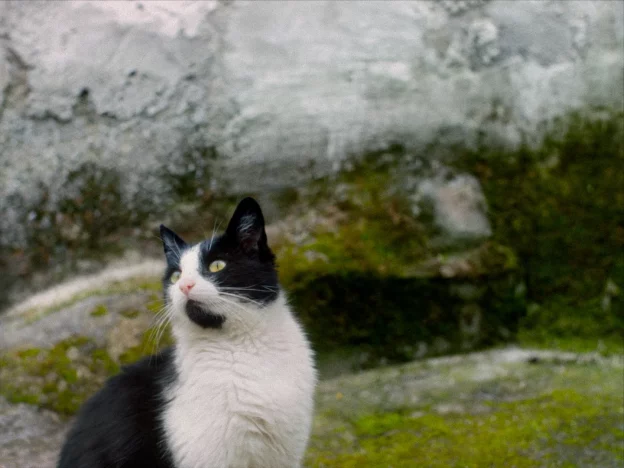
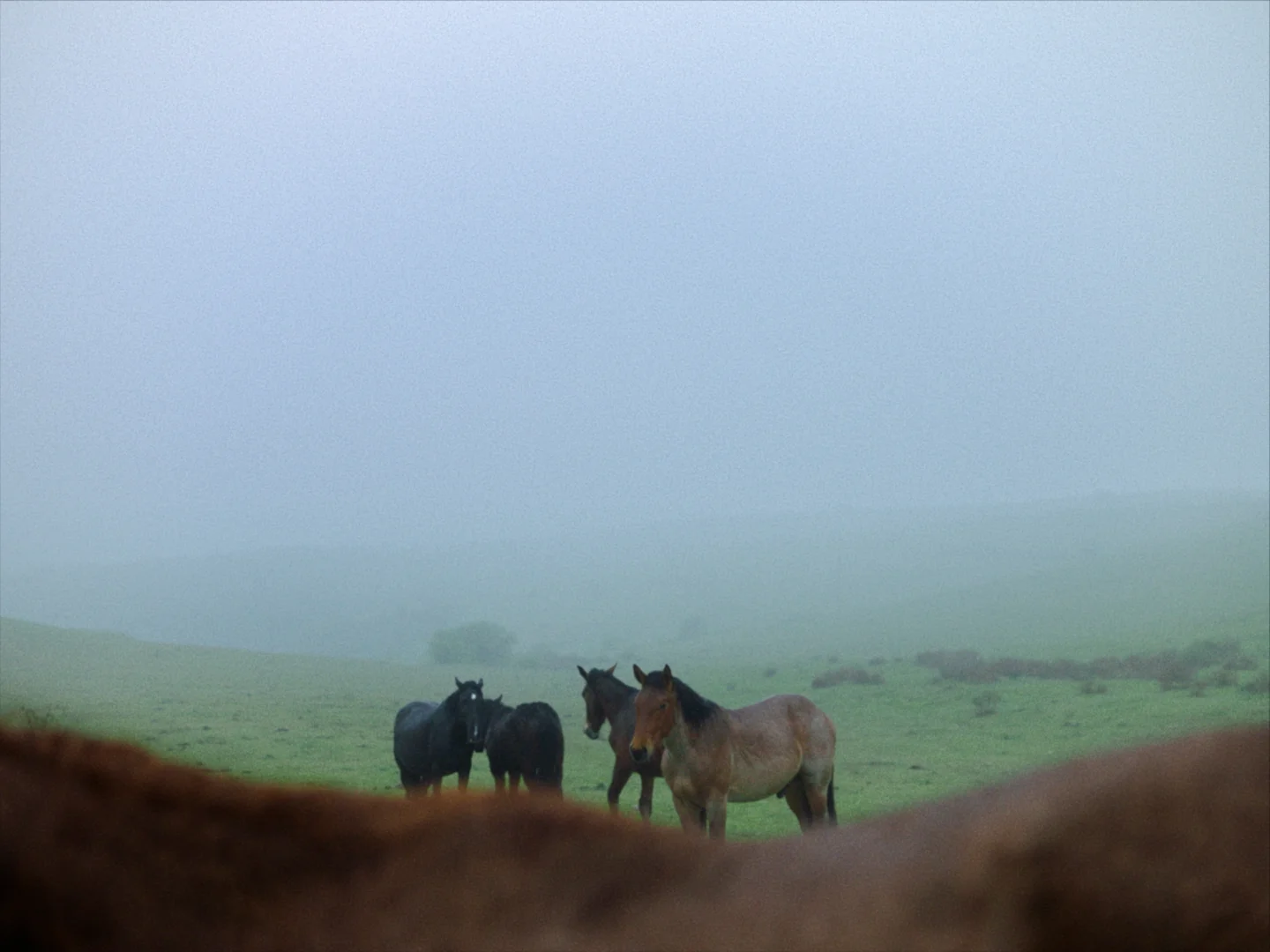
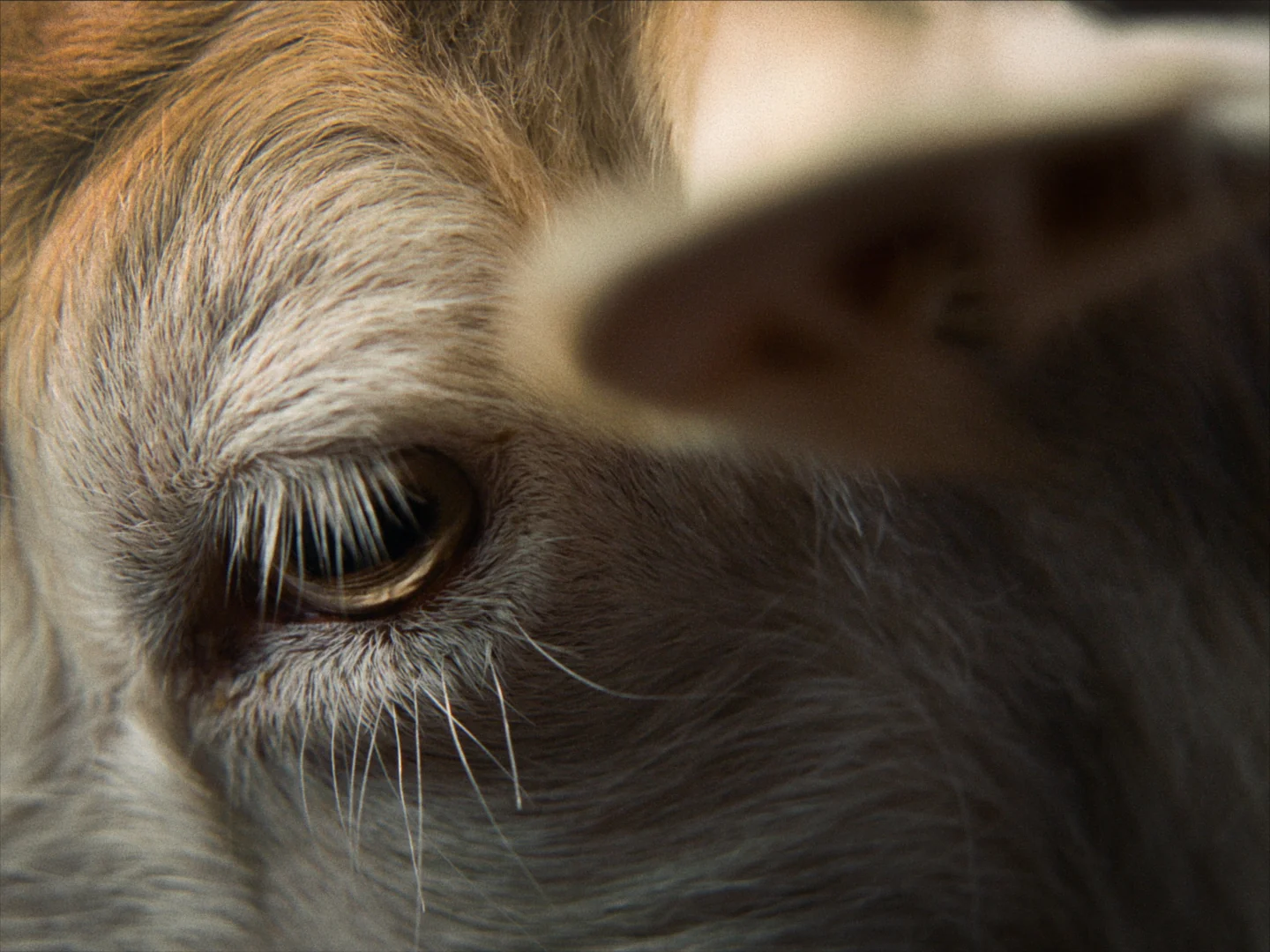
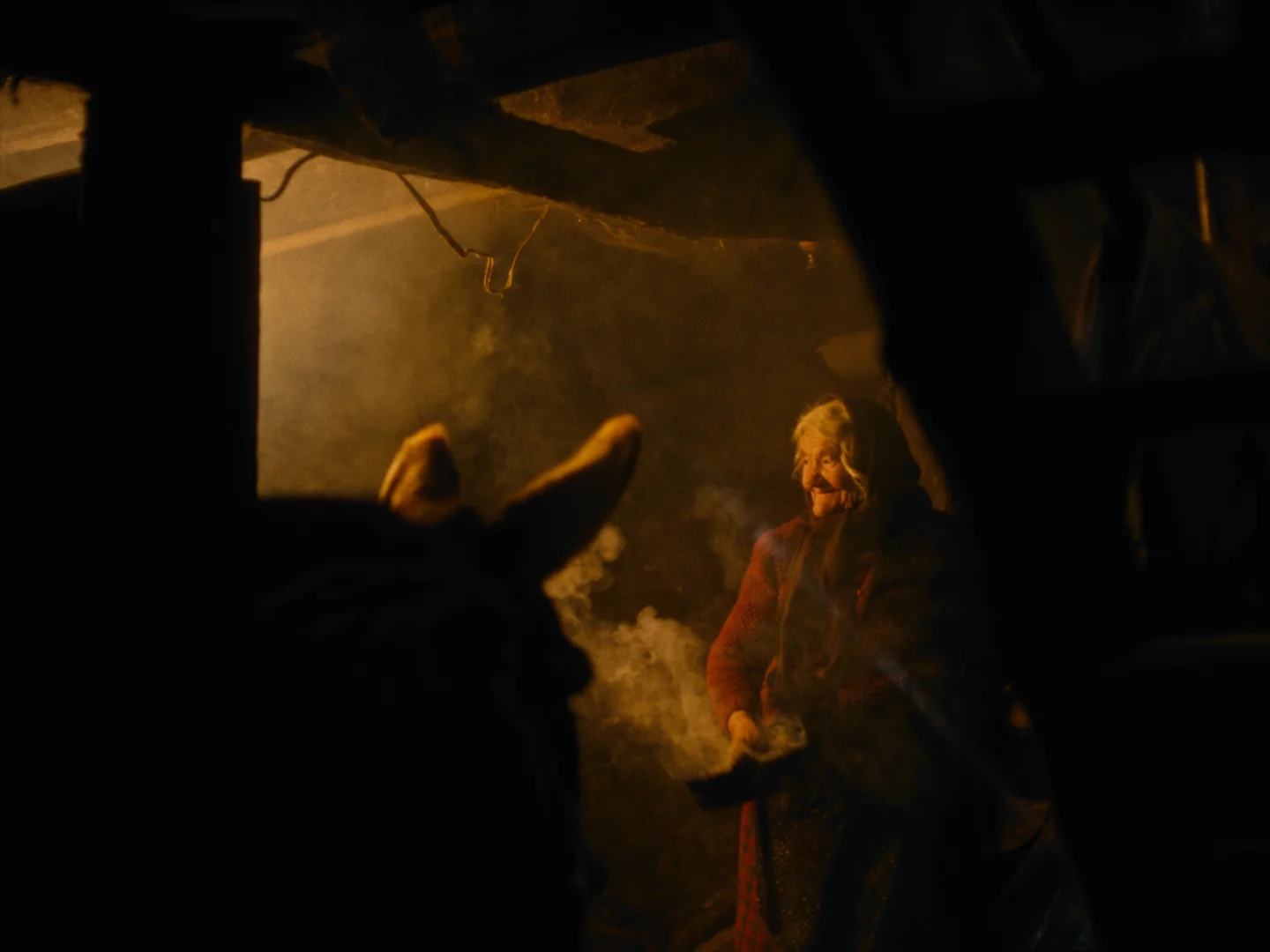
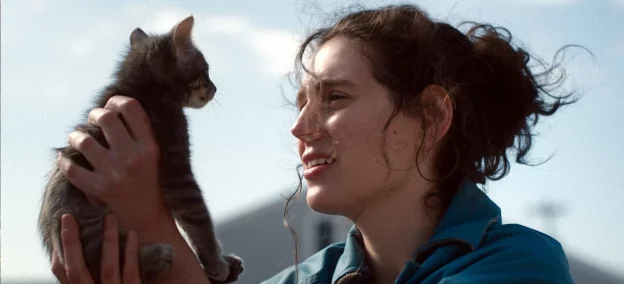
In a remote Bulgarian mountain village, six animals reveal the mysterious world of superstition. A cat is considered a vampire, a donkey is thought to be bewitched, and a dog is seen as a chicken hunter. Through sensitive observation, we witness the dwindling hopes of the village through the eyes of its four-legged inhabitants. Time seems to stand still, yet transience remains the only constant.
Credits:
DE/BG 2024, 95 Min., bulgarische OmU Regie: Eliza Petkova Kamera: Constanze Schmitt Schnitt: Eliza Petkova, Hannes Marget
Audiodeskriptionen, Untertitel und Hörverstärkung mit der Greta App
In a remote Bulgarian mountain village, six animals reveal the mysterious world of superstition. A cat is considered a vampire, a donkey is thought to be bewitched, and a dog is seen as a chicken hunter. Through sensitive observation, we witness the dwindling hopes of the village through the eyes of its four-legged inhabitants. Time seems to stand still, yet transience remains the only constant.
Credits:
DE/BG 2024, 95 Min., bulgarische OmU Regie: Eliza Petkova Kamera: Constanze Schmitt Schnitt: Eliza Petkova, Hannes Marget
Audiodeskriptionen, Untertitel und Hörverstärkung mit der Greta App
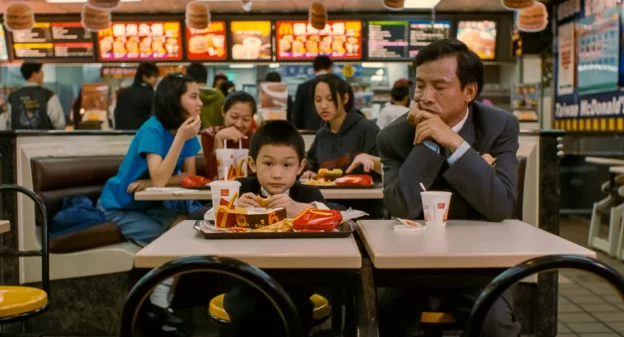
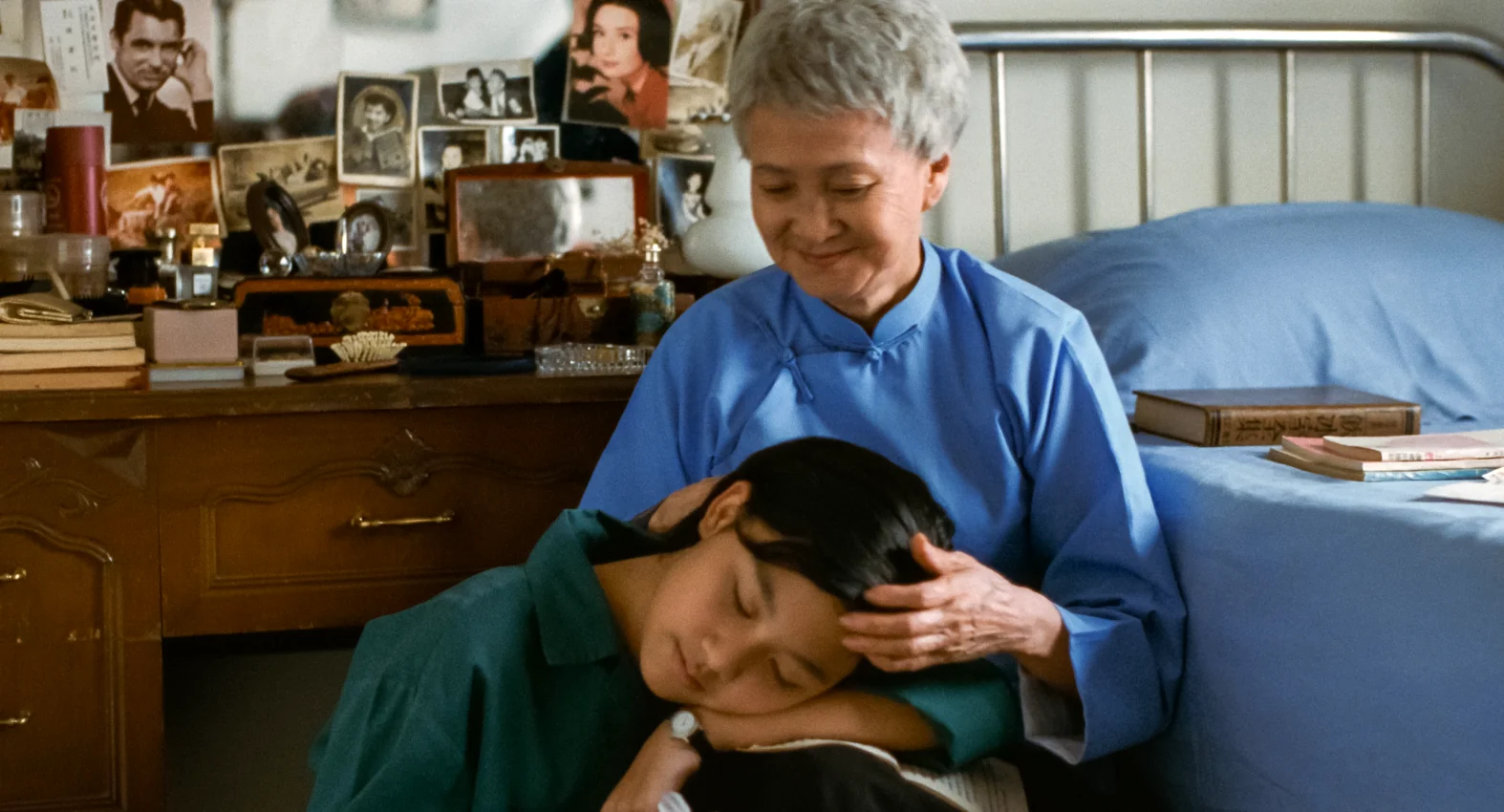
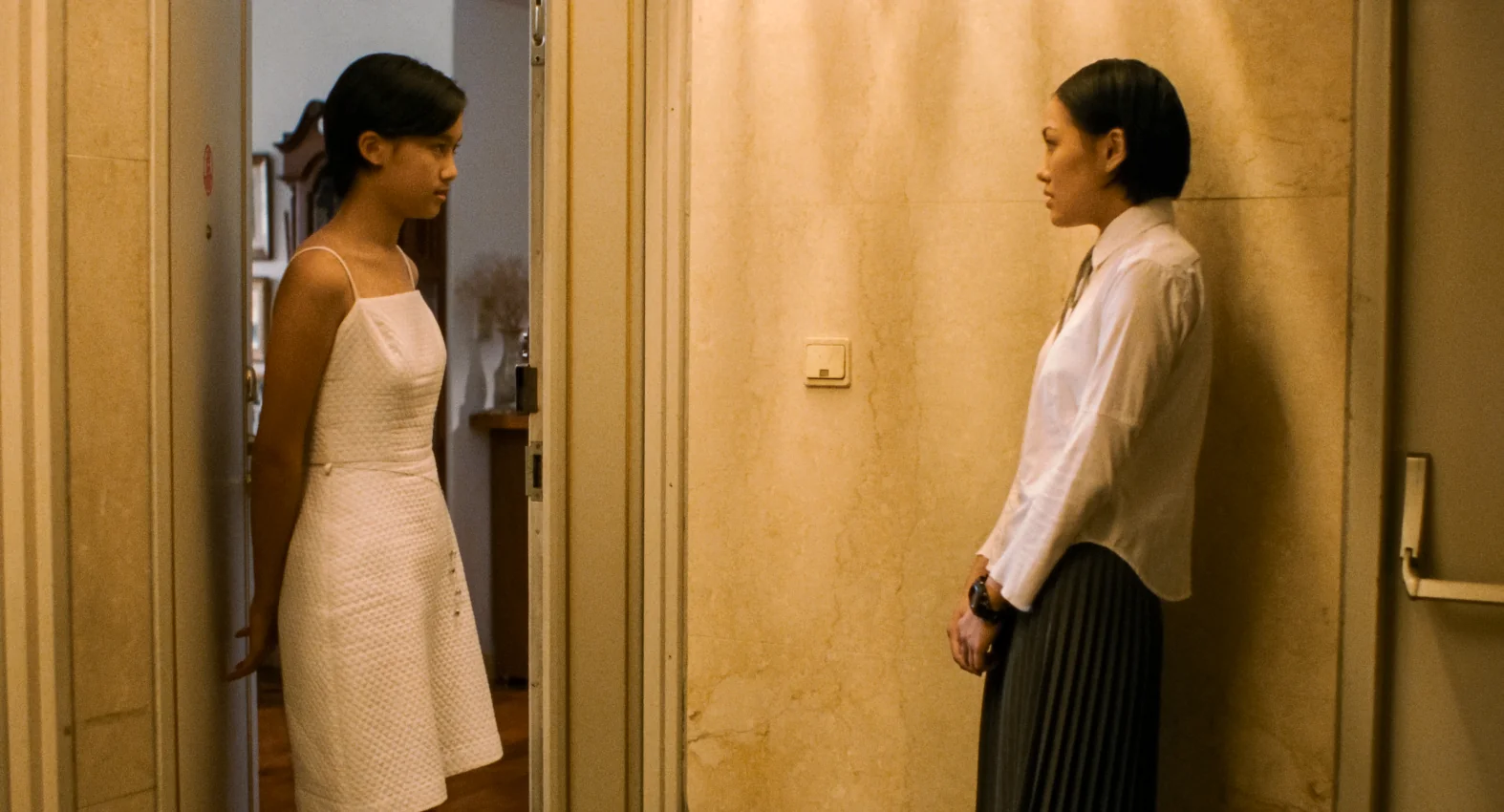
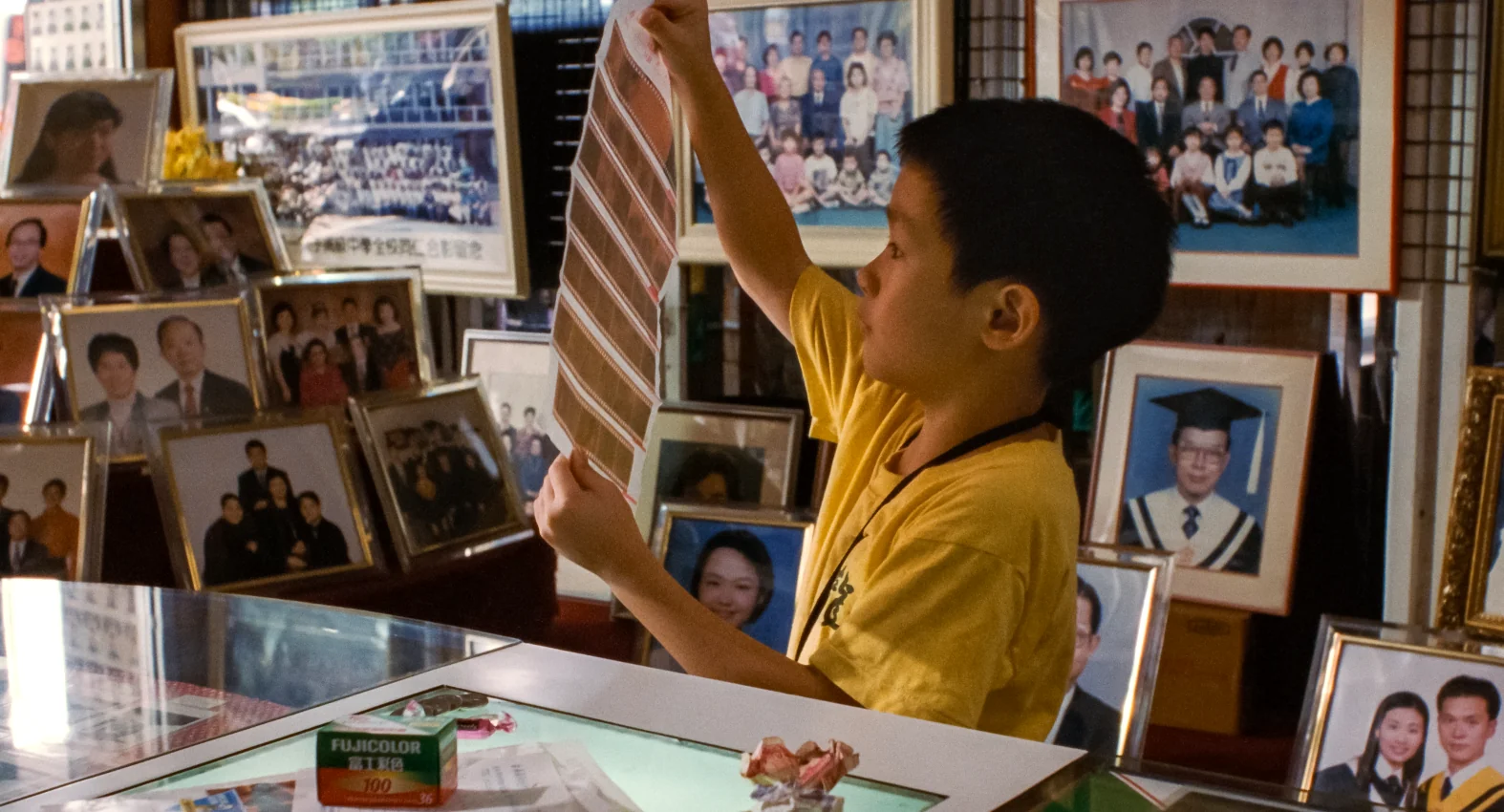
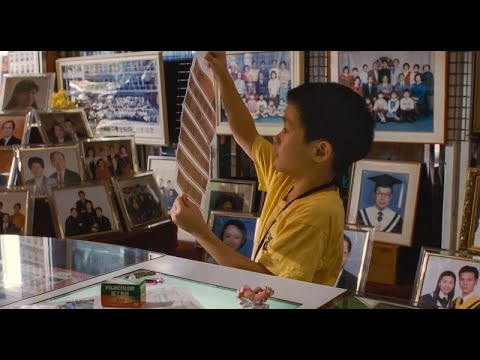
The Taiwanese filmmaker Edward Yang shows in his film Yi Yi – A One and a Two the life of a family in modern Taipei. NJ is a man in his mid-forties. He is married, a father of two children and successful in his job – still he is no longer happy with himself and with his life.
While NJ starts seing his old flame again his mother-in-law is in a coma. It is NJ’s eight year old son who guides us through everyday life of the family and who asks critical questions and surprises the spectators with his experiments in the water. The older sister has her first experiences with love and learns that one can not force felicity.
Credits:
Yi Yi – A One and a Two TW/JP 2000, 173 Min., Taiwanesisches Mandarin, Japanisch OmU Regie: Edward Yang Kamera: Weihan Yang Schnitt: Bowen Chen mit Kelly Lee, Jonathan Chang, Niazhen Wu, Elaine Jin, Issey Ogata
Der Film beginnt mit dem Zitat eines Hochschullehrers: „Ich muss euch vergewaltigen, damit euch nicht das Leben vergewaltigt.“ Man ahnt also schon früh, worum es geht – Hierarchien im Bildungswesen und wie leicht es ist, sie zu missbrauchen. Das erleben wir am Beispiel einer Gruppe junger Menschen, die kurz vor dem Abschluss ihres Schauspiel-Studiums an der Filmhochschule Łódź stehen. Sie wollen in Eigenregie „Lady Macbeth“ inszenieren, die Aufführung entscheidet über ihre berufliche Zukunft.
Zur Unterstützung wird den Studierenden der erfahrene Jacek zur Seite gestellt. Der ist bestens vernetzt und verspricht dem Nachwuchs einen großen Auftritt in einem renommierten Theater – womit er automatisch eine Machtposition einnimmt. Die nutzt er skrupellos aus, indem er die Schauspieler*innen manipuliert, gegeneinander ausspielt und psychisch wie physisch an ihre Grenzen bringt – angeblich aus pädagogischen Gründen. Wie lange spielen sie dieses Spiel mit?
Polen hatte 2021 einen #metoo-Fall in der Filmhochschule Łódź, der große mediale Aufmerksamkeit erregte und hier filmisch aufgearbeitet wird. Der Fokus liegt nicht auf dem Täter und seiner Motivation, sondern auf den Opfern. Dabei haben auch einige noch unbekannte Nachwuchstalente – allen voran Nel Kaczmarek als Protagonistin Maja – die Chance, ihr Können vor der Kamera zu beweisen. [Rainer Mende]
Korek Bojanowski (geb. 1993) studierte Regie in Paris sowie Drehbuch in Warschau und betreibt das Warschauer Studiokino „Amondo“. Der Drehbuchautor und Produzent veröffentlichte als Regisseur drei kurze Spiel- und Dokumentarfilme, bevor er mit „Loss of Balance“ seinem ersten langen Spielfilm drehte.
Utrata równowagi PL 2024 R/B: Korek Bojanowski 98 min, OmeU B: Korek Bojanowski & Katia Priwieziencew K: Jakub Czerwiński S: Filip Dziuba M: Wojciech Frycz D: Nel Kaczmarek, Tomasz Schuchardt, Oskar Rybaczek, Angelika Smyrgała, Mikołaj Matczak, Maria Wróbel, Maksymilian Piotrowski, Pola Jodłowiec u. a.
UTRATARÓWNOWAGI | ZWIASTUN | Dystrybucja Mówi Serwis
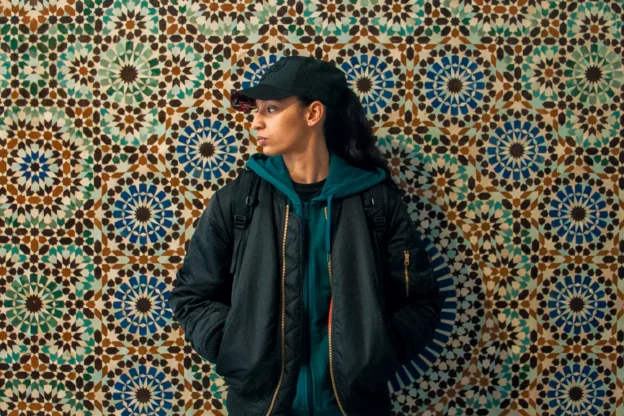
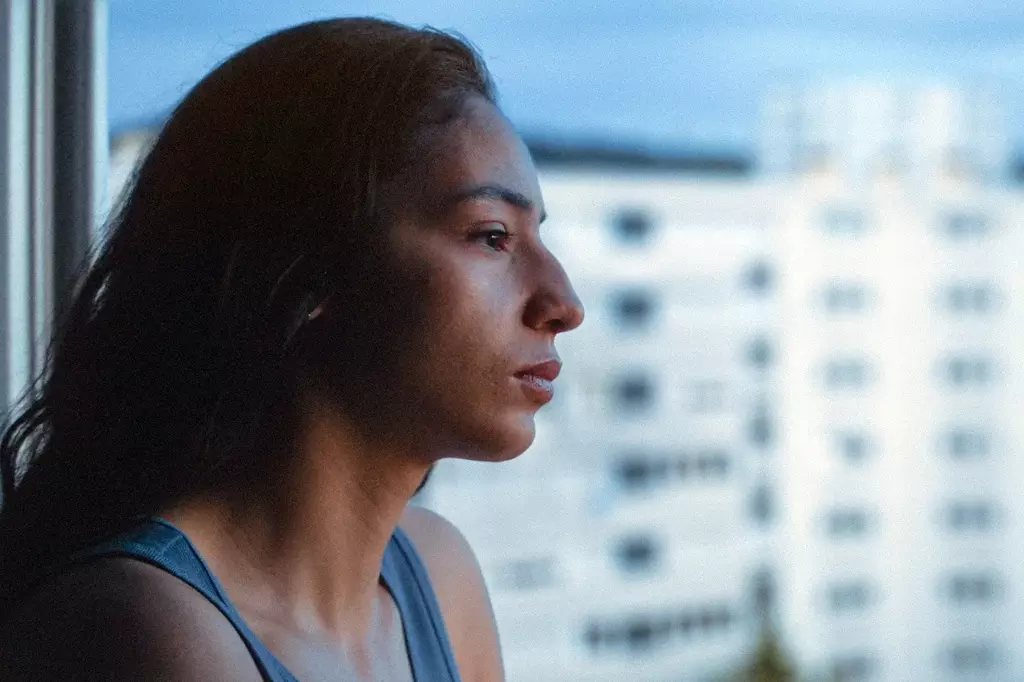
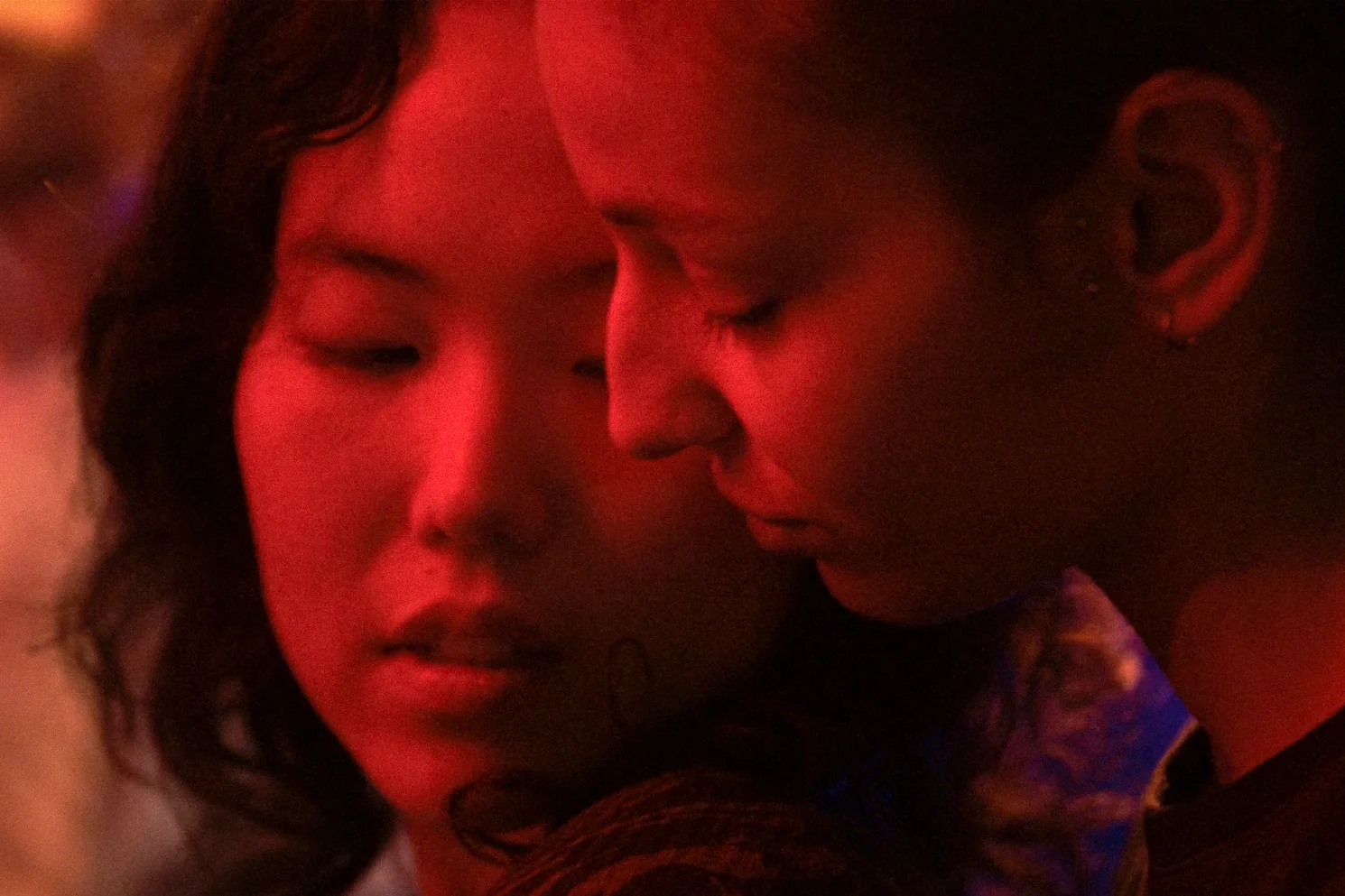
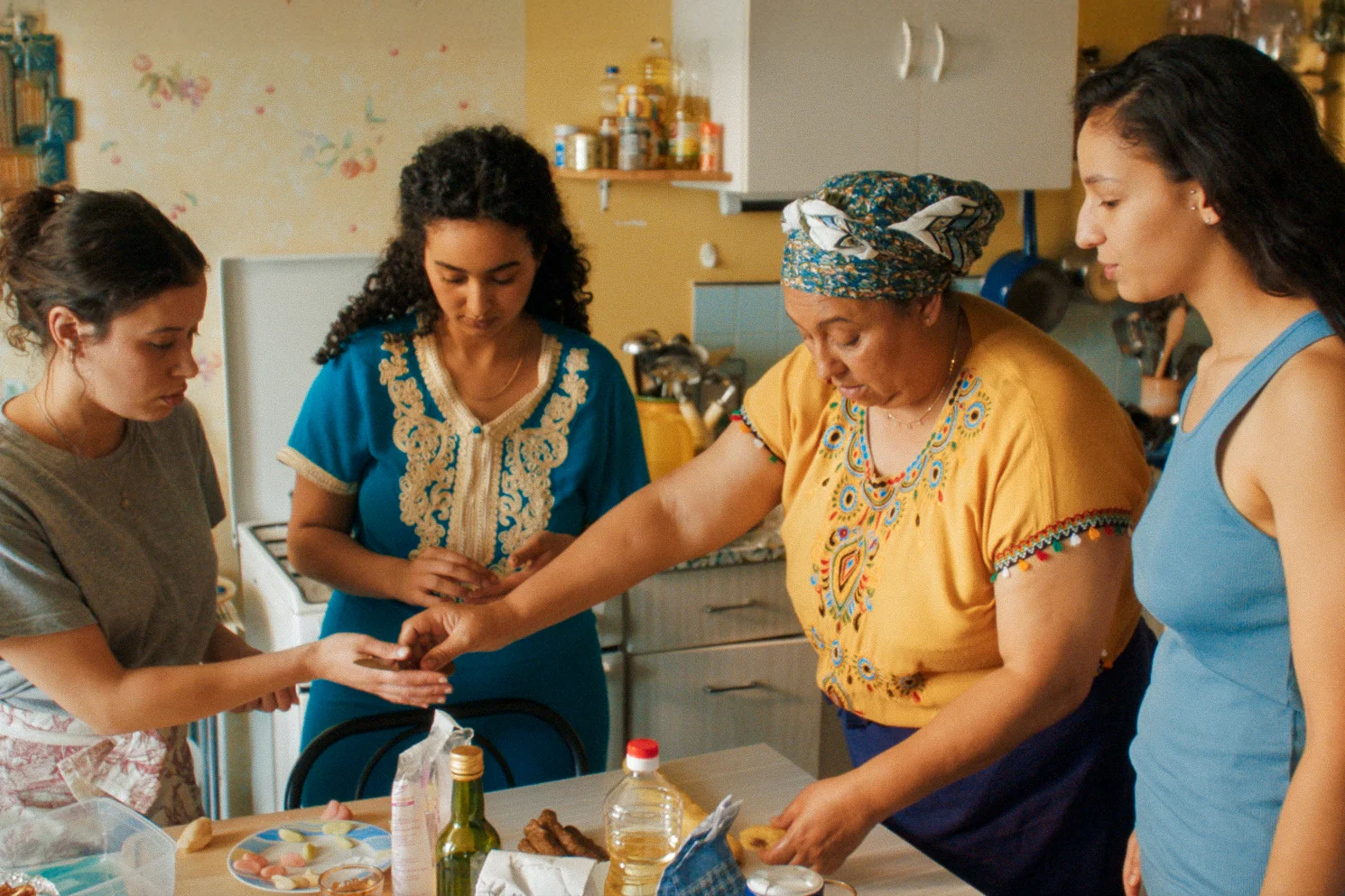
Fatima, 17, the youngest of three daughters, treads carefully as she searches for her own path, grappling with emerging desires, her attraction to women, and her loyalty to her caring French-Algerian family. Starting university in Paris, she dates, makes friends, and explores a whole new world, all while confronting a timeless and heartrending dilemma: How can one stay true to oneself when reconciling different parts of one’s identity feels impossible?
Credits:
La petite dernière DE/FR 2025, 106 Min., Französisch, Arabisch OmU Regie: Hafsia Herzi Kamera: Jérémie Attard Schnitt: Géraldine Mangenot mit Nadia Melliti, Ji-Min Park, Aloïse Sauvage, Nemo Schiffman, Sophie Garagnon
Audiodeskriptionen, Untertitel und Hörverstärkung mit der Greta App
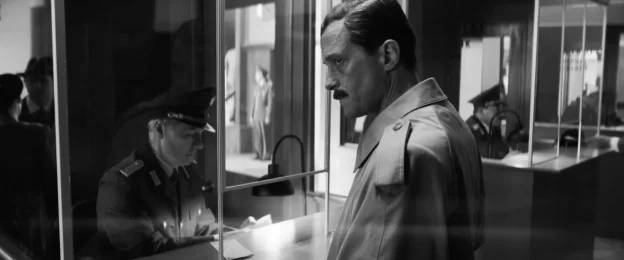
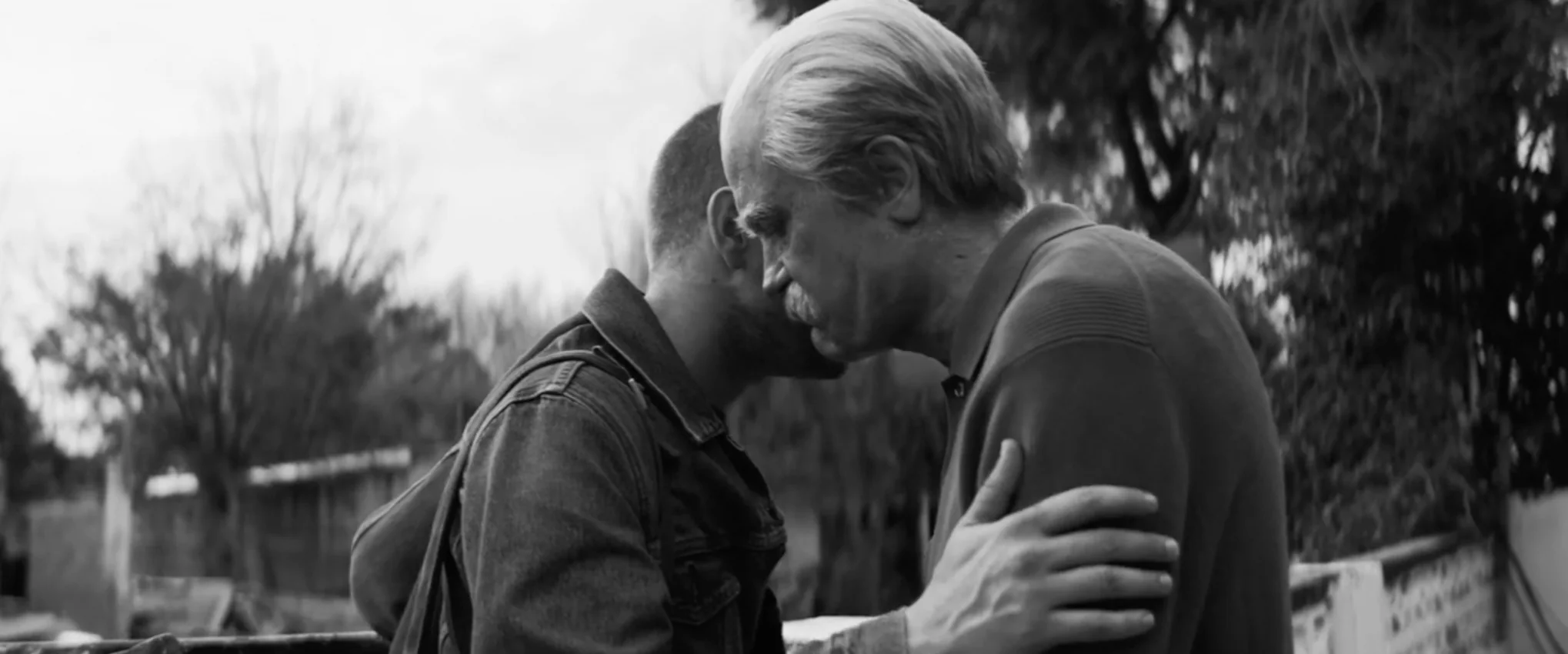
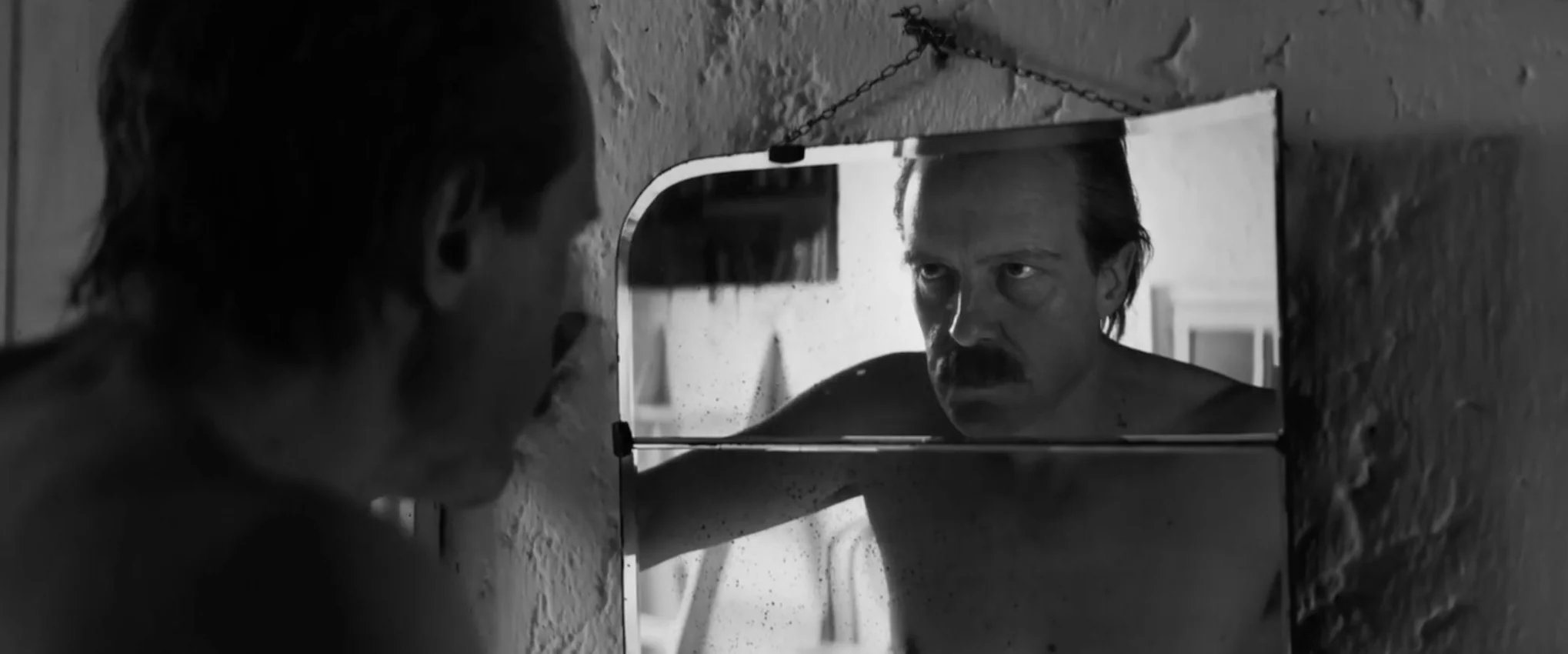
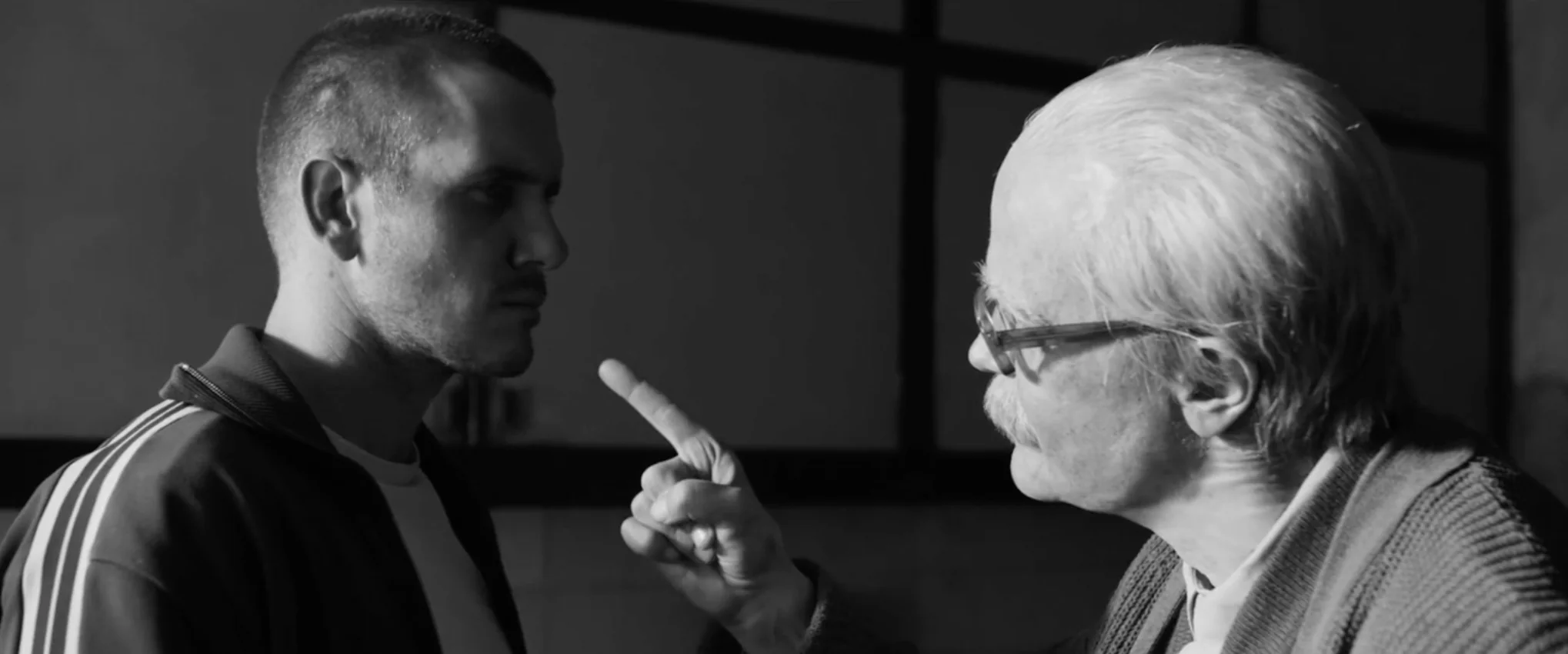
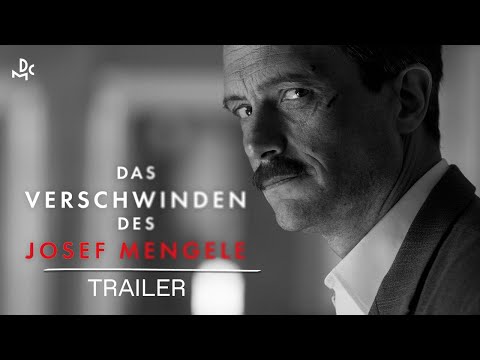
The film follows Nazi physician Josef Mengele in the years following the end of the Second World War, detailing his later life in Argentina, Paraguay, and Brazil. The film explores his relationships with his second wife Martha and his estranged son Rolf as he justifies his actions at Auschwitz concentration camp.
Credits:
FR/MX/DE/GB 2025, 135 Min., deutsch, spanische OmU, Regie: Kirill Serebrennikov Kamera: Vladislav Opelyants Schnitt: Hansjörg Weißbrich mit: D: August Diehl, Max Bretschneider, Dana Herfurth, Friederike Becht, Mirco Kreibich, David Ruland
Audiodeskriptionen, Untertitel und Hörverstärkung mit der Greta App
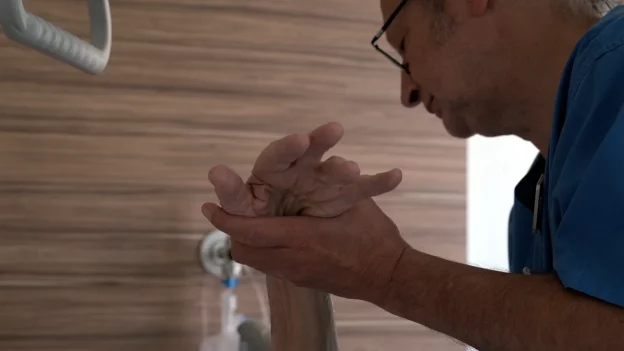
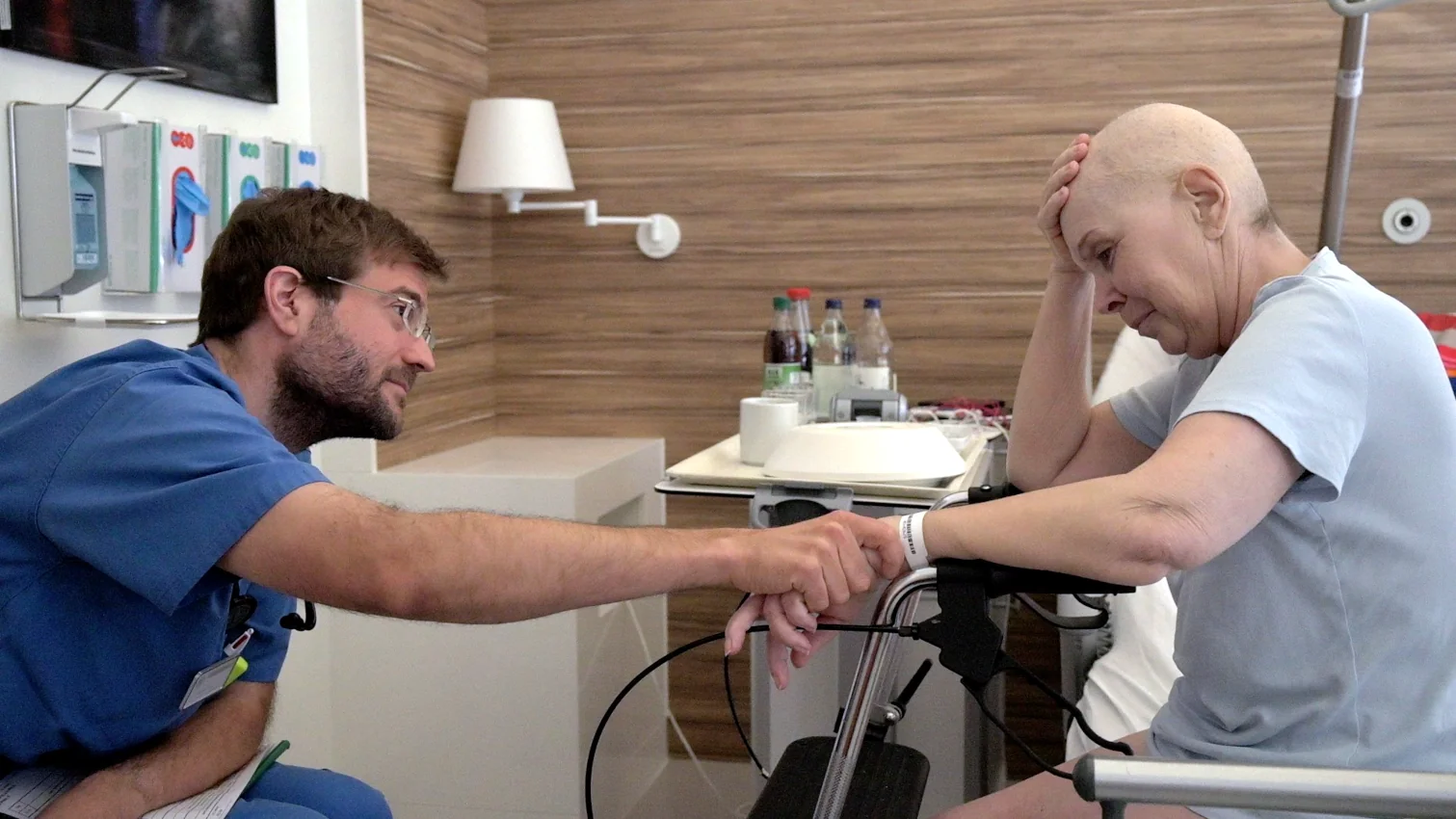
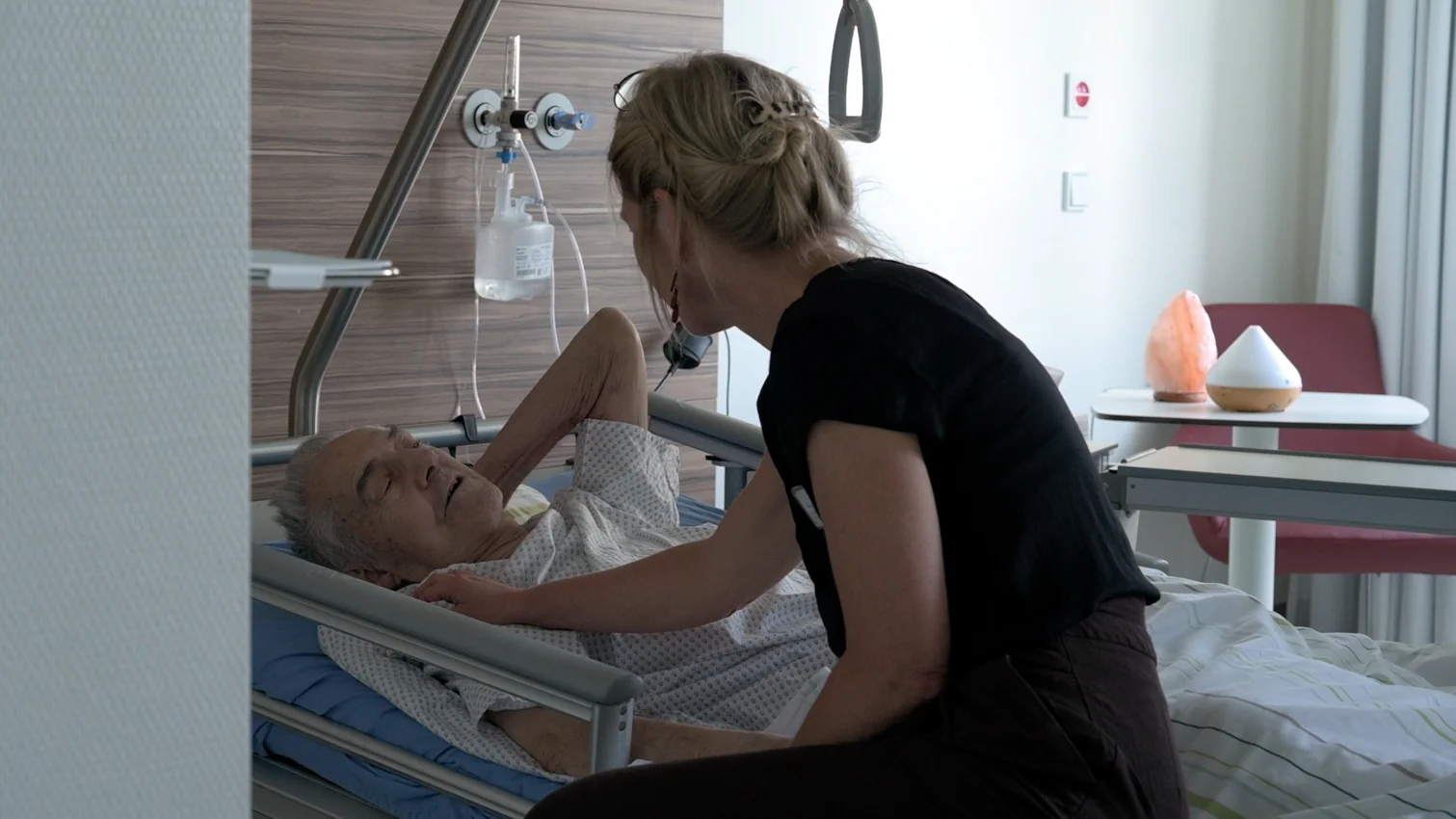
“It’s not about giving life more days, it’s about giving days more life” is one of the ideas formulated by Cicely Saunders, the founder of palliative care. It flickers up during a presentation in Philipp Döring’s four-hour institutional observation while a carer instructs a new staff member. They are at the Franziskus hospital in Berlin. Döring documents a few months here between the start of the year and summer, accompanying doctors on their rounds and in consultations with relatives and listening in on the team’s internal exchanges, which don’t shy away from mentioning shortcomings. A safe space is created that follows its own rules, in which dialogues about life paths are taken up and reflected upon, progress is celebrated and approaching farewells entrusted to the necessary people. Palliativstation is thus also a film about language, which shifts between medical jargon and different dialects and is sometimes only able to be produced with technical help. Döring gets very close to death, but with it also to life. His film is weighty, impressive and yet never becomes crushing under the burden of fate. One thing quickly becomes clear: life only ends with the final heartbeat.
Credits:
DE 2025, 245 Min., Regie, Kamera, Schnitt: Philipp Döring
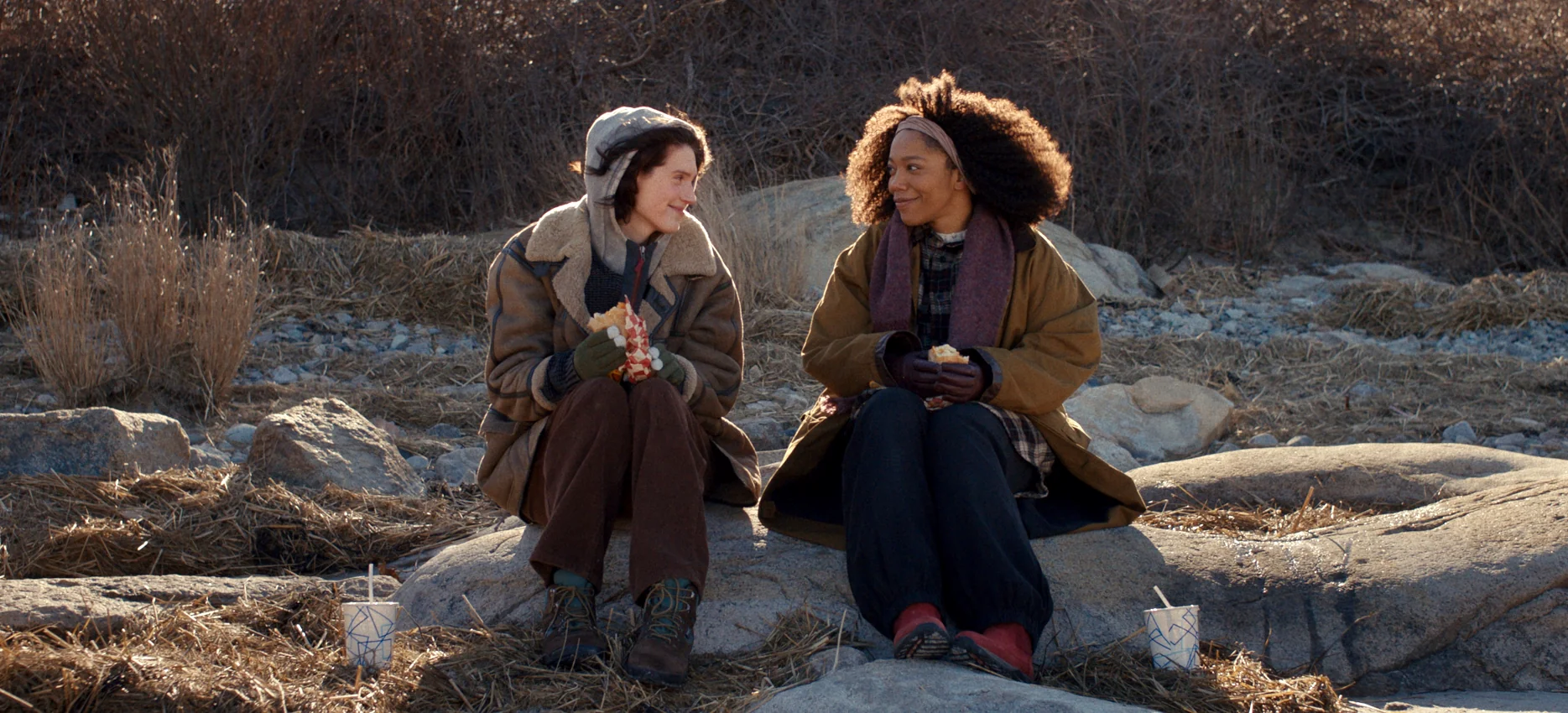
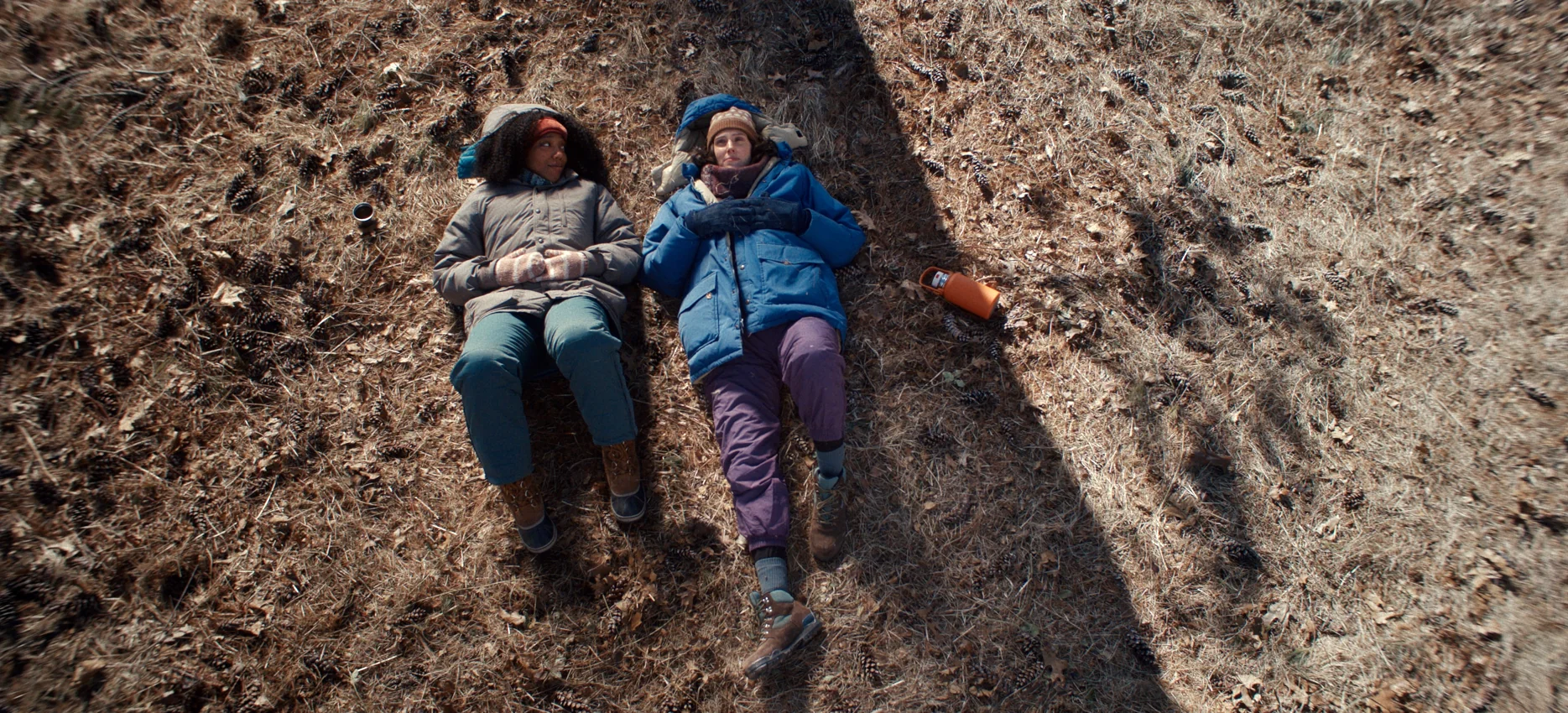
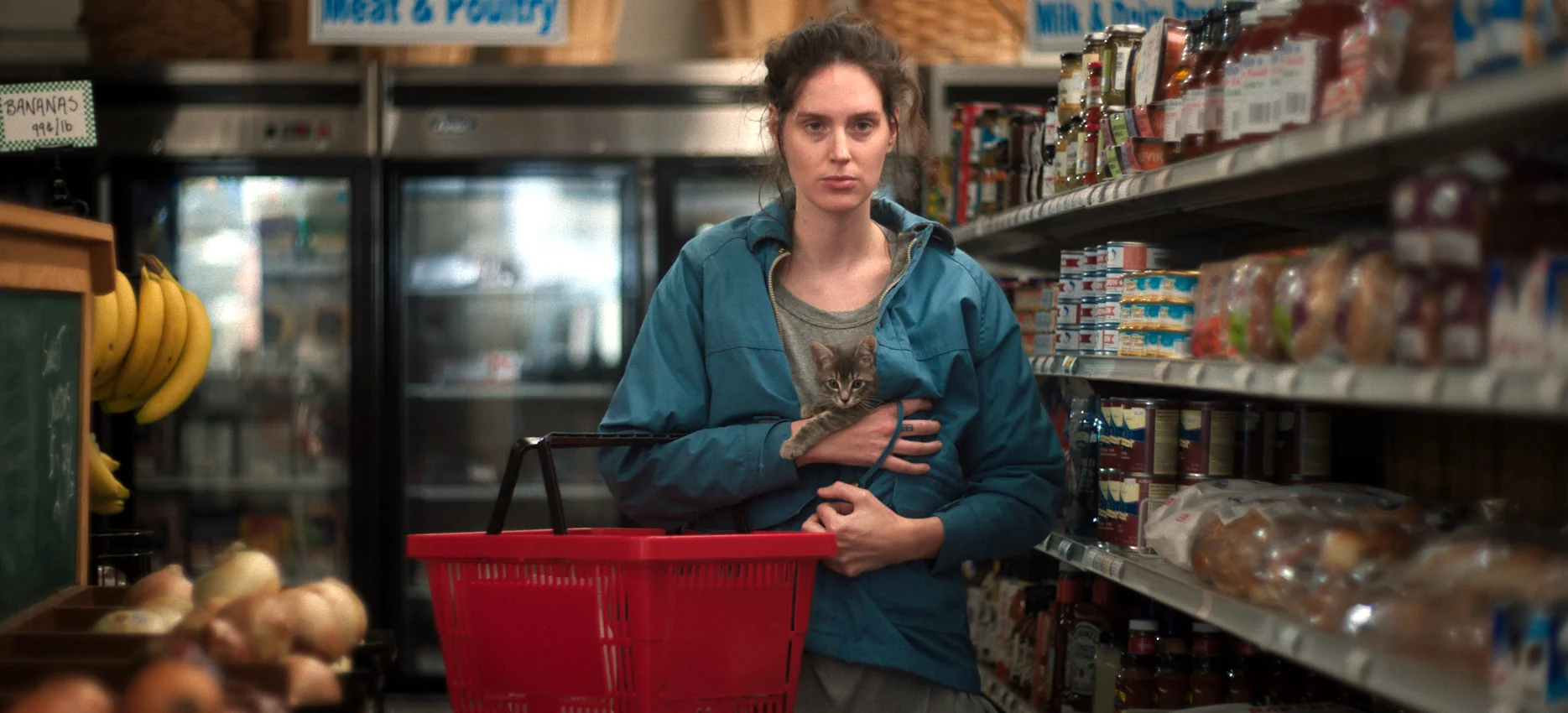
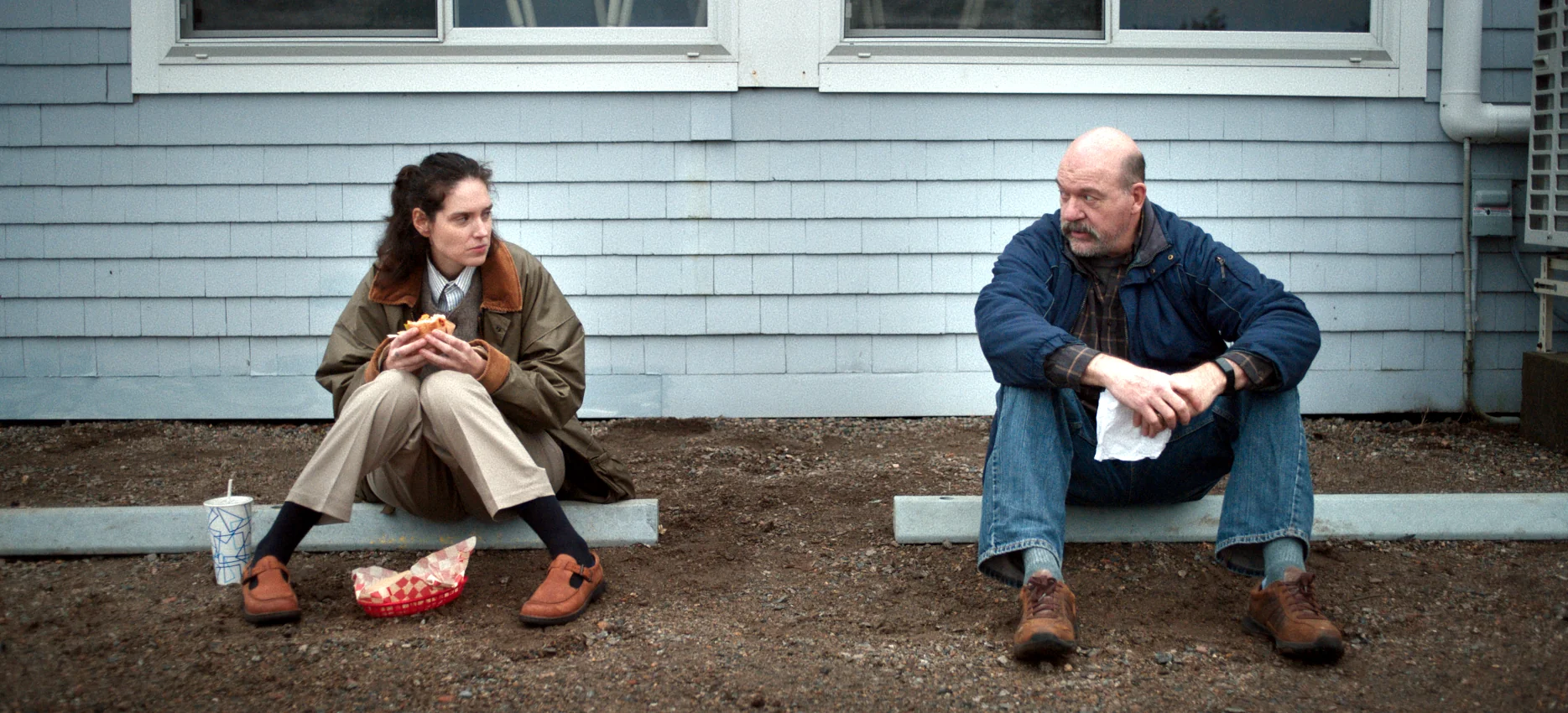
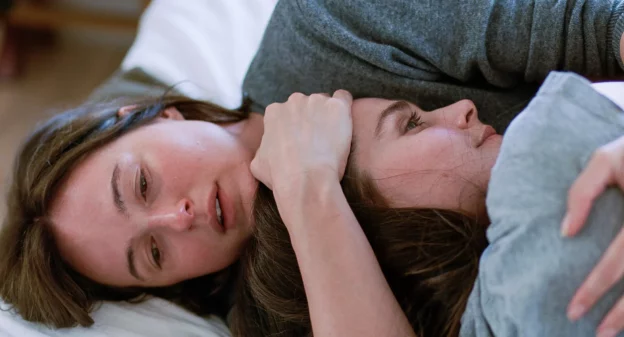
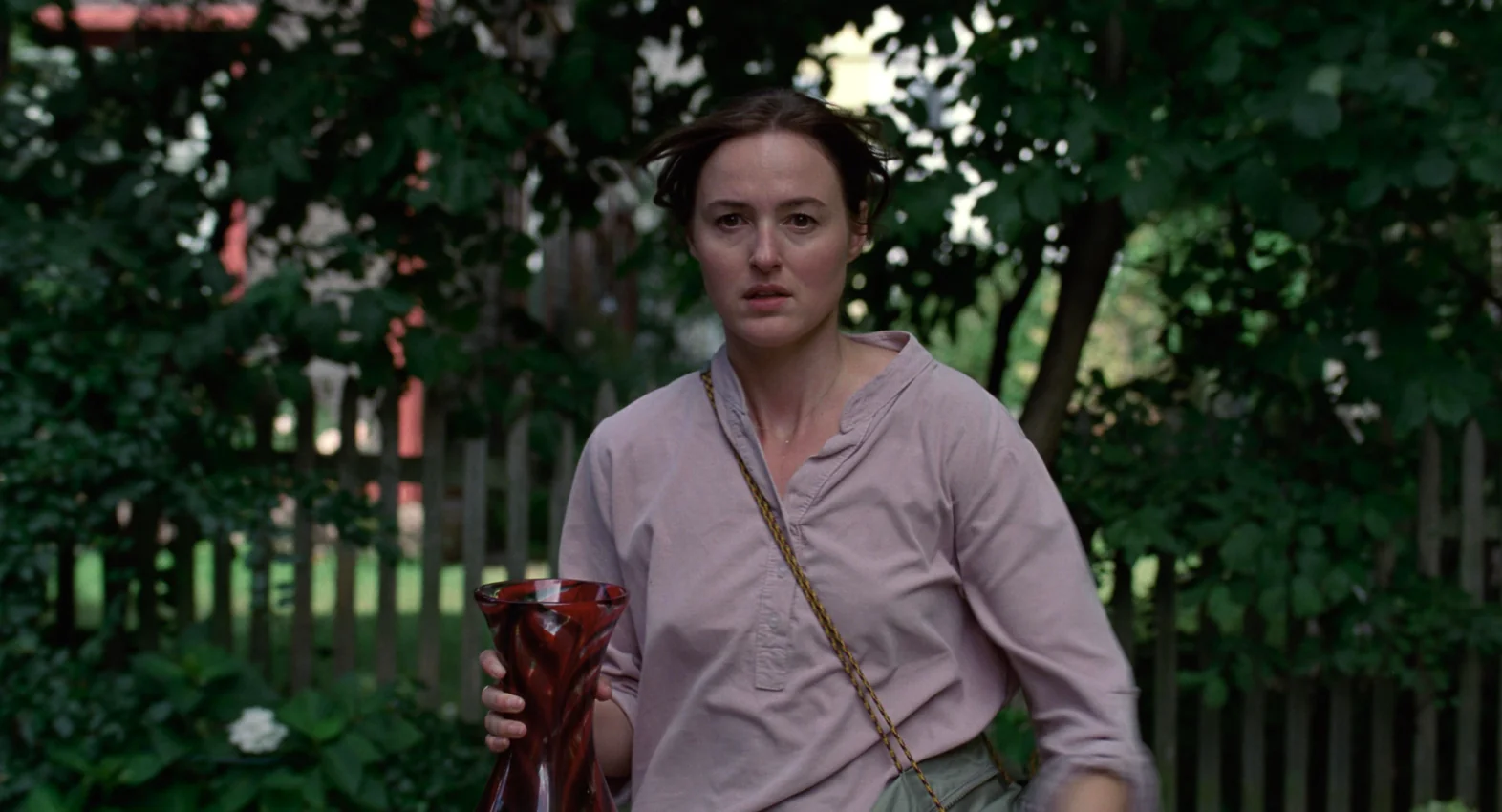
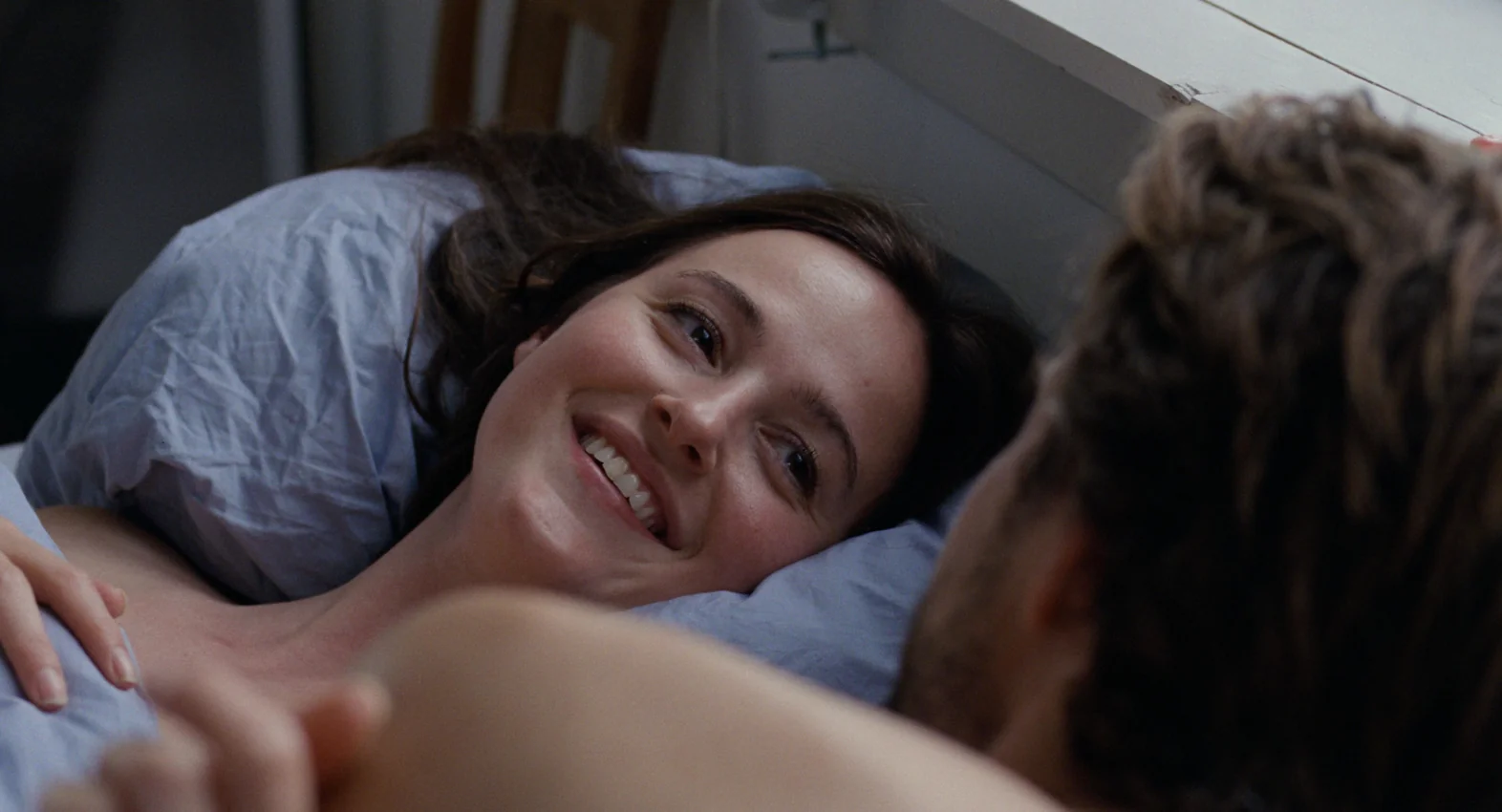
Something bad happened to Agnes. But life goes on… for everyone around her, at least.
Credits:
US 2025, 103 Min., engl. OmU Regie: Eva Victor Kamera: Mia Cioffi Henry Schnitt: Randi Atkins, Alex O’Flinn mit: Eva Victor, Naomi Ackie, Louis Cancelmi, Kelly McCormack, Lucas Hedges, John Carroll Lynch
Audiodeskriptionen, Untertitel und Hörverstärkung mit der Greta App
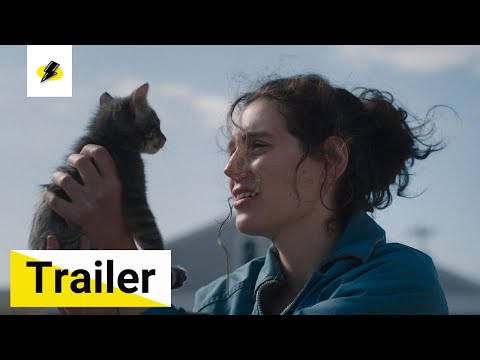
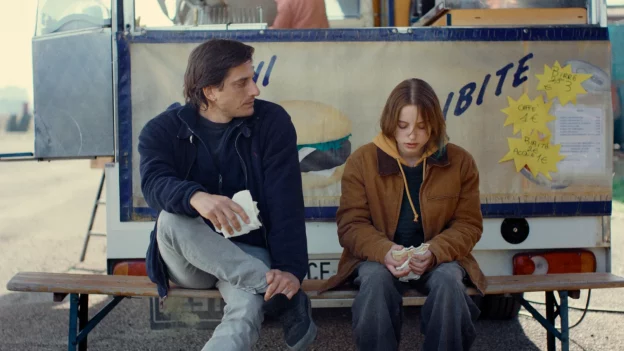
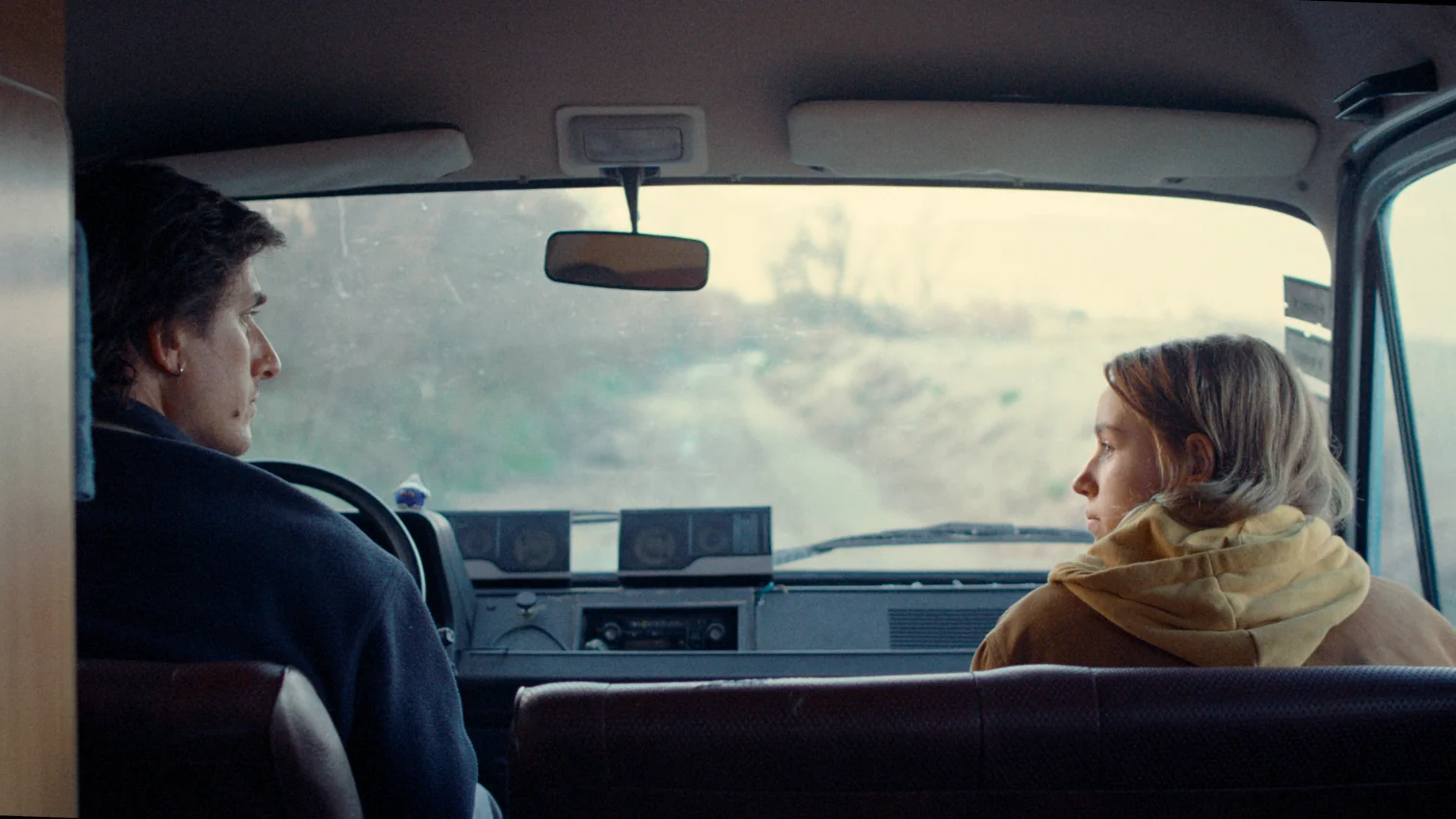
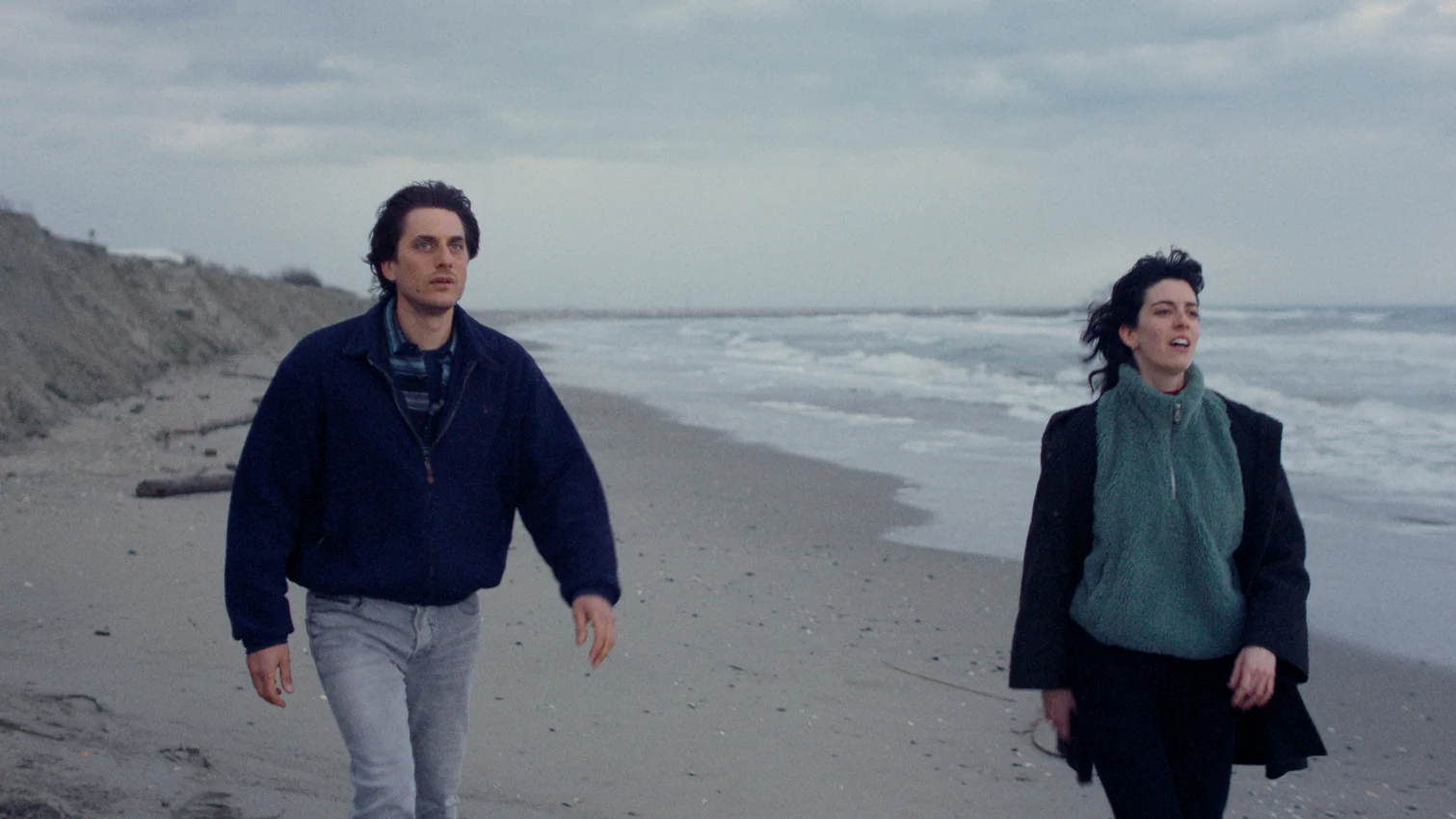
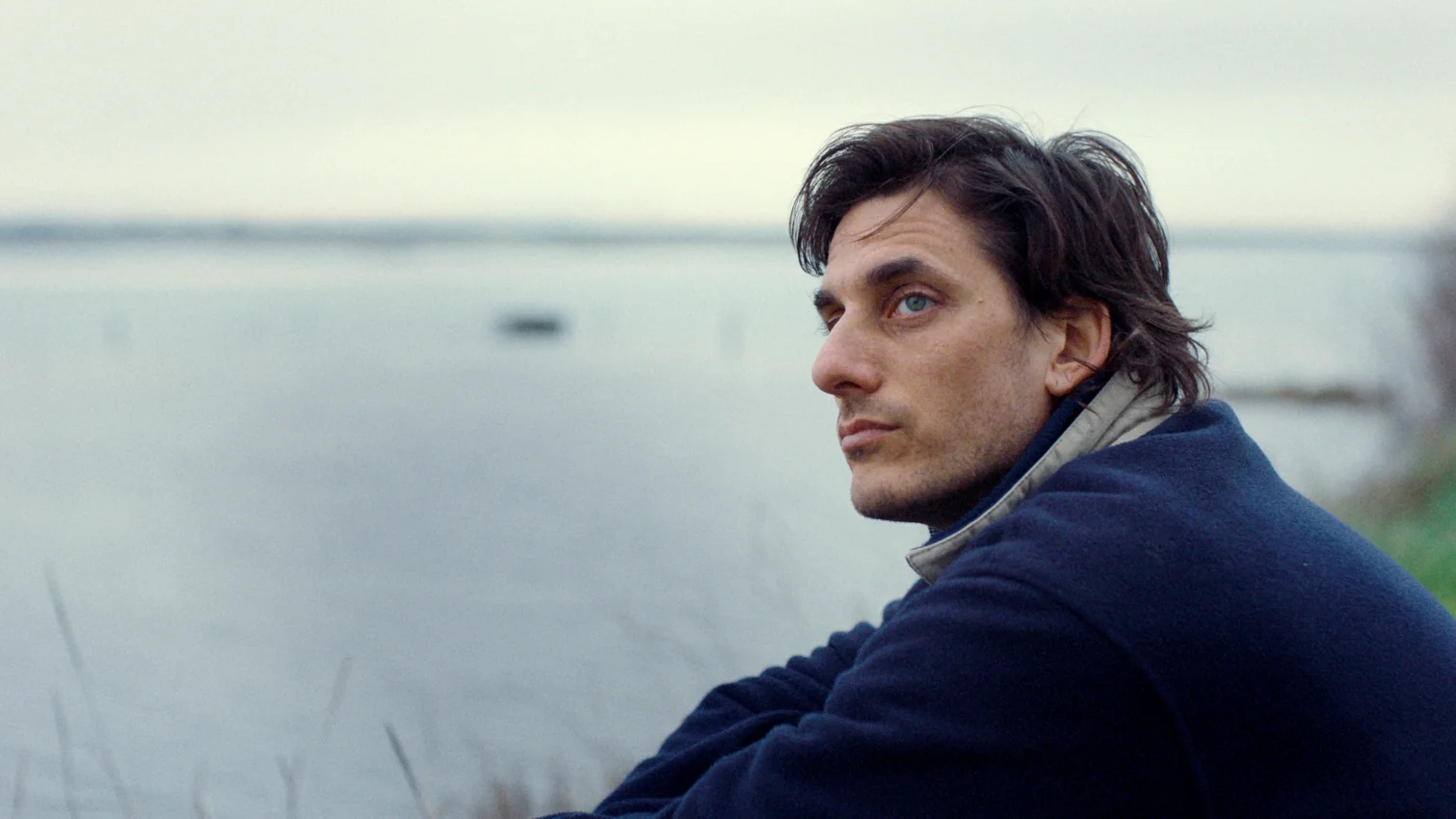
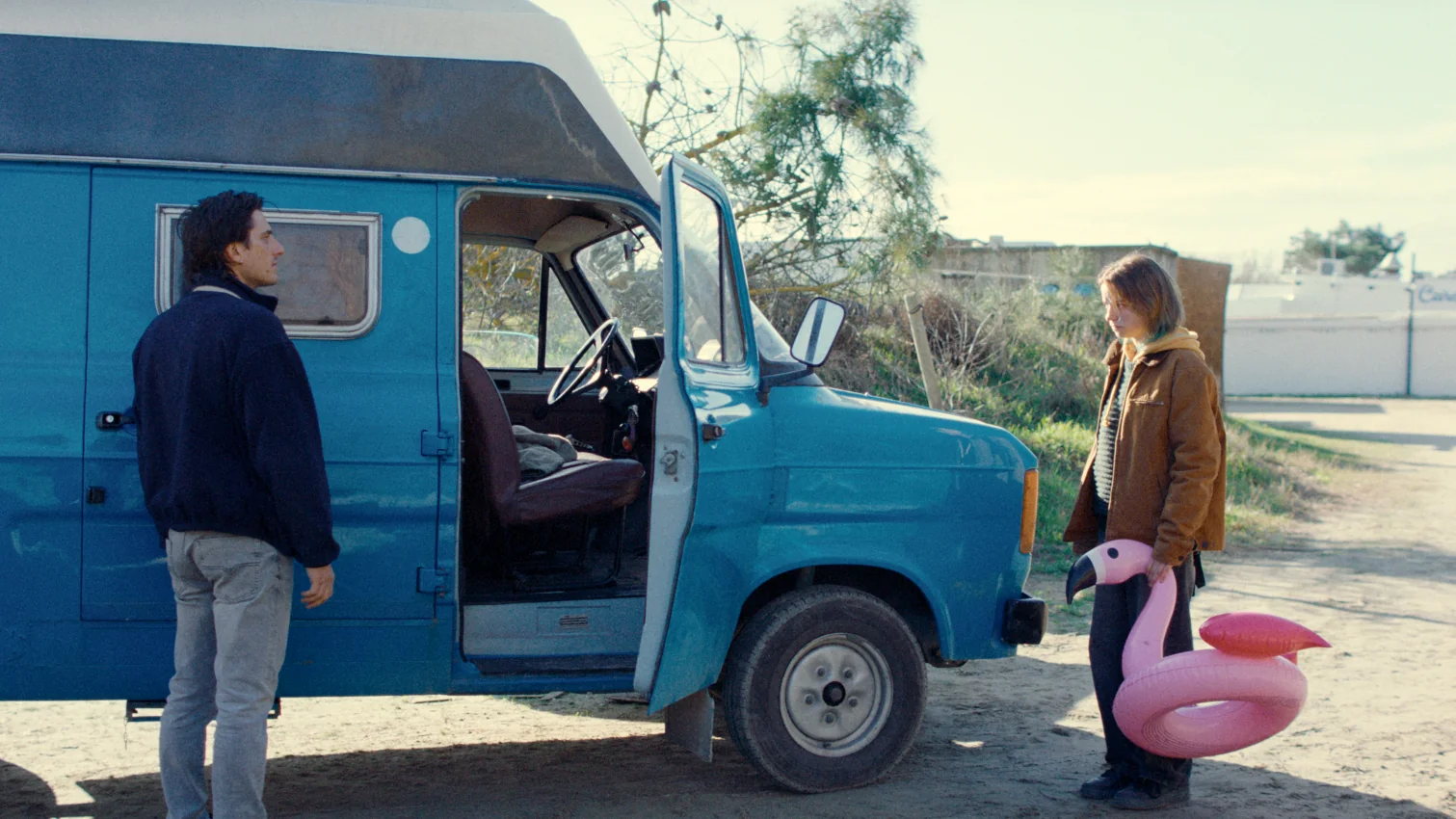
Fifteen-year-old Leo has grown up in Germany without a father. When she discovers his identity, she immediately sets out to track him down. She finds Paolo in a boarded-up beach bar on the wintry coast of northern Italy. The reunion leaves Paolo overwhelmed and conflicted. After Leo’s sudden appearance in his life, he struggles to balance his relationship between her and the family he has now. At first, Leo just wants answers. But soon, she starts to long for a place in Paolo’s life. With no money nor plans, she stays on in the small town. As they spend more time together, Leo and Paolo tentatively begin to bond and discover they have much in common. But reality inevitably catches up with them. When Paolo prioritises his younger daughter over Leo again, the latter is left hurt and angry. A confrontation lays bare their pain, apparently shattering their fragile connection. But, amid the turmoil, father and daughter begin to acknowledge their respective truths and take a small but meaningful step towards acceptance.
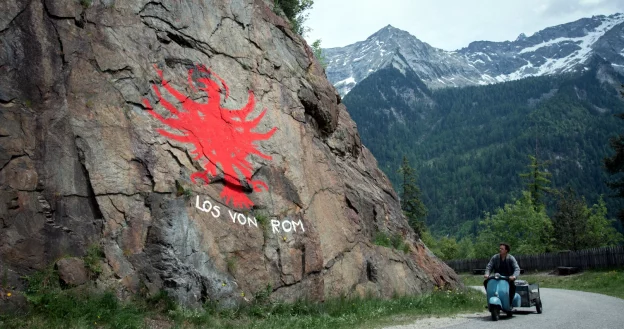
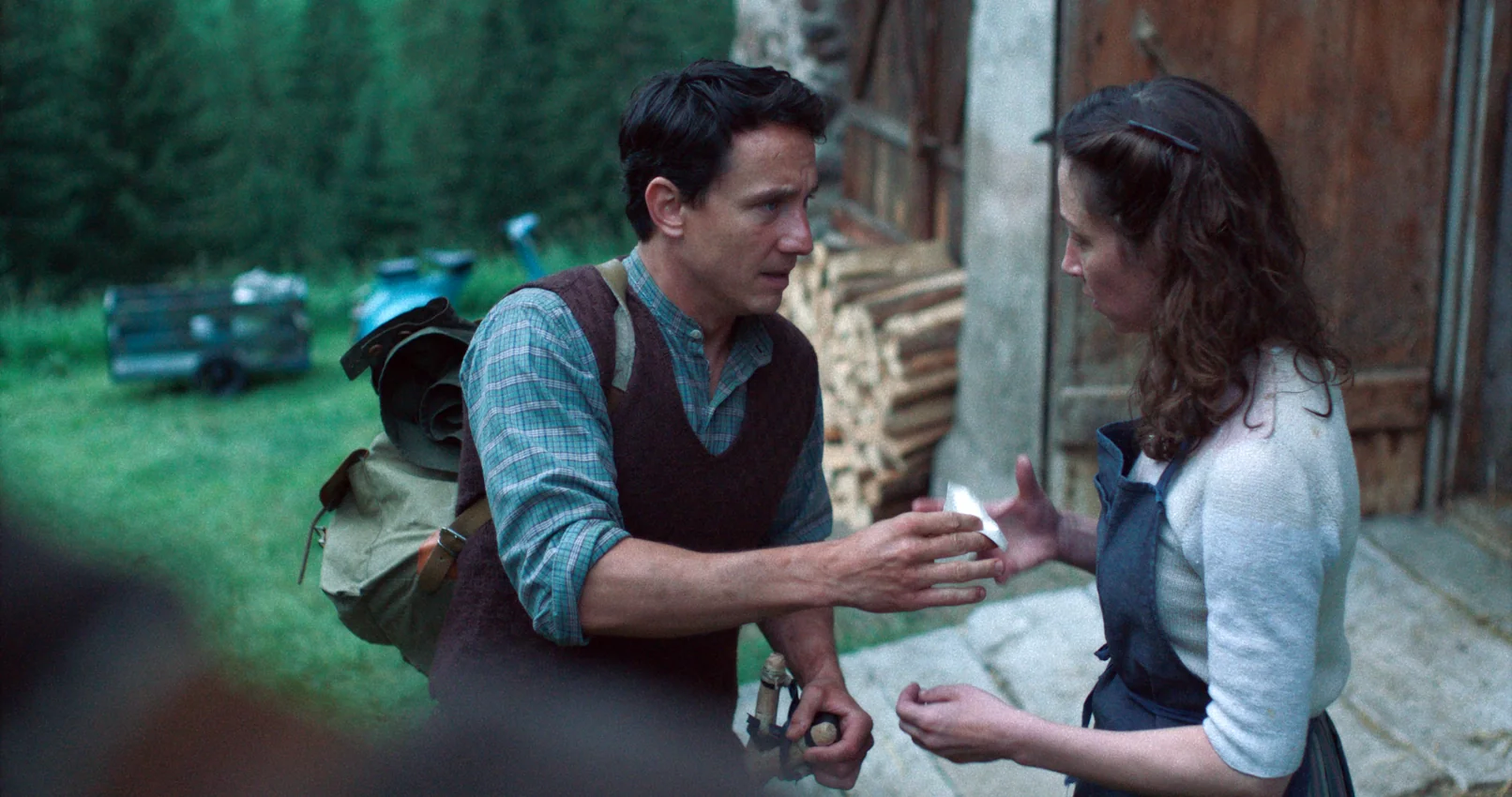
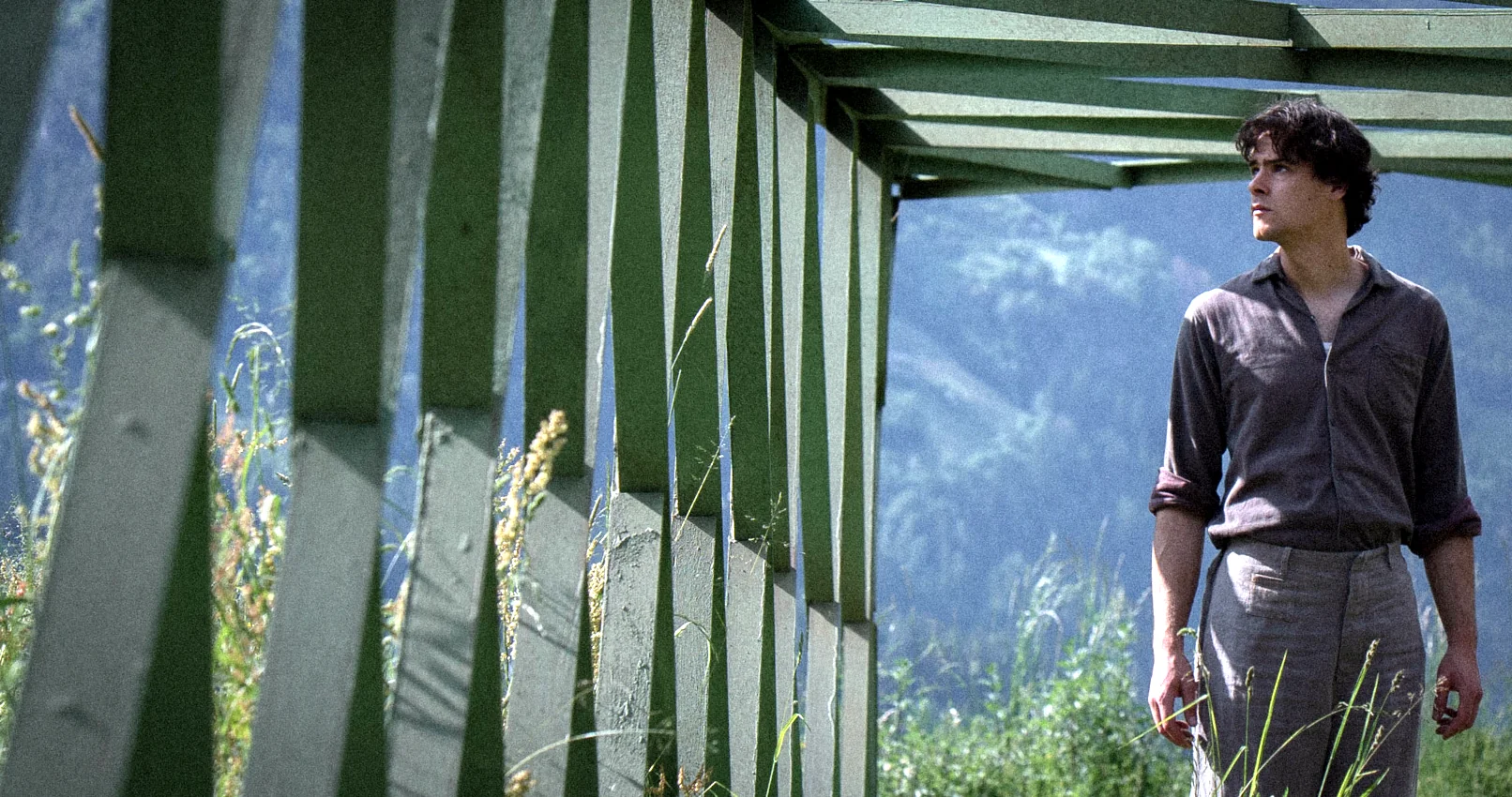
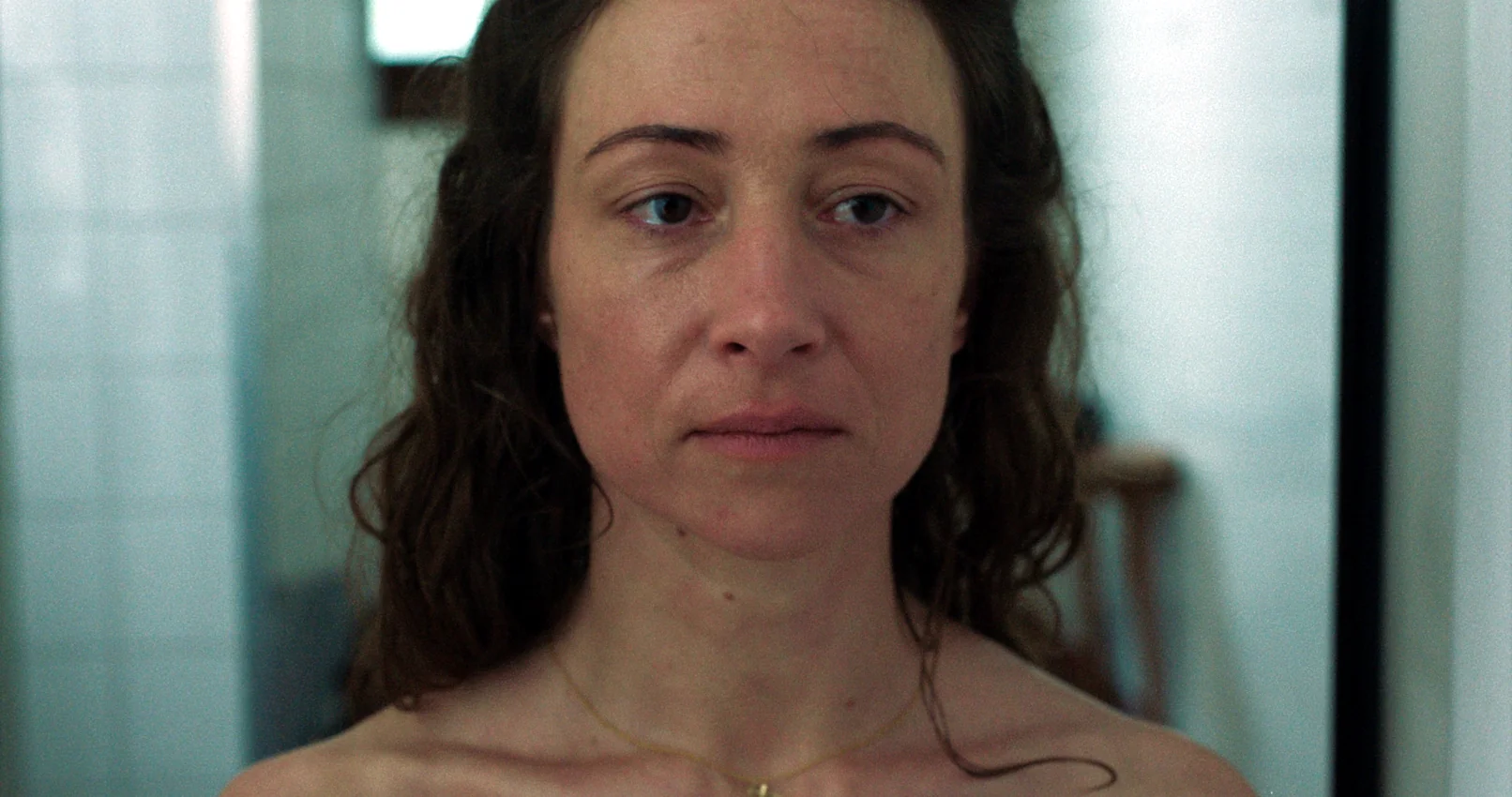
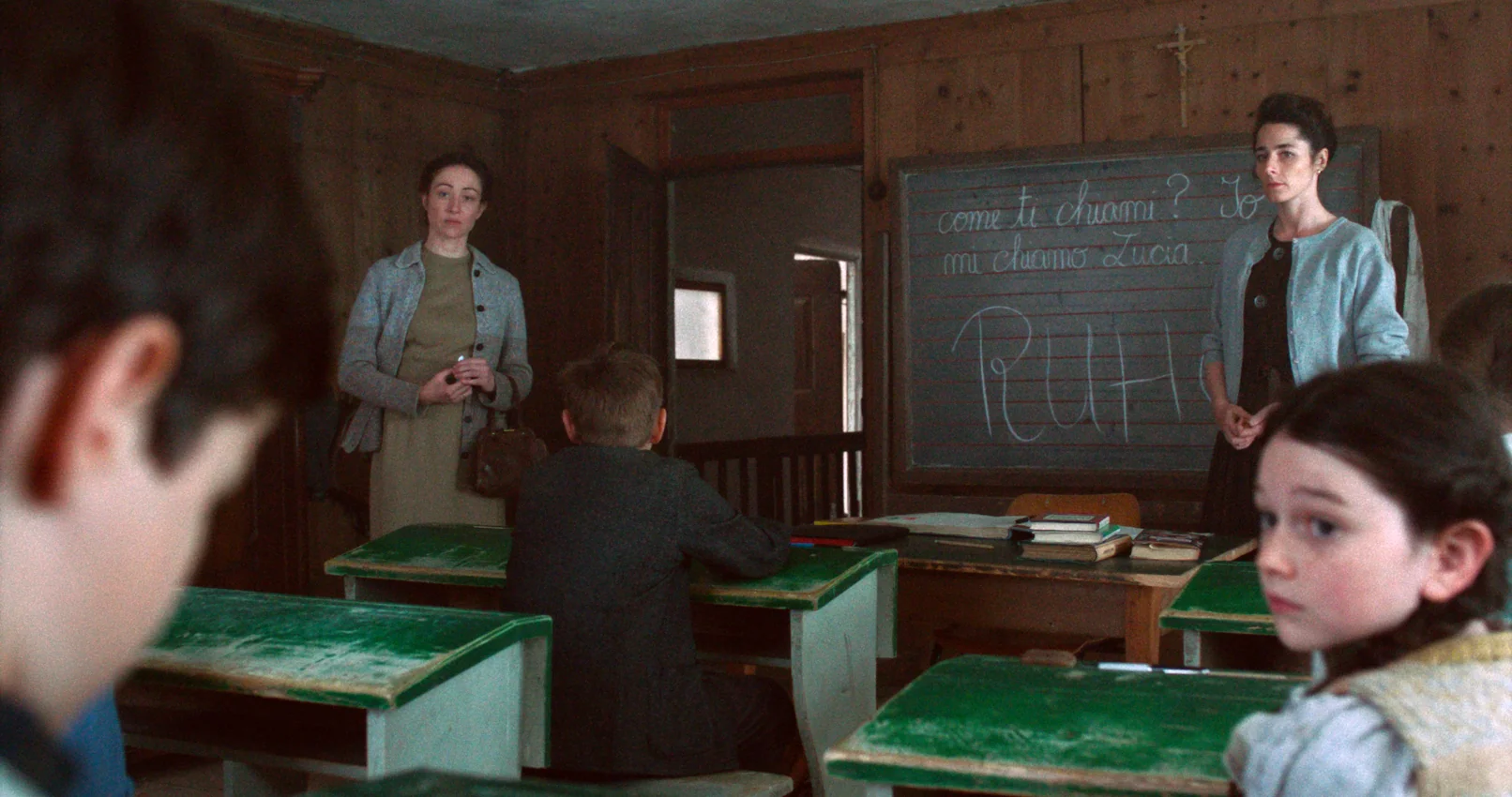
1961 – South Tyrol, a minority region in Northern Italy, becomes staging ground for a bombing campaign against Italian rule. The lives of aspiring artist Paul, his hardliner brother Anton, and Anton’s wife, Anna, spiral out of control..
Credits:
DE/IT/AT 2025, 112 Min., Regie & Schnitt: Michael Kofler Kamera: Felix Wiedemann Schnitt: Florian Miosge mit: Thomas Prenn, Aenne Schwarz, Laurence Rupp, Francesco Acquaroli
Trailer:
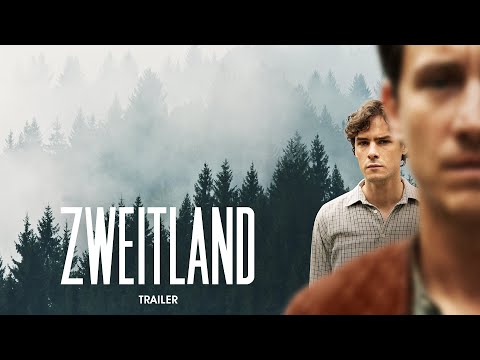
Zweitland | Trailer Deutsch HD | Ab 04.12. im Kino
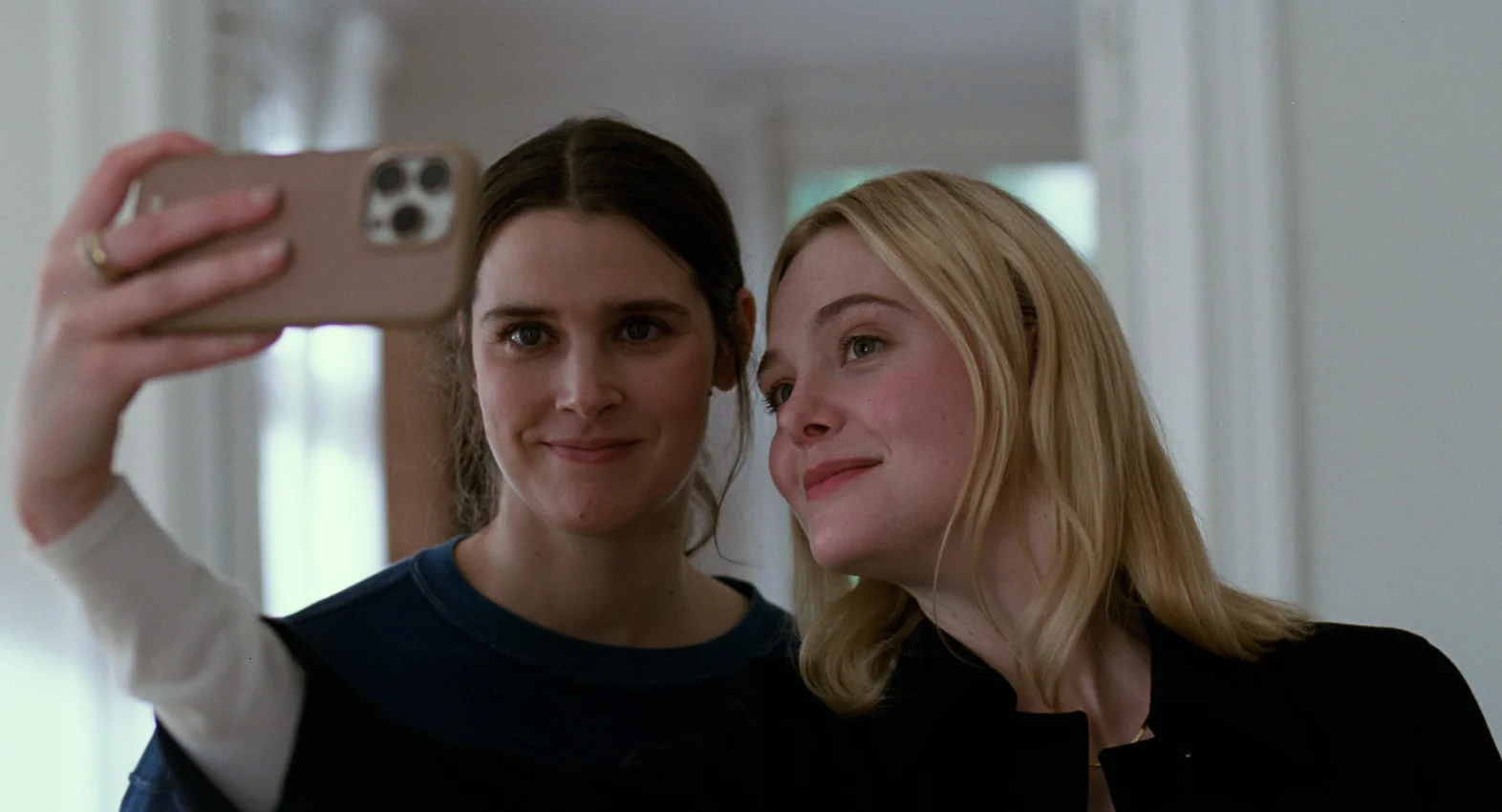
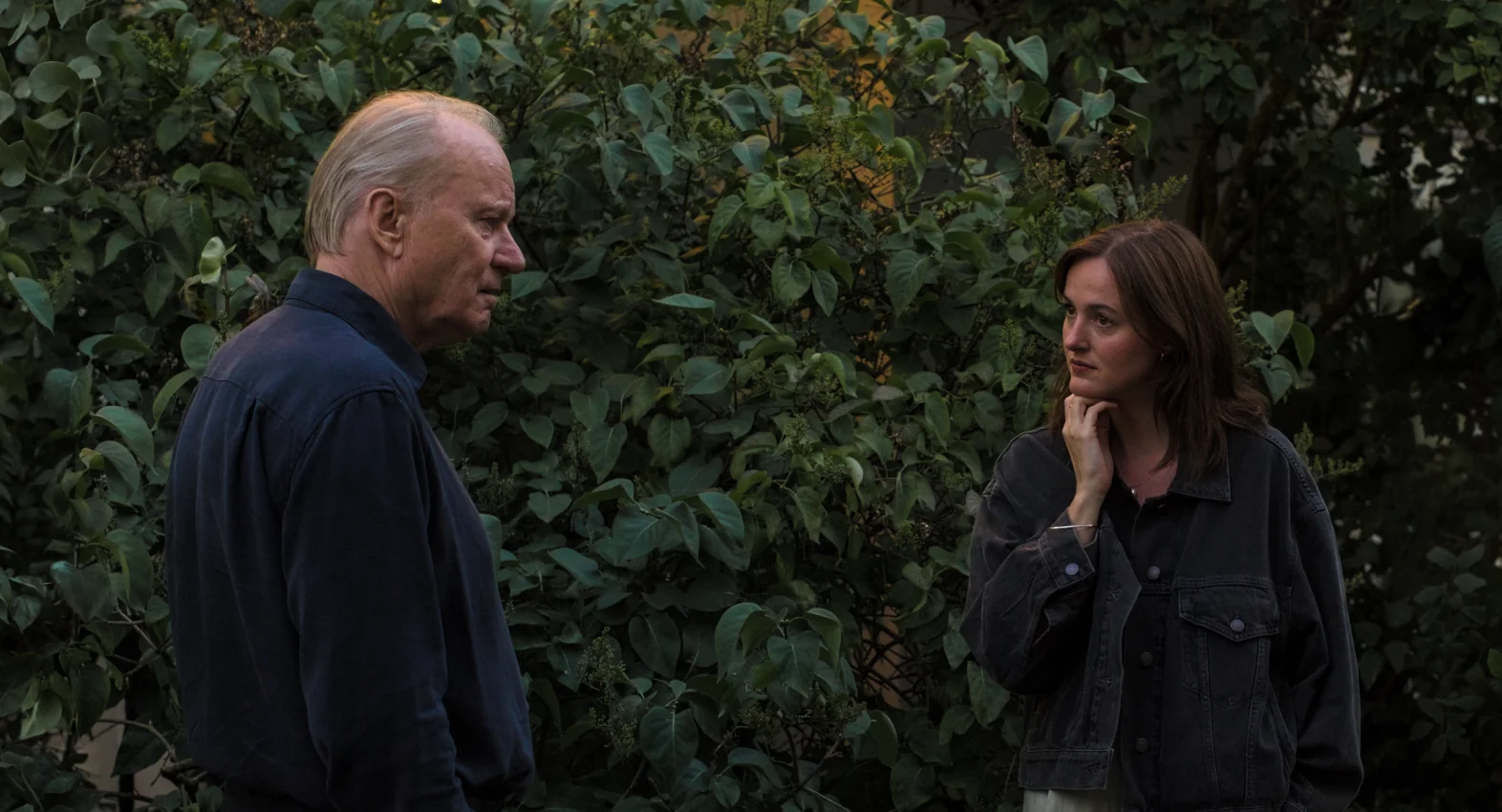
Winner of the Grand Prix at this year’s Cannes Festival, the sprawling intergenerational drama AFFEKSJONSVERDI sees writer-director Joachim Trier teaming up once more with Renate Reinsve, the breakout star of his celebrated existential rom-com VERDENSVERSTEMENNESKE (2021). Reinsve plays Nora, a gifted stage and television actress we first see having an uproarious backstage breakdown before her opening night performance of Chekhov’s The Seagull. When her estranged father, Gustav (Stellan Skarsgård), reappears, he offers her a part in film he’s written about his mother, who was tortured by Nazis and died by suicide. Nora refuses, leading Gustav to cast a Hollywood actress (Elle Fanning) in her stead. By turning their Oslo family home into his own film set, Gustav upends not just Nora’s life but that of her more well-adjusted sister (Inga Lilleaas), a former child actor who starred in one of Gustav’s early films. Brimming with familial resentments and artistic anxieties yet distinguished by an awkward, understated sense of humour, AFFEKSJONSVERDI is an absorbing ensemble piece about exploitation, memory and legacy—and the power of artistic creation to both heal past wounds and defer hard truths. (Beatrice Loayza)
Credits:
Affeksjonsverdi DK/DE/FR/NO 2025, 132 Min., Norwegisch mit deutschen Untertiteln Regie & Schnitt: Joachim Trier Kamera: Kasper Tuxen Schnitt: Olivier Bugge Coutté mit: Renate Reinsve, Stellan Skarsgård, Elle Fanning, Inga Ibsdotter Lilleaas
Wir verwenden Cookies, um unsere Website und unseren Service zu optimieren.
Funktionale Cookies
Always active
Die technische Speicherung oder der Zugang ist unbedingt erforderlich für den rechtmäßigen Zweck, die Nutzung eines bestimmten Dienstes zu ermöglichen, der vom Teilnehmer oder Nutzer ausdrücklich gewünscht wird, oder für den alleinigen Zweck, die Übertragung einer Nachricht über ein elektronisches Kommunikationsnetz durchzuführen.
Vorlieben
Die technische Speicherung oder der Zugriff ist für den rechtmäßigen Zweck der Speicherung von Präferenzen erforderlich, die nicht vom Abonnenten oder Benutzer angefordert wurden.
Statistiken
Die technische Speicherung oder der Zugriff, der ausschließlich zu statistischen Zwecken erfolgt.Die technische Speicherung oder der Zugriff, der ausschließlich zu anonymen statistischen Zwecken verwendet wird. Ohne eine Vorladung, die freiwillige Zustimmung deines Internetdienstanbieters oder zusätzliche Aufzeichnungen von Dritten können die zu diesem Zweck gespeicherten oder abgerufenen Informationen allein in der Regel nicht dazu verwendet werden, dich zu identifizieren.
Marketing
Die technische Speicherung oder der Zugriff ist erforderlich, um Nutzerprofile zu erstellen, um Werbung zu versenden oder um den Nutzer auf einer Website oder über mehrere Websites hinweg zu ähnlichen Marketingzwecken zu verfolgen.