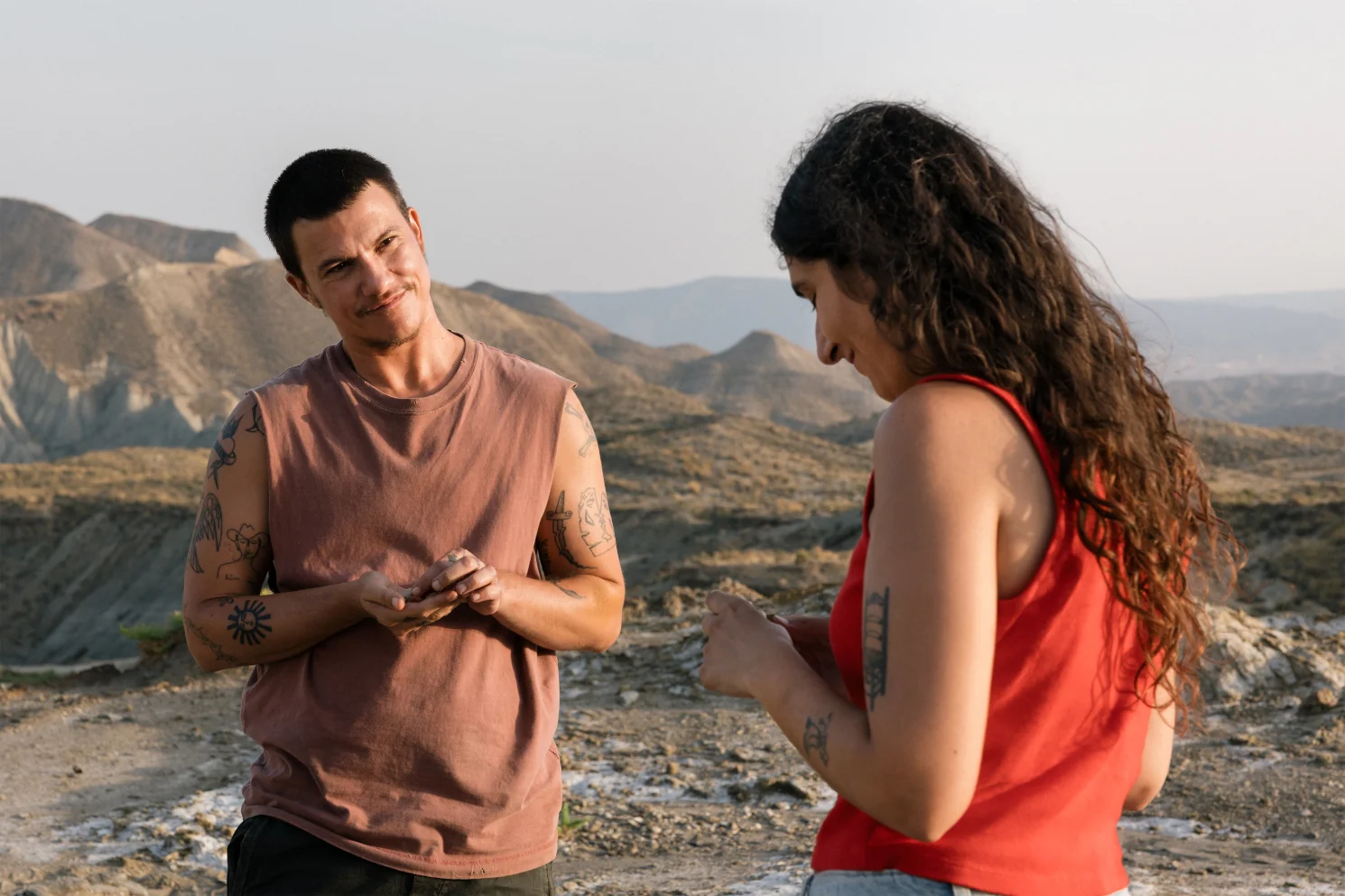
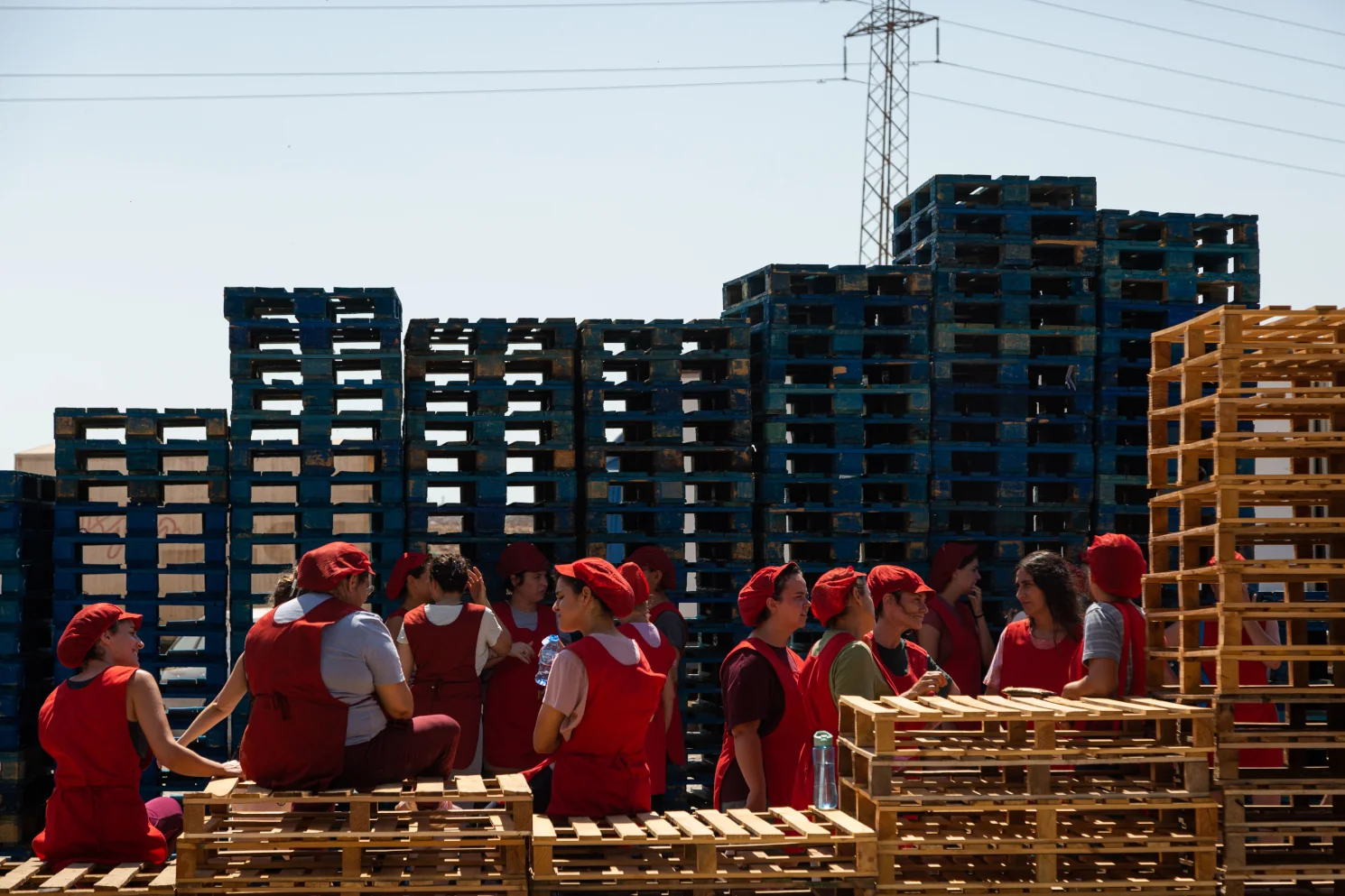
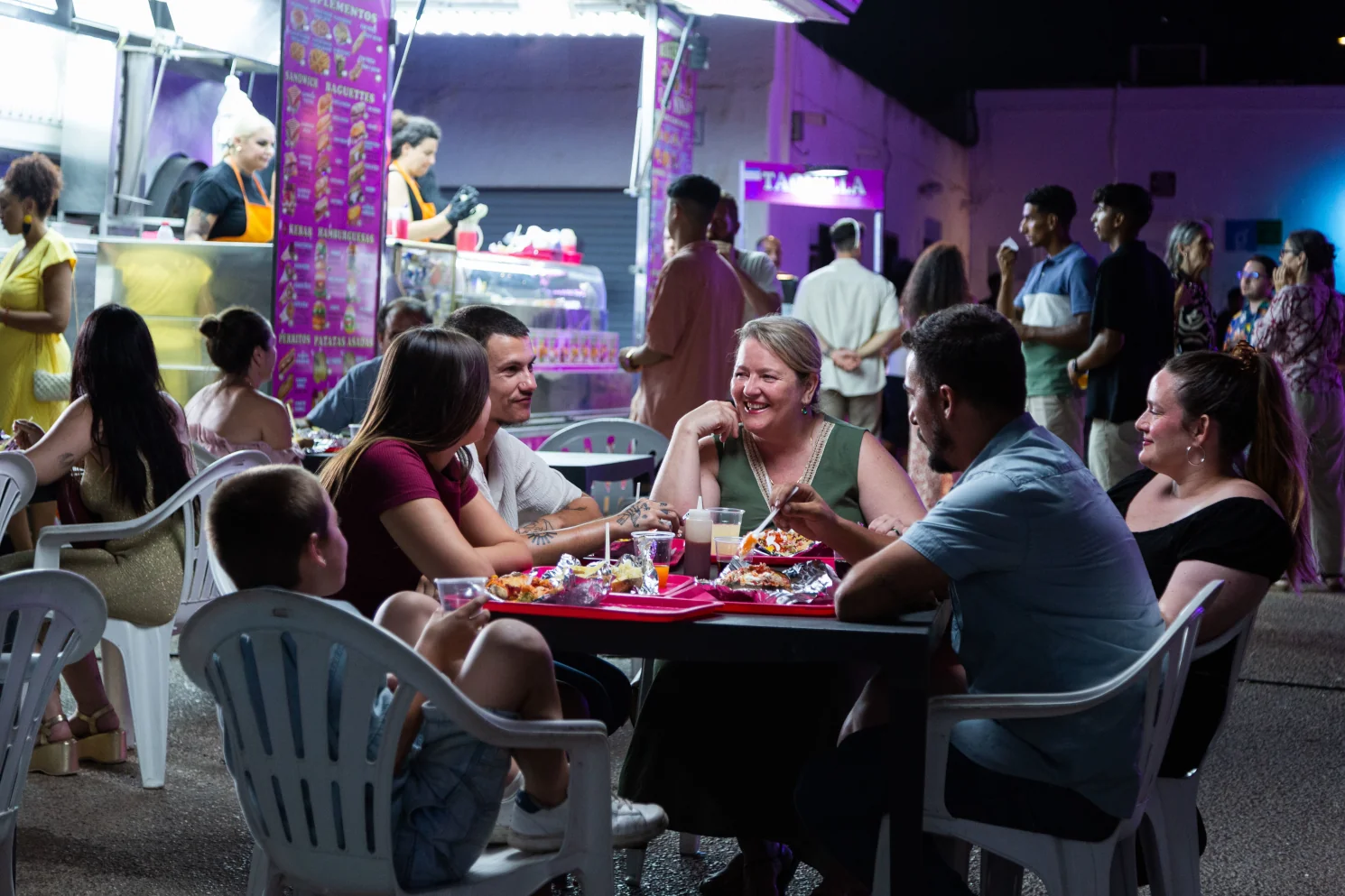
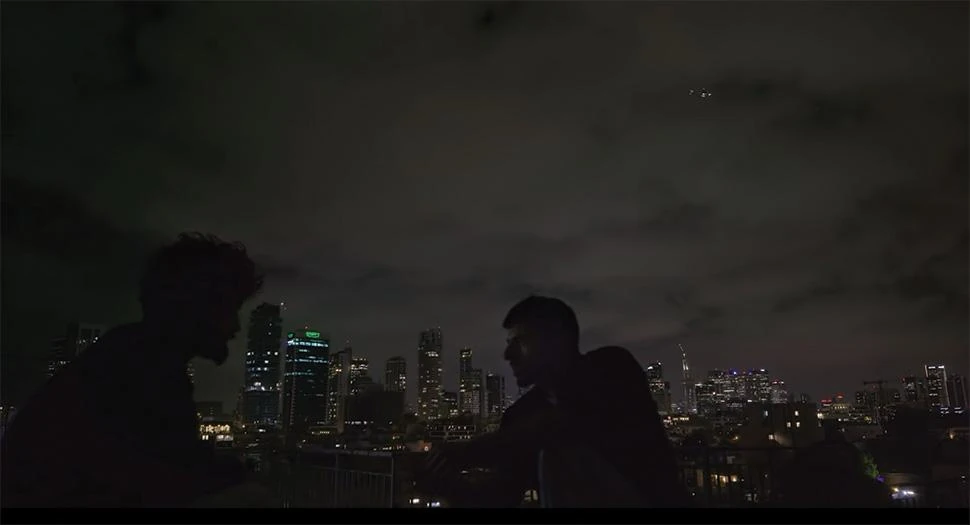
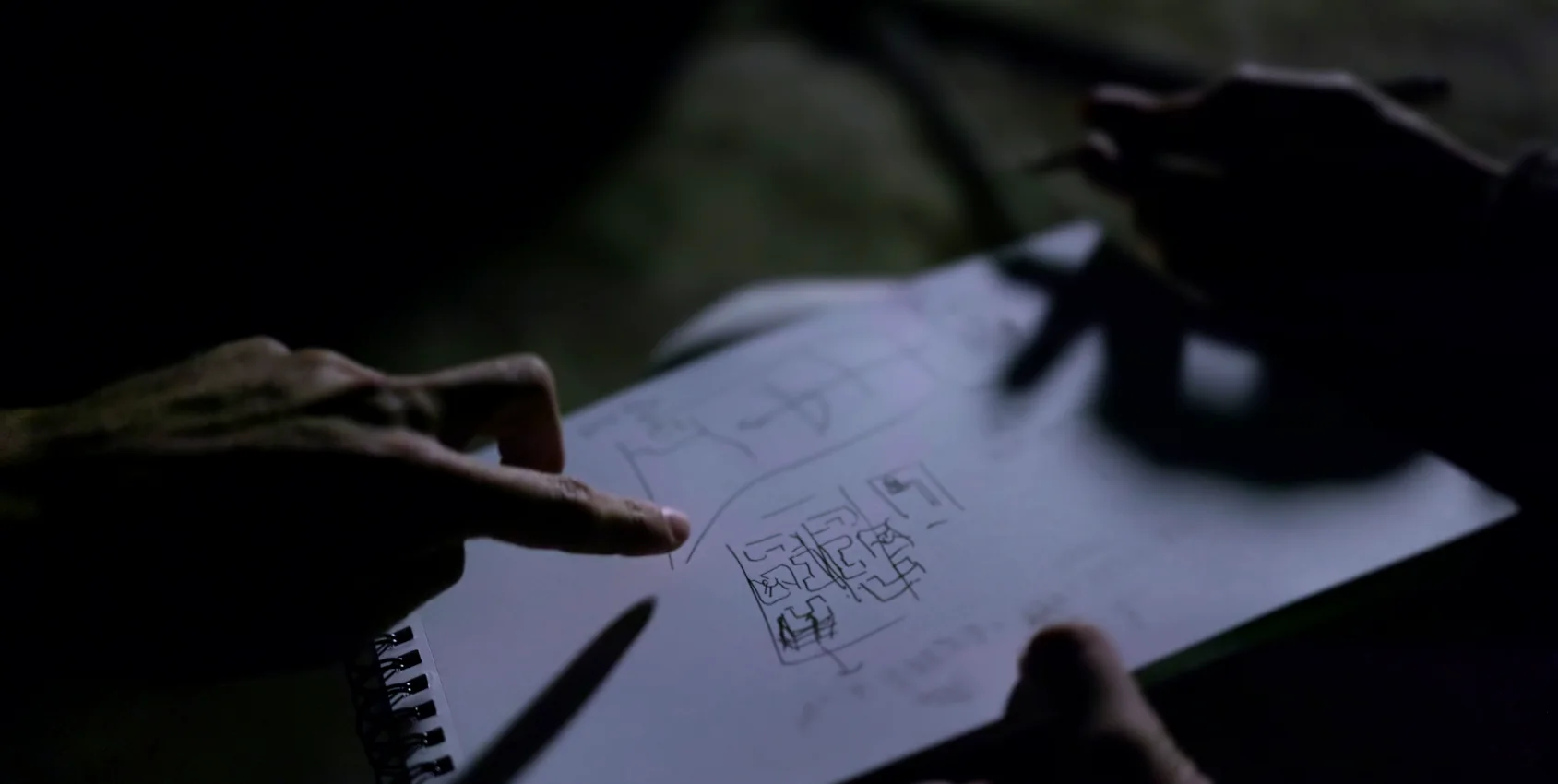
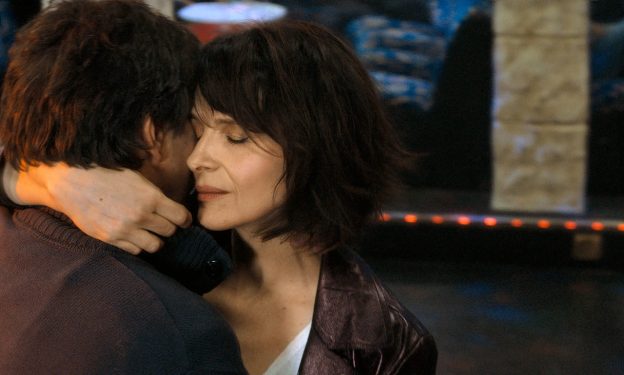
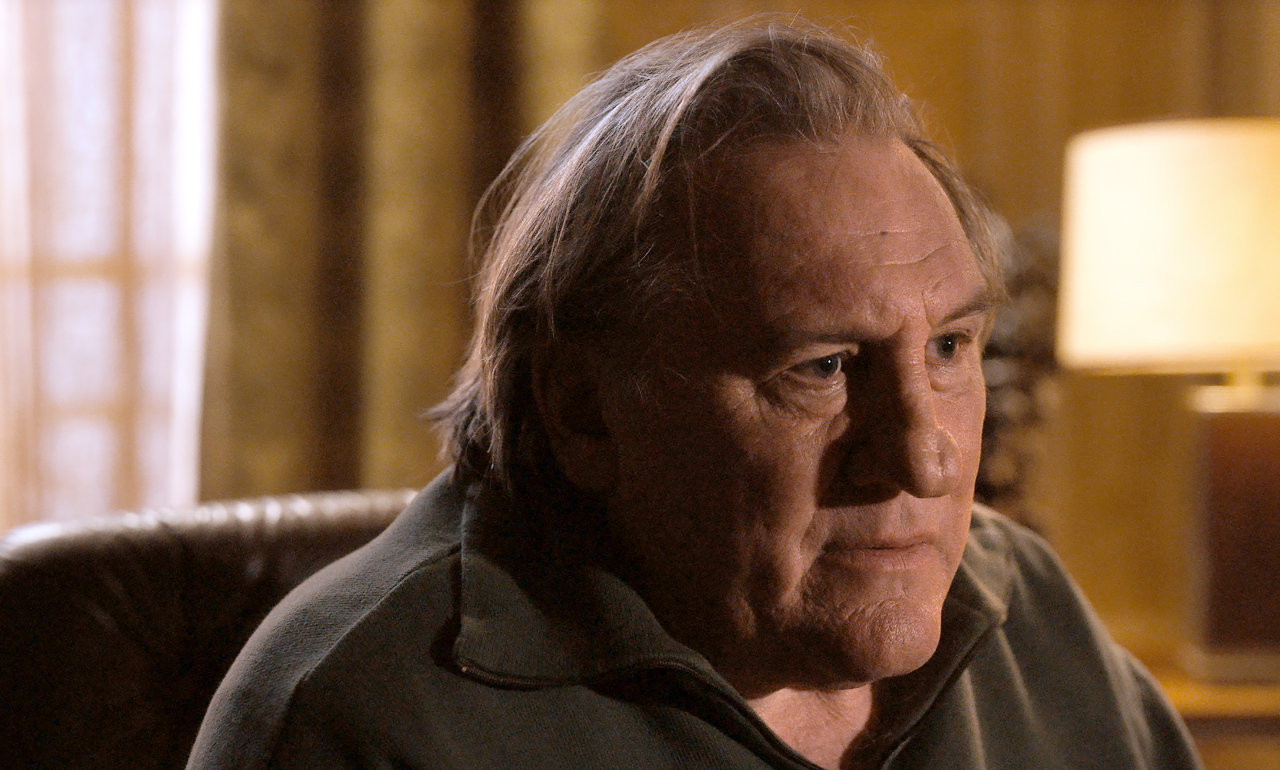
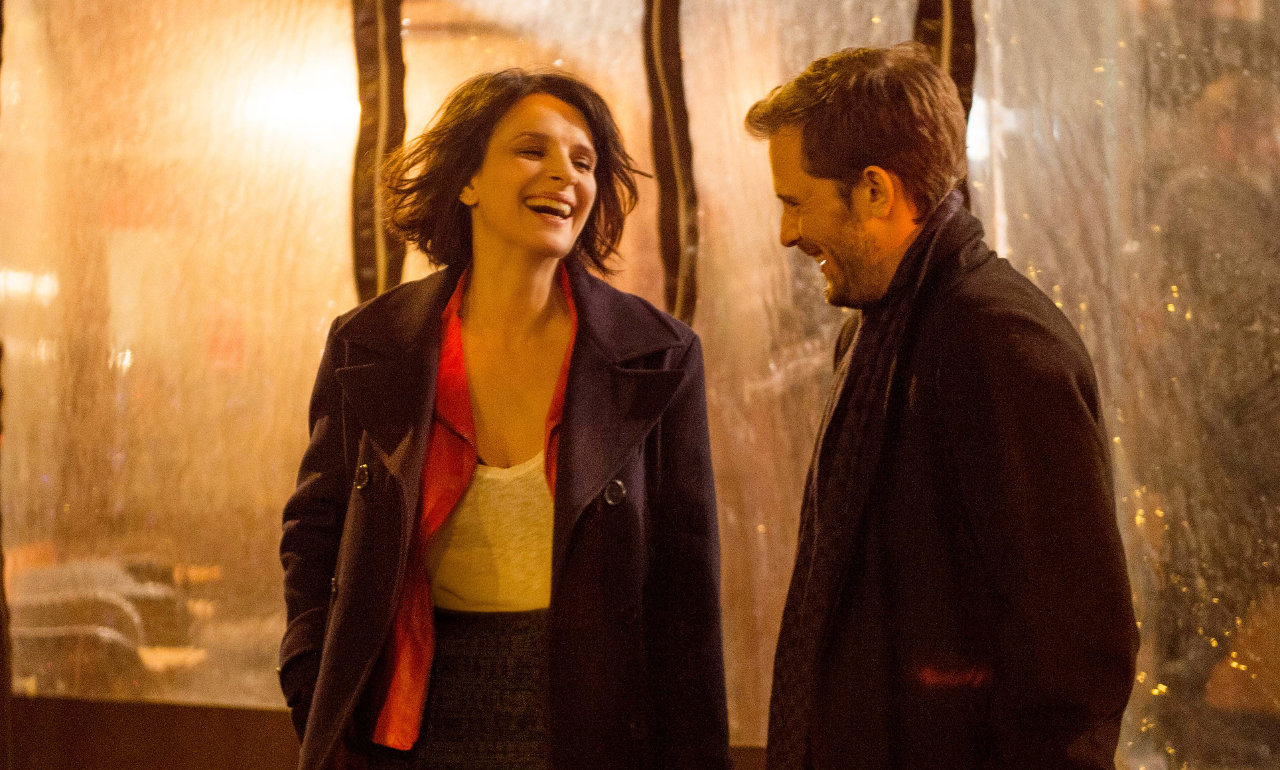
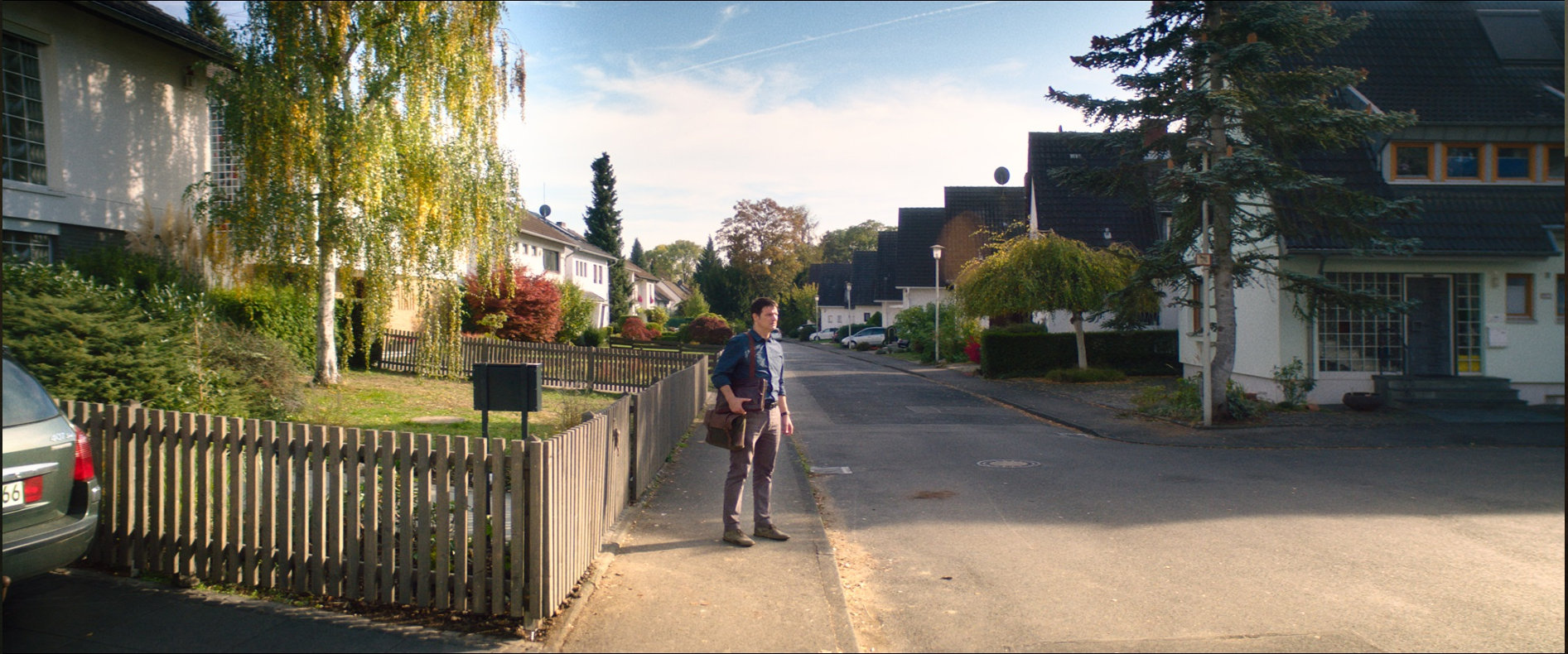
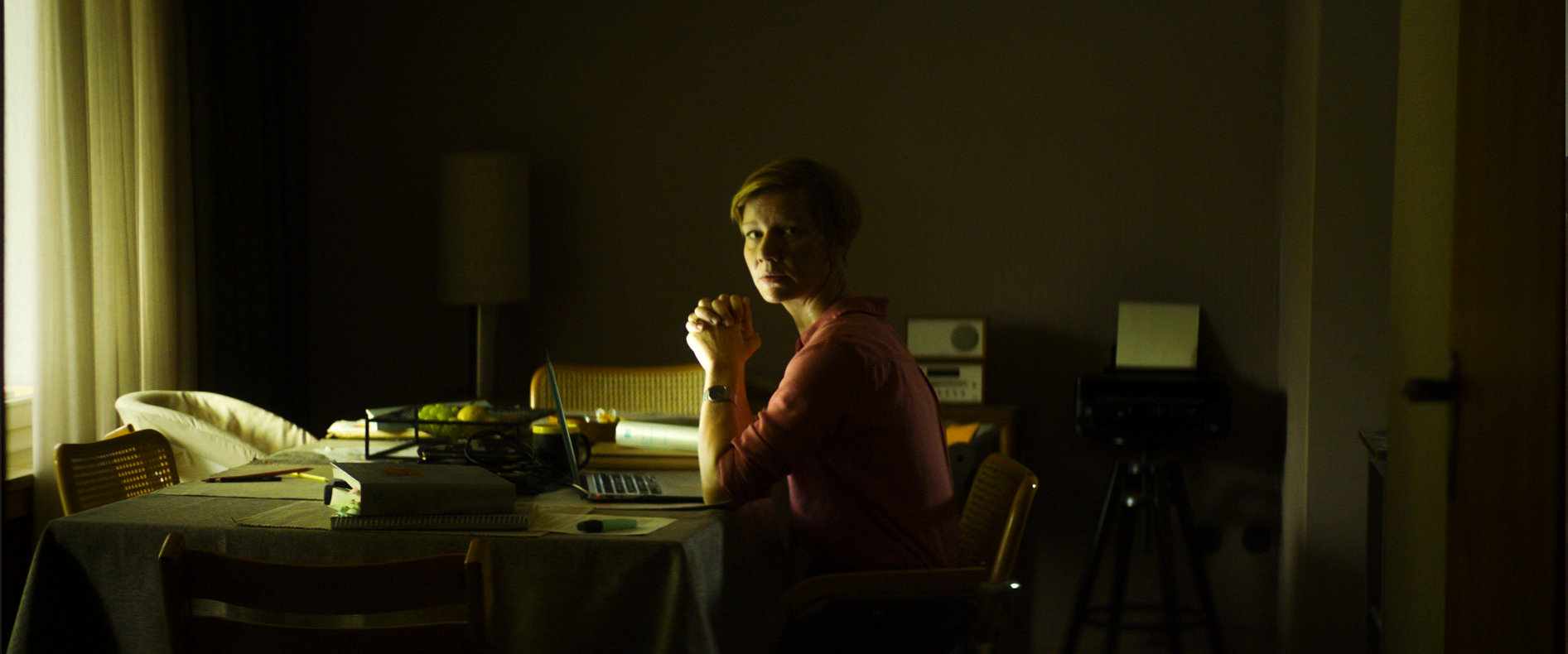
An aimless flâneur (Jean-Pierre Léaud) spends his days divided between two women, endless conversations in Parisian cafés and a search for his true self. At the heart of the film is a love triangle in the aftermath of the upheavals of 1968, which unfolds with direct candour, navigating the terrain between self-presentation, desire and emotional cruelty. A work that remains challenging to this day, exploring love, language and the impossibility of finding common ground.
Credits:
FR 1973, 215 mins, French with original subtitles Director: Jean Eustache Cinematography: Pierre Lhomme Editing: Jean Eustache, Denise de Casabianca Starring Jean-Pierre Léaud, Françoise Lebrun, Bernadette Lafont, Isabelle Weingarten
Jean Eustache, a trained electrician and self-taught filmmaker, was, as the son of a working-class family, an exceptional figure within the otherwise bourgeois Nouvelle Vague. His life is reflected in his films in an almost autobiographical way. With a precise attention to language, gestures and social realities, Eustache’s cinema operates within the realm of documentary fiction. Thanks to the Re:Visted series from Grand film distributors, we are able to offer two of his classics:
LAMAMANETLAPUTAIN from 1973, in which Jean-Pierre Léaud plays Alexandre, a flâneur caught between two women and endless conversations in Parisian cafés as he searches for his true self. 26 July [Tickets]
In the autobiographically inspired 1974 film MESPETITESAMOUREUSES, 13-year-old Daniel is torn from his sheltered country life and thrust into the confines of the city and the harshness of the adult world. 25 July [Tickets]
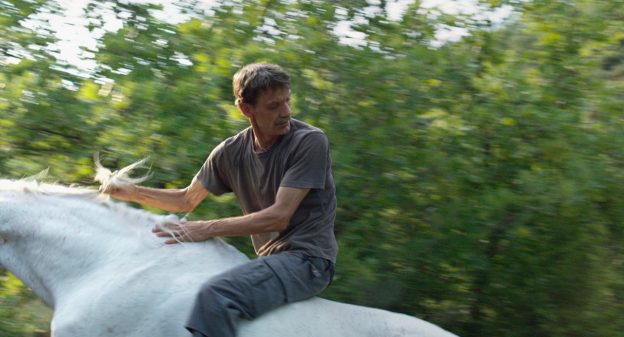
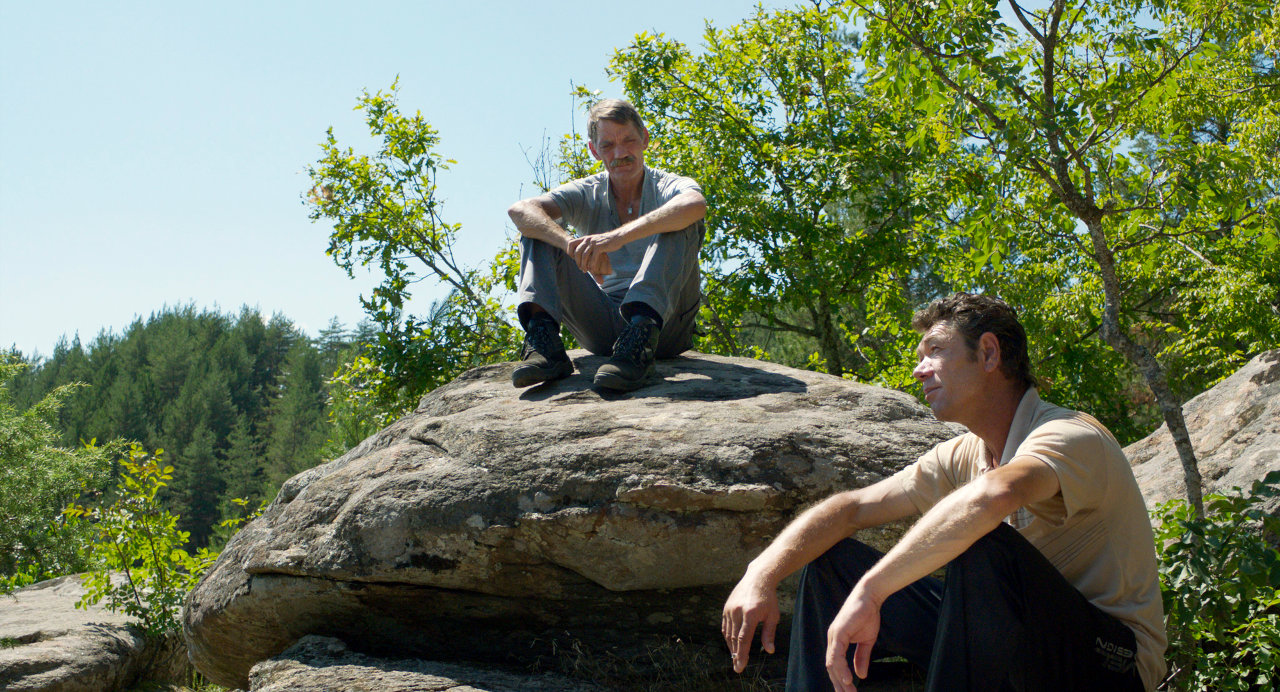
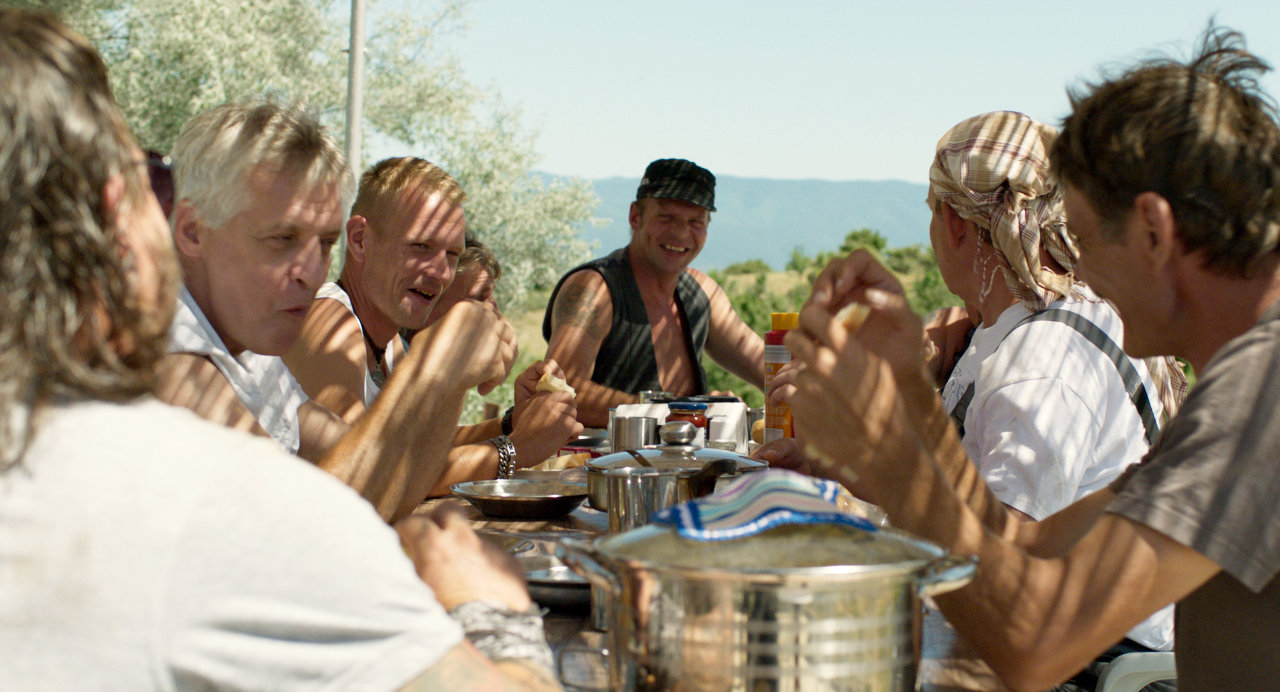
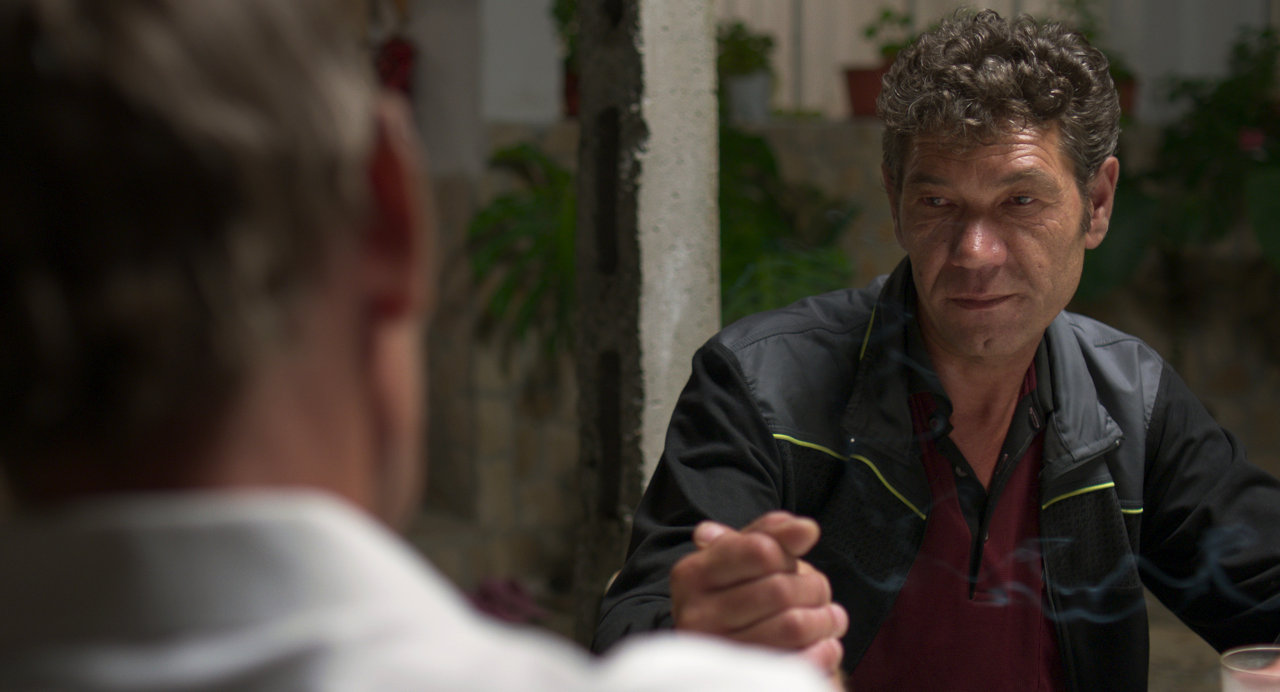
Moldova, 1997. Six years after the collapse of the USSR, the initial euphoria has faded, leaving behind a country sinking into a deep and persistent crisis. Amidst this harsh reality, a family struggles to survive. Zina, a set designer at a once-vibrant children’s theatre, has not been paid for months, yet continues to try to keep her family together and put food on the table. Her husband Victor, an artist left behind by history, is sinking into melancholy and is unable to adapt to the new reality. Their daughter Eva, a gifted piano student, is leaving childhood behind as she searches for her place in a world that seems to be falling apart around her. Whilst friends and neighbours quietly abandon the sinking ship in search of a better life abroad, desperation drives Zina to rent out the family home. This decision tears the family apart and plunges them into a perilous journey, caught between survival, fleeting hope and the fragile dream of a life that may never be theirs.
Credits:
Înstrăinare DE/RO/MD 2026, 133 mins, Romanian with German subtitles Director: Ana-Felicia Scutelnicu Cinematography: Javier Palicio Editing: Ecaterina Iaschevici, supported by Dana Bunescu Starring: Marina Palii, Arina Mura, Ion Munteanu, Paulina Zavtonii, Ion Liulica, Marina Weis
A long-term cinematic study that follows Leonie’s coming of age over eight years: Leonie and Marlene are 18 years old, best friends, and convinced that nothing can separate them. But Leonie falls in love with Naomi, devotes herself entirely to her great love, and drifts further and further away from Marlene. Over time, it becomes clear that Naomi suffers from depression, which increasingly overwhelms Leonie. It is only when the relationship finally breaks down that Leonie realises just how much she has isolated herself. She leaves Berlin and begins an apprenticeship as a gardener in Brandenburg, which helps her to make sense of the world around her once more. With newfound strength, she plucks up the courage to reach out to her childhood friend Marlene after years of estrangement. “When I began shooting this film in 2017, I longed for a space in cinema where a young female or queer body could grow up free from the male gaze during the vulnerable period between the ages of 18 and 25. ‘Ninja Motherf*cking Destruction’ is a film about intimacy, about sexuality and about bodies that change over the course of eight years. And about the loving, painful, ambivalent web of relationships between (queer) women.” Lotta Schwerk
Credits:
DE 2025 79 mins, German with English subtitles, Director: Lotta Schwerk Cinematography: Fion Mutert Starring: Emma Suthe, Marie Tragousti, Merle von Mach, Yildiz Tiryakioglu
When Lisa, a young sports photographer, goes missing, her father decides to search for her and sets off on a journey through Georgia with her best friend, the mysterious Levani. Lisa had most recently been photographing football stadiums across the country. As the landscape passes by and they move from one football pitch to the next, the people and their stories change. Yet with every football pitch and every village, the chances of finding Lisa seem to dwindle…
With his new road movie, Alexandre Koberidze continues his poetic exploration of his homeland, Georgia, following on from WASSEHENWIR, WENNWIRZUMHIMMELSCHAUEN?
Credits:
DE/GE 2025, 186 mins, Georgian version with German subtitles Director, cinematography, editing: Alexandre Koberidze starring: David Koberidze, Otar Nijaradze, Irina Chelidze, Giorgi Bochorishvili, Vakhtang Panchulidze, Manu Tavadze
Fernando, a young ballet dancer from Mexico, dreams of international fame and a life in the USA. Hoping that his lover Jennifer, a wealthy socialite heiress and philanthropist, will support him financially, he leaves everything behind and nearly loses his life whilst crossing the border. But his arrival throws the world Jennifer has so carefully built around herself into disarray. She will do anything to save their future together – but also the life she has built for herself.
Credits:
MX 2025, 100 mins, English, Spanish with English subtitles, Director: Michel Franco Cinematography: Yves Cape Editing: Michel Franco, Oscar Figueroa Jara starring Jessica Chastain, Isaac Hernández, Rupert Friend, Marshall Bell, Eligio Meléndez, Mercedes Hernández
‘A film that looks back at the past to warn of the future, from the perspective of a little boy.’ – James Benning
‘Little Boy’ – that was the name the Americans gave to the Hiroshima atomic bomb. But little boys also play with toys such as the model kits that play a central role in Benning’s film. For the duration of each pop song – which comments on the film’s themes – different hands paint the model parts, followed by a shot of the finished model: predominantly small industrial buildings, whose company signs refer to US defence contractors. Political speeches are also heard; among other things, they deal with rearmament, environmental destruction and the nuclear arsenal. “It’s late,” sings Ricky Nelson. Benning hopes, more clearly than ever before, that it is not yet too late.” (Lars Penning)
Credits:
US 2025, 74 mins, English with German subtitles Directed by James Benning starring Johnan Jahromi, Alessandro Streccioni, Yusef Ferguson, Yuan Gao, Nelson De Los Santos, Calum Walter, Nathan Meier, James Benning
Raúl is a cult filmmaker in the midst of a creative crisis. When tragedy strikes one of his closest collaborators, he draws inspiration from it to write his next film. Little by little, he imagines Elsa, a filmmaker in the midst of writing a script, whose journey begins to mirror his own. The two filmmakers become two sides of the same character, in a game of mirrors where the raw honesty of autofiction reveals as much as it destroys. But how far can one go to tell a story?
Credits:
Amarga Navidad ES 2026, 111 Min., spanische OmU Regie: Pedro Almodóvar Kamera: Pau Esteve Birba Schnitt: Teresa Font mit Bárbara Lennie, Leonardo Sbaraglia, Aitana Sánchez-Gijón und Victoria Luengo.
A street in central Warsaw is the focus of this witty and personal portrait of Poland. Filmmaker Arjun Talwar immigrated to the country a decade ago but still struggles to fit in. Ulica Wilcza, the street where he lives, has not really helped matters. In an attempt to accelerate his integration, he begins filming his neighbours, sounding out his relationships with them and seeking ways to overcome his own feelings of alienation. With the help of his friend Mo, another immigrant-turned-filmmaker, Arjun uncovers the hidden secrets of the street, revealing a host of charming inhabitants. He finds other people like himself who are living between the past and present, between an imagined homeland and the real one. The street connects them all like an invisible thread, offering solace in the melancholy of everyday life. Along this kilometre-long stretch, a picture of modern Europe emerges, exposing a kaleidoscope of contradictions and anxieties as a foreign filmmaker holds up a mirror to a country that is often perceived as homogeneous, unwelcoming and politically right-wing.
PERSEPOLIS was one of the most successful films shown in our cinema. Last week, the author and director, Marjane Satrapi, passed away at the age of just 56. For this reason, we are bringing the film back into our programme after 19 years.
The film adaptation of the comic book of the same name. “The film tells the story, in simple, almost entirely black-and-white images, of the little girl Marjane, who grows up in Tehran, goes to school in Austria, returns to Iran for a while, and then goes into exile in Paris for good. The story begins with the ousting of the Shah, continues through the betrayed hopes of the revolution to the war between Iran and Iraq, and ends with the tyrannical rule of the mullahs – all seen through the eyes of the adolescent. It is the author’s perspective, as she tells her own story in her immensely successful comics: clever, witty, self-deprecating, and at times deeply sad. Instead of using digital animation techniques, the film was drawn entirely by hand. That is why it actually looks like Marjane Satrapi’s books in motion.” Verena Lueken
“In the 1980s, when Iran was fighting Iraq, many upper-middle-class parents sent their children from Tehran to the West for their education, including my family. In Austria, my first stop, I often had to explain that my father didn’t have three wives and why I didn’t ride a camel at home. They were surprised that I’d already been skiing and had drunk alcohol. Just imagine: you come from Tehran, which was already very modern at the time, to a small Austrian village – and here they explain modernity to you. They didn’t even have a cinema in the village!” Marjane Satrapi
Credits:
Fr 2007, 96 Min., frz. OmU Regie: Marjane Satrapi / Vincent Paronnaud Nach den gleichnamigen Comics von Marjane Satrapi Originalstimmen: Gabrielle Lopes, Chiara Mastroianni, Catherine Deneuve, Danielle Darrieux, Simon Abkarian, François Jerosme
„Preis der Jury“ – Cannes 2007
Trailer:
PERSEPOLIS4K Restaurierung | Trailer Deutsch | Neu auf 4KUHD, Blu-ray, DVD und Digital!
Im Kino in französisch mit deutschen Untertitlen.
Wir verwenden Cookies, um unsere Website und unseren Service zu optimieren.
Funktionale Cookies
Always active
Die technische Speicherung oder der Zugang ist unbedingt erforderlich für den rechtmäßigen Zweck, die Nutzung eines bestimmten Dienstes zu ermöglichen, der vom Teilnehmer oder Nutzer ausdrücklich gewünscht wird, oder für den alleinigen Zweck, die Übertragung einer Nachricht über ein elektronisches Kommunikationsnetz durchzuführen.
Vorlieben
Die technische Speicherung oder der Zugriff ist für den rechtmäßigen Zweck der Speicherung von Präferenzen erforderlich, die nicht vom Abonnenten oder Benutzer angefordert wurden.
Statistiken
Die technische Speicherung oder der Zugriff, der ausschließlich zu statistischen Zwecken erfolgt.Die technische Speicherung oder der Zugriff, der ausschließlich zu anonymen statistischen Zwecken verwendet wird. Ohne eine Vorladung, die freiwillige Zustimmung deines Internetdienstanbieters oder zusätzliche Aufzeichnungen von Dritten können die zu diesem Zweck gespeicherten oder abgerufenen Informationen allein in der Regel nicht dazu verwendet werden, dich zu identifizieren.
Marketing
Die technische Speicherung oder der Zugriff ist erforderlich, um Nutzerprofile zu erstellen, um Werbung zu versenden oder um den Nutzer auf einer Website oder über mehrere Websites hinweg zu ähnlichen Marketingzwecken zu verfolgen.