Die Filme von Danièle Huillet und Jean-Marie Straub
Danièle Huillet (1936−2006) und Jean-Marie Straub (*1933) haben in 50 Jahren gemeinsamer Arbeit eines der einflussreichsten und kontroversesten Werke des modernen Kinos geschaffen. Ein Werk, das zunächst von den Widerständen her verstanden wurde, die es dem Üblichen und Gefälligen bot, das aber gleichzeitig eine Parteinahme ist für das, was da ist: für Körper und ihre Gesten, Stimmen und ihre Akzente, für Texte von Hölderlin, Pavese, Brecht u.a., für die Gemälde Cézannes, die Musik Bachs und Schönbergs, für den Wind und die Steine.
Der Programmzyklus Sagen Sie’s den Steinen ‒ Zur Gegenwart des Werks von Danièle Huillet und Jean-Marie Straub stiftet zur Wiederentdeckung eines Werkes an, das lange als hermetisch galt und sich nun als offen, verspielt und radikal zeitgenössisch erweist.
Zum Programm gehört eine vollständige, chronologische Retrospektive (ab 15.10.) an vier Spielstätten: Akademie der Künste, Zeughauskino, Brotfabrik und fsk-Kino. (Tobias Hering)
4.11.2017 | 16:30 Uhr | fsk Kino Europa 2005 27 Octobre, R: Huillet/Straub, 2006, 12´, Joachim Gatti, R: Jean-Marie Straub, 2009, 1´, Corneille-Brecht, R: Jean-Marie Straub, 2009, 26´, O somma luce, R: Jean-Marie Straub, 2009, 17´, Gast: Christophe Clavert
4.11.2017 | 18:00 Uhr | fsk Kino Un héritier, R: Jean-Marie Straub, 2010, 21´, L’Inconsolable, R: Jean-Marie Straub, 2010, 15´, Schakale und Araber, R: Jean-Marie Straub, 2011, 11´, La Madre, R: Jean-Marie Straub, 2011, 20´ Gast: Christophe Clavert
4.11.2017 | 20:00 Uhr | fsk Kino Un conte de Michel de Montaigne, R: Jean-Marie Straub, 2013, 35´, Dialogue d’Ombres, R: Jean-Marie Straub, 2013, 28´, À propos de Venise, R: Jean-Marie Straub, 2013, 24´, Gast: Christophe Clavert
5.11.2017 | 16:00 Uhr | fsk Kino Short Stay, R: Ted Fendt, 2016, 61´ Gast: Ted Fendt
5.11.2017 | 18:00 Uhr | fsk Kino La guerre d’Algérie!, R: Jean-Marie Straub, 2014, 2´, Kommunisten, R: Jean-Marie Straub, 2014, 70´, Gast: Christophe Clavert
5.11.2017 | 20:00 Uhr | fsk Kino Machorka-Muff, R: Huillet/Straub, 1962, 17´, L’Aquarium et la Nation, R: Jean-Marie Straub, 2015, 31´, Gast: Christophe Clavert,
Moderation: Claudia Pummer
„Tehran Taboo“ ist eine Momentaufnahme der aktuellen Lebensrealität in Teheran – dargestellt mit den Mitteln der rotoskopierten Animation (ähnlich wie bei Ari Folmans „Waltz with Bashir“). Zerrissen zwischen dem Wunsch nach individueller Freiheit und der überlebensnotwendigen Anpassung schlagen sich die vier Hauptfiguren des Films durch das Leben: weil ihr Mann wegen Drogenhandel im Gefängnis sitzt, arbeitet Pari als Prostituierte, um sich und ihren Sohn Elias über Wasser zu halten. Sara möchte zuerst einmal arbeiten und nicht sofort Kinder bekommen und versucht deshalb mit allen Mitteln den ihr aufgezwungenen Familienplan ihres Mannes zu verhindern. Der mittellose Musiker Babak hat ein vertracktes Problem: nach einem One-Night-Stand fordert die junge Donya von ihm, die OP zu bezahlen, bei der das Jungfernhäutchen wiederhergestellt wird. – Besonders anschaulich zeigt sich in diesen vier lose miteinander verknüpften Geschichten die Doppelmoral einer Gesellschaft, die insbesondere den Frauen einen strengen Sittenkodex auferlegt, Sexualität tabuisiert und zugleich den Männern viele Ausflüchte ermöglicht.
„Das Bild, dass die westliche Bevölkerung vom Iran hat ist immer sehr verzerrt und voller Klischees. Es ist geprägt durch Stereotypen, die von „1001 Nacht“ bis zum nuklearen Disput mit dem strengen islamischen Regime reichen. Aber die Realität, die man auf den Straßen Teherans erlebt ist vielfältiger. Frauen im Iran haben oft einen besseren Bildungsgrad als Männer und eine viel sichtbarere Rolle im täglichen Leben als in vielen anderen Islamischen Ländern, wie z.B. Saudi Arabien. Aber es gibt nicht die eine moderne iranische Frau. Es gibt viele Typen, von der religiösen Fundamentalistin bis zur westlich geprägten Feministin. Natürlich hat letztere nicht die Möglichkeit, sich in der Öffentlichkeit Gehör zu verschaffen. Mein besonderes Interesse galt der Rolle der Frau im gesellschaftlichen Spiel der Tugenden. Sie sind diejenigen, die am meisten leiden. Von Frauen wird grundsätzlich erwartet, dass sie sich selbst und ihren Kindern Regeln und Tabus auferlegen, die ihre Freiheit und die der nächsten Generation eingrenzen.“ Ali Soozandeh
Credits:
Deutschland/ Österreich 2017, 96 Min., farsi OmU Regie & Buch: Ali Soozandeh Kamera: Martin Gschlacht Schnitt: Frank Geiger,Andrea Mertens Darsteller: Elmira Rafizadeh, Zar Amir Ebrahimi, Arash Marandi, Negar Nasseri, Bilal Yasar, Morteza Tavakoli, Alireza Bayram, Klaus Ofczarek
Termine:
https://1f5ad49-trailerloop-production.s3.amazonaws.com/uploads/asset_preview/video/file/52148/mp4_YsCsadrzUjtmFQ.mp4A film by Ali Soozandeh.
Animation proves a cunning technical choice in TEHRANTABOO, a first feature written and directed by Ali Soozandeh. Like Marjane Satrapi’s 2007 PERSEPOLIS, it offers just enough distance to explore the highly charged theme of sexual and personal freedom in Iran without salaciousness. Women are the main victims here, whether married, divorced or single, and their lives are depicted as pure tragedy.
Far from the usual victimized streetwalker, the prostitute Pari in the first episode embodies the truth that no repressive system can completely quell the human spirit. There’s something that recalls Anna Magnani’s earthiness and great heart in Elmira Rafizadeh’s many-hued performance. Pari’s backstory is a failed marriage to a drug addict who is now in prison. When she tries to get a judge in the Islamic Revolutionary Court to sign her divorce papers, he barters his signature for a concubine arrangement. She moves into an apartment he owns with little Elias, which is not such a bad deal. (Deborah Young)
Deutschland/ Österreich 2017, 96 Min., farsi OmU Regie & Buch: Ali Soozandeh Kamera: Martin Gschlacht Schnitt: Frank Geiger,Andrea Mertens Darsteller: Elmira Rafizadeh, Zar Amir Ebrahimi, Arash Marandi, Negar Nasseri, Bilal Yasar, Morteza Tavakoli, Alireza Bayram, Klaus Ofczarek
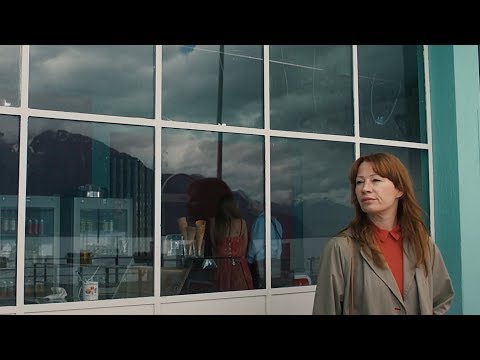
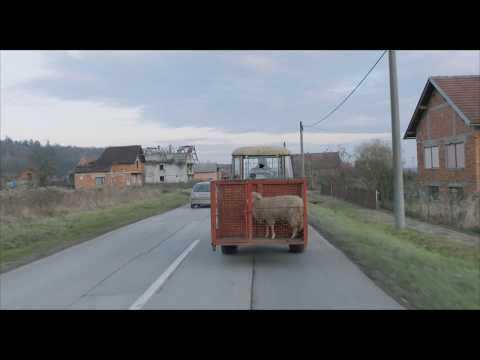
Im Grunde ist alles ganz einfach: Kinderbuchautorin Anna und ihr Lebensgefährte, der Chefkoch Nick, fahren für eine längere Auszeit in ein Haus in den Schweizer Bergen. Zum Einen möchte sie ungestört an ihrem ersten „Erwachsenenbuch” schreiben und er neue, ursprüngliche und regionale Rezepte sammeln, zum Anderen soll ihre Beziehung eine Auffrischung erfahren. Anna verdächtigt Nick nämlich, eine Affäre mit der Nachbarin Andrea zu haben. Und da beginnen schon die Merkwürdigkeiten: Andrea stürzt sich, als das Paar ihre Wiener Wohnung verlässt, aus dem Fenster. Wir sehen sie kippen, hören den Aufprall, und doch, beim Blick aus dem Fenster gibt es nichts zu sehen. Und dann noch die Sache mit dem Schaf, das unausweichbar auf der Straße steht und einen Unfall provoziert. Erstmal scheint es glimpflich auszugehen, später jedoch wird es ein Unfall mit schwerwiegenden Folgen sein. Dazu kommt noch die kommentierende Katze: kurzum, wir fragen uns, was mag real sein, und was sich nur im Kopf oder in den Wach-/Schlaf- oder Komaträumen der Protagonisten abspielen? Ganz unbekümmert sendet TIERE, den Zglinski nach einem hinterlassenen Drehbuch von Jörg Kalt (Crash Test Dummies) inszenierte, seltsame, komische und unheimliche Nachrichten aus dem Reich des Fantastischen, wo sich die Genres mischen und Traum und Wirklichkeit ineinander übergehen.
„Das Hauptverdienst jedoch liegt bei Karina Resslers Schnitt: Virtuos akzentuiert sie die Gedächtnislücken, die enigmatischen Wiederholungen der Geschichte, bis der Zuschauer selbst nicht mehr weiss, was er sieht. (…) Wodurch Zglinskis komplex verrätselte Story eindrücklich die existenzielle Erkenntnis vermittelt, dass das Bild, das wir uns vom anderen machen, oft genauso wenig mit der Wirklichkeit zu tun hat wie Märchen und Horrorphantasien.” Christina Tilmann, Neue Zürcher Zeitung
OT: Tiere Schweiz / Österreich / Polen 2017, 95 Min., Farbe, deutsch und frz mit dt. Ut.
Regie: Greg Zglinski Buch: Jörg Kalt, Greg Zglinski Kamera: Piotr Jaxa Schnitt: Karina Ressler
mit: Birgit Minichmayr (Anna) Philipp Hochmair (Nick) Mona Petri (Mischa/Andrea/Eisverkäuferin) Mehdi Nebbou (Tarek) Michael Ostrowski (Harald)
Animals – Stadt Land Tier – Trailer 1 – Deutsch
film by Greg Zglinski. Starts 16.11. at the fsk. In german and french with german subtitles
Nick and Anna are off to Switzerland for six months. Nick wants to collect recipes of local cuisine, and Anna finally hopes to write a new book. The time away might be good for their relationship too, for Anna knows about Nick’s affair with their neighbour Andrea, who threw herself out the window. Mischa will be taking care of the fish and the philodendron in their Viennese apartment while they’re gone. On the drive to Switzerland, they collide with a sheep.
As the narrative progresses, the more it undermines certainties and sows doubts. At what point did the plot actually begin? Are the characters really themselves, or merely figments of someone else’s imagination? First the timeframes become confused, before spatial boundaries are also suspended. Disconcerting parallels emerge between the Vienna apartment and the Swiss chalet. And doesn’t the ice cream seller in the neighbouring town look just like Mischa? Is Anna’s jealousy unfounded, or should she listen to the advice of the talking cat? Is Mischa actually Andrea? Will every question be answered by the end? Wait and see, for the mind games that Tiere allows to play out between Vienna and the Swiss Alps are most sophisticated.
OT: Tiere Schweiz / Österreich / Polen 2017, 95 Min., Farbe, deutsch und frz mit dt. Ut.
Regie: Greg Zglinski Buch: Jörg Kalt, Greg Zglinski Kamera: Piotr Jaxa Schnitt: Karina Ressler
mit: Birgit Minichmayr (Anna) Philipp Hochmair (Nick) Mona Petri (Mischa/Andrea/Eisverkäuferin) Mehdi Nebbou (Tarek) Michael Ostrowski (Harald)
Am 3. Dezember 2013 brach Michael Glawogger gemeinsam mit Kameramann Attila Boa und Tonmann Manuel Siebert auf, um Untitled‚ zu drehen, einen Dokumentarfilm, der Glawoggers bisher radikalstem Konzept folgte. Geplant war eine Reise um die Welt, die ein Jahr dauern und durch nichts unterbrochen werden sollte. Der Film, der daraus entstand, vermochte die Welt so zu zeigen, wie sie dem kleinen Filmteam in dieser zufälligen, maximal offenen Versuchsanordnung entgegentreten würde. Natürlich gab es eine ungefähre Reiseroute, und es gab einige vorher festgelegte Drehorte. Aber daneben und darüberhinaus gab es kein Thema, keine Handlung, keinen „roten Faden“. Glawogger wollte die Welt einfangen, wie sie war, ohne Erwartung, ohne filternde Brille. Einen „Film ohne Namen“ wünschte er sich, die Möglichkeit ein Jahr lang umherzufahren und ohne ein vorgegebenes Thema oder Sujet zu drehen, war für ihn die Glücksform des Filmemachens. Nachdem der Regisseur während der Reise an Malaria verstarb, hat seine langjährige Mitarbeiterin Monika Willi den Film montiert, der aus dem verbliebenen Material so assoziative wie eindringliche Bögen schlägt, begleitet von hinterlassenen Tagebucheinträgen. Ein Testament der Welt und eines ganz eigenen Blicks darauf, von Körpern in Arbeit und Spiel, in Anstrengung und Glück, von Momenten von Freiheit und ihren Bedingtheiten.
„So, dachte ich, kann ein Film sein. Eine Bewegung, die nur selten unterbrochen wird – und wenn, dann von einem markanten Ereignis. Nicht warten, sondern immer weiterfahren. Denn nur in der größtmöglichen Bewegung kommen die Geschichten auf einen zu. Nur wenn das Leben von selbst anhält, muss man auch innehalten und solange verharren, bis man erlebt hat, was es zu erleben gibt, und gefilmt hat, was es zu filmen gilt.“ Michael Glawogger
„Die ersten Quicktime-Movies, die ich ihm schickte, verdienten es weder Rohschnitt noch Sequenz genannt zu werden. Ich nannte sie Flächen. Das gefiel uns, und so gestaltete ich Flächen, bis sie uns wieder langweilig wurden. Aber auf diese Weise schritt die Stilfindung voran, nicht nur im Schneideraum, sondern auch draußen, beim Dreh. Alles war ja neu, das Konzept bot keinen Halt, dagegen viel Raum für Zweifel.“ Monika Willi
Österreich / Deutschland 2017, engl. dt. OmU, 107 Min . Regie: Michael Glawogger, Monika Willi Kamera: Attila Boa Schnitt: Monika Willi
UNTITLED – Offizieller Trailer
film by Michael Glawogger and Monika Willi. In german and english with german subtitles
This film seeks to create an image of the world that can only be made if you don’t follow a topic, try to judge or pursue a particular aim. It’s about allowing oneself to drift along, propelled by nothing except your own curiosity and intuition.’ These are the words of Michael Glawogger, whose earlier films had often been about global exploitation. In 2014 the director died during his aimless journey through the Balkans, Italy, North and West Africa after contracting malaria just five months earlier. Two years after his death, his editor Monika Willi took on the task of completing his film. Combining hard cuts with a gentler, quieter style of editing she has shaped from Glawogger’s footage a fascinating, visually stunning document accompanied by a strong but unobtrusive mixture of original and composed sounds. Untitled is a restless film about movement and travelling, about the unknown and the other. Above all however – and this is what turns the magic of the images and the act of observing into a truly exciting experience – this is a film about the poetry of the arbitrary. A trip across the world in order to observe, listen and experience. A journey that is raw, courageous and honest.
Österreich / Deutschland 2017, engl. dt. OmU, 107 Min . Regie: Michael Glawogger, Monika Willi Kamera: Attila Boa Schnitt: Monika Willi
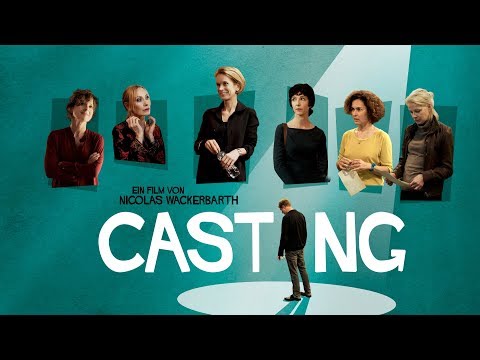
Weil Fassbinder bald 75 geworden wäre, wäre er nicht schon mit 37 Jahren gestorben, soll einer seiner Filme neu verfilmt werden, für’s Öffentlich-Rechtliche, Bildungsauftrag sozusagen. Bekommen hat den Regie-Job die 47-jährige Vera, es ist erst ihr dritter Film und sie will sich deshalb ganz sicher sein mit dem, was sie da tut. Zum zentralen Problem vor dem eigentlichen Dreh gestaltet sich allerdings die Frage, wer die weibliche Hauptrolle spielen soll. Keine der Schauspielerinnen passt Vera, jede Vorsprech-Situation wird vielmehr zum Machtkampf, indem mal die Schauspielerin, mal die Regisseurin unterliegt. Je mehr Vorsprech-Situationen, desto besser wiederum für Gerwin, den männlichen Anspielpartner (gespielt vom Andreas Lust), der zwar den Schauspielberuf an den Nagel gehangen hat, momentan aber dringend Geld braucht und deshalb froh ist, wenn noch ein paar bezahlte Stunden dazu kommen. Je länger das Casting dauert, desto angespannter wird allerdings die Grundstimmung. – Dabei zuzuschauen macht vor allem deshalb Spaß, weil jede/r den Wechsel zwischen einer Szene aus dem Fassbinder-Film nachspielen und „sich selbst“ spielen so virtuos spielt, dass man hofft, Vera möge sich noch lange nicht entscheiden können.
„Gut 80 Stunden Produktionsmaterial waren letzten Endes in den 21 Drehtagen im realen SWR-Studio zusammengekommen, erklärte Wackerbarth im anschließenden Q & A im Delphi-Filmpalast. Verdichtet auf 91 sehr kurzweilige Filmminuten gehören sie zweifelsohne zum Besten, was dieser Berlinale-Jahrgang bisher zu bieten hatte. Oder um es noch einmal in den Worten Veras zu sagen – ohne Ironie, versteht sich: ‚Das ist aber super! Das gefällt mir sehr, sehr gut, muss ich sagen.‘“ Simon Hauck | kino-zeit.de
-
D 2017, 91 Min. Regie: Nicolas Wackerbarth Kamera: Jürgen Carle Schnitt: Saskia Metten Mit: Andreas Lust, Judith Engel, Ursina Lardi, Corinna Kirchhoff, Andrea Sawatzki, Milena Dreissig, Nicole Marischka, Stephan Grossmann, Marie-Lou Sellem
Termine:
-
Casting (Offizieller Trailer)
film by Nicolas Wackerbarth. Q&A on 2.11. with Nicolas Wackerbarth .
For her first television film – a remake of Fassbinder’s Diebitteren Tränen der Petra von Kant – director Vera wants the perfect cast. But the first day of shooting is fast approaching and the numerous casting sessions have yet to find a suitable actress to play the leading role. Although the producer and crew are getting ever more exasperated with Vera, Gerwin is happy about the extra work, as he earns his money as an audition reader, delivering the lines of dialogue to the starry candidates at the various castings. When the male lead suddenly has to back out, Gerwin thinks that this might just be his chance.
Director Nicolas Wackerbarth captures the complex essence of Fassbinder’s film and simultaneously creates a profound work of his own. Casting takes an unflinching look at the murky depths of human relationships driven by power, passion and desperation. Yet Wackerbarth also brings bitter truths to light about power relations and dependencies in the German television industry almost in passing. Casting is both intelligent and entertaining, marked by exciting turning points, humour and the breathtaking acting performances by a truly virtuoso ensemble.
D 2017, 91 Min. Regie: Nicolas Wackerbarth Kamera: Jürgen Carle Schnitt: Saskia Metten Mit: Andreas Lust, Judith Engel, Ursina Lardi, Corinna Kirchhoff, Andrea Sawatzki, Milena Dreissig, Nicole Marischka, Stephan Grossmann, Marie-Lou Sellem
Zwei junge Soldatinnen, Aurore und Marine, kommen von ihrem Einsatz aus Afghanistan zurück. Mit ihrer Truppe verbringen sie drei Tage in einem Fünf-Sterne-Hotel auf Zypern. Hier, inmitten von Touristen, sollen sie lernen, das Erlebte hinter sich zu lassen. Im Militärjargon: »Dekompression«. Doch so leicht ist es nicht, den Krieg zu vergessen.
»Was sieht man im Krieg? Gar nichts. Erstens, weil im Camp über lange Strecken keine Kampfhandlungen stattfinden. Zweitens, weil man während des Kampfes überhaupt nichts sieht – man kämpft um sein Leben. Und schließlich, weil jeder aus seiner eigenen Perspektive sieht, was geschieht, also nur eine partielle Sicht der Realität. Während der »Dekompression« nehmen Aurore und Marine an Einsatznachbesprechungen teil, nach denen sie anders darüber denken werden, was sie gesehen haben. Die Psycholog*innen verwenden Virtual-Reality-Videotechnologie, die die Erlebnisse der Soldat*innen in Echtzeit bebildert. Das Ziel ist, dass sie sich durch Worte und Bilder von ihren schmerzhaften Erinnerungen distanzieren können. (…) Es ist unmöglich – und vielleicht auch nicht wünschenswert – den Krieg zu vergessen, diese Kriege, an denen wir direkt oder aus der Distanz beteiligt waren. Wir werden täglich daran erinnert. In Voir du pays geht es um diese Frage: Wie kann man überhaupt sein Leben bewältigen, wenn man solche Gewalt erlebt hat?« Delphine und Muriel Coulin
Gewinner des Spielfilmpreises des Internationalen Frauenfilmfestivals Dortmund Köln 2017
A film by Muriel and Delphine Coulin. In frensh with german subtitles.
At the end of their tour of duty in Afghanistan, two young military
women, Aurore and Marine, are given three days of »decompression
leave« with their unit at a five-star resort in cyprus. Here, among tourists,
they are trained to leave their violent memories behind. But it’s not that
easy to forget the war.
»What do you see when you go to war? Nothing. First of all, because the
moments of inaction at the camp are numerous. Secondly, because when
the fighting actually happens you don’t see a thing – you fight for your life.
Finally because everyone sees what happened from their own perspective,
which is a partial view of reality. During the decompression period, Aurore
and Marine participate in debriefing sessions that are going to make them
think differently about what they saw. The psychologists use virtual reality
video tools to recreate images in real time that correspond to the soldiers’
narrative. The goal is for the soldiers to distance themselves from their
painful memories through words and images. (…) It is impossible – and
perhaps not really desirable – to forget war, these wars, whether we have
participated from near or afar. We are reminded of this every day. The
Stopover addresses this issue: How can we manage to live despite having
experienced such a violent episode?«
Delphine and Muriel Coulin
Feature Film Award winner: Dortmund|Cologne International Women’s Film Festival 2017
Im Flugzeug
Ariane Labed
Ariane Labed, Soko
Ariane Labed, Soko
Ariane Labed, Soko
Voir du pays
Frankreich 2016, 102 Min., frz. OmU
Buch & Regie: [wikilink]Delphine Coulin[/wikilink], [wikilink]Muriel Coulin[/wikilink]
Kamera: Jean-Louis Vialard, Benoît Dervaux
Schnitt: Laurence Briaud
Darsteller*innen:
Soko, Ariane Labed, Ginger Romàn, Karim Leklou, Andreas
Vielfach als Gesellschaftssatire gelobt, ist der Gewinnerfilm der Goldenen Palme in Cannes doch weit mehr als nur böse, komisch und absurd. Er mutet auch uns Zuschauenden Fragen nach Eigenverantwortung, Moral und Integrität zu.
Der Museums-Chefkurator Christian ist smart, erfolgreich und bemüht, alles richtig zu machen: verläßlich sein, verantwortungsvoll handeln, empathisch auf seine Umgebung zu reagieren. Er liebt seine Arbeit und die Auseinandersetzung mit der Kunst. Jetzt aber lauern Hindernisse und Fallstricke auf seinem Weg: eine neue Ausstellung im Stockholmer Museum für zeitgenössische Kunst ist zu bewerben, leider ist die Künstlerin zu unbekannt und ihr Werk wenig provokativ. Ein besonderes Gala-Diner zu Ehren der Sponsoren des Kunsttempels fordert ihn heraus. Die Journalistin Anne, mit der er eine Nacht verbrachte, stellt sein Verhältnis zu Frauen auf den Prüfstand, und auch seine zwei Töchter beanspruchen ihn. Bei einem performance-artigen Straßenraub verliert er Smartphone und Portemonnaie, doch mit Hilfe der Kollegen kann die Beute mittels moderner Technik geortet werden. Die danach getroffenen Maßnahmen katapultieren ihn allerdings aus seiner Komfortzone, und auch das Promotionsvideo für die Ausstellung und die Performance beim Festessen entwickeln sich desaströs.
In Ruben Östlunds Filmen geht es meist um eine große Verunsicherung – er schickt seine Protagonisten in unangenehme und konfliktreiche Situationen, aus denen sie dann nur mit viel Mühe wieder herausfinden. Das war bei Play – Nur ein Spiel und bei Höhere Gewalt so und ist es auch hier (ein „Gesamtwerk, das die liberale Gesellschaft mit sich selbst konfrontiert” – Cargo #35). Schön ist das für die Figuren nicht, aber immerhin sind es ungefähre Alter Egos des Regisseurs, er weiß um ihre Lage und fühlt mit ihnen. Bei The Square hat er die Schrauben allerdings noch ein wenig angezogen, und Christian rutscht Stück für Stück tiefer in seinen Schlamassel hinein, was sehr erkenntnisreich und dabei wahlweise vergnüglich, peinlich oder schmerzhaft ist. Eines ist es aber, trotz anderer Verlautbarungen und Rezensionen, mitnichten: eine Abrechnung mit moderner Kunst oder Political Correctness.
Ach ja, der Titel: der im Film als Teil der neuen Ausstellung vorkommende „Square” ist eine Installation von Östlund und seinem Produzenten Kalle Bomann von 2014, die inzwischen in zwei Schwedischen und Norwegischen Städten zu erleben ist, ein Platz, wo man sich an die eigene Verantwortung für die Gesellschaft erinnern und sicher fühlen soll.
Credits:
Schweden 2017, schw. OmU, 142 Min. Regie & Buch: [wikilink]Ruben Östlund[/wikilink] Darsteller: Claes Bang, Elisabeth Moss, Dominic West, Terry Notary, Christopher Laesso, Jan Lindwall
Termine:
https://1f5ad49-trailerloop-production.s3.amazonaws.com/uploads/asset_preview/video/file/49304/mp4_a_M8lPmYrKWjdw.mp4A film by Ruben Östlund. In swedish with german subtitles.
The Square is a 2017 Swedish satirical drama film directed by Ruben Östlund and starring Claes Bang, Elisabeth Moss, Dominic West, and Terry Notary. The film is about publicity surrounding an art installation, and was partly inspired by an installation Östlund and producer Kalle Boman had made. It was shot in Gothenburg, Stockholm and Berlin.
The film was entered into the 2017 Cannes Film Festival, where it received positive reviews and won the Palme d’Or. It was subsequently selected for the 2017 Toronto International Film Festival.
In the aftermath of the abolition of the Monarchy of Sweden, the Stockholm Palace has been converted into an art museum. Christian is a curator at the museum, who finds his progressive world view shaken when his mobile phone is stolen. While managing a space set to show a new installation piece, he finds a public relations company to promote the installation, creating a great deal of chaos. (wikipedia)
Schweden 2017, schw. OmU, 142 Min. Regie & Buch: [wikilink]Ruben Östlund[/wikilink] Darsteller: Claes Bang, Elisabeth Moss, Dominic West, Terry Notary, Christopher Laesso, Jan Lindwall
Aus vier Kapiteln besteht die Serie STREETSCAPES, jedes Kapitel ist zugleich ein eigenständiger Film, die vier Filme hängen aber auf unterschiedlichste Weise miteinander zusammen und erklären sich gegenseitig.
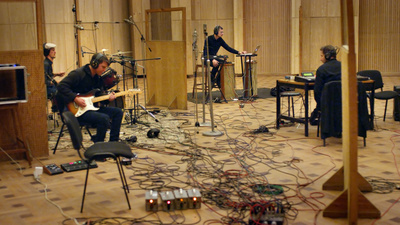
Die Dreharbeiten für diese Serie hat Heinz Emigholz 2013 in Tiflis, Georgien, begonnen, in einem Aufnahmestudio, in das sich die Musiker von Kreidler eingemietet hatten, um die neue CD mit dem Titel ABC aufzunehmen (Kapitel I: 2+2=22 [THEALPHABET]).
2+2=22 [THEALPHABET]
2+2=22 [THEALPHABET]
2+2=22 [THEALPHABET]
2+2=22 [THEALPHABET]
2+2=22 [THEALPHABET]
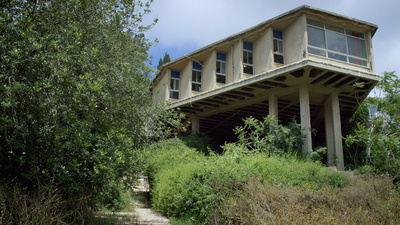
Das zweite Kapitel beschäftigt sich mit der Architektur des Kibbutz-Baumeisters Samuel Bickels (BICKELS [Socialism]).
BICKELS [Socialism]
BICKELS [Socialism]
BICKELS [Socialism]
BICKELS [Socialism]
BICKELS [Socialism]
Im dritten Kapitel mit dem Titel des Gesamtzyklus (STREETSCAPES [Dialogue]) wird Bezug genommen auf die anderen Kapitel: in einem Gespräch zwischen einem Psychoanalytiker und einem Filmemacher, der von seinen Blockaden erzählt, wird schließlich auch das Filmemachen analysiert, es geht darum, was der Filmemacher überhaupt sinnvoll findet am Filmemachen und was nicht und mit welchen Projekten er sich aktuell beschäftigt: mit den anderen Kapiteln aus der Serie.
STREETSCAPES [Dialogue]
STREETSCAPES [Dialogue]
STREETSCAPES [Dialogue]
STREETSCAPES [Dialogue]
STREETSCAPES [Dialogue]
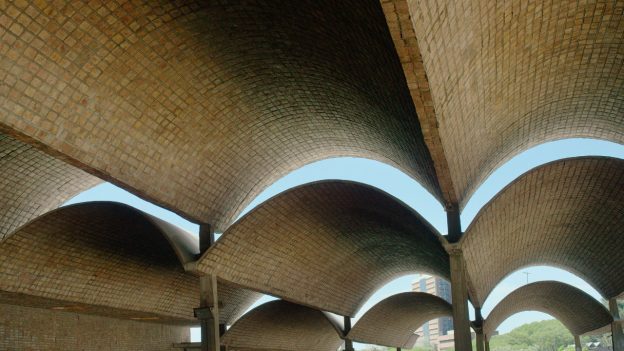
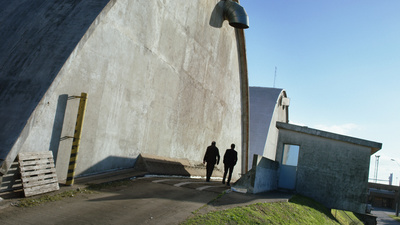
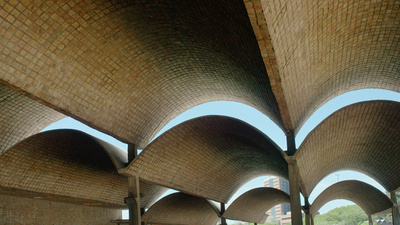
29 Bauwerke des uruguayanischen Architekten und Schalenbaumeisters Eladio Dieste und – als Prolog – drei Bauwerke von Julio Vilamajó im Montevideo werden im vierten Kapitel mit dem Titel DIESTE [Uruguay] genau betrachtet.
DIESTE [Uruguay]
DIESTE [Uruguay]
DIESTE [Uruguay]
DIESTE [Uruguay]
DIESTE [Uruguay]
„Ich mache das Framing, und während ich das Bild einrichte, kümmert sich Till Beckmann um die Technik, damit ein durchgezeichnetes Bild dabei herauskommt. Das Framing ist für mich ein fotografischer Akt: den Ausschnitt festzulegen im Wissen, was man noch filmen wird oder schon gefilmt hat. Das ist eine kinematografische Entscheidung, aber gleichzeitig denke ich, dass jedes einzelne Bild so konzentriert komponiert sein muss, dass es für sich selbst stehen kann. Also nicht nur ein Füllbild oder Schnittbild sein, oder wie man das so nennt beim Filmemachen. Das ist eine kompositorische Anstrengung, die auch in der Fotografie zu finden ist. Hier kommt allerdings das Element Zeit hinzu. Die Dauer und der Schnitt, der ja immer ein Science-Fiction-hafter Eingriff ist in die Zeitkonstruktion.“ Heinz Emigholz
D 2013 – 2017, 407 Min.,
Buch, Regie: Heinz Emigholz
Kamera, Schnitt: Heinz Emigholz, Till Beckmann
Wir freuen uns, dass Heinz Emigholz zweimal im fsk zu Gast sein wird:
Am 15.10. findet nach der Vorführung von STREETSCAPES [Dialogue] (Filmstart: 14:30) ein Gespräch zwischen Heinz Emigholz und dem Architekten Arno Brandlhuber statt;
am 22.10. wird es nach BICKELS [Socialism] (Filmstart: 15:00) ein zweites Filmgespräch geben, angefragt dafür ist der Leiter des Forums der Berlinale, Christoph Terhechte.
weitere Termine:
Sa 14.10. 2+2 80′ 15.45
So 15.10. Streetscape 132′ + FG 14.30
Sa 21.10. 2 + 2 80′ 13.00
Sa 21.10. Streetscape 132′ 15.00
So 22.10. Dieste 95′ 13.00
So 22.10. Bickels 92′ 15.00
Sa 28.10. Bickels 92′ 13.30
Sa 28.10. Dieste 95′ 15.30
So 29.10. Streetscape 132′ 13.15
So 29.10. 2 + 2 80′ 15.45
STREETSCAPES I Trailer (Deutsch/English) | 4 Films by Heinz Emigholz (2020) ᴴᴰ
are streets, paths, highways, alleys, dirt tracks and promenades… And there are courses of lives, thirstlands, crossroads and dead ends…
German theatrical release date: October 12th, 2017 - English or German with English subtitles
Film discussions with Heinz Emigholz & Arno Brandlhuber on October 15th (14:30)
and with Heinz Emigholz & guests on October 22nd (15:00) at fsk-Kino Berlin!
An Interview with Heinz Emigholz at the Akademie der Künste by Christoph Terhechte
With the four-part “Streetscapes” series showing at this year’s Forum, director Heinz Emigholz and Forum head Christoph Terhechte met at the Akademie der Künste at Hanseatenweg, one of the key screening venues for Forum and Forum Expanded. They spoke about framing and editing in architecture films, the Akademie building and the necessity of research trips. (Source: arsenal-berlin.de)
In STREETSCAPES [DIALOGUE], you stage a conversation with psychoanalyst Zohar Rubinstein before the backdrop of buildings by Eladio Dieste and various others, with American actor John Erdman in the role of the filmmaker and Argentinian director Jonathan Perel in the role of the psychoanalyst. Was the conversation always intended to form some sort of script?
No. That only emerged over the course of the five-day conversation, which is what’s unusual about the film: it’s during the conversation itself that the director comes up with the idea of making the film we see. It’s there that a temporal inversion takes place. The film depicts a process that’s actually impossible to depict. But I asked Zohar beforehand if there was any reason why I couldn’t record our conversation, as I was worried I might forget something. That obviously goes against standard psychoanalytical practice. As it was clear to him that we weren’t doing any sort of classical psychoanalysis, but rather an intervention or “marathon”, as he called it, he was fine with it.
2+2=22 [THEALPHABET] by Heinz Emigholz
The conversation between the two of you also revolves around the idea of creative blocks and the strength needed to bring a work to complete. What made you want to get four films off the ground at the same time?
The four films were actually made over the course of three years. I shot 2+2=22 [THEALPHABET] in October 2013 already, but then I didn’t know where to go with it and put it aside. Talking to Zohar suddenly provided me with the solution as to how the films could be made to fit together. The dialogue with the psychoanalyst is obviously the key to the other films. I edited the dialogue down to the parts that focus on filmmaking. I originally had 260 pages, of which 60 remained at the end. The basic structure is an analysis of filmmaking that then itself becomes a film. My architecture films were often criticised for not including any sort of text, for showing spaces but not explaining anything. This is what now takes place in the third film. In STREETSCAPES [DIALOGUE], the filmmaker recounts what makes sense to him when making films. In this sense, these four films each offer explanations for one another.
You’ve brought your architecture films together under the title of “Photography and beyond”. Why photography and not cinematography?
I do the framing and while I’m preparing the image, Till Beckmann takes care of the technical side of things so that an optimal image is created. I see framing as a photographic act: setting out the frame in full awareness of what you’re still going to film or what you’ve already filmed. That’s a cinematographic decision, but at the same time, I think that each individual image has to be composed in such concentrated fashion that it can stand for itself, rather than just filling in a gap or being included for editing purposes. That’s the same compositional effort also found in photography. Yet the element of time plays a part here too. Duration and editing are always an intervention into how time is constructed, almost like in science fiction.
The approach to framing used in your architecture films has developed into a sort of trademark of yours. Architectural photography is usually much more conservative than your way of grasping spaces photographically.
That came about on the one hand from my features. “Die Wiese der Sachen” and “Der zynische Körper” were already to a large extent devoted to architecture, the only difference being that there were still actors wandering around and saying stuff. But I wanted to get away from such foreground-background relationships, as I felt that the so-called background was just as important as the foreground. When I left out the actors, I could, of course, devote myself far more to spaces. All spaces have a particular language and you have a particular sense of them. You approach such spaces, which also takes place via the soundtrack, of course, and place your body within each one, as it were. The photograph emerges from how I react to this space. I luckily don’t have the same problem as architecture photography, whereby everything has to be encapsulated within three images. I have entire sequences and can thus put much more complicated spaces back together. You call it a trademark, but such films actually never existed before. The first of them were shown at the Forum in 2001. I shot them in the 1990s and thought that it was a crucial idea, yet also a simple one, to enter buildings and show how the rooms unfold within them. I thought that there must already be thousands of films like this, but there weren’t. I don’t want to use that dumb expression “unique selling point”, but what you refer to as trademark just developed from the logic I apply to space. Everyone experiences space differently.
If I may equate you with the protagonist of STREETSCAPES [DIALOGUE], which is, of course, a fiction film, then you describe yourself as a nomad equally capable of being in Berlin or in a hotel room in Montevideo to which you have no real connection. Yet architecture presupposes the very opposite of this. Whether public architecture like the Akademie der Künste where we are right now or residential architecture: buildings are immovable, they seek to create a home.
I sometimes fantasise about what would it be like if I actually lived in the house I’m filming. Sometimes it’s a horrible thought. Architecture takes on so many different tasks. Let’s take Bickels’ kibbutz architecture, for example: I would have loved to live in such a context. But this context hardly exists any more or hasn’t yet re-emerged. What I find interesting about all the many architectures I now have in my head is that I can lie down and say to myself: now I can remember exactly how it was being in one place or another. It’s like taking a holiday in your own mind – thanks to the brain’s odd capacity to conjure up spaces anew. There’s something soothing about that. But I’m interested in a wide range of different constructions, particularly in relationship to film, and not the one dream house built for me. And I’m equally interested in all the myriad tasks linked to construction: social housing, cultural buildings, bridges, engineering structures. I’m interested in bridges but I wouldn’t like to live under one.
Do you sometimes dream of architecture?
Yes, very much so, that’s what my next project is about. It’s about the grammar of dreams, about jumping back and forth in time or inverting it, about the ruptures in how you experience a dream and the impossibility of it ever being repeated. And architecture has always played a big part in my dreams, also constructions of a threatening nature. I also explored that in the discussion with Zohar Rubinstein.
STREETSCAPES [DIALOGUE] von Heinz Emigholz
How do you choose the architects whose buildings you then dedicate your films to? I remember our meeting one time in Buenos Aires, where the Bafici festival was taking place in a former market hall whose concrete architecture fascinated you.
I’d never heard of architect Viktor Sulčič before. After I saw the building, I went to the city archive and looked up everything he’d built in Buenos Aires. Then I went to see it all. That’s how it happens. I don’t follow any sort of textbook entitled “The Most Important Architecture in the World” or such like. I love complicated spaces and some architects are capable of building them and others aren’t. I’m not enamoured of façade artists, but rather building that is constructive. I used to have a list of favourites, which I worked my way through, but then there were always new names being added to the list, like Bickels or Sulčič, who I hadn’t heard of before. I also look at photographs, of course, before I head out on a research trip and I often don’t recognise the buildings from the pictures taken of them, as they’re so heavily distorted by photographic interventions such as wide-angle lenses that I have a totally different feeling of space when I’m actually there. That’s exactly my theme: you have to be there to be able to recognise it. I’ve been going on these trips for decades now, they’ve been extremely important to me. You go there with a small team, there’s no pressure and you have time to properly engage. That was a great period for me. There was so much lying fallow. I’m sick and tired of the self-righteousness of the modern architectural canon because there are so many discoveries waiting to be made that are simply not uncovered. There are too few people engaging with the subject.
Four years ago, Forum Expanded took place at the St. Agnes Church in Kreuzberg, which was built by Berlin architect Werner Düttmann. For three years now, we’ve also been back in the Akademie der Künste in Tiergarten, which Düttmann designed down to the very last detail. What feeling does this place evoke in you?
I’ve known the Akademie since the 1960s, when I came to Berlin for the first time. It was always a place that was extraordinarily strange and attractive for me, both in its proportions and in the way it connects exhibitions spaces with rooms to sit down in and hold discussions. And then there’s the amazing cinema auditorium. I think it was 1974 that I had my first films at the Forum, I wasn’t there myself that year, but rather in the US. When I came back, the Forum still used to take place in the summer and was based here, which was amazing. In 2012, it was also the location for our Think:Film conference with over 300 participants and we noticed in the process how well the building is divided up into rooms which you can withdraw to, rooms where you can hold discussions in smaller groups, and then there’s the large forum and so on. And then of course there’s the fact that the building is located in the middle of this park. It’s strange that the building hasn’t just retained its original charm, but has actually become more charming over the years. Right now there’s so much talk about constructing buildings that are communicative. There was just a competition announced about the 20th century gallery and then you hear that axes were established that run through the building, with a communication point located at its centre. Those are such oddly abstract ideas. Yet all that has already been realised in this building, there was no need to invoke any grand-scale axis philosophy. I also like the building’s form, the strange rectangular block, the quadrangles and also the auditorium with the stage you can perform on from two different sides. The building still exerts the same fascination it did nearly 60 years ago now.
In your film BICKELS [SOCIALISM], you place a greater focus on how the locations are used than in your other architecture films. I could feel your sense of melancholy about something being built for a purpose that no longer exists.
I came across Bickels by accident because I found how the light is constructed in his museum in Ein Harod so unbelievable and was reminded that Renzo Piano adopted the same construction as Bickels for his museum building in Houston, Texas. Bickels was a very educated man, his library is part of the museum in Ein Harod. But his main interest was the special requirements of kibbutzim and cultural buildings. Yet he was also concerned with how buildings relate to one another, public squares, the many theatres that now often lie empty since television has asserted its authority. That interested me more and more: how is the social moment situated within the kibbutz? Culture is extremely important in the kibbutz movement. Bickels showed considerable invention in continually working on new solutions that were then realised in a particular kibbutz. It’s also interesting that he worked with the whole collective on this. It wasn’t about the star architect turning up and just building something, but rather everything was discussed very precisely: what do we need, what can we afford, what dimensions should the building have and what status does it have within our community? That’s a utopian form of construction. It’s the opposite of standard construction, where often nothing more is created than a sculpture for the architect. I despise it when the sculptural is paraded in such a way. That’s why the whole project is called “Streetscapes”, it’s about being out on the street and seeing what catches your eye. No individual buildings are picked out and presented as masterpieces.
BICKELS [SOCIALISM] von Heinz Emigholz
The epilogue of the fourth film DIESTE [URUGUAY] shows the works that this Uruguayan architect realised at the end of his life in Spain. They come across like a mockery of his buildings in Uruguay.
They’re smaller versions of the churches we saw in Uruguay, but in Spain they don’t work. They’re perhaps more photogenic because they’re smaller and more compact, but all that we heard from the people using them in Spain is that they’re useless. They’re too hot in summer and too cold in winter and the congregation prays in the cellar, because upstairs it’s either too hot or too cold. Those were his last years and he was just repeating himself stylistically. But when you see the Iglesia de San Pedro in Durazno, where the brick hexagons are placed within one another and then you see it in Spain with double-paned glass, smaller but also heavier, then you also recognise the history of an architect who stayed true to his formal concept, even if it no longer really worked.
Die Einsiedler erzählt die Geschichte von Albert, der den elterlichen Bergbauernhof verlassen hat um sich im Tal eine Existenz aufzubauen. Parallel dazu wird das Leben der Mutter auf dem abgeschiedenen Hof gezeigt. Ein Leben voll harter Arbeit und Entbehrungen, das sie ihrem Sohn unter allen Umständen ersparen will. Dazu ist sie sogar bereit, den Unfalltod ihres Mannes zu vertuschen. Doch Albert findet heraus, was geschehen ist. Am Ende steht er vor der Entscheidung, Tradition und Pflichtgefühl oder Aufbruch und Neubeginn, so als ob es aus dem Gefängnis der Vergangenheit kein Entrinnen gibt und sich kein Weg für die Zumutungen der Gegenwart öffnet.
„Die schroffe Schicksalswelt der Berge: Oben, auf einem alten, heruntergekommenen Hof, die Eltern isoliert und sprachlos, unten im Marmorbruch schuftet der einzig verbliebene Sohn, der sich nach Nähe sehnt. Der Autor und Filmemacher Ronny Trocker erzählt in Die Einsiedler radikal und eindringlich von Abschied, Veränderung und Liebe. Vor monumentaler Kulisse führt er sein grandioses Ensemble, allen voran Ingrid Burkhard als unsentimentale und harte Bergbäuerin, durch eine so schweigsame wie unwirtliche Welt. Die Einsiedler hat die Jury überzeugt, weil er Raum schafft für Bilder, die über das Gezeigte hinaus gehen.“ (aus der Jury Begründung für den „Fünf Seen Filmpreis“)
Österreich 2016, 100 Min.
Regie: Ronny Trocker
Kamera: Klemens Hufnagl
Schnitt: Julia Drack
mit: Andreas Lust, Ingrid Burkhard, Hannes Perkmann, Peter Mitterutzner, Oris Toth
https://1f5ad49-trailerloop-production.s3.amazonaws.com/uploads/asset_preview/video/file/49265/public_YhhJP_he2p5Rjw.mp4A film by Ronny Trocker. In german.
Albert grew up on a remote farm in South Tyrol. On the urging of his mother, who wanted to spare her son the loneliness of mountain life, he left the farm a few years ago and moved into the valley, where he works in a marble quarry. The introverted young man doesn’t make friends easily and has to learn to live in urban society. When his father has a fatal accident, his mother keeps it secret from her son because she fears that would make him move back to the farm. But the old woman cannot manage all the work on her own and, just as Albert is finding his feet in the valley and has even fallen in love, she tells him the truth. Albert is confronted with an existential decision for himself and his mother. The film uses stunning photography to portray an archaic world in which humans and nature co-exist closely together.
Österreich 2016, 100 Min.
Regie: Ronny Trocker
Kamera: Klemens Hufnagl
Schnitt: Julia Drack
mit: Andreas Lust, Ingrid Burkhard, Hannes Perkmann, Peter Mitterutzner, Oris Toth
„Ich schau‚ halt gerne Filme. Inzwischen mache ich sie auch gerne“ M. Haneke
Bei seiner 7. Wettbewerbsteilnahme in Cannes bleibt sich der „der große Autoritäre des gegenwärtigen europäischen Autorenkinos“ (critic.de) treu: gleichsam böse wie präzise analysiert und seziert er eine wohlhabende Familie, ihr nicht-Verhältnis und ihre Ignoranz. Wütend ist er dabei, und geht manchmal mit grimmem Humor zur Sache. Die Unternehmerfamilie Laurent lebt in einer luxuriösen Großstadtvilla in Calais, der Transitstation von Geflüchteten in Europa. Das geht an den Laurents natürlich völlig vorbei, haben sie doch ganz andere Probleme. Patriarch Georges (Jean-Louis Trintignant kehrte für Haneke noch einmal vor die Kamera zurück) erfreut seine Verwandten mit pointierten sardonischen Bemerkungen, sehnt sich aber eigentlich nach dem Tod. Tochter Anne muss einen schweren Unfall auf einer ihrer Baustellen vertuschen, die Ehe von Sohn Thomas sieht auch besser aus, als sie ist, und die 13-jährige Enkelin Eve passt sich den Familienverhältnissen bereits gut an.
„Ich kann keinen Film über Immigranten machen, weil ich zuwenig über sie weiß. Ich habe weder mit ihnen gelebt, noch bin ich selber einer. … Wovon ich aber sehr wohl etwas verstehe, ist von unserer Haltung gegenüber Immigranten.« sagt Haneke im Kurier-Interview, und auch: »Der Film ist keine Tragödie. Wir sind ja einer Tragödie nicht mehr würdig. Es ist eine Farce und auch als solche gedacht. … Es ist eigentlich unmöglich, uns noch ernst zu nehmen, denn die Leiden finden rundherum statt. Wir, in den verwöhnten Ländern, sehen es als Fernsehbericht, als Schauspiel: Wir sind nicht drin, wir können es von außen betrachten.“ M. Haneke
„Happy End ist ein satirischer Alptraum des Reichtums im großbürgerlichen Europa: So klar, brillant und unversöhnlich wie Halogenlicht. Es ist so mitreißend wie eine teuflische Soapopera, eine Dynastie der verlorenen Seelen.“ The Guardian
F, D, Österreich 2017, 110 Min., franz. OmU
Regie & Buch: [wikilink]Michael Haneke[/wikilink]
Kamera: Christian Berger
Schnitt: Monika Willi
mit: Isabelle Huppert, Toby Jones, Jean-Louis Trintignant, Mathieu Kassovitz, Franz Rogowski, Laura Verlinden, Fantine Harduin, Loubna Abidar
https://1f5ad49-trailerloop-production.s3.amazonaws.com/uploads/asset_preview/video/file/46110/mp4_SeLjUy7_AJrmFQ.mp4A film by Michael Haneke. In french with german subtitles.
A drama about a family set in Calais with the European refugee crisis as the backdrop.
F, D, Österreich 2017, 110 Min., franz. OmU
Regie & Buch: [wikilink]Michael Haneke[/wikilink]
Kamera: Christian Berger
Schnitt: Monika Willi
mit: Isabelle Huppert, Toby Jones, Jean-Louis Trintignant, Mathieu Kassovitz, Franz Rogowski, Laura Verlinden, Fantine Harduin, Loubna Abidar
Cookie-Zustimmung verwalten
Wir verwenden Cookies, um unsere Website und unseren Service zu optimieren.
Funktionale Cookies
Immer aktiv
Die technische Speicherung oder der Zugang ist unbedingt erforderlich für den rechtmäßigen Zweck, die Nutzung eines bestimmten Dienstes zu ermöglichen, der vom Teilnehmer oder Nutzer ausdrücklich gewünscht wird, oder für den alleinigen Zweck, die Übertragung einer Nachricht über ein elektronisches Kommunikationsnetz durchzuführen.
Vorlieben
Die technische Speicherung oder der Zugriff ist für den rechtmäßigen Zweck der Speicherung von Präferenzen erforderlich, die nicht vom Abonnenten oder Benutzer angefordert wurden.
Statistiken
Die technische Speicherung oder der Zugriff, der ausschließlich zu statistischen Zwecken erfolgt.Die technische Speicherung oder der Zugriff, der ausschließlich zu anonymen statistischen Zwecken verwendet wird. Ohne eine Vorladung, die freiwillige Zustimmung deines Internetdienstanbieters oder zusätzliche Aufzeichnungen von Dritten können die zu diesem Zweck gespeicherten oder abgerufenen Informationen allein in der Regel nicht dazu verwendet werden, dich zu identifizieren.
Marketing
Die technische Speicherung oder der Zugriff ist erforderlich, um Nutzerprofile zu erstellen, um Werbung zu versenden oder um den Nutzer auf einer Website oder über mehrere Websites hinweg zu ähnlichen Marketingzwecken zu verfolgen.