
Copa 71

A film by Rachel Ramsay and James Erskine. In English/Spanish/Italian/French with German subtitles..

[Credits] [Tickets & Termine] [Trailer]

»Why haven’t I seen this befo­re?« In the first sce­ne of Copa 71, American inter­na­tio­nal foot­bal­ler Brandi Chastain sta­res at her tablet in ama­ze­ment. She is wat­ching foo­ta­ge of the first ever inter­na­tio­nal women’s foot­ball tour­na­ment in Mexico City in 1971, Copa 71. Why is it that one of the best-atten­ded women’s sport­ing events of all time has been forgotten?

In 1970, the first European tour­na­ment took place in Italy; SC 07 Bad Neuenahr repre­sen­ted Germany. A year later, inter­na­tio­nal teams from Argentina, England, France, Denmark and Mexico com­pe­ted against each other in Mexico. This purely com­mer­cial event, which was not backed by FIFA, pro­ved a huge suc­cess, attrac­ting crowds of 100,000 to the sta­di­ums. Yet what could have been the launch pad for women’s foot­ball world­wi­de fai­led to attract any sup­port. Another ten years would pass befo­re the next inter­na­tio­nal tour­na­ment. In Taipei, Taiwan, SSG 09 Bergisch Gladbach beca­me world cham­pi­ons in 1981. This also paved the way for the for­ma­ti­on of an offi­ci­al women’s natio­nal team in Germany in 1982. One thing to note though: women’s foot­ball was offi­ci­al­ly ban­ned until 1970. Perhaps not sur­pri­sing then that ano­ther deca­de pas­sed befo­re the first FIFA Women’s World Cup was held, in China. The final saw Brandi Chastain score the win­ning penal­ty to help the US take the tro­phy home.

The film pres­ents archi­ve foo­ta­ge of the tour­na­ment, plus inter­views with the play­ers of the time – impres­si­ve per­so­na­li­ties who pro­vi­de vivid accounts of the pre­pa­ra­ti­ons and the tour­na­ment its­elf. A threa­ten­ed walk-out by the Mexican team over pay at one point put the tour­na­ment in jeo­par­dy, as did the ten­se atmo­sphe­re bet­ween the teams, still tan­gi­ble when wat­ching the film in the cinema.

Credits:

GB 2023, 91 Min., Englisch/Spanisch/Italienisch/Französisch mit deut­schen Untertiteln, Regie: Rachel Ramsay und James Erskine
Schnitt: Arturo Calvete und Mark Roberts
Kamera: Angela Neil

Trailer:
nach oben
Category: archiv

  • Copa 71

    Copa 71

    A film by Rachel Ramsay and James Erskine. In English/Spanish/Italian/French with German subtitles..

    [Credits] [Tickets & Termine] [Trailer]

    »Why haven’t I seen this befo­re?« In the first sce­ne of Copa 71, American inter­na­tio­nal foot­bal­ler Brandi Chastain sta­res at her tablet in ama­ze­ment. She is wat­ching foo­ta­ge of the first ever inter­na­tio­nal women’s foot­ball tour­na­ment in Mexico City in 1971, Copa 71. Why is it that one of the best-atten­ded women’s sport­ing events of all time has been forgotten?

    In 1970, the first European tour­na­ment took place in Italy; SC 07 Bad Neuenahr repre­sen­ted Germany. A year later, inter­na­tio­nal teams from Argentina, England, France, Denmark and Mexico com­pe­ted against each other in Mexico. This purely com­mer­cial event, which was not backed by FIFA, pro­ved a huge suc­cess, attrac­ting crowds of 100,000 to the sta­di­ums. Yet what could have been the launch pad for women’s foot­ball world­wi­de fai­led to attract any sup­port. Another ten years would pass befo­re the next inter­na­tio­nal tour­na­ment. In Taipei, Taiwan, SSG 09 Bergisch Gladbach beca­me world cham­pi­ons in 1981. This also paved the way for the for­ma­ti­on of an offi­ci­al women’s natio­nal team in Germany in 1982. One thing to note though: women’s foot­ball was offi­ci­al­ly ban­ned until 1970. Perhaps not sur­pri­sing then that ano­ther deca­de pas­sed befo­re the first FIFA Women’s World Cup was held, in China. The final saw Brandi Chastain score the win­ning penal­ty to help the US take the tro­phy home.

    The film pres­ents archi­ve foo­ta­ge of the tour­na­ment, plus inter­views with the play­ers of the time – impres­si­ve per­so­na­li­ties who pro­vi­de vivid accounts of the pre­pa­ra­ti­ons and the tour­na­ment its­elf. A threa­ten­ed walk-out by the Mexican team over pay at one point put the tour­na­ment in jeo­par­dy, as did the ten­se atmo­sphe­re bet­ween the teams, still tan­gi­ble when wat­ching the film in the cinema.

    Credits:

    GB 2023, 91 Min., Englisch/Spanisch/Italienisch/Französisch mit deut­schen Untertiteln, Regie: Rachel Ramsay und James Erskine
    Schnitt: Arturo Calvete und Mark Roberts
    Kamera: Angela Neil

    Trailer:
    nach oben
  • Black Tea

    Black Tea

    A film by Abderrahmane Sissako. In Mandarin, French, English, Portugese with German subtitles

    [Credits] [Tickets & Termine] [Trailer]

    Aya is a woman in her ear­ly thir­ties. After asto­nis­hing ever­yo­ne by say­ing “No” on her wed­ding day, she lea­ves the Ivory Coast for a new life in China. Living in an area whe­re the African dia­spo­ra meets the Chinese cul­tu­re, she finds a job in a tea bou­tique owned by Cai, a 45-year-old Chinese man. In the pri­va­cy of the shop’s back­room, Cai initia­tes Aya into the Chinese tea cerem­o­ny. As he tea­ches her this anci­ent art, their rela­ti­onship slow­ly grows into one of ten­der love. But for their bur­geo­ning pas­si­on to be sup­port­ed by trust, both of them must let go of their bur­dens and face up to their pasts.

    Credits:

    FR/MR/LU/TW/CI 2024, 111 Min., Mandarin, Französisch, Englisch, Portugiesisch OmU
    Regie: Abderrahmane Sissako
    Kamera: Aymerick Pilarski
    Schnitt: Nadia Ben Rachid
    mit Nina Mélo, Chang Han, Wu Ke-Xi, Michael Chang

    Trailer:
    nach oben
  • Moria Six

    Moria Six

    A film by enni­fer Mallmann. In Greek, Farsi, German, English with German subtitles.

    [Credits] [Tickets & Termine] [Trailer]

    There was an eery silence after a fire had des­troy­ed the Moria camp com­ple­te­ly in September 2020. Not just local­ly, but in public dis­cour­se. The world did not seem par­ti­cu­lar­ly con­cer­ned with the inhu­ma­ne con­di­ti­ons in other camps on Europe’s exter­nal bor­ders or the count­less push­backs in the Mediterranean. Nor did the arrest of six ado­le­s­cents who were accu­sed of arson reso­na­te in any audi­ble way – though even a second glan­ce at the cir­cum­s­tances of the inves­ti­ga­ti­on and the cri­mi­nal pro­cee­dings reve­a­led the actions of the Greek judi­cia­ry to be ques­tionable. Not to men­ti­on the under­ly­ing refu­gee poli­cy of the European Union.
    Jennifer Mallmann dares to take this second glan­ce with her film. At its cent­re is her cor­re­spon­dence with Hassan, one of the con­vic­ted youths, who tells her of his ever­y­day life, his desi­res and fears from pri­son. Calm, pre­cis­e­ly framed images docu­ment “nor­ma­li­ty” on the frin­ges of Fortress Europe. They show how stra­te­gi­cal iso­la­ti­on and the ensuing struc­tu­ral exclu­si­on work. If you want to know how our com­mu­ni­ty of nati­ons ima­gi­nes its future you only need to look at the new­ly-built futu­ristic high-secu­ri­ty camps, whe­re new arri­vals are trea­ted like peo­p­le who have com­mit­ted serious cri­mes. Luc-Carolin Ziemann

    Credits:

    DE 2024, 82 Min., OmU,
    Regie: Jennifer Mallmann
    Kamera: Sina Diehl
    Schnitt: Maxie Borchert

    Trailer:
    nach oben
  • Spielerinnen

    Spielerinnen

    A film by Aysun Bademsoy. In German & Turkish with Turkish and German subtitles

    [Credits] [Tickets & Termine] [Trailer]

    Aysun Bademsoy’s long-term obser­va­ti­on of Turkish fema­le soc­cer play­ers in Berlin-Kreuzberg focu­ses on the next gene­ra­ti­on 30 years after their first encoun­ter. Born and rai­sed in Germany, they still ask them­sel­ves the ques­ti­on: Do we real­ly feel accept­ed here? It seems as if a cul­tu­ral rift still defi­nes their lives. Referring back to the 1990s, their mothers today remi­nis­ce about a youth in which the game of soc­cer pro­vi­ded the space for emancipation.

    Credits:

    DE 2024, 86 Min., deutsch, tür­ki­sche OmU
    Regie: Aysun Bademsoy

    Kamera: Isabelle Casez, Ines Thomsen
    Schnitt: Maja Tennstedt

    Trailer:
    nach oben
  • Zikaden

    Zikaden

    A film by Ina Weisse. In German.

    [Credits] [Tickets & Termine] [Trailer]

    Isabell’s life takes a turn when she rea­li­ses that her elder­ly par­ents can no lon­ger live inde­pendent­ly. The search for carers is dif­fi­cult and the­re are also com­pli­ca­ti­ons in her mar­ria­ge to Philippe. She shut­tles bet­ween Berlin and her par­ents’ weekend house, a striking moder­nist buil­ding desi­gned by her pro­mi­nent father hims­elf in bet­ter days. There, Isabell repea­ted­ly encoun­ters the enig­ma­tic Anja, a sin­gle mother who is strugg­ling to make ends meet. An unex­pec­ted bond beg­ins to form. The more Anja and her daugh­ter Greta beco­me part of Isabell’s life, the more uncer­tain she feels about the exis­tence she has so careful­ly built for hers­elf. Isabell sen­ses the ground shif­ting beneath her feet as she incre­asing­ly loses control.

    Credits:

    DE/FR 2024, 100 Min.,
    Regie:  Ina Weisse 

    Kamera: Judith Kaufmann
    Schnitt: Hansjörg Weißbrich
    mit Nina Hoss, Saskia Rosendahl, Vincent Macaigne, Thorsten Merten

    Trailer:
    ZIKADEN | Trailer deutsch
    nach oben
  • Im Prinzip Familie

    Im Prinzip Familie

    A film by Daniel Abma. Starts June 5th at the fsk. In German with English subtitles.

    [Credits] [Tickets & Termine] [Trailer]

    When par­ents can no lon­ger ful­fil their duty of care, the children’s world often falls apart. Nothing stays as it was. Suddenly it is no lon­ger mum or dad who are in char­ge but the youth wel­fa­re sys­tem. Daniel Abma fol­lo­wed a youth housing group in a rural area over seve­ral years, show­ing pro­fes­sio­nal edu­ca­tors who want to give five boys bet­ween the ages of seven and four­teen what they need most urgen­tly, day by day: secu­ri­ty, ori­en­ta­ti­on, a home.
    The docu­men­ta­ry focus is not on the child­ren but on tho­se who take the par­ents’ place. They some­ti­mes remind us of Don Quixote til­ting at the wind­mills, for the­re is a dif­fu­si­on of respon­si­bi­li­ty bet­ween school, youth wel­fa­re ser­vices, and absent mothers and fathers. Words fail when adults do not keep appoint­ments, when tho­se in char­ge capi­tu­la­te in the face of racist bul­ly­ing and pro­po­se some “time out” – for the bul­lied boy – in a psych­ia­tric faci­li­ty. It would be easy to denoun­ce the­se mecha­nisms, but that is not the point Daniel Abma wants to make. His obser­va­ti­on, both empha­tic and reser­ved, looks ques­tio­nin­gly into the gaps in the sys­tem – with tho­se who are in dan­ger of fal­ling through and tho­se who try to fill them with affec­tion. He makes us suspect that the ans­wer is not to clo­se all the system’s gaps. It is peo­p­le who are the­re for other peo­p­le and take respon­si­bi­li­ty. Luc-Carolin Ziemann

    Credits:

    DE 2024, 91 Min., dt. OmeU
    Regie: Daniel Abma

    Kamera: Johannes Praus
    Schnitt: Jana Dugnus 

    Trailer:
    nach oben
  • Das Fest geht weiter!

    Das Fest geht weiter!

    A film by Robert Guédiguian. In French with German subtitles.

    [Credits] [Tickets & Termine] [Trailer]

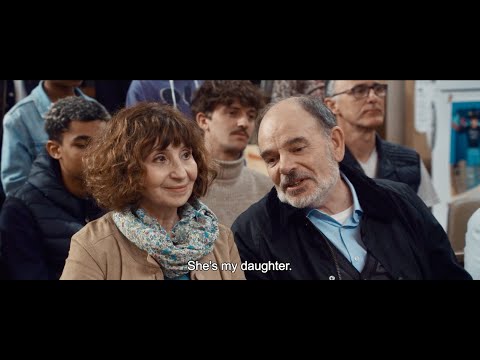
    In the working-class dis­trict of old Marseilles, Rosa is the heart and soul of her com­mu­ni­ty, a nur­se and the matri­arch of a lar­ge and clo­se-knit fami­ly. But approa­ching reti­re­ment and sur­roun­ded by poli­ti­cal iner­tia, she is fee­ling dis­il­lu­sio­ned. Until she meets Henri and rea­li­ses it is never too late to ful­fil her own poli­ti­cal and per­so­nal dreams.

    Credits:

    Et la fête con­ti­nue ! 
    FR/IT 2023, 106 Min., frz. OmU
    Regie: Robert Guédiguian
    Kamera: Pierre Milon
    Schnitt: Bernard Sasia
    mit: Ariane Ascaride, Jean-Pierre Darroussin, Gérard Meylan, Lola Naymark, Grégoire Leprince-Ringuet, Robinson Stévenin.

    Trailer:
    And the Party Goes on / Et la fête con­ti­nue ! (2023) – Trailer (English Subs)

    Im Kino mit deut­schen Untertiteln.

    nach oben

  • filmPOLSKA

    filmPOLSKA

    Sorry, this ent­ry is only available in Deutsch.

    Dziewczyńskie his­to­rie / Girls‘ Stories

    [Tickets]

    7.5.18:00, Einführung: Bartek Tesarz (Polnisches Institut Berlin)
    PL 2023
    R/B/S: Aga Borzym
    60 min, OmeU
    K: Kachna Baraniewicz
    M: Barbara WrońskaJagoda
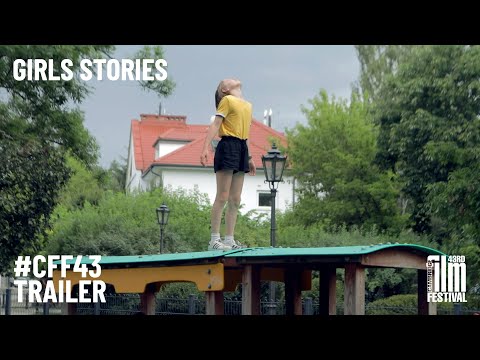
    Jagoda und Zuzia gehö­ren zur TikTok-Generation, sind bes­te Freundinnen und ste­hen gera­de an der Schwelle zur Pubertät. Und sie sind Prototypen des­sen, was man gemein­hin als „früh­reif“ bezeich­net – sie sind umfas­send auf­ge­klärt und machen sich tief­grei­fen­de Gedanken über Partnerschaft und Lebensgestaltung, seh­nen aber immer noch ihre ers­te Periode her­bei, die sie end­lich zu Erwachsenen machen soll. Zwischen Spielplatz, Schule und sozia­len Medien beob­ach­ten wir über vie­le Monate hin­weg, wie der Übergang von der Kindheit ins Erwachsenenleben tat­säch­lich Fahrt auf­nimmt und über­ra­schend unter­schied­li­che Entwicklungen in Gang bringt. Denn der Blick auf sich selbst und die Umgebung ver­än­dert sich bei den bei­den Mädchen nicht so gleich­ar­tig, wie es die anfäng­li­che Harmonie ver­mu­ten lässt. Wie zwei Prototypen spie­geln die Charaktere mög­li­che Wege, die man in die­sem Alter ein­schla­gen kann – von frü­her Karriereplanung und bewuss­ter Arbeit am eige­nen Erscheinungsbild über resi­gnier­te Gleichgültigkeit bis zu Essstörungen und psy­chi­schen Problemen. In vie­len klei­nen, auf den ers­ten Blick unspek­ta­ku­lä­ren Szenen mit viel Wortanteil, unter­bro­chen von kur­zen Animationen, zeigt die Regisseurin, wie die Sehnsucht nach dem Erwachsensein lang­sam der puber­tä­ren Desillusionierung und Ratlosigkeit weicht. Dabei bleibt sie stets nah an ihren Protagonistinnen und gibt ihnen den Raum, sich so dar­zu­stel­len, wie sie es wol­len. [Rainer Mende]

    Veranstalter: Polnisches Institut Berlin in Kooperation mit dem fsk Kino

    GIRLSSTORIES (Dziewczyńskie his­to­rie) trai­ler – Cambridge Film Festival 2024

  • Einfach Machen! She-Punks von 1977 bis heute

    Einfach Machen! She-Punks von 1977 bis heute

    A film by Reto Caduff. In German with English subtitles.

    [Credits] [Tickets & Termine] [Trailer]

    Don’t talk, do!” At the end of the 70s, punk pro­mi­sed rebel­li­on and self-empower­ment. Also for the women in the sce­ne. They fought for their place on stage bet­ween the domi­nant punk top dogs, play­ing against social norms and long-out­da­ted fema­le role models. This is their story.

    Credits:

    DE/CH 2024, 89 Min., deut­sche OmeU
    Regie: Reto Caduff
    Kamera: Roman Schauerte, Stephan Huwyler
    Schnitt: Beatrice Babin, Ginés Olivares 

    Trailer:
    nach oben
  • Barbara Morgenstern und die Liebe zur Sache

    Barbara Morgenstern und die Liebe zur Sache

    A film by Sabine Herpich. In German with English subtitles.

    [Credits] [Tickets & Termine] [Trailer]

    For the first time in six years, Barbara Morgenstern, pio­neer of German-style elec­tro­nic inti­ma­te pop, works on a new album. Her lap­top sits on a shoe­box, in the pri­va­cy of her home she finds first lines and har­mo­nies: “I like to be alo­ne,” one song beg­ins. One by one, musi­ci­ans join her. Intuitive ide­as take shape. A win­dow has ope­ned. Arrangements, rehear­sals, recor­dings fol­low. Step by step, the music enters public space, images are pro­du­ced, vide­os, nar­ra­ti­ves. Questions ari­se: New begin­ning or back to the roots? New Biedermeier or tough poli­ti­cal com­ment? The big­ger the band, the ris­kier the boo­king. The more cri­sis-rid­den the envi­ron­ment, the more com­fort­ing the music-making.
    Sabine Herpich shows the crea­ti­on of a pop album as a working pro­cess. Her view is as unpre­ten­tious as her prot­ago­nist, her quiet obser­va­ti­on not inte­res­ted in sto­ry and gla­mour, but in clo­sen­ess and com­pre­hen­si­on. We under­stand why someone works as an artist, even if it is never explai­ned. Barbara Morgenstern shares what moves her: “Labour of love / for the rest of the earth / I’m more than cer­tain / that this still has worth.”

    Jan Künemund

    Credits:

    DE 2024, 109 Min., dt. OmeU
    Regie, Kamera & Schnitt: Sabine Herpich
    Ton: Sabine Herpich, Tobias Büchner
    Produktion: Tobias Büchner

    Trailer:
    nach oben