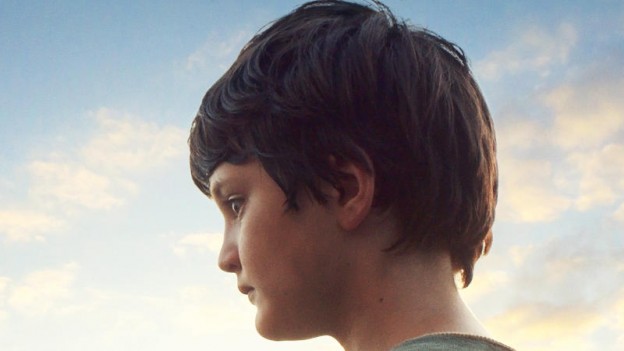
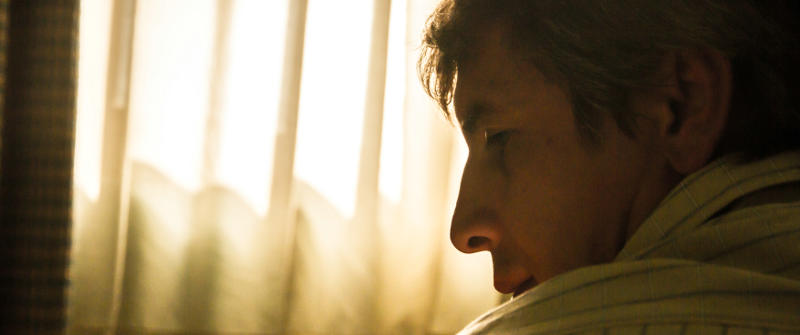
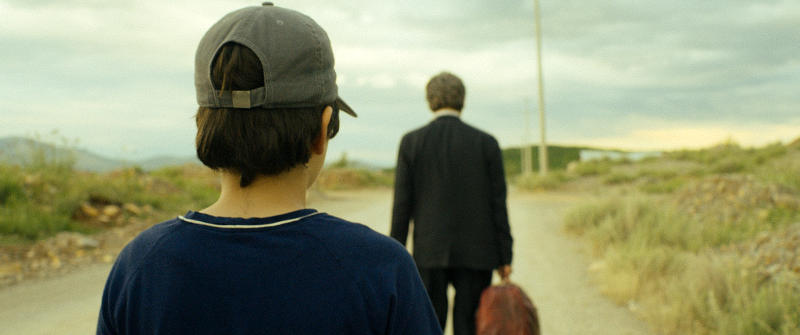
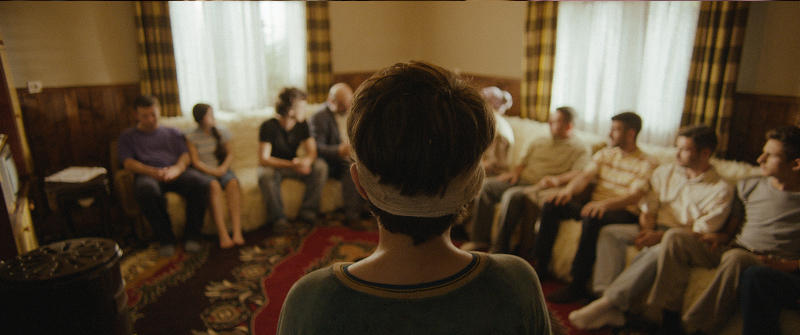
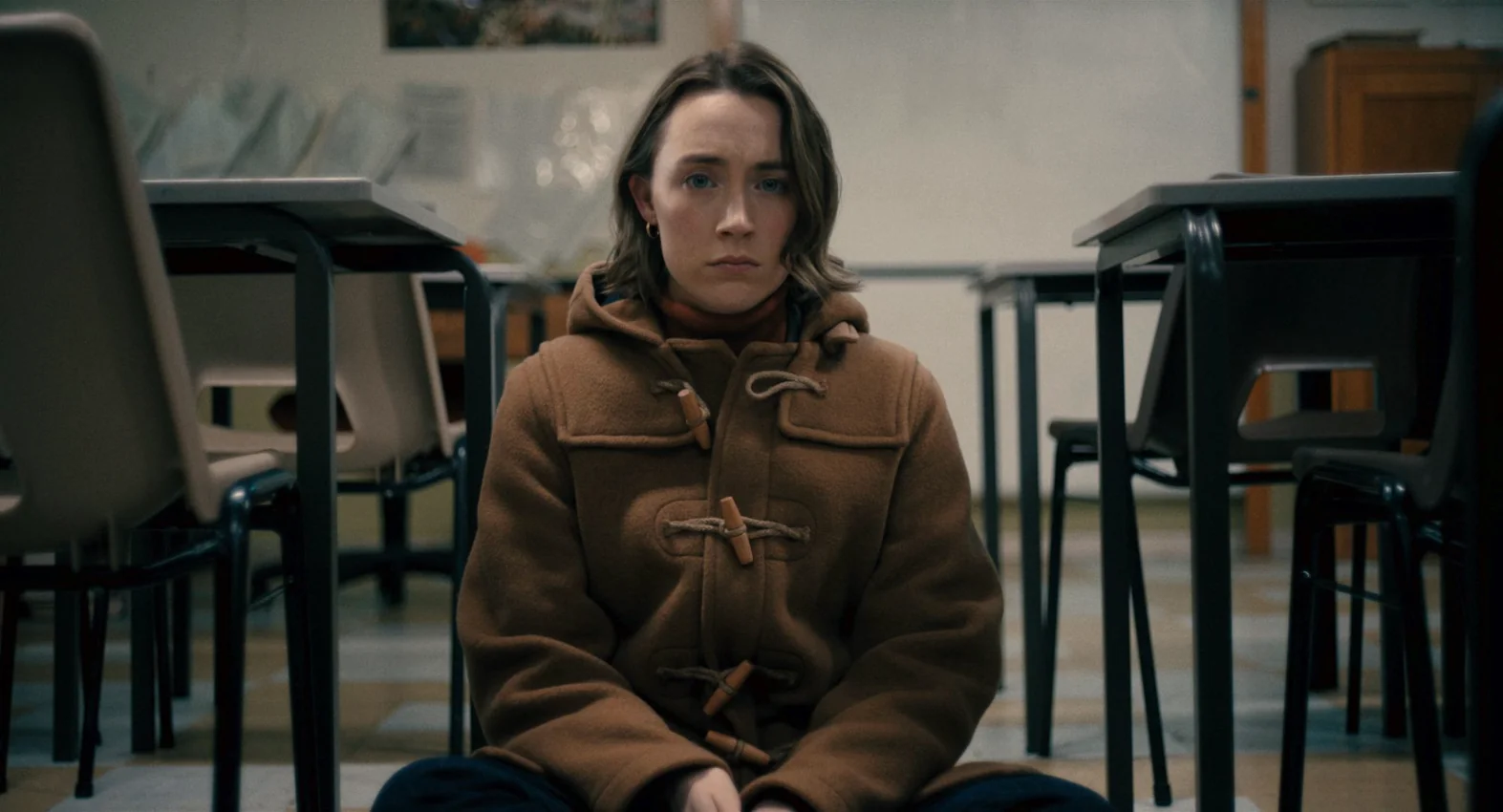
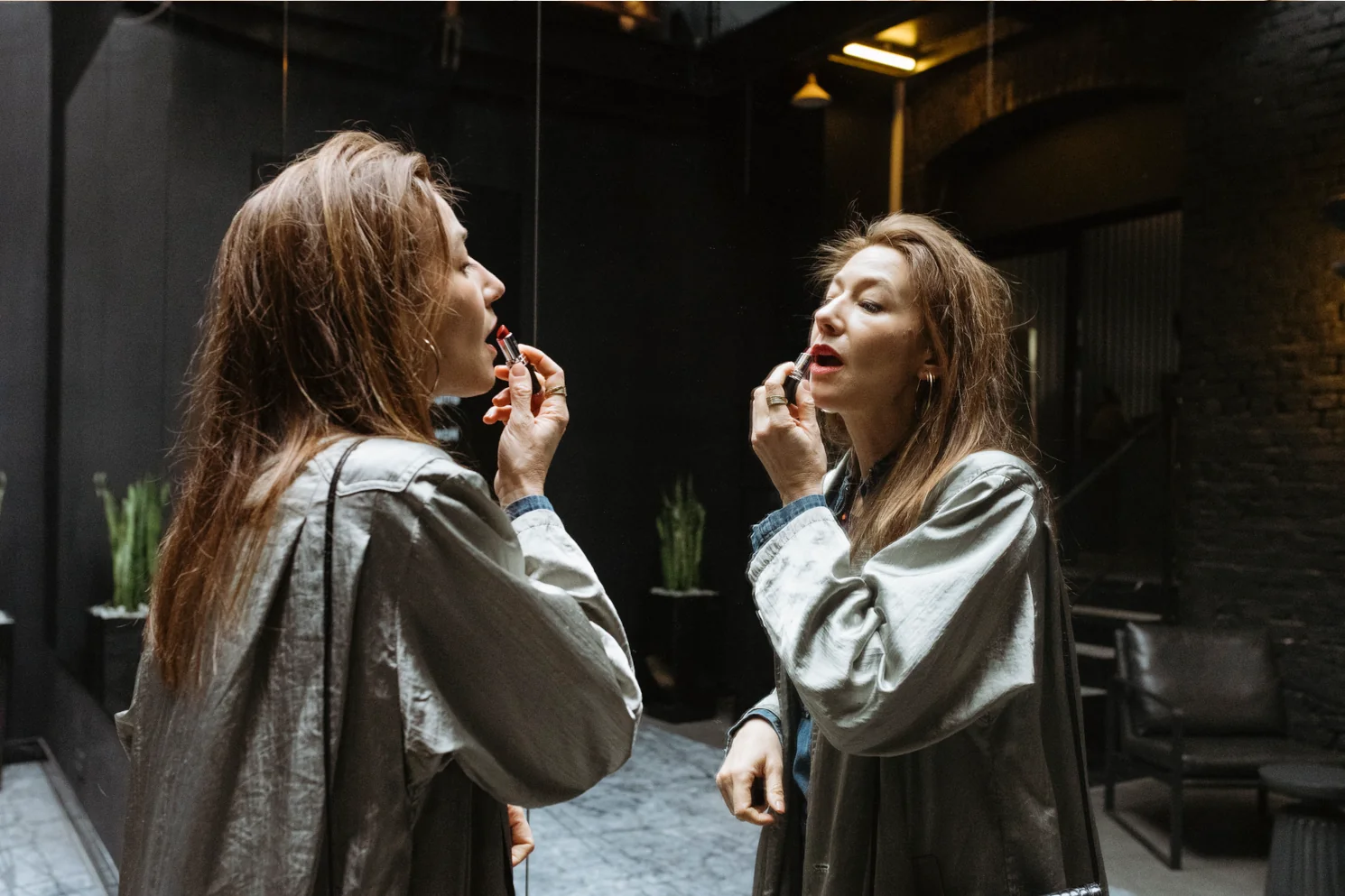
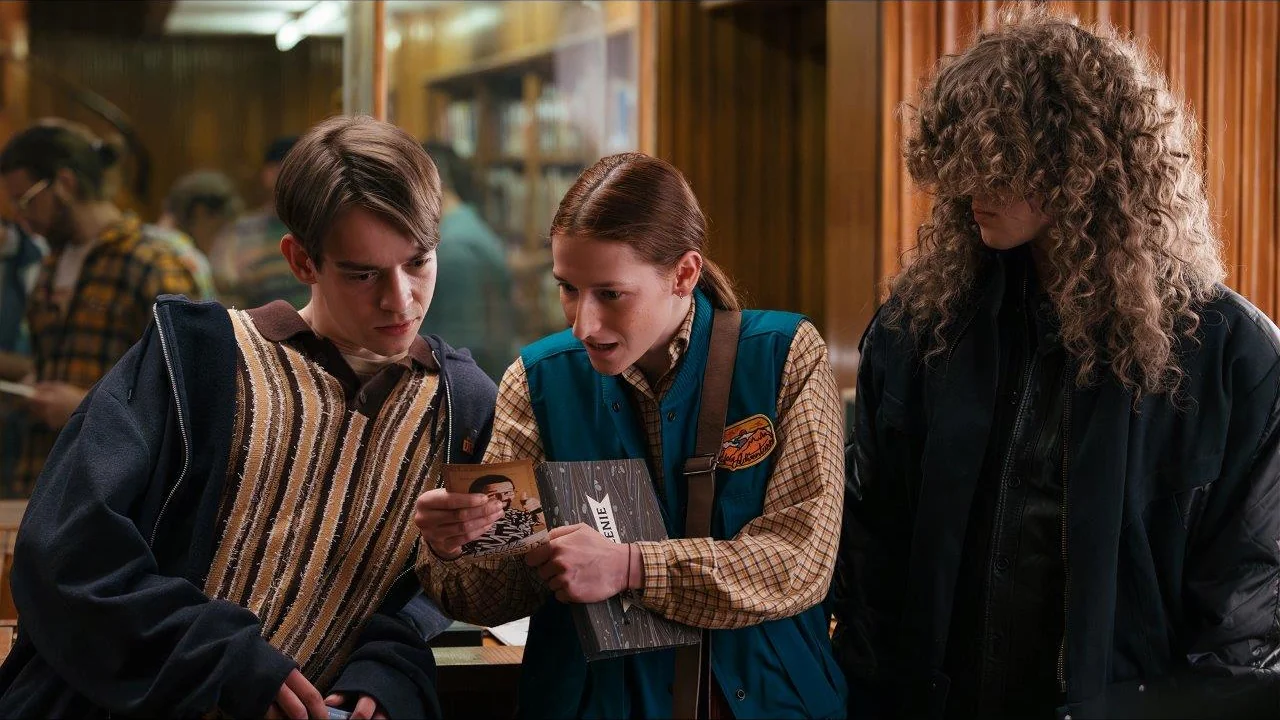
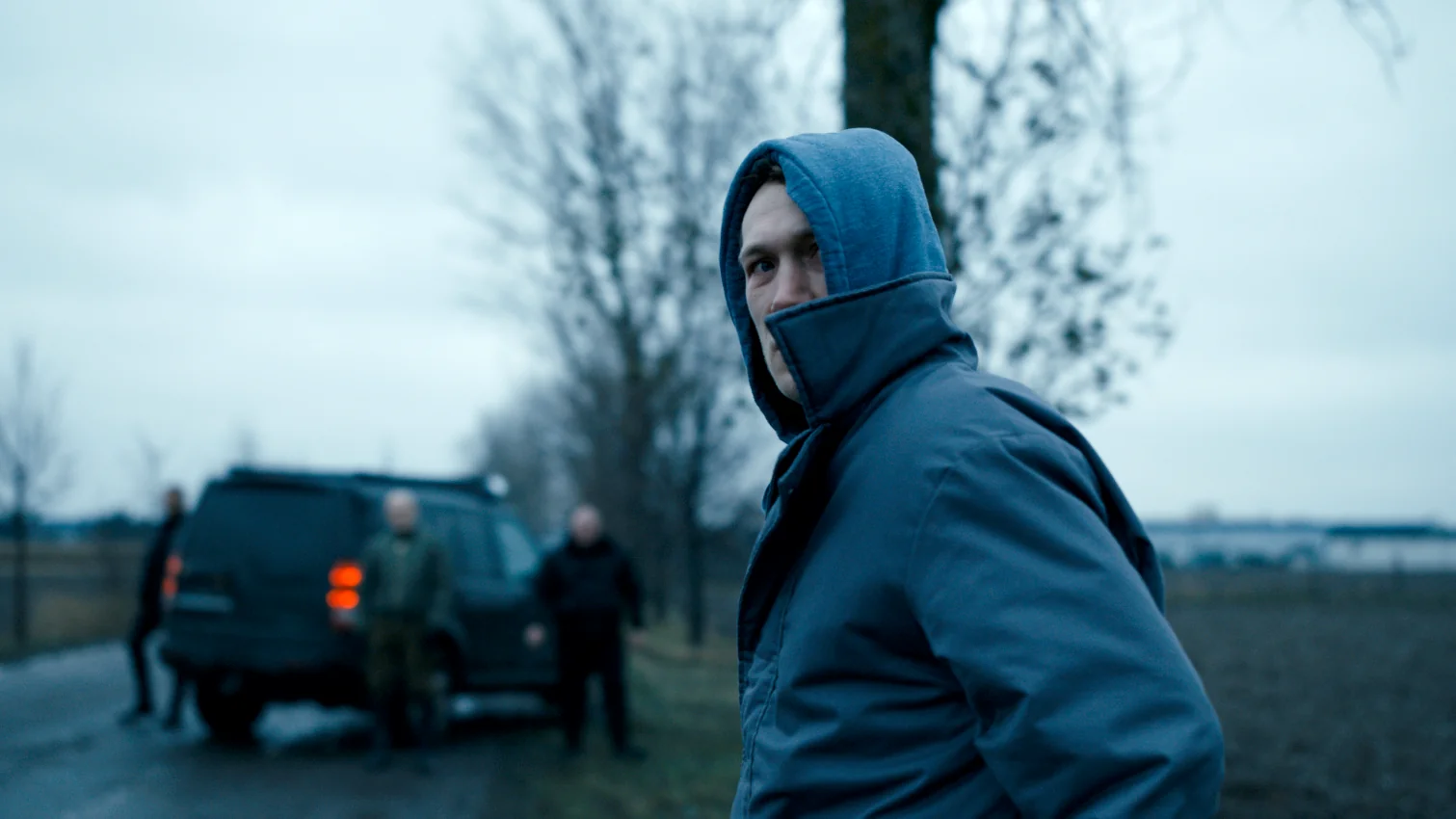
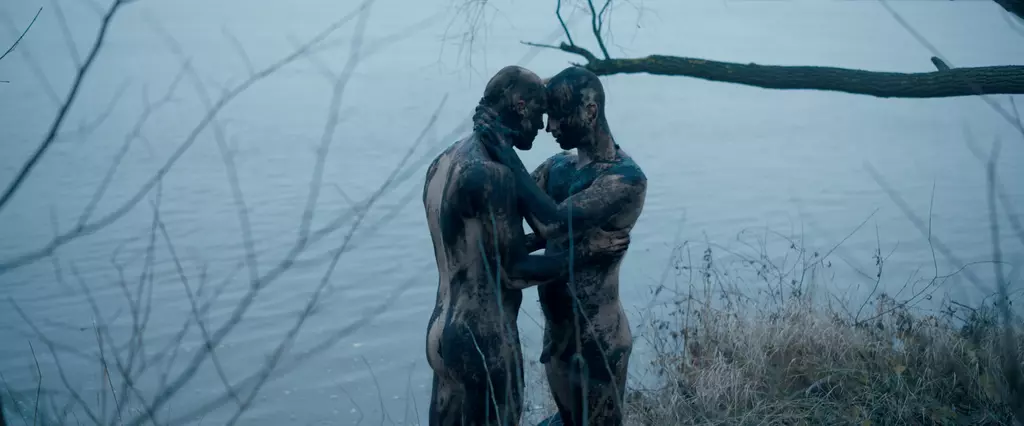
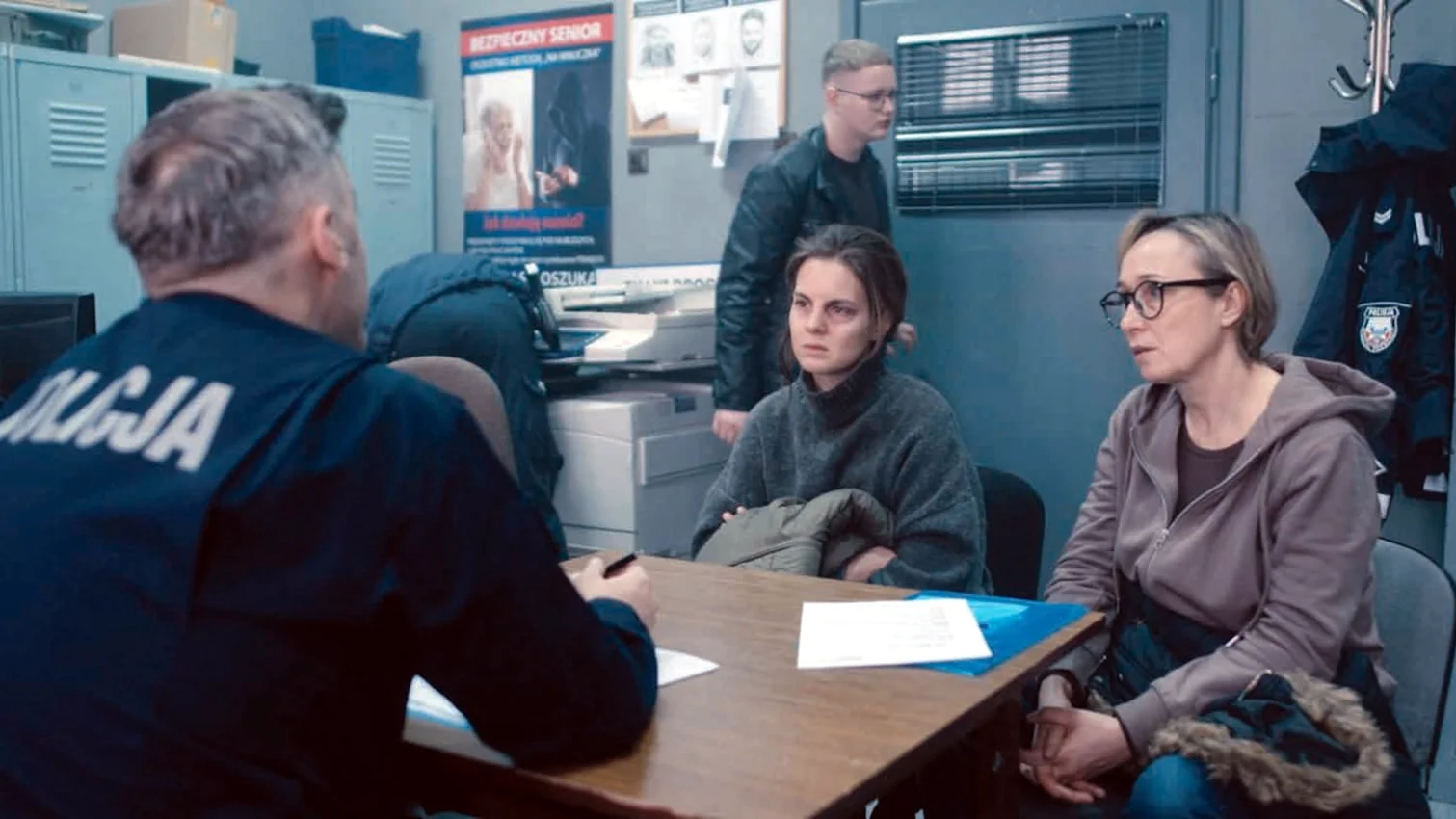
A young Kurdish woman in Syria leads a women’s unit into battle against ISIS—fighting for freedom and women’s rights. Her struggle is narrated by a Yazidi survivor who was enslaved by ISIS as a child and makes clear what is at stake if this fight is lost. And while she survived the horror, a German woman voluntarily joined ISIS—and is now at the mercy of the consequences of her decision. Three women, three decisions, a reflection of courage, suffering, and dangerous delusion.
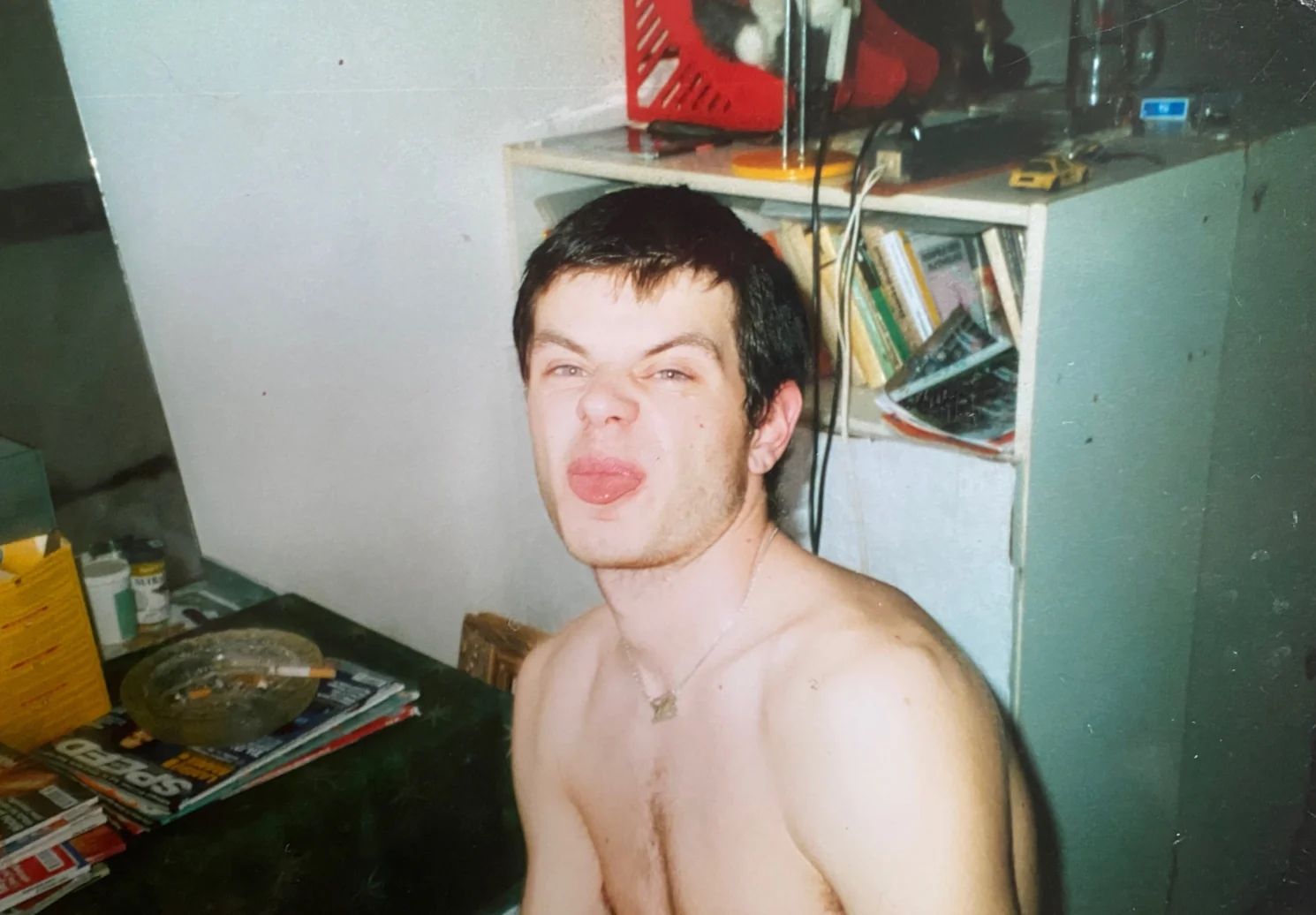
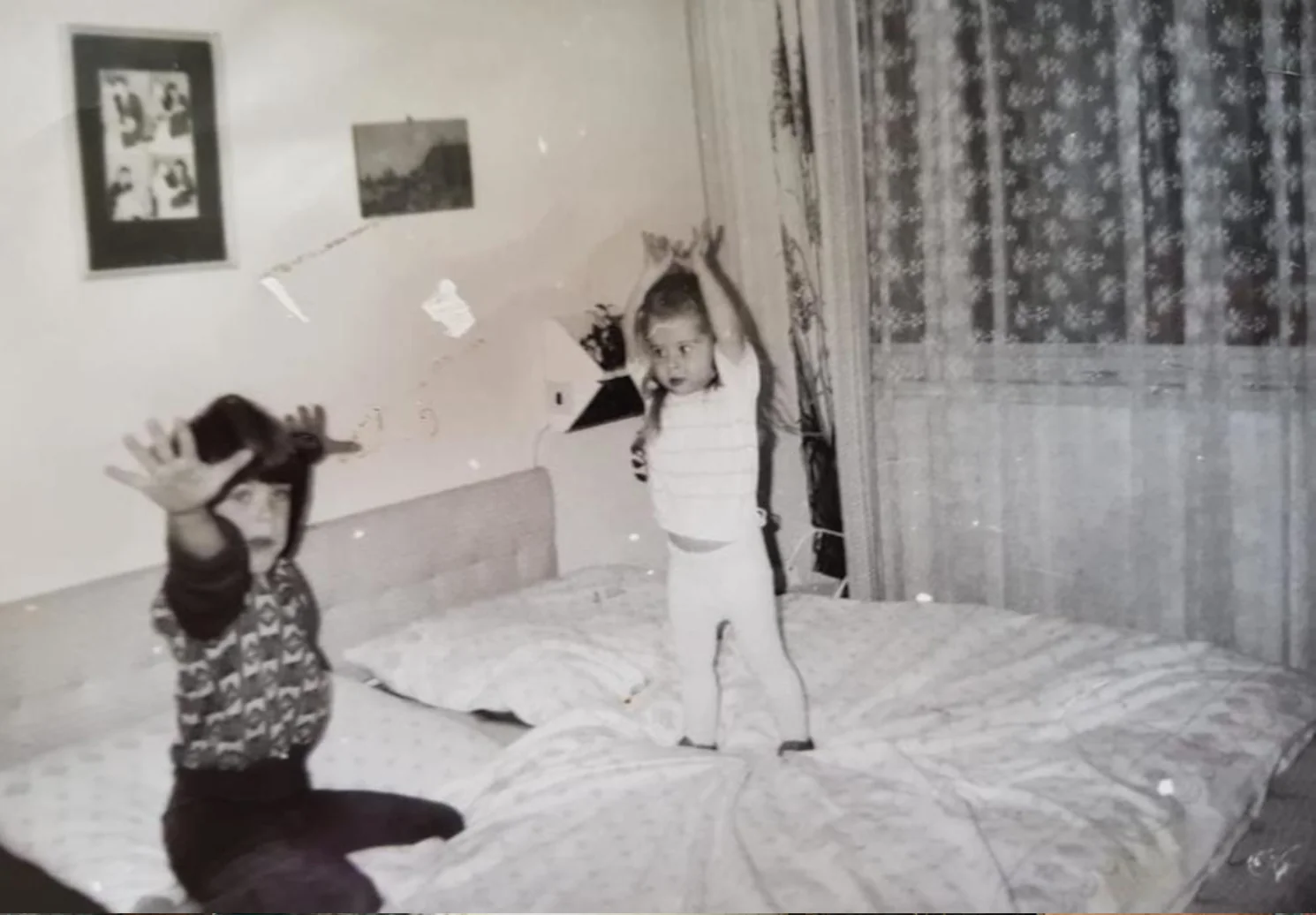
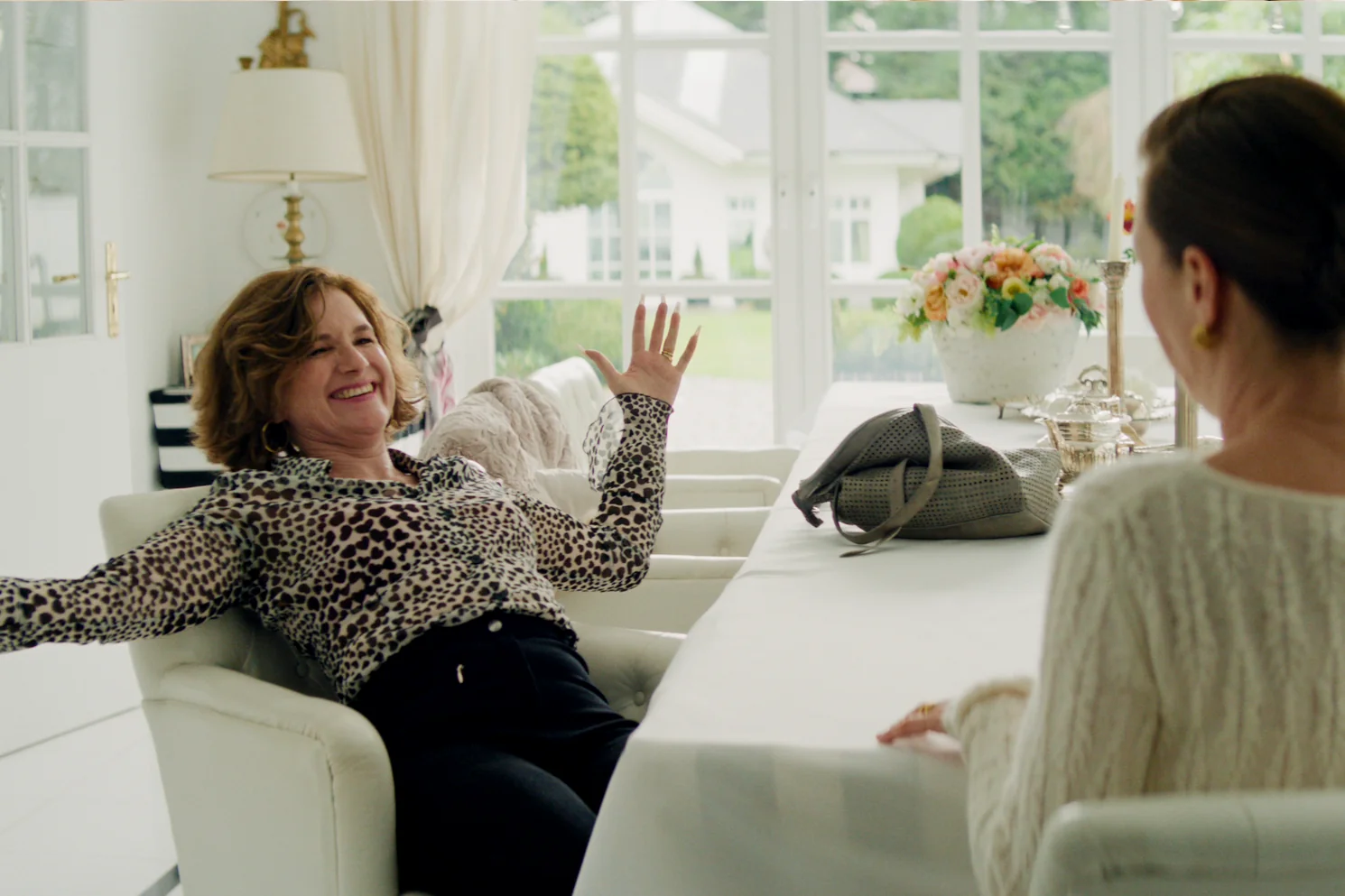
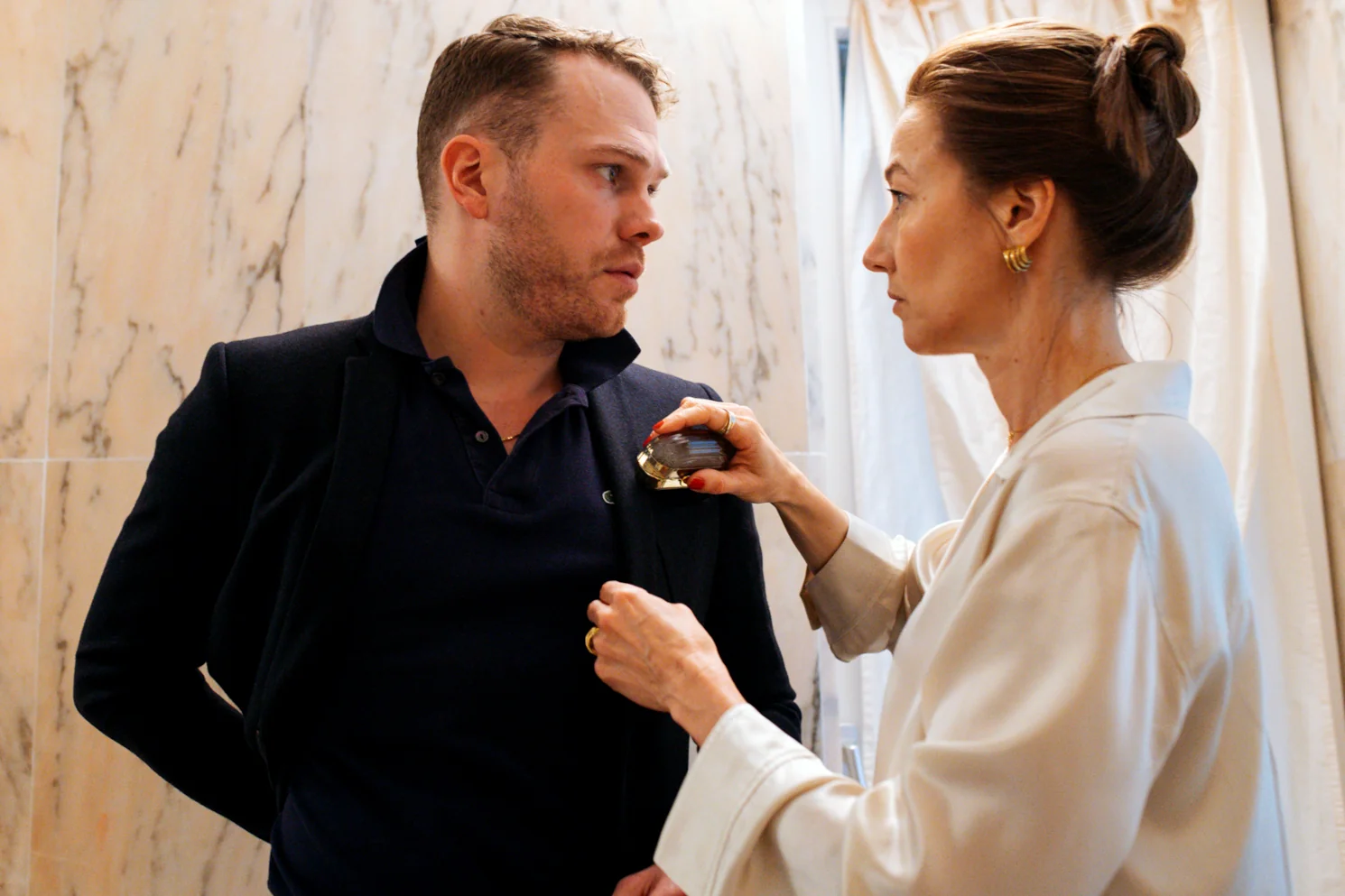
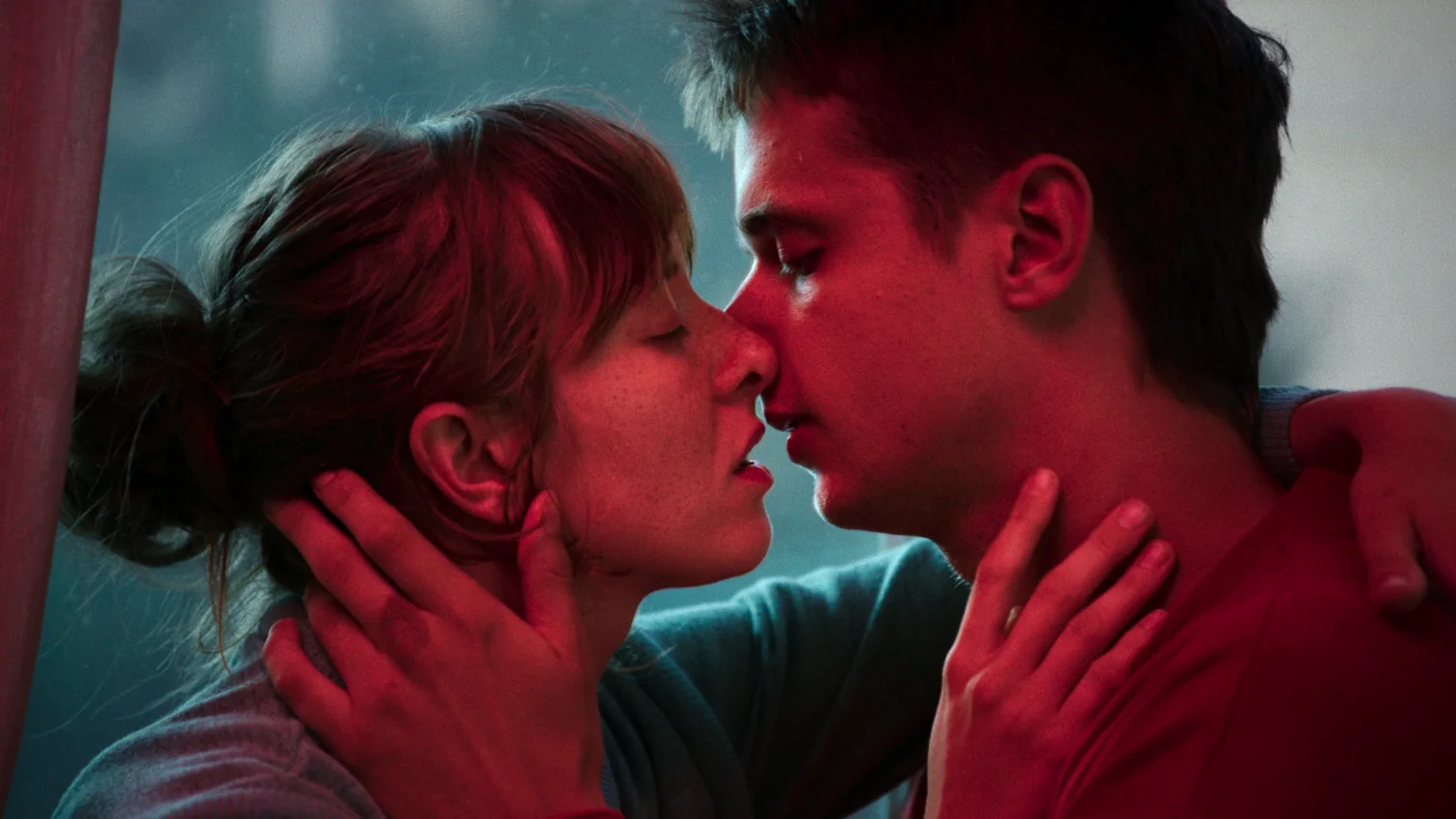
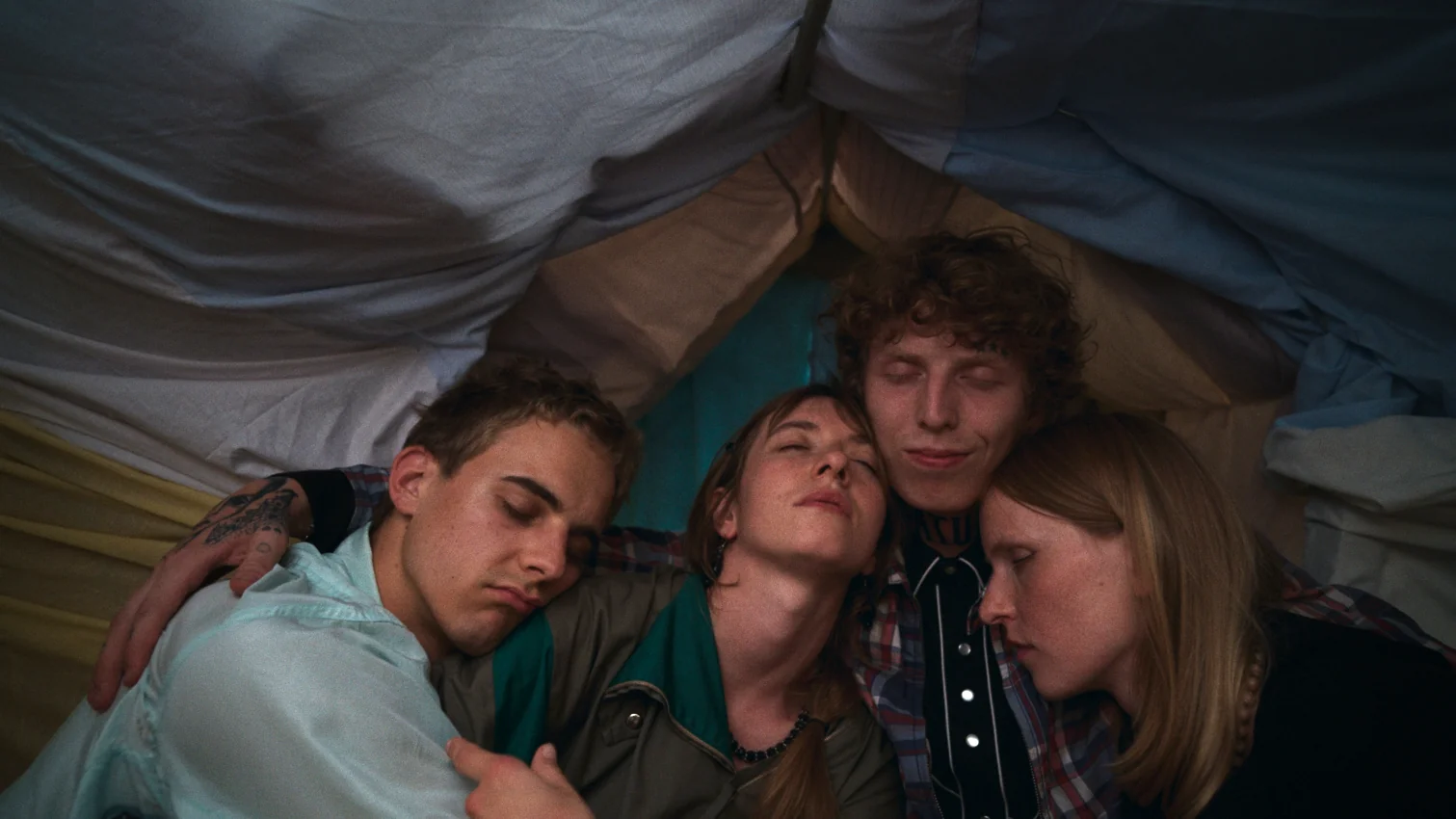
Whilst preparing for her appearance on a television talent show, Lea (Frida Hornemann) is asked why she thinks she is something quite special. She doesn’t have an answer. Her parents are separated. Whilst her father Matze (Max Riemelt) supports her dream of a stage career, she regularly clashes with her mother Rieke (Gina Henkel). Lea lives with her grandparents Christel (Rahel Ohm) and Friedrich (Peter René Lüdicke), who run a guesthouse on their farm in the heart of idyllic Thuringia. Guests are few and far between. Instead, a right-wing populist party wants to book the place for a conference, which particularly displeases Lea’s rebellious brother. The 16-year-old’s only true confidante is her aunt Kati (Eva Löbau), who has moved back to her hometown from the West to run the newly renovated City Palace as a GDR museum. When Kati walks through the exhibition with her mother in tow as part of the funding committee, and Christel sees her life on display, it is one of the film’s most powerful scenes. How can it be that millions are being spent on this past – which she would dearly love to forget – whilst she herself is on the brink of bankruptcy? The writer and director Eva Trobisch, who was born and raised in East Berlin, carefully arranges her cast of characters to play out the conflicts between the generations. With keen observation and sharp dialogue, she portrays German-German sensibilities.” Indiekino
“It is never the really big dramas, the truly terrible tragedies, that Eva Trobisch tells of, but rather the stories that simply happen to someone, even though everything was actually planned quite differently. This casual tone, which incorporates many small observations and a keen eye for detail, may seem a little unfocused at first glance; yet beneath the lightly sketched episodes and storylines, and the film’s meandering gaze, there is more than one might initially think.” Joachim Kurz | Kinozeit
Credits:
DE 2026, 116 mins, original German version with English subtitles Director: Eva Trobisch Cinematography: Adrian Campean Editing: Laura Lauzemis starring Frida Hornemann, Max Riemelt, Eva Löbau, Gina Henkel, Rahel Ohm, Peter René Lüdecke, Florian Geißelmann, Yvon Sable Moltzen, Ida Fischer, Florian Lukas, Thomas Schubert, Kara Schröder, Anne Kulbatzki, Nairi Hadodo
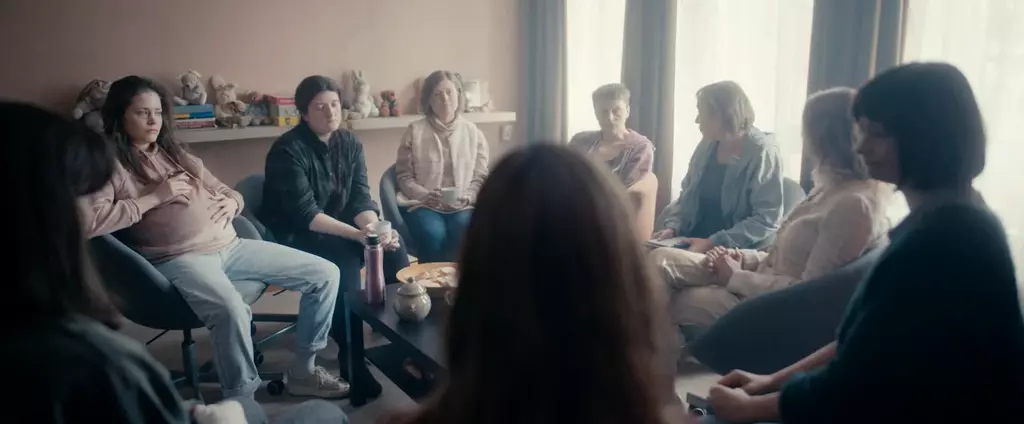
The film opens with death, portrayed with complete calm and without sentimentality. Then the grieving process begins, depicted with sensitivity, not without moments of apparent callousness, which are not, however, taken amiss, but rather – like everything else, in fact – told with infinite tenderness. The overwhelming sense of being overwhelmed, the loneliness, the unreasonable demands: “This existential feeling of being abandoned by the world and lost in it, of being cut off” (Joachim Kurz) This unique film also deals with this – on its meta-level, so to speak. Lore accompanies her mother as she dies. She returns to the small town of her childhood, Erkelenz, where many acquaintances and relatives still live who speak the Rhineland dialect. Dealing with death and the grieving process are the film’s central themes. Yet it is the way the story is told that makes this film truly outstanding. Naturally, melancholy sets the tone, but any potential for sentimentality is completely undermined by the neorealist narrative style, to which the endearing performances of the many amateur actors also contribute. Alongside this, and in a completely unobtrusive manner, the story is set during the pandemic. Embedded within the narrative, it forms a kind of background noise, further reinforcing the sense of loneliness and abandonment and thus reflecting the general state of society. P.S. According to the Catholic Church, a ‘six-week mass’ is a service celebrated six weeks after a death, marking the end of the first phase of mourning for the bereaved.
Credits:
DE 2025, 98 Min., In German with English subtiles Regie: Jacqueline Jansen Kamera:Markus Ott Schnitt: Simon Dopslaf, Jacqueline Jansen mit Magdalena Laubisch, Gerta Gormanns, Lola Klamroth, Olga Prokot, Suzanne Ziellenbach, Marc Fischer,
Anna and Charlotte are constantly competing with each other. At least, that’s how their mother, Ines, wants it—she favors one over the other and makes sure the other one knows it. Nevertheless, the dissimilar sisters—one queer and nonconformist, the other a supposedly tough, successful woman—return to their childhood home in northern Germany. Old wounds are reopened and well-kept secrets come to light: Whose ashes is their mother hiding? What connects her to a Hungarian donkey farm? In their search for answers, the dissimilar sisters find new trust in one another.
A black comedy of the petty nastinesses found only within families. In her second feature film, director Rosanne Pel explores with subtle humor the often problematic relationships between mothers, sisters, and daughters—and the societal role models that underlie them. “Donkey Days” is a modern, beguilingly absurd family film brimming with empathy for its characters.
Credits:
NL/DE 2025, 108 Min., Original version in German, English, and Dutch, some with German subtitles Regie: Rosanne Pel Kamera: Aafke Beernink Schnitt: Xander Nijsten mit Jil Krammer, Susanne Wolff, Hildegard Schmahl, Amke Wegner, Carla Juri
Sandra Hüller portrays Ingeborg Bachmann on an imaginary day in Rome. Regina Schilling’s hybrid film weaves together reenactments, archival footage, and Bachmann’s own writings into a portrait that offers a refreshing new perspective on the author and positions her writings as a reference point in current debates on gender relations and power. P.B (DOKFest München)
Credits:
DE/AT 2026, 95 Min., German OV with English subtitles Regie: Regina Schilling Kamera: Johann Feindt Schnitt: Carina Mergens mit: Sandra Hüller
Trailer:
Ingeborg Bachmann – Jemand, der einmal ich war | Offizieller Trailer | Ab 25. Juni im Kino
The struggle between the strictures of religion and our own brute animal nature plays out amid the beautifully forbidding landscapes of remote Iceland in this stunning psychological epic from director Hlynur Pálmason. In the late nineteenth century, Danish priest Lucas (Elliott Crosset Hove) makes the perilous trek to Iceland’s southeastern coast with the intention of establishing a church. There, the arrogant man of God finds his resolve tested as he confronts the harsh terrain, temptations of the flesh, and the reality of being an intruder in an unforgiving land. What unfolds is a transfixing journey into the heart of colonial darkness attuned to both the majesty and terrifying power of the natural world.
Credits:
IS/FR/DK/SE 2022, 135 Min., isländische OmU Regie : Hlynur Pálmason Kamera: Maria von Hausswolff Schnitt: Julius Krebs Damsbo mit: Elliott Crosset Hove, Vic Carmen Sonne, Ingvar Sigurdsson, Ída Mekkín Hlynsdóttir, Jacob Hauberg Lohmann
The film begins with a definition of its title: “DAO is a perpetual and circular movement which flows in everything and unites the world.” And then it proceeds to take us to the casting of Gloria, a character whose daughter is about to be married. An off-screen voice directing the casting session tells us that “the first step is to make this family”. Actors and non-actors are cast and brought together to become relatives who will all celebrate a wedding in Paris and commemorate the loss of their patriarch in Guinea-Bissau. Their individual stories and their common threads of heritage are woven together with fact and fiction as they travel between these two worlds; love, laughter, ritual, pain and history intertwined. Perpetual circular movement framing reality.
Credits:
FR/SN/GW 2026 , 185 Min., Französisch, Wolof, Manjak, Guineabissauisches Kreol OmU Regie: Alain Gomis Kamera: Céline Bozon, Amath Niane, Mabeye Deme Montage: Alain Gomis, Fabrice Rouaud, Assetou Koné, Dimitri Ouedraogo, Elizabeth Ndiaye, Moustapha Mbalo Dieng mit Katy Correa, D’Johé Kouadio, Samir Guesmi, Mike Etienne, Nicolas Gomis, Fara Baco Gomis, Poundo Gomis
The Knight, a special exhibition of photographs from Hlynur Pálmason’s Joan of Arc, will be on display in the Furman Gallery at the Walter Reade Theater to celebrate the release of The Love That Remains. Free to the public.
Charting the gradual evolution of a family in the midst of an irreparable fracture, The Love That Remains is a poignant, crisply pointillistic domestic drama that observes life’s changes with humor and whimsy, set against the majestic, ever-shifting Icelandic landscape. Visual artist Anna (Saga Garðarsdóttir) and fisherman Magnús (Sverrir Guðnason) were teenage sweethearts but have recently grown apart, and Magnús has moved out of the house. As long as the newly estranged parents put on a good face, the children—and their adorable sheepdog Panda (who won the prestigious Palme Dog award at Cannes)—seem to take the split in stride. Yet as Magnús becomes increasingly alienated from his domestic life, harsh reality can’t help but bubble to the surface. Hlynur Pálmason’s follow-up to his austere 19th-century drama Godland is a constantly surprising film with an immaculate sense of framing and pacing—and an evocative, dulcet piano score by Harry Hunt—dotted with idiosyncratic flights of fancy that never detract from the central emotional authenticity.
Spoonie, the Spoon-billed Sandpiper, would likely be already extinct without Dr. Christoph Zöckler and a group of dedicated ornithologists. As if that was not bad enough, the flyway route of the sparrow-sized shorebird with the peculiar bill, runs from Russia, via North Korea and China to Myanmar. In doing so, it touches upon several areas in crisis during the past decade. The work of the Spoon-billed Sandpiper Task Force inevitably provides a political challenge and demands a diplomatic balancing act between the nations along the flyway. The tragicomedy about the fate of Spoonie is reflecting the threatened diversity in an increasingly becoming fragile world.
Credits:
DE 2025, 87 Min., dt. engl. russisch, chinsesische OmU Regie: Till Harms Kamera: Börres Weiffenbach Schnitt: Natali Barrey
Two old friends are walking 600 kilometers through the Scottish highlands, to reconnect with each other, with nature and with parts of themselves.
Wir verwenden Cookies, um unsere Website und unseren Service zu optimieren.
Funktionale Cookies
Always active
Die technische Speicherung oder der Zugang ist unbedingt erforderlich für den rechtmäßigen Zweck, die Nutzung eines bestimmten Dienstes zu ermöglichen, der vom Teilnehmer oder Nutzer ausdrücklich gewünscht wird, oder für den alleinigen Zweck, die Übertragung einer Nachricht über ein elektronisches Kommunikationsnetz durchzuführen.
Vorlieben
Die technische Speicherung oder der Zugriff ist für den rechtmäßigen Zweck der Speicherung von Präferenzen erforderlich, die nicht vom Abonnenten oder Benutzer angefordert wurden.
Statistiken
Die technische Speicherung oder der Zugriff, der ausschließlich zu statistischen Zwecken erfolgt.Die technische Speicherung oder der Zugriff, der ausschließlich zu anonymen statistischen Zwecken verwendet wird. Ohne eine Vorladung, die freiwillige Zustimmung deines Internetdienstanbieters oder zusätzliche Aufzeichnungen von Dritten können die zu diesem Zweck gespeicherten oder abgerufenen Informationen allein in der Regel nicht dazu verwendet werden, dich zu identifizieren.
Marketing
Die technische Speicherung oder der Zugriff ist erforderlich, um Nutzerprofile zu erstellen, um Werbung zu versenden oder um den Nutzer auf einer Website oder über mehrere Websites hinweg zu ähnlichen Marketingzwecken zu verfolgen.