Loveless

[:de]Ein Film von Andrei Zvyagintsev. 

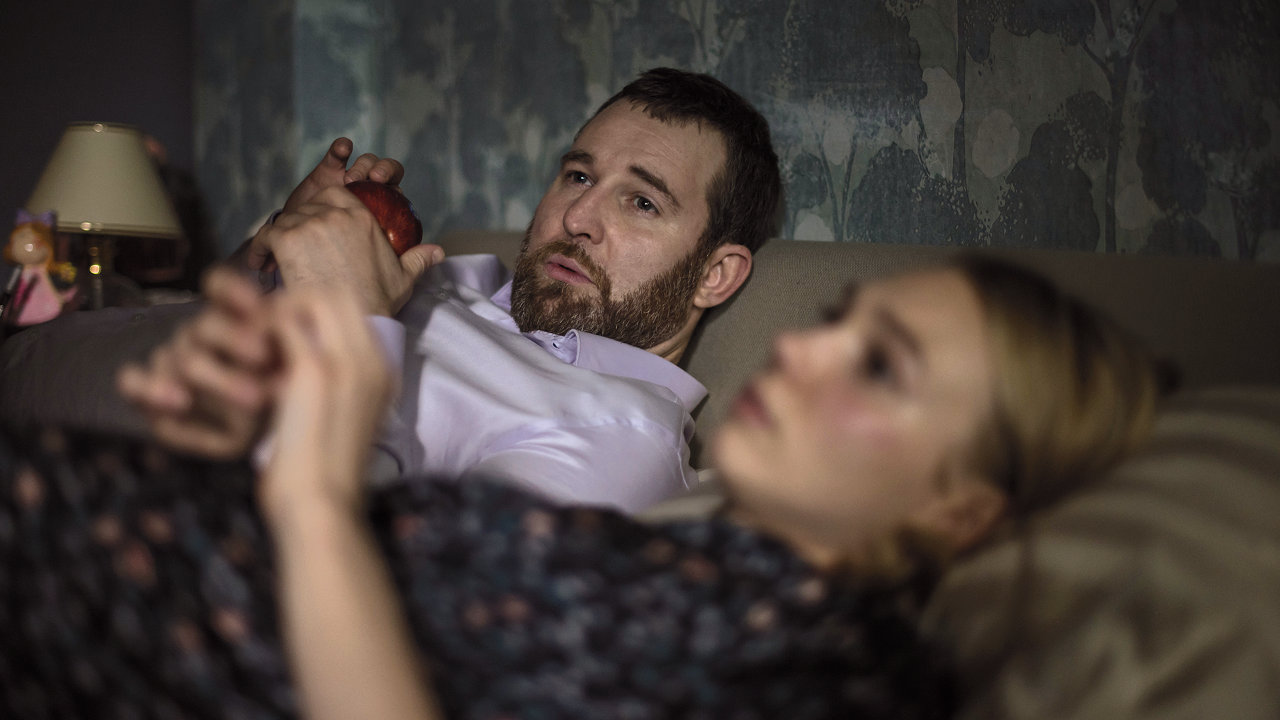
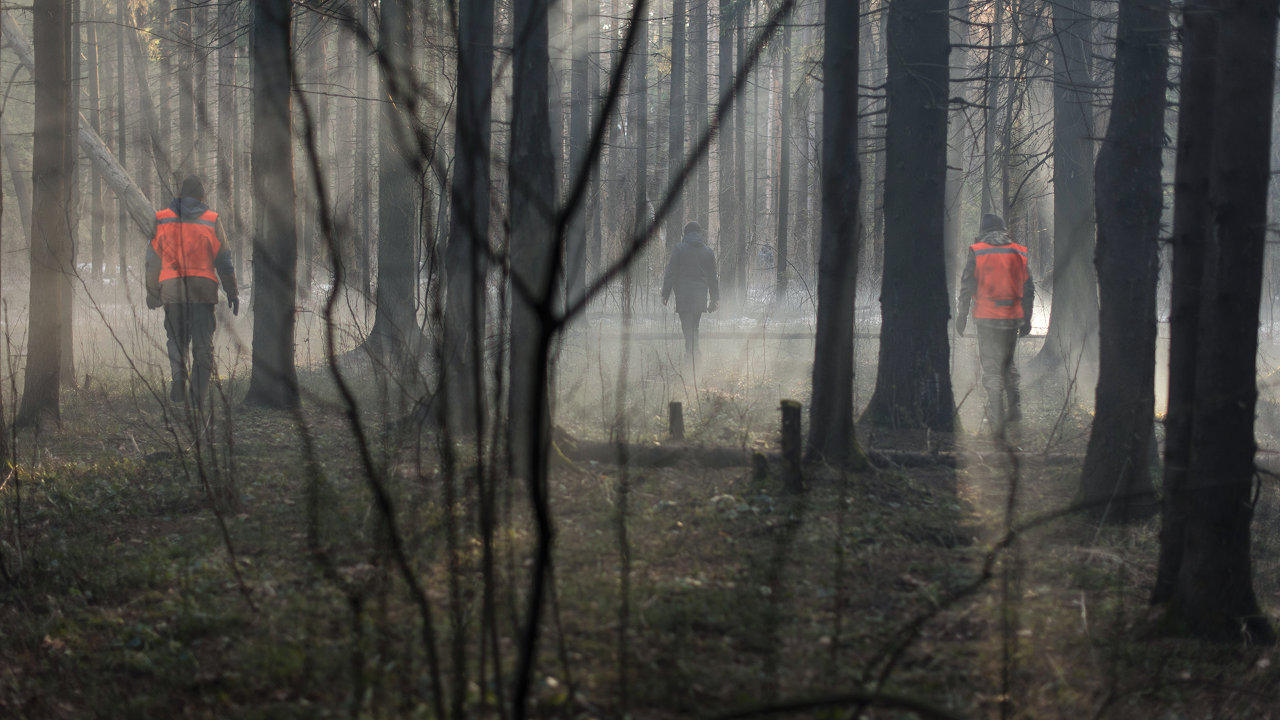
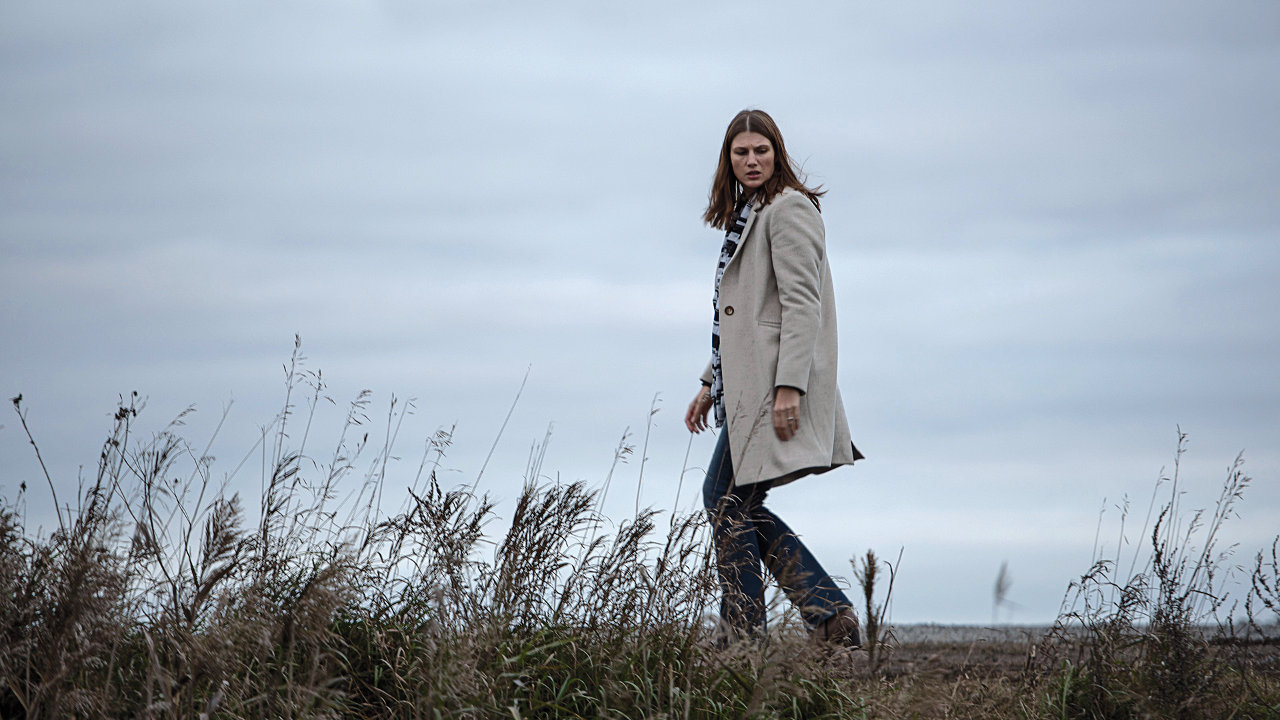
Zhenya und Boris, ein Paar aus der geho­be­nen rus­si­schen Mittelschicht, ste­hen vor den Trümmern ihrer Ehe. Längst ist die frü­he­re Zuneigung bit­te­ren Anschuldigungen gewi­chen, die gemein­sa­me Wohnung steht zum Verkauf, bei­de sind bereits in neu­en Beziehungen. Im Zentrum des Debakels und gleich­zei­tig völ­lig abseits steht ihr 12jähriger Sohn Alyosha. Keiner der Eltern will ihn in ein neu­es Leben mit­neh­men, ein Internat steht zur Debatte. Als die Vorwürfe zwi­schen Zhenya und Boris erneut eska­lie­ren, ver­schwin­det Alyosha plötz­lich, was die Polizei taten­los hin­nimmt. Im Rahmen einer groß ange­leg­ten Suchaktion von Freiwilligen müs­sen sich die Ex-Partner wider Willen zusam­men­tun, um das letz­te, was sie noch ver­bin­det, aufzuspüren….
Als Geschichte erkal­te­ter Beziehungen und Kommentar auf die moder­ne (nicht nur die rus­si­sche) Gegenwart insze­nier­te Regisseur Andrey Zvyagintsev mit LOVELESS den Nachfolger sei­nes bild­ge­wal­ti­gen Dramas „Leviathan“ . Mit sorg­fäl­ti­gem Realismus ent­wirft er auch dies­mal ein Tableau zwi­schen­mensch­li­cher Gleichgültigkeit wie ein Dokument emo­tio­na­len Rückzugs, dem vor allem Unbeteiligte, hier das unge­lieb­te Kind, zum Opfer fal­len. Dabei wer­den wäh­rend die Tage der Suche die Motive und Hintergründe der Eltern kla­rer. Zhenya und Boris sind kei­ne Monster, son­dern ganz gewöhn­li­che, feh­ler­haf­te Menschen in einer auf Egoismus und Macht aus­ge­rich­te­ten Gesellschaft.

»Neljubow ist ein Film von Andrej Swjaginzew über ein ver­schwun­de­nes Kind. Swjaginzew trifft damit einen wun­den Punkt an der Schnittstelle zwi­schen Politik, Propaganda und kol­lek­ti­vem Trauma. … Er ent­larvt nicht, son­dern stellt fest, er beschul­digt nicht, son­dern stellt eine Diagnose.« Sergej Medwedew | decoder.org

Loveless wur­de u.a. im Wettbewerb von Cannes mit dem Preis der Jury aus­ge­zeich­net und ist als bes­ter nicht-eng­lisch­spra­chi­ger Film bei den Oscars nominiert.

 
Credits:
Originaltitel: Nelyubov  Frankreich/Russland 2017, 127 Min.,
Regie: Andrei Zvyagintsev

Buch: Oieg Negin
Kamera: Mikhail Krichman
Schnitt: Anna Mass
mit: Maryana Spivak, 
Matvey Novikov,
Aleksey Rozin
 
Termine:
  • noch kei­ne oder kei­ne mehr 


 [:en]A film by Andrei Zvyagintsev. In rus­si­an with ger­man subtitles.

In Moscow, at the end of the school day, stu­dents are depar­ting on their way home. One twel­ve year old boy, Alexey, deci­des to take an indi­rect path home rather than using the regu­lar city streets. Alexey takes a path which leads him to walk by a local river in a woo­ded area just on the out­skirts of town. He appears to be in no par­ti­cu­lar rush to get home. His par­ents, Zhenya and Boris, are in the midst of obtai­ning a divorce, with much ani­mo­si­ty. They are por­tray­ed as having diver­gent and incom­pa­ti­ble per­so­na­li­ties. Both are try­ing to form new lives in new relationships.

One day, it is dis­co­ver­ed that the boy has dis­ap­peared from home, and his mother calls the poli­ce for assis­tance. At first, the poli­ce see this as the simp­le case of a runa­way child and expect the boy to return home within a day or two. However, when Alexey does not return, a vol­un­teer group spe­cia­li­zing in the search for miss­ing per­sons takes over the case and prompt­ly initia­tes a preli­mi­na­ry search for the boy by sen­ding the par­ents to estran­ged rela­ti­ves in the hope of loca­ting him. They are first sent to see if Alexey is at his mother’s par­ents. Alexey is not the­re when they arri­ve, though their trip to visit her mother out of town is punc­tua­ted by ten­si­on bet­ween the estran­ged rela­ti­ves and Boris is ver­bal­ly bera­ted and exco­ria­ted by Zhenya. On the return trip home, her ver­bal abu­se escala­tes to the point that Boris dischar­ges her on the rural road­way befo­re they get back to town.

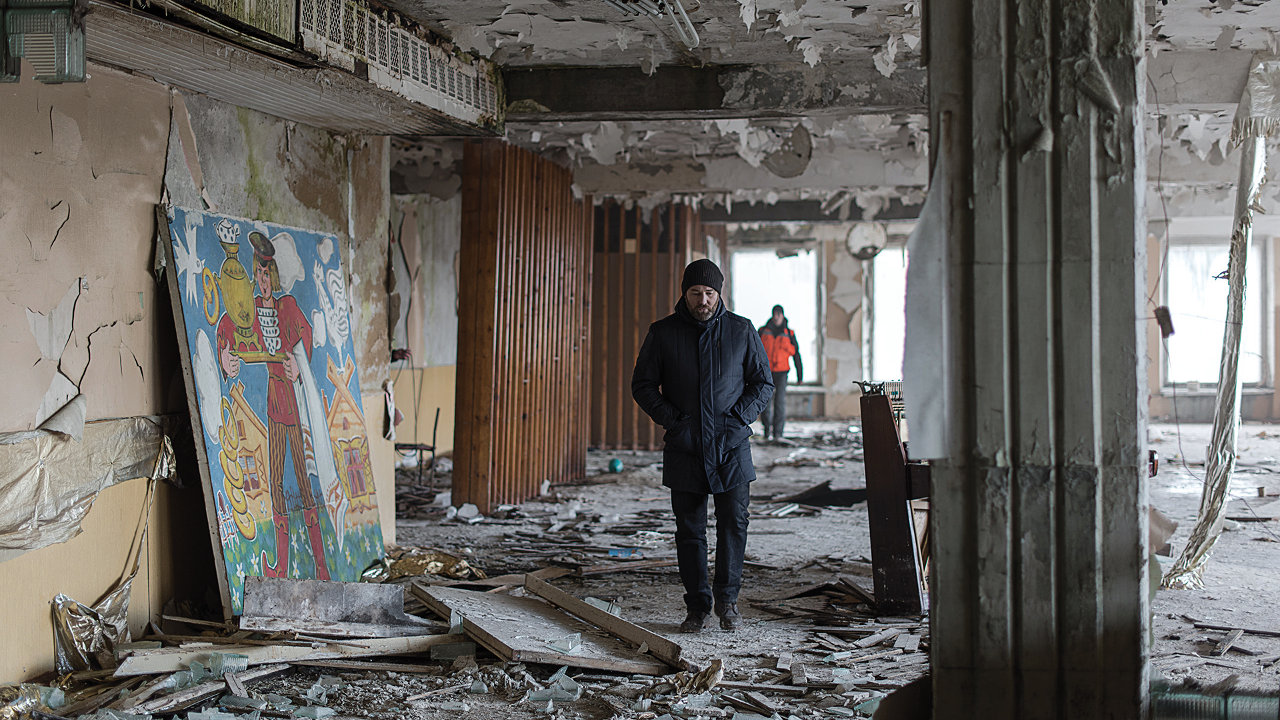
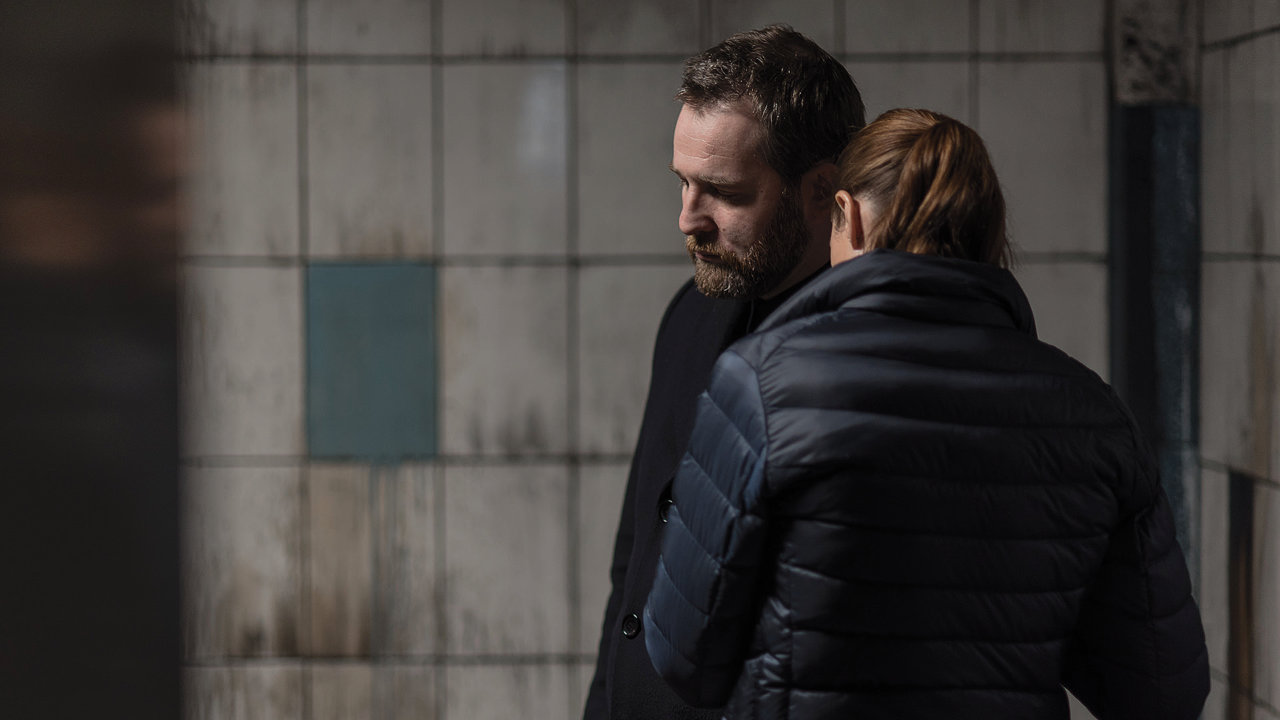
The fail­ure of the poli­ce to find Alexey prompt­ly escala­tes the search for him into an all out emer­gen­cy miss­ing per­sons search across the town and sur­roun­ding are­as. A search of an aban­do­ned muni­ci­pal buil­ding from an old dila­pi­da­ted city deve­lo­p­ment pro­ject whe­re Alexey was known to have visi­ted turns up not­hing. Finally, the par­ents are asked to come to the mor­gue to exami­ne and try to iden­ti­fy the remains of a John Doe child of still unknown iden­ti­ty. The par­ents both deny that the dis­fi­gu­red dead child’s body is their son, though the expe­ri­ence of being put through the iden­ti­fi­ca­ti­on pro­cess is emo­tio­nal­ly trau­ma­tic to them as they break­down in tears of despe­ra­ti­on, with Alexey still missing.

Later, Alexey’s mother has sold their apart­ment and workers begin dis­mant­ling wall han­gings and appli­ances left behind in the now vacant apart­ment. Outside on the street, miss­ing per­son pos­ters of Alexey now can­vas lar­ge parts of the city try­ing to seek help in loca­ting the miss­ing boy. The sce­ne shifts to the near­by river by the woo­ded path which Alexey used to use to walk home after school and the view focu­ses on an exten­ded land­scape sce­ne loo­king through naked win­ter bran­ches of the sur­roun­ding very tall trees. The tree bran­ches sway slight­ly against the win­ter sky with no sight of Alexey or anyo­ne else among the naked win­ter branches.


Credits:
Originaltitel: Nelyubov  Frankreich/Russland 2017, 127 Min.,
Regie: Andrei Zvyagintsev

Buch: Oieg Negin
Kamera: Mikhail Krichman
Schnitt: Anna Mass
mit: Maryana Spivak, 
Matvey Novikov,
Aleksey Rozin
 
Termine:
  • noch kei­ne oder kei­ne mehr 


 [:]