![[:de]fsk Kino Logo[:]](https://fsk-kino.peripherfilm.de/wp-content/uploads/2022/08/kino-fsk-logo-dark.png.webp)
Ein Film von Jochen Hick. Ab 29.6. im fsk.
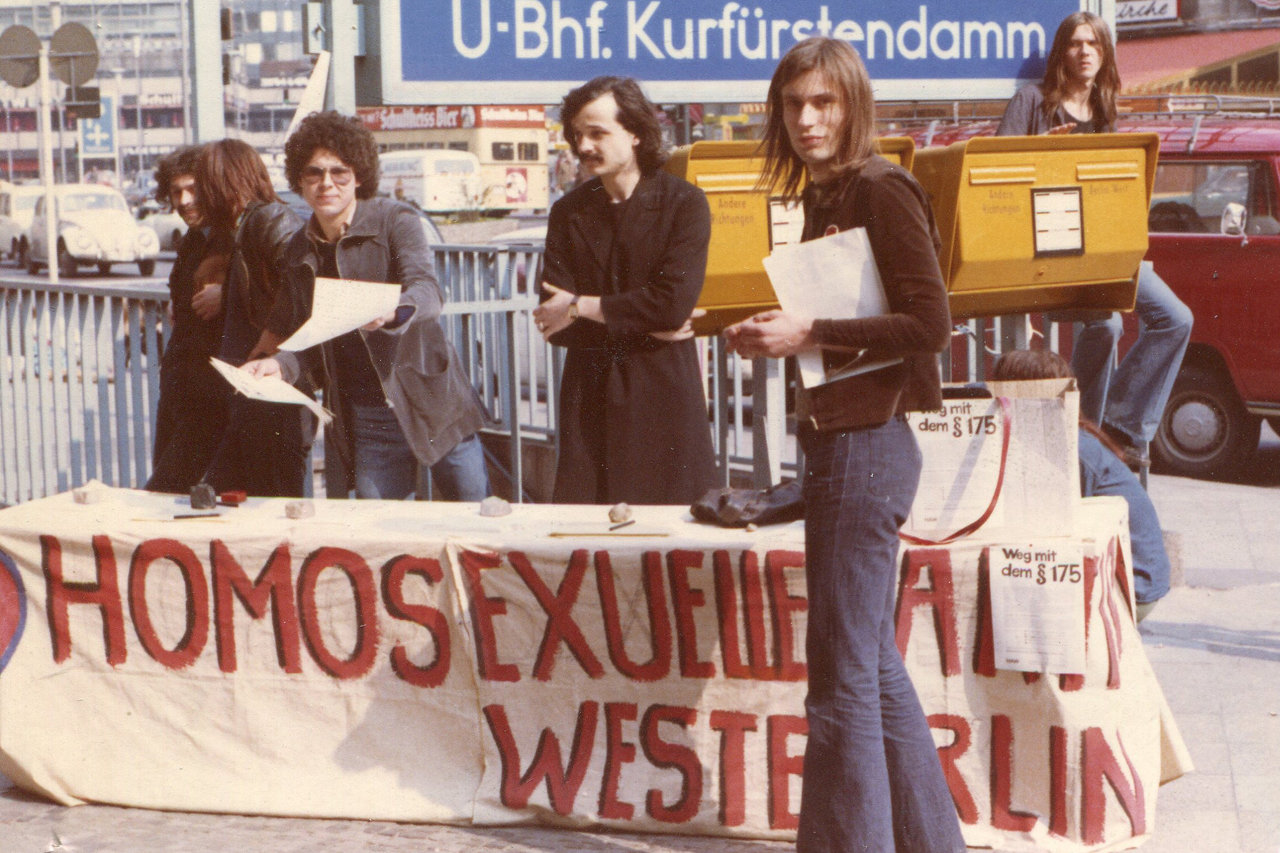
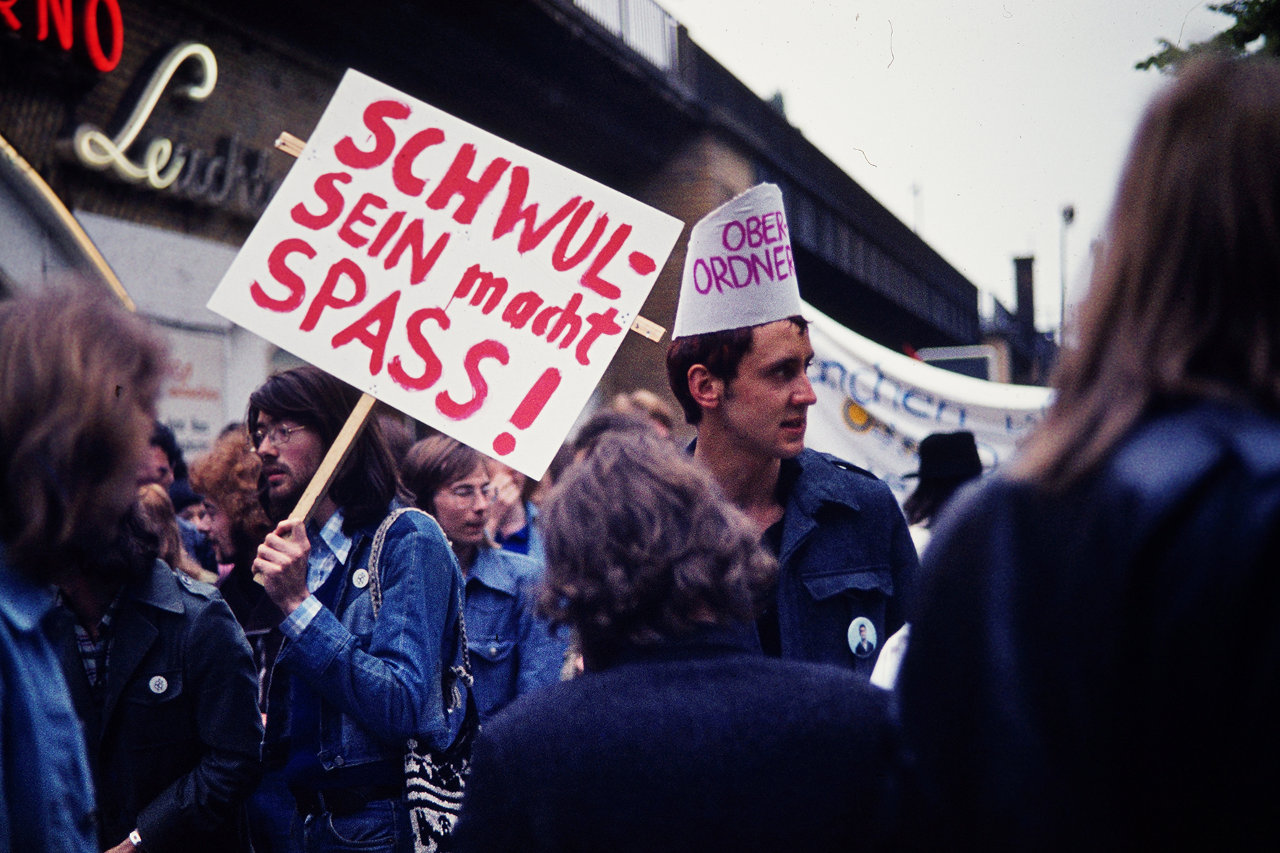
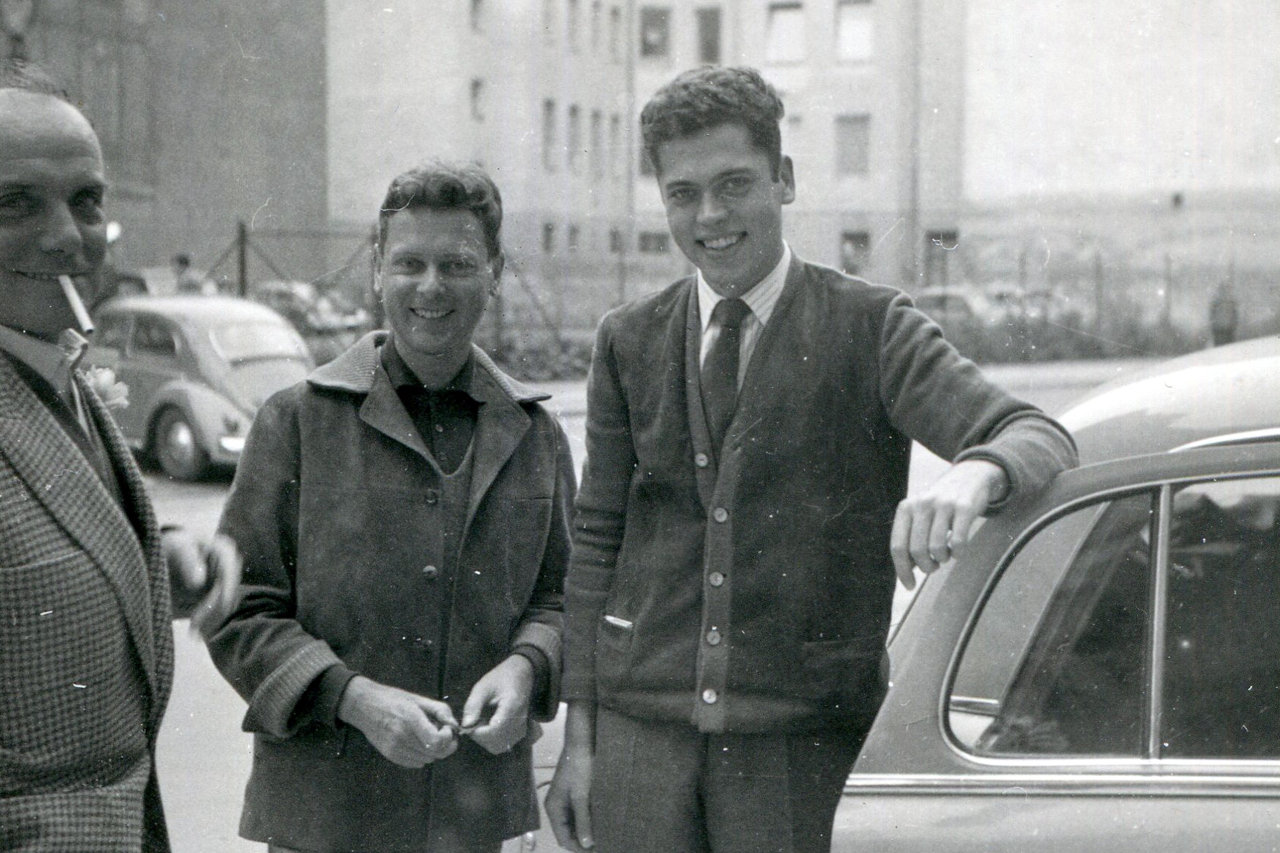
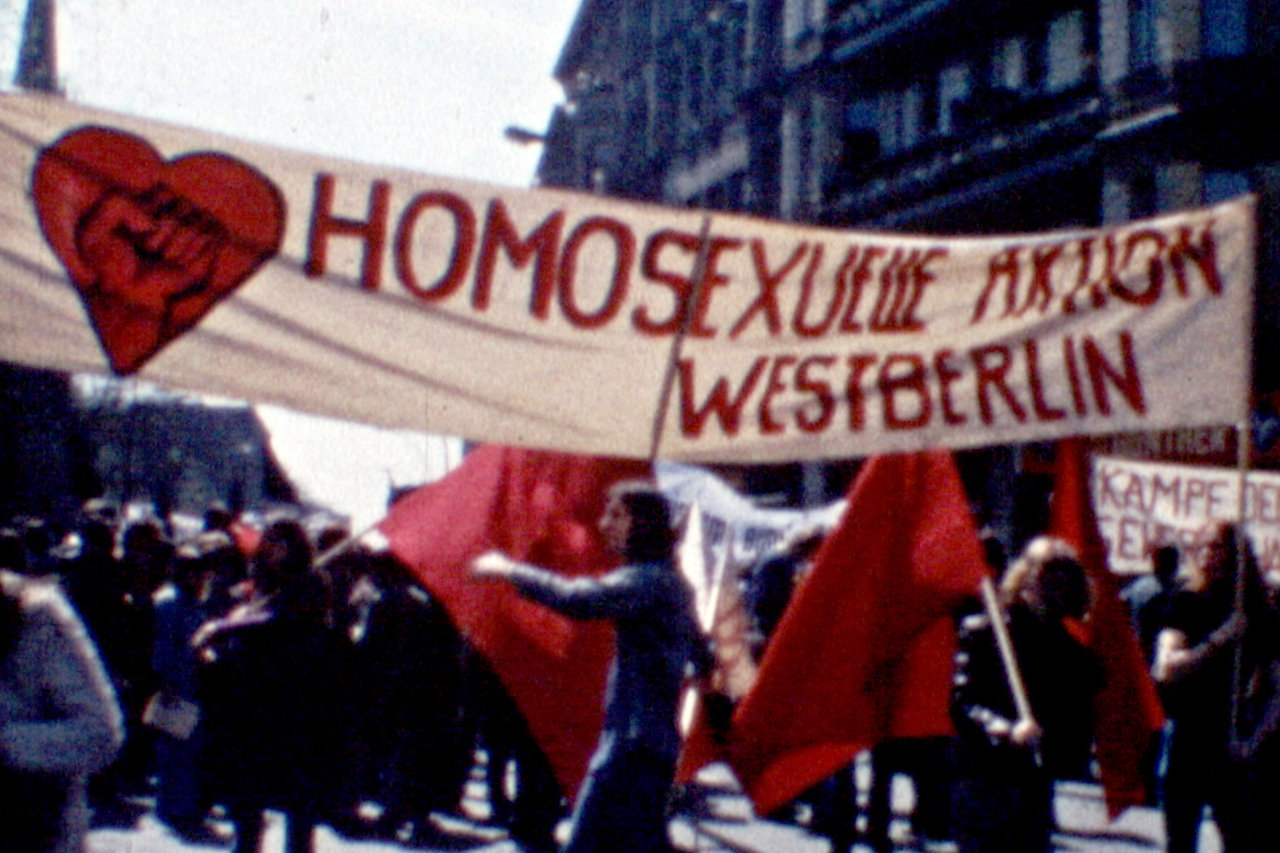
Ein Rückblick, der in den 1950er Jahren beginnt, als Verfolgung und Bestrafung homosexueller Männer mit dem seit 1872 bestehenden §175 legitimiert wurde. Offen und vielfältig, die beiden Attribute, die Berlin jetzt schmücken, war die Stadt früher nicht. Freiraum musste erst geschaffen werden, langsam aber stetig wuchs in den folgenden Jahren die Subkultur, neue Szene-Bars und Clubs belebten West-Berlin. Das Private wurde politisch, der gesellschaftliche Wandel musste mühsam erkämpft werden. „Mein wunderbares West-Berlin“ ist eine Art Oral-History der Schwulenbewegung, eine wertvolle Aufzeichnung der lebensgeschichtlichen Erinnerungen vieler Akteure, der Film hält fest, wie repressiv es einmal war und wie langsam wurde, was nun ist.
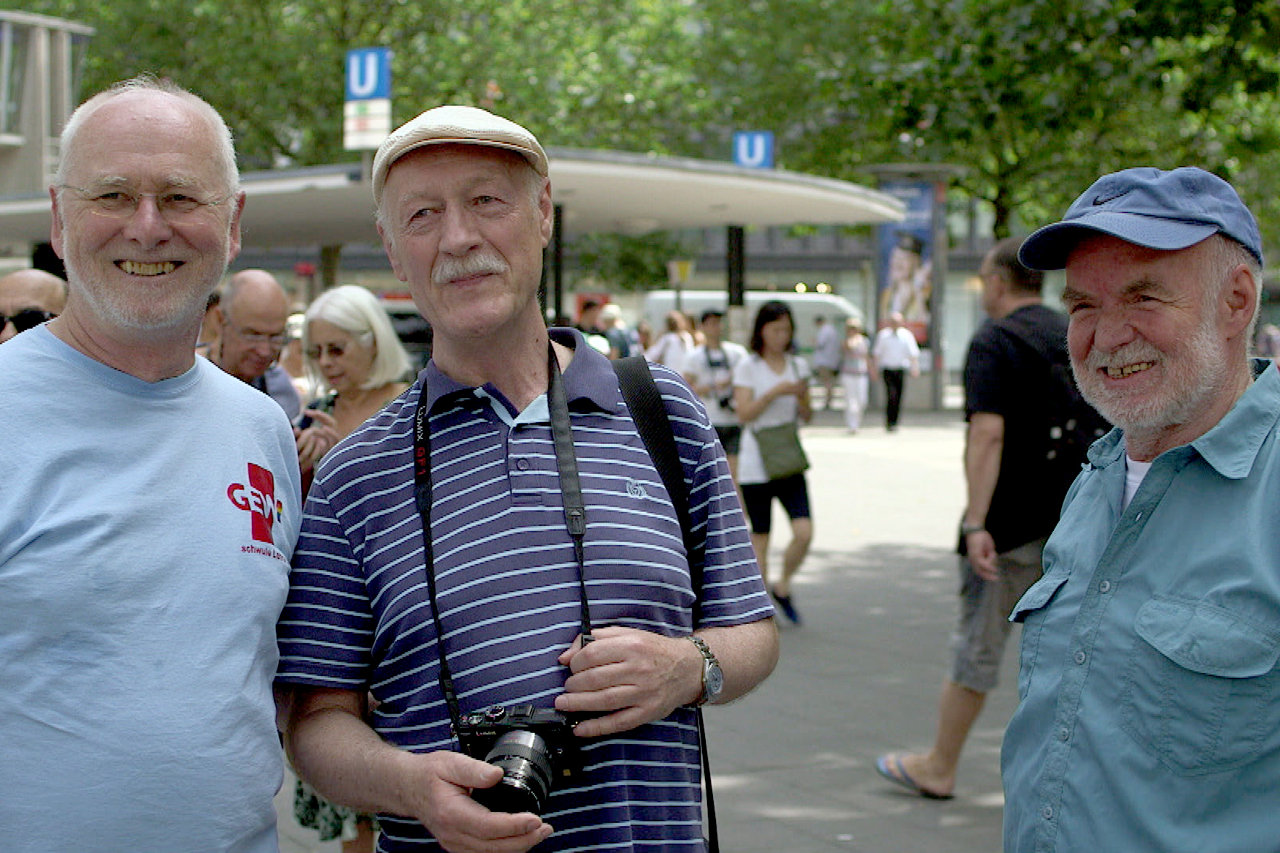
„Es ist eine große Freude, Hicks enigmatischen Protagonist*innen zuzusehen und zuzuhören, wie sie sehr offen, oft uneitel und ohne Pathos oder Verklärung auf ihre mal schönen, mal schwierigen Zeiten in Westberlin zurückblicken. Sicher hat es mit der Nähe zum Filmemacher zu tun, dass hier Gespräche auf Augenhöhe geführt werden und manchmal sehr intime Einblicke in Privates nie den Verdacht aufkommen lassen, hier werde jemand ausgestellt. Für einen Dokumentarfilm ist das ein großer Glücksgriff, denn gerade weil die große Emotionalisierung vermieden wird, wird im Film auf sehr bewegende Art ein großes Stück Zeitgeschichte umso lebendiger.“ Toby Ashraf, Indiekino

Buch, Regie: Jochen Hick
Kamera: Alexander Gheorghiu, Jochen Hick
Schnitt: Thomas Keller
Mein wunderbares West-Berlin – Trailer für die offizielle Website from Salzgeber & Co. Medien GmbH on Vimeo.A film by Jochen Hick. Starts 29.6. at the fsk.
In West Berlin in the 1960s it was possible to find bars where men could be left to themselves – a fact that was to turn the city into a magnet for young gay men. The protagonists of this film, all still active members of the community today, recall those early years in the city. Theirs are memories of a community that fought steadily for its existence, and of its change, right up to the fall of the Wall. Faced with considerable social repression in the 1970s, a collective gay identity began to emerge, and the ‘West Berlin homosexual campaign’ called for the abolition of paragraph 175 and the overthrow of patriarchy. Ruined buildings become the venues for new ways of living together such as all-male communes or the ‘queer house’. Cottaging, East-West affairs, leather bars, drag performances in the subway – an anarchic kind of joy outshines past suffering. A decade later, AIDS was to hit Berlin. After Out in Ost-Berlin (Out In East Berlin) Jochen Hick explores queer lifestyles in the West of the city and the roots of a fascination that the metropolis still holds as a refuge – and not just for gay men. A fascinating journey through time featuring previously unpublished archive material.