Zustand und Gelände

A film by Ute Adamczewski. In German with English subtitles

[Credits] [Tickets & Termine] [Trailer]

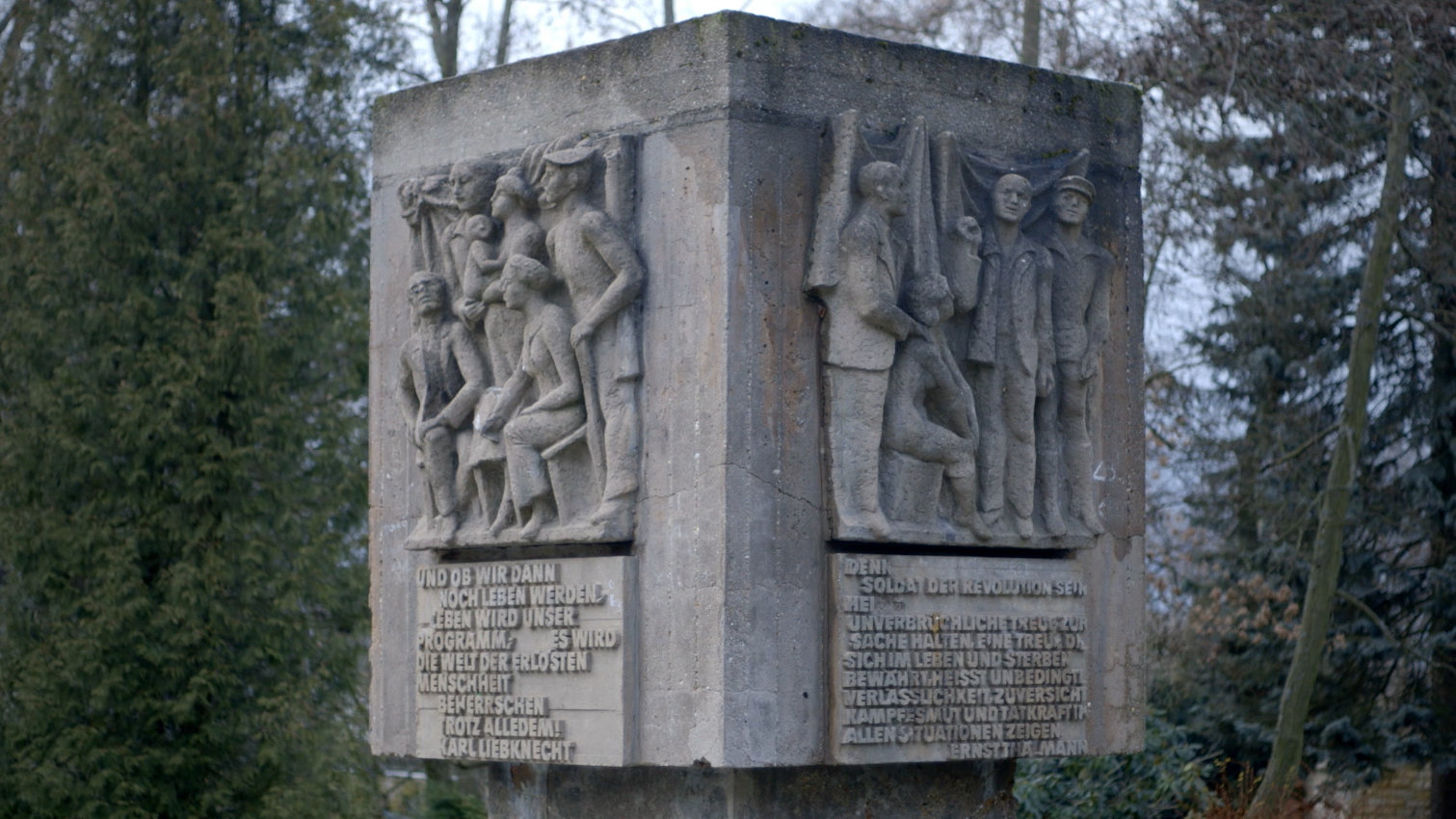
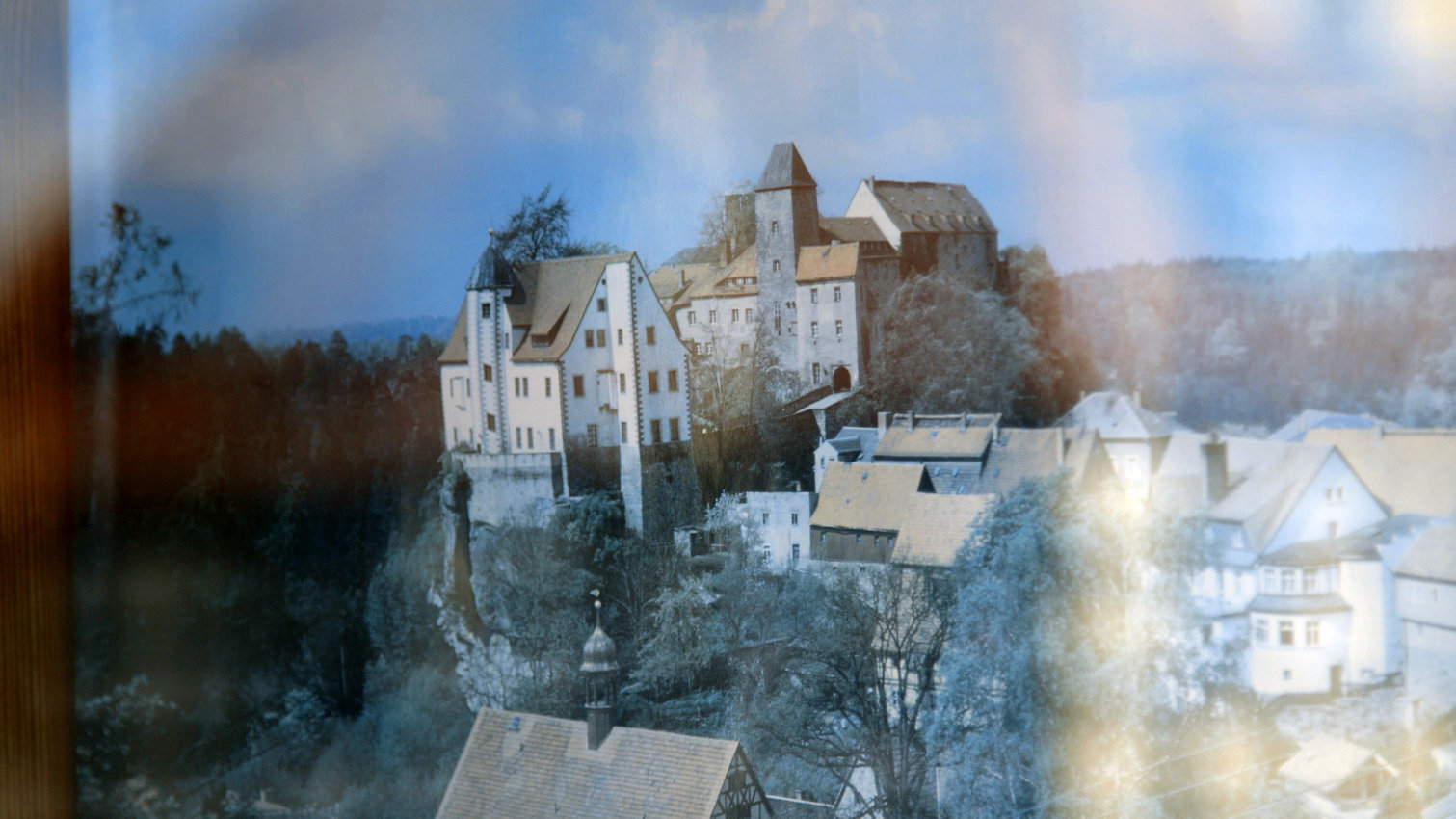
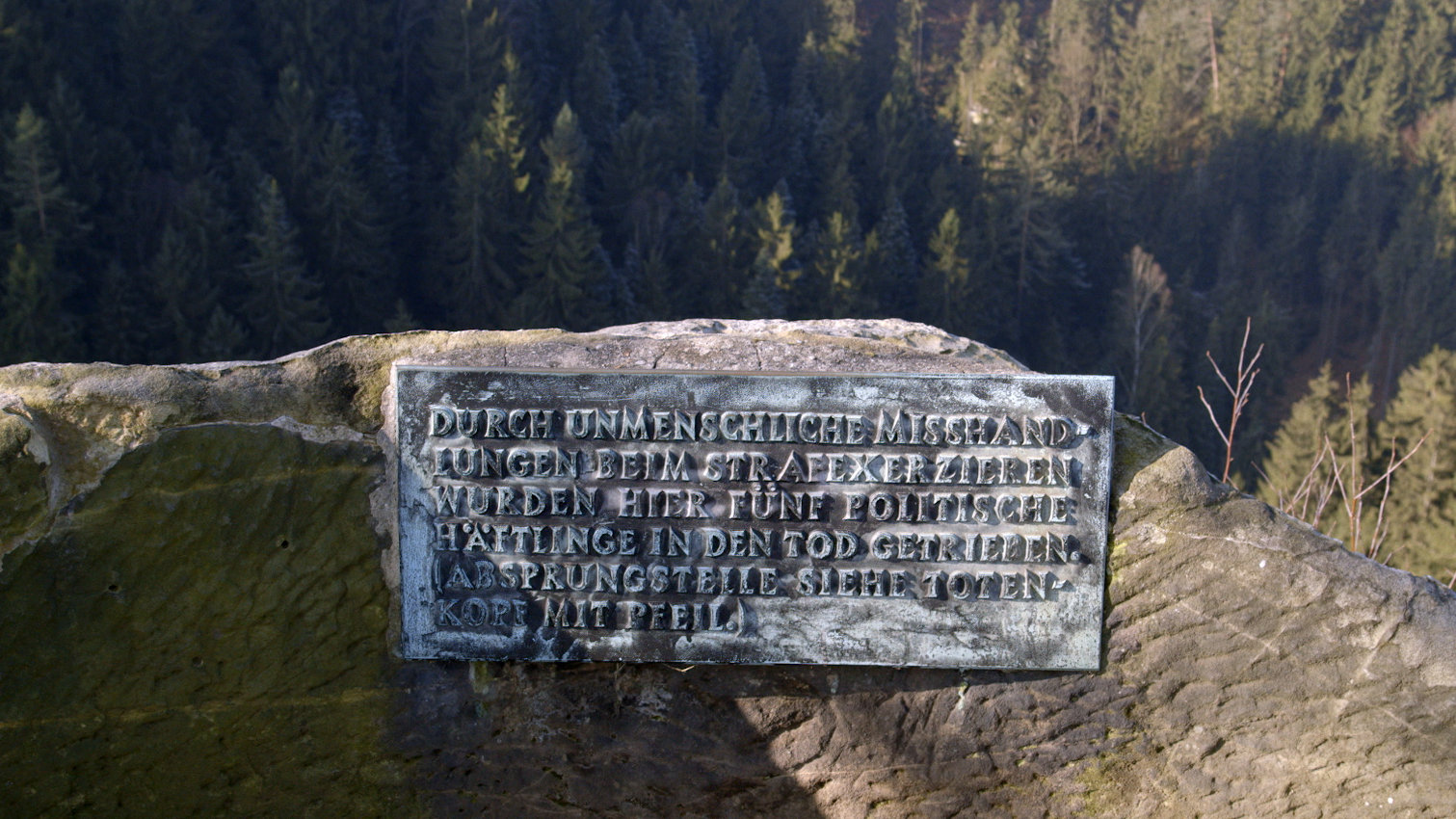
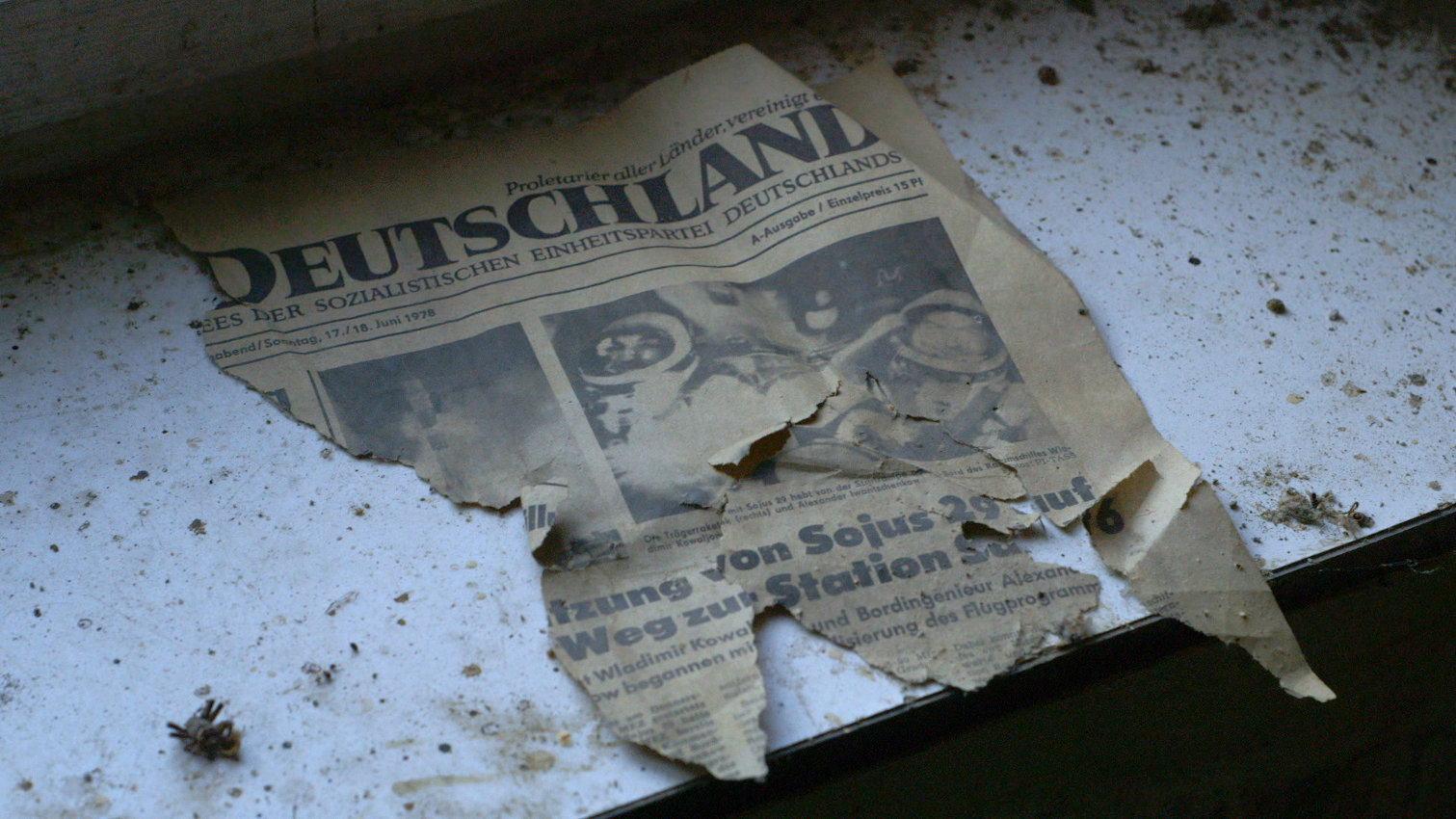
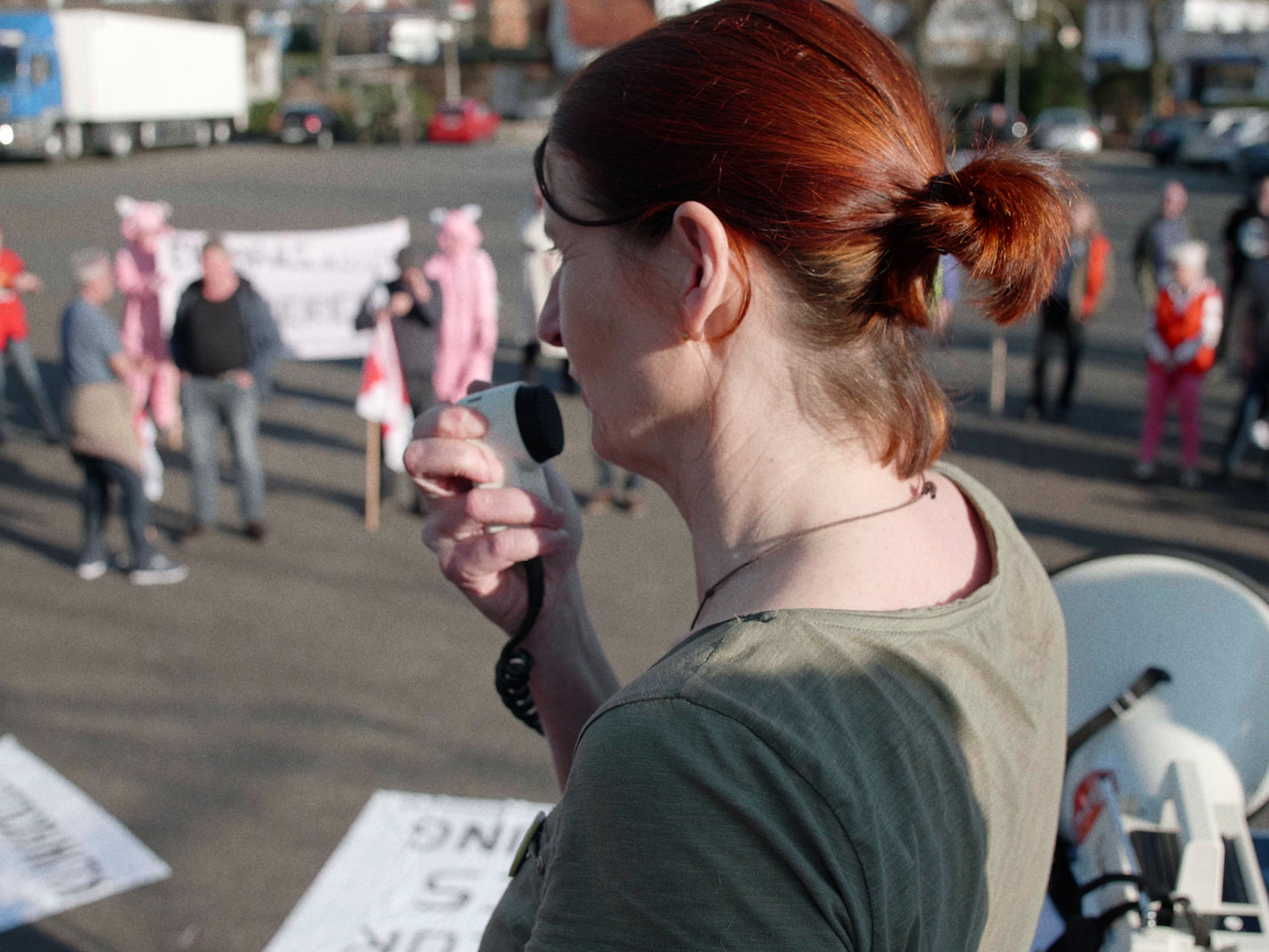
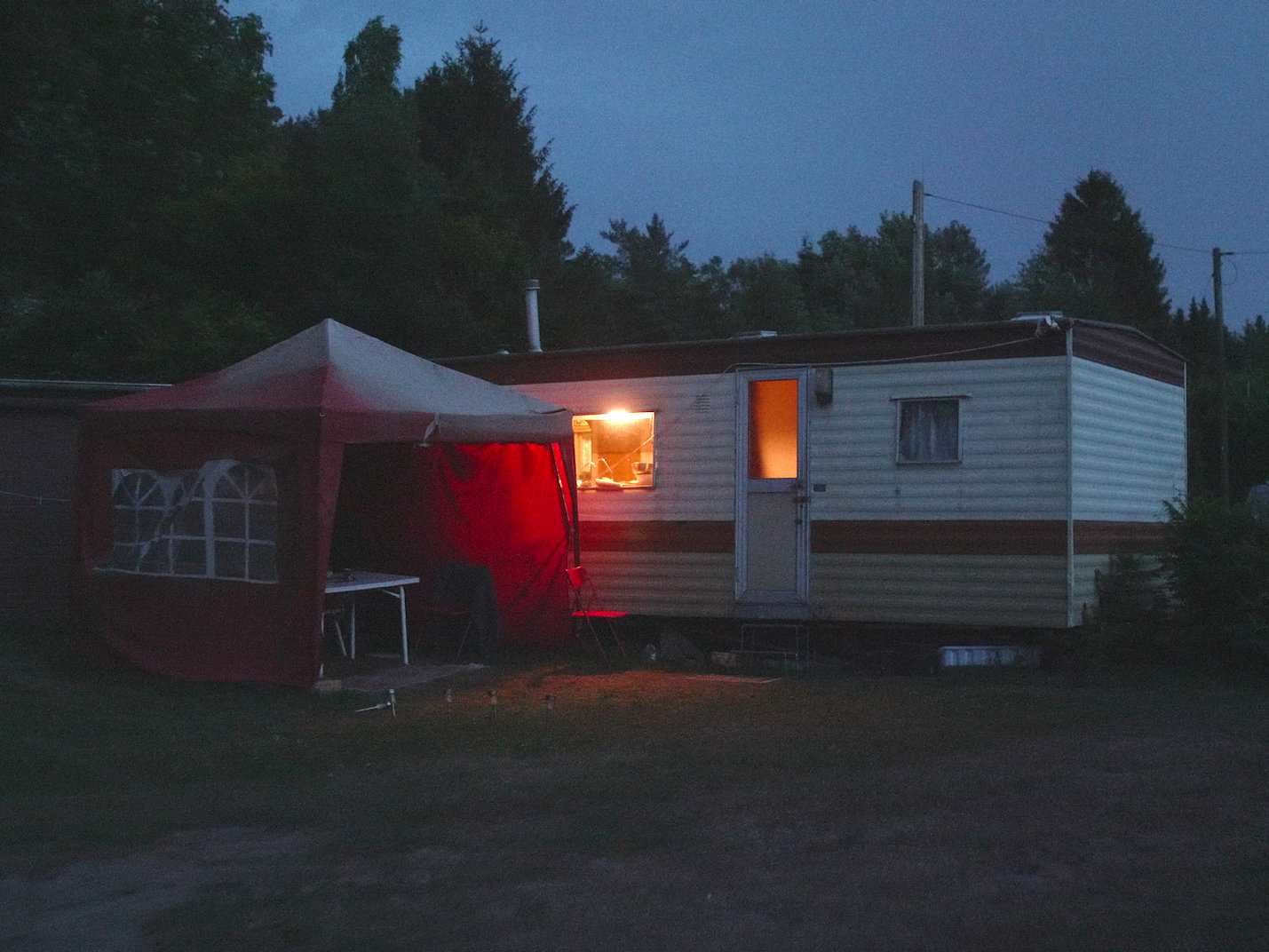
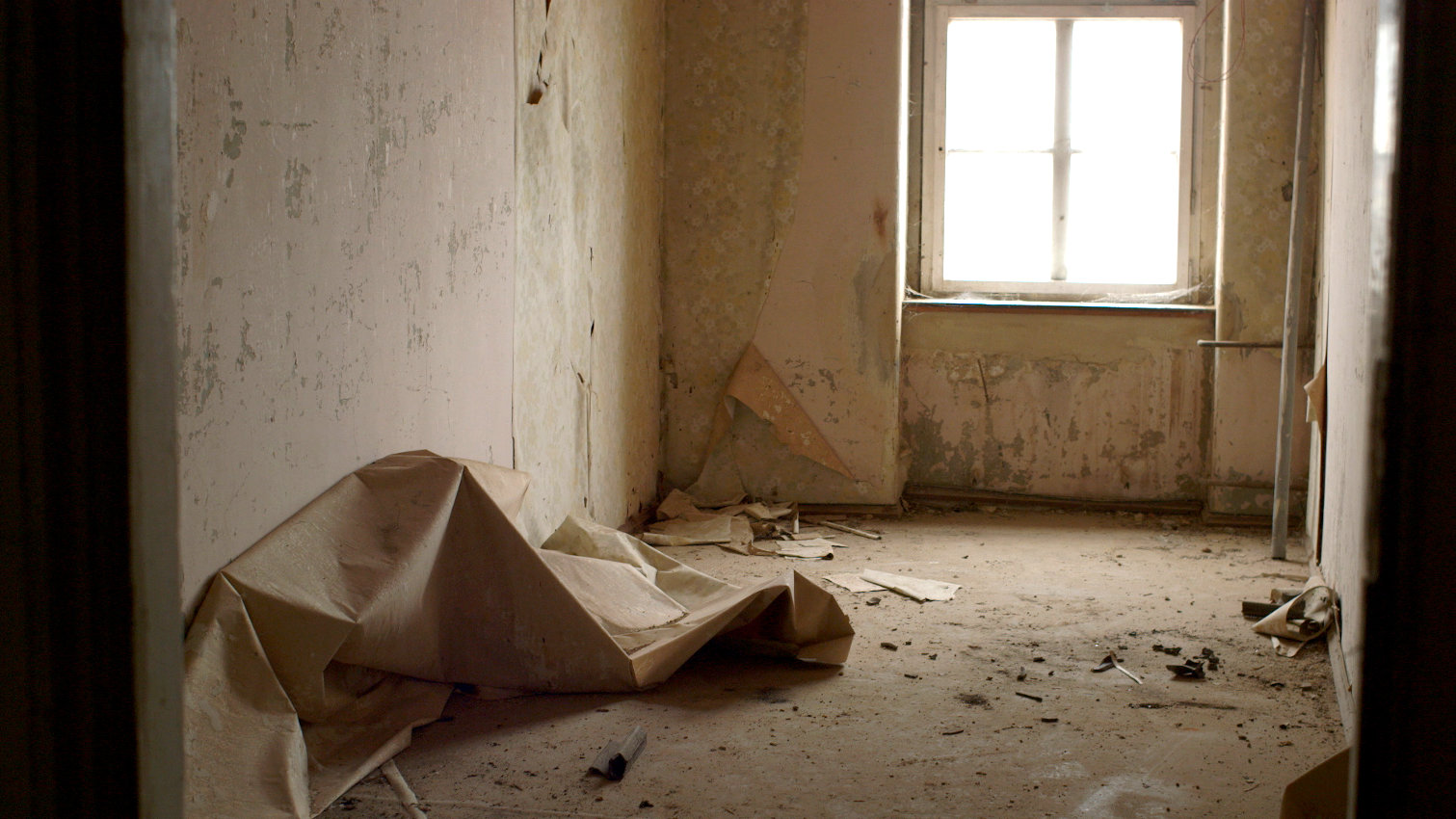
The title alre­a­dy indi­ca­tes that this is about two levels. History and the pre­sent, archi­ve and pre­sence – the­se are the terms Ute Adamczewski uses to descri­be the ten­si­on bet­ween sta­te and ter­rain. The series of dicho­to­mies could be con­tin­ued with “image and sound”. What we see in the­se two hours are towns, places and land­scapes in Saxony. They all have a con­nec­tion to events imme­dia­te­ly after the Nazis sei­zed power in 1933. At that time the hunt for poli­ti­cal oppon­ents began which affec­ted so many that num­e­rous, part­ly impro­vi­sed pri­sons and camps were built in the area.

An off-screen woman’s voice calm­ly reads from docu­ments of the peri­od, sup­ple­men­ted and expan­ded by memoirs of tho­se affec­ted from the post-war peri­od. Historical-poli­ti­cal aspects are added suc­ces­si­ve­ly. In the GDR, only tho­se who had fought against fascism were regard­ed as “vic­tims of fascism”. Jews were no vic­tims in that sen­se. This finds a remar­kab­le par­al­lel in the fact that even the Nazis in their attempts to bring order to the per­se­cu­ti­ons of 1933 (still) excluded the Jews: “Foreign des­cent is no reason for pro­tec­ti­ve detenti­on.” An impres­si­ve film about the pre­sence of the past, both in form and content.

Bert Rebhandl
[nbsp]
Credits:

DE 2019, 118 Min., OmeU, 
Regie, Buch, Schnitt: Ute Adamczewski
Kamera: Stefan Neuberger

Termine:

  • noch keine 

[nbsp]
Trailer:

Zustand und Gelände (offi­zi­el­ler Trailer) from Grandfilm on Vimeo.

nach oben

Category: archiv

  • Zustand und Gelände

    Zustand und Gelände

    A film by Ute Adamczewski. In German with English subtitles

    [Credits] [Tickets & Termine] [Trailer]

    The title alre­a­dy indi­ca­tes that this is about two levels. History and the pre­sent, archi­ve and pre­sence – the­se are the terms Ute Adamczewski uses to descri­be the ten­si­on bet­ween sta­te and ter­rain. The series of dicho­to­mies could be con­tin­ued with “image and sound”. What we see in the­se two hours are towns, places and land­scapes in Saxony. They all have a con­nec­tion to events imme­dia­te­ly after the Nazis sei­zed power in 1933. At that time the hunt for poli­ti­cal oppon­ents began which affec­ted so many that num­e­rous, part­ly impro­vi­sed pri­sons and camps were built in the area.

    An off-screen woman’s voice calm­ly reads from docu­ments of the peri­od, sup­ple­men­ted and expan­ded by memoirs of tho­se affec­ted from the post-war peri­od. Historical-poli­ti­cal aspects are added suc­ces­si­ve­ly. In the GDR, only tho­se who had fought against fascism were regard­ed as “vic­tims of fascism”. Jews were no vic­tims in that sen­se. This finds a remar­kab­le par­al­lel in the fact that even the Nazis in their attempts to bring order to the per­se­cu­ti­ons of 1933 (still) excluded the Jews: “Foreign des­cent is no reason for pro­tec­ti­ve detenti­on.” An impres­si­ve film about the pre­sence of the past, both in form and content.

    Bert Rebhandl
    [nbsp]
    Credits:

    DE 2019, 118 Min., OmeU, 
    Regie, Buch, Schnitt: Ute Adamczewski
    Kamera: Stefan Neuberger

    Termine:

    • noch keine 

    [nbsp]
    Trailer:

    Zustand und Gelände (offi­zi­el­ler Trailer) from Grandfilm on Vimeo.
    nach oben

  • Maternal

    Maternal

    A film by Maura Delpero. In Spanish and Italian with German subtitles.

    [Credits] [Tickets & Termine] [Trailer]

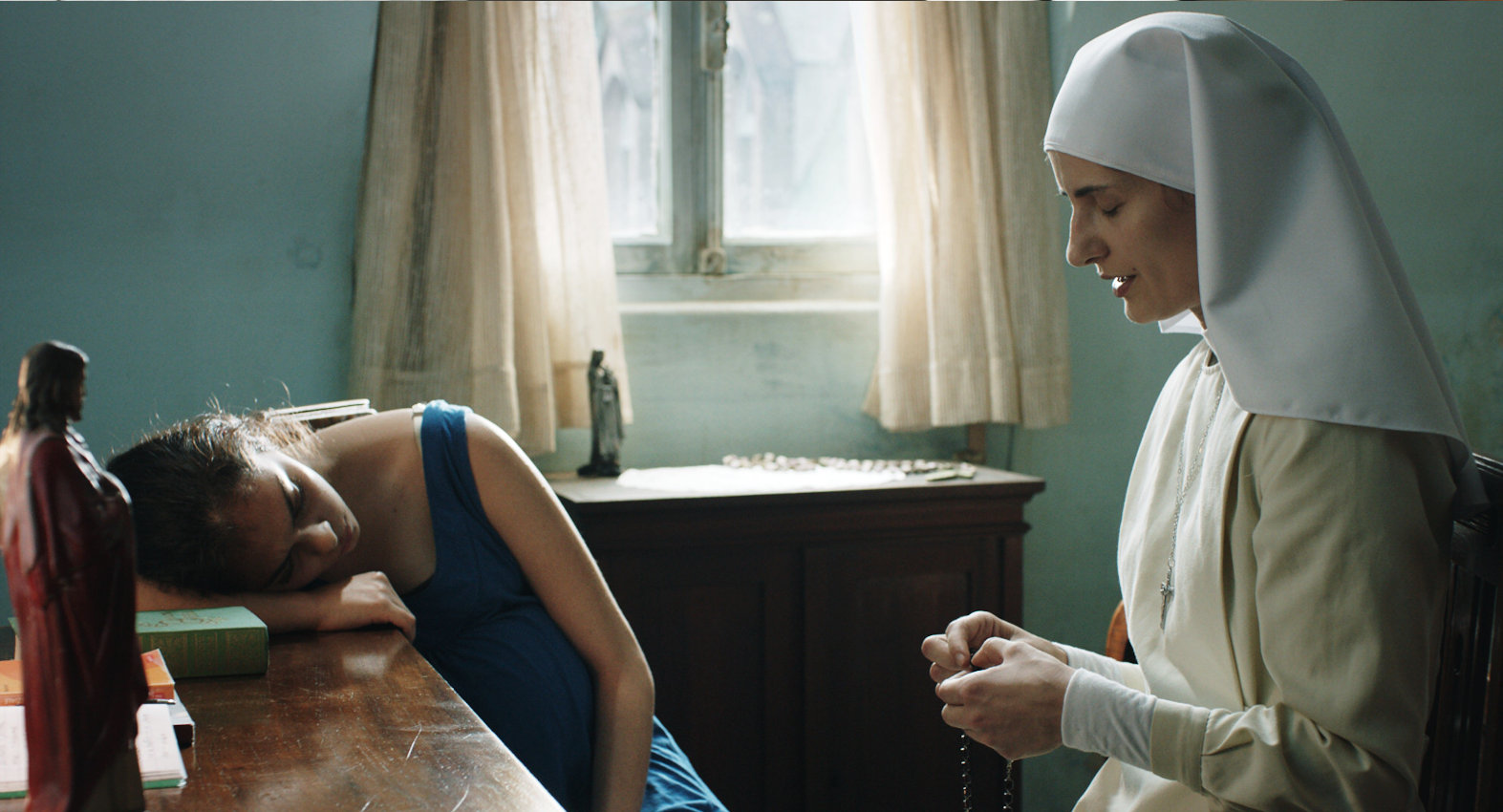
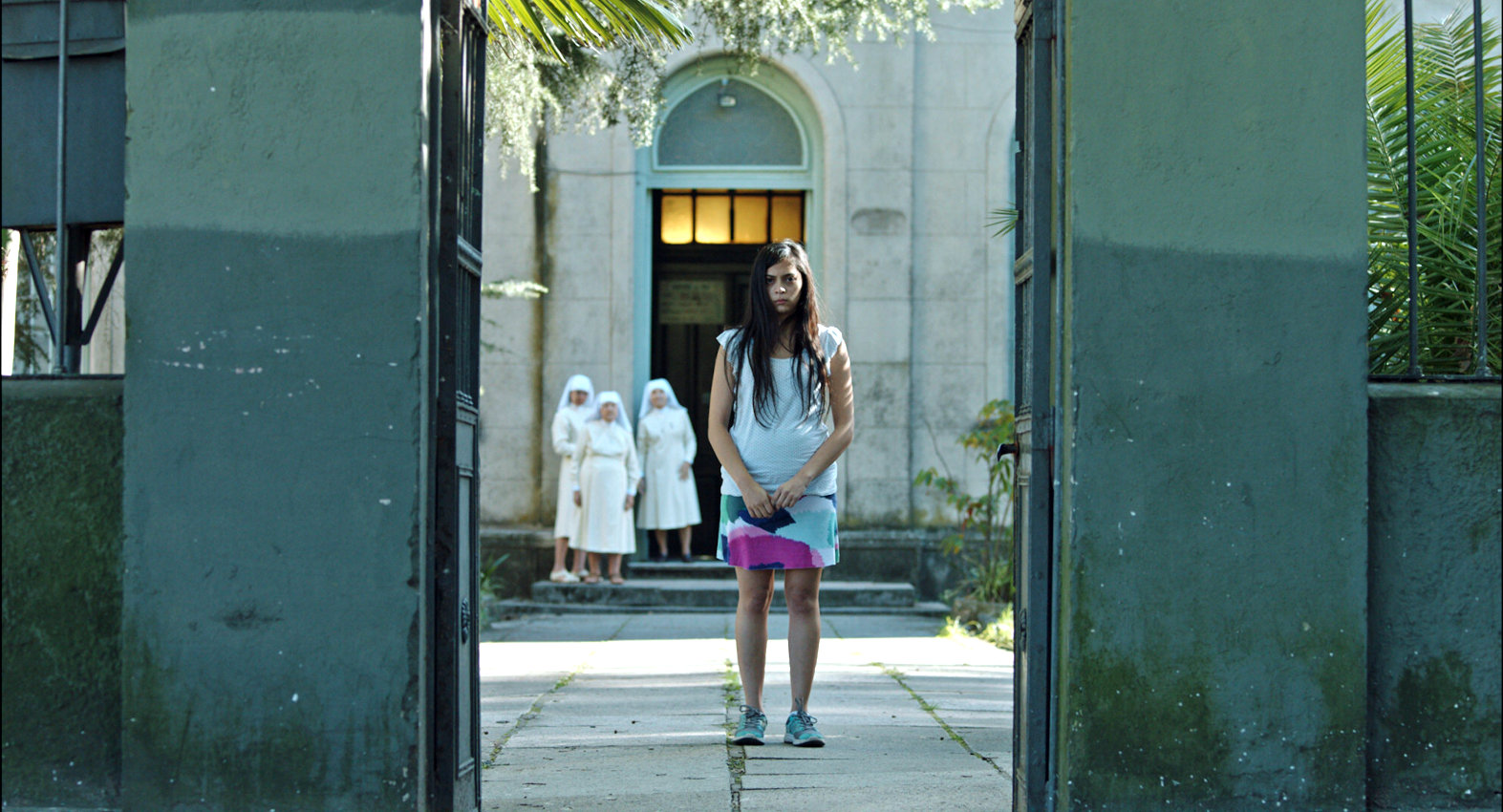
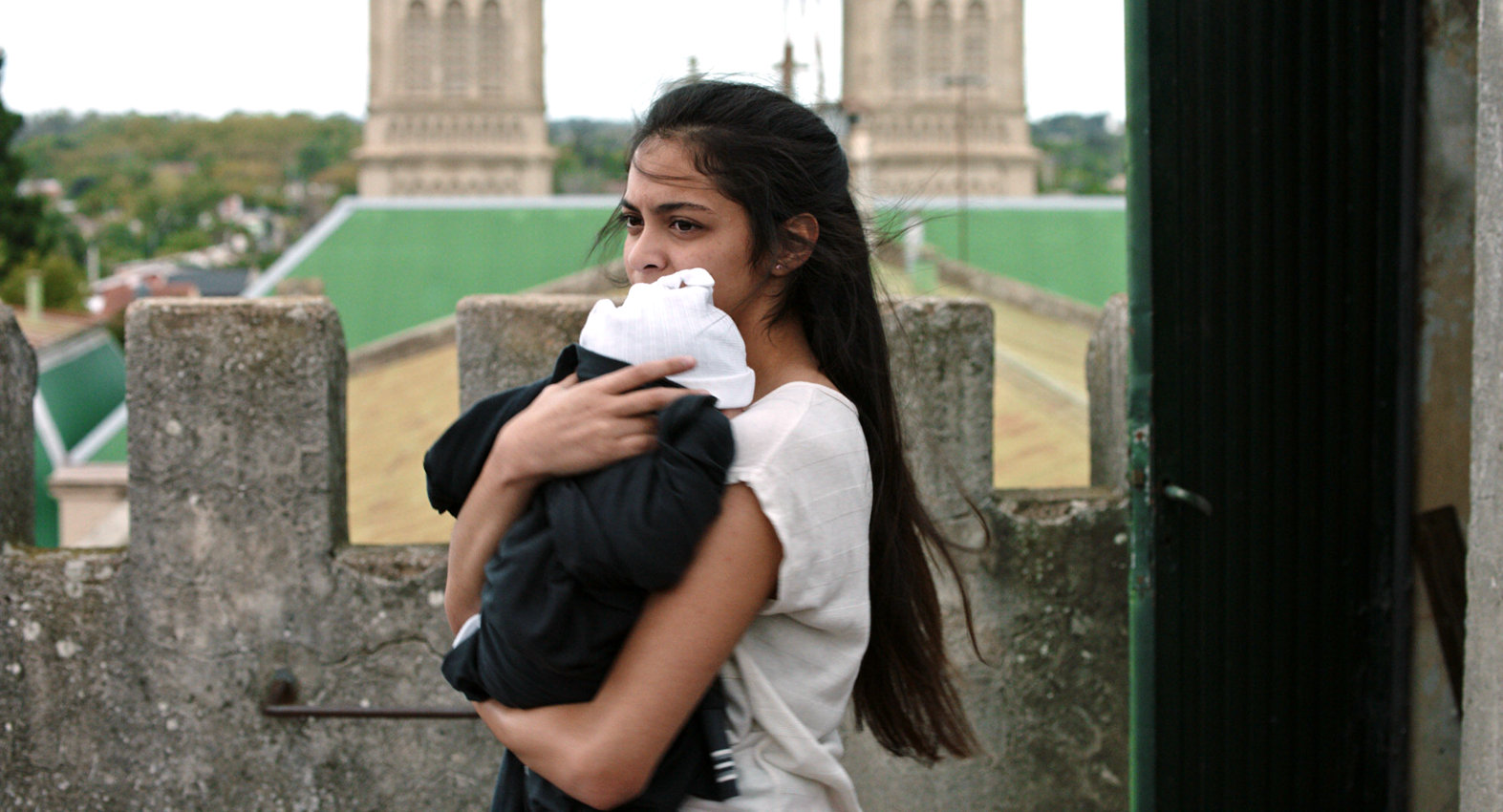
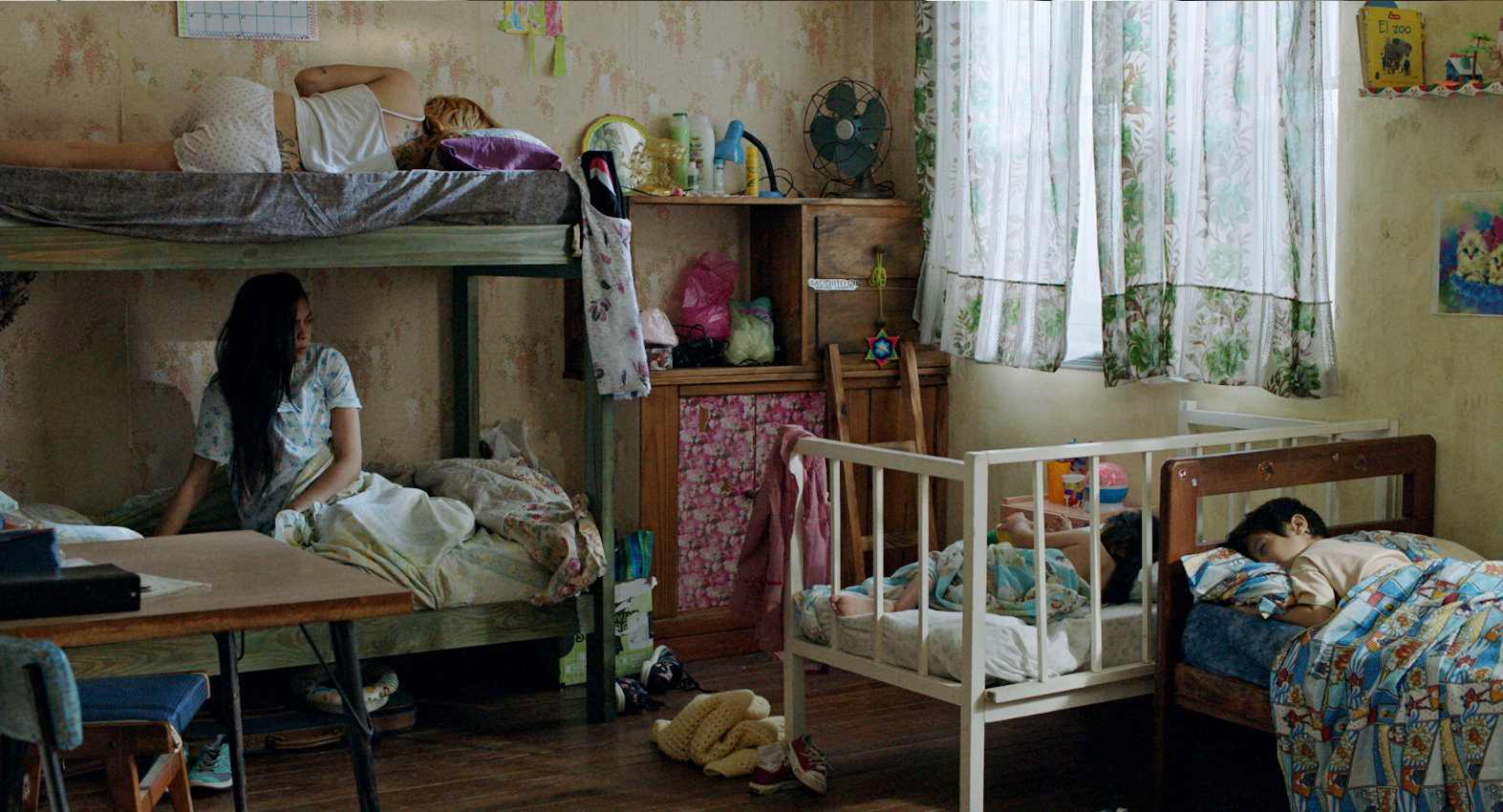
    In a coun­try whe­re abor­ti­on is not yet legal, Delpero’s first fic­tion film deals with a signi­fi­cant social issue by start­ing from an emble­ma­tic set­ting whe­re pregnant and often underage girls coha­bit with women who will never be mothers. The direc­tor subt­ly plays on this under­ly­ing ten­si­on, buil­ding a nar­ra­ti­ve brought to life by the prot­ago­nists’ glan­ces and silen­ces.
    Daniela Persico

    Credits:

    IT/AR 2019, 91 Min., ital./span. OmU
    Regie: Maura Delpero
    Kamera: Soledad Rodriguez
    Schnitt: Ilaria Fraioli, Luca Mattei
    mit: Lidiya Liberman, Denise Carrizo, Agustina Malale, Isabella Cilia, Alan Rivas, Livia Fernán, Marta Lubos, Renata Palminiello

    Termine:

    • noch keine 

    Trailer:

    top

  • Olanda

    Olanda

    A film by Bernd Schoch. In Romanian with German and English subtitles.

    [Credits] [Tickets & Termine] [Trailer]

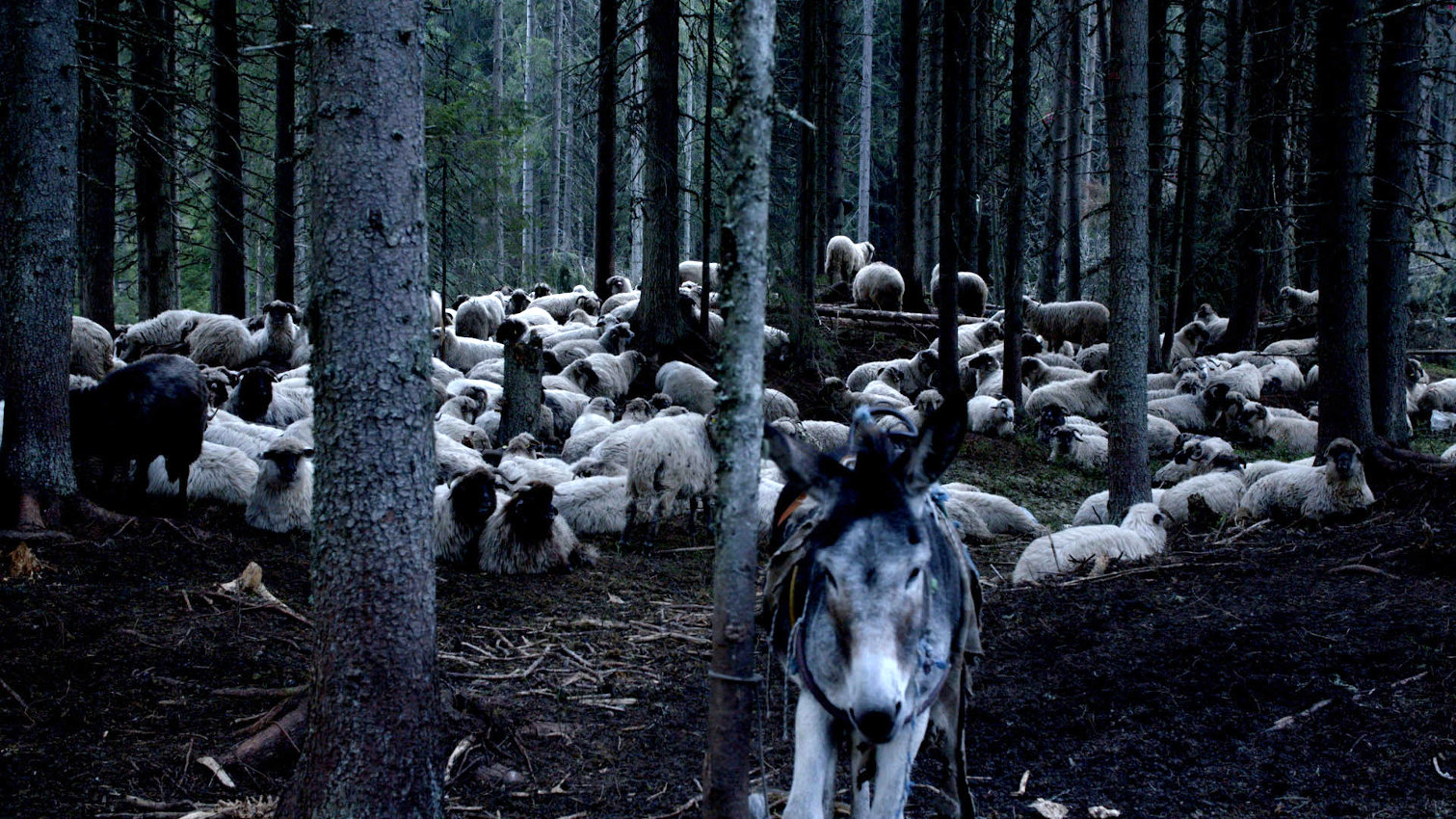
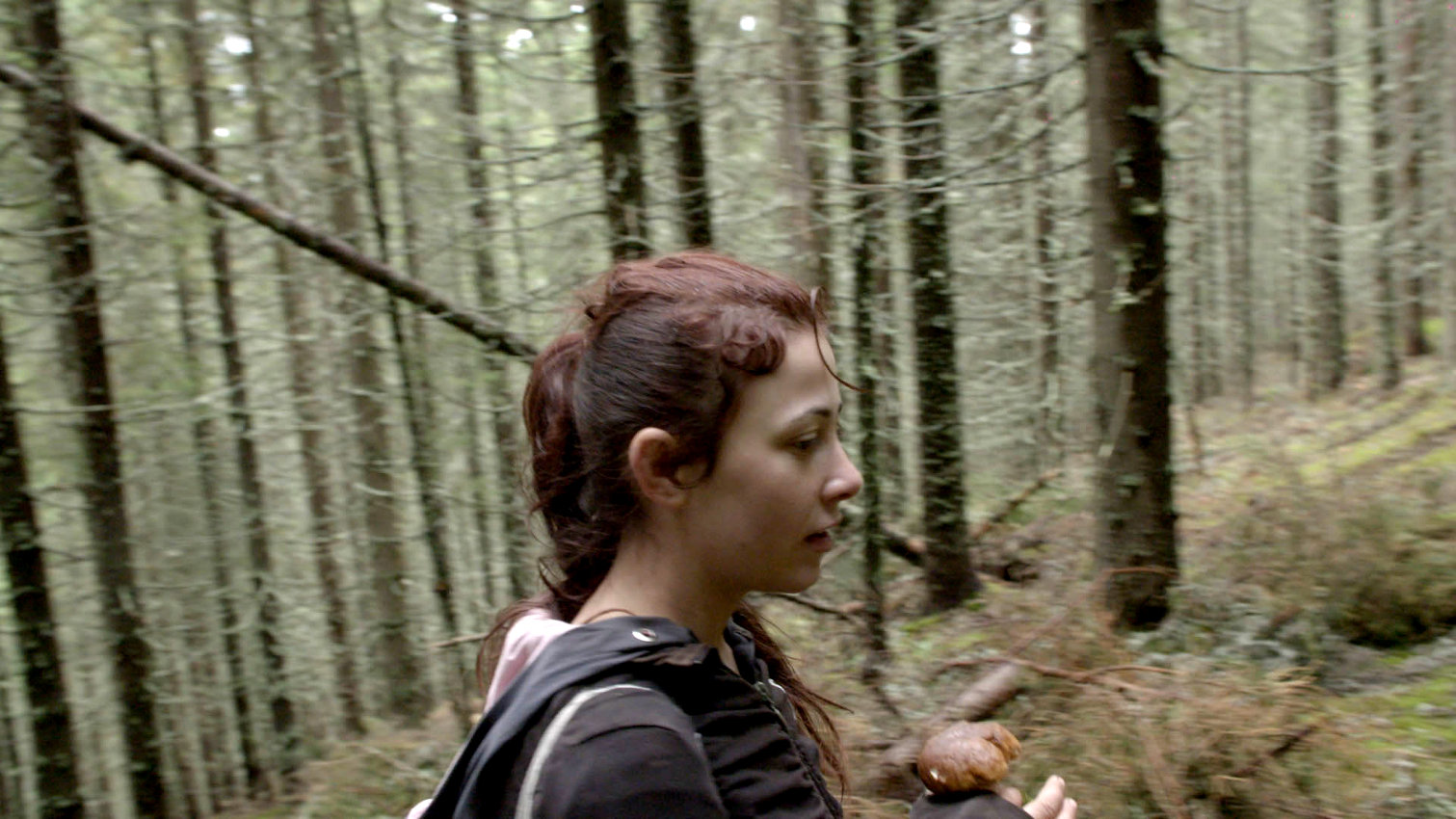
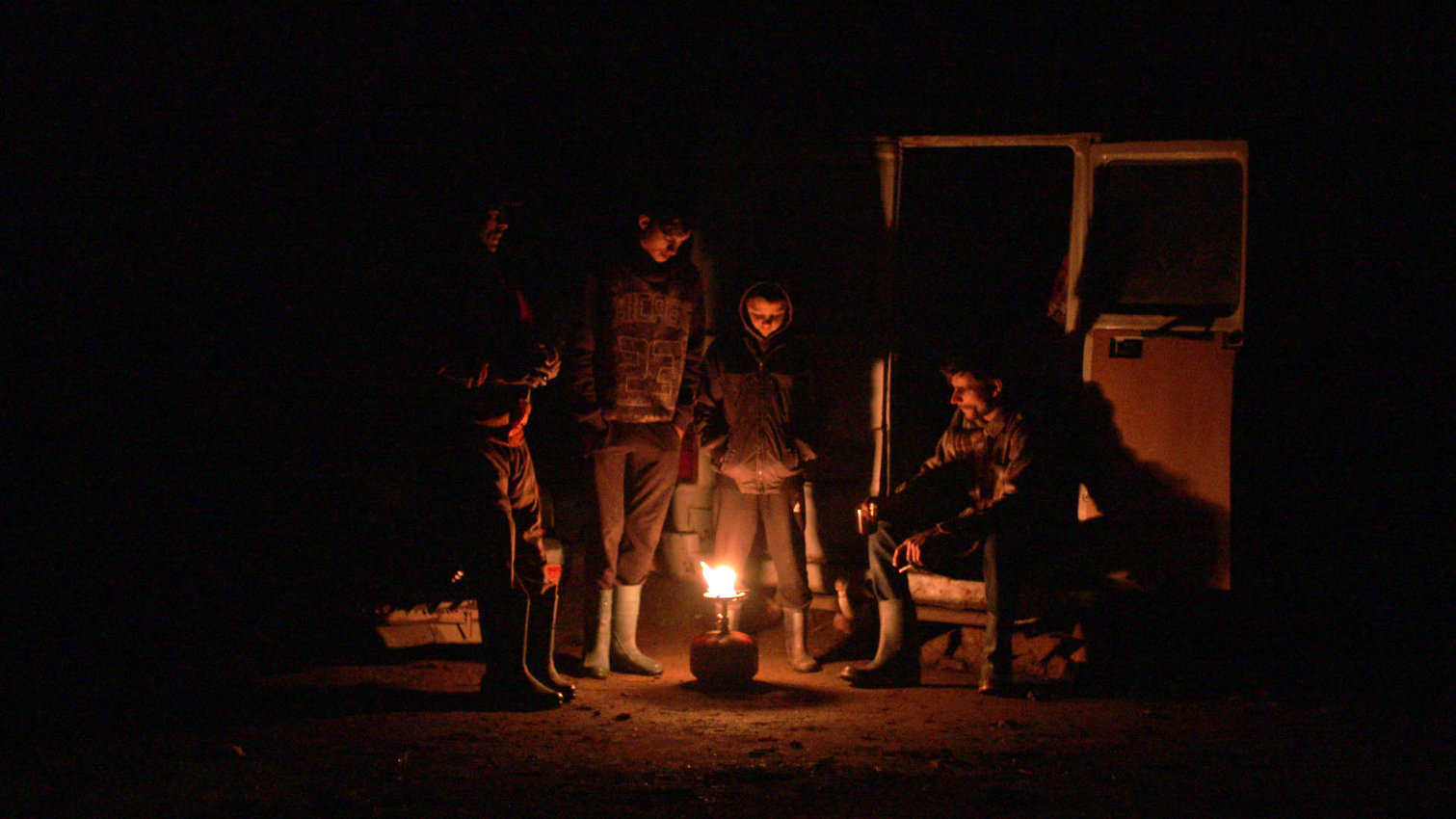
    A spraw­ling myce­li­um. The star­ry sky over the Romanian Carpathians. The first two images intro­du­ce the dimen­si­ons that are at the core of Olanda: details and fine struc­tures on the one hand, con­stel­la­ti­ons and the big­ger pic­tu­re on the other. The focus is on a sea­so­nal asset of the area – the mush­room. Amongst peo­p­le it is the fora­gers who are nea­rest to them and the focus of the film is on them: on walks through the forest, in the tent camp, during car rides and con­ver­sa­ti­ons. From here it fol­lows the rhi­zo­me-like rami­fi­ca­ti­ons that con­ti­nue to branch out in the form of money: to local and inter­na­tio­nal mer­chants, to an impro­vi­sed shoe mar­ket in a clea­ring, to gambling among col­le­agues. The film tells of the­se tra­ding cycles by assum­ing a mush­room-like struc­tu­re wit­hout ever losing its cent­re of thought. Beyond an ana­ly­sis of eco­no­mic struc­tures, howe­ver, it is also the sen­su­al docu­ment of a rhythm of ever­y­day life in the forest, as expe­ri­en­ced by fora­gers as the first link in the recy­cling chain. In the cine­ma, it can be expe­ri­en­ced as an audio­vi­su­al mush­room-trip into the magi­cal world of the Carpathian forests.

    [nbsp]
    Credits:

    DE 2019, 154 Min., rumä­ni­sche OmU
    Regie: Bernd Schoch
    Kamera: Simon Quack
    Schnitt: Bernd Schoch, André Siegers

    [nbsp]
    Trailer:

    OLANDA • Trailer EN subs from fuen­fer­film on Vimeo.


    top

  • Und morgen die ganze Welt

    Und morgen die ganze Welt

    A film by Julia von Heinz. In German with English subtitles.

    [Credits] [Tickets & Termine] [Trailer]

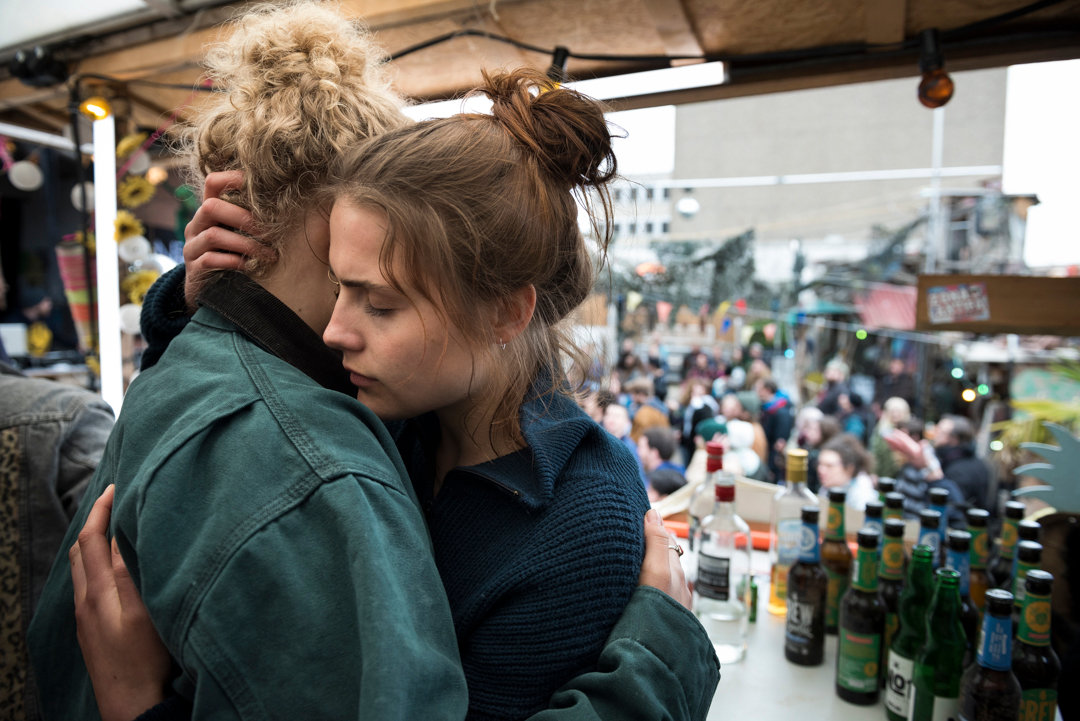
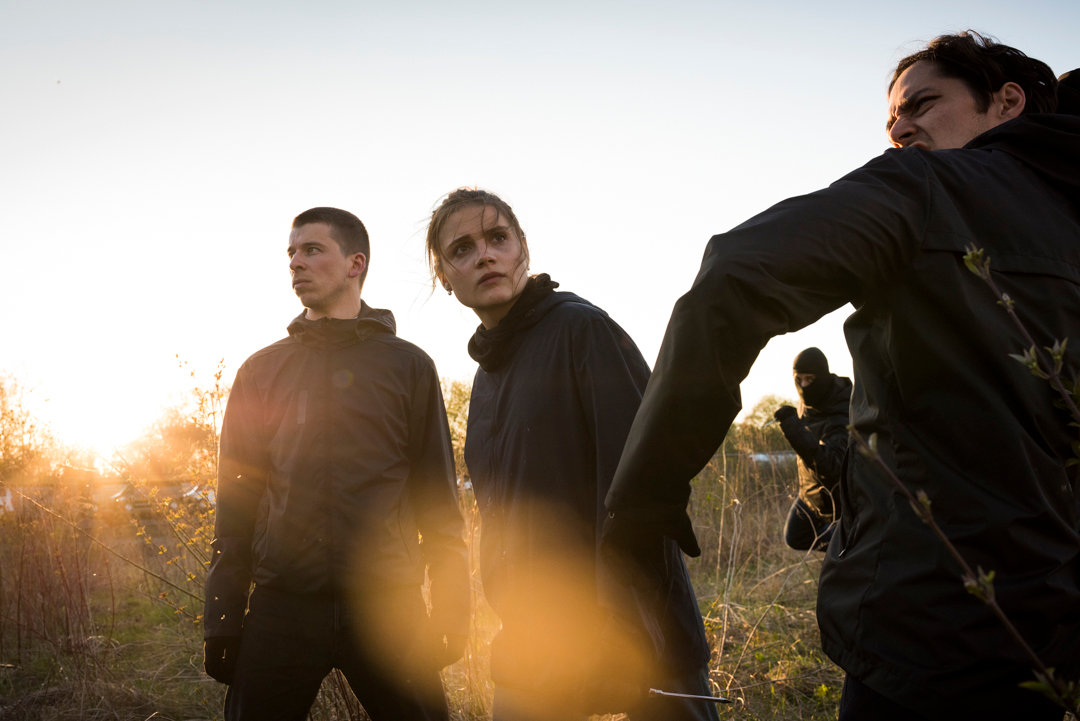
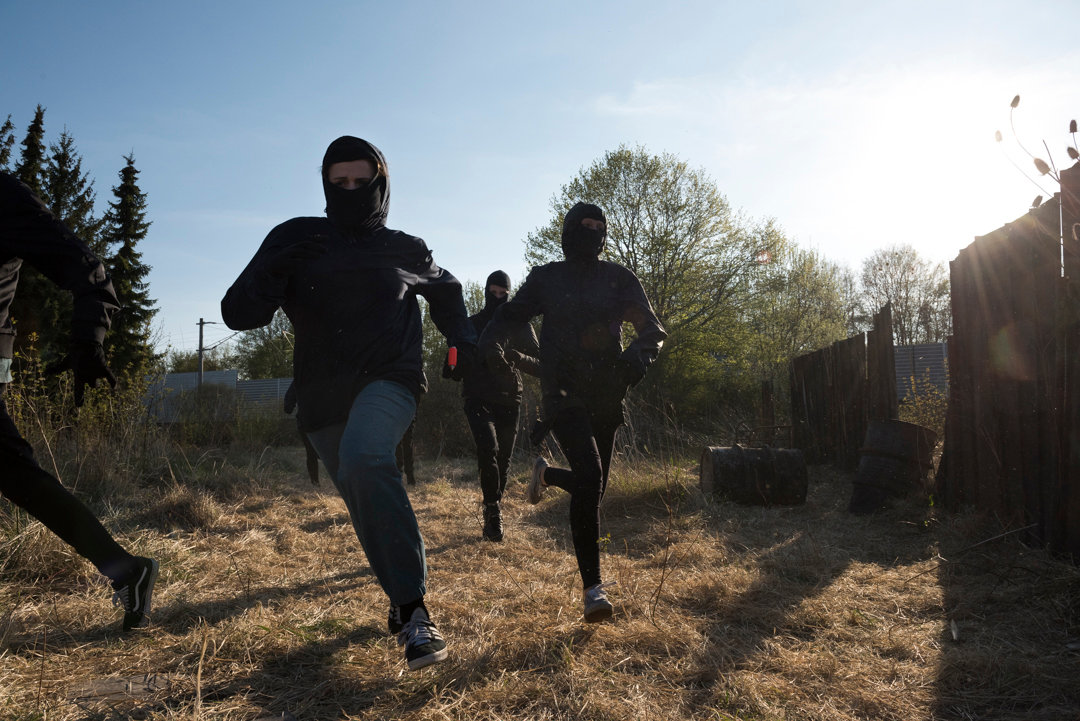
    Germany is struck by a vio­lent series of racist ter­ror attacks. 20-year-old Luisa joins a sub­di­vi­si­on of the Antifa to oppo­se the upri­sing neo-Nazi move­ment. With her reck­less actions, she not only fights against the extre­me right but also tri­es to impress Alfa, an Antifa acti­vist she is secret­ly in love with. Soon, things esca­la­te, and Luisa and her fri­ends clash over the ques­ti­on if vio­lence could ever be a legi­ti­ma­te poli­ti­cal ans­wer to fascism and hatred.

    [nbsp]
    Credits:

    DE 2020 ‚111 Min., dt OmeU
    Regie & Buch: Julia von Heinz
    Kamera: Daniela Knapp
    Schnitt: Georg Söring
    mit: Mala Emde, Tonio Schneider, Luisa-Céline Gaffron, Andreas Lust

    [nbsp]
    Trailer:

    UND MORGEN DIE GANZE WELT | Offizieller Trailer deutsch | Jetzt im Kino

    top

  • Neubau

    Neubau

    A film by Johannes M. Schmit. In German with English subtitles.

    [Credits] [Termine] [Trailer]

    Summer in Brandenburg. Markus is torn bet­ween the love for his grand­mo­thers in need of care and the lon­ging for a dif­fe­rent life in Berlin. A crowd of shim­me­ring demons keeps appearing in his day­d­reams. An allu­si­on to the que­er cho­sen fami­ly that awaits him in the city and saves him from his loneli­ne­ss? Markus‘ boxes to move to the big city are packed. So when he falls in love with Duc things get even more complicated.


    [nbsp]
    Credits:

    DE 2020, 81 Min., dt. OmeU
    Regie: Johannes M. Schmit
    Kamera: Smina Bluth
    Schnitt: Antonella Sarubbi
    mit Tucké Royale, Monika Zimmering, Jalda Rebling, Minh Duc Pham u.a.

    Termine:

    • noch keine 

    [nbsp]
    Trailer:

    Neubau Trailer Deutsch | German [HD]

  • EXPERIMENTAL SHORTS 10. Kurdisches Filmfestival Berlin

    EXPERIMENTAL SHORTS 10. Kurdisches Filmfestival Berlin

    As a new pro­gram-high­light, the 10th Kurdish Film Festival Berlin (8−14 October) shows expe­ri­men­tal short films from Kurdish count­ries of ori­gin and the dia­spo­ra. The sel­ec­tion offers spe­cial cine­ma­tic impres­si­ons bet­ween film and con­tem­po­ra­ry art. Critical, crea­ti­ve and com­plex reflec­tions from Kurdish perspectives.
    Among them is PARADISE by the Hamburg artists* Leyla Yenirce and Mazlum Nergiz – the film ver­si­on of the art instal­la­ti­on of the same name, which deals with the emo­tio­nal lan­guage of the images around Kurdish mar­tyrs and free­dom figh­ters. The expe­ri­men­tal short film BARIKAT shows a per­for­mance by the artist Mirkan Deniz, inspi­red by the dai­ly fate of Kurds* living under cur­few in various regi­ons of Turkey.

    The rest of the fes­ti­val pro­gram will be shown in the cine­mas Moviemento and Babylon Mitte, as well as for the most part online: https://kurdishfilmfestivalberlin.kinow.tv/de/

    [Tickets]

    Oct. 10th 8pm:

    The Day I Saved The Kurds von Şener Özmen
    No! 1506600XXXX von Leyla Toprak (mit Q&A)
    Paradise von Leyla Yenirce, Mazlum Nergiz (mit Q&A)
    Barikat von Mirkan Deniz (mit Q&A)
    Munzur von Rojda Tuğrul
    Küpeli von Metin Akdemir- Çetin Baskın
    Our bright future von Ezgi Kılınçarslan (mit Q&A)


  • Matthias et Maxime

    Matthias et Maxime

    A film by Xavier Dolan. In French and English with German subtitles.

    [Credits] [Ticktes & Termine] [Trailer]

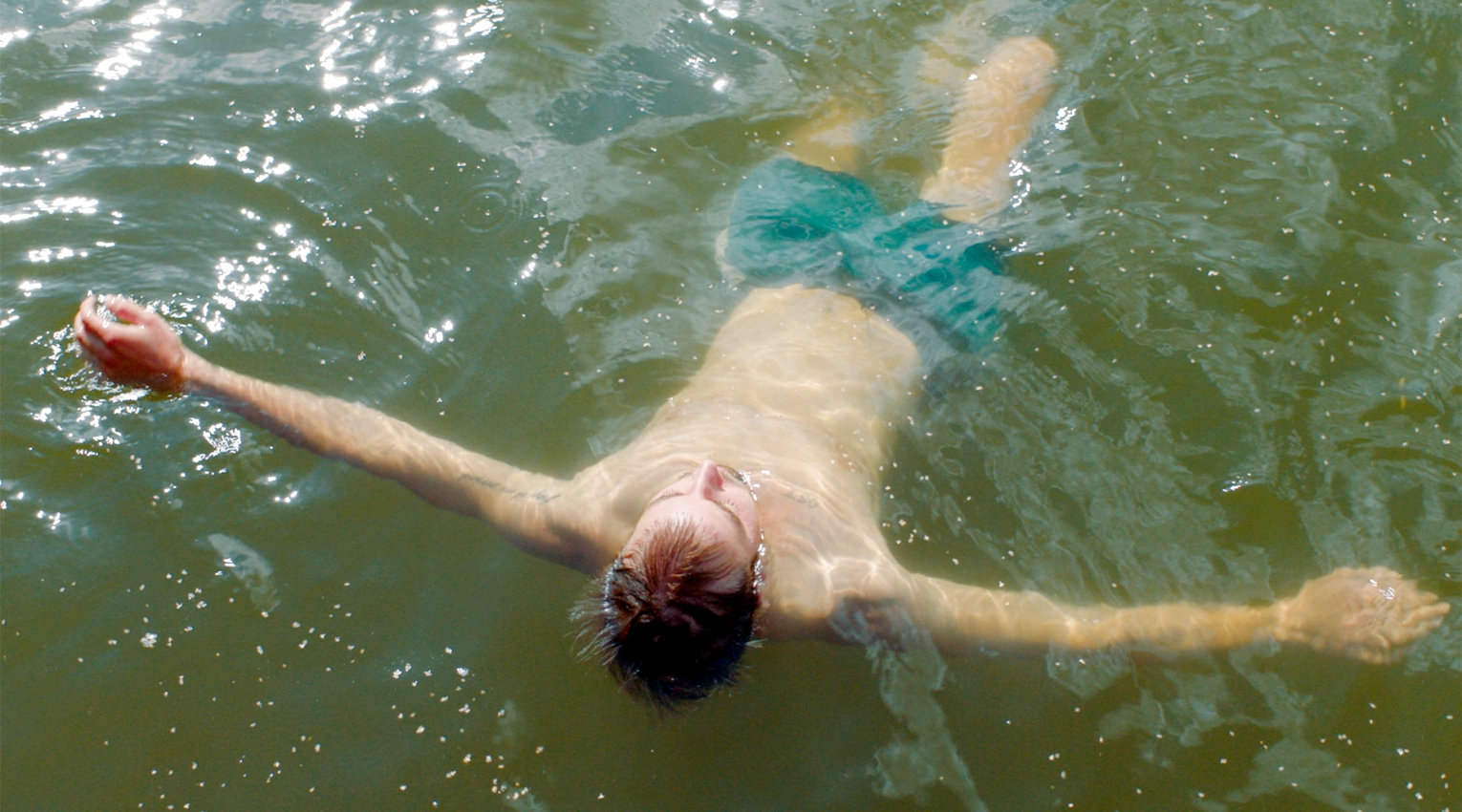
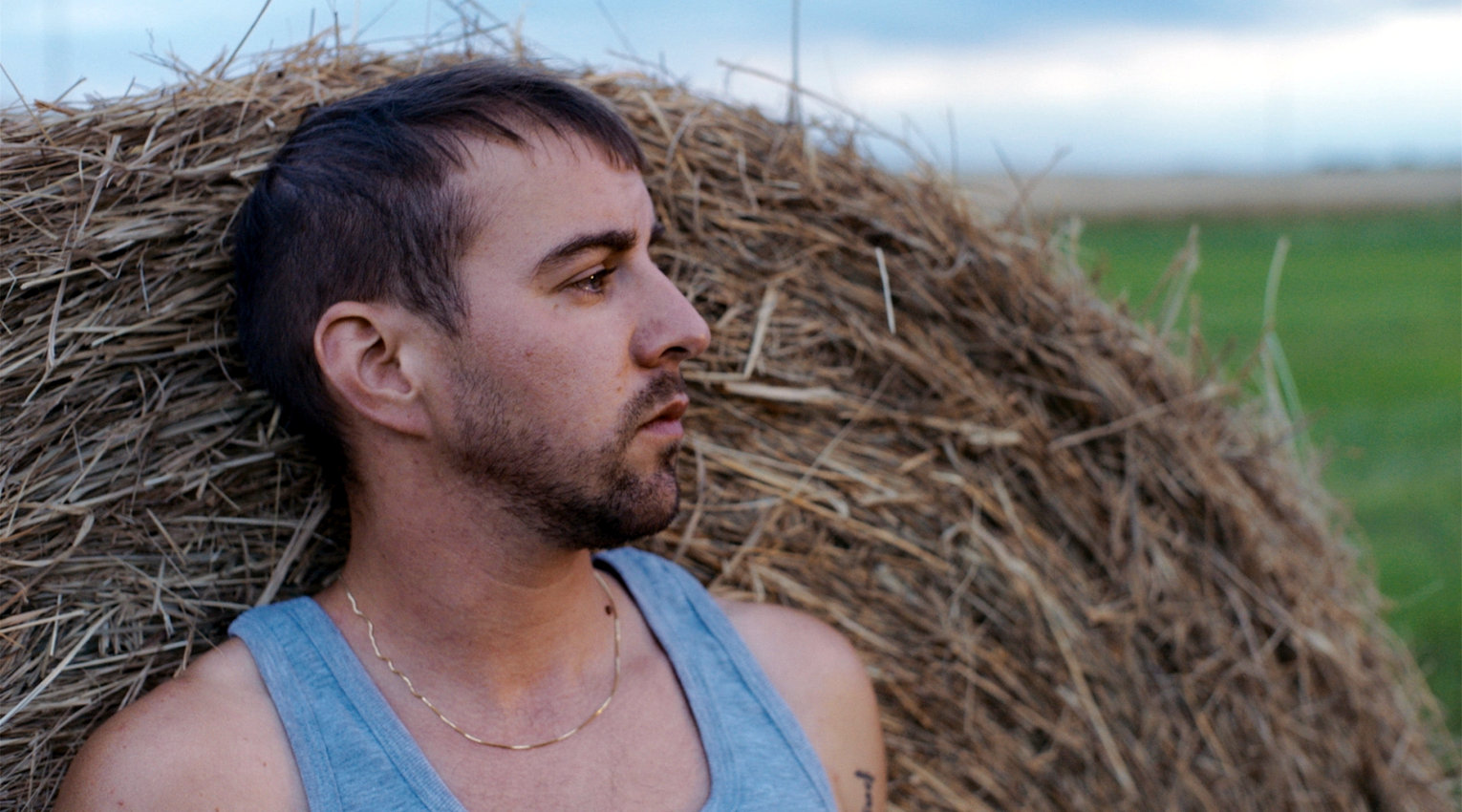
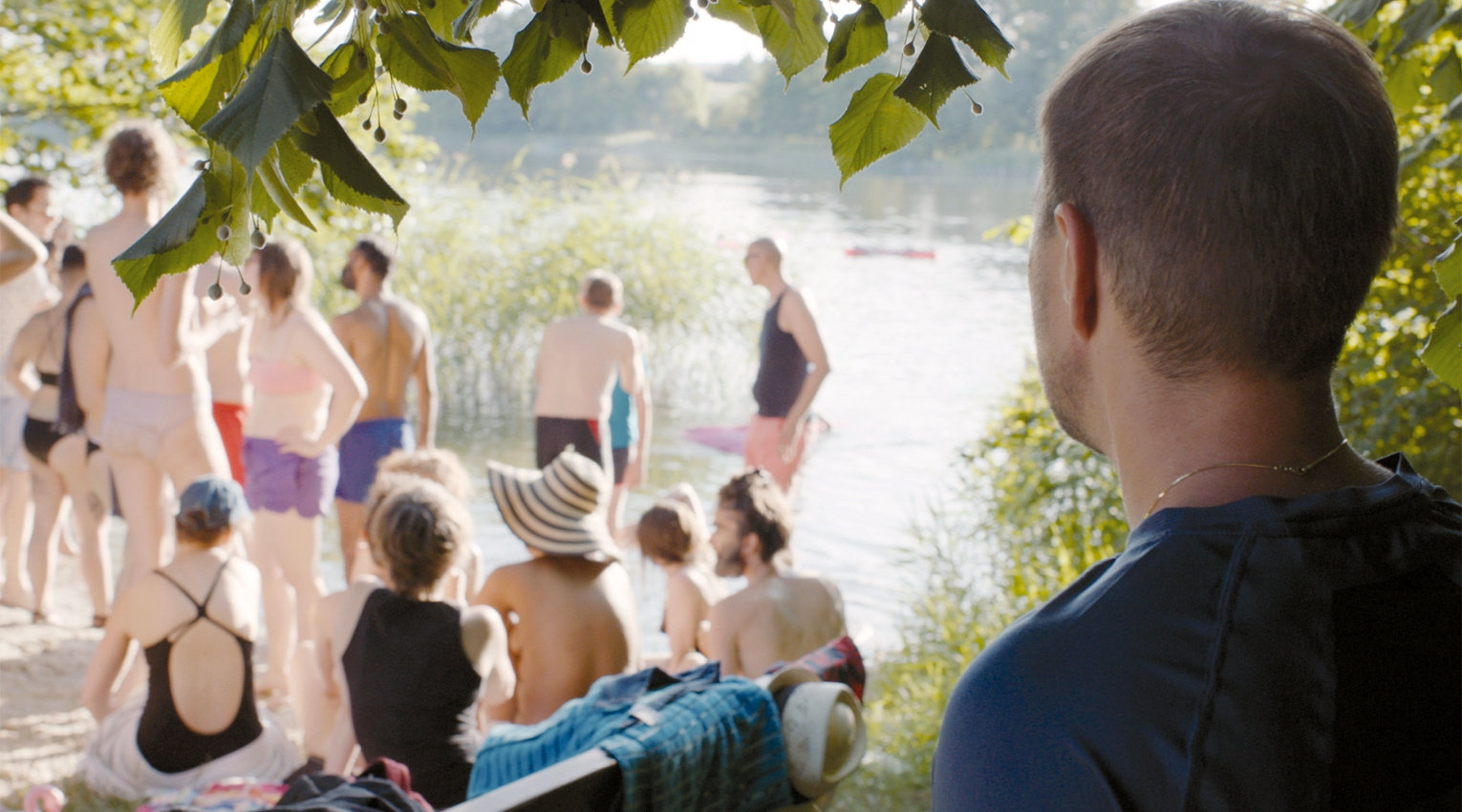
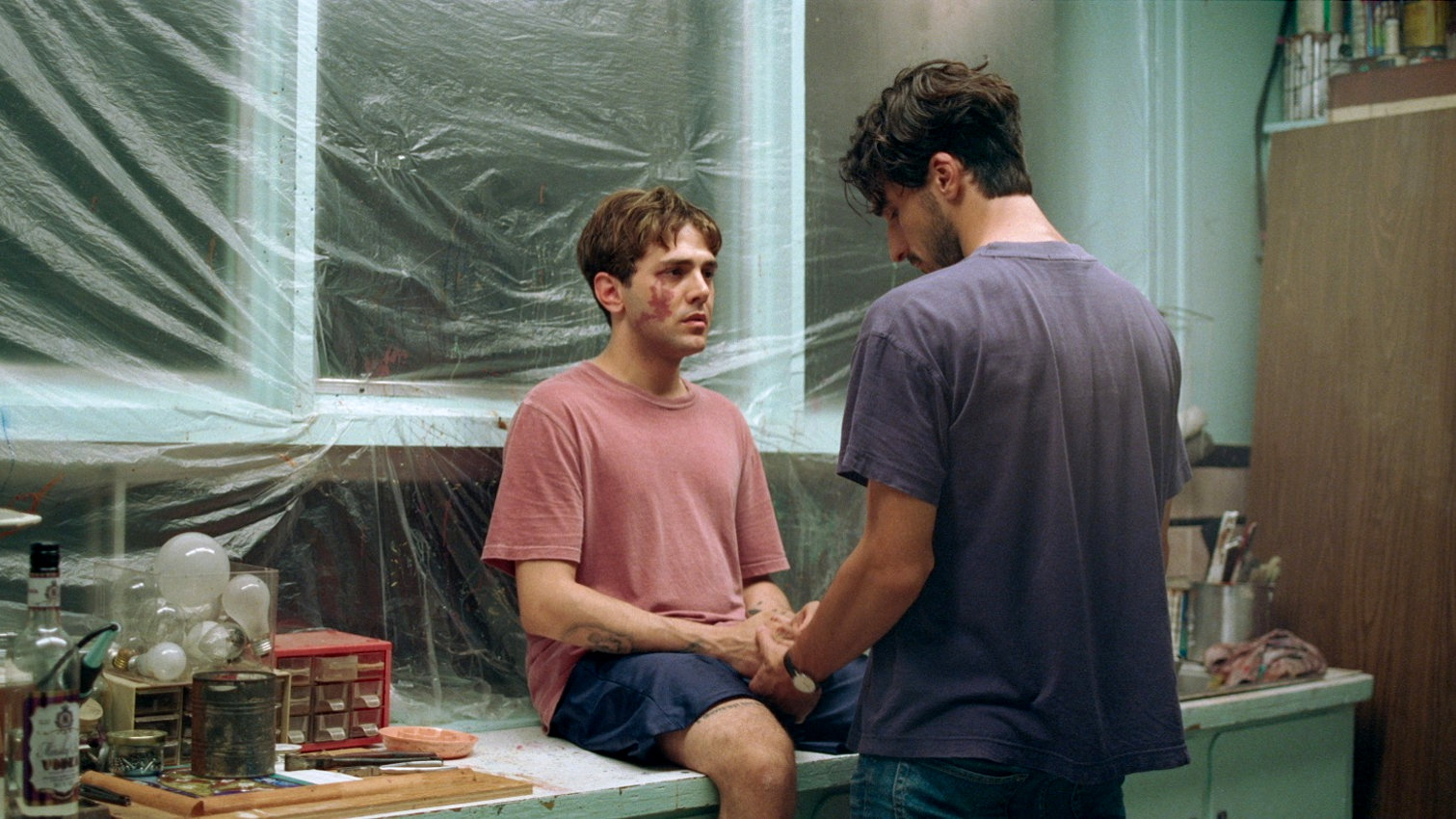
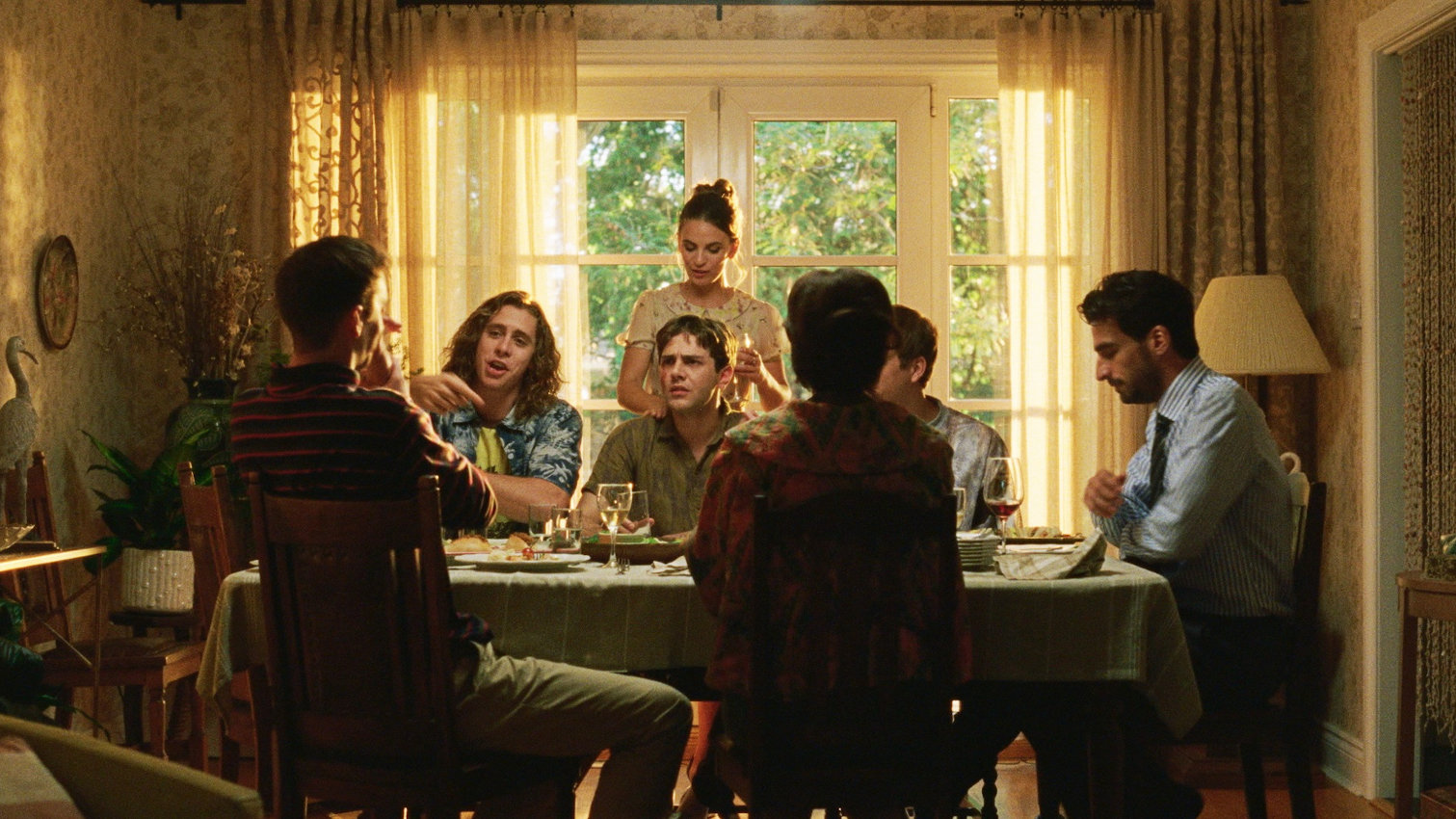
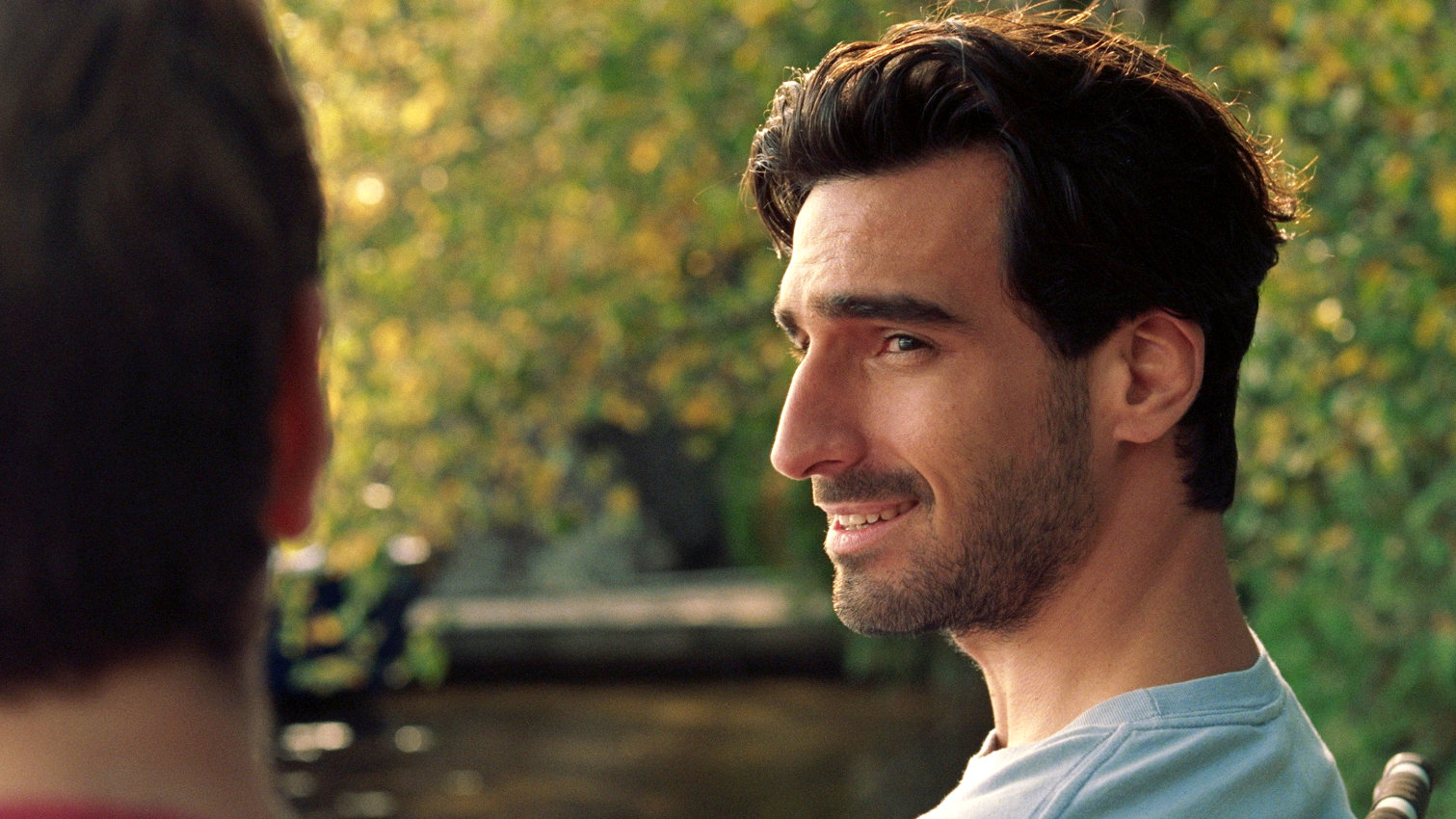
    Suppressed love and an ode to fri­end­ship: Matthias & Maxime is a typi­cal Dolan film, full of bound­less ener­gy and romance. Max (Xavier Dolan) and Matthias (Gabriel d’Almeida Freitas) have been best fri­ends sin­ce child­hood. But now Max is hea­ding off to Australia to final­ly get his life tog­e­ther. On their fare­well tour from par­ty to par­ty, the fri­ends meet a film stu­dent who impul­si­ve­ly casts both for a pro­ject. When they then have to kiss on came­ra, it’s as if they’ve been struck by light­ning. Unexpected fee­lings bloom, which Matthias vehe­men­t­ly rejects – a reac­tion which in turn hits Max very hard.


    [nbsp]
    Credits:

    CA 2019, 119 Min., frz. OmU,
    Regie, Buch & Schnitt: Xavier Dolan
    Kamera: André Turpin
    mit Gabriel D’Almeida Freitas, Xavier Dolan, Pier-Luc Funk, Samuel Gauthier, Antoine Pilon, Adib Alkhalidey

    [nbsp]
    Trailer:

    Matthias & Maxime — Official Trailer

    top

  • Doch das Böse gibt es nicht

    Doch das Böse gibt es nicht

    A film by Mohammad Rasoulof. In Farsi with German subtitles.

    [Credits] [Tickets & Termine] [Trailer]

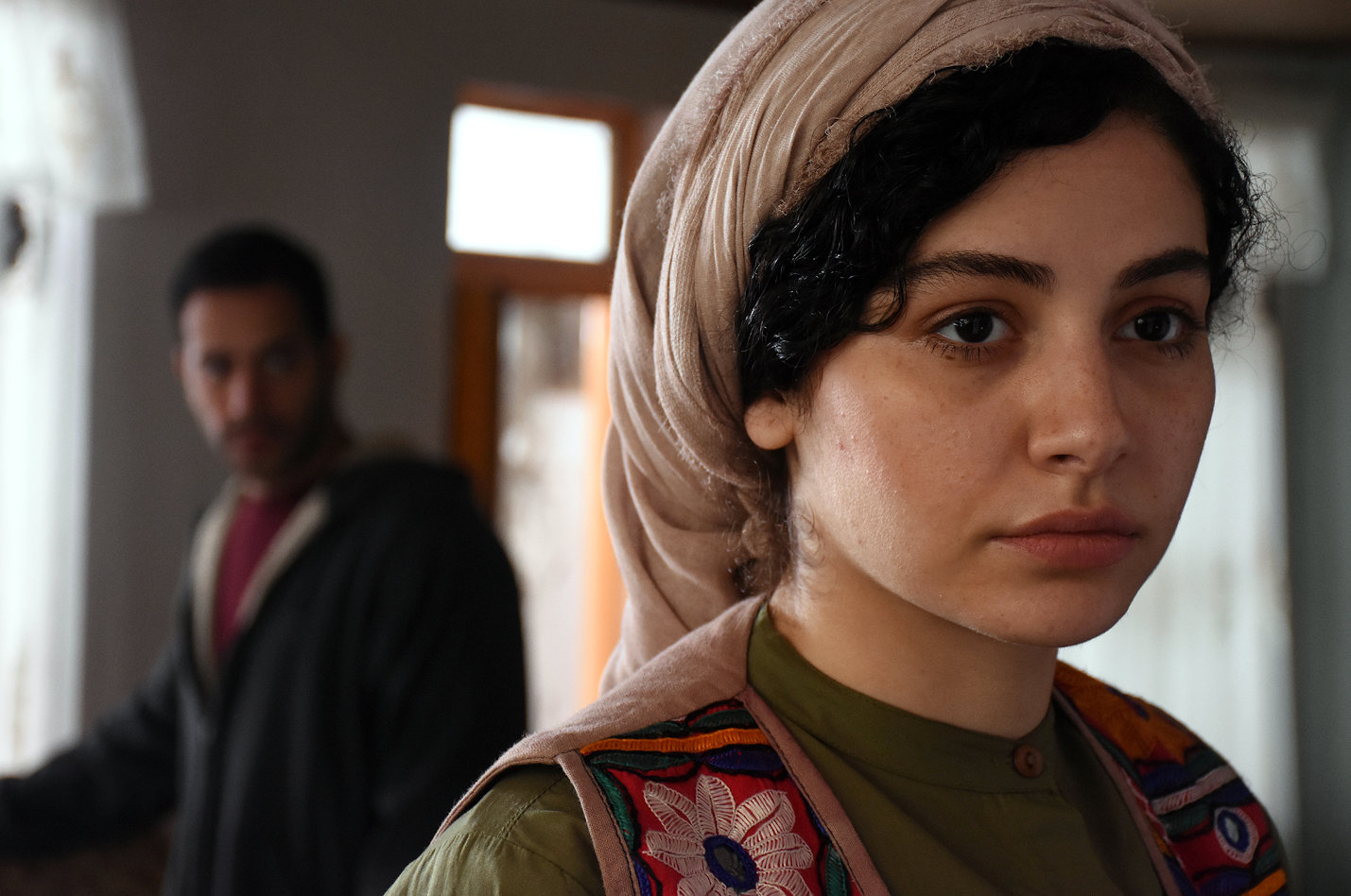
    Heshmat, an exem­pla­ry hus­band and father, gets up very ear­ly every day. Where does he go? Pouya can­not ima­gi­ne kil­ling ano­ther man, yet he is told he must do so. Javad doesn’t know that pro­po­sing to his bel­oved won’t be the only sur­pri­se on her bir­th­day. Bahram is a phy­si­ci­an but is unable to prac­ti­ce medi­ci­ne. He has deci­ded to explain to his visi­ting nie­ce the reason for his life as an out­cast. The four sto­ries that com­pri­se Sheytan vojud nadarad (There Is No Evil) offer varia­ti­ons on the cru­cial the­mes of moral strength and the death penal­ty, asking to what ext­ent indi­vi­du­al free­dom can be expres­sed under a des­po­tic regime and its see­mingly ine­s­ca­pa­ble thre­ats. Mohammad Rasoulof only crea­tes a loo­se nar­ra­ti­ve link bet­ween the­se sto­ries, and yet they are all tra­gi­cal­ly and inex­orab­ly con­nec­ted. In the con­text of struc­tu­ral oppres­si­on, choice seems to be limi­t­ed to eit­her resis­ting or sur­vi­ving. But with each abrupt­ly inter­rupt­ed sto­ry, we are urged to con­sider how men and women can assert their free­dom even in such situations.

    Golden Baer – Berlinale 2020

    [nbsp]
    Credits:

    OT: Sheytan vojud nadarad, IR/DE/SZ 2020,
    139 Min., far­si OmU,
    Regie & Buch: Mohammad Rasoulof
    Kamera: Ashkan Ashkani
    Schnitt: Mohammadreza Muini, Meysam Muini
    mit: Ehsan Mirhosseini, Shaghayegh, Kaveh Ahangar, Alirezy Zareparast, Salar Khamseh

    [nbsp]
    Trailer:

    [

    top

  • Schwesterlein

    Schwesterlein

    A film by Stéphanie Chuat & Véronique Reymond. In German, French and English with German subtitles.

    [Credits] [Tickets & Termine] [Trailer]

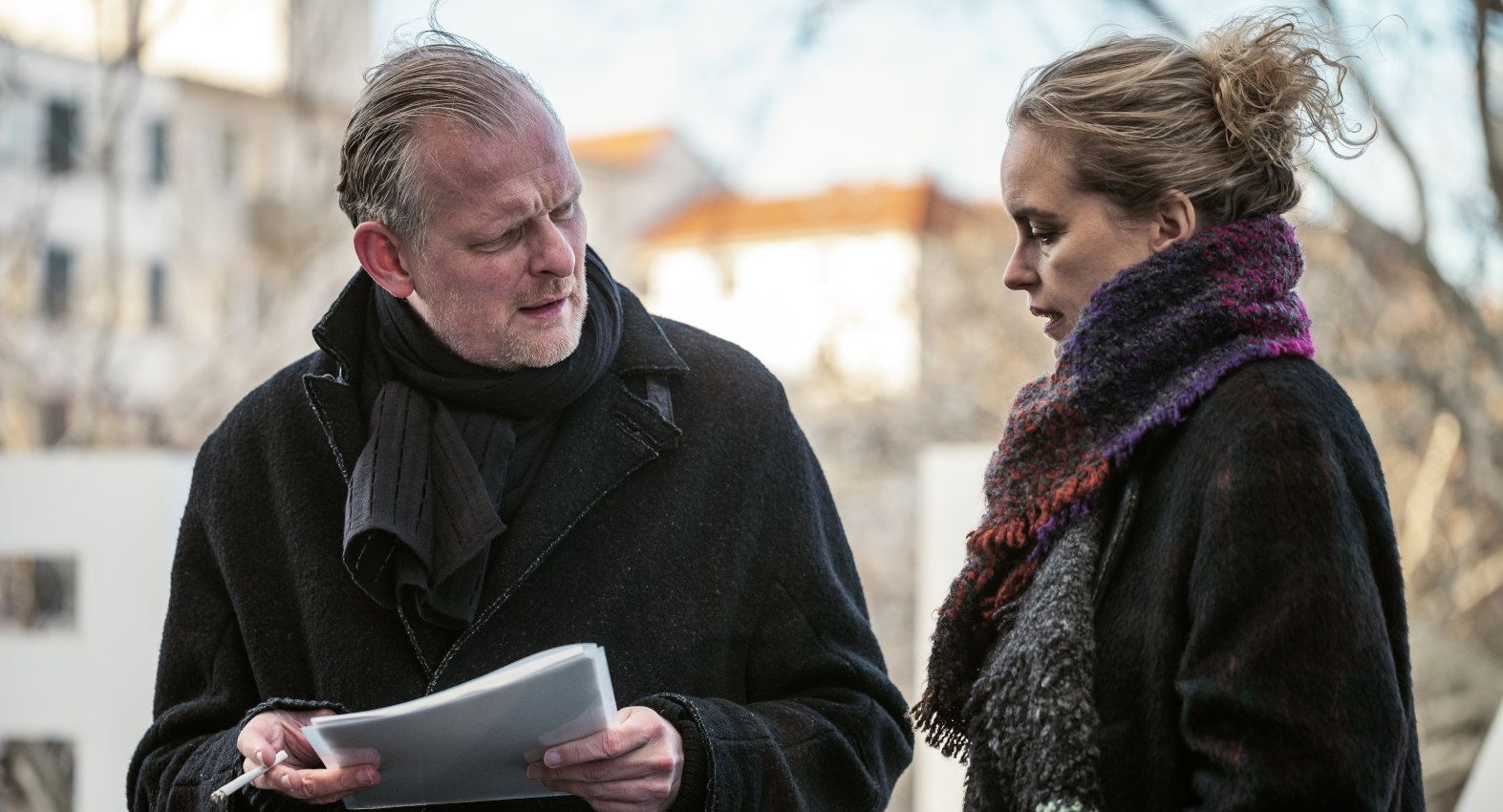
    Lisa has given up her ambi­ti­ons as a play­w­right in Berlin and moved to Switzerland with her child­ren and hus­band, who runs an inter­na­tio­nal school the­re. When her twin brot­her Sven, a star actor at Berlin’s Schaubühne theat­re, falls ill with leuk­aemia, Lisa returns to the German capi­tal. His hopes of get­ting back on the stage give Sven the strength he needs to fight the dise­a­se. But when his con­di­ti­on dete­rio­ra­tes and his mother, also an actor, pro­ves unre­lia­ble, Lisa takes the reins and whisks her brot­her back to Switzerland. She hopes that new tre­at­ments, fami­ly life and moun­tain air will work a mira­cle. Brother and sis­ter, Berlin and Switzerland, life and theat­re, sick­ness and health. With its out­stan­ding lea­ding cast, Schwesterlein inter­wea­ves the­se com­ple­men­ta­ry bina­ries into a matu­re, moving and com­plex dra­ma. This film explo­res the mea­ning of heal­ing and sacri­fice, the inte­gri­ty of an adult sibling rela­ti­onship – a topic that has rare­ly been addres­sed as it is here – and artis­tic work as a core aspi­ra­ti­on in life. A fairy tale, with two adults as Hansel and Gretel, the theat­re as the gin­ger­b­read house and the ill­ness as the evil witch.

    [nbsp]
    Credits:

    CH 2020, 99 Min., dt.,frz,engl. OmU
    Regie, Buch: Stéphanie Chuat, Véronique Reymond
    Kamera: Filip Zumbrunn
    Schnitt: Myriam Rachmuth
    mit: Nina Hoss, Lars Eidinger, Marthe Keller, Jens Albinus, Thomas Ostermeier, Linne-Lu Lungershausen, Noah Tscharland, Isabelle Caillat, Moritz Gottwald, Urs Jucker

    [nbsp]
    Trailer:

    Schwesterlein | Offizieller Trailer Deutsch HD | Jetzt im Kino!

    top

  • Regeln am Band, bei hoher Geschwindigkeit

    Regeln am Band, bei hoher Geschwindigkeit

    A film by Yulia Lokshina. In German, Polish, Russian and Romanian with German subtitles.

    [Credits] [Tickets & Termine] [Trailer]

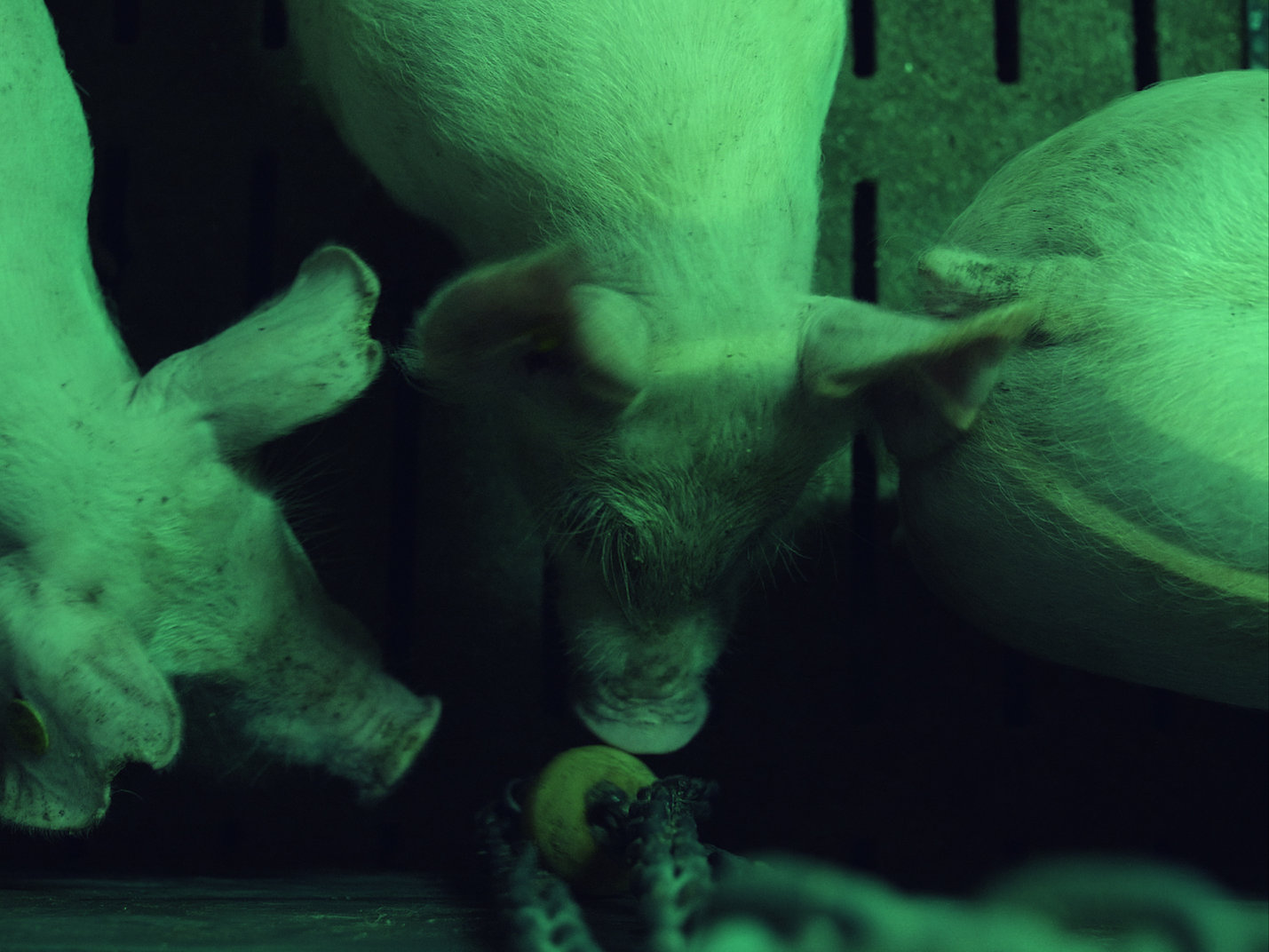
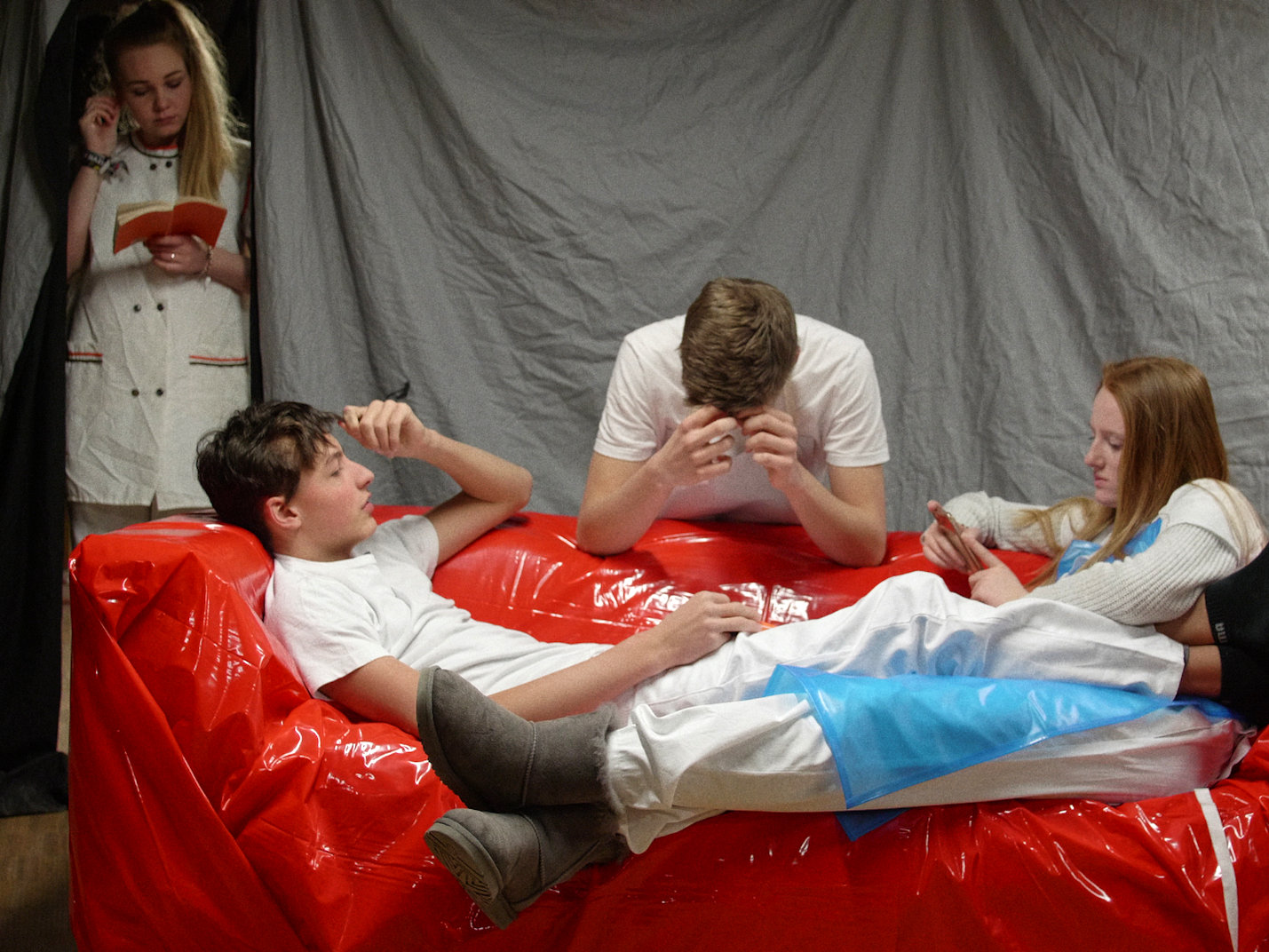
    In the meat fac­to­ry a worker dies. School child­ren rehe­ar­se Brecht. Two sto­ries from the land of poets, phi­lo­so­phers and pri­ce-cut­ters. Gently and pre­cis­e­ly and with cine­ma­tic fines­se Yulia Lokshina picks at the wound in our system.

    [nbsp]
    Credits:

    DE 2020, 92 Min., 
    Buch & Regie: Yulia Lokshina 
    Kamera: Zeno Legner, Lilli Pongratz
    Schnitt: Urte Alfs, Yulia Lokshina

    [nbsp]
    Trailer: