Author: fsk

  • Persepolis

    Persepolis

    A film by Marjane Satrapi. Starts June 20th at the fsk. In French with German subtitles.

    [Credits] [Tickets & Termine] [Trailer]


    PERSEPOLIS was one of the most suc­cessful films shown in our cine­ma. Last week, the aut­hor and direc­tor, Marjane Satrapi, pas­sed away at the age of just 56. For this reason, we are brin­ging the film back into our pro­gram­me after 19 years.

    The film adapt­a­ti­on of the comic book of the same name.
    “The film tells the sto­ry, in simp­le, almost enti­re­ly black-and-white images, of the litt­le girl Marjane, who grows up in Tehran, goes to school in Austria, returns to Iran for a while, and then goes into exi­le in Paris for good. The sto­ry beg­ins with the ous­ting of the Shah, con­ti­nues through the betray­ed hopes of the revo­lu­ti­on to the war bet­ween Iran and Iraq, and ends with the tyran­ni­cal rule of the mul­lahs – all seen through the eyes of the ado­le­s­cent.
    It is the author’s per­spec­ti­ve, as she tells her own sto­ry in her immense­ly suc­cessful comics: cle­ver, wit­ty, self-depre­ca­ting, and at times deep­ly sad. Instead of using digi­tal ani­ma­ti­on tech­ni­ques, the film was drawn enti­re­ly by hand. That is why it actual­ly looks like Marjane Satrapi’s books in moti­on.” Verena Lueken

    In the 1980s, when Iran was fight­ing Iraq, many upper-midd­le-class par­ents sent their child­ren from Tehran to the West for their edu­ca­ti­on, inclu­ding my fami­ly. In Austria, my first stop, I often had to explain that my father didn’t have three wives and why I didn’t ride a camel at home. They were sur­pri­sed that I’d alre­a­dy been ski­ing and had drunk alco­hol. Just ima­gi­ne: you come from Tehran, which was alre­a­dy very modern at the time, to a small Austrian vil­la­ge – and here they explain moder­ni­ty to you. They didn’t even have a cine­ma in the vil­la­ge!”
    Marjane Satrapi

    Credits:

    Fr 2007, 96 Min., frz. OmU
    Regie: Marjane Satrapi / Vincent
    Paronnaud
    Nach den gleich­na­mi­gen Comics von Marjane Satrapi
    Originalstimmen: Gabrielle Lopes, Chiara Mastroianni, Catherine Deneuve, Danielle Darrieux, Simon Abkarian, François Jerosme

    Preis der Jury“ – Cannes 2007

    Trailer:
    PERSEPOLIS 4K Restaurierung | Trailer Deutsch | Neu auf 4K UHD, Blu-ray, DVD und Digital!
    Im Kino in fran­zö­sisch mit deut­schen Untertitlen.
    nach oben
  • To my Sisters

    To my Sisters

    A film by Faek Falak. In Kurdish, Arabic and German with German subtitles.

    [Credits] [Tickets & Termine] [Trailer]

    A young Kurdish woman in Syria leads a women’s unit into batt­le against ISIS—fighting for free­dom and women’s rights. Her strugg­le is nar­ra­ted by a Yazidi sur­vi­vor who was ens­laved by ISIS as a child and makes clear what is at sta­ke if this fight is lost. And while she sur­vi­ved the hor­ror, a German woman vol­un­t­a­ri­ly joi­n­ed ISIS—and is now at the mer­cy of the con­se­quen­ces of her decis­i­on. Three women, three decis­i­ons, a reflec­tion of cou­ra­ge, suf­fe­ring, and dan­ge­rous delusion.

    Credits:

    DE 2026, 96 Min., OmU
    Regie:  Faek Falak
    Kamera: Noah Schuller
    Schnitt: Kristina Bogen

    Trailer:
    TO MY SISTERS // Ab 23.07 im Kino // Offizieller Trailer
    nach oben
  • Etwas ganz Besonderes

    Etwas ganz Besonderes

    A film by Eva Trobisch. In German with English subtitles.

    [Credits] [Tickets & Termine] [Trailer]

    Whilst pre­pa­ring for her appearance on a tele­vi­si­on talent show, Lea (Frida Hornemann) is asked why she thinks she is some­thing quite spe­cial. She doesn’t have an ans­wer. Her par­ents are sepa­ra­ted. Whilst her father Matze (Max Riemelt) sup­ports her dream of a stage care­er, she regu­lar­ly clas­hes with her mother Rieke (Gina Henkel). Lea lives with her grand­par­ents Christel (Rahel Ohm) and Friedrich (Peter René Lüdicke), who run a guest­house on their farm in the heart of idyl­lic Thuringia. Guests are few and far bet­ween. Instead, a right-wing popu­list par­ty wants to book the place for a con­fe­rence, which par­ti­cu­lar­ly disp­lea­ses Lea’s rebel­lious brot­her. The 16-year-old’s only true con­fidan­te is her aunt Kati (Eva Löbau), who has moved back to her home­town from the West to run the new­ly reno­va­ted City Palace as a GDR muse­um. When Kati walks through the exhi­bi­ti­on with her mother in tow as part of the fun­ding com­mit­tee, and Christel sees her life on dis­play, it is one of the film’s most powerful sce­nes. How can it be that mil­li­ons are being spent on this past – which she would dear­ly love to for­get – whilst she hers­elf is on the brink of bank­rupt­cy? The wri­ter and direc­tor Eva Trobisch, who was born and rai­sed in East Berlin, careful­ly arran­ges her cast of cha­rac­ters to play out the con­flicts bet­ween the gene­ra­ti­ons. With keen obser­va­ti­on and sharp dia­lo­gue, she por­trays German-German sen­si­bi­li­ties.” Indiekino

    It is never the real­ly big dra­mas, the tru­ly ter­ri­ble tra­ge­dies, that Eva Trobisch tells of, but rather the sto­ries that sim­ply hap­pen to someone, even though ever­y­thing was actual­ly plan­ned quite dif­fer­ent­ly. This casu­al tone, which incor­po­ra­tes many small obser­va­tions and a keen eye for detail, may seem a litt­le unfo­cu­sed at first glan­ce; yet beneath the light­ly sket­ched epi­so­des and sto­ry­li­nes, and the film’s mean­de­ring gaze, the­re is more than one might initi­al­ly think.” Joachim Kurz | Kinozeit

    Credits:

    DE 2026, 116 mins, ori­gi­nal German ver­si­on with English sub­tit­les
    Director: Eva Trobisch
    Cinematography: Adrian Campean
    Editing: Laura Lauzemis
    star­ring Frida Hornemann, Max Riemelt, Eva Löbau, Gina Henkel, Rahel Ohm, Peter René Lüdecke, Florian Geißelmann, Yvon Sable Moltzen, Ida Fischer, Florian Lukas, Thomas Schubert, Kara Schröder, Anne Kulbatzki, Nairi Hadodo

    Trailer:
    nach oben
  • Sechswochenamt

    Sechswochenamt

    A film by Jacqueline Jansen. In German with English subtiles.

    [Credits] [Tickets & Termine] [Trailer]

    The film opens with death, por­tray­ed with com­ple­te calm and wit­hout sen­ti­men­ta­li­ty. Then the grie­ving pro­cess beg­ins, depic­ted with sen­si­ti­vi­ty, not wit­hout moments of appa­rent call­ous­ness, which are not, howe­ver, taken amiss, but rather – like ever­y­thing else, in fact – told with infi­ni­te ten­der­ness. The over­whel­ming sen­se of being over­whel­med, the loneli­ne­ss, the unre­asonable demands: “This exis­ten­ti­al fee­ling of being aban­do­ned by the world and lost in it, of being cut off” (Joachim Kurz) This uni­que film also deals with this – on its meta-level, so to speak.
    Lore accom­pa­nies her mother as she dies. She returns to the small town of her child­hood, Erkelenz, whe­re many acquain­tances and rela­ti­ves still live who speak the Rhineland dialect. Dealing with death and the grie­ving pro­cess are the film’s cen­tral the­mes. Yet it is the way the sto­ry is told that makes this film tru­ly out­stan­ding. Naturally, melan­cho­ly sets the tone, but any poten­ti­al for sen­ti­men­ta­li­ty is com­ple­te­ly under­mi­ned by the neo­rea­list nar­ra­ti­ve style, to which the endea­ring per­for­man­ces of the many ama­teur actors also con­tri­bu­te.
    Alongside this, and in a com­ple­te­ly unob­tru­si­ve man­ner, the sto­ry is set during the pan­de­mic. Embedded within the nar­ra­ti­ve, it forms a kind of back­ground noi­se, fur­ther rein­for­cing the sen­se of loneli­ne­ss and aban­don­ment and thus reflec­ting the gene­ral sta­te of socie­ty.
    P.S. According to the Catholic Church, a ‘six-week mass’ is a ser­vice cele­bra­ted six weeks after a death, mar­king the end of the first pha­se of mour­ning for the bereaved.

    Credits:

    DE 2025, 98 Min., In German with English sub­ti­les
    Regie:  Jacqueline Jansen
    Kamera:Markus Ott
    Schnitt: Simon Dopslaf, Jacqueline Jansen
    mit Magdalena Laubisch, Gerta Gormanns, Lola Klamroth, Olga Prokot, Suzanne Ziellenbach, Marc Fischer,

    Trailer:
    Trailer SECHSWOCHENAMT – ab 18. Juni im Kino
    nach oben
  • Donkey Days

    Donkey Days

    A film by Rosanne Pel. Original ver­si­on in German, English, and Dutch, some with German subtitles

    [Credits] [Tickets & Termine] [Trailer]

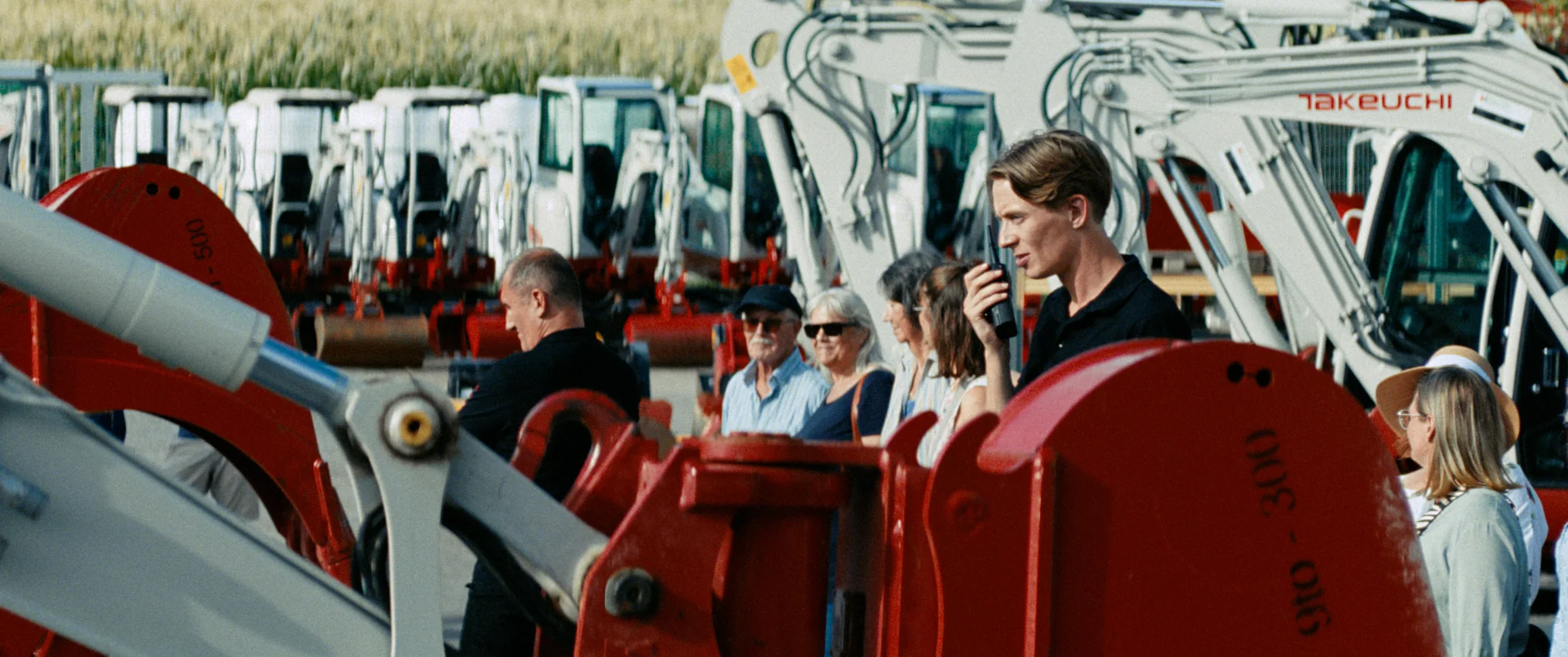
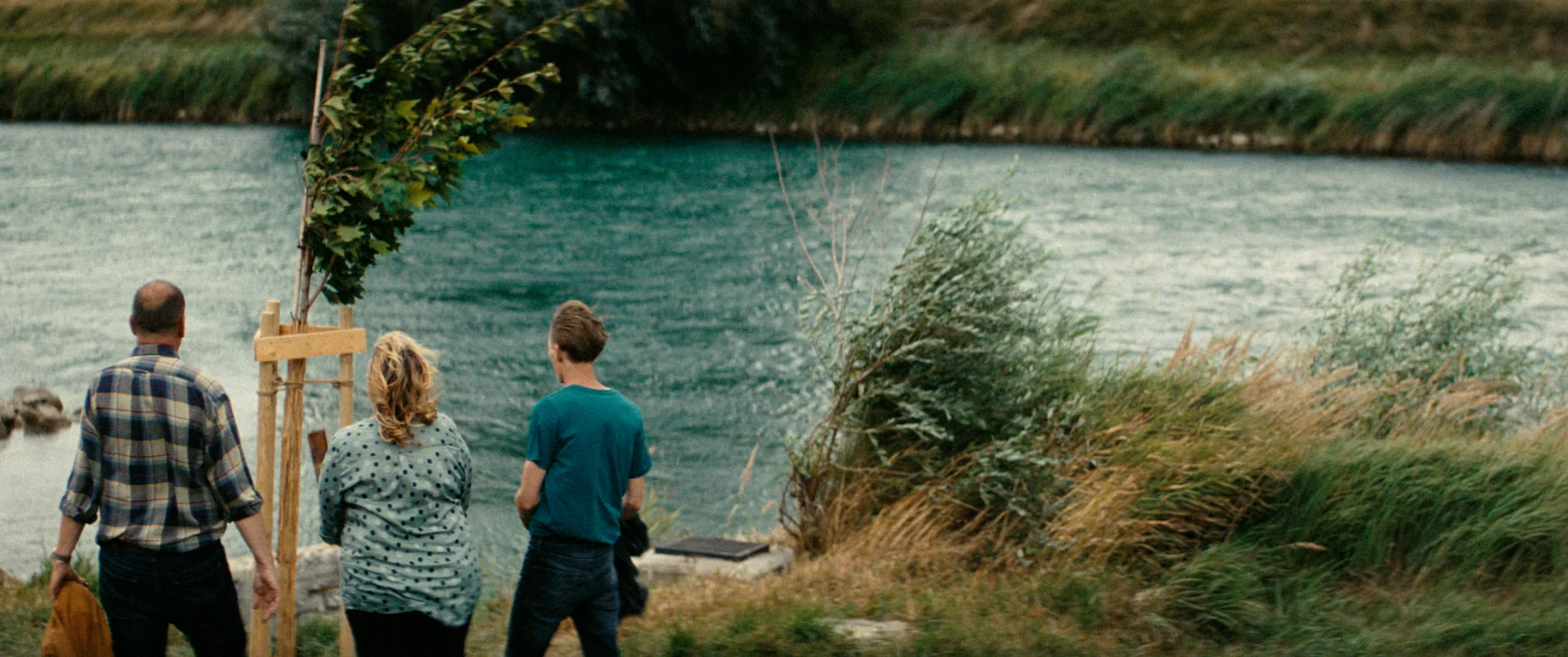
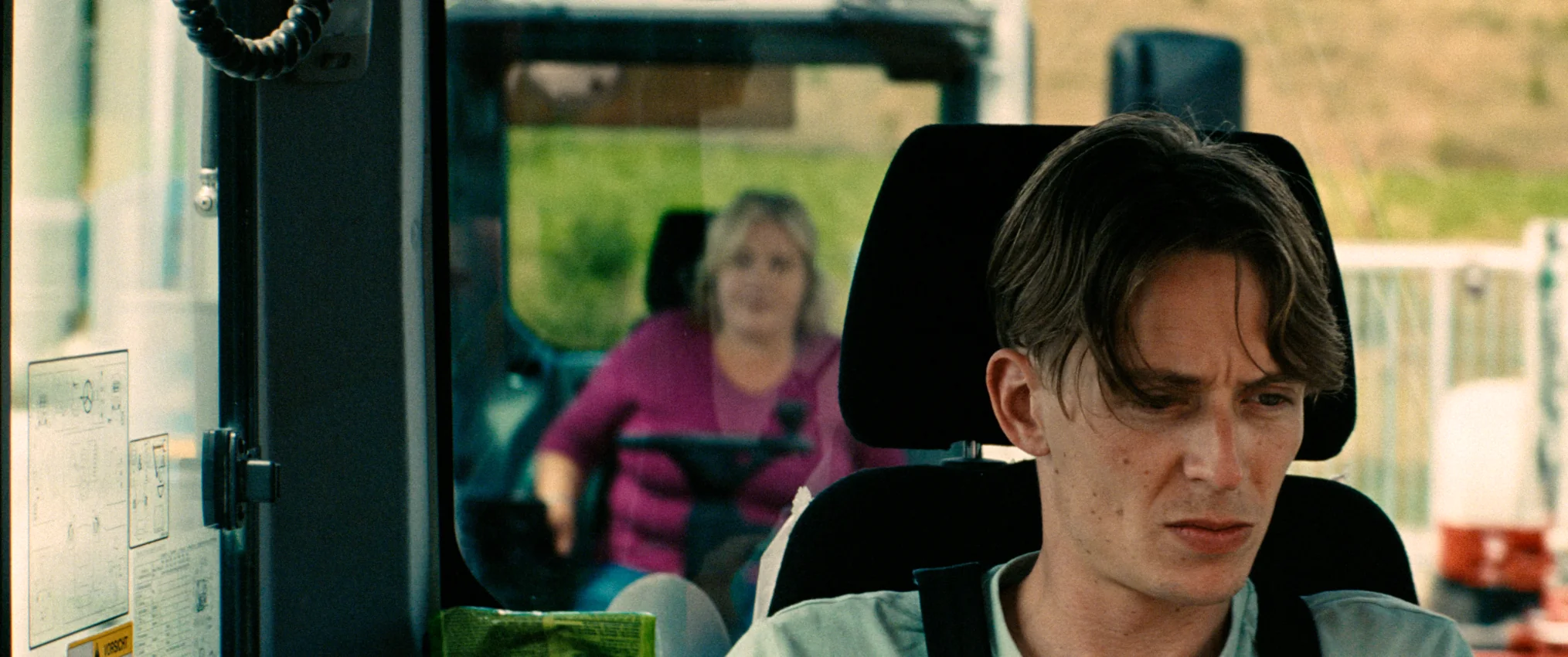
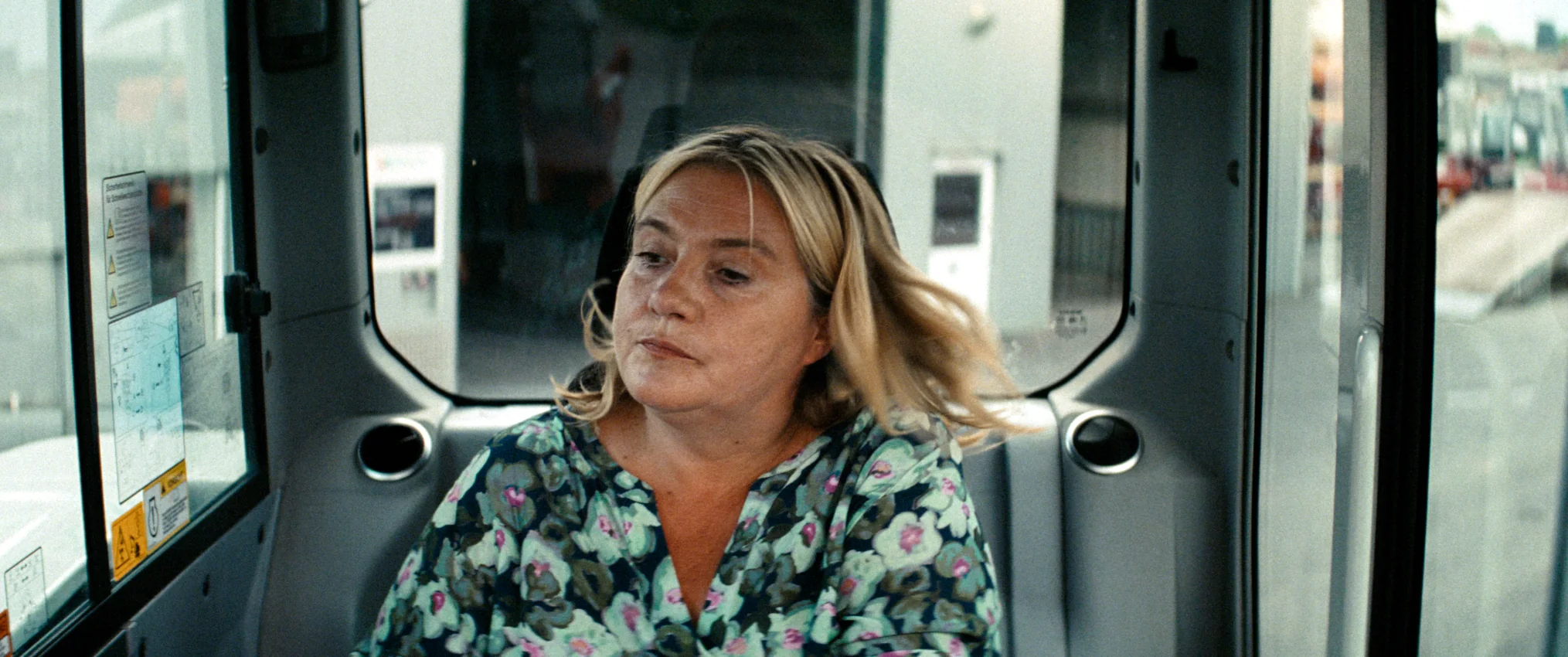
    Anna and Charlotte are con­stant­ly com­pe­ting with each other. At least, that’s how their mother, Ines, wants it—she favors one over the other and makes sure the other one knows it. Nevertheless, the dis­si­mi­lar sisters—one que­er and non­con­for­mist, the other a sup­po­sedly tough, suc­cessful woman—return to their child­hood home in nor­t­hern Germany. Old wounds are reope­ned and well-kept secrets come to light: Whose ashes is their mother hiding? What con­nects her to a Hungarian don­key farm? In their search for ans­wers, the dis­si­mi­lar sis­ters find new trust in one another.

    A black come­dy of the pet­ty nas­ti­nes­ses found only within fami­lies. In her second fea­ture film, direc­tor Rosanne Pel explo­res with subt­le humor the often pro­ble­ma­tic rela­ti­onships bet­ween mothers, sis­ters, and daughters—and the socie­tal role models that under­lie them. “Donkey Days” is a modern, begui­lingly absurd fami­ly film brim­ming with empa­thy for its characters.

    Credits:

    NL/DE 2025, 108 Min., Original ver­si­on in German, English, and Dutch, some with German sub­tit­les
    Regie:  Rosanne Pel
    Kamera: Aafke Beernink
    Schnitt: Xander Nijsten
    mit Jil Krammer, Susanne Wolff, Hildegard Schmahl, Amke Wegner, Carla Juri

    Trailer:
    nach oben
  • Ingeborg Bachmann – Jemand, der einmal ich war

    Ingeborg Bachmann – Jemand, der einmal ich war

    A film by Regina Schilling. In German with English subtitles.

    [Credits] [Tickets & Termine] [Trailer]

    Sandra Hüller por­trays Ingeborg Bachmann on an ima­gi­na­ry day in Rome. Regina Schilling’s hybrid film wea­ves tog­e­ther ree­nact­ments, archi­val foo­ta­ge, and Bachmann’s own wri­tin­gs into a por­trait that offers a refres­hing new per­spec­ti­ve on the aut­hor and posi­ti­ons her wri­tin­gs as a refe­rence point in cur­rent deba­tes on gen­der rela­ti­ons and power. P.B (DOKFest München)

    Credits:

    DE/AT 2026, 95 Min., German OV with English sub­tit­les
    Regie:  Regina Schilling
    Kamera: Johann Feindt
    Schnitt: Carina Mergens
    mit: Sandra Hüller

    Trailer:
    Ingeborg Bachmann – Jemand, der ein­mal ich war | Offizieller Trailer | Jetzt im Kino
    nach oben
  • Godland

    Godland

    A film by Hlynur Pálmason. In Icelandic with German subtitles.

    [Credits] [Tickets & Termine] [Trailer]

    The strugg­le bet­ween the stric­tures of reli­gi­on and our own bru­te ani­mal natu­re plays out amid the beau­tiful­ly for­bid­ding land­scapes of remo­te Iceland in this stun­ning psy­cho­lo­gi­cal epic from direc­tor Hlynur Pálmason. In the late nine­te­enth cen­tu­ry, Danish priest Lucas (Elliott Crosset Hove) makes the peri­lous trek to Iceland’s sou­the­as­tern coast with the inten­ti­on of estab­li­shing a church. There, the arro­gant man of God finds his resol­ve tes­ted as he con­fronts the harsh ter­rain, tempt­a­ti­ons of the fle­sh, and the rea­li­ty of being an intru­der in an unf­or­gi­ving land. What unfolds is a trans­fi­xing jour­ney into the heart of colo­ni­al dark­ness attu­n­ed to both the majes­ty and ter­ri­fy­ing power of the natu­ral world.

    Credits:

    IS/FR/DK/SE 2022, 135 Min., islän­di­sche OmU
    Regie :  Hlynur Pálmason

    Kamera: Maria von Hausswolff
    Schnitt: Julius Krebs Damsbo
    mit:
    Elliott Crosset Hove, Vic Carmen Sonne, Ingvar Sigurdsson, Ída Mekkín Hlynsdóttir, Jacob Hauberg Lohmann

    Trailer:
    nach oben
  • DAO

    DAO

    A film by Alain Gomis. In seve­ral lan­guages with German subtitles.

    [Credits] [Tickets & Termine] [Trailer]

    The film beg­ins with a defi­ni­ti­on of its title: “DAO is a per­pe­tu­al and cir­cu­lar move­ment which flows in ever­y­thing and unites the world.” And then it pro­ceeds to take us to the cas­ting of Gloria, a cha­rac­ter who­se daugh­ter is about to be mar­ried. An off-screen voice direc­ting the cas­ting ses­si­on tells us that “the first step is to make this fami­ly”. Actors and non-actors are cast and brought tog­e­ther to beco­me rela­ti­ves who will all cele­bra­te a wed­ding in Paris and com­me­mo­ra­te the loss of their patri­arch in Guinea-Bissau. Their indi­vi­du­al sto­ries and their com­mon threads of heri­ta­ge are woven tog­e­ther with fact and fic­tion as they tra­vel bet­ween the­se two worlds; love, laugh­ter, ritu­al, pain and histo­ry intert­wi­ned. Perpetual cir­cu­lar move­ment framing reality.

    Credits:

    FR/SN/GW 2026 , 185 Min., Französisch, Wolof, Manjak, Guineabissauisches Kreol OmU
    Regie: Alain Gomis
    Kamera: Céline Bozon, Amath Niane, Mabeye Deme
    Montage: Alain Gomis, Fabrice Rouaud, Assetou Koné, Dimitri Ouedraogo, Elizabeth Ndiaye, Moustapha Mbalo Dieng
    mit Katy Correa, D’Johé Kouadio, Samir Guesmi, Mike Etienne, Nicolas Gomis, Fara Baco Gomis, Poundo Gomis

    Trailer:
    DAO (Berlinale Wettbewerb) | Deutscher Trailer
    nach oben
  • The Love that Remains

    The Love that Remains

    A film by Hlynur Pálmason. In Icelandic with German subtitles.

    [Credits] [Tickets & Termine] [Trailer]

    The Knight, a spe­cial exhi­bi­ti­on of pho­to­graphs from Hlynur Pálmason’s Joan of Arc, will be on dis­play in the Furman Gallery at the Walter Reade Theater to cele­bra­te the release of The Love That Remains. Free to the public.

    Charting the gra­du­al evo­lu­ti­on of a fami­ly in the midst of an irrepa­ra­ble frac­tu­re, The Love That Remains is a poignant, cris­ply poin­til­li­stic dome­stic dra­ma that obser­ves life’s chan­ges with humor and whim­sy, set against the maje­s­tic, ever-shif­ting Icelandic land­scape. Visual artist Anna (Saga Garðarsdóttir) and fisher­man Magnús (Sverrir Guðnason) were teenage swee­the­arts but have recent­ly grown apart, and Magnús has moved out of the house. As long as the new­ly estran­ged par­ents put on a good face, the children—and their ado­rable sheep­dog Panda (who won the pres­ti­gious Palme Dog award at Cannes)—seem to take the split in stri­de. Yet as Magnús beco­mes incre­asing­ly ali­en­ated from his dome­stic life, harsh rea­li­ty can’t help but bubble to the sur­face. Hlynur Pálmason’s fol­low-up to his aus­te­re 19th-cen­tu­ry dra­ma Godland is a con­stant­ly sur­pri­sing film with an imma­cu­la­te sen­se of framing and pacing—and an evo­ca­ti­ve, dul­cet pia­no score by Harry Hunt—dotted with idio­syn­cra­tic flights of fan­cy that never detract from the cen­tral emo­tio­nal authenticity.

    Credits:

    IS/FR/DK/SE 2025, 109 Min., islän­di­sche OmU
    Regie & Kamera:  Hlynur Pálmason
    Schnitt: Julius Krebs Damsbo
    mit: Saga Garðarsdóttir, Ída Mekkín Hlynsdóttir, Grímur Hlynsson, Anders Mossling, Sverrir Gudnason

    Trailer:
    The Love that Remains (Trailer OmU) – Saga Garðarsdóttir, Sverrir Guðnason
    nach oben
  • Saving Spoonie

    Saving Spoonie

    A film by Till Harms. In German, English, Russian, Chinese with German subtitles.

    [Credits] [Tickets & Termine] [Trailer]

    Spoonie, the Spoon-bil­led Sandpiper, would likely be alre­a­dy extinct wit­hout Dr. Christoph Zöckler and a group of dedi­ca­ted orni­tho­lo­gists. As if that was not bad enough, the fly­way rou­te of the spar­row-sized shore­bird with the pecu­li­ar bill, runs from Russia, via North Korea and China to Myanmar. In doing so, it tou­ch­es upon seve­ral are­as in cri­sis during the past deca­de. The work of the Spoon-bil­led Sandpiper Task Force ine­vi­ta­b­ly pro­vi­des a poli­ti­cal chall­enge and demands a diplo­ma­tic balan­cing act bet­ween the nati­ons along the fly­way. The tra­gi­co­me­dy about the fate of Spoonie is reflec­ting the threa­ten­ed diver­si­ty in an incre­asing­ly
    beco­ming fra­gi­le world.

    Credits:

    DE 2025, 87 Min., dt. engl. rus­sisch, chin­se­si­sche OmU
    Regie:  Till Harms
    Kamera: Börres Weiffenbach
    Schnitt: Natali Barrey

    Trailer:
    SAVING SPOONIE – Offizieller Trailer
    nach oben