![[:de]fsk Kino Logo[:]](https://fsk-kino.peripherfilm.de/wp-content/uploads/2022/08/kino-fsk-logo-dark.png)
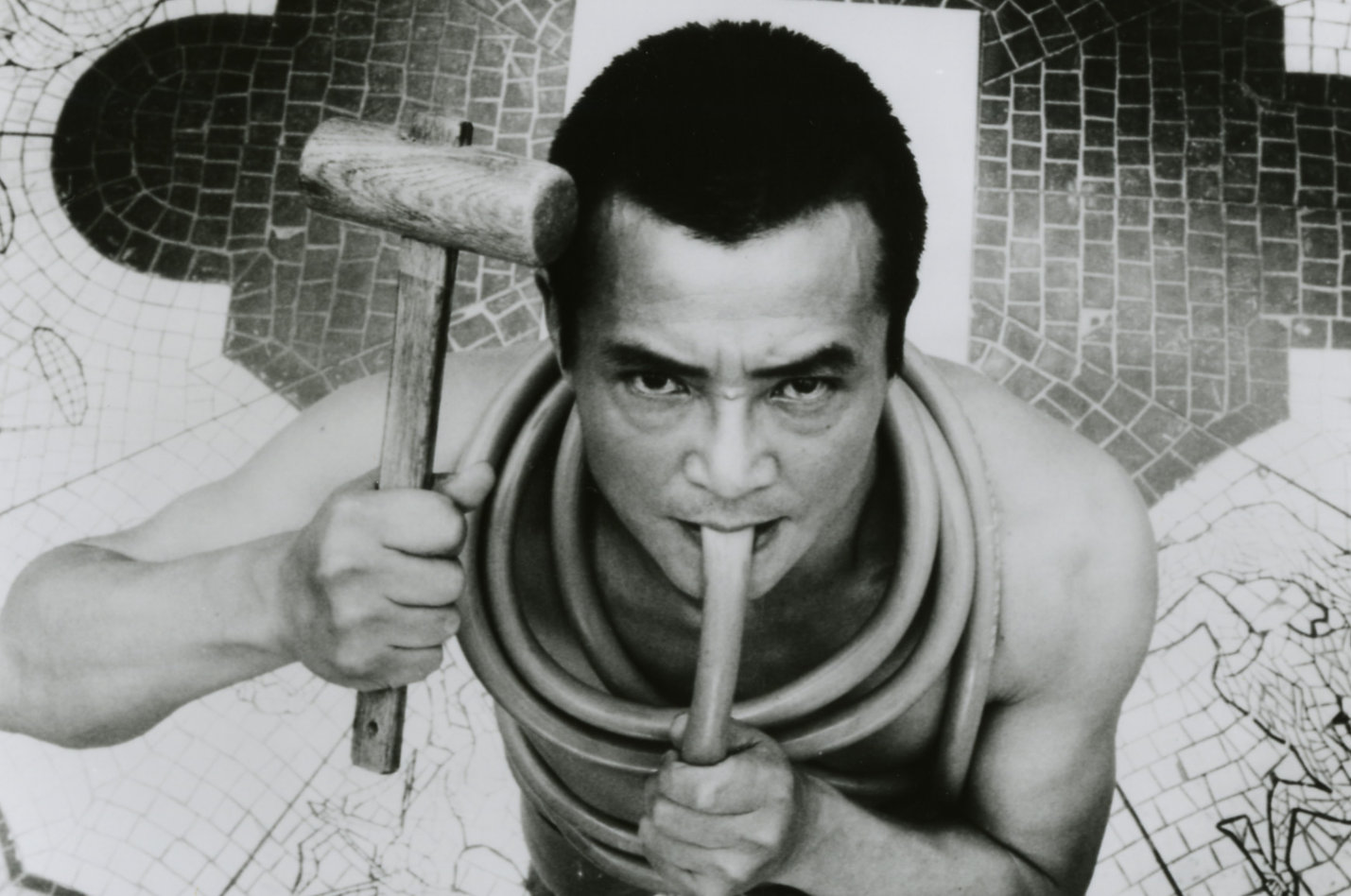
Ein Film von Paul Schrader.
Durch die Wiederaufführung des für Cannes frisch digitalisiertem Director‘s Cut des Regisseurs und Taxi-Driver-Autors Paul Schrader (zuletzt bei uns mit First Reformed) können wir uns ein neues Bild machen von seinem 1985 gedrehten fünften Spielfilm. Damals war es ein Flop an der Kinokasse, war das Werk doch zu unkonventionell, zu eigenwillig und vielschichtig. Das Biopic über Leben und vor allem Tod des berühmten, aber auch schrägen japanischen Schriftstellers Yukio Mishima, der sich in seinem Streben nach absoluter Schönheit in einen faschistoiden Ästhetizismus und einen Kult der Gewalt verstieg und schließlich 1970 rituellen Selbstmord beging, ist „ein wichtiger Versuch über das schwierige Verhältnis zwischen Kunst und Leben, Ästhetik und Moral“ sagt das Lexikon des internationalen Films.

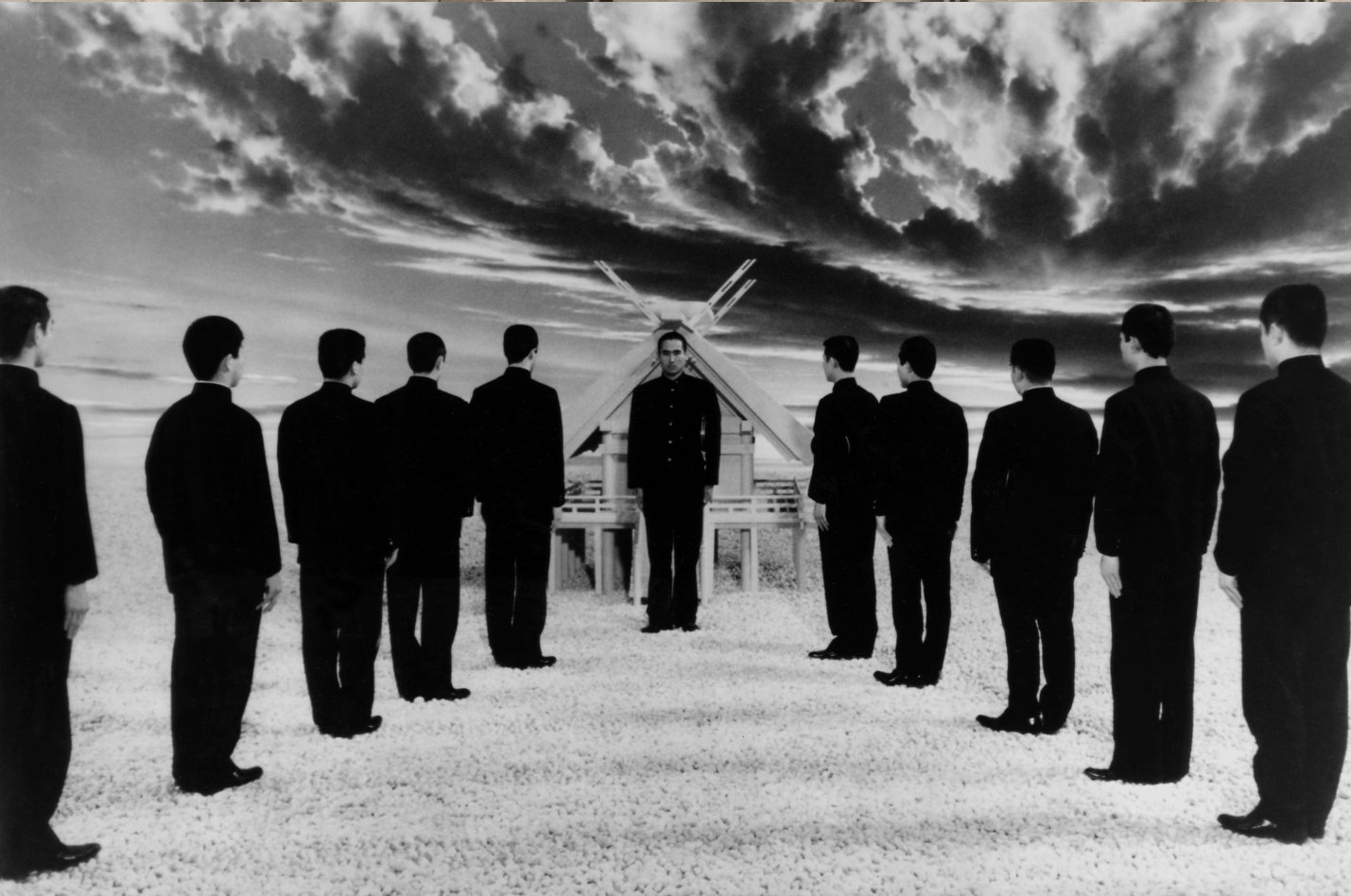
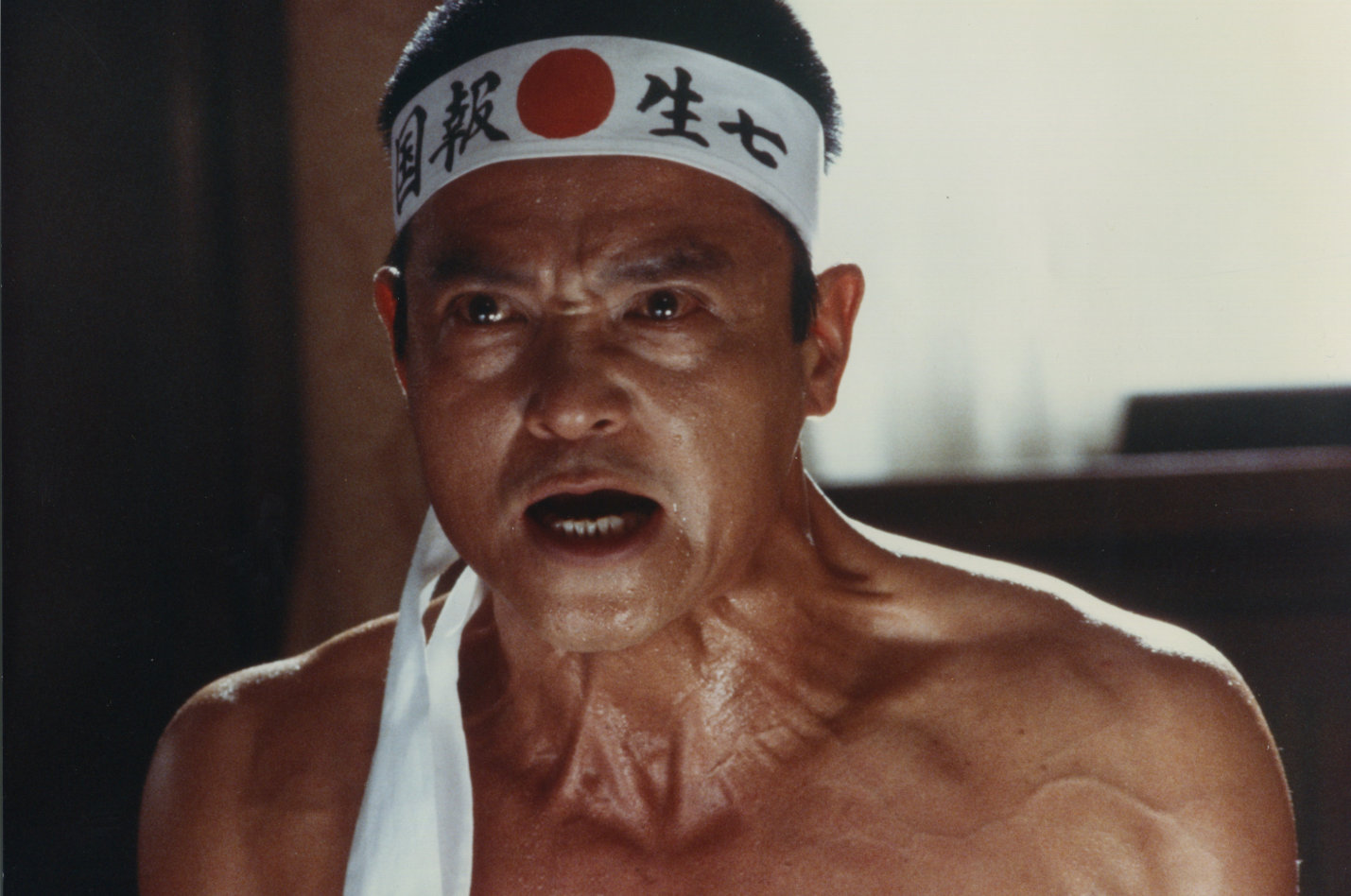
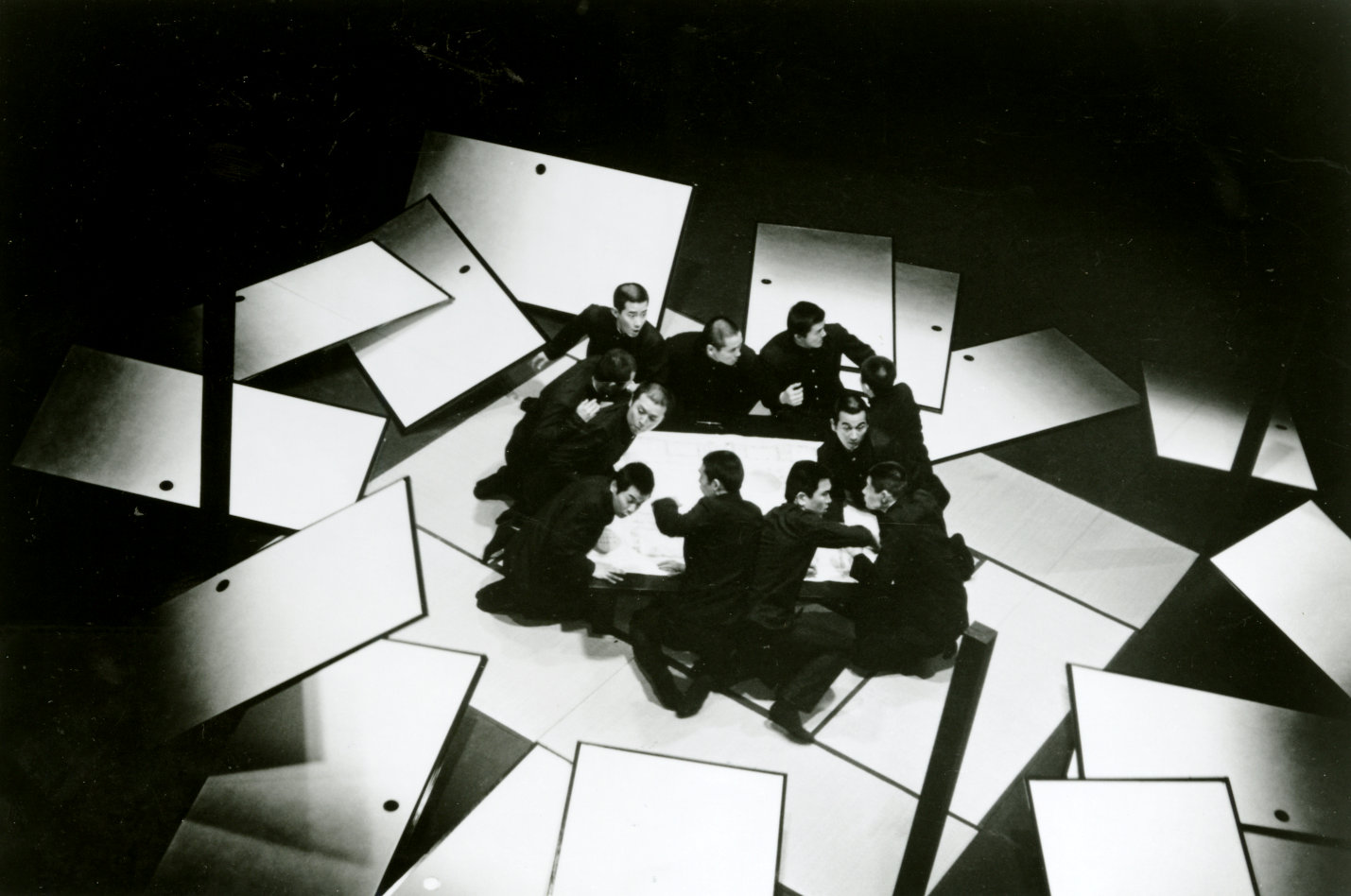
JP/US 1985, 121 Min., Regie: Paul Schrader, mit: Ken Ogata, Masayuki Shionoya, Hiroshi Mikami, Junya Fukuda
- noch keine oder keine mehr
A film by Paul Schrader.
The film sets in on November 25, 1970, the last day in Mishima’s life. He is shown finishing a manuscript. Then, he puts on a uniform he designed for himself and meets with four of his most loyal followers from his private army.
In flashbacks highlighting episodes from his past life, the viewer sees Mishima’s progression from a sickly young boy to one of Japan’s most acclaimed writers of the post-war era (who in adulthood trains himself into the acme of muscular discipline, owing to a morbid and militaristic obsession with masculinity and physical culture). His loathing for the materialism of modern Japan has him turn towards an extremist traditionalism. He sets up his own private army and proclaims the reinstating of the emperor as head of state.
The biographical sections are interwoven with short dramatizations of three of Mishima’s novels: In The Temple of the Golden Pavilion, a stuttering aspirant sets fire to the famous Zen Buddhist temple because he feels inferior at the sight of its beauty. Kyoko’s House depicts the sadomasochistic (and ultimately fatal) relationship between a middle-aged woman and her young lover, who is in her financial debt. In Runaway Horses, a group of young fanatic nationalists fails to overthrow the government, with its leader subsequently committing suicide. Dramatizations, frame story, and flashbacks are segmented into the four chapters of the film’s title, named Beauty, Art, Action, and Harmony of Pen and Sword.
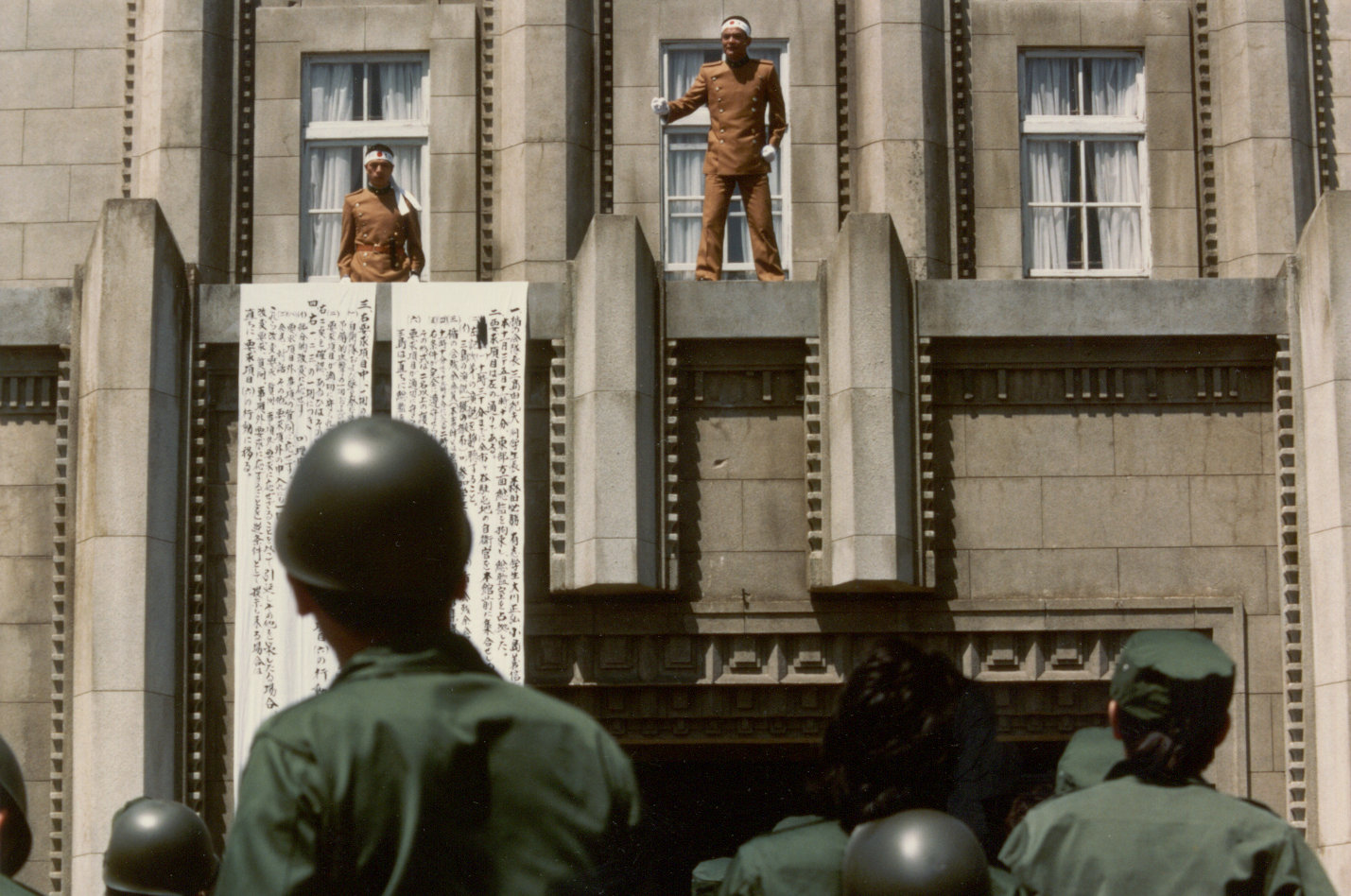
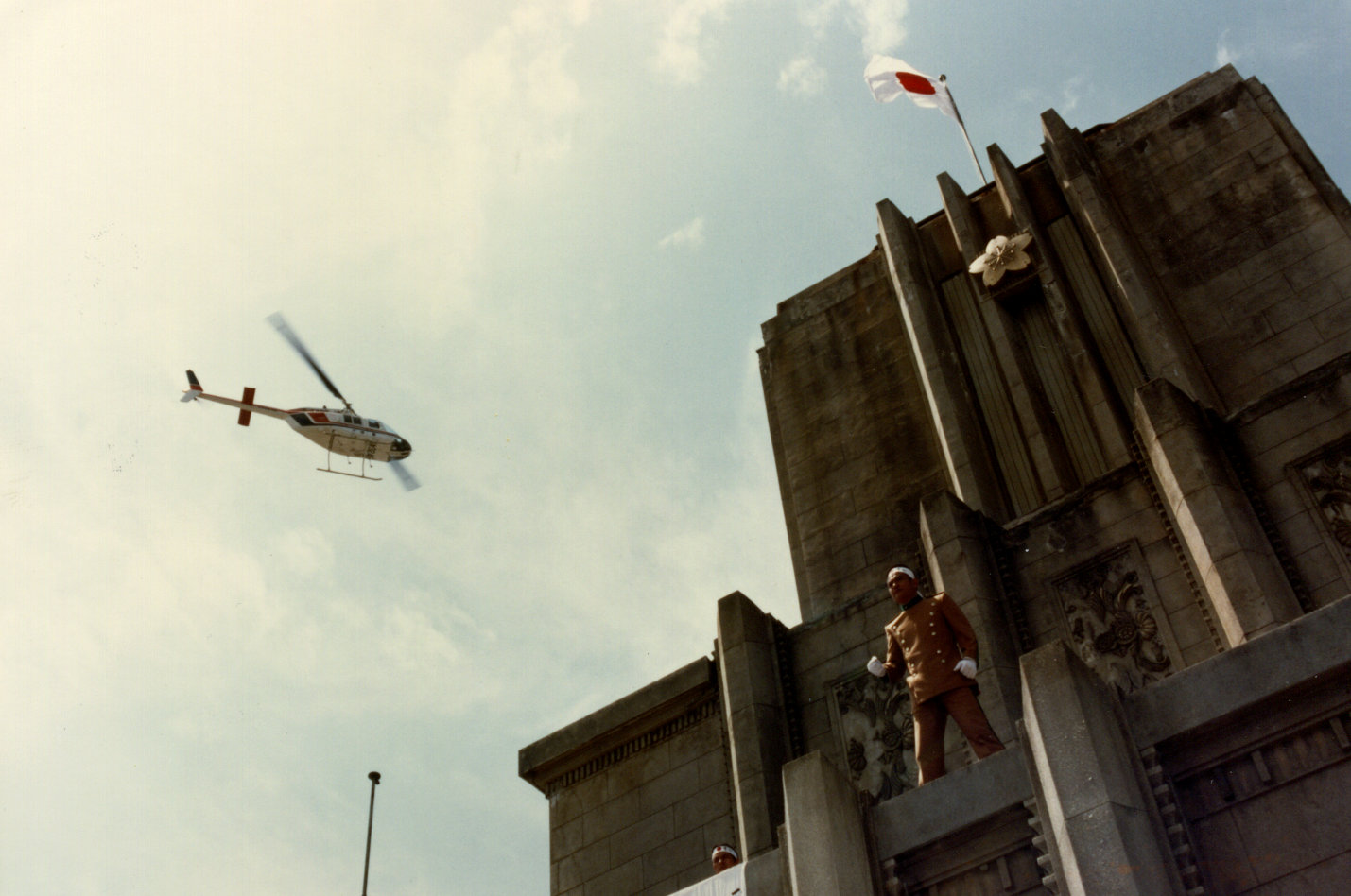
The film culminates in Mishima and his followers taking hostage a General of the Japan Self-Defense Forces. He addresses the garrison’s soldiers, asking them to join him in his struggle to reinstate the Emperor as the nation’s sovereign. His speech is largely ignored and ridiculed. Mishima then returns to the General’s office and commits seppuku.
(wikipedia)
JP/US 1985, 121 Min., Regie: Paul Schrader, mit: Ken Ogata, Masayuki Shionoya, Hiroshi Mikami, Junya Fukuda
- noch keine oder keine mehr