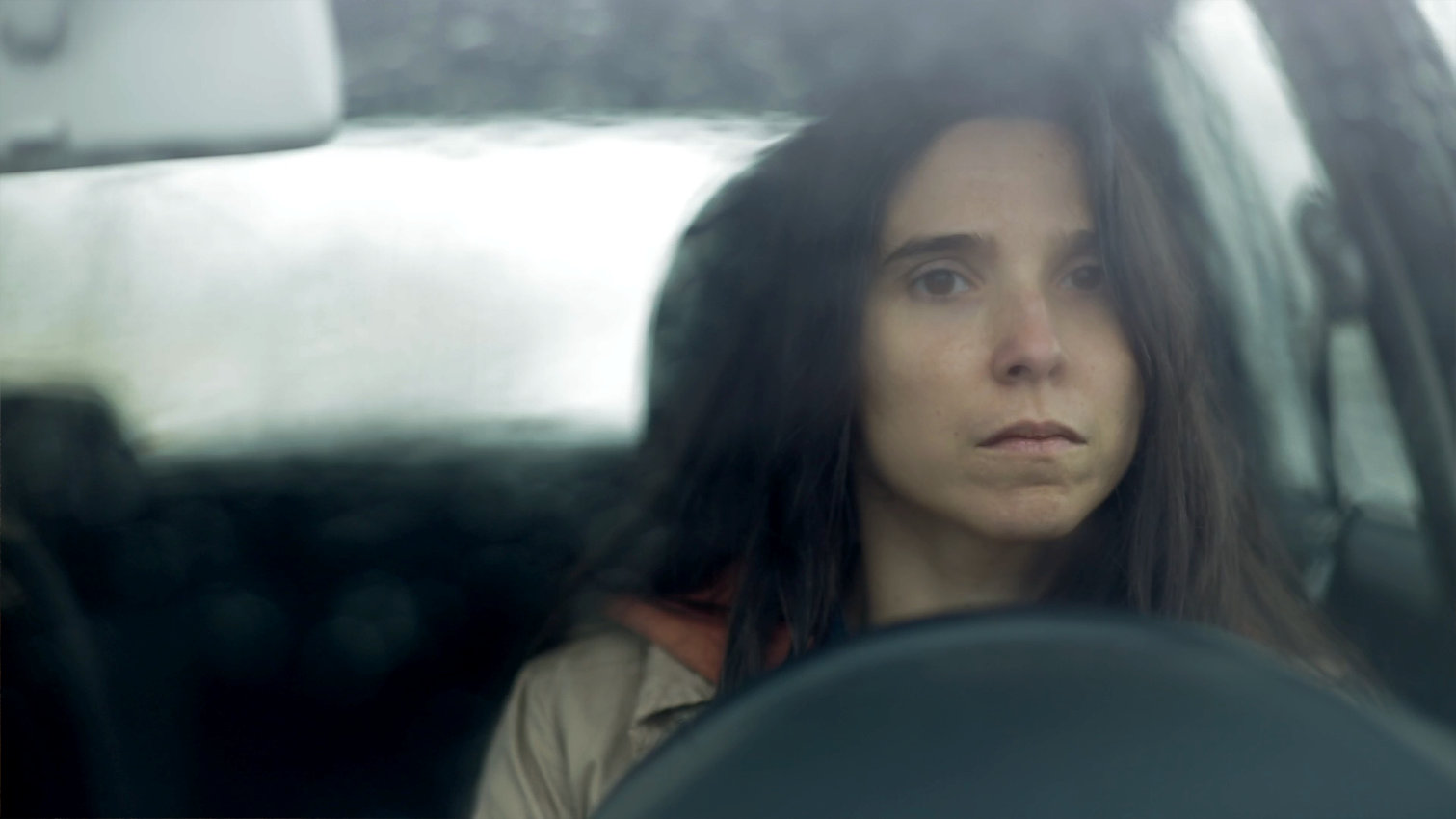
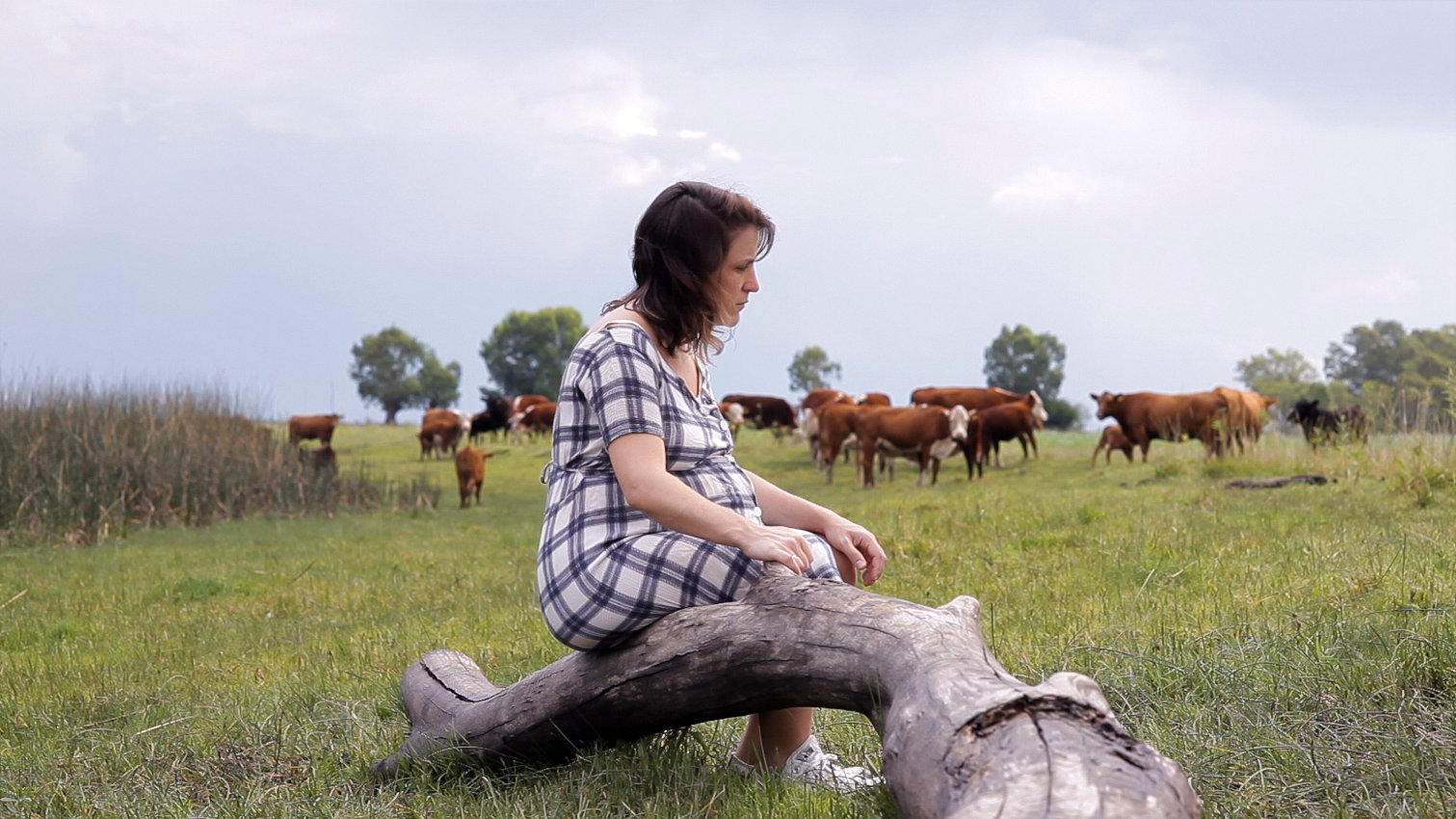
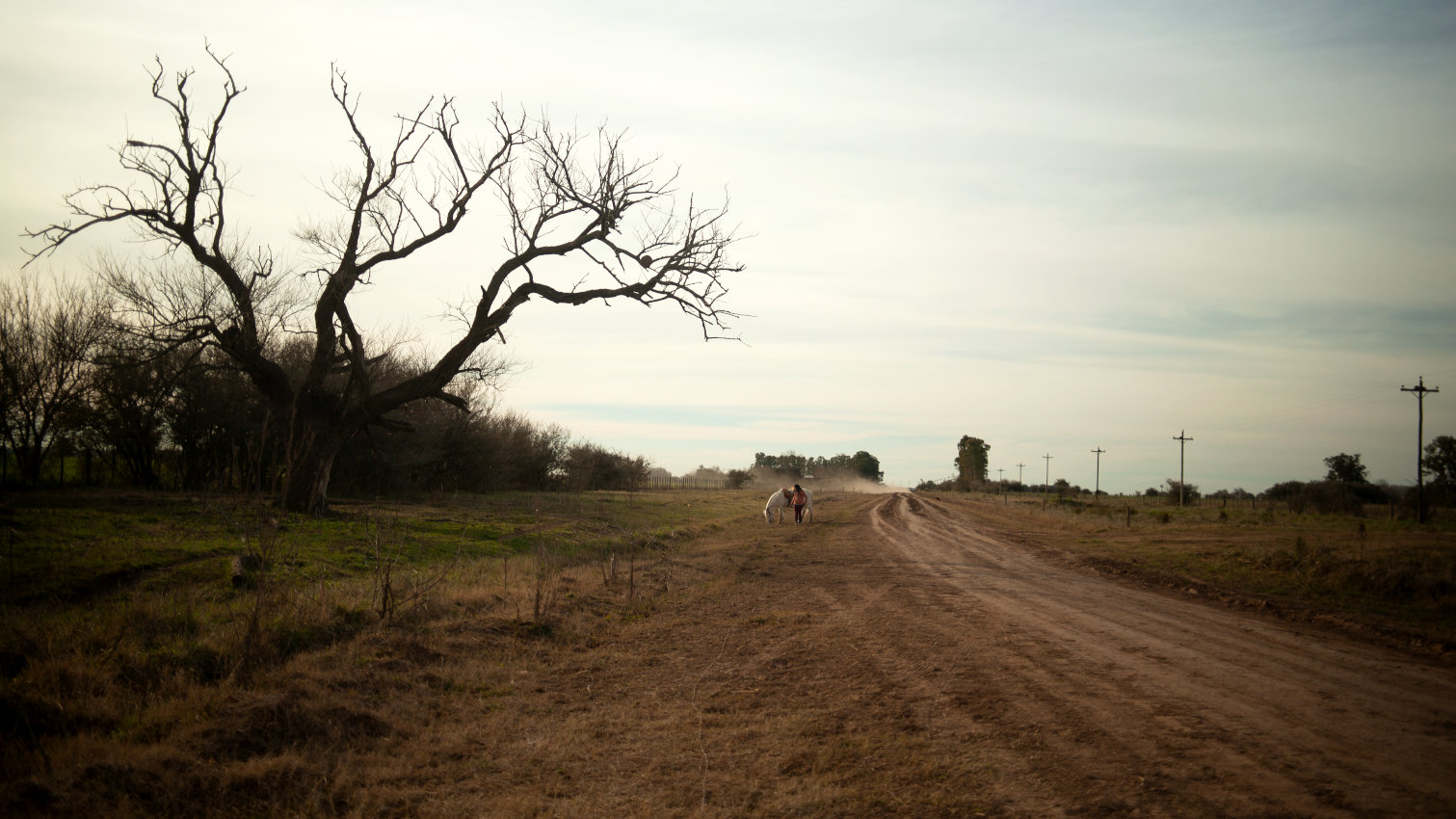
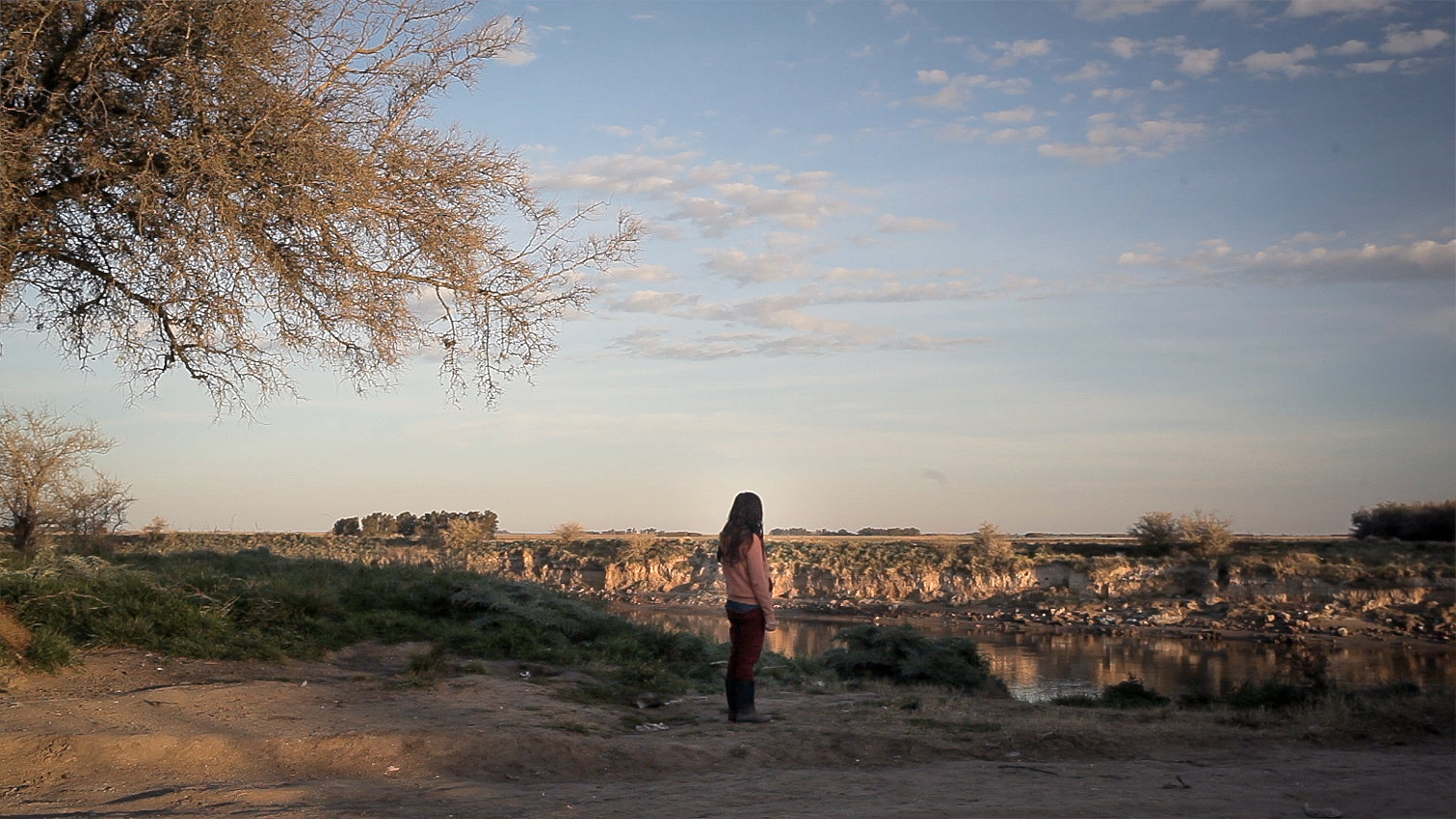
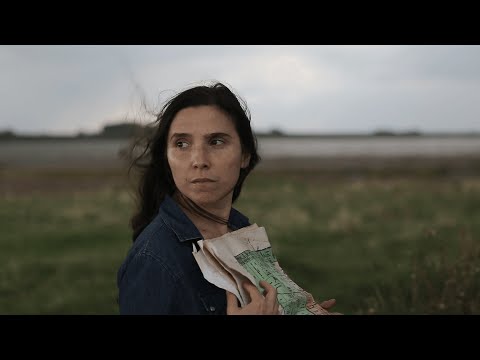
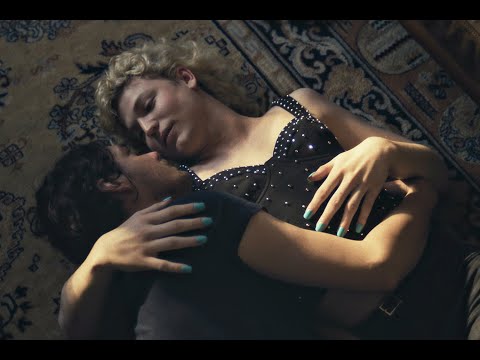
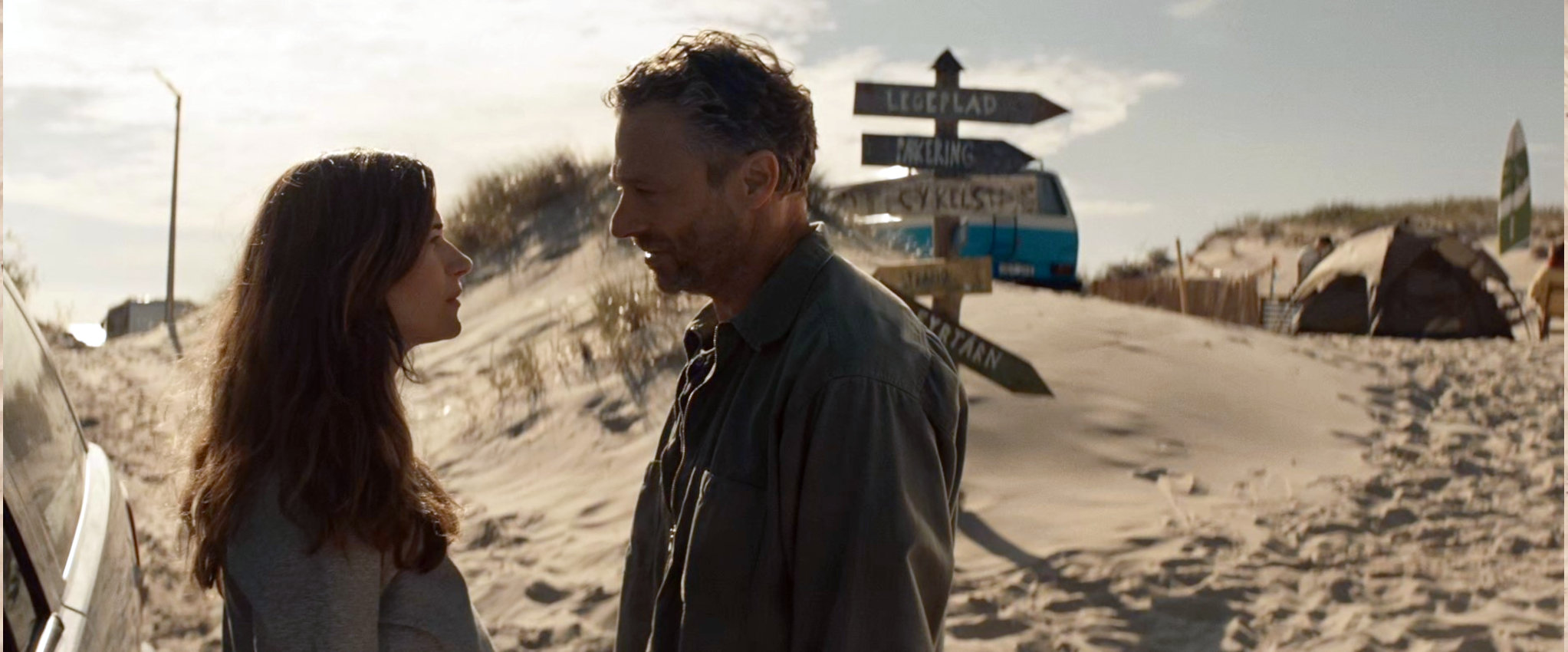
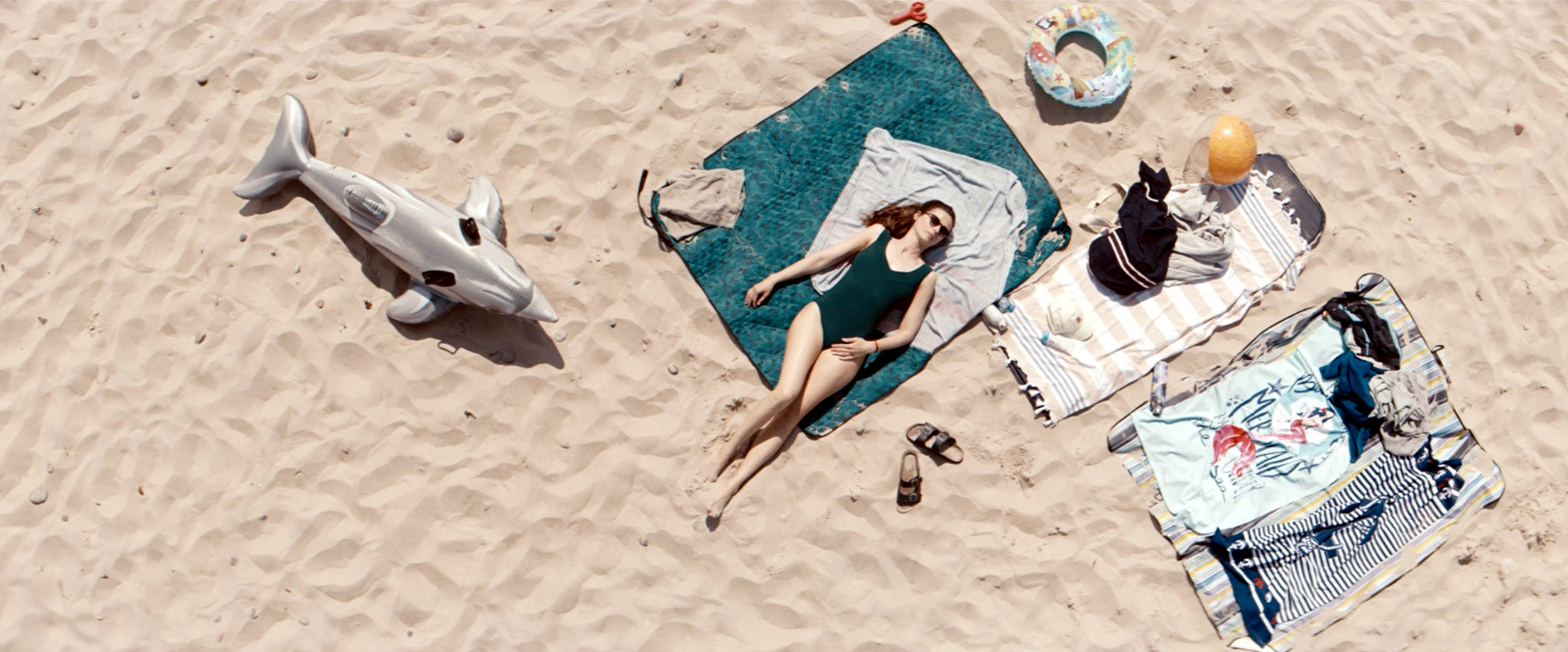
Laura Citarella makes a poignant and whimsical entry into the ranks of New Argentine cinema with her latest, expansively narrated feature TRENQUELAQUEN. Fans of Argentine directors such as Mariano Llínas and Alejo Moguillansky, who share the film’s screenwriting and editing credits respectively, will recognize the characteristic richly meandering storytelling, which draws on multiple quirky characters and a healthy dose of meta-humor and self-irony. In Part I, Laura (Laura Paredes, who co-wrote the script), the film’s protagonist, goes missing, sending her pragmatic jilted boyfriend and her stone-faced, yet infinitely sensitive co-worker on a quest to find her. Laura is a woman of two-pronged passions: a dedicated plant researcher, she becomes entranced with a story of a highly erotic and tormented love affair between a young female biologist and a married man. TRENQUELAQUEN I takes viewers on a journey through the eponymous provincial municipality southwest of Buenos Aires, during which ordinary landscapes, understated pitstops and situations are turned into the stations of an engrossing mystery. At its heart lies the human yearning for the extraordinary: an existential discovery plot that could forever change our lives. (Ela Bittencourt)
Credits:
AR/DE 2022, Teil 1: 128 Min./Teil 2: 132 Min., span. OmU, Regie: Laura Citarella Kamera: Agustín Mendilaharzu, Inés Duacastella, Yarará Rodriguez, Schnitt: Miguel de Zuviría, Alejo Moguillansky, mit Laura Paredes, Ezequiel Pierri, Rafael Spregelburd, Elisa Carricajo, Juliana Muras, Verónica Llinás, Cecilia Rainero u. a.
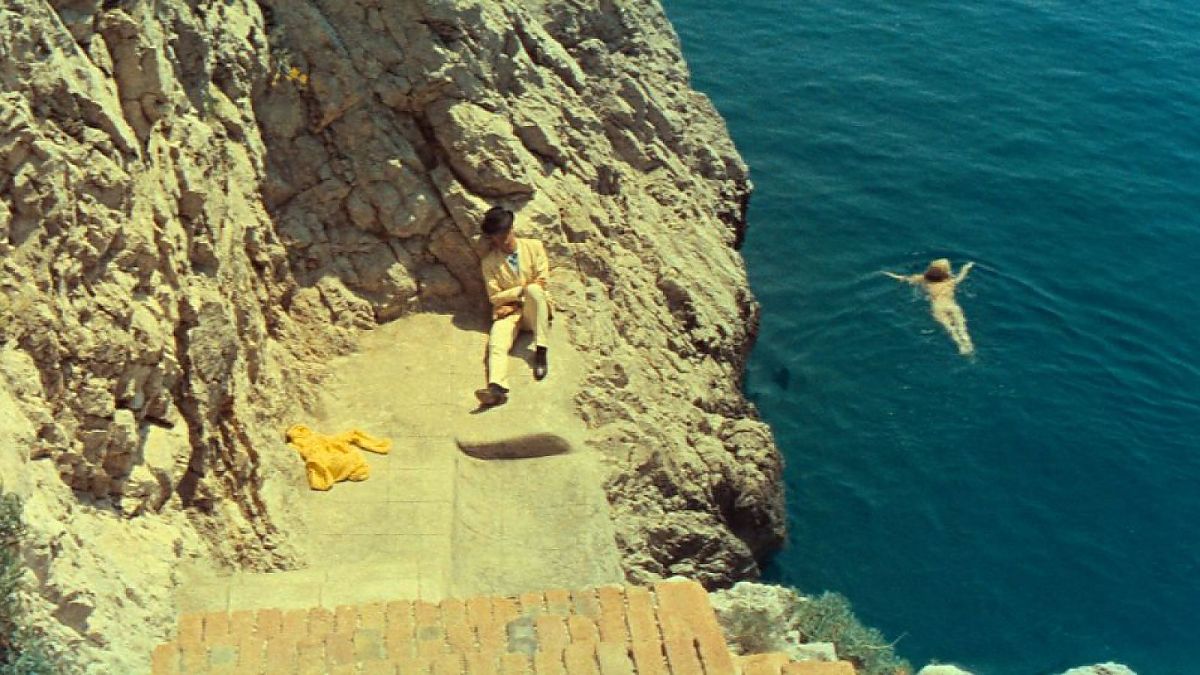
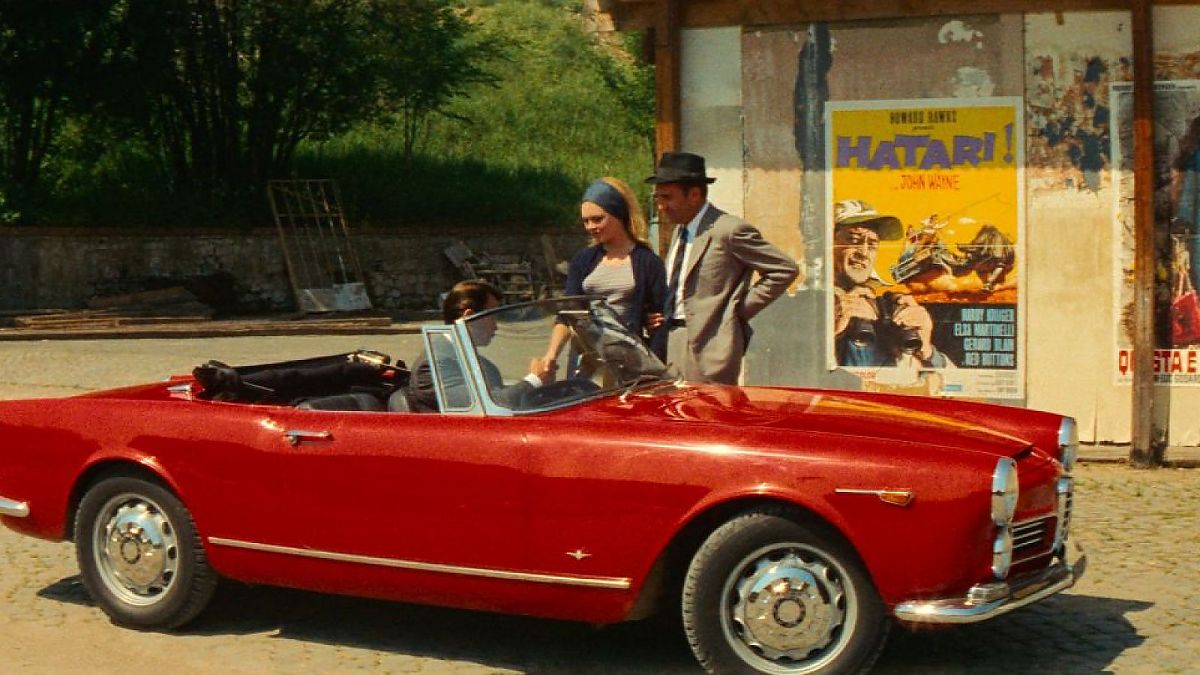
A 1963 French New Wave drama film written and directed by Jean-Luc Godard, based on the 1954 Italian novel Il disprezzo (A Ghost at Noon) by Alberto Moravia.[6] It stars Brigitte Bardot, Michel Piccoli, Jack Palance, and Giorgia Moll. Plot
Paul Javal, a young French playwright who has found commercial success in Rome, accepts an offer from vulgar American producer Jeremy Prokosch to rework the script for German director Fritz Lang’s screen adaptation of the Odyssey.
Paul’s wife, Camille Javal, joins him on the first day of the project at Cinecittà. As the first discussions are completed, Prokosch invites the crew to join him at his villa, offering Camille a ride in his two-seat sportscar. Camille looks to Paul to decline the offer, but he submissively withdraws to follow by taxi, leaving Camille and Prokosch alone. Paul does not catch up with them until 30 minutes later, explaining that he was delayed by a traffic accident. Camille grows uneasy, secretly doubting his honesty and suspecting that he is using her to cement his ties with Prokosch. Her misgivings are heightened when she sees Paul grope Prokosch’s secretary, Francesca. Back at their apartment, Paul and Camille discuss the subtle uneasiness that has come between them in the first few hours of the project, and Camille suddenly announces to her bewildered husband that she no longer loves him.
zurück
Credits:
FR. 1963, 105 Min., frz. OmU Regie: J.-L. Godard Kamera: Raoul Coutart mit: Michel Piccoli, Brigitte Bardot, Jack Palance, Fritz Lang, Francesca Vanini, Georgia Moll
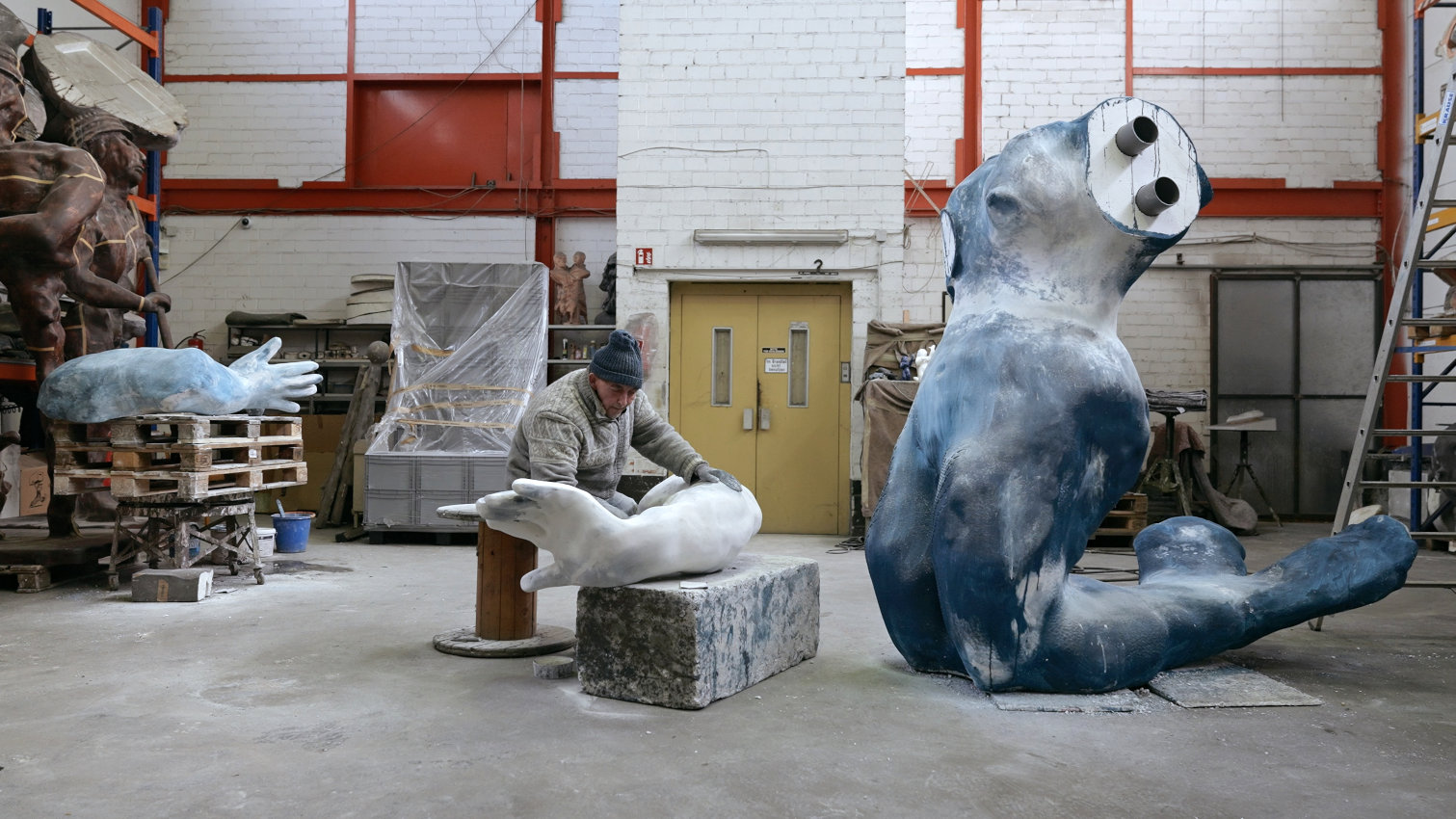
Setting: a workshop. When it comes to Thomas Schütte’s larger than life sculptures, the work is hands on – and on an impressive scale. Sanding, sawing and milling are the order of the day. The artist, with a cigarette hanging out of his mouth, moulds the eyes of a figure with his own hands or sometimes uses computer simulation. Regardless of the machinery, technology or material, it becomes clear: art is hard work. Anja Klauck
Credits:
DE 2023, 94 Min., engl., franz. deutsche OmU Regie: Corinna Belz Schnitt: Rudi Heinen Kamera: David Wesemann, Jule Katinka v. Cramer
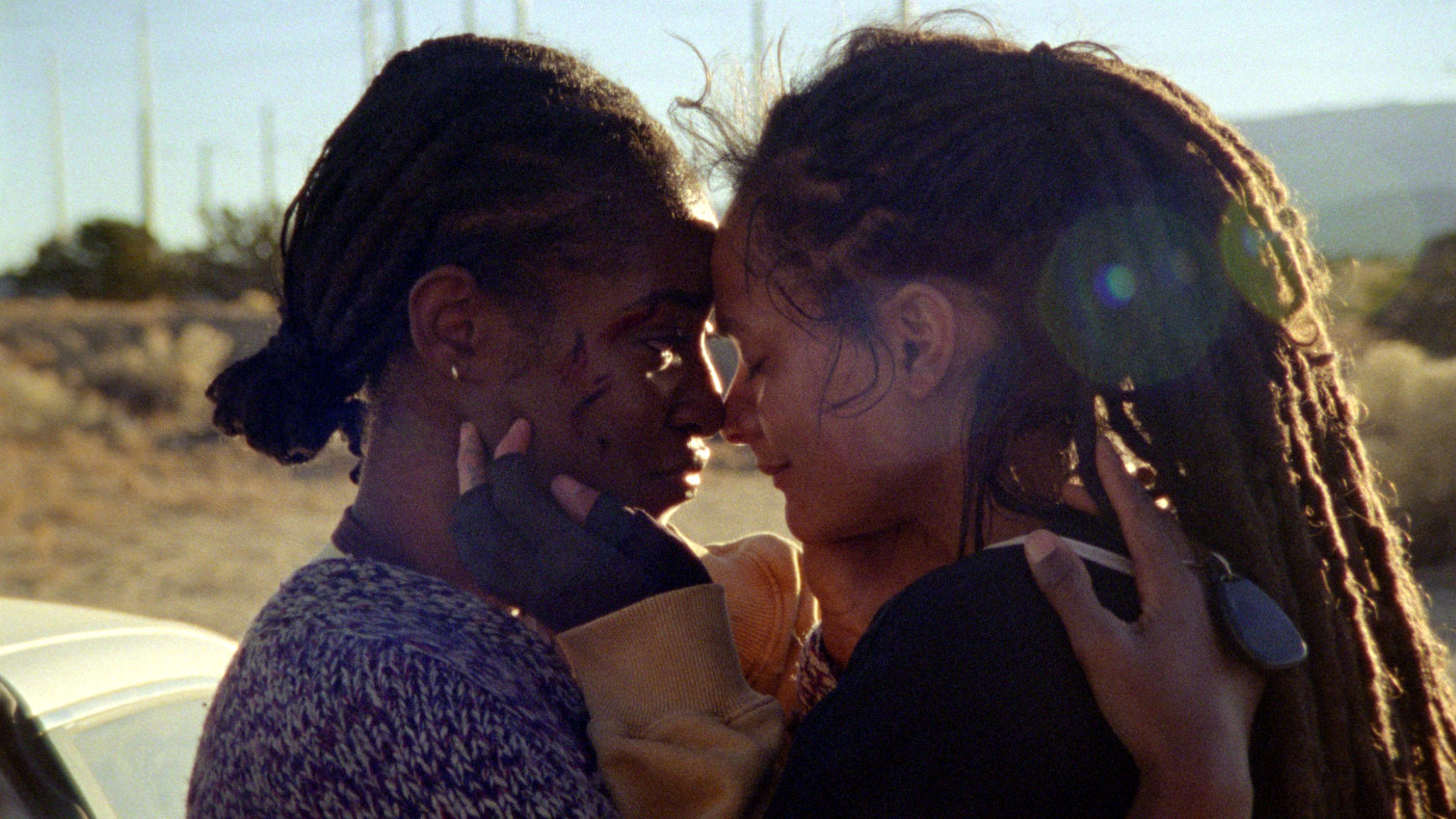
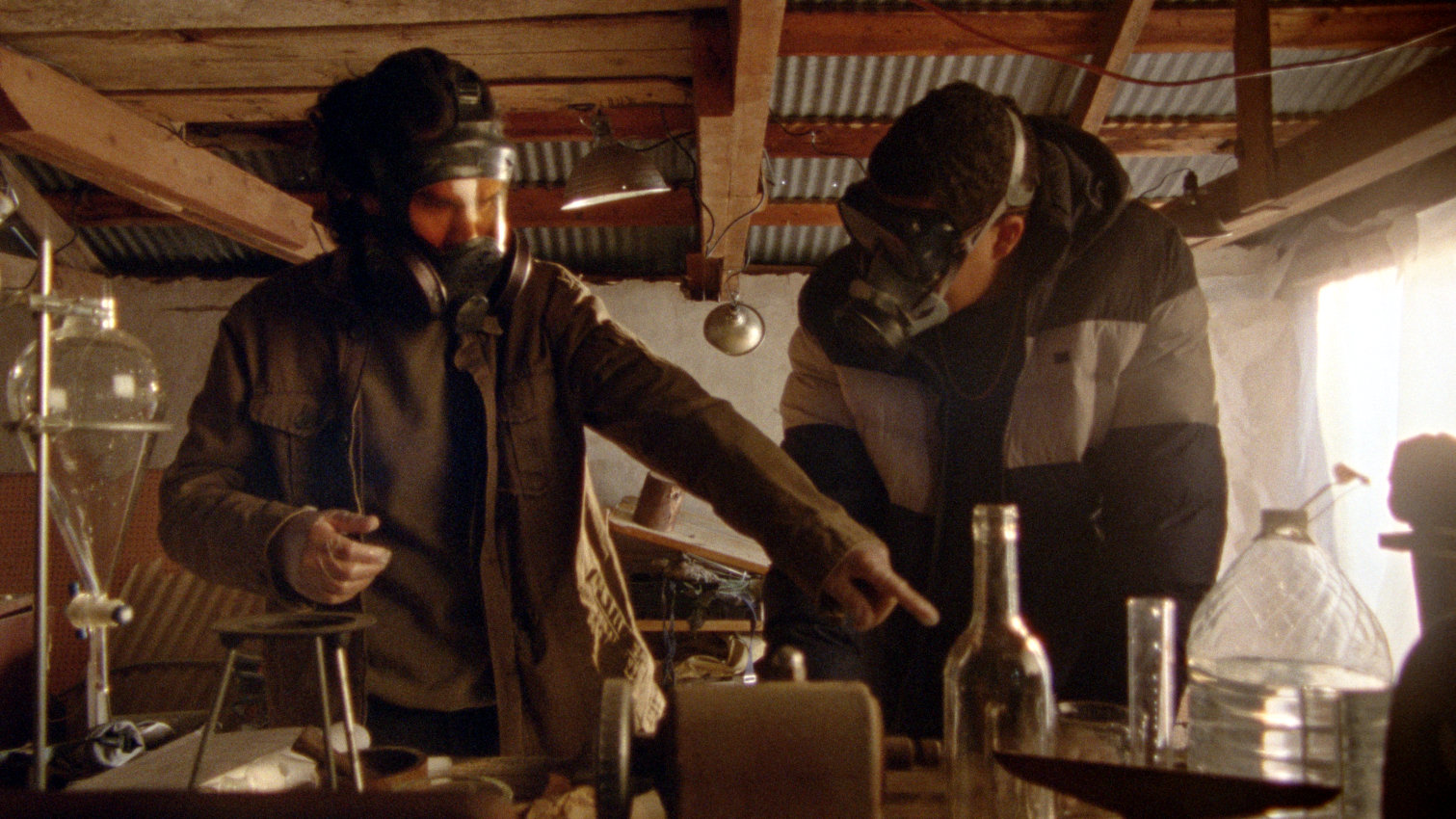
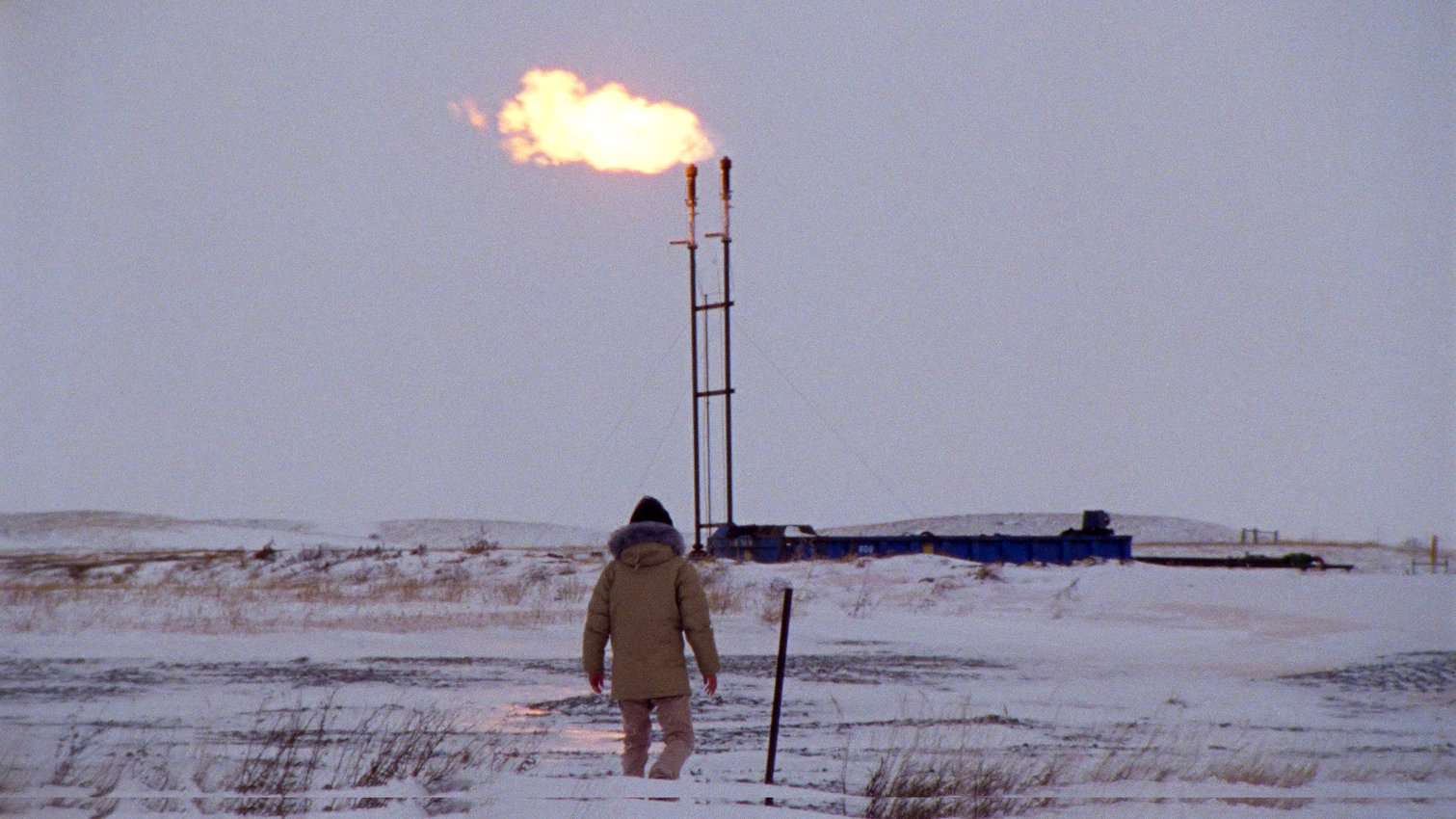
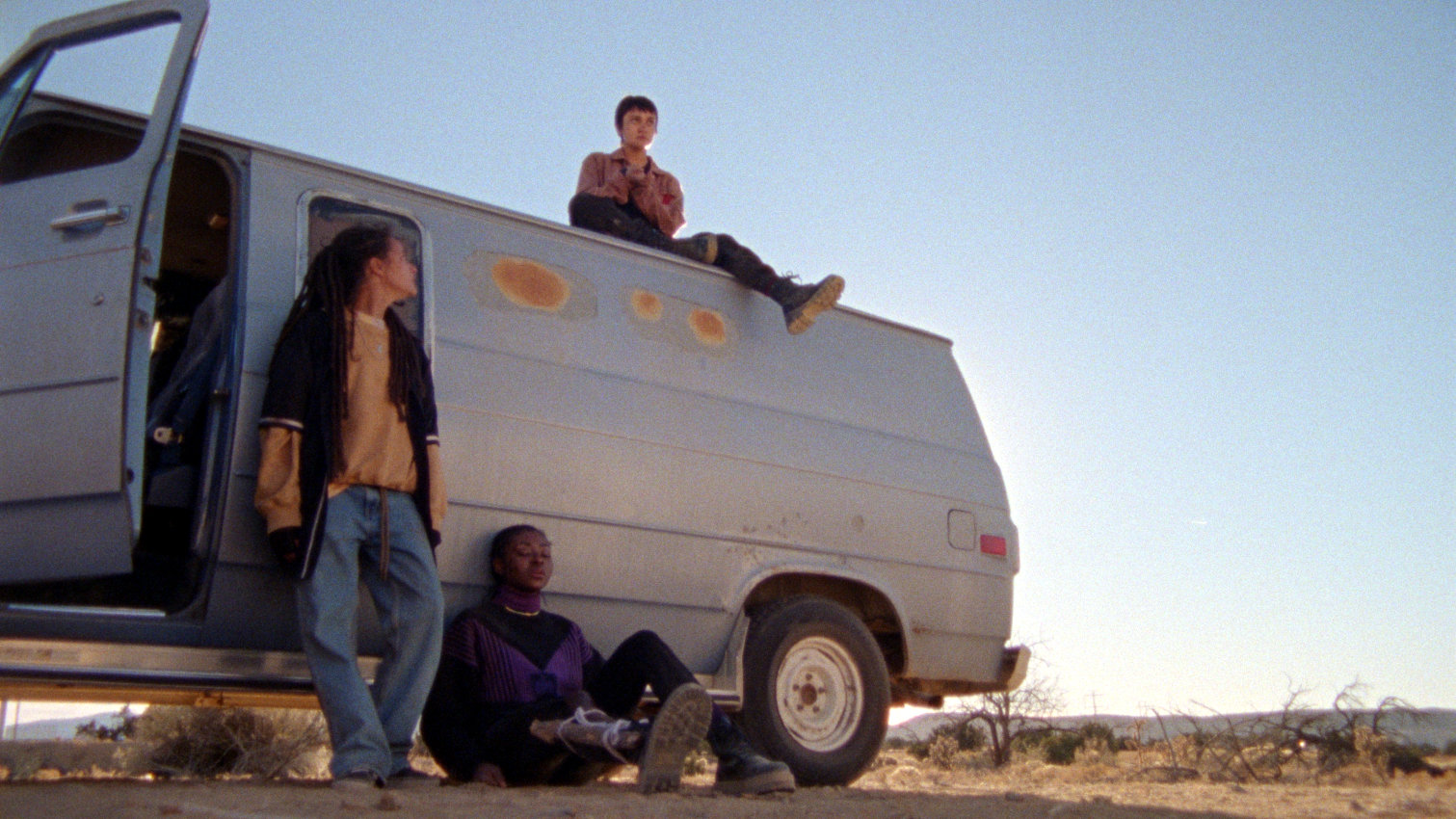
Based on the eponymous novel by Andreas Malm, this thriller revolves around the sabotage carried out by a group of militant ecological activists. People are gathering in the desert. They’re there to prepare a mission: some have already felt the effects of environmental pollution, others are frustrated climate activists for whom radical methods appear the only means of protesting against the climate catastrophe. Their plan is to sabotage a pipeline to knock the oil business off balance and thus ensure change, where other forms of resistance have already exhausted their usefulness. The film is a variation on a heist thriller and a psychological study of activists between personal concern, radicalisation and doubt.
Credits:
US 2022, 106 Min., engl. OmU, Regie: Daniel Goldhaber mit Ariela Barer, Kristine Froseth, Lukas Gage, Forrest Goodluck, Sasha Lane, Jayme Lawson , Marcus Scribner, Jake Weary, Irene Bedard, Olive Jane Lorraine
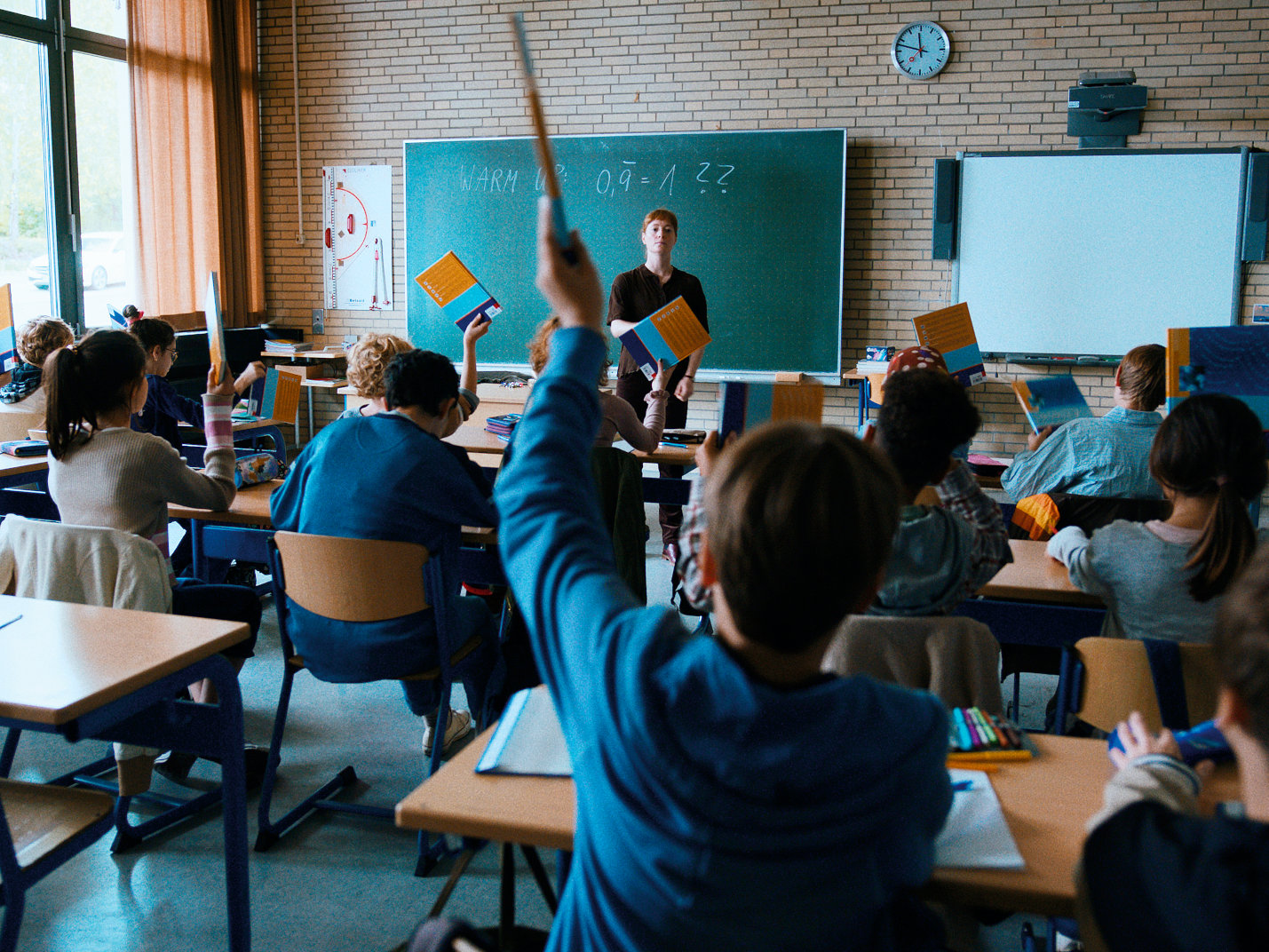
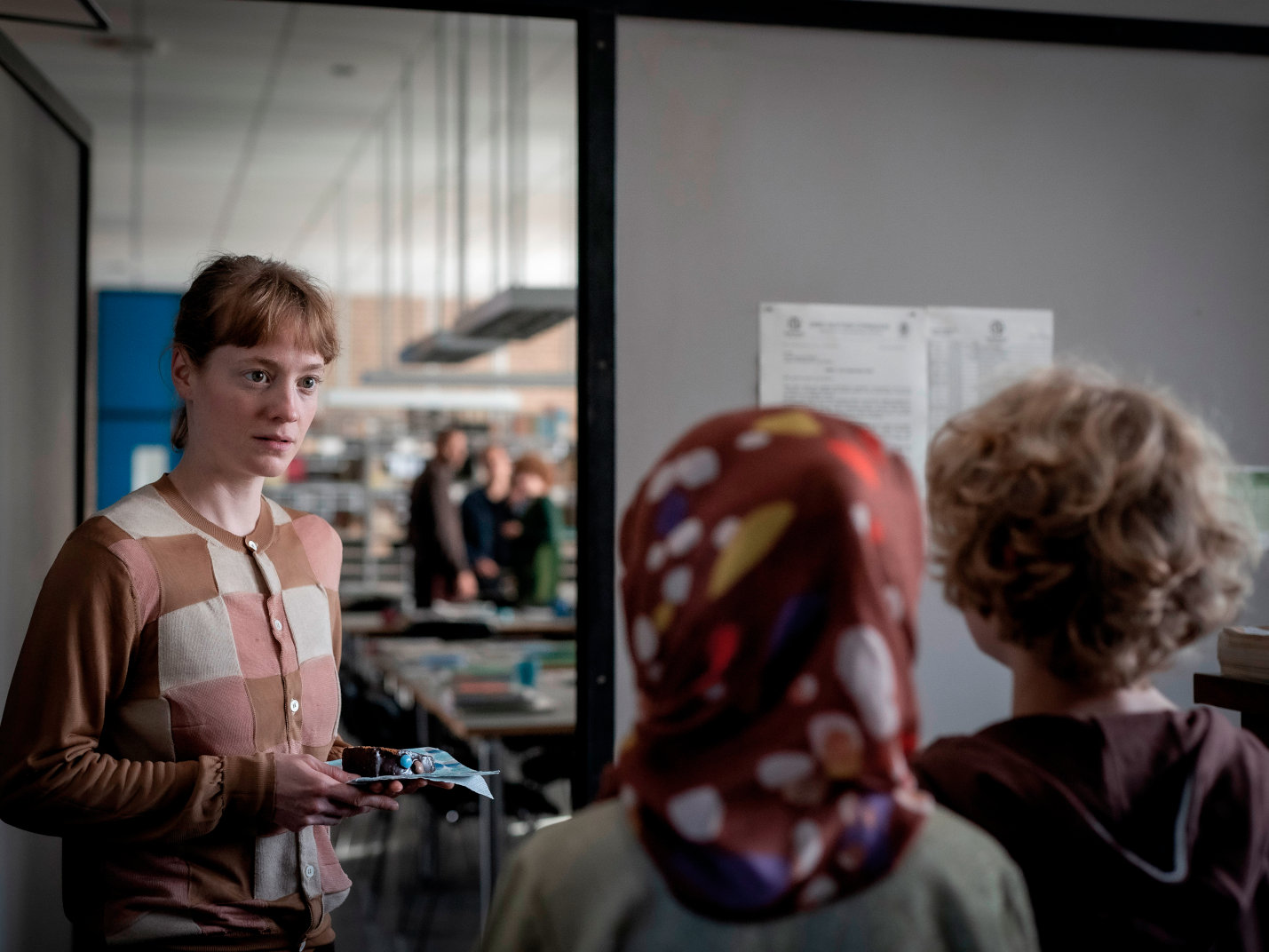
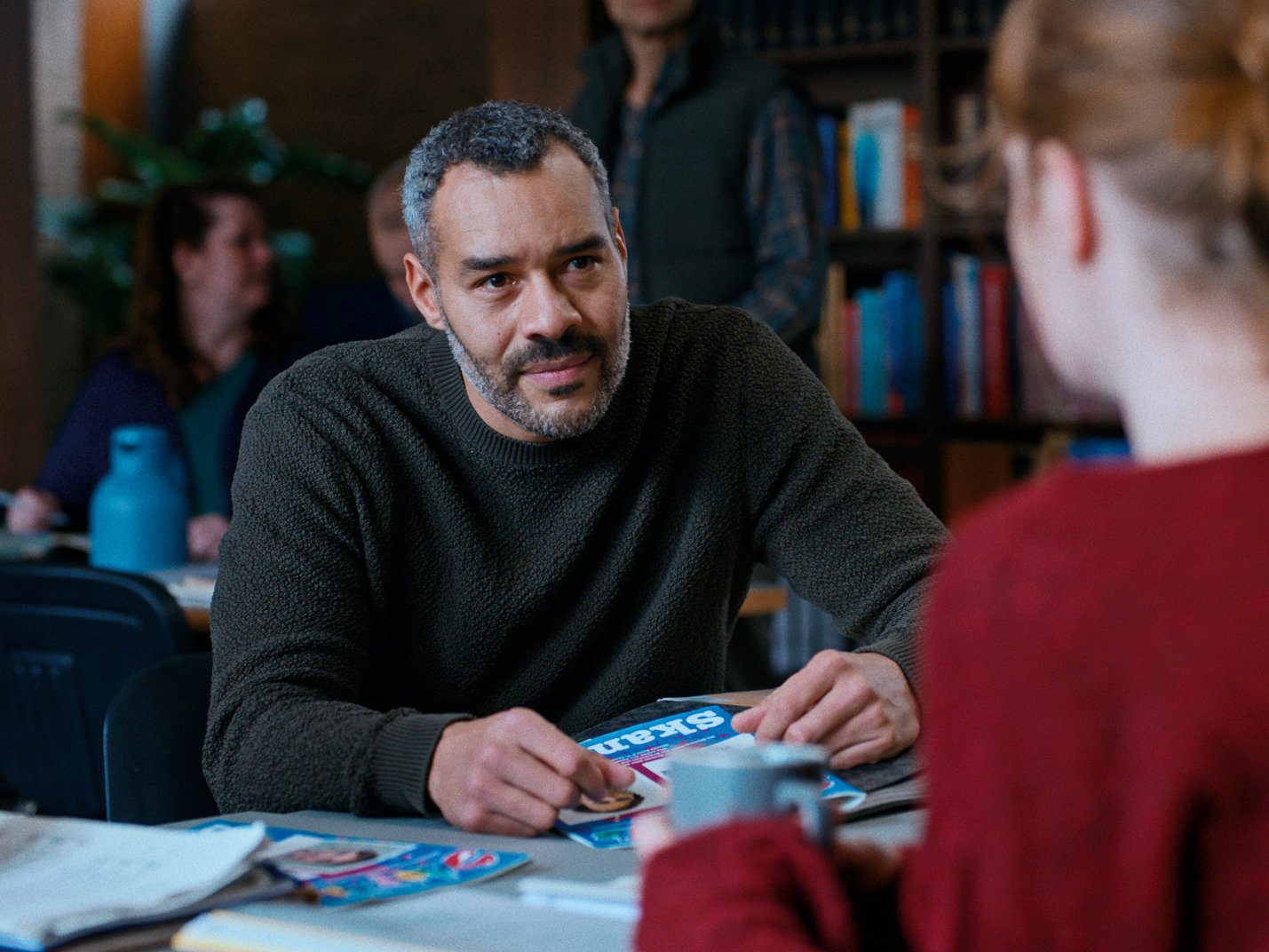
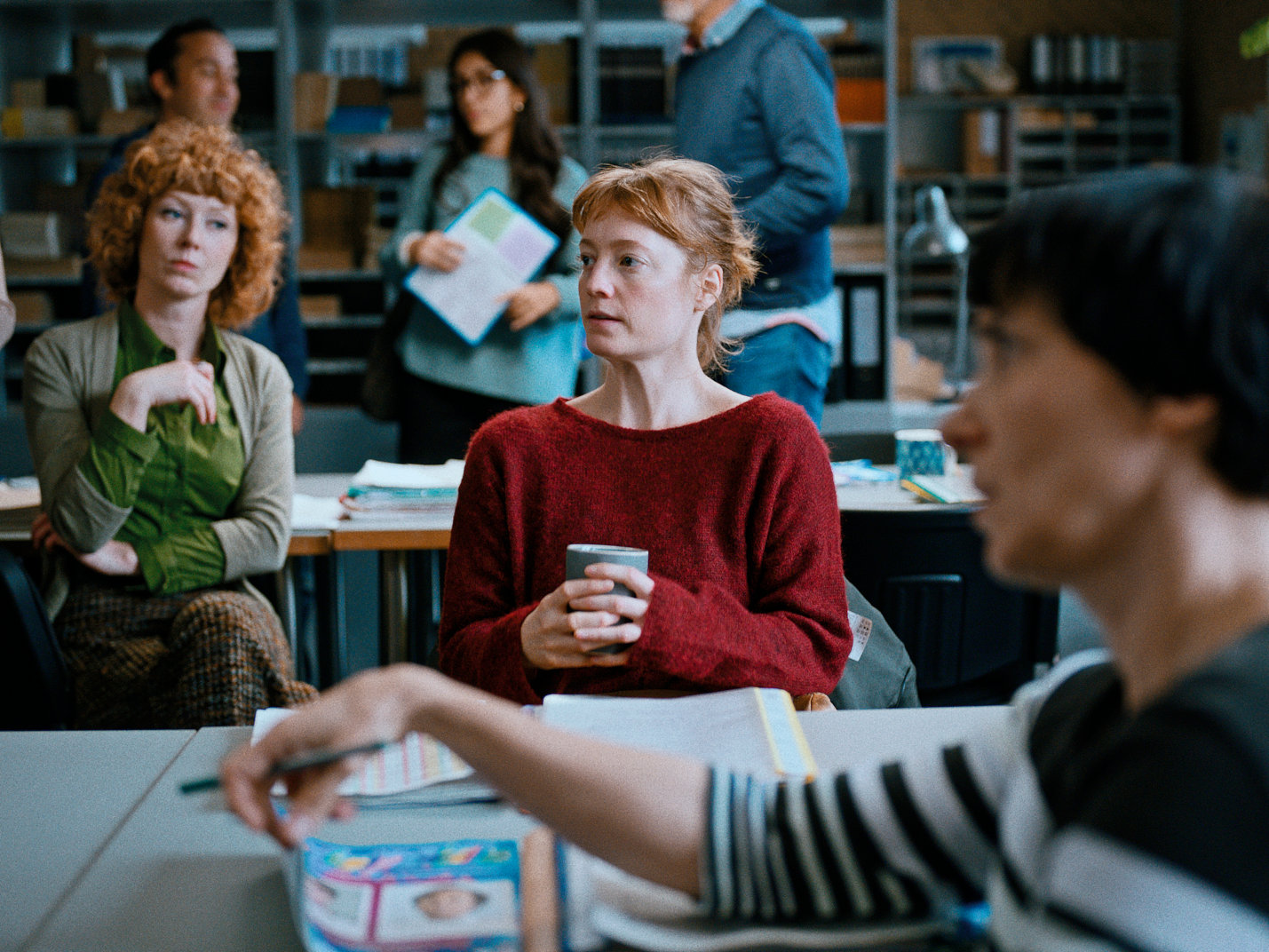
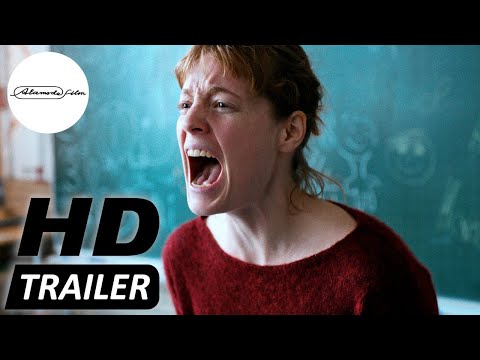
“What happens in the staff room stays in the staff room,” says Carla Nowak in an interview with the school newspaper. Even if that is purely wishful thinking for the teacher at this point. This is her first job, and she is committed to teaching mathematics and physical education to her class of seventh graders. Things are going well and she is able to motivate these adolescents. Then a series of thefts occur at school and one of her students is quickly suspected. An outraged Carla decides to get to the bottom of the matter herself, but the case is not so easy to solve and has repercussions. Quickly decried as idealistic by the rest of the staff, Carla finds herself having to answer to angry parents and mediate between quarrelling students. The more she tries to do everything right, the more she – and others – are pushed to their limits, and the entire school system is thrown off balance. İlker Çatak misses nothing in his brilliantly observed film. In his unsparing drama, the school is a microcosm in which the outside world no longer exists and nothing remains private. Das Lehrerzimmer is a study in power relations that demonstrates how individuals are worn down between entrenched positions.
Credits:
DE 2023, 94 min, Deutsch, Türkisch, Polnisch, Englisch OmU Regie: İlker Çatak Schnitt: Gesa Jäger Kamera: Judith Kaufmann mit: Leonie Benesch, Leonard Stettnisch, Eva Löbau, Michael Klammer, Anne-Kathrin Gummich
Trailer:
DASLEHRERZIMMER | Trailer deutsch | Jetzt im Kino!
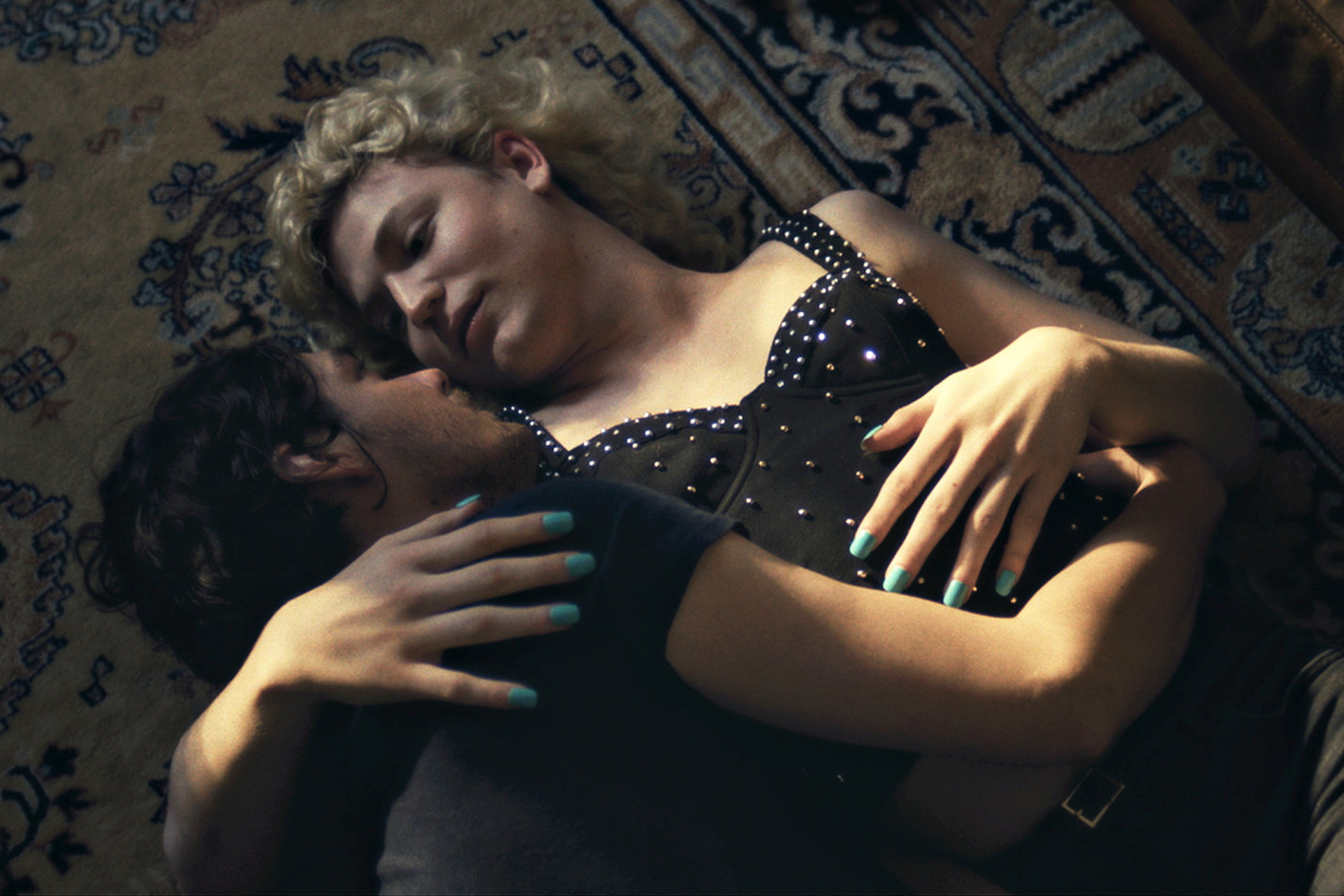
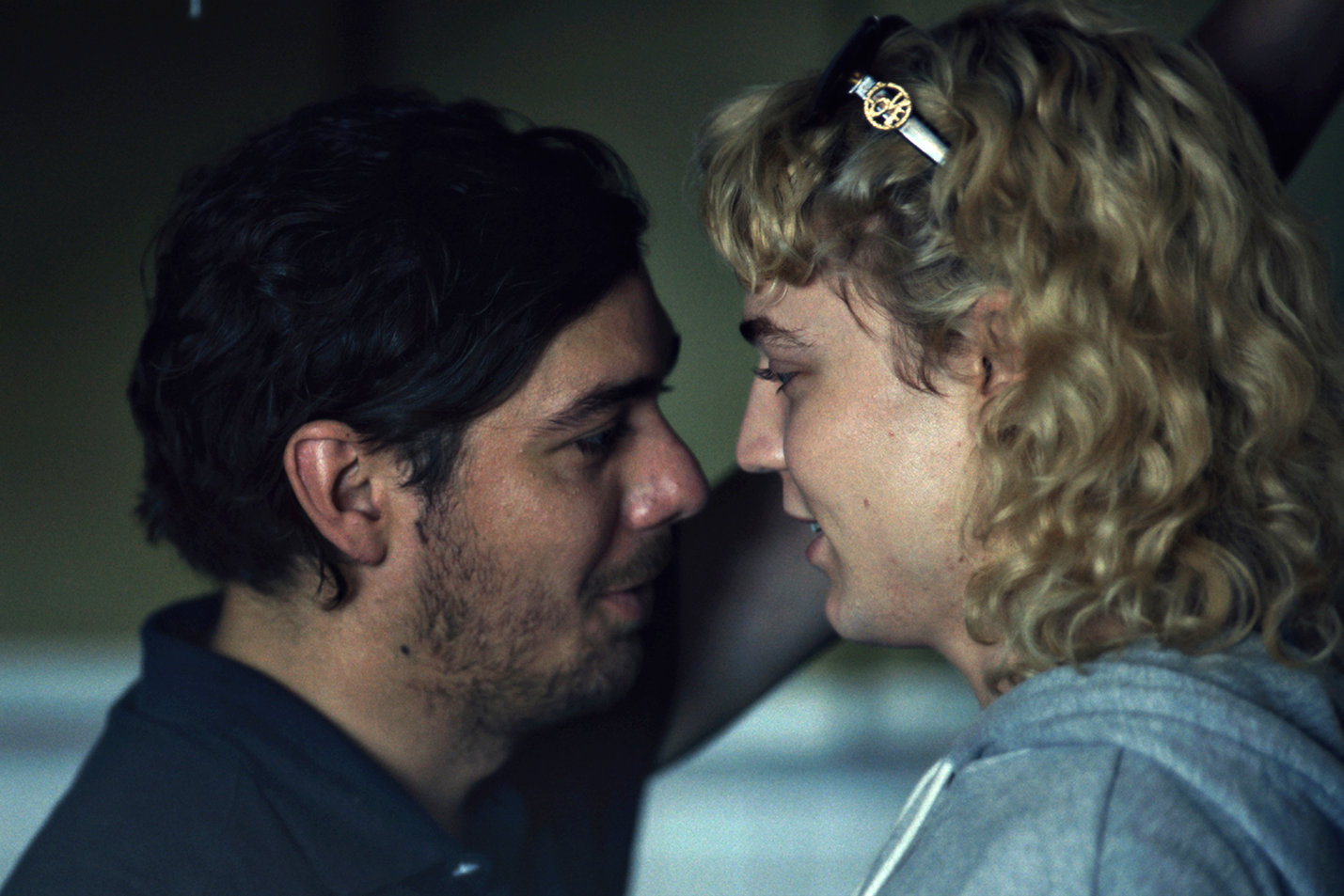
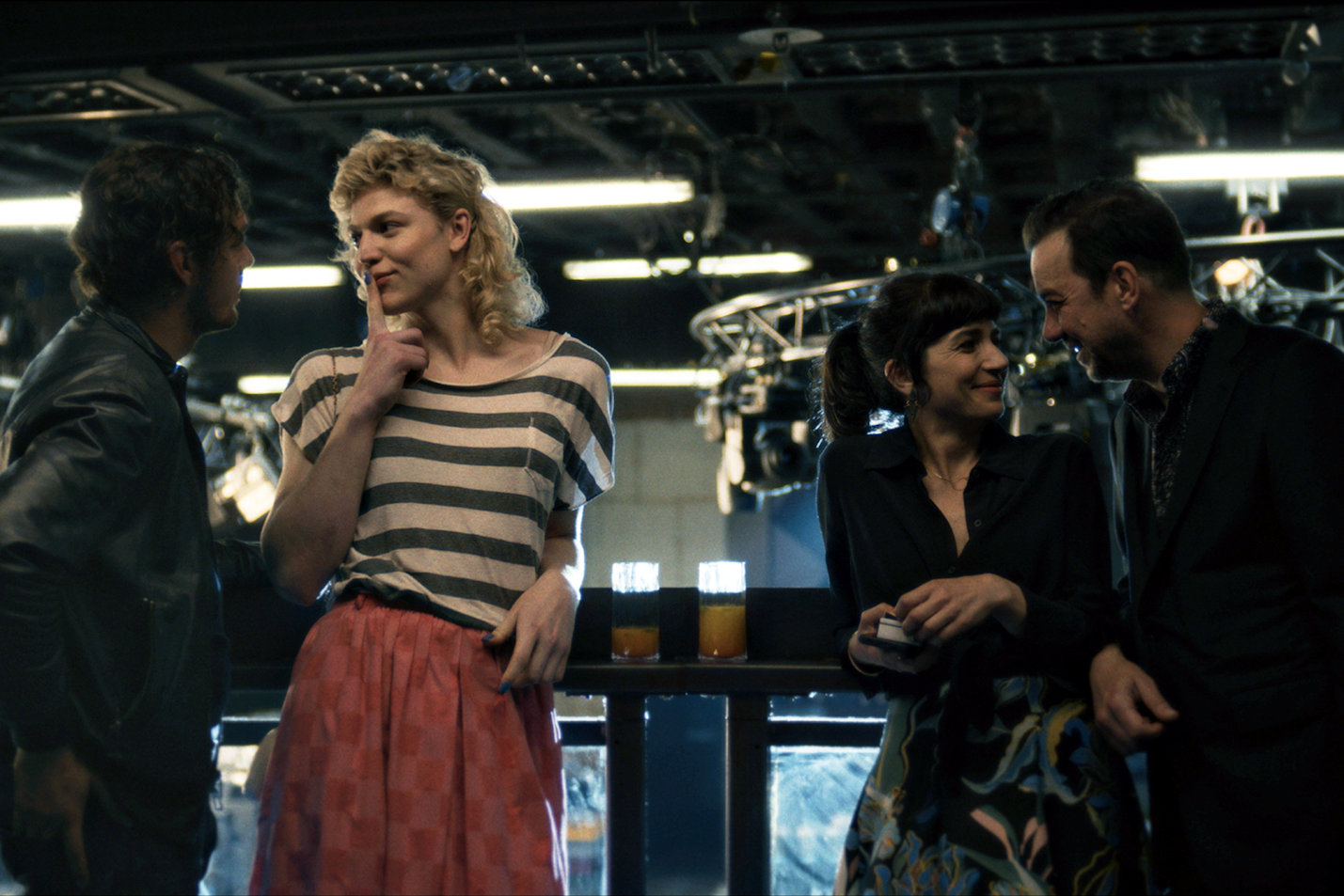
Robert wears a leather jacket and his hair rather long. He is by no means your average cop – at least not the kind to be found in most German movies. As an undercover investigator, he is tasked with gaining the trust of a criminal, Victor, by faking a relationship with Leni who has been released on parole to play along. They manage to make contact with Victor at a dance class: Robert and Leni – he gay, she trans – make a great couple and soon have the criminal on the hook. Or is it he who has entrapped them? And ultimately, are there not more feelings at play in this supposedly fake love affair? We would not be in a film by Christoph Hochhäusler if there were any simple answers or truths. His clever plot is pure oscillation, and the result is an ingenious portrait of the emotional intellect that is as witty as it is touching. The film is a (not entirely drug-free) trip along the director’s trademark Möbius strip of genre and auteur cinema. Added into the mix is one of the most beautifully nostalgic soundtracks of the year, a worse-for-wear romantic atmosphere with a Fassbinder-like charm and, finally, an ensemble cast that breathes life into all of puppet master Hochhäusler’s deceptive manoeuvres, death wish included.
Credits:
DE 2023, 123 min, Deutsch OmeU Regie: Christoph Hochhäusler Schnitt: Stefan Stabenow Kamera: Reinhold Vorschneider mit: Timocin Ziegler, Thea Ehre, Michael Sideris, Ioana Iacob, Rosa Enskat
Trailer:
Bis ans Ende der Nacht (offizieller Trailer) – Ein Film von Christoph Hochhäusler mit Thea Ehre
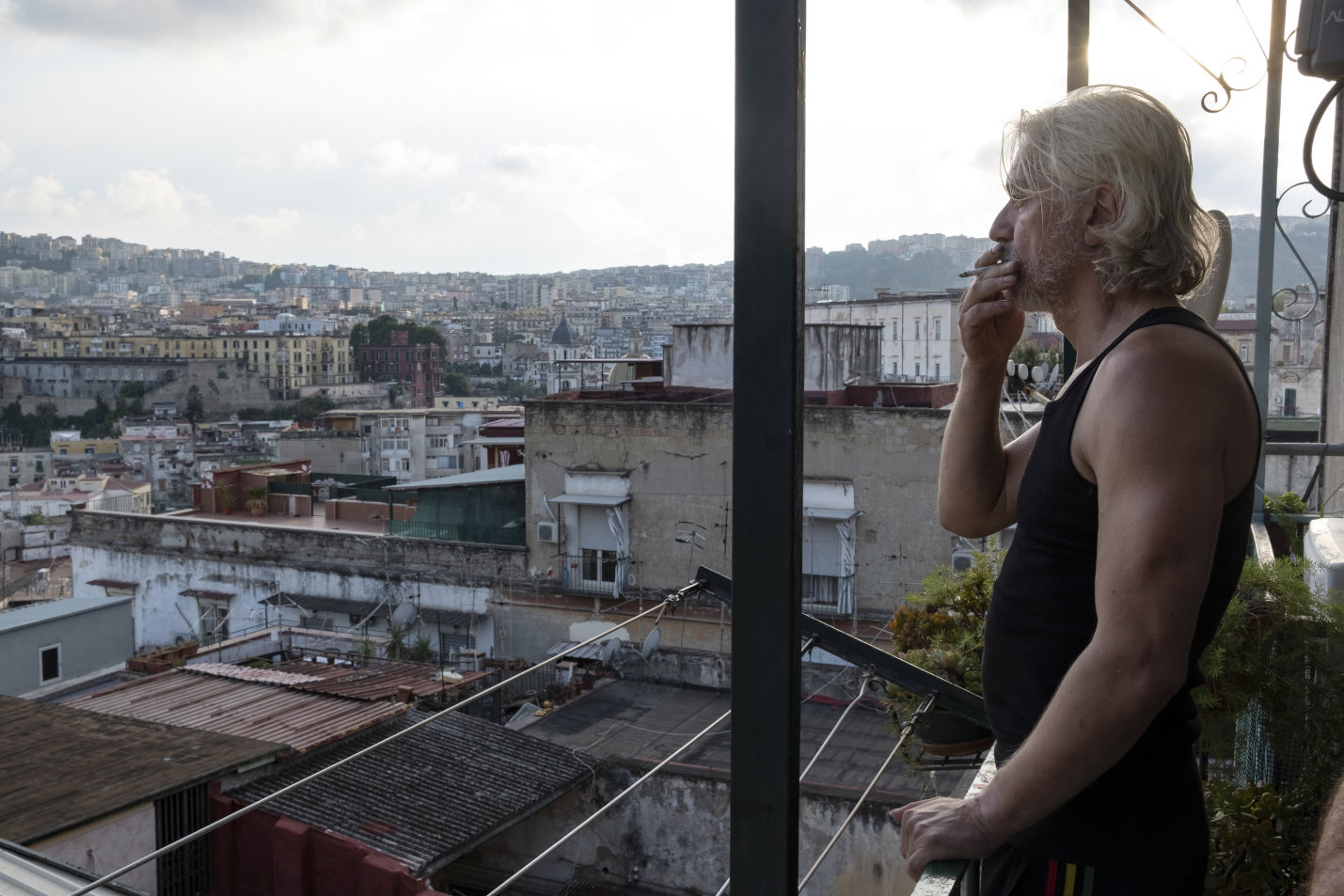
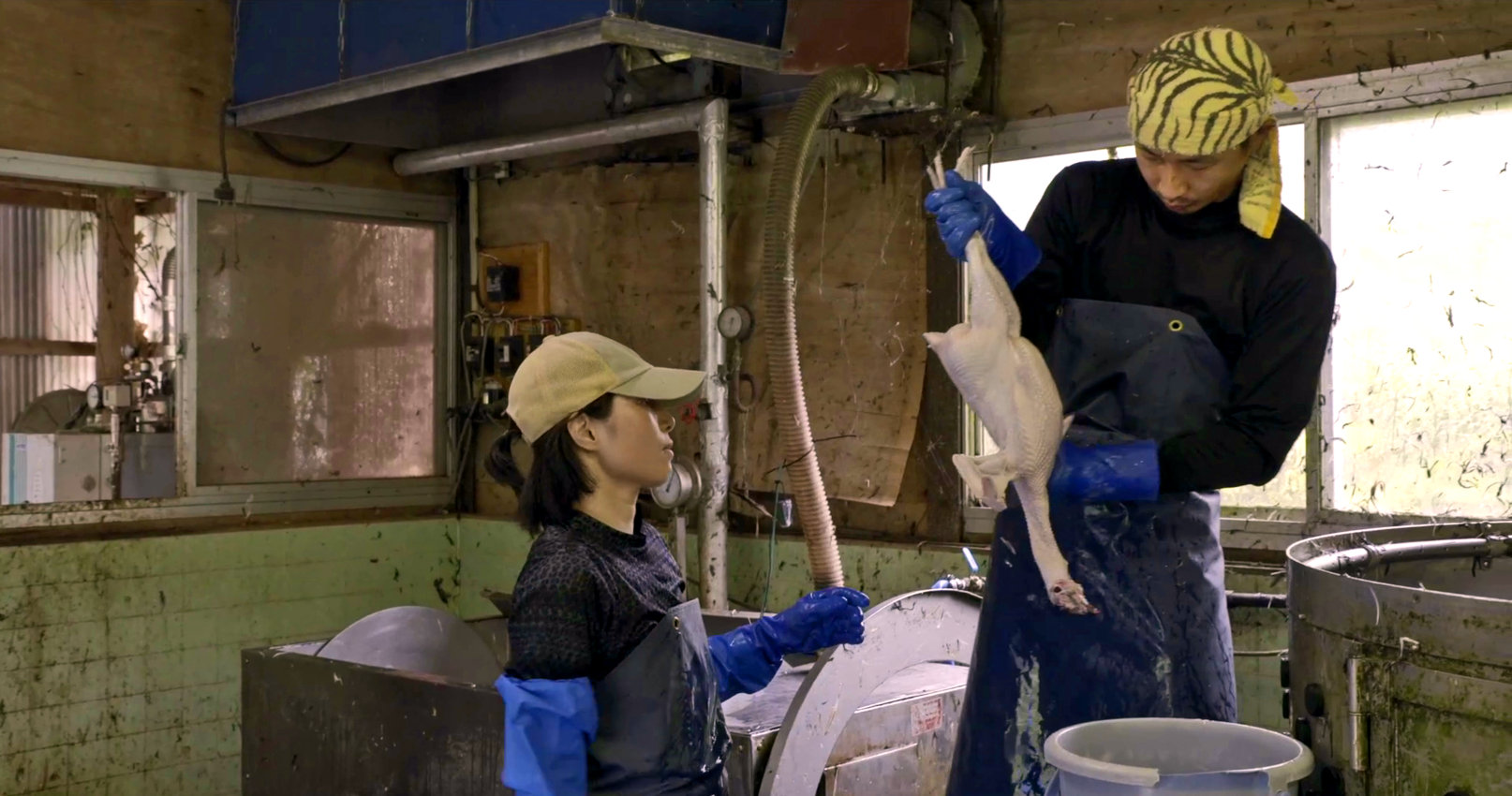
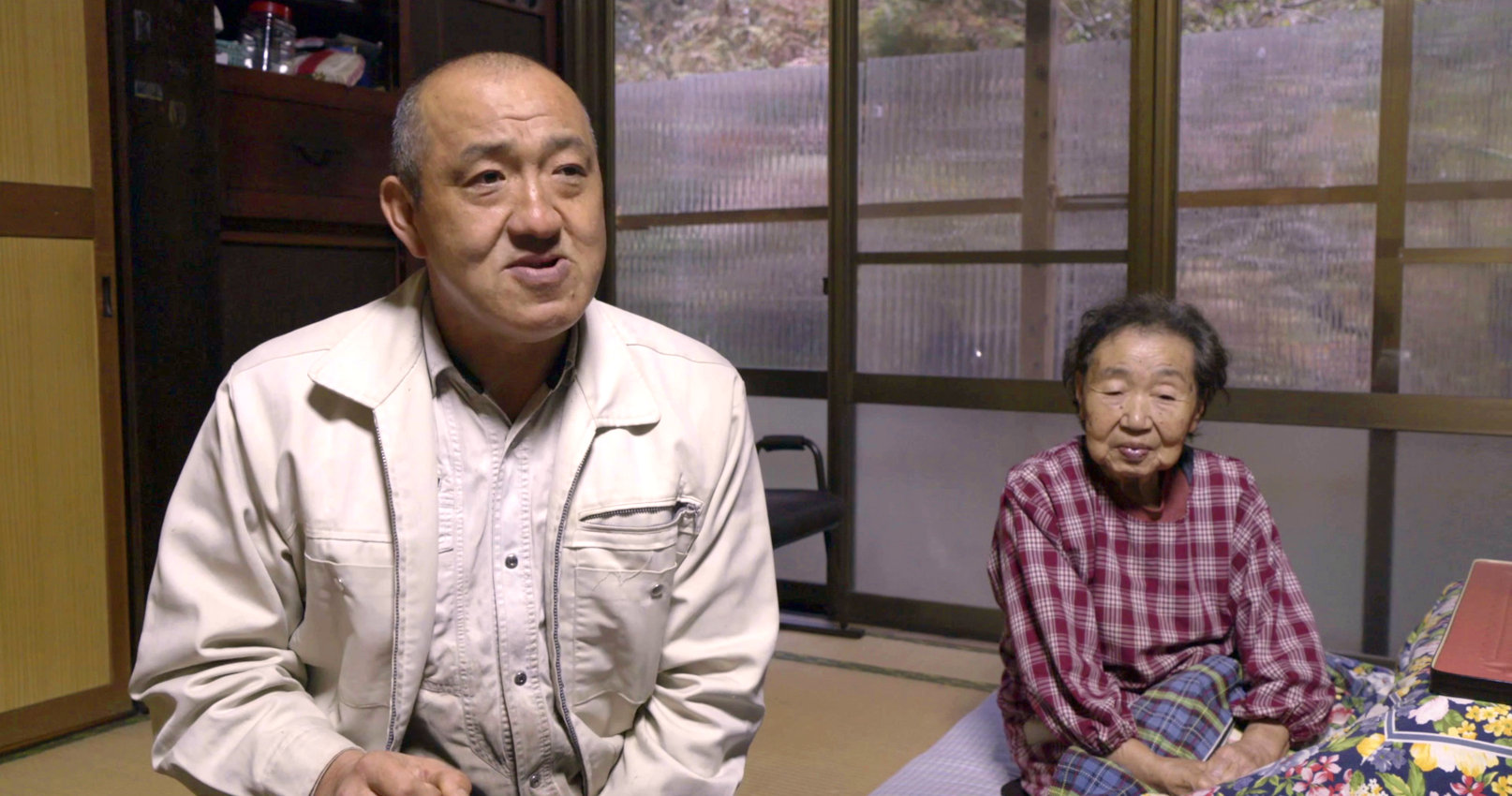
There’s probably no other citizen of Gelsenkirchen who has ever mastered Nō singing and playing the Shakuhachi flute as authentically as Uwe Walter. He has lived in the mountain village of Miyama north of Kyoto for three decades and emulates the local residents, whether they earn their living on the fields, breeding cattle or hunting. People tend their gardens, repair fences to keep away the macaques and grow their own rice. Uwe has become perfectly Japanese, at one with his environment.
However well-suited his Ruhr area wit makes him as a figure of identification, the camera keeps a respectful distance, more reserved than Uwe himself. Only at one point does it come touchingly close: When he is forced to say goodbye to an essential part of his past in the interest of the village community. But the real subject of this film is not the German with his greyish blonde curls but rather that very community, portrayed by Rainer Komers in bittersweet polyphony. It emerges in the children’s games, the adults’ pursuits and the old people’s tales, in the summer downpours of the rainy season, the white moon over the nocturnal village and the blood-red leaves of autumn.
Christoph Terhechte
Credits:
DE 2022, 97 min, Deutsch, Japanisch OmU Regie & Kamera: Rainer Komers Schnitt: Gregor Bartsch
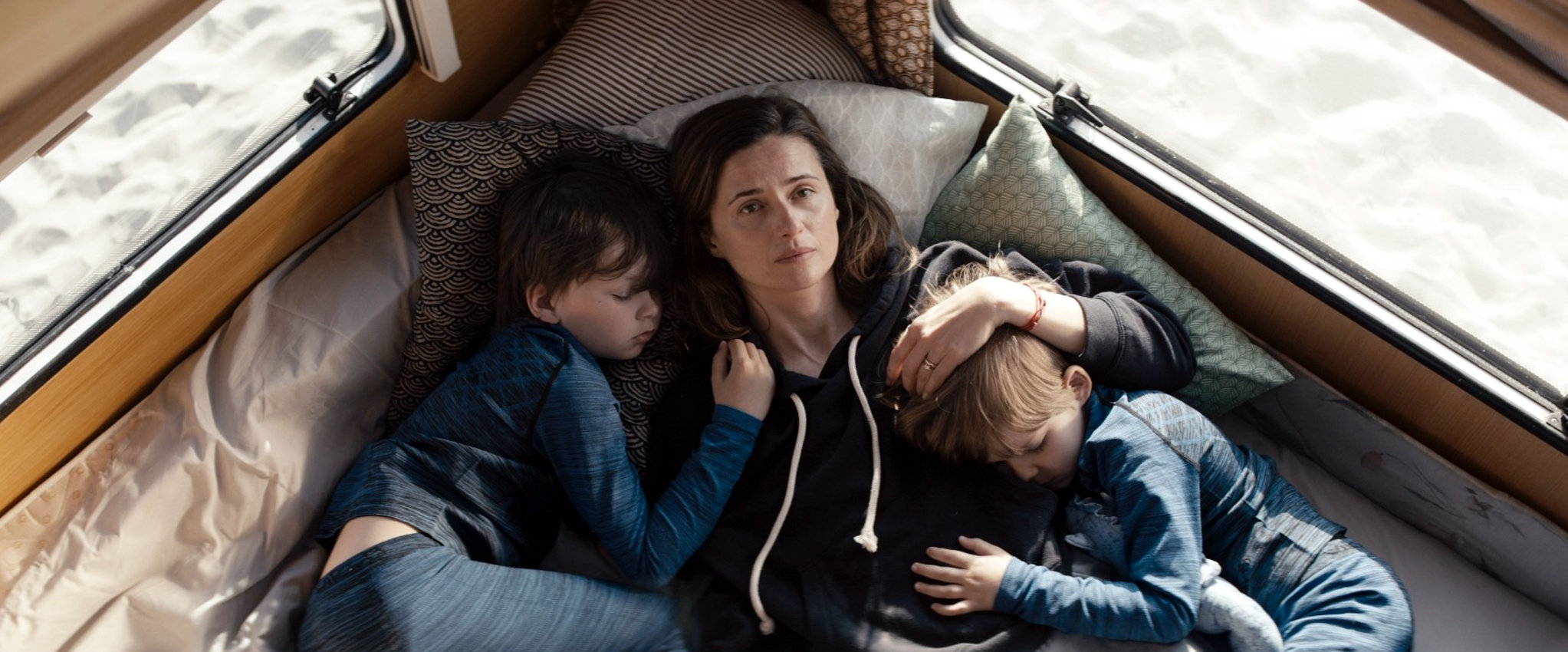
On the Danish island of Bornholm, two families spend their traditional short vacation together. The campers park at a prime beach location and pitch tent for the three boys – so far, so good. But an incident with the children upsets the idyll: What begins as an immature quarrel gradually develops into a full-blown fight. Soon the pitfalls of raising children, midlife crises and marital problems are ruthlessly exposed – and the originally relaxing vacation turns into a purifying purgatory. Director Anna Kazejak allows bourgeois family ideals to collide with formal sovereignty in her comedy drama FUCKINGBORNHOLM.
Credits:
PL 2022, 96 min, poln. dän. OmU Regie: Anna Kazejak Kamera: Jakub Stolecki Schnitt: Maciej Pawlinski mit Agnieszka Grochowska, Maciej Stuhr, Grzegorz Damięcki, Jasmina Polak and Magus Krepper
Wir verwenden Cookies, um unsere Website und unseren Service zu optimieren.
Funktionale Cookies
Always active
Die technische Speicherung oder der Zugang ist unbedingt erforderlich für den rechtmäßigen Zweck, die Nutzung eines bestimmten Dienstes zu ermöglichen, der vom Teilnehmer oder Nutzer ausdrücklich gewünscht wird, oder für den alleinigen Zweck, die Übertragung einer Nachricht über ein elektronisches Kommunikationsnetz durchzuführen.
Vorlieben
Die technische Speicherung oder der Zugriff ist für den rechtmäßigen Zweck der Speicherung von Präferenzen erforderlich, die nicht vom Abonnenten oder Benutzer angefordert wurden.
Statistiken
Die technische Speicherung oder der Zugriff, der ausschließlich zu statistischen Zwecken erfolgt.Die technische Speicherung oder der Zugriff, der ausschließlich zu anonymen statistischen Zwecken verwendet wird. Ohne eine Vorladung, die freiwillige Zustimmung deines Internetdienstanbieters oder zusätzliche Aufzeichnungen von Dritten können die zu diesem Zweck gespeicherten oder abgerufenen Informationen allein in der Regel nicht dazu verwendet werden, dich zu identifizieren.
Marketing
Die technische Speicherung oder der Zugriff ist erforderlich, um Nutzerprofile zu erstellen, um Werbung zu versenden oder um den Nutzer auf einer Website oder über mehrere Websites hinweg zu ähnlichen Marketingzwecken zu verfolgen.