Category: archiv-en

  • Ghost School

    Ghost School

    A Film by Seemab Gul. In Urdu with German subtitles.

    [Credits] [Tickets & Termine] [Trailer]

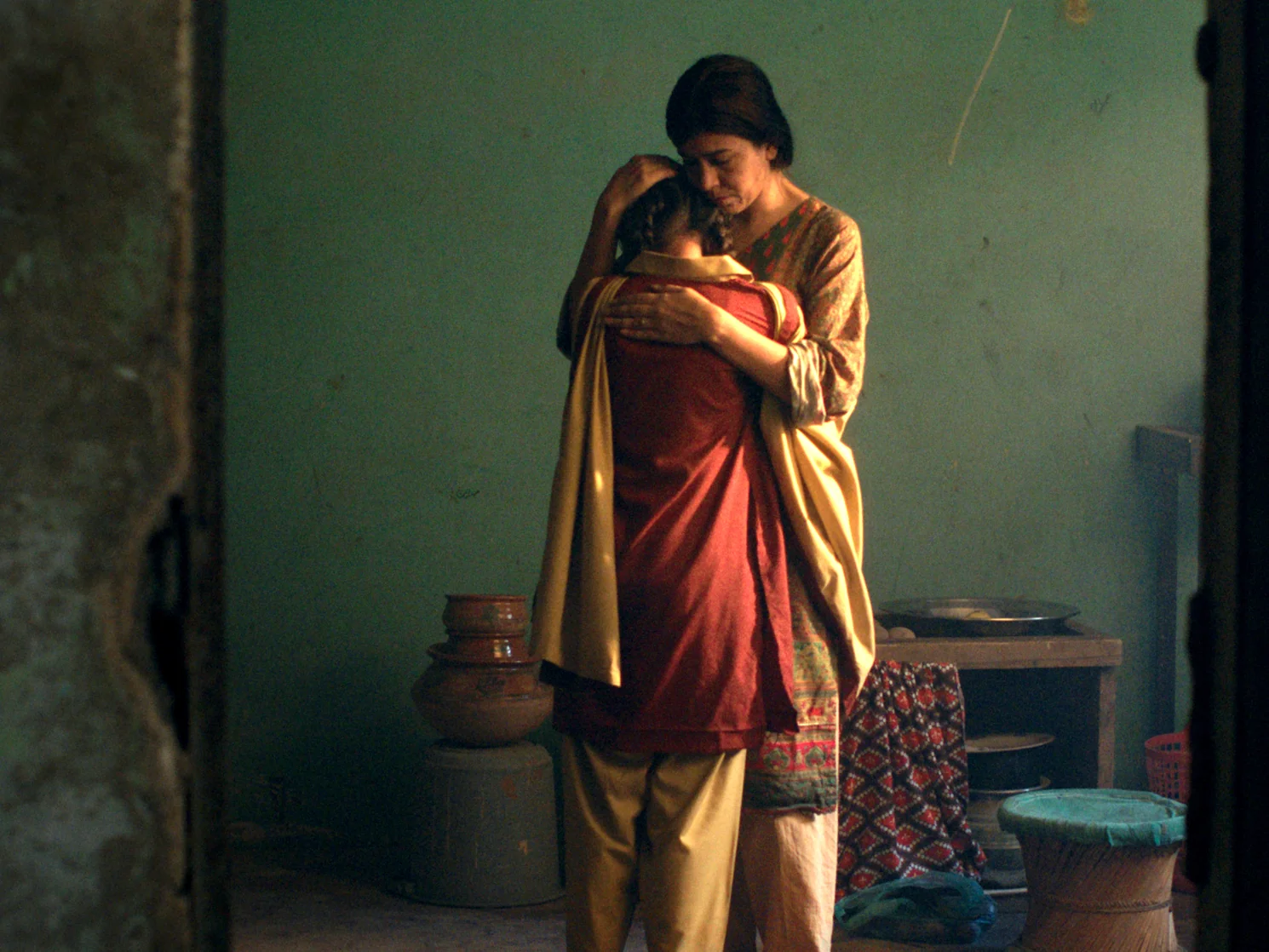
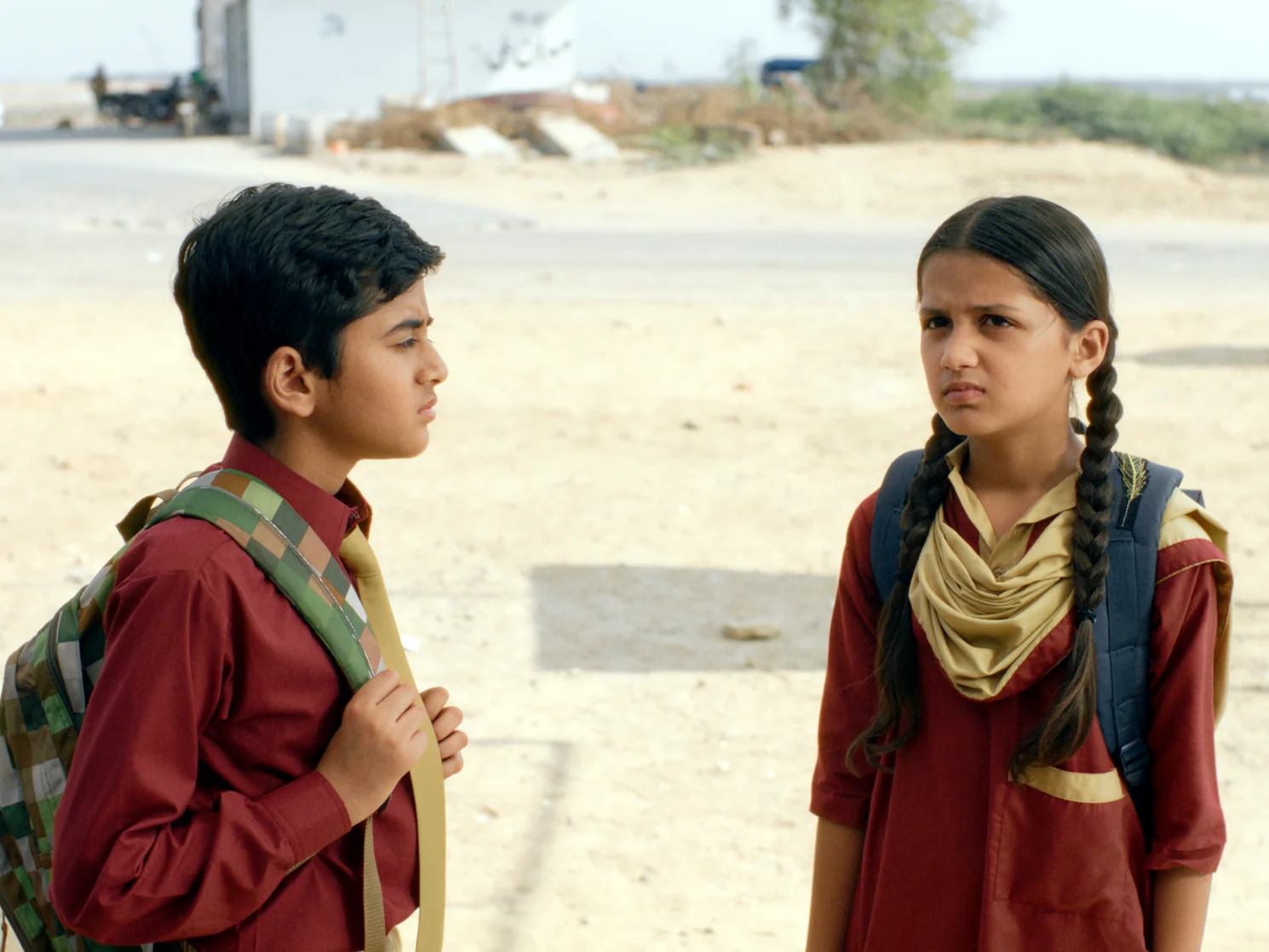
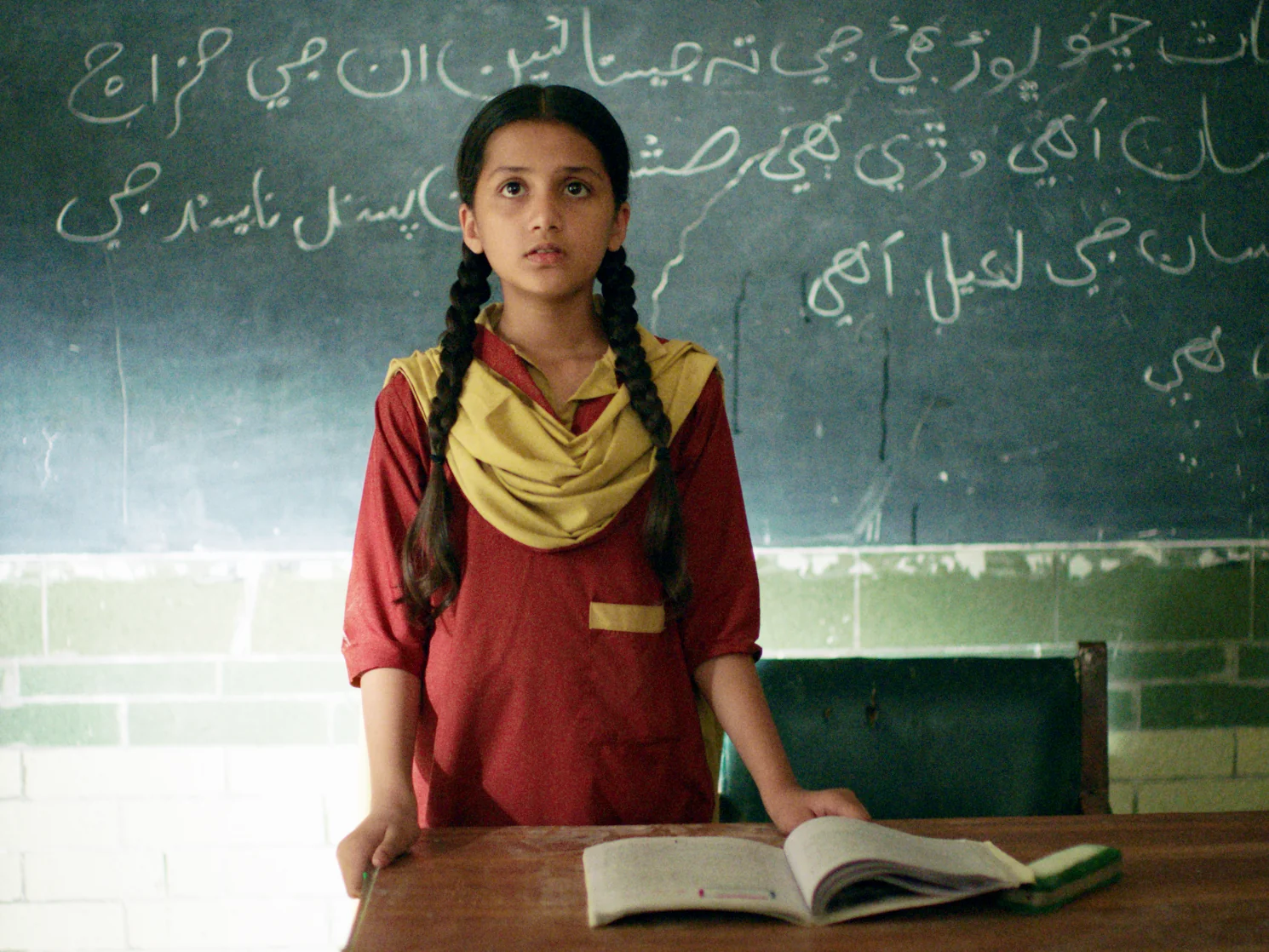
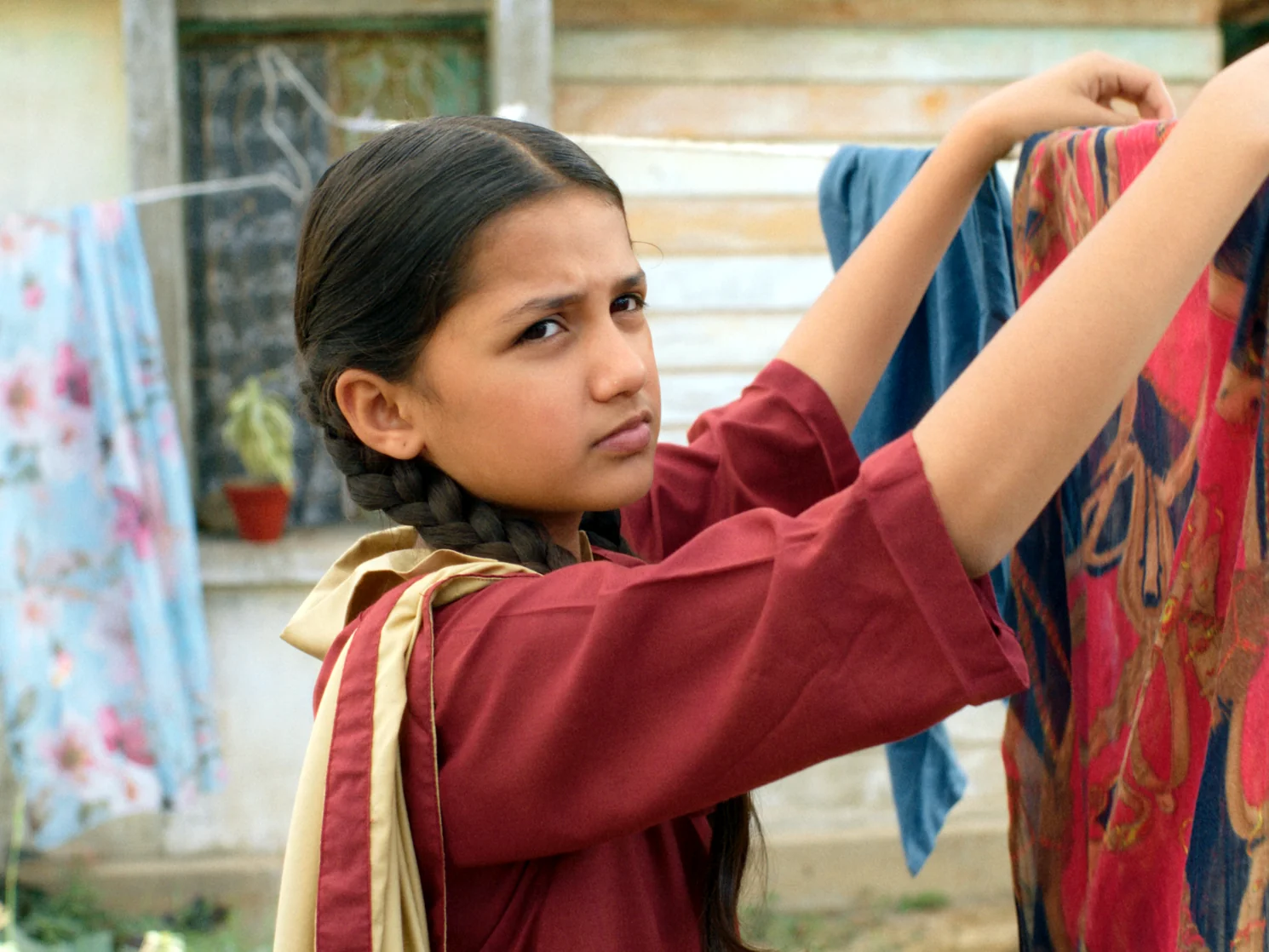
    A girl cal­led Rabia lives in Pakistan. Her school has just been clo­sed. Rumour has it that the tea­cher is pos­s­es­sed and that the school is cur­sed by jinn. Rabia wants to find out what real­ly happened.

    Rabia lives in a vil­la­ge in Pakistan. She is loo­king for­ward to going back to school after the holi­days, but the school has been clo­sed. Rumour has it that the school is cur­sed, that a jinn is said to be wrea­king havoc the­re, and that the tea­cher is pos­s­es­sed. There used to be a head­tea­cher and three tea­chers, but in the end the­re was only this one left.

    Rabia tri­es to find out whe­ther her school real­ly is cur­sed, or what else might have hap­pen­ed. Her par­ents can­not help her with this, as neither her father, a fisher­man, nor her mother, who cle­ans the house of a wealt­hy fami­ly, can read or wri­te, and they have litt­le inte­rest in Rabia con­ti­nuing her edu­ca­ti­on. So she asks around the vil­la­ge. The school’s caret­a­ker is curr­ent­ly loo­king for a new job and suspects that the school will remain clo­sed. He shows Rabia the teacher’s house. There she rea­li­ses that the tea­cher, who is just set­ting off for the hos­pi­tal in town, isn’t pos­s­es­sed at all, but ill. He had to lea­ve the school becau­se the lan­dow­ner deman­ded a bri­be from him. The lan­dow­ner, for his part, explains to Rabia that schoo­ling should be a pri­vi­le­ge, not a right – after all, who else would catch fish and work his land? He sends Rabia to the dis­trict chief, who would hire and pay the tea­chers – but a long queue of peti­tio­ners is alre­a­dy wai­ting the­re… Rabia has to come up with a plan.

    GHOST SCHOOL is a film by the British-Pakistani film­ma­ker Seemab Gul and, told from the per­spec­ti­ve of a ten-year-old girl, explo­res supers­ti­ti­on, cor­rup­ti­on and the dif­fe­ren­ces bet­ween rich and poor, as well as the lives of boys and girls in Pakistan.

    Tom Dorow | indiekino
    Credits:

    PK, DE, SA 2025, 88 mins, Urdu with German sub­tit­les
    Director: Seemab Gul
    Cinematography: Zamarin Wahdat
    Editing: Alexandra Strauss, Raluca Petre
    Starring: Nazualiya Arsalan, Samina Seher, Adnan Shah Tipu, Vajdaan Shah, Muhammad Zamaan

    Trailer:
    Ghost School | offi­zi­el­ler deut­scher Trailer (OmU)
    nach oben
  • Für immer 16

    Für immer 16

    A film by Brezel Göring. In German with English subtitles.

    [Credits] [Tickets & Termine] [Trailer]

    The film tells the sto­ry of Charlotte, Helena and Oskar – who meet up again after a long time and, at Charlotte’s invi­ta­ti­on, go on holi­day tog­e­ther. She’s made her for­tu­ne and has enjoy­ed a suc­cessful care­er as an actress, whilst the other two are still making under­ground art (and are com­ple­te­ly pen­ni­less). The three used to be part of the expe­ri­men­tal film group ‘Les enfants ter­ri­bles’, but had fal­len out irrepa­ra­b­ly. And now envy and jea­lou­sy fla­re up once more, and even inten­si­fy when Rudolph enters their lives. All three fall in love with him and have affairs with him one after the other! They deci­de – just like in the old days – to make an under­ground film. Demenzia, a man-kil­ling seri­al kil­ler play­ed by Helena, relent­less­ly kills men, all of whom are play­ed by Rudolph. During the final shoot, Rudolph dies in an acci­dent. The three dis­po­se of the body, and through this cri­mi­nal acti­vi­ty, their old fri­end­ship and love for one ano­ther are rekindled.

    The film Forever 16 is based on a novel by Françoise Cactus. She ima­gi­ned what it would be like to be old and to see her old mates again: in other words, sci­ence fic­tion with a focus on indi­vi­du­al psy­cho­lo­gy. They pick up whe­re they
    left off: 1. they’re making a film and 2. they’re bicke­ring!
    Alongside the rival­ries and squab­bles, fun­da­men­tal ques­ti­ons also ari­se: how do sub­ver­si­on, black humour, anti-mora­li­ty, gen­der iden­ti­ties, femi­nism and youthful fun­da­men­tal oppo­si­ti­on age? And how can we pre­vent sub­ver­si­on from beco­ming part of the main­stream and the cul­tu­re of com­mer­cial explo­ita­ti­on?
    The three main cha­rac­ters repre­sent dif­fe­rent forms of fail­ure: Charlotte com­mer­cia­li­ses hers­elf, Helena beco­mes embit­te­red by her lack of suc­cess, and Oskar resigns hims­elf to giving up art.

    Credits:

    DE 2026 74 mins, In German with English sub­tit­les.
    Directed by Brezel Göring
    Cinematography: Stephan Holl
    Starring: Lilith Stangenberg, Chang Wang, Mücke, Twiggy, Anton Garber

    Trailer:
    nach oben
  • Vaterland

    Vaterland

    A film by Paweł Pawlikowski. In German, English, Russian with German subtitles.

    [Credits] [Tickets & Termine] [Trailer]

    „Like my pre­vious films, VATERLAND also explo­res the turm­oil of histo­ry, exi­le and our deep-sea­ted need for a sen­se of home and belon­ging. Furthermore, the film com­bi­nes a dra­ma­tic his­to­ri­cal moment
    with a very spe­cial per­so­nal sto­ry. Yet whilst the cha­rac­ters in IDA and COLD WAR were fic­tion­al, VATERLAND cen­tres on the his­to­ri­cal figu­res of Thomas Mann and his head­strong eldest child­ren, Erika and Klaus, who are ent­an­gled in a com­plex fami­ly love tri­ang­le.
    In order to inter­wea­ve the per­so­nal and the his­to­ri­cal in a moving and mutual­ly enri­ching way, we have taken cer­tain liber­ties with regard to the his­to­ri­cal facts and their chro­no­lo­gy. In doing so, we have endea­vou­red to remain true to the emo­tio­nal and intellec­tu­al truth of the sto­ry.
    Mann’s return to Germany in 1949 and his attempt to over­co­me the divi­si­on and gro­wing ideo­lo­gi­cal pola­ri­sa­ti­on of his coun­try bear obvious par­al­lels to the pre­sent day. The old para­digm is dead, the old rules no lon­ger app­ly, and in their place two cru­de, mutual­ly exclu­si­ve nar­ra­ti­ves are emer­ging. Narratives that gene­ra­li­se ever­y­thing, that suck the oxy­gen out of the air, that cor­ner you and force you to take sides, and that gra­du­al­ly make it impos­si­ble to see cle­ar­ly and speak free­ly. For Mann, the only defence against this ideo­lo­gi­cal reduc­tion was art – the ‘poe­tic gaze’ he men­ti­ons in one of his spee­ches, the open eye for the com­ple­xi­ty and para­do­xes of life.
    VATERLAND brings tog­e­ther many ele­ments, tel­ling its sto­ry through a simp­le yet con­den­sed cine­ma­tic lan­guage; it unfolds in haun­ting images and striking sce­nes, lea­ving the audi­ence space to feel and reflect.” (Pawel Pawlokowski)

    Credits:

    PL/DE/IT/FR 2026, 82 mins. German, English, Russian (ori­gi­nal ver­si­on with German sub­tit­les)
    Director: Paweł Pawlikowski
    Cinematography: Łukasz Żal
    Editing: Piotr Wójcik, Paweł Pawlikowski
    Starring: Hanns Zischler, Sandra Hüller, August Diehl, Devid Striesow, Joachim Meyerhoff, Fritzi Haberlandt, Milan Peschel

    Trailer:
    Kinotrailer „Vaterland” – Kinostart 3. September 2026
    nach oben
  • Chihiros Reise ins Zauberland

    Chihiros Reise ins Zauberland

    A film by Hayao Miyazaki. 

    [Credits] [Tickets & Showtimes] [Trailer]

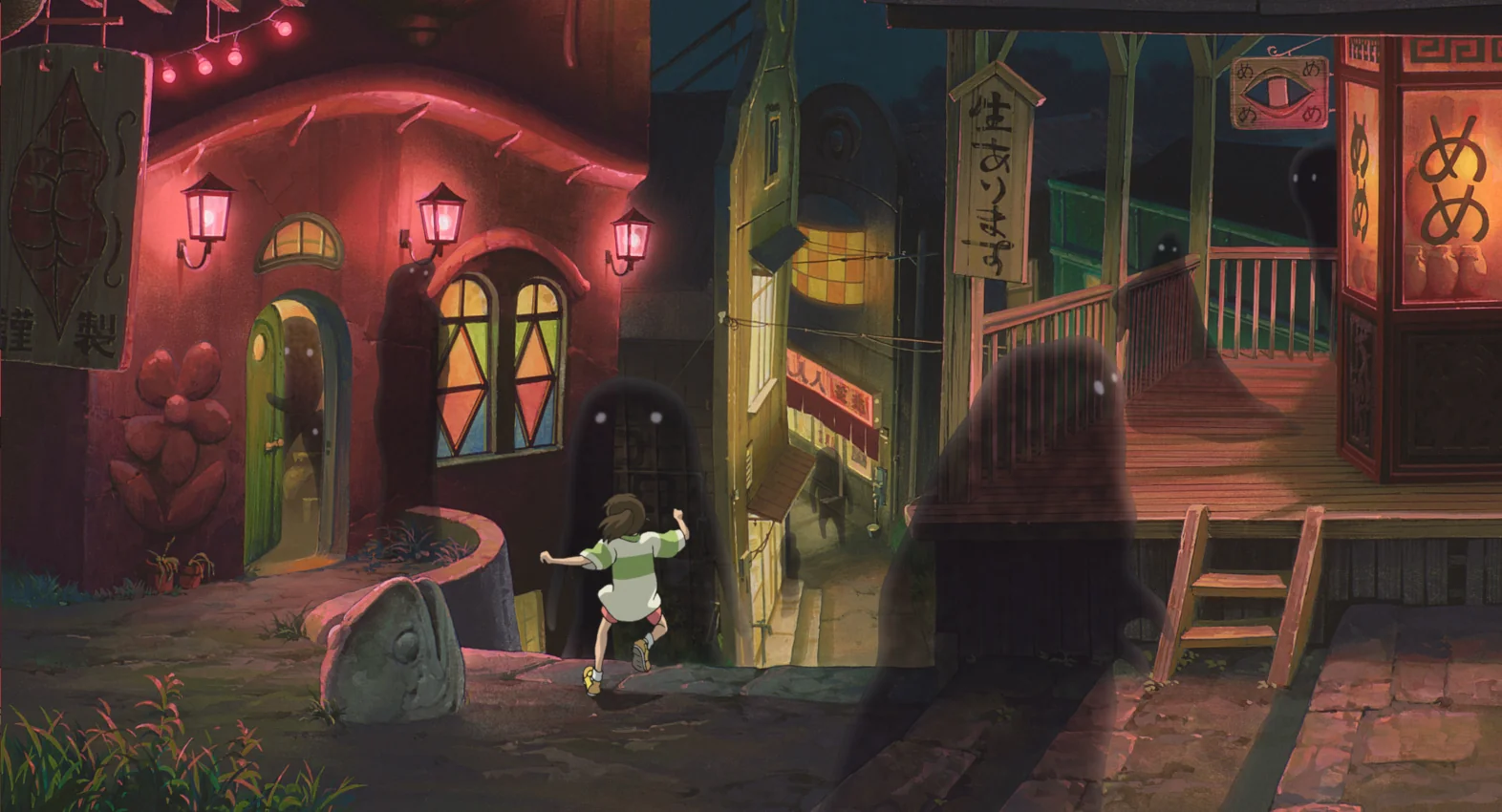
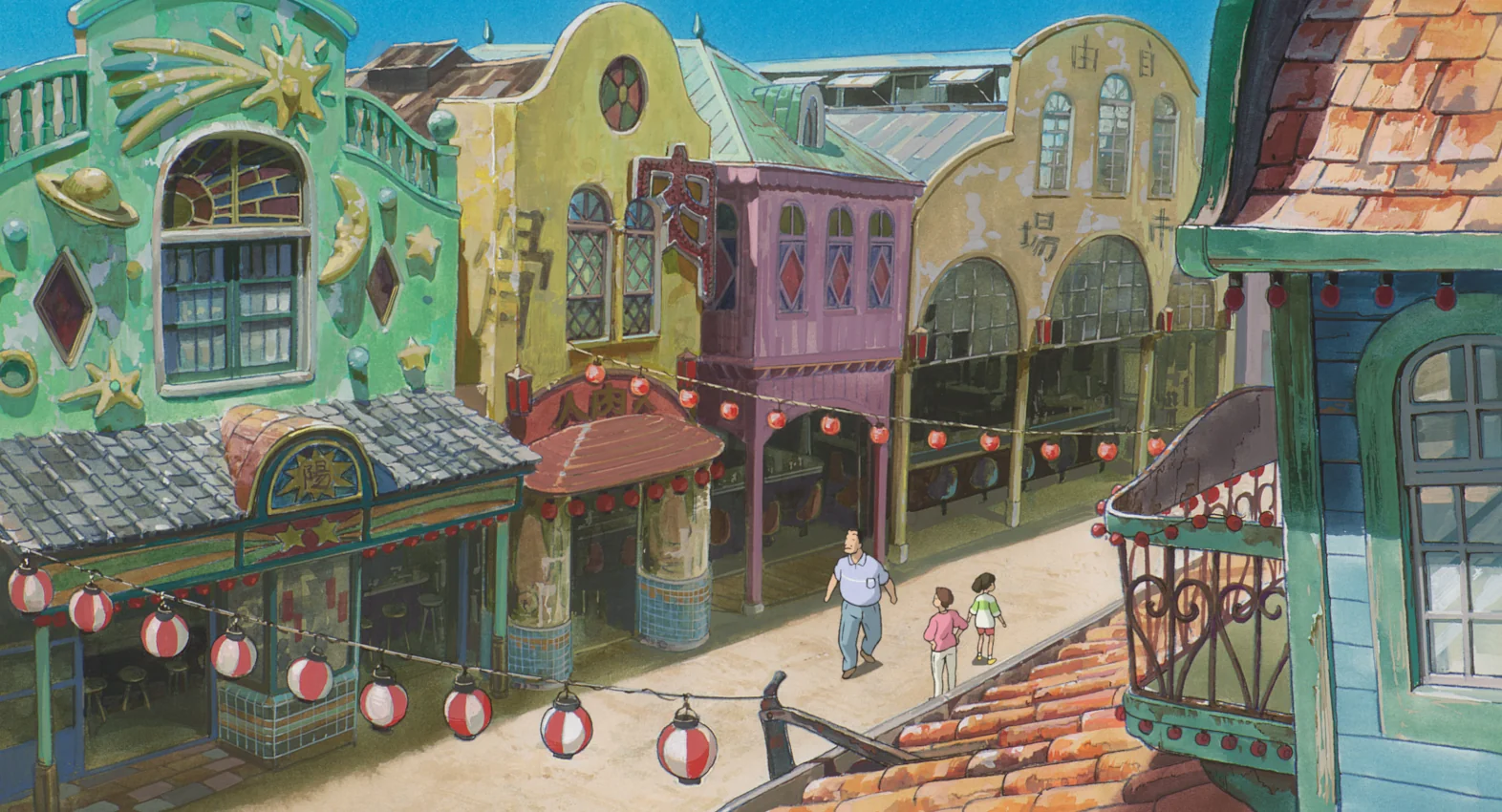
    During a day out, litt­le Chihiro and her par­ents walk through a dark tun­nel. On the other side lies the Spirit World, whe­re Chihiro’s par­ents are tur­ned into pigs. Left enti­re­ly to her own devices, the girl tri­es to rever­se the trans­for­ma­ti­on. In a spa for gods, she encoun­ters all man­ner of stran­ge dei­ties: a stin­ky god, a boy who can turn hims­elf into a river, the face­l­ess god Noface, and all sorts of other odd characters…

    In 2002, Spirited Away cele­bra­ted its European pre­mie­re at the Berlinale and was award­ed the Golden Bear for Best Film of the fes­ti­val – the only ani­ma­ted film in cine­ma histo­ry to have done so to date. In 2003, it went on to win an Oscar and estab­lished its­elf at the box office as one of the most suc­cessful ani­ma­ted films of all time.

    To mark its 25th anni­ver­sa­ry, Spirited Away will return to cine­mas in 2026.

    Credits:

    Spirited Away
    JP 2001, 125 mins, Japanese with German sub­tit­les
    Directed by: Hayao Miyazaki

    Trailer:
    CHIHIROS REISE INS ZAUBERLAND – 25th ANNIVERSARY – Trailer German | Deutsch

    At the Cinema in Japanese with German subtitles.

    nach oben
  • Funeral Casino Blues

    Funeral Casino Blues

    A film by Roderick Warich. Original Thai ver­si­on with German subtitles

    [Credits] [Tickets & Termine] [Trailer]

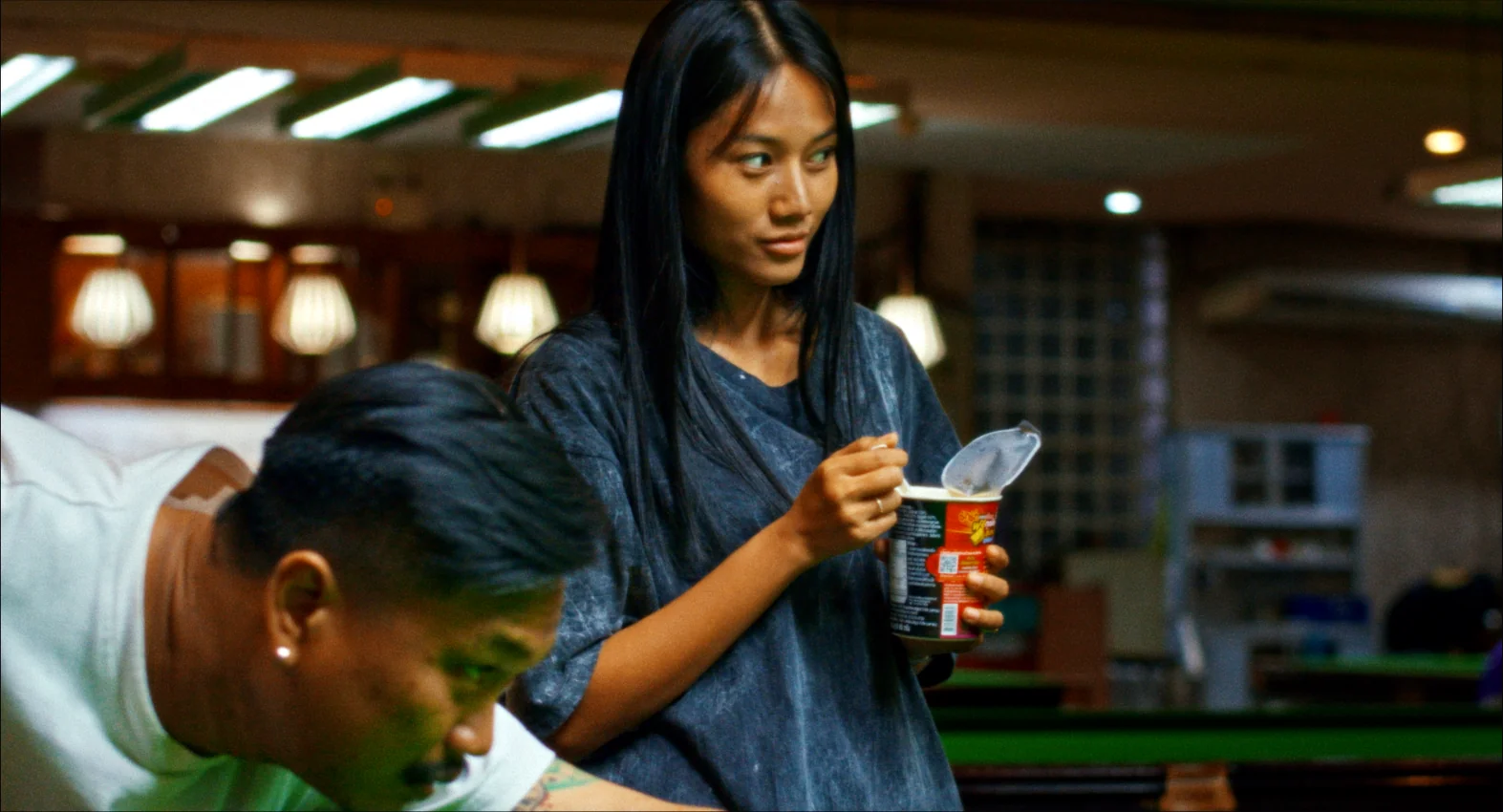
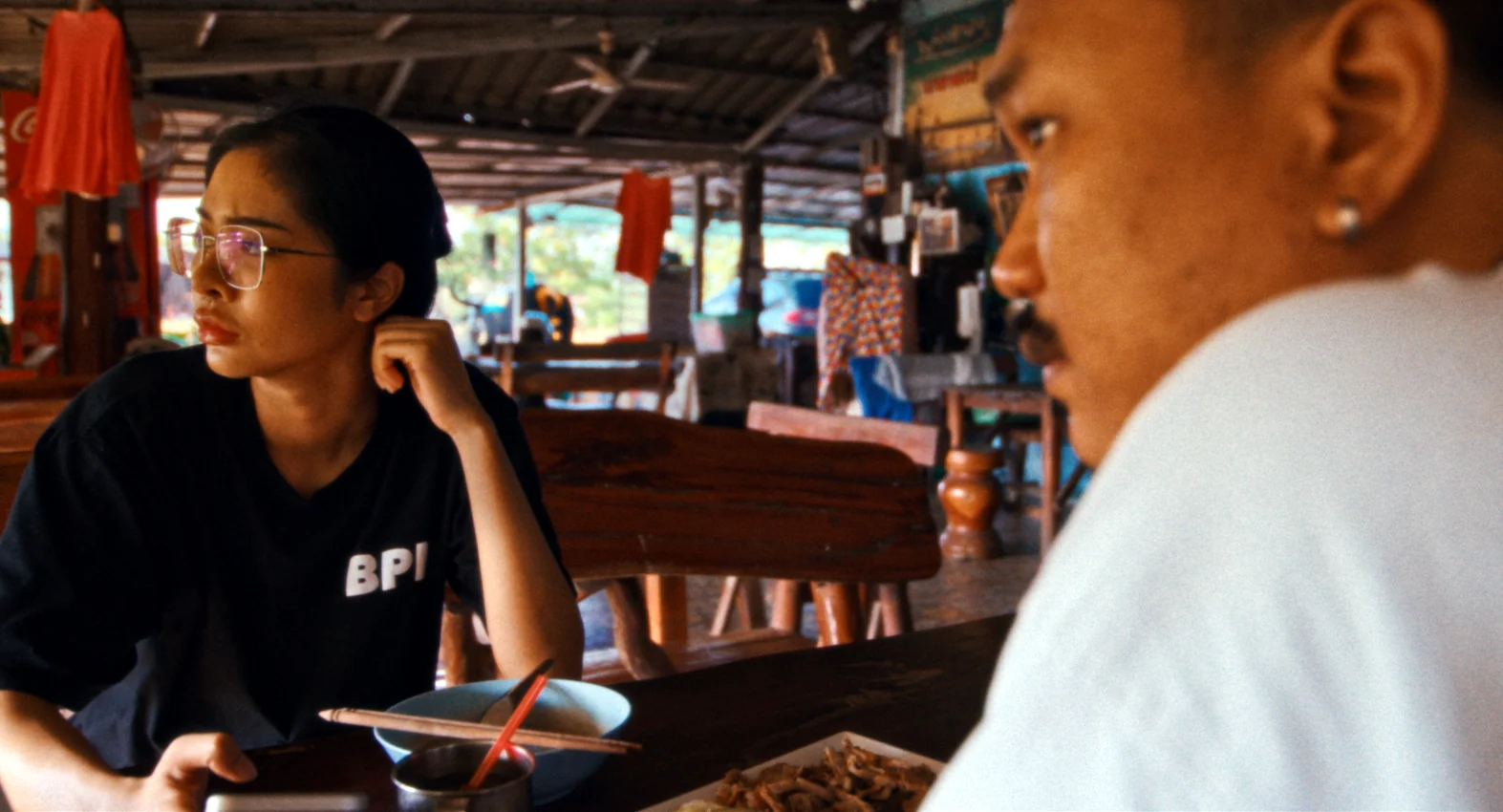
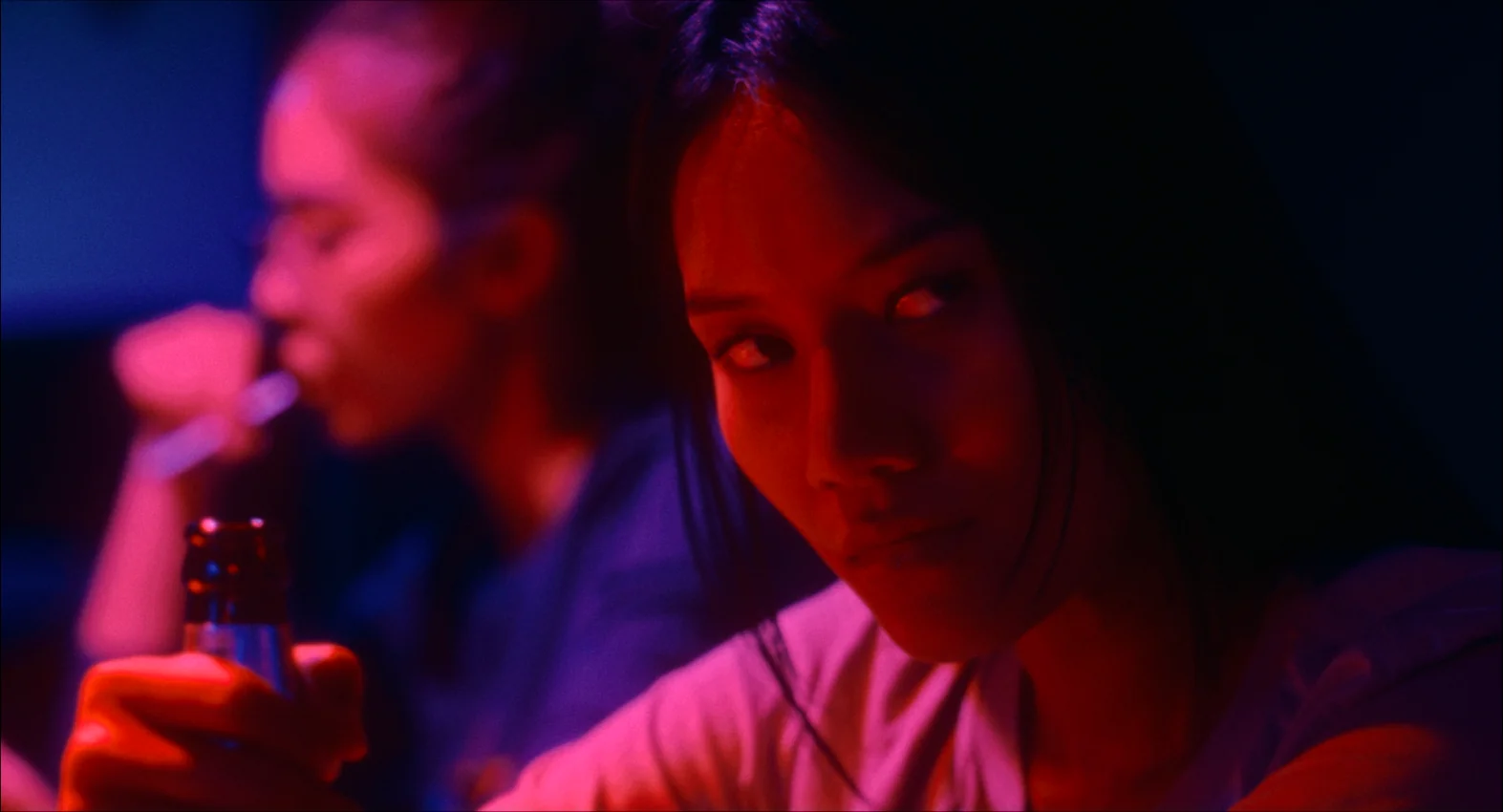
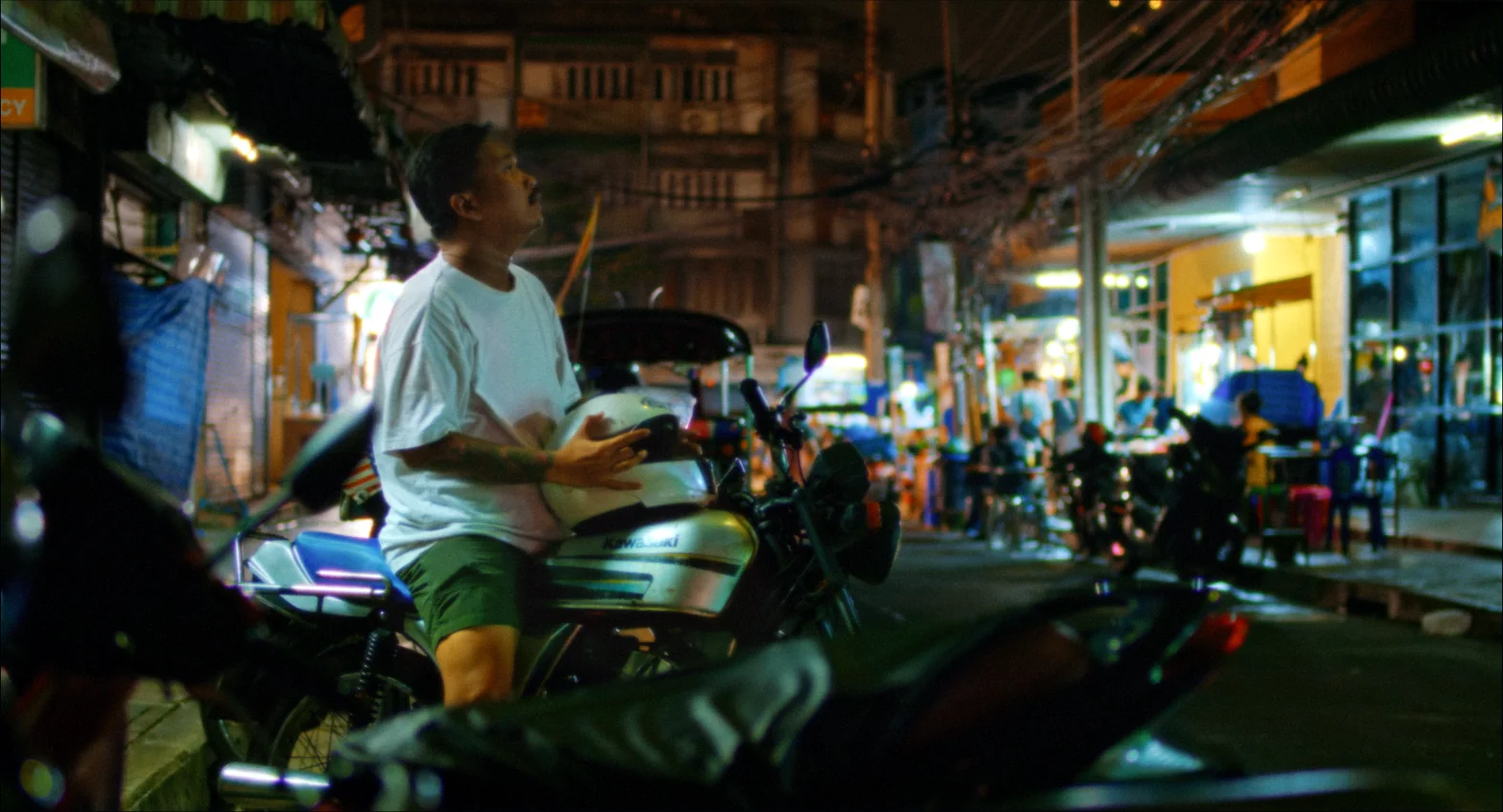
    Jen lives in Bangkok – bet­ween the recep­ti­on of an apart­ment block and the hotel rooms of stran­ge men. What she sells is time, inti­ma­cy, some­ti­mes just a moment. When a mee­ting gets out of hand, Wason steps in – a bar­man who has lost more than he lets on. For a short while, they drift through the sul­try nights tog­e­ther.
    Then Jen is gone. No trace. No good­bye.
    Pim, her flat­ma­te, beg­ins to search for her. Wason fol­lows her. Her trail leads through emp­ty alley­ways, unfa­mi­li­ar rooms, out­stan­ding debts and memo­ries that slip away. All the way to the Cambodian bor­der – or per­haps just back to whe­re Jen had long sin­ce vanis­hed.
    When Jen vanis­hes – wit­hout a word, wit­hout say­ing good­bye – her flat­ma­te Pim and the quiet bar­man Wason fol­low her trail. A quiet search beg­ins, through nights, memo­ries – and a city that mis­ses no one.

    “If you show a gun in the first act, it must be fired in the third act” – a dra­ma­tic rule by Anton Chekhov, which is about nar­ra­ti­ve eco­no­my, avo­i­ding loo­se ends and buil­ding ten­si­on. In his film Funeral Casino Blues, Roderick Warich shows the gun almost right at the start: Wason (Wason Dokkathum) has it tucked into his wais­t­band; he lifts his shirt to free Jen (Jutamat Lamoon) from an intru­si­ve admi­rer (read: cli­ent). The gun will reap­pear time and again. It is also fired. But this hap­pens off-screen, after fade-to-black sequen­ces, and not neces­s­a­ri­ly in the third act eit­her, becau­se Warich is far remo­ved from any­thing resembling a clear divi­si­on into acts, or inde­ed any struc­tu­red, stan­dar­di­sed nar­ra­ti­ve style.
    And that is what makes his film so utter­ly fasci­na­ting, so abso­lut­e­ly worth wat­ching. You just have to let yours­elf be drawn in, and then you can lose yours­elf in hyp­no­tic images in which the came­ra moves through the room, through Bangkok by night; then you can lose yours­elf in the cha­rac­ters, who­se inner­most thoughts we can at best only glim­pse; then you can immer­se yours­elf in a sto­ry that shifts from a love sto­ry to a noir gangs­ter tale, which beco­mes a ghost film wit­hout being a hor­ror film.„
    Kinozeit | Harald Mühlbeyer

    Credits:

    DE 2025, 153 mins · Original Thai ver­si­on with German sub­tit­les
    Director: Roderick Warich
    Cinematography: Roland Stuprich
    Editing: Hannes Bruun
    Starring: Jutamat Lamoon · Wason Dokkathum · Jutarat Burinok · Piyapong Saebui · Rinda Hamer · Chayanee Choomnoommanee

    Trailer:
    nach oben
  • The Lights, They Fall

    The Lights, They Fall

    A film by Saša Vajda. Showing at the fsk from 20 August. In German with English sub­tit­les, 21 August with QnA in German.

    [Credits] [Tickets & Termine] [Trailer]

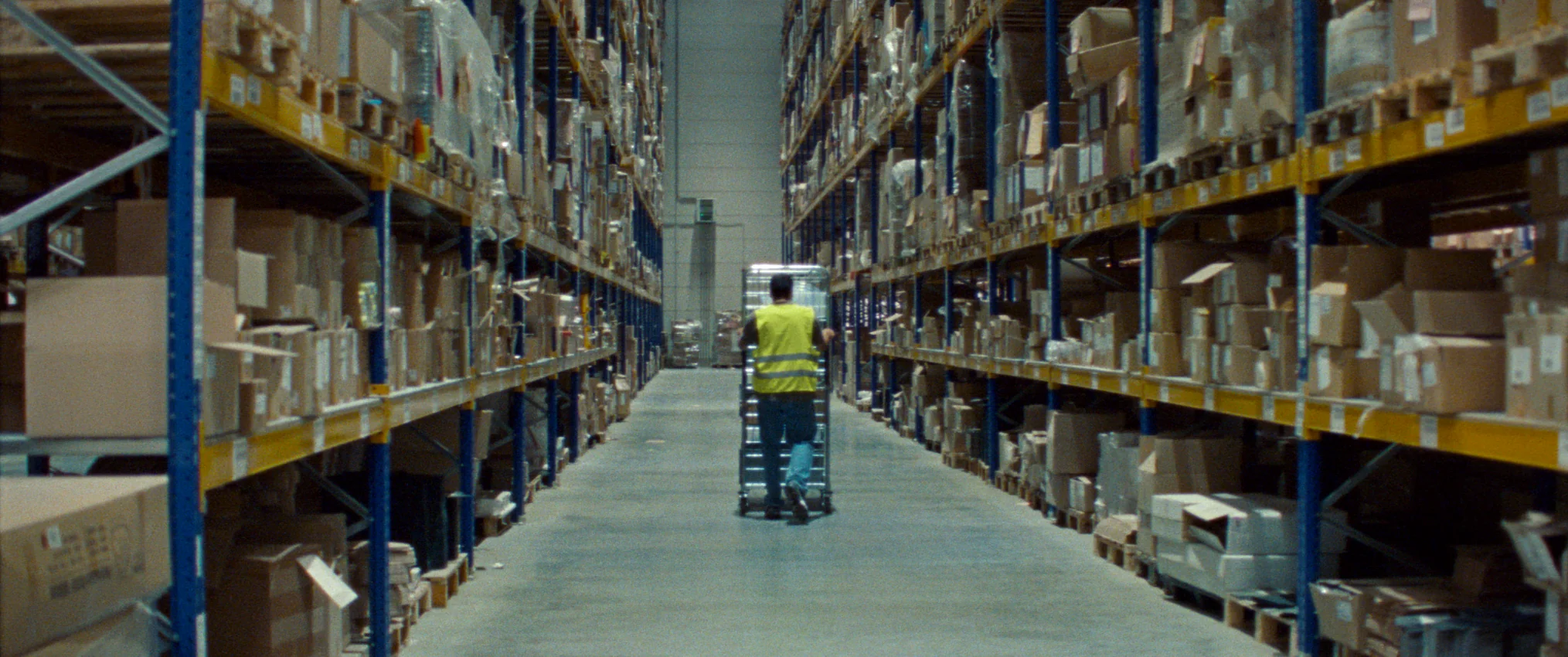
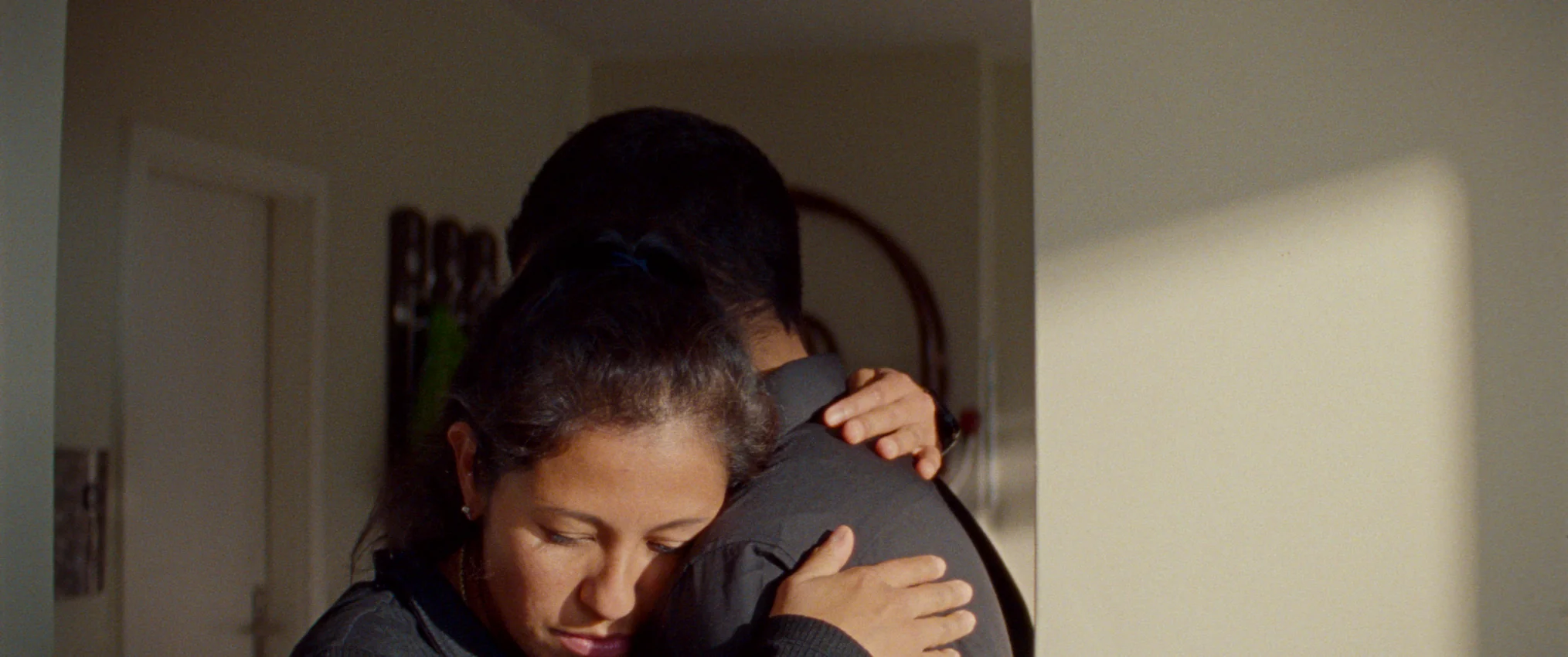
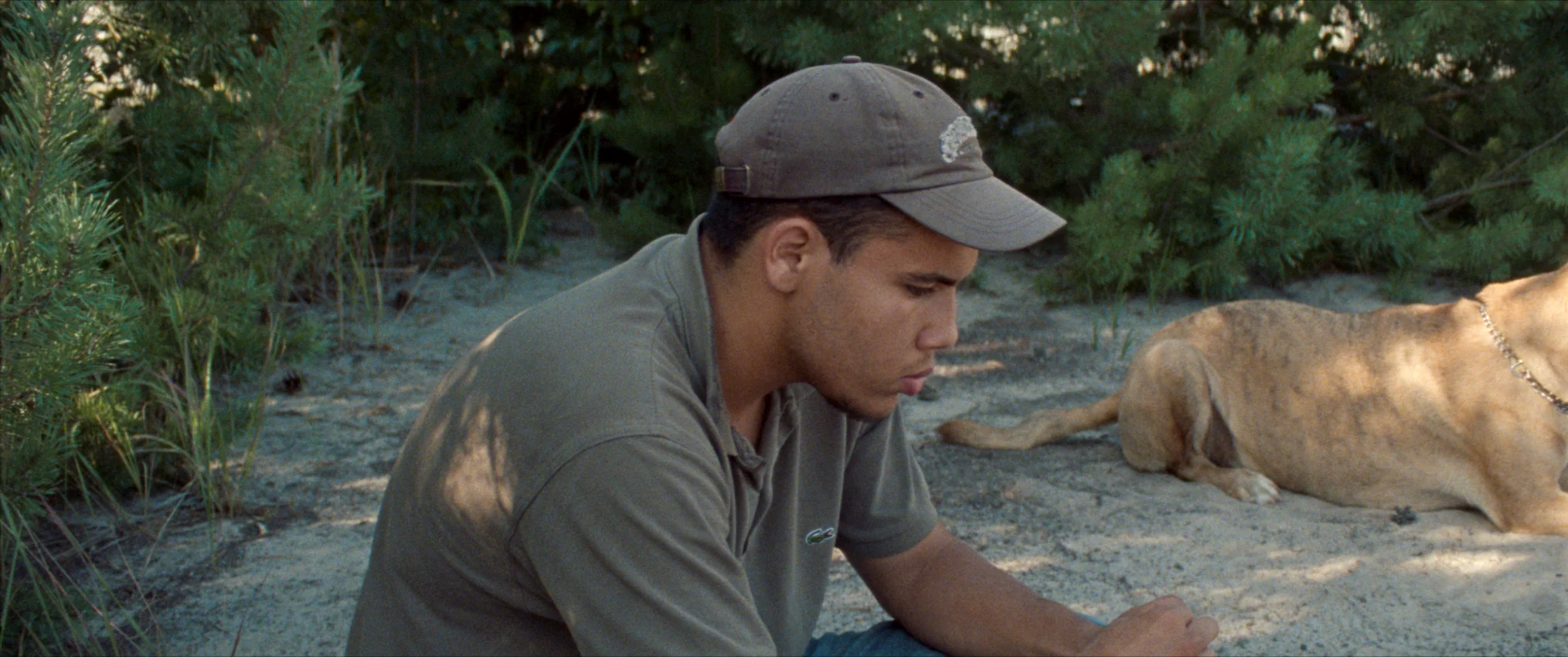
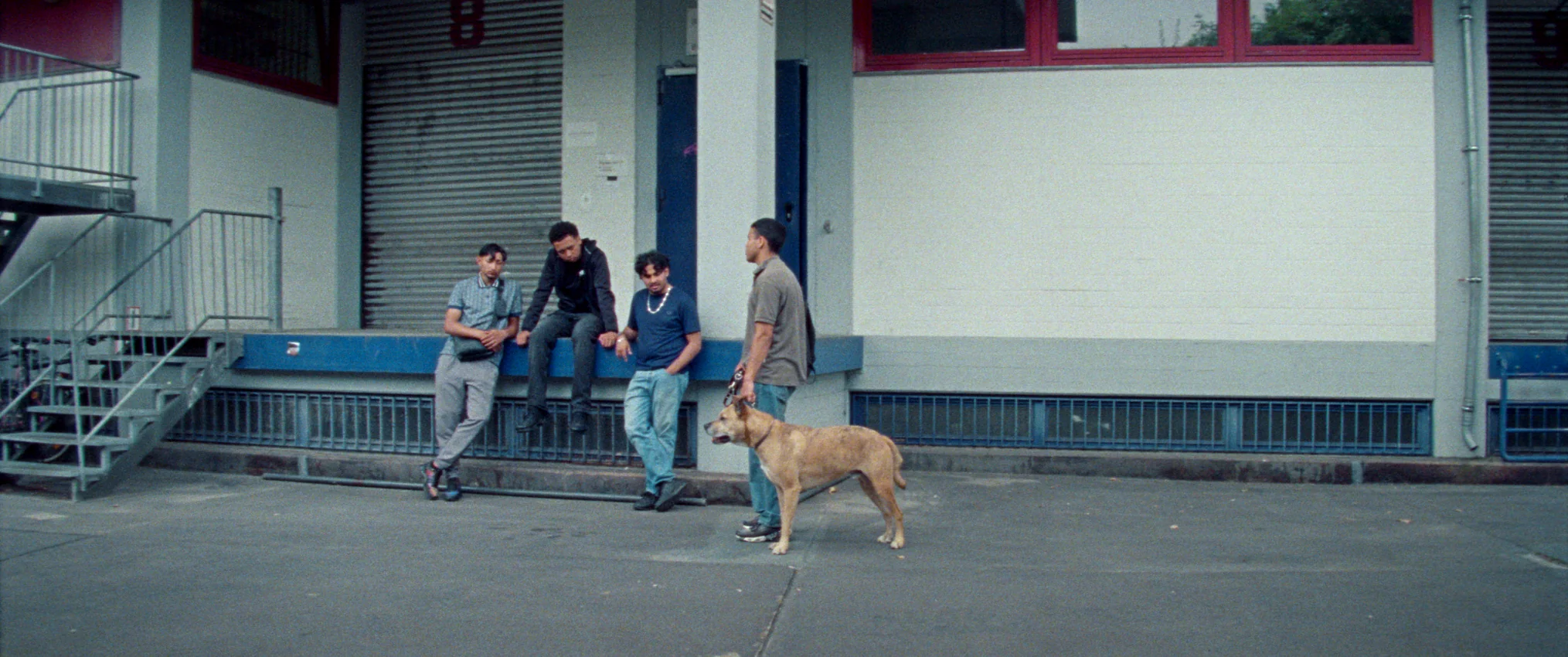
    Sixteen-year-old Ilay aim­less­ly drifts through the out­skirts of Berlin. His mother, Maria, lies on her death­bed, cared for by Ana, a Mexican pal­lia­ti­ve nur­se. Refusing to accept his mother’s impen­ding death, Ilay retre­ats fur­ther into hims­elf, incre­asing­ly shut­ting hims­elf off from rea­li­ty. Through slow, con­tem­pla­ti­ve images, the film fol­lows Ilay and Ana in their dai­ly rou­ti­nes, from Ana’s quiet dedi­ca­ti­on to Maria’s care to her strug­gles with her own addic­tion. Ilay works in a logi­stics cent­re, does com­mu­ni­ty ser­vice and spends his after­noons han­ging out with his fri­ends at a lake. At night, he is rest­less, wan­de­ring the city in a slee­p­less daze like a ghost. During one of his noc­turnal outings, he impul­si­ve­ly ste­als a dog, promp­ting Ana to take him to a psy­cho­lo­gist. There, Ilay reve­als his deep-sea­ted belief in the impos­si­bi­li­ty of death. As his mother’s pas­sing approa­ches, it beco­mes less an ine­vi­ta­bi­li­ty and more a mat­ter of mys­tery and speculation.

    Credits:

    DE 2026, 87 mins, German with English sub­tit­les,
    Director: Saša Vajda
    Cinematography: Tom Otte
    Editing: Denys Darahan, Saša Vajda
    Starring: Mohammed Yassin Ben Majdouba, Flor Prieto Catemaxca, Mahira Hakberdieva, Safet Bajraj, Shanthi Philipp, Solomon Guye, Mahir Özel

    Trailer:
    nach oben
  • Everytime

    Everytime

    A film by Sandra Wollner. From 6 August at the fsk. With Q&A on 8 August. In German with English subtitles.

    [Credits] [Tickets & Showtimes] [Trailer]

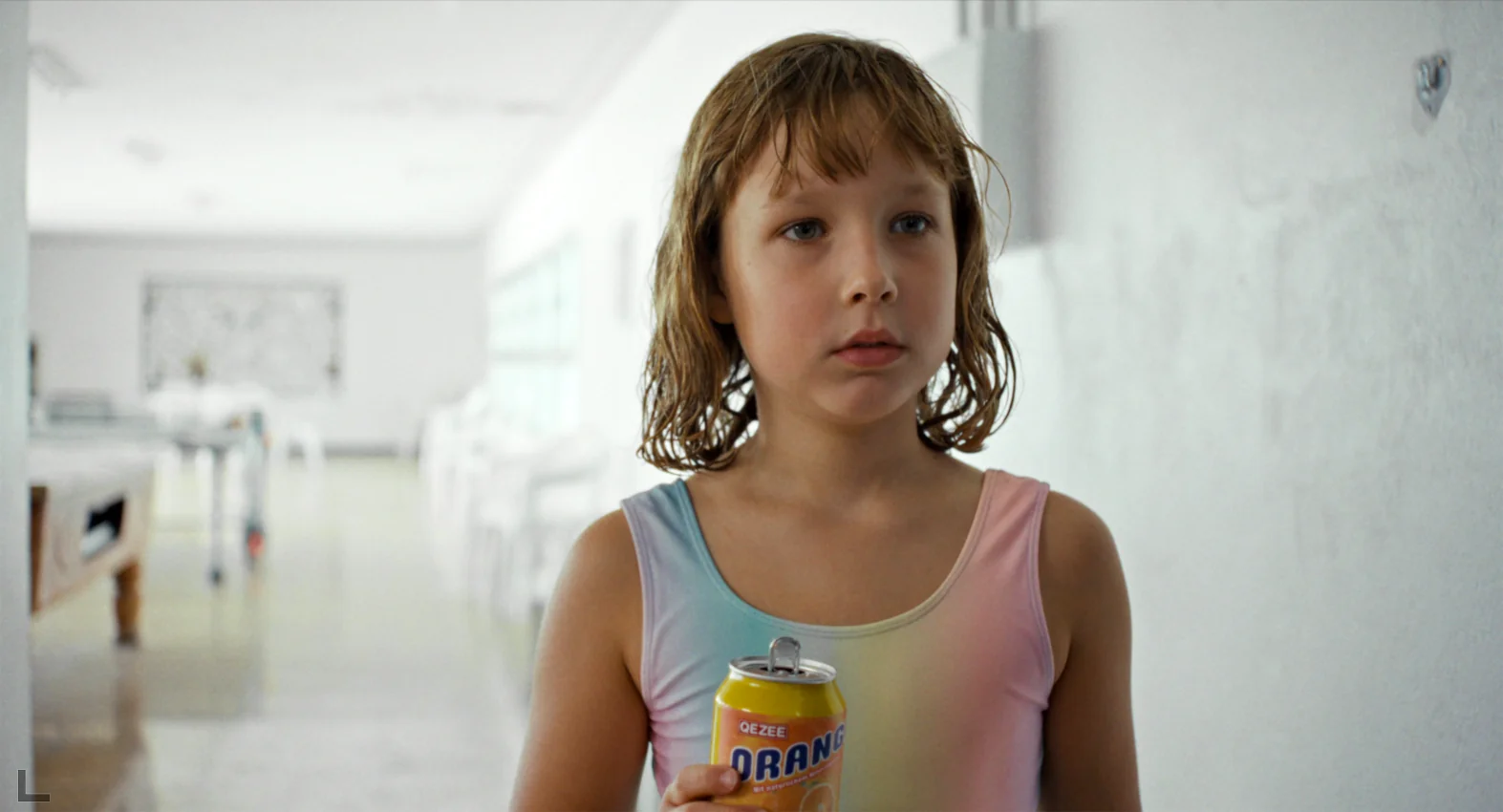
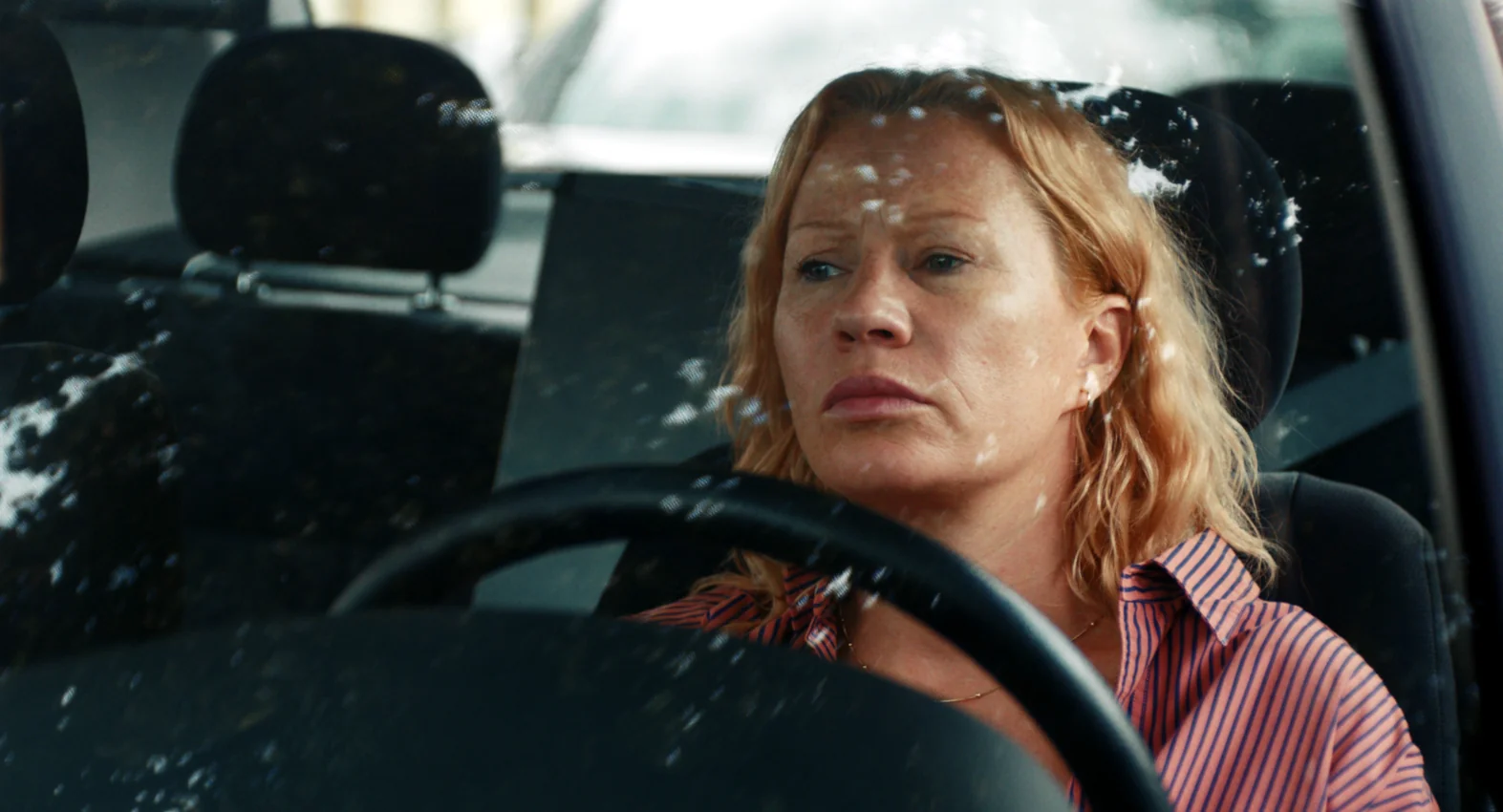
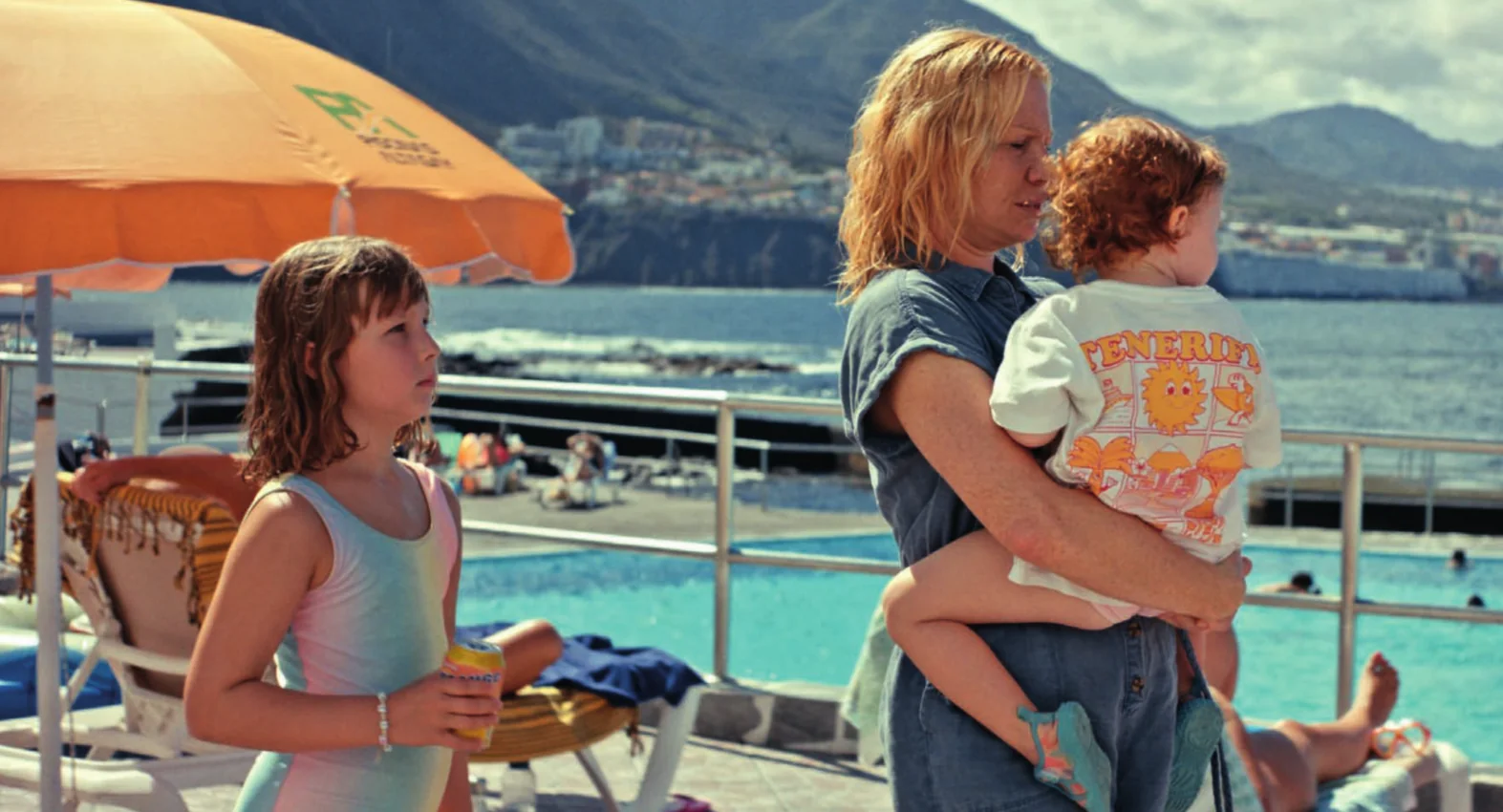
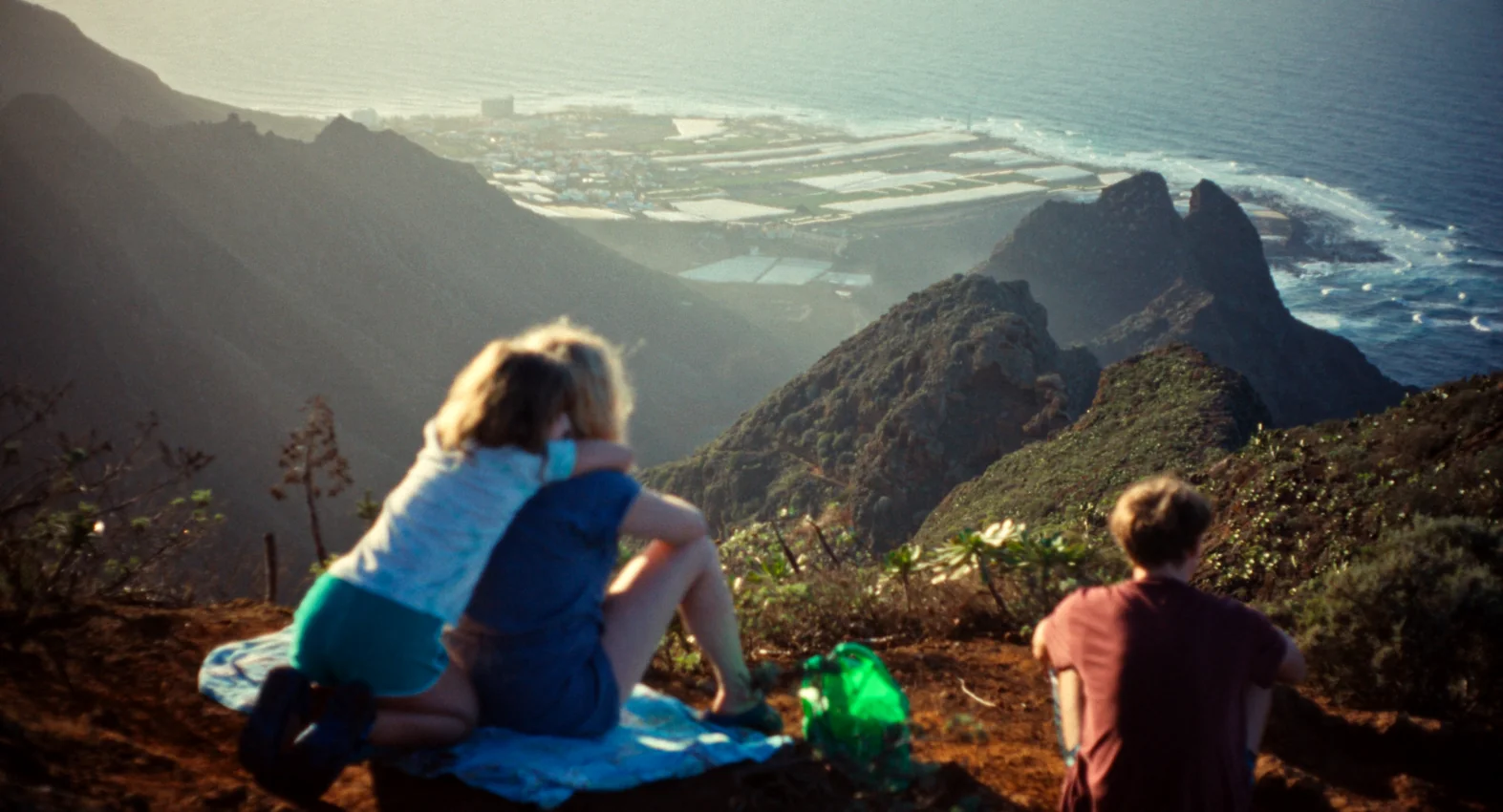
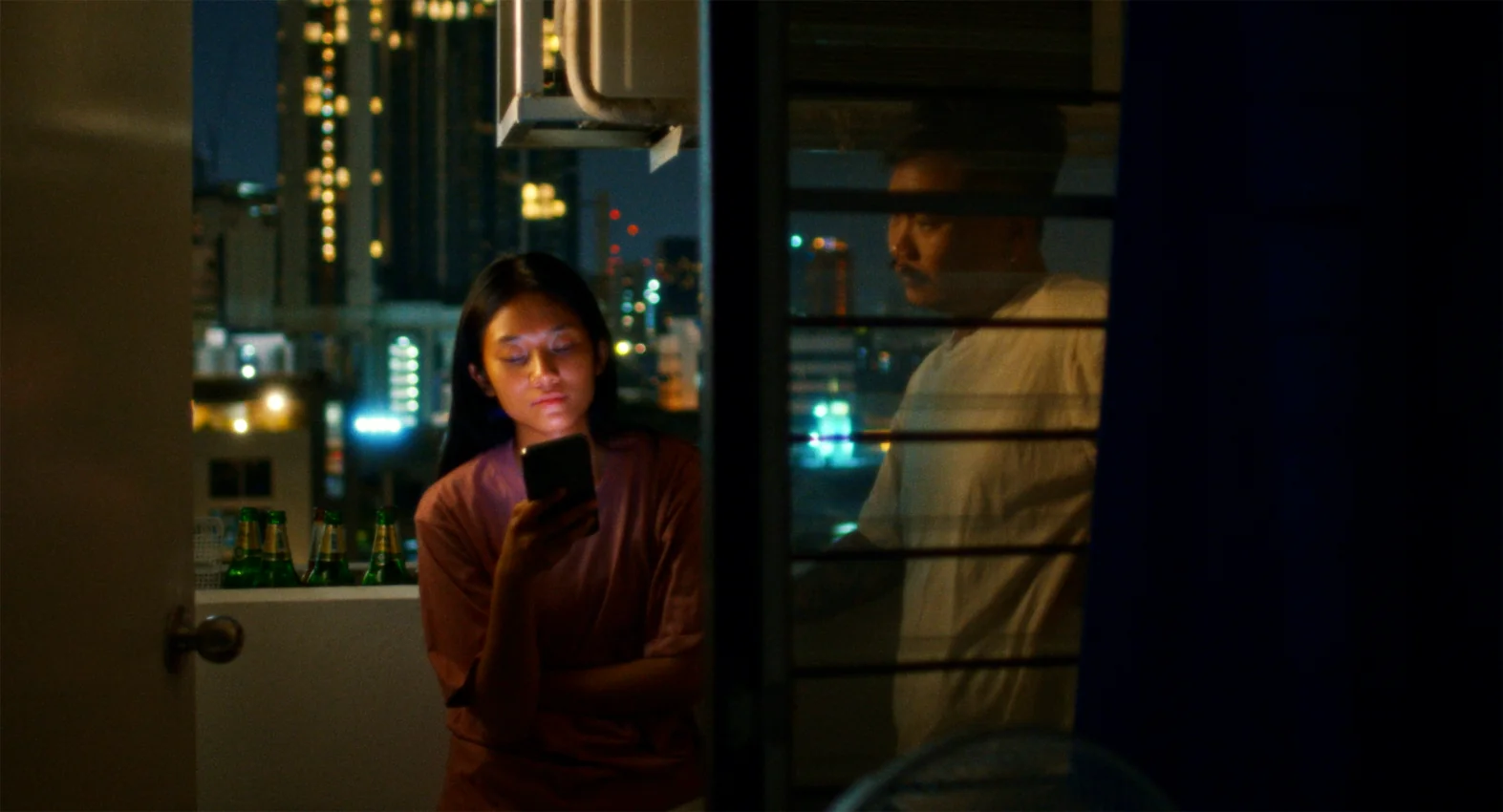
    The last pho­to Jessie took shows the sun over Berlin. It hangs the­re as if not­hing had hap­pen­ed. But Ella has lost her daugh­ter. All she has left is Jessie’s litt­le sis­ter and the com­pli­ca­ted rela­ti­onship with the boy ever­yo­ne bla­mes. The odd trio find them­sel­ves on a fami­ly holi­day that never real­ly was. Under the shim­me­ring sun of Tenerife, memo­ry and the pre­sent beco­me inex­tri­ca­bly intert­wi­ned. The ghosts are everywhere.

    “In EVERYTIME, we fol­low a mother who has lost her daugh­ter, the youn­ger sis­ter who has her own uni­que way of coping, and a boy whom ever­yo­ne bla­mes.
    Whilst the sun hangs the­re as if not­hing had hap­pen­ed, we watch them as they try to do the right thing. They cling to a fra­gi­le rou­ti­ne, a rehe­ar­sed, prag­ma­tic way of coping with ever­y­day life that does litt­le to con­ce­al the impos­si­ble, unful­fillable wish under­ly­ing it: to somehow return to a time when ‘none of this ever hap­pen­ed’. But our rea­li­ty isn’t
    made for that. That’s sim­ply not how the world works.
    But then – in this film, it does hap­pen after all, and the impos­si­ble beco­mes pos­si­ble. You turn a cor­ner and step into a sce­ne, and sud­den­ly the world seems to fold in on its­elf and the sun final­ly has the decen­cy to stand still.
    And for a moment, or per­haps even fore­ver, ever­y­thing seems to be all right again.
    When you enga­ge with such impos­si­bi­li­ties, and tru­ly allow them to hap­pen, tru­ly immer­se yours­elf in them, it seems to me that they reve­al some­thing about the natu­re of human suf­fe­ring, about our lon­gings and per­haps about our very exis­tence. Things that are other­wi­se only pos­si­ble in dreams, we can expe­ri­ence in the cine­ma. That is what cine­ma is for.” Sandra Wollner

    Credits:

    DE/AT 2026, 123 mins, German with English sub­tit­les,
    Director: Sandra Wollner
    Cinematography: Gregory Oke
    Starring: Birgit Minichmayr, Lotte Shirin Keiling, Tristán López, Carla Hüttermann, Naomi Elia Richard

    Trailer:
    nach oben
  • Films by Jean Eustache

    Films by Jean Eustache

    Jean Eustache, a trai­ned elec­tri­ci­an and self-taught film­ma­ker, was, as the son of a working-class fami­ly, an excep­tio­nal figu­re within the other­wi­se bour­geois Nouvelle Vague. His life is reflec­ted in his films in an almost auto­bio­gra­phi­cal way. With a pre­cise atten­ti­on to lan­guage, ges­tu­res and social rea­li­ties, Eustache’s cine­ma ope­ra­tes within the realm of docu­men­ta­ry fic­tion. Thanks to the Re:Visted series from Grand film dis­tri­bu­tors, we are able to offer two of his classics:

    LA MAMAN ET LA PUTAIN from 1973, in which Jean-Pierre Léaud plays Alexandre, a flâ­neur caught bet­ween two women and end­less con­ver­sa­ti­ons in Parisian cafés as he sear­ches for his true self. [Tickets]

    In the auto­bio­gra­phi­cal­ly inspi­red 1974 film MES PETITES AMOUREUSES, 13-year-old Daniel is torn from his shel­te­red coun­try life and thrust into the con­fi­nes of the city and the harsh­ness of the adult world. [Tickets]

    LA ROSIÈRE DE PESSAC (1968) & LA ROSIÈRE DE PESSAC 79 (1979)
    Two docu­men­ta­ry films about the elec­tion and the fes­ti­val of the Rose Queen in Pessac, near Bordeaux, which take place annu­al­ly in April and June. The com­pi­la­ti­on does not take an expli­cit stance on the events; its straight­for­ward docu­men­ta­ti­on, in 1968 and ele­ven years later, high­lights the chan­ges that have taken place. Sun., 5.9. [Tickets]

    UNE SALE HISTOIRE (1977) con­sists of two films: First came a 16mm film, shot in the style of ciné­ma véri­té, in which a man recounts his voy­eu­ristic expe­ri­en­ces in the toi­let of a Parisian café, whe­re he dis­co­ver­ed a hole in the wall lea­ding to the ladies’ toi­let. Eustache later had his text, shot on 35mm, nar­ra­ted by a pro­fes­sio­nal actor. However, the films are scree­ned in rever­se order, with the fic­tion coming befo­re the docu­men­ta­ry – which natu­ral­ly rai­ses the ques­ti­on of what is real and what is not in the sto­ry told by Picq. In this way, Eustache achie­ved a uni­que reflec­tion on the rela­ti­onship bet­ween the docu­men­ta­ry and the fic­tion­al. [Tickets]

    NUMÉRO ZÉRO (1971) – the title refers to a kind of start­ing point, and inde­ed, Eustache has, in cine­ma­tic terms, star­ted from scratch here: he has his grand­mo­ther, Odette Robert, recount her life, inter­rupt­ed only by brief ques­ti­ons or comm­ents from Eustache to keep the con­ver­sa­ti­on flowing. [Tickets]

    DU CÔTÉ DE ROBINSON (1964) Two young men go out loo­king for women one Sunday after­noon in Montmartre. The film focu­ses on ever­y­day occur­ren­ces that were not nor­mal­ly depic­ted in the cine­ma of that era. &
    LE PÈRE NOËL A LES YEUX BLEUS (1966) To rai­se the money for a coat, a young man takes a job as a depart­ment-store Father Christmas. Once again, Eustache blends obser­va­tions of ever­y­day life with fic­tion, ther­eby pain­ting a melan­cho­lic por­trait of a pro­vin­cial town. [Tickets]

    Translated with DeepL.com (free version)

  • Transit Times

    Transit Times

    A film by Ana-Felicia Scutelnicu. In Romanian with German subtitles.

    [Credits] [Tickets & Showtimes] [Trailer]

    Moldova, 1997. Six years after the col­lap­se of the USSR, the initi­al eupho­ria has faded, lea­ving behind a coun­try sin­king into a deep and per­sis­tent cri­sis. Amidst this harsh rea­li­ty, a fami­ly strug­gles to sur­vi­ve. Zina, a set desi­gner at a once-vibrant children’s theat­re, has not been paid for months, yet con­ti­nues to try to keep her fami­ly tog­e­ther and put food on the table. Her hus­band Victor, an artist left behind by histo­ry, is sin­king into melan­cho­ly and is unable to adapt to the new rea­li­ty. Their daugh­ter Eva, a gifted pia­no stu­dent, is lea­ving child­hood behind as she sear­ches for her place in a world that seems to be fal­ling apart around her. Whilst fri­ends and neigh­bours quiet­ly aban­don the sin­king ship in search of a bet­ter life abroad, despe­ra­ti­on dri­ves Zina to rent out the fami­ly home. This decis­i­on tears the fami­ly apart and plun­ges them into a peri­lous jour­ney, caught bet­ween sur­vi­val, flee­ting hope and the fra­gi­le dream of a life that may never be theirs.

    Credits:

    Înstrăinare
    DE/RO/MD 2026, 133 mins, Romanian with German sub­tit­les
    Director: Ana-Felicia Scutelnicu
    Cinematography: Javier Palicio
    Editing: Ecaterina Iaschevici, sup­port­ed by Dana Bunescu
    Starring: Marina Palii, Arina Mura, Ion Munteanu, Pauli
    na Zavtonii, Ion Liulica, Marina Weis

    Trailer:
    nach oben
  • Ninja Motherf*cking Destruction

    Ninja Motherf*cking Destruction

    A film by Lotta Schwerk. In German with English sub­tit­les. With Q&A on Sunday, 19th 20:30

    [Credits] [Tickets & Termine] [Trailer]

    A long-term cine­ma­tic stu­dy that fol­lows Leonie’s coming of age over eight years: Leonie and Marlene are 18 years old, best fri­ends, and con­vin­ced that not­hing can sepa­ra­te them. But Leonie falls in love with Naomi, devo­tes hers­elf enti­re­ly to her gre­at love, and drifts fur­ther and fur­ther away from Marlene. Over time, it beco­mes clear that Naomi suf­fers from depres­si­on, which incre­asing­ly over­w­helms Leonie. It is only when the rela­ti­onship final­ly breaks down that Leonie rea­li­ses just how much she has iso­la­ted hers­elf. She lea­ves Berlin and beg­ins an app­ren­ti­ce­ship as a gar­de­ner in Brandenburg, which helps her to make sen­se of the world around her once more. With new­found strength, she plucks up the cou­ra­ge to reach out to her child­hood fri­end Marlene after years of estran­ge­ment.
    “When I began shoo­ting this film in 2017, I lon­ged for a space in cine­ma whe­re a young fema­le or que­er body could grow up free from the male gaze during the vul­nerable peri­od bet­ween the ages of 18 and 25. ‘Ninja Motherf*cking Destruction’ is a film about inti­ma­cy, about sexua­li­ty and about bodies that chan­ge over the cour­se of eight years. And about the loving, pain­ful, ambi­va­lent web of rela­ti­onships bet­ween (que­er) women.”
    Lotta Schwerk

    Credits:

    DE 2025 79 mins, German with English sub­tit­les,
    Director: Lotta Schwerk
    Cinematography: Fion Mutert
    Starring: Emma Suthe, Marie Tragousti, Merle von Mach, Yildiz Tiryakioglu

    Trailer:
    nach oben