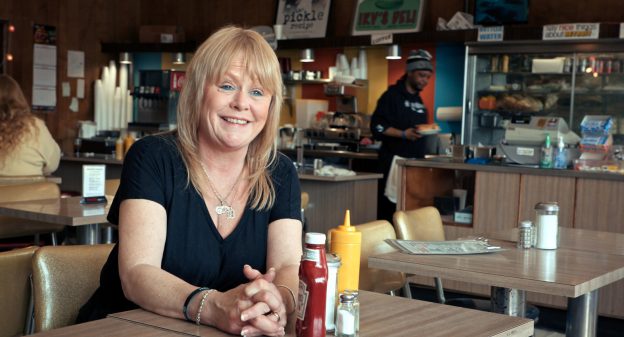
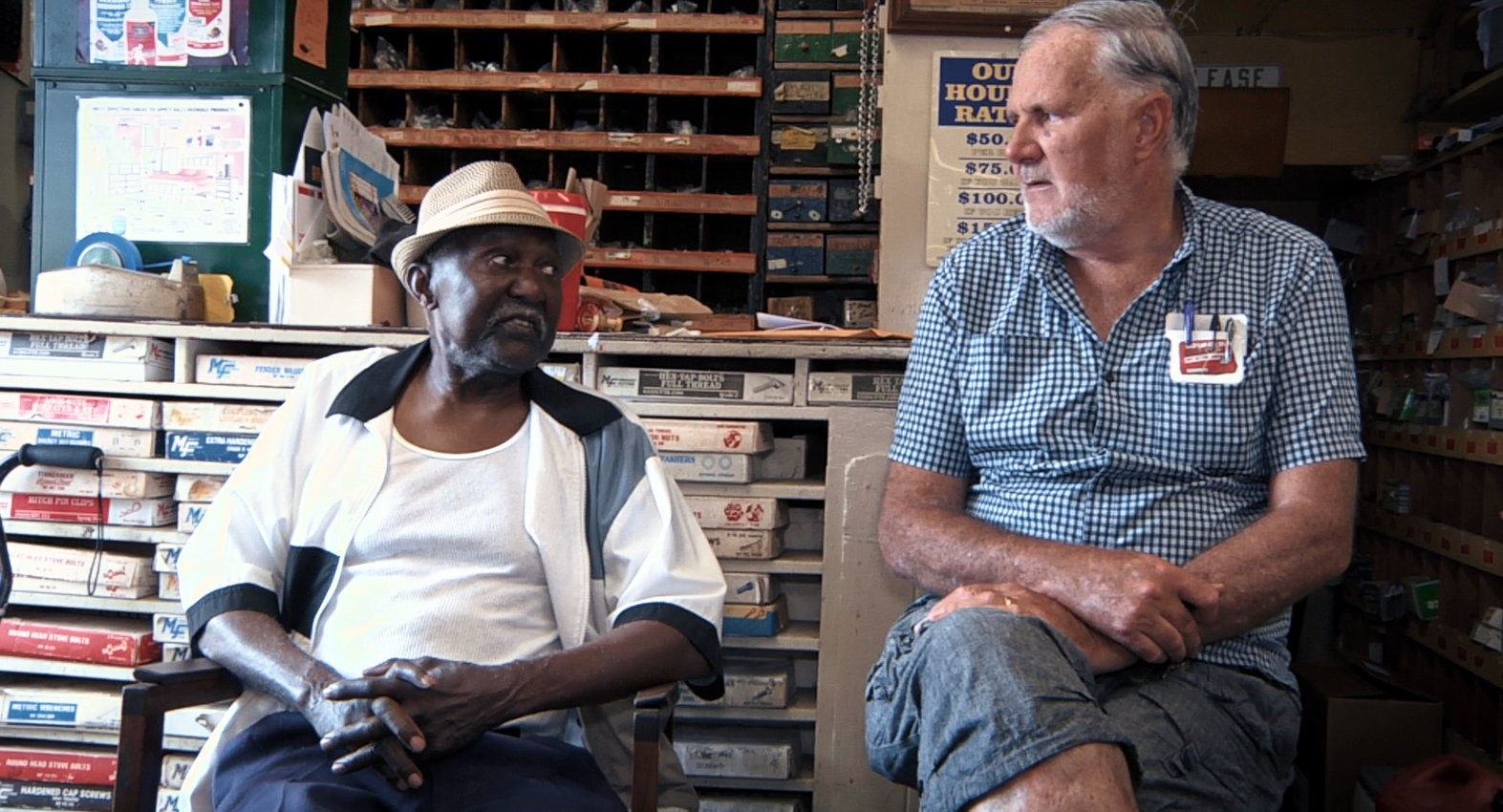
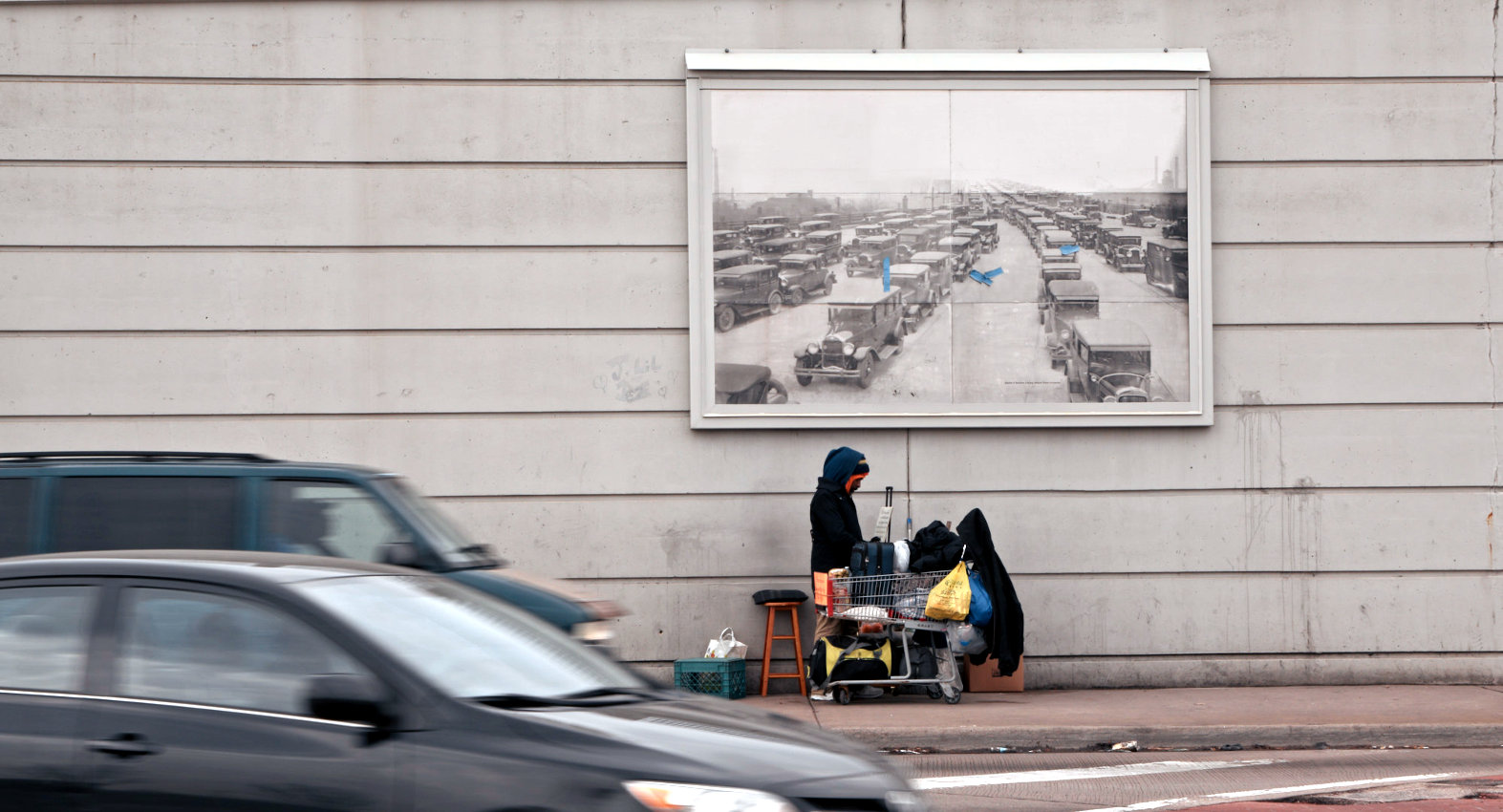
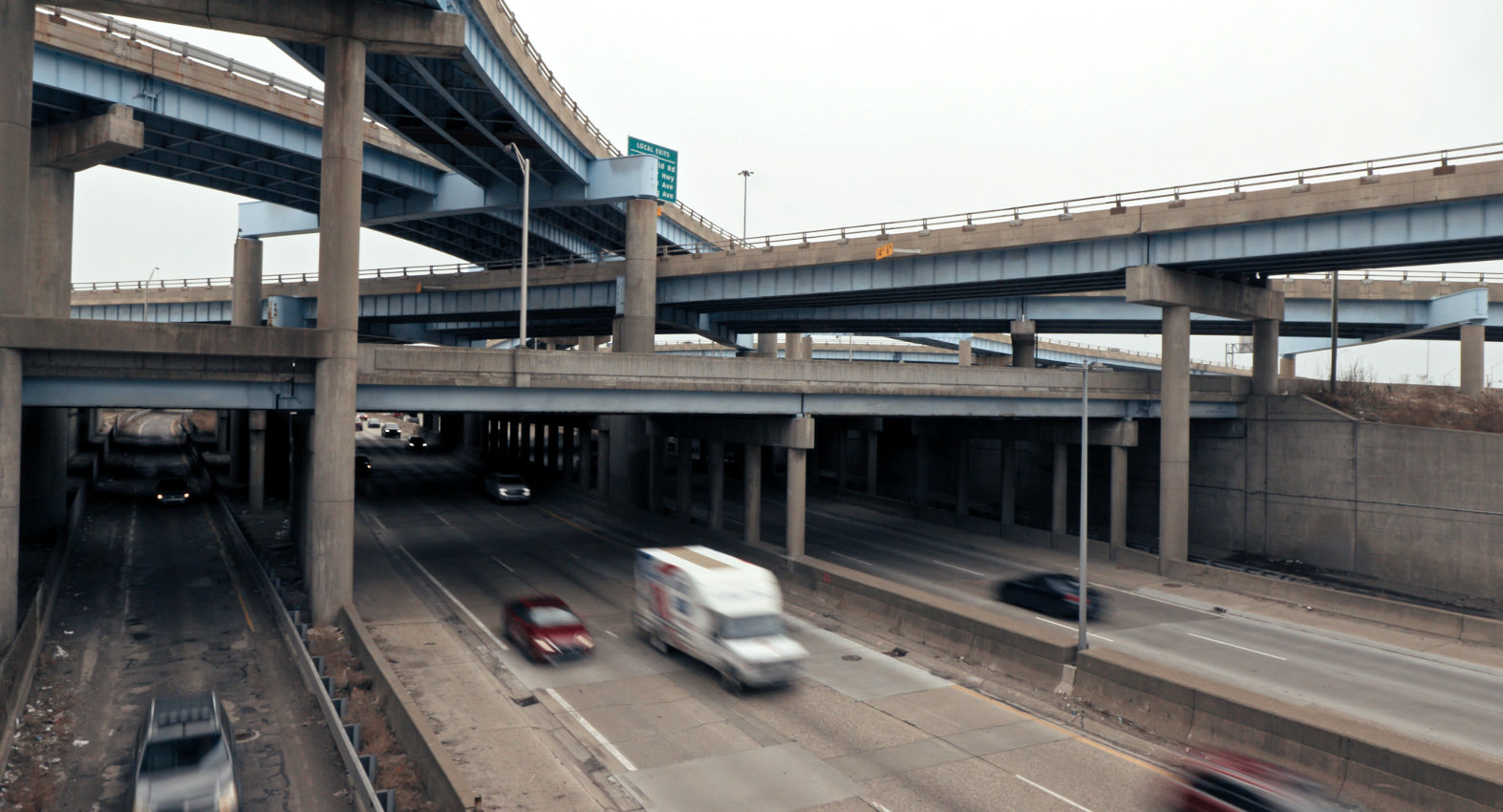
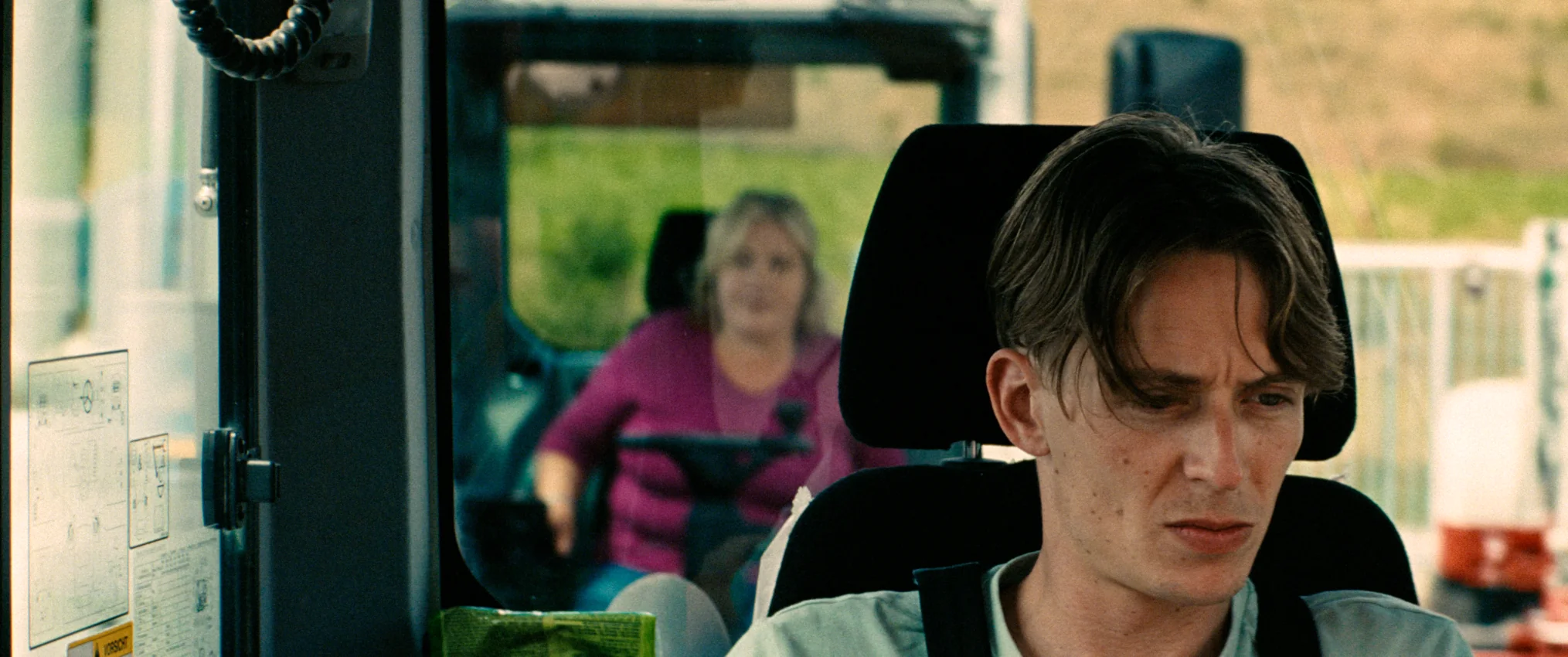
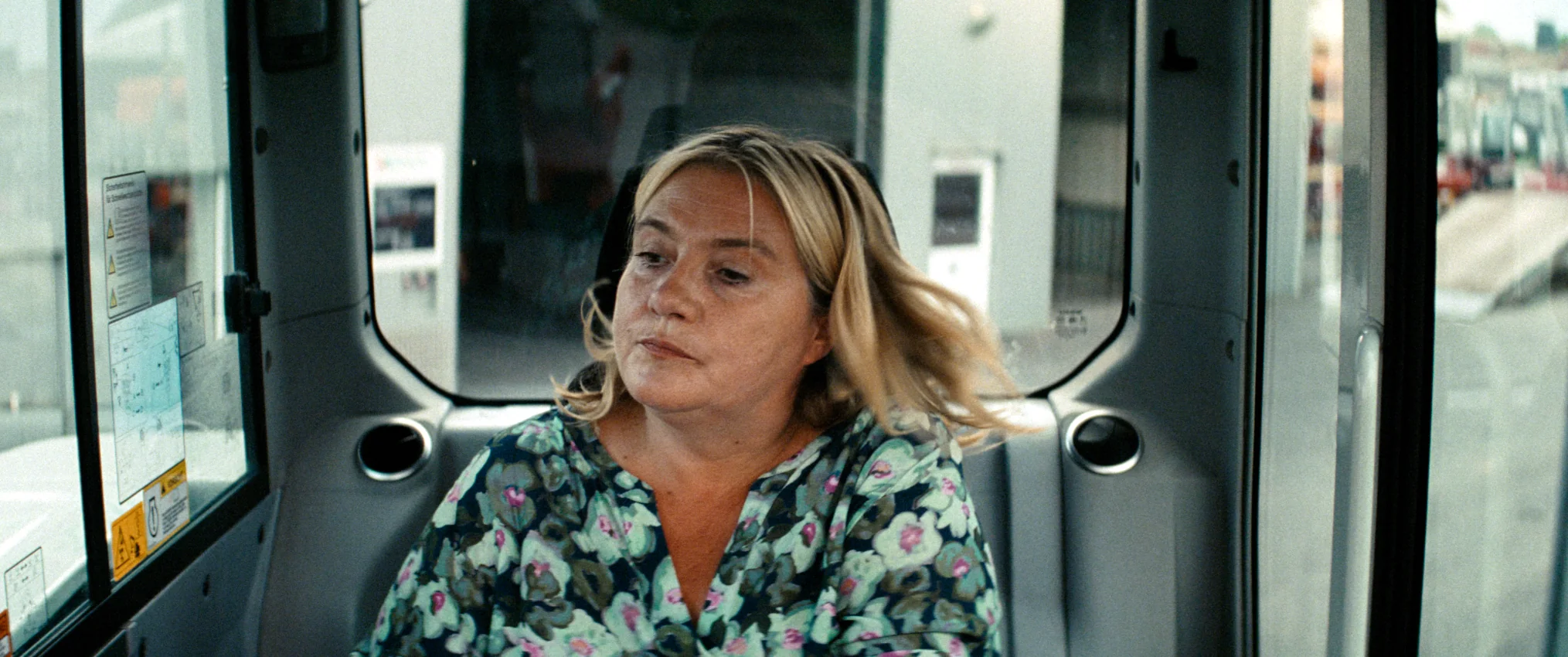
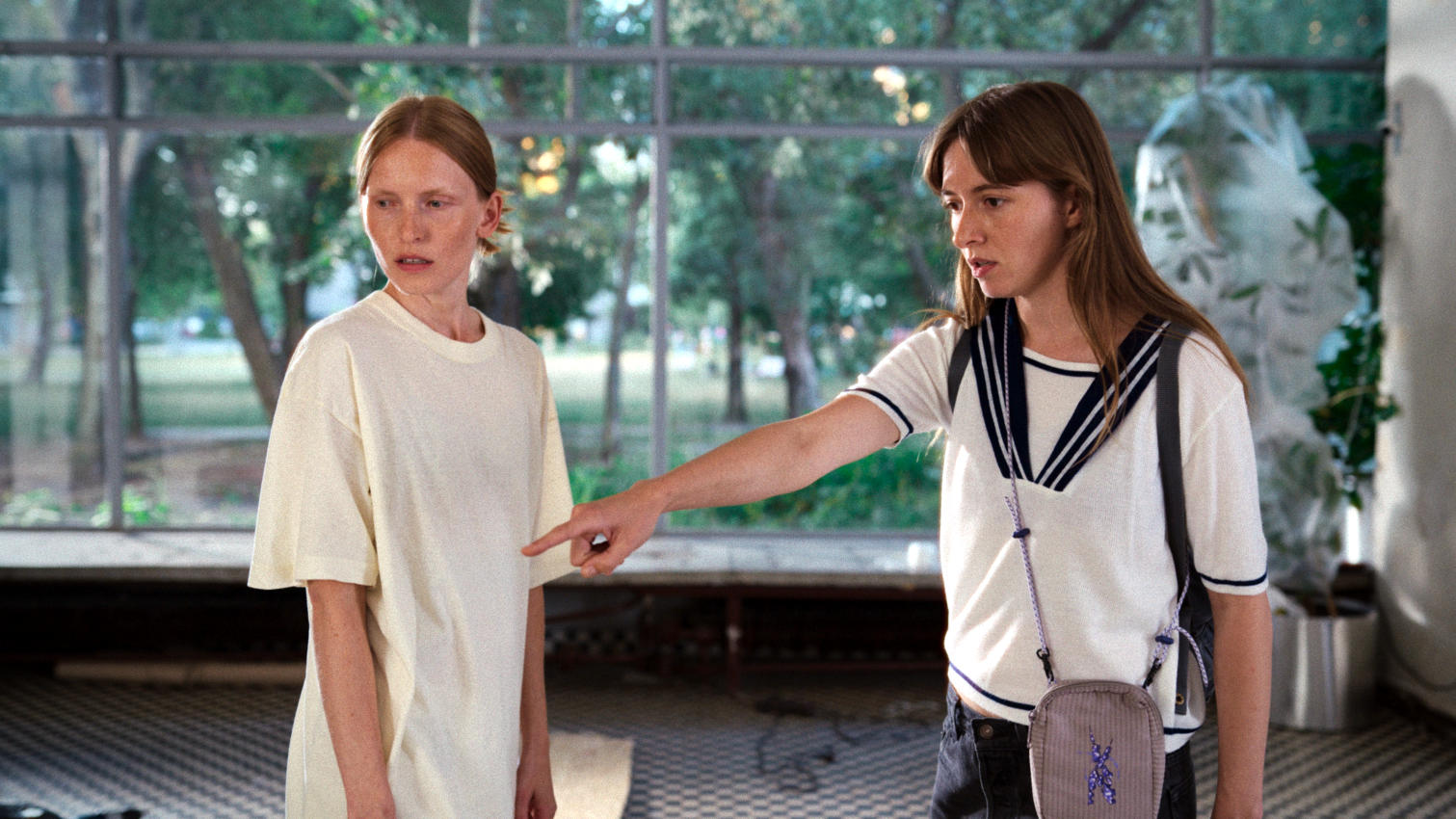
A look at two cities located far apart – Bochum and Detroit – where the departure of the automobile industry has left behind enormous challenges. The industry disappears, and what remains are the people. Ultimately, it is a journey into the hearts of each city’s inhabitants, who are in search of a new identity following the end of the industrial age. Despite all their differences, what unites them is the desire for a dignified and happy life.
Credits:
DE 2021, 118 Min., deutsch, englische OmU Regie: Ulrike Franke, Michael Loeken Kamera: Uwe Schäfer, Philip Hallay, Fabrizio Costantini, Michael Loeken, Michael Chauvistré, Jörg Adams Schnitt: Guido Krajewski, Bert Schmidt
Trailer:
WEAREALLDETROIT – Vom Bleiben und Verschwinden [TRAILER german]
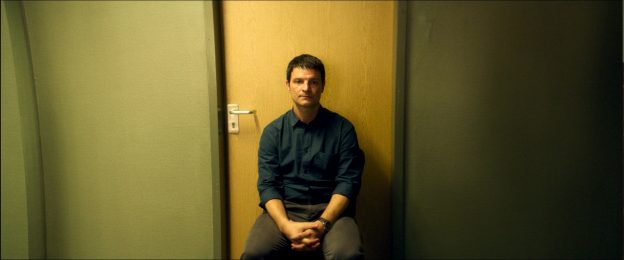
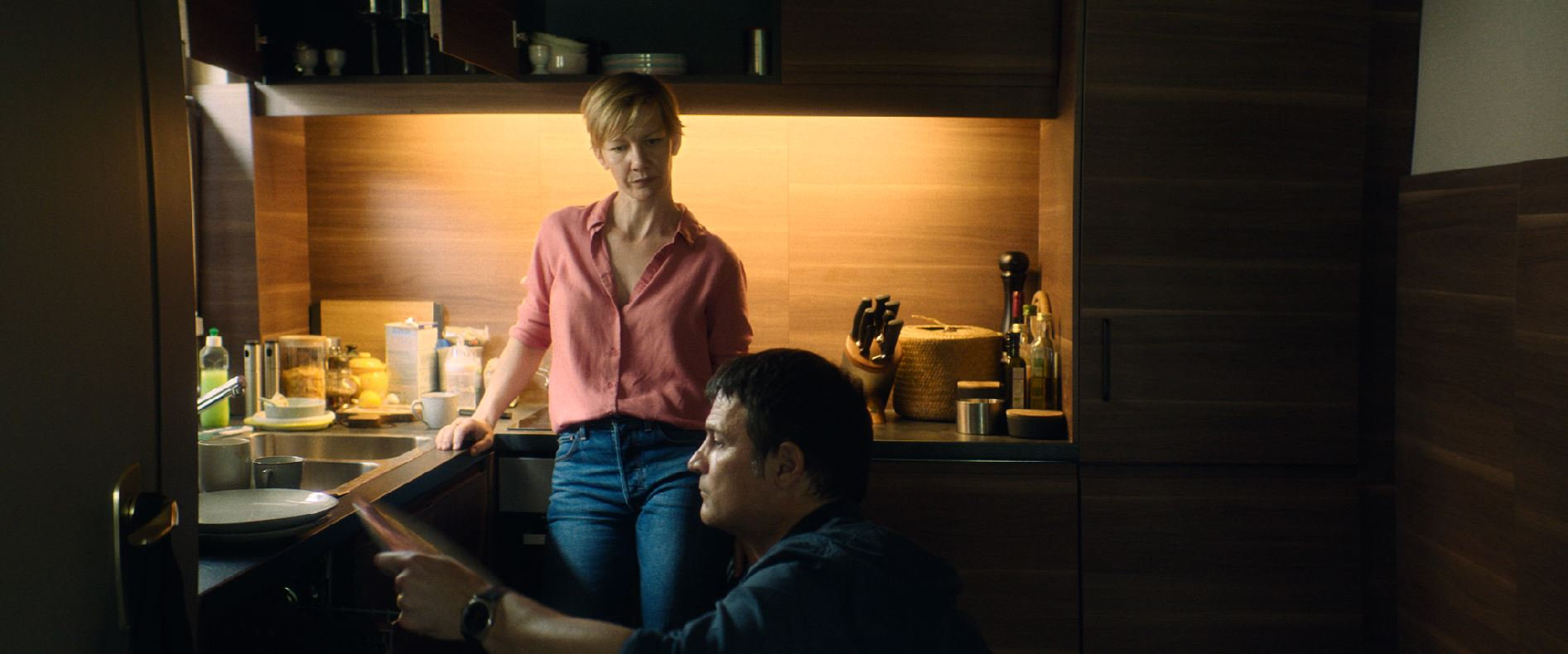
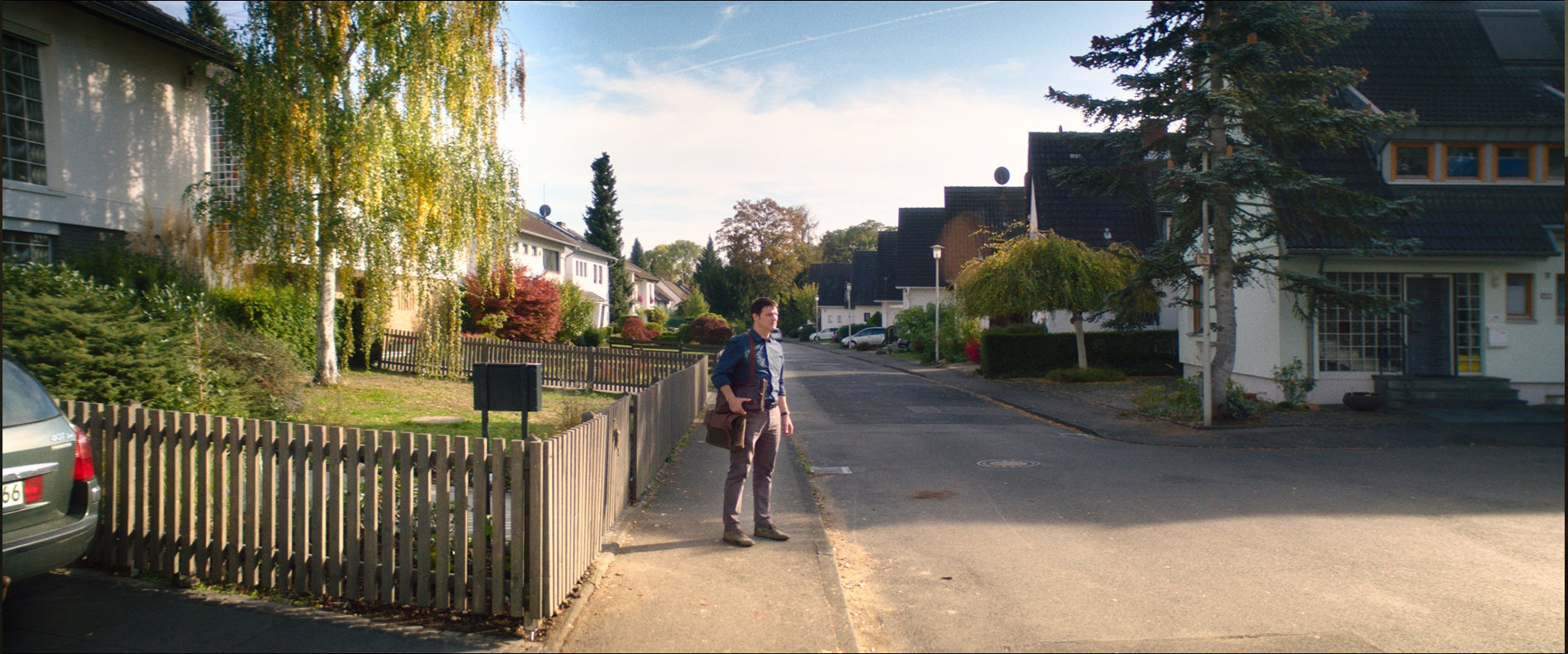
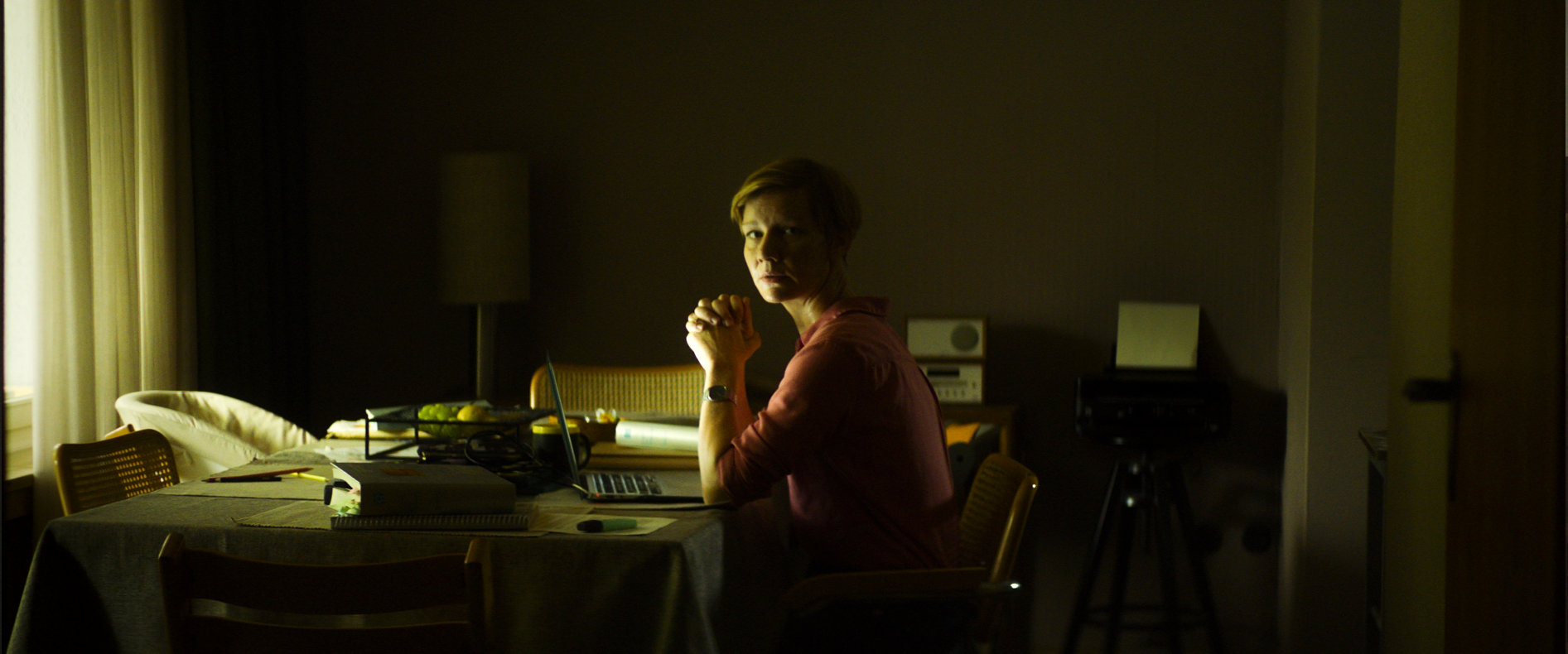
First, there’s a dead rat hanging on the door of the house where Xhafer lives with his wife and children. Then the emails he sends are ‘accidentally’ no longer being received. The signs that this pharmaceutical engineer is being bullied and harassed in his workplace are increasing. Even if neither his wife nor his colleagues seem to believe him, this man, who is originally from Kosovo but who has been well integrated for years, feels more and more outcast from his (German) community. Or is he losing touch with reality?
In his second feature-length film, director Visar Morina dissects the psychological effects of social exclusion and presents them here as an interplay between belonging and alienation. Morina combines subtle images that gradually shift according to his protagonist’s state with meticulous performances from his ensemble, to describe the importance of personality when it comes to integrating into another society, and how quickly cracks can develop in the supposedly firm construct that is identity.
Credits:
Germany / Belgium / Kosovo 2020, 121 mins, German, with Albanian subtitles Directed by: Visar Morina Cinematography: Matteo Cocco Editing: Laura Lauzemis, Hansjörg Weißbrich, Visar Morina Starring: Mišel Matičević, Sandra Hüller, Rainer Bock, Thomas Mraz
Termine:
noch keine oder keine mehr
[nbsp]
Trailer:
EXIL I Offizieller Trailer deutsch I Jetzt im Kino
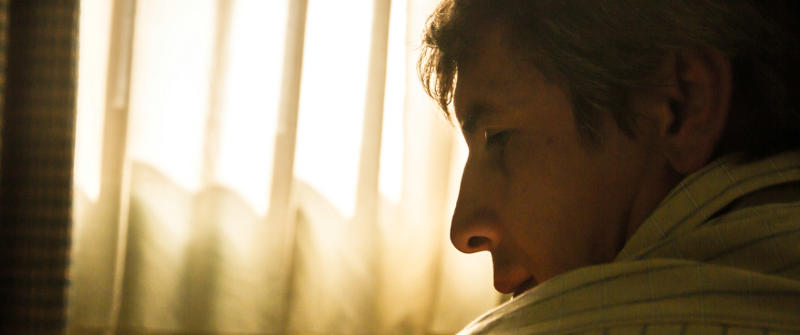
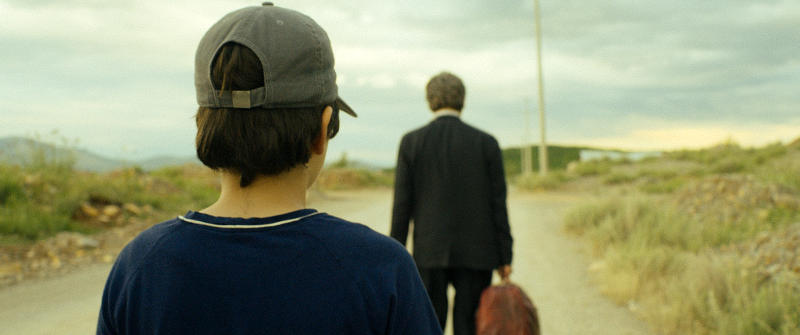
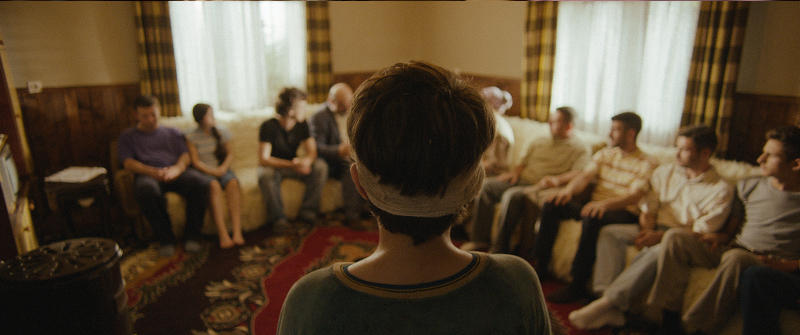
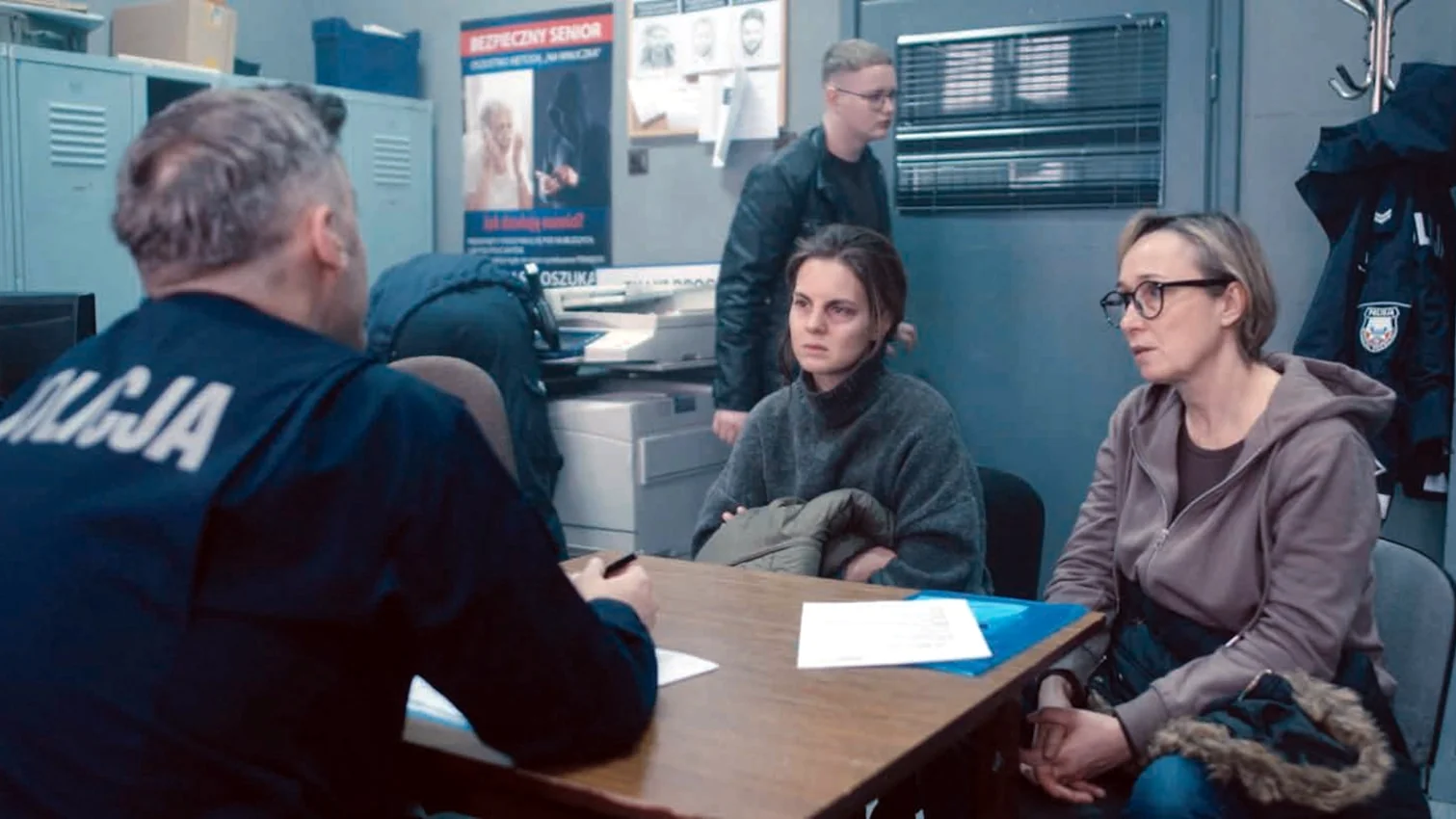
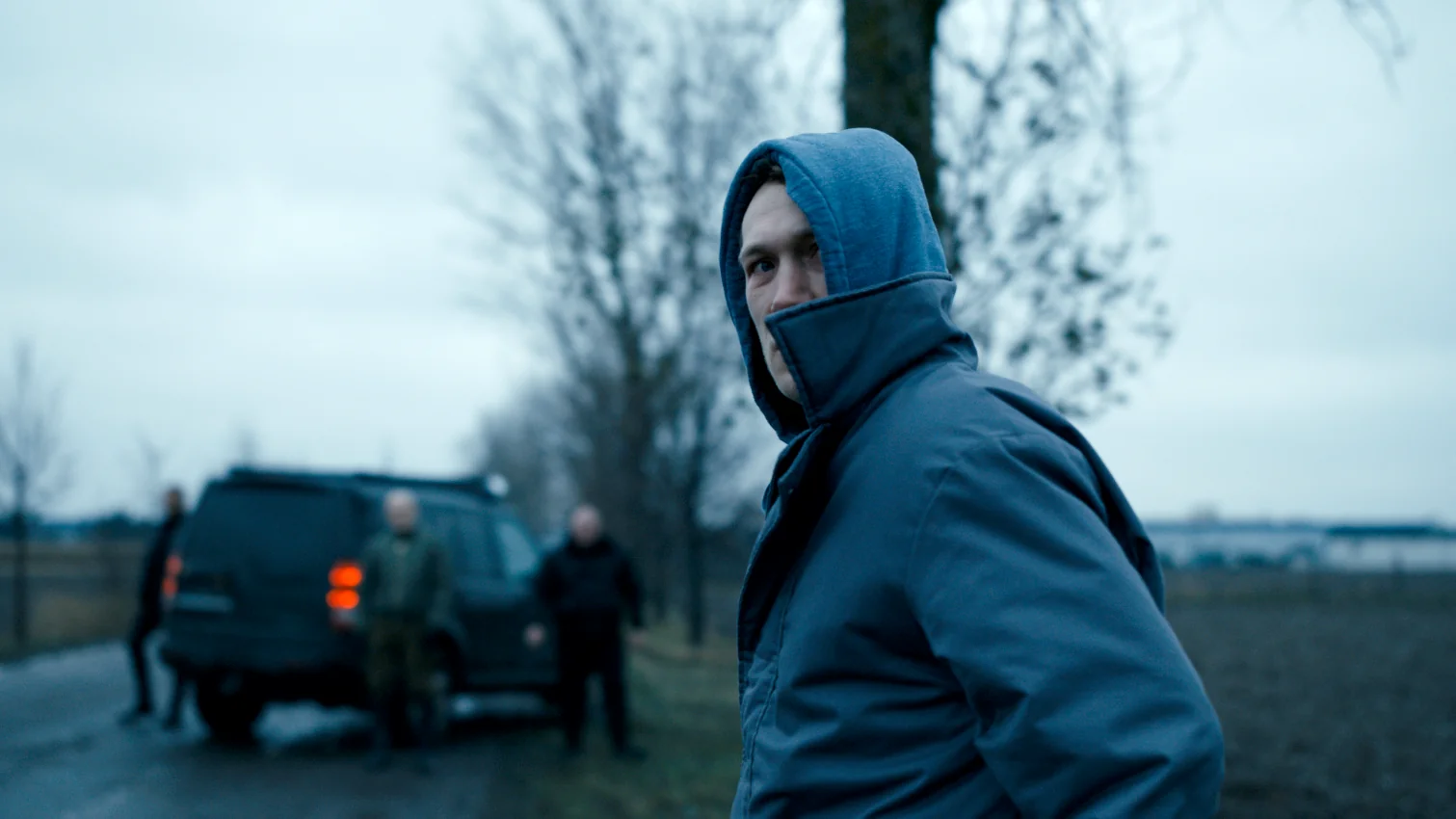
Kosovo, in the 1990s: Gezim sells cigarettes on the street and tries to scrape by as best he can, with his ten-year-old son Nori helping him. But Gezim doesn’t want to carry on like this; he wants to get out of Kosovo – without his son, who would only be an extra burden on the journey to Germany. Nori, however, does not want to be left behind; the boy stubbornly sticks close to his father. Nori is injured in an accident; his father takes him to hospital but leaves him there alone. Nori is disappointed and angry with his father and so secretly takes what he needs to be able to travel after him. Together with other refugees, Nori crosses the Adriatic Sea in a rubber dinghy and finally reunites with his father in Germany, who is now waiting for his future at a reception centre for asylum seekers. Nori can now finally confront his father about what he has done.
“In Kosovo in the 1990s, there was a social climate that I find hard to put into words. What was astonishing was not so much the pre-war atmosphere itself – which was accompanied by house searches, arbitrary shootings, curfews and extreme poverty – but rather the way people dealt with all those events. The feeling amongst Kosovars that things were not going well for their Kosovo was ever-present … However, the film’s subject is not the political climate. That atmosphere is the underlying mood that carries the film and the framework within which my story begins. The film itself tells a very personal and highly subjective father-son story set against a backdrop of external control. As the context is far too complex for a political discourse, I focused on my personal experience whilst writing. There are hardly any scenes in the film that I haven’t experienced myself or witnessed in my immediate surroundings.” From a commentary by director Visar Morina
“Babai” has won numerous awards (selection): Munich Film Festival: Best Film, Best Screenplay, Best Actors; Karlovy Vary Film Festival: Best Director; Tirana Film Festival: Best Film; Cottbus Film Festival: Best Debut …
Germany, Kosovo, Macedonia, France 2015, 104 mins, Albanian, German, Serbian (original version with subtitles) Written and directed by: Visar Morina Cinematography: Matteo Cocco Editing: Stefan Stabenow, Anne Fabini, Maja Tennstedt
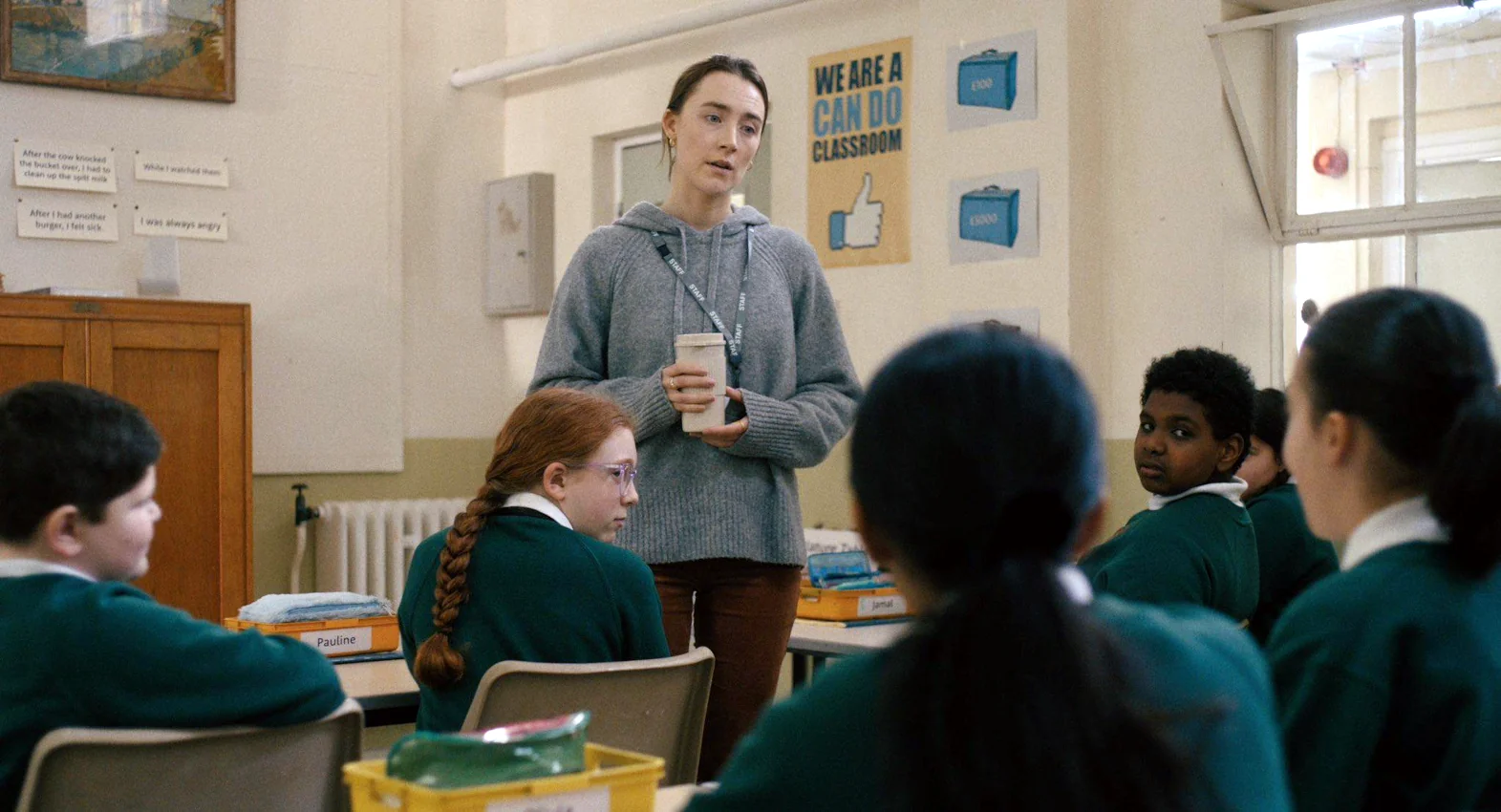
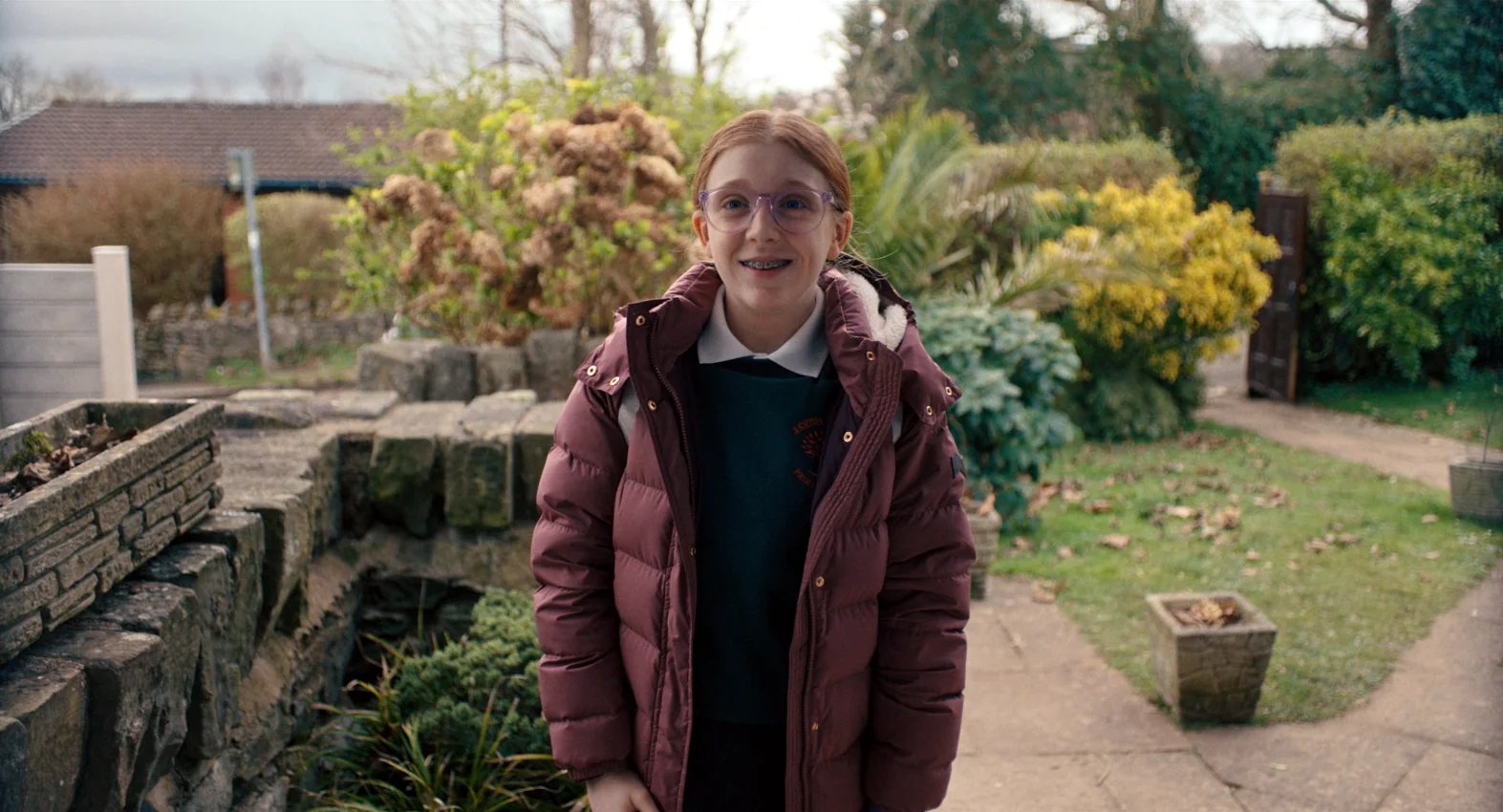
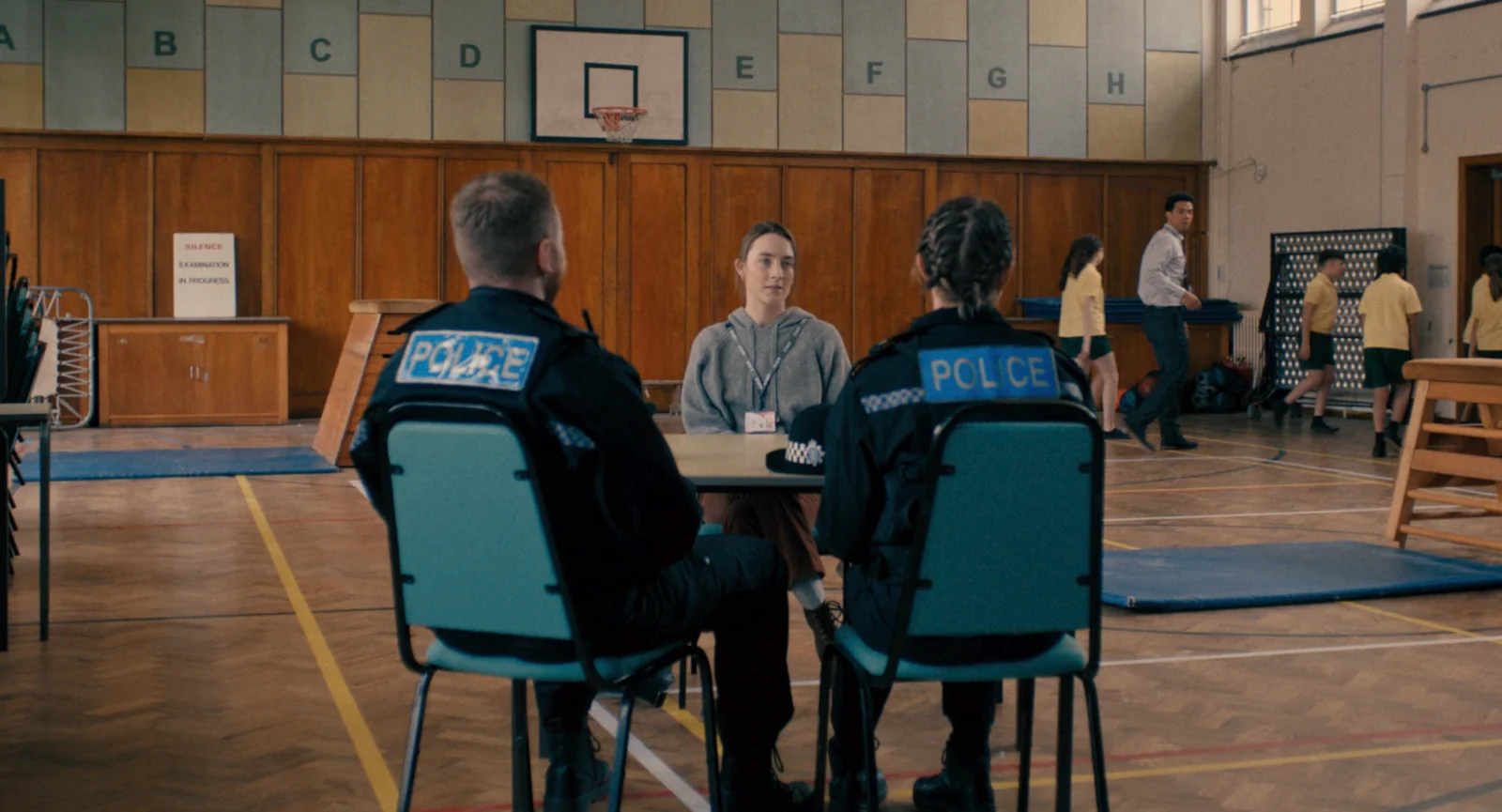
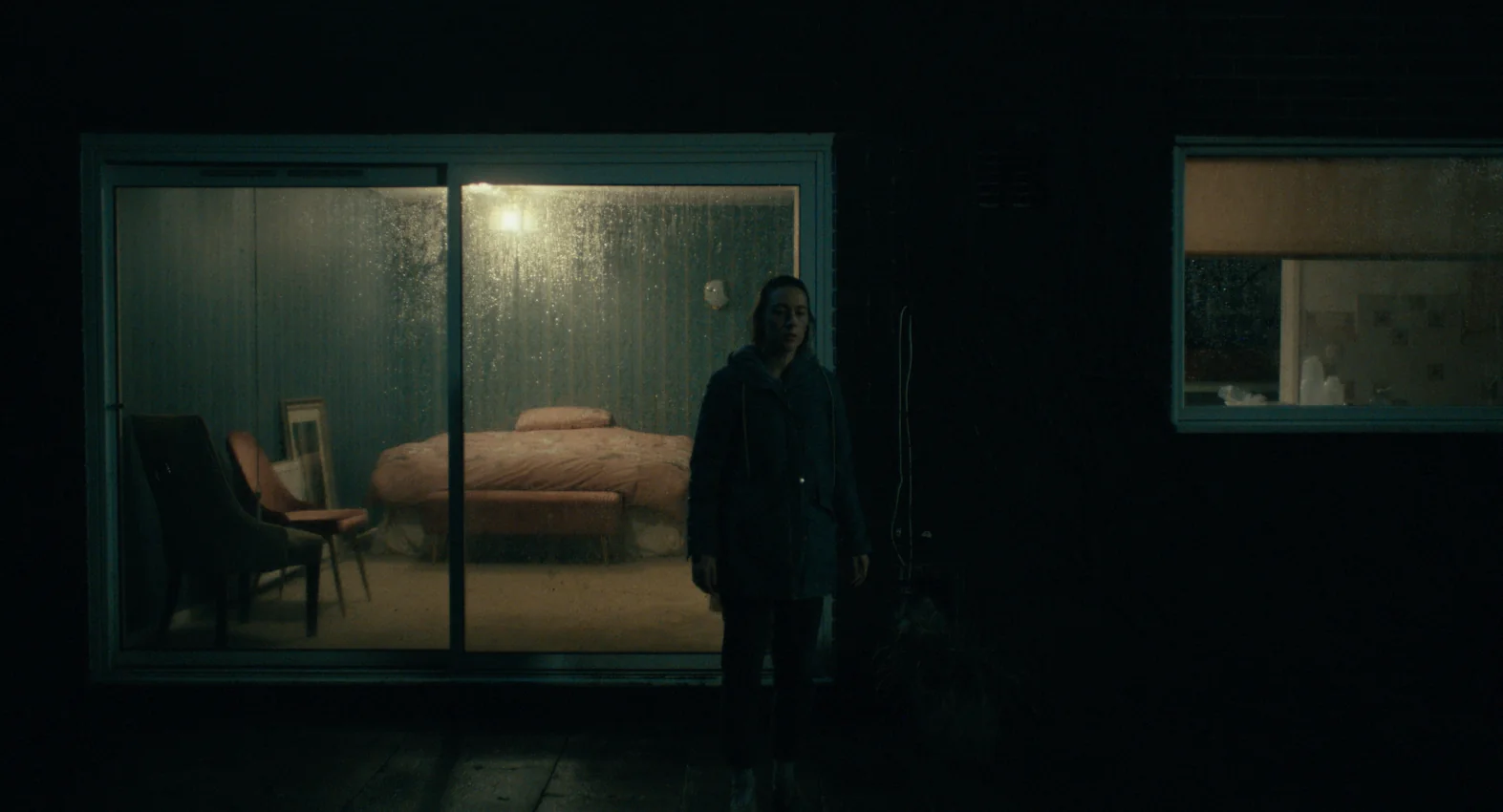
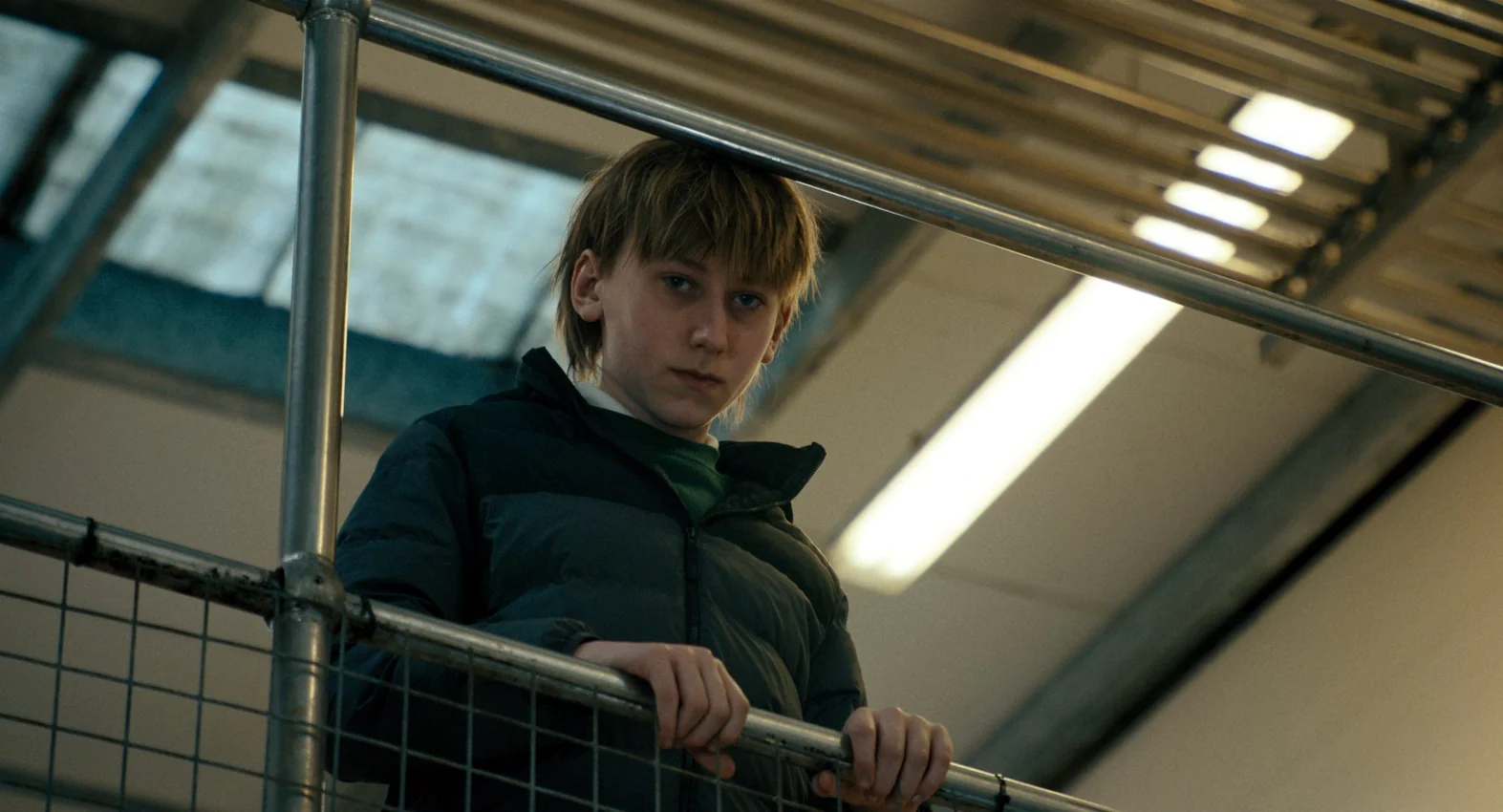
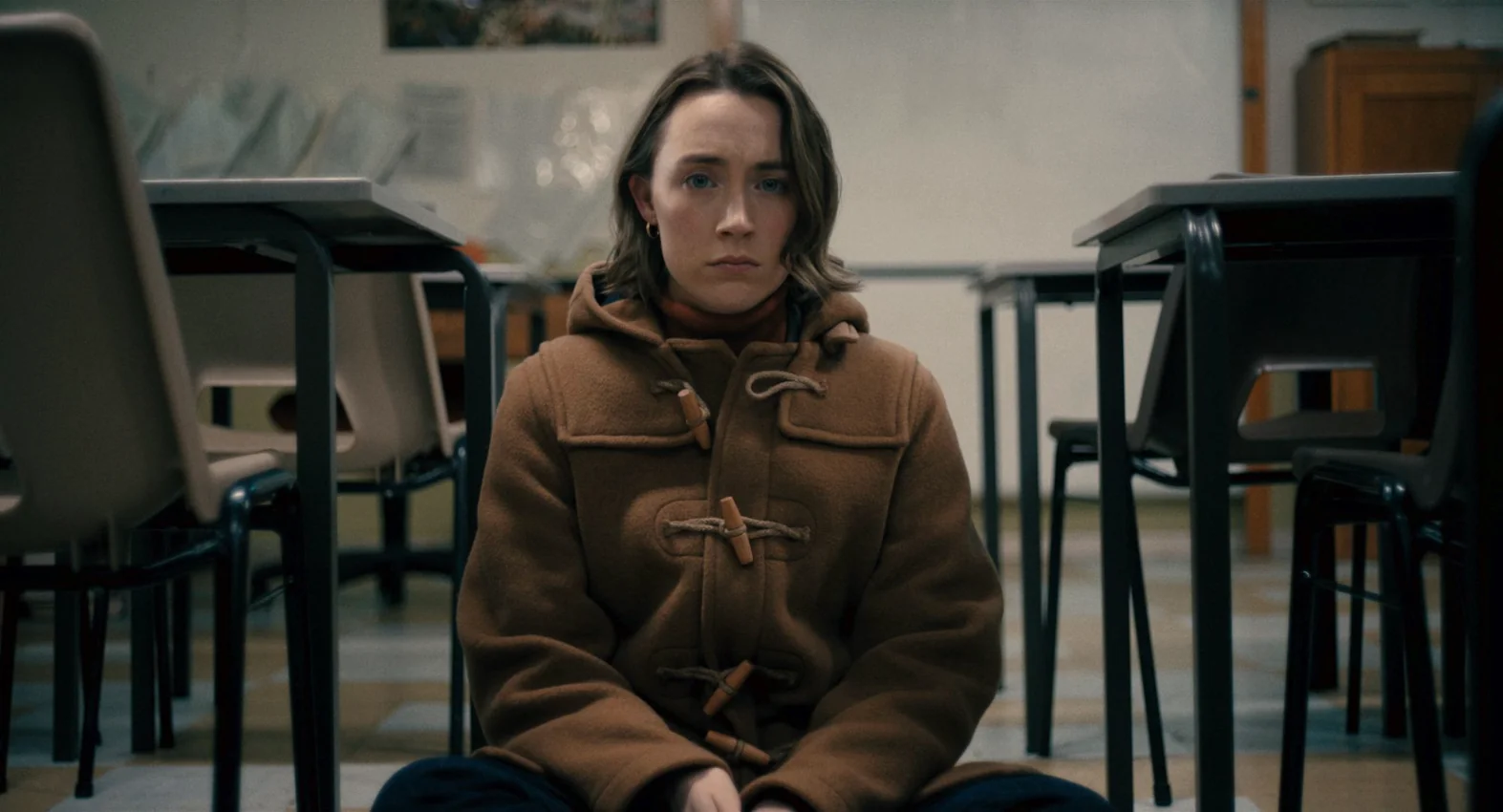
A young teacher has to deal with a difficult pupil in order not to lose her job. A dark comedy.
“Whilst the film is not primarily about taking on a flawed and outdated education system, but rather about individual problems, it nevertheless maintains a critical eye on social circumstances and injustices. The children’s family circumstances are shown rather in passing. From the outset, the whole situation feels menacing; only the light, bouncy music seems to suggest: ‘Perhaps it won’t be quite that bad…’ Yet the tone grows increasingly stark as the plot unfolds – about which we shall reveal as little as possible here. The humour is so bitterly dark that more than once, laughter gets stuck in your throat.” filmstarts
Credits:
UK 2026, 100 mins, English with German subtitles Director: Jonatan Etzler Screenplay: Jess O’Kane Cinematography: Nea Asphäll Editing: Robert Krantz Starring: Saoirse Ronan, Jacob Anderson, Eddie Waller, Nia Brown
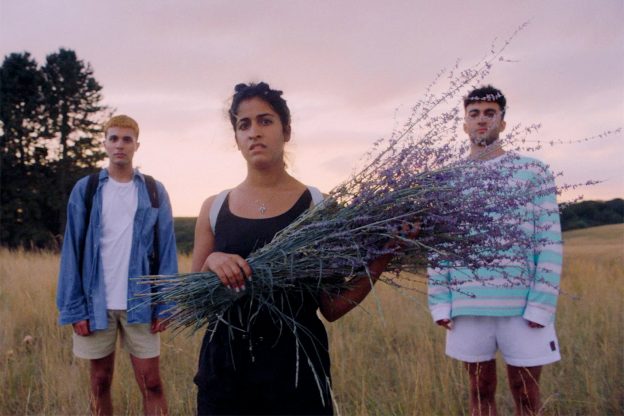
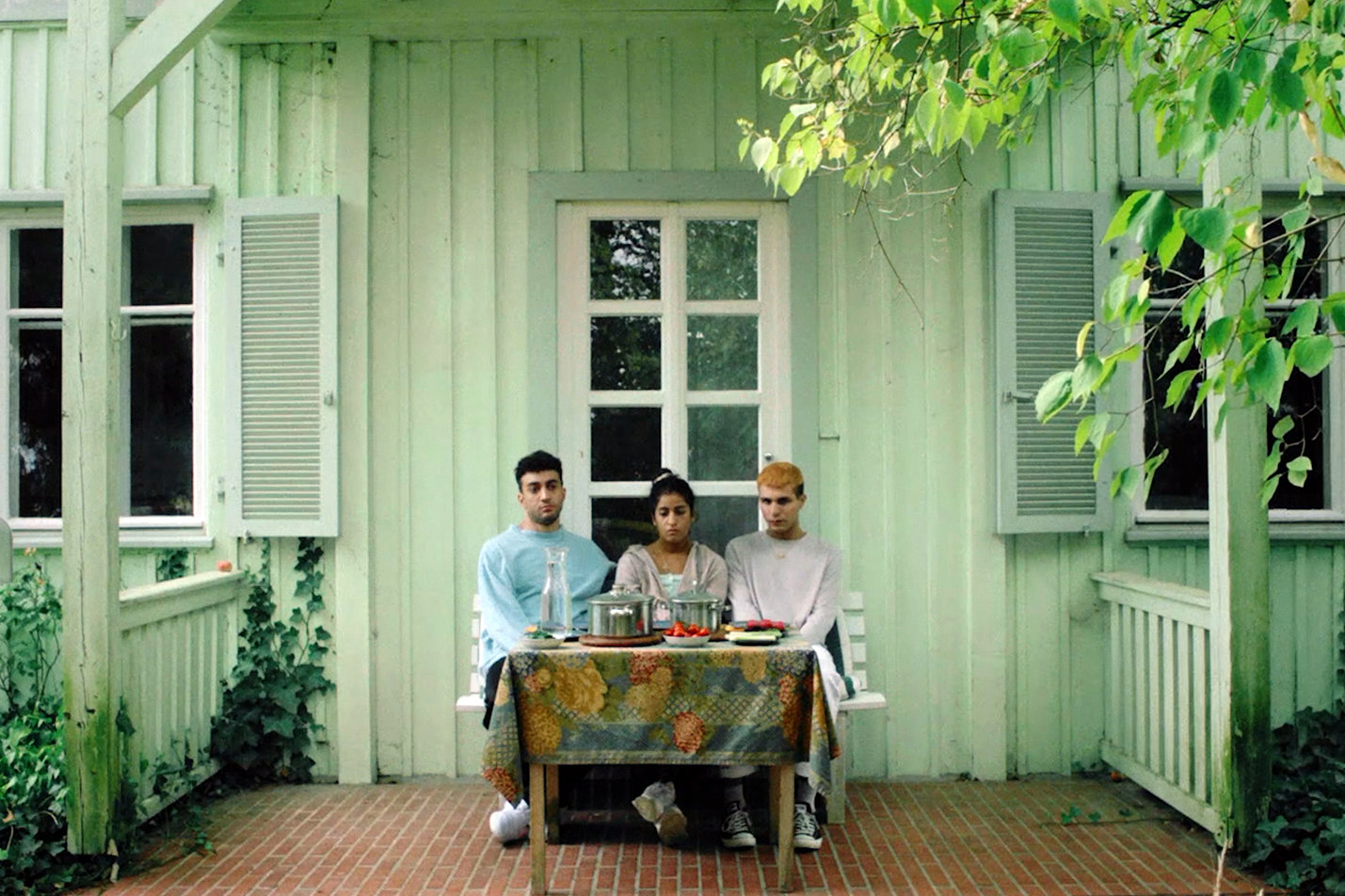
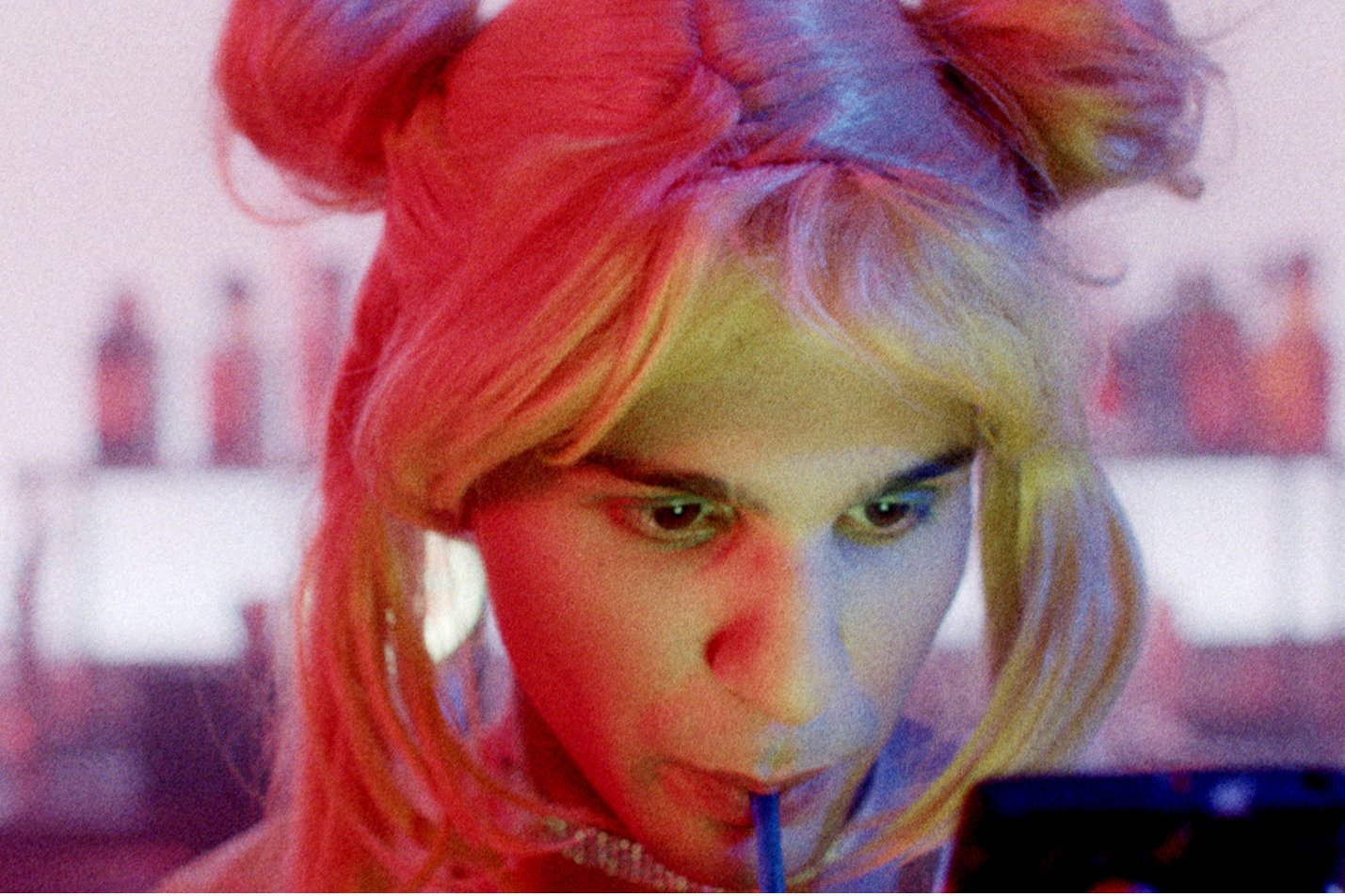
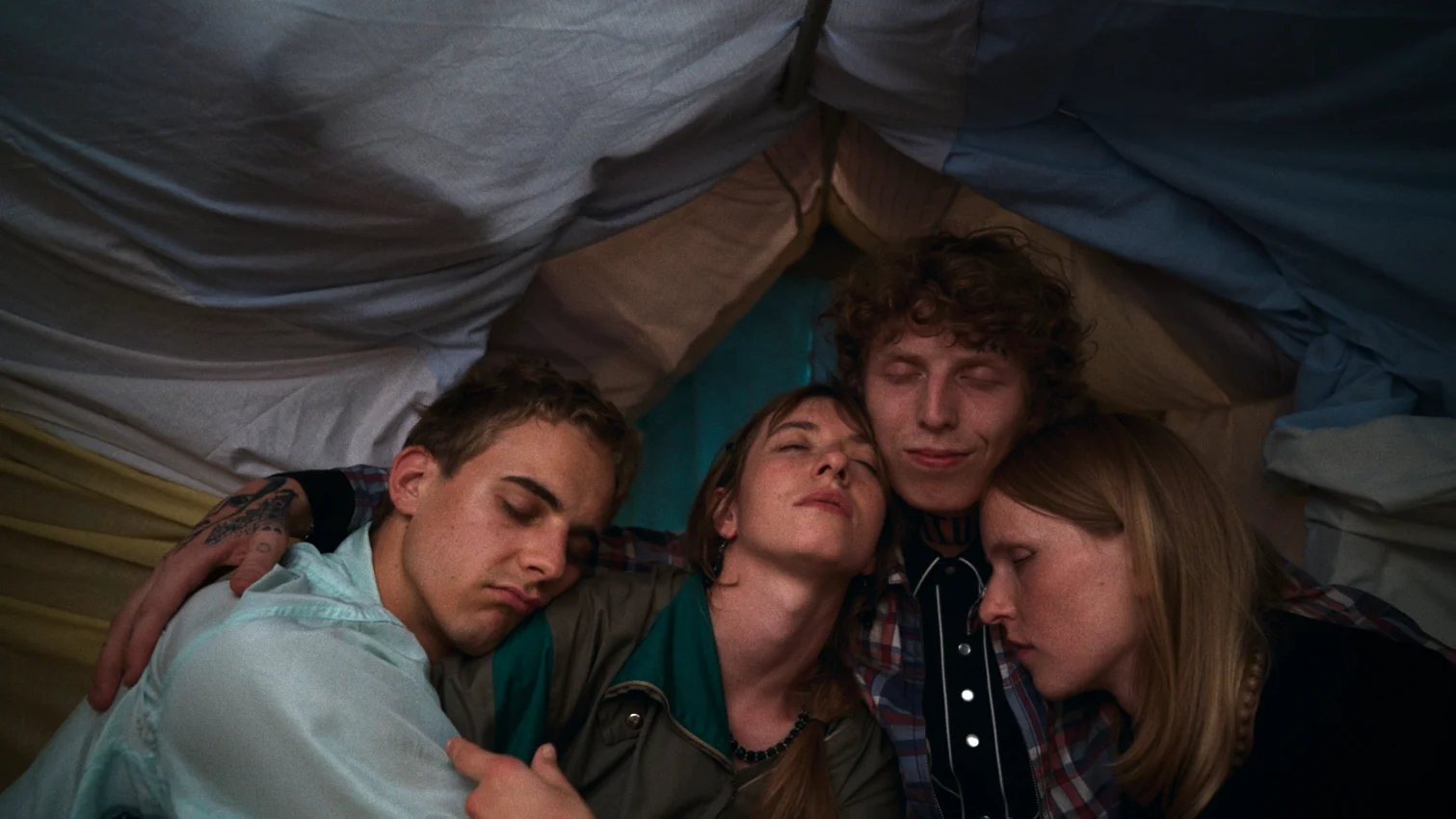
High-cut trousers, skin-tight t‑shirt, short, peroxide-blond hair. On his birthday, Parvis celebrates by stealing a bottle from the bar at the club and dancing. The son of Iranian parents, he has established himself in the attic of his parents’ house in a quiet new housing estate in Lower Saxony and is busy trying out everything and anything from sex dates to raves. After getting caught shoplifting, he is sent to do community service in a refugee shelter where he falls in love with Amon, who has fled Iran with his sister Banafshe Arezu. The trio enjoys a summer of fierce partying till dawn, coloured by the realisation that, in their different ways, none of them is at home in Germany.
In his powerful, semi-biographical debut peppered with pop-cultural references, Faraz Shariat unfolds a tale of intense first love. With a precise grasp of social context, he offers a sensitive insight into the experience of migrants in Germany caught between feeling foreign, being excluded and obtaining the permanent right to stay, and shows how even subsequent generations are still in the process of arriving.
Credits:
DE 2020, 91 Min., German, Farsi version with German and English subtitles Regie: Faraz Shariat Kamera: Simon Vu Schnitt: Friederike Hohmuth mit: Benjamin Radjaipour, Banafshe Hourmazdi, Eidin Jalali
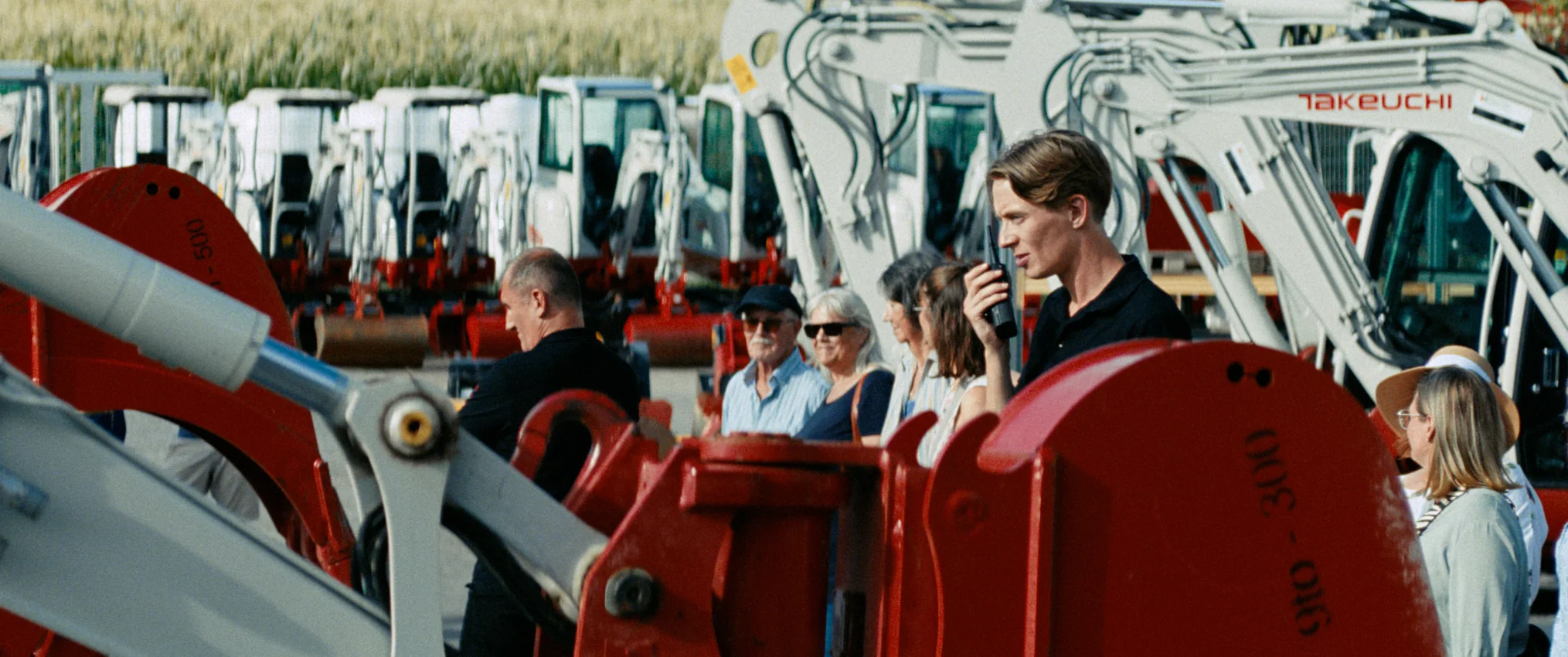
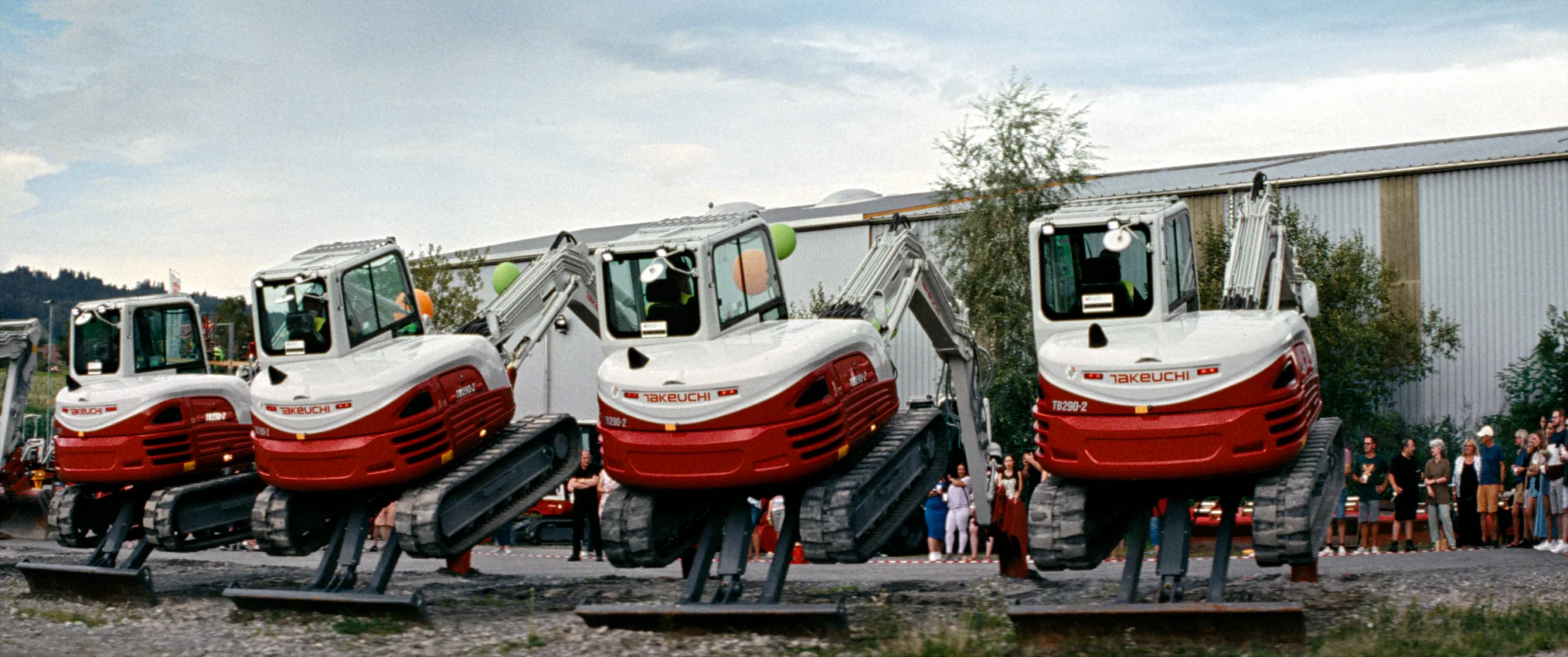
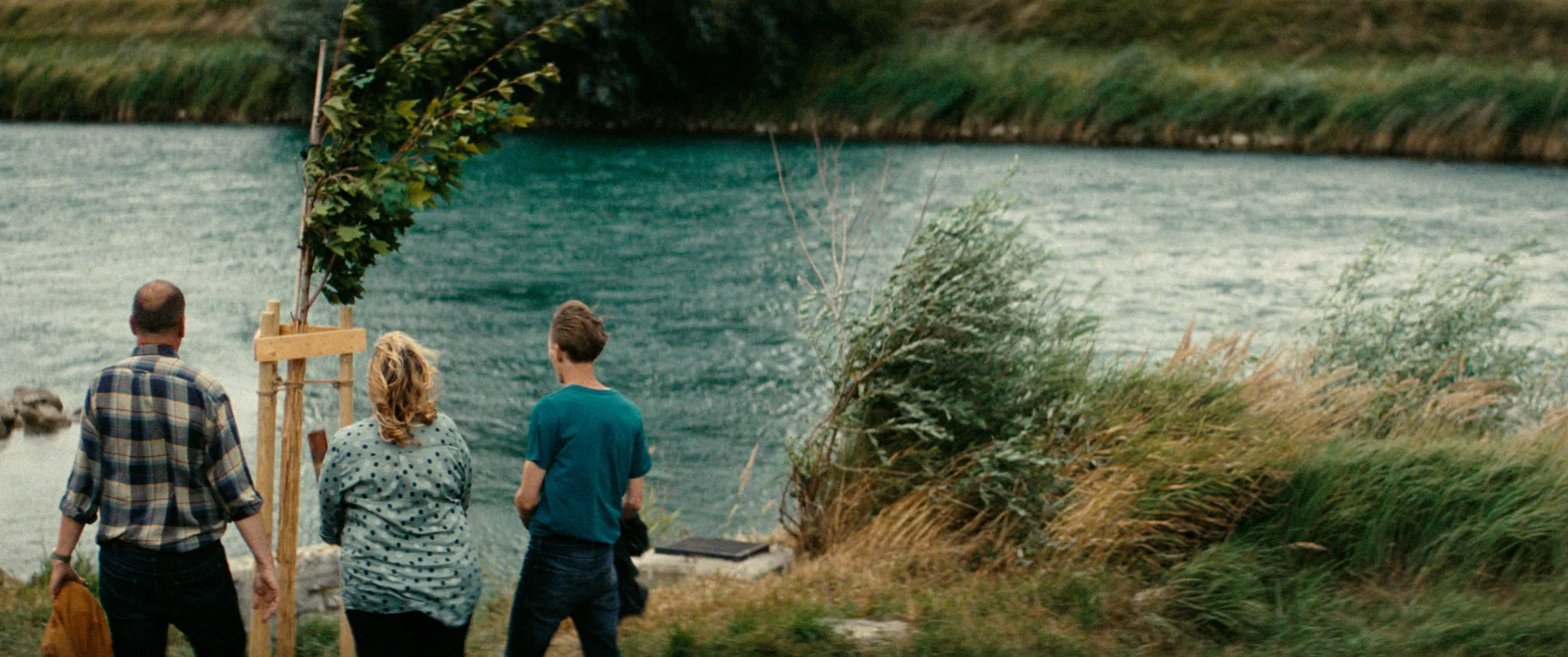
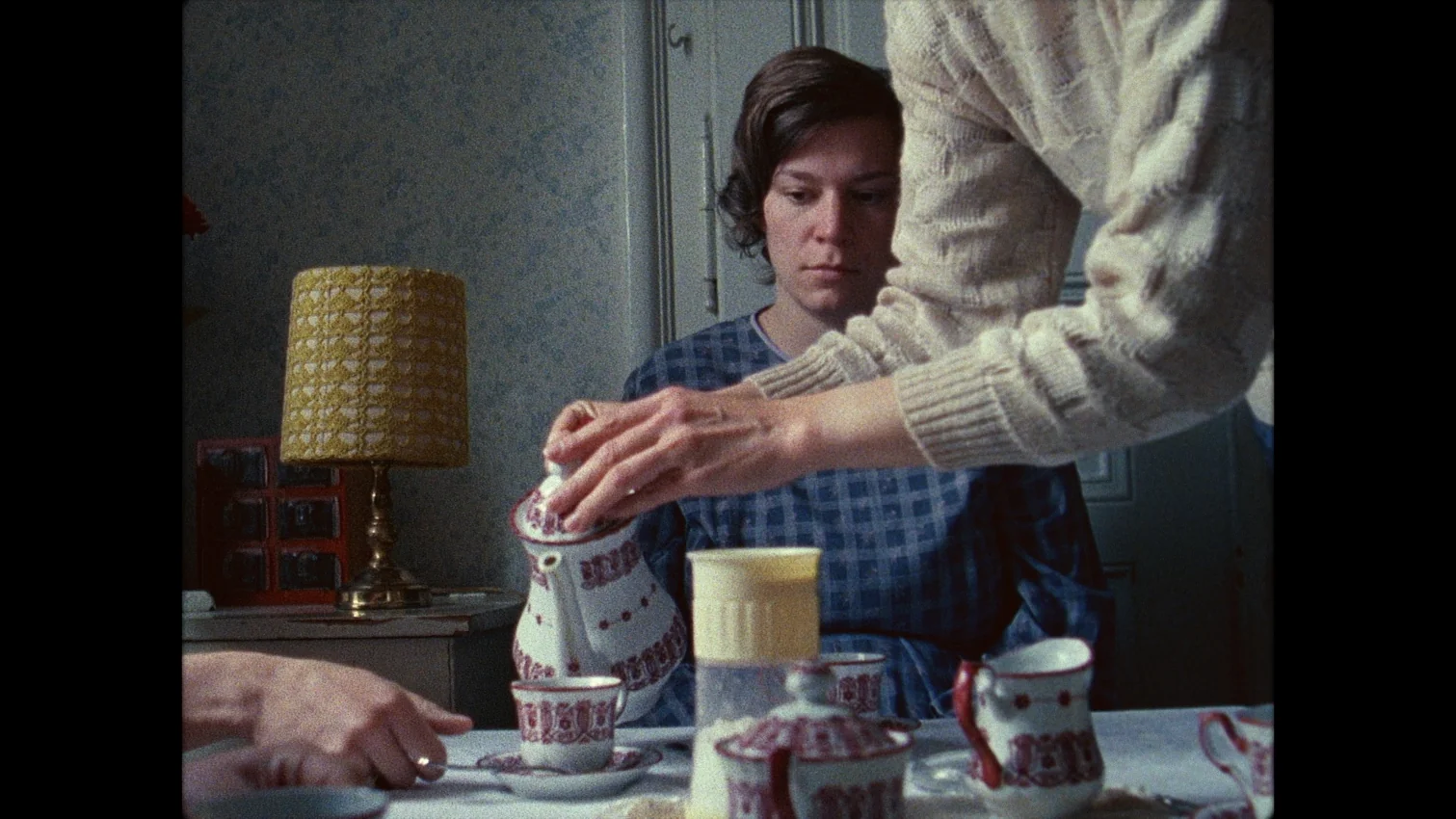
A family lives and works in their family-run business, which rents out, sells and repairs excavators. Whilst they are preoccupied with everyday life and the demands of the business, they find it difficult to talk openly about feelings, love and intimacy. When their daughter is killed in an accident, the family’s life is thrown into turmoil. The son feels misunderstood and chooses to move to the USA rather than take over the business. The father seeks distraction and falls in love with the new choir director, whilst the mother remains isolated at home with the dog. Grief leads to a loss of words; misunderstandings mount up and erupt into anger and conflict. ‘Bagger Drama’ tells the story of a family that, despite all the challenges, tries to come to terms with loss, love and pain – a moving coming-of-age film about people searching for answers and machines that keep working tirelessly.
„A family seems indestructible, unless it destroys itself. I am both amazed and fascinated by how little one is able to say within a family about the things that trouble one most. Where I come from, problems aren’t discussed; you deal with such things on your own. My way out of this family vacuum is through storytelling. Interestingly, the story becomes neither better nor worse, but telling it creates a sense of distance. This allows me, as someone involved, to look at the story objectively. Then the process of coming to terms with it can begin. It is my most personal work to date.” Piet Baumgartner
Translated with DeepL.com (free version)
Credits:
CH 2024, 96 mins, Swiss German, English with German subtitles, Director: Piet Baumgartner Cinematography: Pascal Reinmann Editing: Tania Stöcklin Starring: Bettina Stucky, Phil Hayes, Vincent Furrer, Maximilian Reichert, Karin Pfammatter, Ramona Saluz, Nathanael Schaer and many more
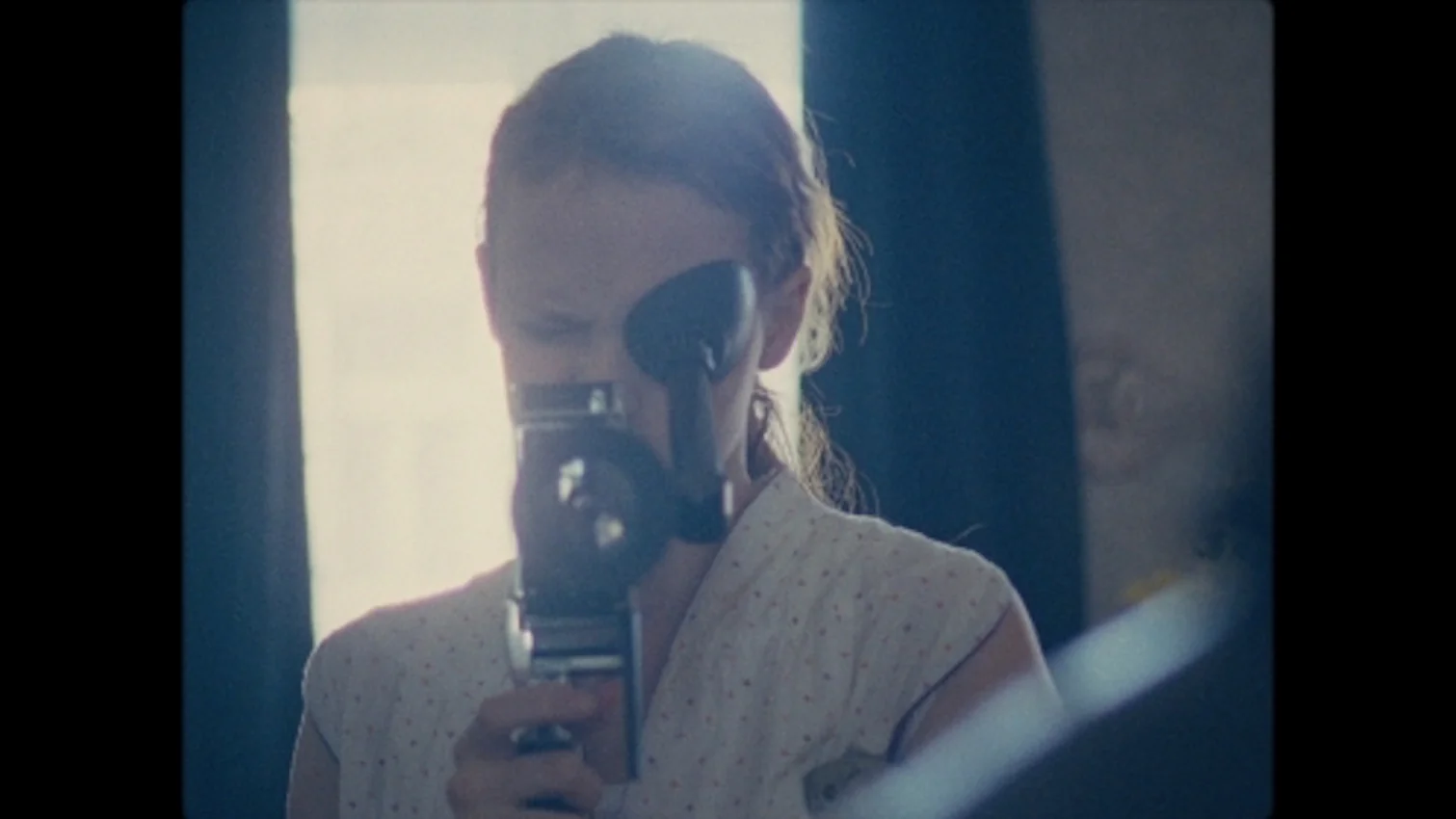
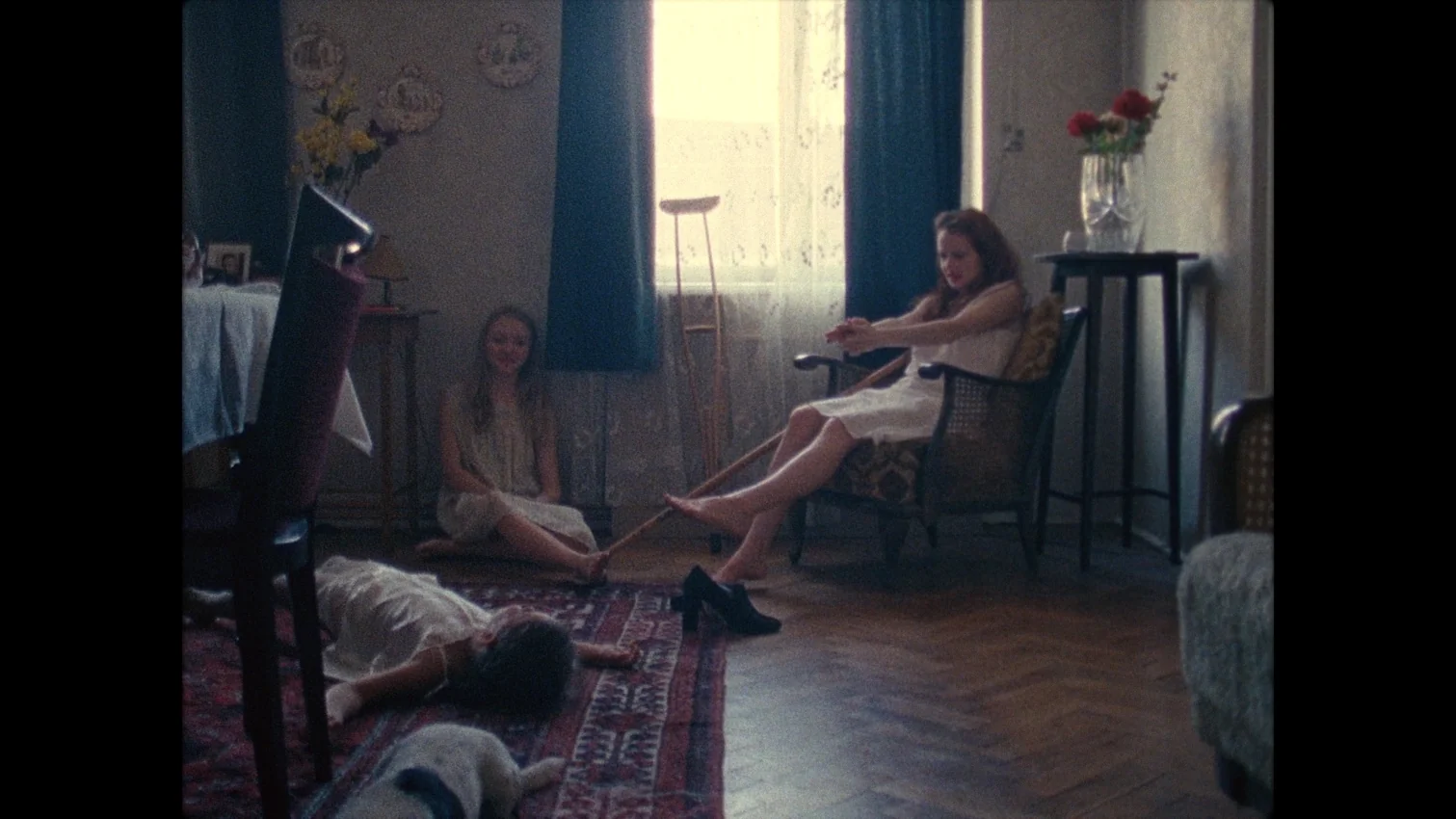
A seemingly ordinary family life in Austria after the Second World War. Johanna takes over her father’s old Super 8 camera and observes her relatives: her little sister, their dog Cora, her mother, her grandparents and, above all, the many women who, sipping schnapps and smoking, gather time and again for ‘Grandma’s Cooking Club’ in her flat. But here’s the thing: the only thing they cook is hot water, which is carried into hidden rooms, because the family is harbouring a secret.
Translated with DeepL.com (free version)
Credits:
DE/AT 2016 , 70 Min., deutsche Fassung Regie: Sandra Wollner Kamera: Timm Kröger Schnitt: Stephan Bechinger mit: Alexander E. Fennon, Isabel Schmidt, Mira Reisinger, Isabella Simon
Once again this year, the largest Polish film festival outside Poland invites you to discover the diversity of Polish cinema – with the latest feature films, documentaries and short films, film discussions with international guests, exciting special programmes and numerous events centred on Polish cinema. At the fsk, we are screening the competition films and two specials:
PL/FI/NO 2025, 78 mins, Original version with German and English subtitles Director: Natalia Koniarz / Cinematography: Stanisław Cuske / Editor: Yael Bitton / Music: Yngve Leidulv Sætre, Marcin Lenarczyk
Over the course of five centuries, vast quantities of silver have been extracted from Cerro Rico. It has brought great wealth to the Bolivian city of Potosí at its foot, but also countless casualties. Today, the hollowed-out mountain resembles a Swiss cheese, with only a handful of daredevils – or desperate souls – venturing into the crumbling tunnels. They have neither modern technology nor insurance cover, nor a healthcare system. The police have withdrawn; the area is dangerous and rife with crime, and the water is contaminated. Many of the miners are underage; hardly anyone lives to see their 40th birthday. In her disarming and remarkably mature study of this milieu – remarkable for a debut – Natalia Koniarz plunges us right into the heart of this hostile environment, which reflects much of what is going wrong in the global economy. She takes us into claustrophobic shafts where dynamite is constantly exploding, into makeshift huts without electricity, into brothels and onto spoil heaps that become playgrounds. The focus is on children who were born into these conditions and who, from the moment of their birth, had virtually no future. We stumble through the menacing scenery without any sense of chronology or spatial orientation, sensing that we, too, bear some of the blame. [Rainer Mende]
10 September / 8.00 pm / fsk Kino / Special guest: Natalia Koniarz [Tickets]
Miasto, które wyjechało / The Town That Drove Away
PL 2025, 70 mins, original version with German and English subtitles, Dir/Screenplay/Cinematography: Natalia Pietsch, Grzegorz Piekarski / Editors: Alan Zejer, Michał Buczek / Music: Jozef van Wissem, Ali Ayhan
The ancient town of Hasankeyf on the Tigris, set amidst the rugged mountainous landscape of Northern Kurdistan, is home to an old fortress. Its caves, too, are of great cultural and historical value. Yet time and again, loud explosions shake the town – not from gunfire, but from blasting. The Turkish government has decided to build a huge dam that will gradually flood the town. Life is gradually fading away; bit by bit, the buildings are being demolished and the residents evacuated. A few kilometres away, a brand-new town awaits them – meticulously planned and efficient, but devoid of history and soul. This is where Burak, a hairdresser, and his deaf father, along with the young Rengin, who dreams of studying far away, are also due to move. They are among the last to remain in Hasankeyf, whilst next door the excavators are dismantling the historic buildings. The directors do not present a political pamphlet on the deliberate destruction of nature and culture, but rather a sensitive portrait of people whose familiar surroundings are simply disappearing. Using a static camera and subtly employed music, they casually gather small details which, taken together, tell a grand story. [Rainer Mende]
11 September / 8.00 pm / fsk Kino / Guests: Natalia Pietsch & Grzegorz Piekarski [Tickets]
: Powiedz mi, co czujesz / Tell Me What You Feel
PL 2026, 102 mins, Original version with English subtitles. Dir: Łukasz Ronduda / Screenplay: Łukasz Ronduda, Agata K. Koschmieder / Cinematography: Weronika Bilska / Editing: Agata Cierniak. Cast: Jan Sałasiński, Izabella Dudziak, Anita Poddębniak, Adam Szyszkowski, Aleksandra Justa, Andrzej Konopka and others.
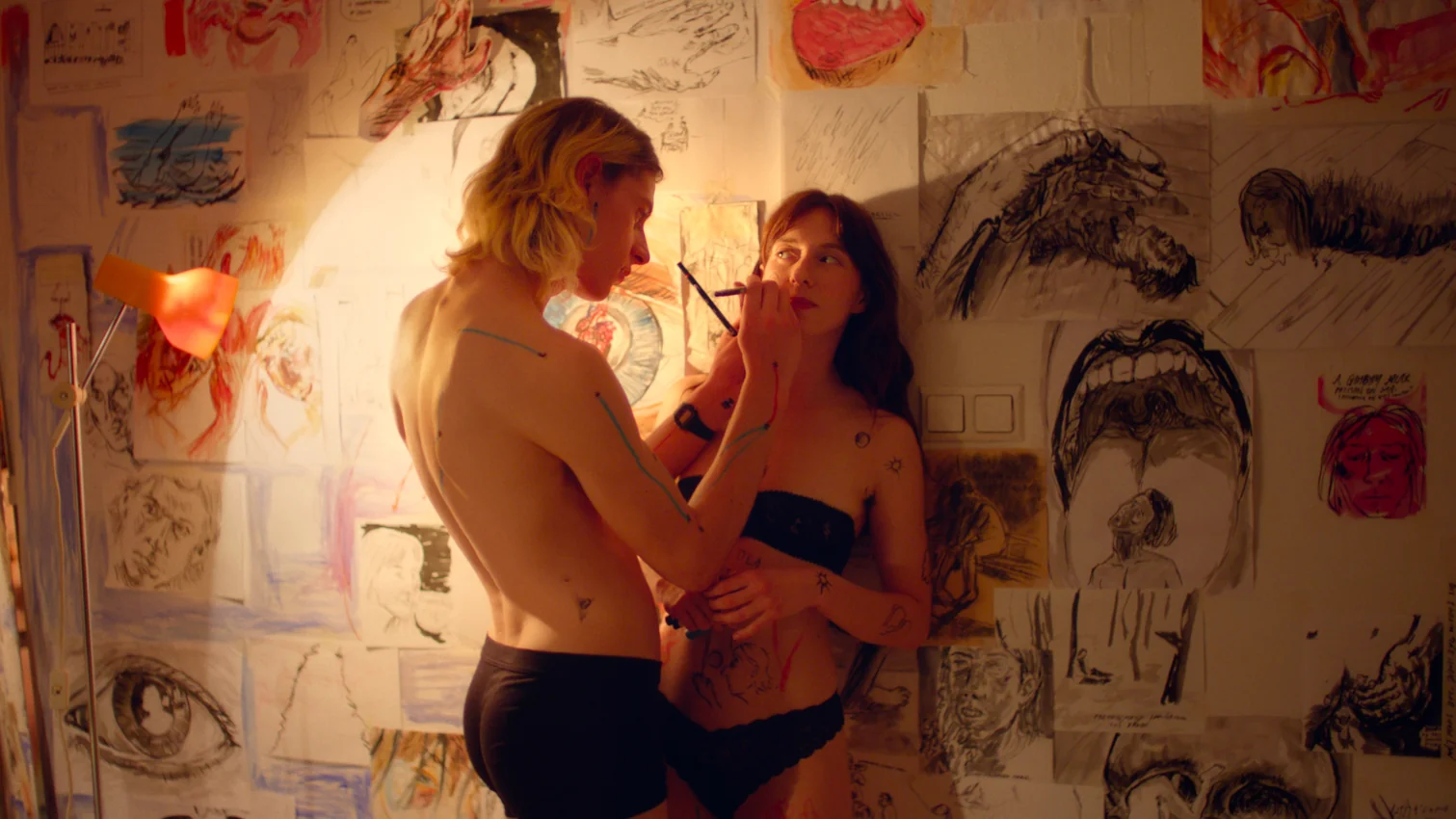
Patryk comes from the countryside, where his destitute parents scrape by selling scrap metal on a run-down farm. But he doesn’t want to become a farmer – he rents a cheap room in Warsaw, wears brightly coloured second-hand clothes and tries to make a name for himself as an artist. One day, he stumbles upon a performance art exhibition where Maria buys visitors’ tears and displays them. She comes from a wealthy family in the city – yet during a role-play, it becomes clear that Maria, just like the tearless Patryk, is deeply burdened by trauma. In some respects, they are kindred spirits. Their relationship develops into a rollercoaster ride that becomes a trial by fire on social, erotic, emotional and artistic levels. Once again, Łukasz Ronduda pulls off a masterstroke by seamlessly embedding artistic questions and real works of art into a film narrative, ensuring that neither the discourse becomes too intellectual nor the art is trivialised. Having already portrayed an artist couple in Heart of Love (2017), he now introduces the aspect of classism into a relationship story. In doing so, he once again draws on real-life models – Patryk’s model is the artist Patryk Różycki, whilst the visual artist Karolina Balcer served as the inspiration for the character of Maria. [Rainer Mende]
12 September / 3.00 pm / fsk Kino / Guest: Andrzej Konopka [Tickets]
Capo / Permit
PL 2025, 90 mins, original version with German and English subtitles, Dir: Robert Kwilman / Screenplay: Robert Kwilman, Malwina Górecka, Kirk Kjeldsen / Cinematography: Kasper Lorek / Editing: Ming-Wei Chiang Cast: Daniel Felipe, Jimenez Vaquez, Ivan Sharan, Josiana Costales, Justa Beatriz Blanco Rojas, Alejandra Herrera, Victor Venecia Fuentes, Gerson Isai Lam Lopez, Sebastian Stankiewicz, Michał Balicki and others
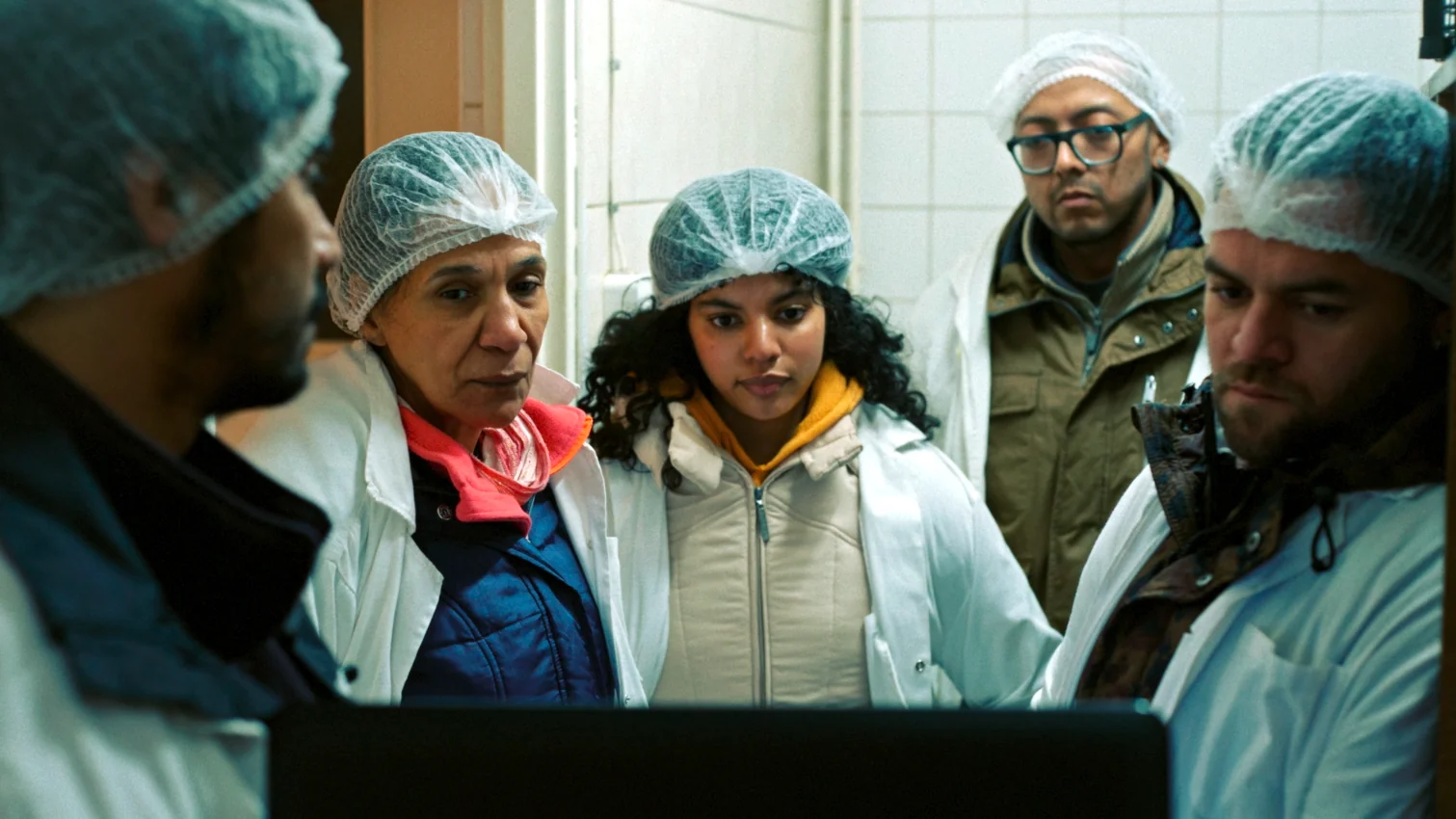
A group of men and women from Latin America are driven in a small minibus to a remote part of the Polish countryside. There, they are presented with contracts written in a language they do not understand, in which the 3,500 dollars promised back home have suddenly become 3,500 złoty. Worse still: they are forced to hand over their passports and, instead of working in a hotel, these contracts bind them to monotonous, gruelling work in a butcher’s shop. They are also fleeced for extra money for the shabby hostel, and health and safety is a foreign concept. What was planned as a stay to earn money soon feels like a prison with forced labour. Robert Kwilman breathes new life into social cinema in the style of Ken Loach and skilfully employs his techniques. In the style of a documentary, with a shaky handheld camera, without music or artificial lighting, he brings us as close as possible to the film’s tragic heroes, who soon ask themselves: should they silently endure this blatant injustice, rebel, or flee? Without sugar-coating anything, Kwilman portrays a Poland that has transformed from a country of emigration to one of immigration, with all its dark sides. [Rainer Mende]
12 September / 8.00 pm / fsk Kino / Guest: Robert Kwilman [Tickets]
Dziecko z pyłu / Child of Dust / Kinder des Staubs
PL/VN/CH/CZ/QA 2025, 93 mins, original version with German and English subtitles, Dir/Screenplay: Weronika Mliczewska / Cinematography: Mikael Lypinski / Editing: Marcin Sucharski, Mateusz Romaszkan / Music: Joaquin Garcia
Sang is a ‘dust child’ – he has a Vietnamese mother and an American father who left the country after the end of the Vietnam War and has been missing ever since. As a fatherless child of mixed ethnic heritage, this slum dweller and illiterate man has felt marginalised all his life and has always lived in precarious circumstances. But he has not given up the fight for a life of dignity – whether by starting a family or by searching for his father. And even in a documentary, miracles sometimes happen: a DNA test leads Sang to his father, whose children in the US had previously known nothing of their brother in Vietnam. Crossing all cultural and linguistic boundaries, they make contact and soon embark on a joint project: to bring Sang to the United States so that he can be close to his second family and, eventually, bring his wife and daughter over to join him. With her first feature-length film, Weronika Mliczewska has herself achieved a small miracle. She gets astonishingly close to her protagonists and uses her camera to document a blend of drama, crime thriller and family tragedy, brimming with extraordinary scenes and surprising twists. In doing so, she tackles questions of home, social structure, guilt, responsibility and atonement at a breathless pace. [Rainer Mende]
13 September / 3:00pm / fsk Kino / Guest: Weronika Mliczewska [Tickets]
Dom Dobry / Home Sweet Home
PL 2025, 107 mins, Original version with German and English subtitles, Director: Wojciech Smarzowski / Cinematography: Paweł Tybora / Screenplay: Krzysztof Komander / Music: Mikołaj Trzaska, Cast: Agata Turkot, Tomasz Schuchardt, Agata Kulesza, Maria Sobocińska, Łukasz Gawroński, Arkadiusz Jakubik, Magdalena Smalara, Julia Kijowska, Andrzej Konopka and others.
Gośka, no longer a spring chicken, can barely stand living with her shrewish mother, who can’t stop drinking or nagging her daughter, even at Christmas. Fortunately, the sophisticated Grzesiek turns up, a man with both feet firmly on the ground. When things go pear-shaped at home once again, Gośka spontaneously packs her bags and moves in with him. Suddenly, everything seems to be taking a turn for the better – they travel the world together; the marriage proposal in Venice is followed by the wedding and the birth of a daughter. Yet the domestic idyll gradually turns into a nightmare. For within their own four walls, Grzesiek becomes a tyrant who does not shy away from psychological and physical abuse. With his ninth feature film, Smarzowski once again impressively manages to garner critical acclaim and awards, whilst also raking in box-office takings and sparking a social debate. Once again, alongside Krzysztof Komander, he proves himself a master at the editing desk and – thanks in part to the performances of Agata Turkot and Tomasz Schuchardt as Gośka and Grzesiek – manages to strike a balance between a widely accessible drama and a sophisticated arthouse film. [Rainer Mende]
13 September / 8.00 pm / fsk Kino / Guest: Wojciech Smarzowski [Tickets]
Królestwo / Kingdom / Königreich
PL 2025, 112 mins, original version with German and English subtitles, Dir/Screenplay: Michał Ciechomski / Cinematography: Paweł Grabarek / Screenplay: Agnieszka Białek-Zaborowska / Music: Lubomir Grzelak Cast: Bartosz Mikulak, Julian Świeżewski, Jacek Poniedziałek, Aleksander Kaleta, Dawid Piejko, Mateusz Łasowski, Michał Włodarczyk and others
Contemporary Poland is a war zone. Warsaw’s skyscrapers are riddled with holes, the streets are littered with corpses and shot-up cars, the government has gone into hiding, and the civilian population is trying to flee the country whilst the ‘Neo-Barbarians’ continue their attacks. After losing his job too, Dawid actually intends to be smuggled abroad with his parents. But then he follows his brother to the ‘Black Spiders’ – a dubious, strictly hierarchical group of martial-looking skinheads with subtle homoerotic undertones. They appear to be the last to still stand up to the invaders, preparing for the final battle with small-scale military operations. Michał Ciechomski’s feature film debut is cinematic art in its purest form. In his masterfully crafted dystopia, no long take is ordinary; every shot by Paweł Grabarek’s camera embodies an original idea. Jacek Hamela’s experimental sound design, too, consistently follows a creative principle. This vision of war is not heroic action cinema, but an audiovisual challenge that makes the collapse of an order almost physically palpable. [Rainer Mende]
14 September / 8.00 pm / fsk Kino / Guest: Michał Ciechomski [Tickets]
LARP. Miłość, trolle i inne questy / LARP
PL 2025, 90 mins, original version with German and English subtitles, , Dir: Kordian Kądziela / Screenplay: Kordian Kądziela, Michał Wawrzecki / Cinematography: Cezary Stolecki / Editor: Magdalena Chowańska / Music: Jan Sanejko / Cast: Filip Zaręba, Martyna Byczkowska, Hubert Łapacz, Mikołaj Chilimończyk, Maciej Bisiorek, Agnieszka Rajda, Andrzej Konopka, Edyta Olszówka, Michał Balicki, Bartłomiej Topa and others.
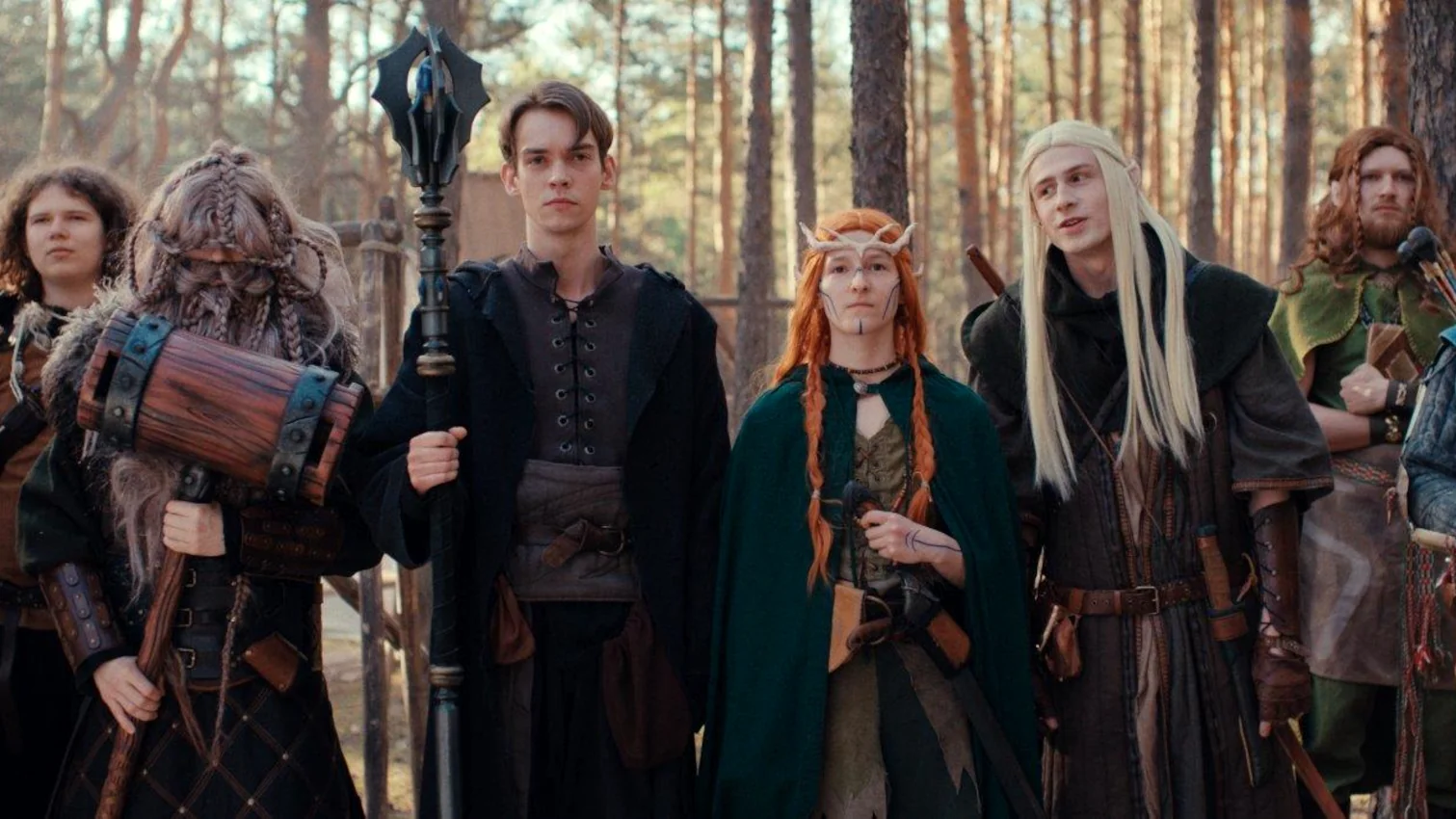
The Lower Silesian countryside isn’t exactly brimming with attractions for teenagers. But its woodlands provide the perfect backdrop for sprawling live-action role-playing games. It’s certainly no coincidence that their idol, the celebrated fantasy author Lacroix, hails from their backwater of all places. Yet it is in everyday life that the lanky, self-conscious adolescent Sergiusz must fight his toughest battles. He is constantly bullied by the son of the village’s richest man; his single father would like to mould him into a competitive athlete; and the beautiful Helena, who suddenly turns up at school, is making the wrong friends. Kordian Kądziela’s critically acclaimed box-office hit has everything a classic coming-of-age film needs – social conflicts, a love story and a healthy dose of youthful exuberance. What makes it special, alongside numerous original visual ideas (including an incongruous 1990s setting) and various tongue-in-cheek jibes at the LARP and fantasy scenes, is the magnificent performance of Andrzej Konopka, who has won multiple awards for his role as an overwhelmed father and provincial policeman. [Rainer Mende]
Nie ma duchów w mieszkaniu na Dobrej / No Ghosts On Good Street / Es gibt keine Geister in der Wohnung in der Guten Straße
PL 2025, 90 mins, original version with German and English subtitles, Dir: Emi Buchwald / Screenplay: Emi Buchwald, Karol Marczak / Cinematography: Tomasz Gajewski / Editing: Anna Łuka / Music: Katarzyna Gawlik, Jerzy Rogiewicz Cast: Bartłomiej Deklewa, Izabella Dudziak, Tymoteusz Rożynek, Karolina Rzepa, Piotr Napierała, Daria Muszyńska, Andrzej Kłak, Gabriela Arak, Aleksander Janiszewski, Krzysztof Drozdowski and others.
The camera slowly pans through furnished rooms; sounds from a distant past can be heard; the flat in the old building appears to be empty. Yet there is someone sitting on the windowsill – it is a nightmare, a mythical figure that sits on people’s chests at night and squeezes the life out of them. The four very different siblings clearly sense the presence of this nightmare. The flat belongs to them, although only one of them still lives there. But it is not figments of the imagination that are suffocating them, but very real worries that plague young people searching for their place in life in a big city like Warsaw – toxic relationships, panic attacks, fear of commitment. With refreshing nonchalance and a level of dramatic maturity astonishing for a debut, Emi Buchwald has her finger on the pulse of a generation in which everyone is battling their own demons. Perhaps this battle can only be won in one way – as a group, or better still: as a family. The sense of everyday reality, which is also reflected in the language typical of Gen Z, the blend of tragedy and comedy, and a subtly applied dose of metaphysics come across to German audiences as a successful mix of AKIZ’s Der Nachtmahr and Dietrich Brüggemann’s 3 Zimmer/Küche/Bad. [Rainer Mende]
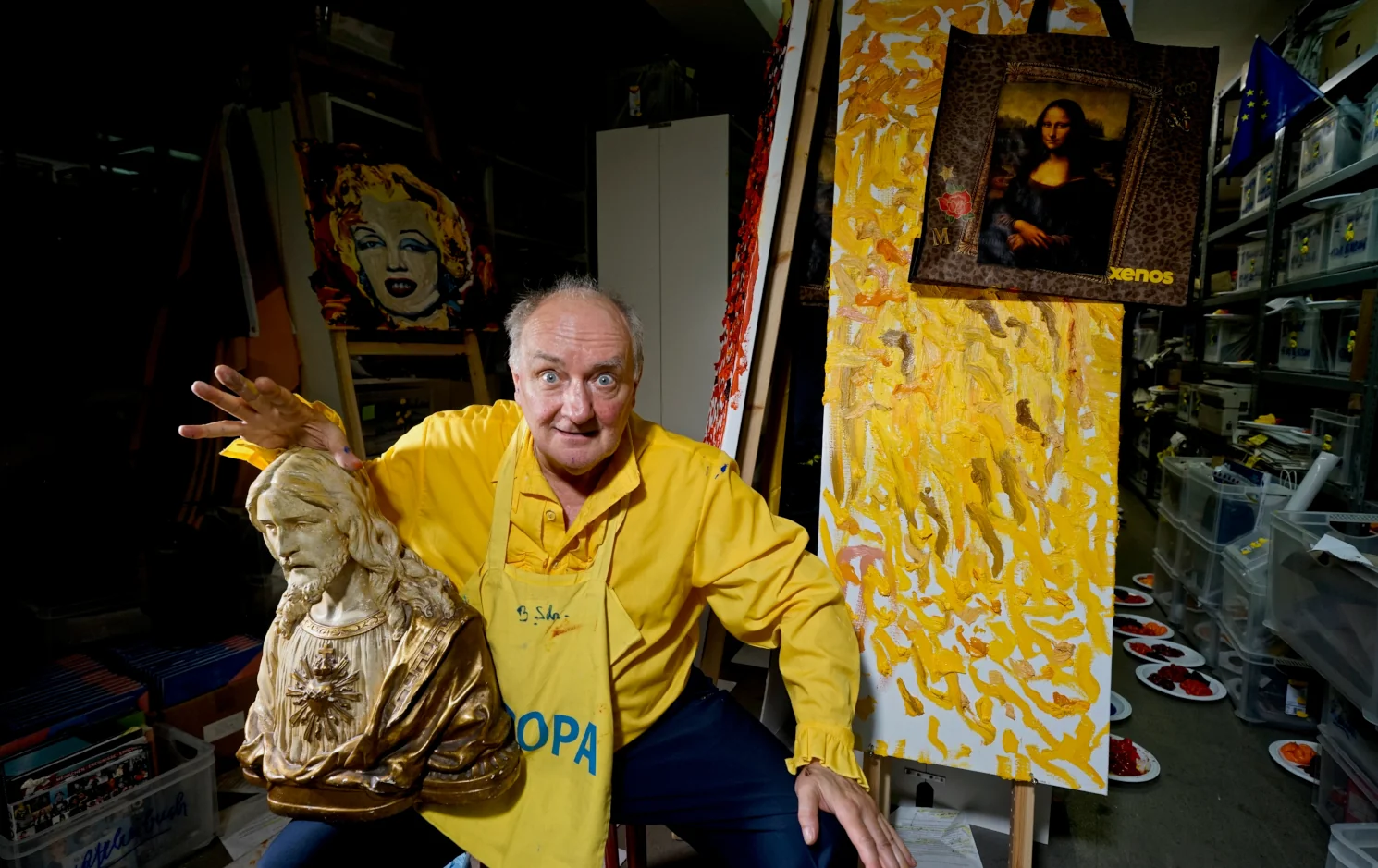
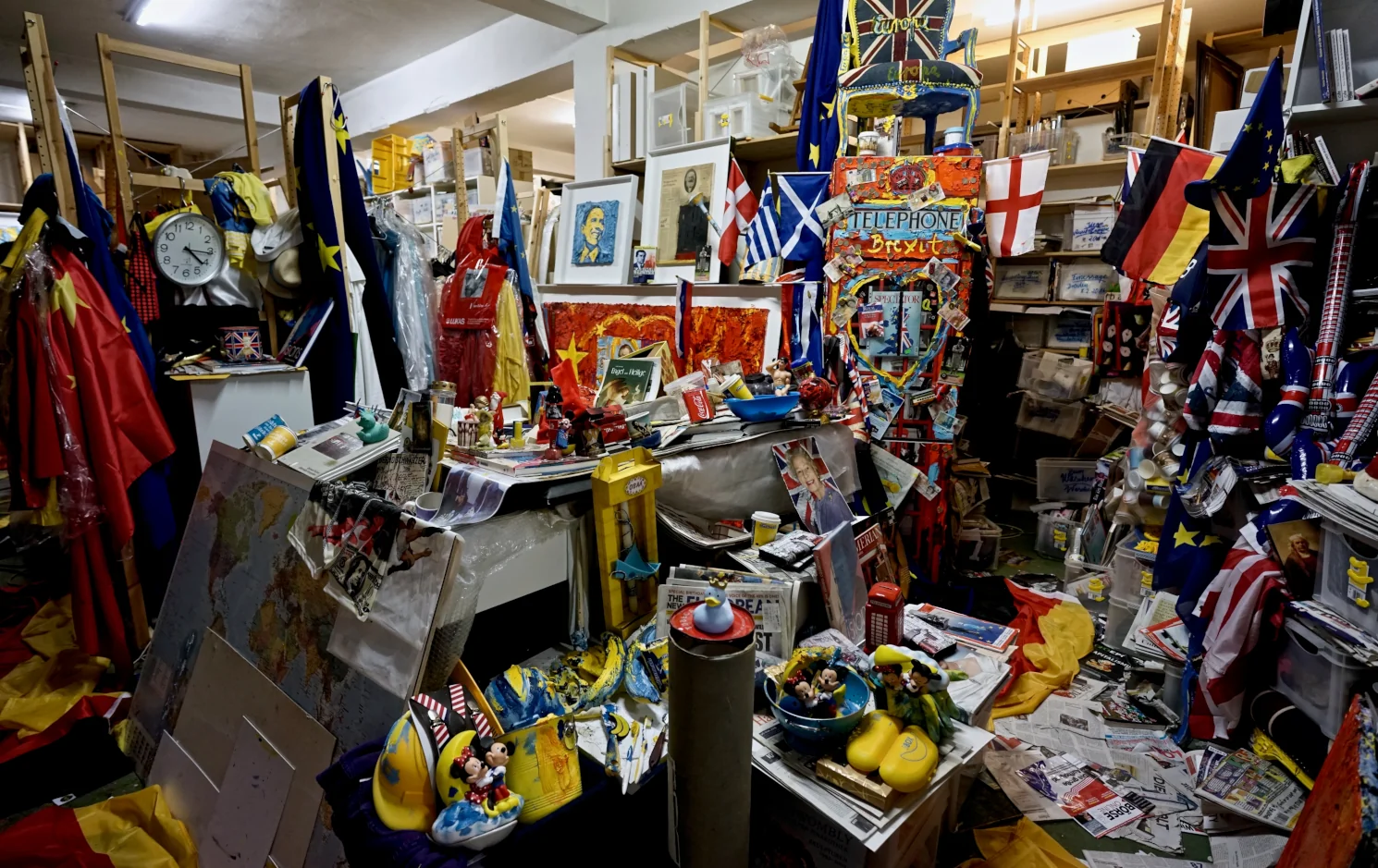
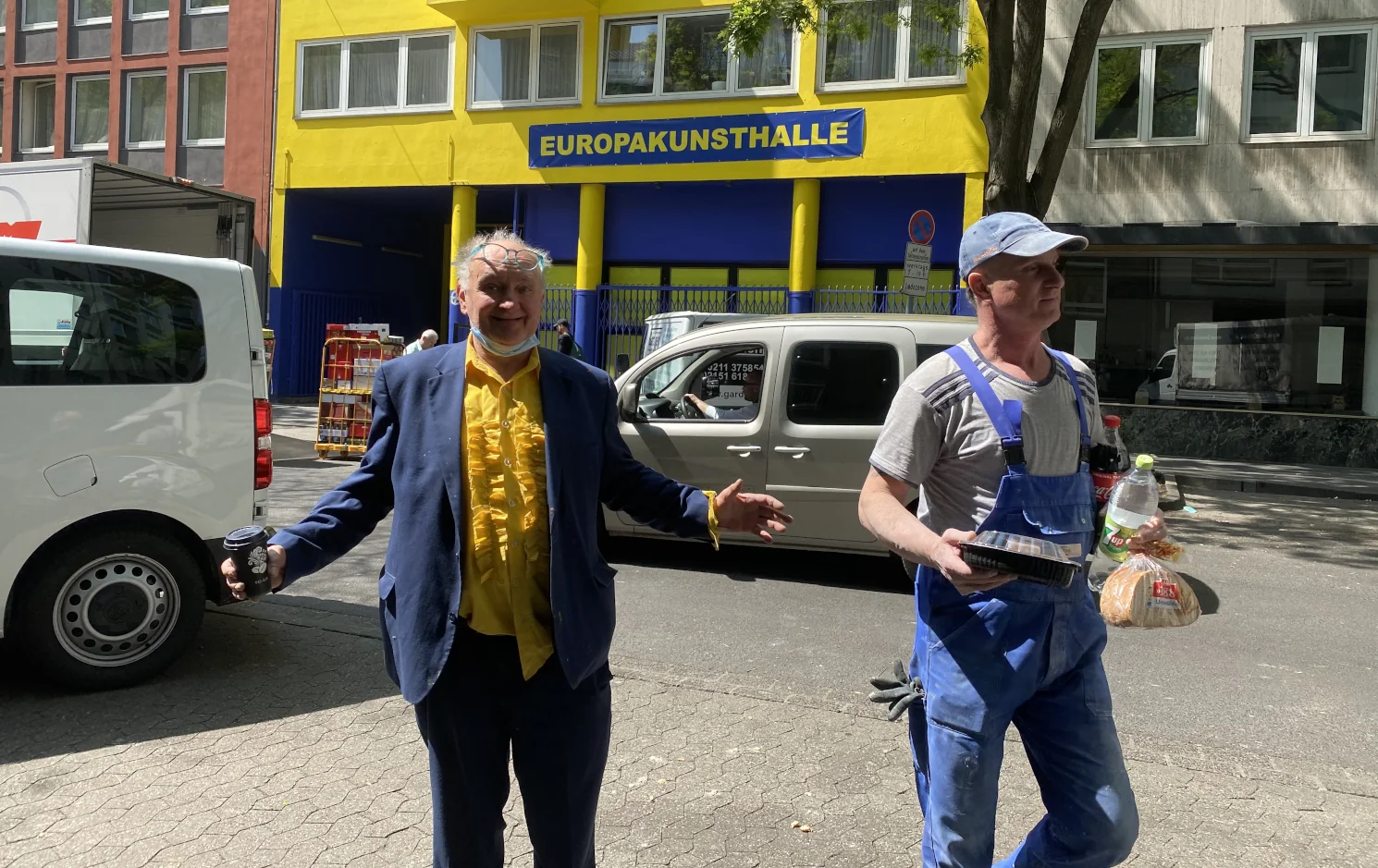
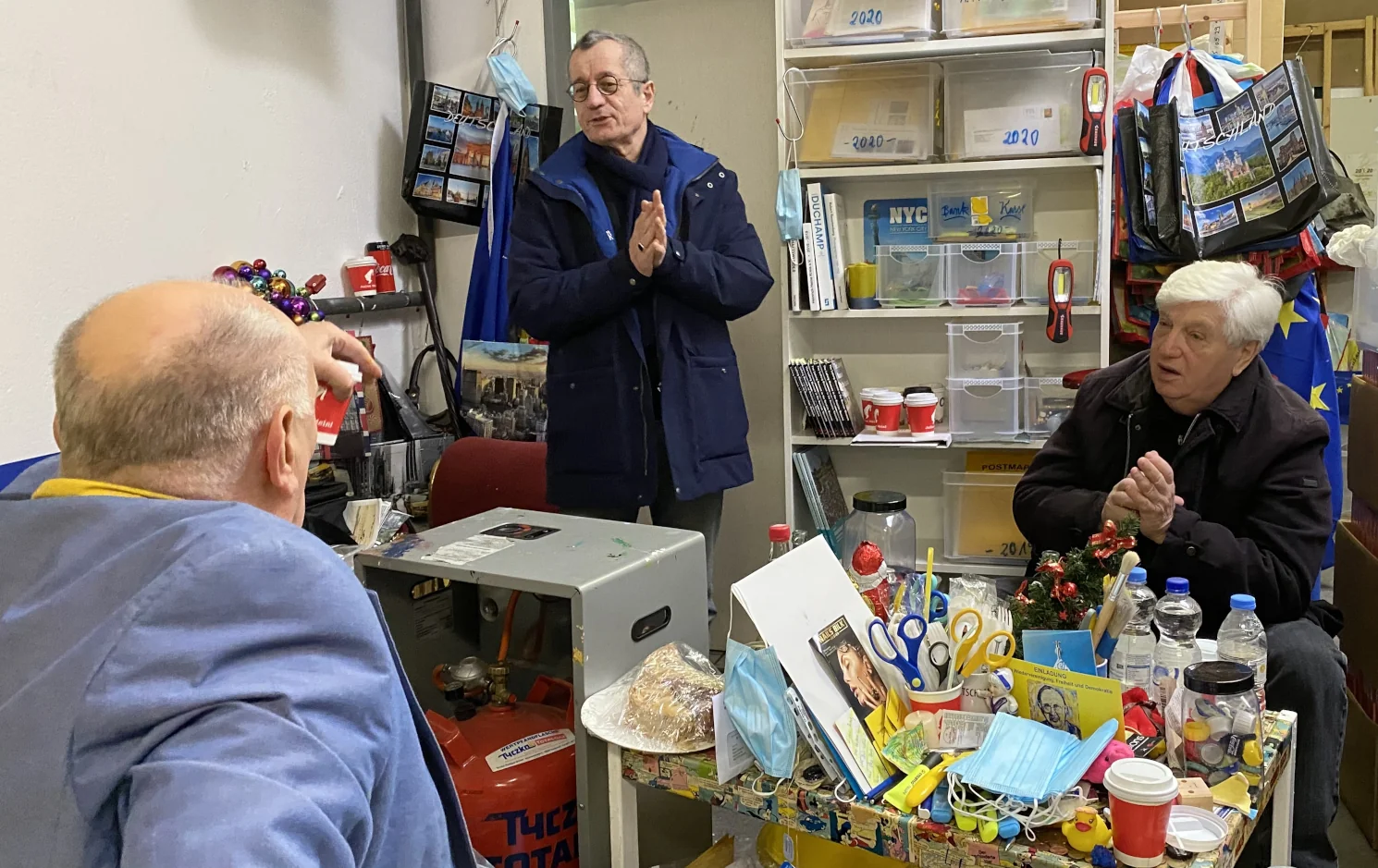
The Düsseldorf-based artist Bernd Schwarzer has devoted himself body and soul to a total work of art. Schwarzer calls it the ‘Europa Kunstwerk’. Given their politically charged nature, his paintings hang not only in museums, but also at Bellevue Palace, the residence of the German Federal President, in the Bundestag, and soon in the European Parliament. Although Schwarzer’s impasto technique and his technical skill are unique – some even claim he is a genius – he is losing control of himself and his art. Schwarzer is testing the patience of his collectors and gallery owners to the limit and driving those who believe in him to sheer despair. The artist seems to be losing all sense of proportion when it comes to himself and his art.
The film ‘Schwarzer’s Cosmos’ is a portrait of an eccentric art market, complete with all the associated clichés of non-conformity, freedom, genius and madness. By the end of the film, the only question that remains is whether the artist himself will survive this madness.
Credits:
DE 2026, 90 mins, German with English subtitles Director: Klaus Martens Cinematography: Frederik Walker, Frank Kranstedt Editing: Fabian Oberhem
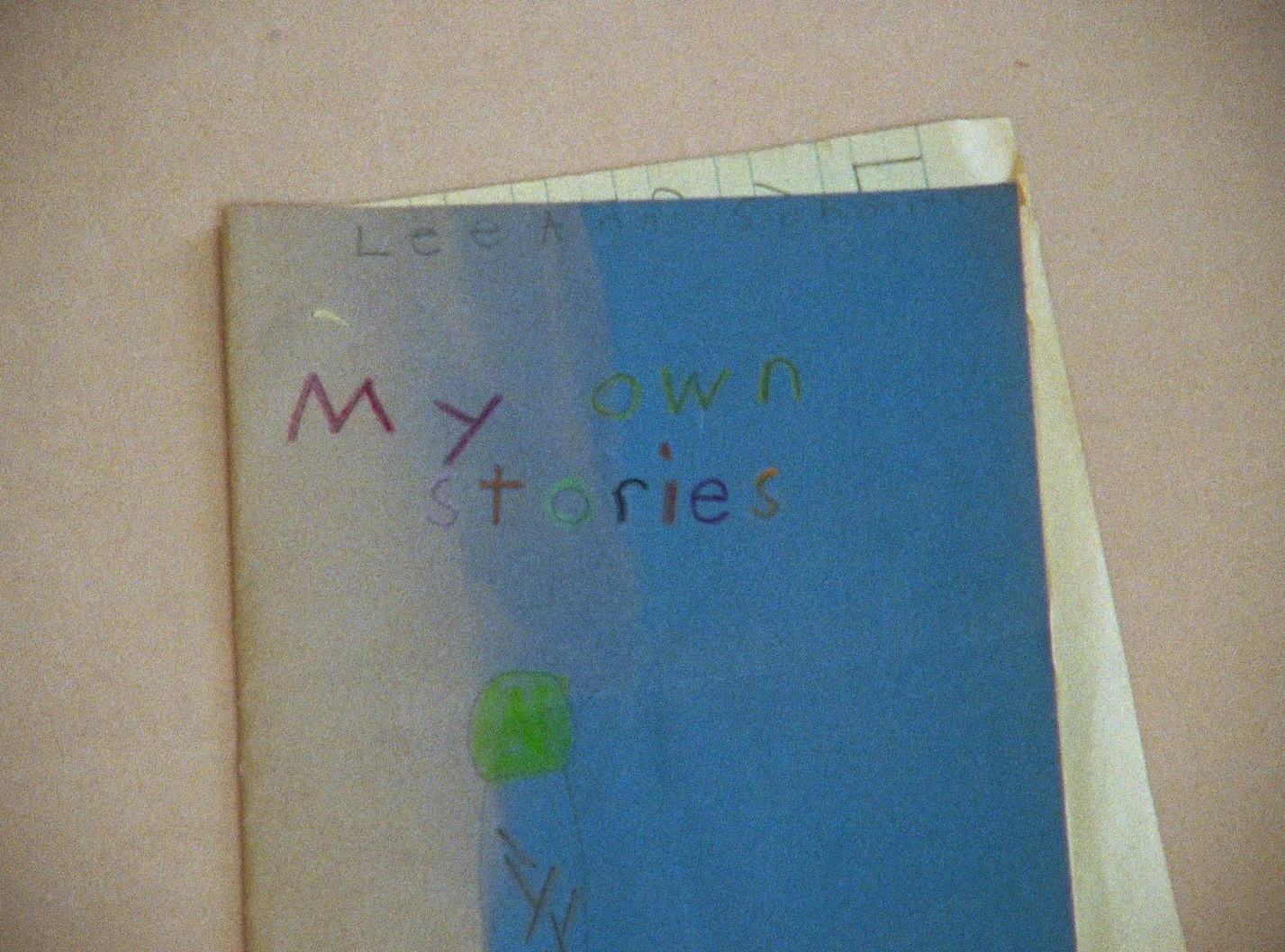
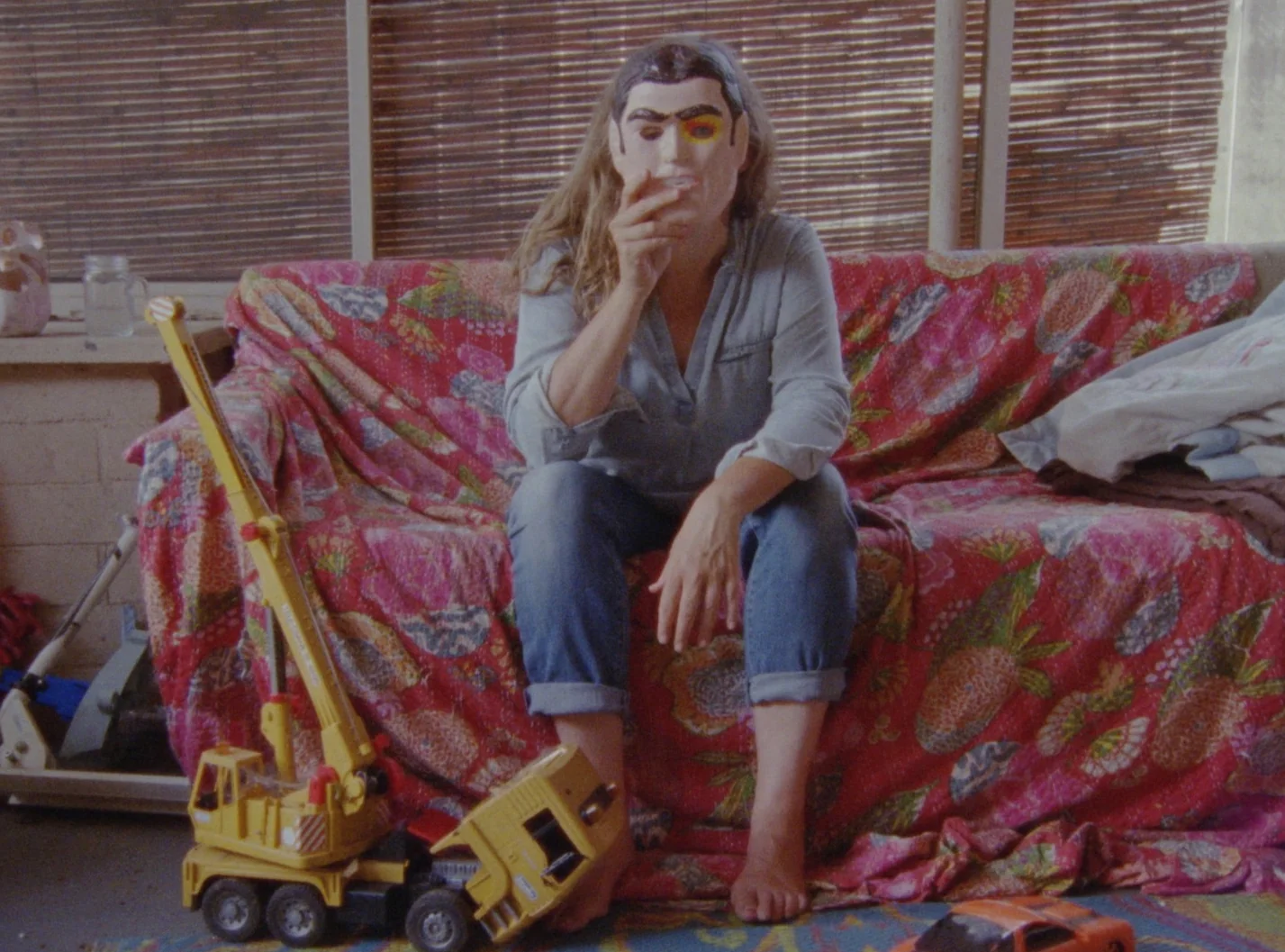
Poisoned water, damaged earth, and elevated cancer rates: environmental clean-up sites are one of the legacies left behind by the American chemical and munitions manufacturer “Olin Corporation”. Its other legacy was the John M. Olin Foundation, which donated millions to pushing a conservative agenda from the 1970s to the early 2000s. As a by-product or direct effort, the Olin Corporation and other conservative think tanks have had a deep and unsettling impact on American politics, family values, and women’s health. Working again the field of the 16mm New Left essay film, Lee Anne Schmitt connects an array of topics, books, and objects to reflect on the rise of the new conservative movement and the effects of dark money on American politics and culture. In easily her most personal film to date – as her father worked for Olin – she considers these values and their implications after becoming a mother. In the face of appalling attacks on women’s biological rights and the current dominance of the Republican party, Evidence is a sobering primer on the state of America today.
Credits:
US 2025, 76 mins, English with German subtitles Director, cinematography, editing: Lee Anne Schmitt
Wir verwenden Cookies, um unsere Website und unseren Service zu optimieren.
Funktionale Cookies
Always active
Die technische Speicherung oder der Zugang ist unbedingt erforderlich für den rechtmäßigen Zweck, die Nutzung eines bestimmten Dienstes zu ermöglichen, der vom Teilnehmer oder Nutzer ausdrücklich gewünscht wird, oder für den alleinigen Zweck, die Übertragung einer Nachricht über ein elektronisches Kommunikationsnetz durchzuführen.
Vorlieben
Die technische Speicherung oder der Zugriff ist für den rechtmäßigen Zweck der Speicherung von Präferenzen erforderlich, die nicht vom Abonnenten oder Benutzer angefordert wurden.
Statistiken
Die technische Speicherung oder der Zugriff, der ausschließlich zu statistischen Zwecken erfolgt.Die technische Speicherung oder der Zugriff, der ausschließlich zu anonymen statistischen Zwecken verwendet wird. Ohne eine Vorladung, die freiwillige Zustimmung deines Internetdienstanbieters oder zusätzliche Aufzeichnungen von Dritten können die zu diesem Zweck gespeicherten oder abgerufenen Informationen allein in der Regel nicht dazu verwendet werden, dich zu identifizieren.
Marketing
Die technische Speicherung oder der Zugriff ist erforderlich, um Nutzerprofile zu erstellen, um Werbung zu versenden oder um den Nutzer auf einer Website oder über mehrere Websites hinweg zu ähnlichen Marketingzwecken zu verfolgen.