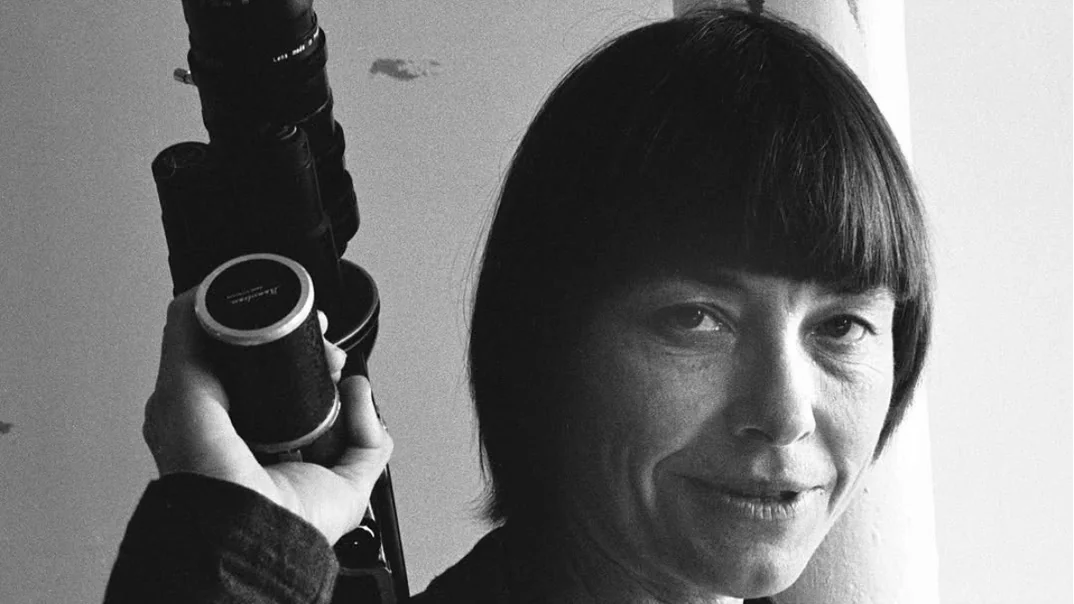
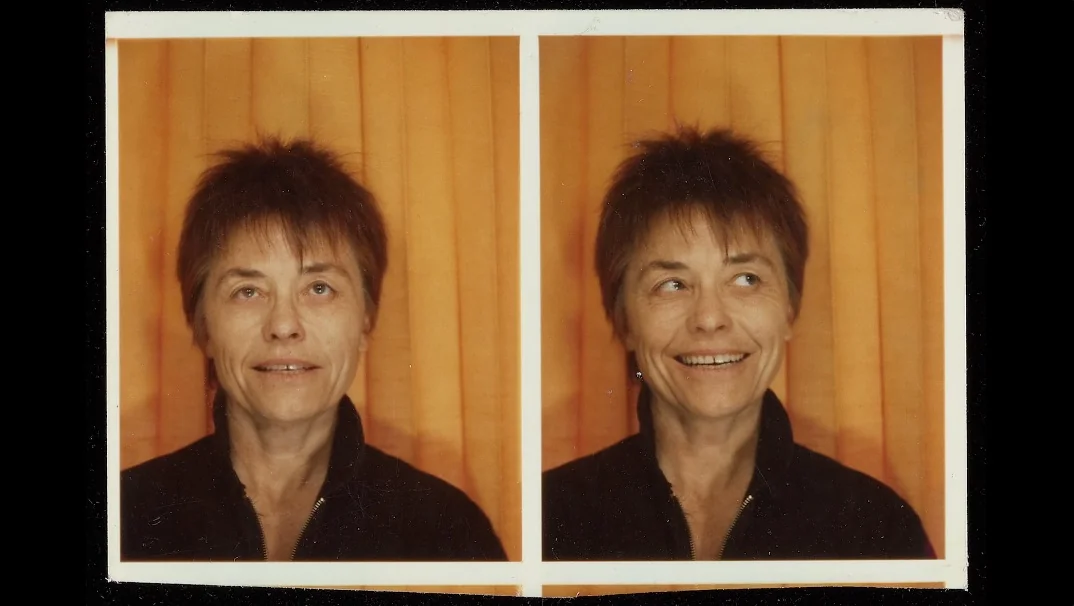
Queer cinema pioneer Barbara Hammer (1939–2019) started making films at the age of 27, coming out as a lesbian in her early 30s: “My life has been lived in film.” The sheer wealth of film material of her life also forms the basis for Barbara Forever, Brydie O’Connor’s debut feature which achieves the mammoth task of doing justice to her dazzling and charismatic personality: a pioneer of lesbian and queer self-representation “in a world where we are invisible”, a seductive lover – and a both experimental and daring filmmaker. Above all this: a lust for life. Through her films, which include Dyketactics (1974), Audience (1982) and Nitrate Kisses (1992), hitherto unseen archive material, Barbara’s narrative voice – and with her life partner Florrie Burke as another focal point – the temporality of life itself is queered: lots of sex and intimacy, the theory of the cinema of touch, the desire for artistic recognition, her relationship with her mother in an immigrant family and the mission to pass on and share what film does best, not least in view of her illness and dying. Fans, newcomers and returning viewers alike: allow yourselves to be touched by this Dyke Poetry!
Credits:
US 2026, 102 min., English with German subtitles. Regie: Brydie O’Connor Montage: Matt Hixon mit: Barbara Hammer
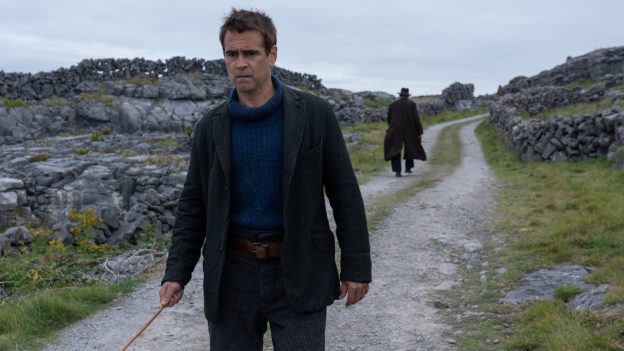
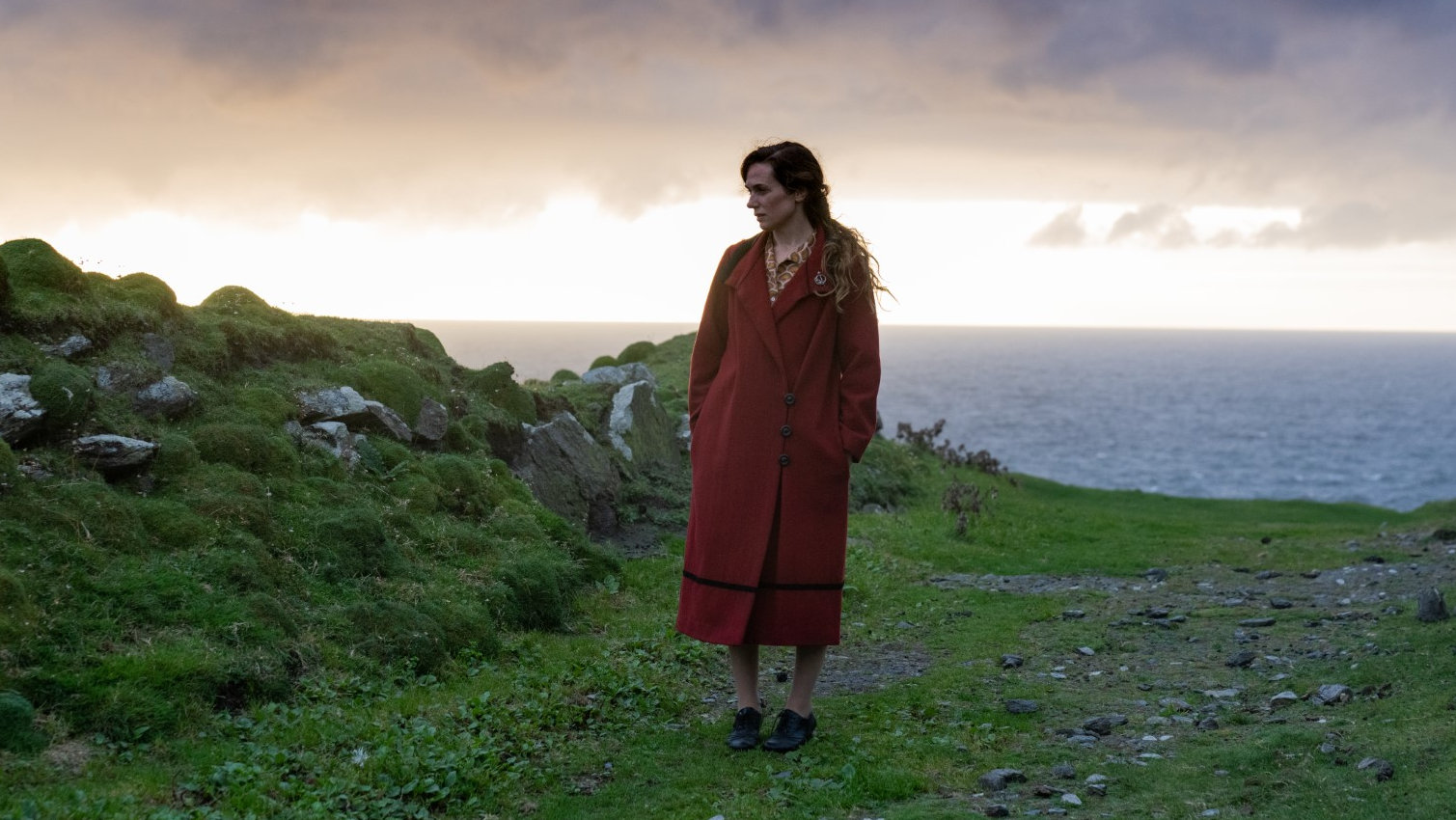
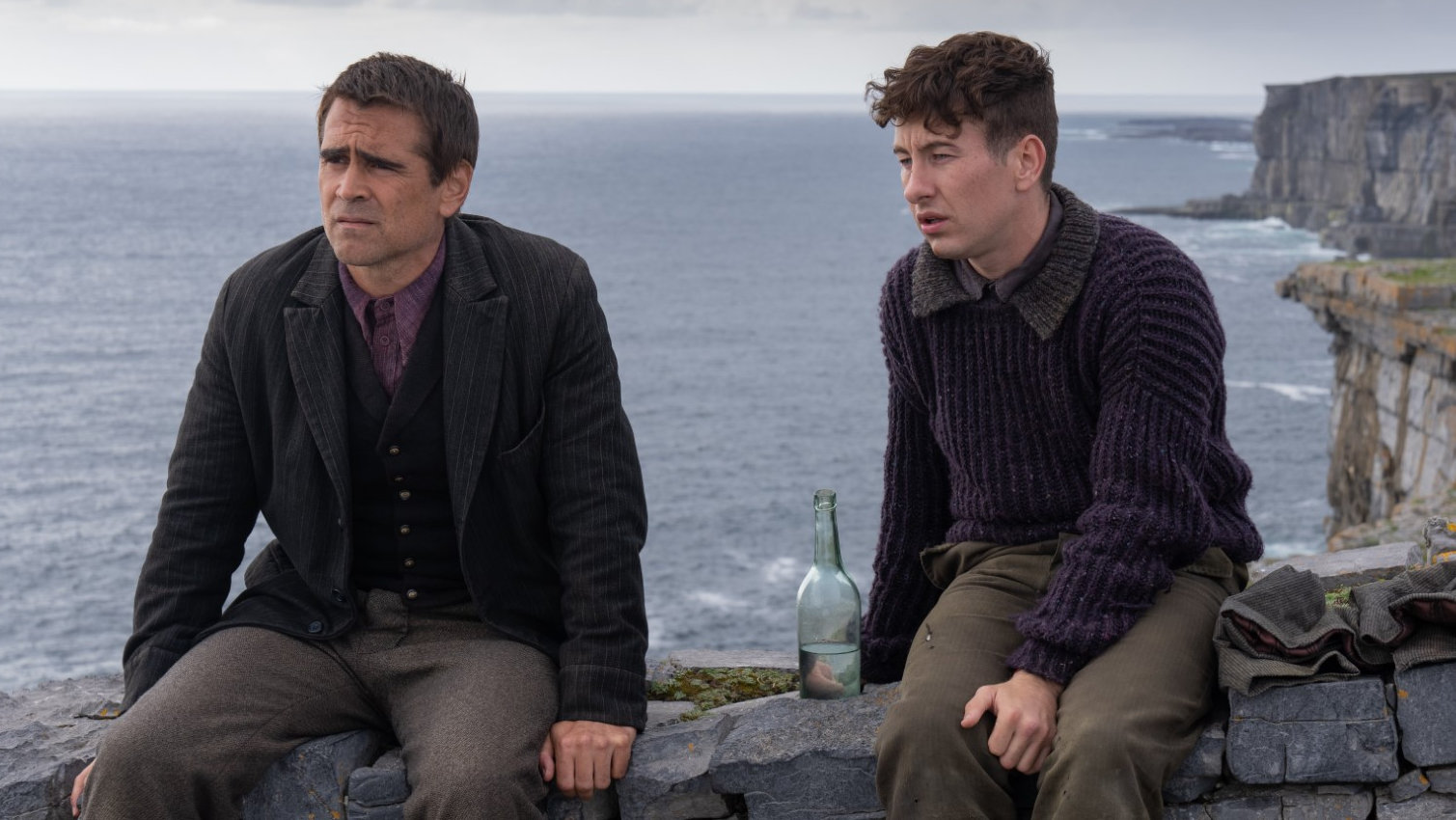
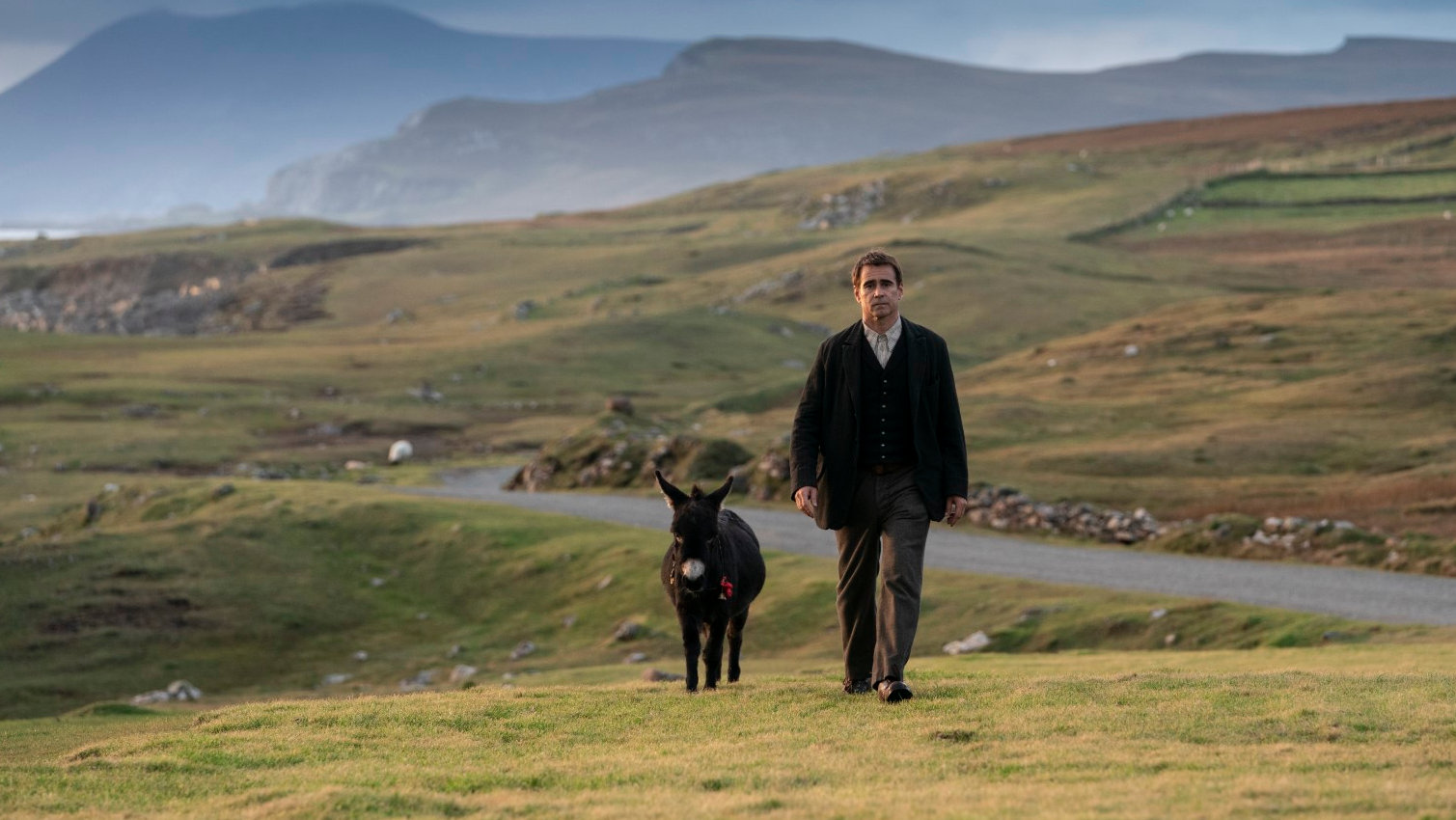
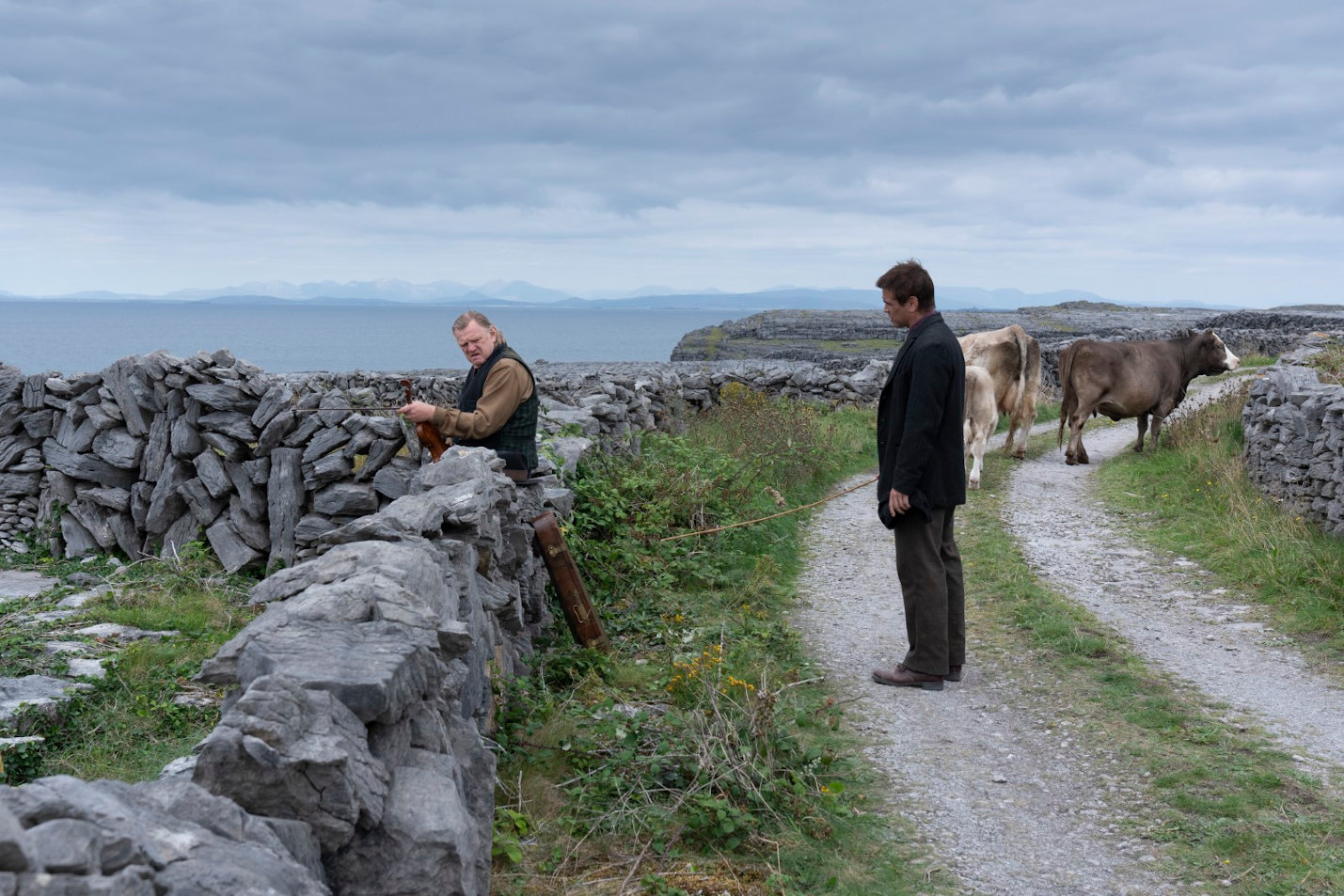
As the Irish Civil War rages on, the island of Inisherin remains just out of reach. When the wind drops, bombs can be heard, but many of the inhabitants are so disconnected from everything that they are unsure where their allegiances lie. Martin McDonagh’s film never leaves the island, but its sweeping vistas and stunningly-shot coastlines ensure that the film never feels claustrophobic, its few inhabitants spread out so sparsely that each home is like a testimony to loneliness. BANSHEESOFINISHERIN takes its name from a piece of music Colm composes across the course of the film. Unfortunately for his best friend Pádraic, Colm has decided that he must stop speaking to him in order to devote his final years to music. When Padraic refuses to accept this, Colm swears that any time Padraic speaks to him he will cut off one of his own fingers. The film is blackly comic, frequently absurd and proves to be McDonagh’s finest work, with a career-best turn from Farrell playing a lost soul confronting crippling loneliness and inadequacy. The film’s allegory for the civil war is present but not overplayed, a hauntingly lyrical tribute to humanity’s capacity for self-destruction. (Leila Latif)
Credits:
GB/IR/US 2022, 109 Min., engl. OmU Regie: Martin McDonagh Kamera: Ben Davis Schnitt: Mikkel E.G. Nielsen mit: Colin Farrell Brendan Gleeson Kerry Condon Barry Keoghan
A film by Andrei Zvyagintsev. In russian with german subtitles.
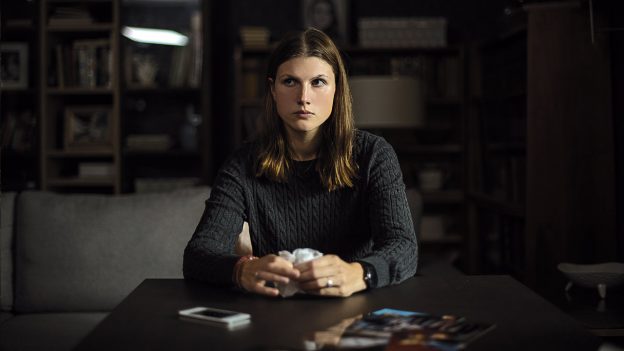
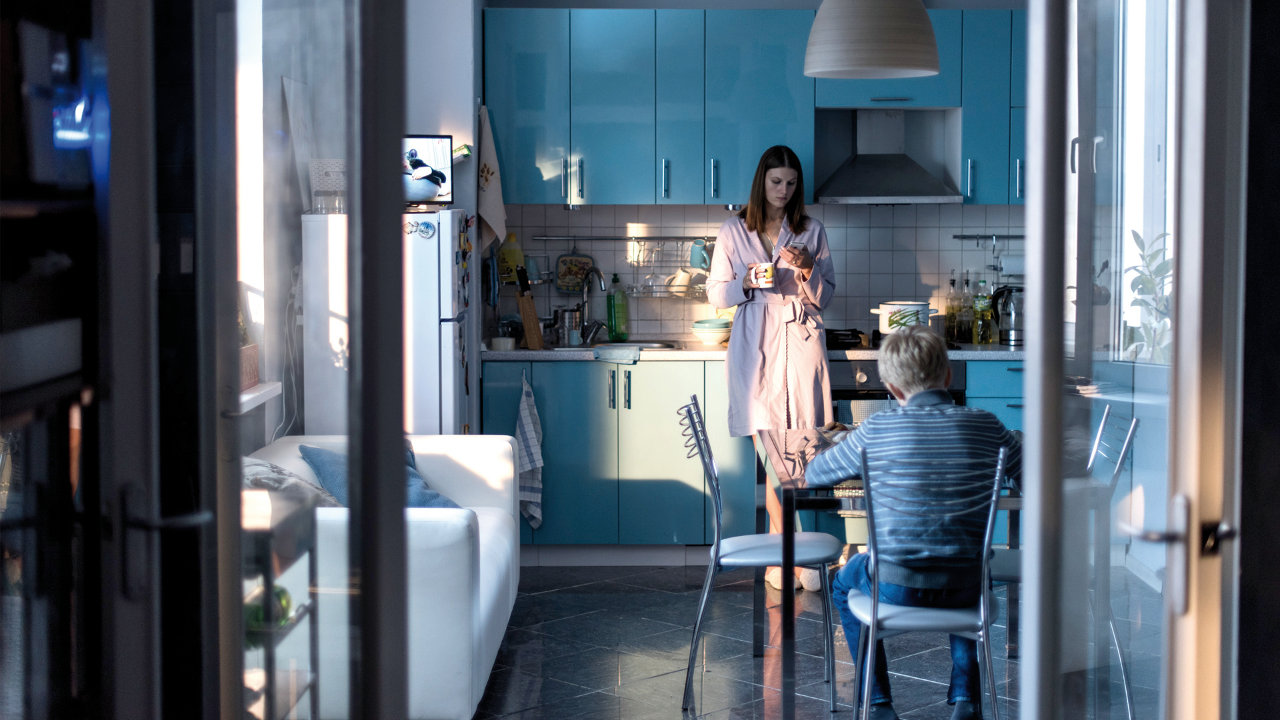
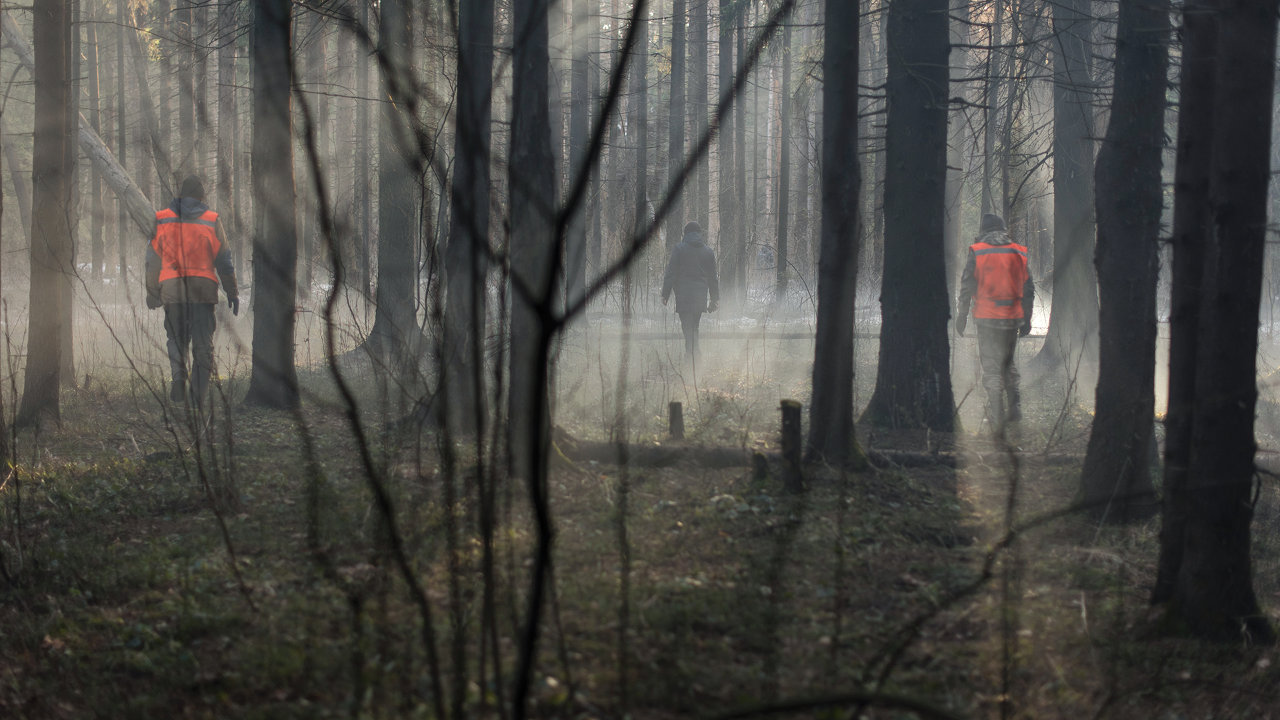
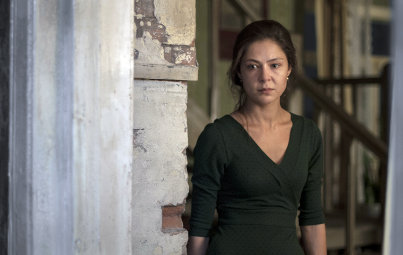
In Moscow, at the end of the school day, students are departing on their way home. One twelve year old boy, Alexey, decides to take an indirect path home rather than using the regular city streets. Alexey takes a path which leads him to walk by a local river in a wooded area just on the outskirts of town. He appears to be in no particular rush to get home. His parents, Zhenya and Boris, are in the midst of obtaining a divorce, with much animosity. They are portrayed as having divergent and incompatible personalities. Both are trying to form new lives in new relationships.
One day, it is discovered that the boy has disappeared from home, and his mother calls the police for assistance. At first, the police see this as the simple case of a runaway child and expect the boy to return home within a day or two. However, when Alexey does not return, a volunteer group specializing in the search for missing persons takes over the case and promptly initiates a preliminary search for the boy by sending the parents to estranged relatives in the hope of locating him. They are first sent to see if Alexey is at his mother’s parents. Alexey is not there when they arrive, though their trip to visit her mother out of town is punctuated by tension between the estranged relatives and Boris is verbally berated and excoriated by Zhenya. On the return trip home, her verbal abuse escalates to the point that Boris discharges her on the rural roadway before they get back to town.
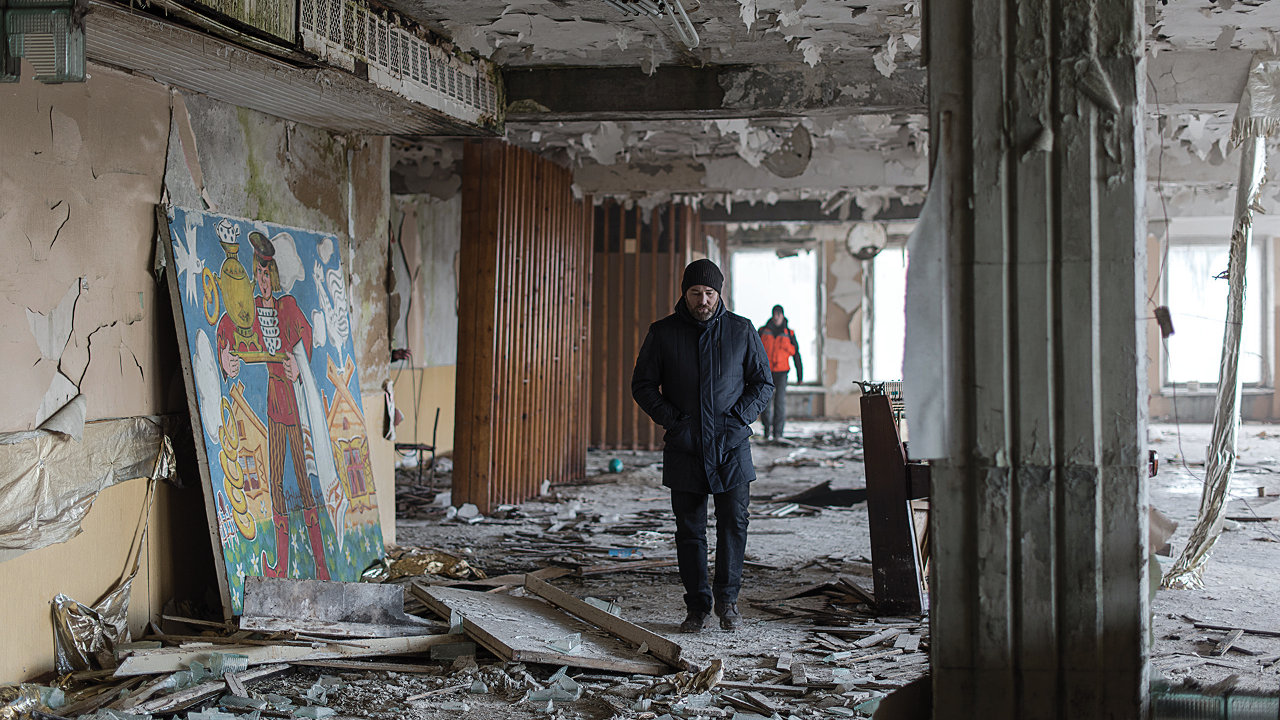
The failure of the police to find Alexey promptly escalates the search for him into an all out emergency missing persons search across the town and surrounding areas. A search of an abandoned municipal building from an old dilapidated city development project where Alexey was known to have visited turns up nothing. Finally, the parents are asked to come to the morgue to examine and try to identify the remains of a John Doe child of still unknown identity. The parents both deny that the disfigured dead child’s body is their son, though the experience of being put through the identification process is emotionally traumatic to them as they breakdown in tears of desperation, with Alexey still missing.
Later, Alexey’s mother has sold their apartment and workers begin dismantling wall hangings and appliances left behind in the now vacant apartment. Outside on the street, missing person posters of Alexey now canvas large parts of the city trying to seek help in locating the missing boy. The scene shifts to the nearby river by the wooded path which Alexey used to use to walk home after school and the view focuses on an extended landscape scene looking through naked winter branches of the surrounding very tall trees. The tree branches sway slightly against the winter sky with no sight of Alexey or anyone else among the naked winter branches.
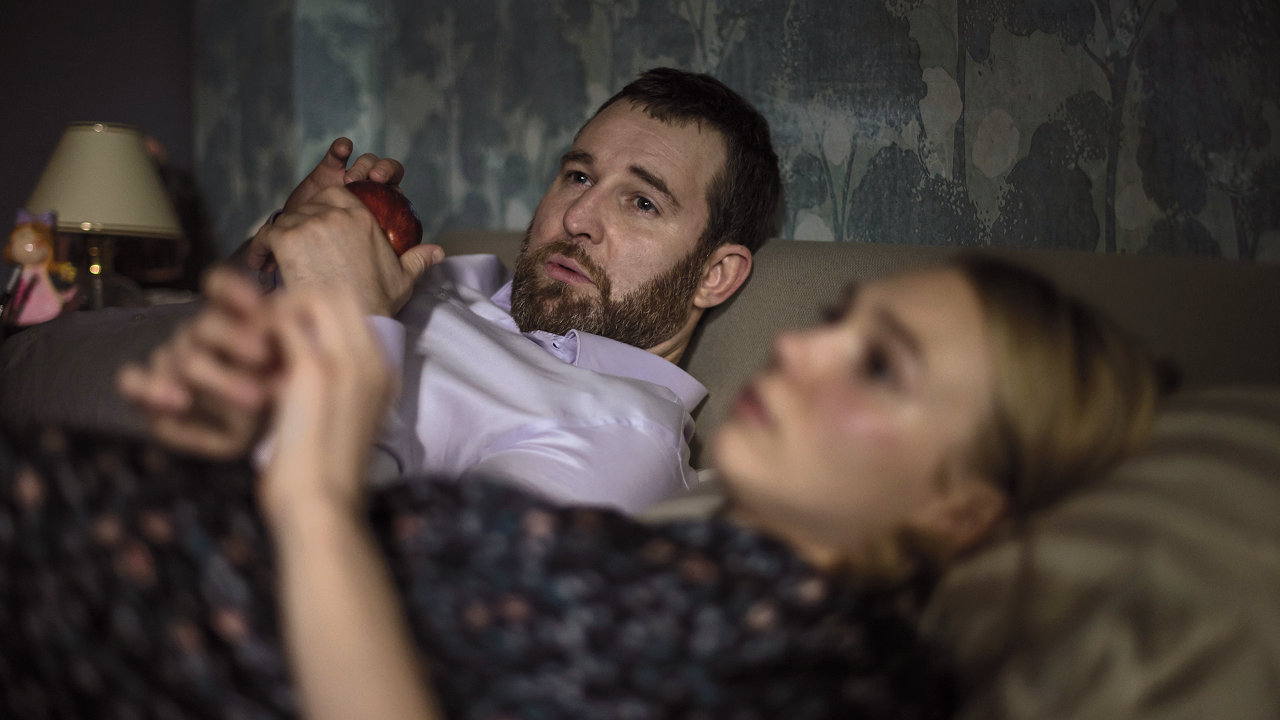
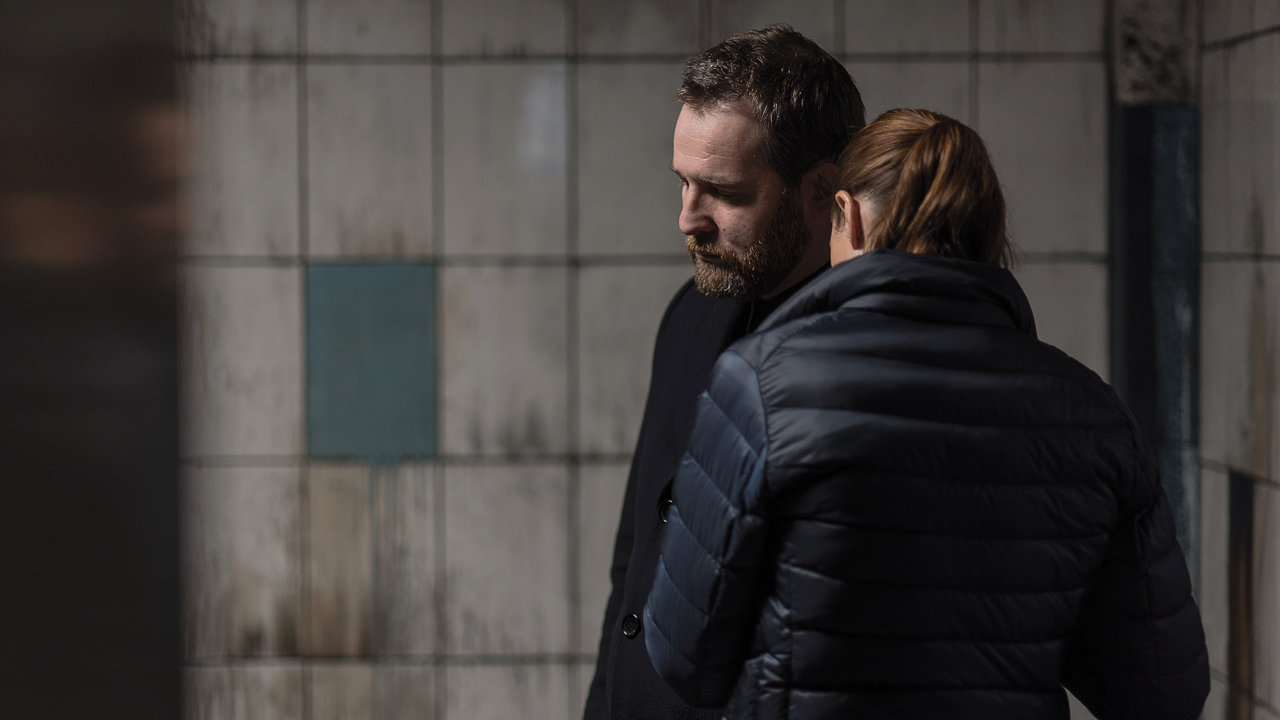
Credits: Originaltitel: Nelyubov Frankreich/Russland 2017, 127 Min., Regie: Andrei Zvyagintsev Buch: Oieg Negin Kamera: Mikhail Krichman Schnitt: Anna Mass mit: Maryana Spivak, Matvey Novikov, Aleksey Rozin
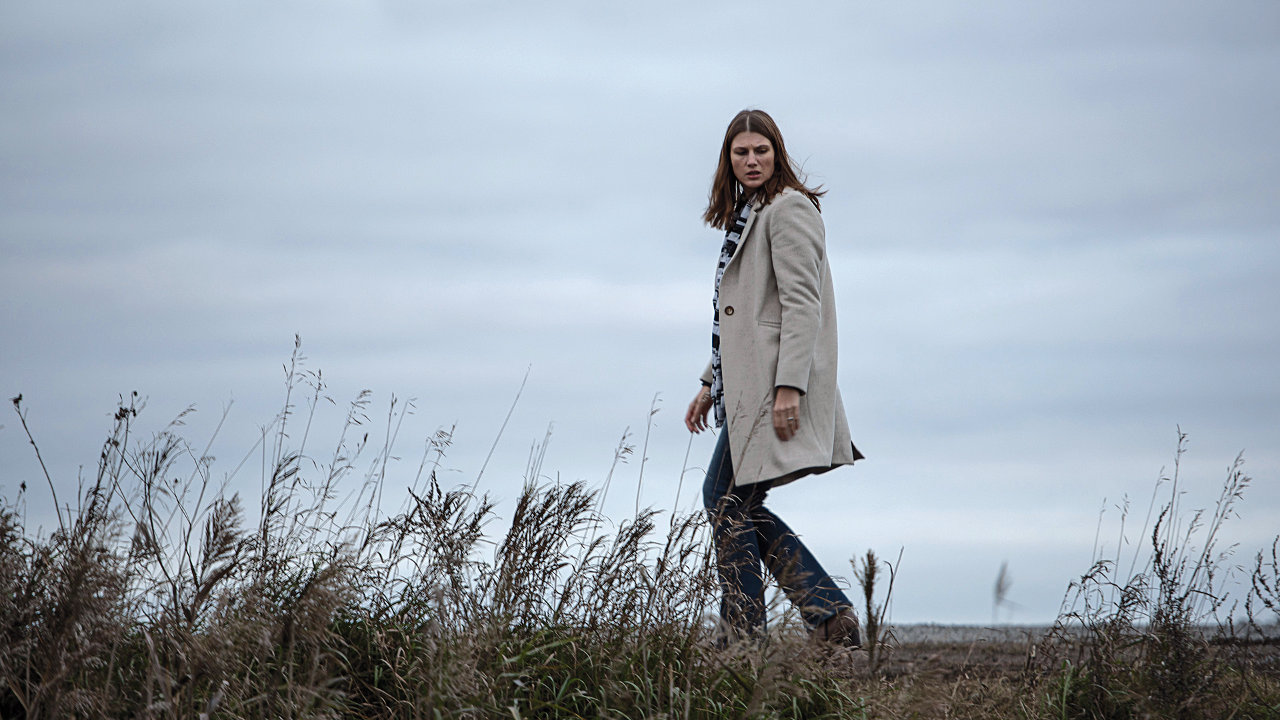
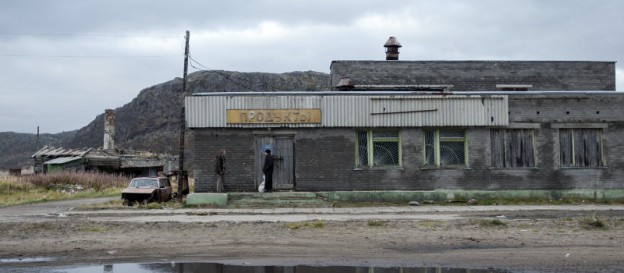
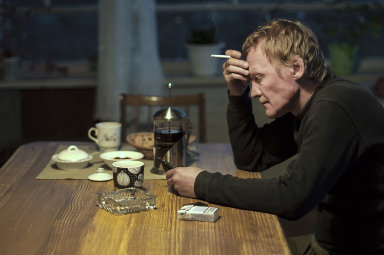
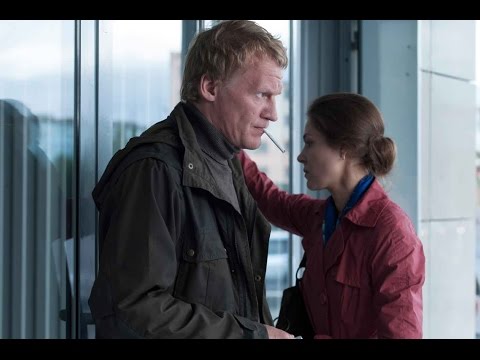
The Kola Peninsula on the Barents Sea – this is where Kolya lives with Lilya, his second wife, and Roma, his son from his first marriage, in a house with a workshop offering a wonderful view across the bay. The land has been in his family’s possession for generations, but now the current mayor of the village has realised its value. He wants to buy it and threatens expropriation when Kolya refuses. The car mechanic turns to his old army friend Dmitri, a successful lawyer from Moscow. Should the court case prove unsuccessful, Dmitri still has some information about the mayor up his sleeve. But nothing goes according to plan for Kolya here.
Through striking imagery and small doses of gallows humour, Zvyagintsev (The Return, Golden Lion at Venice 2003) explores corruption, disillusionment and alcoholism – and, of course, the harsh consequences these have on people’s private lives. However, he expressly does not wish to limit this to Russia: “Replace the Orthodox Church with the Catholic Church, and you’re in Italy. A Mexican critic told me, ‘Swap the vodka for tequila, and it’s a Mexican story.’ In fact, the director was inspired to make the film following an incident in Colorado, in which a car mechanic, whose land had been unlawfully seized, used a bulldozer to flatten the town hall and the mayor’s house before taking his own life. However, the winner of the 2015 Golden Globe is Russian enough that Culture Minister Medinsky, referring to *Leviathan*, warned that he would no longer fund films that criticise those in power and “even spit on them”, as well as films that “spread the spirit of hopelessness and meaninglessness in our lives” – and this despite the fact that the film had previously been selected as Russia’s entry for the ‘Foreign Language Oscar’. ‘Leviathan is not merely a pessimistic assessment of contemporary Russia, but also a thoroughly masterful narrative that grows even richer with every detour it takes.’ critic.de
Russland 2014, 141 Min., russ. OmU
Regie: Andrey Zvyagintsev
Kamera: Mikhail Krichaman Schnitt: Anna Mass Musik: Phillip Glass
mit: Aleksey Serebryakov Elena Lyadova, Vladimir Vdovitchenkov, Roman Madyanov, Anna Ukolova Filmwebseite
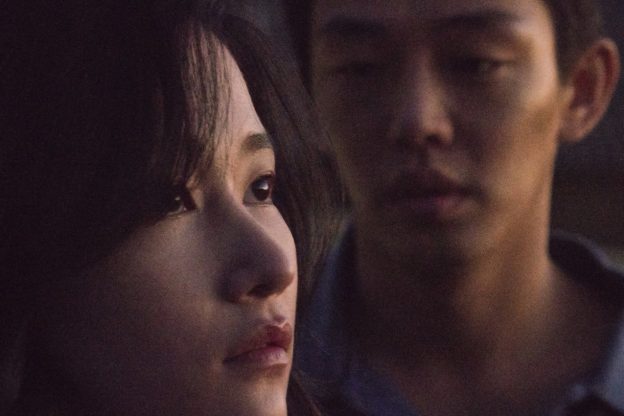
“Male rage blazes a chilling trail on the Korean border. Sex, envy and pyromania make for a riveting mystery in Lee Chang-dong’s masterfully crafted Murakami adaptation. Lee Chang-dong’s Burning is a superbly shot and sensuously scored movie, a mystery thriller about obsessive love taken from a short story by Haruki Murakami. It’s a psychological drama set in the modern consumerist Korea of the callous Gangnam-style rich and poor young people who often go invisibly to ground, pursued by credit-card debt.“ (Peter Bradshaw, The Guardian)
Credits:
Beoning Südkorea 2018, 148 Min., Koreanische OmU Regie: Lee Chang-dong Buch: Haruki Murakami, Lee Chang-dong, Jungmi Oh Kamera: Kyung-Pyo Hong Schnitt: Da-won Kim, Hyun Kim mit: Ah-in Yoo, Steven Yeun, Jong-seo Jeon, Joong-ok Lee, Ja-Yeon Ok
Basel Adra, a young Palestinian activist from Masafer Yatta on the West Bank, has been fighting the mass expulsion of his community by Israel’s occupation since childhood. He documents the slow-motion eradication of the villages in his home region where soldiers deployed by the Israeli government are gradually demolishing houses and driving out their residents. At some point, he meets Yuval, an Israeli journalist, who supports him in his efforts. An unlikely alliance develops. But the relationship between the two is strained by the enormous inequality between them: Basel lives under military occupation while Yuval lives freely and without restrictions. This film by a Palestinian-Israeli collective of four young activists has been made as an act of creative resistance on the path to greater justice.
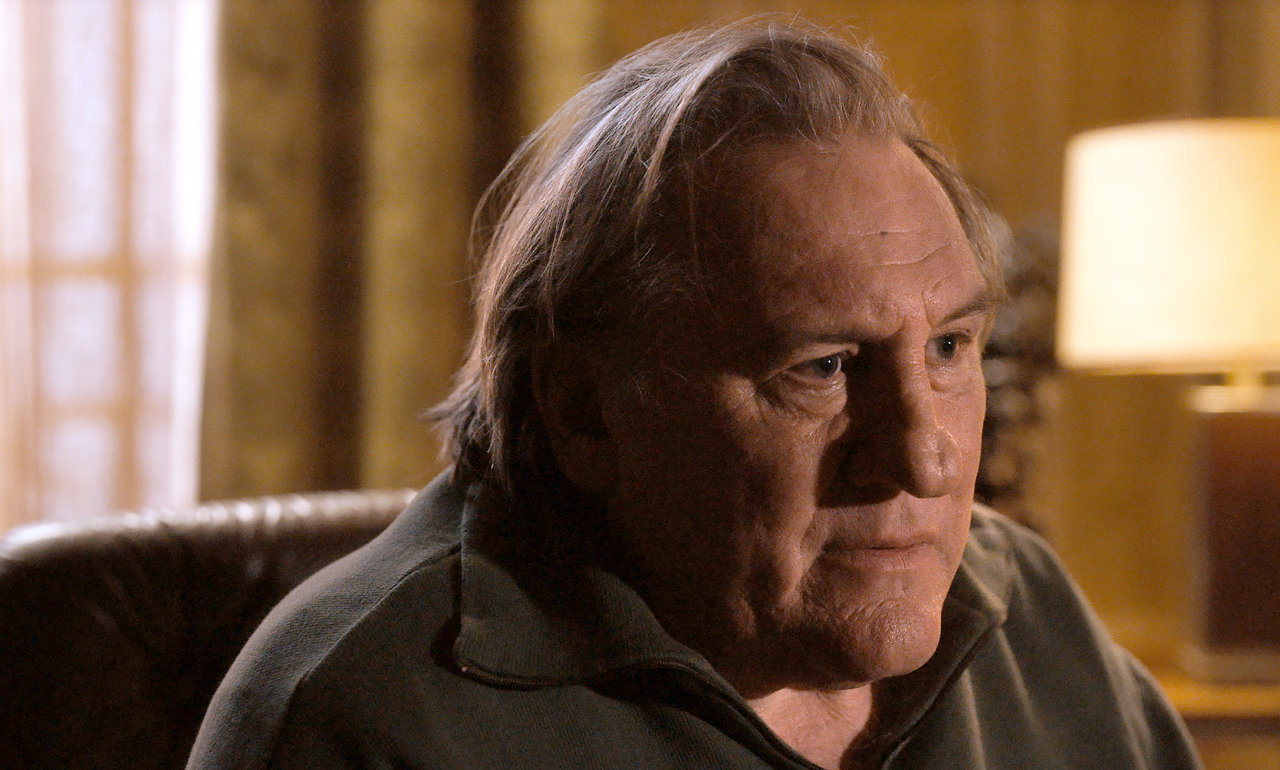
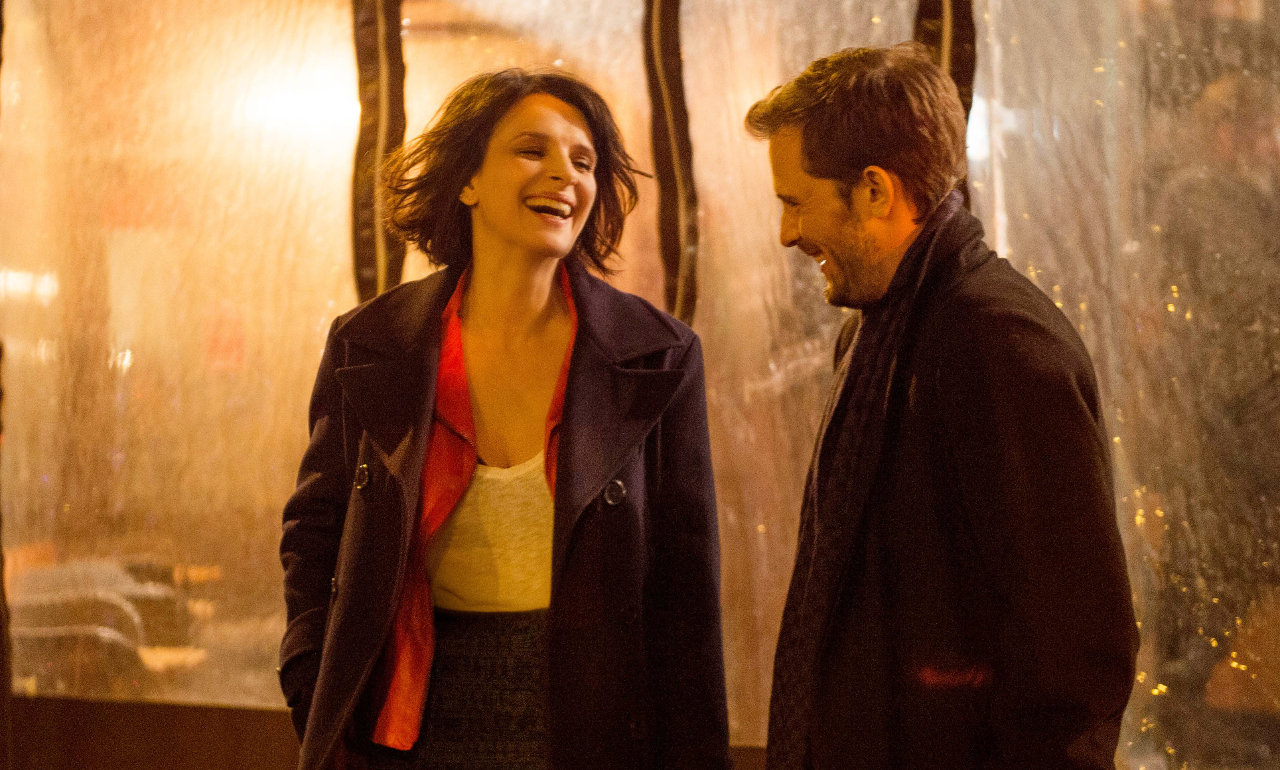
A Film by Clair Denis. In french with german subtitles.
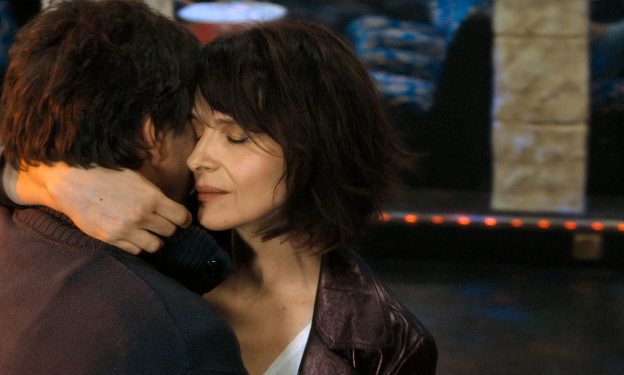
This drama (if that is the correct word) features Isabelle, a divorced artist in paris. She is now single, lives alone, and unable to decide if searching for the One is an urgent priority or a fatuity which is preventing her from enjoying life and experiencing pleasure. She has lovers and these liaisons are dangerous in that they don’t seem to provide the satisfaction they ought.
All the romance, the eroticism, the exquisite dissatisfaction of not knowing how or whether to be in love, is all dispersed into talking and debate and the intellectual interplay of ideas. Of course that may sound like an un-sexy ordeal and very French. And in blackest of black comic senses that is precisely what it is. The talk’s comic content is mostly without the easy laughs and obvious comic beats of, say, Woody Allen or Noah Baumbach. But there are big, genuine laughs here, too: chiefly when Isabelle explodes with rage at an artists’ rustic retreat when one of her contemporaries gives vent to an insufferable discourse on his relationship to the countryside. (Peter Bradshaw)
Credits: OT: Un Beau Soleil Intérieur Frankreich 2017, 94 Min., frz. OmU Regie: Claire Denis Kamera: Agnes Godard Schnitt: Guy Lecorne Darsteller: Juliette Binoche, Xavier Beauvois, Philippe Katerine, Paul Blain, Gérard Depardieu, Nicolas Duvauchell
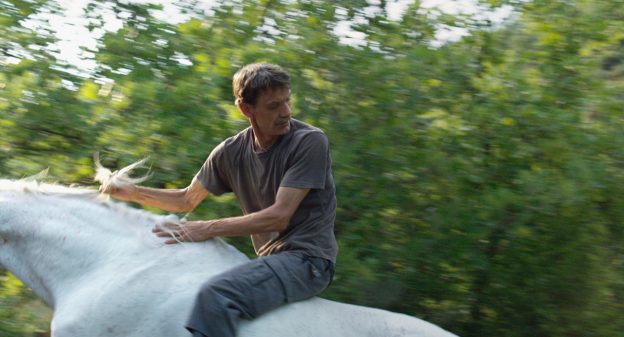
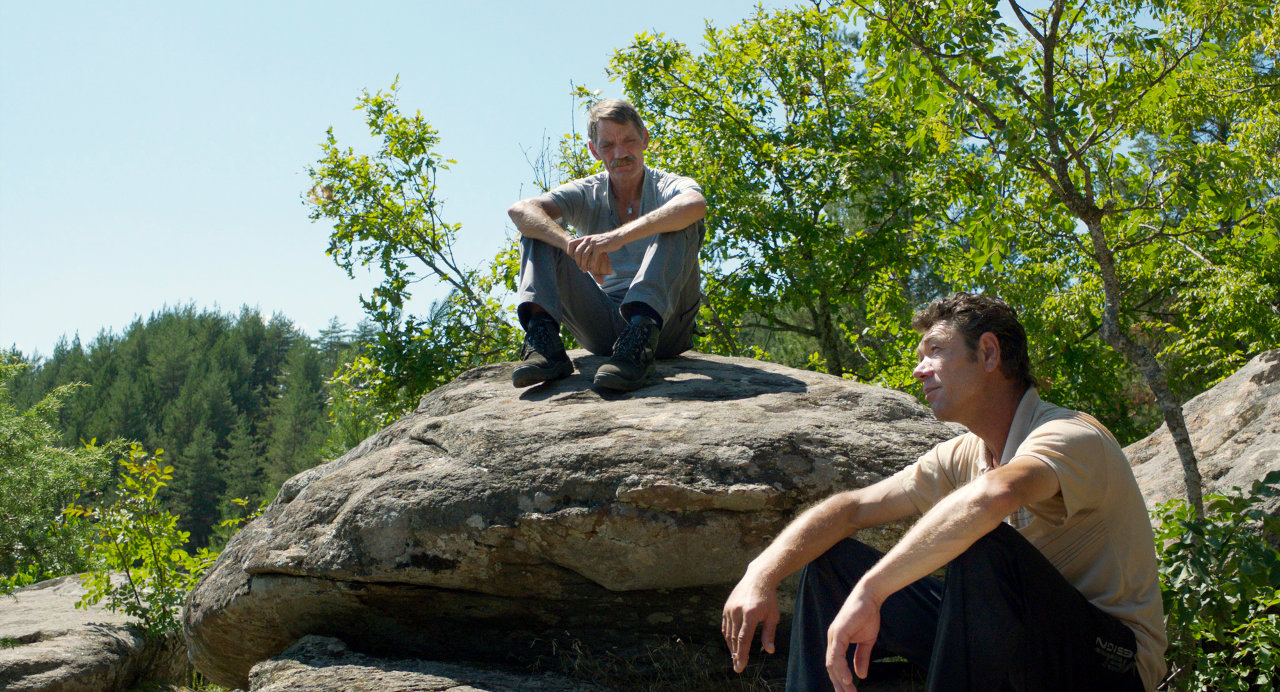
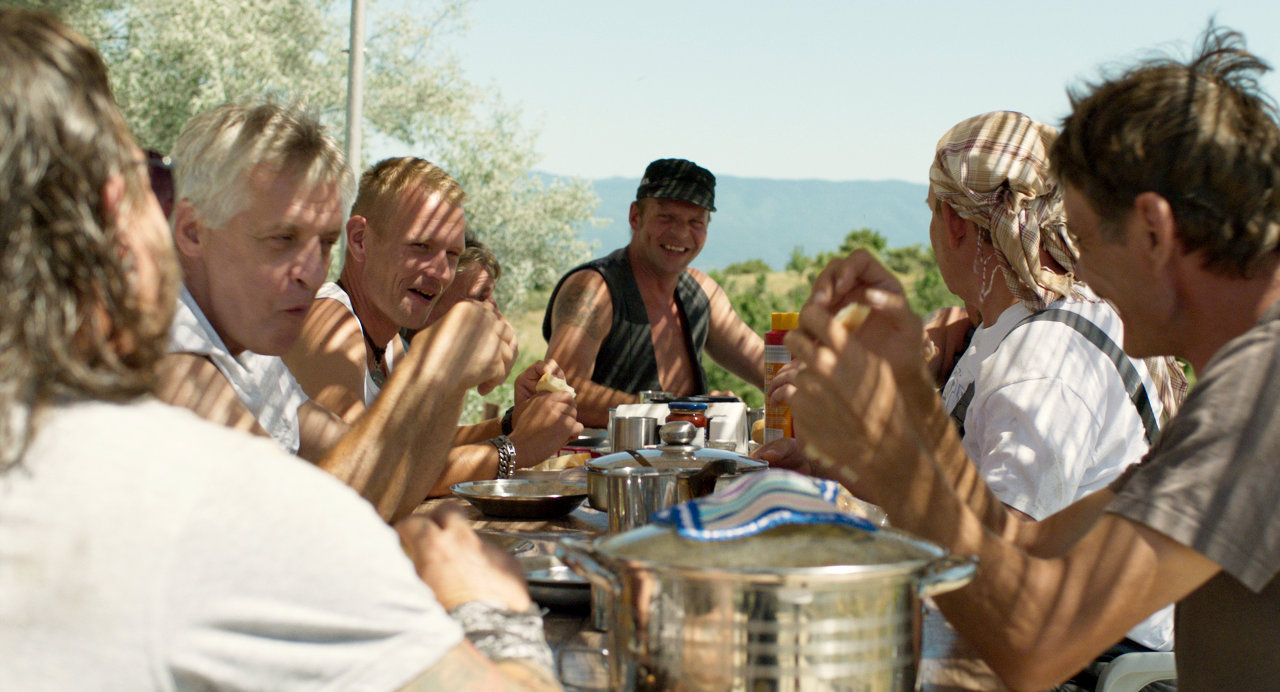
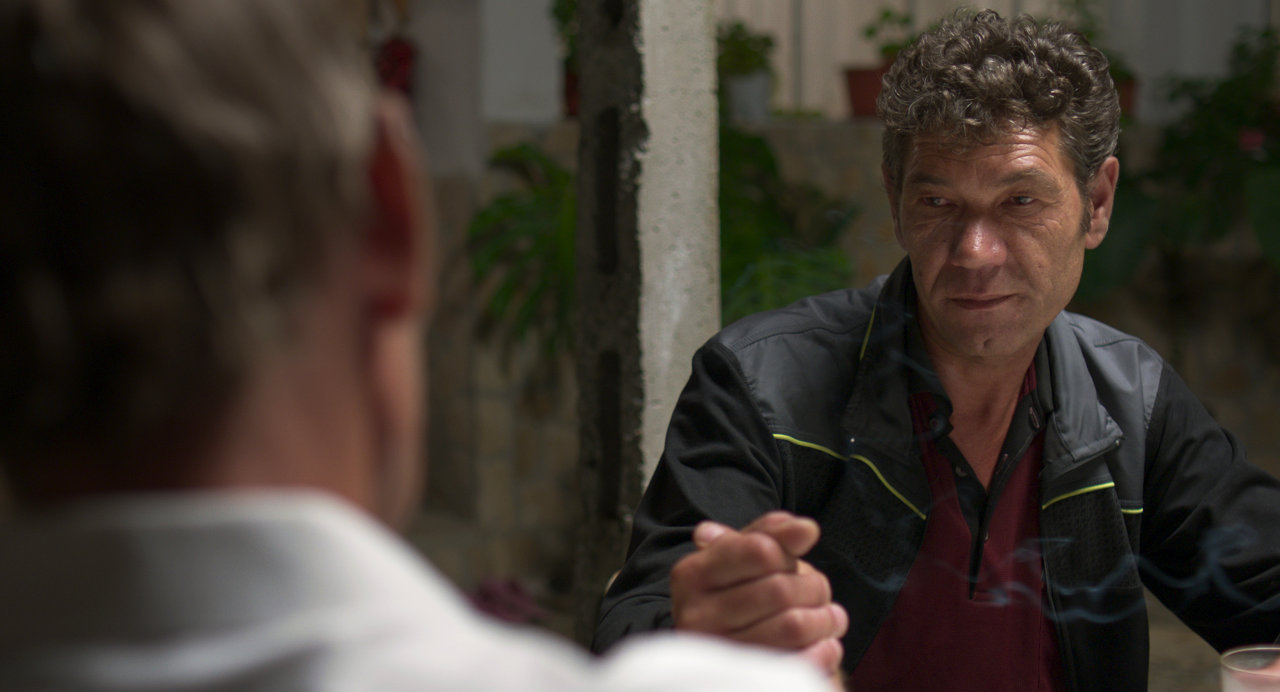
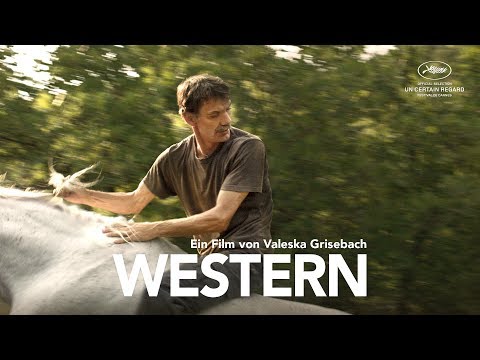
A film by Valeska Grisebach. In german, bulgarian and english with german subtitles.
A group of German construction workers start a tough job at a remote site in the Bulgarian countryside. The foreign land awakens the men’s sense of adventure, but they are also confronted with their own prejudice and mistrust due to the language barrier and cultural differences. The stage is quickly set for a showdown when men begin to compete for recognition and favor from the local villagers.
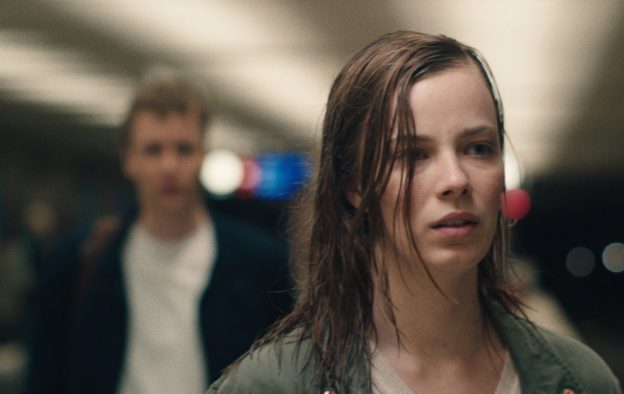
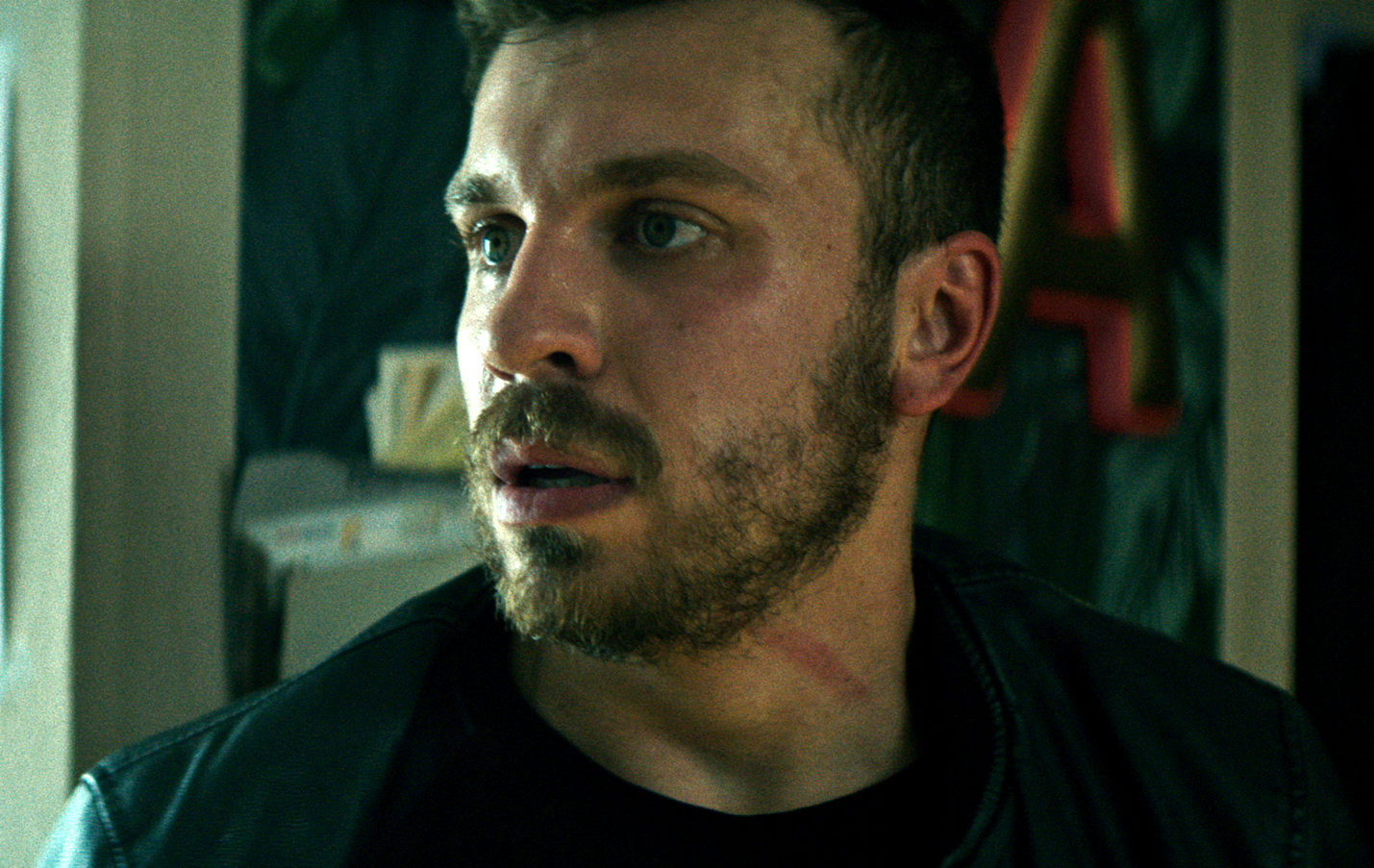
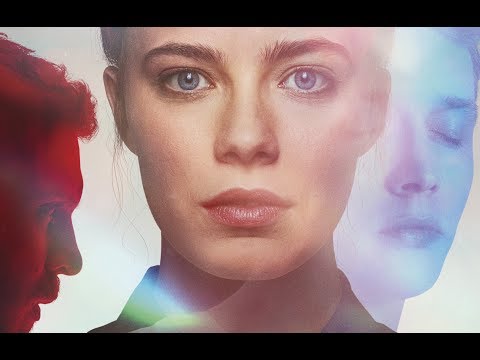
For Nora and Aron it is love at first sight when they encounter each other on a rainy day whilst taking the underground. It was a complete coincidence, Nora says. Aron disagrees: it was predetermined. But the young couple then get caught up in a violent bank robbery. Aron is shot by the masked gunman and dies in Nora’s arms. For Nora, time stands still. She numbs her pain, spending the night with a stranger – Natan. He provides Nora with stability. She has the strange feeling that she knows him already, but does not yet know what really connects them…
Credits:
DE 2019, 111 mins, Original version with German subtitles Director: Mariko Minoguchi Cinematography: Julian Krubasik Editing: Andreas Menn, starring: Saskia Rosendahl, Julius Feldmeier, Edin Hasanovic, Jeanette Hain, Lilly Forgach
Bernadette, or Benni as she prefers to be known, is a delicate-looking girl with unbridled energy. She is a ‘system crasher’. This term is used to describe children who break every single rule; children who refuse to accept any kind of structure and who gradually fall through the cracks in Germany’s child and welfare services. No matter where this nine-year-old is taken in, she is booted out again after a short time. And that is exactly what she is after, because all she wants is to be able to live with her mother again: a woman who is totally unable to cope with her daughter’s incalculable behaviour.
Made from her own multi-award-winning script, Nora Fingscheidt has created an intense drama about one child’s overwhelming need for love and security and the potential for violence that this engenders. At the same time, the film depicts the tireless attempts of educators and psychologists who use respect, trust and confidence to create a way forward for children who threaten to destroy others and themselves as a result of their unpredictable outbursts.
Berlinale 2019: Silver Bear – Alfred Bauer Prize
Credits:
DE 2019, 113 Min. Regie, Buch: Nora Fingscheidt Kamera: Yunus Roy Imer Schnitt: Stephan Bechinger, Julia Kovalenko mit: Helena Zengel, Albrecht Schuch, Gabriela Maria Schmeide, Lisa Hagmeister, Melanie Straub
Trailer:
SYSTEMSPRENGER – Trailer
Cookie-Zustimmung verwalten
Wir verwenden Cookies, um unsere Website und unseren Service zu optimieren.
Funktionale Cookies
Always active
Die technische Speicherung oder der Zugang ist unbedingt erforderlich für den rechtmäßigen Zweck, die Nutzung eines bestimmten Dienstes zu ermöglichen, der vom Teilnehmer oder Nutzer ausdrücklich gewünscht wird, oder für den alleinigen Zweck, die Übertragung einer Nachricht über ein elektronisches Kommunikationsnetz durchzuführen.
Vorlieben
Die technische Speicherung oder der Zugriff ist für den rechtmäßigen Zweck der Speicherung von Präferenzen erforderlich, die nicht vom Abonnenten oder Benutzer angefordert wurden.
Statistiken
Die technische Speicherung oder der Zugriff, der ausschließlich zu statistischen Zwecken erfolgt.Die technische Speicherung oder der Zugriff, der ausschließlich zu anonymen statistischen Zwecken verwendet wird. Ohne eine Vorladung, die freiwillige Zustimmung deines Internetdienstanbieters oder zusätzliche Aufzeichnungen von Dritten können die zu diesem Zweck gespeicherten oder abgerufenen Informationen allein in der Regel nicht dazu verwendet werden, dich zu identifizieren.
Marketing
Die technische Speicherung oder der Zugriff ist erforderlich, um Nutzerprofile zu erstellen, um Werbung zu versenden oder um den Nutzer auf einer Website oder über mehrere Websites hinweg zu ähnlichen Marketingzwecken zu verfolgen.