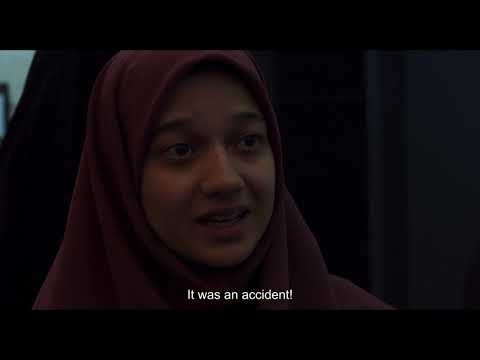
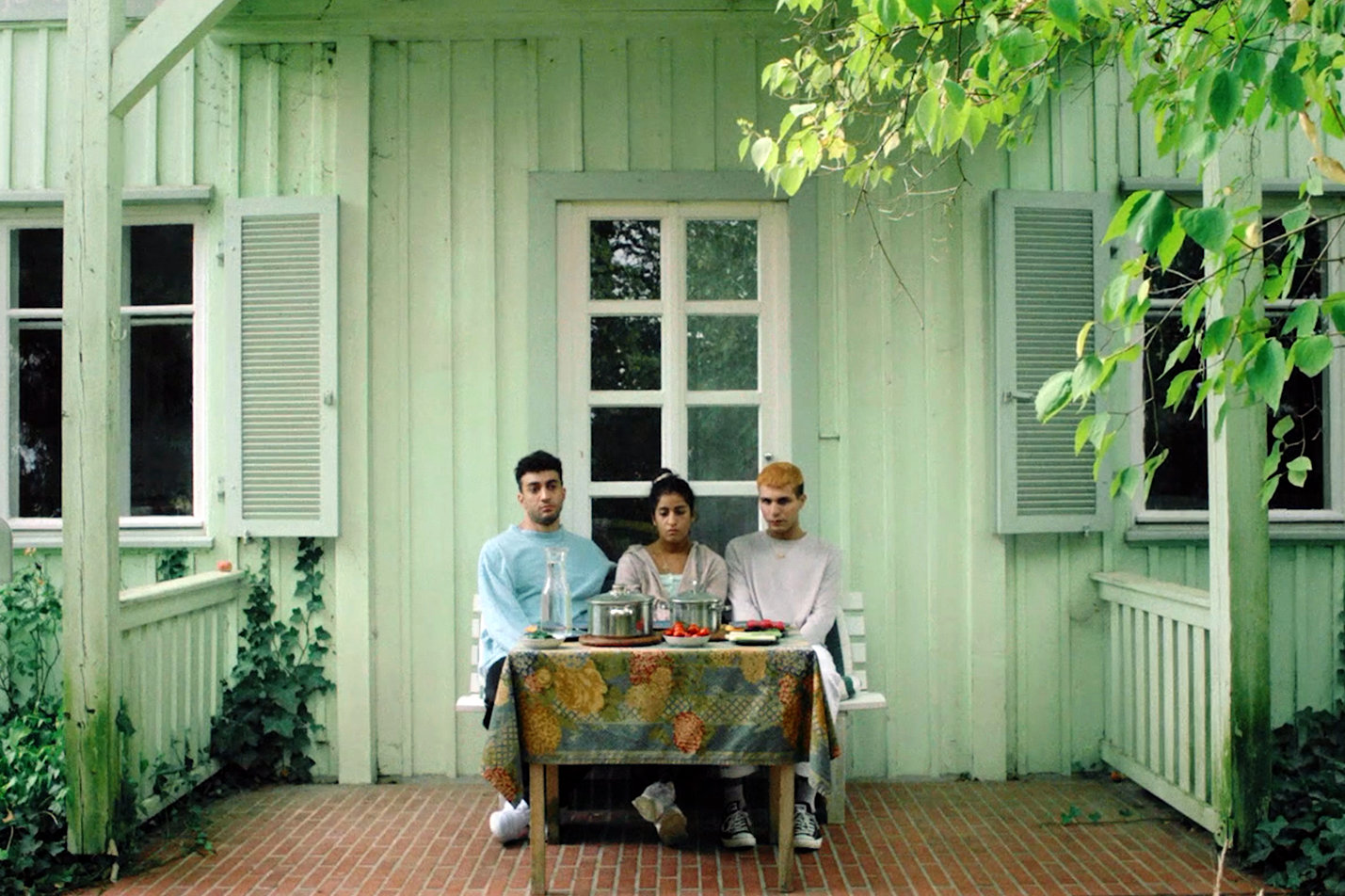
“You can still participate in our text message competition. Does Maryam Komijani deserve to be forgiven? Text 1 for yes, 2 for no.”
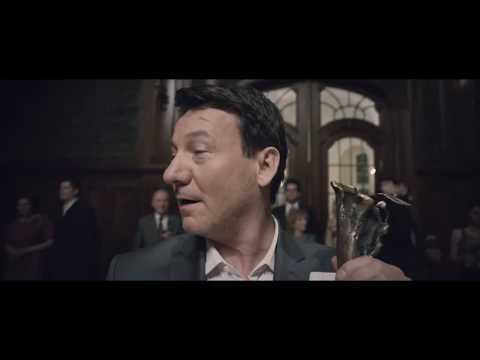
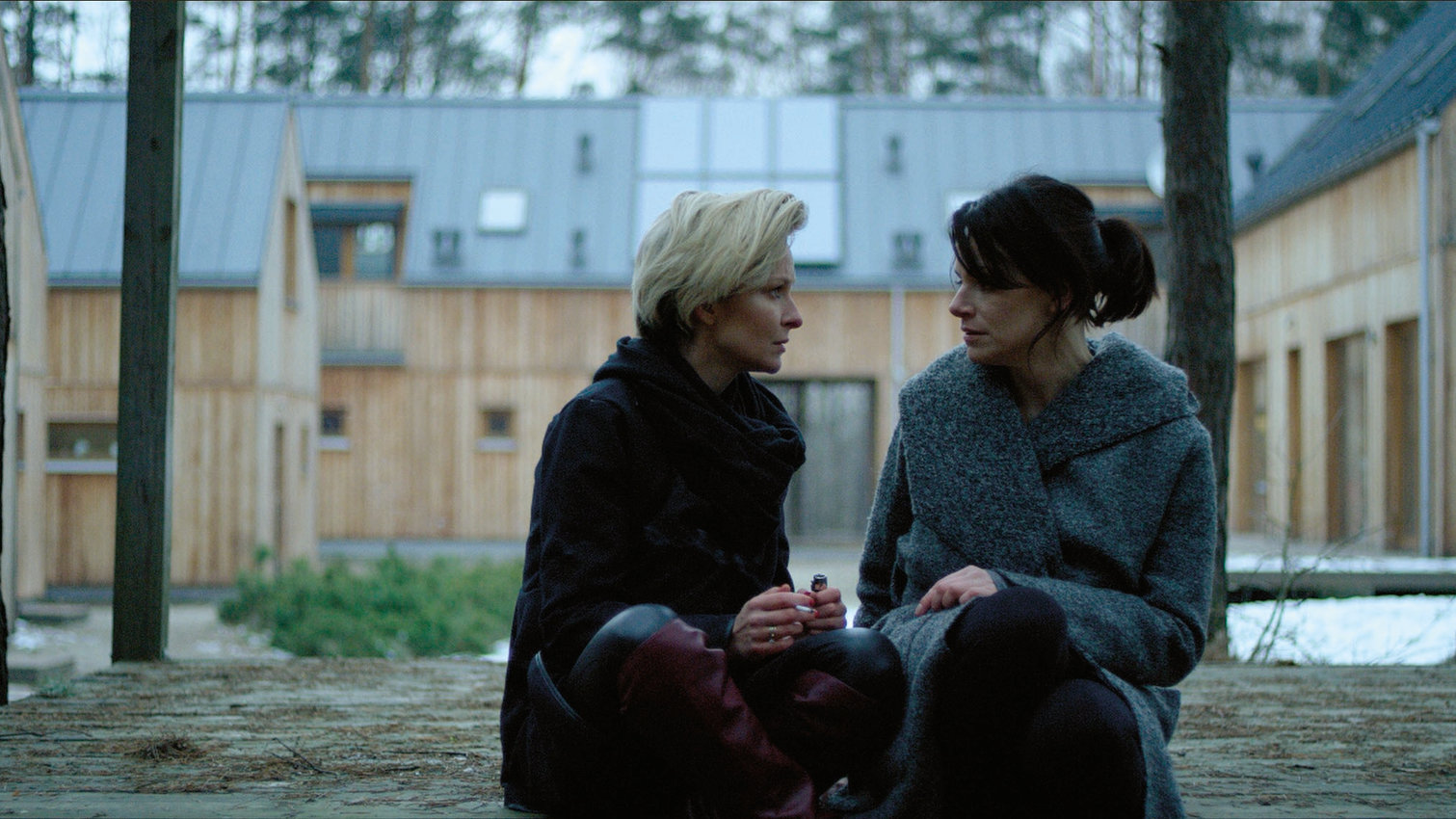
The spotlights and cameras are all in position. The moderator takes a last quick look at his notes. The final seconds of the intro ad roll by – 5, 4, 3, 2, 1 – and then the reality TV show goes live. Televised on the night of Yalda, of all days, a Persian celebration of the winter solstice. Tonight’s guest is Maryam, a young woman condemned to death. She is accompanied in studio by Mona, who has always been like a big sister to her. Maryam was living with Mona’s father in a temporary, marriage. Now she stands accused of his murder. In front of the camera and millions of viewers, Maryam is supposed to beg for forgiveness and her life. Alluding to a real, popular Iranian TV Show, the television studio serves as a stage for a chamber play that also explores the social dimensions behind the personal drama.
“You can still participate in our text message competition. Does Maryam Komijani deserve to be forgiven? Text 1 for yes, 2 for no.”
The spotlights and cameras are all in position. The moderator takes a last quick look at his notes. The final seconds of the intro ad roll by – 5, 4, 3, 2, 1 – and then the reality TV show goes live. Televised on the night of Yalda, of all days, a Persian celebration of the winter solstice. Tonight’s guest is Maryam, a young woman condemned to death. She is accompanied in studio by Mona, who has always been like a big sister to her. Maryam was living with Mona’s father in a temporary, marriage. Now she stands accused of his murder. In front of the camera and millions of viewers, Maryam is supposed to beg for forgiveness and her life. Alluding to a real, popular Iranian TV Show, the television studio serves as a stage for a chamber play that also explores the social dimensions behind the personal drama.
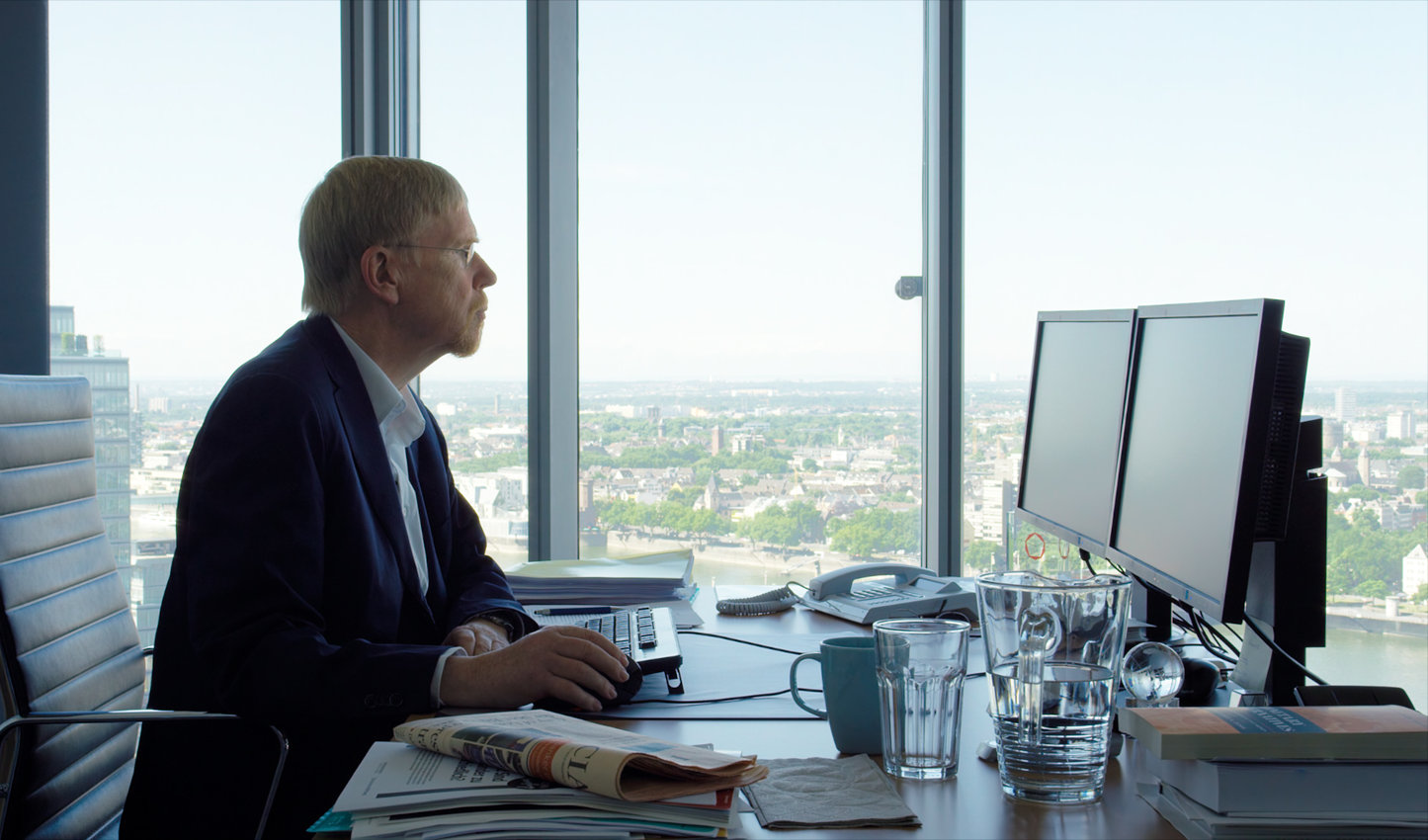
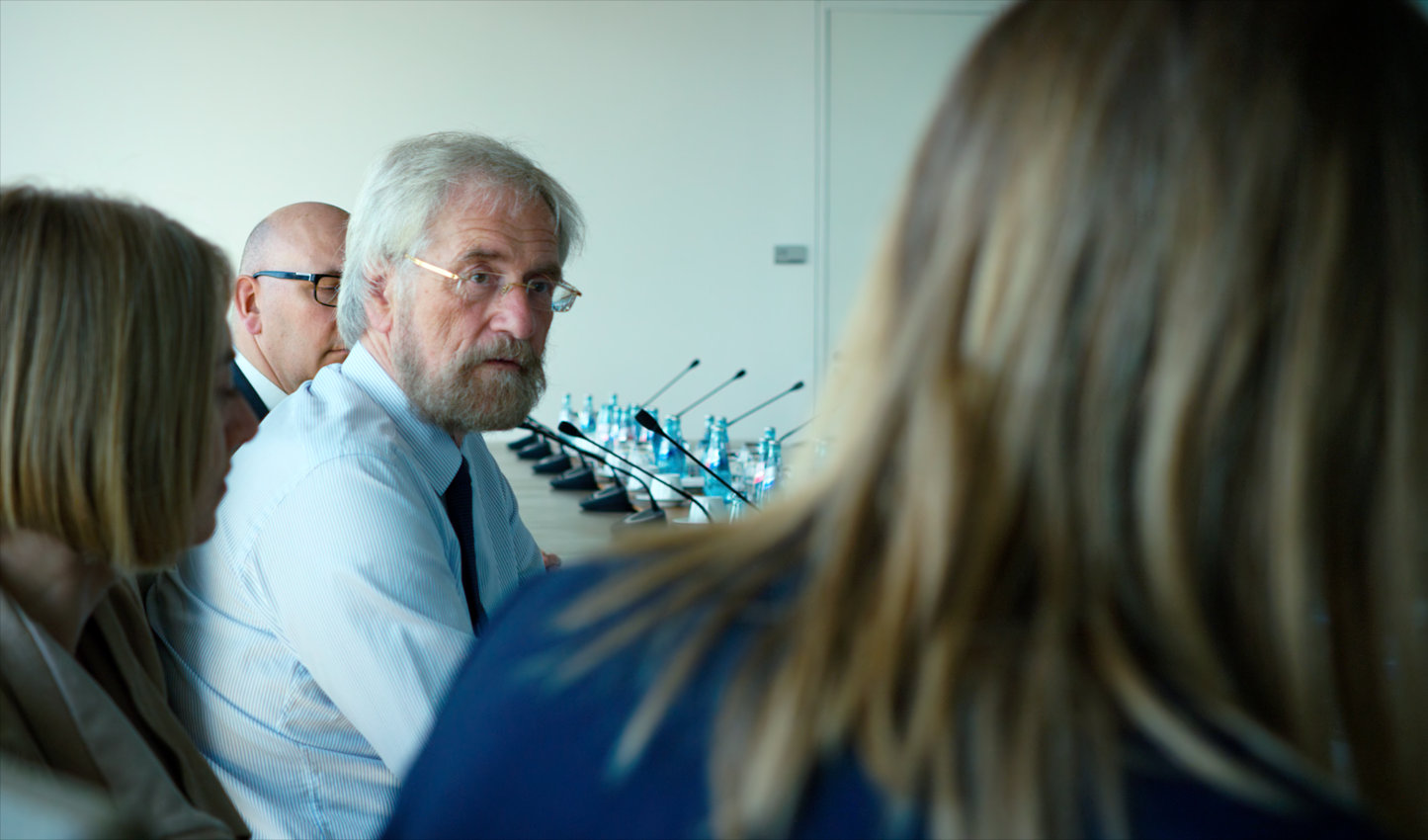
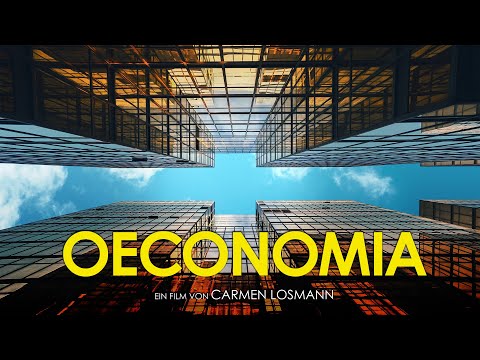
In his 2011 essay “The Making of the Indebted Man”, philosopher Maurizio Lazzarato writes: “Debt is not an impediment to growth. Indeed, it represents the economic and subjective engine of the modern-day economy. Debt creation, that is, the creation and development of the power relation between creditors and debtors, has been conceived and programmed as the strategic heart of neoliberal politics.” Carmen Losmann’s Oeconomia sets off on a journey into this strategic heart. The fact that many representatives of the banking and finance sector would prefer not to speak on camera – and those who do are often at a loss for words – makes this an undeniably ambitious undertaking. No matter how transparently the architectures of banks and financial institutions present themselves, the director repeatedly finds herself in front of closed doors while conducting her research. But she makes a virtue of necessity by using phone call transcripts and computer-generated images to bring abstract, difficult-to-grasp subject matter to life.
[nbsp] Credits:
DE 2020, 89 Min., dt. engl. OmU Regie, Buch: Carmen Losmann Kamera: Dirk Lütter Montage: Henk Drees, Carmen Losmann
[nbsp] Trailer:
Kinotrailer „Oeconomia” – Kinostart: 15. Oktober 2020
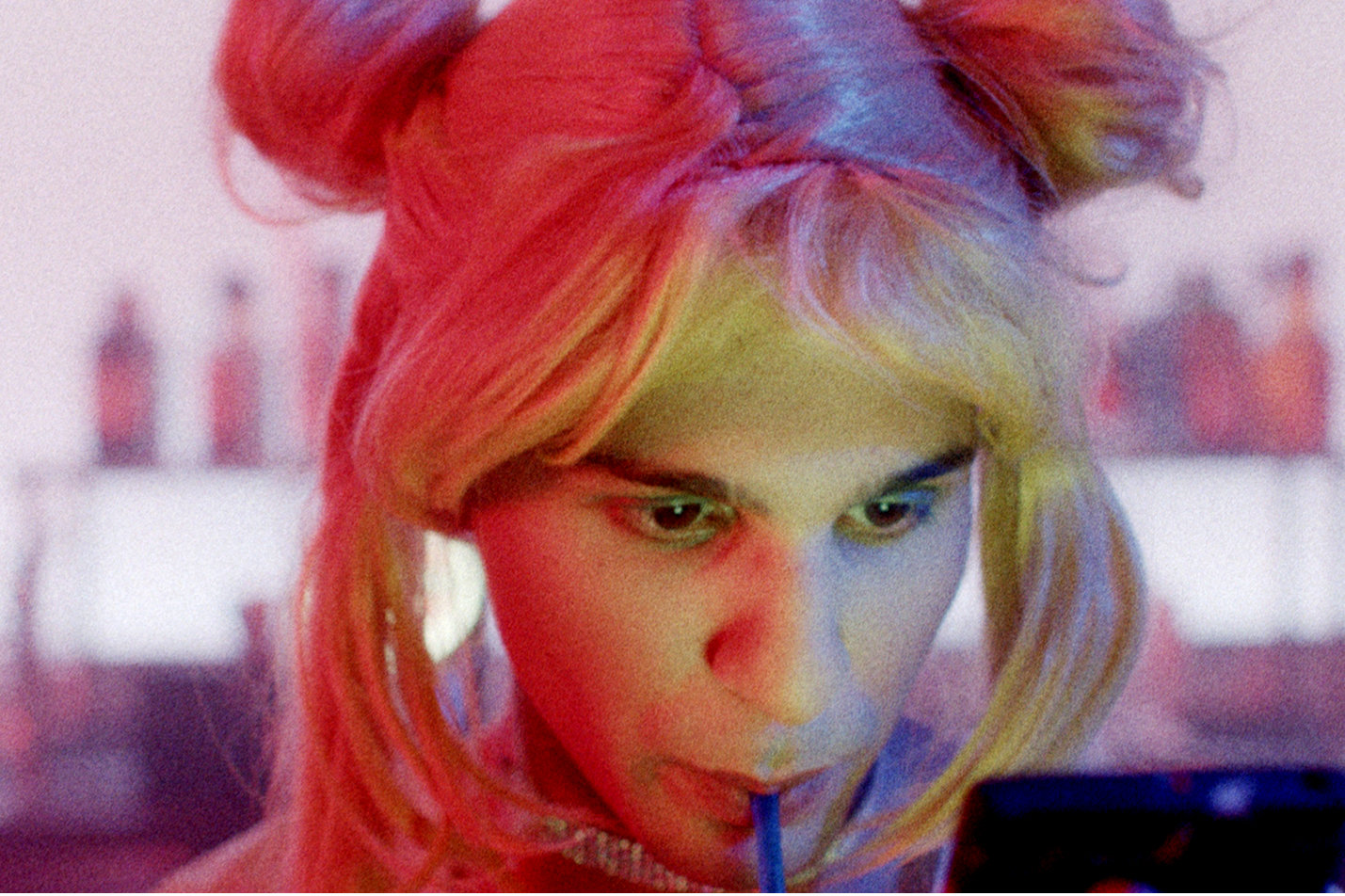
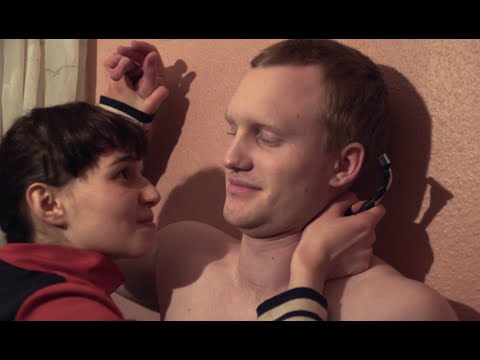
High-cut trousers, skin-tight t‑shirt, short, peroxide-blond hair. On his birthday, Parvis celebrates by stealing a bottle from the bar at the club and dancing. The son of Iranian parents, he has established himself in the attic of his parents’ house in a quiet new housing estate in Lower Saxony and is busy trying out everything and anything from sex dates to raves. After getting caught shoplifting, he is sent to do community service in a refugee shelter where he falls in love with Amon, who has fled Iran with his sister Banafshe Arezu. The trio enjoys a summer of fierce partying till dawn, coloured by the realisation that, in their different ways, none of them is at home in Germany.
In his powerful, semi-biographical debut peppered with pop-cultural references, Faraz Shariat unfolds a tale of intense first love. With a precise grasp of social context, he offers a sensitive insight into the experience of migrants in Germany caught between feeling foreign, being excluded and obtaining the permanent right to stay, and shows how even subsequent generations are still in the process of arriving.
[nbsp] Credits:
DE 2020, 91 Min., dt., farsi OmU Regie: Faraz Shariat Kamera: Simon Vu Schnitt: Friederike Hohmuth mit: Benjamin Radjaipour, Banafshe Hourmazdi, Eidin Jalali
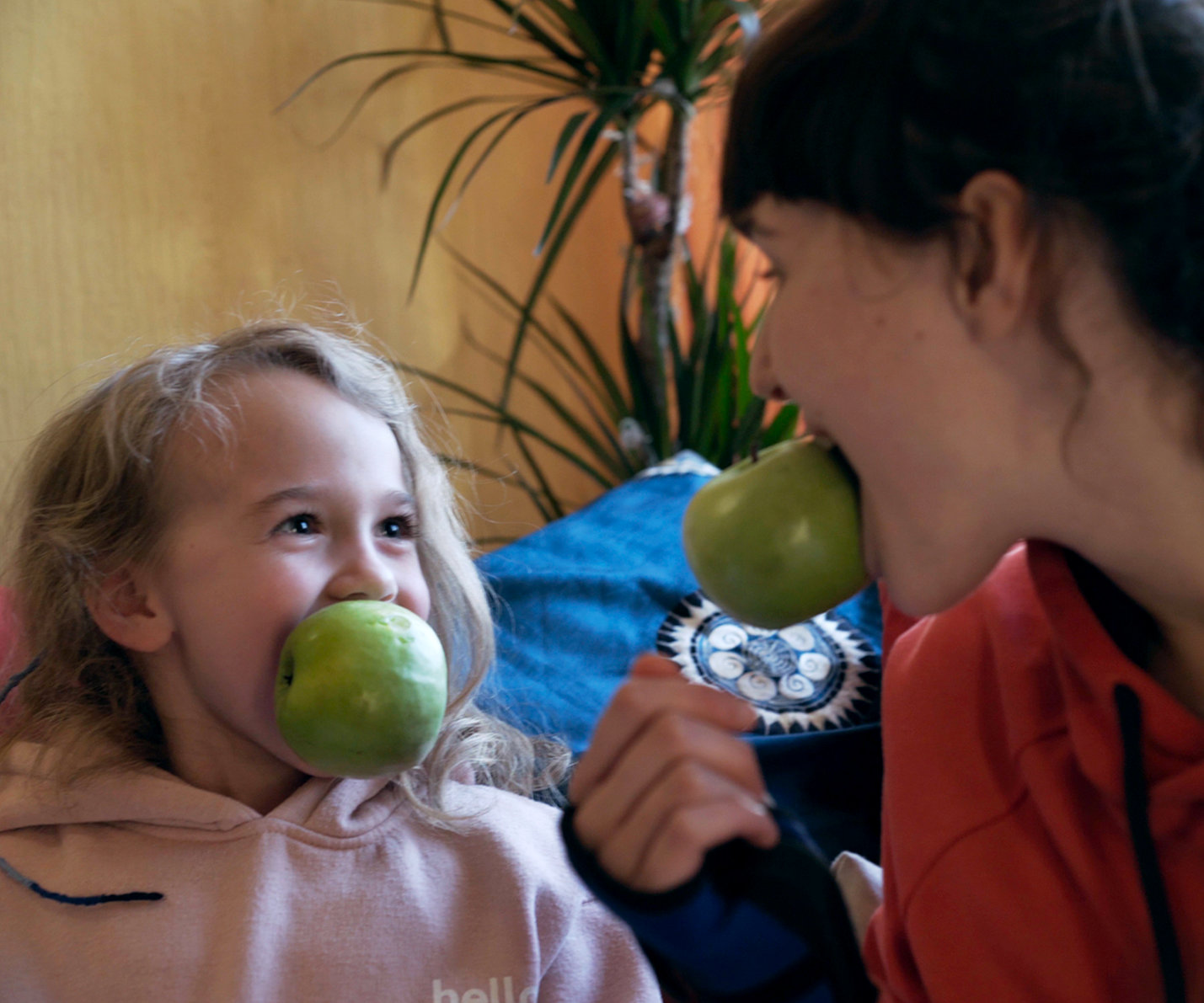
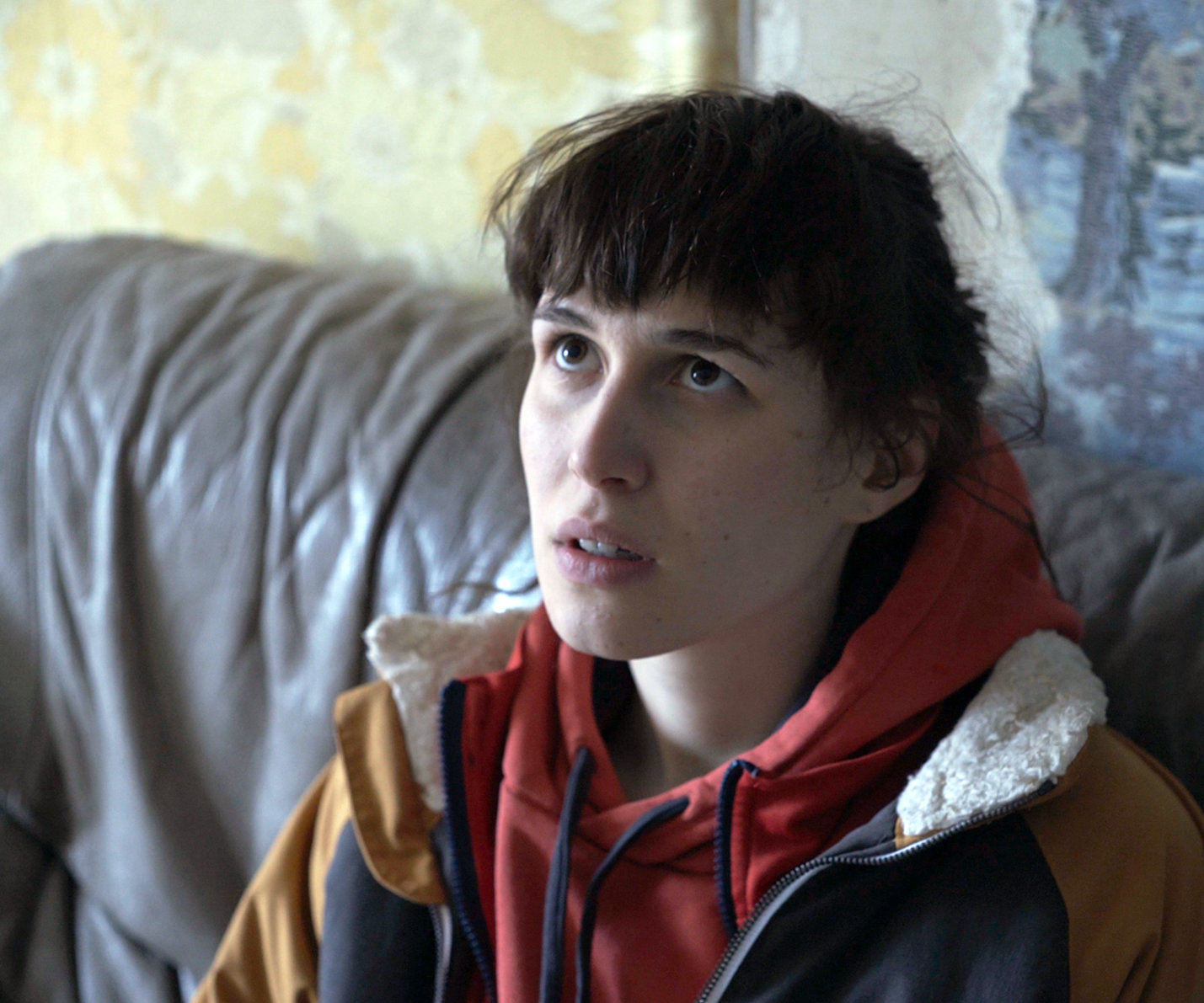
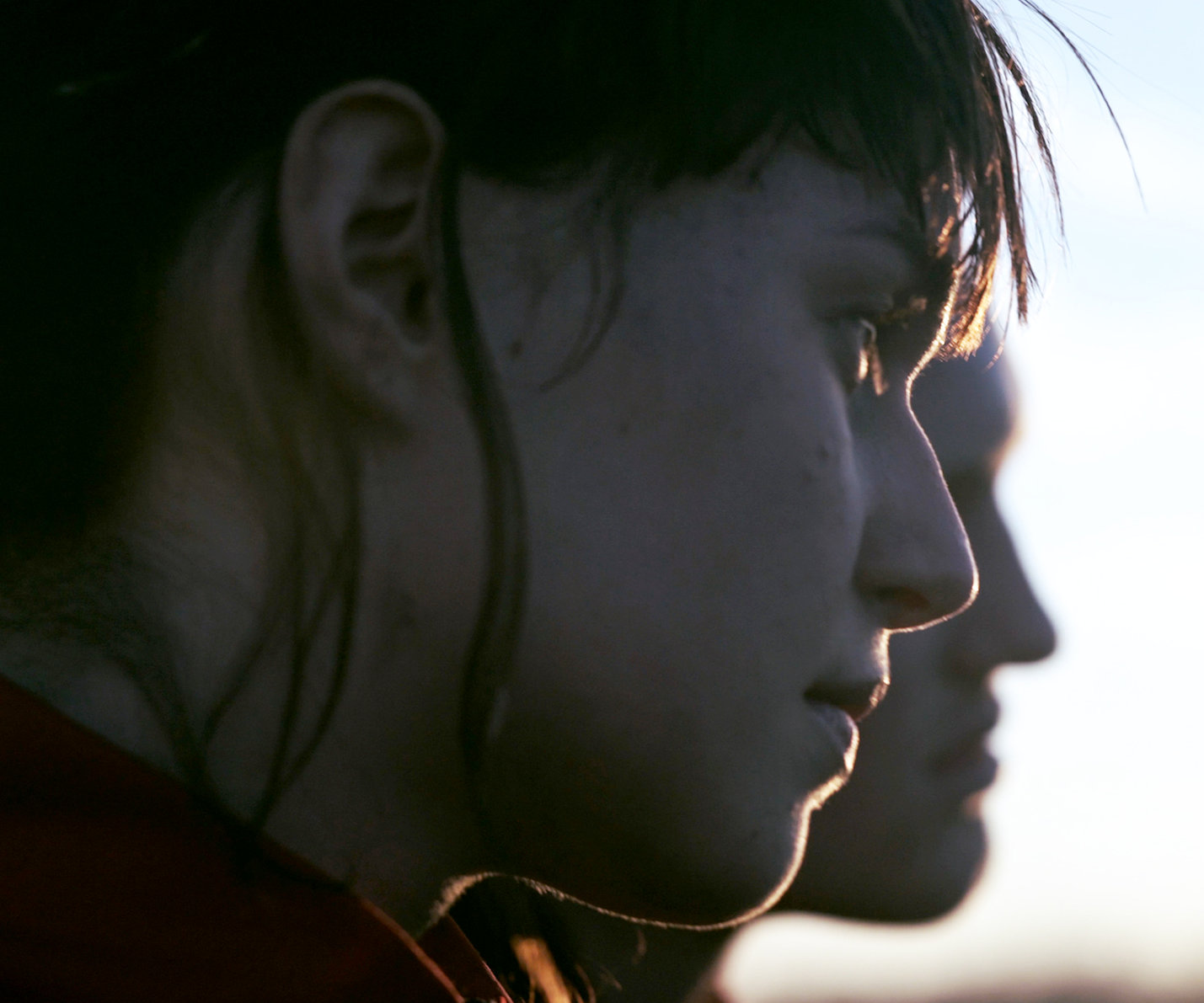
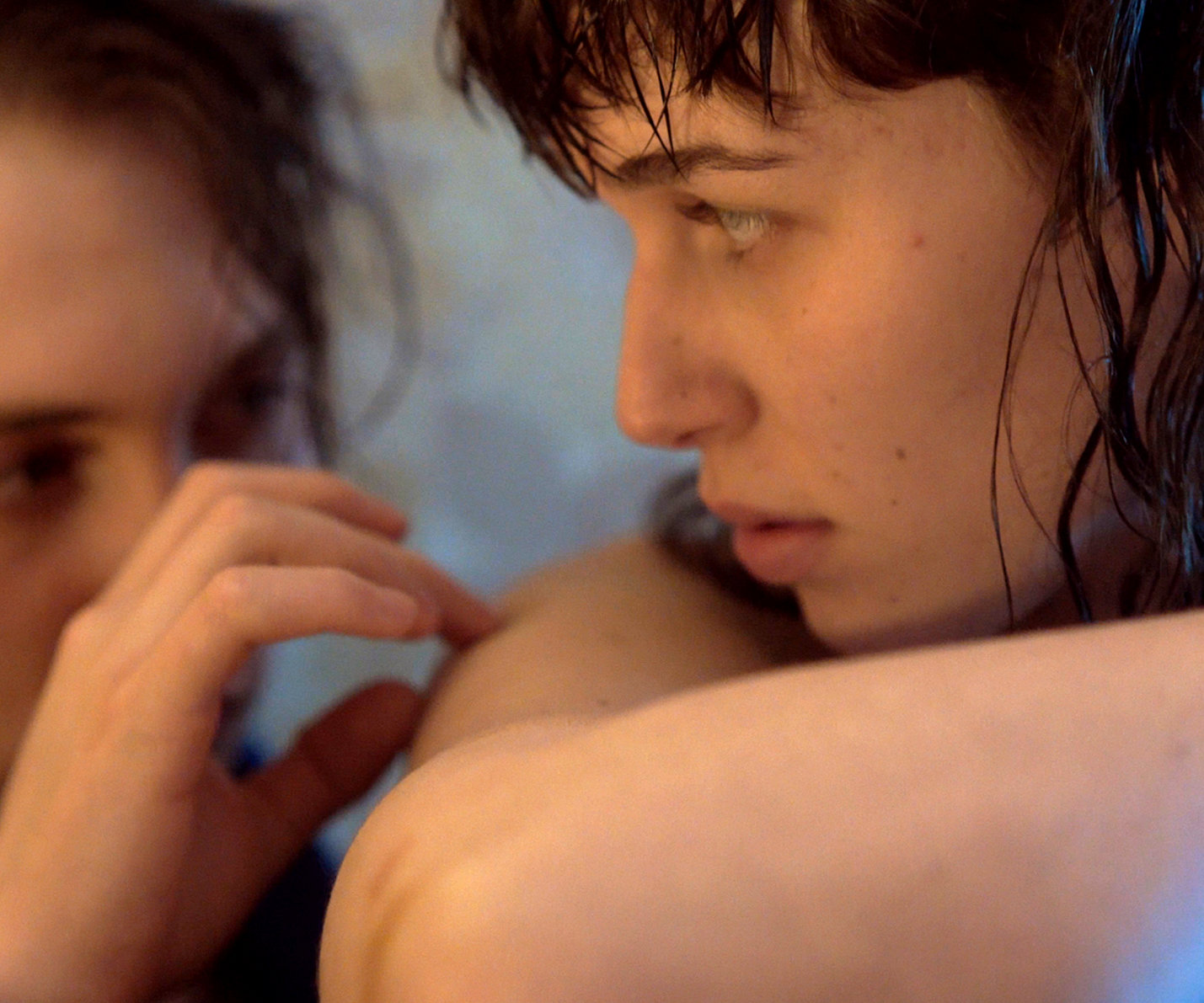
Katja, Sascha, Benni, Laila and Schöller. These five young people have more in common than just the fact that they are living in provincial Germany free of parental interference. They have one last winter together before they finish school, then they are supposed to know what they want to do: stay or leave. In between homework and smoking dope, martial arts training and gossiping about deflowering people, they explore their feelings in all kinds of different relationships, searching for each other, hiding, kissing and fighting. They want to live, to conquer the world and find out who they really are. They are young and exude an enviable naturalness when it comes to gender identities and roles, above all Katja, played by Marie Tragousti with a lot of new female power. Melanie Waelde’s feature debut is tremendously intense and vibrant. Going beyond cuteness, she draws these “naked animals” with a raw, sensual and sensitive openness rarely seen in German cinema. On the cusp between the end of childhood and burgeoning maturity, body and soul are still more or less united. Just like loneliness and intimacy. We are vulnerable – and that’s a good thing.
Berlinale 2020: Encounters
[nbsp] Credits:
DE 2020, 83 Min., OmeU Regie, Buch: Melanie Waelde Kamera: Fion Mutert Schnitt: Jessica Schneller mit: Marie Tragousti, Sammy Scheuritzel, Michelangelo Fortuzzi, Luna Schaller, Paul Michael Stiehler
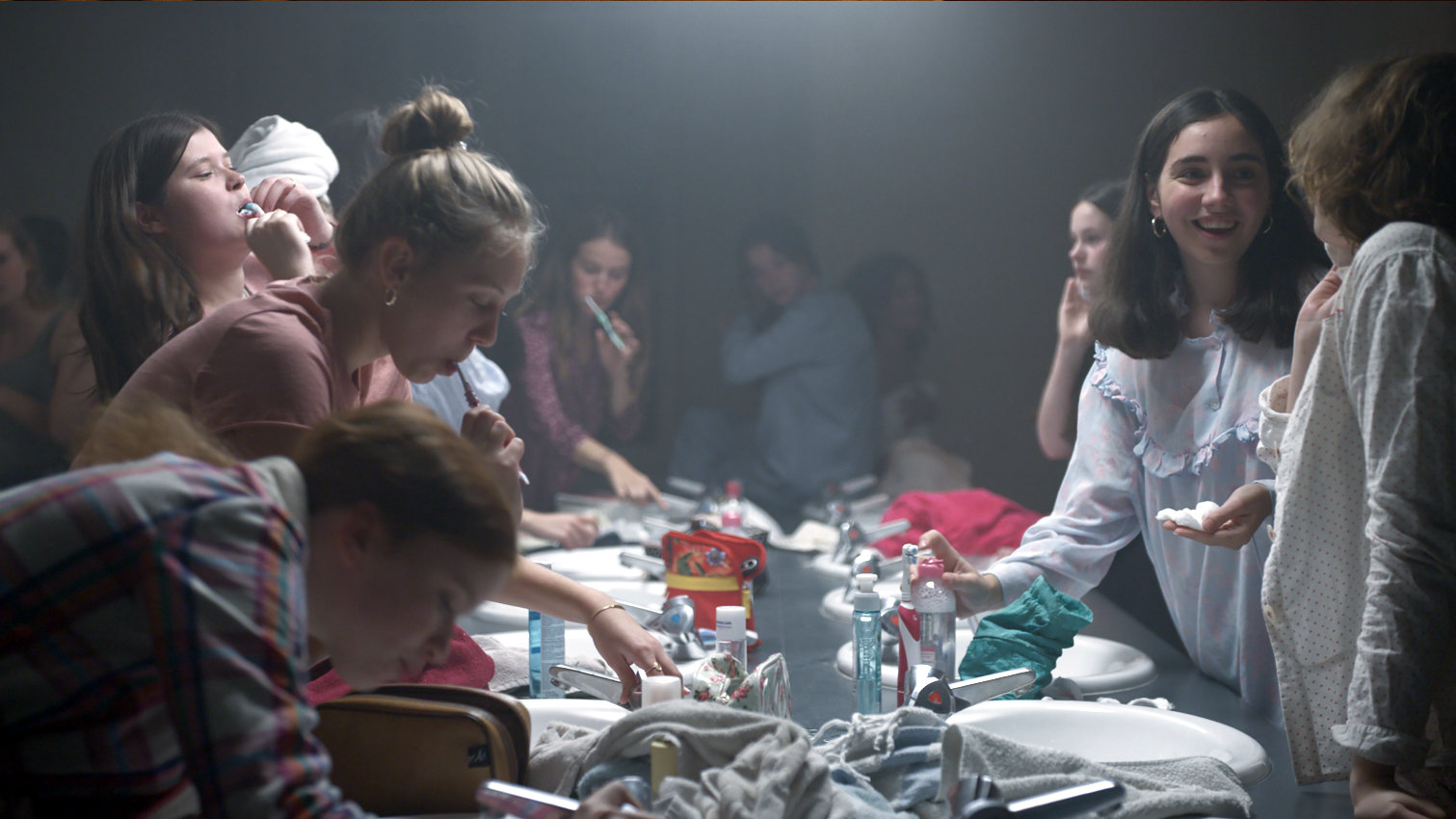
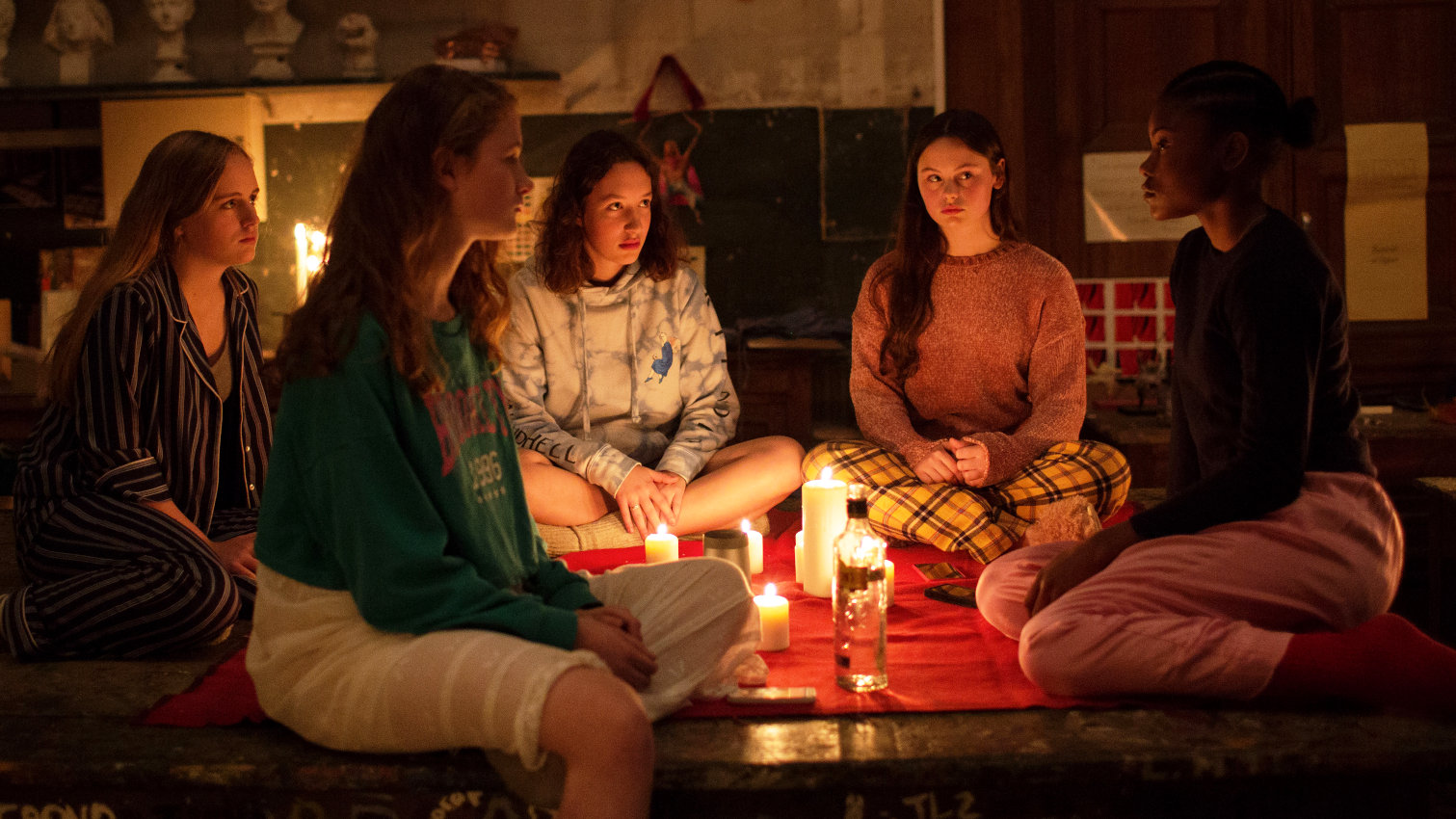
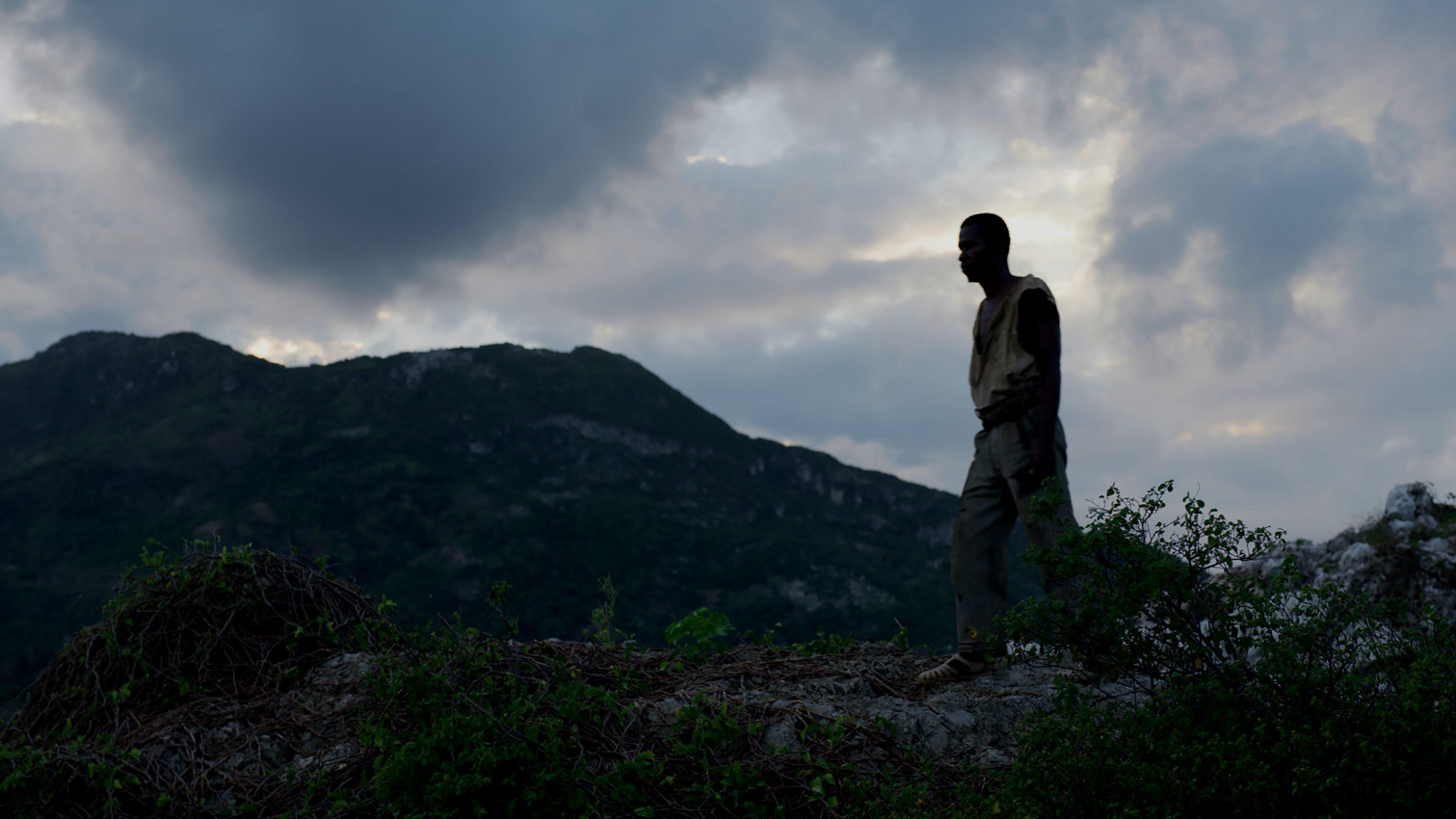
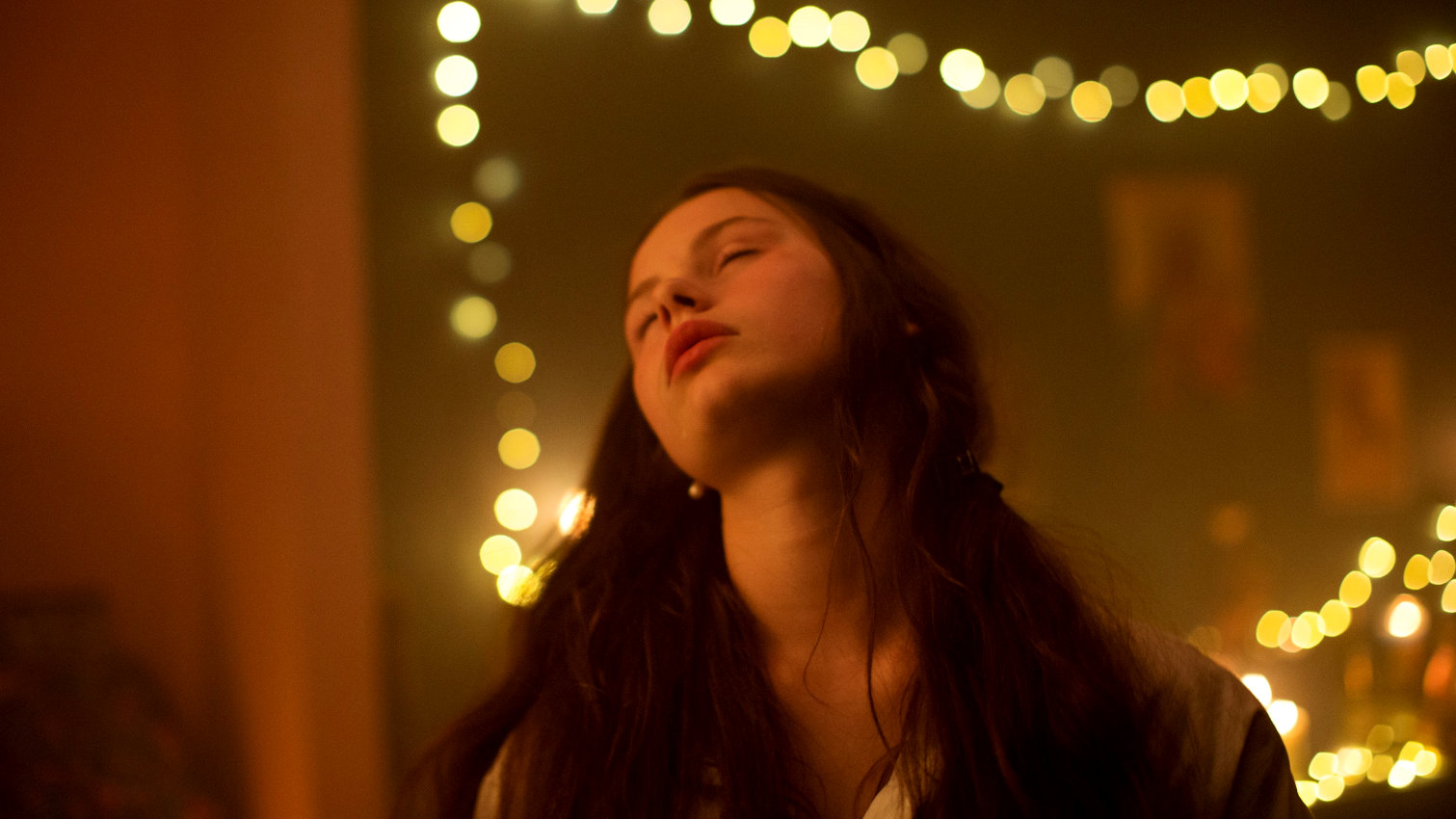
Haiti, 1962. A man is brought back from the dead only to be sent to the living hell of the sugarcane fields. In Paris, 55 years later, at the prestigious Légion d’honneur boarding school, a Haitian girl confesses an old family secret to a group of new friends – never imagining that this strange tale will convince a heartbroken classmate to do the unthinkable.
Credits:
FR 2019, 103 Min.,| französische OmU Buch & Regie: Bertrand Bonello Kamera: Yves Cape Schnitt: Anita Roth mit: Louise Labeque, Wislanda Louimat, Mackenson Bijou, Adilé David
Trailer:
Zombi Child (offizieller Trailer) von Bertrand Bonello
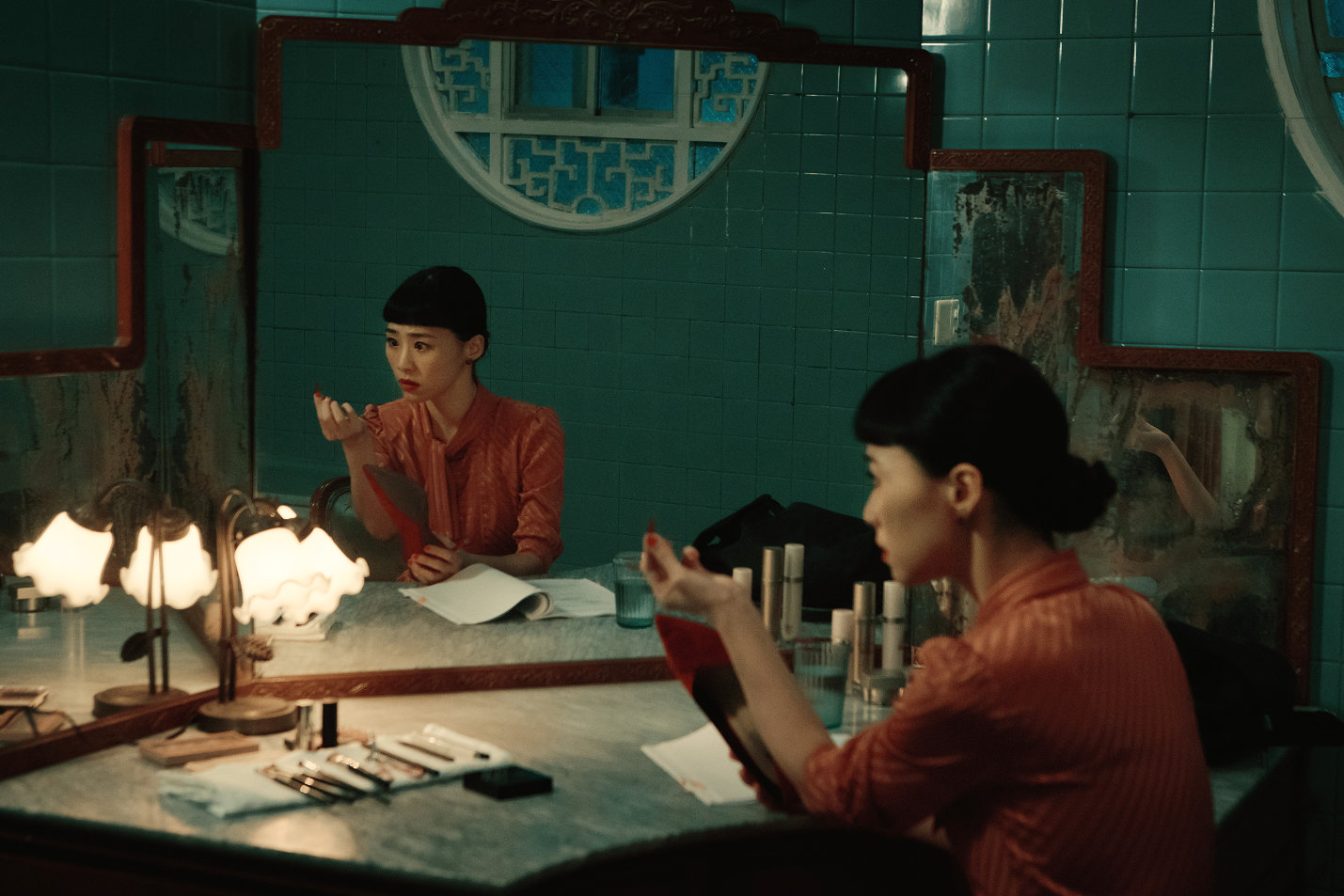
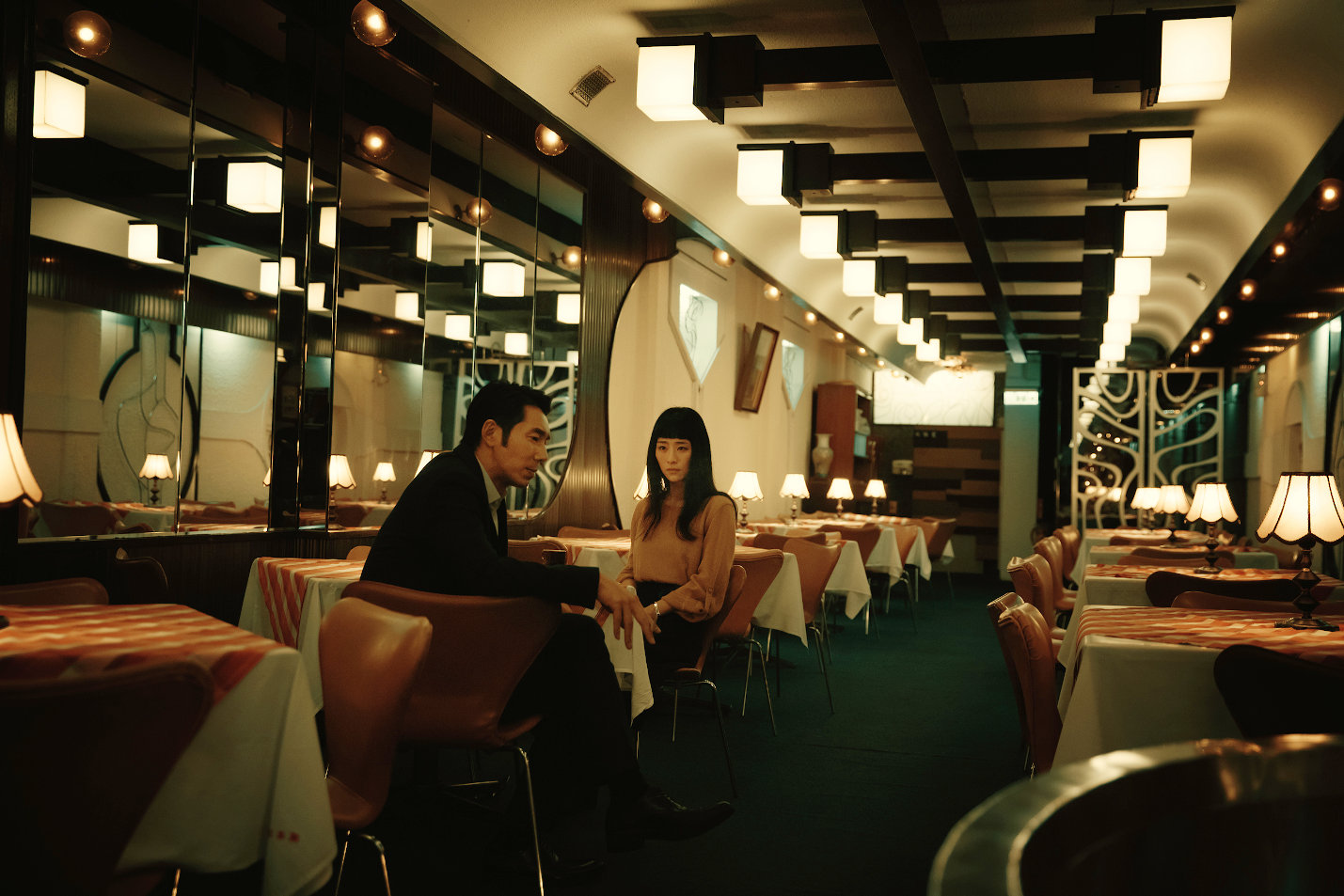
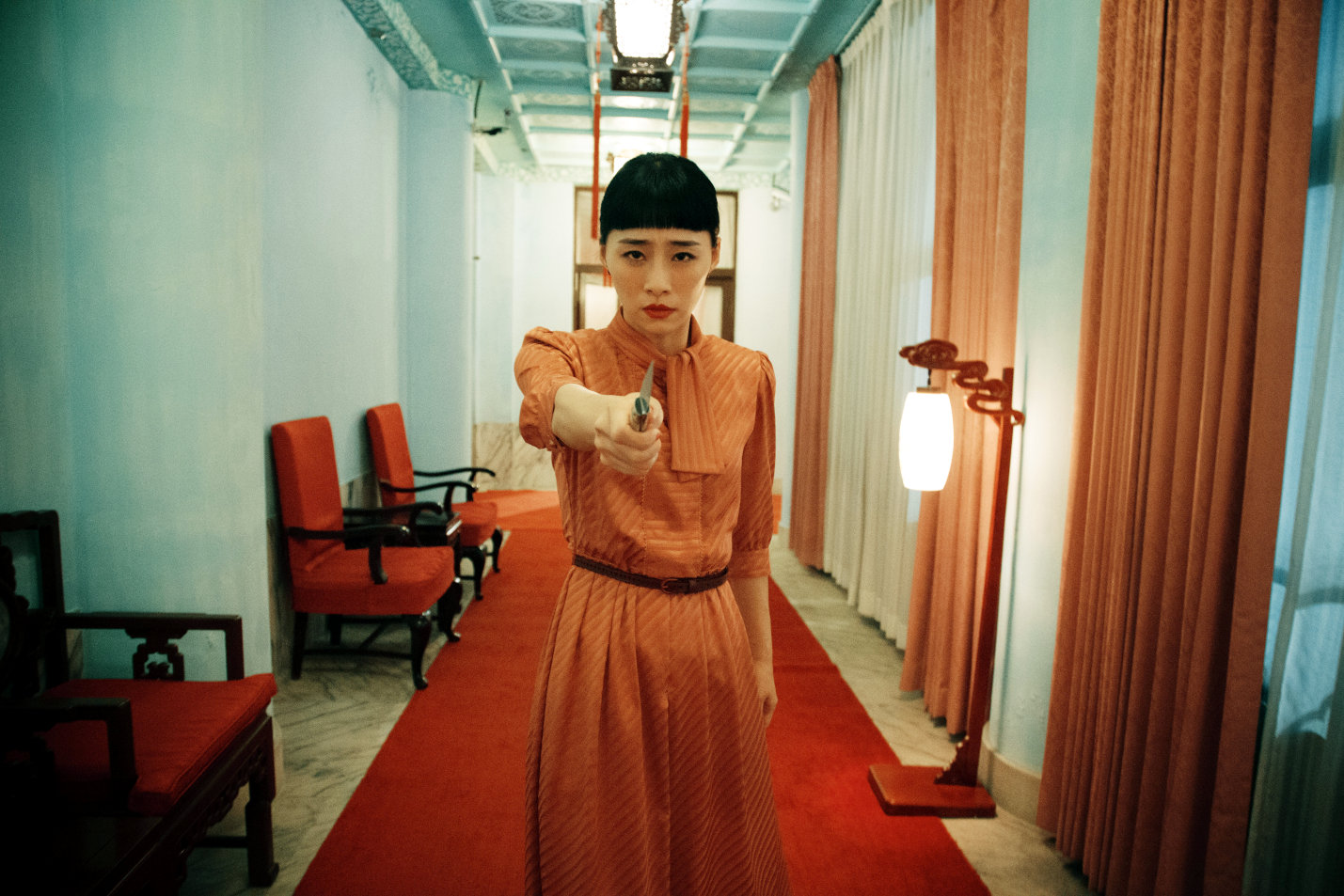
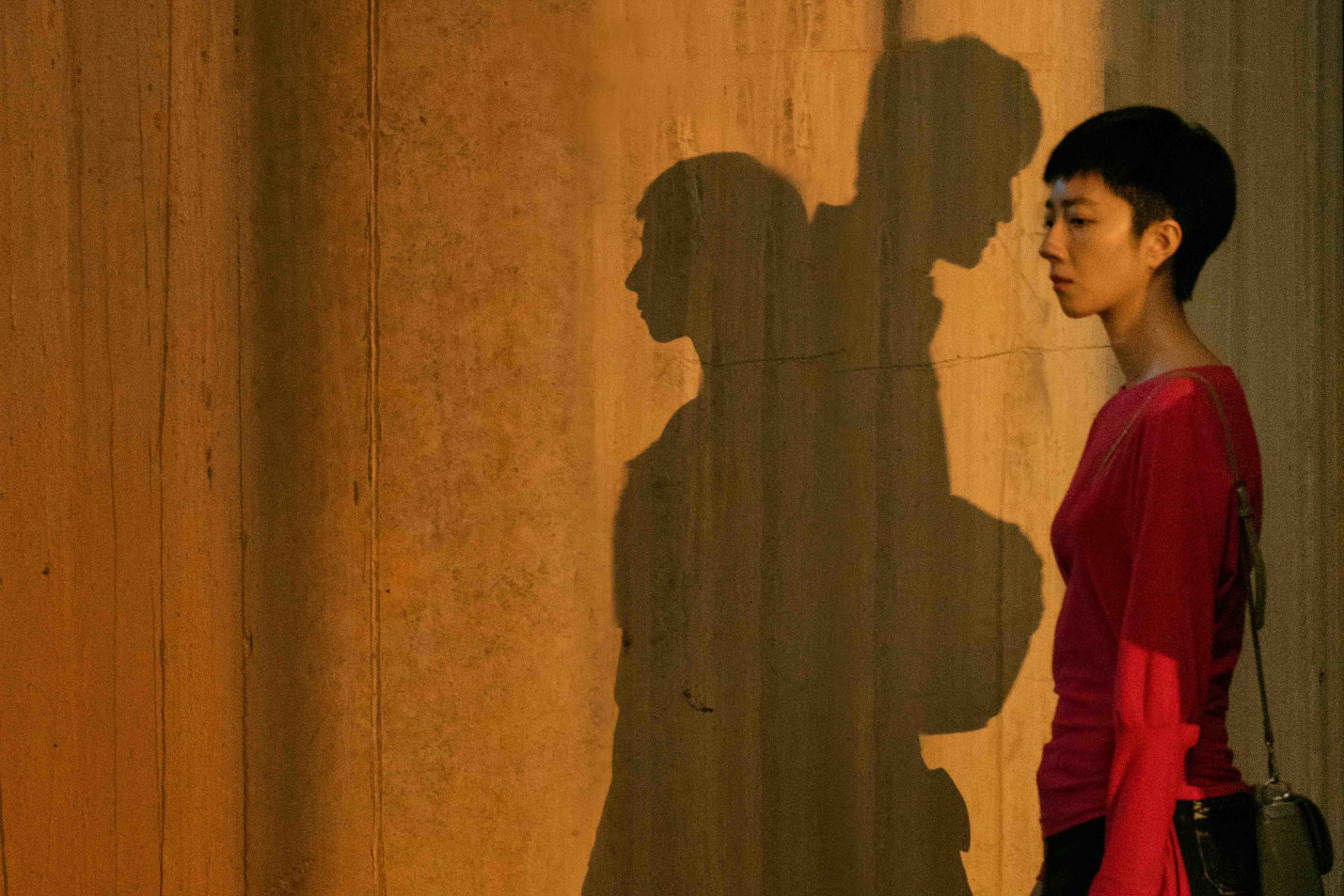
After eight years toiling in bit-parts, aspiring actress Nina Wu finally gets her big break with a leading role in a spy thriller set in the 1960s. The part is challenging, not least because it calls for full nudity and explicit sex scenes, and the film’s director is often hard on her. But both the industry and the press are confident that the results are sensationally good. On the brink of triumph, though, Nina’s psychological resolve begins to crack. She rushes back to her family home to deal with two crises: her father’s business has gone bankrupt and her mother has suffered a heart attack. She dreams of rekindling a close relationship with her childhood friend Kiki but is haunted by paranoid fantasies that a mysterious woman is stalking and attacking her. As Nina clings to memories of happier times, it seems that there is one crucial memory that she is repressing…
[nbsp] Credits:
Juo ren mi mi Taiwan 2019, 103 Min., chin. (mandarin) OmU Regie: Midi Z Drehbuch: Wu Ke-xi Kamera: Florian Zinke mit: Wu Ke-xi, Vivian Sung, Kimi Hsia, Ming-Shuai Shih
Das polnische Filmfestival in Berlin findet dieses Jahr vom 27.August bis 2. September statt:
Die Filme im fsk:
noch keine oder keine mehr
[nbsp]
filmPolska@home 2020 trailer 5
Im Foyer gibt es während filmPOLSKA eine Lichtinstalltion von
Sylwester Łuczak – Cinema of Light
Die Lichtinstallationen werden vom polnischen Künstlern Sylwester Luczak gestaltet und in drei Berliner Kinos präsentiert: im Bundesplatzkino, im FSK und im Wolf Kino. Diese Aktion im öffentlichen Raum ist ein wesentliches Zeichen des Zusammenlebens der deutsch-polnischen Kinolandschaft und ‑kultur.
Für unseren Space – „Eingriff“ in den öffentlichen Raum möchten wir mit den Kinos und dem Festival deren Stellenwert im Kulturleben markieren und eine klare Aussage abgeben: in Zeiten von Covid 19 sind Kulturbrücken mehr als notwendig.
Sylwester Luczak hat mehrere Dutzend Werke fertig gestellt. Jedes Projekt ist eine Konfrontation mit einem völlig anderen Raum. Er arrangiert kleine, intime Orte, Innenräume moderner und historischer Gebäude, ganze architektonische Einrichtungen, verschiedene Konzert- und Konferenzräume sowie: Galerien, Museen, Theater, Kinos, Hotels, Restaurants, Tempel, Denkmäler.
Seine Arbeiten greifen in den öffentlichen Raum ein, bilden neue Assoziationen oder dekonstruieren das Bestehende: Straßen, Amphitheater, Innenhöfe, Fassaden und ganze Gebäude.
Er verwendet auch verschiedene Techniken der Eingriffe in den vorhandenen Raum – hauptsächlich: Projektionen, Licht, Ton.
Seine Arbeiten zeichnen sich dadurch aus, in Kombination mit Licht- und Videoprojektionen extrem plastische Effekte im Kulturraum zu erzielen. Dadurch entstehen virtuelle Szenarien, mit der sie originelle, dynamische und interaktive Formen bilden, die mit der Dramaturgie des Ereignisses harmoniert oder die szenographische Störung des vorhandenen Raums ermöglicht.
Wind. A Documentary Thriller / Wiatr. Thriller dokumentalny
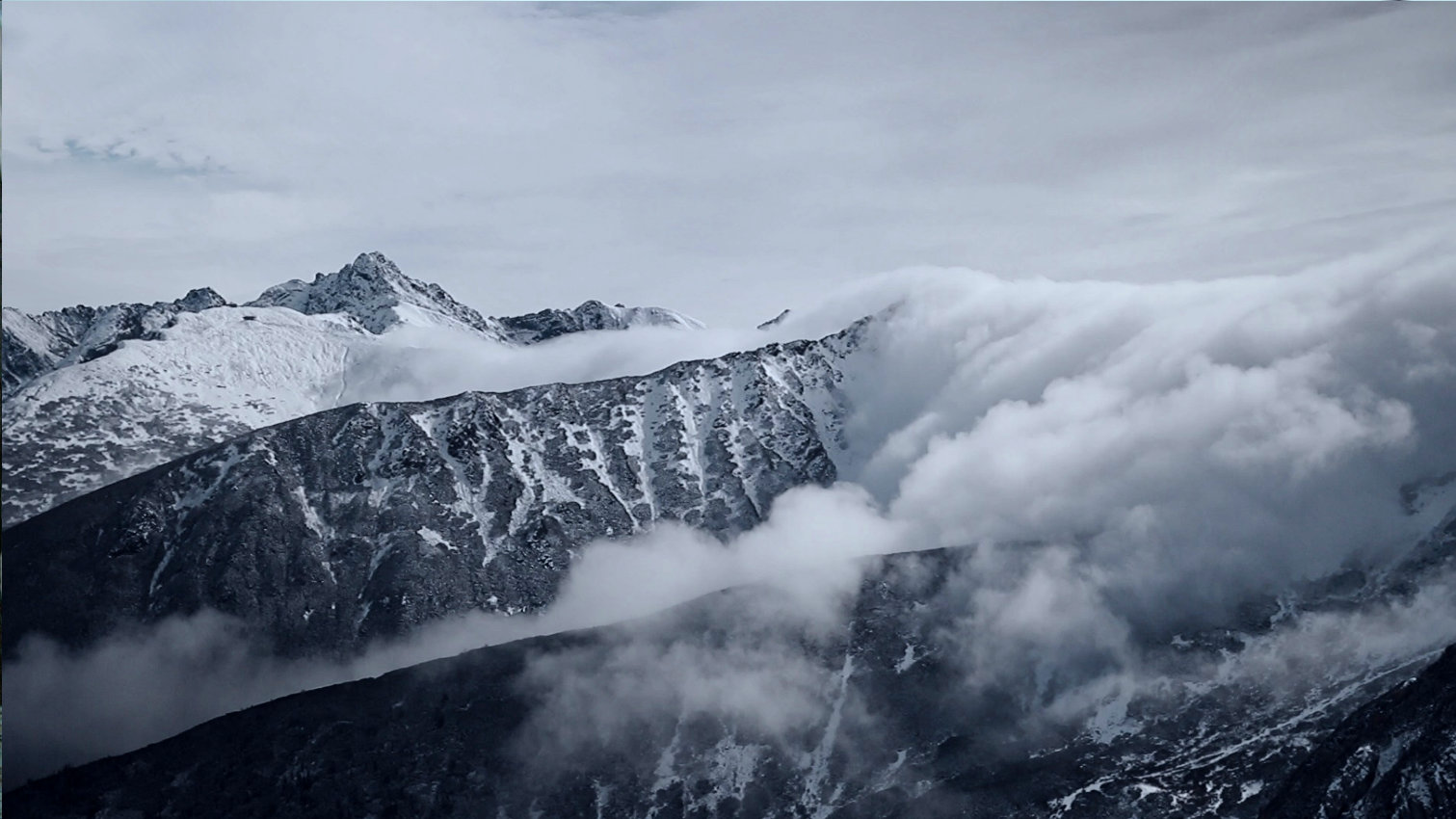
Podhale, die südpolnische Region am Fuß der Karpaten, ist eine beschauliche, ländliche Gegend. Es gibt hübsche Landschaften, pittoreske Holzhäuser und exzellenten Räucherkäse – hier könnte das Paradies sein. Aber hier gibt es auch den Halny – ein Wetterphänomen, das den Einwohnern das Leben schwer macht. In unregelmäßigen Abständen wälzt sich dieser warme, trockene Fönwind ins Tal und reißt alles mit, was nicht festgenagelt oder tief verwurzelt ist.
Auch an Mensch und Tier geht der gewaltige Sturm nicht spurlos vorbei. Die rapide Druckveränderung, verbunden mit einem plötzlichen Temperaturanstieg, macht Kreislauf und Psyche zu schaffen. Die Selbst-/Mordrate steigt, die Menschen kämpfen mit Depressionen, möglicherweise geht sogar die eine oder andere Revolution auf das Konto des Halny.
Bielawski wirft sich furchtlos mitten in die Naturgewalten und schildert in atemberaubenden Bildern, wie die Einheimischen mit ihrem Schicksal und dem unsichtbaren, unberechenbaren Gegner ringen.
Michał Bielawski studierte Interdisziplinäre Geistes- und Gesellschaftswissenschaft in Warschau. Er drehte zahlreiche Dokumentarfilme und ‑serien, die sich sowohl mit Film und Kino als auch mit Sport beschäftigten.
PL 2019, R/B: Bartosz Kruhlik, 78 min,OmU K: Michał Dymek, S: Magdalena Chowańska, M: Endy Iden, D: Marek Braun, Marcin Hycnar, Marcin Zarzeczny, Agnieszka Skibicka u.a.
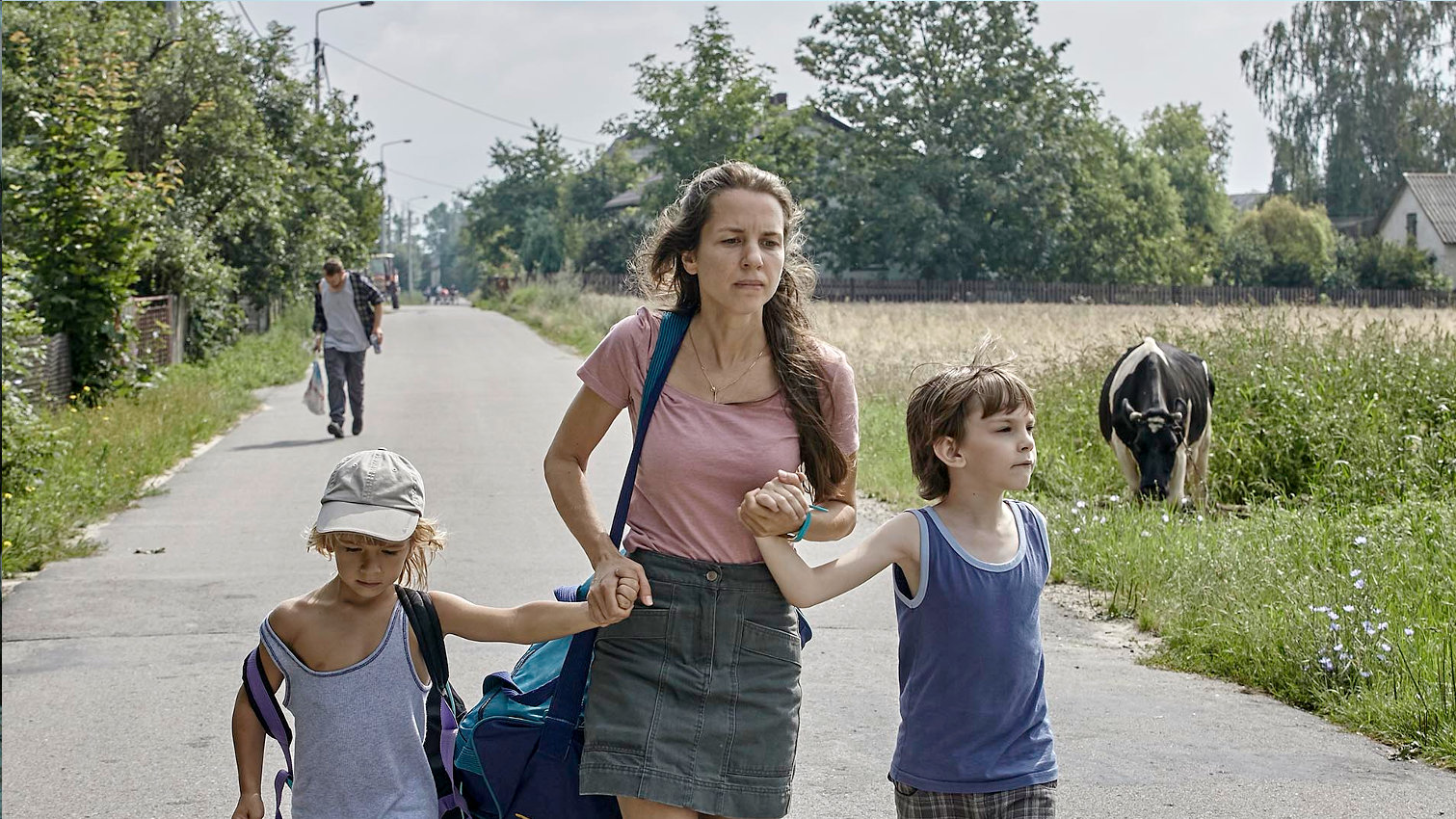
Eine sonnenüberflutete sommerliche Dorfstraße. Nichts passiert, die Luft flirrt, eine Kuh schiebt sich behäbig durch das Bild. Kein guter Ort für großes Kino? Oh doch, denn in nur wenigen Minuten entwickelt sich hier aus einem Familienkrach und einem Verkehrsunfall eine Tragödie antiker Dimensionen, die in rasender Unumkehrbarkeit immer mehr Beteiligte in ihren Strudel zieht. In der Zeitung wären diese Ereignisse maximal eine Randnotiz wert, aber aus der schmerzhaften Nähe der unermüdlichen Kamera sind sie unendlich tragisch, weil schmerzhaft menschlich.
Dem Überraschungs-Debütanten Kruhlik gelingt es, auf kleinstem Raum, mit sparsamer Ausstattung (Handkamera, Verzicht auf Musik und künstliches Licht) und einem kleinen, aus unverbrauchten Gesichtern bestehenden Ensemble nahezu in Echtzeit ein Drama zu entwickeln, das den Zuschauer förmlich einsaugt. Darüber hinaus vermittelt die Handlung in ihrer Alltäglichkeit eine Metaebene: Eine Supernova ist ein hell explodierender Stern kurz vor seinem Untergang, eine sterbende Welt – und gleichzeitig der Beginn von etwas Neuem.
Bartosz Kruhlik (geb. 1985) studierte Regie in Łódź und drehte ein Dutzend Kurz- und Dokumentarfilme, mit denen er diverse Preise gewann. „Supernova“ ist sein Langspiel-Debüt.
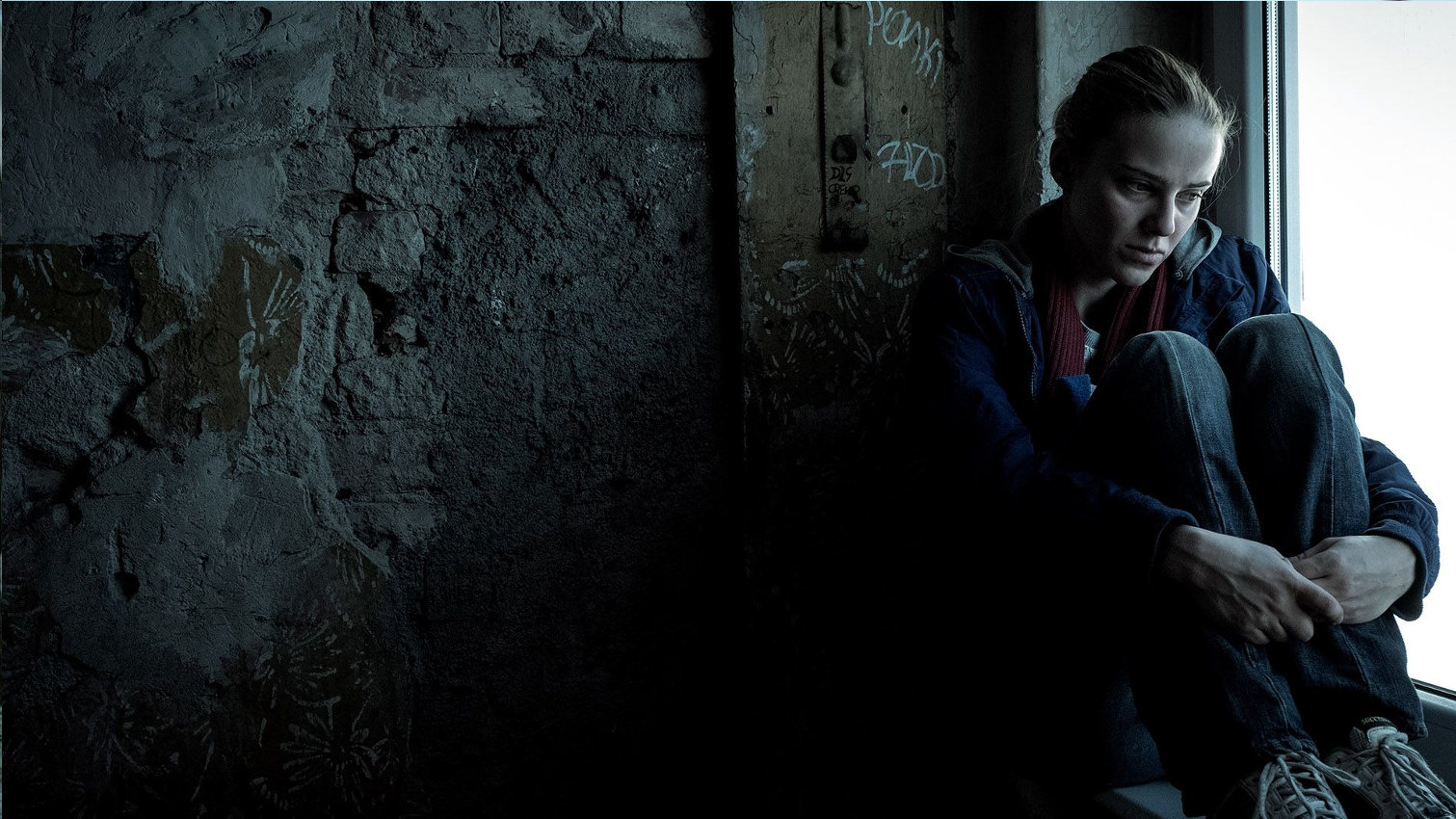
Ola (grandios: Zofia Domalik) hat es im Leben nie leicht gehabt. Mit fünf Jahren wurde sie ihrer Mutter, einer Leistungssportlerin, weggenommen. Bei den Adoptiveltern ging es ihr nicht viel besser und so sitzt sie nun in einer trostlosen Anstalt für straffällig gewordene Mädchen und hat nur einen Wunsch: Sie will ihre Mutter wiederfinden, denn sie ist davon überzeugt, dass diese ihre Tochter wieder in die Arme schließen will.
Olas Vorteil: Sie kann laufen. Sie kann durchhalten, auch wenn die Kräfte schwinden. Und sie kann sich immer wieder aufrappeln, wenn sie gestürzt ist – im wörtlichen wie im übertragenen Sinne. Und sie stürzt oft, denn das Leben rollt ihr ununterbrochen Hindernisse in den Weg.
Imielska gibt uns ein Genre zurück, das in Polen einst Meisterwerke hervorbrachte und in den letzten Jahren etwas in Vergessenheit geriet – das klassische Sozialdrama. Sie führt uns in Welten, die sonst für uns verschlossen sind, und erzählt dabei trotzdem eine universale Geschichte, die mit jedem von uns etwas zu tun hat.
Małgorzata Imielska (geb. geb. 1969) studierte in Kraków sowie Katowice und drehte knapp 30 Dokumentarfilme, bevor sie mit „Wszystko dla mojej matki“ ihren ersten Spielfilm auf die Leinwand brachte.
PL 2019, R: Jan Komasa, 115 min, OmU B: Mateusz Pacewicz, K: Piotr Sobociński jr., S: Przemysław Chruścielewski, M: Evgueni Galperine, Sacha Galperine D: Bartosz Bielenia, Aleksandra Konieczna, Eliza Rycembel, Tomasz Ziętek u.a.
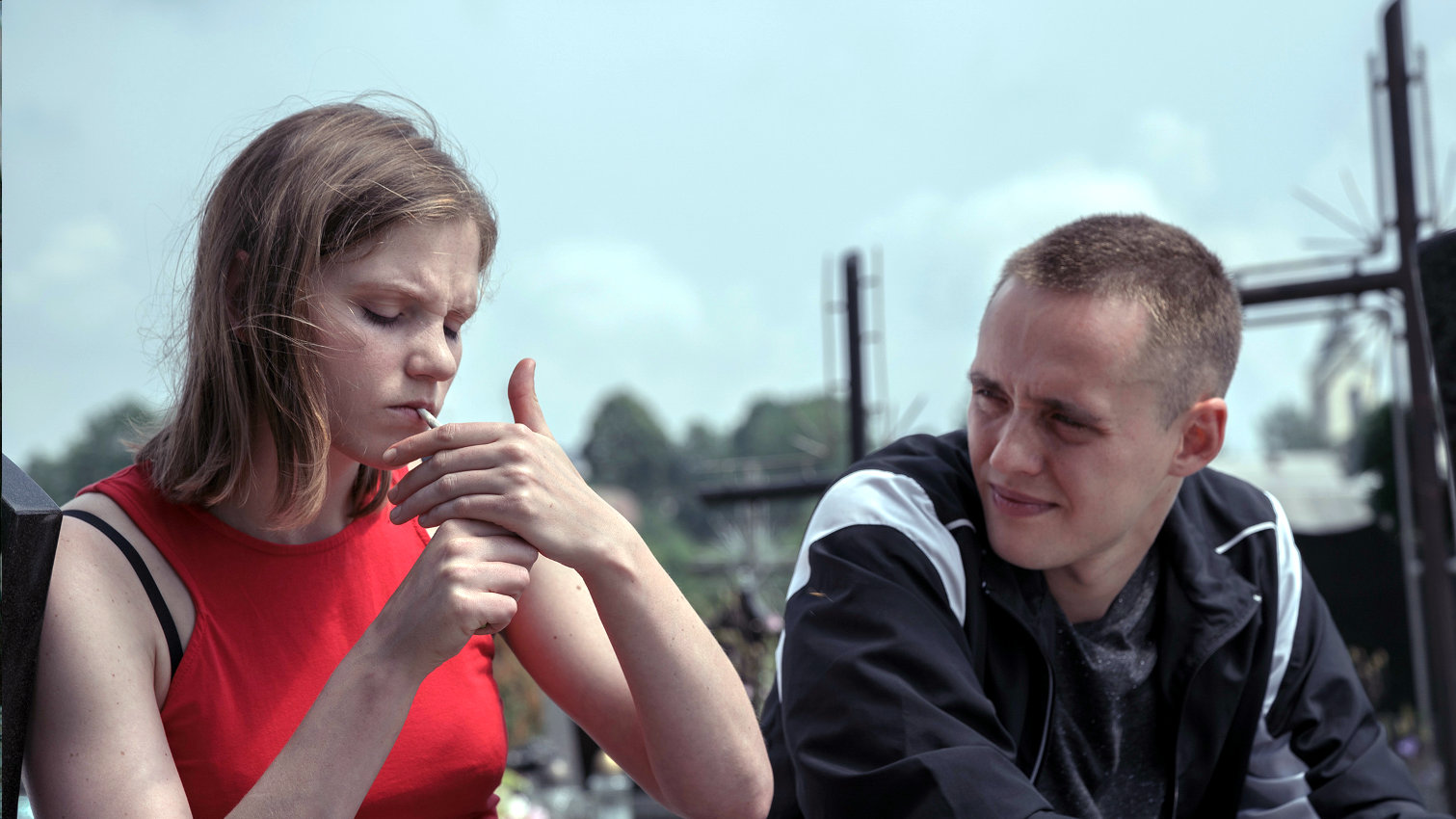
In der Logik des Christentums ist Gott nicht nur in der Kirche präsent, sondern überall. Auch in der Strafanstalt für junge Männer, in der wir Daniel kennenlernen – einen fragilen Jungen mit klarem, unschuldigen Blick, der bei den Knast-Gottesdiensten aufblüht und doch als Vorbestrafter keine Chance hat, jemals Priester zu werden.
Beim Arbeitseinsatz in einem Karpatendorf bietet sich plötzlich unverhofft die Gelegenheit: Der junge Mann wird für einen Geistlichen gehalten und schlüpft zunehmend bereitwillig in die ersehnte Rolle. Und es geschieht das Erstaunliche: Die Menschen hören ihm zu, wenn er im Freestyle zu ihnen spricht. Zunehmend beginnt er, sich in die Geschicke des Dorfs einzumischen. Wie lange kann dieses riskante Spiel gut gehen?
Komasa mischt Krimi mit Sozialstudie und Romanze mit Thriller. Dabei kann er sich vor allem auf seinen grandiosen Hauptdarsteller Bartosz Bielenia verlassen, der glaubwürdig den Spagat zwischen einem Straßenjungen mit Drogenerfahrung und einer belesenen, weisen Respektperson schafft.
Jan Komasa (geb. 1981) studierte an der Filmhochschule Łódź und gewann mit seinem Langspiel-Debüt „Sala samobójców“ (2010) zahlreiche Preise. Dank seinen ebenfalls sehr erfolgreichen Filmen „Miasto 44“ (2014) und „Boże Ciało“ gilt er als einer der talentiertesten Vertreter der jungen Regie-Generation.
PL 2019, R: Piotr Ryczko, ?? min, OmU B: Piotr Ryczko, K: Yori Fabian, S: Jakub Kopeć, M: Paweł Stolarczyk, D: Marta Król, Marcin Sztabiński, Olaf Marchwicki, Marieta Żukowska, Janusz Chabior
Das Glück der Liebe ist ein äußerst seltenes und leicht zerbrechliches Gut. Besonders schwer hat es das Glück, wenn sich in den Alltag Kräfte aus dem All einmischen.
Renata und Jan leben im puren Glück der Liebe: Die Freude in der Beziehung wird durch ein gemeinsames Kind belohnt und das Familienglück des Alltags wächst solange weiter, bis das Programm „Glück“ aus dem All infiziert wird. Von einem Tag auf den anderen wird alles, was bis jetzt für selbstverständlich und schön gehalten wurde, in Frage gestellt – sogar die Echtheit der eigenen Person und die Liebe und Zuneigung der anderen. Es tauchen bei Renata Fragen um Fragen auf: Sind die gehörten Stimmen die eigenen Gedanken oder Kräfte von außen? Ist das, was ich sehe, da oder nur ein trügerisches Bild der manipulierten Wahrnehmung? Stehen meine Liebsten an meiner Seite oder sind es die Handlanger einer fremden Kraft?
Der Film balanciert geschickt zwischen Horror und Sciencefiction und versetzt den Zuschauer in eine Welt, in der er selbst allmählich den Boden unter den Füssen verliert.
Piotr Ryczko (geb. 1973) ist aufgewachsen in Norwegen. Er studierte Regie an der National Film School in Łódż und an der Wajda Film School. Ryczko ist außerdem Autor und Blogger. Seine Bücher und Geschichten sind oft Grundlage für seine Filme. So auch für sein Spielfilmdebüt ICHBINREN.
30/08/2020, 20:30 (mit online-Gast: Piotr Ryczko) , [Tickets]
Vorfilm:Story, 5´, OmeU
Monument
PL 2018, R/B: Jagoda Szelc, 90 min, OmU K: Przemysław Brynkiewicz, S: Anna Garncarczyk, M: Rafał Nowak D: Zuzanna Lit, Anna Biernacik, Paulina Lasota, Oskar Borkowski, Jakub Zając, Mateusz Czwartosz u.a.
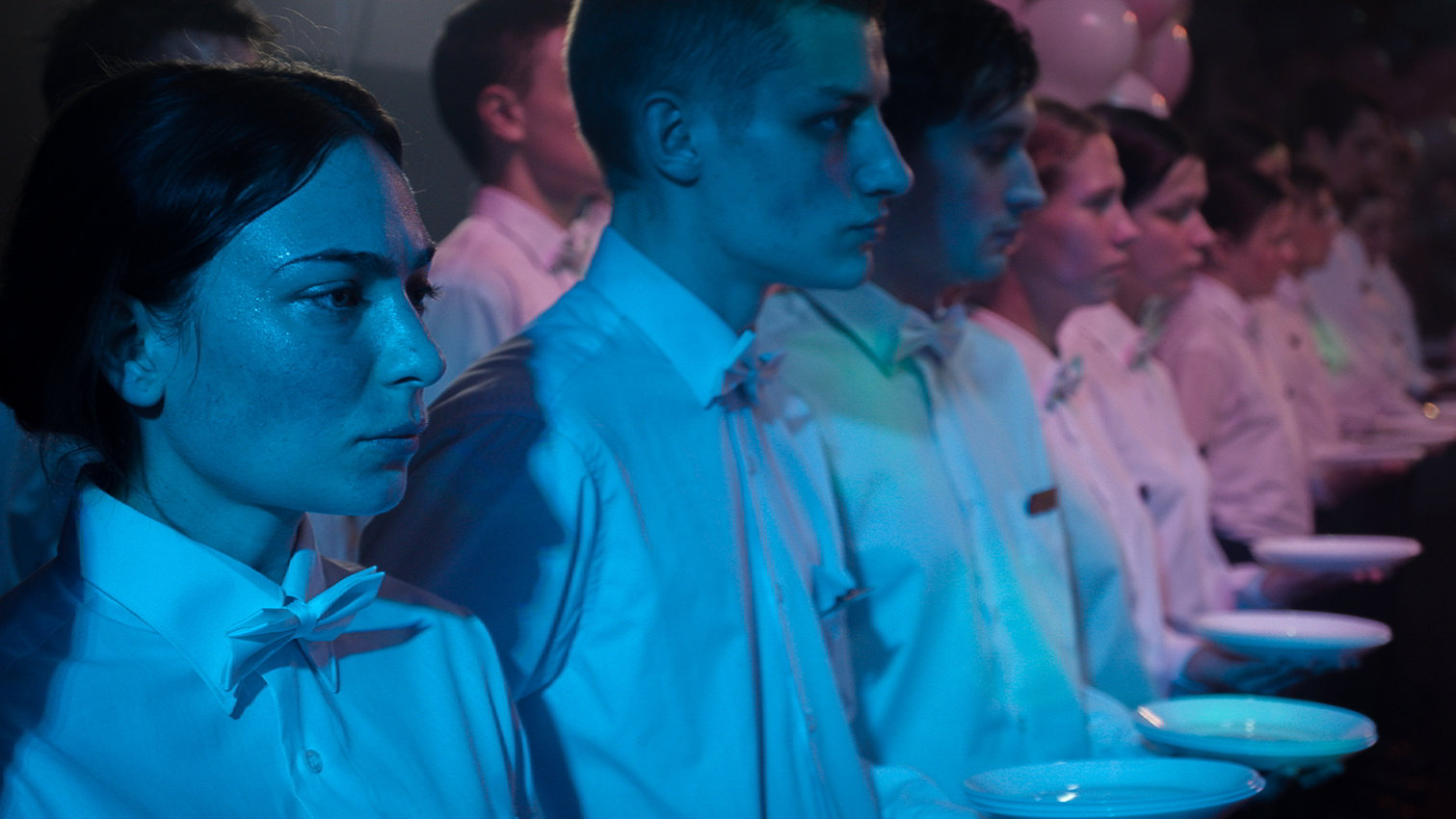
Zwanzig junge Leute absolvieren in einem Waldhotel ein Praktikum. Die stramme Managerin macht gleich bei der Begrüßung klar, dass das kein Erholungsurlaub wird. Hier wird nicht widersprochen, sondern geschuftet – im Wäschekeller, in der Küche, im Zimmerservice, auf dem Müllplatz. Und ein rätselhaftes Podest muss jeden Tag neu geschrubbt werden.
Das klingt simpel, realistisch und unspektakulär, wird aber in der Umsetzung schnell zum Kunstwerk. Denn während wir die jungen Leute dabei beobachten, wie sie ihre Arbeit verrichten, heimlich Party machen oder die schier endlosen Räume der in die Jahre gekommenen Herberge erkunden, schleichen sich Unklarheiten, Rätselhaftigkeiten und Fragwürdigkeiten ein.
Falls noch jemand auf der Suche nach einem würdigen Nachfolger für David Lynch ist: Hier ist Jagoda Szelc. In ihrem zweiten Langfilm „Monument“ zeigt sie wiederholt eindrucksvoll, wie perfekt sie Spannung aufbauen, Unbehagen erzeugen und markante Figuren aufbauen kann. Dabei spart sie sich weitgehend Horror-Effekte, sondern schafft es, mit Andeutungen und Atmosphäre ein dunkles Kopfkino in Gang zu setzen.
Jagoda Szelc (geb. 1984) studierte an der Kunstakademie Wrocław und an der Filmhochschule Łódź. Nach zehn Kurzfilmen folgten ihre gefeierten und preisgekrönten Langspielfilme „Wieża. Jasny dzień / Tower. A Bright Day“ (2017) und „Monument“.
PL/ISL 2019, R: Paweł Ziemilski, 61 min, OmeU B: Paweł Ziemilski, Haukur M. Hrafnsson, Łukasz Długołęcki, K: Filip Drożdż, Asta Julia, Gudjonsdottir, S: Dorota Wardęszkiewicz, M: Arni Valur Kristinsson, Martina Bertoni
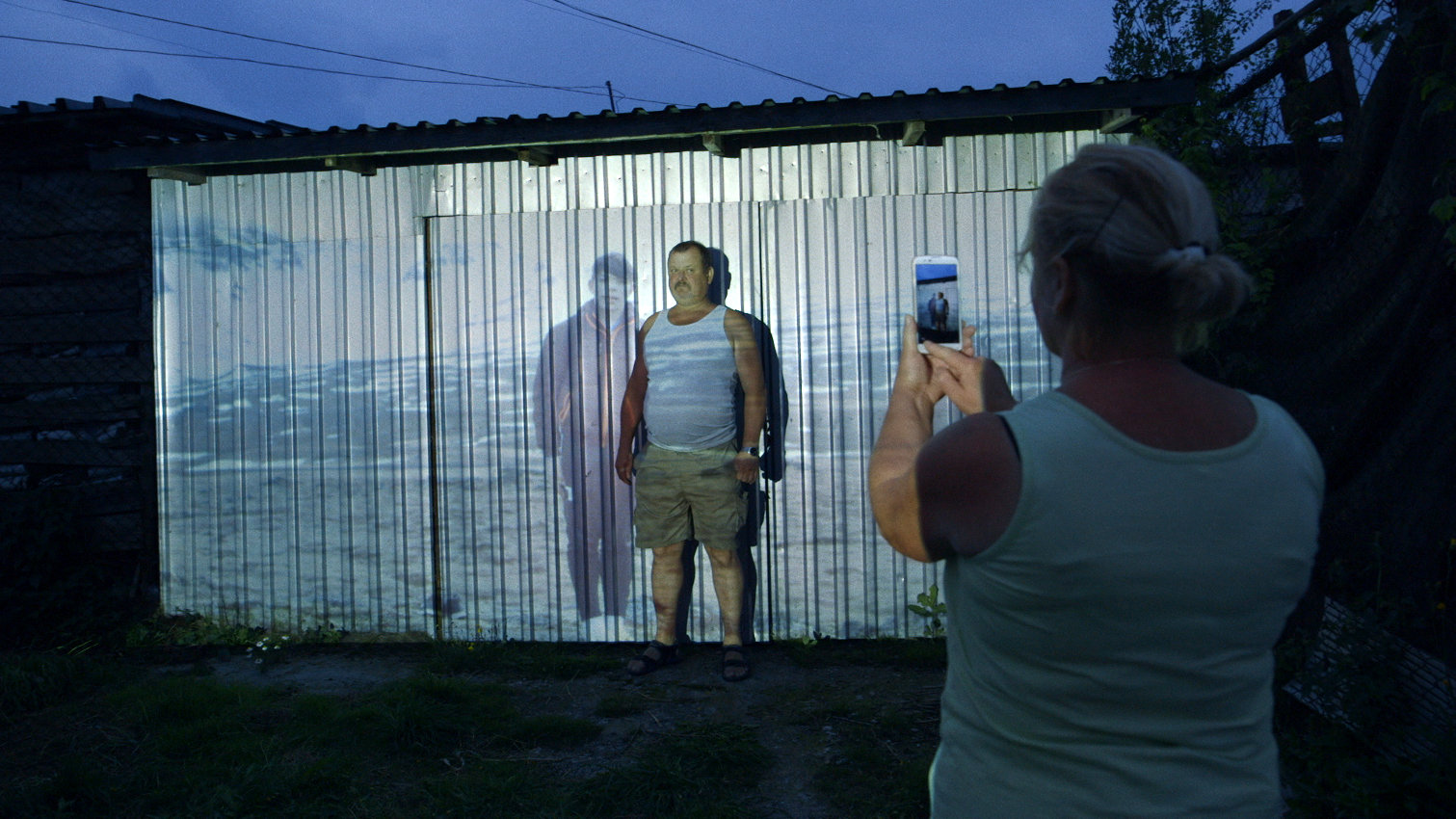
Auf den ersten Blick ist Stare Juchy im idyllischen Masuren ein Dorf wie viele andere in Polen. Manche sind geblieben, manche sind gegangen und haben Leerstellen hinterlassen. Das Besondere an diesem Ort ist, dass fast ein Drittel der Einwohner in den letzten 40 Jahren nach Island ausgewandert ist. Sie haben weit weg ein neues Leben begonnen. In Stare Juchy ließen sie Verwandte und Freunde zurück.
Mit einem raffinierten Schachzug bringt Ziemliski beide Seiten – die Ausgewanderten und die Dagebliebenen – wieder zusammen. Wände verlassener Häuser, Wohnzimmertapeten, Rasen, Autoscheiben und viele andere Flächen nutzt er als Projektionsflächen, auf denen er den Zurückgelassenen bewegte Bilder aus dem Leben der polnischen Neu-Isländer zeigt. Auf der Tonspur hören wir derweil Skype-Gespräche über Banalitäten des Alltags. So entsteht ein bildgewaltiger Essay, in dem Bilder und Worte zu einer Narration über das Verlassen und Vermissen zusammenfließen.
Paweł Ziemilski (geb. 1981) studierte Regie in Łódź und drehte nach zahlreichen Kurzfilmen den Dokumentarfilm „Miejscy kowboje“ (2016). „In Touch“ gewann u.a. bei Festivals in Amsterdam und Saloniki Preise und war für den polnischen Filmpreis nominiert.
PL 2018, R/B: Małgorzata Imielska, 77 min, OmU K: Maciej Kozłowski, S: Marek Skorupski, M: Marek Napiórkowski
Wenn das Schicksal plötzlich zuschlägt, sind wir meistens sprach- und machtlos. Wenn sich aber das Schicksal auf leisen Sohlen einer Alzheimer-Erkrankung einschleicht, wird der Mensch peu a peu in all seinen Funktionen zersetzt und mutiert zum stummen Objekt der puren Existenz.
Adam und Wanda, ein älteres Ehepaar, haben bereits das höhere Stadium der Liebe erreicht, in dem Aufmerksamkeit, Zuneigung und Verständnis den Alltag gestalten. Doch das Glück hängt oft an einem seidenen Faden. Die fortschreitende Entwicklung der Demenz bei der Frau stellt den Ehemann vor unerwarteten Aufgaben. Adam wird zum Rundumbetreuer und seine geliebte Frau Wanda zum hilflosen Objekt, das in seinem Persönlichkeitszerfall 24 Stunden am Tag eine Begleitung braucht. Anziehen, füttern, Zähne putzen, aufs Klo setzen, abwischen, spazieren führen, bespaßen, ins Bett bringen – tagtäglich und ohne einen Hauch Hoffnung auf Verbesserung.
Die feinfühlige Dokumentation über eine Krankheit, die zum Nachdenken über das Menschsein anregt und über die Treue, die Würde und die Grenzen des Zusammenseins erzählt.
Małgorzata Imielska(geb. 1969) Regisseurin und Drehbuchautorin. Sie studierte Film- und Fernsehregie an der Fakultät für Radio und Fernsehen der Schlesischen Universität Katowice. Seitdem realisierte sie vor allem zahlreiche Dokumentar‑, aber auch Fernsehfilme.
02/09/2020, 20:30, [Tickets] Vorfilm: Koniec sezonu / The End of the Season, 20´, OmeU
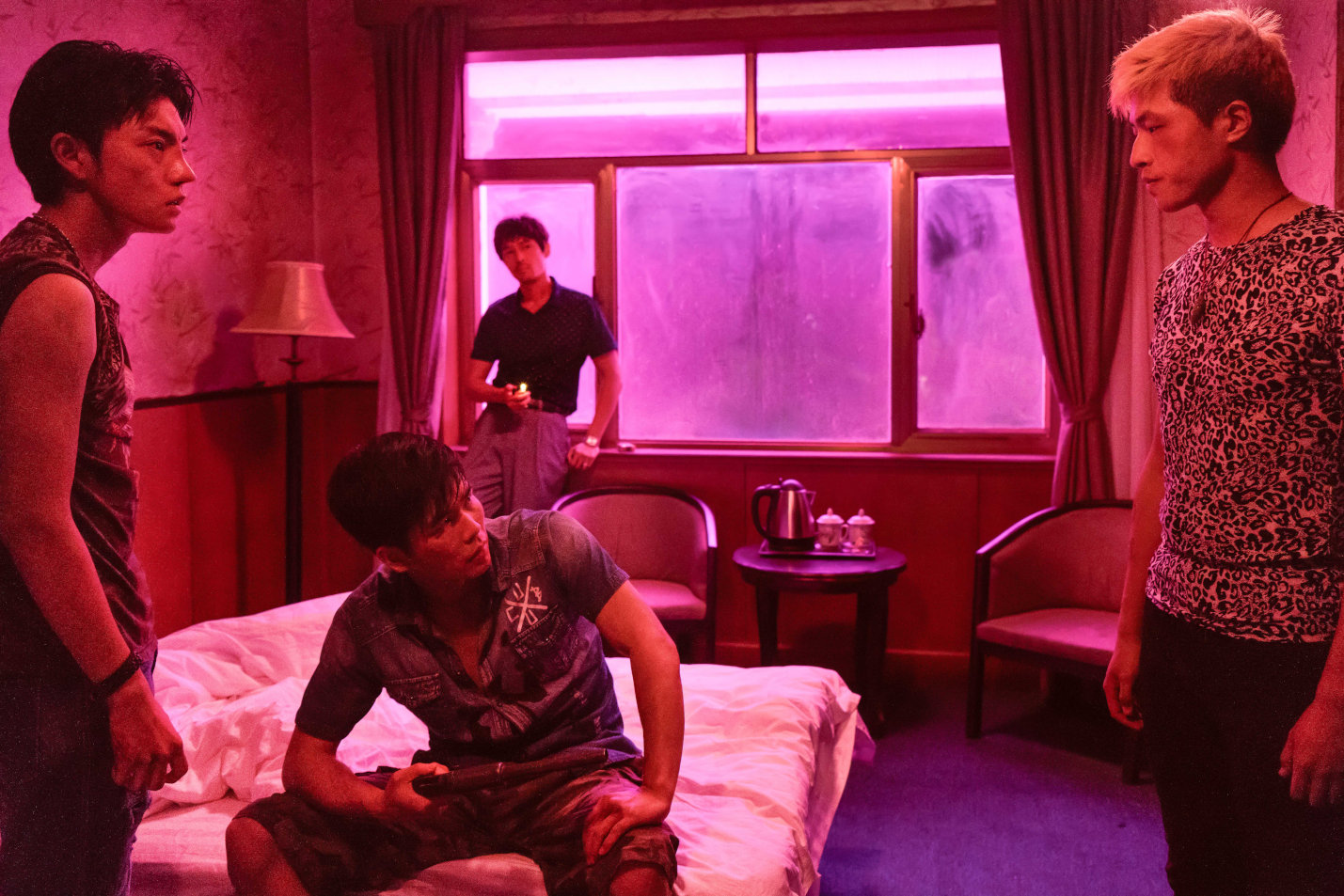
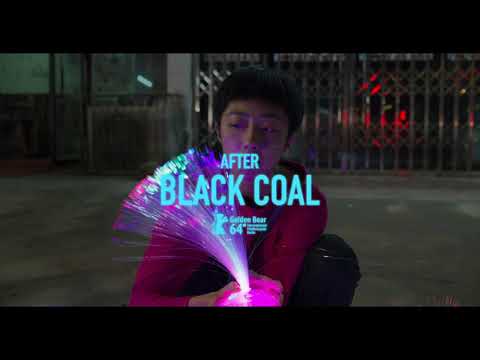
A dazzling neo noir by the director of BLACKCOAL,THINICE. Zhou Zenong, only recently released from prison, has to go on the run again, after a policeman is killed during a gang gathering. Only the prostitute Lia Aiai is helping him. Unless she …
Tom Dorow | indiekino.de
[nbsp] Credits:
Nan fang che de ju hui
China 2019, 113 Min., chin. OmU
Regie: Diao Yinan
Drehbuch: Diao Yinan
Kamera: Dong Jingsong
Schnitt: Kong Jinlei
mit: Liao Fan, Huang Jue, Kwai Lun-Mei, Regina Wan
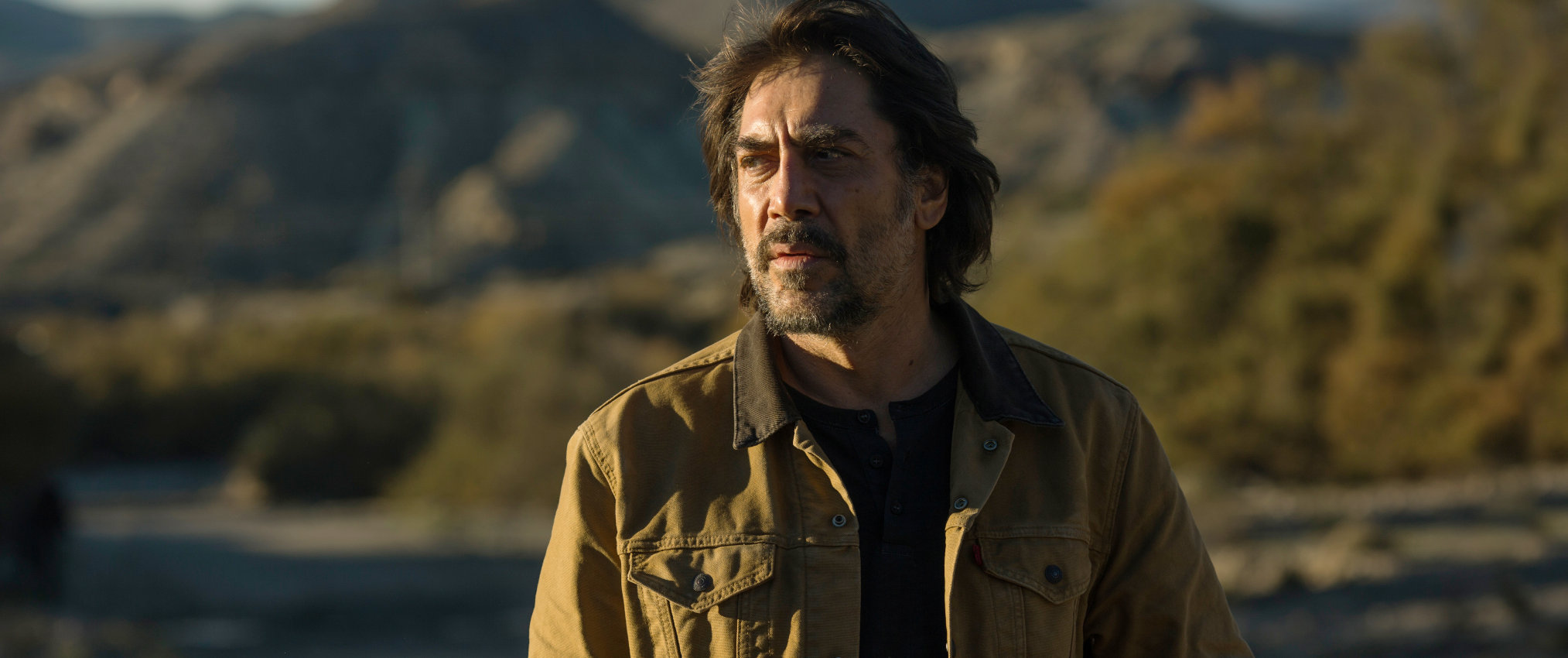
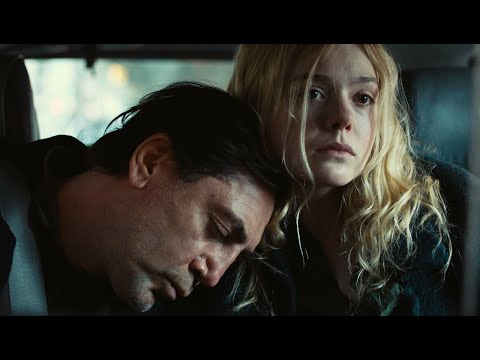
Leo lies in bed. He is confused and lost in his thoughts. People around him no longer take him seriously. With the proverbial tender loving care, Molly, his daughter, accompanies him through New York. Even though her job is on the line, she sticks with this mentally impaired man who no longer knows her name, but whose head is filled with wanderings into parallel versions of his life. The life of a man. Leo with Dolores in Mexico: scenes from their passionate marriage; Leo as a lonely writer on a Greek island. These encounters steer him towards unpleasant truths – and back to Molly. In spite of the radical stance of her feminist films (The Gold Diggers, Orlando), Sally Potter has always been fascinated by the coexistence of women and men. She takes this to a new level in her latest work that explores the many lives a man carries inside him, even when reality seems to be fading away. In the end, it is his daughter’s unconditional love that holds together the threads of Leo’s hallucinatory trips.
[nbsp] Credits:
US 2020, 85 Min., engl. OmU Regie, Buch: Sally Potter Kamera: Robbie Ryan Schnitt: Emilie Orsini, Sally Potter, Jason Rayton mit: Javier Bardem, Elle Fanning, Salma Hayek, Laura Linney
[nbsp] Trailer:
The Roads Not Taken (Official Trailer, English/Deutsch, Français)
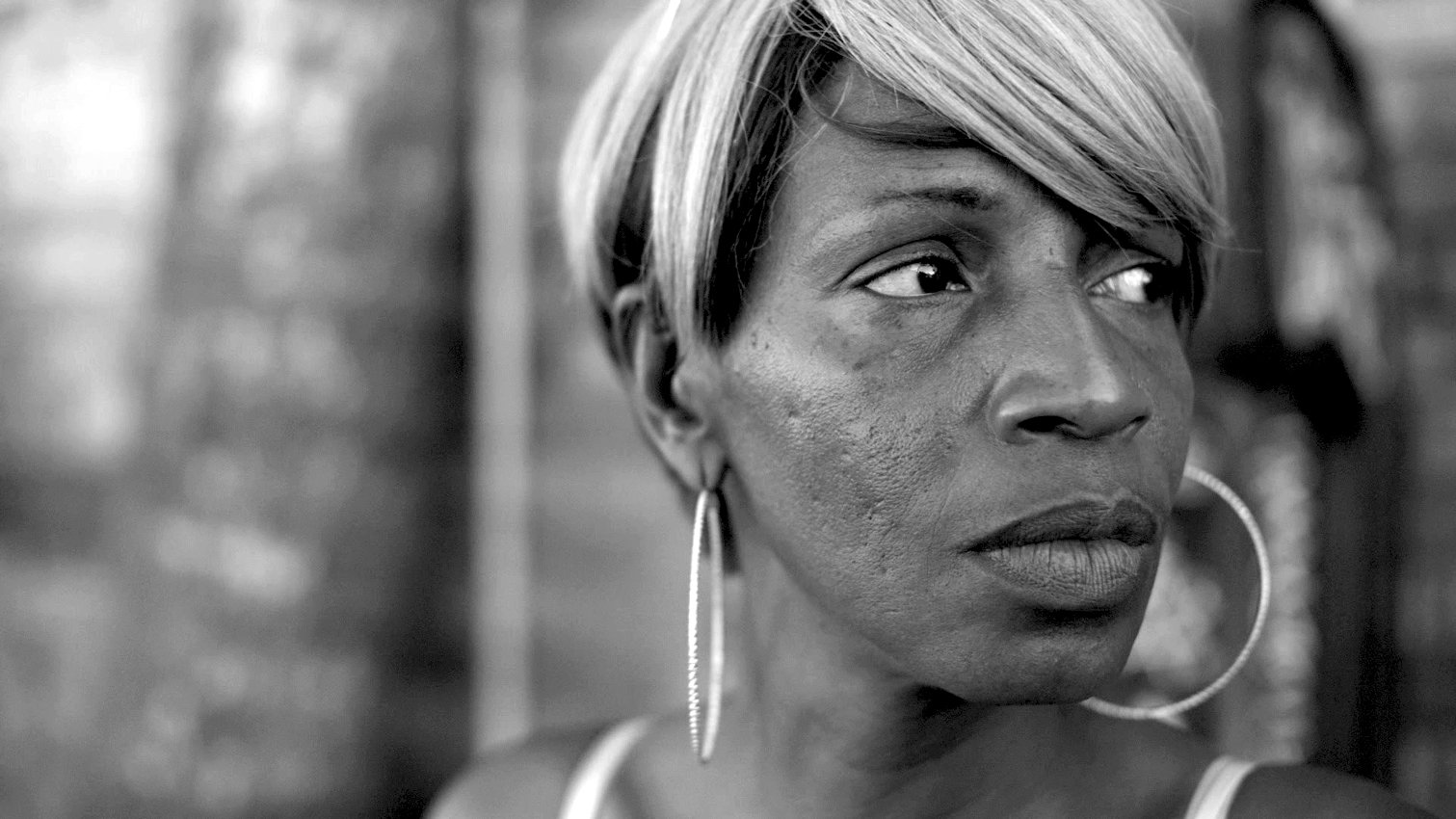
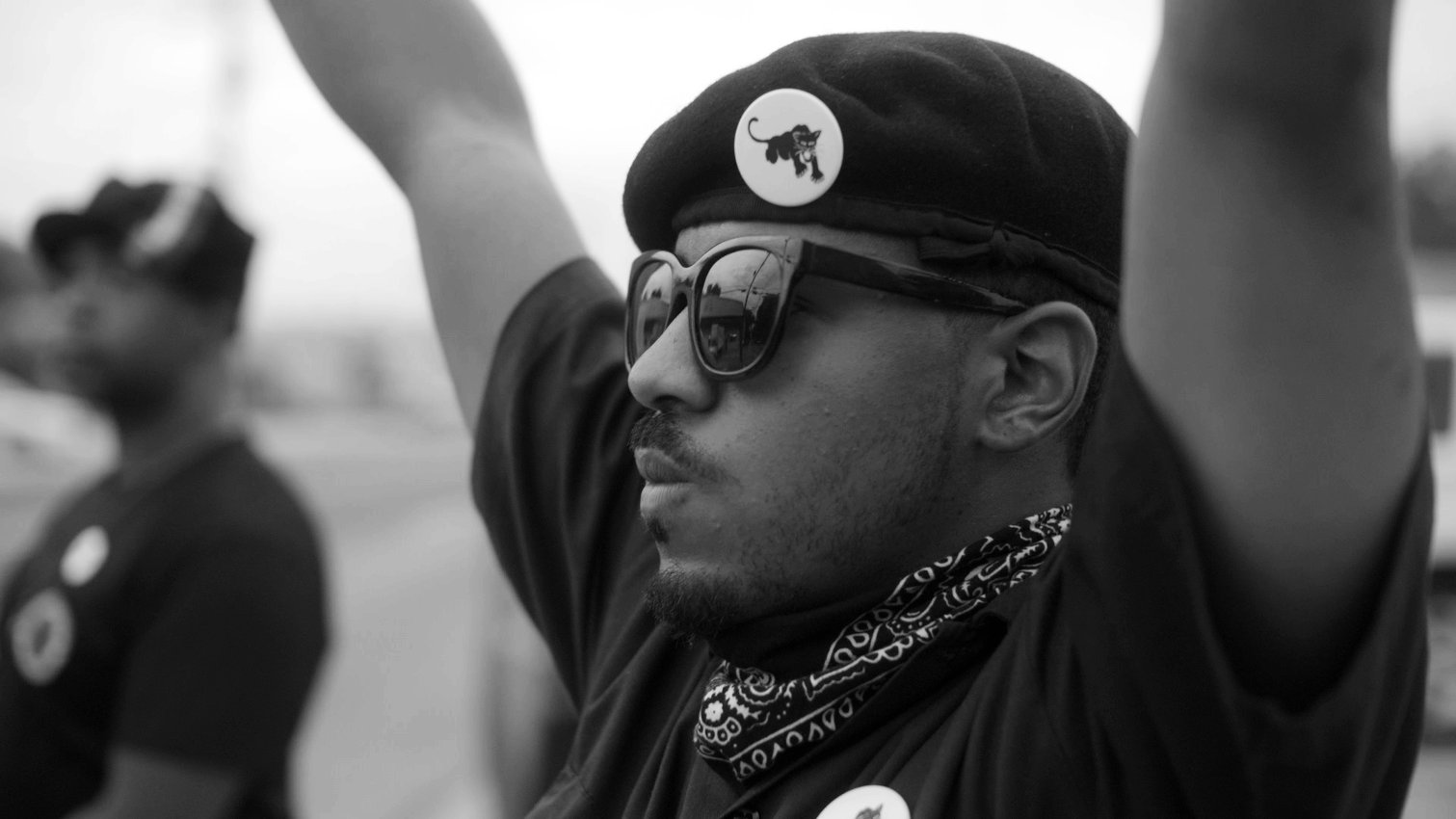
Shot in luminous black and white, the latest from Roberto Minervini (The Other Side) delves into the everyday lives of Black Americans fighting for justice and survival in the summer of 2017, weaving masterfully between four wrenching storylines in New Orleans and Jackson County, Mississippi.
Throughout his career the Italian-born, Texas-based Roberto Minervini (The Other Side, Wavelengths ’15) has established a provocative cinematic style and mode of production, immersing himself in the communities in which he works. The results are often revelatory in the most literal sense, yielding unforgettable and visceral moving images of rarely seen lives on the margins.
Minervini’s fifth feature, What You Gonna Do When the World’s on Fire?, is certain to be one of the year’s most talked-about films. Shot in luminous black and white, the film delves into the everyday lives of Black Americans fighting for justice and survival in the summer of 2017, shifting masterfully between four wrenching storylines in New Orleans and Jackson County, Mississippi.
The film observes Judy Hill, who strives to keep her family and friends afloat (financially, as much as emotionally) as her bar is threatened; the two young brothers Ronaldo and Titus, whose neighbourhood is plagued by violence; Kevin, the Big Chief of the Indian tradition of Mardi Gras, who is keeping the cultural heritage of his people alive; and The New Black Panthers, who carry out a door-to-door people’s investigation of a killing attributed to the Ku Klux Klan.
A film of urgency, community, righteous anger, and grace, it is impossible to be unaffected by the people encountered in What You Gonna Do. With startling intimacy, seamless proximity, and a skilful structural design, Minervini’s portraits coalesce into a powerful indictment of white supremacy in the American South, and a moving testament to human dignity, empathy, and resilience.
Wir verwenden Cookies, um unsere Website und unseren Service zu optimieren.
Funktionale Cookies
Always active
Die technische Speicherung oder der Zugang ist unbedingt erforderlich für den rechtmäßigen Zweck, die Nutzung eines bestimmten Dienstes zu ermöglichen, der vom Teilnehmer oder Nutzer ausdrücklich gewünscht wird, oder für den alleinigen Zweck, die Übertragung einer Nachricht über ein elektronisches Kommunikationsnetz durchzuführen.
Vorlieben
Die technische Speicherung oder der Zugriff ist für den rechtmäßigen Zweck der Speicherung von Präferenzen erforderlich, die nicht vom Abonnenten oder Benutzer angefordert wurden.
Statistiken
Die technische Speicherung oder der Zugriff, der ausschließlich zu statistischen Zwecken erfolgt.Die technische Speicherung oder der Zugriff, der ausschließlich zu anonymen statistischen Zwecken verwendet wird. Ohne eine Vorladung, die freiwillige Zustimmung deines Internetdienstanbieters oder zusätzliche Aufzeichnungen von Dritten können die zu diesem Zweck gespeicherten oder abgerufenen Informationen allein in der Regel nicht dazu verwendet werden, dich zu identifizieren.
Marketing
Die technische Speicherung oder der Zugriff ist erforderlich, um Nutzerprofile zu erstellen, um Werbung zu versenden oder um den Nutzer auf einer Website oder über mehrere Websites hinweg zu ähnlichen Marketingzwecken zu verfolgen.