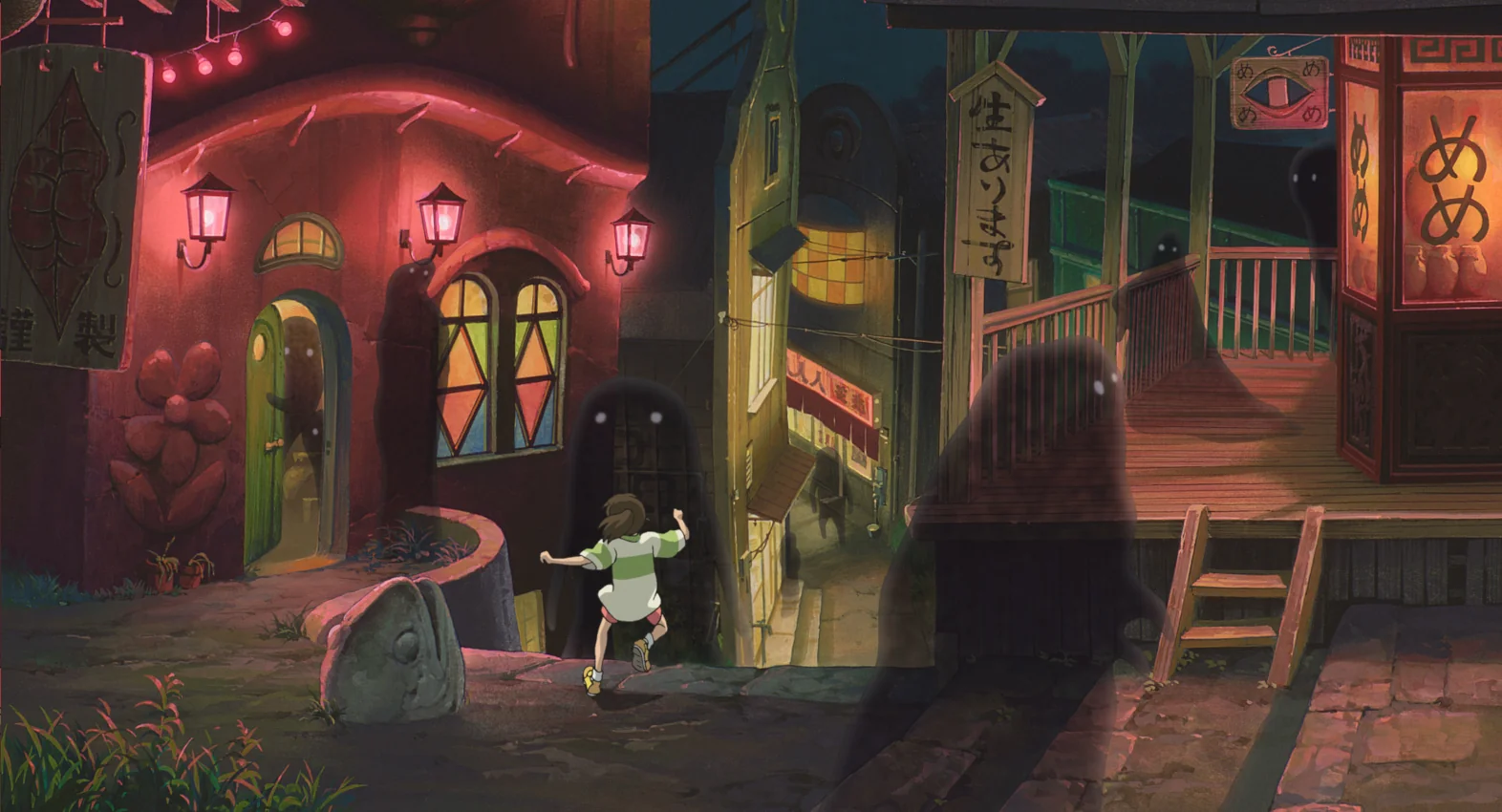
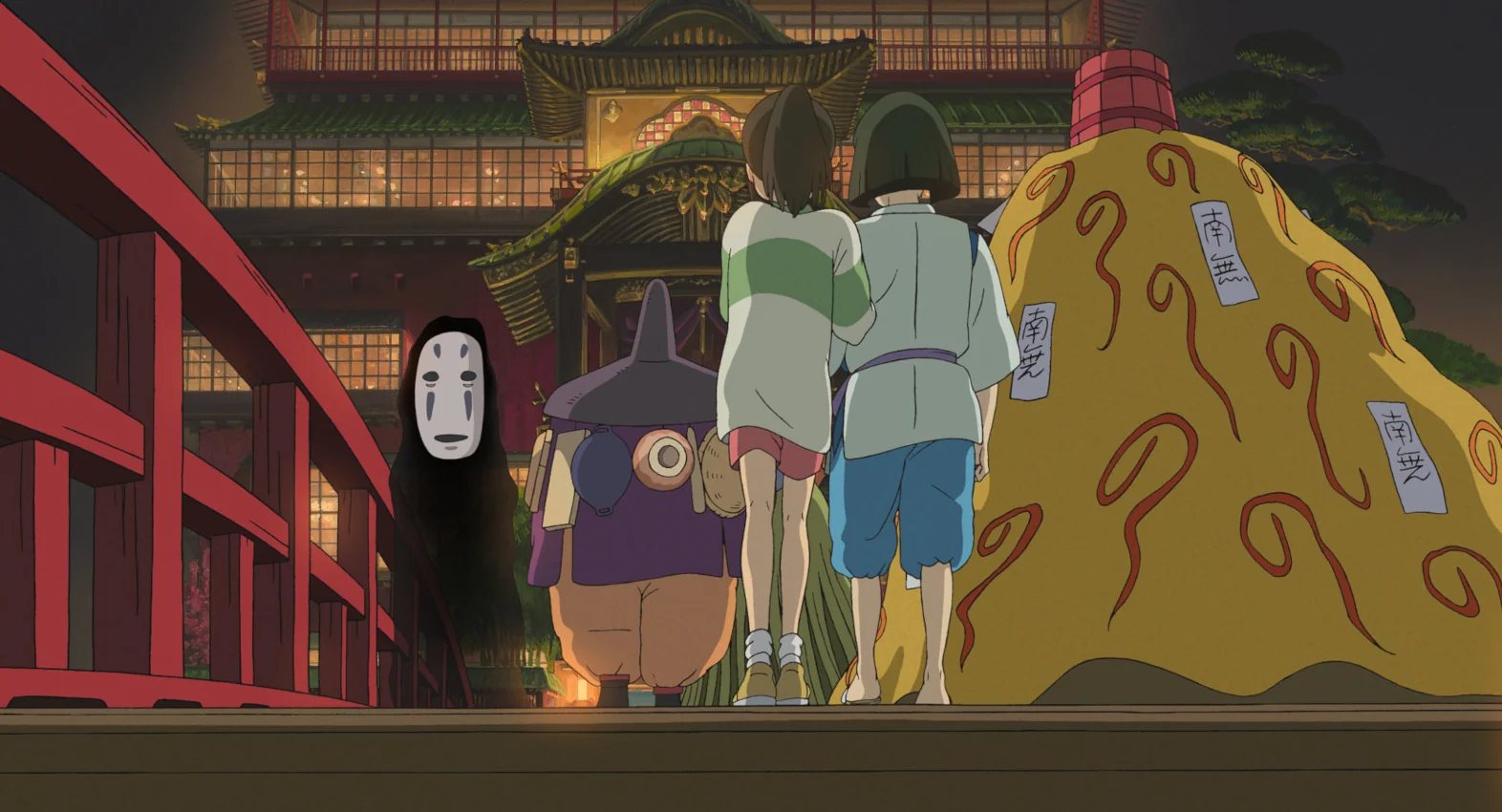
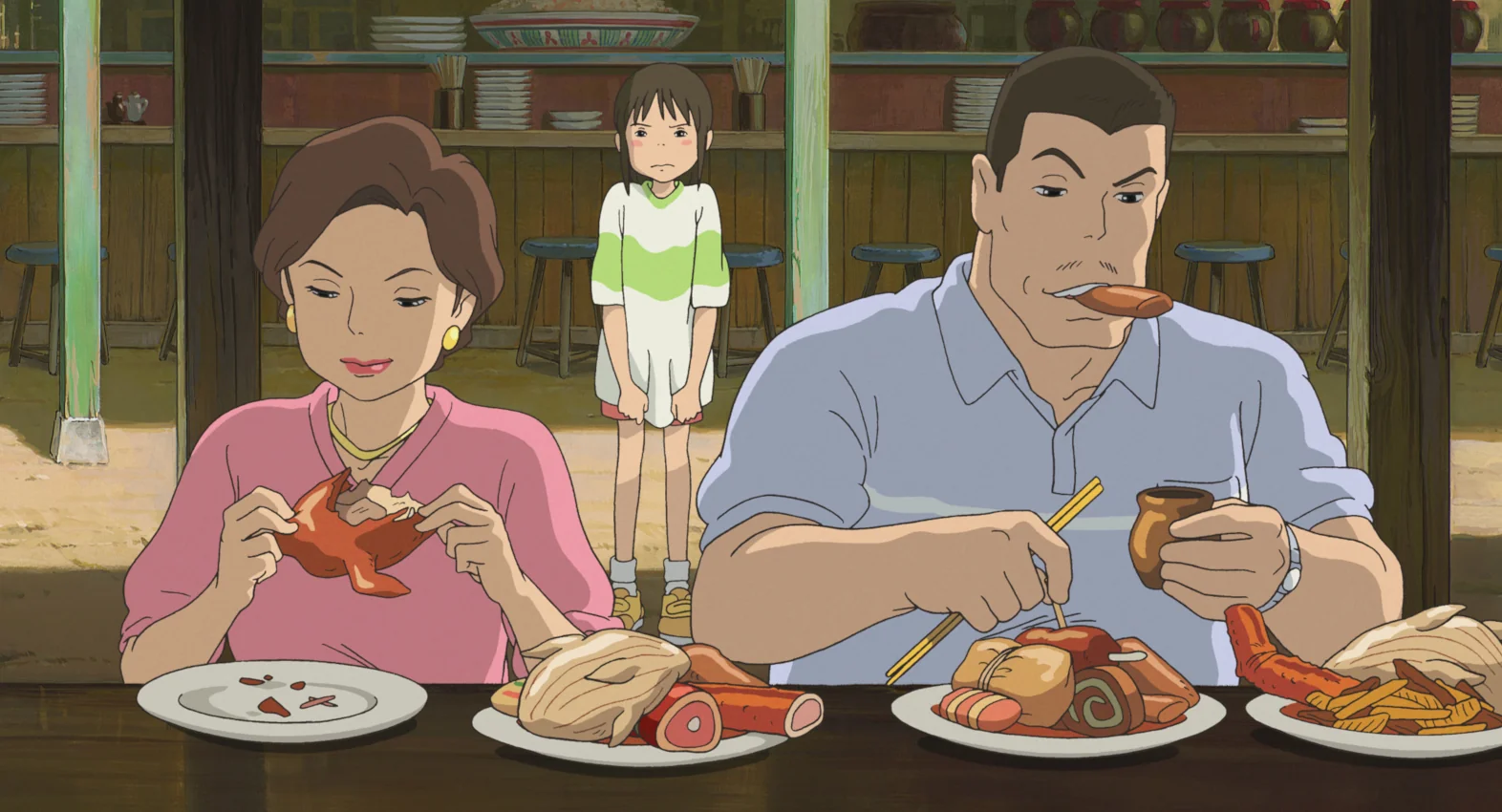
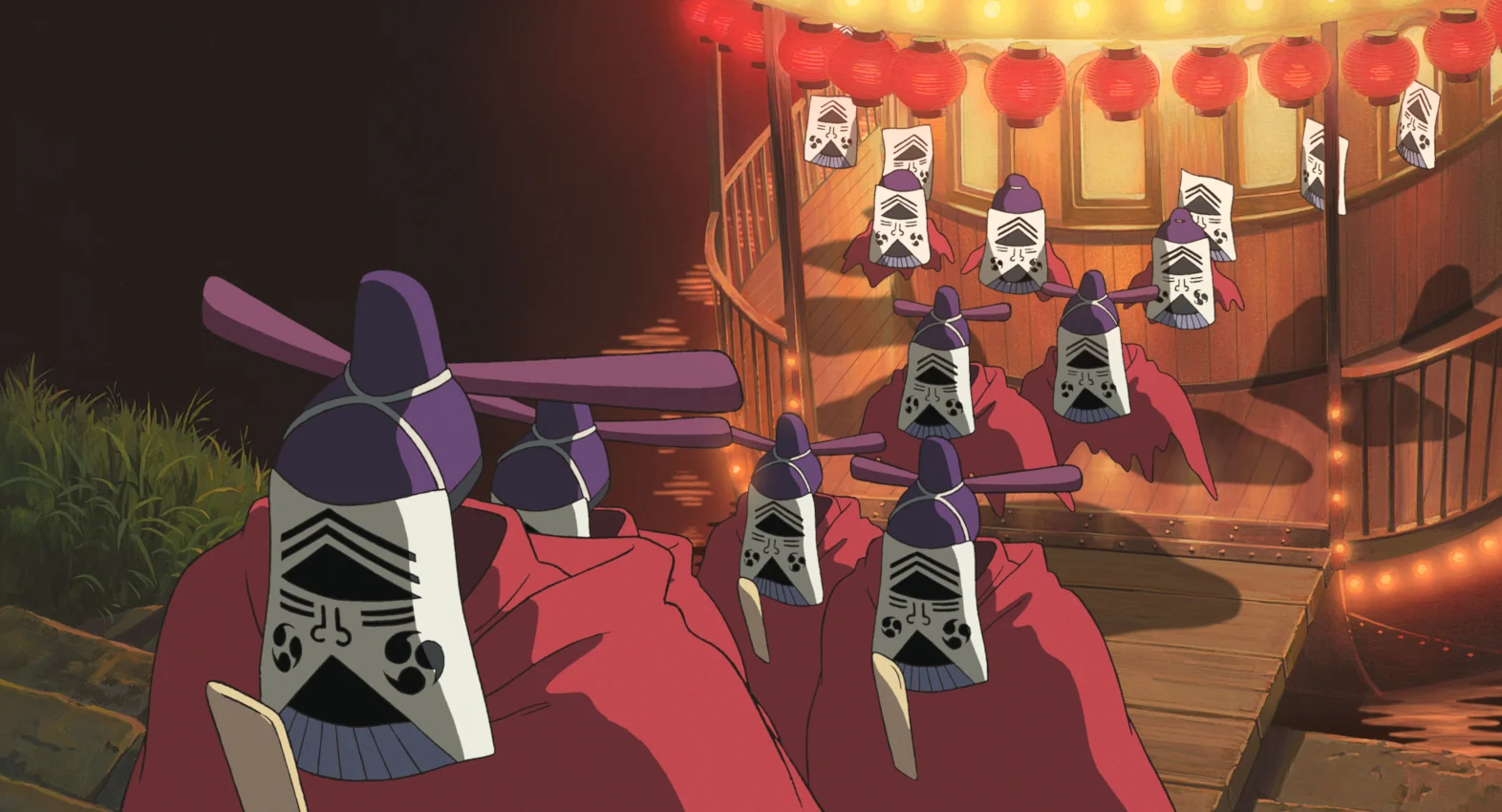
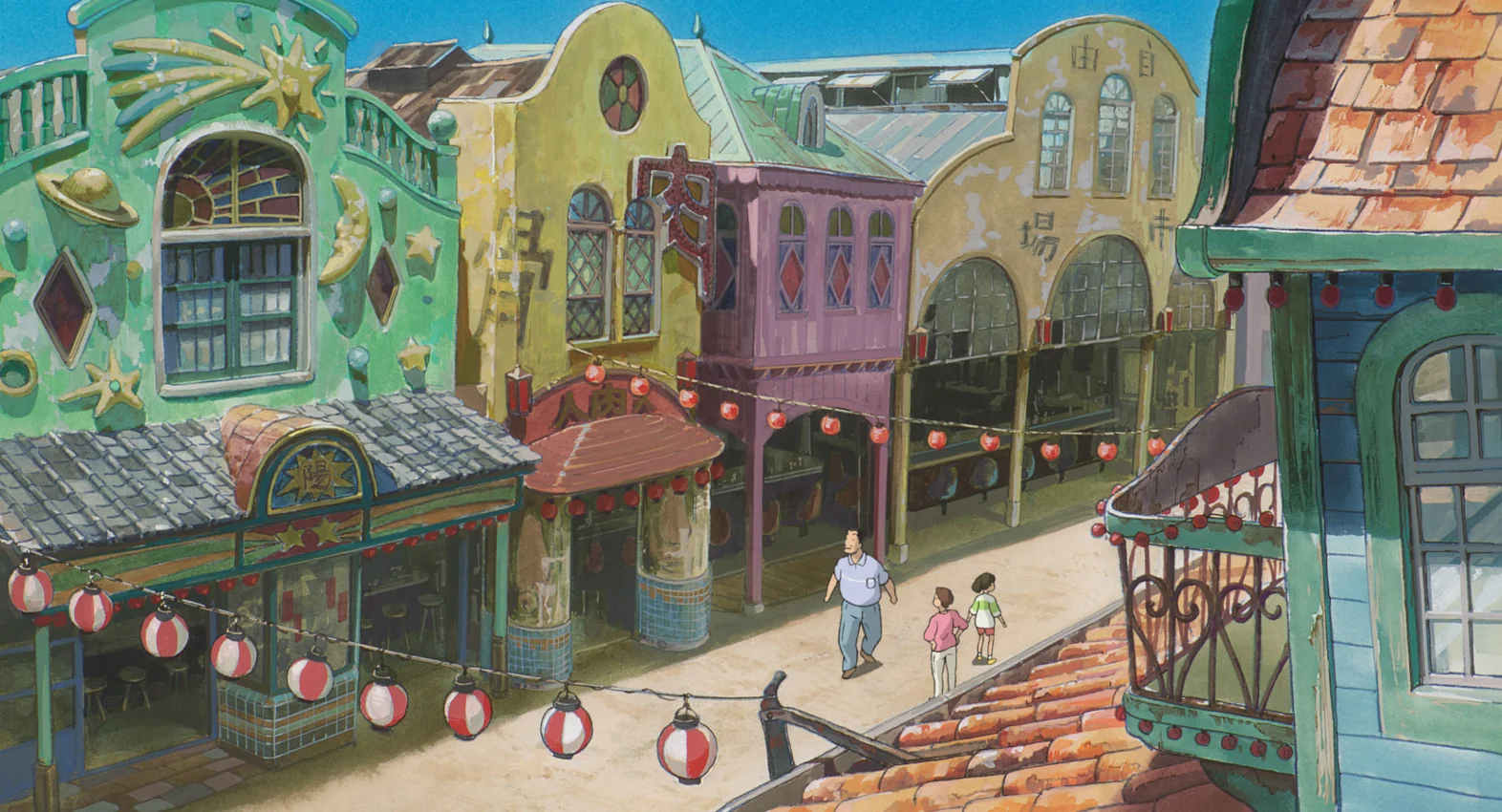
During a day out, little Chihiro and her parents walk through a dark tunnel. On the other side lies the Spirit World, where Chihiro’s parents are turned into pigs. Left entirely to her own devices, the girl tries to reverse the transformation. In a spa for gods, she encounters all manner of strange deities: a stinky god, a boy who can turn himself into a river, the faceless god Noface, and all sorts of other odd characters…
In 2002, Spirited Away celebrated its European premiere at the Berlinale and was awarded the Golden Bear for Best Film of the festival – the only animated film in cinema history to have done so to date. In 2003, it went on to win an Oscar and established itself at the box office as one of the most successful animated films of all time.
To mark its 25th anniversary, Spirited Away will return to cinemas in 2026.
Credits:
Spirited Away JP 2001, 125 mins, Japanese with German subtitles Directed by: Hayao Miyazaki
Trailer:
CHIHIROSREISEINSZAUBERLAND – 25th ANNIVERSARY – Trailer German | Deutsch
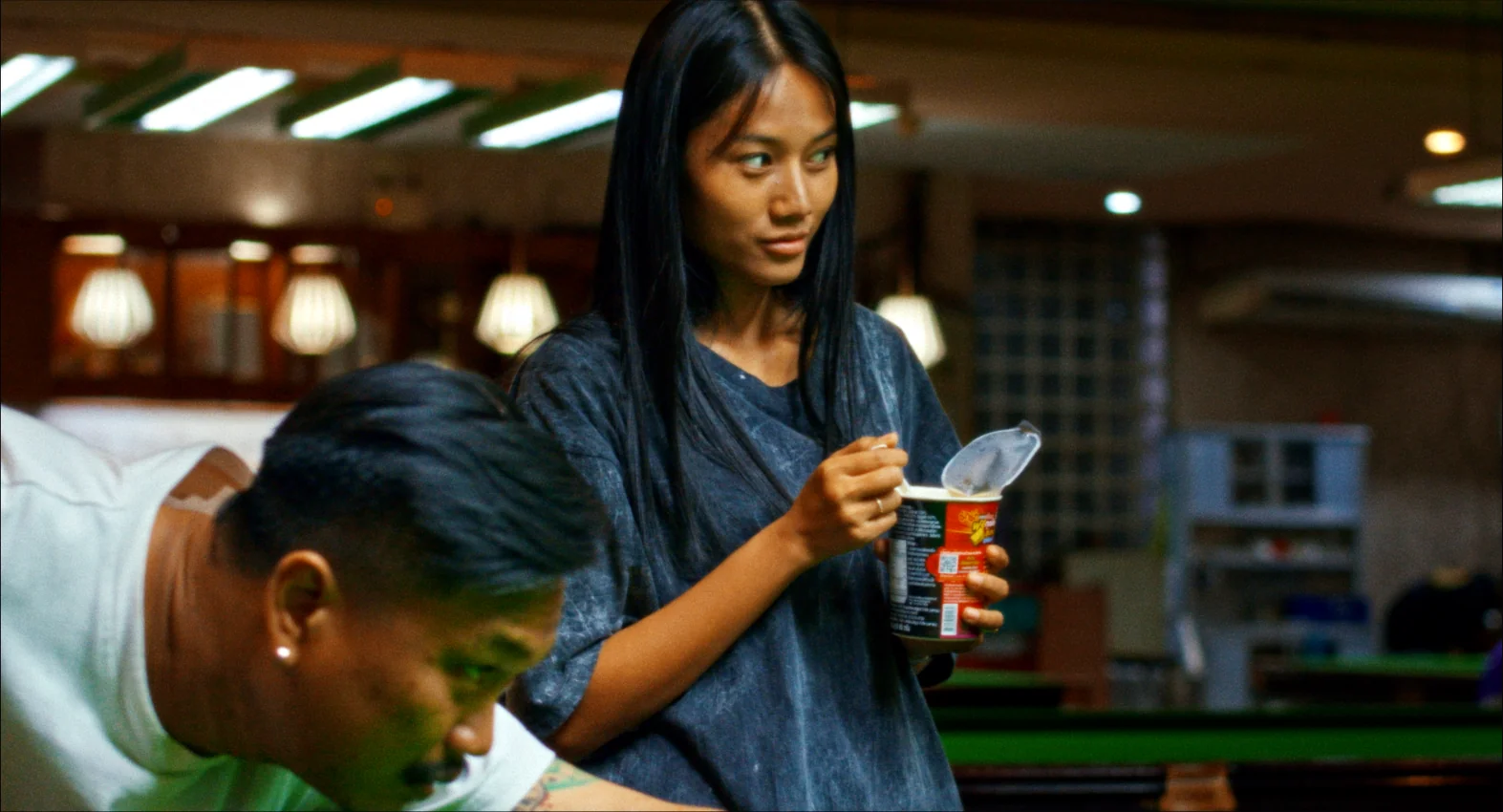
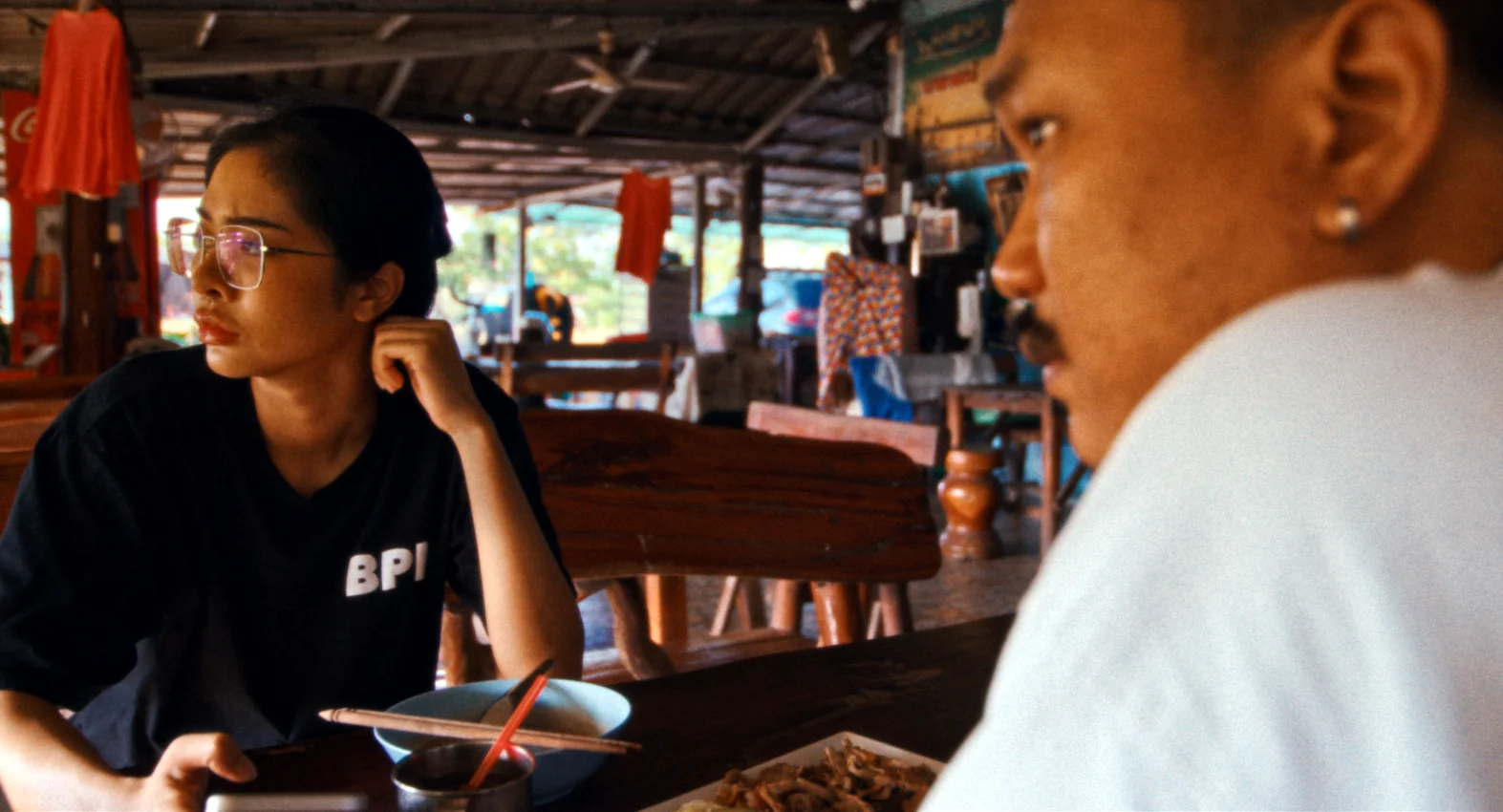
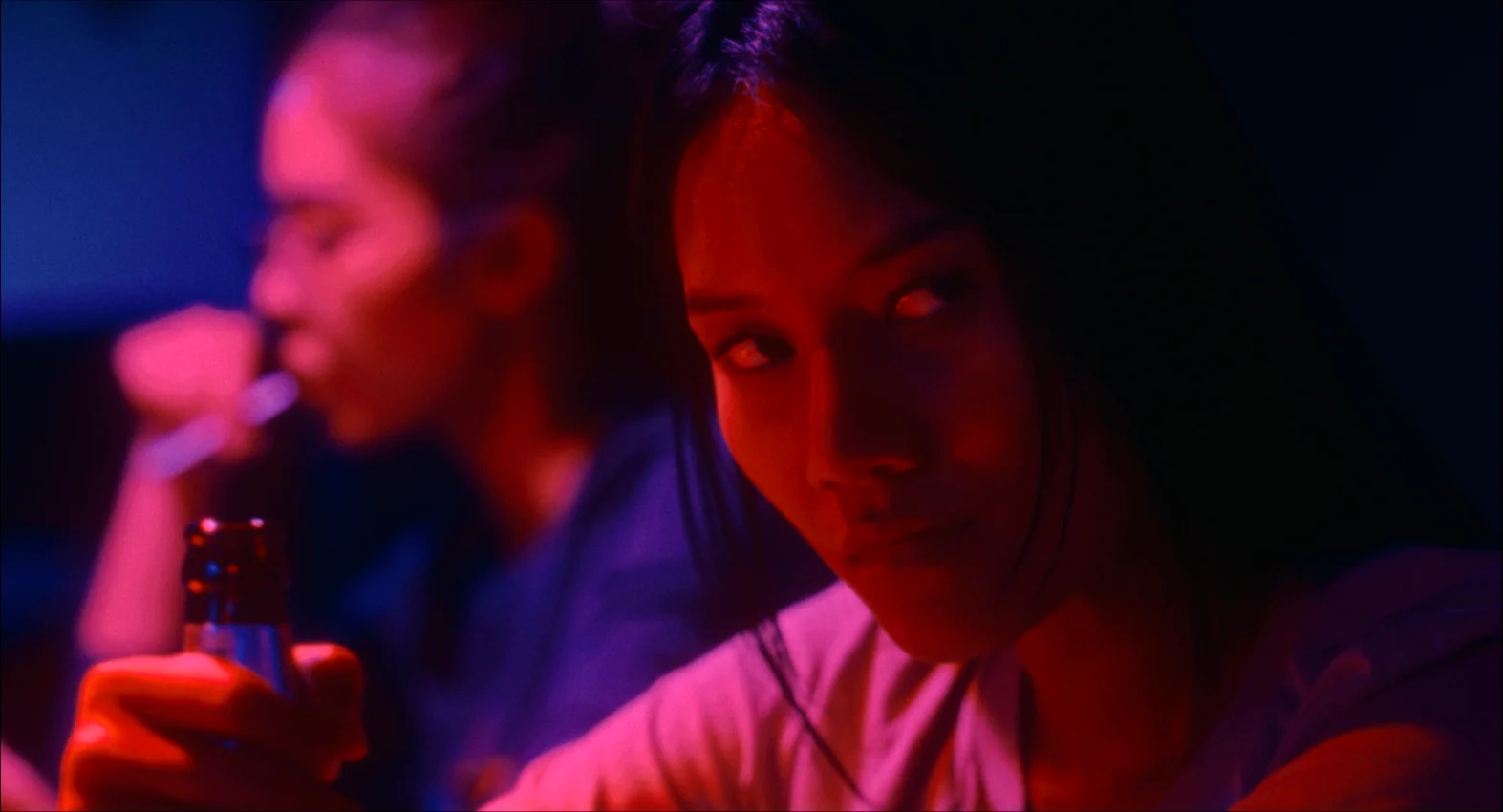
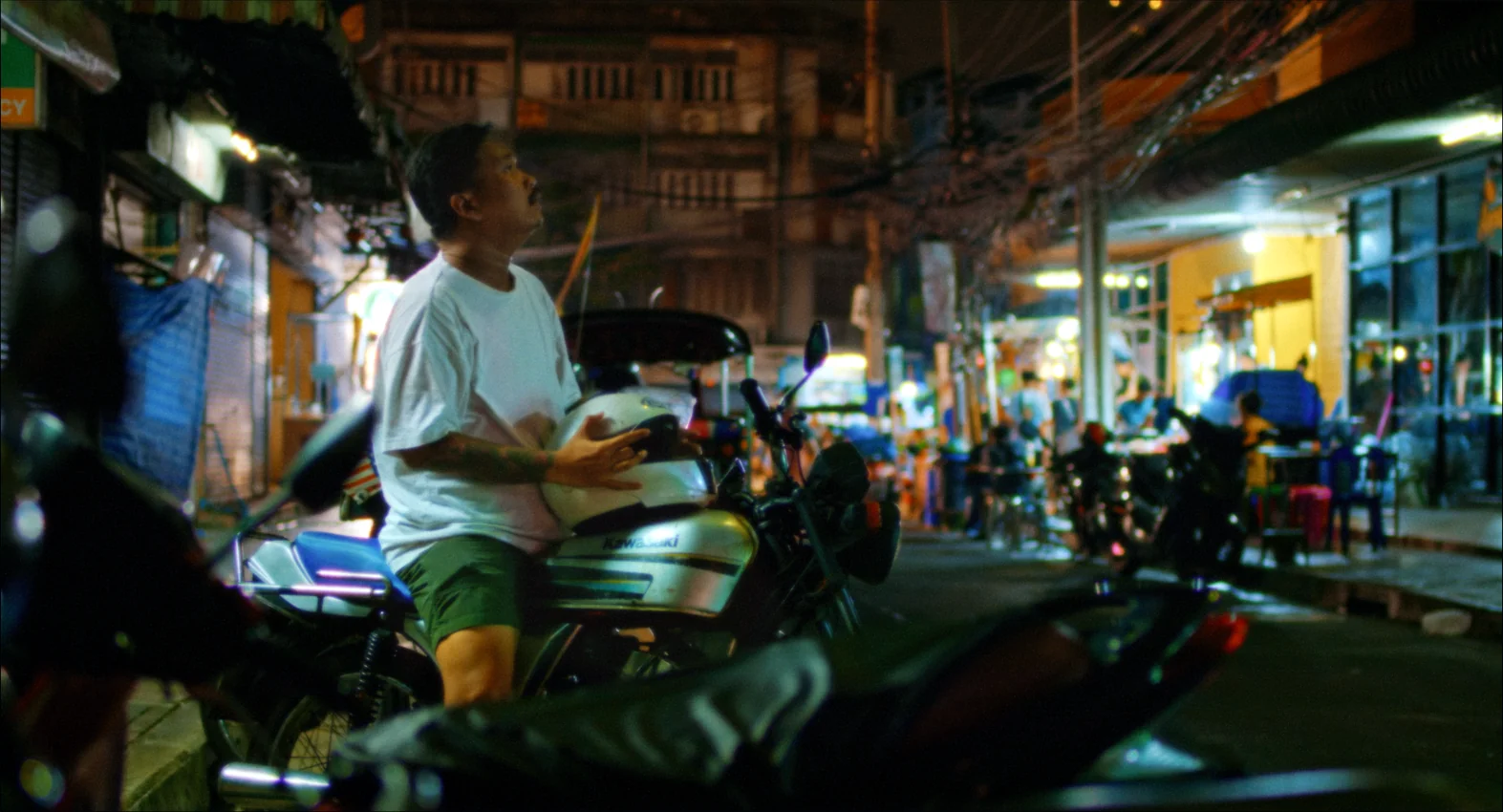
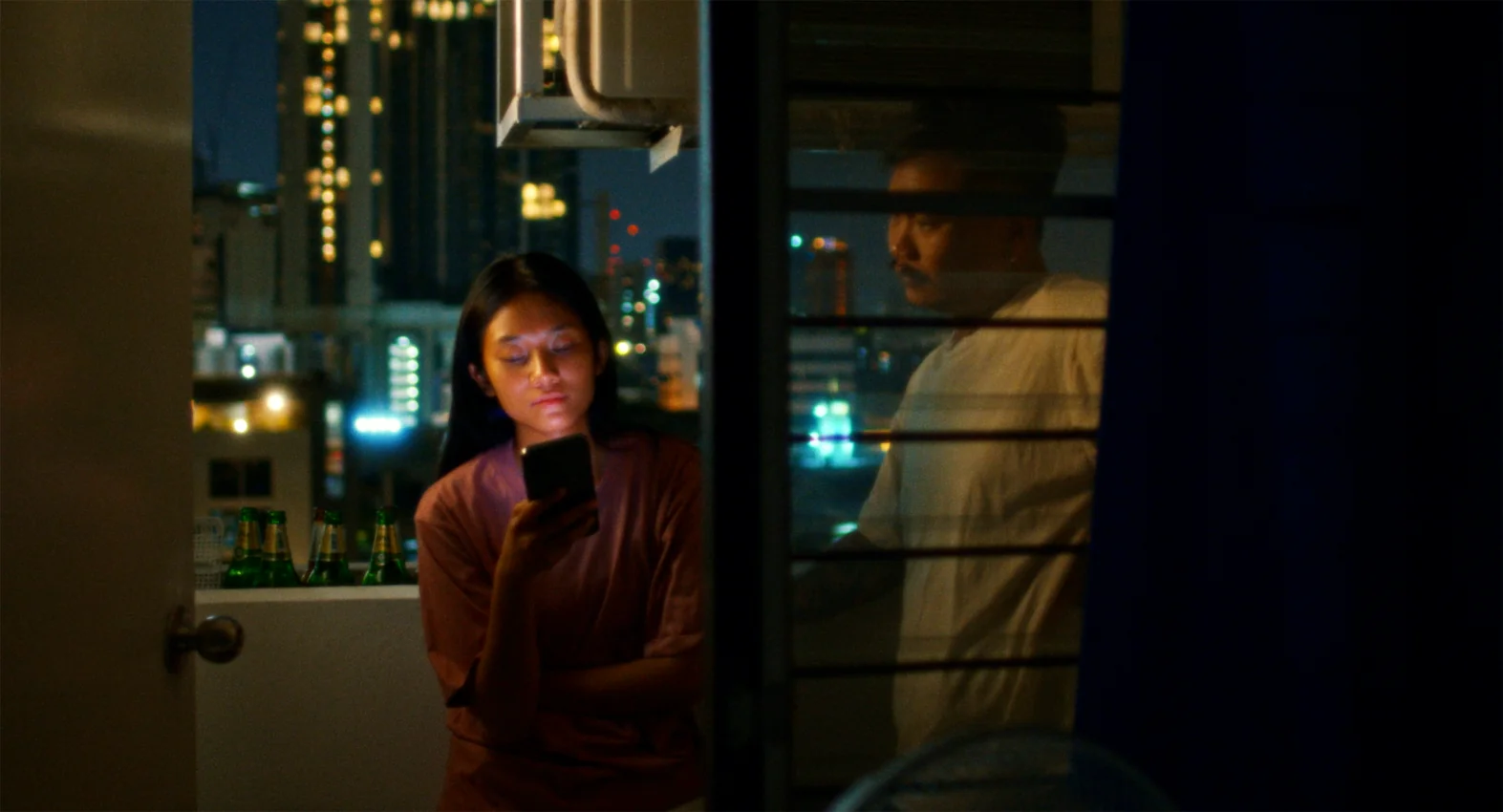
Jen lives in Bangkok – between the reception of an apartment block and the hotel rooms of strange men. What she sells is time, intimacy, sometimes just a moment. When a meeting gets out of hand, Wason steps in – a barman who has lost more than he lets on. For a short while, they drift through the sultry nights together. Then Jen is gone. No trace. No goodbye. Pim, her flatmate, begins to search for her. Wason follows her. Her trail leads through empty alleyways, unfamiliar rooms, outstanding debts and memories that slip away. All the way to the Cambodian border – or perhaps just back to where Jen had long since vanished. When Jen vanishes – without a word, without saying goodbye – her flatmate Pim and the quiet barman Wason follow her trail. A quiet search begins, through nights, memories – and a city that misses no one.
“If you show a gun in the first act, it must be fired in the third act” – a dramatic rule by Anton Chekhov, which is about narrative economy, avoiding loose ends and building tension. In his film Funeral Casino Blues, Roderick Warich shows the gun almost right at the start: Wason (Wason Dokkathum) has it tucked into his waistband; he lifts his shirt to free Jen (Jutamat Lamoon) from an intrusive admirer (read: client). The gun will reappear time and again. It is also fired. But this happens off-screen, after fade-to-black sequences, and not necessarily in the third act either, because Warich is far removed from anything resembling a clear division into acts, or indeed any structured, standardised narrative style. And that is what makes his film so utterly fascinating, so absolutely worth watching. You just have to let yourself be drawn in, and then you can lose yourself in hypnotic images in which the camera moves through the room, through Bangkok by night; then you can lose yourself in the characters, whose innermost thoughts we can at best only glimpse; then you can immerse yourself in a story that shifts from a love story to a noir gangster tale, which becomes a ghost film without being a horror film.„ Kinozeit | Harald Mühlbeyer
Credits:
DE 2025, 153 mins · Original Thai version with German subtitles Director: Roderick Warich Cinematography: Roland Stuprich Editing: Hannes Bruun Starring: Jutamat Lamoon · Wason Dokkathum · Jutarat Burinok · Piyapong Saebui · Rinda Hamer · Chayanee Choomnoommanee
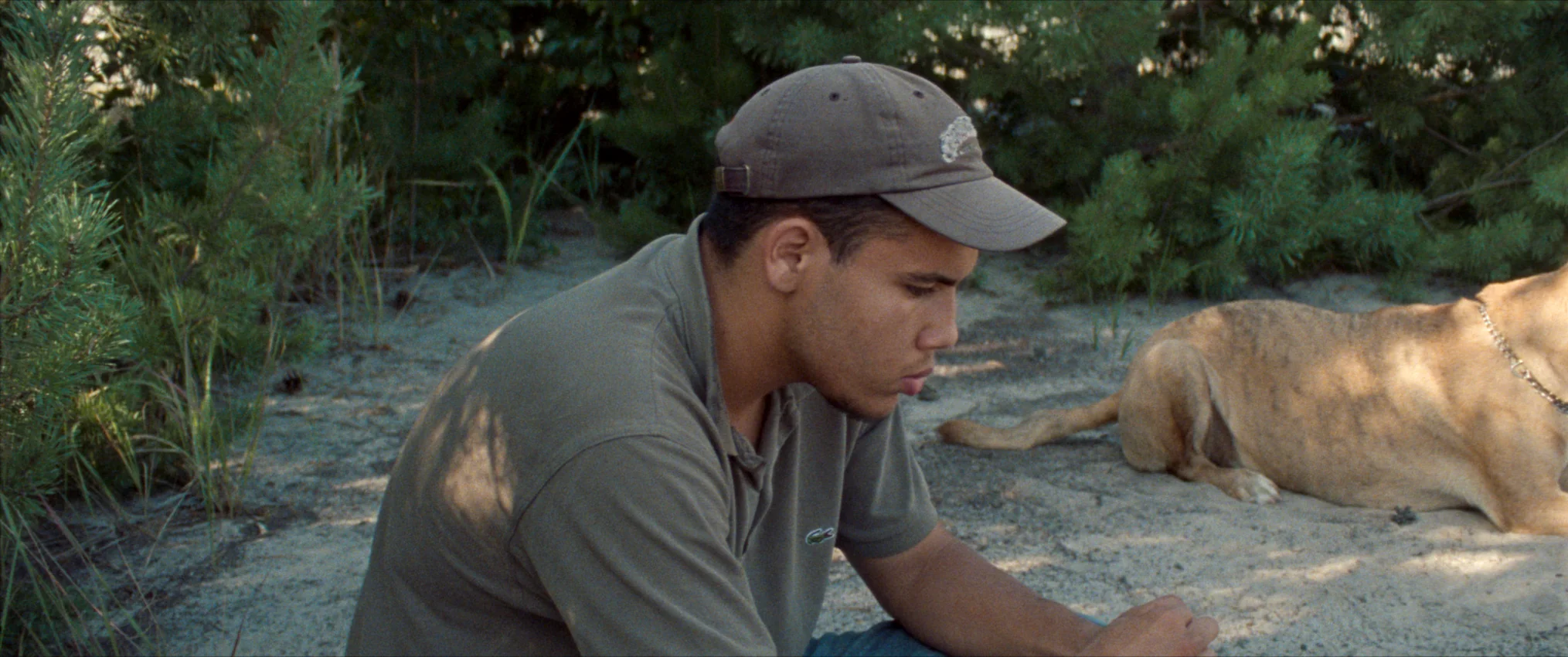
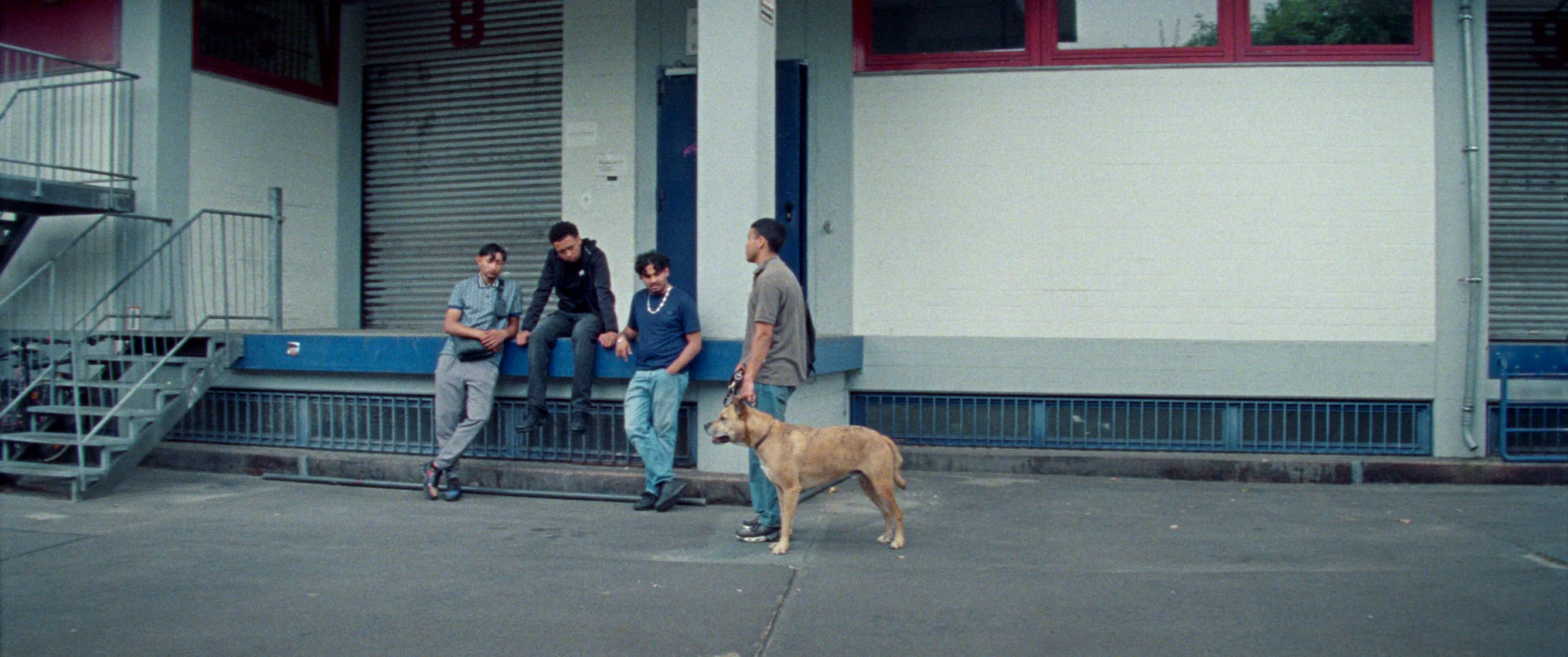
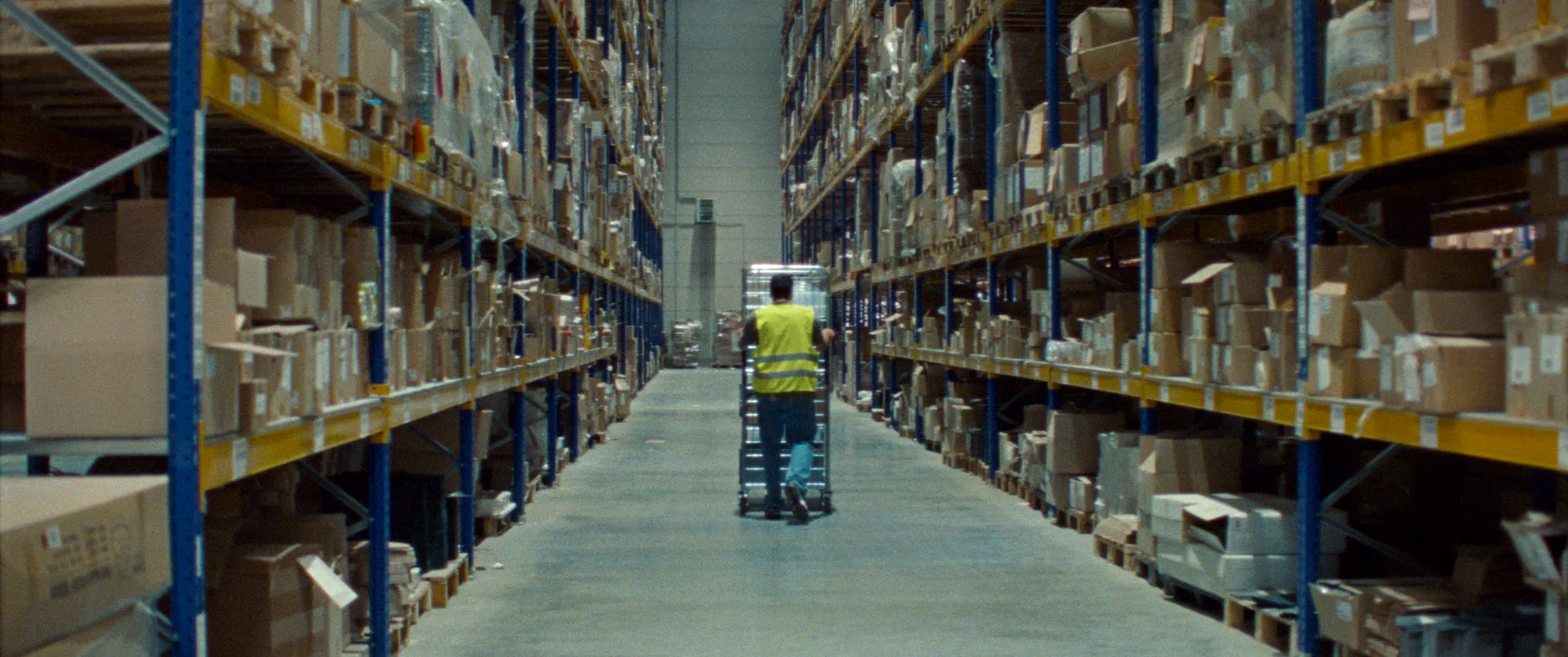
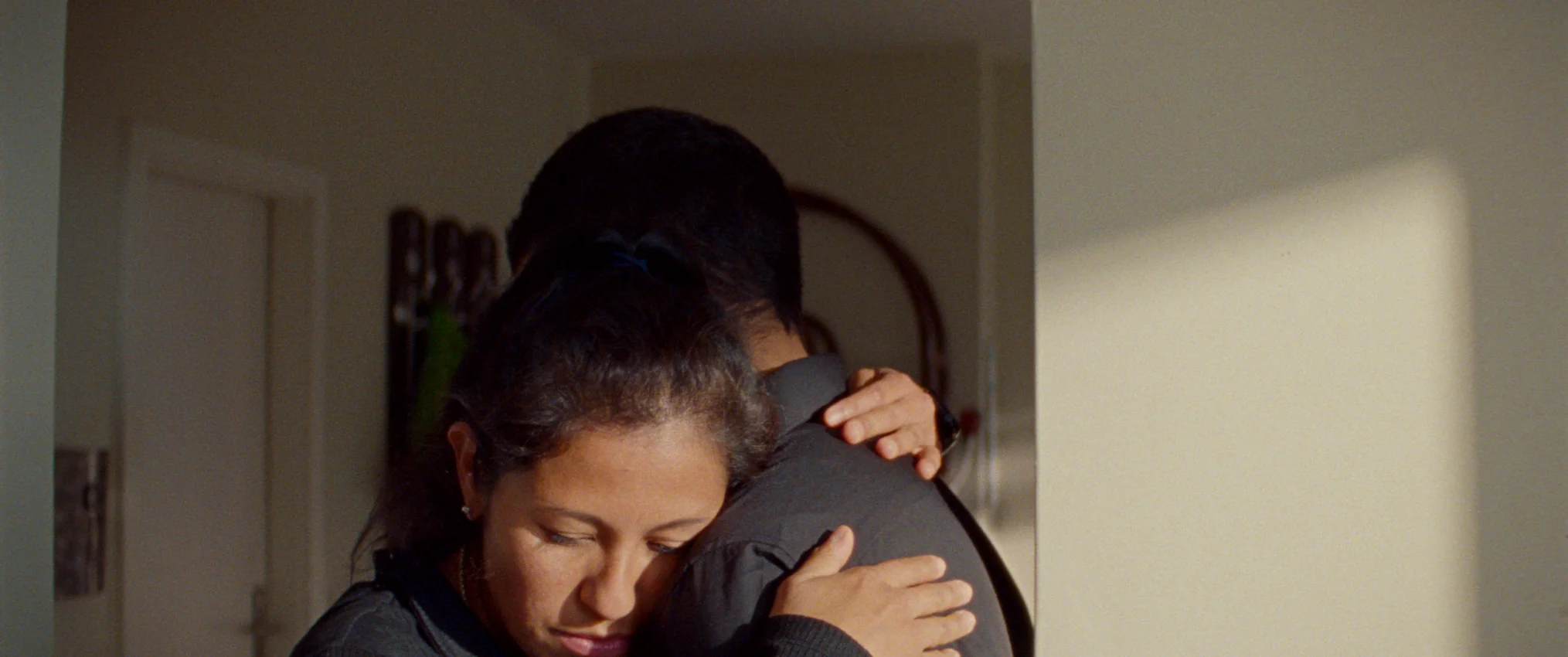
Sixteen-year-old Ilay aimlessly drifts through the outskirts of Berlin. His mother, Maria, lies on her deathbed, cared for by Ana, a Mexican palliative nurse. Refusing to accept his mother’s impending death, Ilay retreats further into himself, increasingly shutting himself off from reality. Through slow, contemplative images, the film follows Ilay and Ana in their daily routines, from Ana’s quiet dedication to Maria’s care to her struggles with her own addiction. Ilay works in a logistics centre, does community service and spends his afternoons hanging out with his friends at a lake. At night, he is restless, wandering the city in a sleepless daze like a ghost. During one of his nocturnal outings, he impulsively steals a dog, prompting Ana to take him to a psychologist. There, Ilay reveals his deep-seated belief in the impossibility of death. As his mother’s passing approaches, it becomes less an inevitability and more a matter of mystery and speculation.
Credits:
DE 2026, 87 mins, German with English subtitles, Director: Saša Vajda Cinematography: Tom Otte Editing: Denys Darahan, Saša Vajda Starring: Mohammed Yassin Ben Majdouba, Flor Prieto Catemaxca, Mahira Hakberdieva, Safet Bajraj, Shanthi Philipp, Solomon Guye, Mahir Özel
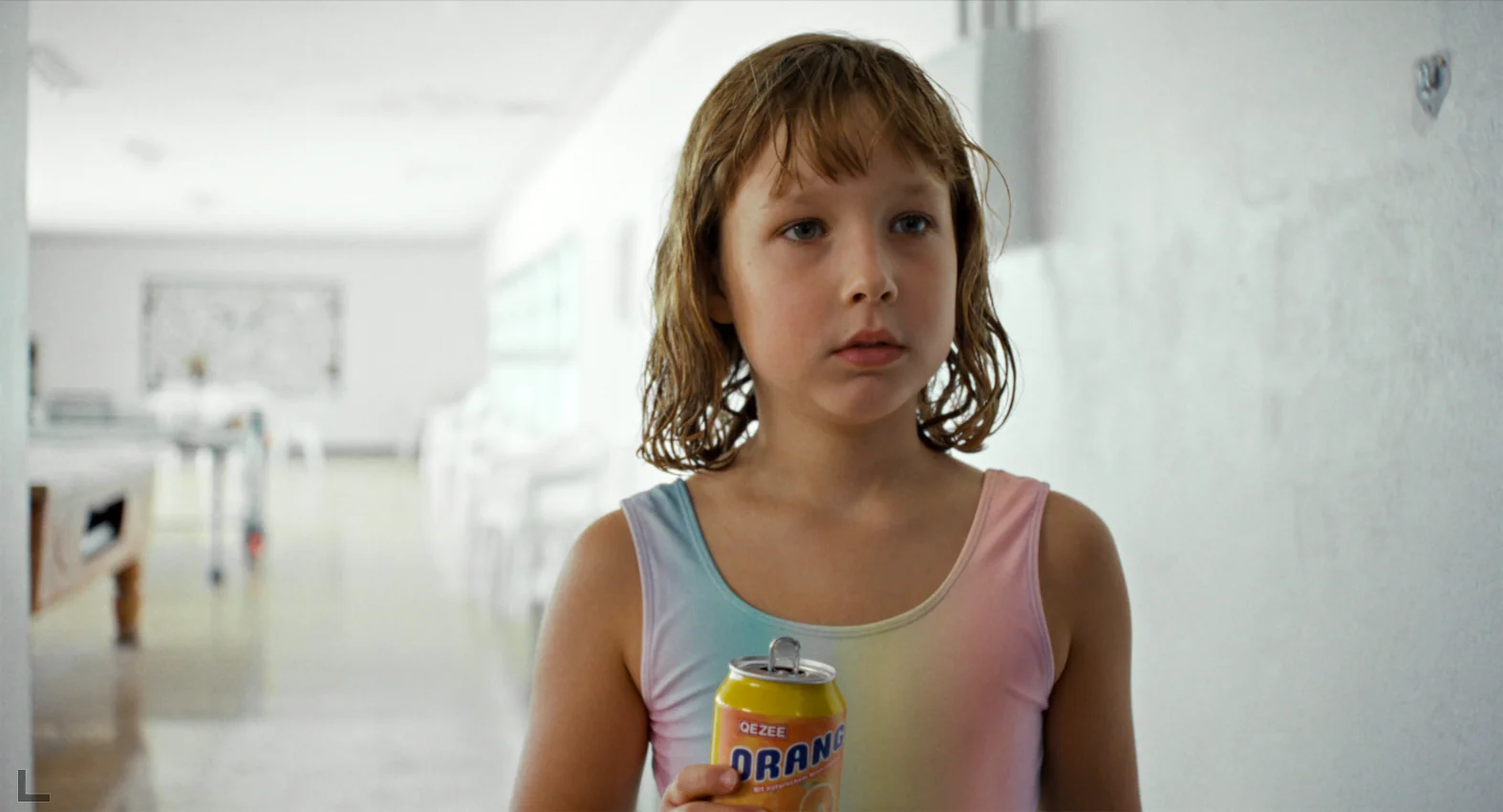
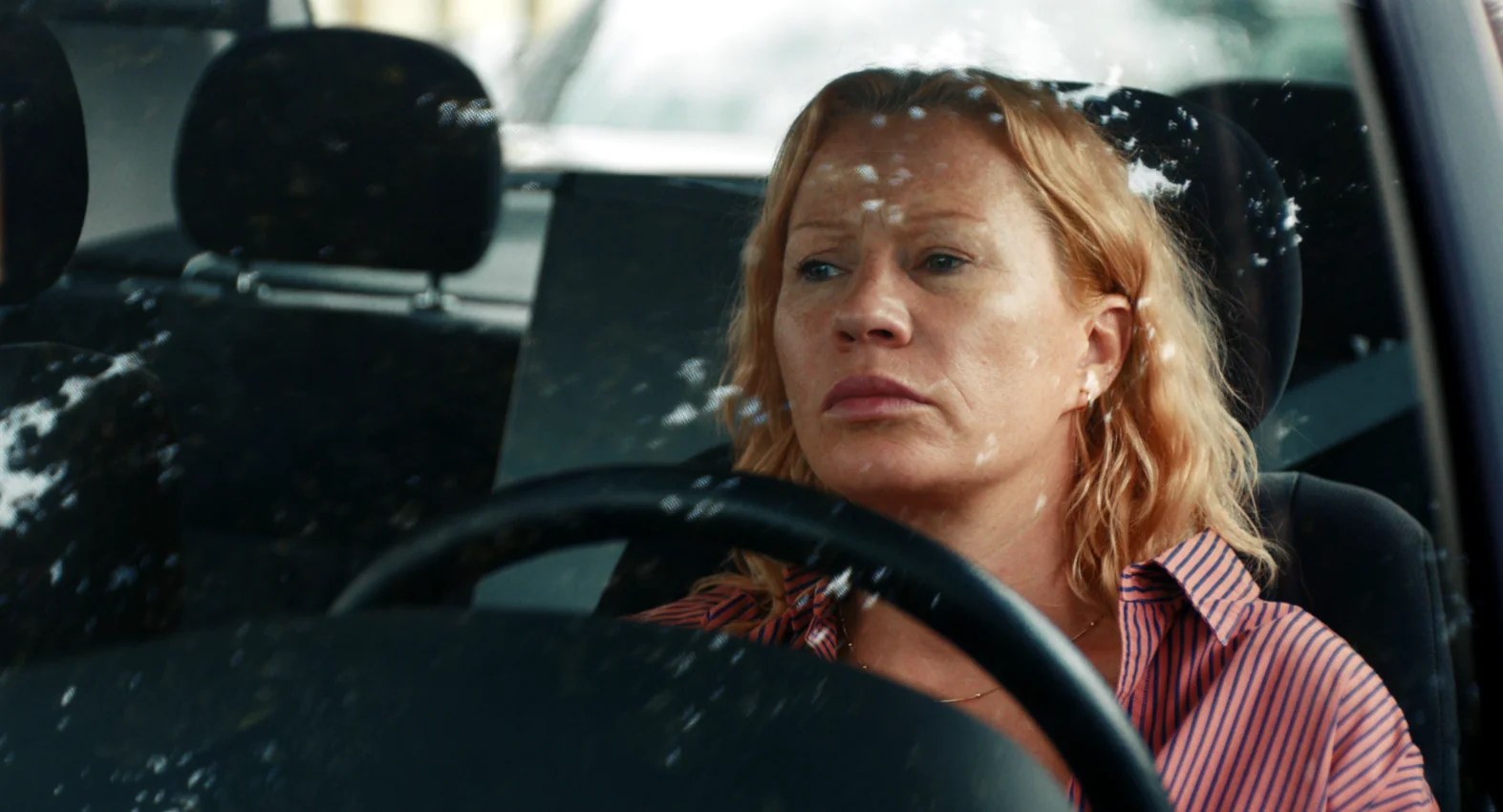
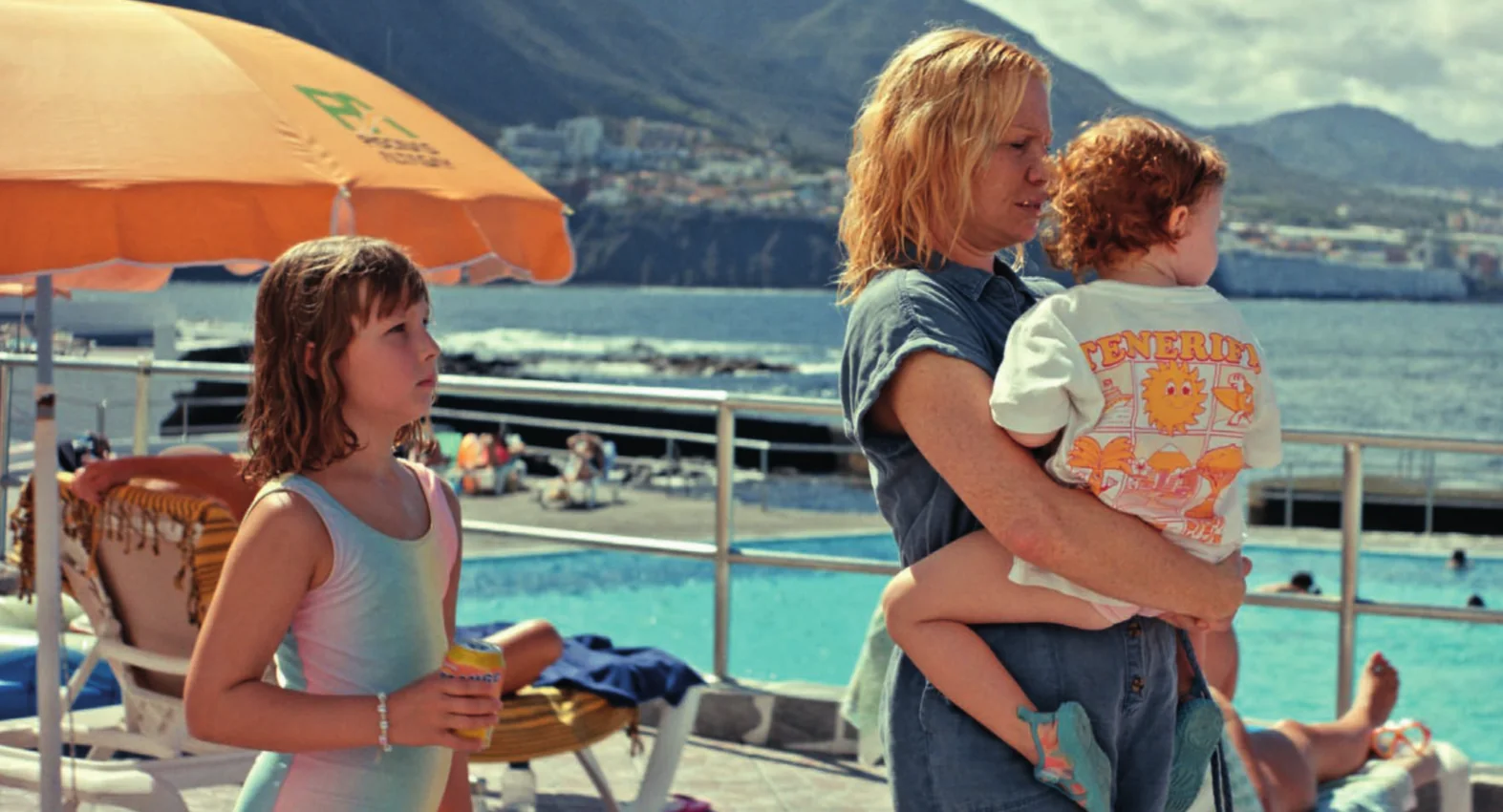
The last photo Jessie took shows the sun over Berlin. It hangs there as if nothing had happened. But Ella has lost her daughter. All she has left is Jessie’s little sister and the complicated relationship with the boy everyone blames. The odd trio find themselves on a family holiday that never really was. Under the shimmering sun of Tenerife, memory and the present become inextricably intertwined. The ghosts are everywhere.
“In EVERYTIME, we follow a mother who has lost her daughter, the younger sister who has her own unique way of coping, and a boy whom everyone blames. Whilst the sun hangs there as if nothing had happened, we watch them as they try to do the right thing. They cling to a fragile routine, a rehearsed, pragmatic way of coping with everyday life that does little to conceal the impossible, unfulfillable wish underlying it: to somehow return to a time when ‘none of this ever happened’. But our reality isn’t made for that. That’s simply not how the world works. But then – in this film, it does happen after all, and the impossible becomes possible. You turn a corner and step into a scene, and suddenly the world seems to fold in on itself and the sun finally has the decency to stand still. And for a moment, or perhaps even forever, everything seems to be all right again. When you engage with such impossibilities, and truly allow them to happen, truly immerse yourself in them, it seems to me that they reveal something about the nature of human suffering, about our longings and perhaps about our very existence. Things that are otherwise only possible in dreams, we can experience in the cinema. That is what cinema is for.” Sandra Wollner
Credits:
DE/AT 2026, 123 mins, German with English subtitles, Director: Sandra Wollner Cinematography: Gregory Oke Starring: Birgit Minichmayr, Lotte Shirin Keiling, Tristán López, Carla Hüttermann, Naomi Elia Richard
Wir verwenden Cookies, um unsere Website und unseren Service zu optimieren.
Funktionale Cookies
Always active
Die technische Speicherung oder der Zugang ist unbedingt erforderlich für den rechtmäßigen Zweck, die Nutzung eines bestimmten Dienstes zu ermöglichen, der vom Teilnehmer oder Nutzer ausdrücklich gewünscht wird, oder für den alleinigen Zweck, die Übertragung einer Nachricht über ein elektronisches Kommunikationsnetz durchzuführen.
Vorlieben
Die technische Speicherung oder der Zugriff ist für den rechtmäßigen Zweck der Speicherung von Präferenzen erforderlich, die nicht vom Abonnenten oder Benutzer angefordert wurden.
Statistiken
Die technische Speicherung oder der Zugriff, der ausschließlich zu statistischen Zwecken erfolgt.Die technische Speicherung oder der Zugriff, der ausschließlich zu anonymen statistischen Zwecken verwendet wird. Ohne eine Vorladung, die freiwillige Zustimmung deines Internetdienstanbieters oder zusätzliche Aufzeichnungen von Dritten können die zu diesem Zweck gespeicherten oder abgerufenen Informationen allein in der Regel nicht dazu verwendet werden, dich zu identifizieren.
Marketing
Die technische Speicherung oder der Zugriff ist erforderlich, um Nutzerprofile zu erstellen, um Werbung zu versenden oder um den Nutzer auf einer Website oder über mehrere Websites hinweg zu ähnlichen Marketingzwecken zu verfolgen.
![[:de]fsk Kino Logo[:]](https://fsk-kino.peripherfilm.de/wp-content/uploads/2022/08/kino-fsk-logo-dark.png)