Auf der Jagd

A film by Alice Agneskirchner. In german.

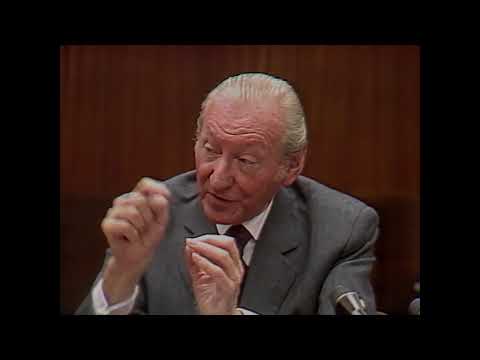
Where do we as humans find our­sel­ves on the sca­le: are we nature’s – our world’s – pro­tec­tors or its des­troy­ers? In expan­si­ve film thea­ter images we will enter the wild ani­mals’ cos­mos– not in Africa, but here at home. In one of the most beau­tiful land­scapes in Europe – in the German, Austrian, French and Swiss alps – we will pose this ques­ti­on to huma­ni­ty on the basis of the con­di­ti­on of the forests, their owners, the wild ani­mals, their hun­ters and the far­mers in the cycle of the seasons.

The ques­ti­on “Who Owns Nature?” imme­dia­te­ly leads to the next ques­ti­on: what is natu­re? Almost all of us live in cities. What most of us under­stand to be natu­re is: the plants, the city park or what we see when we tra­vel with a train or car from one city to the next. But is the green mea­dow natu­re? Is the forest, which flies by us one tree trunk at a time, natural?
So who do the deer, stags, cha­mois, wild boars, hares, foxes, lyn­xes, bears or wol­ves belong to? They have no owners. They belong to them­sel­ves; they are a part of natu­re. However, to be pre­cise, natu­re no lon­ger exists in Europe. There are “green” sur­faces that are used and plan­ted agri­cul­tu­ral­ly. The wild ani­mals share their habi­tats with us. Who deter­mi­nes how we live with them?

In opti­cal­ly lavish images, the film takes us into the uni­que world of the wild ani­mals, archaic land­scapes, sea­sons – and the hun­ters. In the heart of our wes­tern civi­liza­ti­on, we enter a world that doesn’t seem to fit to our con­tem­po­ra­ry age. Mountain goats, bel­lo­wing stags, a pack of wol­ves, forest ran­gers, far­mers, wild­life bio­lo­gists, hun­ting oppon­ents and hun­ters: they are all prot­ago­nists in a dra­ma­tic alpi­ne play.


Credits:
Deutschland 2018, 96 Min.
Buch und Regie: Alice Agneskirchner
Kamera: Johannes Imdahl, Owen Prümm
Montage: André Hammesfahr
Kommentar: Patrick Winczewski
Musik: Gert Wilden Jr.

Termine:

  • noch kei­ne oder kei­ne mehr 
AUF DER JAGDWEM GEHÖRT DIE NATUR | Trailer | Deutsch HD German

Author: fsk

  • Auf der Jagd

    Auf der Jagd

    A film by Alice Agneskirchner. In german.

    Where do we as humans find our­sel­ves on the sca­le: are we nature’s – our world’s – pro­tec­tors or its des­troy­ers? In expan­si­ve film thea­ter images we will enter the wild ani­mals’ cos­mos– not in Africa, but here at home. In one of the most beau­tiful land­scapes in Europe – in the German, Austrian, French and Swiss alps – we will pose this ques­ti­on to huma­ni­ty on the basis of the con­di­ti­on of the forests, their owners, the wild ani­mals, their hun­ters and the far­mers in the cycle of the seasons.

    The ques­ti­on “Who Owns Nature?” imme­dia­te­ly leads to the next ques­ti­on: what is natu­re? Almost all of us live in cities. What most of us under­stand to be natu­re is: the plants, the city park or what we see when we tra­vel with a train or car from one city to the next. But is the green mea­dow natu­re? Is the forest, which flies by us one tree trunk at a time, natural?
    So who do the deer, stags, cha­mois, wild boars, hares, foxes, lyn­xes, bears or wol­ves belong to? They have no owners. They belong to them­sel­ves; they are a part of natu­re. However, to be pre­cise, natu­re no lon­ger exists in Europe. There are “green” sur­faces that are used and plan­ted agri­cul­tu­ral­ly. The wild ani­mals share their habi­tats with us. Who deter­mi­nes how we live with them?

    In opti­cal­ly lavish images, the film takes us into the uni­que world of the wild ani­mals, archaic land­scapes, sea­sons – and the hun­ters. In the heart of our wes­tern civi­liza­ti­on, we enter a world that doesn’t seem to fit to our con­tem­po­ra­ry age. Mountain goats, bel­lo­wing stags, a pack of wol­ves, forest ran­gers, far­mers, wild­life bio­lo­gists, hun­ting oppon­ents and hun­ters: they are all prot­ago­nists in a dra­ma­tic alpi­ne play.


    Credits:
    Deutschland 2018, 96 Min.
    Buch und Regie: Alice Agneskirchner
    Kamera: Johannes Imdahl, Owen Prümm
    Montage: André Hammesfahr
    Kommentar: Patrick Winczewski
    Musik: Gert Wilden Jr.

    Termine:

    • noch kei­ne oder kei­ne mehr 
    AUF DER JAGDWEM GEHÖRT DIE NATUR | Trailer | Deutsch HD German
  • In den Gängen

    In den Gängen

    A Film by Thomas Stuber. In german.

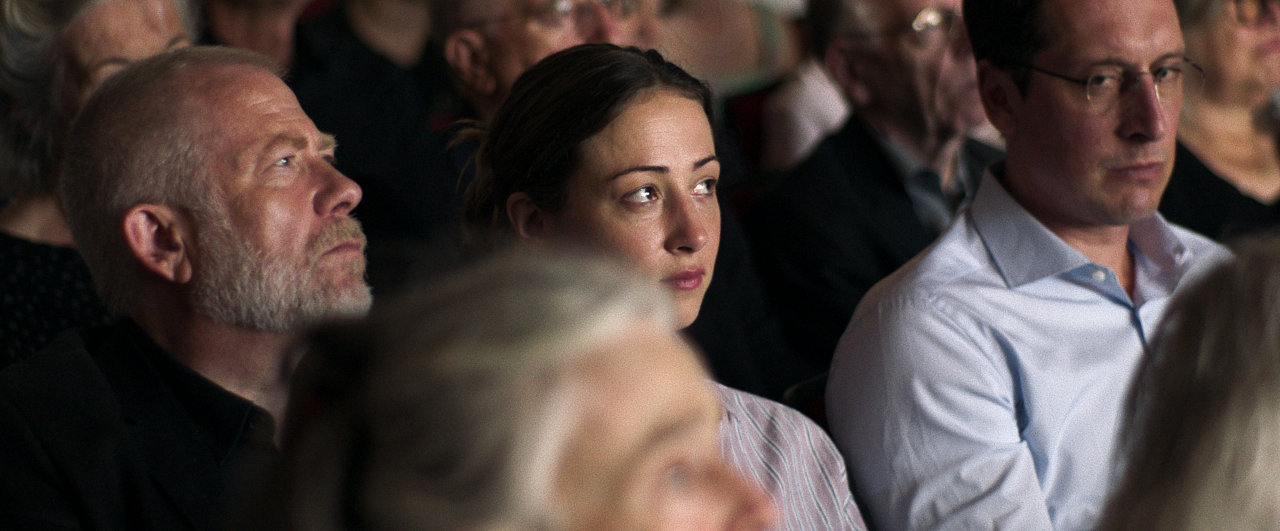
    Christian is new to the super­s­to­re. He mute­ly plun­ges into this unknown uni­ver­se: the end­less ais­les, the eter­nal order of the warehou­ses, the sur­re­al mecha­ni­cisms of the for­k­lift trucks. His col­le­ague Bruno from the drinks depart­ment takes him under his wing, show­ing him all the tricks of the trade and soon beco­mes a fat­her­ly fri­end. Marion from the con­fec­tion­a­ry depart­ment likes to have a bit of a laugh and a joke with Christian. When he falls in love with her, the enti­re warehouse is roo­ting for him. But Marion is mar­ried, albeit unhap­pi­ly by all accounts. All of a sud­den she goes on sick lea­ve. Christian falls into a deep hole, so deep in fact, that his mise­ra­ble old life threa­tens to engulf him once more.
    In his film In den Gängen Thomas Stuber opens a win­dow on the world of an ordi­na­ry worker in the east German pro­vin­ces. A cho­reo­gra­phy of peo­p­le and things, rea­li­ty, desi­res and dreams unfolds in pre­cis­e­ly framed images. The ever­y­day is trans­for­med into a magi­cal rea­lism which tran­s­cends this ten­der love sto­ry to point ten­ta­tively towards the con­cept of hope.

    Berlinale 2018 Competition

    Credits:
    Deutschland 2018, 125 Min.

    Regie: Thomas Stuber
    Buch: Clemens Meyer, Thomas Stuber
    Kamera: Peter Matjasko
    Schnitt: Kaya Inan
    mit:
    Franz Rogowski (Christian), Sandra Hüller (Marion), Peter Kurth (Bruno), Andreas Leupold (Rudi), Michael Specht (Paletten-Klaus), Ramona Kunze-Libnow (Irina), Henning Peker (Wolfgang), Steffen Scheumann (Norbert), Matthias Brenner (Jürgen), Gerdy Zint (Tino)


    Termine:

    • noch kei­ne oder kei­ne mehr 


  • Gutland

    Gutland

    A film by Govinda Van Maele.

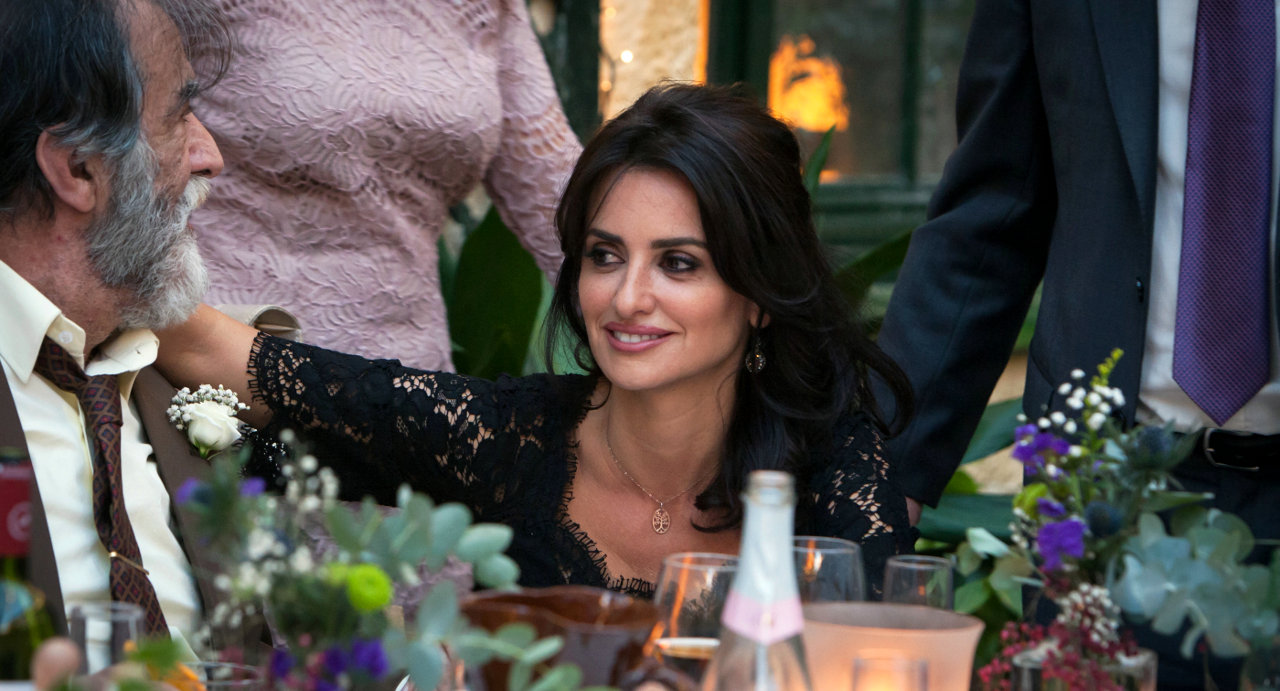
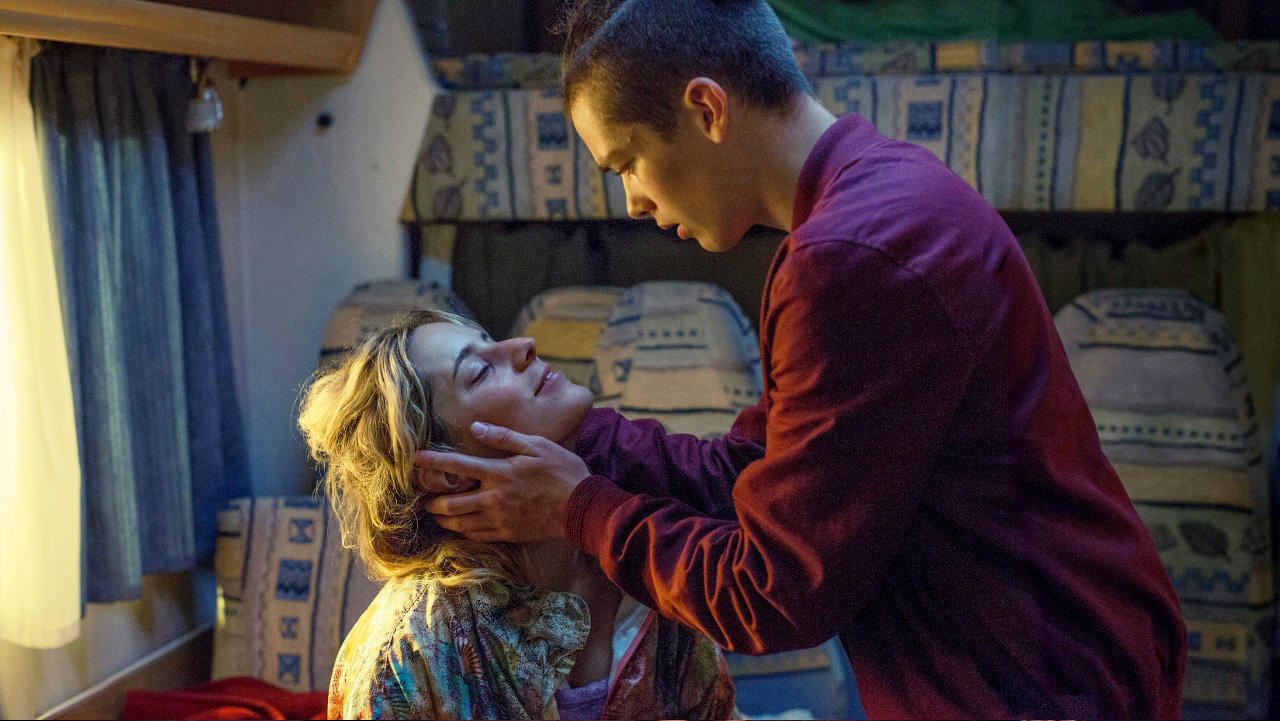
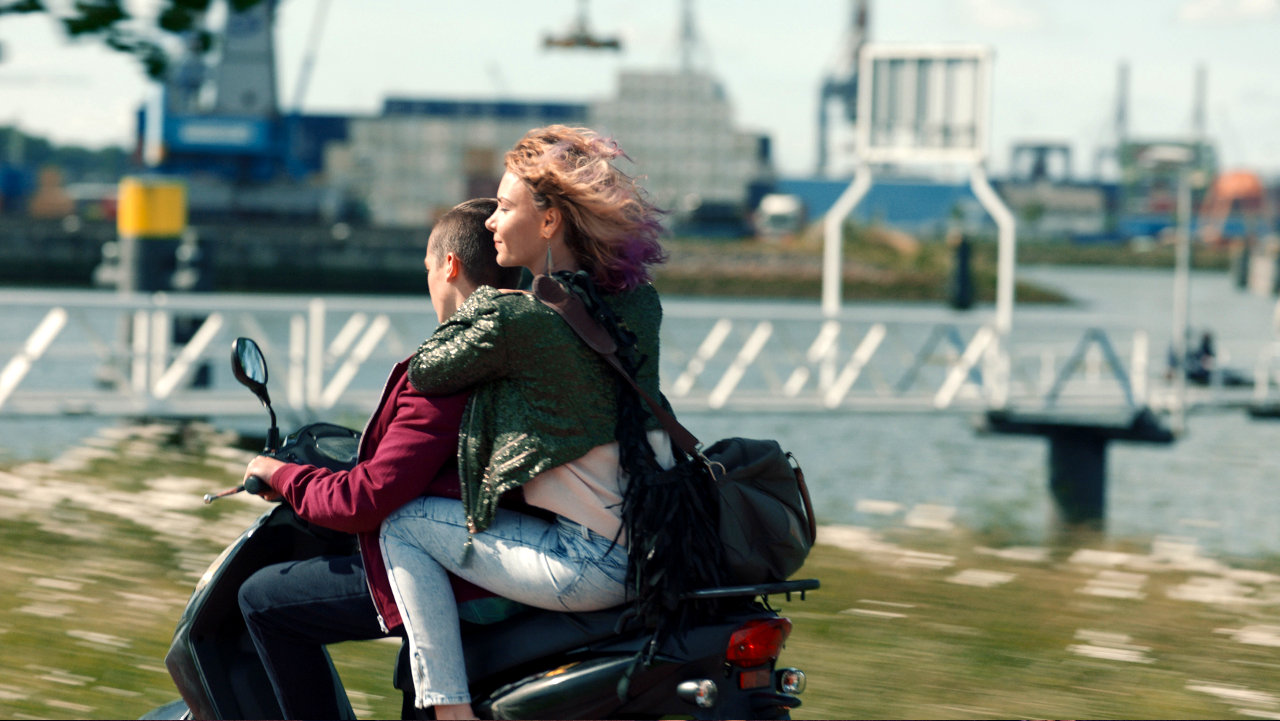
    Early one sum­mer mor­ning a young man, with a secret stas­hed away in a duf­fel bag, emer­ges from the forest. In a near­by vil­la­ge he asks around for work, but the far­mers, sus­pi­cious to the point of hosti­li­ty, are not very forth­co­ming. Only when Lucy, the mayor’s unru­ly daugh­ter, takes a liking to him, does the vil­la­ge chan­ge its atti­tu­de: he is prompt­ly offe­red a job as a farm­hand and a cara­van to live in.

    As time pas­ses and he is gra­du­al­ly inte­gra­ted into the com­mu­ni­ty, it emer­ges that he’s not the only one with a past to hide. Something sinis­ter is lur­king under the imma­cu­la­te sur­face of this pic­tures­que litt­le world – and it is slow­ly dra­wing him in.


    Luxemburg, Belgien, Deutschland 2017, 107 Min.
    Regie & Buch Govinda Van Maele
    mit: Frederick Lau, Vicky Krieps, Marco Lorenzini, Leo Folschette, Gerard Blaschette, Irina Blanaru u.a
     
    • noch kei­ne oder kei­ne mehr 


  • Bonjour Paris – Jeune Femme

    Bonjour Paris – Jeune Femme

    A film by Léonor Sérraill. In french with ger­man subtitles.

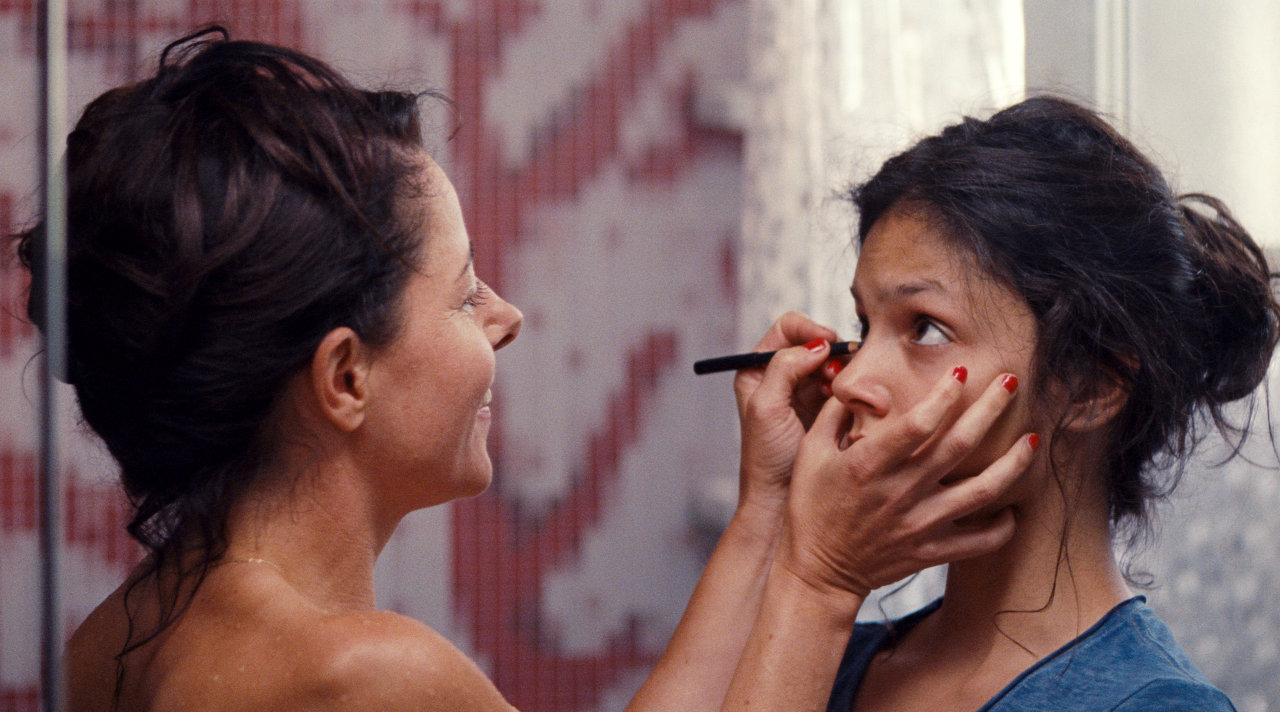
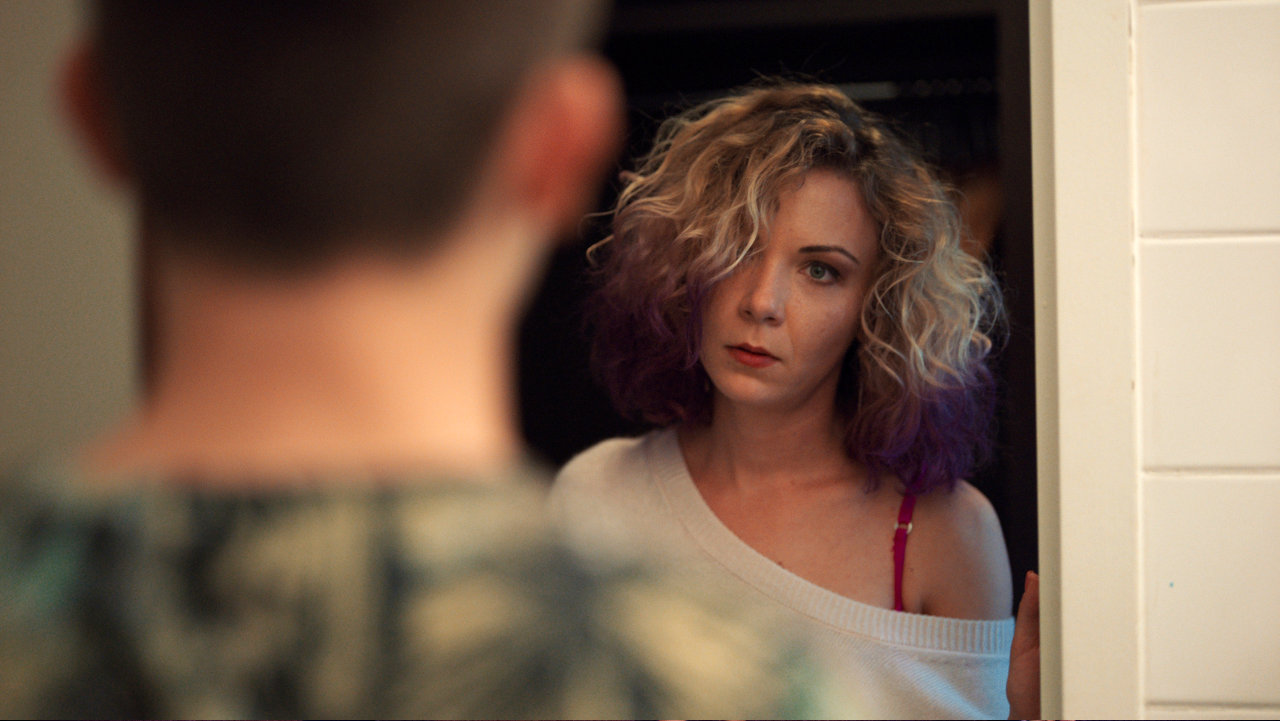
    Paula cau­ses trou­ble whe­re­ver she turns up. The 31-year-old just cut hers­elf on her ex-boyfriend’s locked apart­ment door. With no money and no job she finds hers­elf on the streets of Paris, Persian cat in arms. Rejected by her mother, Paula sets off on an odys­sey through a city to which she has only just retur­ned after a trip abroad. A fri­end­ly stran­ger, a com­ple­te­ly unfit­ting job in a depart­ment store and a smart girl help her get back on her feet again. Life, howe­ver, has alre­a­dy plan­ned the next sur­pri­se. Léonor Seraille’s direc­to­ri­al debut sees the main character’s unstoppable ener­gy super­b­ly expres­sed by Laetitia Dosch. This gem of a dra­me­dy recei­ved the Caméra d’Or at Cannes.

     
    Credits:
    OT: Jeune Femme
    Frankreich 2017, 97 Min., frz. OmU
    Regie: Léonor Sérraill
    Kamera: Émilie Noblet
    Schnitt: Clémence Carré
    mit:
    Laetitia Dosch
    Grégoire Monsaingeon
    Souleymane Seye Ndiaye
    Léonie Simaga
    Nathalie Richard
     
    Termine:

    • noch kei­ne oder kei­ne mehr 


  • Directions

    Directions

    A film by Stephan Komandarev. 

    In the span of twen­ty-four hours, the fate of various people’s lives will col­l­i­de and be affec­ted during each indi­vi­du­als taxi ride. All are vic­tims of the decli­ne of a suf­fe­ring nation.

    We dri­ve through the streets of the city of Sofia and look through the eyes of dri­vers and cli­ents as hope slow­ly creeps in. We see that each decis­i­on we make has a ripp­le effect on others. We learn that even one person’s death could give ano­ther the chan­ce at a new life. That just one simp­le act of kind­ness will inde­ed make a difference.

    These sto­ries are about love and indif­fe­rence, about devo­ti­on and loneli­ne­ss; all con­nec­ted by a radio show that poses ques­ti­ons but gives no ans­wers. This is a sto­ry about a society’s need for a new DIRECTION even if it was as inva­si­ve as open heart surgery


    Bulgarien, Deutschland, Mazedonien 2017, 103 Min., bul­ga­risch, eng­li­sche OmU
    Originaltitel: Posoki
    Regie: Stephan Komandarev
    Drehbuch: Simeon Ventsislavov, Stephan Komandarev
    Kamera: Vesselin Hristov
    Schnitt: Nina Altaparmakova
    Darsteller: Vassil Vasilev–Zuek, Ivan Barnev, Assen Blatechki, Dobrin Dosev, Guerassim Gueorguiev, Irini Zhambonas, Vasil Banov, Troyan Gogov, Dimitar Banenkin, Stefan Denolyubov

    DIRECTIONS | Trailer OV w/Engl. Subt. from ARRI Media GmbH on Vimeo.

  • filmPOLSKA 2018

    filmPOLSKA 2018

    Sorry, this ent­ry is only available in Deutsch.

    Vom 26. April. – 3. Mai läuft das 13. pol­ni­sche Filmfestival in Berlin auch wie­der im fsk und zeigt 14 Filme aus dem umfang­rei­chen Programm (mehr unter www.filmpolska.de):

    Trailer:

    Termine:

    • noch kei­ne oder kei­ne mehr 

    Kurzbeschreibungen:

    Dzikie Roże / Wild Roses 93′ poln. OmU, Regie: Anna Jadowska
    Packendes Psychogramm einer jun­gen Frau in der pol­ni­schen Provinz, die ihr Kind aus einer Affäre zu einem erst 16-jäh­ri­gen Jugendlichen zur Adoption freigibt.
    Do. 26.4. 20:00 GAST: Anna Jadowska

    Wild Roses

    Twój Vincent / Loving Vincent
    88′ engl. OmU, Regie: Dorota Kobiela, Hugh Welchman
    Eine ani­mier­te, als Kriminalfilm auf­ge­bau­te Filmbiografie, die sich mit den Umständen von Vincent van Goghs Tod beschäftigt.
    Do., 26.4. 22:00

    Loving Vincent

    Człowiek z magicz­nym pudełkiem / The Man with the Magic Box
    103′ poln. OmU, Regie: Bodo Kox
    Originelles Sci-Fi Abenteuer: In dem dys­to­pi­schen Warschau der Zukunft ver­liebt sich Neuankömmling Adam in die reser­vier­te Goria.
    Fr., 27.4. 20:00 GAST: Bodo Kox


    The Man with the Magic Box

    Plac Zabaw / Playground
    81′ poln. OmU, Regie: Bartosz M. Kowalski
    Aus purer Langeweile ent­füh­ren Szymek und sein bes­ter Freund Czarek am letz­ten Schultag in einem pol­ni­schen Provinzkaff einen Dreijährigen.
    Fr., 27.4. 22:15

    Playground

    Twarz / Mug
    91′ poln. OmU, Regie: Małgorzata Szumowska
    Beim Bau der größ­ten Jesusstatue der Welt ver­un­glückt Jacek und kehrt mit völ­lig ent­stell­tem Gesicht zurück.
    Sa. 28.4. 20:00 GAST: Agnieszka Podsiadlik

    Mug

    Pomiędzy Słowami / Beyond Words
    85 Min., dt/poln/engl OmeU, Regie: Ursula Antoniak
    Michael ist ein pol­ni­scher Anwalt mit Wohnsitz in Berlin. Ein ech­ter Schnösel. Eines Tages jedoch steht sein Vater vor der Tür, den Michael ewig nicht gese­hen hat.
    Sa. 28.4. 22:00

    Beyond Words

    Der Prinz und der Dybbuk / The Prince and the Dybbuk
    82′ OmU Regie: Elwira Niewiera, Piotr Rosolowski
    Ein Portrait des pol­ni­schen Filmemachers Michal Waszynski, der im Laufe sei­nes Lebens ver­schie­de­ne Identitäten annahm, um sei­ne jüdi­sche Vergangenheit und Homosexualität zu verschleiern.
    So., 29.4. 20:00 GAST: Elwira Niewiera Wieża.

    The Prince and the Dybbuk

    Jasny dzień / Tower, a bright day
    106′ poln. OmeU, Regie: Jagoda Szelc
    Bei der Erstkommunion von Mulas Pflegetochter Nina reist auch die leib­li­che Mutter an.
    So. 29.4. 22:00

    Tower, a bright day

    Opera o Polsce / Opera about Poland
    41′ OmeU, Regie: Piotr Stasik
    Eindrücklicher audio­vi­su­el­ler Filmessay, der mit künst­le­ri­schen Bildern und einem elek­tri­sie­ren­den Soundtrack den Versuch unter­nimmt, die Lage der Nation zu beschrei­ben. Doppelprogramm mit:
    Pierwszy Polak na Marsie / First Pole on Mars 37′ OmeU, Regie: Piotr Stasik
    Mo., 30.4. 20:00 GAST: Piotr Stasik

    Opera about Poland

    Pewnego razu w lis­topad­zie / Once upon a time in November
    92′ poln. OmU, Regie: Andrzej Jakimowski

    Ein beun­ru­hi­gen­des Porträt einer aggres­si­ven Gesellschaft, in wel­cher der sozia­le Absturz auch für Menschen aus der Mittelschicht erschre­ckend real ist.
    Mo, 30.4. 22:00

    Once upon a time in November

    Cicha Noc / Silent Night
    97′ poln. OmU, Regie: Piotr Domalewski
    Eine sub­ti­le Behandlung der Probleme heim­keh­ren­der, pol­ni­scher Arbeitsmigranten, die auf Unverständnis und Entfremdung treffen.
    Di, 1.5. 20:00

    Silent Night

    Powidoki / Afterimage
    100′ poln. OmeU, Regie: Andrzej Wajda
    Die letz­ten Lebensjahre des Malers und Pioniers der pol­ni­schen Avantgarde Wladyslaw Strzeminski (1893−1952).
    Di., 1.5. 22:00

    Wołyń / Wolhynien
    OmU 149′, Regie: Wojciech Smarzowski
    Ein Spielfilm über das Massaker von Wolhynien im Jahr 1943
    Mi. 2.5. 20:00

    Wolhynien

    Ptaki śpie­wa­ją w Kigali / Birds Are Singing in Kigali
    113′ poln. OmU, Regie: Joanna Kos-Krauze, Krzysztof Krauze
    Die psy­cho­lo­gi­schen Konsequenzen des Vökermords in Ruanda anhand eines Fallbeispiels.  Mi., 2.5. 22:30

    Birds Are Singing in Kigali
  • Alfilm – 9. Arabisches Filmfestival Berlin

    Alfilm – 9. Arabisches Filmfestival Berlin

    The 9th edi­ti­on of ALFILM takes place from April 11th – 18th, 2018 pre­sen­ting cur­rent cine­ma from the Arab World in its Official Selection. Funded by the Berlin Cultural Senate, our spe­cial pro­gram “Ecce Homo – Perspectives on Arab Masculinities” will pre­sent fic­tion and docu­men­ta­ry films about the topic. Artists talks and a side pro­gram will com­ple­ment the pro­gram. www.alfilm.de

    • noch kei­ne oder kei­ne mehr 


  • Early Man

    Early Man

    A film by Nick Park.

    An aste­ro­id col­l­i­des with the pre­his­to­ric Earth, caus­ing the extinc­tion of the planet’s dino­saurs, but spa­ring a tri­be of cave­men living in a val­ley. Finding a rough­ly sphe­ri­cal chunk of the aste­ro­id that is too hot to touch, the cave­men begin to kick it around and invent a sports games named football.

    Many years later during the Stone Age, a young cave­man named Dug (Eddie Redmayne) lives in the val­ley with his chief Bobnar (Timothy Spall), and many other cave­men such as Asbo, (Johnny Vegas), Gravelle (Gina Yashere), Treebor (Richard Ayoade), Magma (Selina Griffiths), Barry (Mark Williams), Grubup (Richard Webber), Thongo and Eemak (Simon Greenall). One day, Dug sug­gests to Bobnar that they should try hun­ting wool­ly mam­mo­ths ins­tead of rab­bits, but he brushes him off.

    A Bronze Age army of War Elephants led by Lord Nooth (Tom Hiddleston) dri­ves the tri­be out of the val­ley and into the sur­roun­ding vol­ca­nic bad­lands, pro­clai­ming that the Stone Age has ended. Dug tri­es to attack the army, but falls into a cart and is unkno­wing­ly taken to Nooth’s city. While try­ing to eva­de the guards and escape, he is mista­ken for a foot­ball play­er and led onto the pitch befo­re a full sta­di­um crowd. He chal­lenges Nooth’s eli­te local team to a match with the val­ley at sta­ke and pro­mi­ses that the tri­be will work in Nooth’s mines fore­ver if they lose. Nooth dis­mis­ses the pro­po­sal at first, but chan­ges his mind once he rea­li­zes that he can pro­fit off the match.

    Dug dis­co­vers that alt­hough his ances­tors inven­ted foot­ball, the other mem­bers of his tri­be are too dim to under­stand it. After their only ball is des­troy­ed, Dug and his pet boar Hognob (Nick Park) sneak into the city to ste­al more but are found by a local resi­dent of Bronze city named Goona (Maisie Williams). Resentful over the team’s exclu­si­on of women, she helps them ste­al some balls and agrees to help him and the tri­be win the game.

    Goona points out that the play­ers on Nooth’s team are talen­ted but too ego­tis­ti­cal to work tog­e­ther effec­tively. The cave­men impro­ve in skill and team­work under her coa­ching. Nooth recei­ves a Message Bird (Rob Brydon) from Queen Oofeefa, war­ning him to not unde­re­sti­ma­te Dug’s team. To demo­ra­li­se Dug, Nooth has him brought to the mines and shows him cave pain­tings made by his tribe’s ances­tors, who pro­ved so ine­pt at foot­ball that they never won a match and even­tual­ly gave up the sport.

    On the day of the match with Oofeefa (Miriam Margolyes) in atten­dance, Dug announ­ces his for­feit­u­re as part of a deal to spa­re the rest of the tri­be and agrees to take their place in the mines. However, his reinvi­go­ra­ted team­ma­tes per­sua­de him to break the deal and play the match. They are down 3–1 at half-time, but ral­ly in the second half to tie the score. Nooth inca­pa­ci­ta­tes the refe­ree and takes his place, making bia­sed calls in favour of the local team that leads to Bobnar being kno­cked out.

    Hognob takes his place and blocks a penal­ty kick, and Dug scores to win the match for the cave­men, 4–3. The cave­men win their val­ley back with the respect of Oofeefa, the local team, and the crowd. Nooth tri­es to escape with the inten­ti­ons to ste­al all their money, but Goona stops him with help from a giant duck, they arrest him for his theft and ever­yo­ne gets their money back.

    Goona joins Dug’s tri­be for a hunt, but they are cha­sed away by a rab­bit pre­ten­ding to be a wool­ly mammoth.

    USA/GB/F 2018, 89 Min., engl. OmU & dt. Fassung, Regie: Nick Park, Kamera: Dave Alex Riddett, Schnitt: Sim Evan Jones, mit den Stimmen von engl. OV: Eddie Redmayne (Dug), Tom Hiddleston ( Lord Nooth), Maisie Williams (Goona), Timothy Spall (Chief Bobnar)
    dt. Fassung: Friedrich Mücke (Dug), Kaya Yanar (Lord Nooth, Dino), Palina Rojinski (Goona)

    • noch kei­ne oder kei­ne mehr 

  • Pio

    Pio

    A film by Jonas Carpignano. In ita­li­an with ger­man subtitles.

    One of the memo­rable cha­rac­ters lifted from rea­li­ty in Jonas Carpignano’s huma­ni­stic and time­ly plun­ge into the European refu­gee cri­sis, Mediterranea, was Pio Amato, a craf­ty pre­teen ope­ra­tor from a Romani fami­ly on the edges of a Calabrian town cal­led Gioia Tauro. Already the sub­ject of an iden­ti­cal­ly titled short film, this magne­tic Dickensian hust­ler now gets a rich­ly con­tex­tua­li­zed fea­ture por­trait in 
Pio – A Ciambra, a coming-of-age dra­ma with a ste­alt­hy emo­tio­nal char­ge that fur­ther enhan­ces the writer-director’s repu­ta­ti­on as a gifted prac­ti­tio­ner of Italian neo-neo­rea­lism. Executive pro­du­cer Martin Scorsese’s name should help the film secu­re dis­tri­bu­ti­on. Pio was 14 when the film was made, on the pre­cipi­ce of pre­ma­tu­re adult­hood. (…) Tim Curtin’s hand­held came­ra­work is high­ly effec­ti­ve when it moves in clo­se on Pio, sear­ching his face for access to ever­y­thing his alert young mind is pro­ces­sing. Invaluable tex­tu­re is pro­vi­ded also by Dan Romer’s score, which is bold and dyna­mic but used with judi­cious eco­no­my. (…) Carpignano is buil­ding an impres­si­ve­ly cohe­si­ve gal­lery of out­si­der por­traits.” (David Rooney, The Hollywood Reporter)

    Credits:
    A Ciambra

    Deutschland, Frankreich, Italien, USA 2017, 120 Min., ital. OmU
    Regie: Jonas Carpignano 
    Buch: Jonas Carpignano 
    Kamera: Tim Curtin 
    Schnitt: Affonso Gonçalves 
    mit:
    Pio Amato, Koudous Seihon, Damiano Amato

    Termine:

    • noch kei­ne oder kei­ne mehr 
  • Rhinland, Fontane

    Rhinland, Fontane

    A film by Sallmann. On April 14th and 15th at the fsk. In german.

    Bernhard Sallmann is working on a film pro­ject in seve­ral parts dedi­ca­ted to Theodor Fontane and his “Ramblings through Brandenburg”. “Rhinland. Fontane” is the second part and fol­lows “Oderland. Fontane”. The filmmaker’s inte­rest is his­to­ric on the one hand, which emer­ges in the pre­cise reci­tal of pas­sa­ges from Fontane’s book “Die Grafschaft Ruppin” (Ruppin County): peat cut­ters’ working con­di­ti­ons, Prussian mili­ta­rism, capi­ta­list spe­cu­la­tors, the author’s self-reflec­tions or the dra­stic expe­ri­ence of the Thirty Years’ War. On the other hand, Sallman’s con­cept of a strict regis­try of places and land­scapes in long, sta­tic shots with loca­ti­on sound is indeb­ted only to the pre­sent day: long distance roads cris­scross a mars­hy land­scape; secluded lakes open up in the beech forest.


    D.2017, 67 Min., 
    Regie, Buch & Kamera: Bernhard Sallmann
    Schnitt: Christoph Krüger