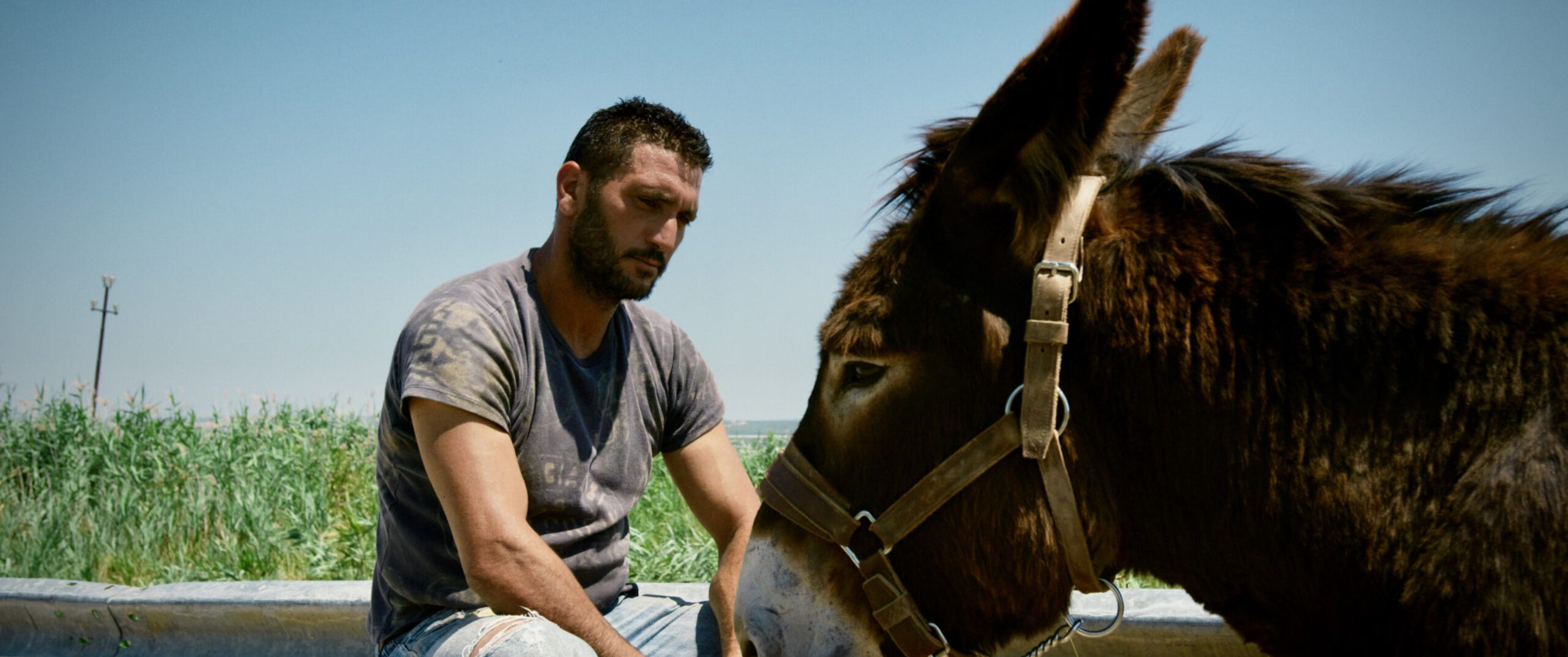
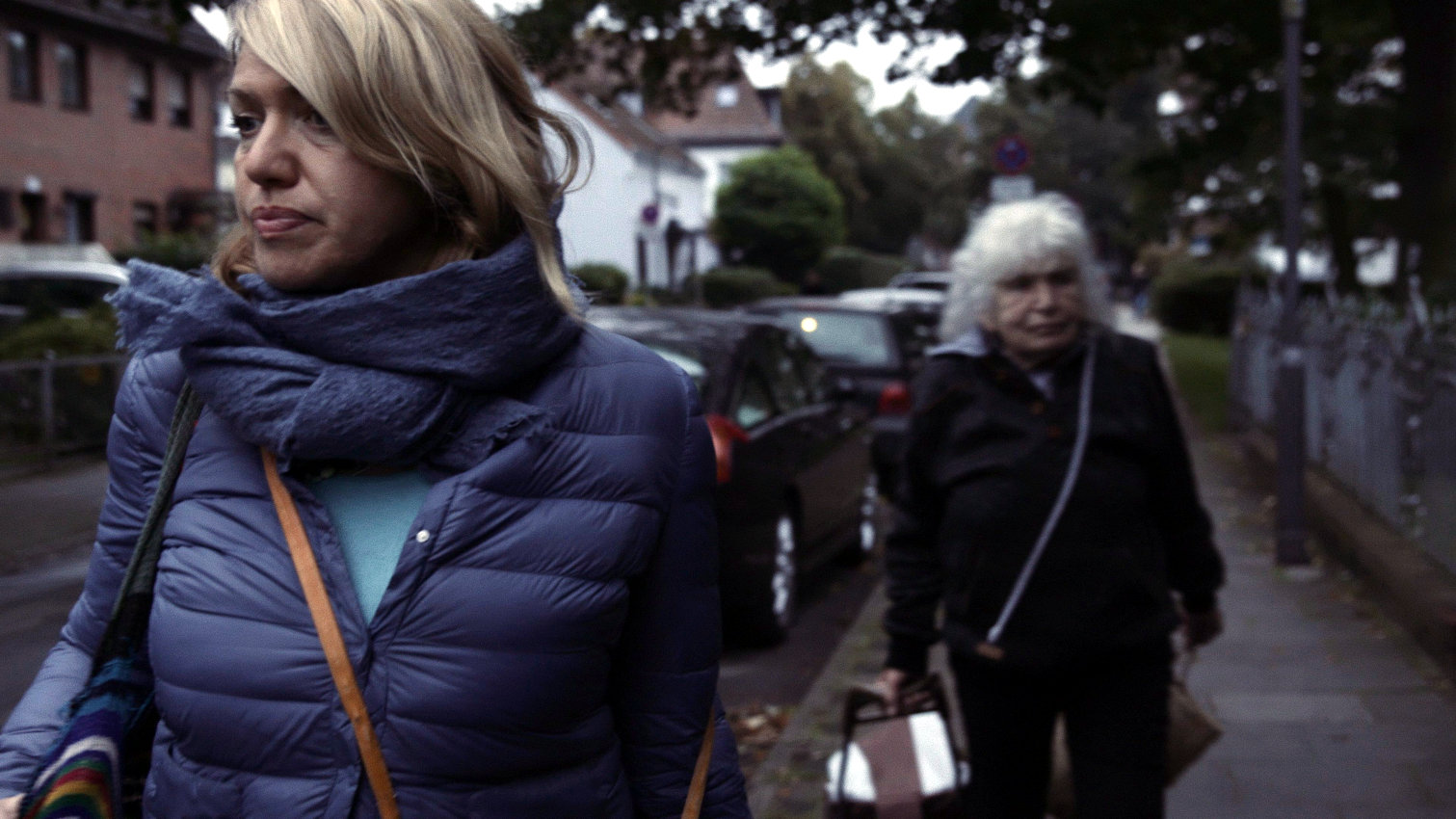
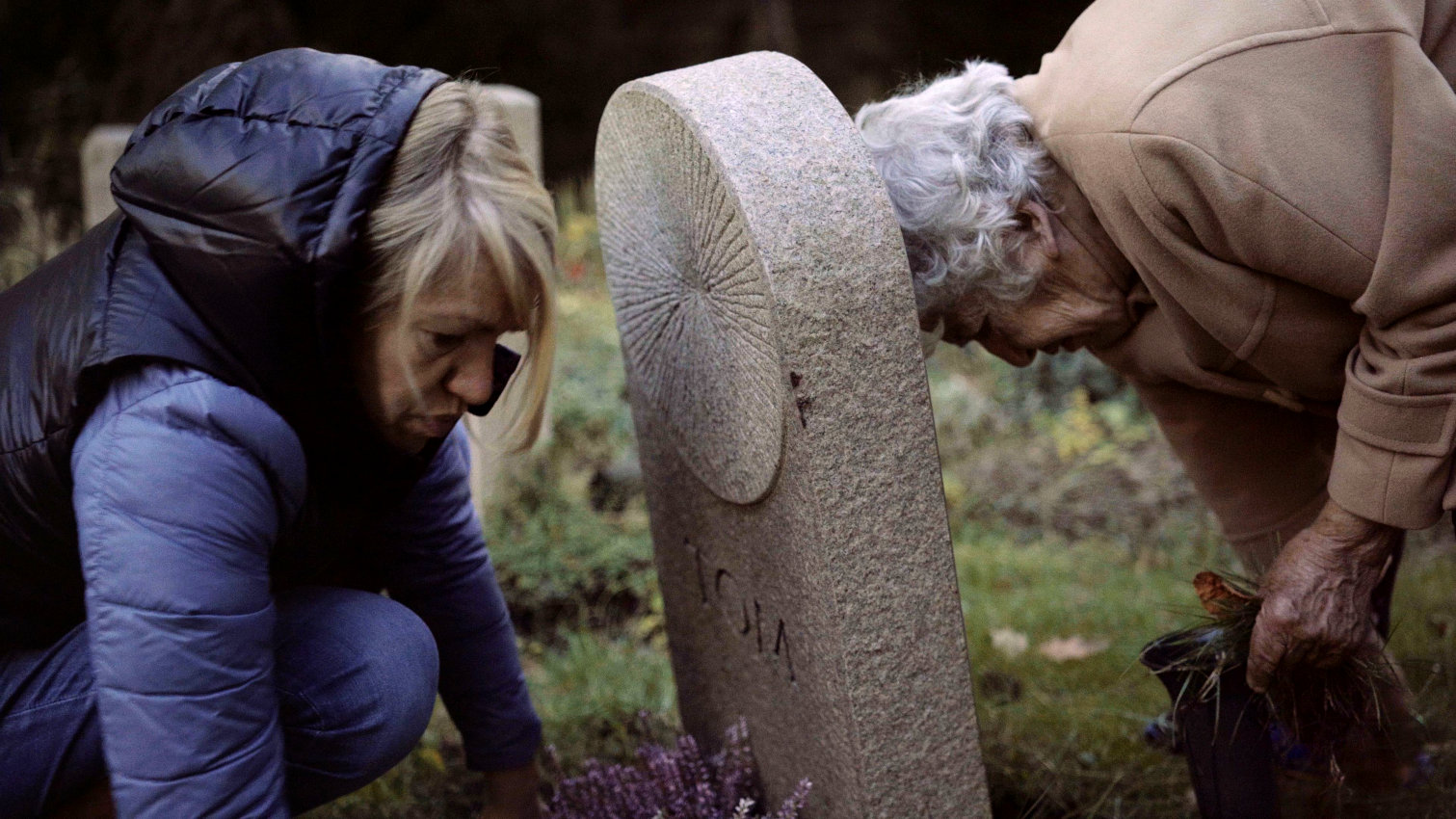
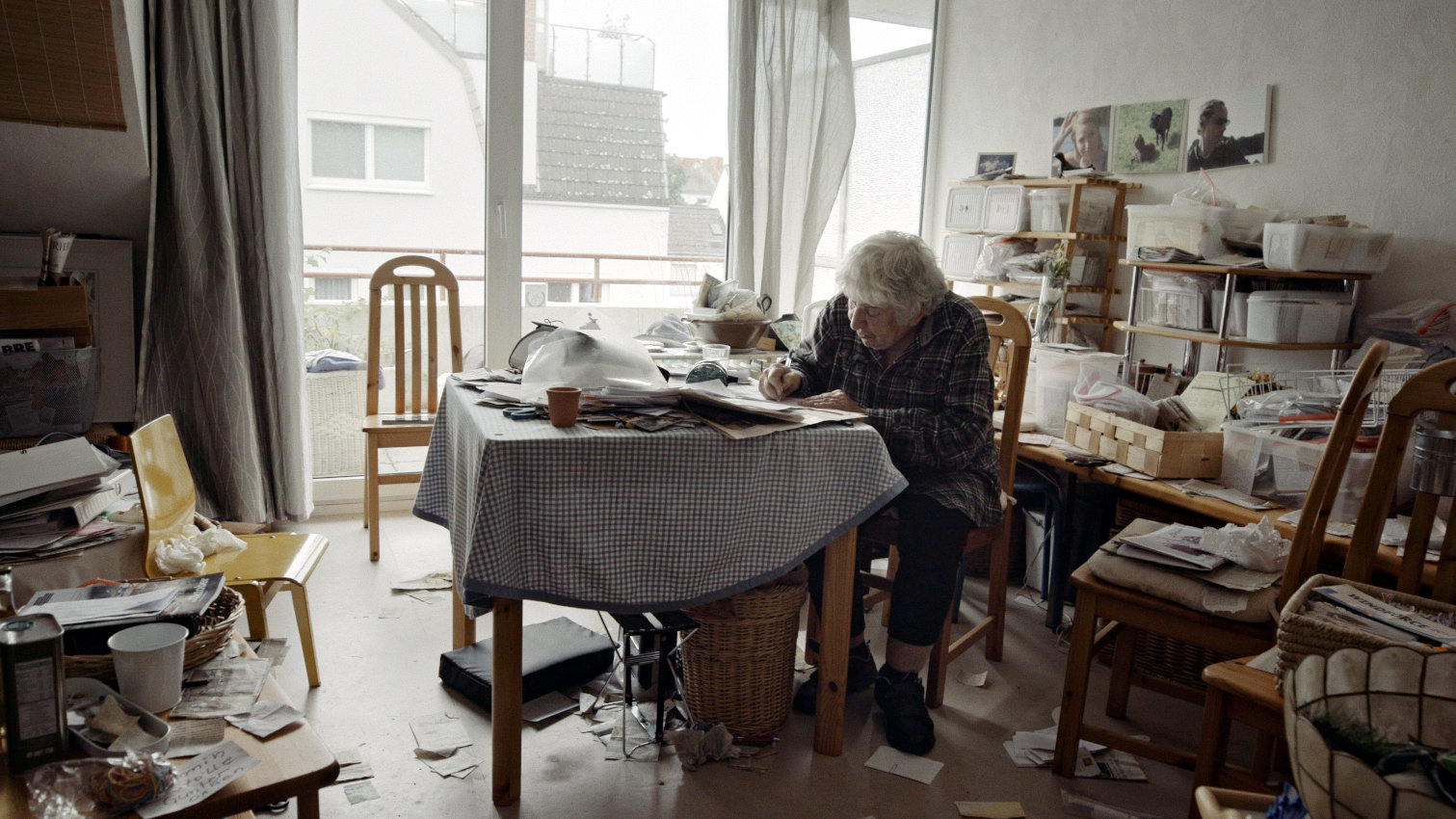
Kim has her music. Kim has her dogs. Kim has her faith. Kim struggles, every day: with anxiety, for a bit of normality, to stand on her own two feet. Kim’s mother, Lore, was deported to Auschwitz at the age of six. To this day, Lore is a DP, a displaced person. Lore has her index cards. From morning till night, she transcribes articles from the daily newspaper, archiving them in boxes and baskets. All her life, Lore has been silent: about her mother, about the hiding place where she survived, about Tom, her son, Kim’s brother, who took his own life. Kim instead wants to talk: about her childhood with Lore, about Tom, about the scarred lives they both lead. There is a lot of anger, a lot of strength, and a love between mother and daughter that was always there but could not be expressed.
Credits:
DE 2022, 81 Min. Regie: Sandra Prechtel Kamera: Susanne Schüle Schnitt: Andreas Zitzmann
Kim has her music. Kim has her dogs. Kim has her faith. Kim struggles, every day: with anxiety, for a bit of normality, to stand on her own two feet. Kim’s mother, Lore, was deported to Auschwitz at the age of six. To this day, Lore is a DP, a displaced person. Lore has her index cards. From morning till night, she transcribes articles from the daily newspaper, archiving them in boxes and baskets. All her life, Lore has been silent: about her mother, about the hiding place where she survived, about Tom, her son, Kim’s brother, who took his own life. Kim instead wants to talk: about her childhood with Lore, about Tom, about the scarred lives they both lead. There is a lot of anger, a lot of strength, and a love between mother and daughter that was always there but could not be expressed.
Credits:
DE 2022, 81 Min. Regie: Sandra Prechtel Kamera: Susanne Schüle Schnitt: Andreas Zitzmann
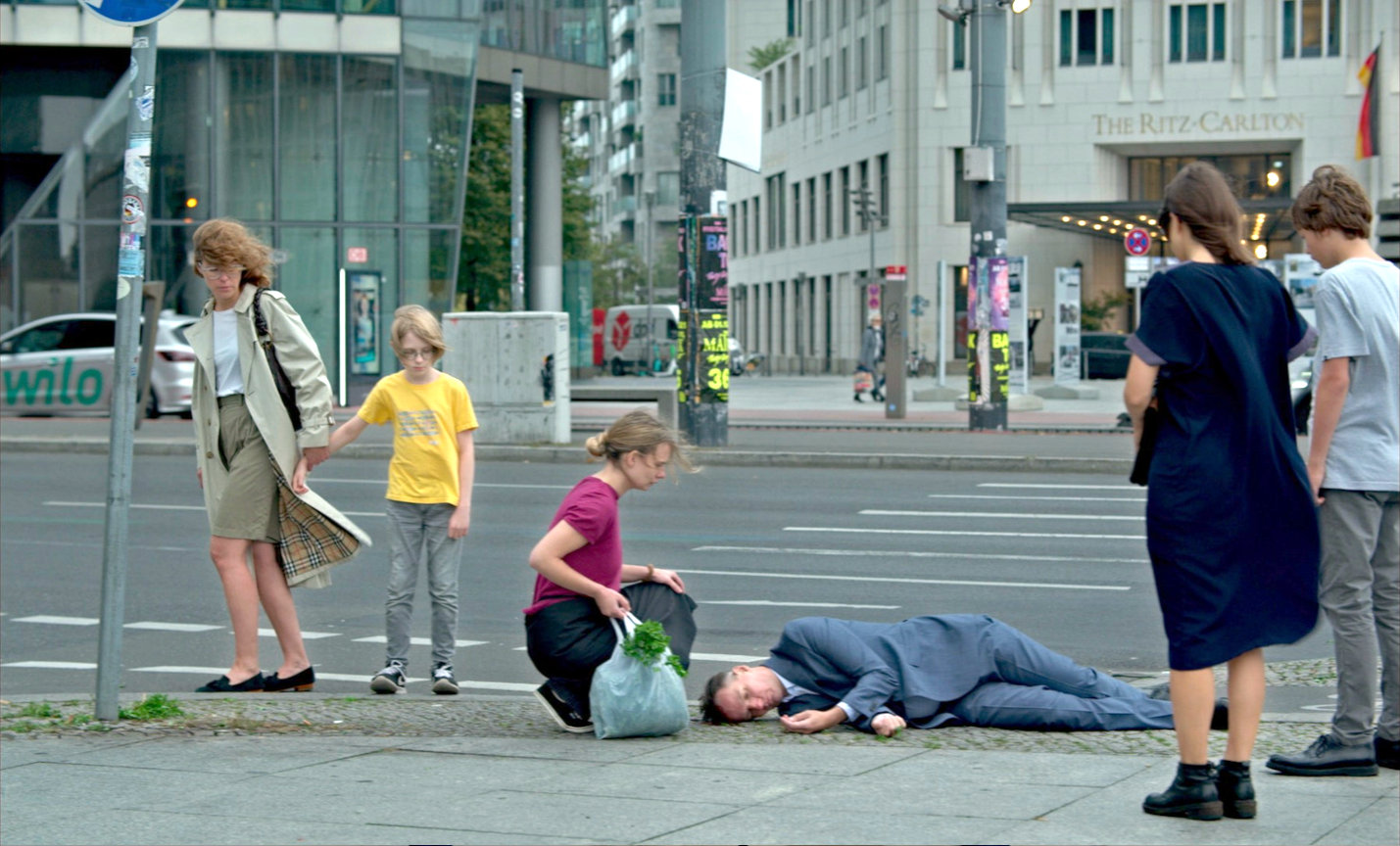
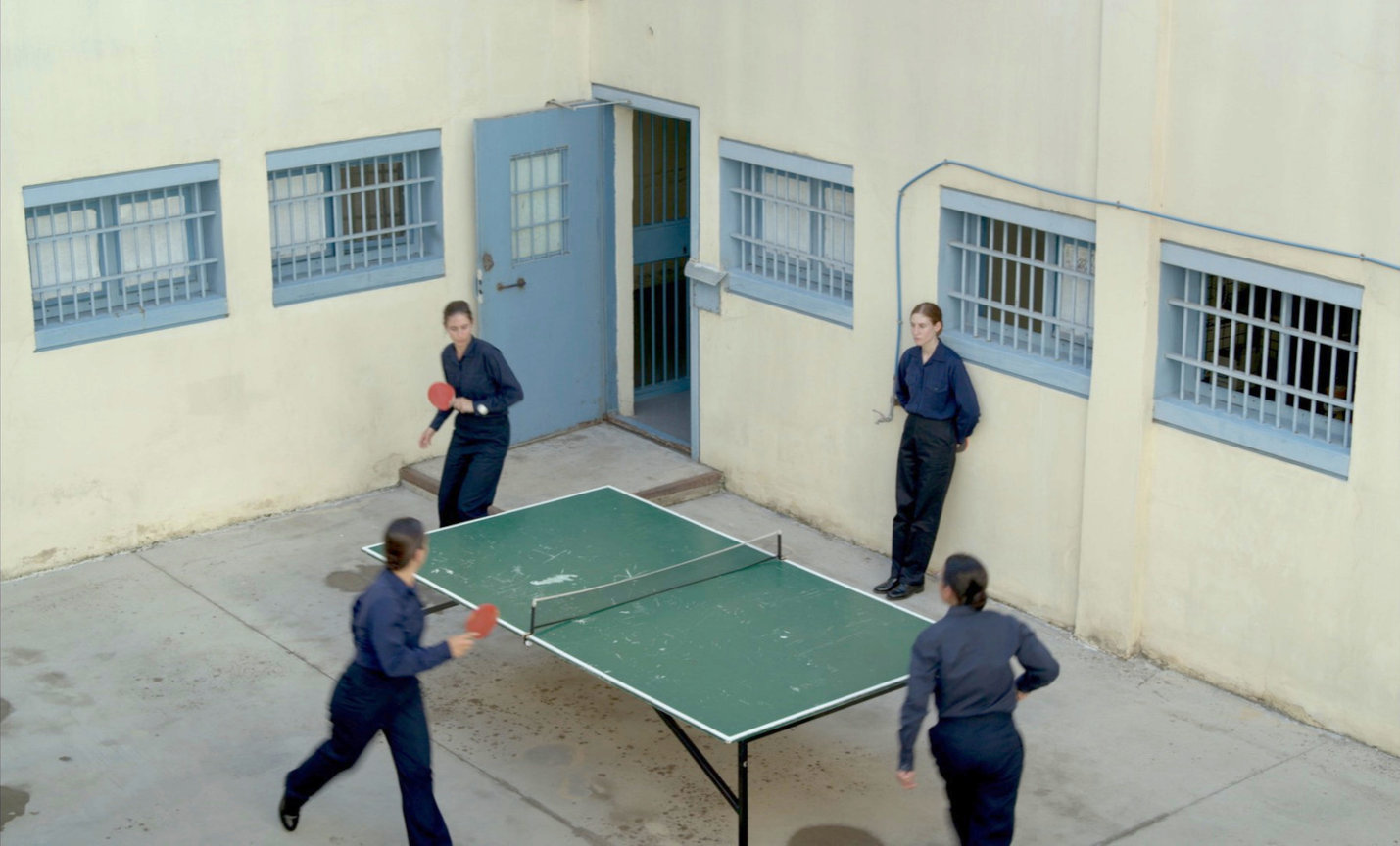
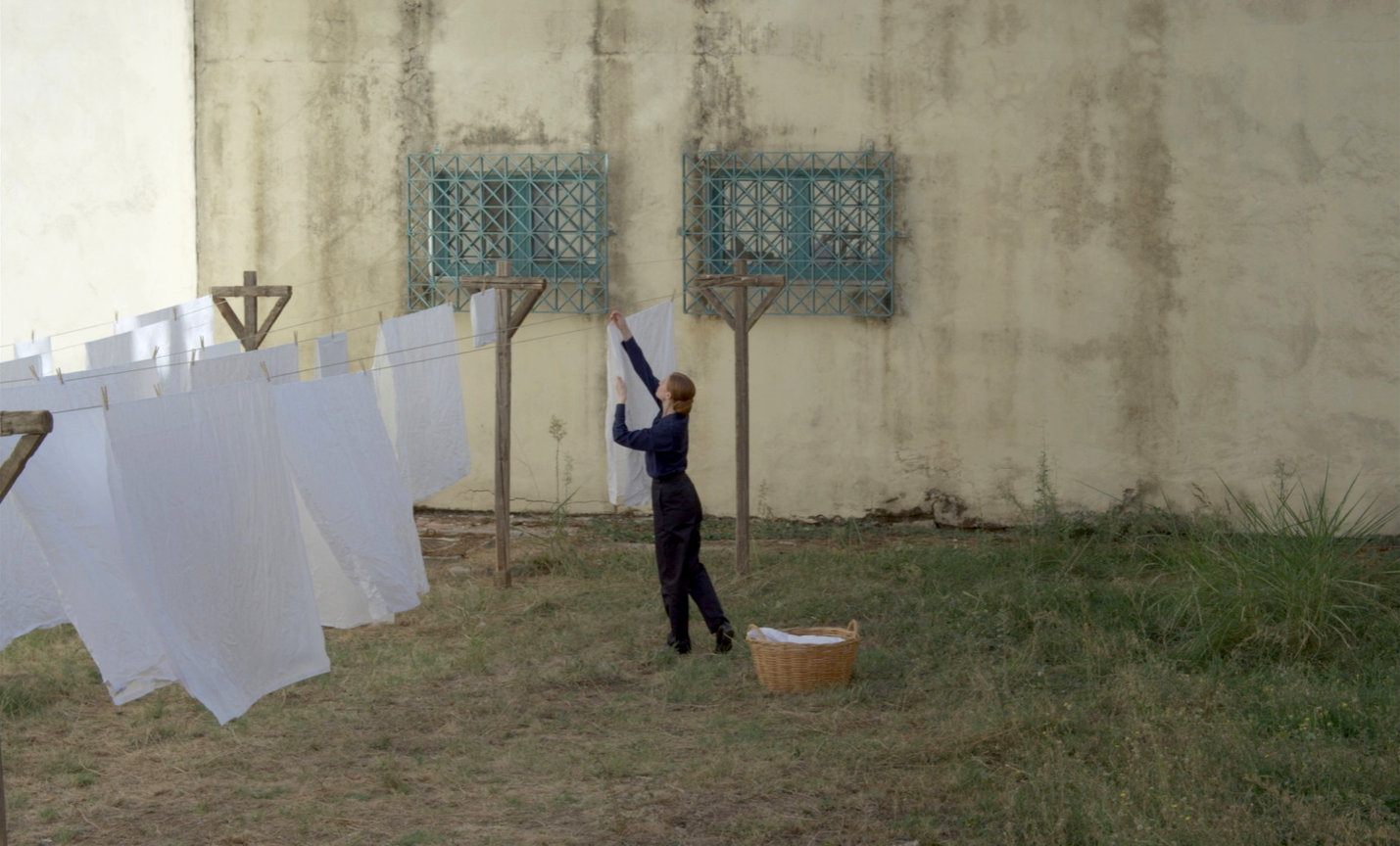
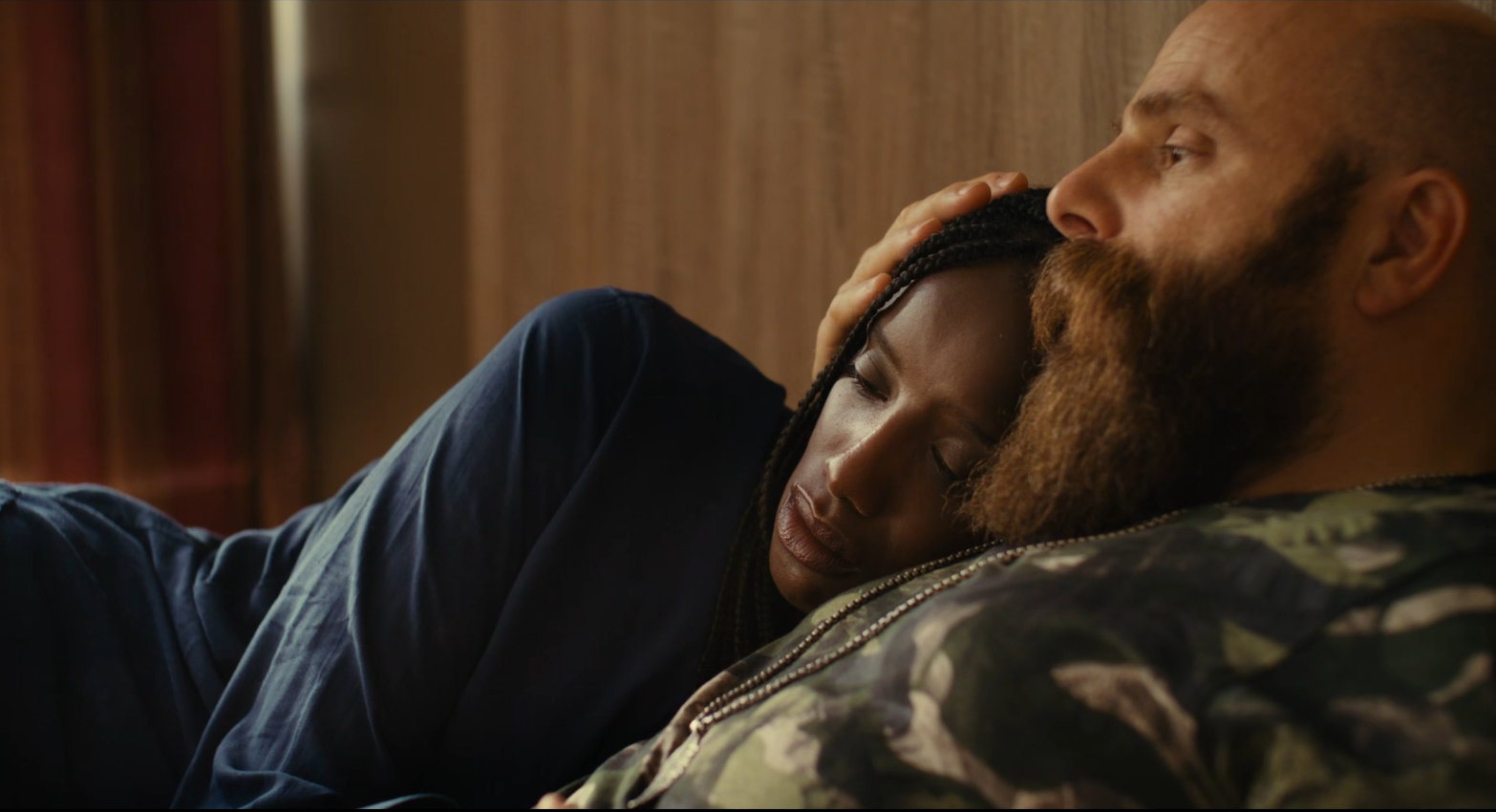
The myth of Oedipus is the core of this masterful piece of elliptical storytelling in which every detail, no matter how small, becomes a sign – or not. This is a film that transports us from the mountains and beaches of Greece to the lakes of Berlin, and from sometime in the 1980s to the present day. In between, there is one date that can be ascertained: 2006 (featuring football and two decisive minutes for Italy). A newborn baby boy is rescued from a storm one night. Paramedic Elias and his wife take him in, name him Jon, and raise him. As a young man, Jon is attacked and commits manslaughter. The victim is none other than … During his incarceration, Jon and a female prison officer named Iro become a couple. The tape recorder is playing baroque music: the playlist includes Monteverdi, Bach, Pergolesi. The aesthetics of this music develop into the film’s informing principle, reflecting events in a lucidly enigmatic and concretely abstract way that revels in its own austerity. In Angela Schanelec’s baroque-postmodern cinema, formulas from the doctrines of the affections and figures apply. An addictive intellectual-sensual challenge that allows us to blindly see.
Berlinale 2023 – Competition
Credits:
Deutschland / Frankreich / Serbien 2023, 108 Min., Griechisch, Englisch OmU Regie, Buch & Schnitt: Angela Schanelec Kamera: Ivan Marković mit Aliocha Schneider, Agathe Bonitzer, Marisha Triantafyllidou, Argyris Xafis, Frida Tarana
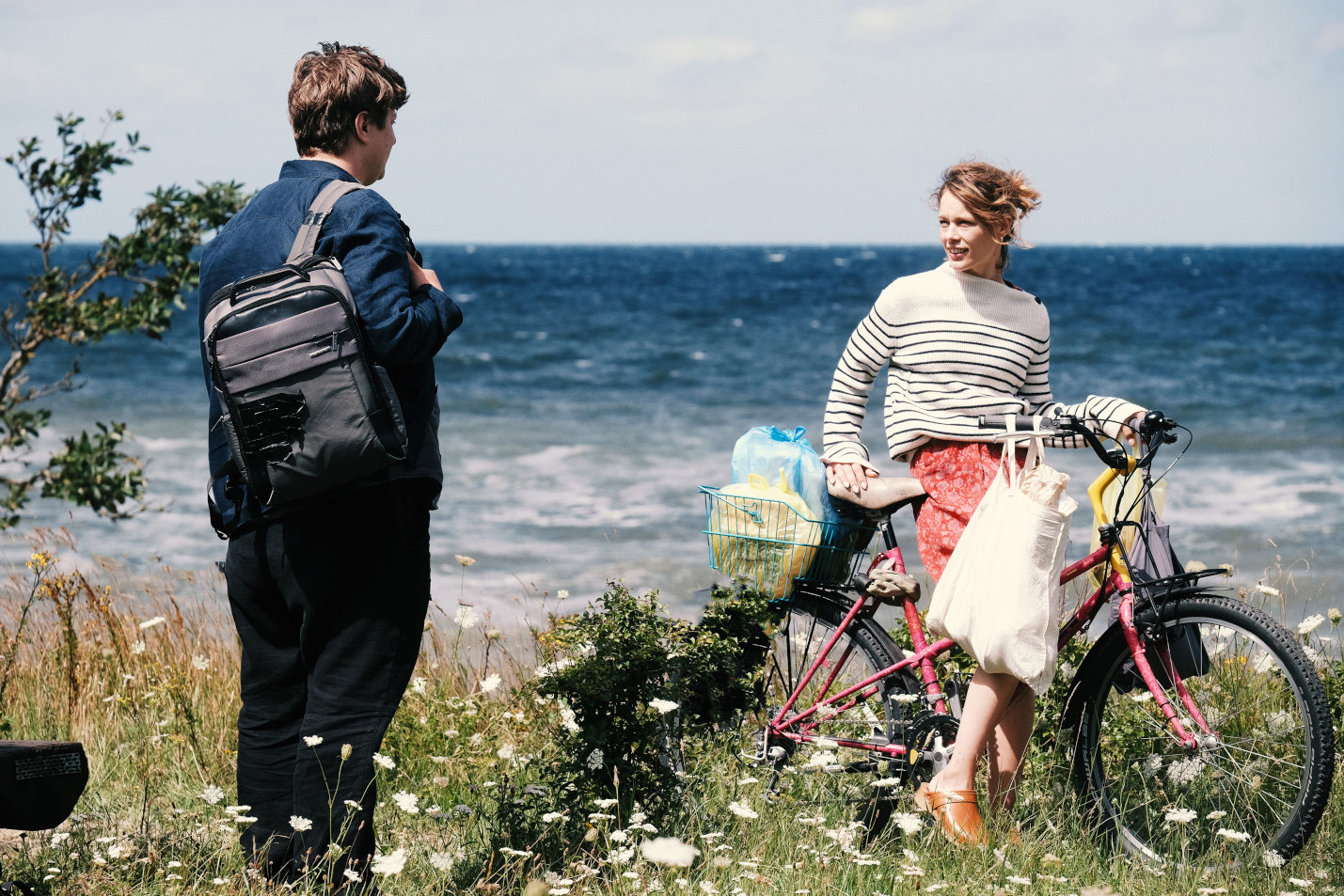
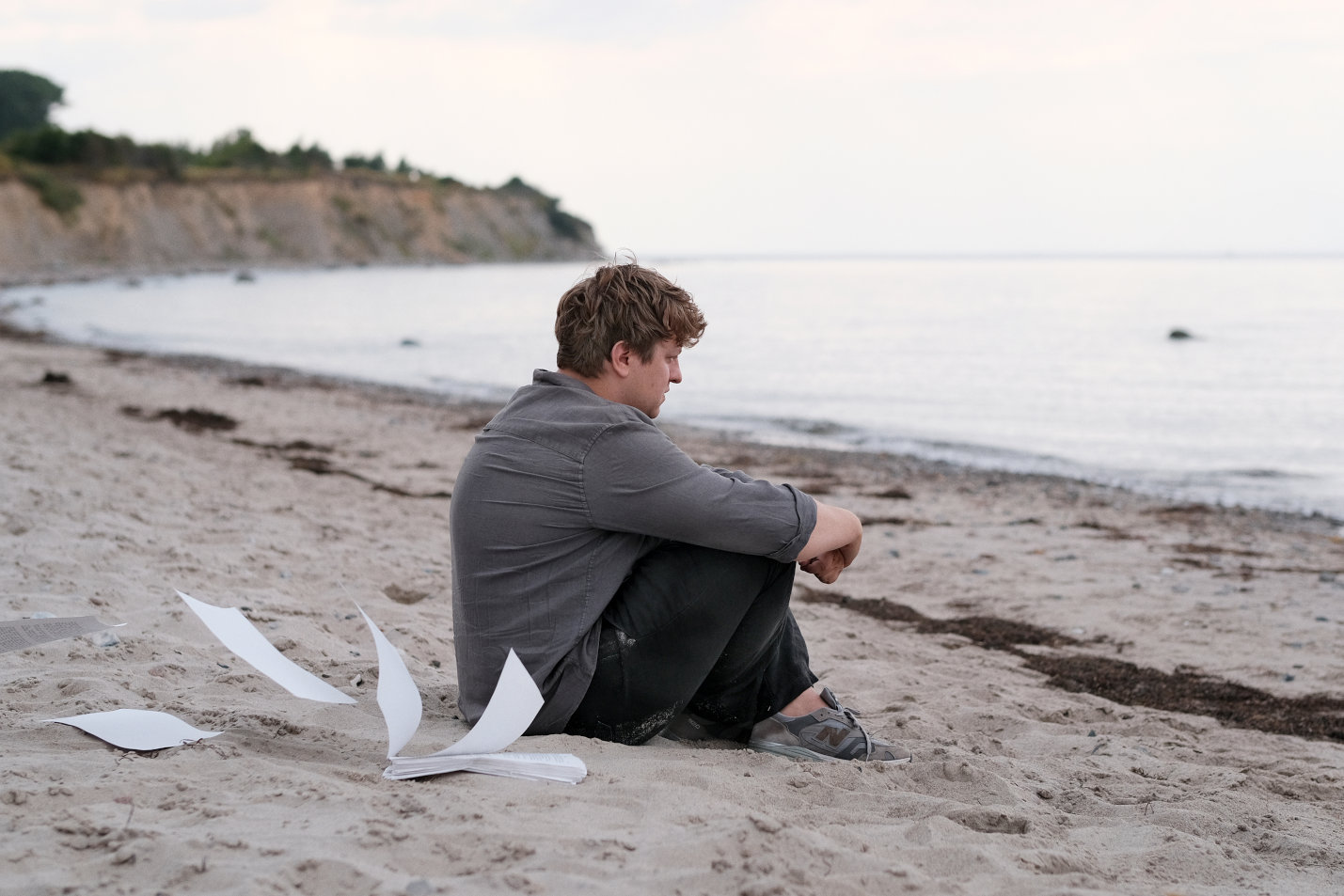
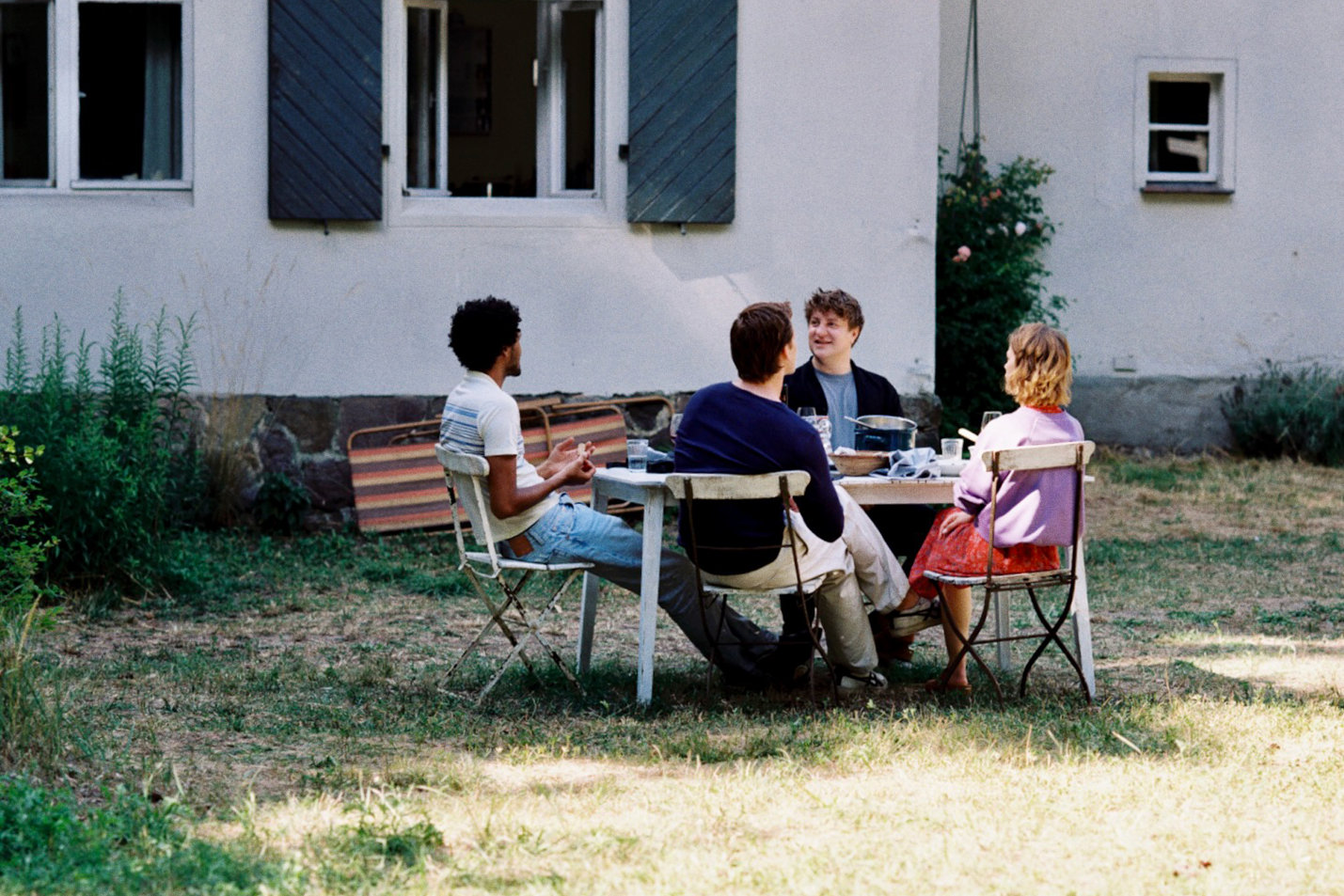
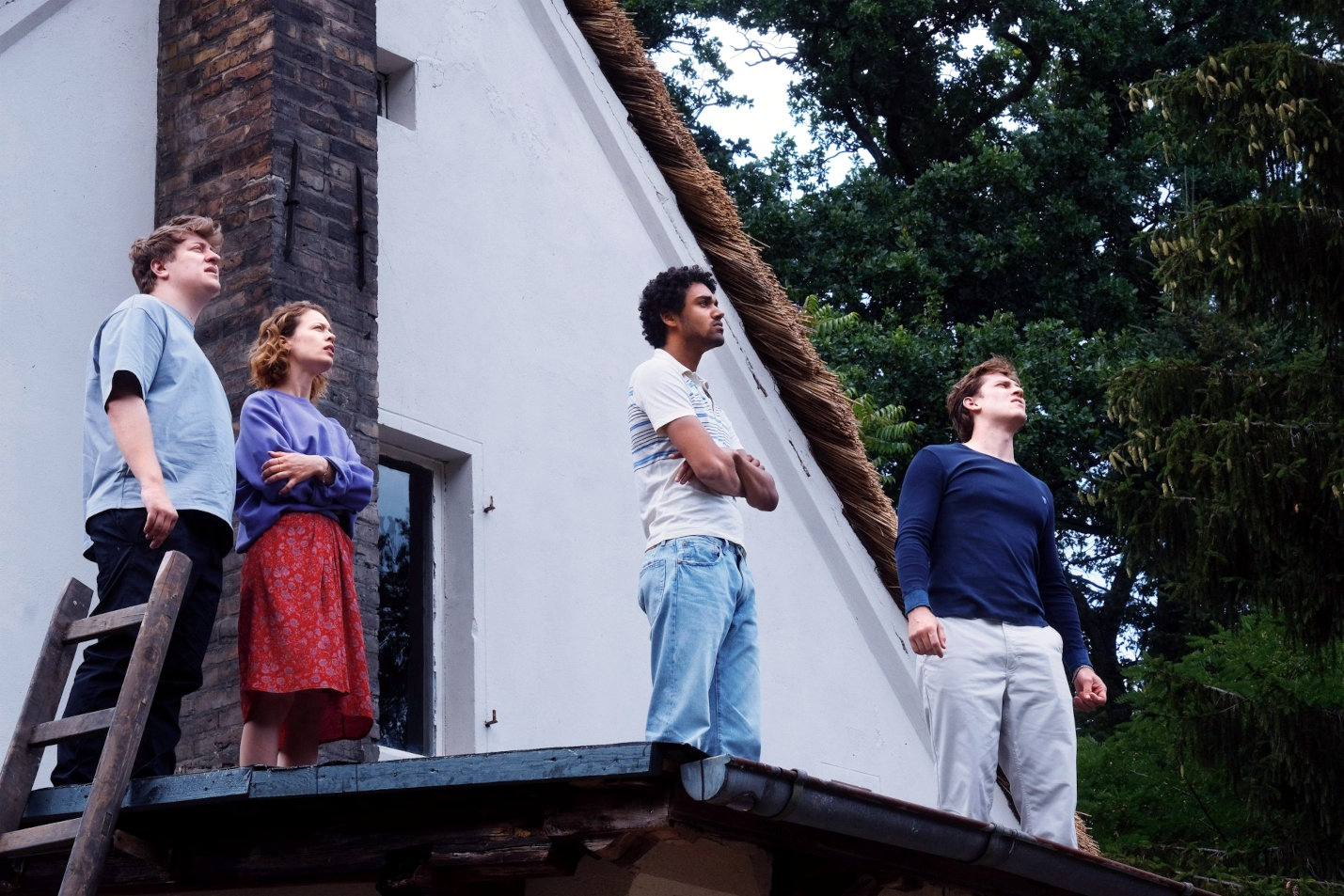
Leon and Felix’s plan was to spend the summer together in a holiday home on the Baltic coast. They wanted to be there as friends but also to work – one on his second book, the other assembling his art portfolio. But Nadja and Devid are also there, and they bring lots of positive vibes with them. Four young people experimenting with love, even though this does not come easy to Leon. His unfinished manuscript haunts him wherever he goes, whether he is at the summerhouse or the beach. The others’ good mood often causes his to plummet. A visit from his publisher is imminent. But, as the latter arrives in his nifty small car, the forest begins to blaze. It rains ash, the sky turns red, and a relationship-drama that merges physical intensity and artistic sublimation takes a turn into a new dimension. This second part of Christian Petzold’s trilogy begun in 2020 with Undine, is about not being able to sleep and wanting to love; about writing and being read; about being in the world and yet possibly allowing life to slip by. A film that is suspended between symbolism and realism, both funny and deeply tragic.
Berlinale 2023 – Competition
Credits:
DE 2023, 103 Min., deutsche OmeU Regie: Christian Petzold Kamera: Hans Fromm Schnitt: Bettina Böhler mit Thomas Schubert, Paula Beer, Langston Uibel, Enno Trebs, Matthias Brandt
Dieses Jahr wird bei uns mal wieder ein roter Teppich vor der Tür liegen, denn wir haben die „Berlinale goes Kiez“ Sektion bei uns zu Gast. Wann? Am 22.2. Es gibt drei Filme die jeweils im beiden Sälen parallel gezeigt werden. Tickets bekommt man bei der Berlinale und ein paar Karten dürfen wir auch im Kino verkaufen. Wir sind gespannt, aber nicht vergessen: Das Kino gibt es auch ohne Berlinale. Hier die Filme, die für uns ausgewählt wurden:
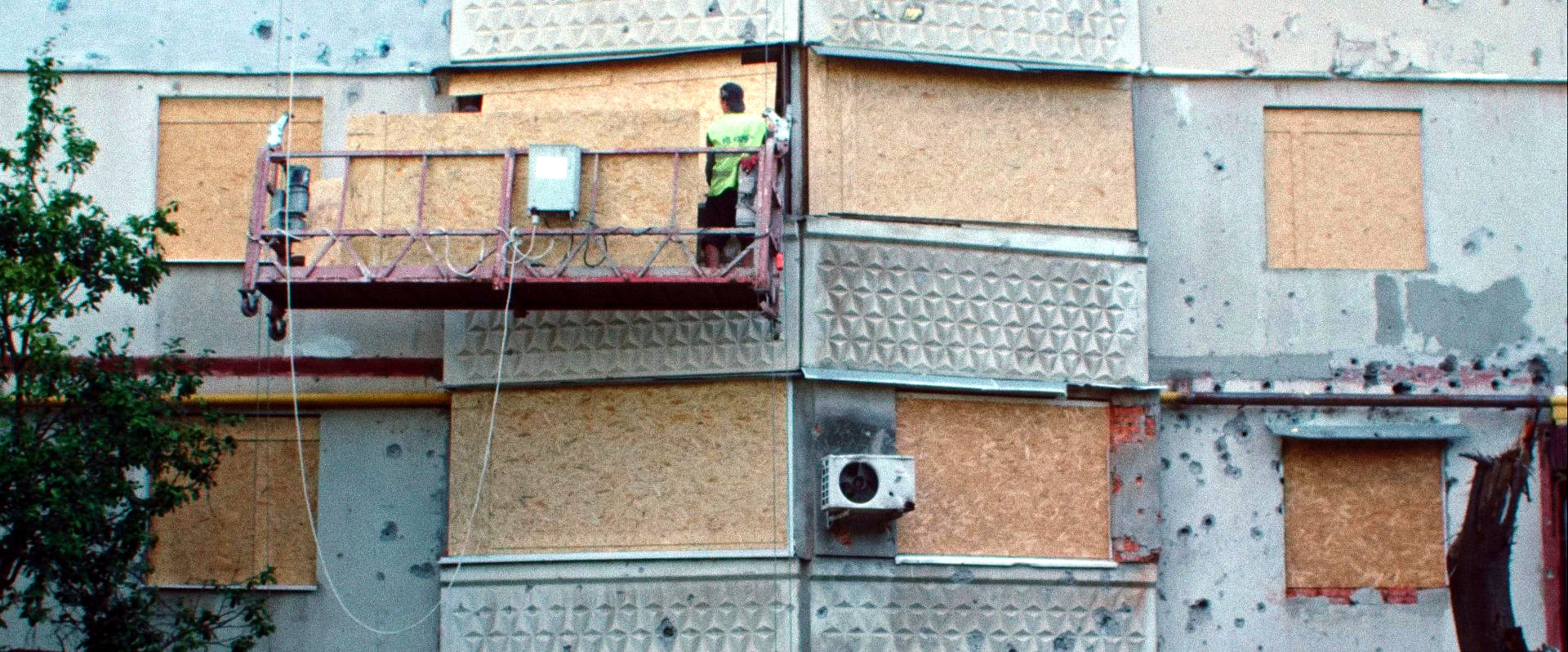
Forum: W Ukrainie – In Ukraine Zerbombte Straßen, zerstörte russische Panzer, Abendessen im U‑Bahn-Bunker: Bild für Bild tauchen Tomasz Wolski und Piotr Pawlus unter die Oberfläche reproduzierbarer Kriegsbilder – hinein in die Realität, in der das Land seit dem 24. Februar 2022 lebt. Piotr Pawlus, Tomasz Wolski ∙ Polen, Deutschland ∙ Dokumentarische Form ∙ 85‚ ∙ Ukrainisch, Russisch 22.02. 15:30 fsk Kino (mehr)
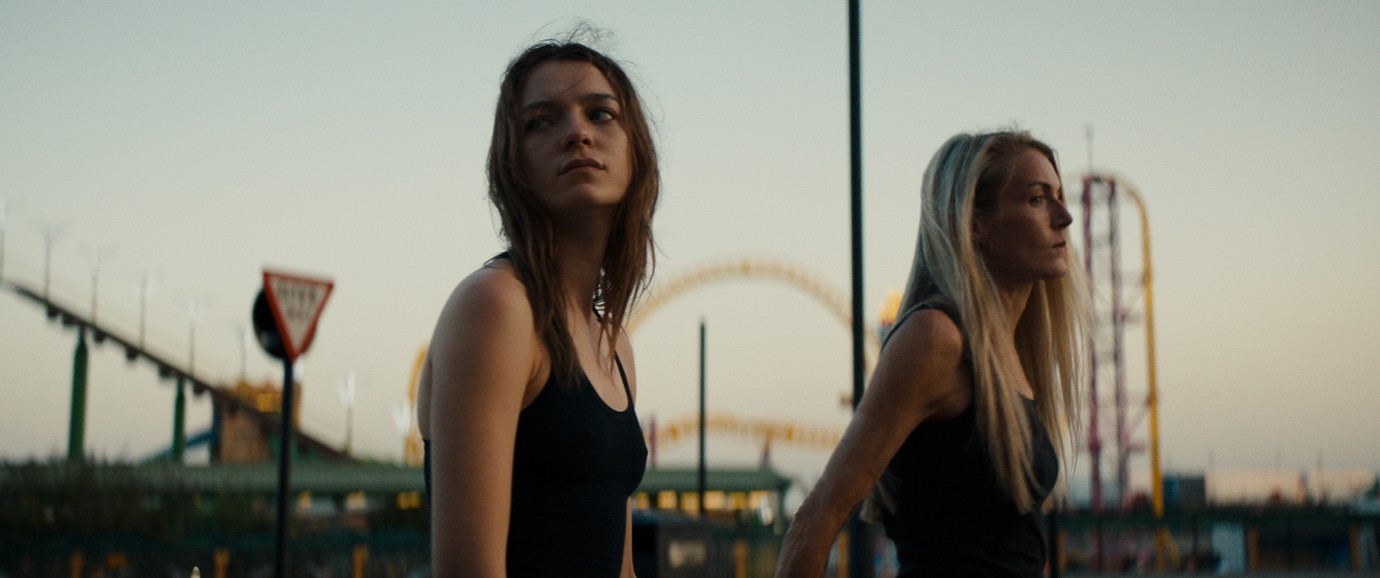
Panorama: Silver Haze Franky ist Krankenschwester und kommt aus einer rauen Gegend in Ostlondon. Als sie sich Hals über Kopf in ihre Patientin Florence verliebt, verändert das ihr Leben tiefgreifend. Ein Film über Vergangenheitsbewältigung, soziale Herkunft und die Suche nach Zugehörigkeit. Sacha Polak ∙ Niederlande, Vereinigtes Königreich ∙ 103‚ ∙ Englisch 22.02. 18:00 fsk Kino (mehr)
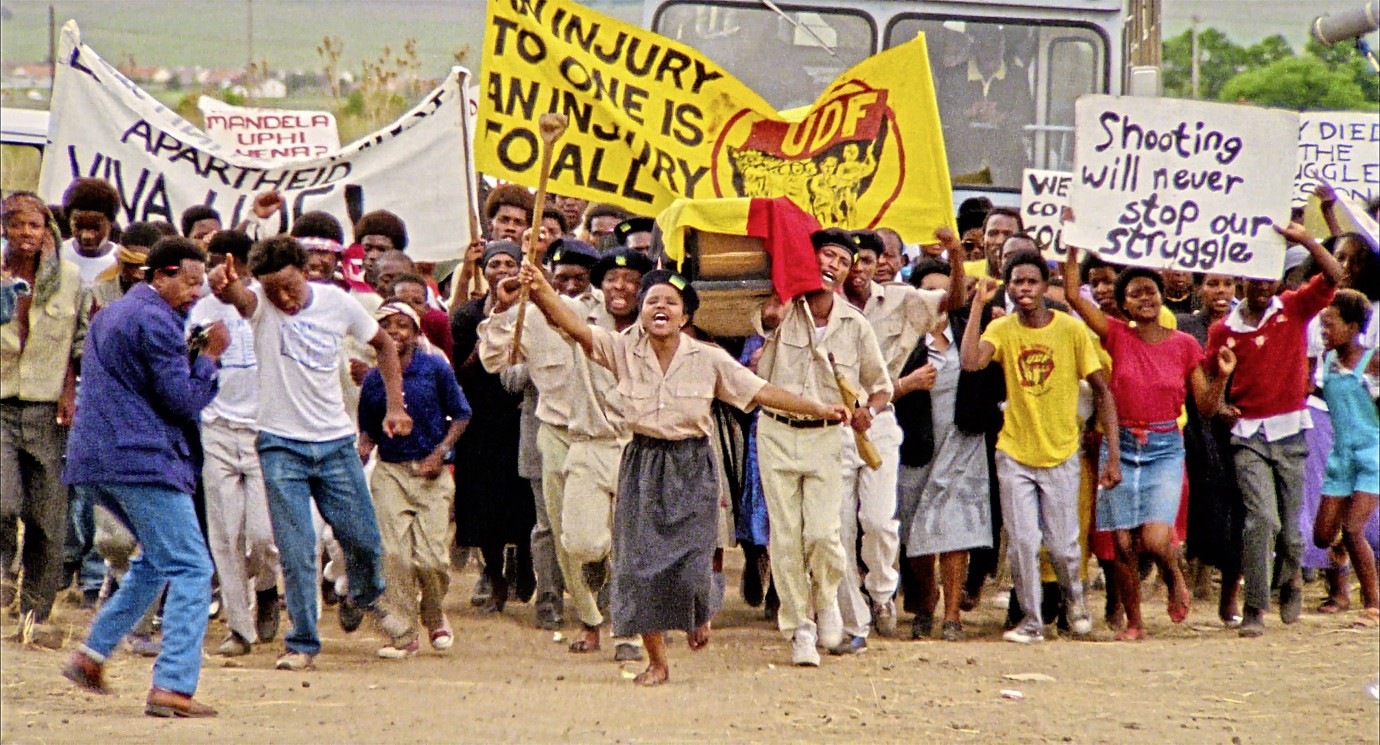
Berlinale Classics: Mapantsula Ein kleiner Ganove, der sich in Soweto durchzuschlagen versucht, gerät in den Sog der Anti-Apartheid-Bewegung. Ein längerer Gefängnisaufenthalt und der Druck der Polizei, Bürgerrechtler zu denunzieren, münden in einen politischen Bewußtwerdungsprozeß. An Originalschauplätzen gedreht, rückt der dokumentarische Spielfilm auf spannend-unterhaltsame Weise die Rassendiskriminierung in ihrer alltäglichen und allgegenwärtigen Form in den Blickpunkt; ein Plädoyer gegen die Amerikanisierung des Landes und für bessere Lebensbedingungen der Schwarzen. Oliver Schmitz ∙ Südafrika, Australien, Vereinigtes Königreich ∙ 1988 ∙ 104‚ ∙ Englisch, Zulu, Afrikaans 22.02. 21:00 fsk Kino (mehr)
An incisive psychological profile that’s filled with subtle tension but never loses its delicacy and grace.
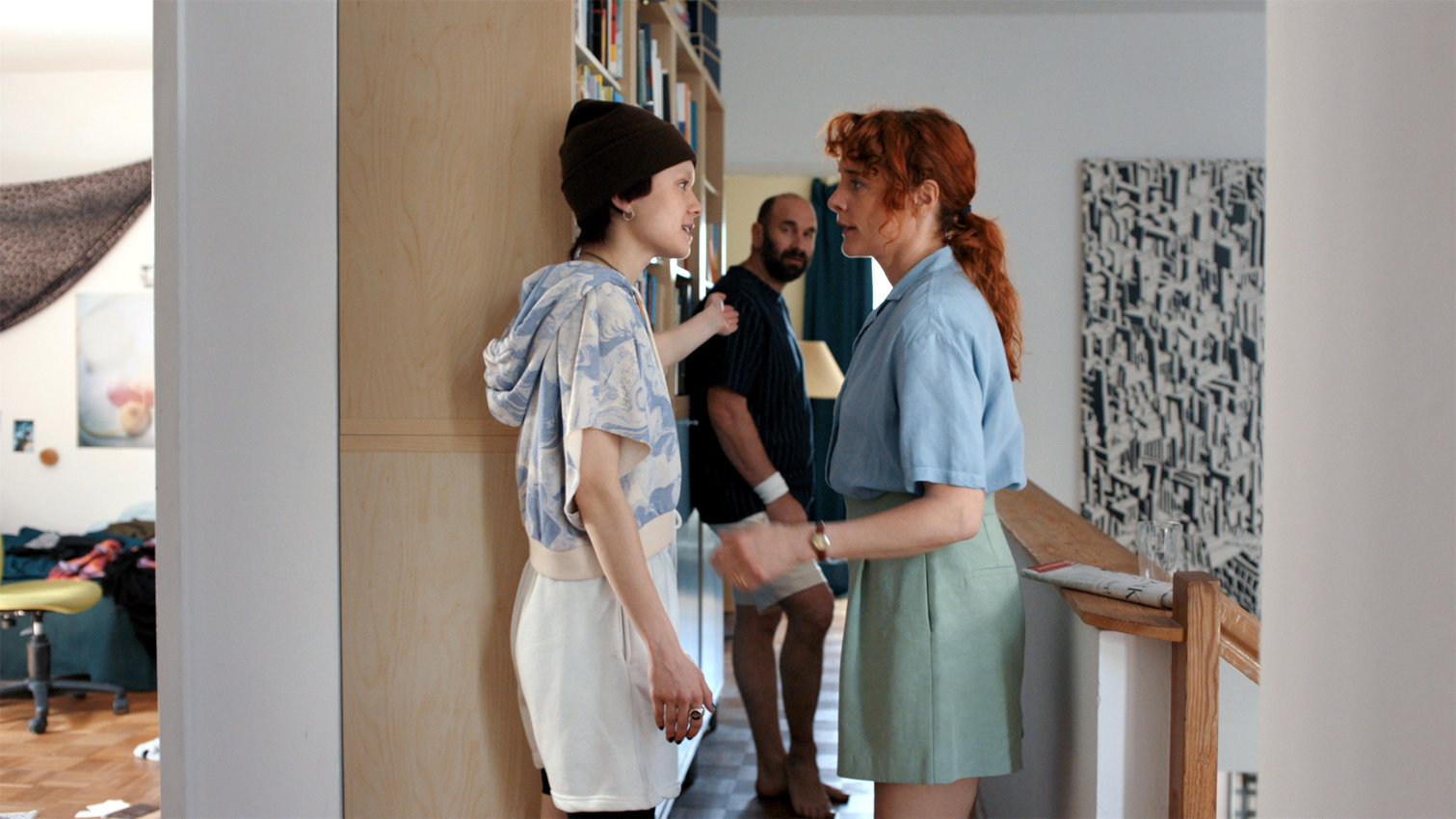
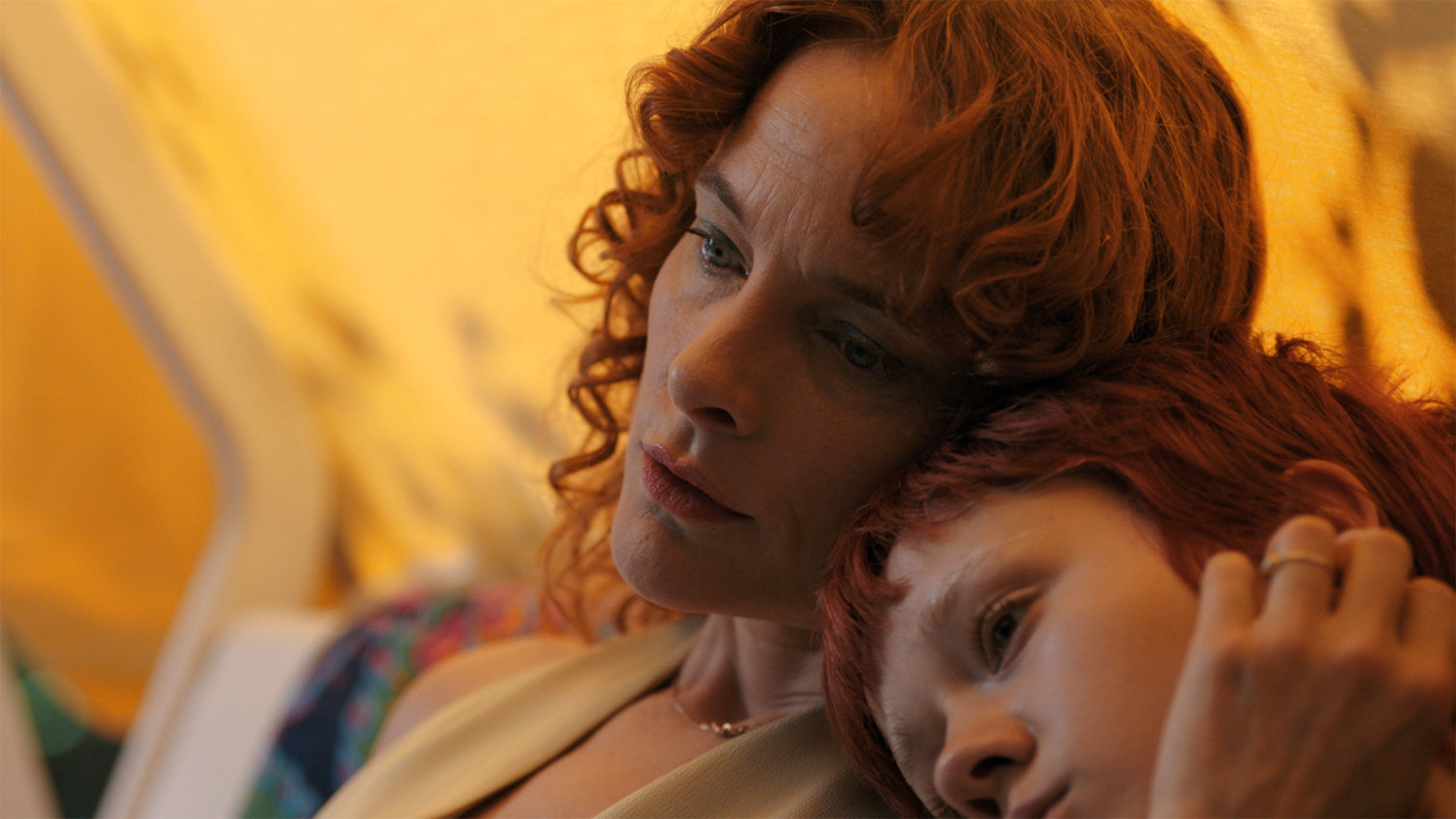
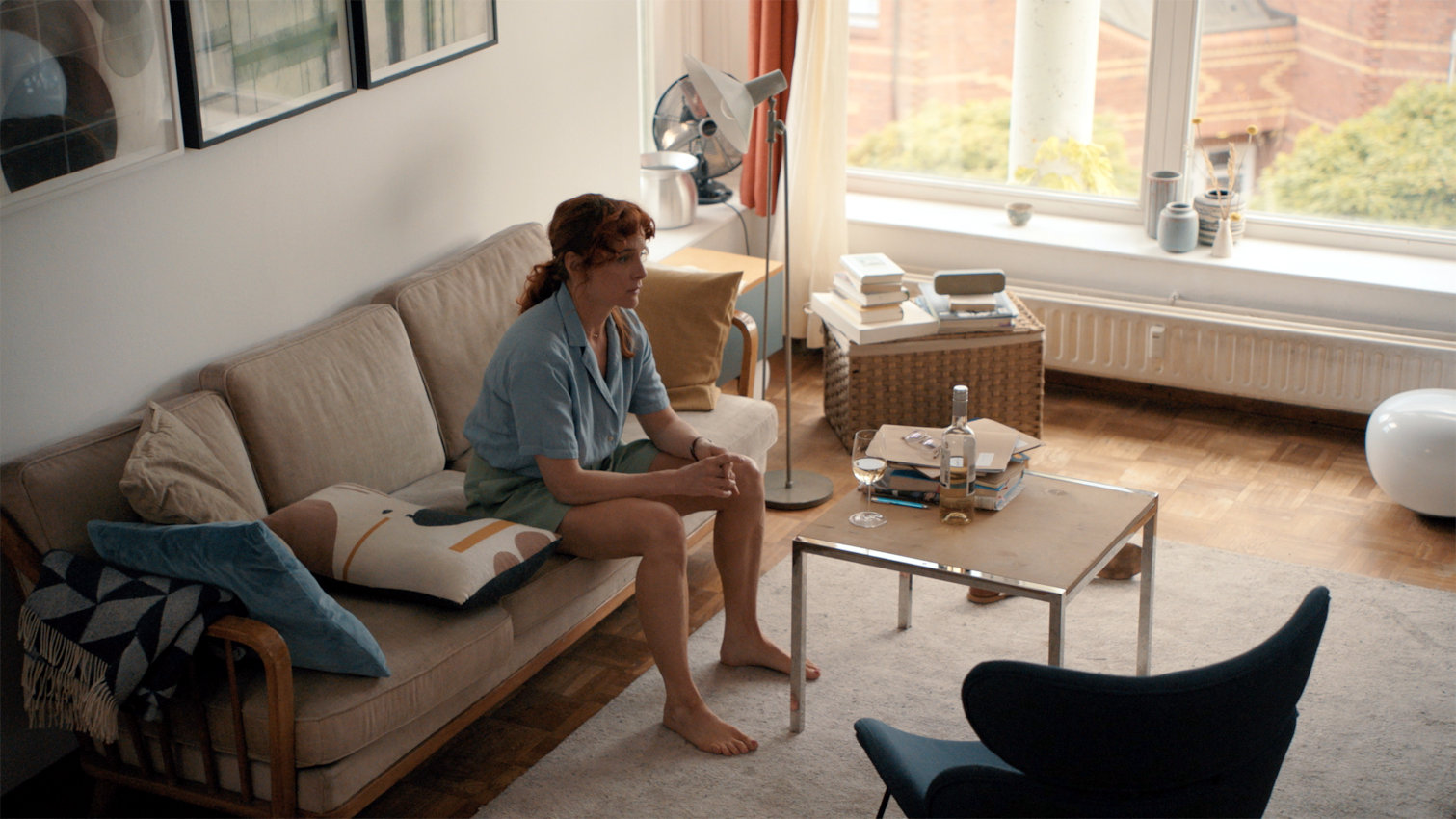
Ina is a therapist, the mother of a rebellious teenage girl, and a partner to a man who has always put his own career first. She puts everyone’s needs ahead of her own until one hot summer day, when her self-centered mother celebrates her 70th birthday, something happens that will change everything.
Credits:
DE 2022, 80 Min., deutsche OmeU Regie: Katharina Woll Kamera: Matan Radin Schnitt: Kai Minierski mit: Anne Ratte-Polle, Lea Drinda, Ulrike Willenbacher, Urs Jucker, Hassan Akkouch
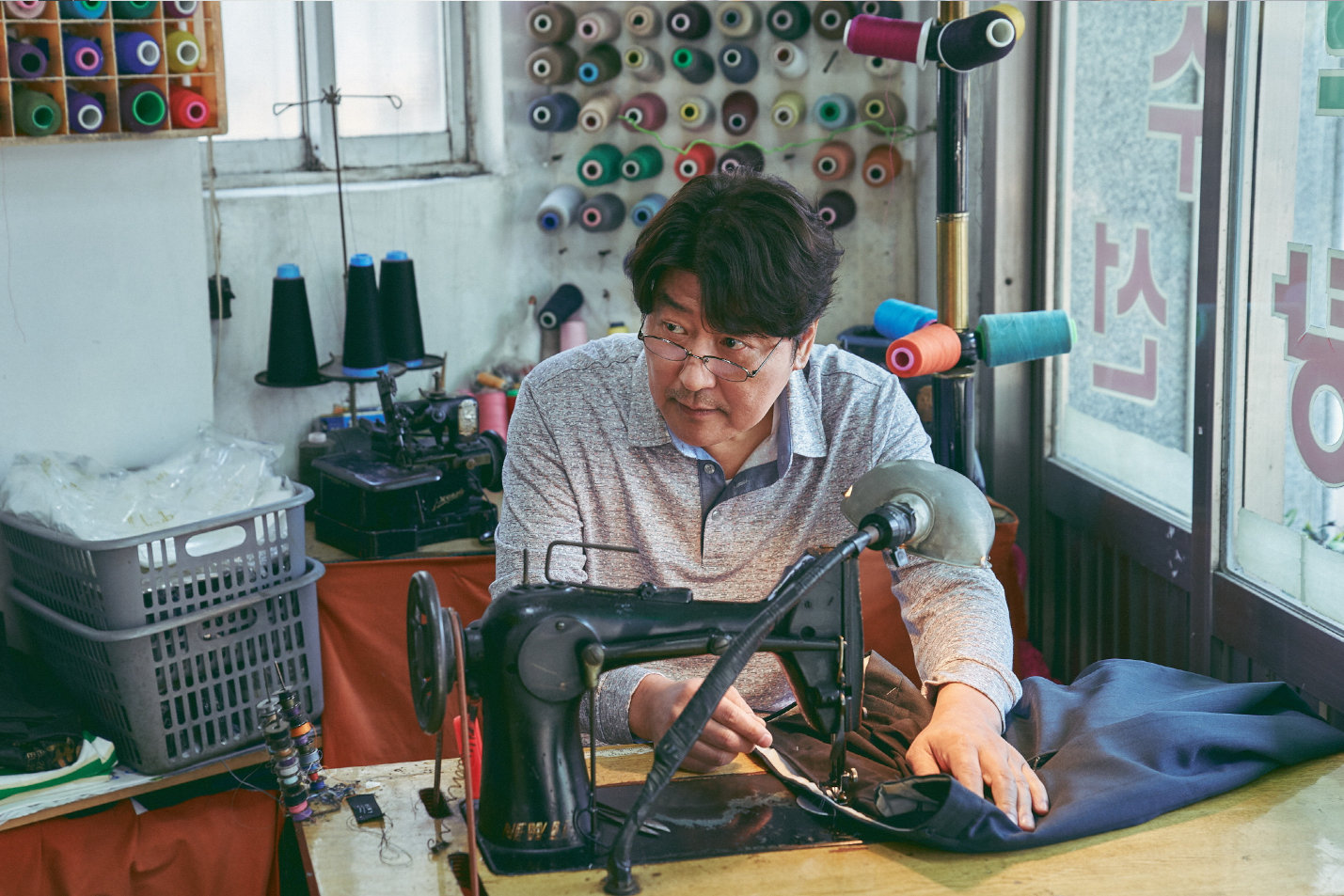
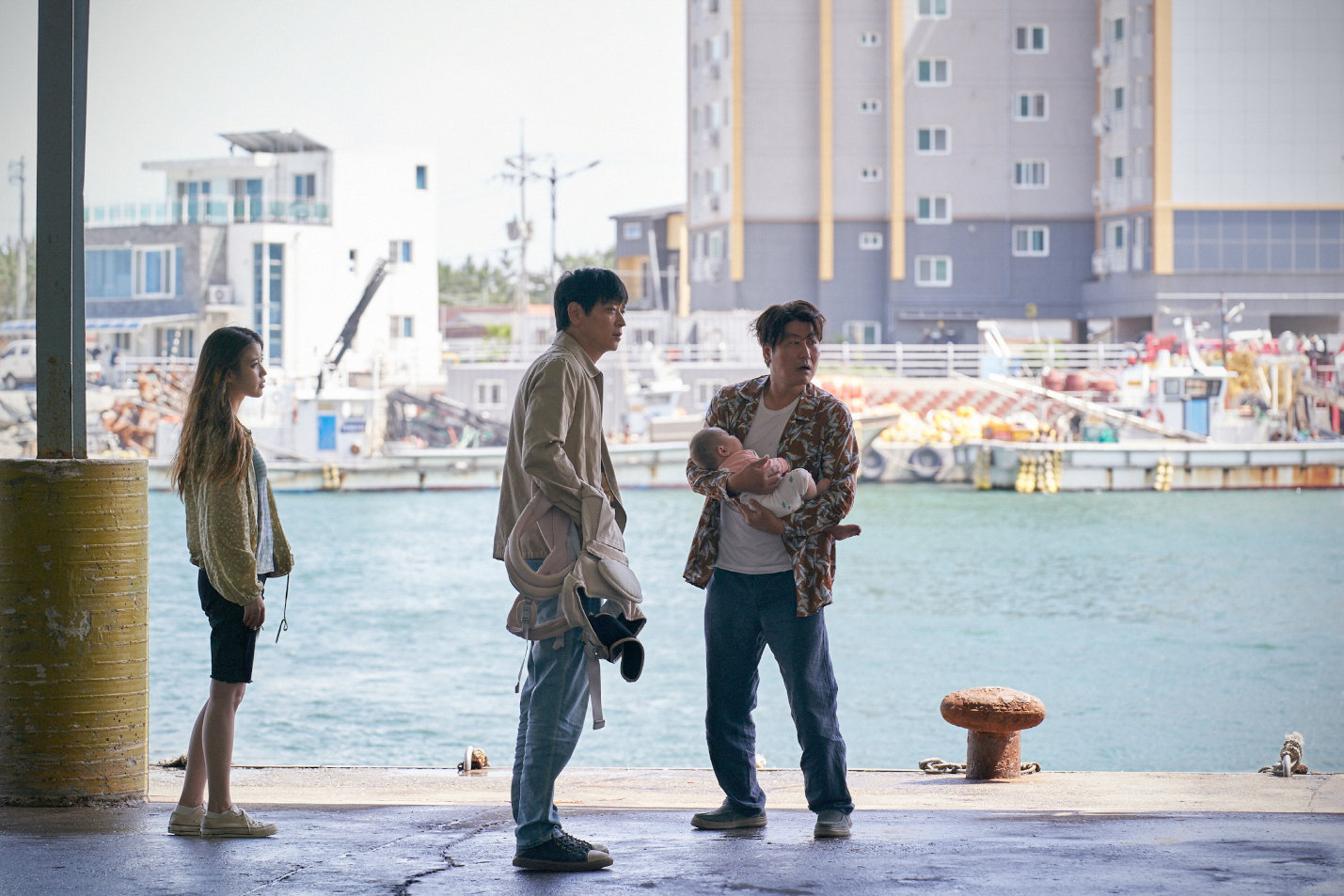
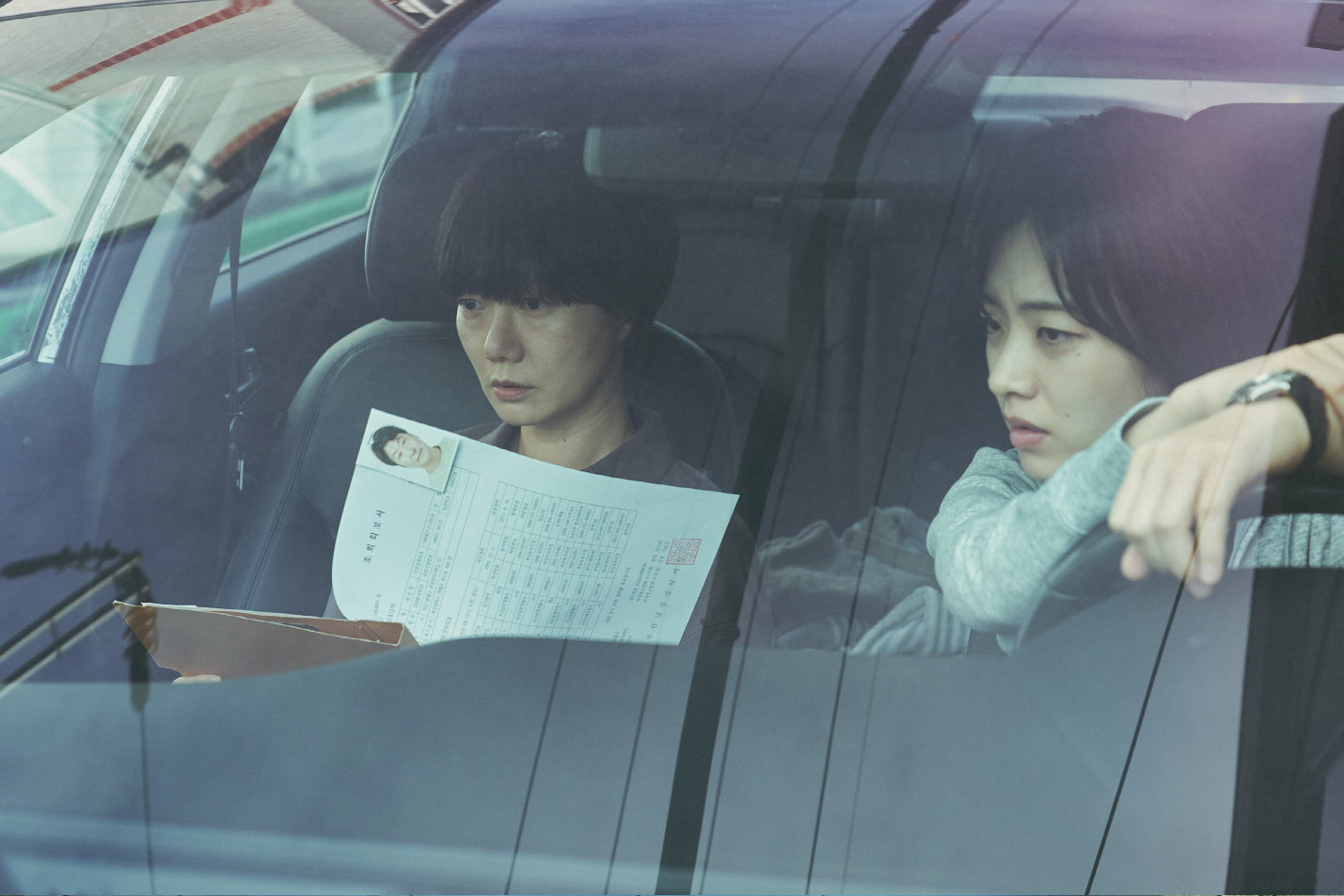
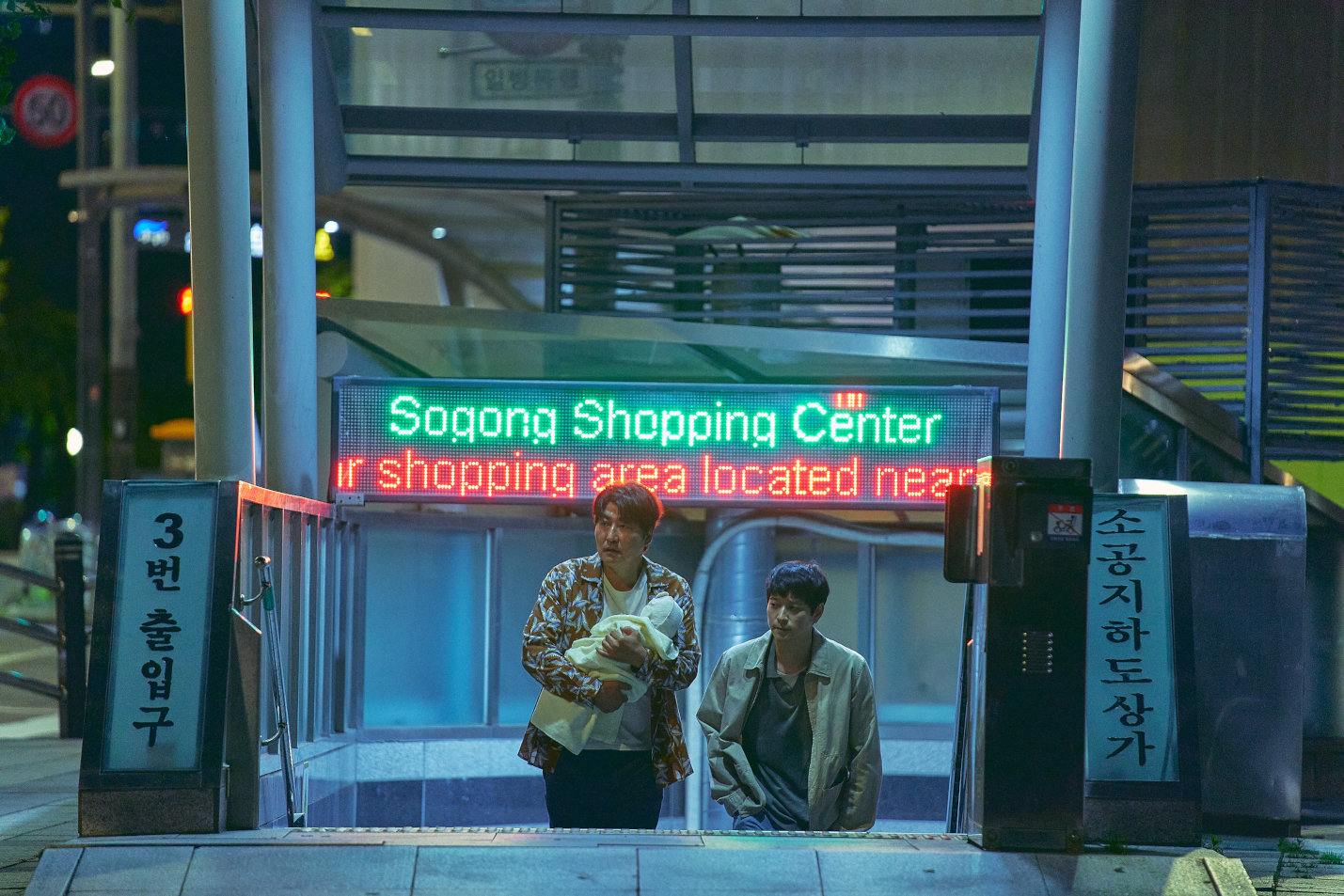
A man and his friend occasionally steal babies from the church’s baby box and sell them on the adoption black market. However, when a young mother comes back after having abandoned her baby, she discovers them and decides to go with them on a road-trip to interview the baby’s potential parents.
Credits:
브로커 KR / JP 2022, 129 Min., korean. OmU Regie. Schnitt & Buch: Hirokazu Kore-Eda Kamera: Kyung-pyo Hong mit: Song Kang-ho, Gang Dong Won, Doona Bae, Lee Ji Eun, Lee Joo Young
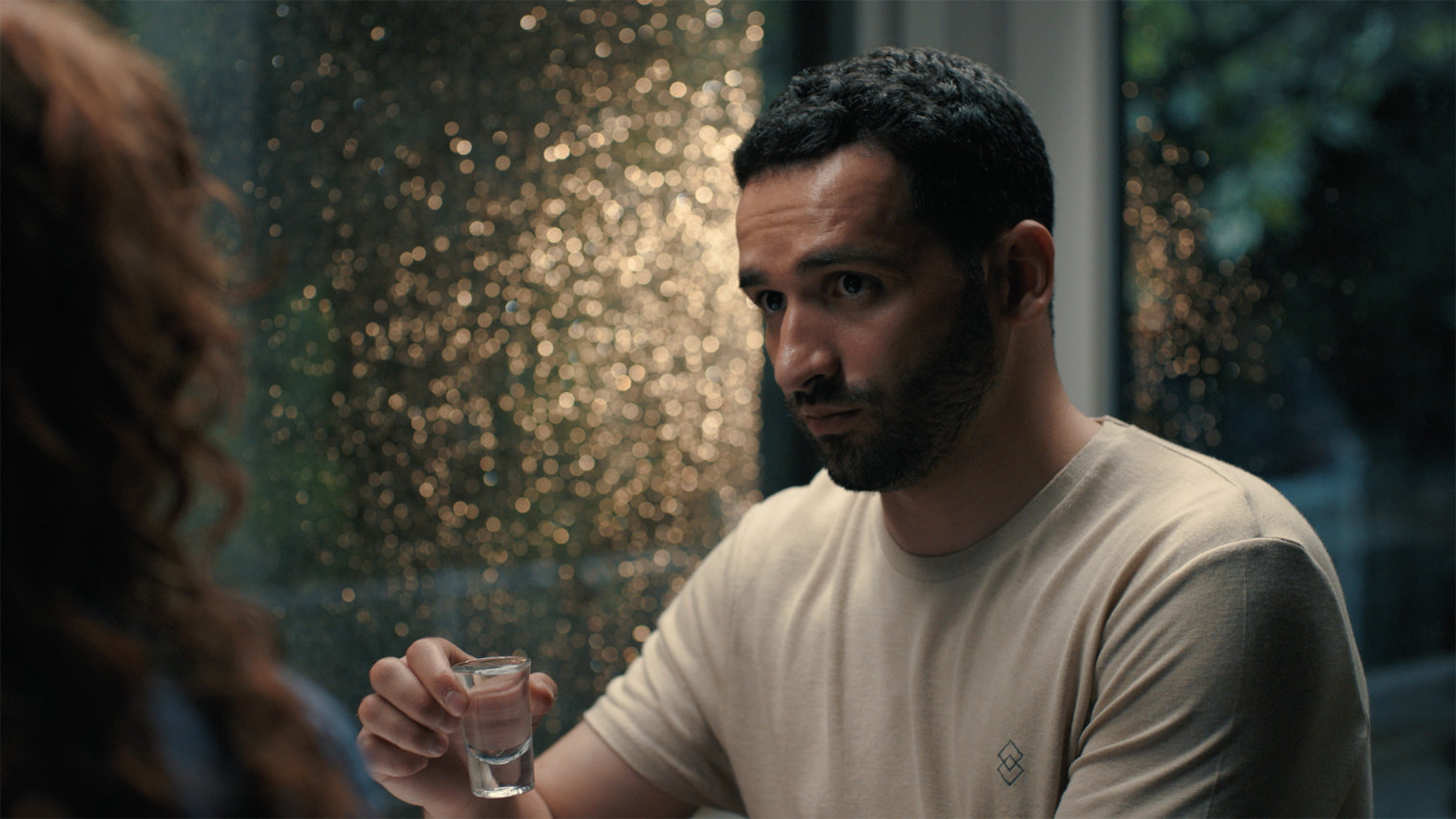
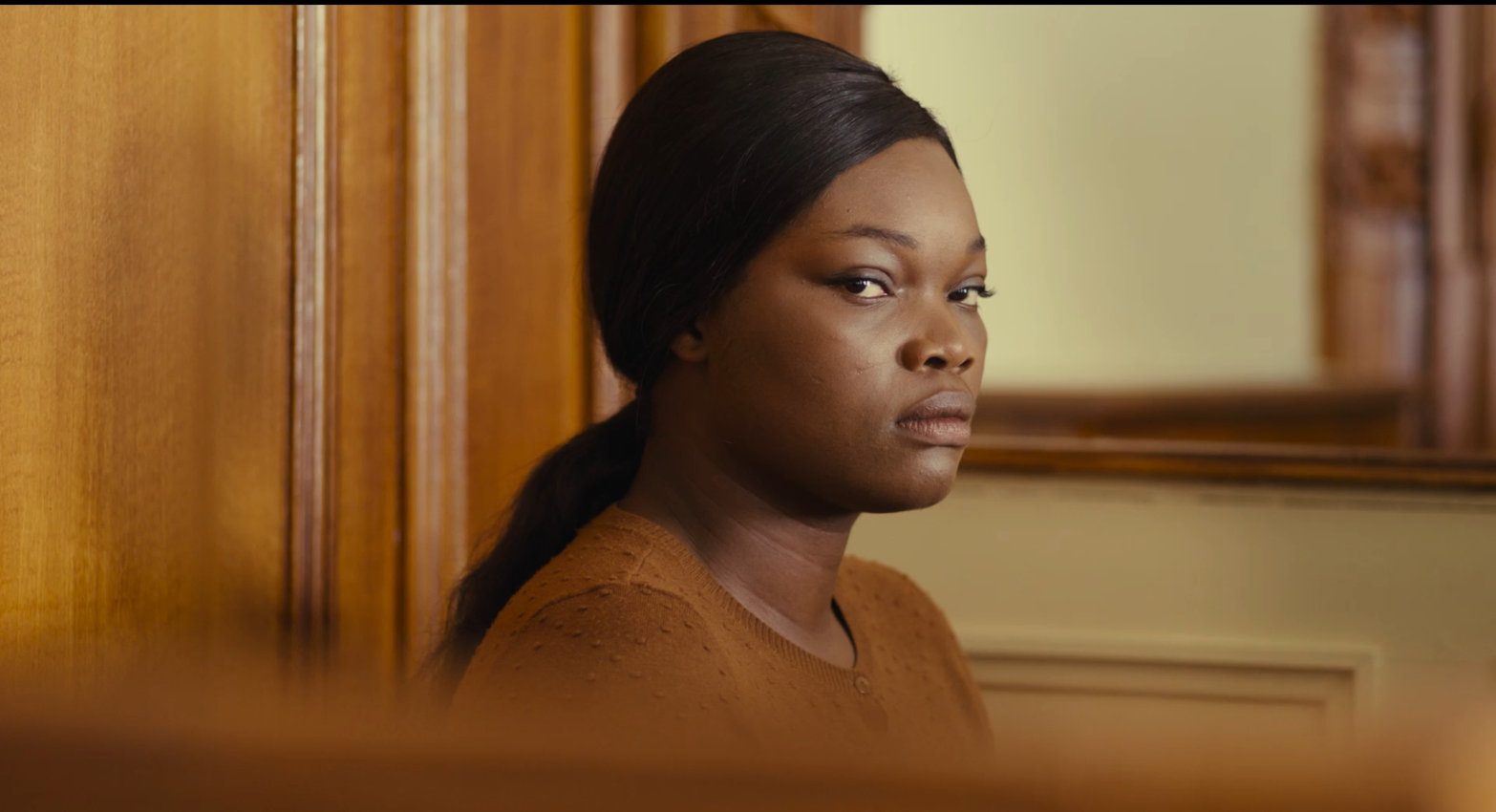
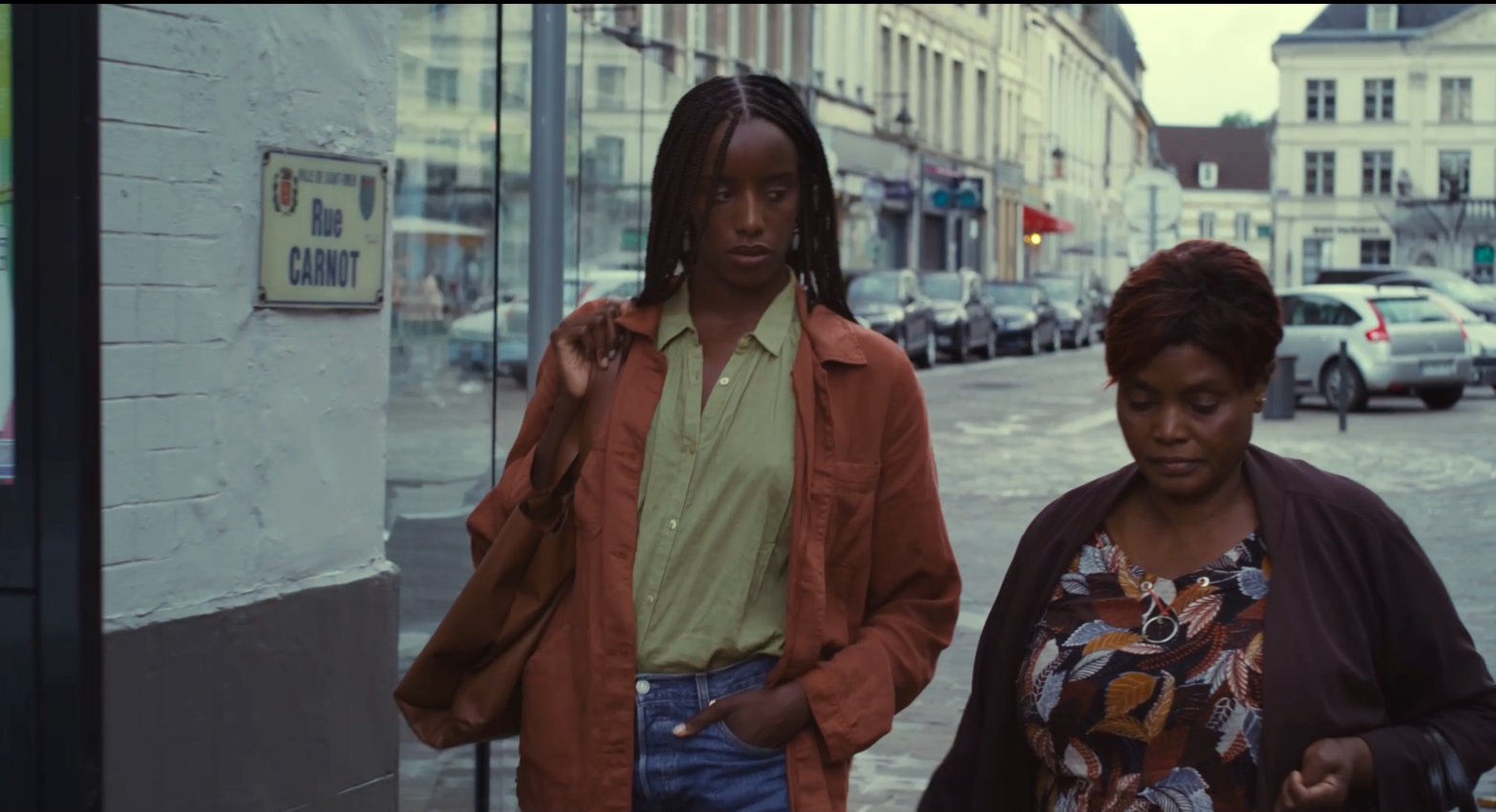
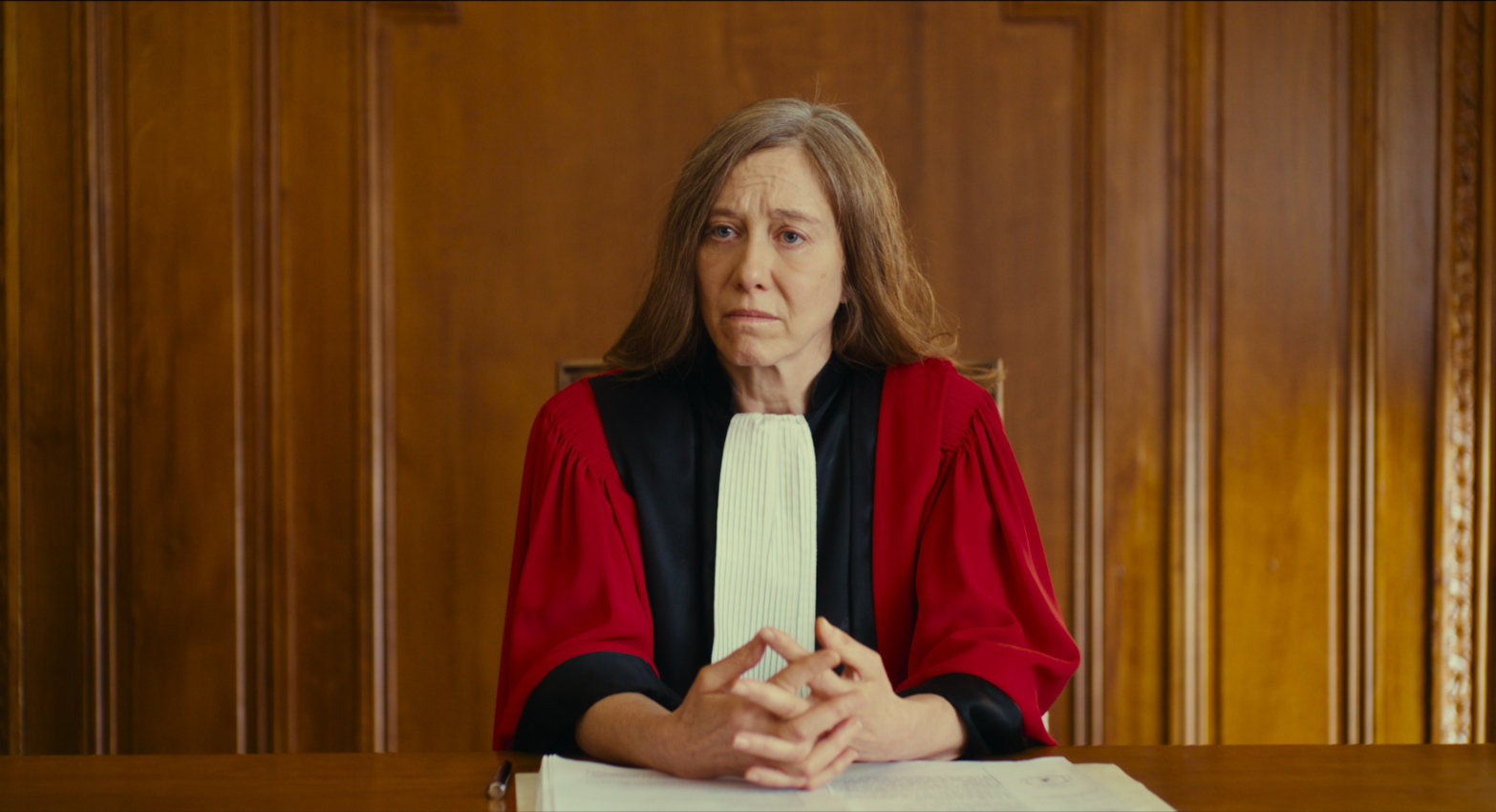
French director Alice Diop has explored intrafamilial fractures in Afro-European families in a series of notable documentaries, most recently NOUS (2021). SAINTOMER, her first work of fiction, is co-written with acclaimed author Marie Ndiaye and continues this project within the framework of a cleverly mirrored courtroom drama – creating one of the most astonishing fiction debuts of the year. The starting point is a fait divers about a young woman from Senegal who abandoned her 15-month-old baby to the tide on a beach in northern France. On the one hand, Diop follows this woman’s trial in an emphatically sober tone, with the accused presenting herself neither as a victim of circumstances nor as a conscienceless perpetrator. This choice of staging already creates a sort of defamiliarization that makes clear attributions and simple answers difficult. However, the film turns out to be even more complex due to the fact that there is an outside perspective to boot: Rama, a young novelist working on the ancient Medea myth, is attending the trial. Rama is pregnant, but that’s not the only reason the woman’s story triggers doubts in her about her own self-image. Diop tells a story of cultural differences – not only between minorities and the majority society, but also within the diaspora. (Dominik Kamalzadeh)
Credits:
FR 2022, 123 Min., franz. OmU Regie: Alice Diop Kamera: Claire Mathon Schnitt: Amrita David Mit Kayije Kagame, Guslagie Malanda, Valérie Dréville, Aurélia Petit u. a.
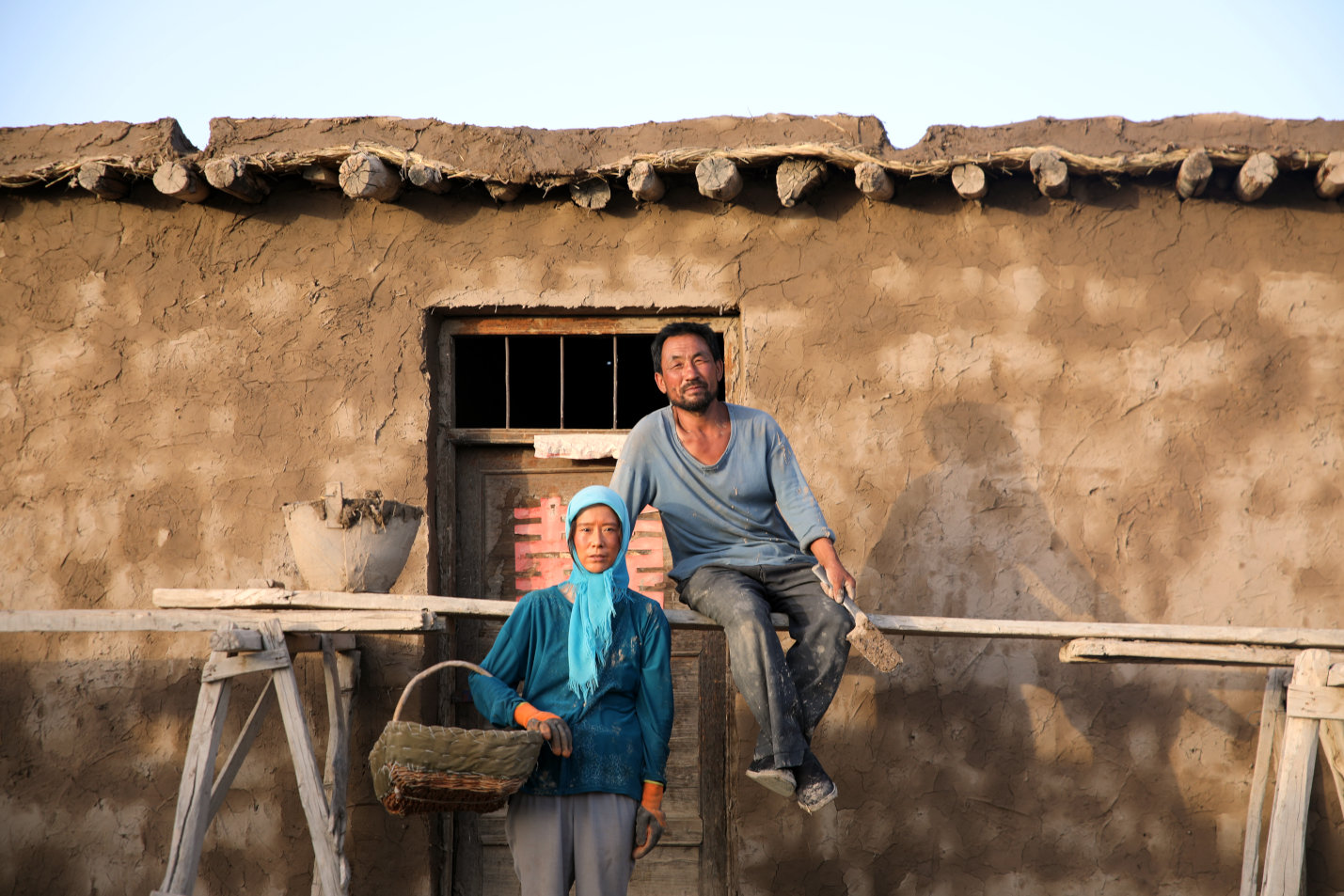
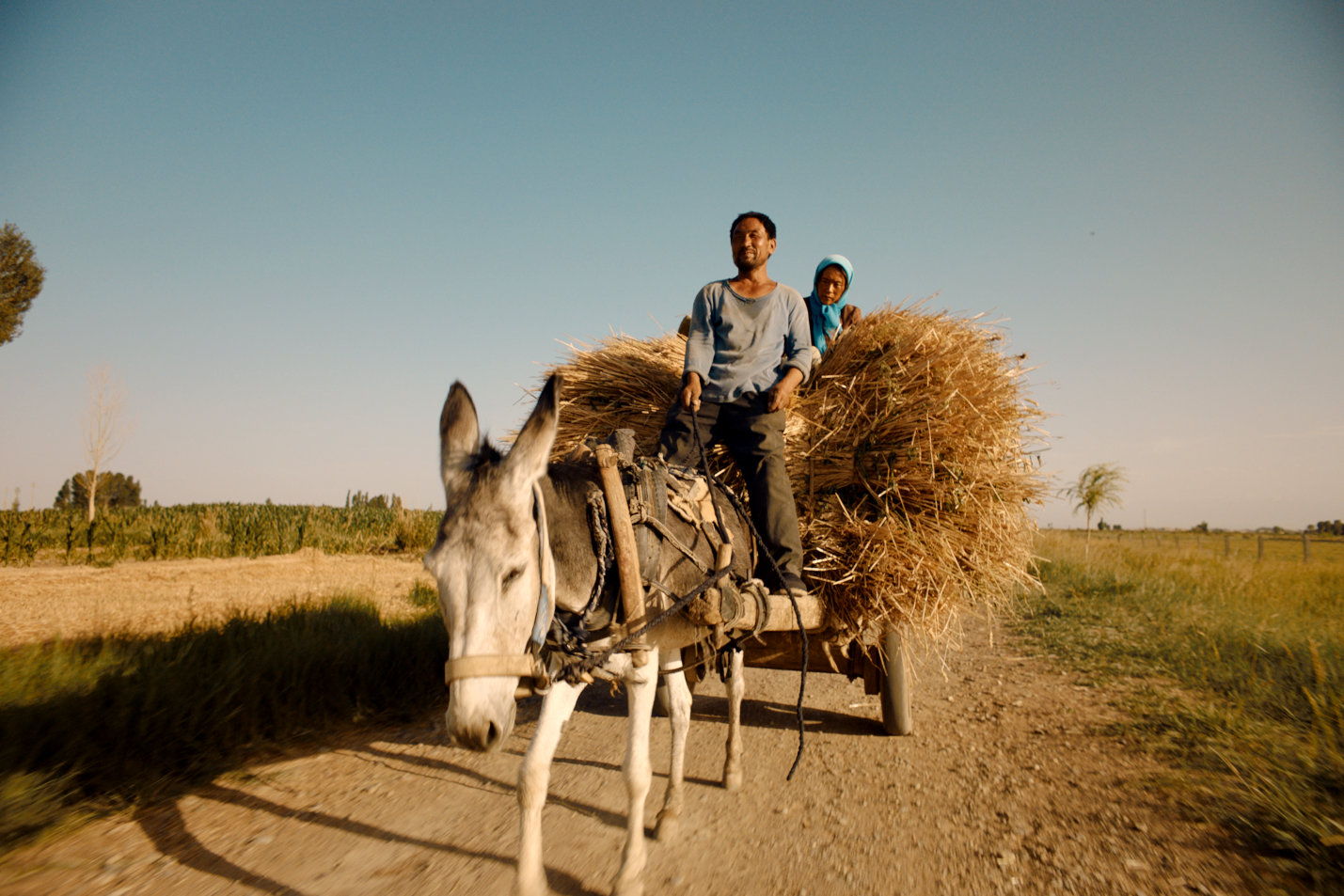
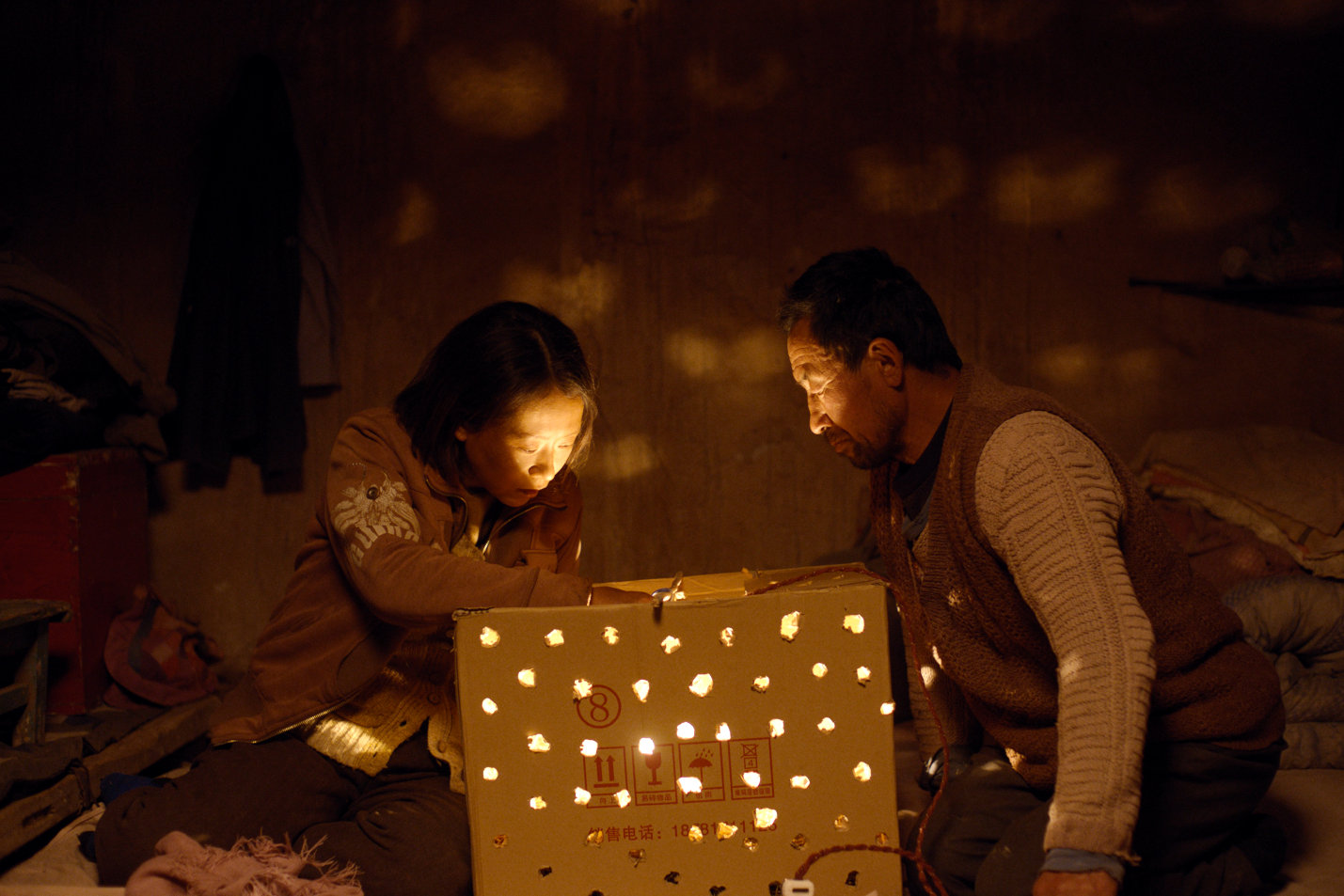
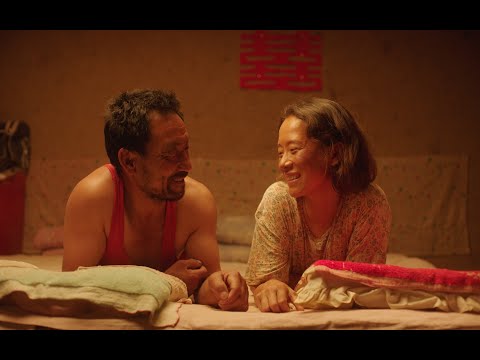
Ma and Guiying lead lives that are similarly sheltered and difficult. He is a reticent farmer, the last of his family to remain unmarried; she is disabled and infertile, and long past what is considered to be marrying age in rural China. Their arranged marriage, uniting two people who are accustomed to isolation and humiliation, would appear to force them into a relationship that will make life worse for both of them. But instead, they seize the opportunity to rise above themselves and discover their shared destiny. They learn how to become close companions, how to speak up, how to care for each other and even how to smile. All this in spite of the hard work required of them by their quintessential bond with the land and the trials that await them on their common path. Against a backdrop of topics such as the exploitation of farm workers, forced urbanisation, the uprooting of traditions and poverty, Li Ruijun – who returns to his birthplace of Gaotai, in the northern province of Gansu – prioritises the characters’ worldview, with its inherent naivety and fragility, through an act of trust and love that infuses the film with subtle tenderness and profound humanity.
Credits:
CN 2022, 132 Min., chin. OmU Regie & Schnitt: Li Ruijun Kamera: Wang Weihua mit: Wu Renlin, Hai Qing
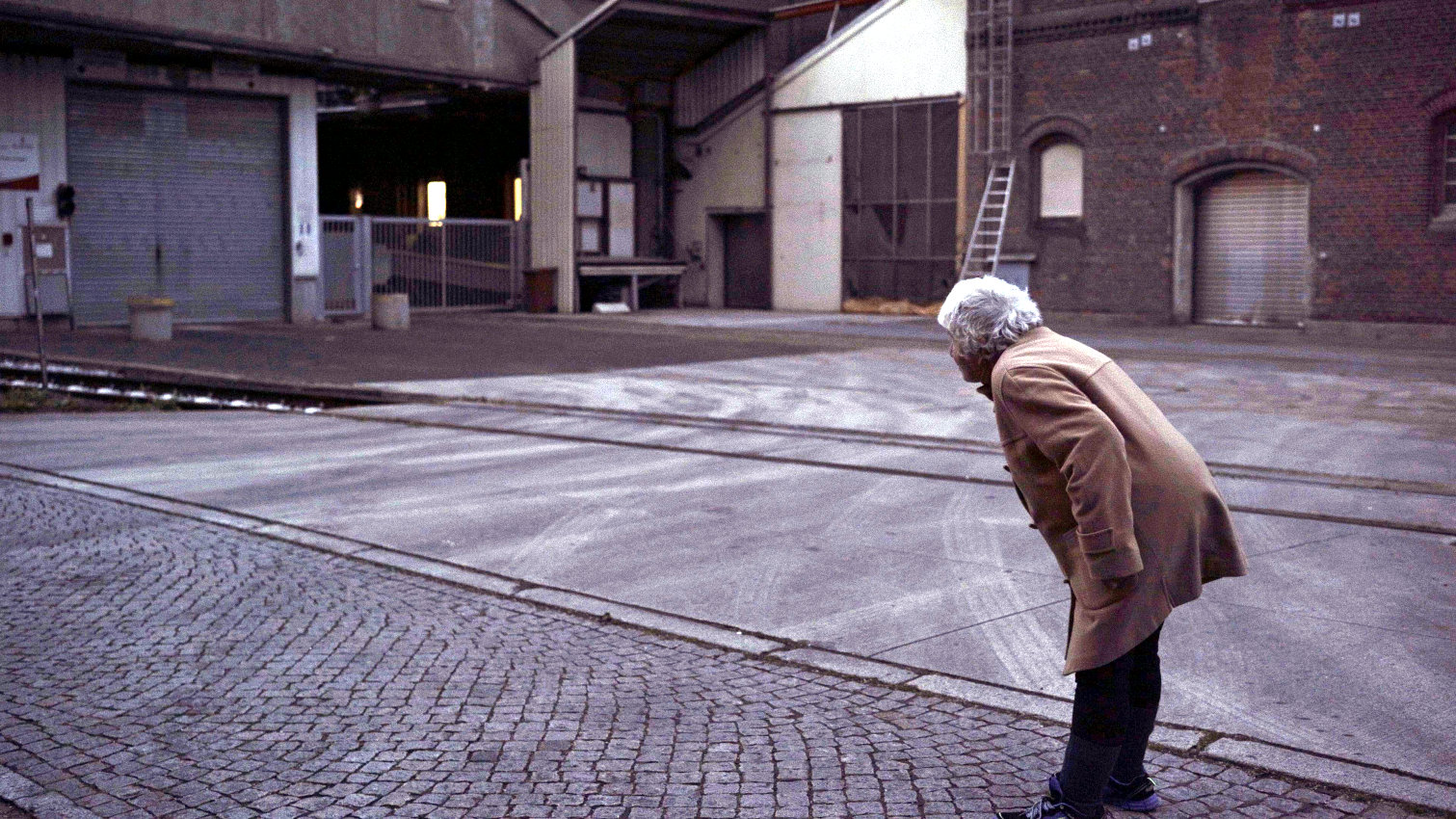
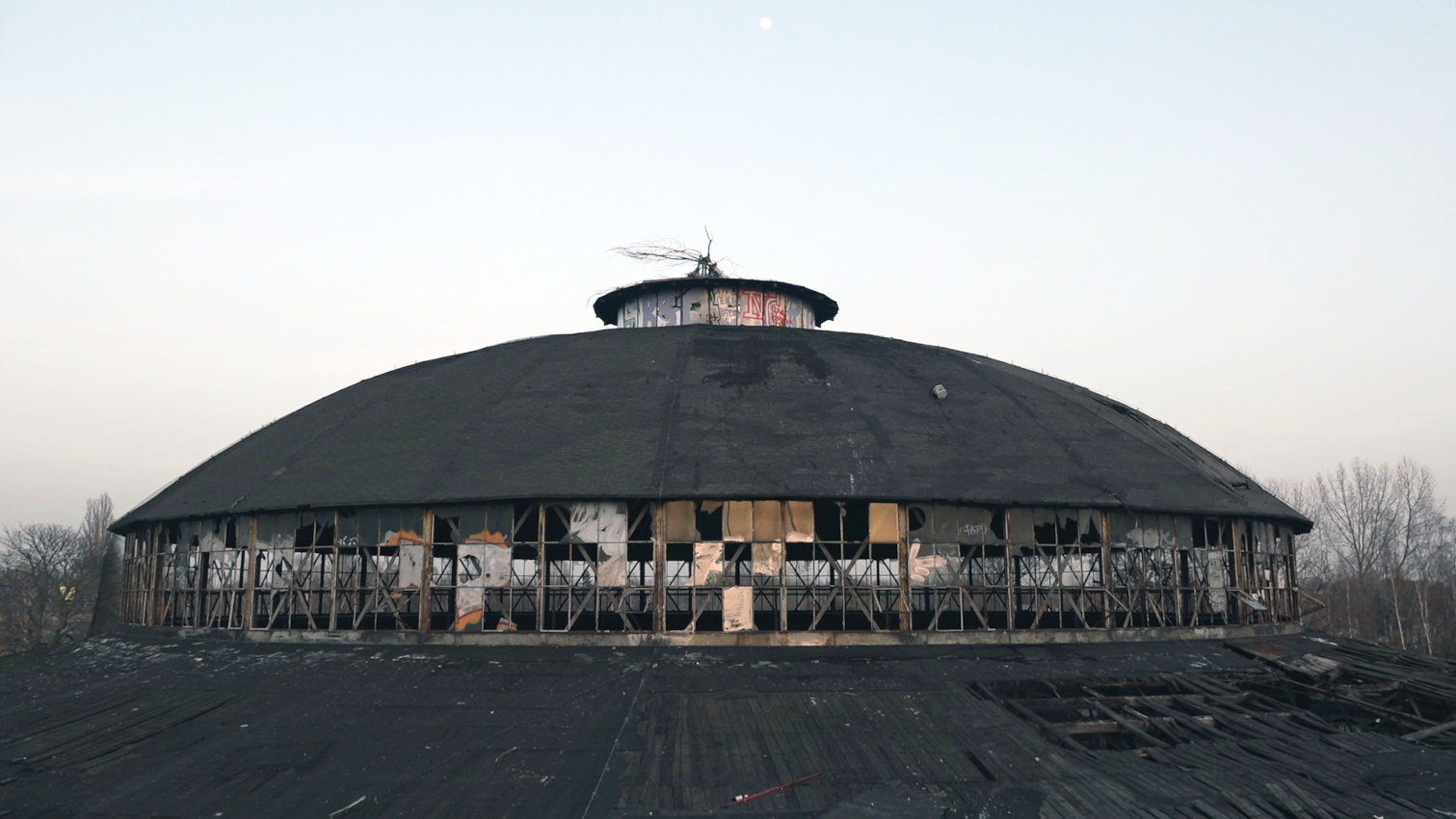
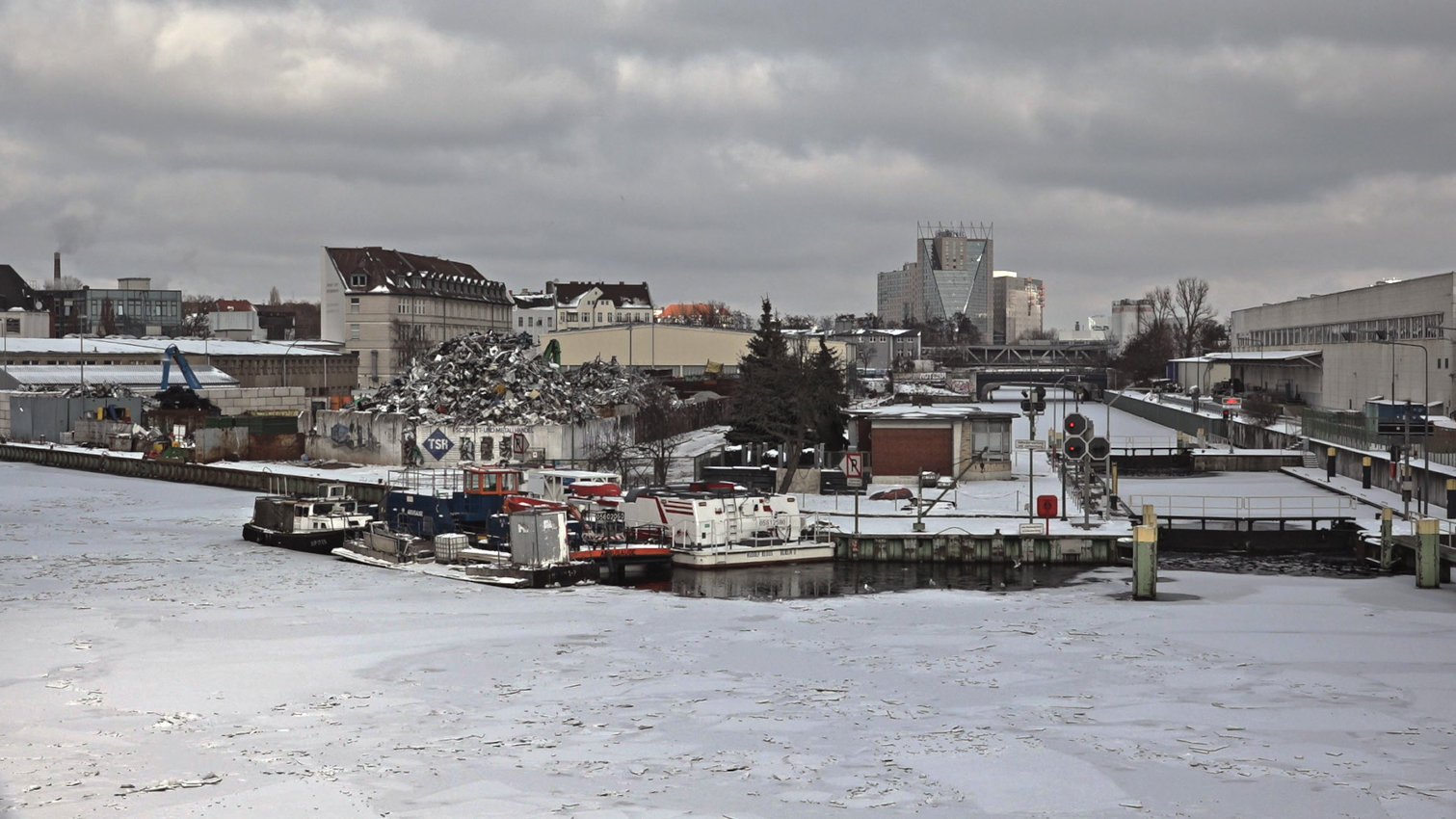
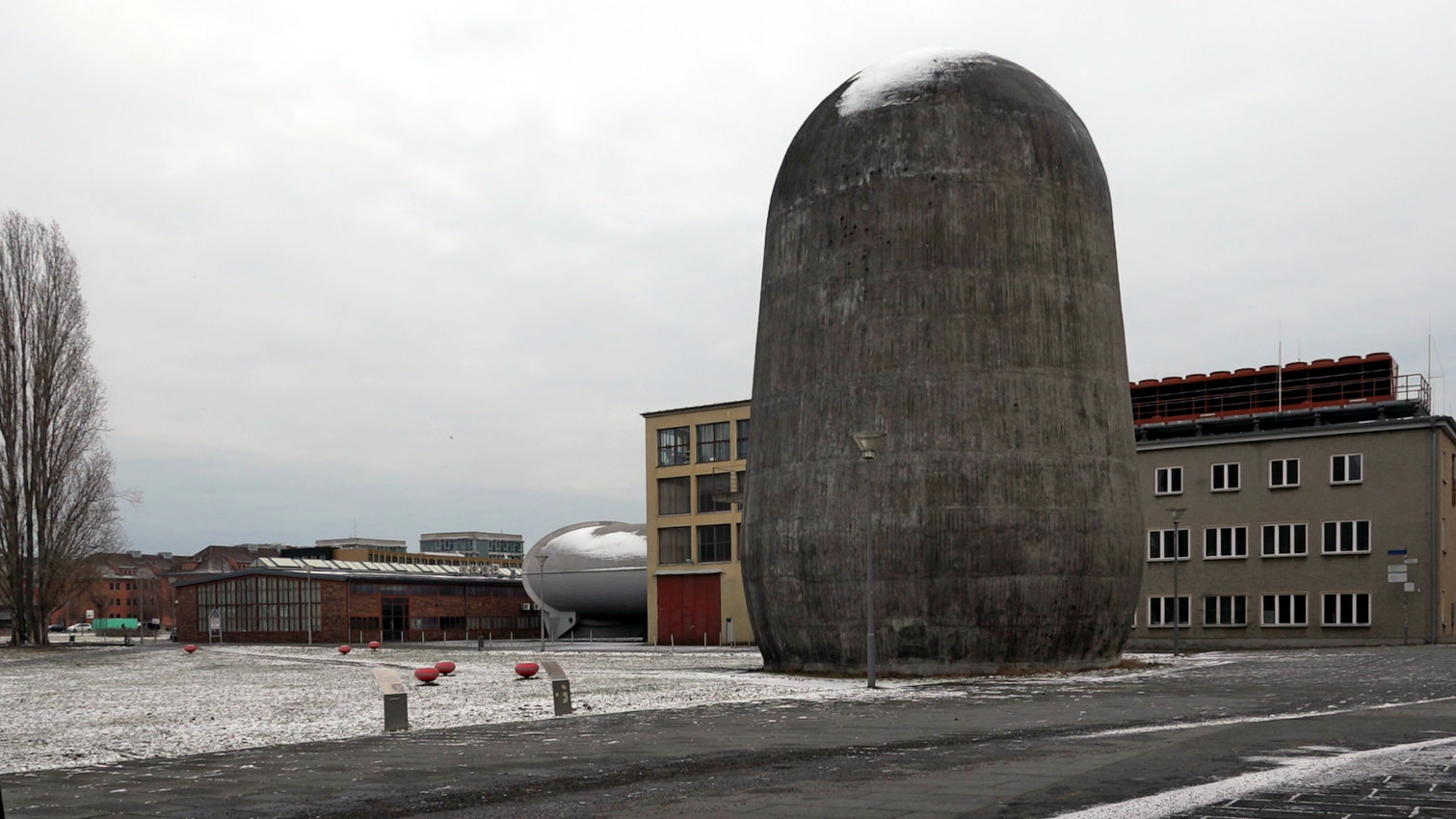
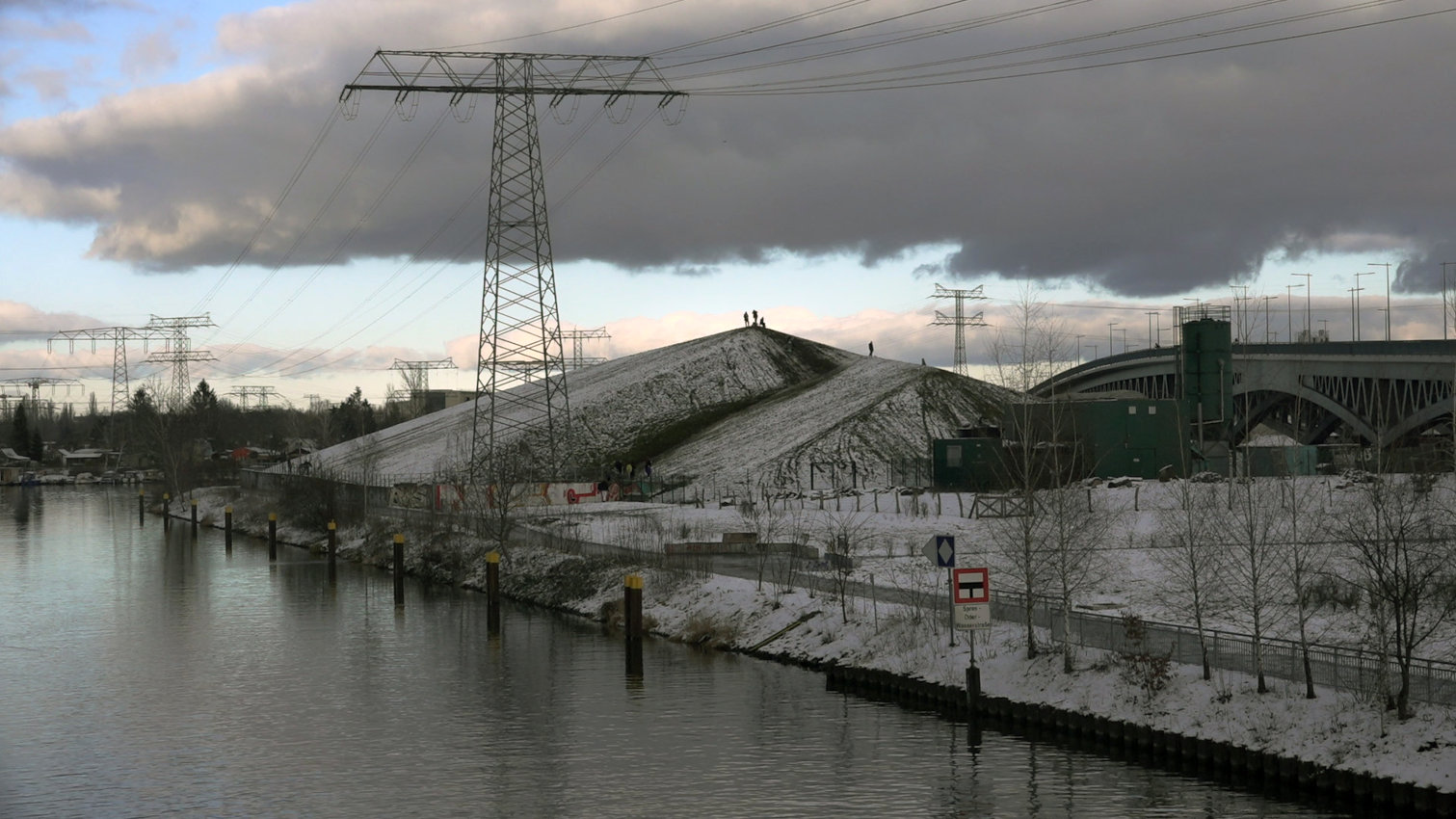
After a four-part cycle based on Theodor Fontane’s Wanderungen durch die Mark Brandenburg („Ramblings through Brandenburg”) (Oderland, Rhinland, Spreeland, Havelland), Bernhard Sallmann turns to urban landscapes for his latest documentary BERLINJWD (G 2022) – more precisely, he explores the area between the Ringbahn in Berlin and the city limits. At the end of the 19th century, the area was a destination „janz weit draußen” (“very far away”) for the „proletarian masses”. Now, there is nature, industrial zones, construction sites, historical buildings, newer buildings, and many indications of upheaval. The viewer’s eyes can take a delightful “stroll” through the observations, photographed precisely with a fixed camera and during the course of the changing seasons, while the ears hear the sound of the places. Sometimes people appear in the picture. Though there is no dialogue, this is not a silent Berlin film. The fact that names such as Spree-Teltow Pyramid, Arkenberge, Dichtervillen describe quite ordinary places is also very much Berlin. (Birgit Kohler)
Credits:
DE 2022, 74 Min, ohne Dialog, Regie & Kamera: Bernhard Sallmann Schnitt: Christoph Krüger.
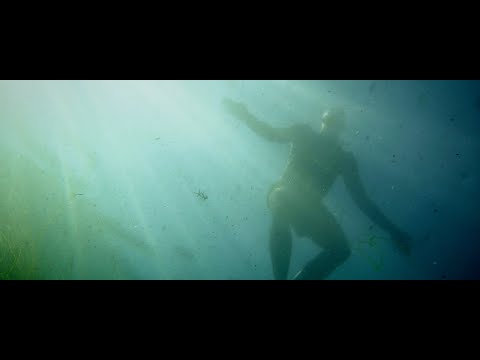
The Tara is a river on the outskirts of Taranto whose waters are believed to have healing properties; bathing there is a tradition for the inhabitants of the city. Starting from this bucolic place, Volker Sattel and Francesca Bertin take us on a journey through a territory where myths clash with reality and where so-called “progress” has taken a heavy toll on nature and society.
Wir verwenden Cookies, um unsere Website und unseren Service zu optimieren.
Funktionale Cookies
Always active
Die technische Speicherung oder der Zugang ist unbedingt erforderlich für den rechtmäßigen Zweck, die Nutzung eines bestimmten Dienstes zu ermöglichen, der vom Teilnehmer oder Nutzer ausdrücklich gewünscht wird, oder für den alleinigen Zweck, die Übertragung einer Nachricht über ein elektronisches Kommunikationsnetz durchzuführen.
Vorlieben
Die technische Speicherung oder der Zugriff ist für den rechtmäßigen Zweck der Speicherung von Präferenzen erforderlich, die nicht vom Abonnenten oder Benutzer angefordert wurden.
Statistiken
Die technische Speicherung oder der Zugriff, der ausschließlich zu statistischen Zwecken erfolgt.Die technische Speicherung oder der Zugriff, der ausschließlich zu anonymen statistischen Zwecken verwendet wird. Ohne eine Vorladung, die freiwillige Zustimmung deines Internetdienstanbieters oder zusätzliche Aufzeichnungen von Dritten können die zu diesem Zweck gespeicherten oder abgerufenen Informationen allein in der Regel nicht dazu verwendet werden, dich zu identifizieren.
Marketing
Die technische Speicherung oder der Zugriff ist erforderlich, um Nutzerprofile zu erstellen, um Werbung zu versenden oder um den Nutzer auf einer Website oder über mehrere Websites hinweg zu ähnlichen Marketingzwecken zu verfolgen.












![BERLIN JWD | Trailer deutsch german [HD]](https://fsk-kino.peripherfilm.de/wp-content/plugins/wp-youtube-lyte/lyteCache.php?origThumbUrl=https%3A%2F%2Fi.ytimg.com%2Fvi%2FcbHikJKnLUQ%2F0.jpg)