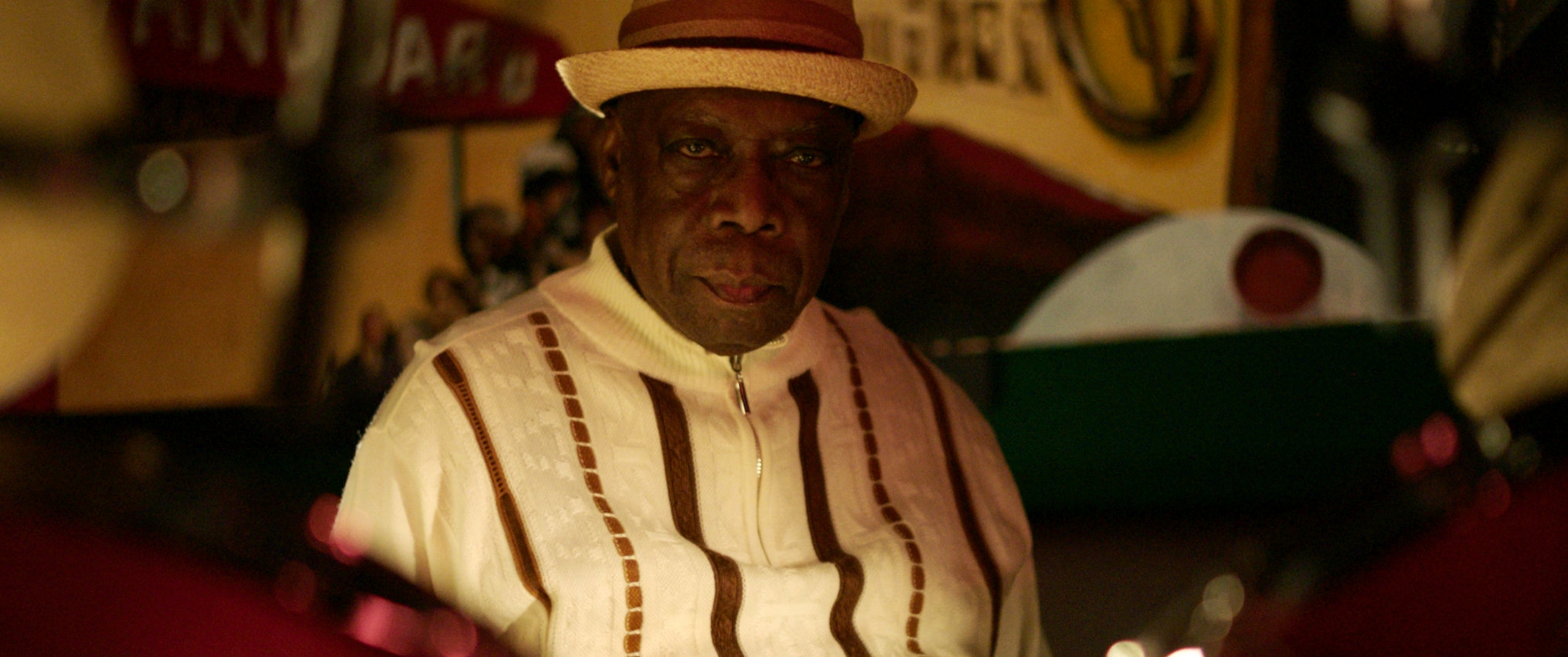
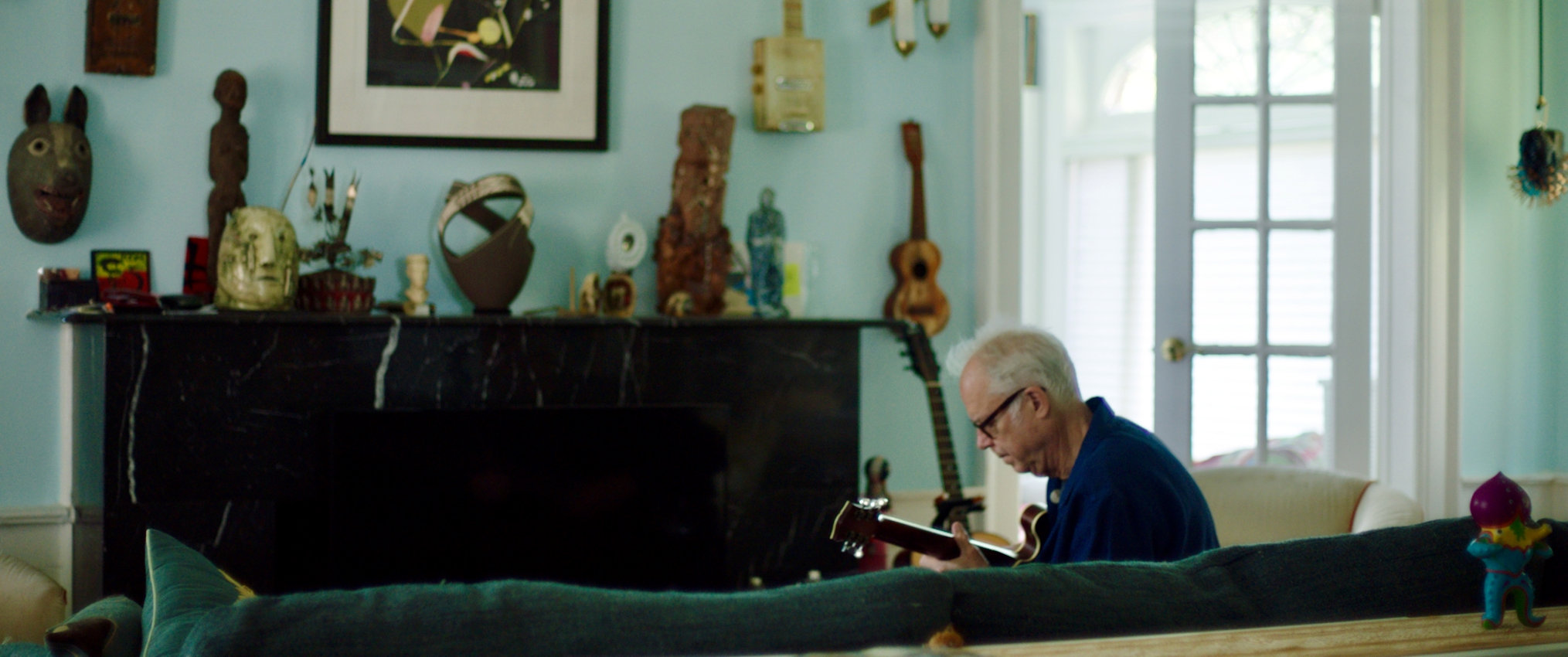
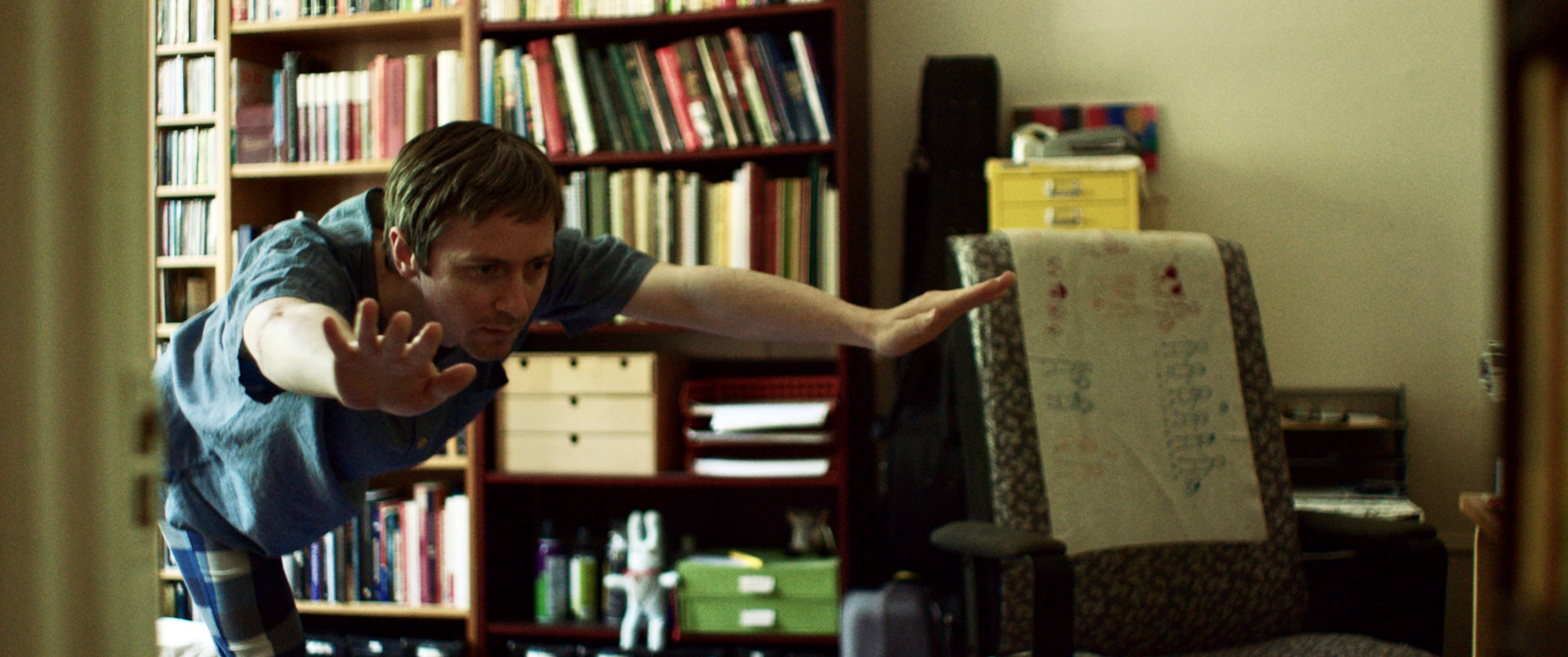
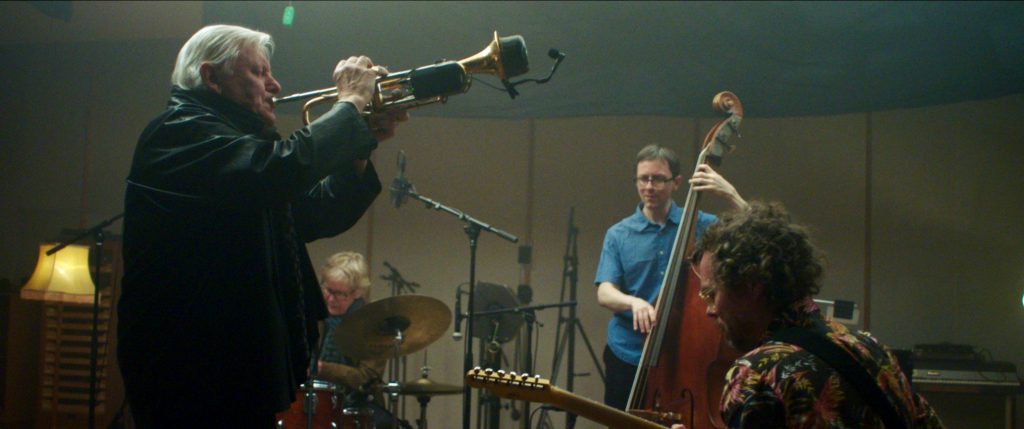
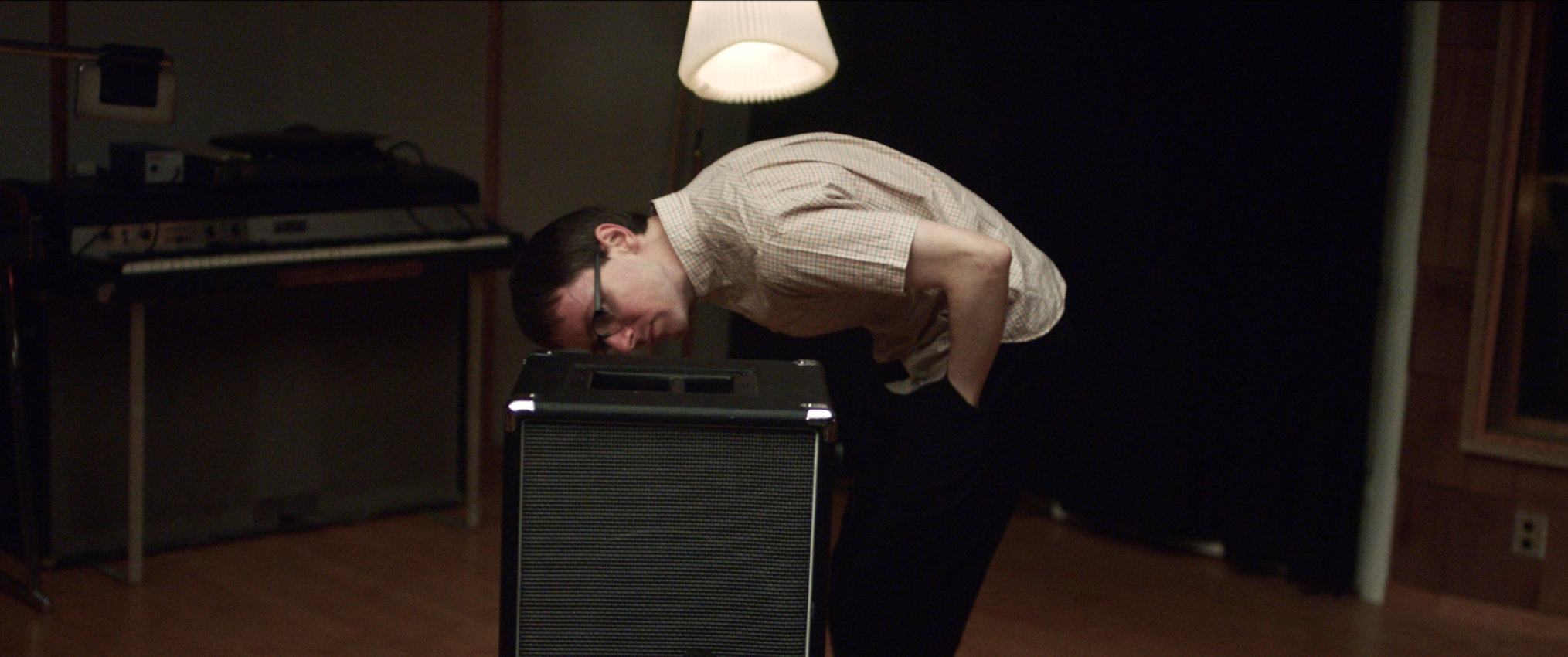
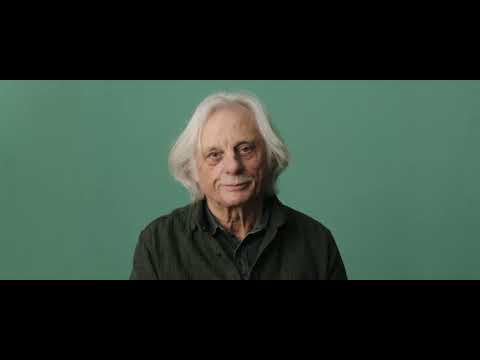
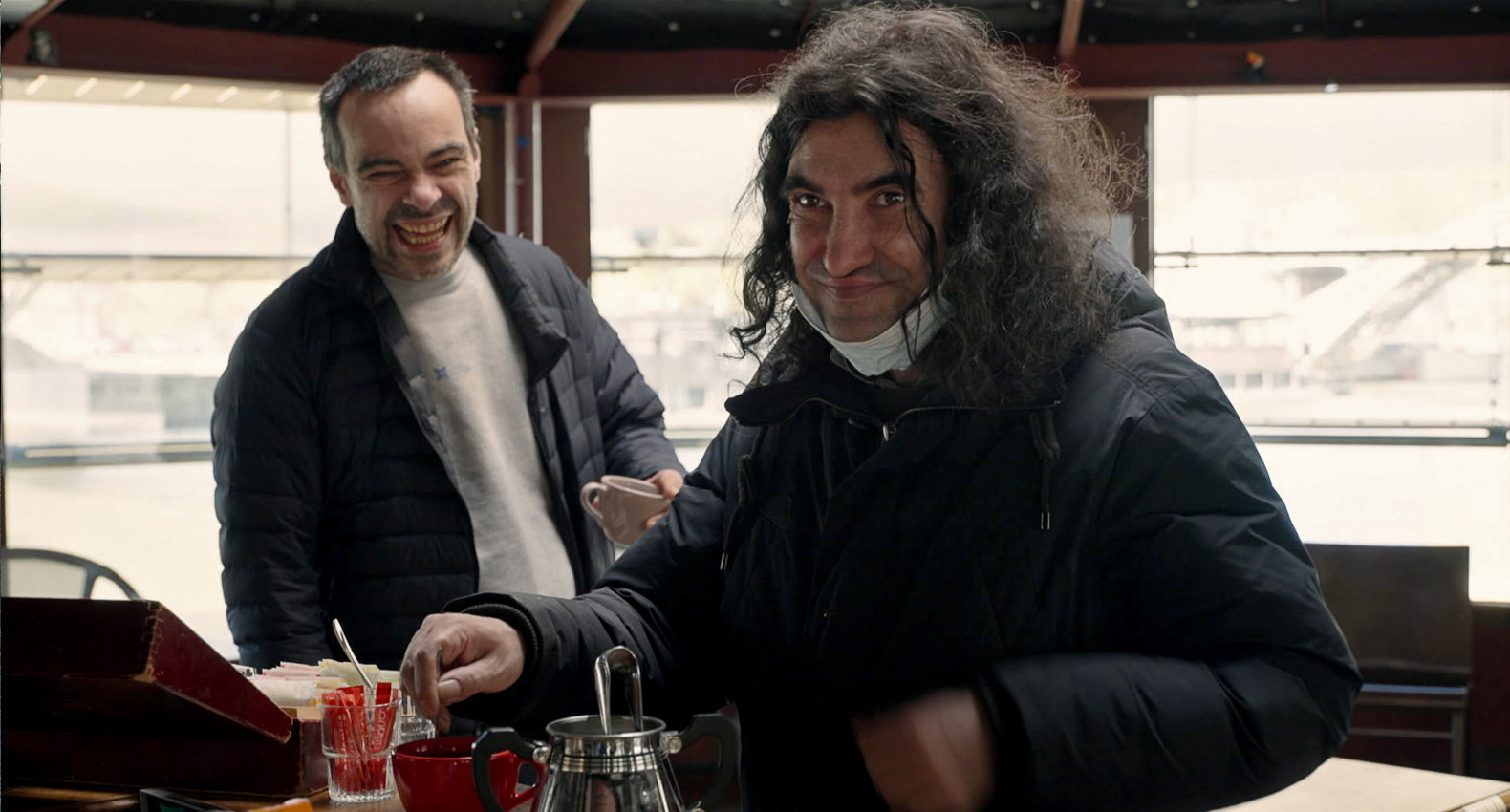
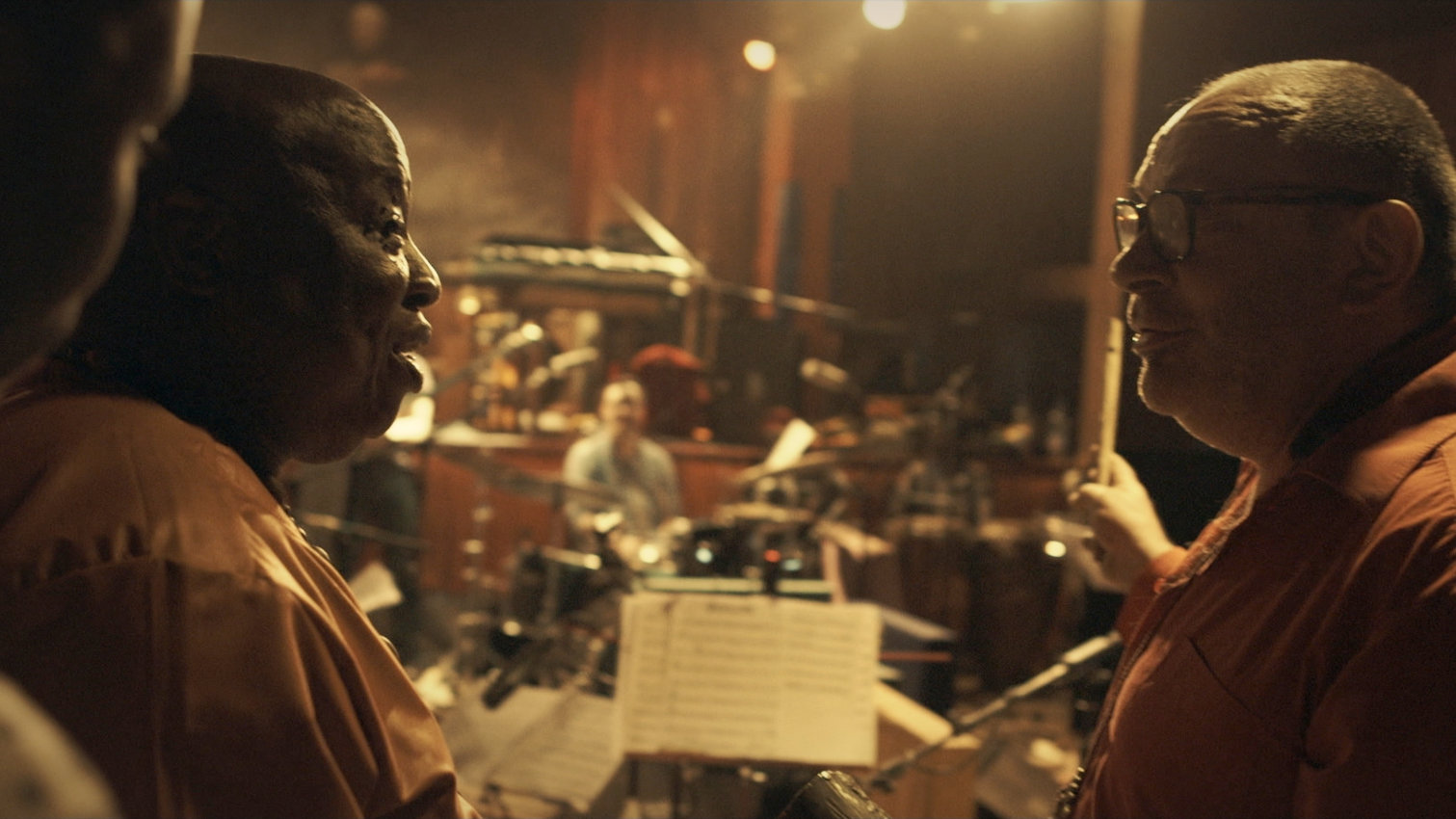
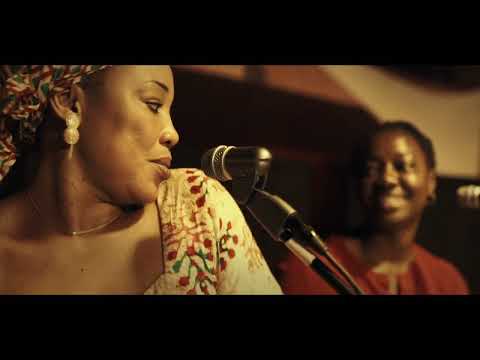
Music for Black Pigeons is the first collaboration between Jørgen Leth and Andreas Koefoed. The film poses existential questions to influential jazz players such as Bill Frisell, Lee Konitz, Midori Takada and many others: How does it feel to play, and what does it mean to listen? What is it like to be a human being and spending your whole life trying to express something through sounds? The characters wake up, rehearse, record, perform and talk about music. In some moments they are on the edge, the edge of existence, constantly challenging themselves. They listen. They devote themselves to finding a space to create a connection to something bigger than themselves. Something that will outlast all of us. For the past 14 years, the filmmakers followed Danish composer Jakob Bro, witnessing his musical encounters with acclaimed and eccentric musicians from across generations and nationalities. Through Bro’s compositions, the film’s characters explore the space of music—and in doing so answer some of the questions the film poses, in a poetic, life-affirming and entertaining way.
Credits:
DK 2022, 92 Min., Englisch, Dänisch, Japanisch OmU Regie: Jørgen Leth und Andreas Koefoedmäki Kamera: Adam Jandrup, Dan Holmberg, Andreas Koefoed Schnitt: Adam Nielsen mit: Jakob Bro, Lee Konitz, Thomas Morgan, Paul Motian, Bill Frisell, Mark Turner, Joe Lovano, Andrew Cyrille, Palle Mikkelborg, Jon Christensen, Manfred Eicher, Midori Takada
Music for Black Pigeons is the first collaboration between Jørgen Leth and Andreas Koefoed. The film poses existential questions to influential jazz players such as Bill Frisell, Lee Konitz, Midori Takada and many others: How does it feel to play, and what does it mean to listen? What is it like to be a human being and spending your whole life trying to express something through sounds? The characters wake up, rehearse, record, perform and talk about music. In some moments they are on the edge, the edge of existence, constantly challenging themselves. They listen. They devote themselves to finding a space to create a connection to something bigger than themselves. Something that will outlast all of us. For the past 14 years, the filmmakers followed Danish composer Jakob Bro, witnessing his musical encounters with acclaimed and eccentric musicians from across generations and nationalities. Through Bro’s compositions, the film’s characters explore the space of music—and in doing so answer some of the questions the film poses, in a poetic, life-affirming and entertaining way.
Credits:
DK 2022, 92 Min., Englisch, Dänisch, Japanisch OmU Regie: Jørgen Leth und Andreas Koefoedmäki Kamera: Adam Jandrup, Dan Holmberg, Andreas Koefoed Schnitt: Adam Nielsen mit: Jakob Bro, Lee Konitz, Thomas Morgan, Paul Motian, Bill Frisell, Mark Turner, Joe Lovano, Andrew Cyrille, Palle Mikkelborg, Jon Christensen, Manfred Eicher, Midori Takada
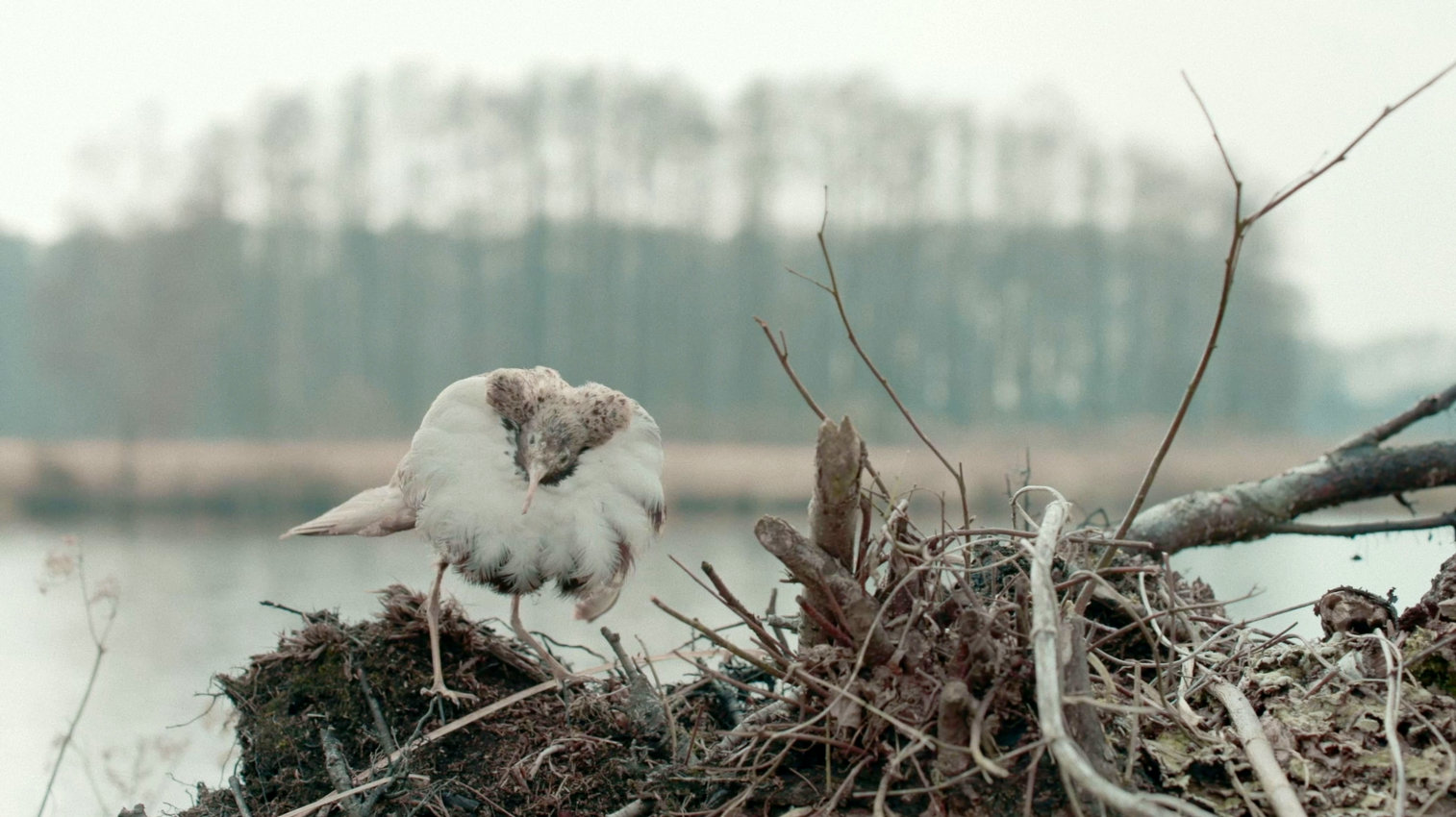
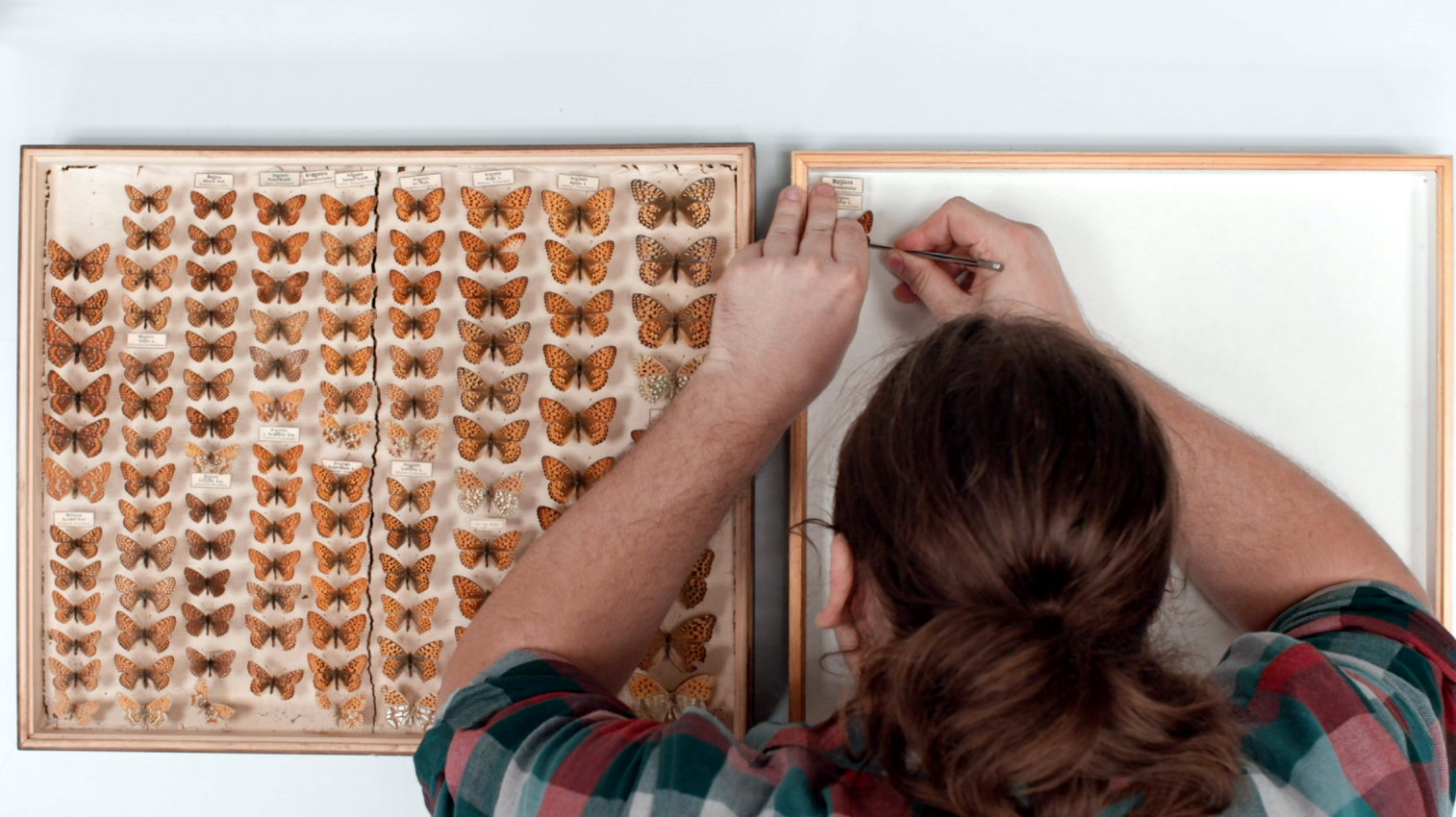
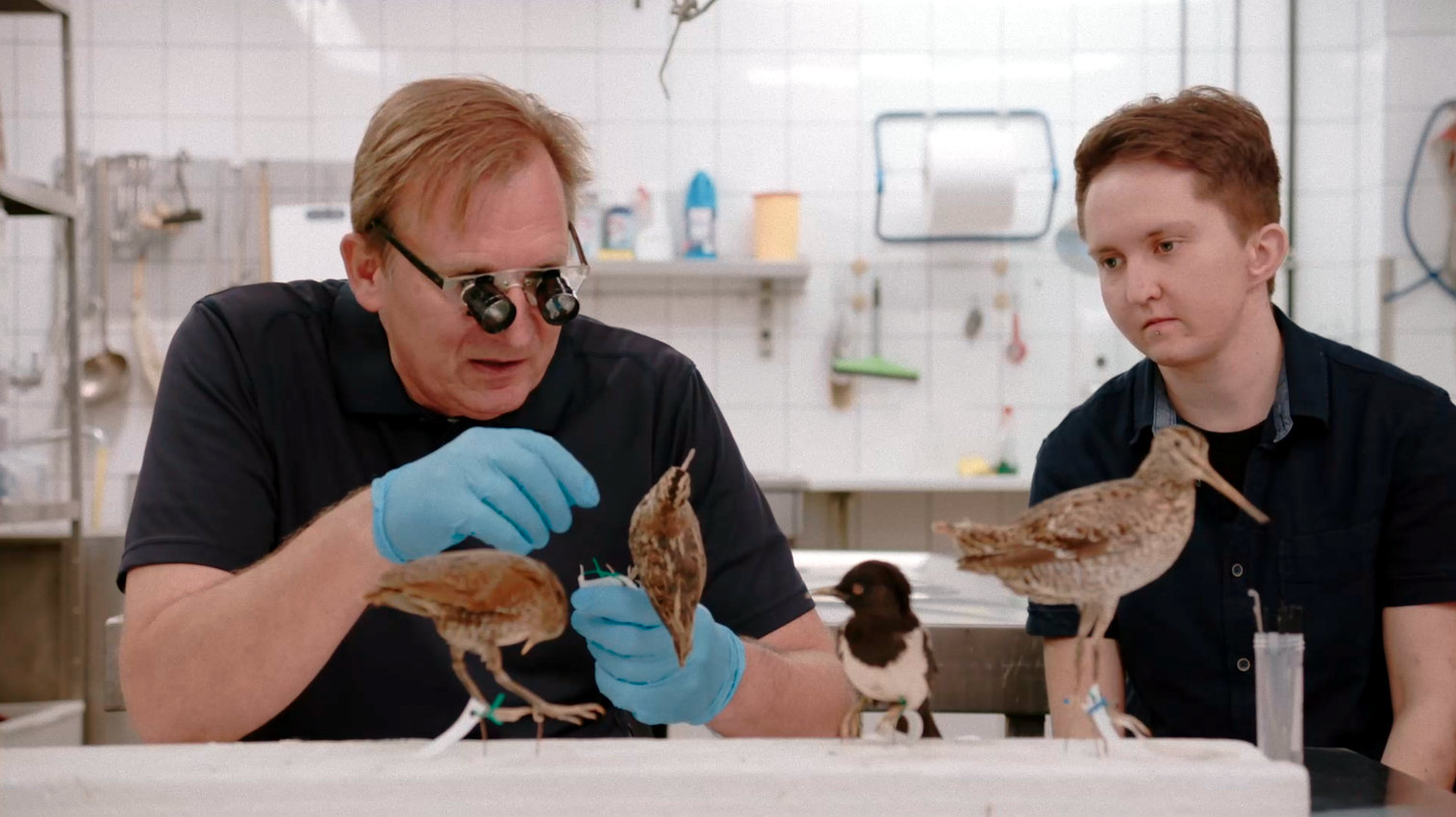
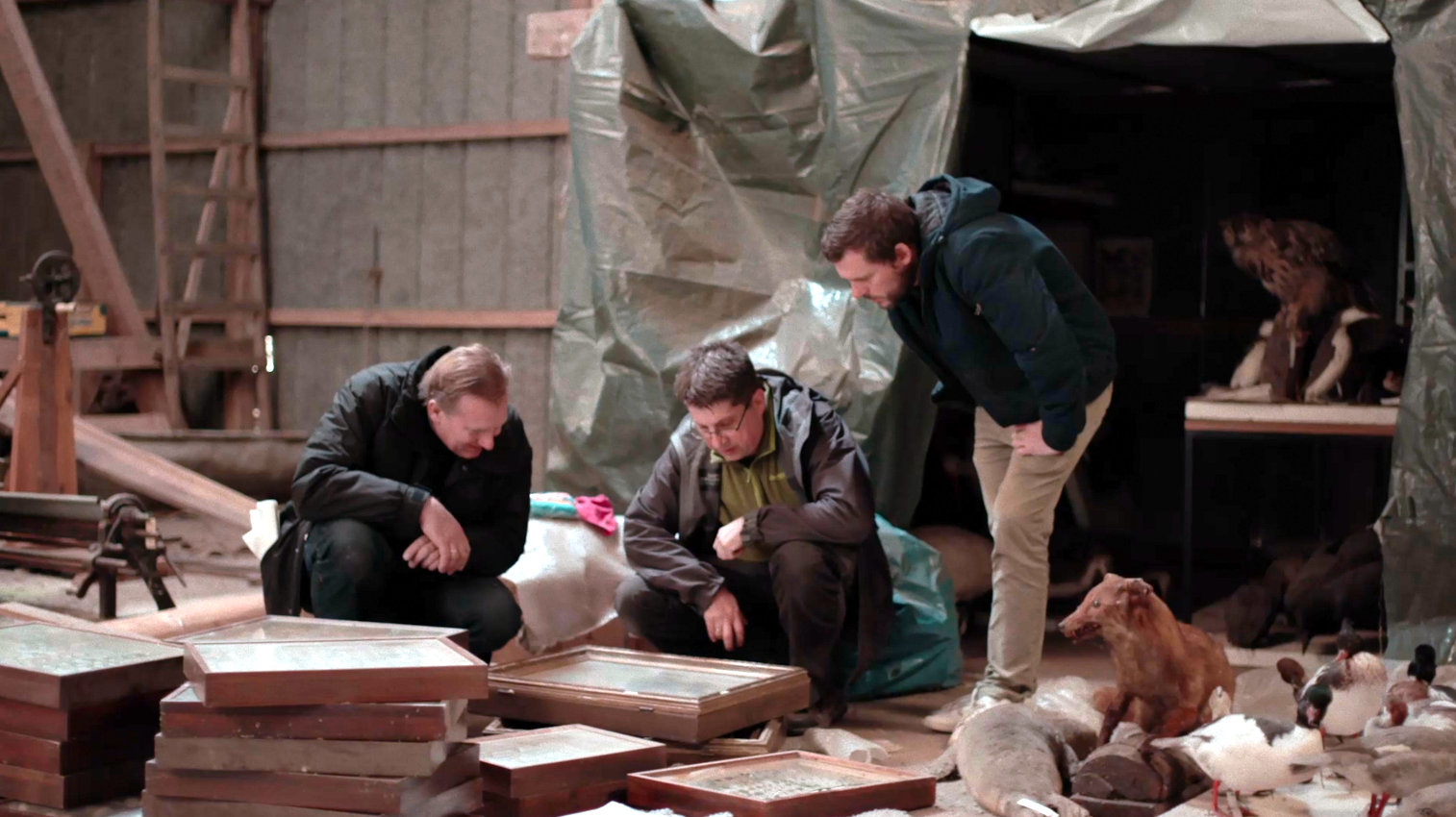
In a northern German attic: boxes of pinned butterflies, carefully hand-coloured photographs of the local flora and fauna, hundreds of stuffed and dusty birds – Jürgen Friedrich Mahrt (1882–1940) did a great job. His collections echo a present that doesn’t exist anymore. And yet all signs of an ecological crisis can be found buried in them. Dead or alive? There is an uncanny element in Jürgen Friedrich Mahrt’s photos: One can’t always be sure whether the animal captured in the frame is the result of hours of waiting or just a specimen staged to look lifelike. The ripples around the duck on the pond are missing, the bird of prey looks suspiciously calm directly into the lens. Mahrt crossed borders. He sacrificed his duties as a farmer to the urge to document natural environments we hardly find in nature today. Ancient forests, enchanted moors, macro views of fat, colourful caterpillars – almost magical images that make one sad in view of a variety irretrievably lost. His great-granddaughter Sönje Storm has the quiet eccentric’s estate analysed by experts, shows peat cutters, extinct species and a changing countryside. An exceedingly stimulating excursion, congenially accompanied by the scurrilous electronica sounds of Dominik Eulberg and Bertram Denzel. (Carolin Weidner, DOK Leipzig 2022)
Credits:
DE 2022, 85 Min., deutsch, plattdeutsche OmeU Regie: Sönje Storm Kamera: Alexander Gheorghiu Schnitt: Halina Daugird
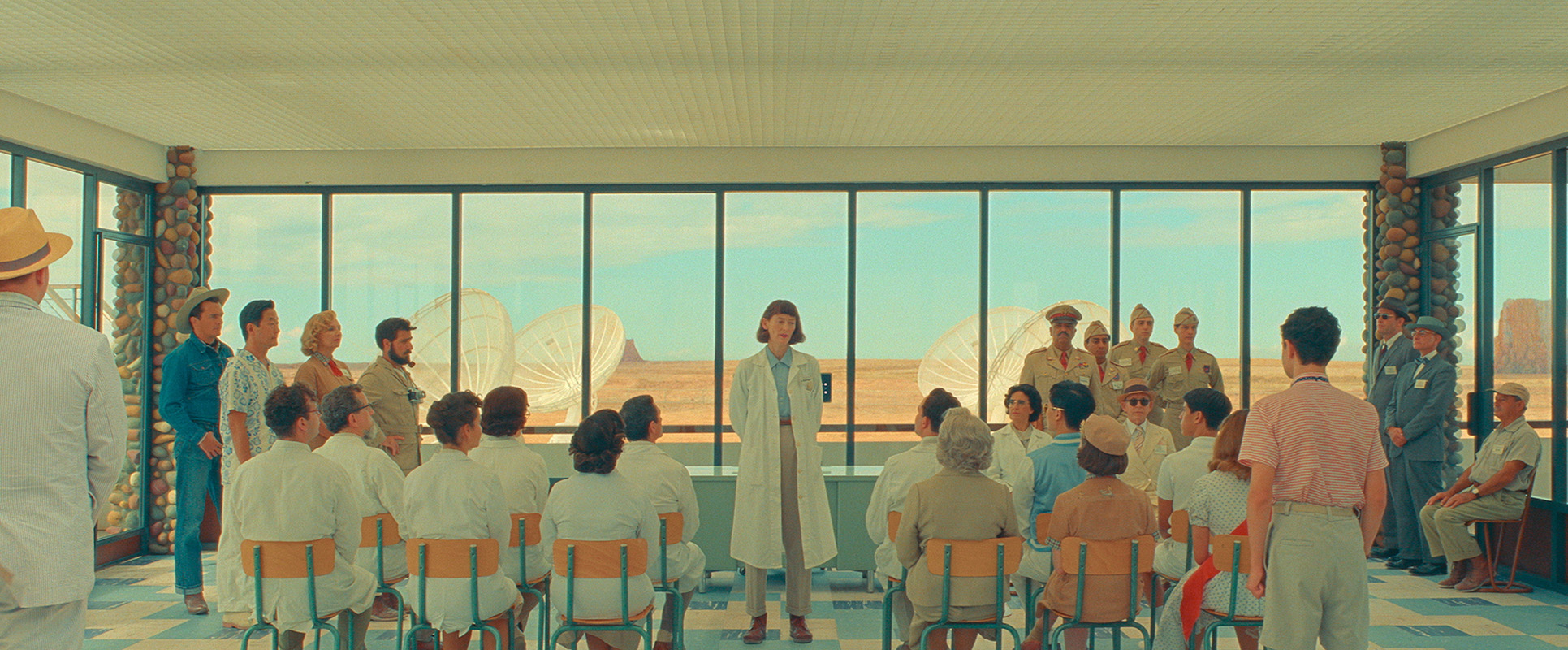
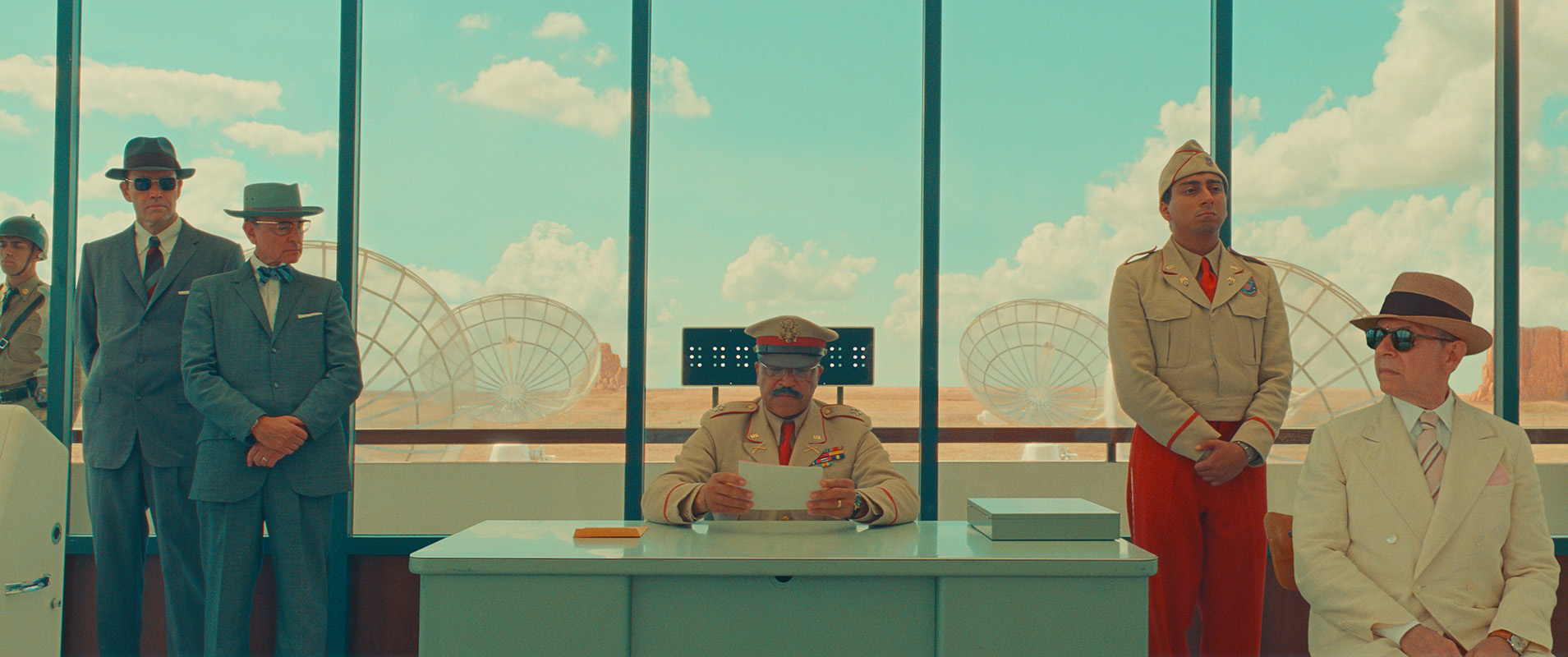
Like Richard Linklater in APOLLO 10 ½ Wes Andersons ASTEROIDCITY explores a mythical Space Age that dreamt of a bright future very different from the present.
Wes Anderson, in the vein similar to David Lynch, makes films for himself and an audience that has already fallen for his aesthetic and his quirky stories and characters.
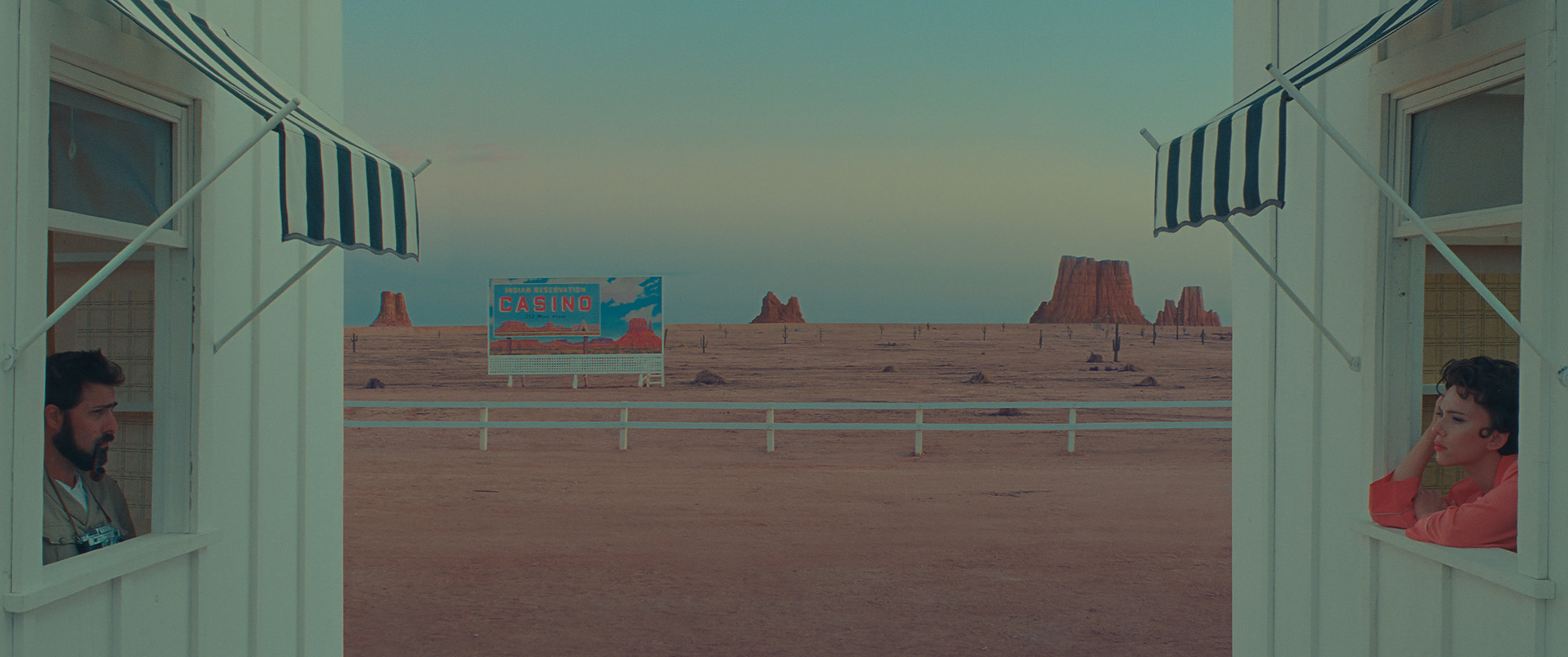
Just like in his past films, the plot is a Russian nesting doll of interlacing layers: the camera films a recording of a TV program about the genesis of a play and the difficulties and obstacles that need to be overcome by the premiere, but the core of the film is the plot of the play itself. The props are delivered by a freight train during the opening credits, and the camera avoids any lateral movements which could reveal that the entire world is actually just a paper mache facade.
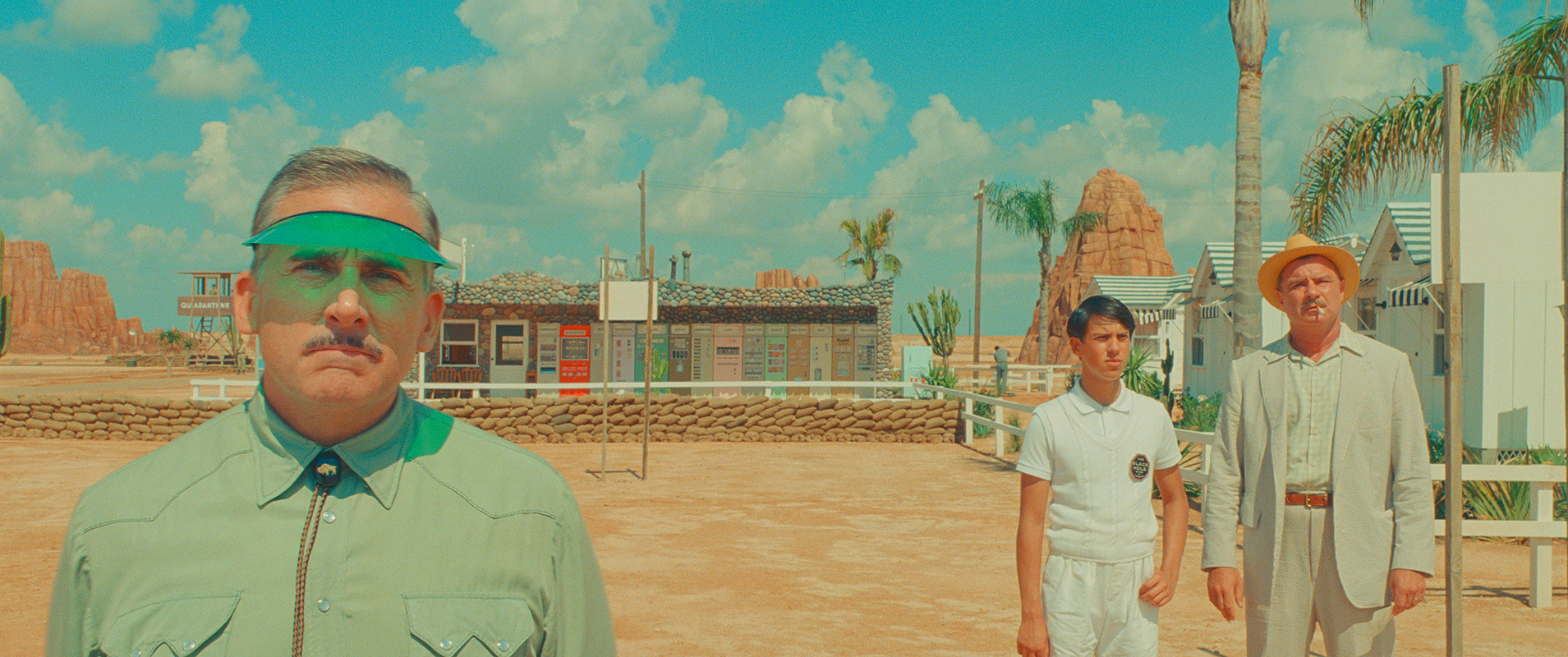
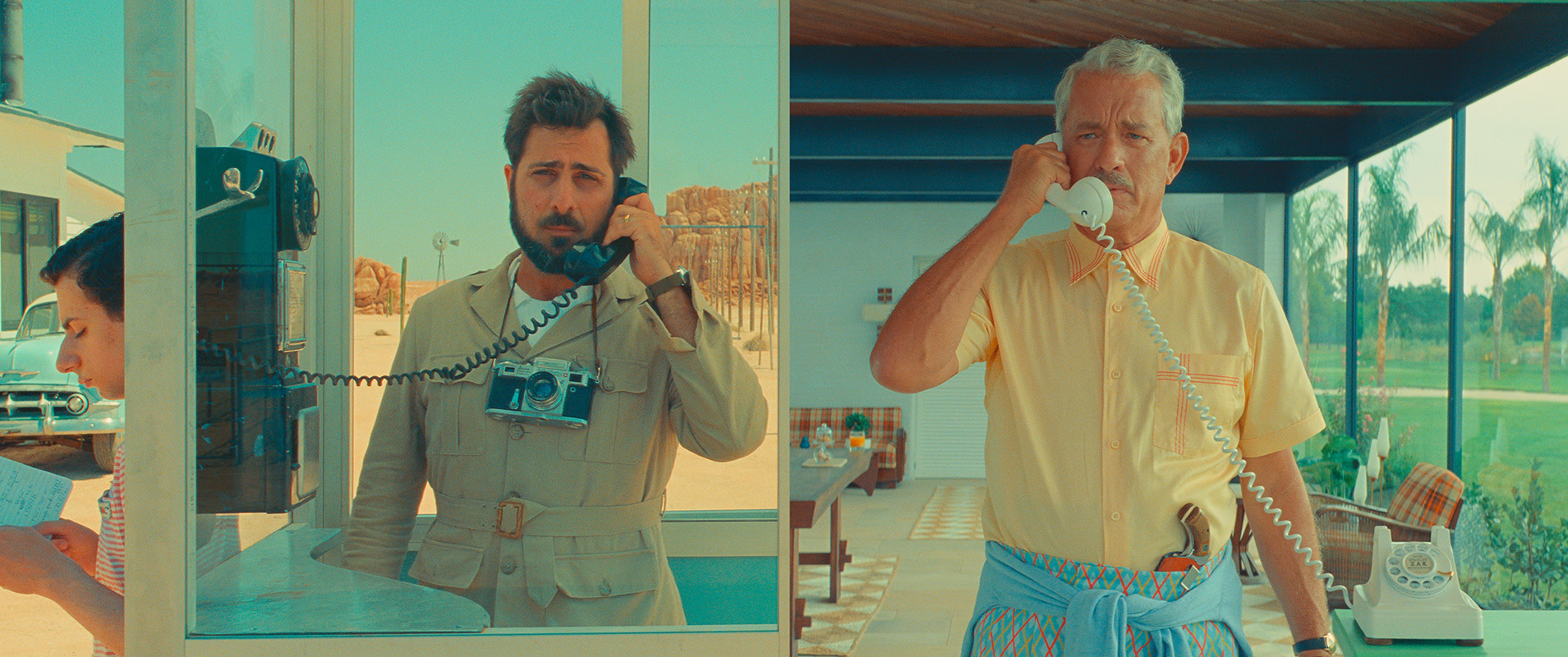
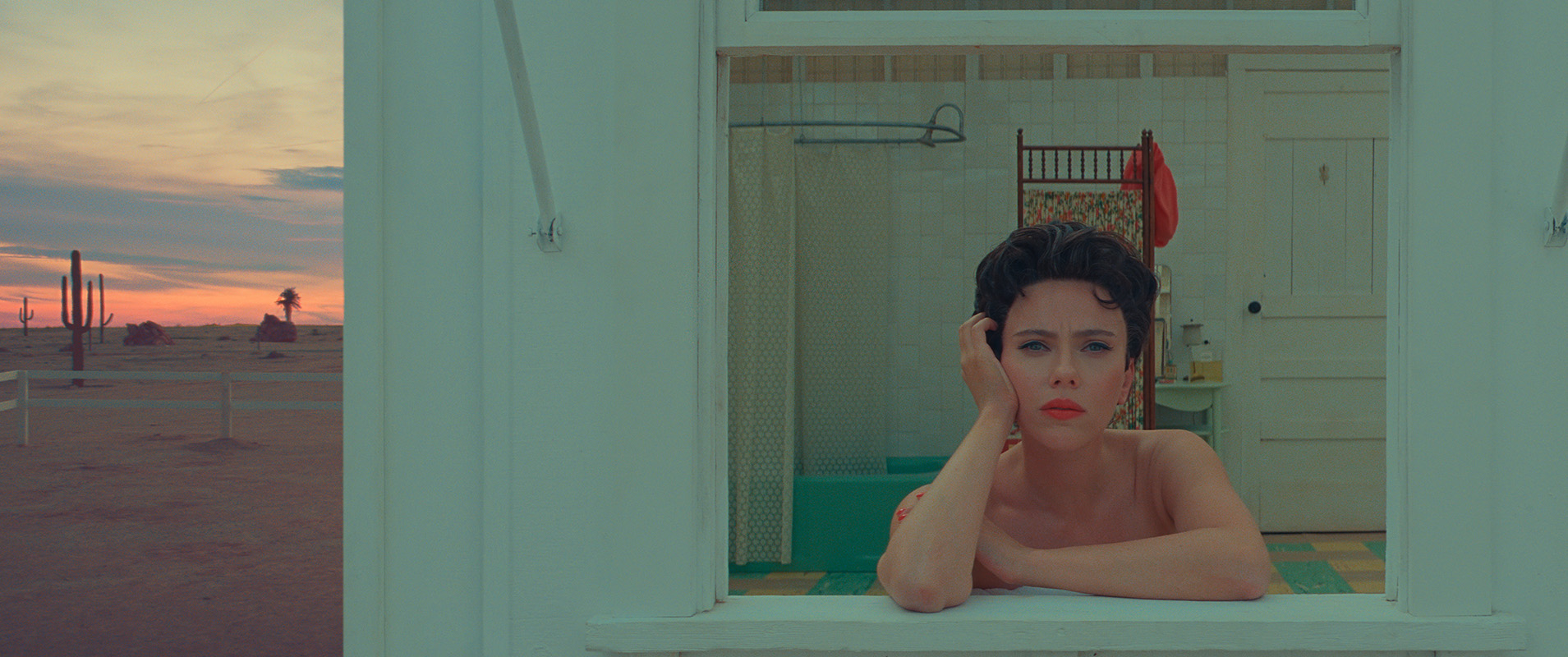
At its core, the film is about a gathering of different people in the year 1955 in a small desert town to commemorate the anniversary of the asteroid impact that gave the city its name. The highlight is a rare astral event and in addition to this, the best of a small group of junior scientists will be selected. For them it‘s an opportunity to be around similarly nerdy peers while their parents can talk to each other about what it‘s like having children that are somewhat strange. All the generations feel lost and alienated from their earthly lives and desperately want there to be something in the stars that will give them meaning. Augie Steenbeck (Jason Schwartzmann), for example, is devastated by the death of his wife and hasn‘t been able to tell his children about it, to the displeasure of his father-in-law Stanley (Tom Hanks). Augie can only open up to his pavilion neighbor, film star Midge Campbel (Scarlett Johansson), who has also lost her orientation due to a painful loss. When an alien (Jeff Goldblum) unexpectedly lands during the ceremony, it leads to a lockdown as instructed by the president as opposed to a meaningful impetus. But luckily, they can turn to the writer or director of this play at that point, and if the creators can‘t help either, they go one step further, to the front of the theater, maybe there will be somebody who can say something helpful there. Or they can just not worry and see what happens next. Sooner or later, the problem will solve itself.
With all of its existentialist considerations, ASTEROIDCITY is actually a sweet and thoroughly optimistic declaration of love to the version of the 1950s where there was still hope for a better future in space and nuclear power and everything, yes everything, could be bought from a vending machine. The film is carried by a spectacular cast that have either already been in other Anderson films (Tilda Swinton as a confused astronomer) or will hopefully pop up again (Steve Carell as the unshakeable hotel manager). Since there‘s nothing to ‘comprehend‘ besides its personal emotional resonance, which Wes Anderson films often evoke, ASTEROIDCITY is a cineastic gift that gives a cozy feeling of happiness in many shades.
Christian Klose | indiekino
Translation: Elinor Lewy
Credits:
US 2023, 104 Min., engl. OmU Regie & Buch: Wes Anderson Kamera: Robert D. Yeoman Schnitt: Barney Pilling mit: Tom Hanks, Jason Schwartzman, Scarlett Johansson, Jeffrey Wright, Tilda Swinton, Bryan Cranston, Ed Norton, Adrien Brody, Liev Schreiber, Hope Davis, Rupert Friend, Maya Hawke, Steve Carell, Margot Robbie, Matt Dillon, Hong Chau, Willem Dafoe, Jeff Goldblum, Rita Wilson
Trailer:
Asteroid City | Offizieller Trailer | Ed (Universal Pictures)
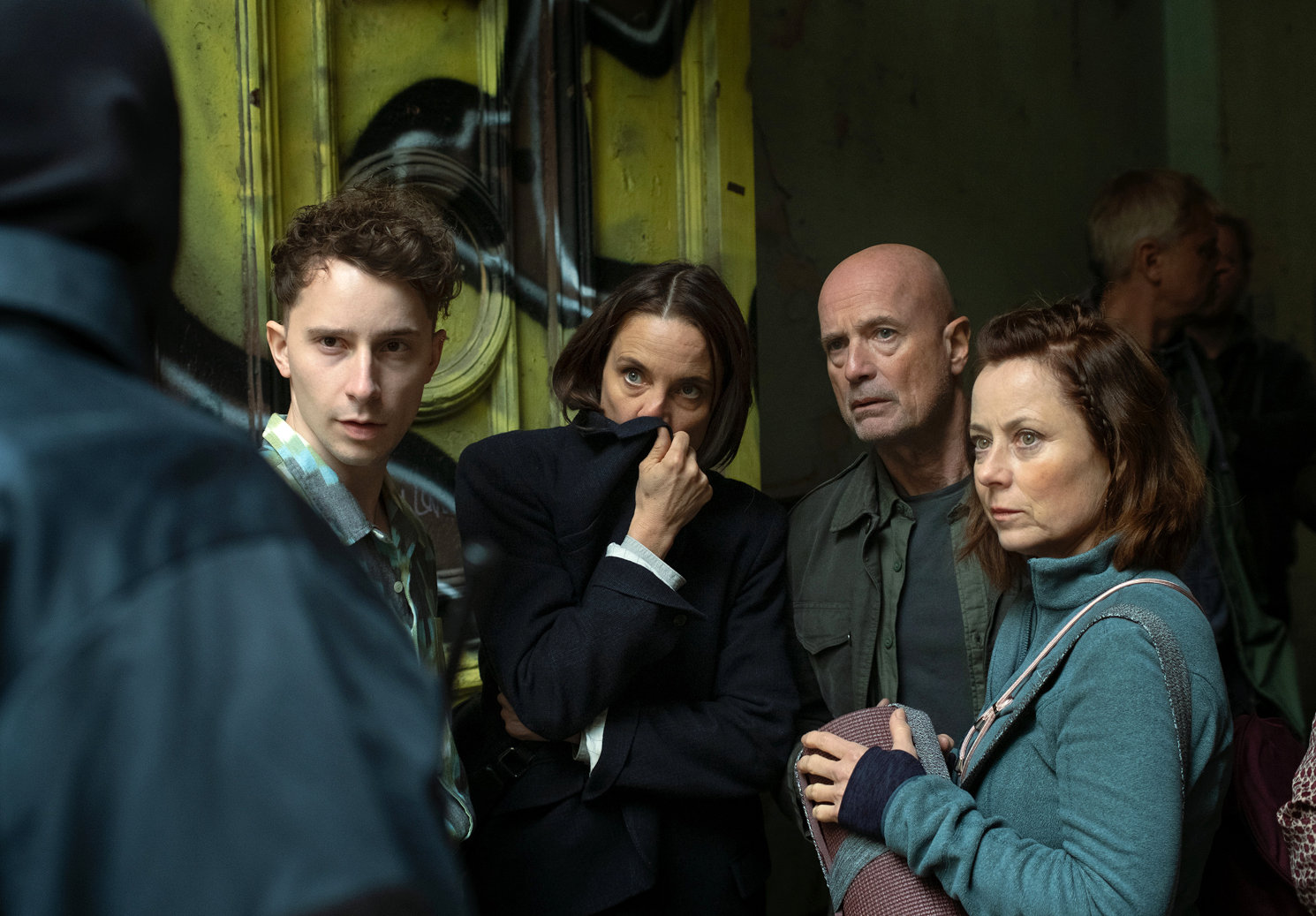
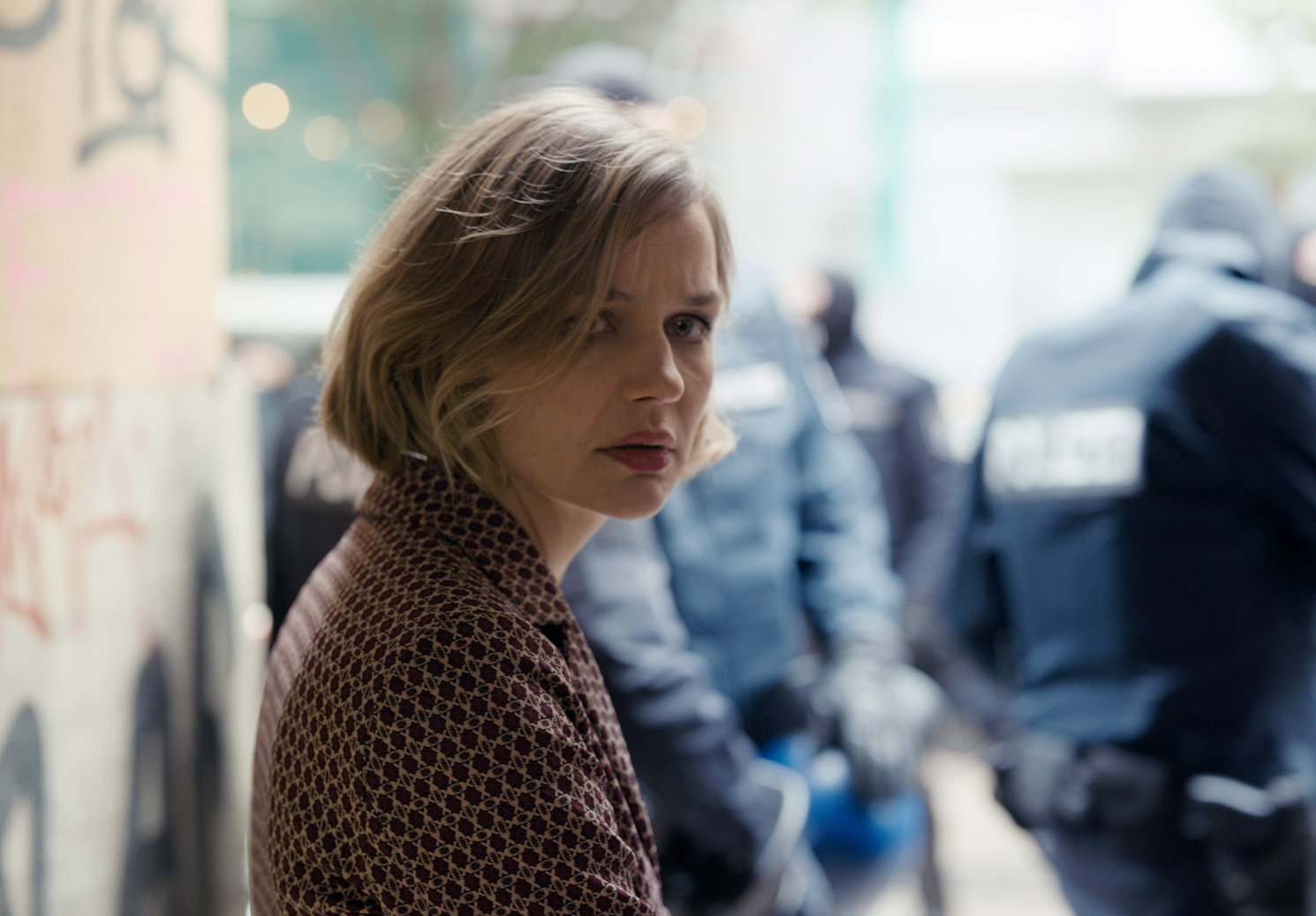
During an emergency, the residents of an apartment building in Berlin drop all pretense of human decency.
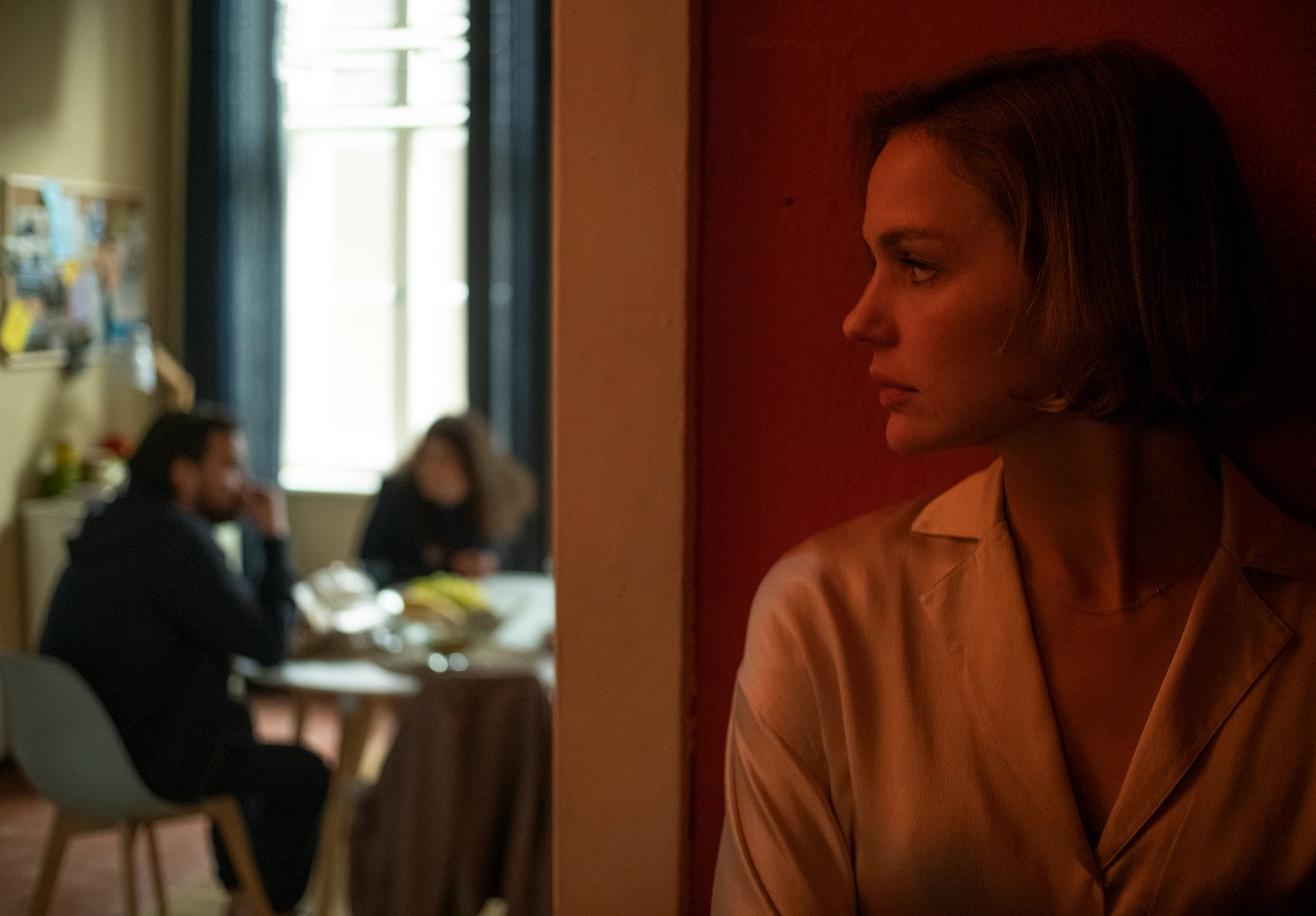
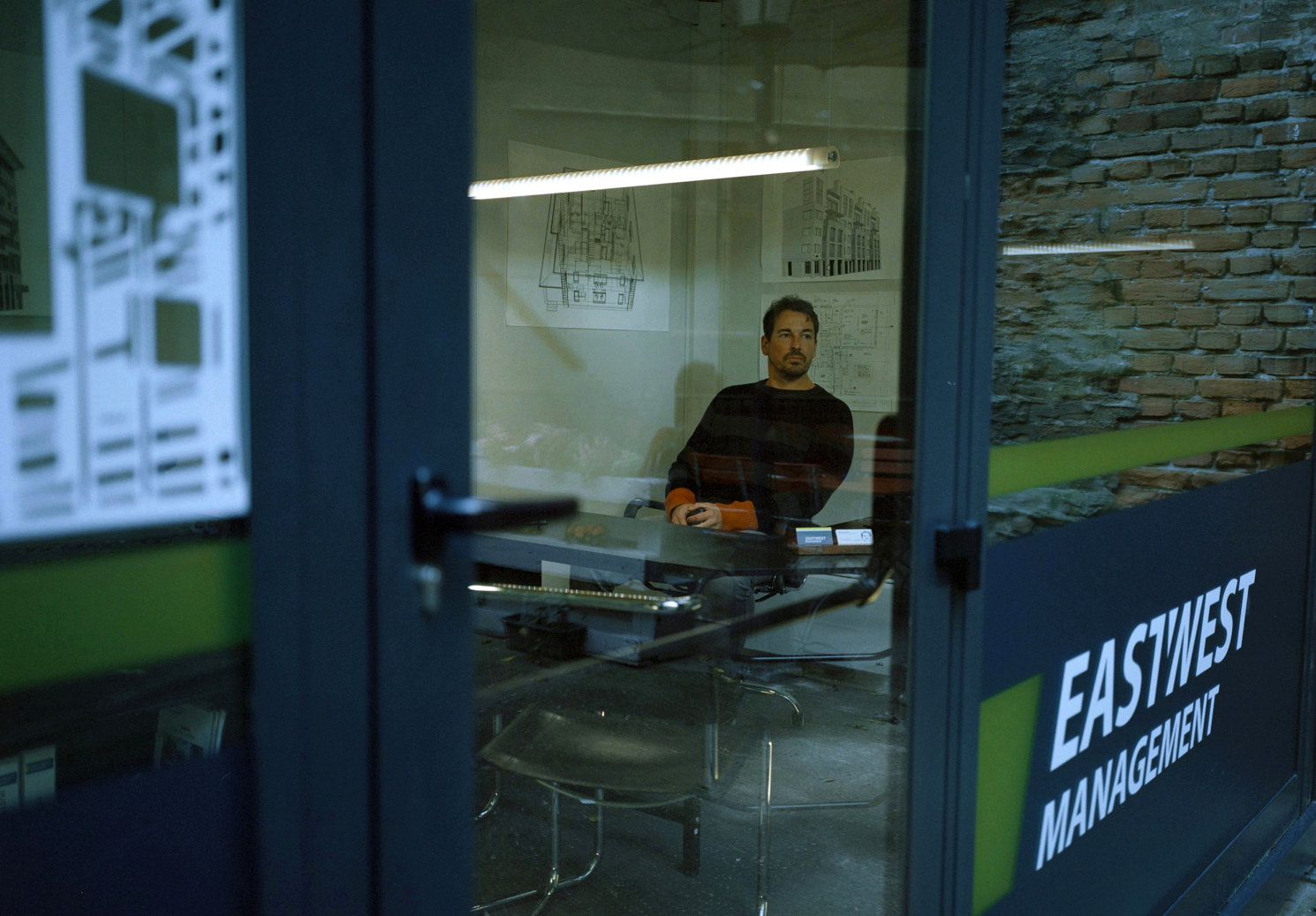
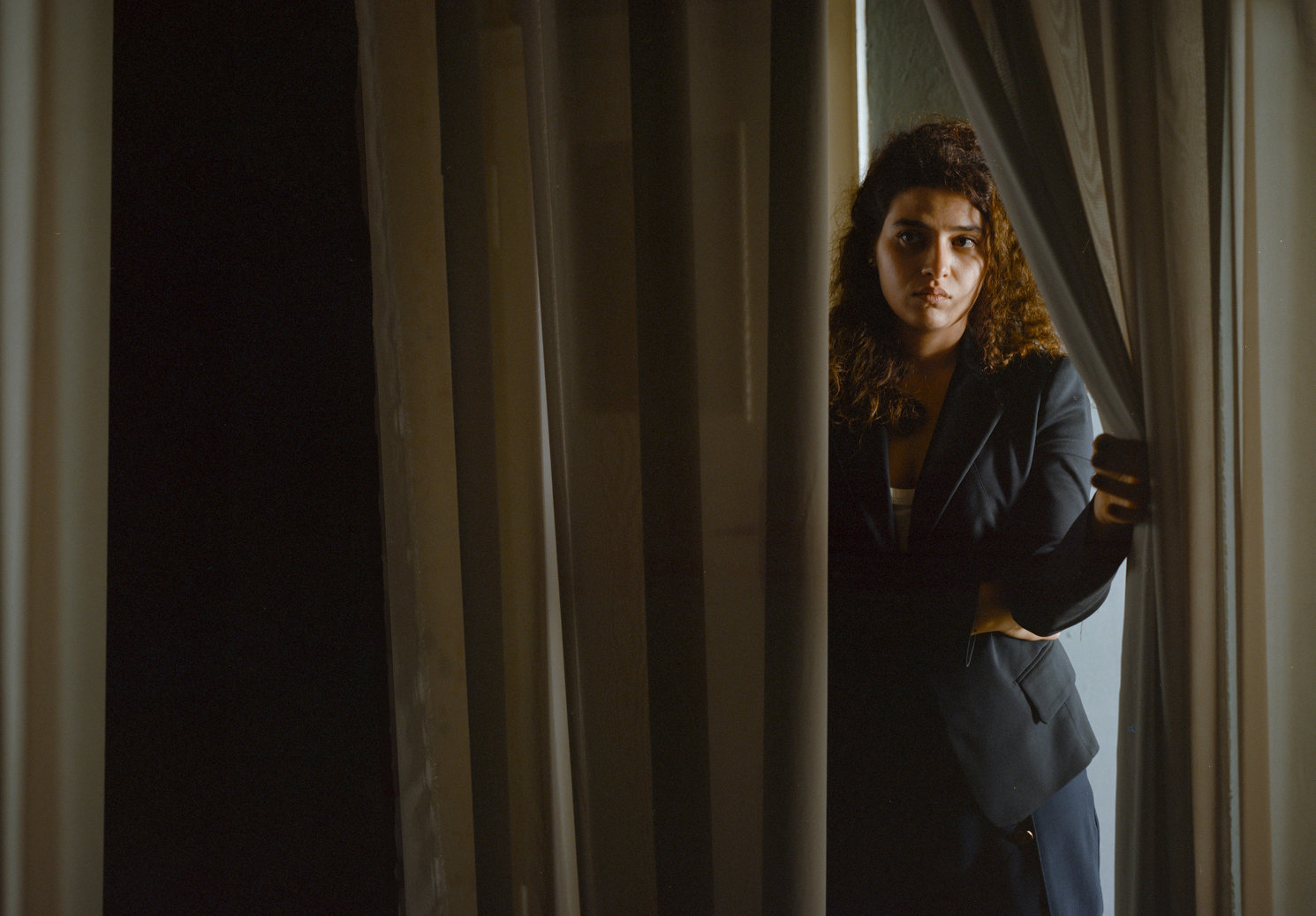
Due to an unexplained incident outside an apartment building in Berlin, the police block the entrances to the courtyard, and a tense situation ensues. Uncertainty among the residents fuels fears. Suspicion and panic spread; prejudice leads to polarization. The courtyard is a microcosm, with relationships based on power and profit. Perhaps the real danger is not from outside, but from within.
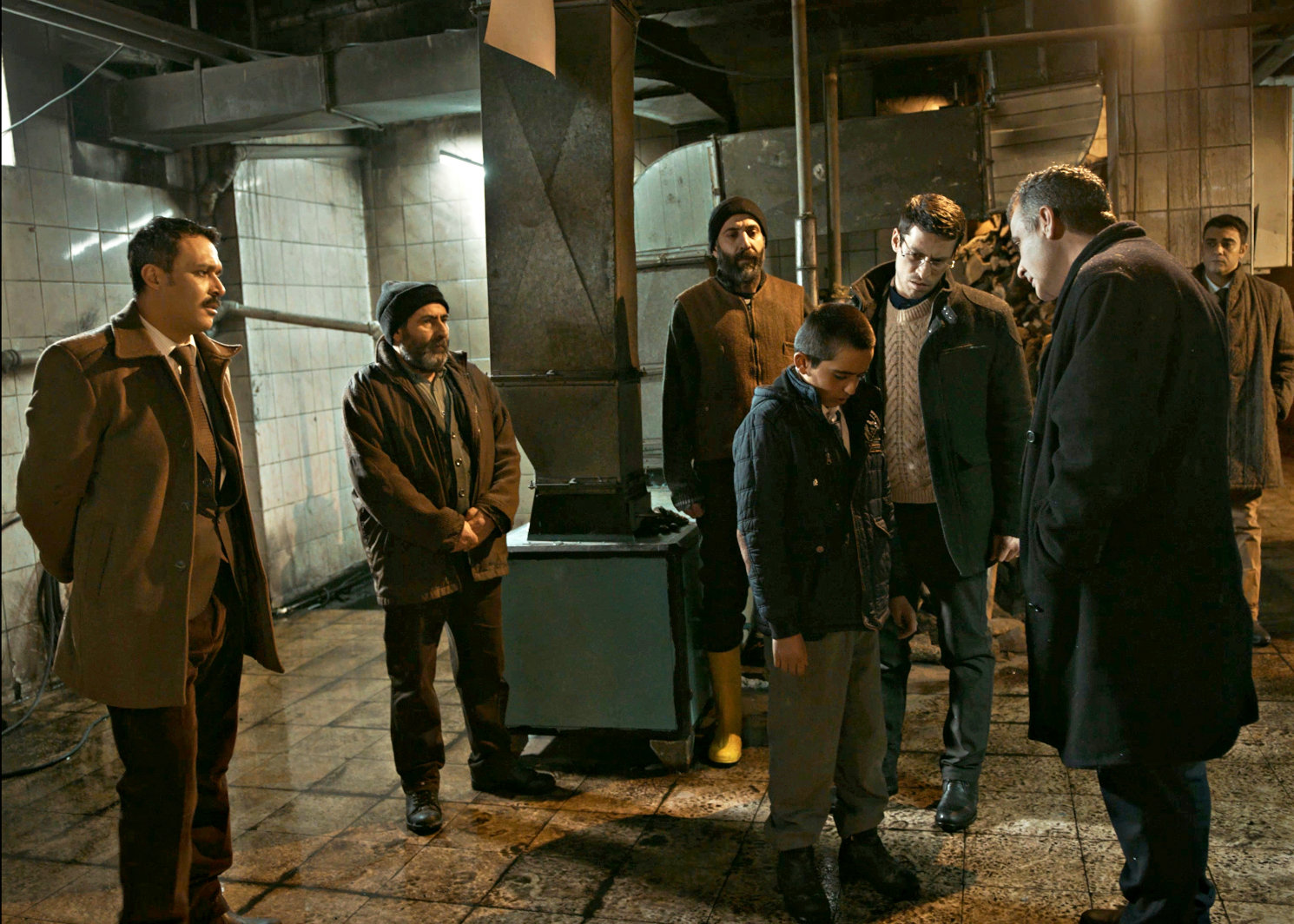
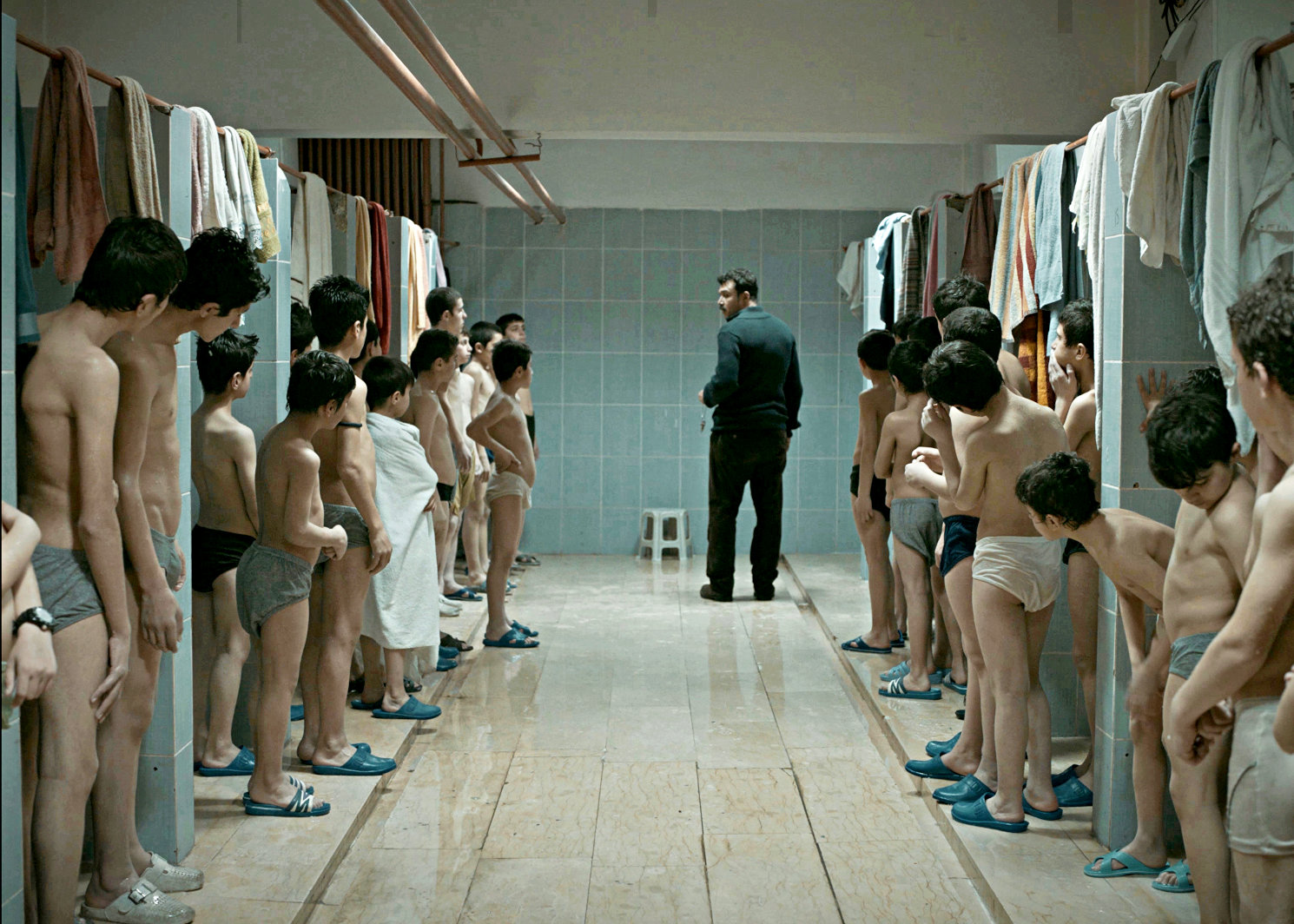
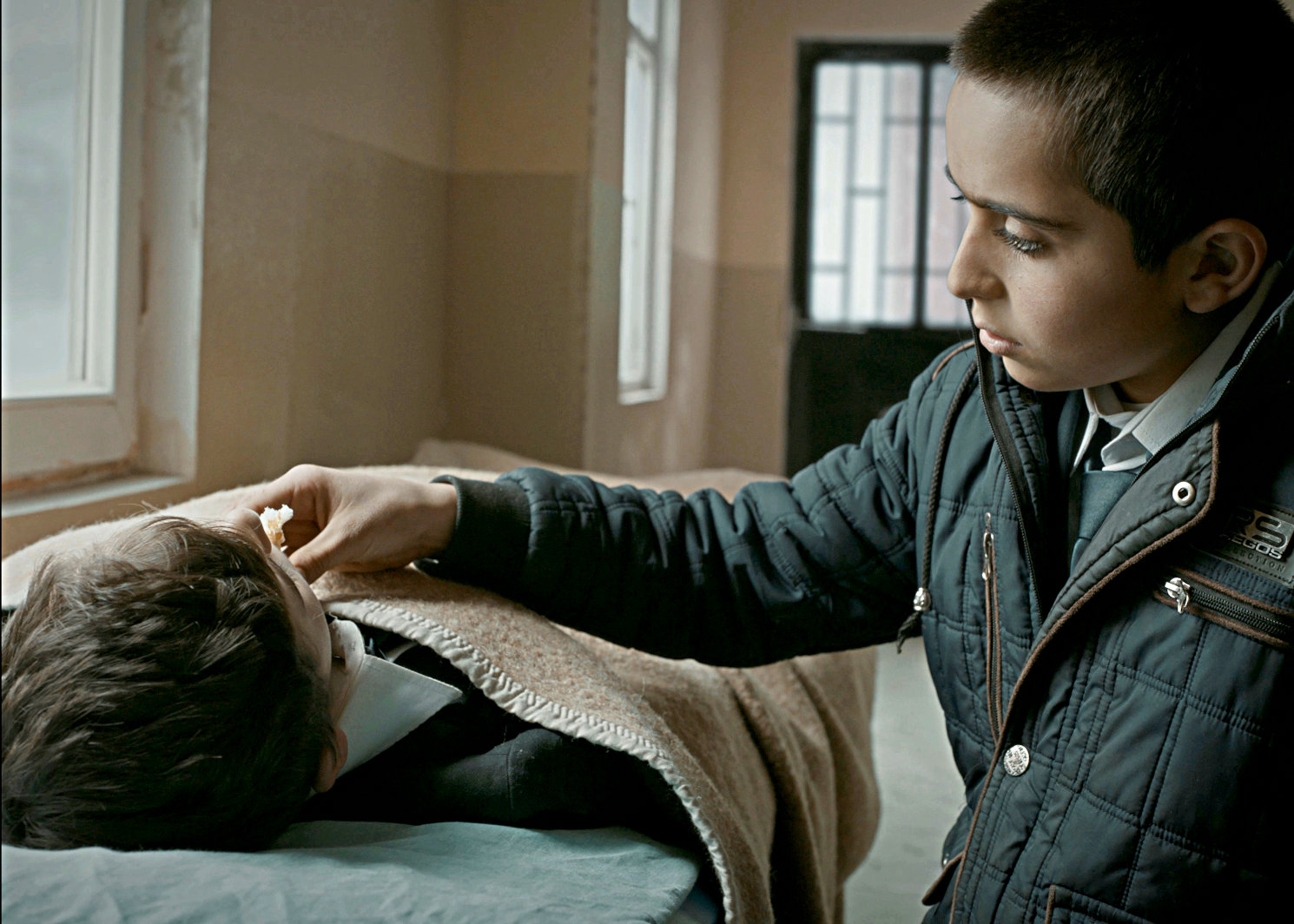
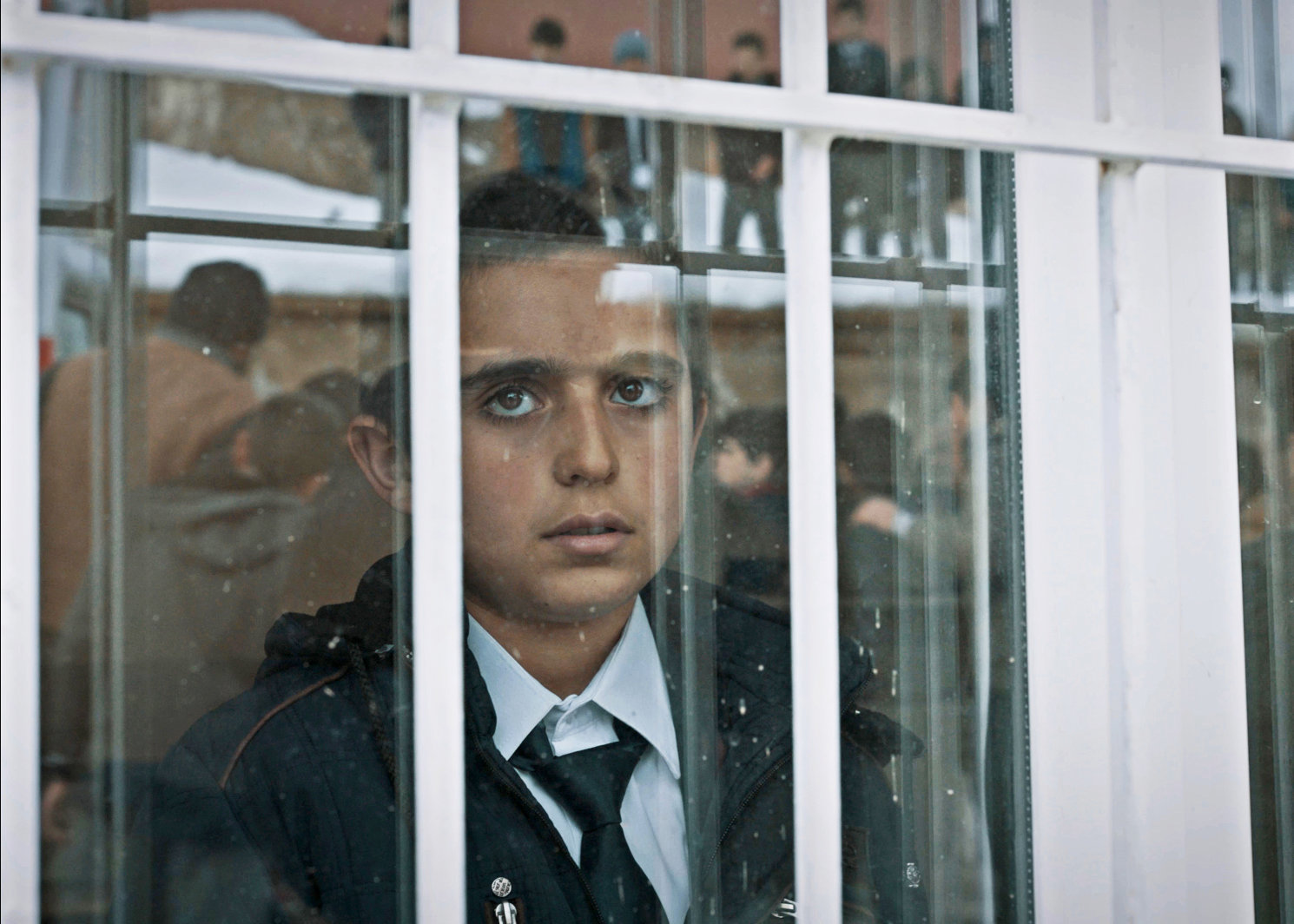
Strict rules prevail at a remote boarding school in the mountains of Anatolia where Turkish teachers educate gifted Kurdish pupils from the surrounding area. Once a week, the boys are allowed to shower and, like everything else here, this process is monitored. One night, twelve-year-old Memo asks his friend Yusuf if he can sleep in his bed. But, afraid of gossip, Yusuf refuses. The next morning, Memo is sick and cannot attend class. The school’s heating has broken down and an icy winter’s day takes its course. Memo’s condition worsens. He is no longer responsive and Yusuf is only allowed to talk when prompted. Gradually, the events of the previous night are revealed. Ferit Karahan’s finely spun drama illuminates a microcosm marked by poverty and fear. Surrounded by snow and frost, the emotional coldness which prevails between teachers and pupils in this authoritarian educational institution become almost physically tangible.
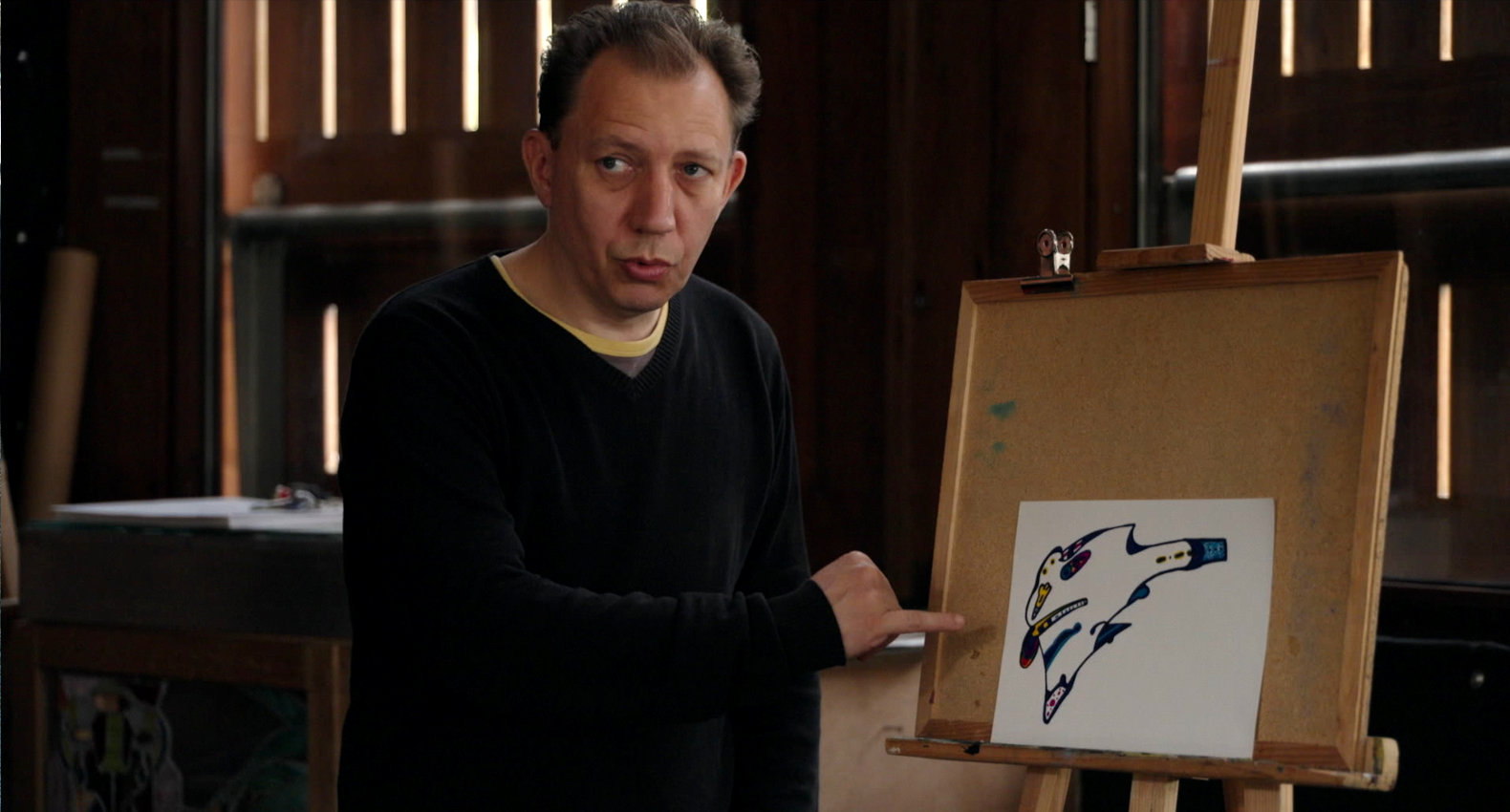
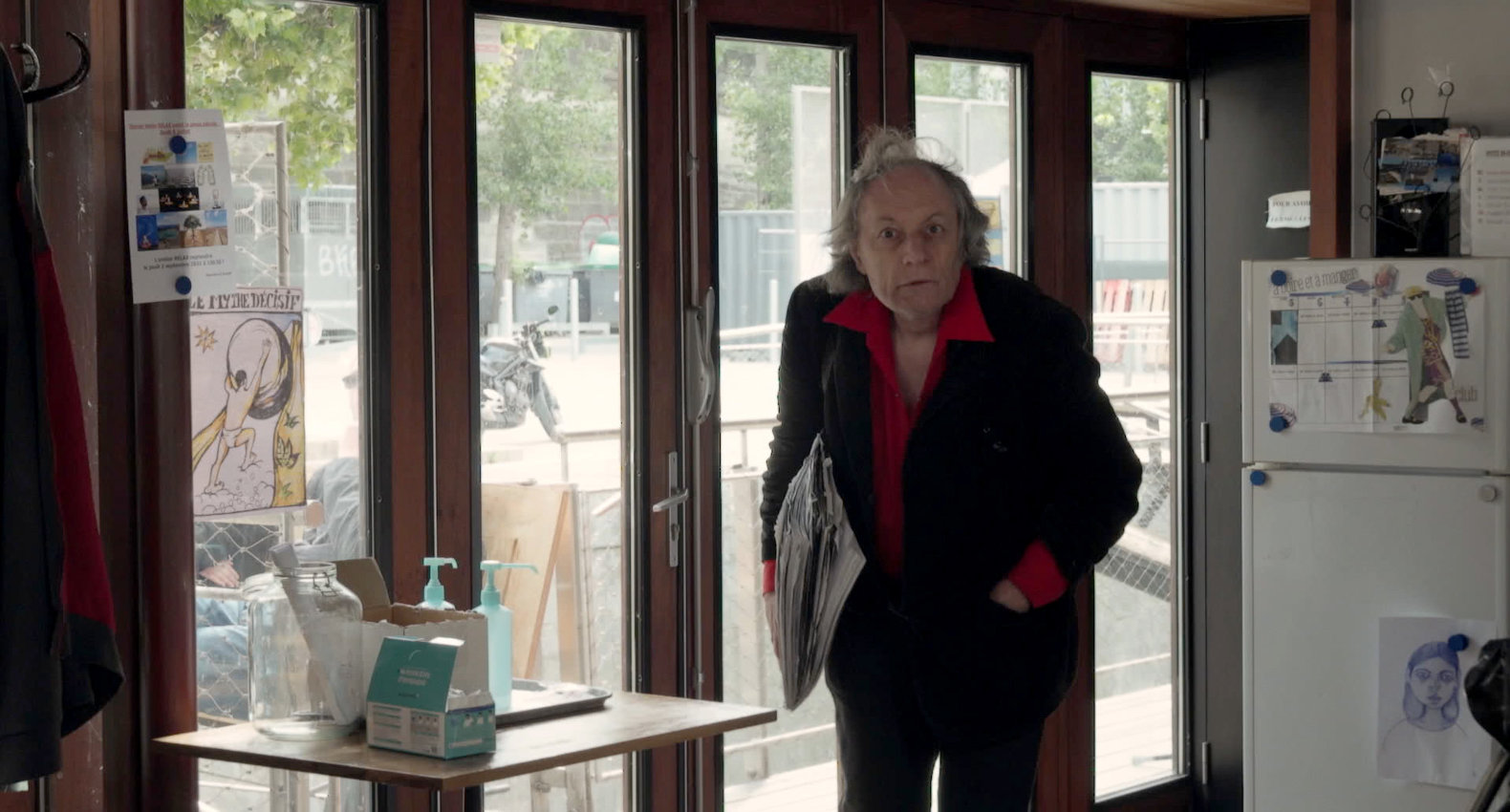
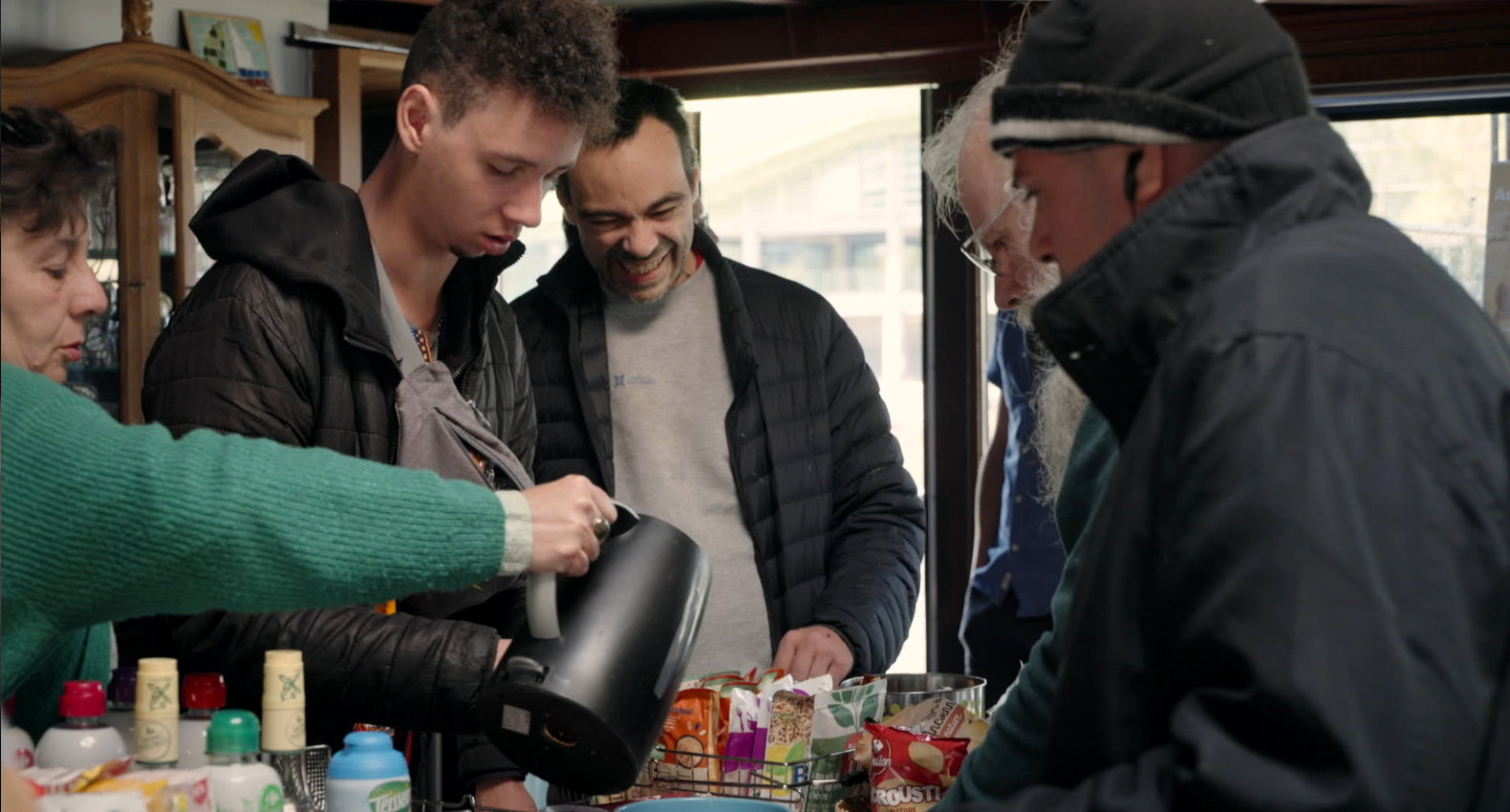
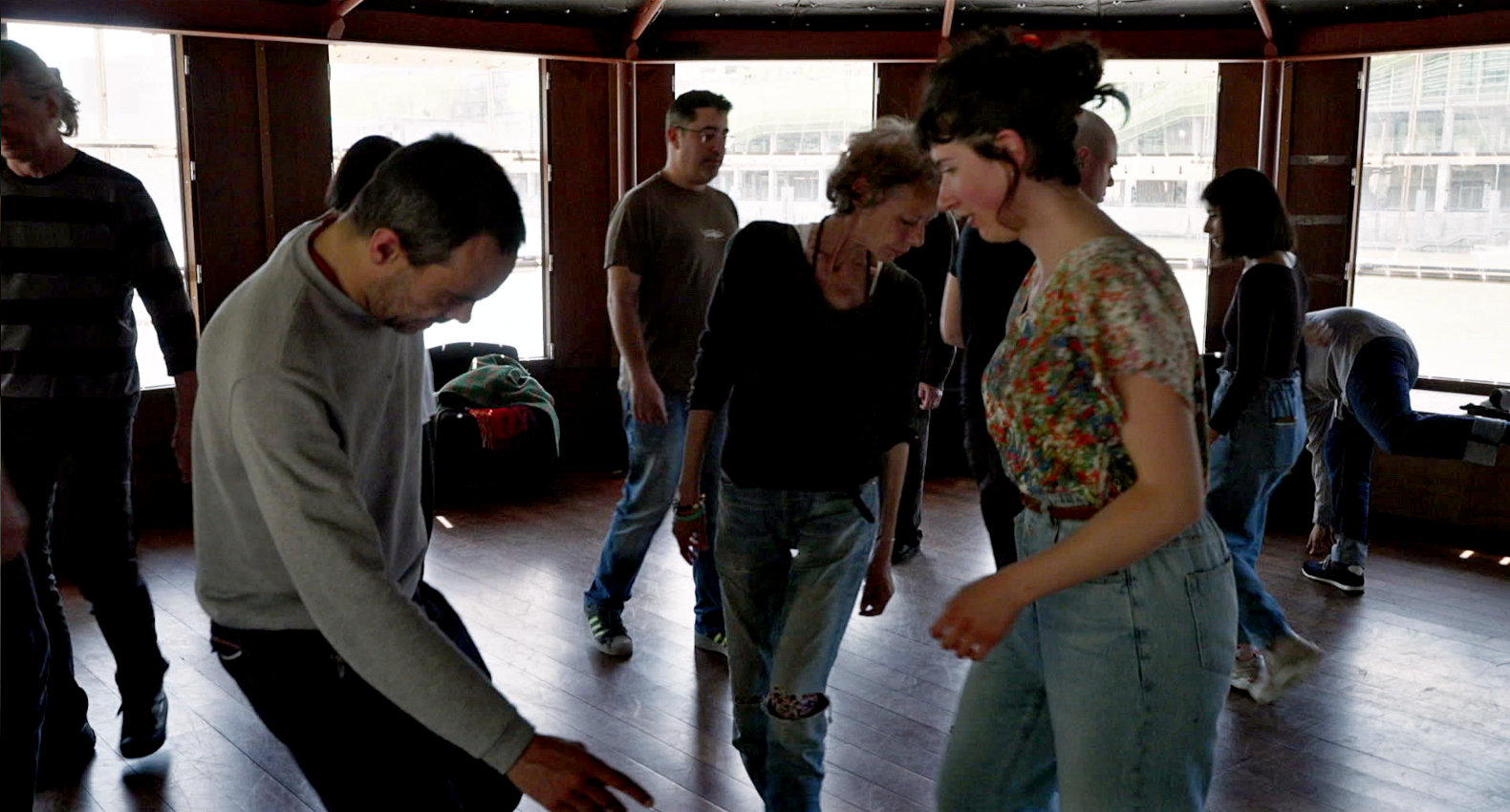
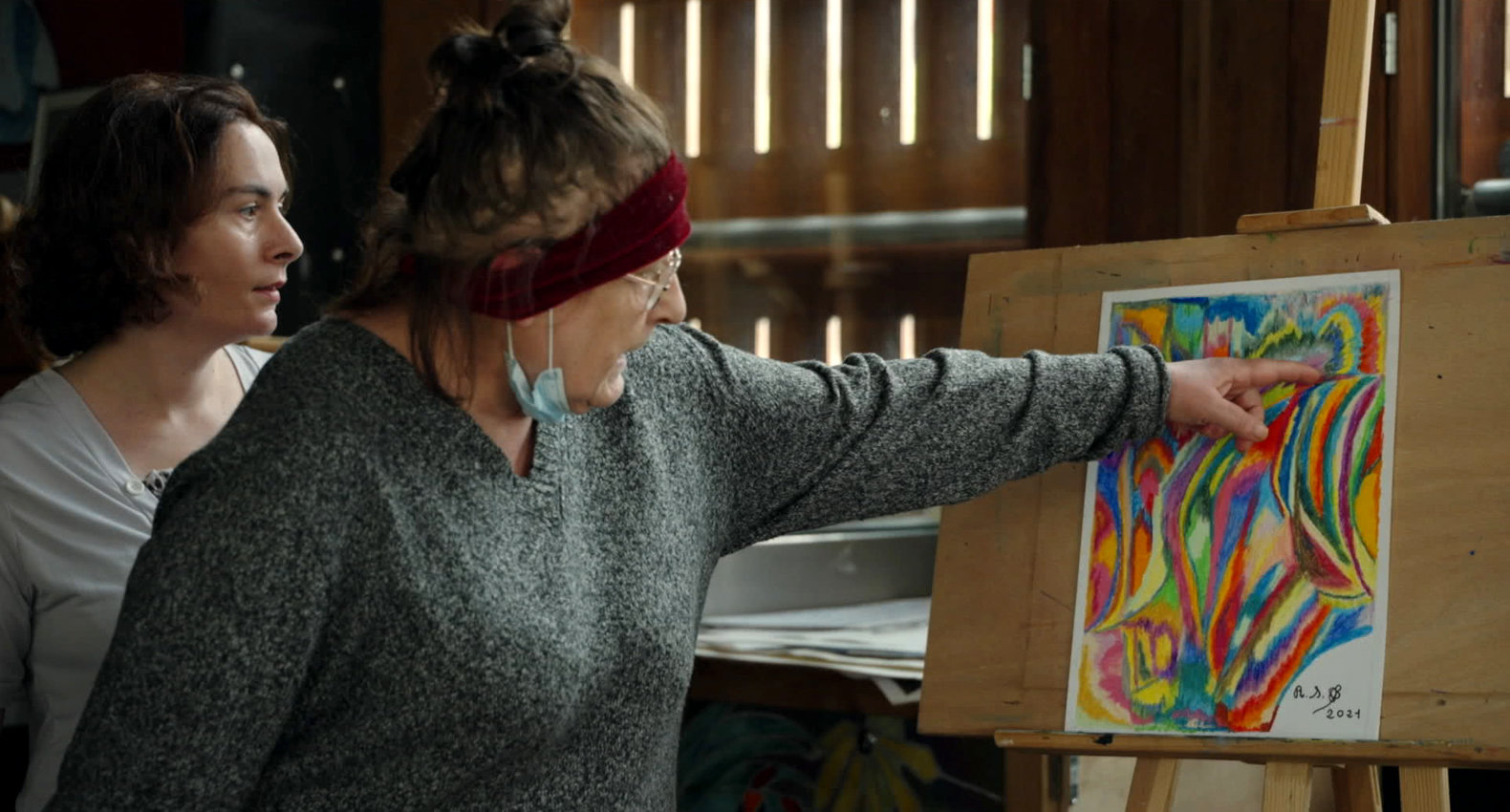
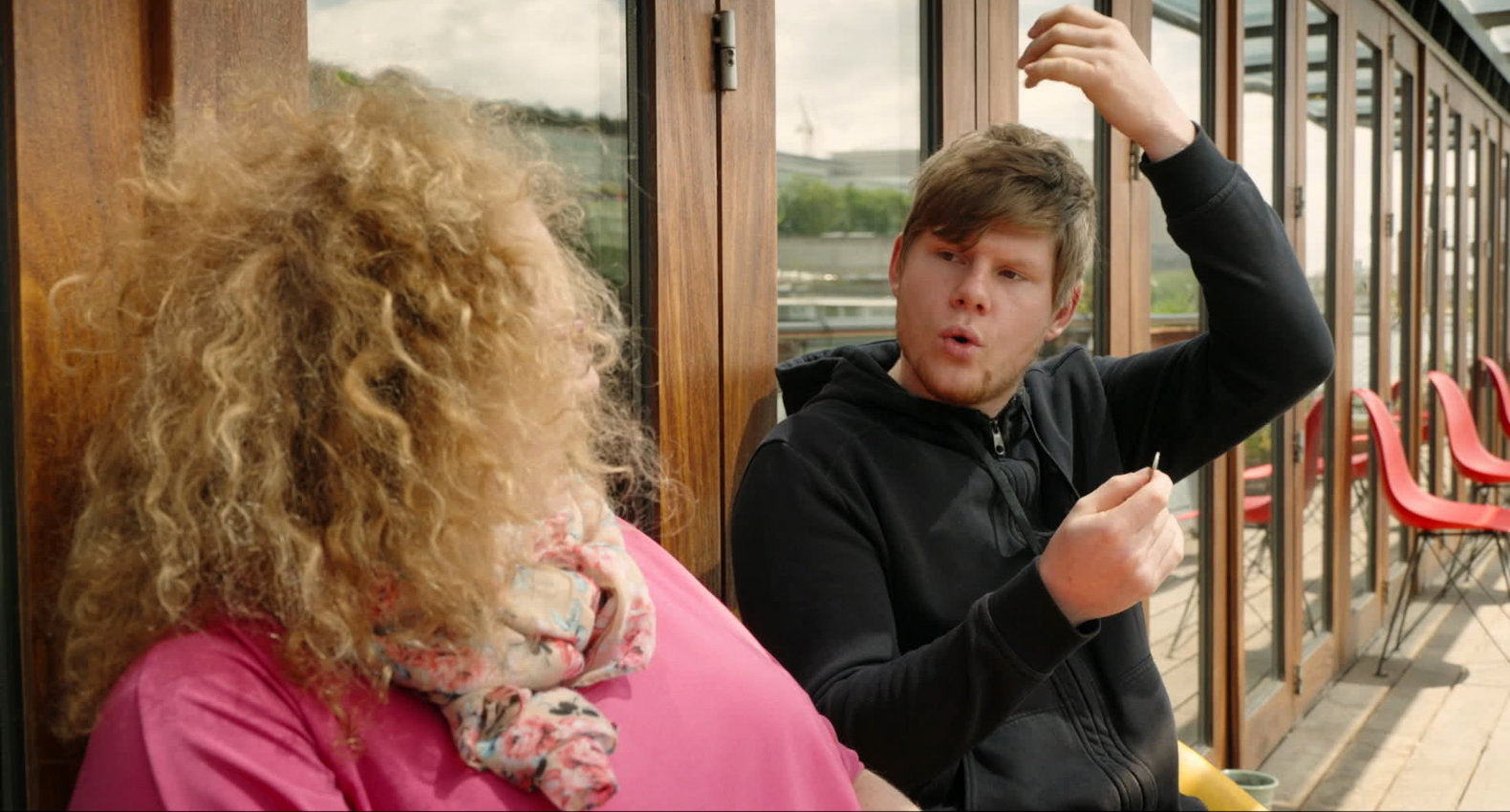
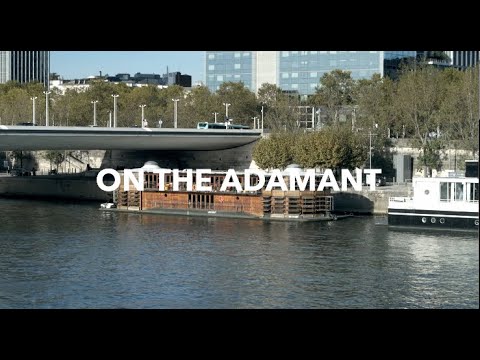
The Adamant is a unique day-care centre. A floating structure located on the Seine in the heart of Paris, it welcomes adults suffering from mental disorders, offering the kind of care that grounds them in time and space and helps them to recover or keep up their spirits. The team running it tries to resist the deterioration and dehumanisation of psychiatry as best as they can. One of the great documentary filmmakers working today, Nicolas Philibert’s approach has everything to do with getting close to his subject. Whether it is an individual such as the orangutan of Nénette (Forum, 2010), or a group of people as in La maison de la radio (Panorama, 2013), his observation over an extended period of time is motivated by a genuine and contagious interest in all that moves within a community. The question of trust is always central to a documentary filmmaker’s work and Philibert’s stance is perfect in that regard, especially for those who might have reason to mistrust their fellow humans. This gentle, enlightening film invites us to join the welcoming microcosm of the Adamant. In their company we may, as one patient suggests, decide in the morning to make sure that we will have a good day.
Berlinale 2023: Golden Bear
Credits:
Sur l’Adamant FR/JP 2022, 109 Min., frz. OmU Regie, Kamera, Schnitt: Nicolas Philibert, Regie unter Mitwirkung von Linda De Zitter
Trailer:
On the Adamant / Sur l’Adamant (2023) – Trailer (English Subs)
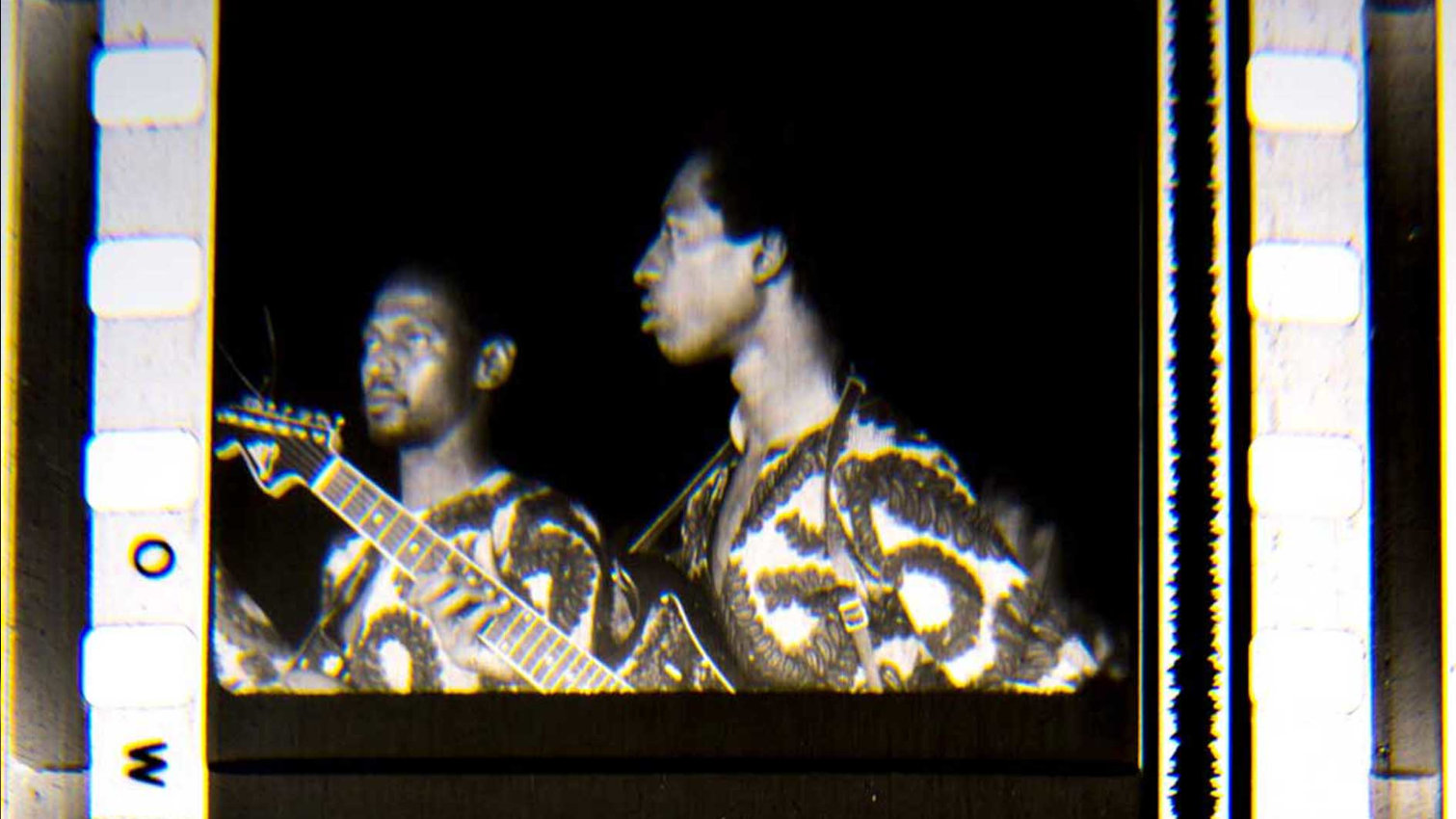
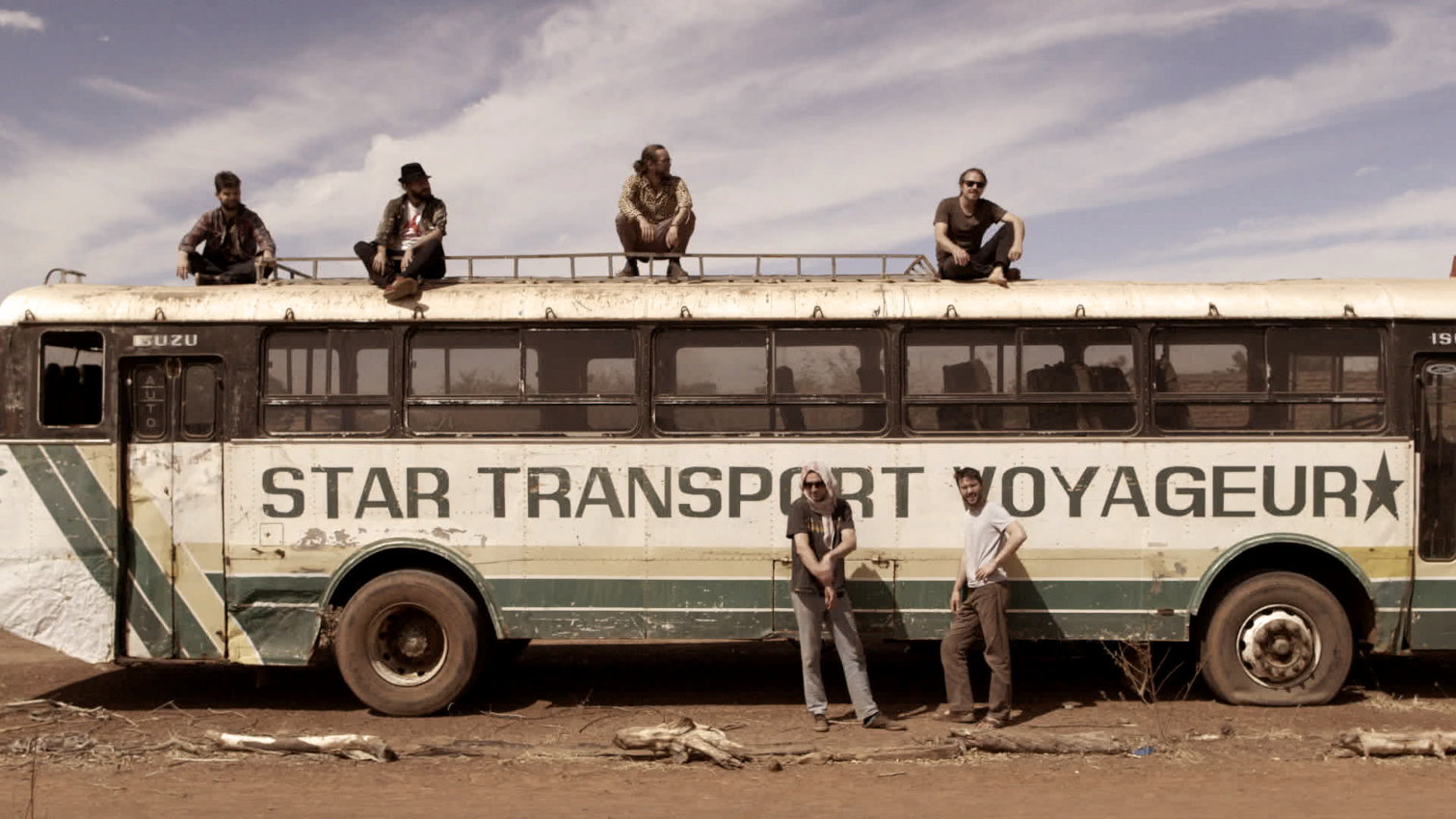
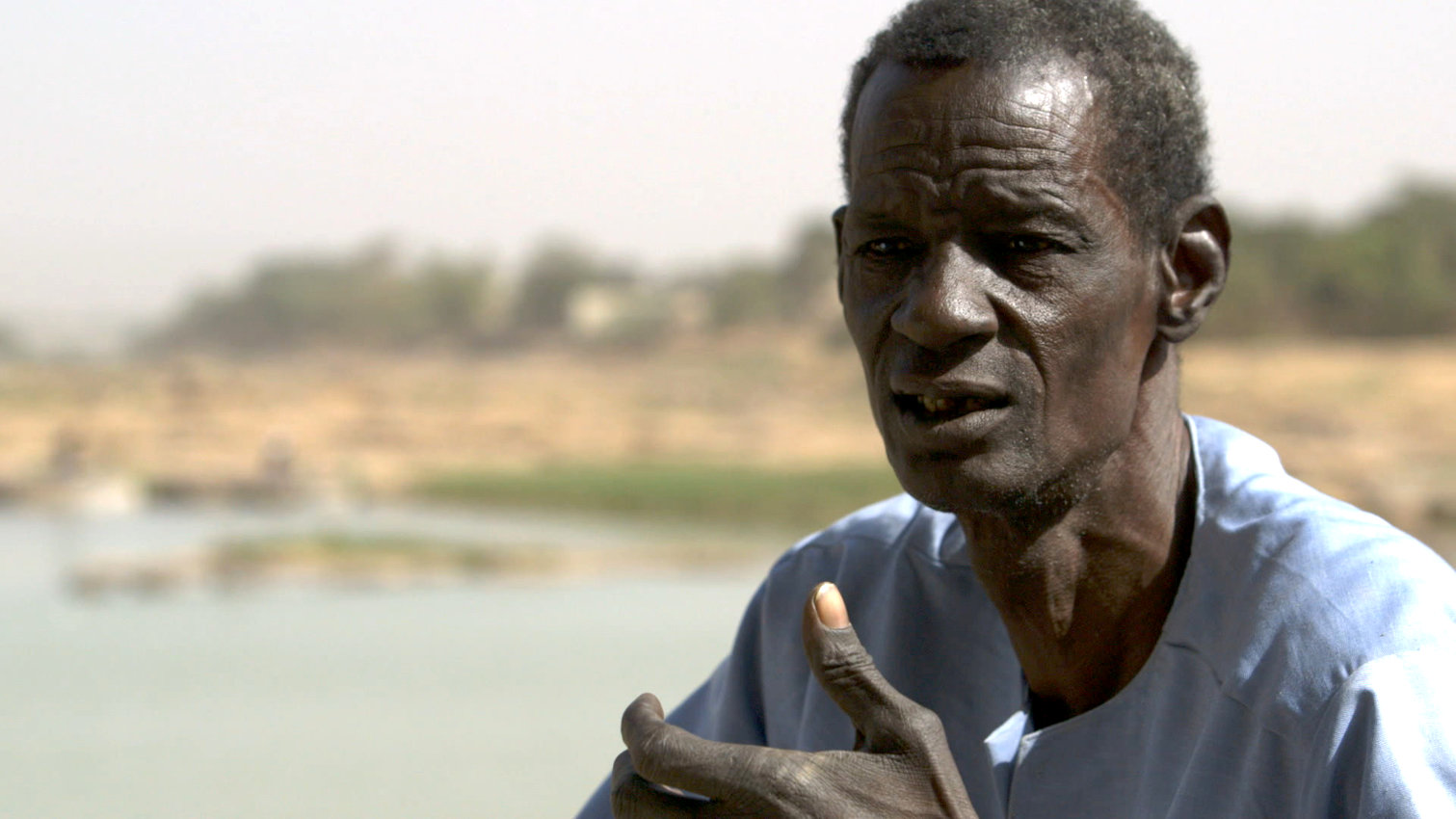
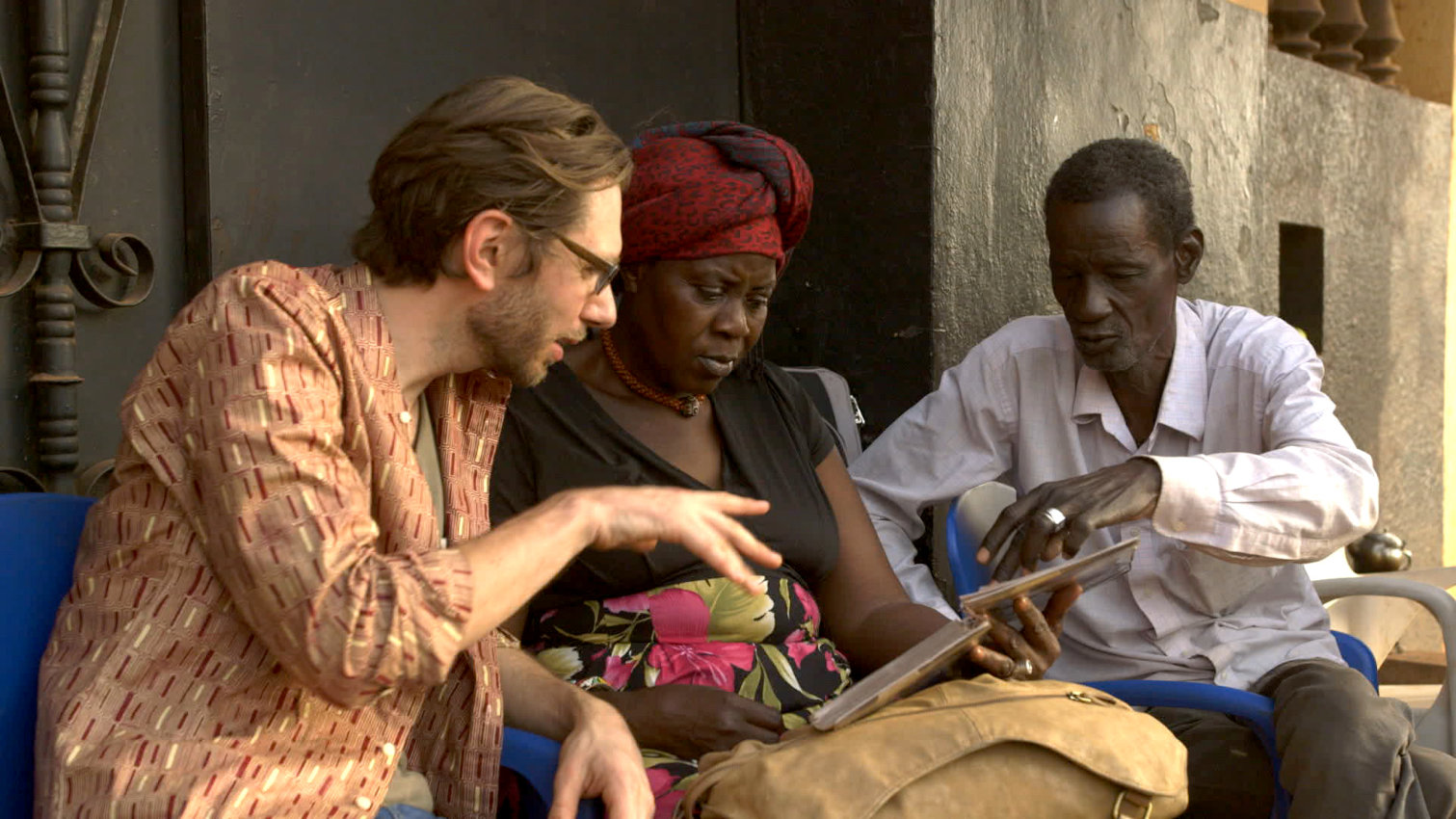
In the 1970s, there was a vibrant big band music scene in Mali that mixed Afro-Cuban jazz with traditional music. The Berlin band Omniversal Earkestra rediscovered the sound and set off on a journey to meet the legends of the time and record an album with them that ends up being more of a culture clash than expected. An intoxicating music film. Ysabel Fantounem Roadmovie durch Mali.
(DOK.fest München 2023, Ysabel Fantou)
Credits:
DE 2022, 92 Min., German, French, Bambara, English OmU Regie & Schnitt: Markus CM Schmidt Kamera: Martin Langner
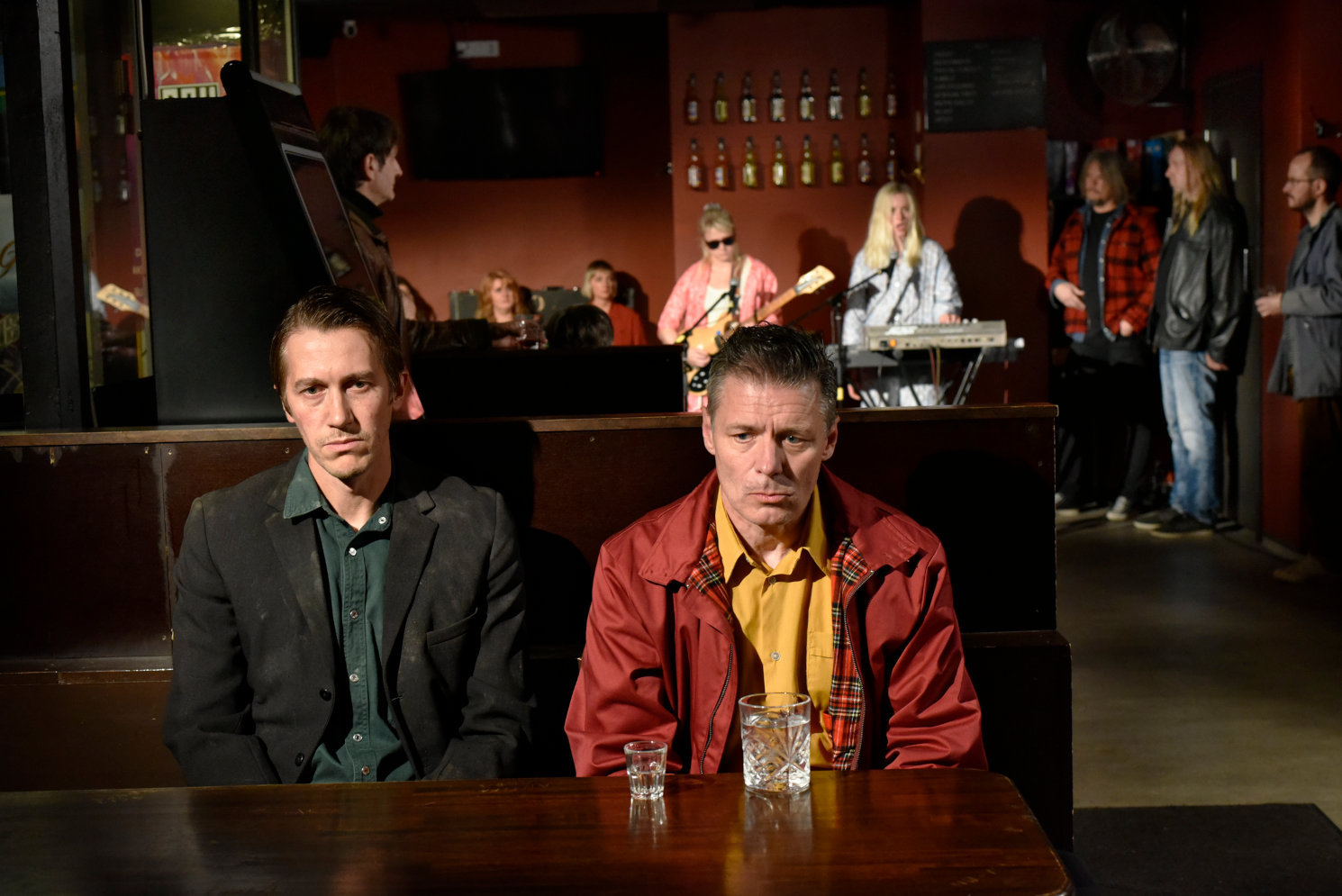
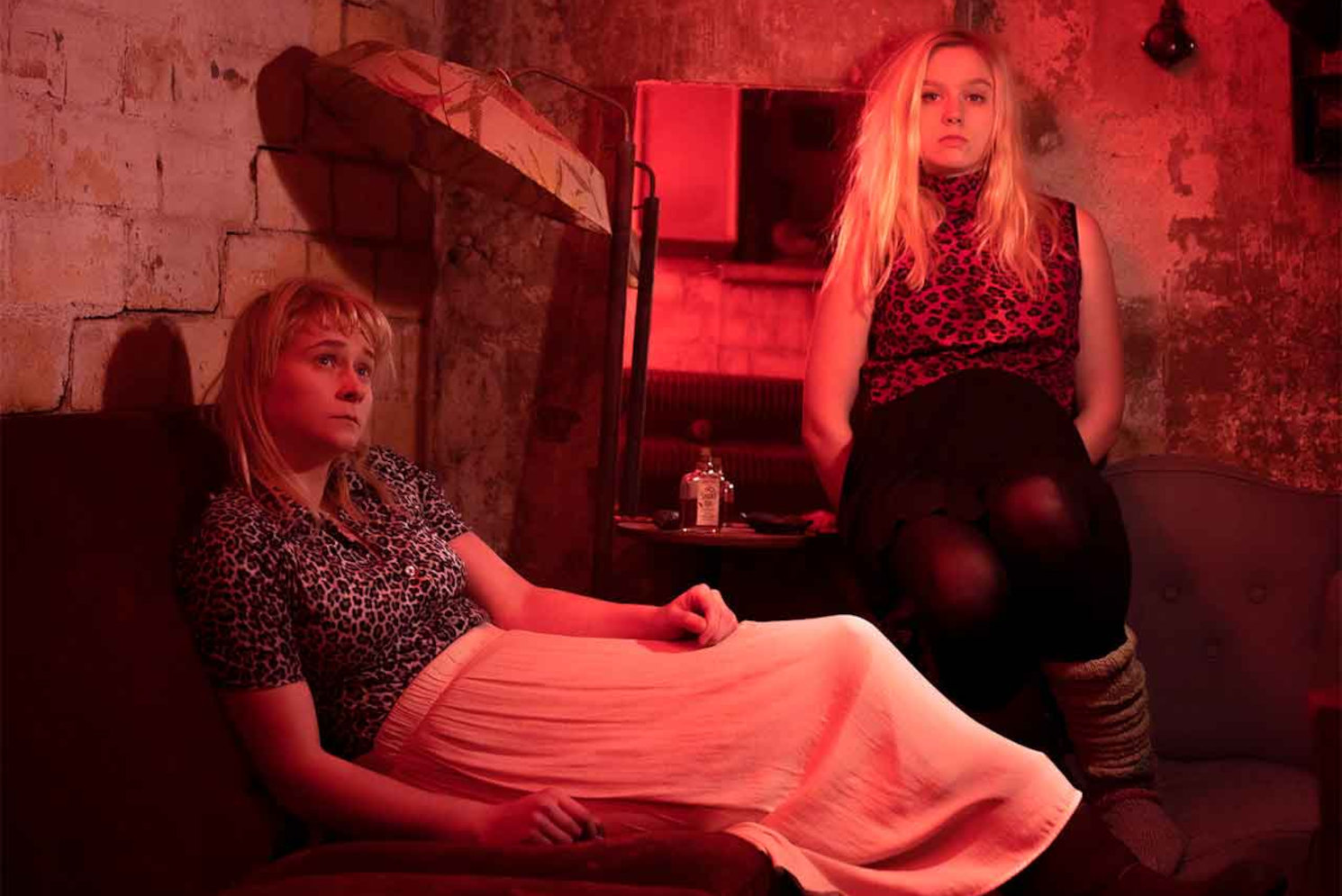
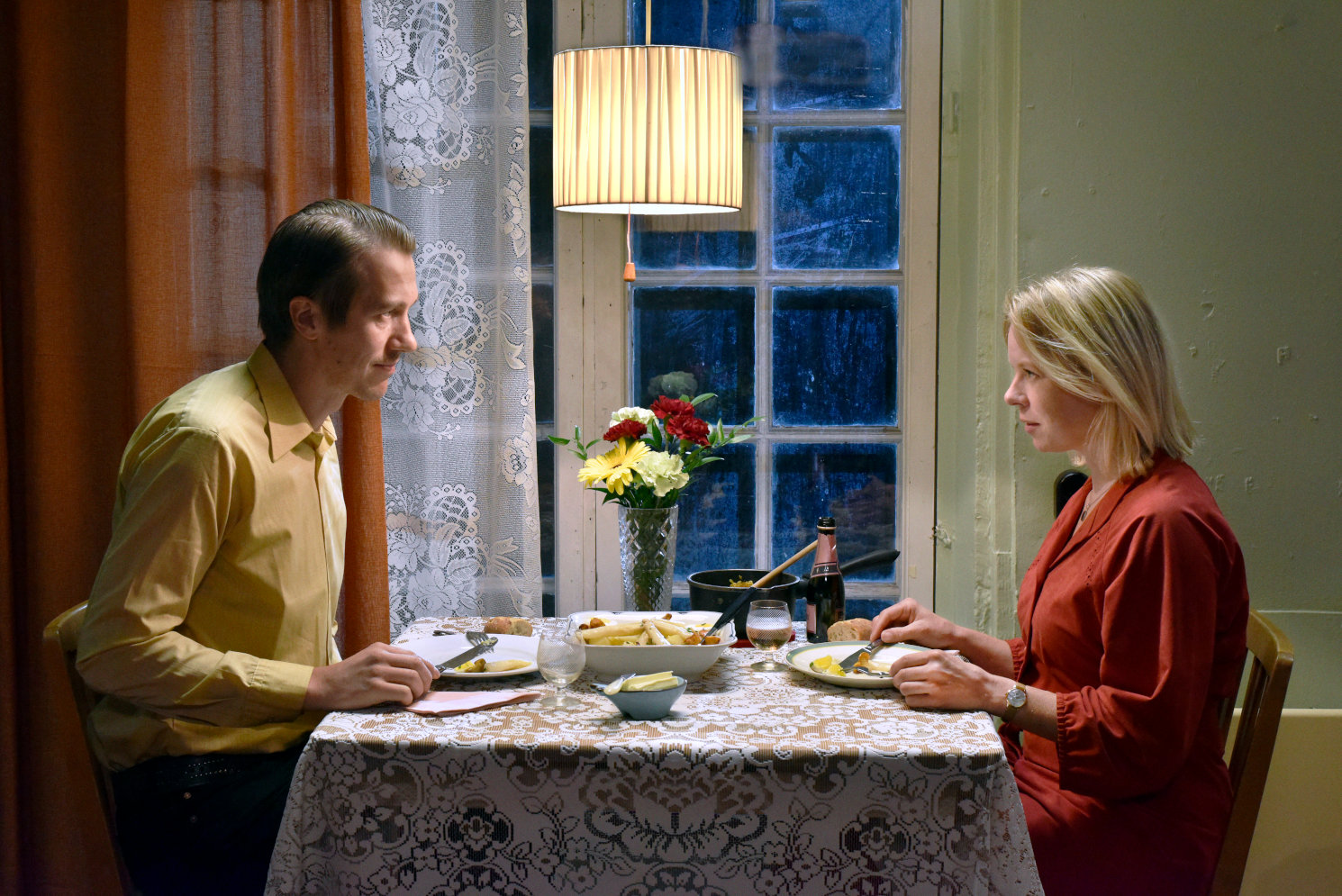
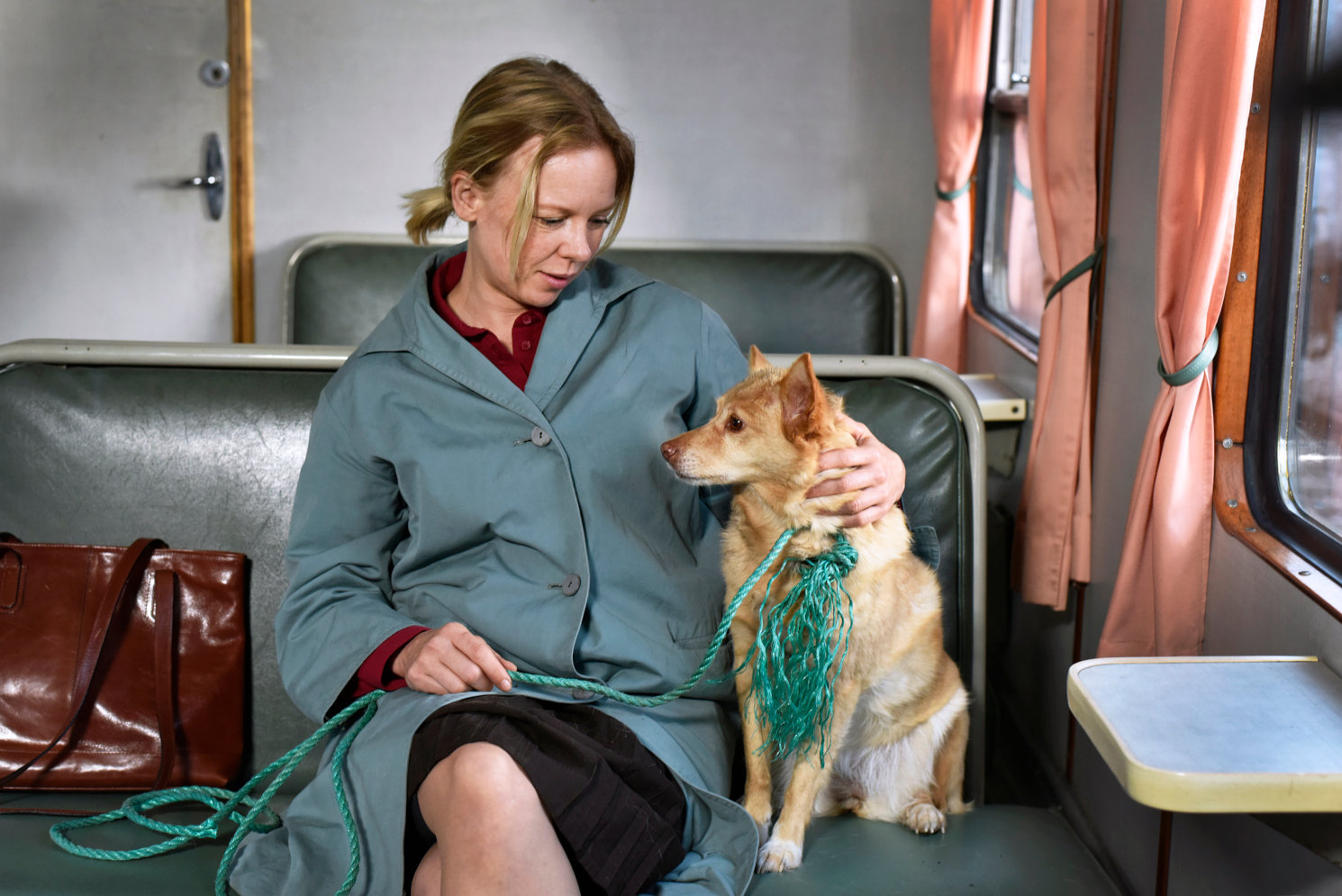
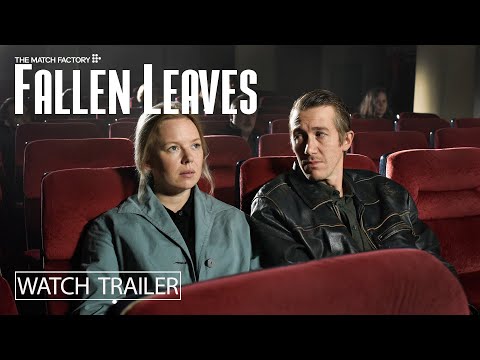
FALLENLEAVES tells the story of two lonely people (Alma Pöysti and Jussi Vatanen) who meet each other by chance in the Helsinki night and try to find the first, only, and ultimate love of their lives. Their path towards this honourable goal is clouded by the man’s alcoholism, lost phone numbers, not knowing each other’s names or addresses, and life’s general tendency to place obstacles in the way of those seeking their happiness.
This gentle tragicomedy, previously thought to be lost, is the fourth part of Aki Kaurismäki’s working-class trilogy (Shadows in Paradise, Ariel, and The Match Factory Girl).
Credits:
Kuolleet lehdet FI 2023, 81 Min., finn. OmU Regie: Aki Kaurismäki Kamera: Timo Salminen Schnitt: Samu Heikkilä mit: Alma Pöysti, Jussi Vatanen
Trailer:
Fallen Leaves (2023) | Trailer | Aki Kaurismäki Alma Pöysti | Jussi Vatanen
“What do you like over there?” – “That it’s 100,000 km from here.”
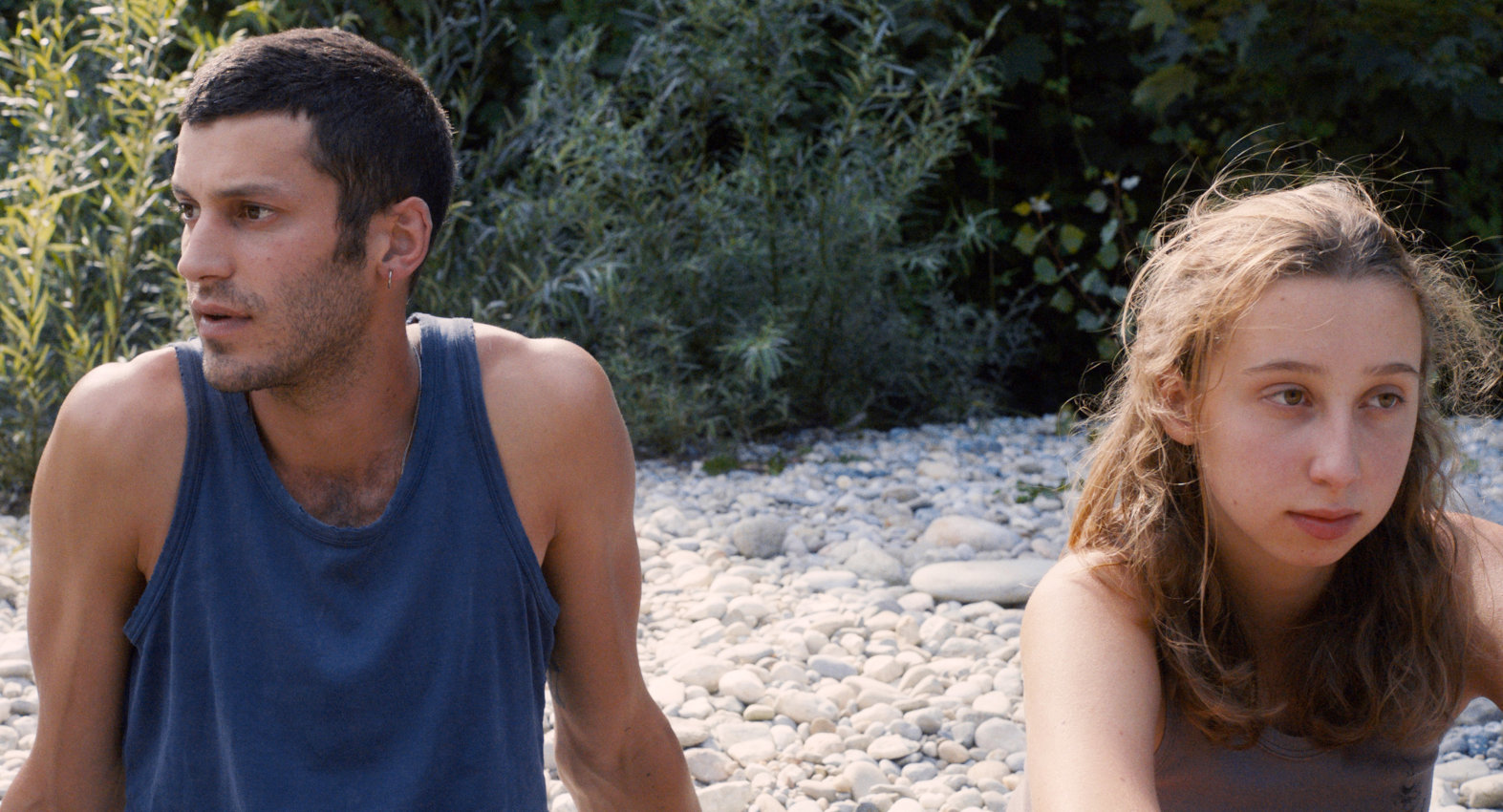
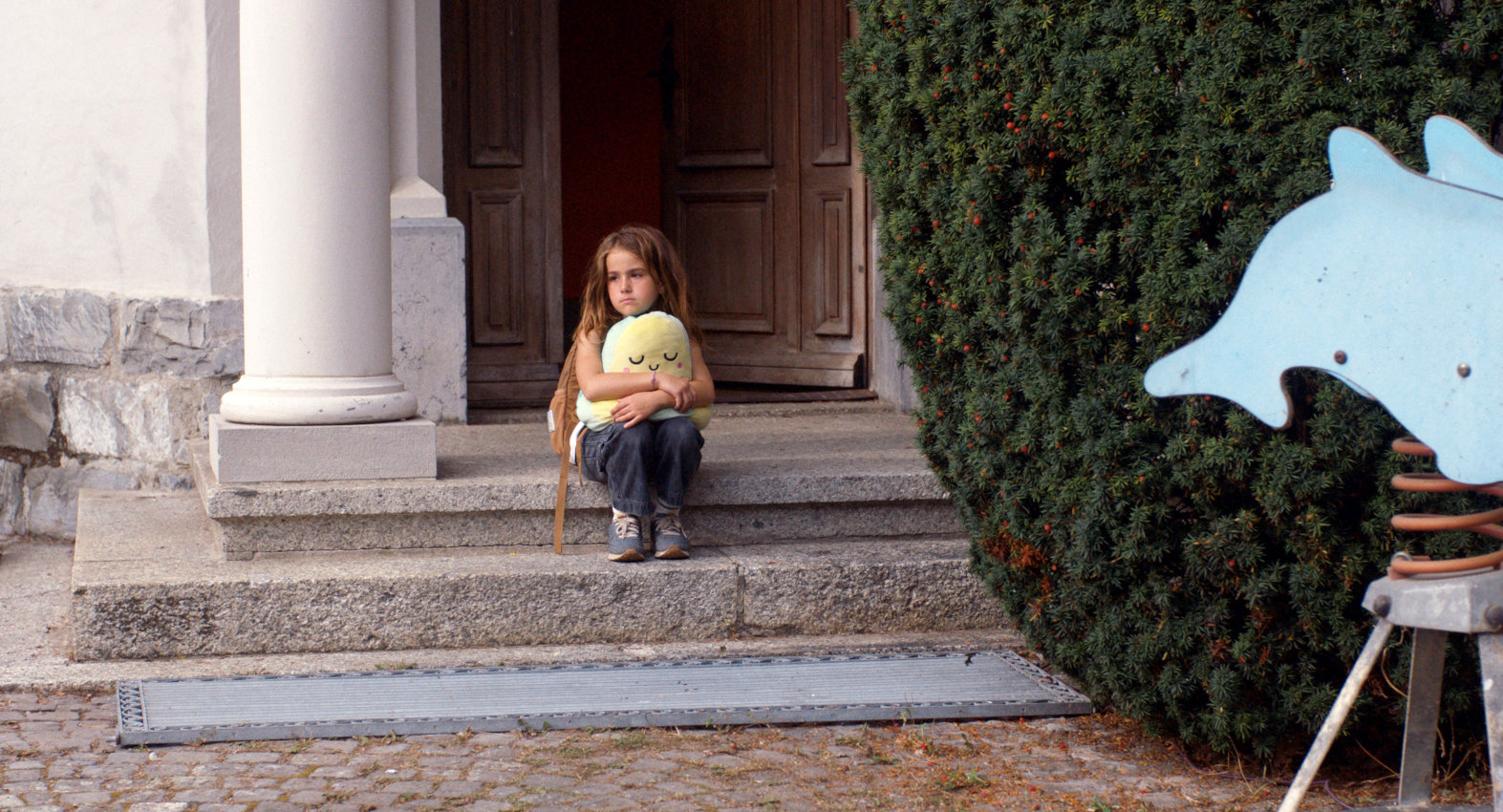
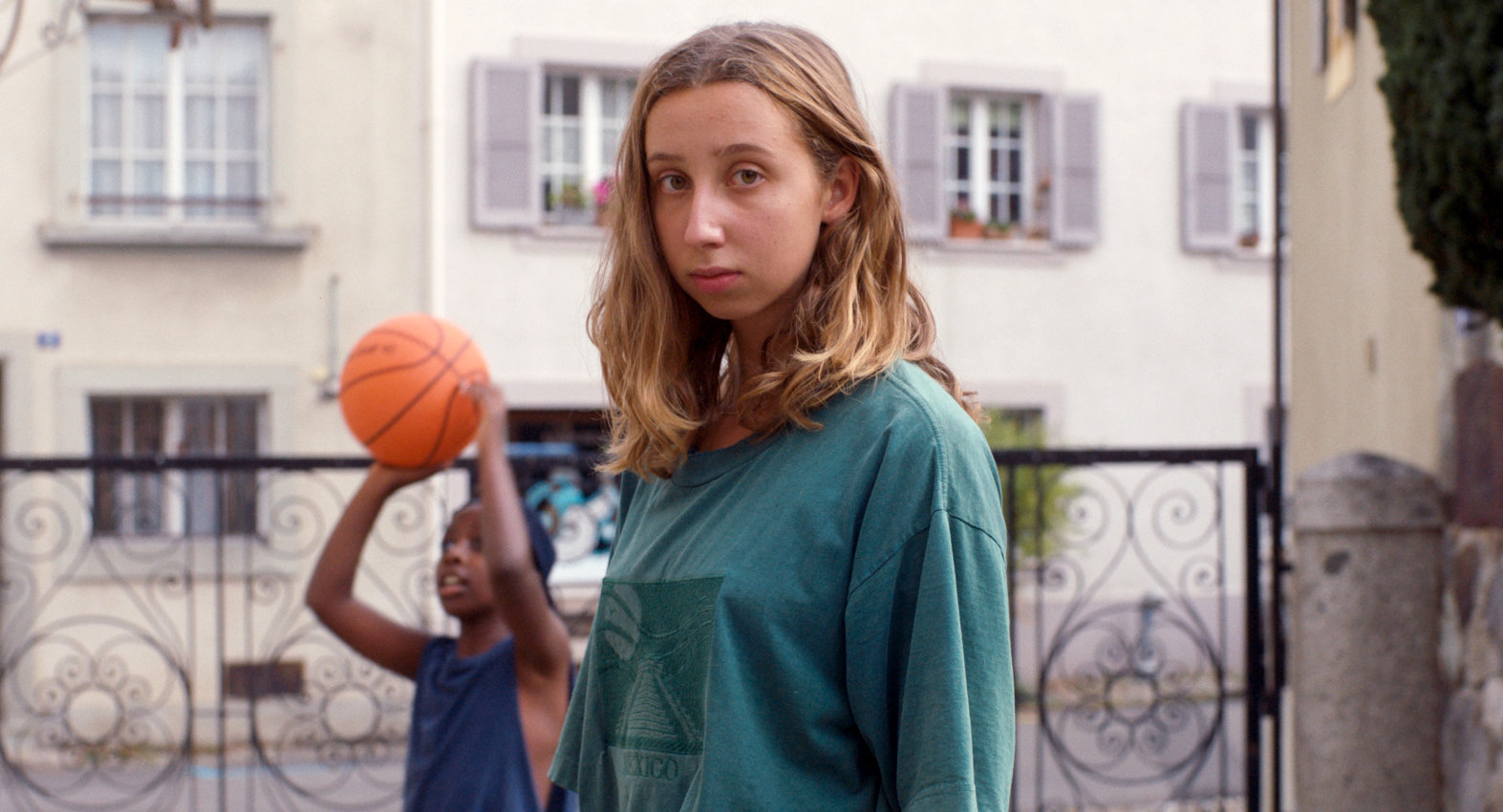
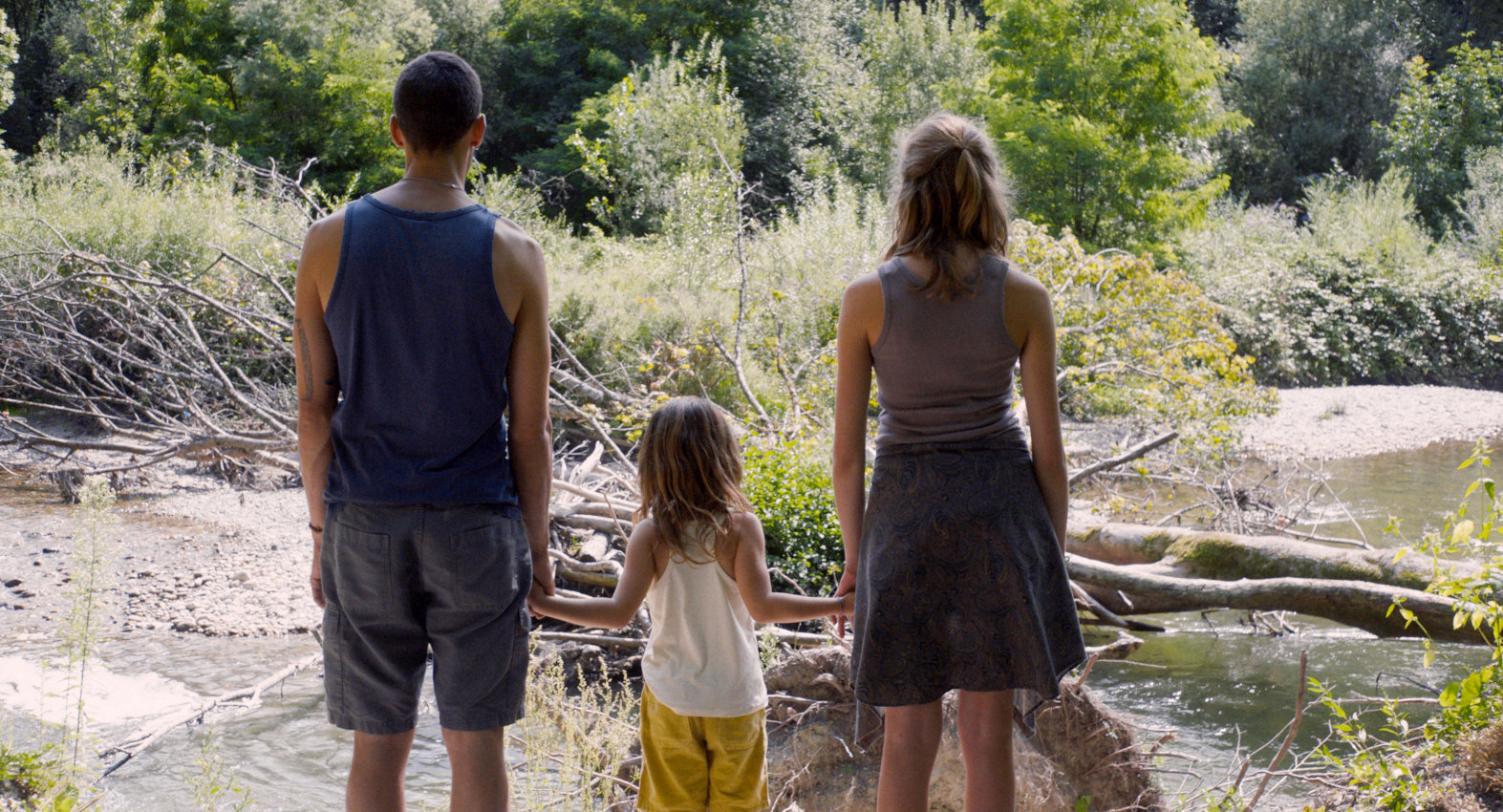
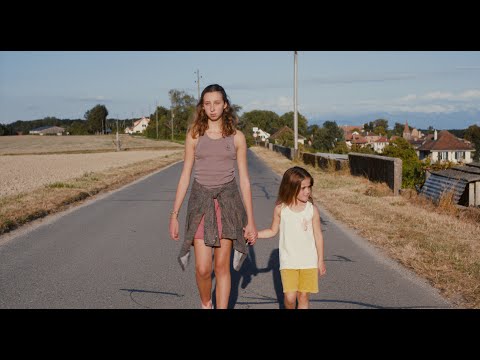
Fourteen-year-old Margaux drifts dreamily between her father’s new flat and the children’s group home where she is spending her summer as an intern. To the discontent of the adults, she strikes an unusual but tender bond with seven year old half-orphan Juliette. When the two meet local fisherman Joël during one of their secret strolls, Margaux experiences the enigmatic feeling of an intense longing for discovering the world. Modestly reserved, however attentive, she experiences the first traces of attraction. Among the reflections of Lake Geneva, the three unlikely companions will learn more about fishing, Indonesian legends and herons, and about how friendship can unfold in unexpected ways.
Credits:
CH 2023, 76 Min., frz. OmU Regie: Jenna Hasse Kamera: Valentina Provini Schnitt: Noémie Fy mit: Clarisse Moussa, Esin Demircan, Marc Oosterhoff, Adèle Vandroth, Pierre Mifsud, Mélanie Doutey, Filipe Vargas, Théo Rossi, Hadrien Motta, Elias Alves, Maël Ney
Trailer:
L’AMOUR DUMONDE – Sehnsucht nach der Welt // Kinostart: 24. August
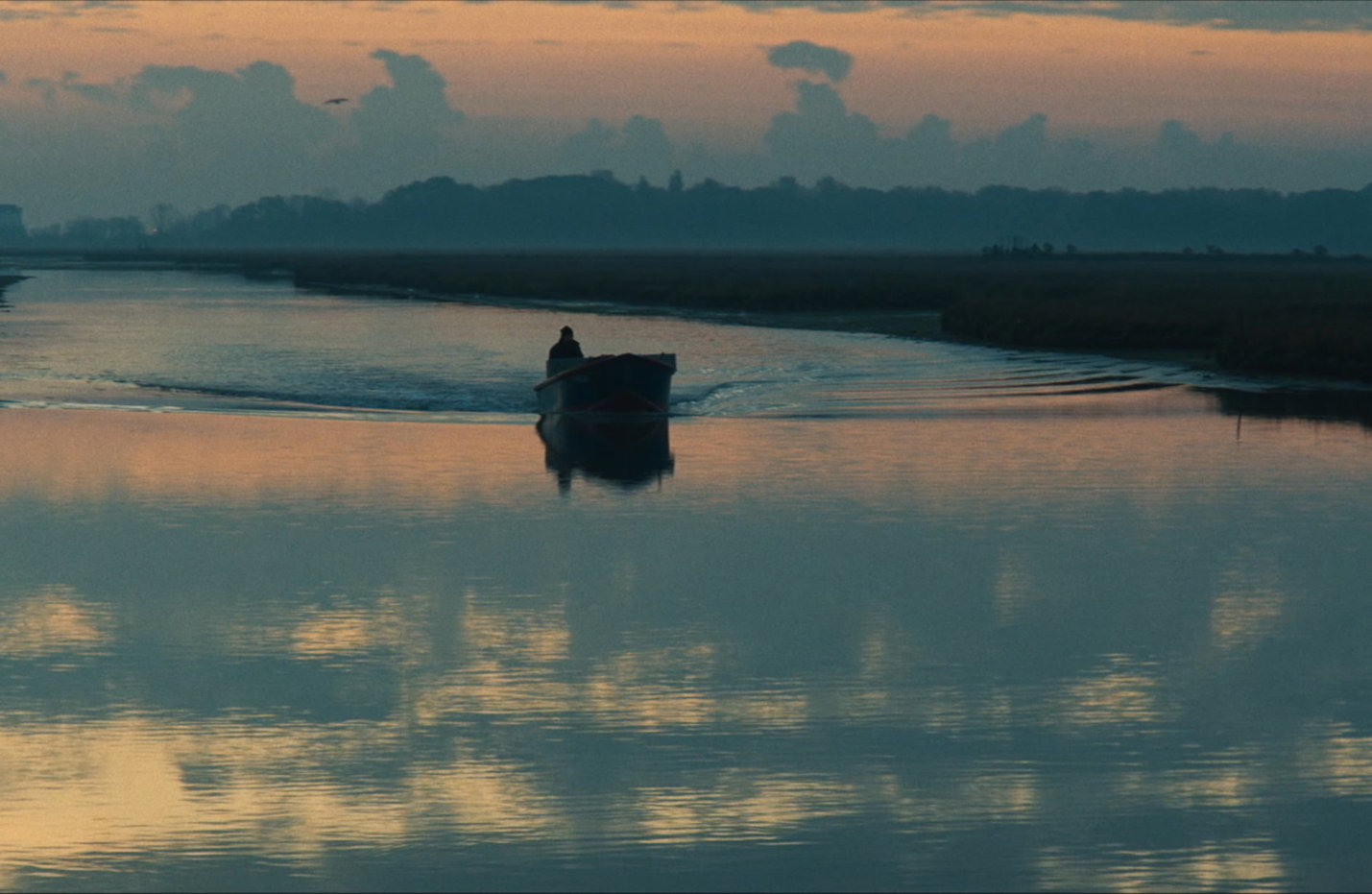
Pietro and Alvise come from a long line of fishing families from Giudecca, Venice’s most ‚working-class‘ island. But they don’t see eye to eye on the seemingly unstoppable transformation of the lives of the Venetians and the city’s very identity. Indeed, the far-reaching impact of global tourism has changed the relationship between Venice and its residents, and the pandemic has only thrown this critical situation into relief. Pietro would just like to keep fishing the typical crabs found in the Lagoon, lonely as that lifestyle is, while Alvise believes their home on the Giudecca itself is the ticket to joining the elite managing the city’s real estate assets, hence running Venice. This clash of views will involve the entire family, in an ensemble film about how our world is changing.
Credits:
IT 2021, 100 Min., Regie: Andrea Segre Kamera: Matteo Calore Schnitt: Chiara Russo mit: Paolo Pierobon, Andrea Pennacchi, Ottavia Piccolo, Roberto Citran, Sara Lazzaro
Wir verwenden Cookies, um unsere Website und unseren Service zu optimieren.
Funktionale Cookies
Always active
Die technische Speicherung oder der Zugang ist unbedingt erforderlich für den rechtmäßigen Zweck, die Nutzung eines bestimmten Dienstes zu ermöglichen, der vom Teilnehmer oder Nutzer ausdrücklich gewünscht wird, oder für den alleinigen Zweck, die Übertragung einer Nachricht über ein elektronisches Kommunikationsnetz durchzuführen.
Vorlieben
Die technische Speicherung oder der Zugriff ist für den rechtmäßigen Zweck der Speicherung von Präferenzen erforderlich, die nicht vom Abonnenten oder Benutzer angefordert wurden.
Statistiken
Die technische Speicherung oder der Zugriff, der ausschließlich zu statistischen Zwecken erfolgt.Die technische Speicherung oder der Zugriff, der ausschließlich zu anonymen statistischen Zwecken verwendet wird. Ohne eine Vorladung, die freiwillige Zustimmung deines Internetdienstanbieters oder zusätzliche Aufzeichnungen von Dritten können die zu diesem Zweck gespeicherten oder abgerufenen Informationen allein in der Regel nicht dazu verwendet werden, dich zu identifizieren.
Marketing
Die technische Speicherung oder der Zugriff ist erforderlich, um Nutzerprofile zu erstellen, um Werbung zu versenden oder um den Nutzer auf einer Website oder über mehrere Websites hinweg zu ähnlichen Marketingzwecken zu verfolgen.