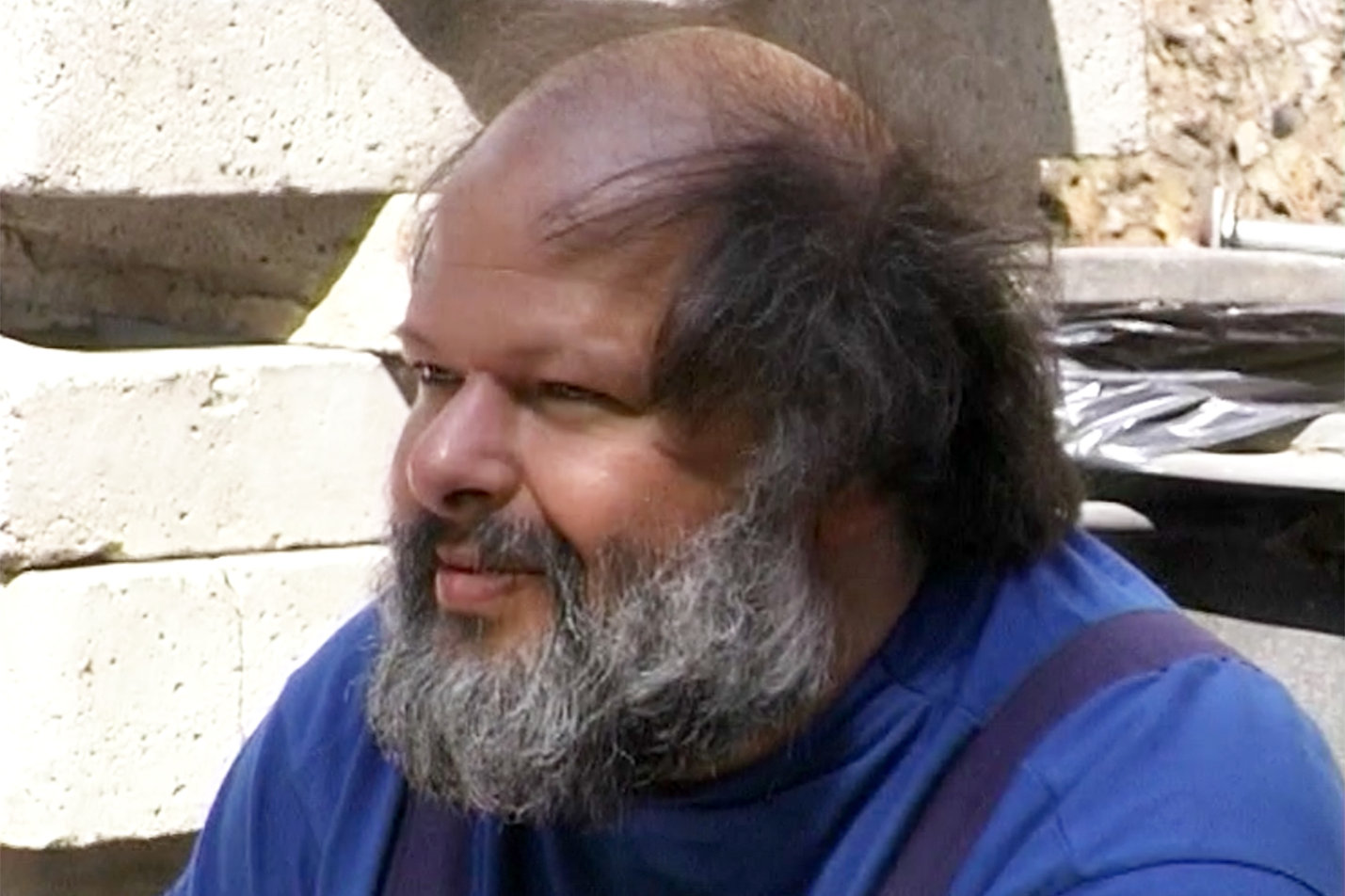
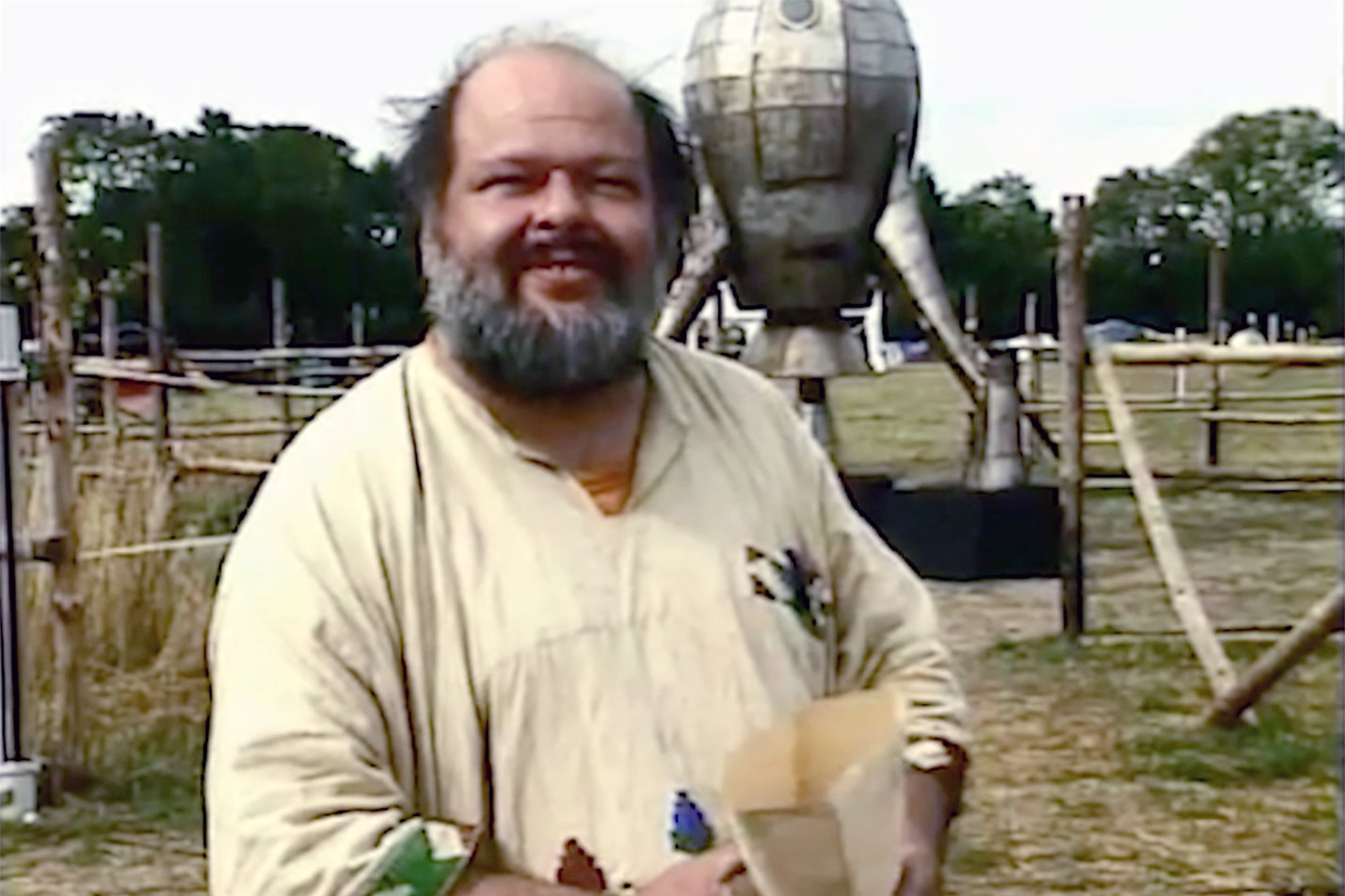
The Chaos Computer Club is a hacker collective committed to data security, digital transparency, and social cohesion. ALLESISTEINS. AUSSERDER 0. looks at the history of this peculiar club and its charismatic founder Wau Holland: its origins in 60s and 70s counter culture, the internal strife and the problems with police and politicians. With the help of private footage, digital collages and music by Alexander Hacke (Einstürzende Neubauten) the directors manage to bring this unique German institution to iridescent life.
Alles ist Eins. Ausser der 0
Credits:
Deutschland 2020, 90 Min. dt.O.m.engl.U. Regie + Drehbuch: Klaus Maeck, Tanja Schwerdorf Darsteller: Peter Glaser, Wau Holland, Linus Neumann
Trailer:
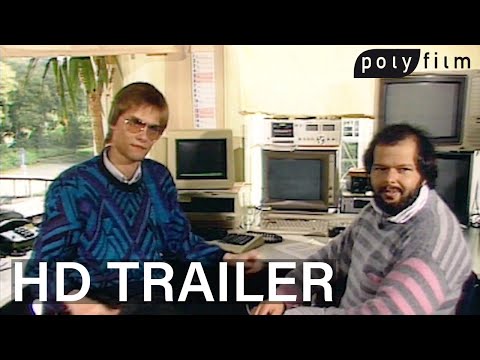
ALLESISTEINS. AUSSERDER 0. Trailer Deutsch | German (2020)
The Chaos Computer Club is a hacker collective committed to data security, digital transparency, and social cohesion. ALLESISTEINS. AUSSERDER 0. looks at the history of this peculiar club and its charismatic founder Wau Holland: its origins in 60s and 70s counter culture, the internal strife and the problems with police and politicians. With the help of private footage, digital collages and music by Alexander Hacke (Einstürzende Neubauten) the directors manage to bring this unique German institution to iridescent life.
Alles ist Eins. Ausser der 0
Credits:
Deutschland 2020, 90 Min. dt.O.m.engl.U. Regie + Drehbuch: Klaus Maeck, Tanja Schwerdorf Darsteller: Peter Glaser, Wau Holland, Linus Neumann
Trailer:
ALLESISTEINS. AUSSERDER 0. Trailer Deutsch | German (2020)
Unsere Dokfilmwoche, die insgesamt sechsmal jeweils Ende August stattfand, ist vorerst Geschichte. Sie wurde von uns überarbeitet, zerstückelt und neu zusammengesetzt.
Herausgekommen ist Dok-Termin- 12 besondere Dokumentarfilme verteilen sich aufs Jahr. Jedes Werk wird zweimal zu sehen sein, im fsk-Kino und in einem weiteren Kino der Indiekino-Gruppe. Gespräche mit den Macher*innen, Diskussionen, Einführungen und was sich sonst zur Unterstützung oder Weiterführung anbietet, ergänzen die Veranstaltungen.
Das Programm ist nicht auf bestimmte Themen, Formen oder Inhalte ausgerichtet.
Die geplanten Filme lassen Zusammenhänge in neuem Licht erscheinen. Die gesamte Haltung, wie Empathie und Umgang mit Protagonist*innen, der gewählte Blickwinkel entscheiden über ihre Relevanz. Wir freuen uns über Angebote zum Dialog, oder die Einladung, beim Zuschauen eigene Bilder zu formen sowie über die essayistische Annäherung an ein Thema.
Besondere und individuelle Geschichten, die unaufdringlich auf einen komplexen äußeren Kosmos
weisen, sind gefragt, aber in der Umkehrung auch eine freie und weite Erzählung, in der sich der/die Einzelne wiederfindet. Die Filme gehen vom Großen, Weiten ins Detail und lassen vom Persönlichen, engen Rahmen aufs Allgemeine schließen, regional wie weltweit.
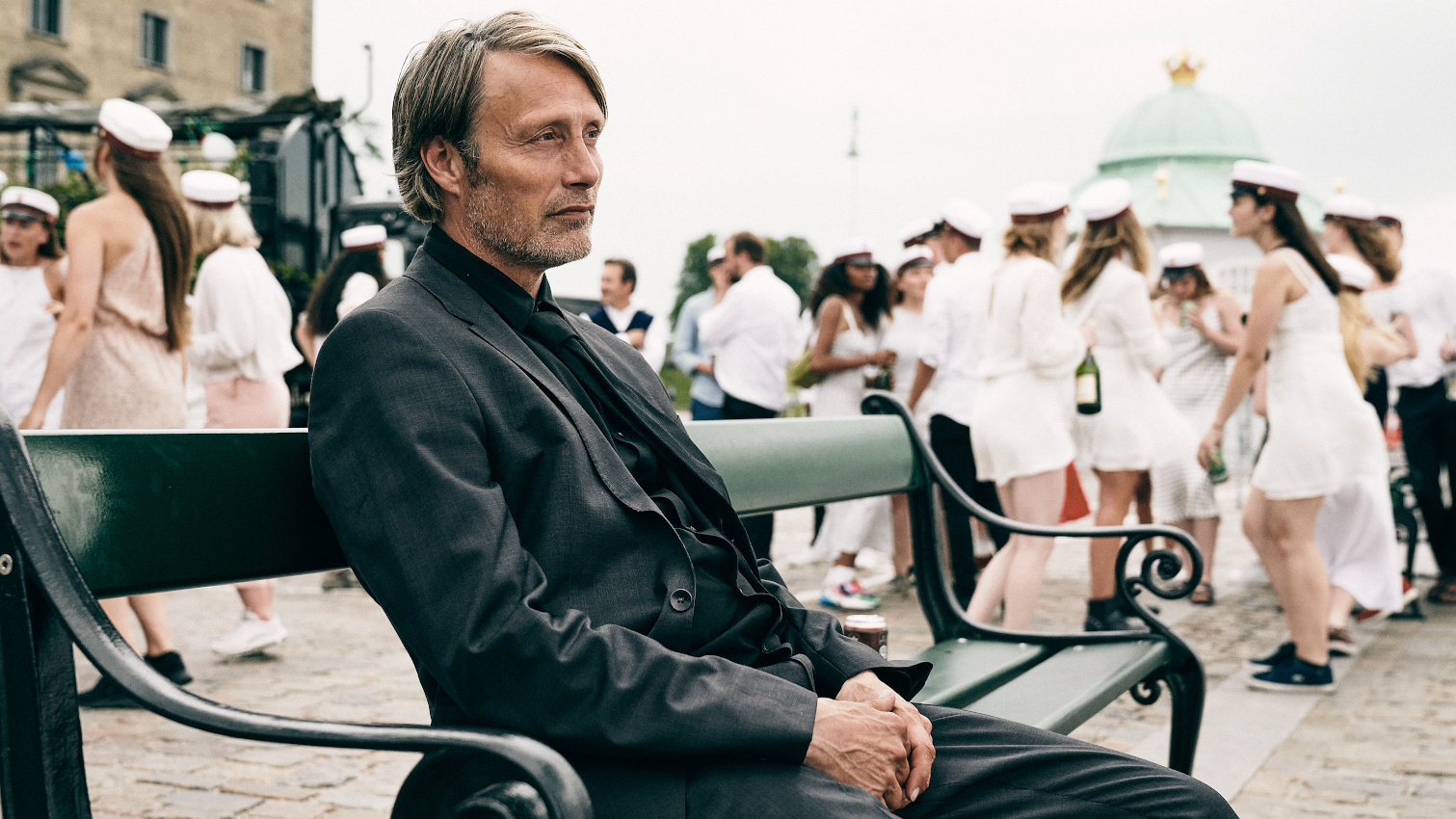
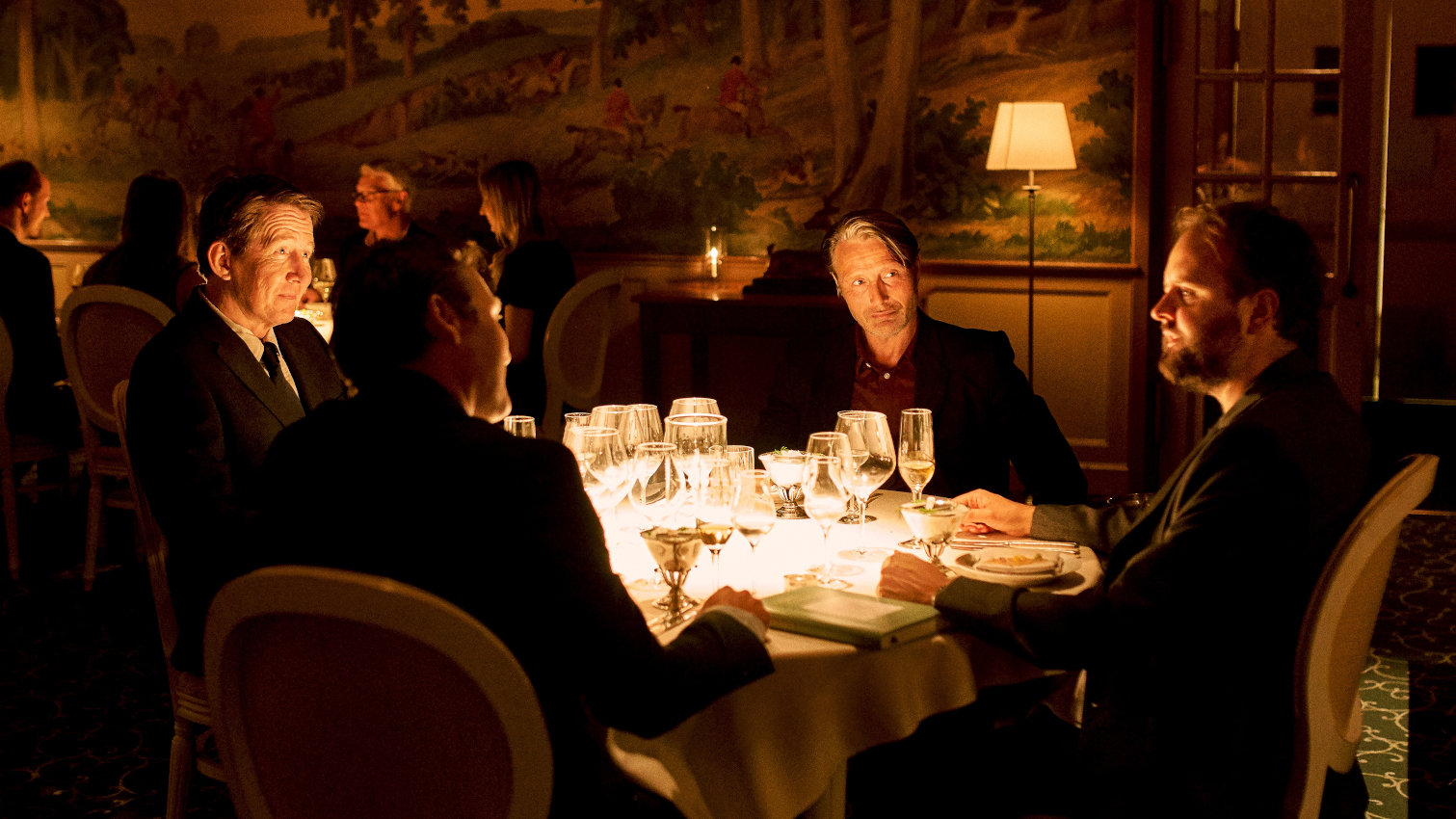
What do Winston Churchill, Franklin D. Roosevelt, and Ernest Hemingway have in common? All three are examples used by Martin, the middle-aged hero of DRUK, to demonstrate the transformative power of alcohol – while also being excuses to get wasted himself. He works as a teacher at a Danish high school, where he has lost his focus over the years and been struggling with his frozen marriage. Rather surprisingly, alcohol becomes his catalyst for a new way of life – albeit only if he manages not to mess up on it. As in most of their films, Vinterberg and his writer Tobias Lindholm look out for another weak spot in bourgeois self-conception, with “everyman’s favorite drug” taking the limelight this time around. Their approach, however, is very Danish: DRUK is not the study of a loner, but rather a bittersweet drama of male friendship, as Martin and his teacher-pals try to control their consumption within a group experiment; they are out to research its social (and marital) effects, from one level of intoxication to the next. For Vinterberg, this is a lighter, more loosely directed film than usual, with a penchant for male debauchery. For Mikkelsen, it’s an especially rewarding part, as he follows a trajectory from tender brokenness to the euphoria of a fantastic dance scene à la Fred Astaire. (Dominik Kamalzadeh)
Der Rausch
Credits:
Druk, DK 2020, 110 Min., dän. OmU, Regie: Thomas Vinterberg Kamera: Sturla Brandth Grøvlen Schnitt: Janus Billeskov Jansen mit: Mads Mikkelsen, Thomas Bo Larsen, Lars Ranthe, Magnus Millang, Maria Bonnevie
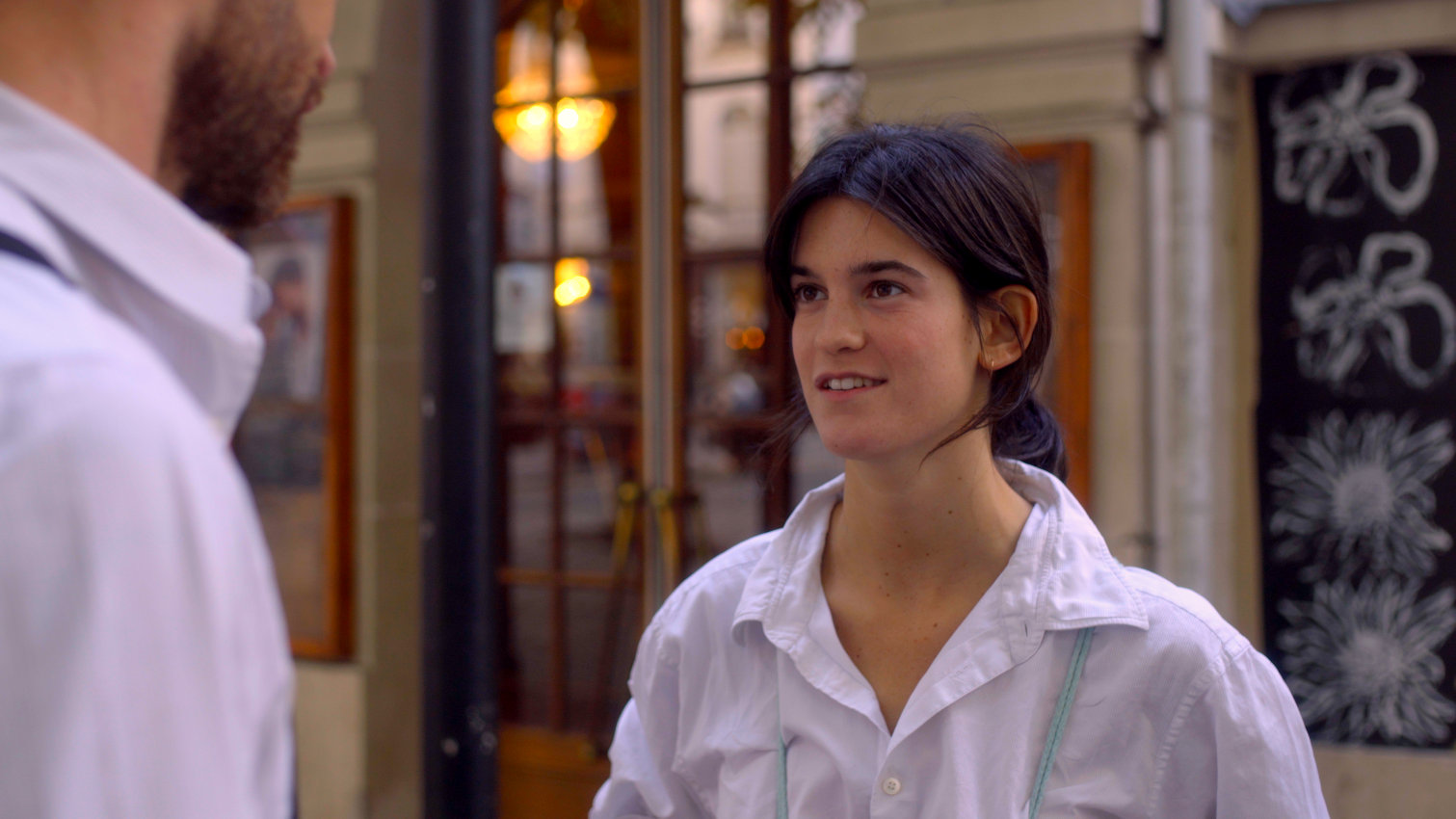
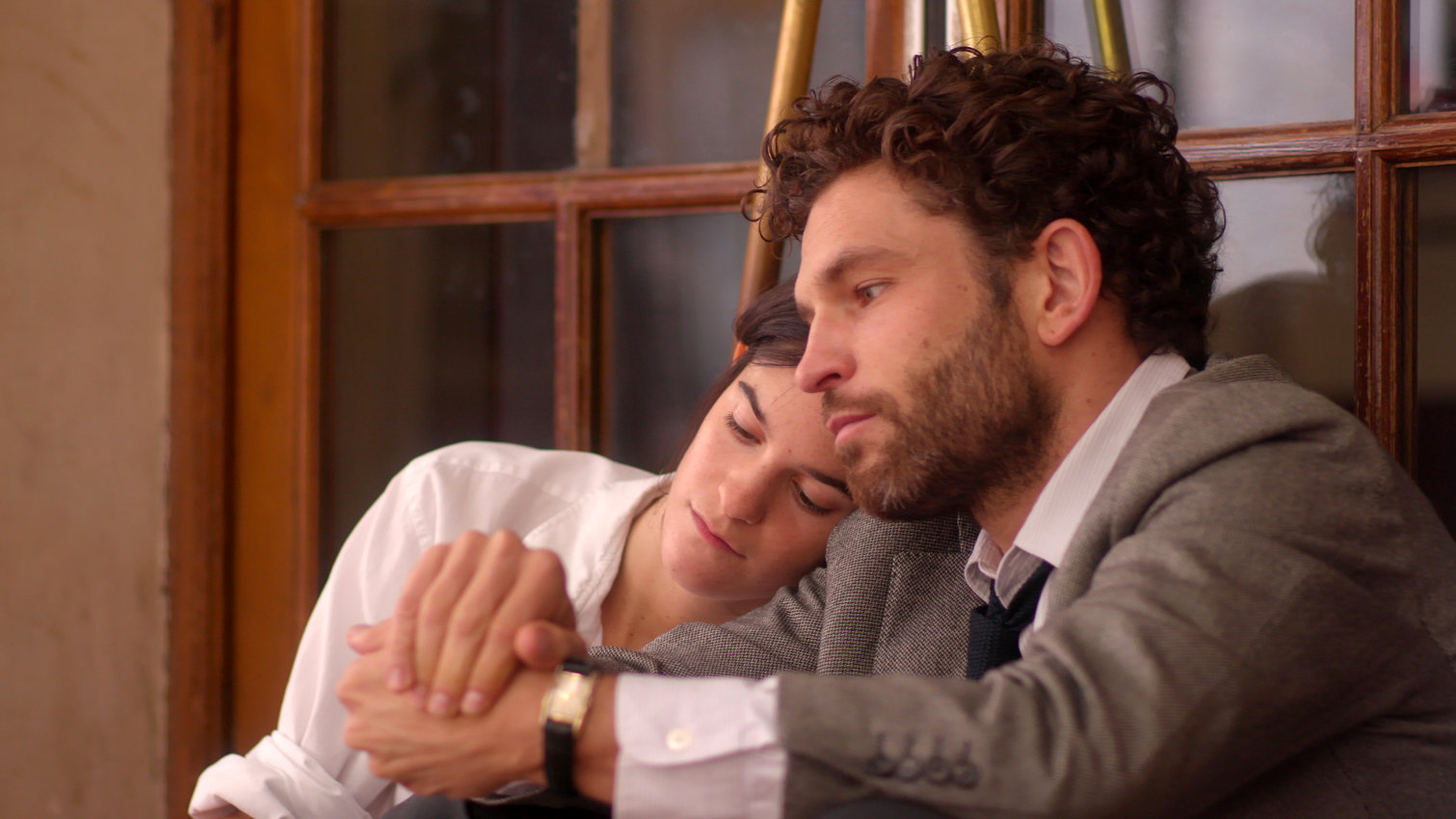
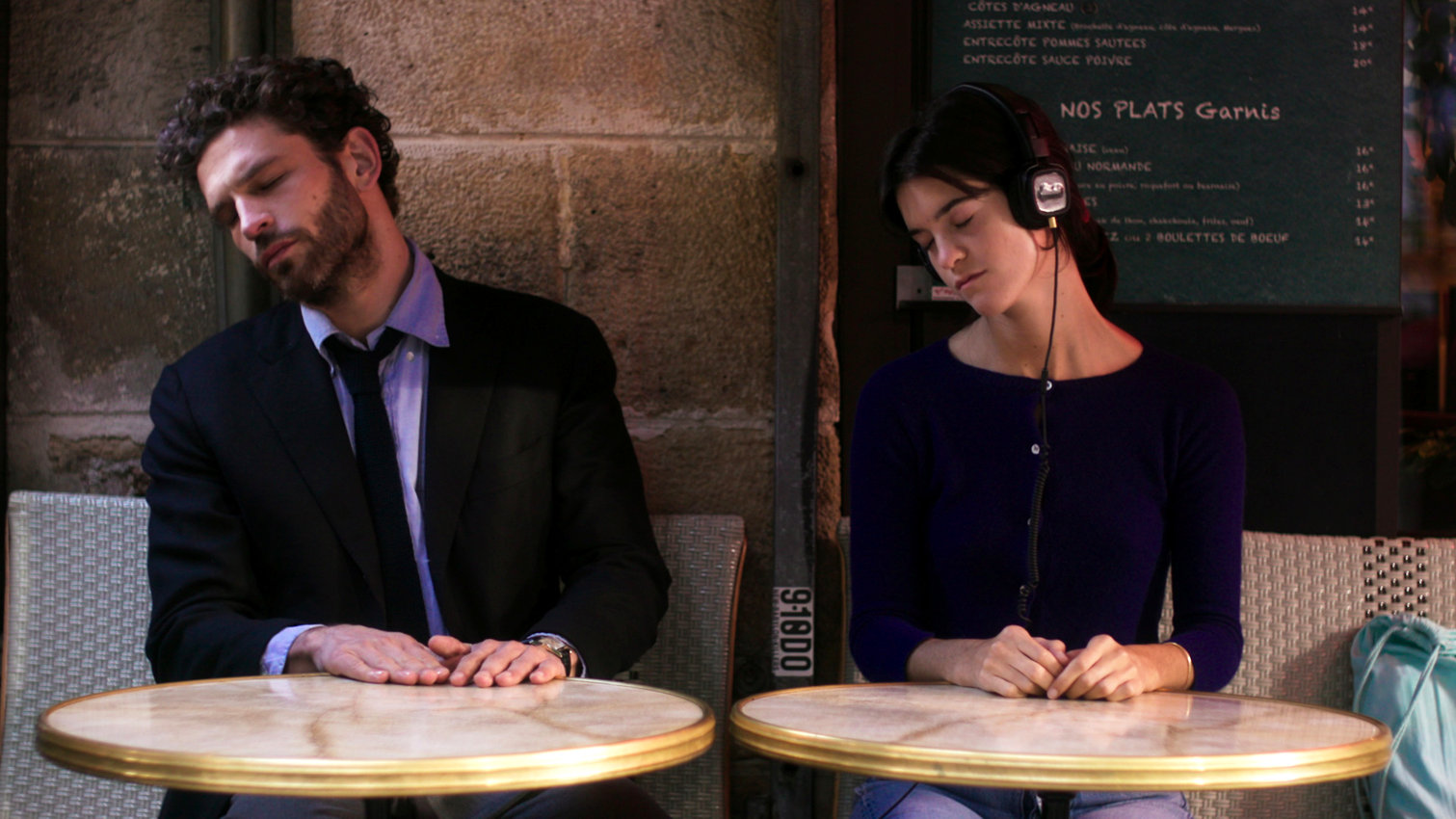
Suzanne is 16 years old. She is bored with her peers. On the way to school she passes a theatre every day. There she meets a much older man who becomes her obsession. Because of their age difference, they think that they are no longer bored and fall in love. But Suzanne feels how she risks missing out on her life as a 16-year-old, which she has as much trouble living out as the others.
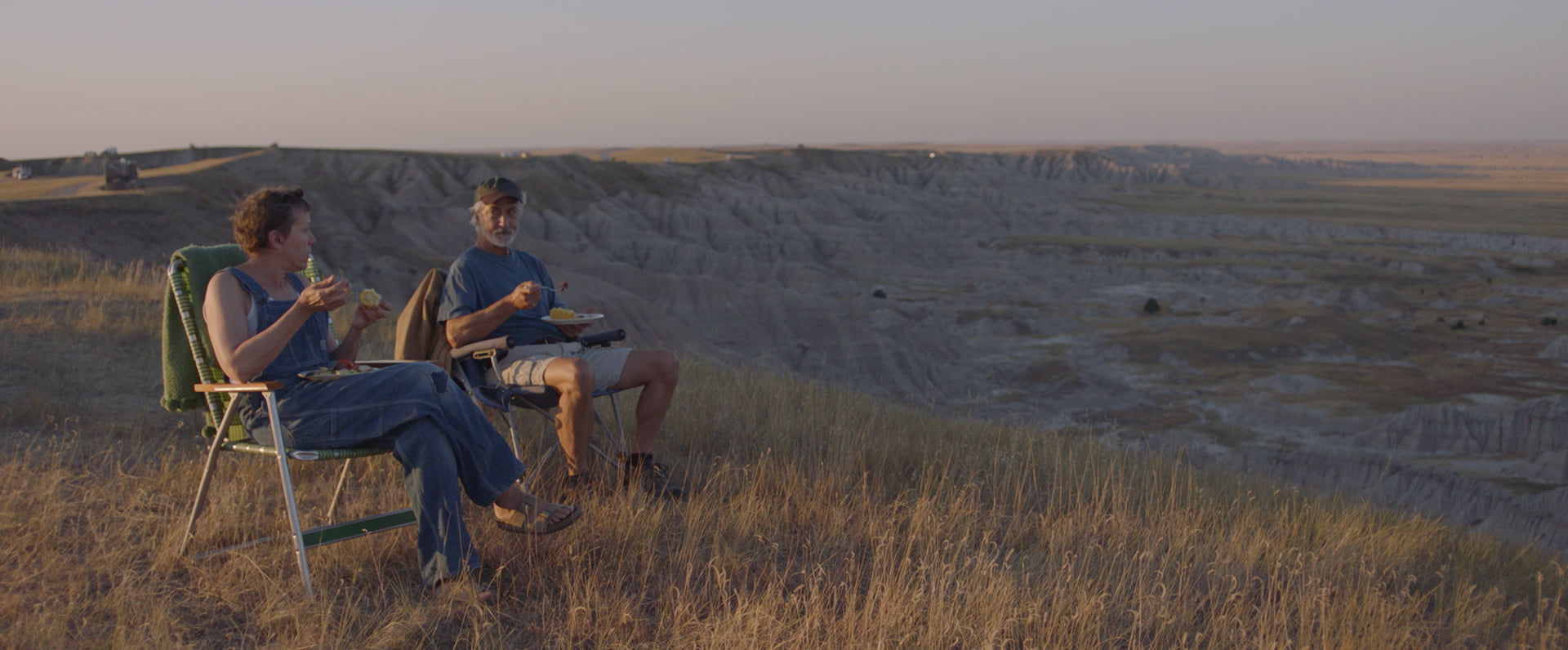
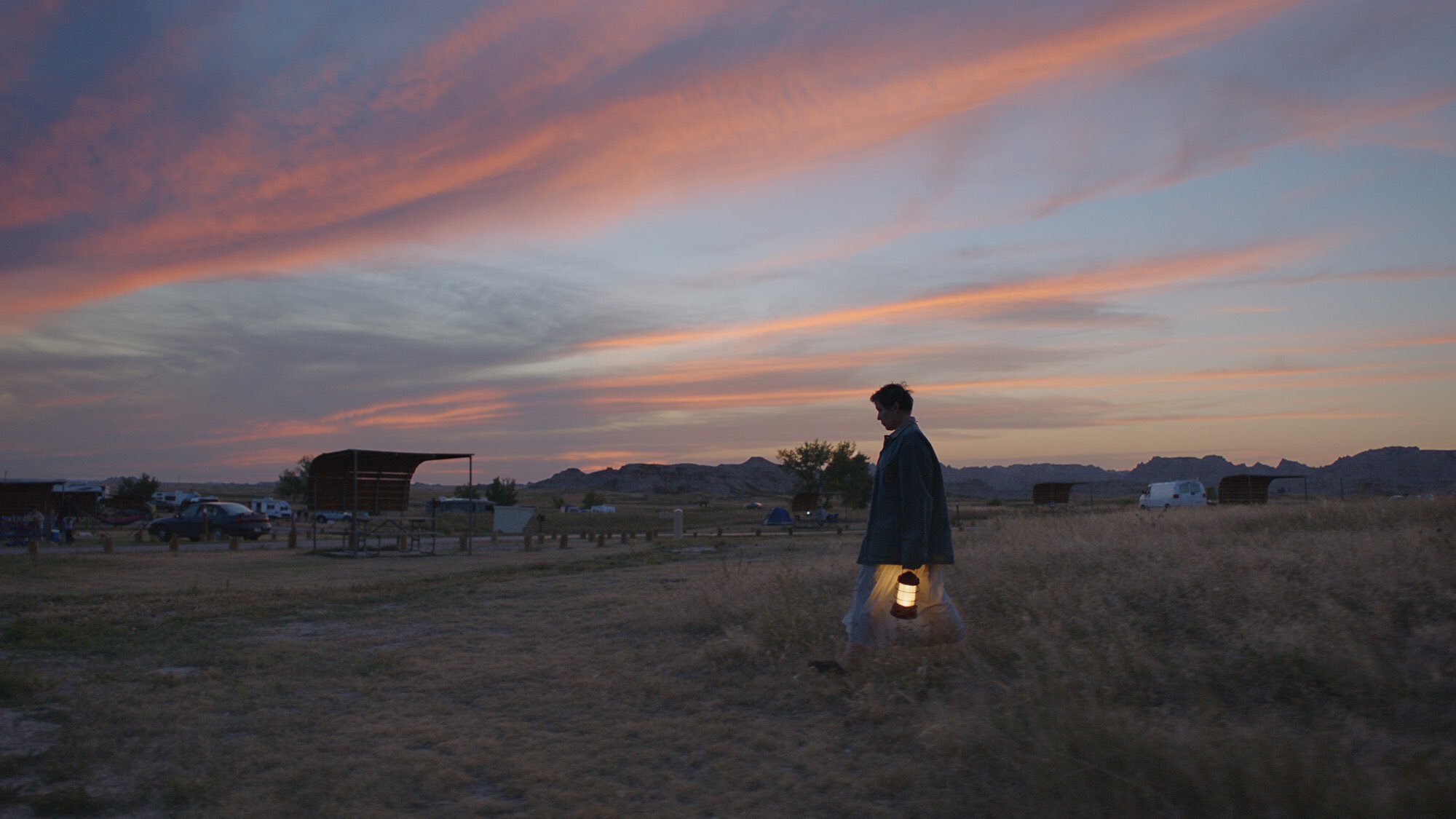
In previous films, Chloé Zhao already revisited the myths of the American West with a sensitive realism that was grounded in working with people from real life. With NOMADLAND, a recent winner of the Golden Lion in Venice, she achieves an even greater level of resonance, combining individual grief and the need for social routines with the idea of an ever-changing frontier: this time it’s people moving away from settlements, away from a culture in decline. We follow Frances McDormand in a surprisingly restrained lead performance that is all the more enthralling as a result: Fern, a woman of around 60 who has decided to live in a RV following the death of her husband. She’s not homeless, she says, but houseless, refusing a certain kind of sympathy. Most of the other characters, including part-time workers and people found unworthy by the system, are real. NOMADLAND shows a side of America rarely seen in cinema. We accompany destitute people working in areas such as an Amazon packing station or in trailer parks in which the dropouts form substitute communities. Despite its sharp observatory eye, the film is not seeking to make accusations about the excesses of an ailing system. Zhao is more interested in solidarity, about the sense of social support blooming on the edge of society. (Dominik Kamalzadeh)
Nomadland
Nomadland
Credits:
USA 2020, 108 Min., engl. OmU, Regie: Chloé Zhao Kamera: Joshua James Richards Schnitt: Chloé Zhao mit: Frances McDormand, David Strathairn, Linda May, Swankie, Bob Wells
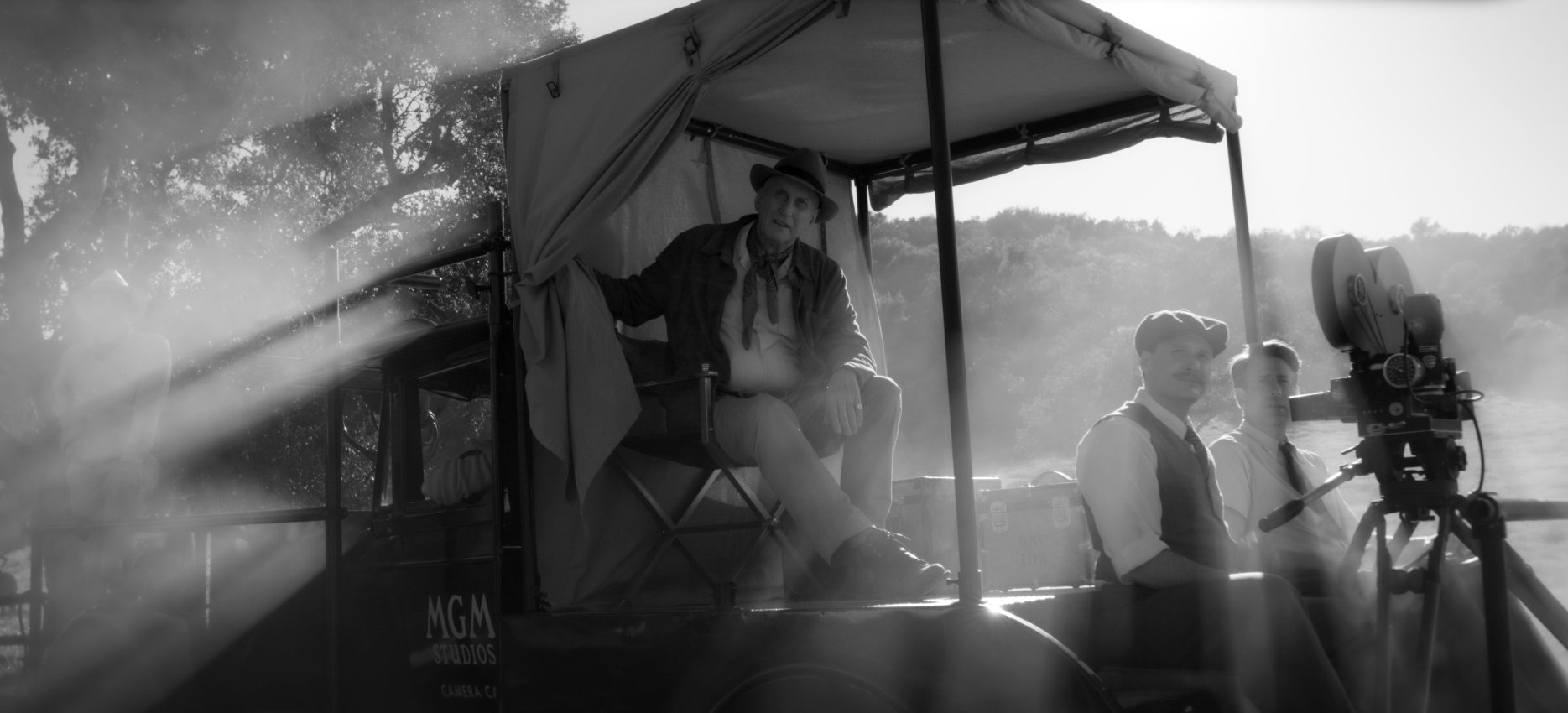
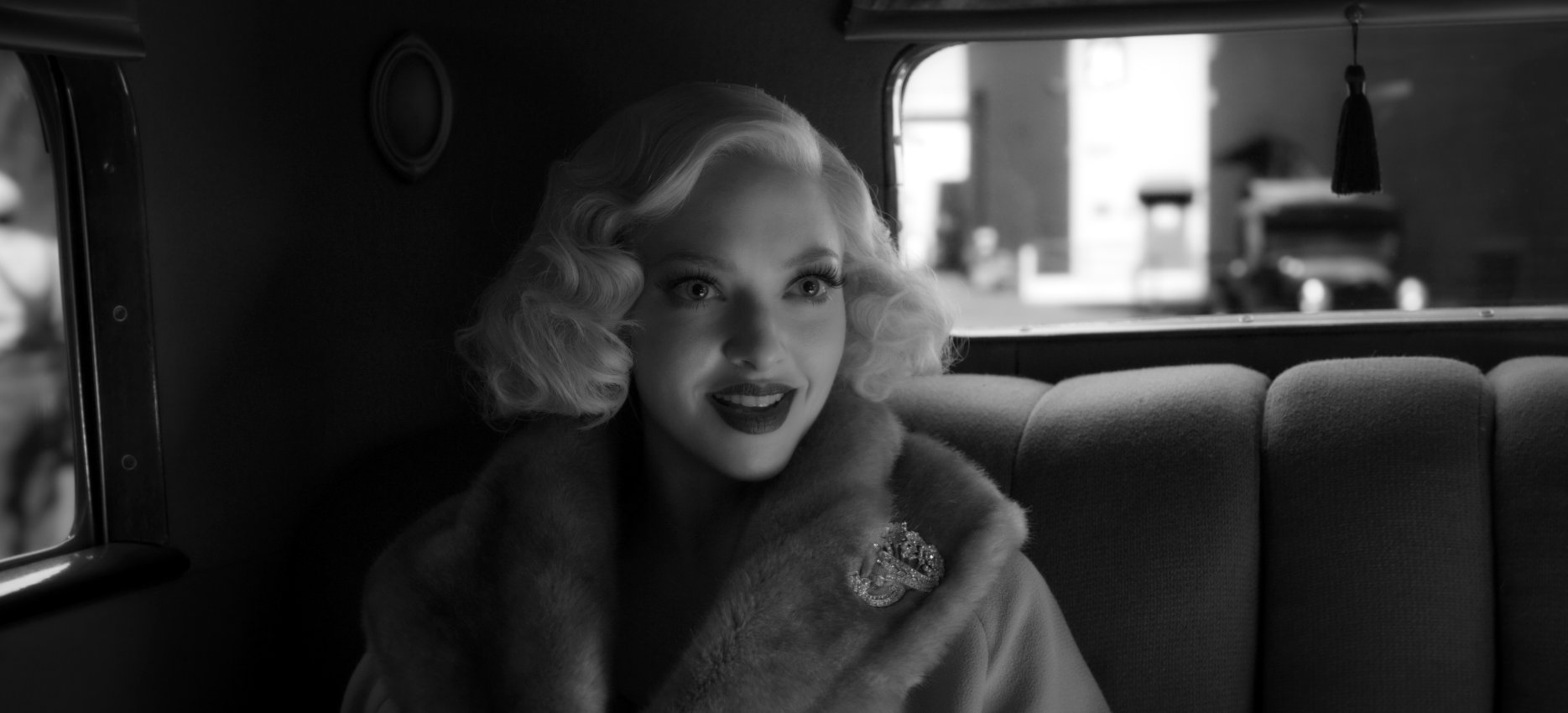
1930’s Hollywood is reevaluated through the eyes of scathing social critic and alcoholic screenwriter Herman J. Mankiewicz as he races to finish the screenplay of Citizen Kane (1941).
Mank
Credits:
US 2020, 131 Min., engl. OmU Regie: David Fincher Kamera: Erik Messerschmidt mit: Gary Oldman Amanda Seyfried Lily Collins Tom Pelphrey Charles Dance Tuppance Middleton
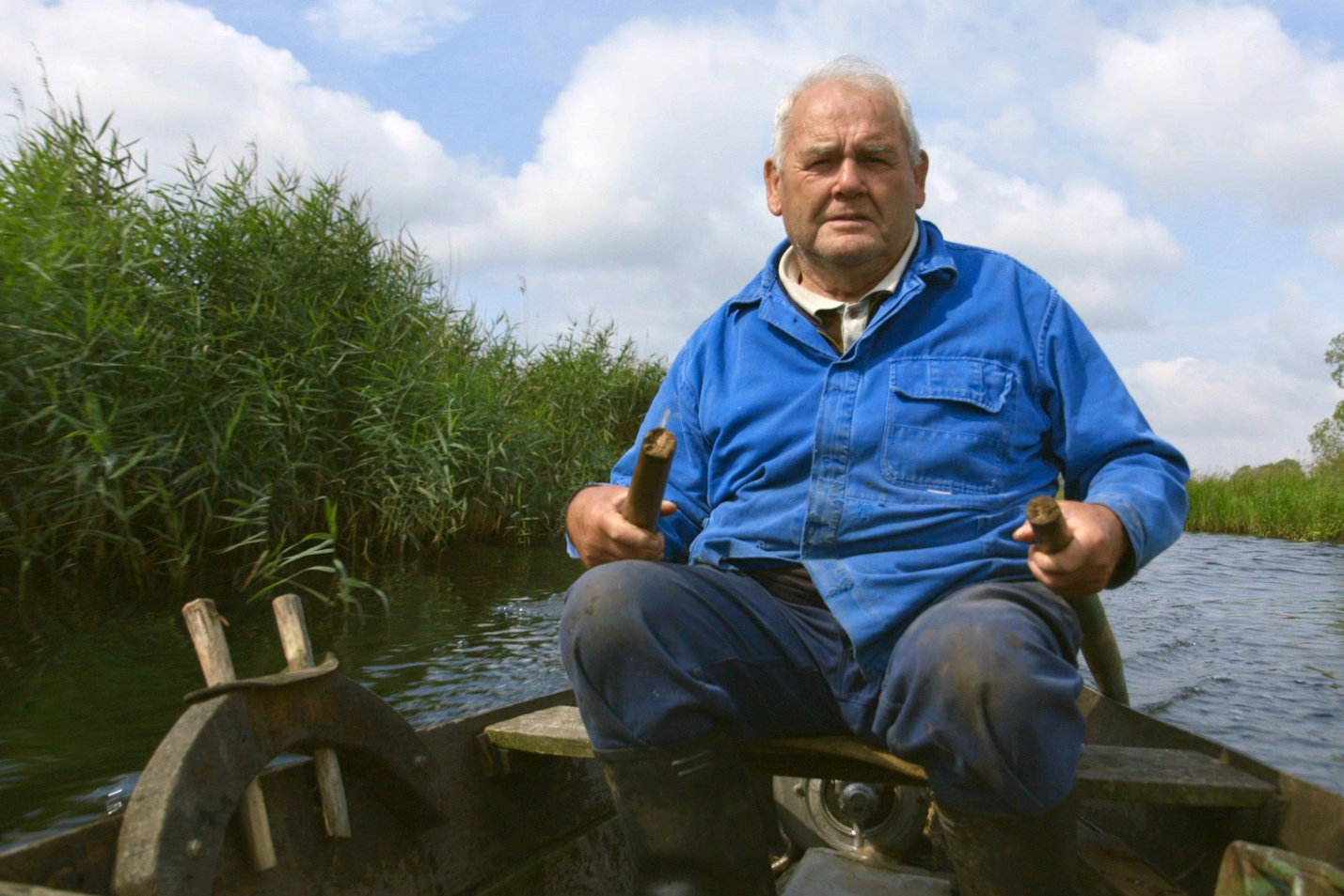
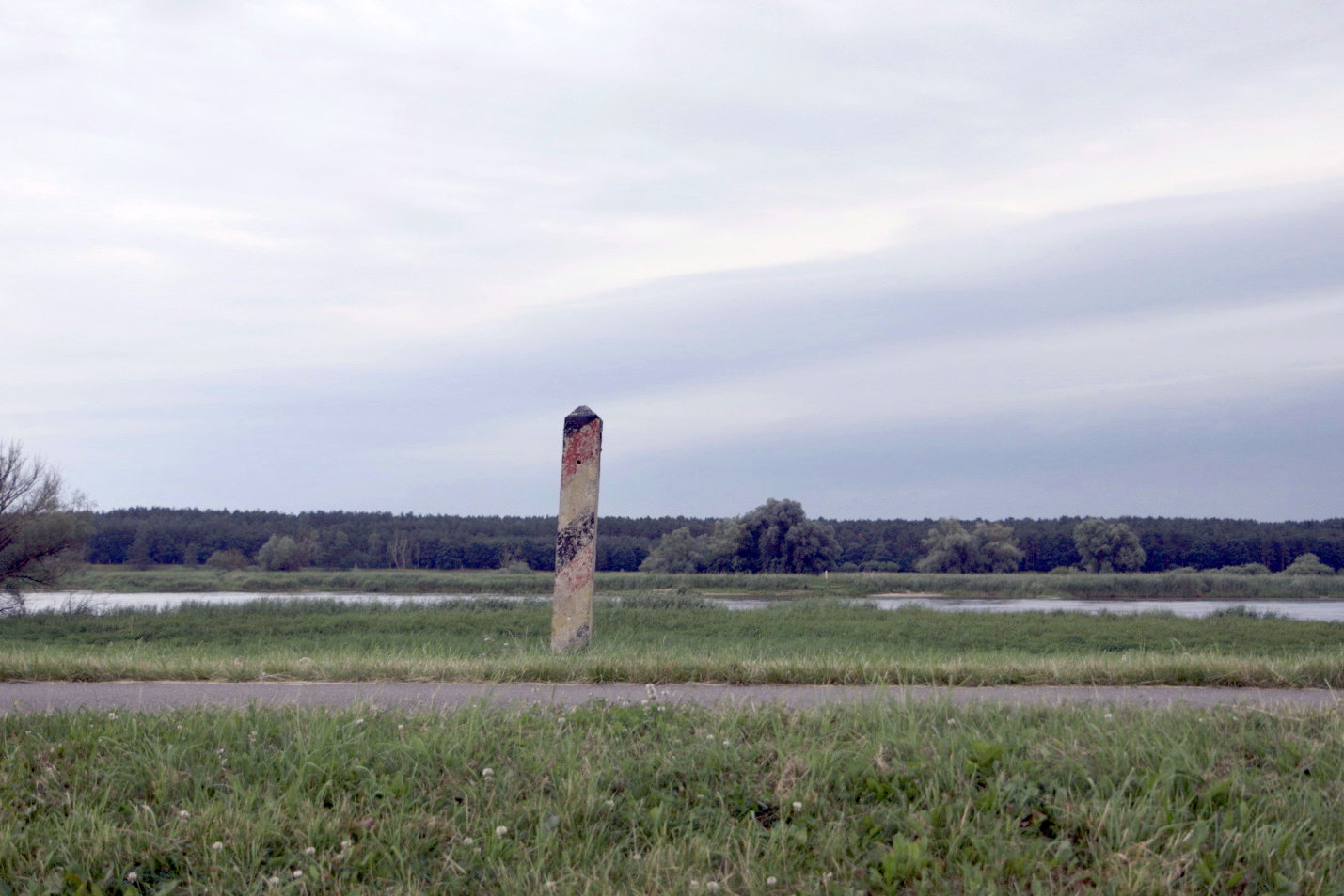
Along the river Oder: Virulent questions about homeland and community, everyday life and politics, asked with confident casualness, provide an account of the present.
Grenzland
Credits:
DE 2020, 100 Min., Buch & Regie: Andreas Voigt Kamera: Marcus Lenz, Maurice Wilkerling Schnitt: Ina Tangermann
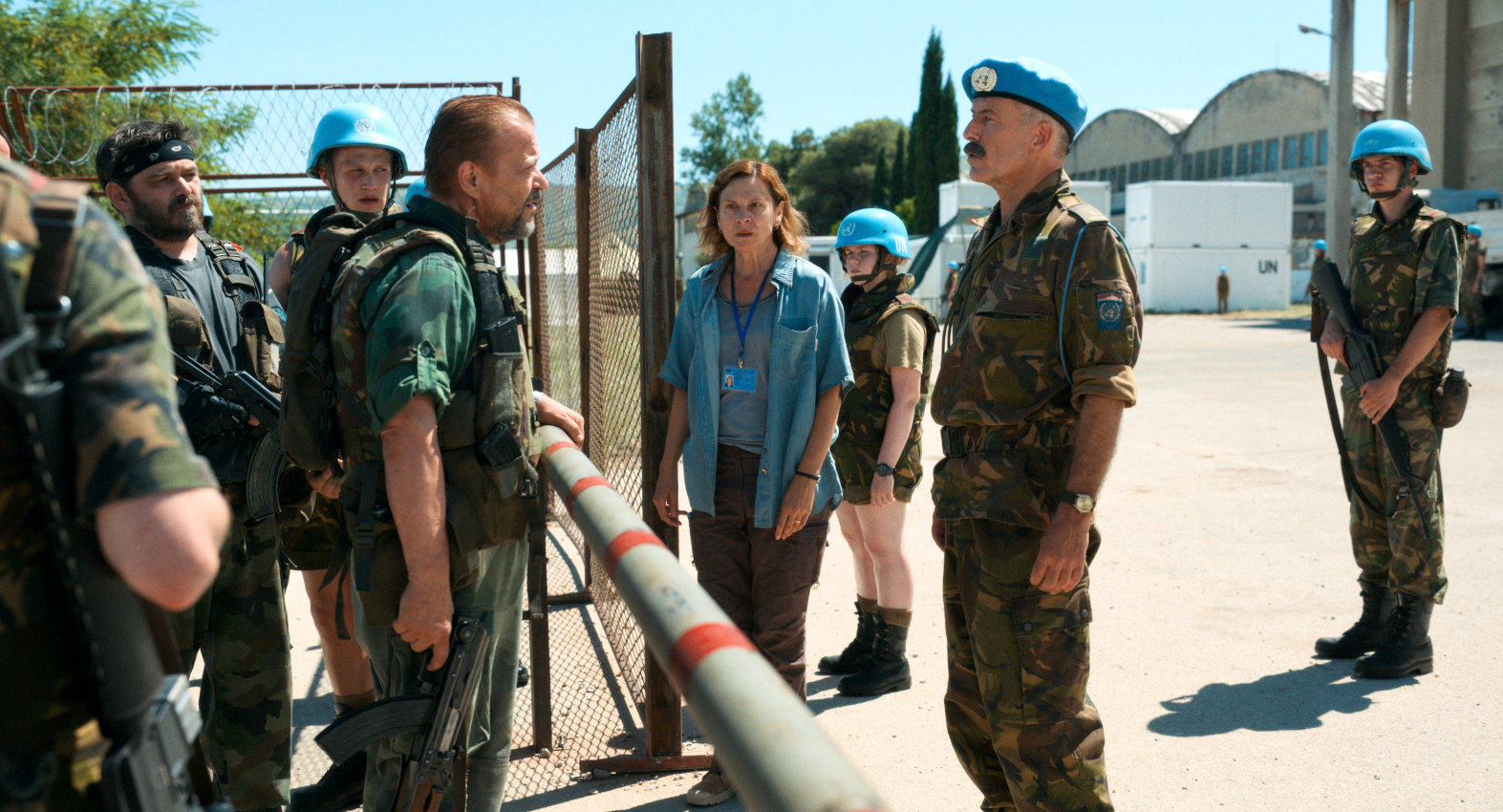
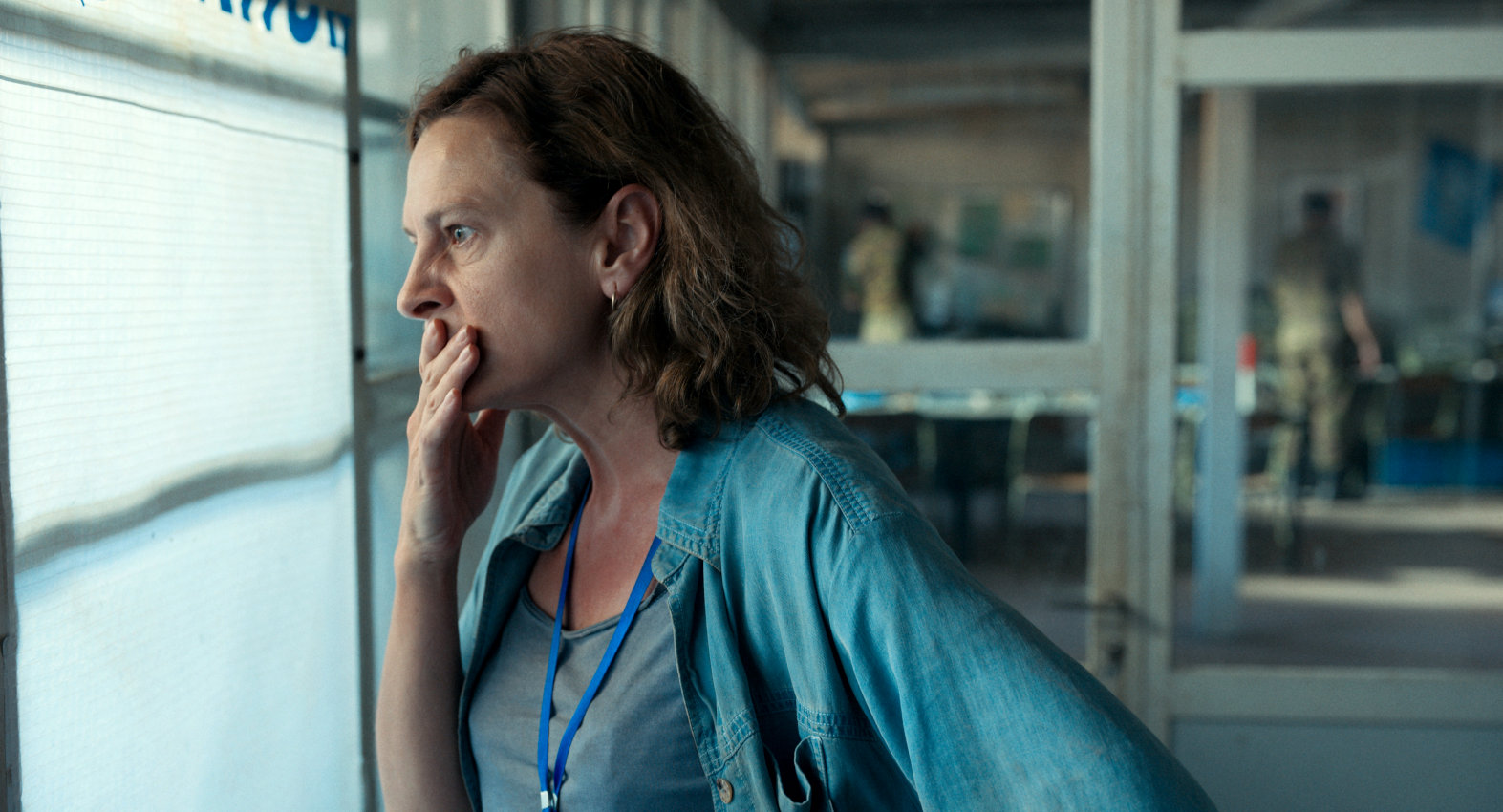
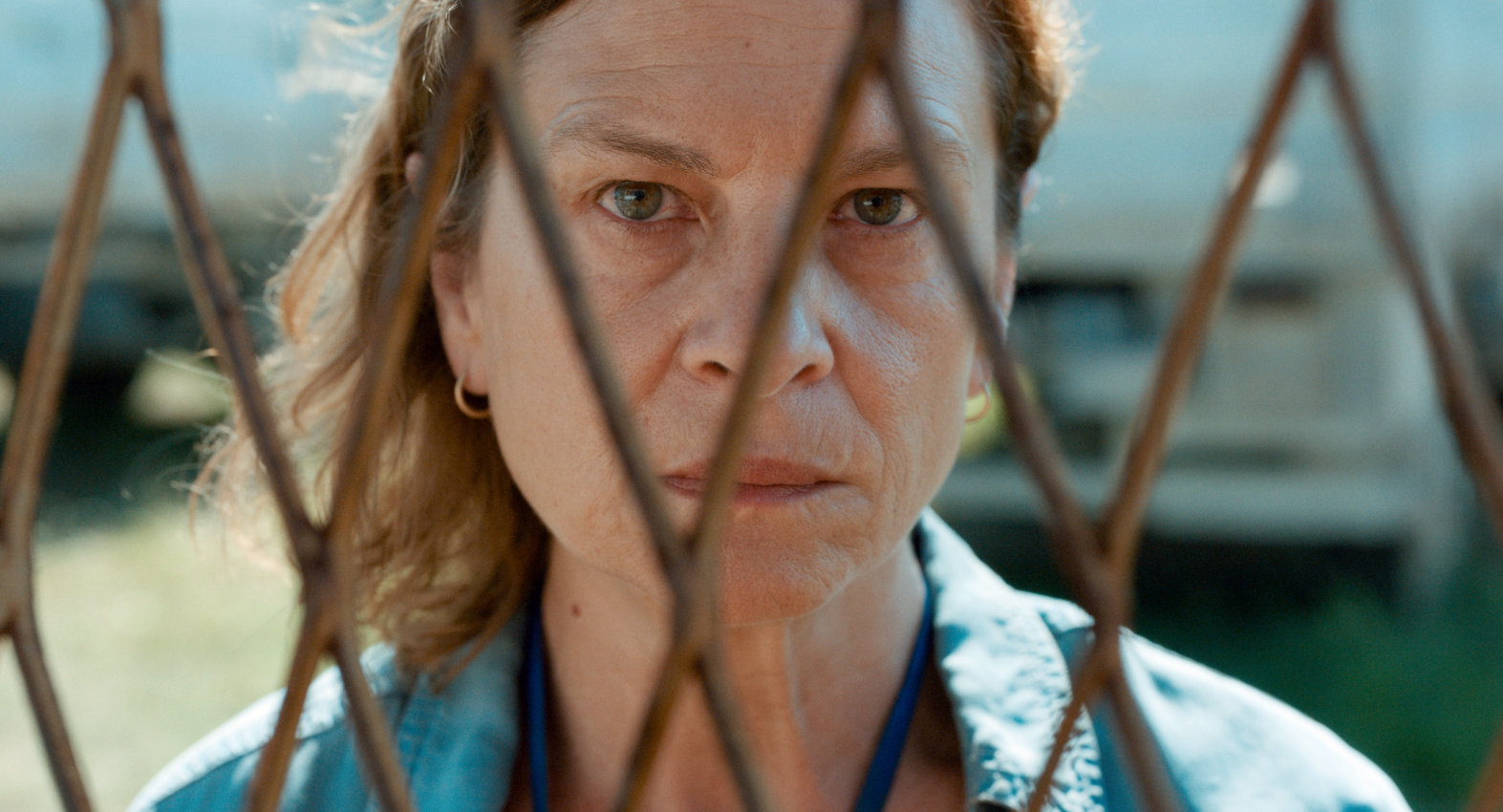
Aida is working as a translator for the UN at their camp in Srebrenica, when negotiations go awry and events quickly heat up. As the troops of the Bosnian Serbs led by Ratko Mladić mobilize, thousands of scared Bosnians flock to the gates of the camp to find shelter there. But the UN are not authorized to give any substantial help, and Aida becomes torn between her professional and private duties. The massacres committed by the Serbian army in Srebrenica in July, 1995 remain an open wound and a taboo to this day, denied by many, discussed and taught by very few people in the former Yugoslavia. The Bosnian War itself has a firm grip on the work of writer-director Jasmila Žbanić ever since her early days as a filmmaker. Here she turns history into a frantic (and very real) thriller that finds its narrative core in Aida’s desperate struggle to save her husband and sons. Three helpless men, one fighting woman: QUOVADIS, AIDA? offers an unmistakably feminist take on the story of the Srebrenica genocide. But in the end it is Serbian actress Jasna Djuricic whose presence, energy, and sheer dedication make this film take flight: A similarly fierce and spellbinding heroine will be hard to find anywhere else in Europe’s contemporary art house cinema. (Stefan Grissemann)
Quo Vadis, Aida?
Credits:
BA/AU/PL/DE/RO/FR/NO/TK/NL 2020, 104 Min. Regie & Buch: Jasmila Žbanić Kamera: Christine A. Maier Schnitt: Jarosław Kamiński mit: Jasna Đuričić, Izudin Bajrović, Boris Ler, Dino Bajrović, Boris Isaković. Johan Heldenbergh, Raymond Thiry
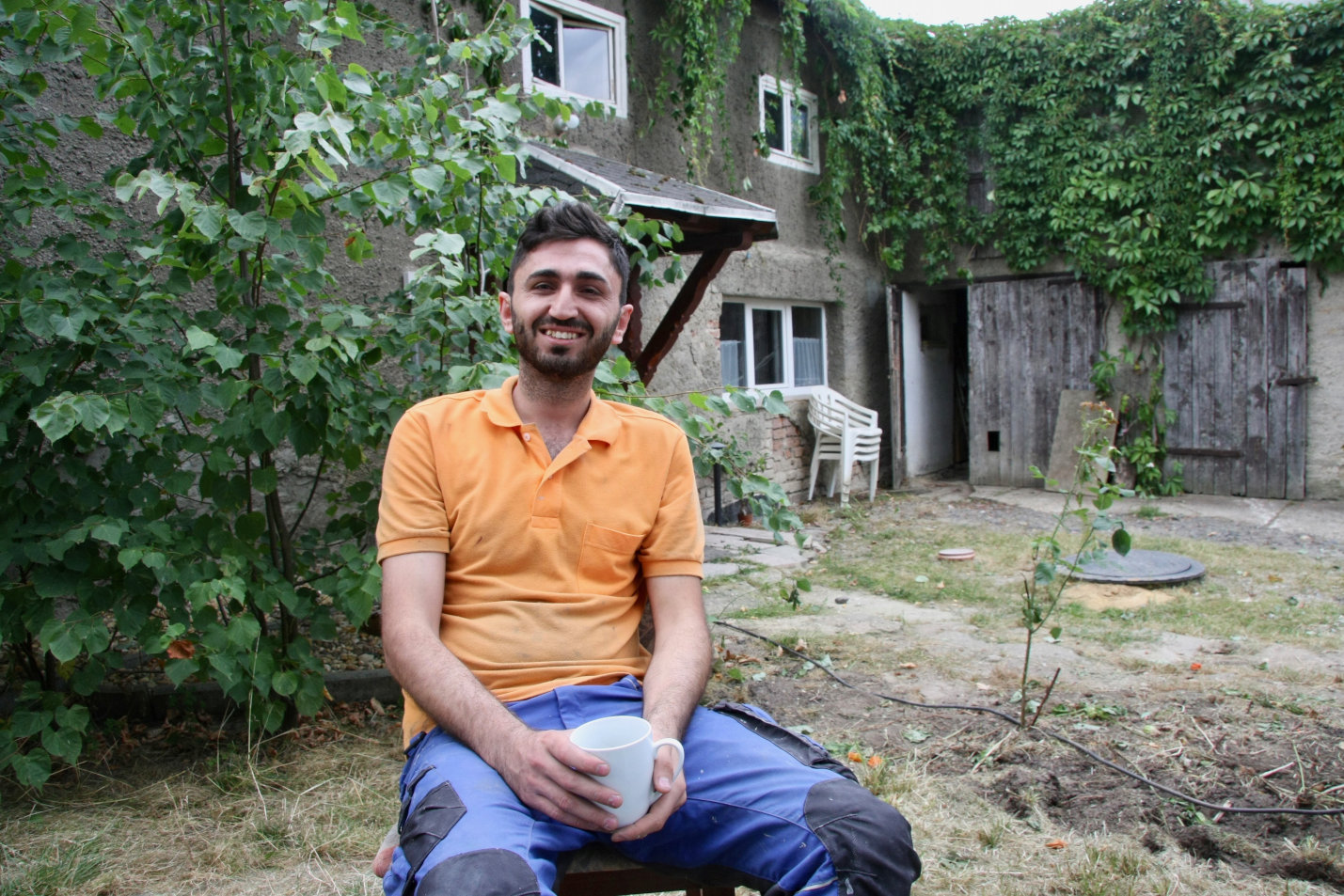
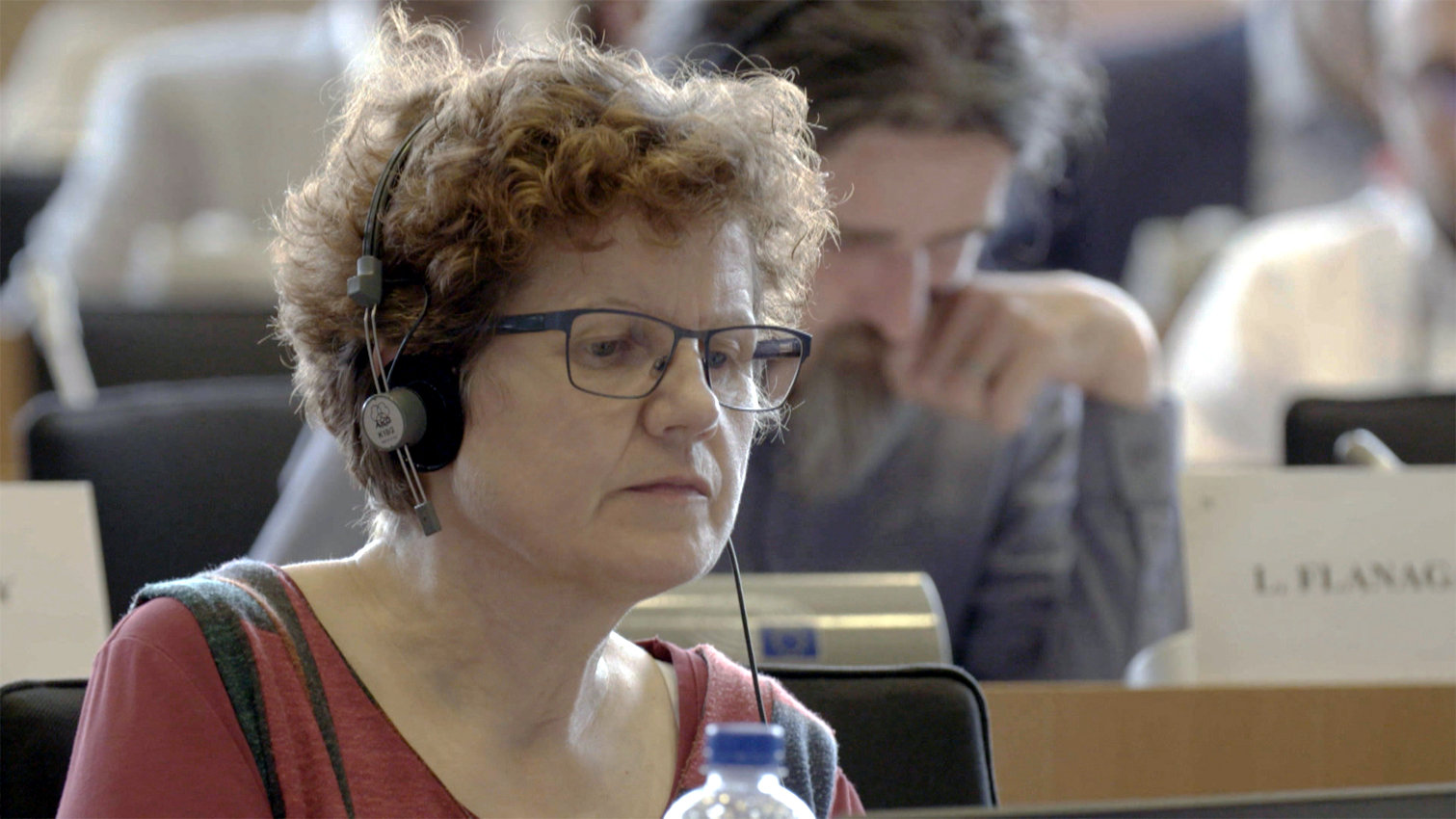
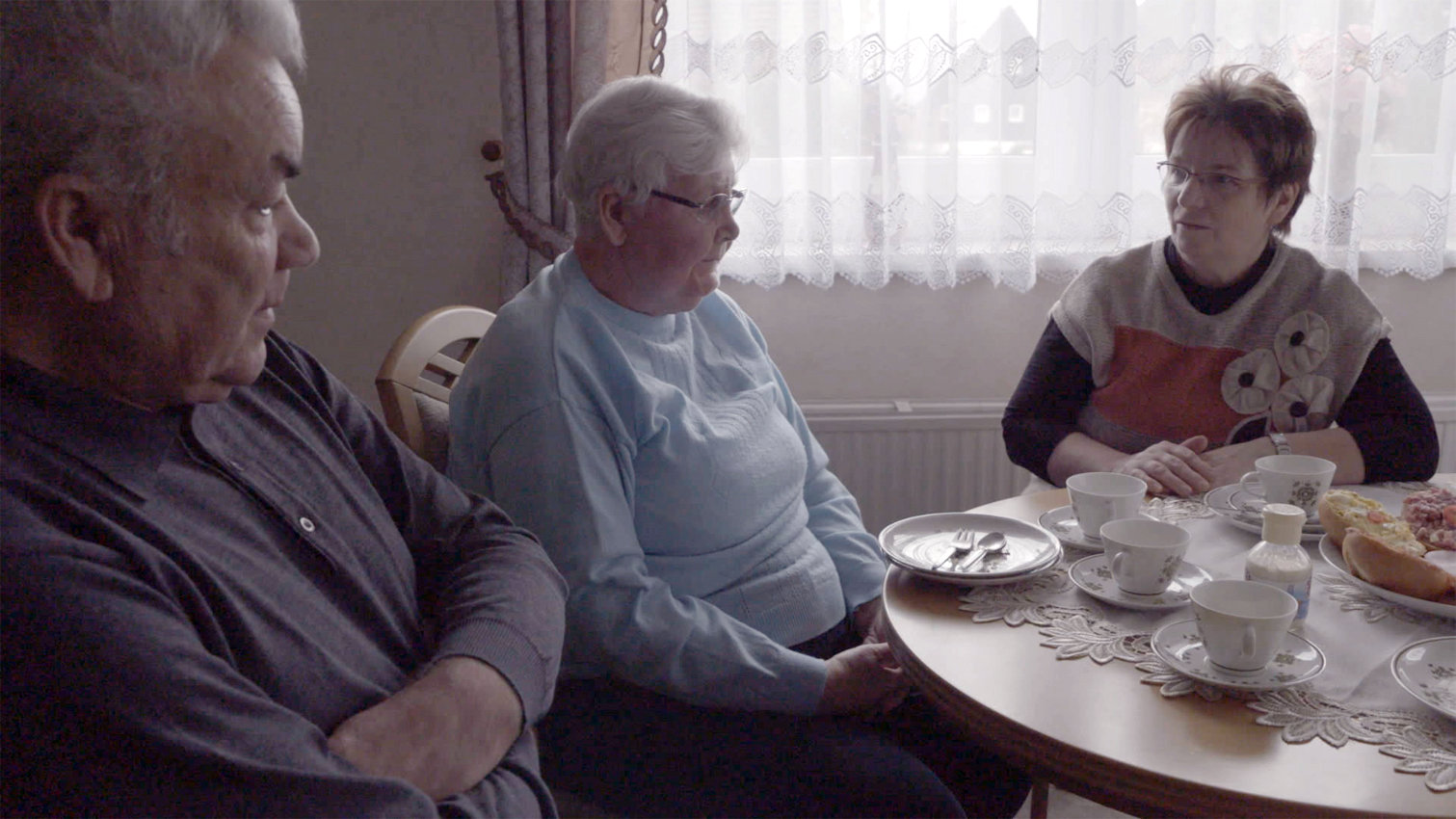
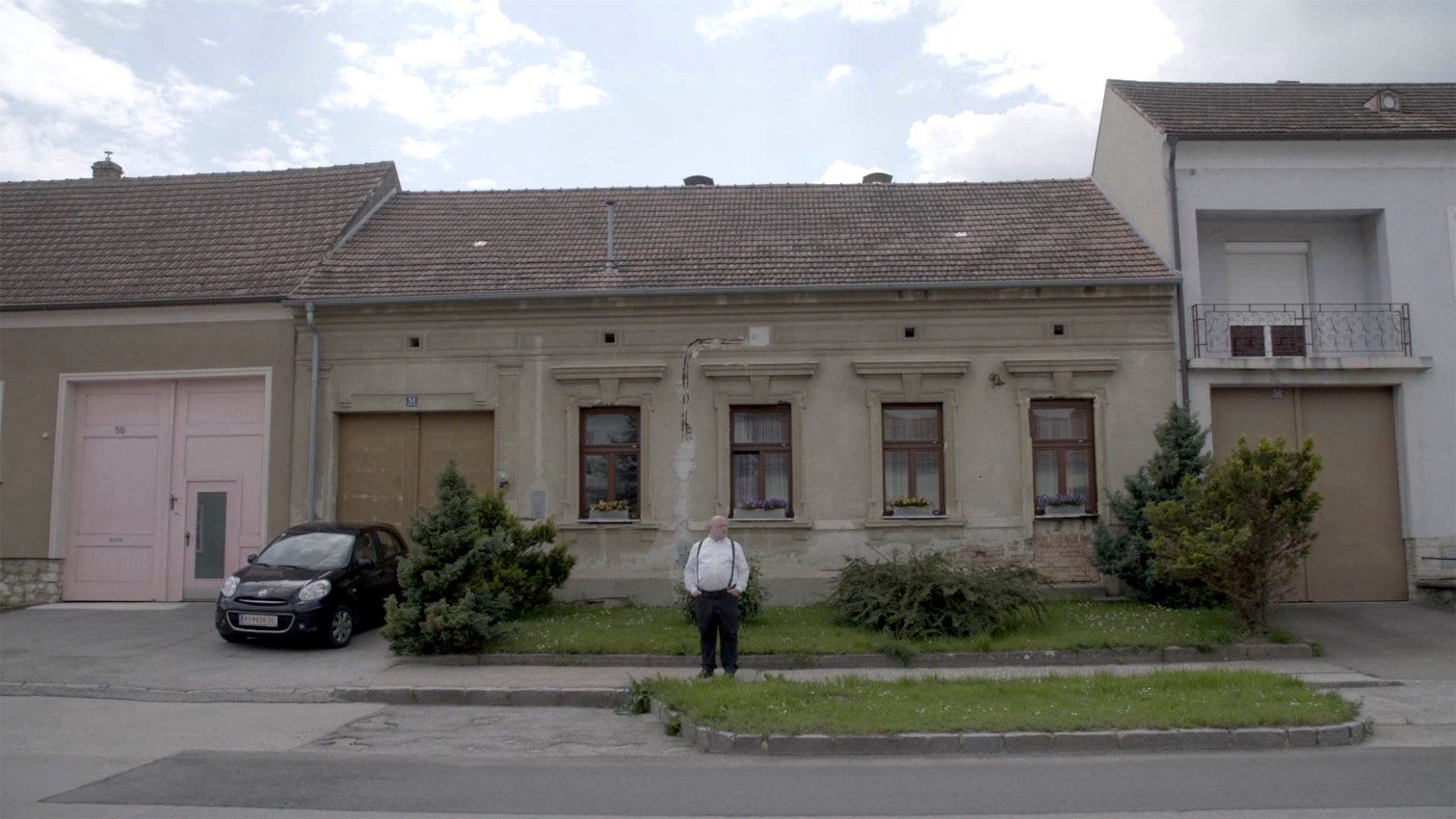
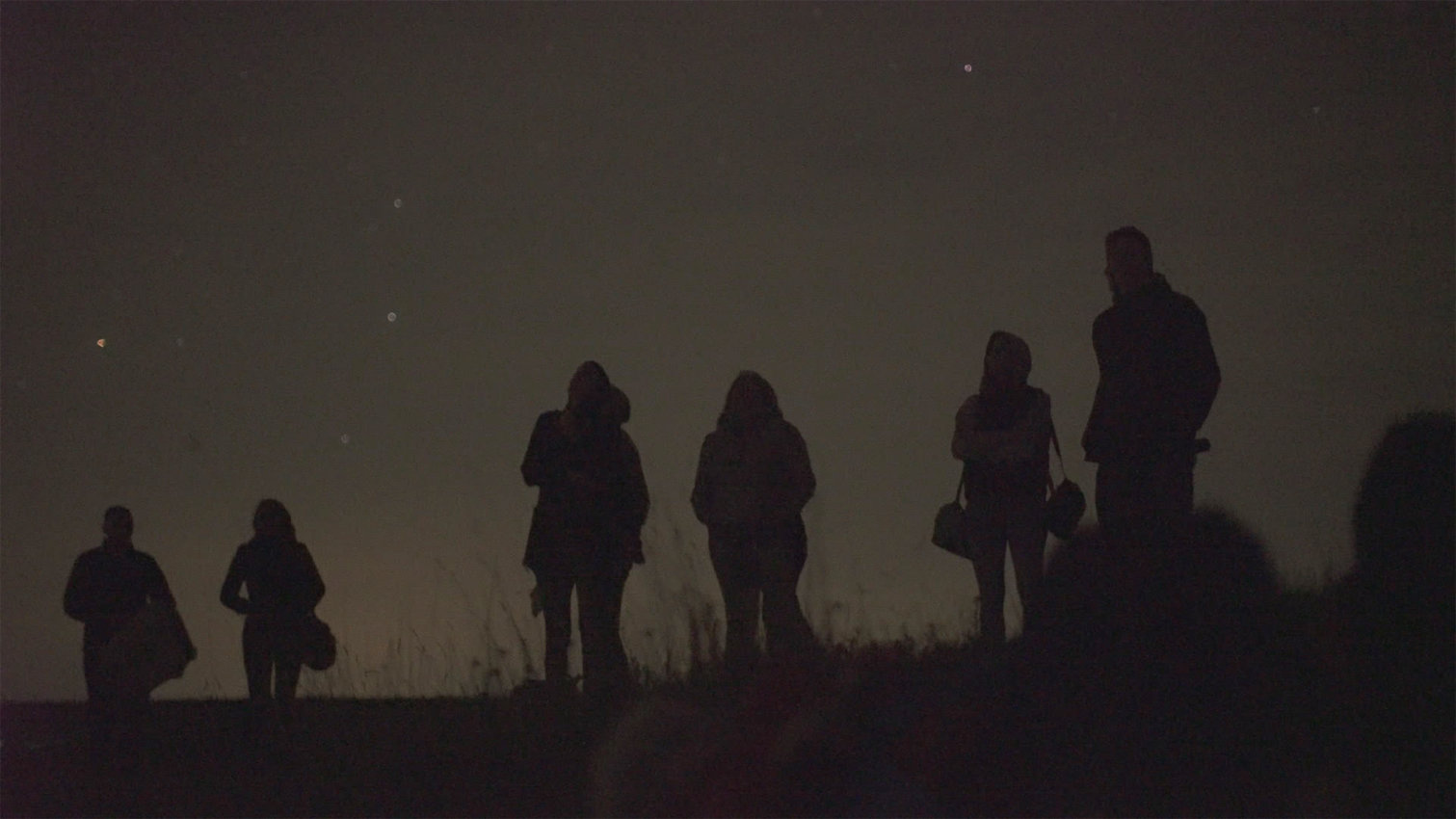
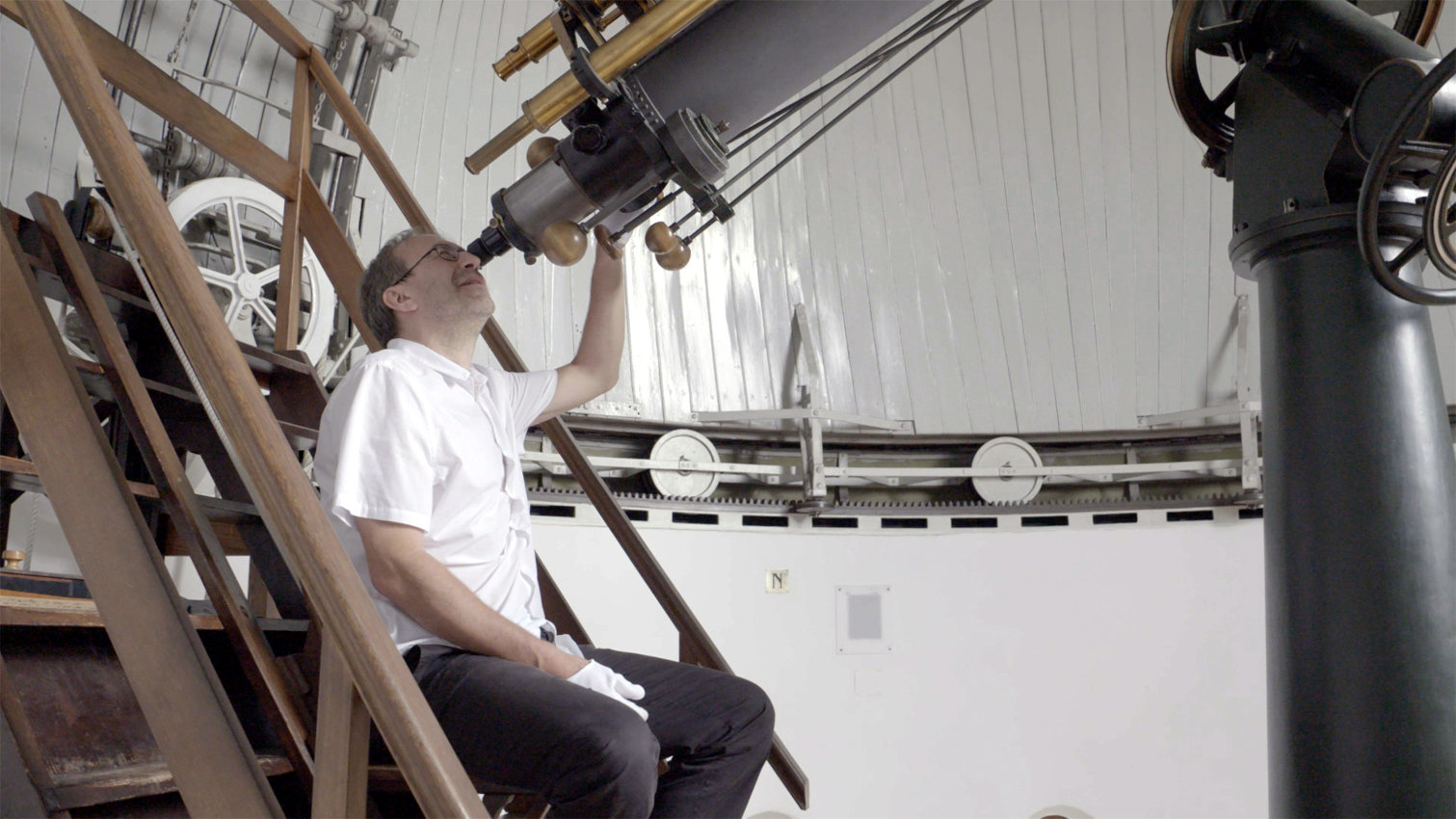
Life in the country has many facets and faces. Nature, peace, tradition. But reality today is often different, because structural change is destroying Europe’s villages. Schools are forced to close, communities are underfinanced, land speculation makes the farmers’ work harder and glaringly illuminated cities make the stars harder to see than a few years ago even in the hinterland. Locked-up cinemas, dilapidated houses, deserted train stations. Gesa Hollerbach’s unagitated documentary portrays four people and their lives. They come from very different backgrounds: a mayoress, an astronomer, a restaurateur, and a female farmer active in the European Parliament. In Saxony, in the Allgäu, in Austria. Ultimately, though, they are united in a joint, relentless struggle for their respective homes. The film wants to show that change can be imagined and implemented, that resistance bears its first fruits and that the tireless efforts of those courageous guardians of the countryside are not in vain. Today we see young families in the streets again and couples who deliberately choose to move to the country. The change has already begun.
Julia Weigl
Credits:
DE 2019, 93 Min., Buch und Regie: Gesa Hollerbach, Schnitt: Carina Mergens, Kamera: Jennifer Günther
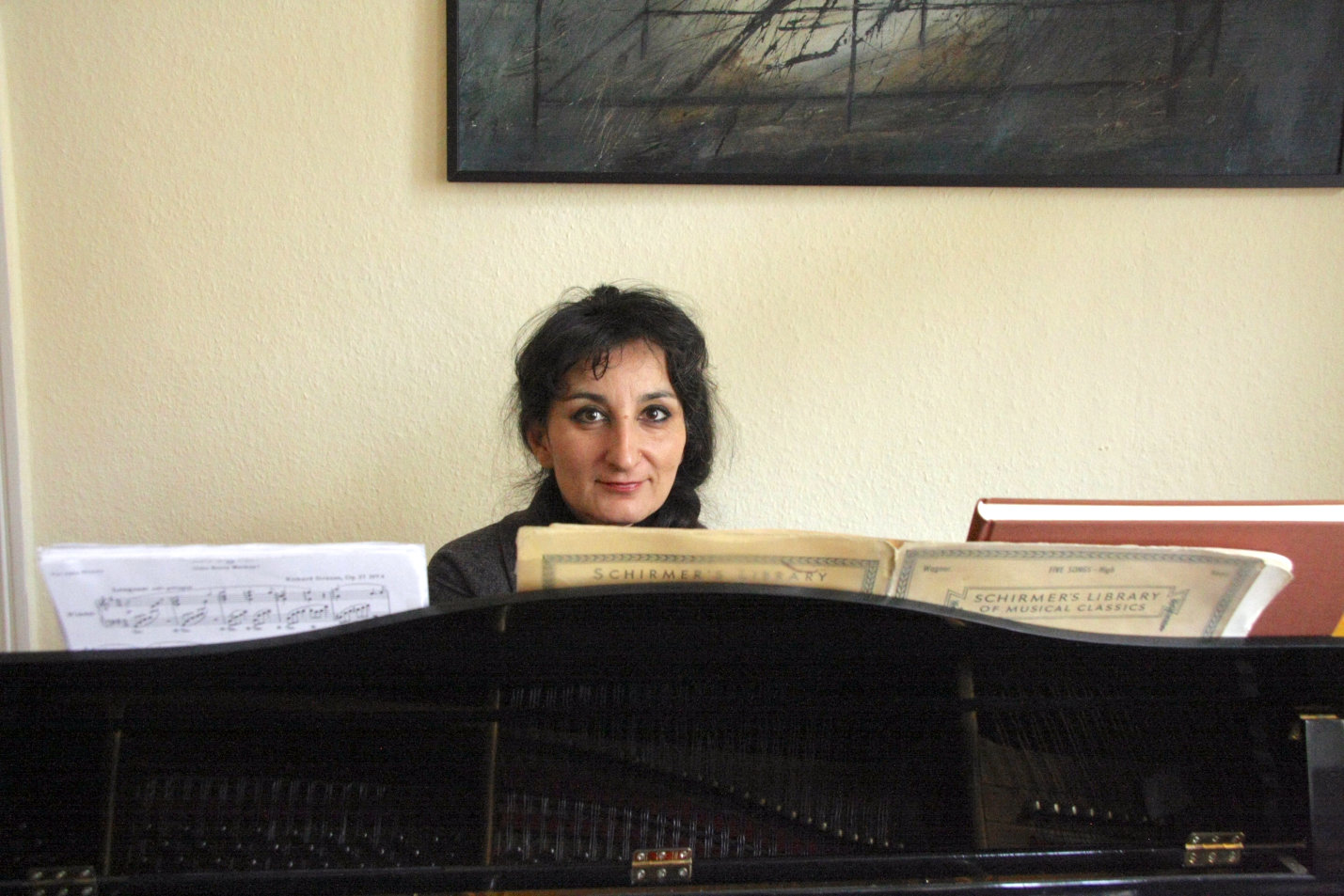
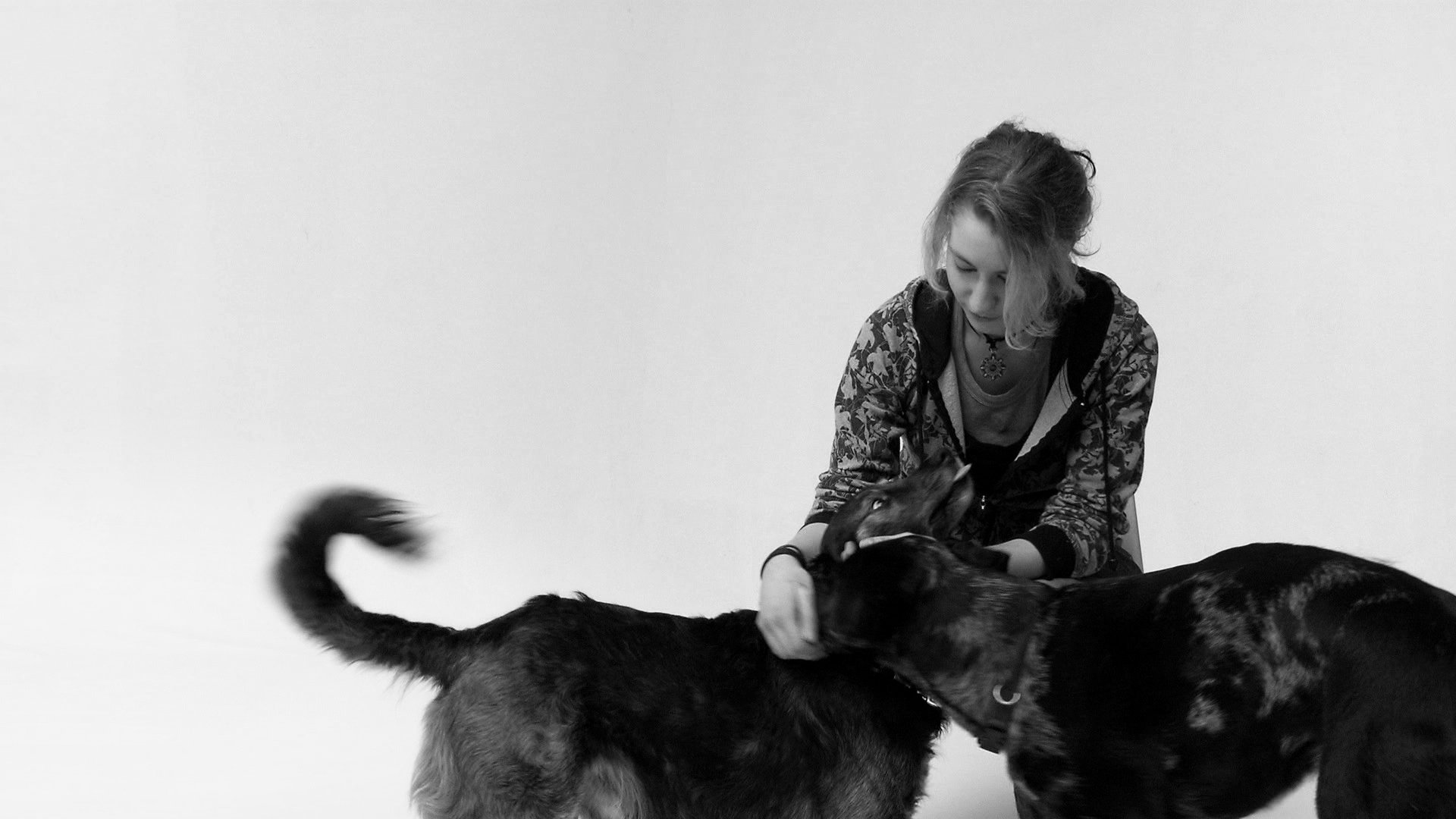
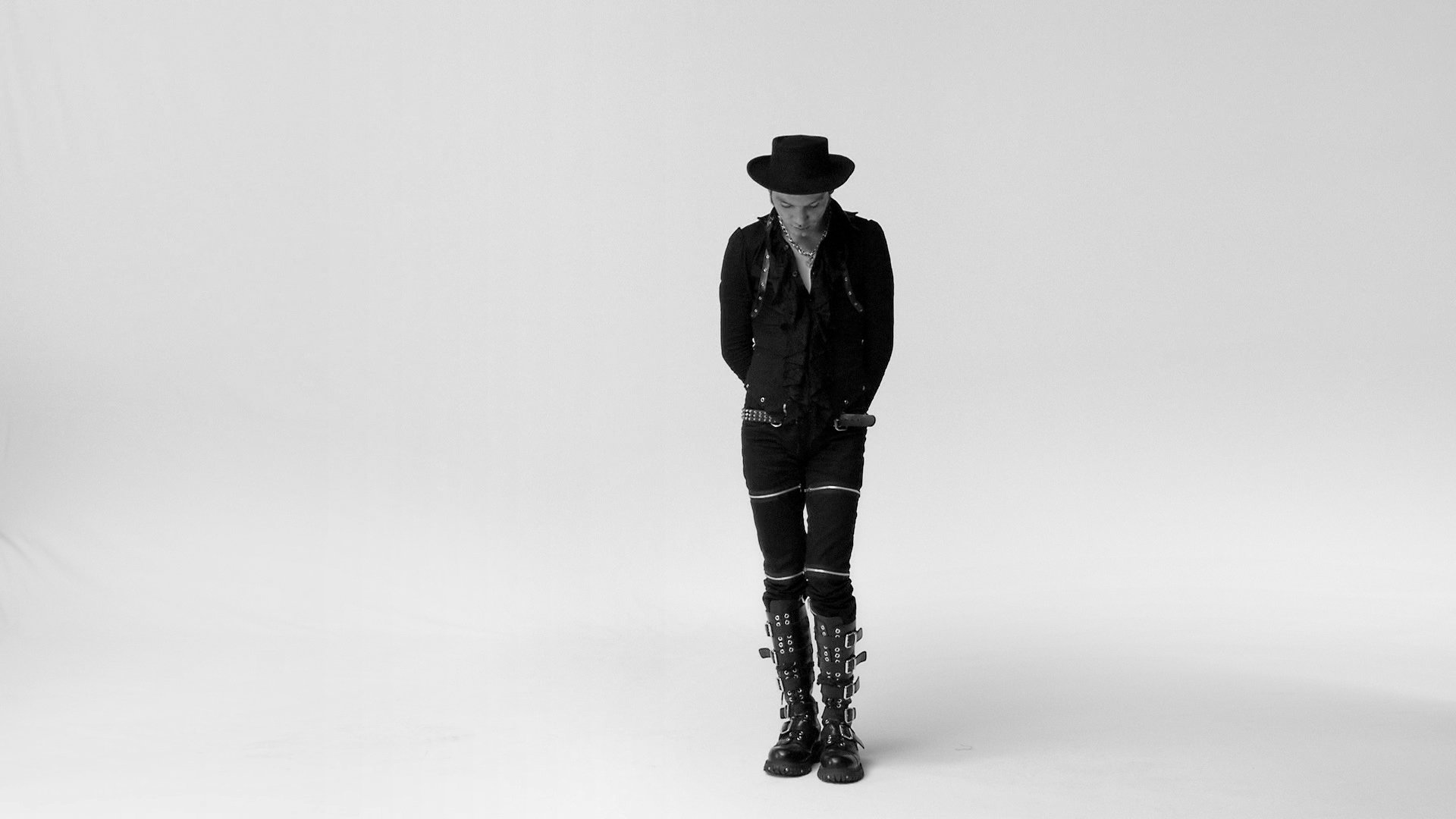
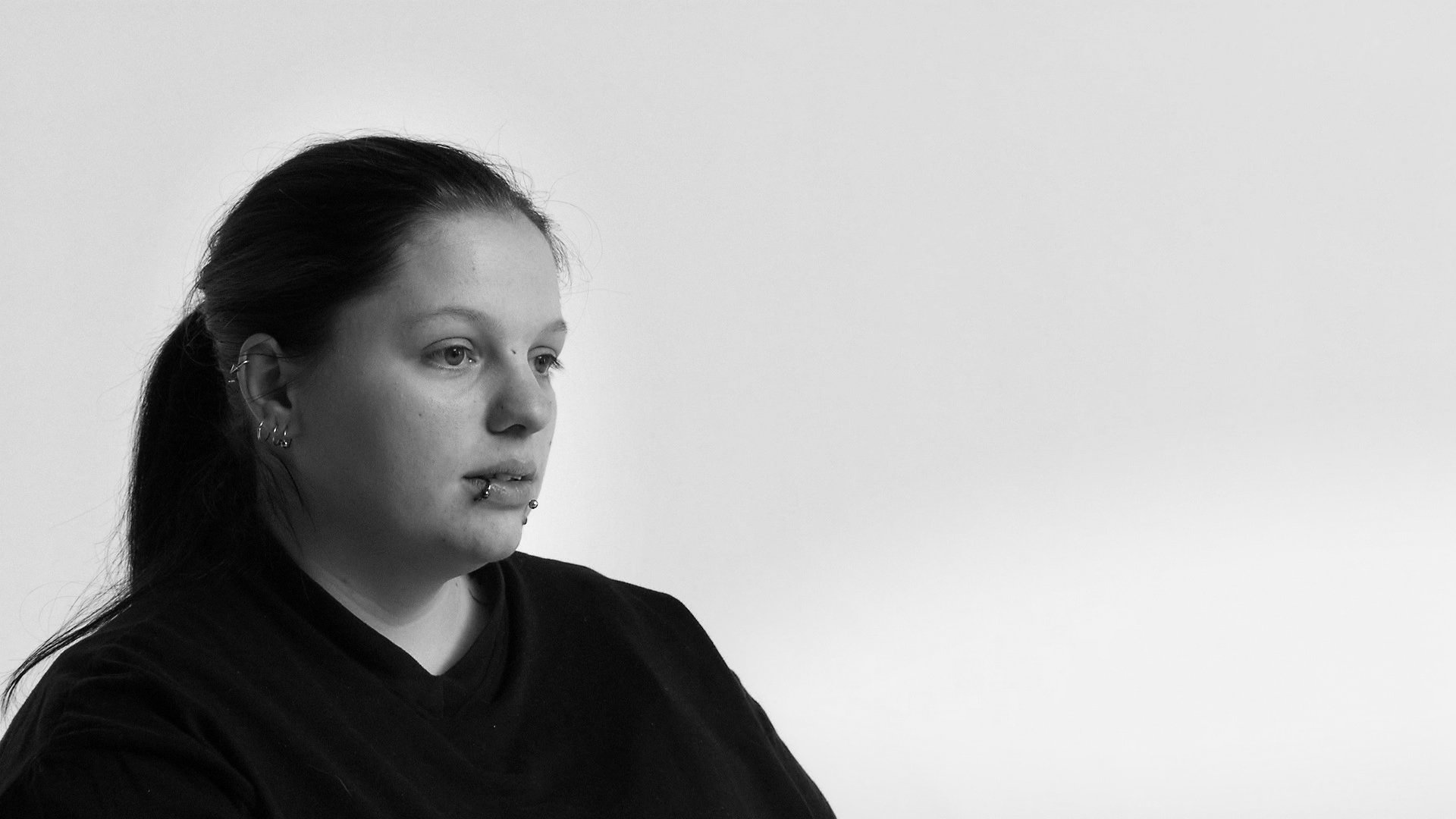
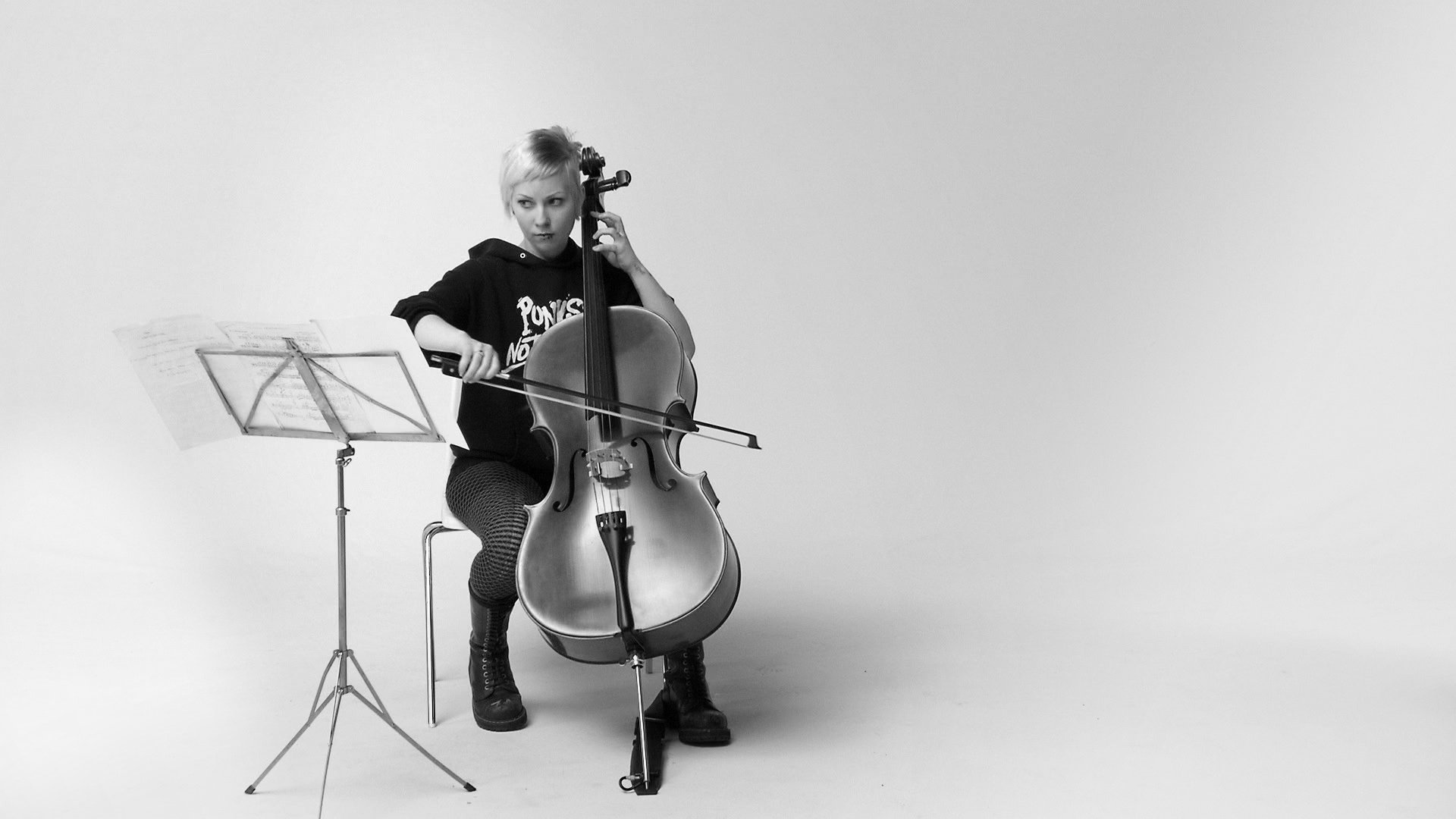
Der Film porträtiert das Schicksal mehrerer Jugendlicher, die sehr früh – oft schon im Alter von 11, 12 oder 13 Jahren – entschieden haben, von zu Hause wegzugehen und für eine bestimmte Zeit oder dauerhaft auf der Straßezu leben: Sunny, Toni, Krümel, JJ, Stöpsel, Soja und Za.
Menschen also, von denen jeder einzelne mittlerweile auch schon neun Leben gelebt haben könnte. Versehen mit seelischen und körperlichen Beschädigungen. Doch trotz dieser Zerstörungen gibt es bei ihnen eine enorme Kraft, Talente und Fähigkeiten zu entdecken. Dieser Reichtum an persönlichen Möglichkeiten steht im Mittelpunkt des Films.
Die Lebensumstände der Jugendlichen auf der Straße werden deshalb auch nicht dokumentiert, sondern sie werden von ihnen in freier Wahl erzählt oder auch nicht. So kommen sehr persönliche, mitreissende und berührende Zeugnisse zustande.
Um den Fokus auf ihre Persönlichkeiten zu legen, erzählen sie vor neutralem Hintergrund im Studio von ihren Leben. Einige haben ihre Musikinstrumente mitgebracht und spielen spontan, andere zeigen Fotos oder andere künstlerische Arbeiten. So entstehen filmische Porträts wie in einer Ausstellung, einem Kunstraum.
Vorurteile und Klischeevorstellungen über „Penner“ und „Punks“ lösen sich auf. Die Jugendlichen werden in ihrer bewundernswerten Einmaligkeit erkennbar.
Und sie werden zu Stars – zu Recht.
9 Leben
[nbsp] Credits:
Deutschland 2010 Regie: Maria Speth Drehbuch: Maria Speth Kamera: Reinhold Vorschneider Schnitt: Maria Speth
Wir verwenden Cookies, um unsere Website und unseren Service zu optimieren.
Funktionale Cookies
Always active
Die technische Speicherung oder der Zugang ist unbedingt erforderlich für den rechtmäßigen Zweck, die Nutzung eines bestimmten Dienstes zu ermöglichen, der vom Teilnehmer oder Nutzer ausdrücklich gewünscht wird, oder für den alleinigen Zweck, die Übertragung einer Nachricht über ein elektronisches Kommunikationsnetz durchzuführen.
Vorlieben
Die technische Speicherung oder der Zugriff ist für den rechtmäßigen Zweck der Speicherung von Präferenzen erforderlich, die nicht vom Abonnenten oder Benutzer angefordert wurden.
Statistiken
Die technische Speicherung oder der Zugriff, der ausschließlich zu statistischen Zwecken erfolgt.Die technische Speicherung oder der Zugriff, der ausschließlich zu anonymen statistischen Zwecken verwendet wird. Ohne eine Vorladung, die freiwillige Zustimmung deines Internetdienstanbieters oder zusätzliche Aufzeichnungen von Dritten können die zu diesem Zweck gespeicherten oder abgerufenen Informationen allein in der Regel nicht dazu verwendet werden, dich zu identifizieren.
Marketing
Die technische Speicherung oder der Zugriff ist erforderlich, um Nutzerprofile zu erstellen, um Werbung zu versenden oder um den Nutzer auf einer Website oder über mehrere Websites hinweg zu ähnlichen Marketingzwecken zu verfolgen.









![DRUNK - ANOTHER ROUND - Trailer OVdf [Schweiz]](https://fsk-kino.peripherfilm.de/wp-content/plugins/wp-youtube-lyte/lyteCache.php?origThumbUrl=https%3A%2F%2Fi.ytimg.com%2Fvi%2FNMFkfghOj9w%2F0.jpg)