A film by Mariko Minoguchi. Showing at the fsk from 22 October. In German. On 29 October at 8.00 pm, followed by a discussion with Mariko Minoguchi
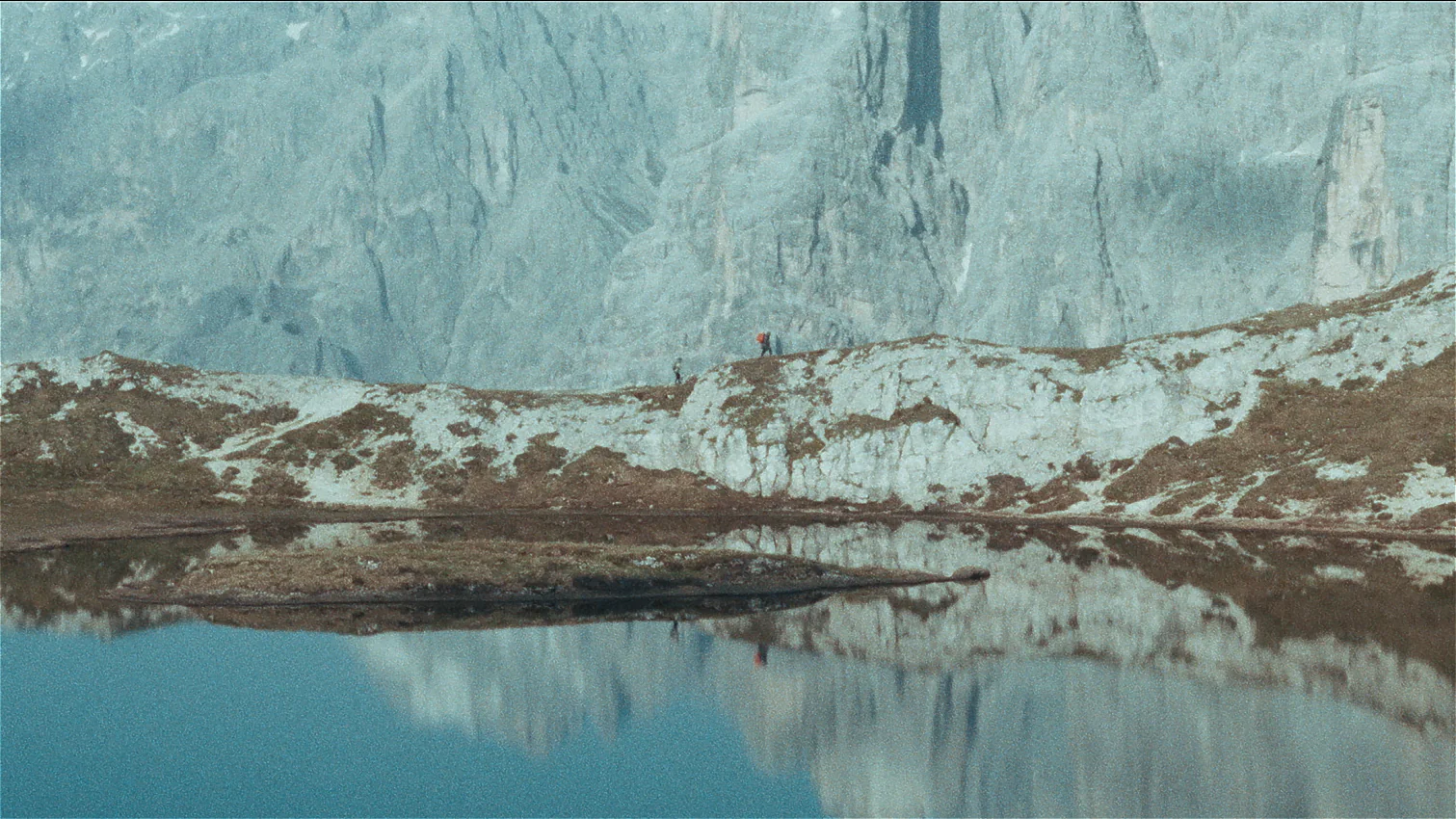
What does it mean to be torn away from a community and marginalised? Writer and director Mariko Minoguchi (My End. Your Beginning., Zeit Verbrechen: December) in her second feature film. A doctor has contracted a contagious disease and been ostracised from society. She lives in solitude in the Alps until she meets a young woman who is also among the outcasts. Together, they plan to make their way south, where life in freedom still seems possible. A survival drama featuring just a few characters.
Credits:
DE 2026, 106 mins, Director & Screenplay: Mariko Minoguchi Cinematography: Felix Pflieger Editing: Monika Willi Starring: Nina Hoss, Precious Mariam Sanusi
Trailer:
DIEANDERESEITE | Trailer | Ab 22. Oktober 2026 im Kino
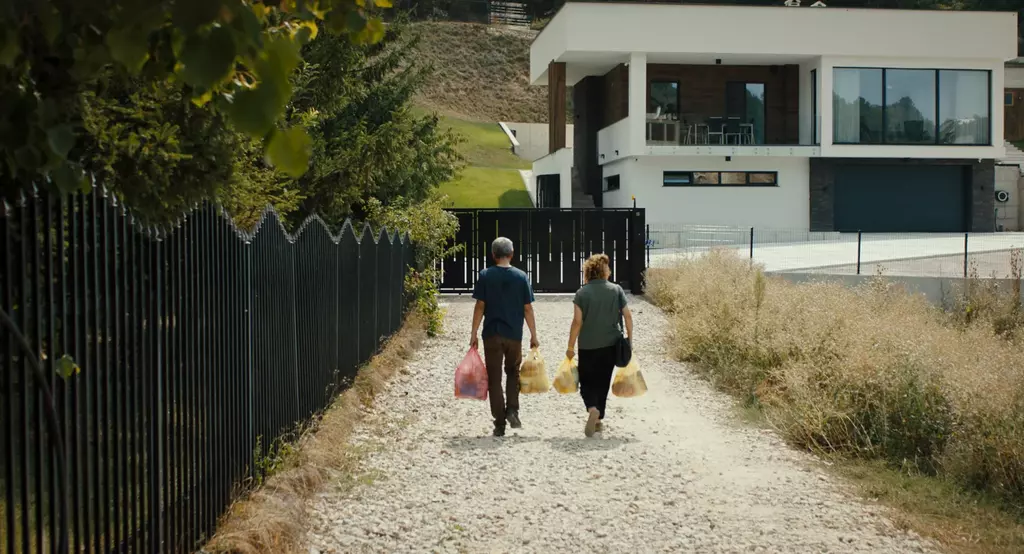
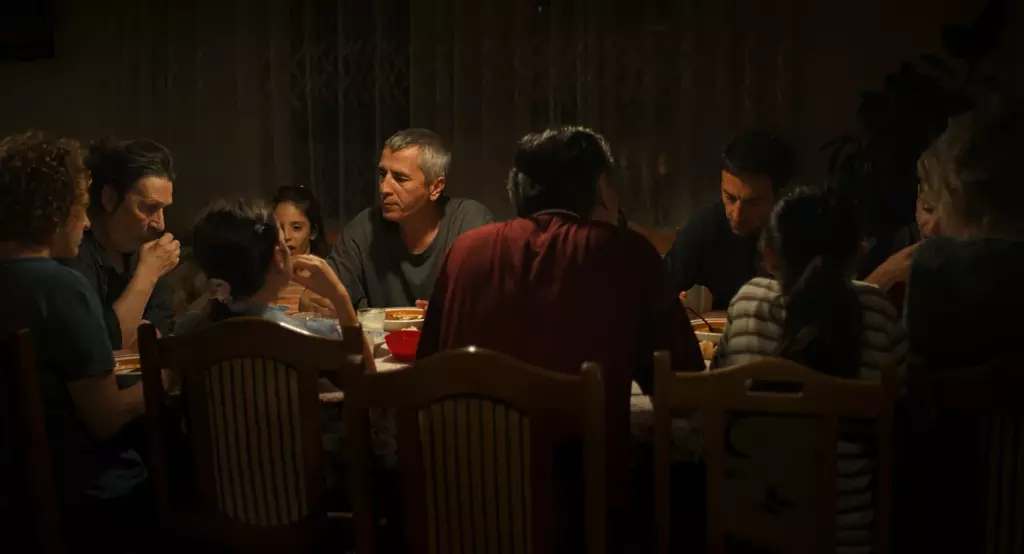
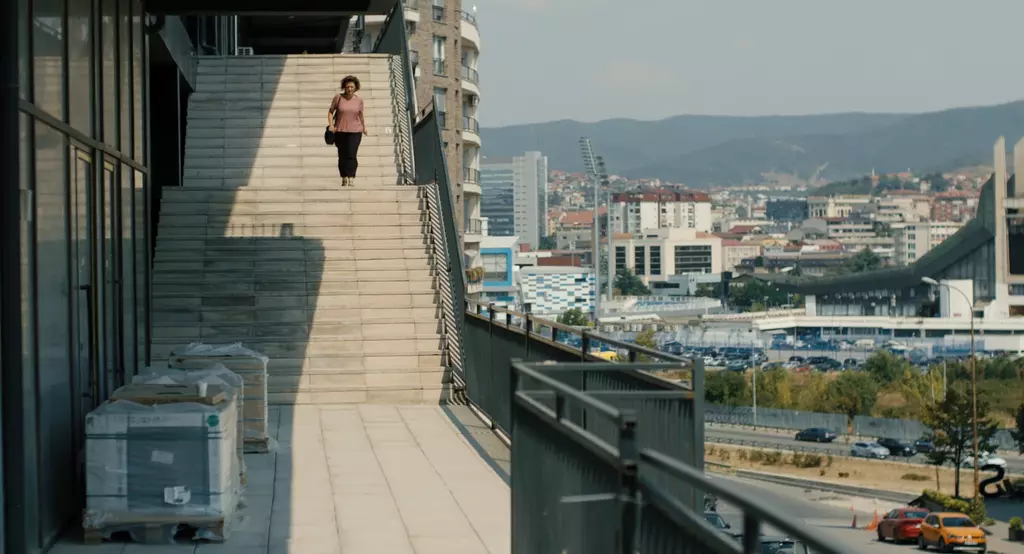
“Feeling ashamed is a luxury,” Hatixhe explains to her sister. A luxury that she and her husband Shaban cannot afford. With their three daughters and their grandmother, they were forced to leave their village in Kosovo. Their livelihood was taken away from them. Now they live with Hatixhe’s sister and her husband, a wealthy businessman, in Pristina. Shaban seems to have got lucky: his brother-in-law has given him a job as a cleaner in his club. Even if it’s only three days a week. Certainly not enough. Shaban doesn’t find out how much he earns anyway. He doesn’t dare ask either. Because in their new life, the most important thing is to be grateful. Grateful for a roof over their heads, grateful for any job, however humiliating, grateful for any form of support. The help that Shaban and Hatixhe receive is never unconditional. It constantly reminds them of their place in society. Those who give set the rules. Those who receive must be grateful. Visar Morina’s third feature film, following BABAIand EXIL, takes a relentless look at the violence of economic dependencies. It follows Shaban and Hatixhe from the comparatively stable conditions of their village into the social indifference of the big city. They sink ever deeper into a spiral of financial hardship, humiliation and the compulsion to bow to the expectations of others. At one point, Shaban walks through the streets of Pristina as if in a daze. In the background hangs a large US banner on a building façade; in front of it stands the statue of Bill Clinton. Later, he says: “Sometimes I feel as though I’m not quite there.” In his film, which won the Grand Jury Prize in the World Cinema category at Sundance, Morina depicts a society in which people are defined by what they own or can afford. Jens Thiele | Indiekino
Credits:
DE, XK, SI, AL, MK, BE 2026, 129 mins, Albanian with German subtitles Director: Visar Morina Cinematography: Janis Mazuch Editing: Joëlle Alexis Starring: Astrit Kabashi, Flonja Kodheli, Kumrije Hoxha, Fiona Gllavica, Alban Uka
Wir verwenden Cookies, um unsere Website und unseren Service zu optimieren.
Funktionale Cookies
Always active
Die technische Speicherung oder der Zugang ist unbedingt erforderlich für den rechtmäßigen Zweck, die Nutzung eines bestimmten Dienstes zu ermöglichen, der vom Teilnehmer oder Nutzer ausdrücklich gewünscht wird, oder für den alleinigen Zweck, die Übertragung einer Nachricht über ein elektronisches Kommunikationsnetz durchzuführen.
Vorlieben
Die technische Speicherung oder der Zugriff ist für den rechtmäßigen Zweck der Speicherung von Präferenzen erforderlich, die nicht vom Abonnenten oder Benutzer angefordert wurden.
Statistiken
Die technische Speicherung oder der Zugriff, der ausschließlich zu statistischen Zwecken erfolgt.Die technische Speicherung oder der Zugriff, der ausschließlich zu anonymen statistischen Zwecken verwendet wird. Ohne eine Vorladung, die freiwillige Zustimmung deines Internetdienstanbieters oder zusätzliche Aufzeichnungen von Dritten können die zu diesem Zweck gespeicherten oder abgerufenen Informationen allein in der Regel nicht dazu verwendet werden, dich zu identifizieren.
Marketing
Die technische Speicherung oder der Zugriff ist erforderlich, um Nutzerprofile zu erstellen, um Werbung zu versenden oder um den Nutzer auf einer Website oder über mehrere Websites hinweg zu ähnlichen Marketingzwecken zu verfolgen.