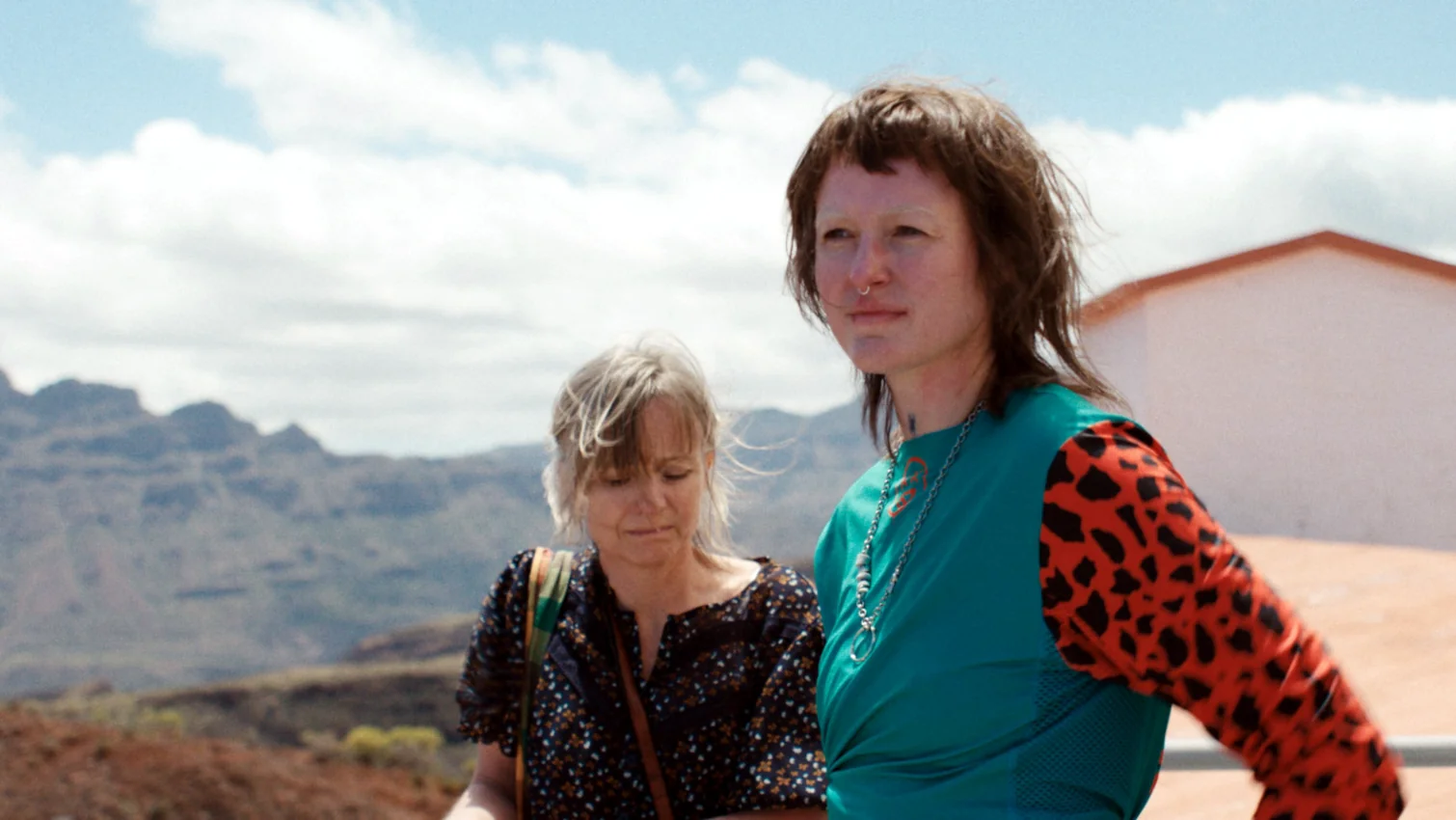
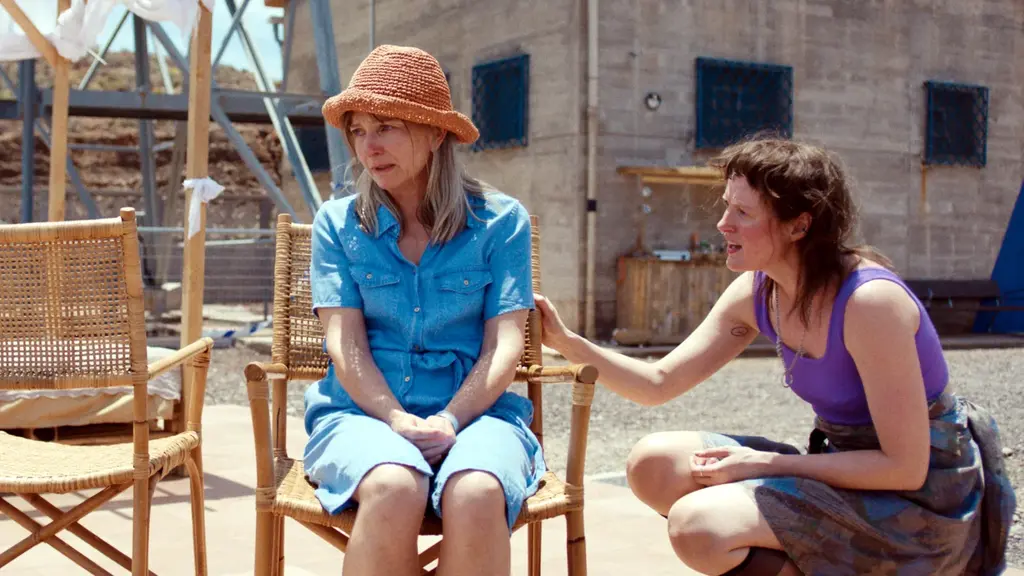
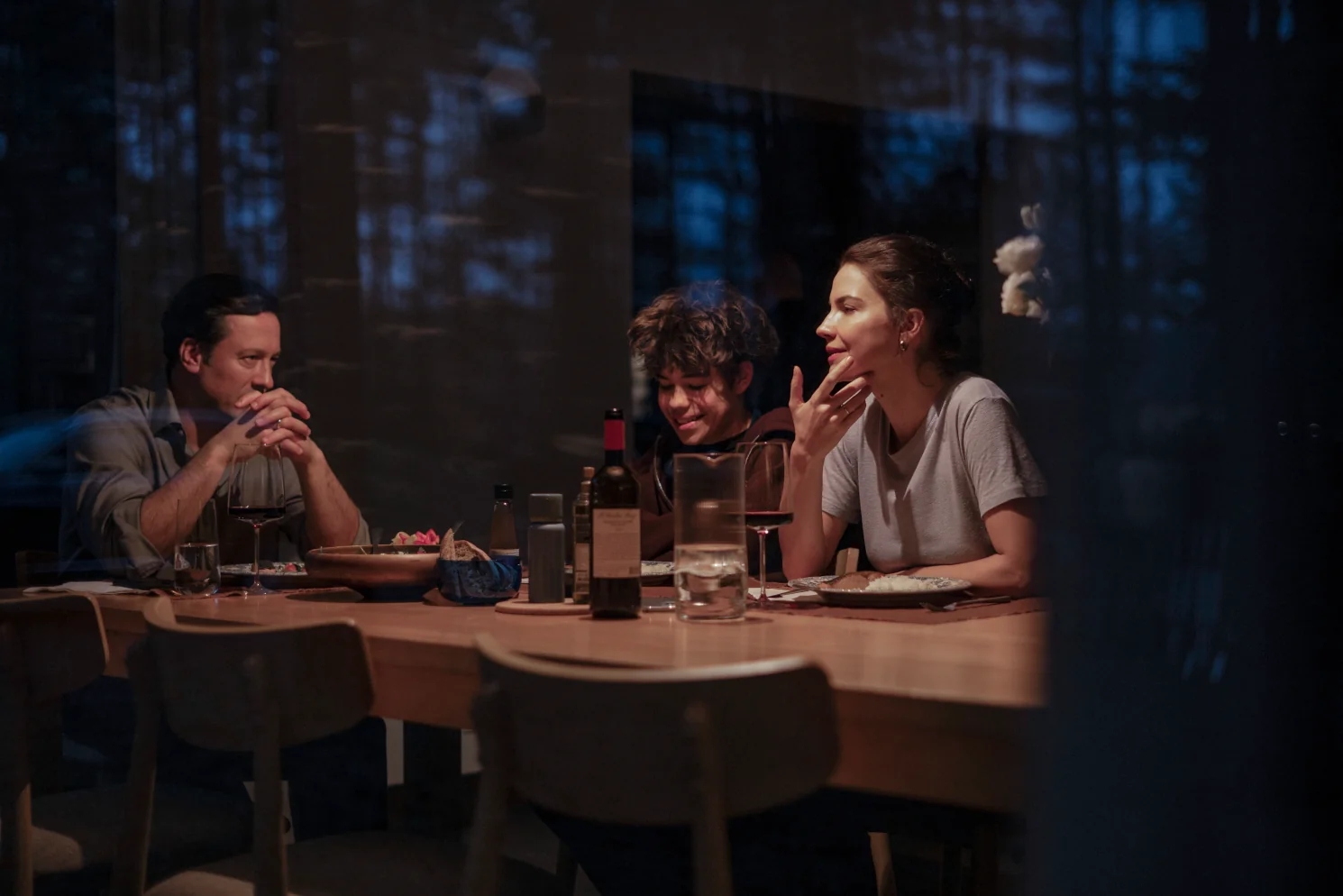
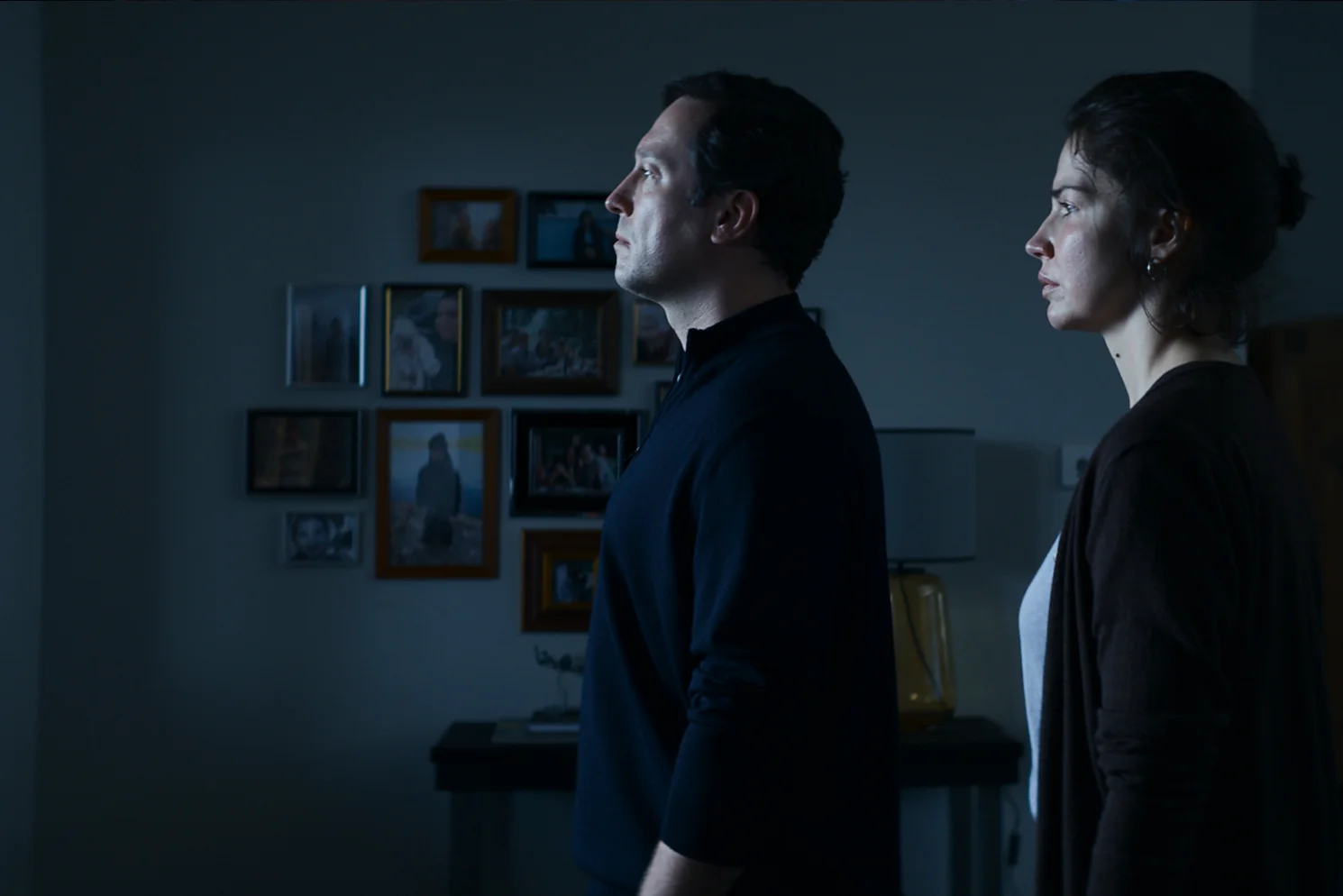
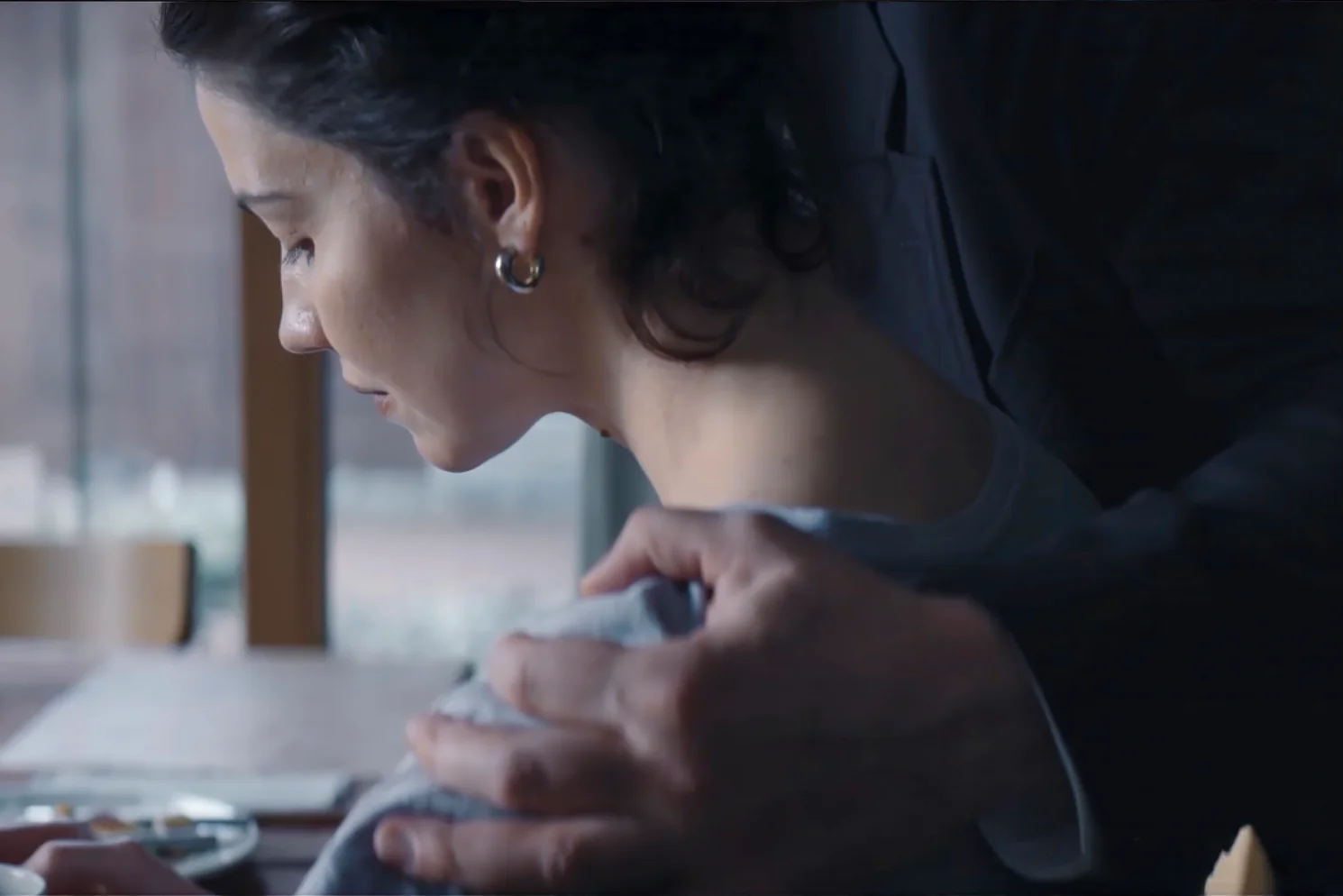
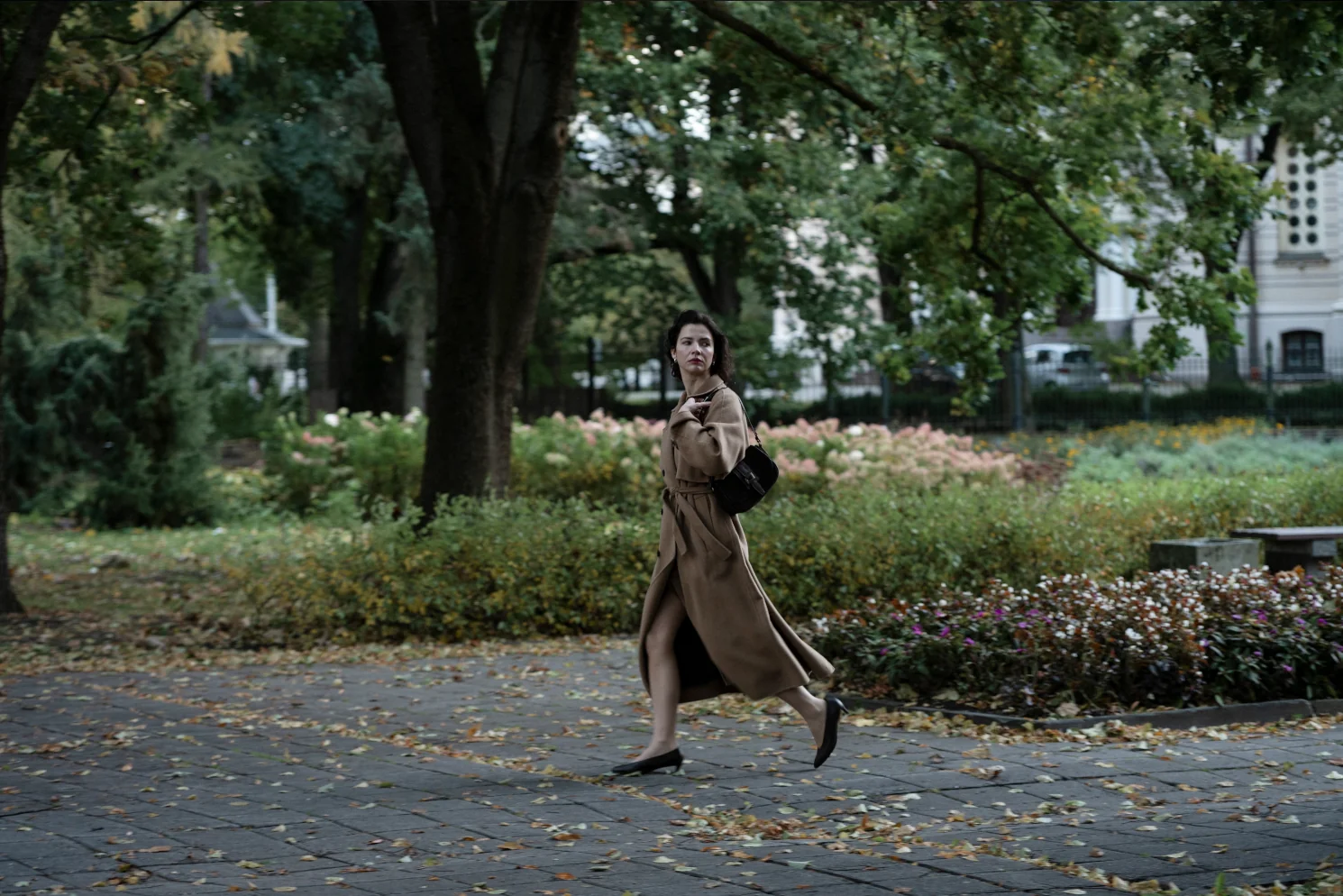
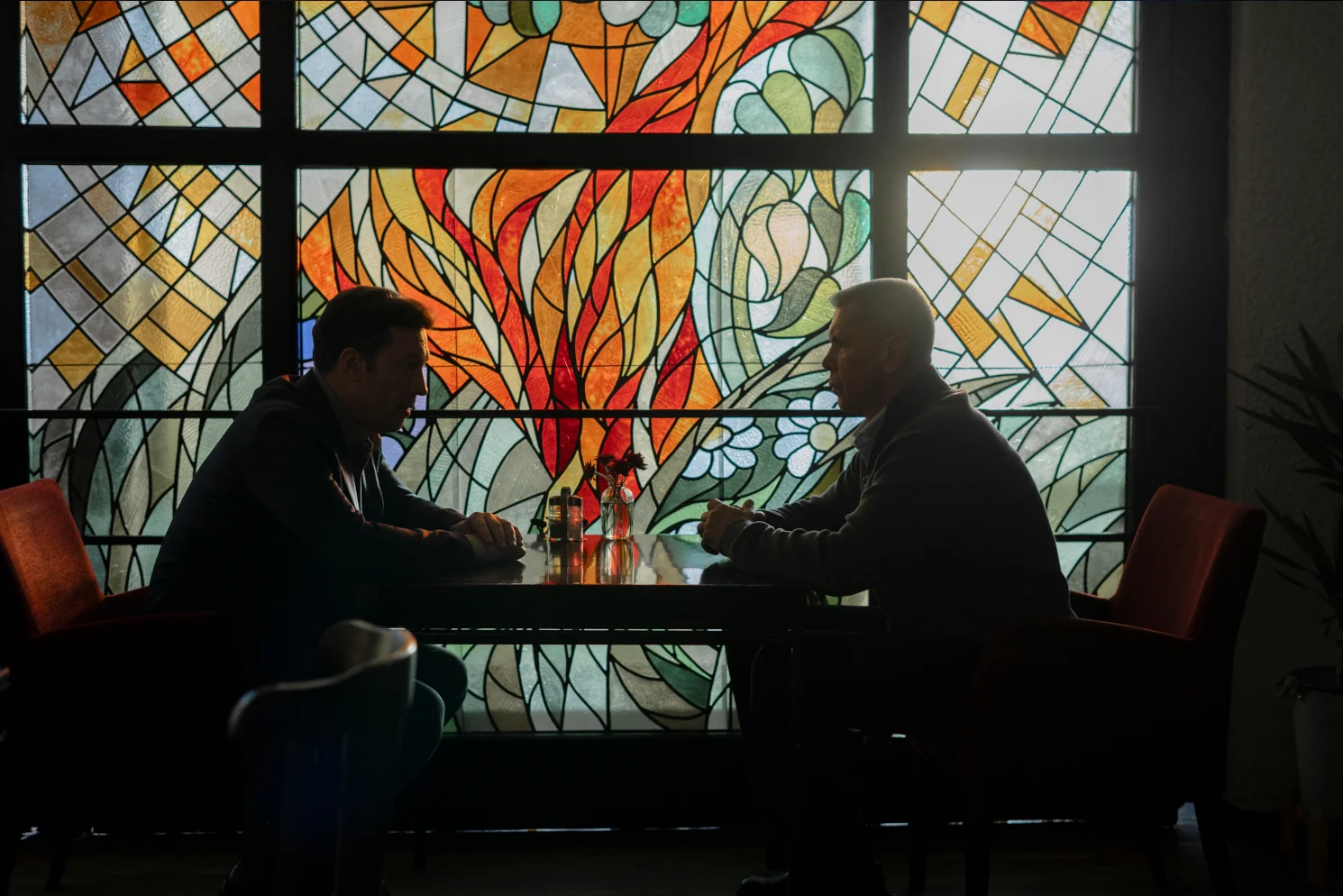
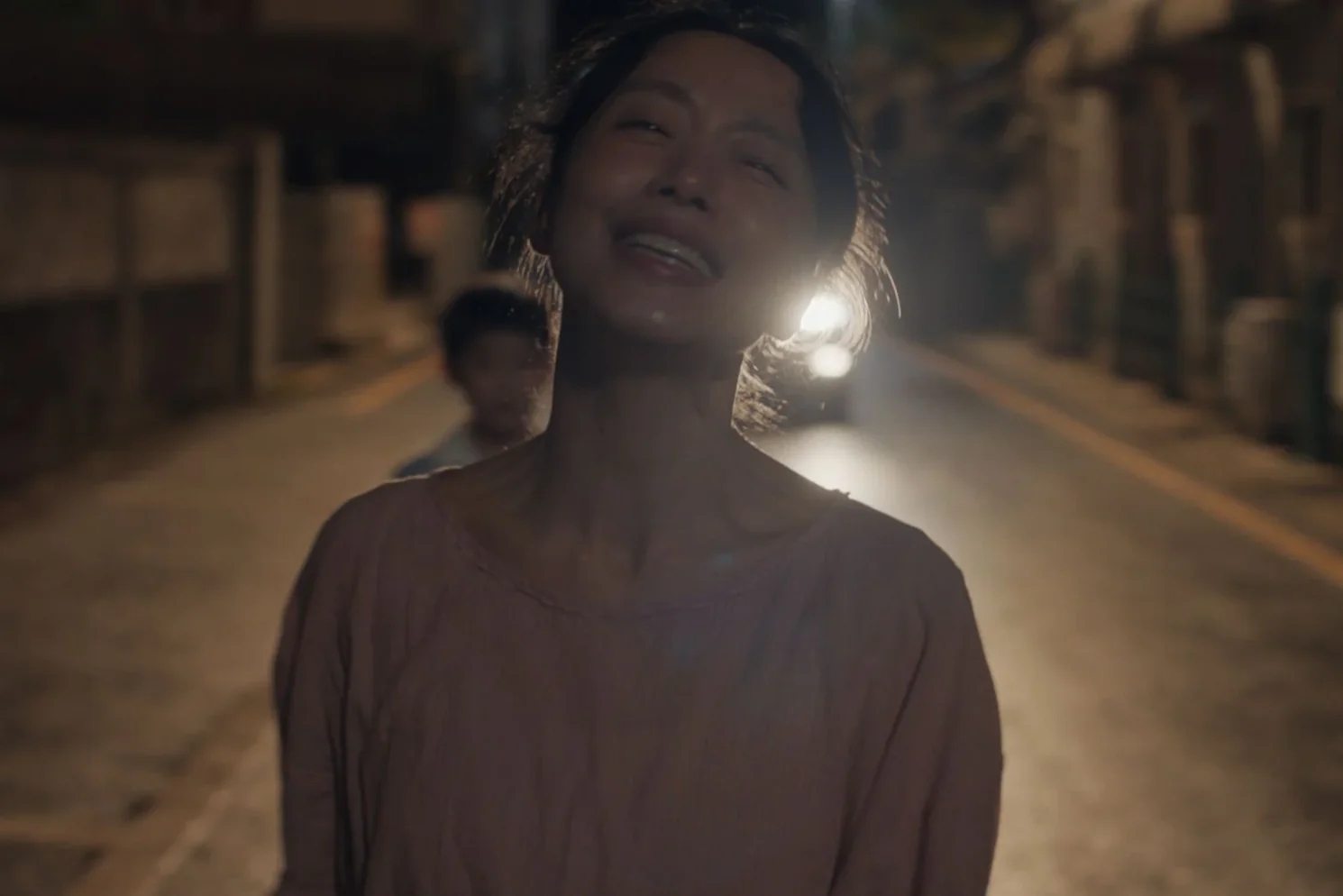
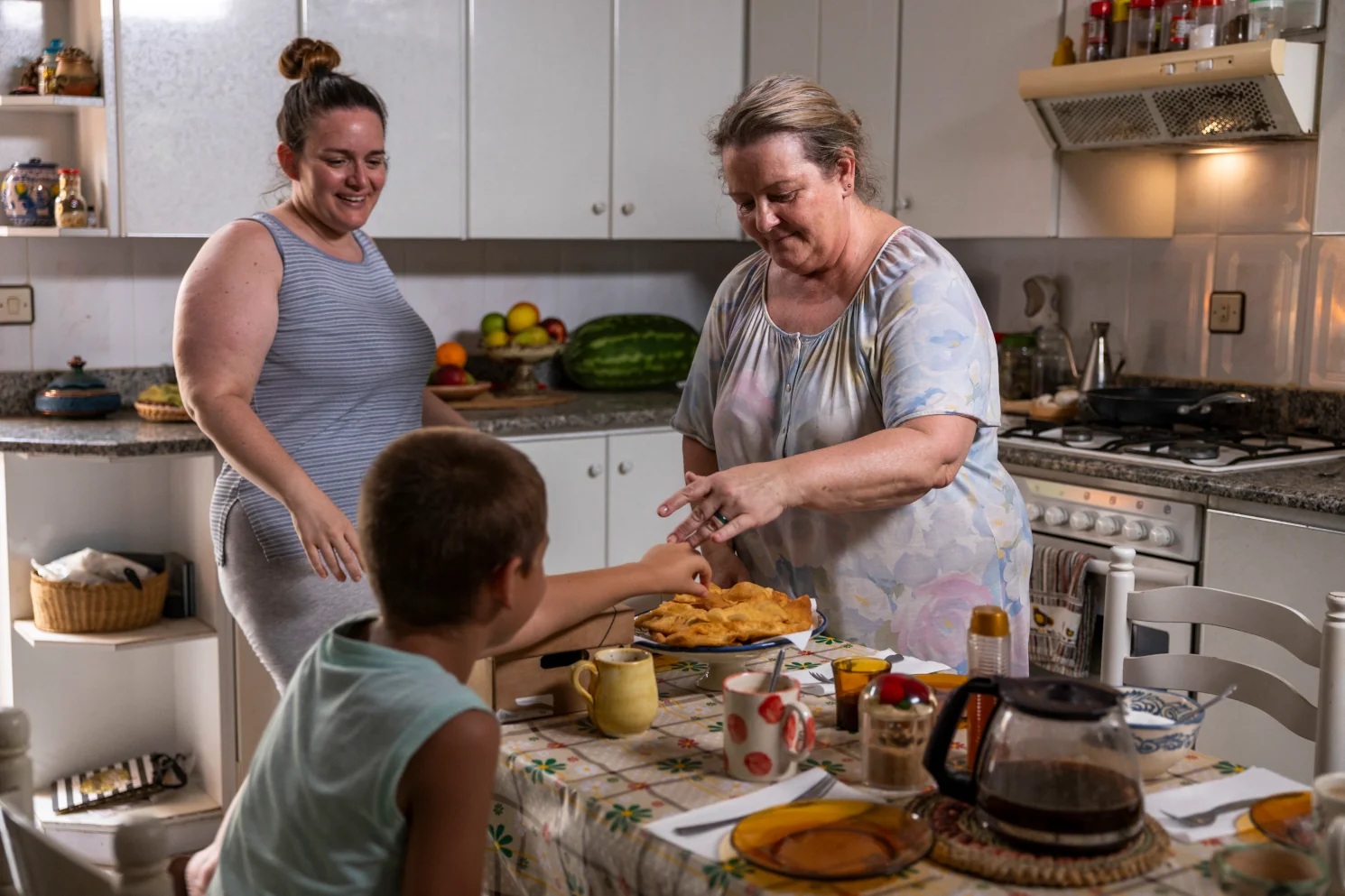
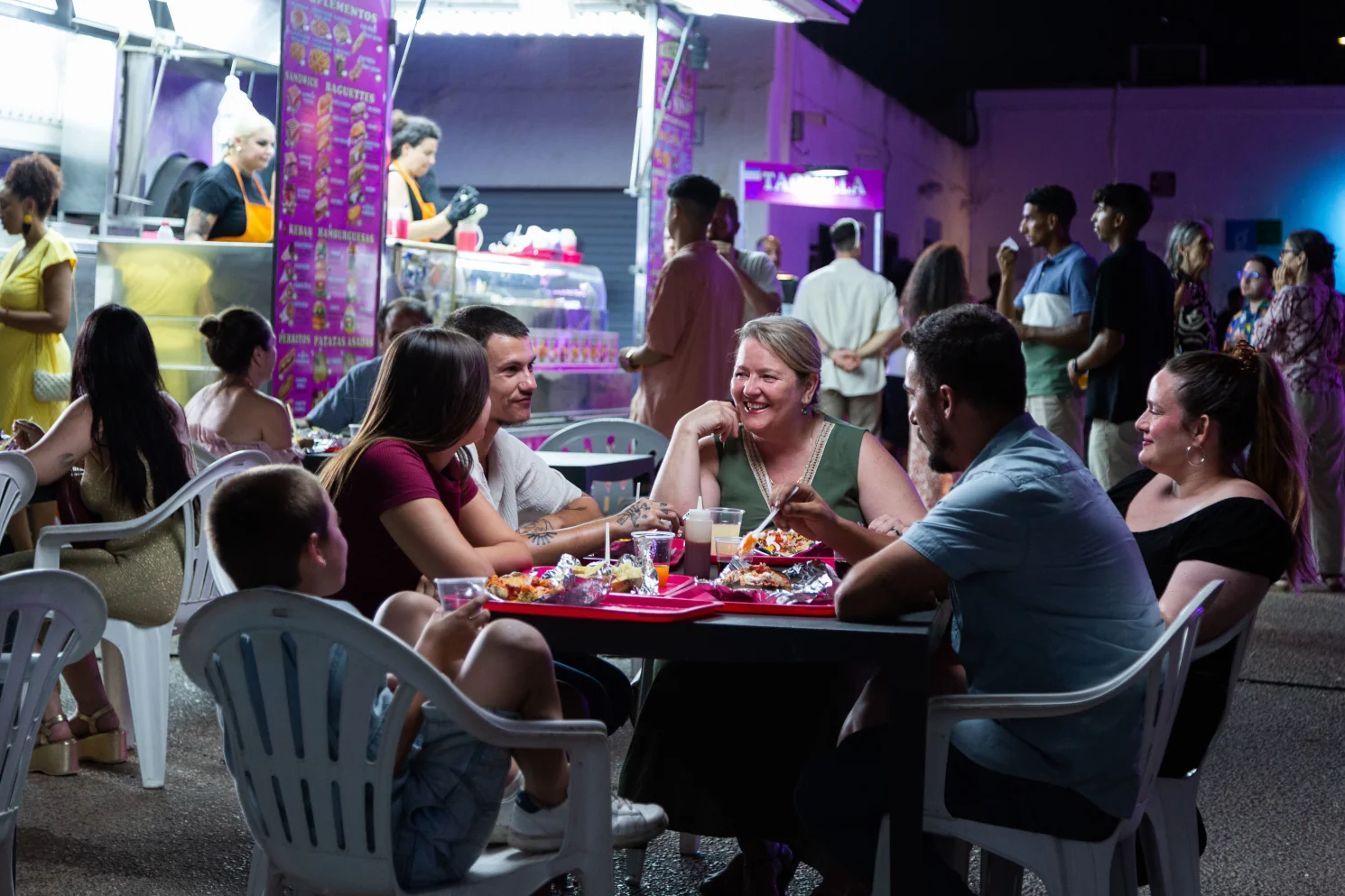
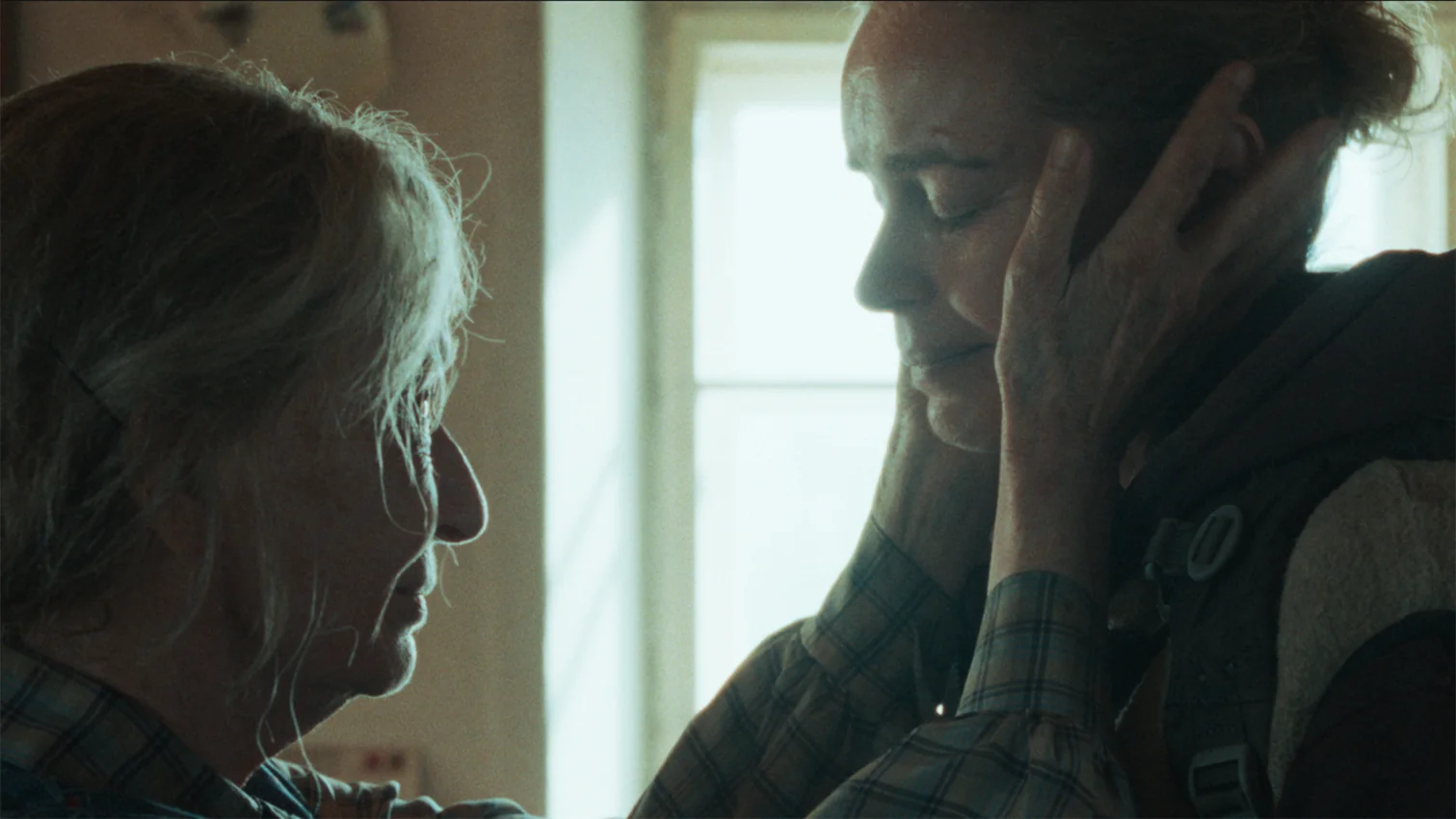
Two half-sisters (Renate Reinsve, Helene Bjørneby) are reunited after 25 years in Gran Canaria, where they grew up in an all-inclusive resort. Following the death of their esoteric mother, the very different women are forced to come to terms with their shared past.
Credits:
NO/UK/SE/DE 2026, 116 mins, Norwegian, English, Spanish, German (original version with German subtitles) Director & Screenplay: Itonje Søimer Guttormsen Cinematography: David Raedeker Editing: Kristin Grundström & Itonje Søimer Guttormsen Starring: Renate Reinsve, Helene Bjørnebye, Lillian Müller, Numan Acar
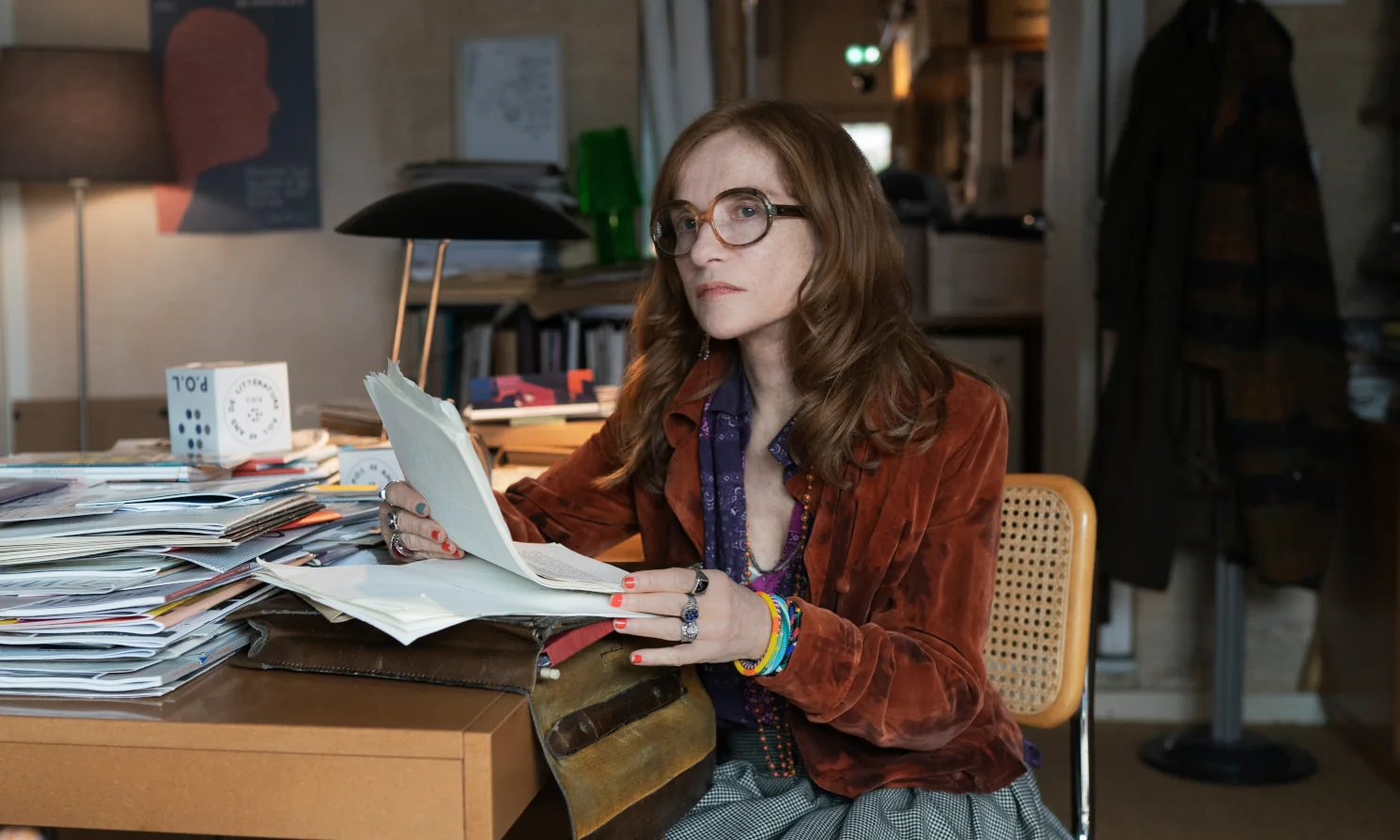
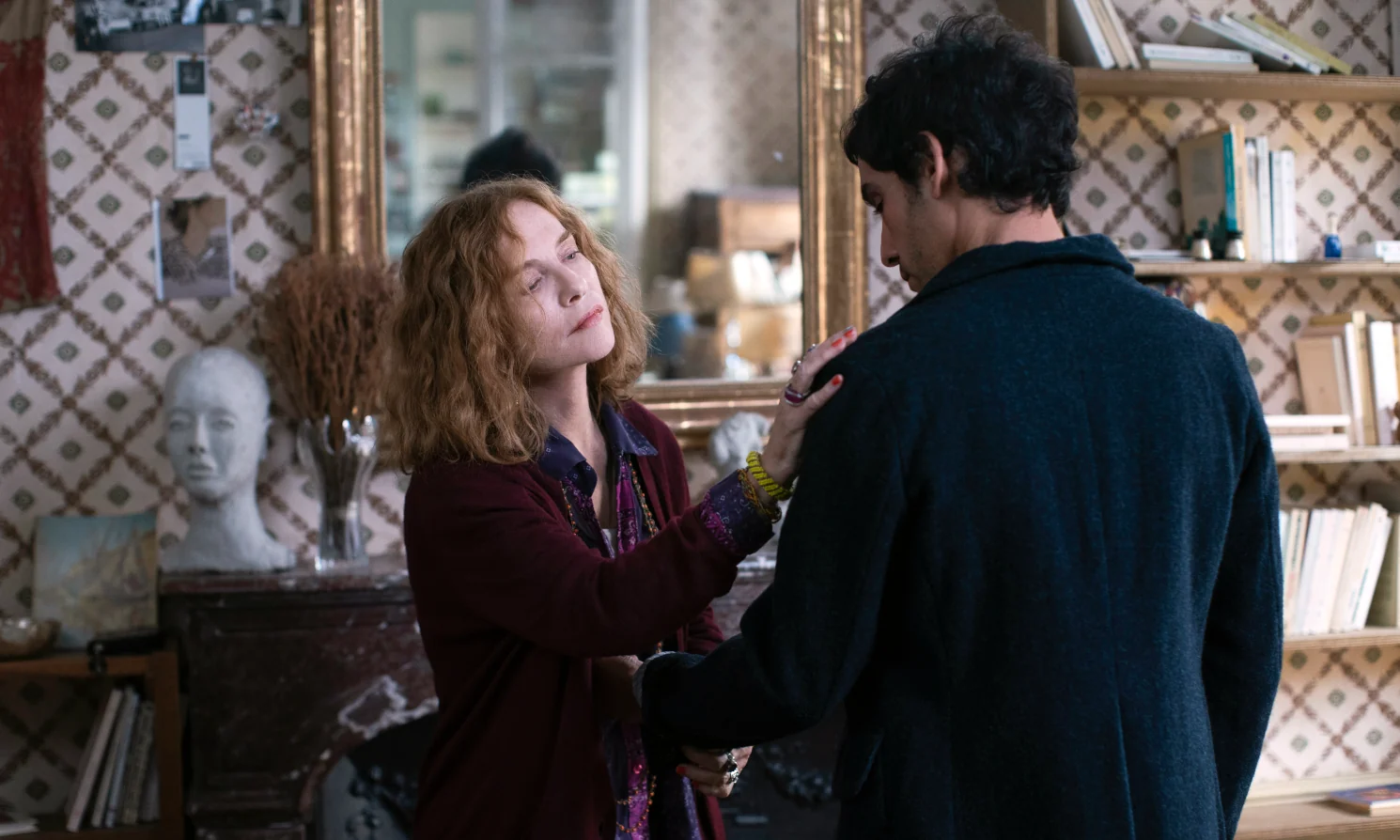
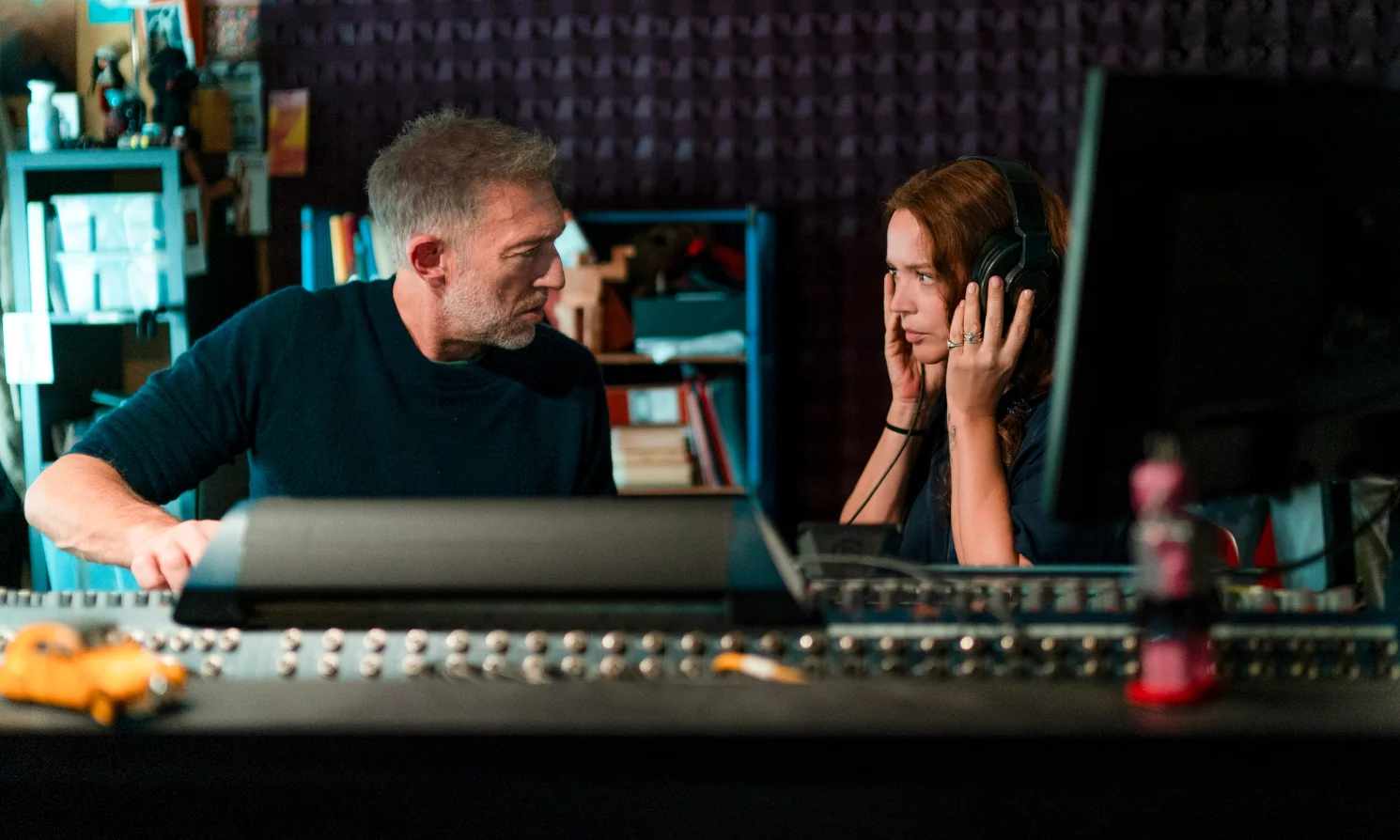
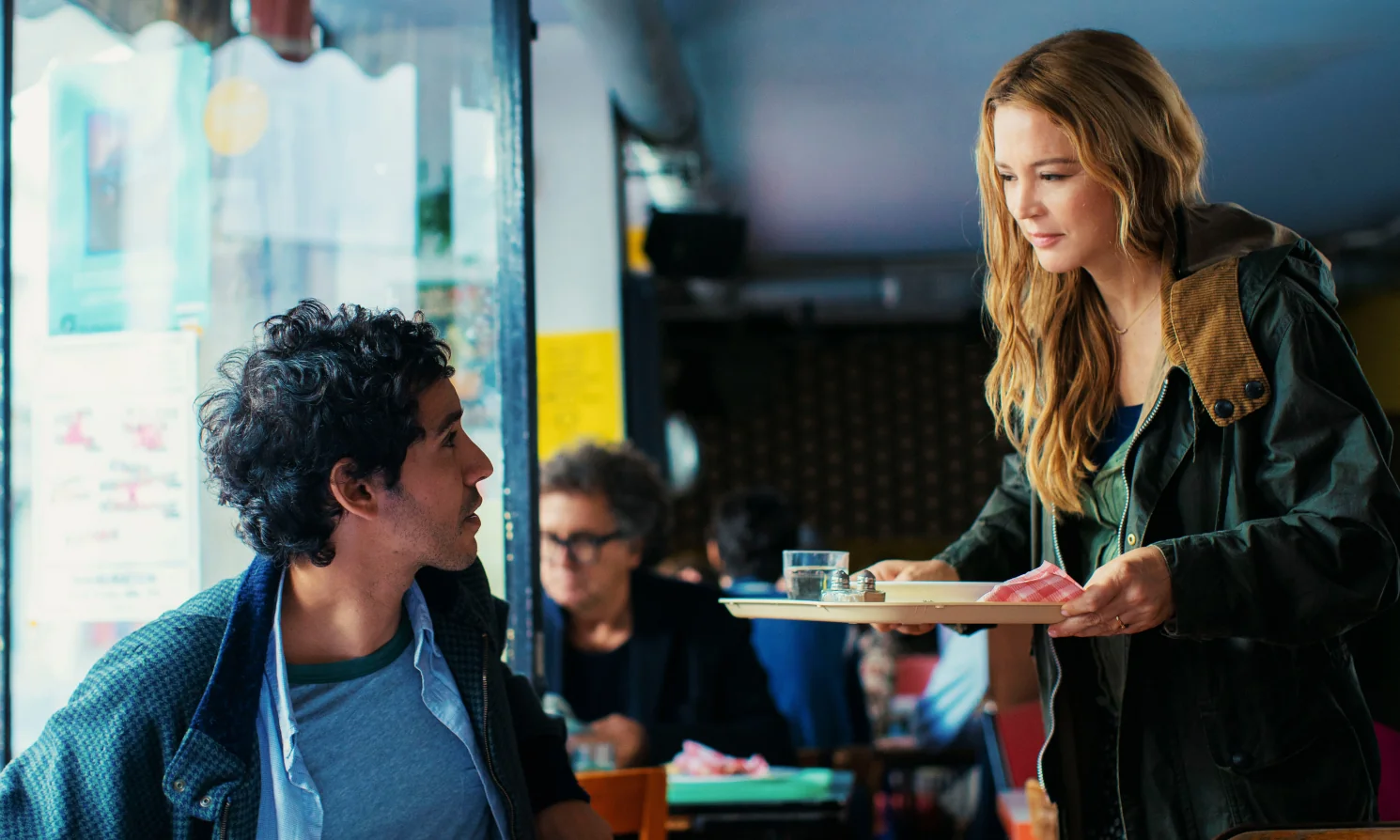
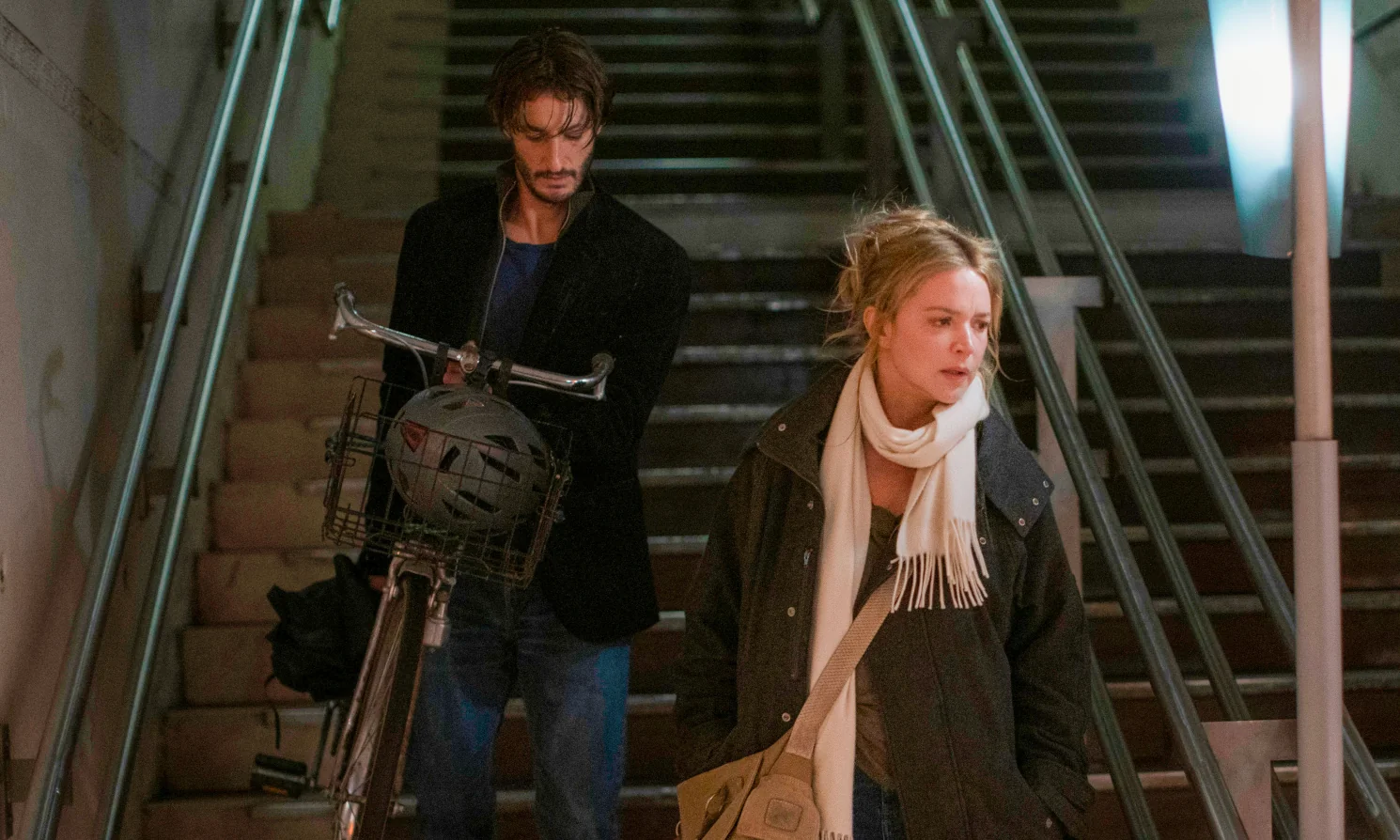
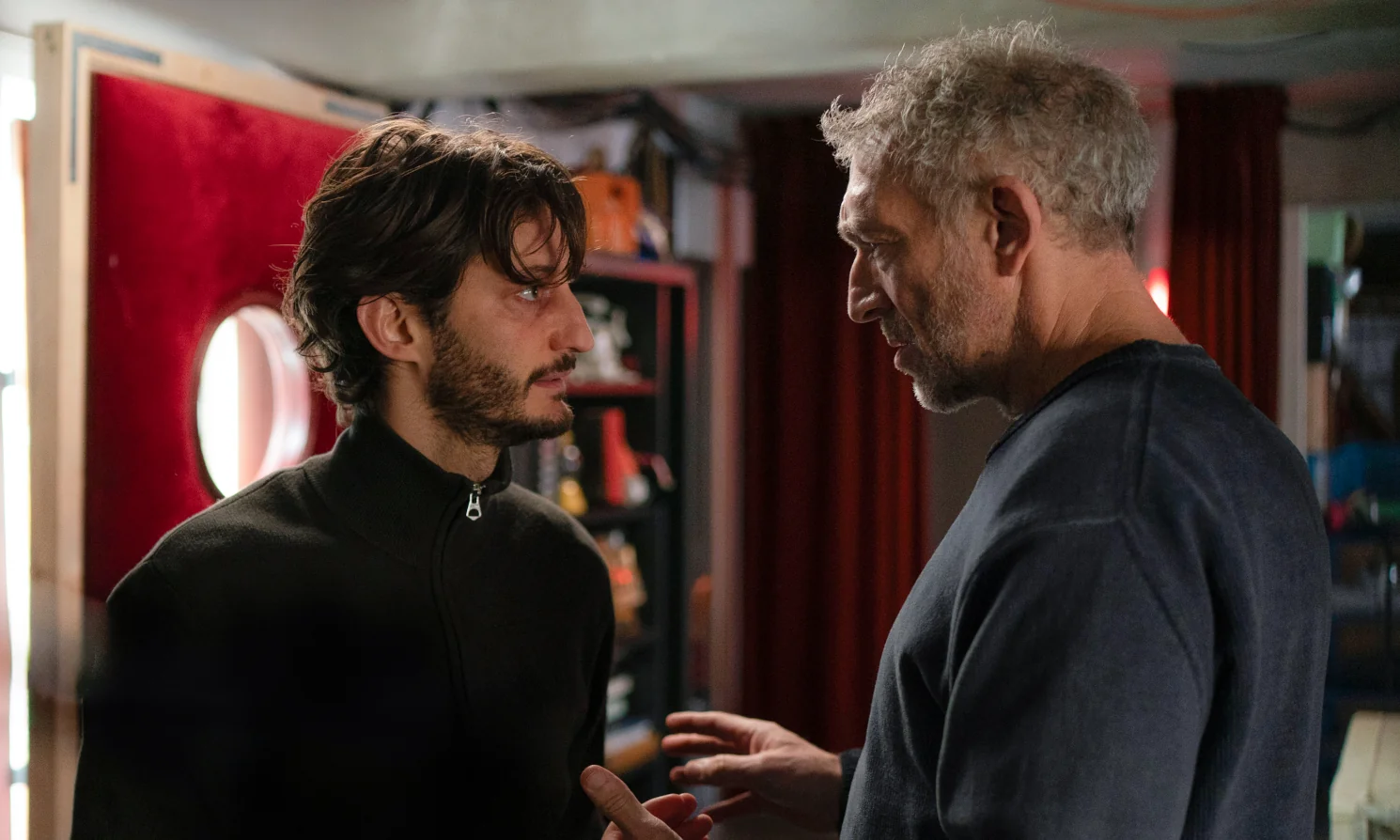
A writer uses a telescope to observe what is happening in the flat opposite, where two brothers and a female colleague are working in a film sound studio. When she is forced to accept an assistant, he too becomes captivated by the events unfolding there and pretends to be a writer to the woman across the way, passing off samples of his boss’s work as his own. A multi-layered drama by Asghar Farhadi.
Credits:
FR/BE/IT 2026, 139 mins, French with German subtitles Director: Asghar Farhadi Screenplay: Asghar Farhadi, Massoumeh Lahidji Cinematography: Guillaume Deffontaines Editing: Hayedeh Safiyari Starring: Isabelle Huppert, Virginie Efira, Vincent Cassel, Pierre Niney
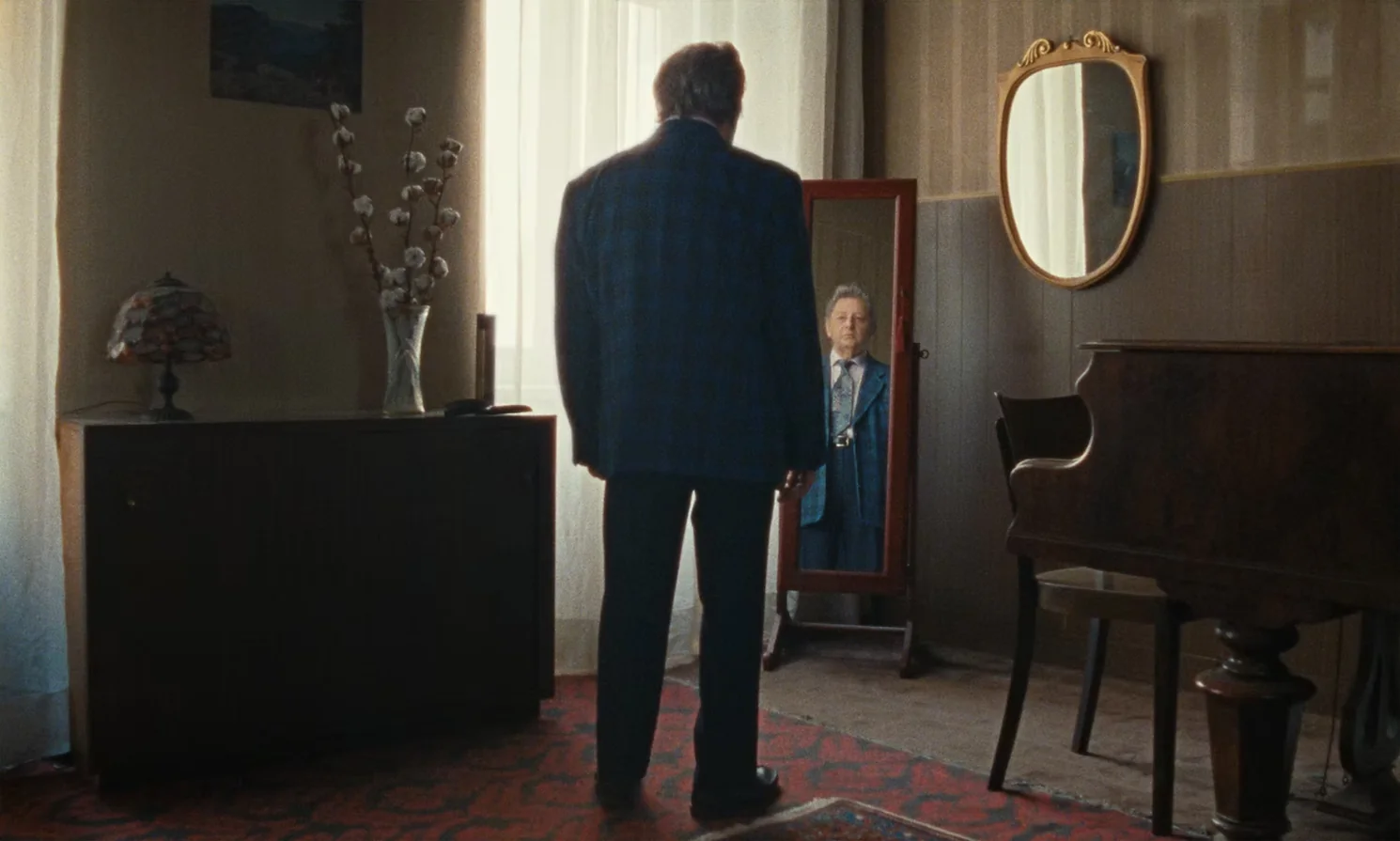
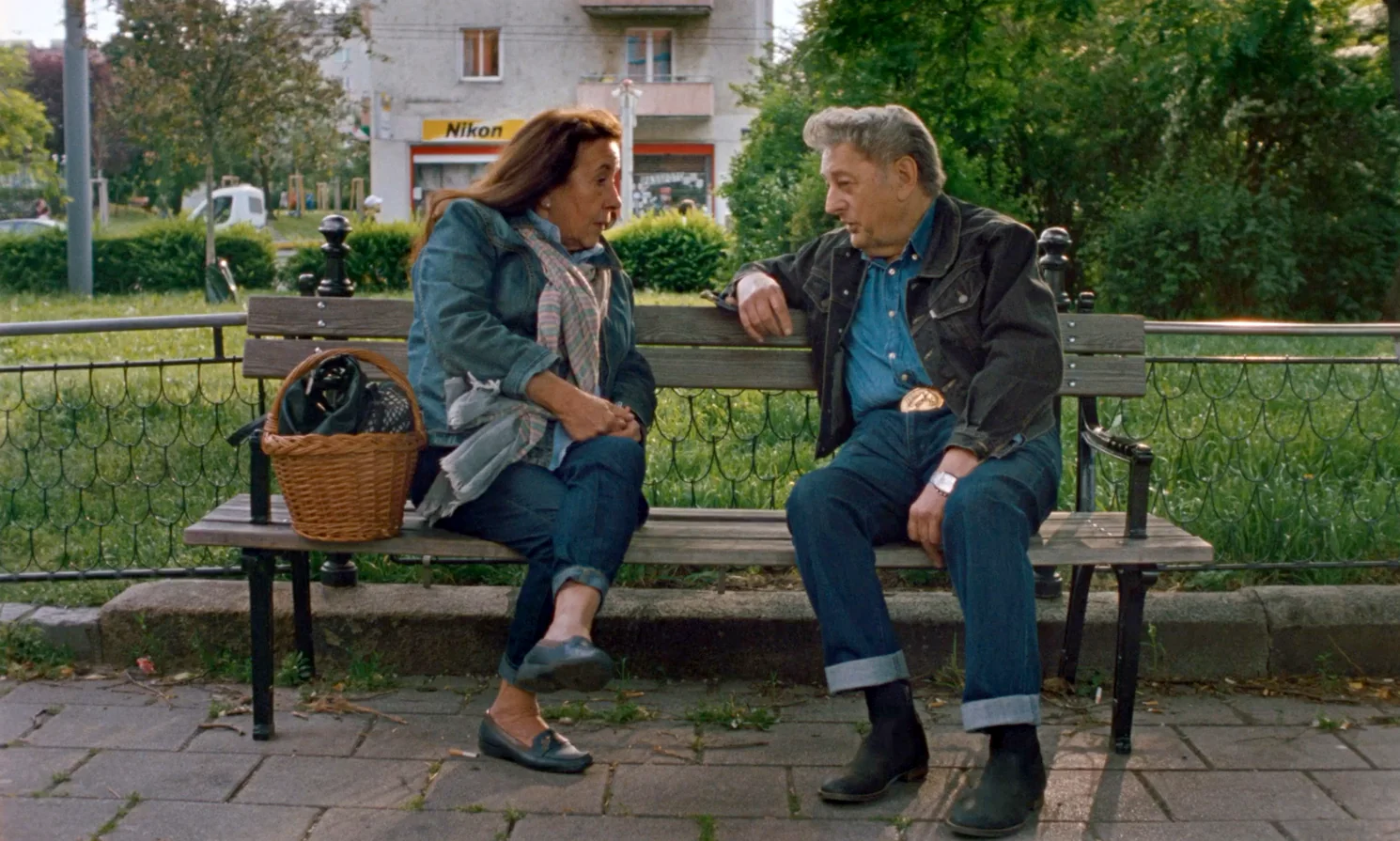
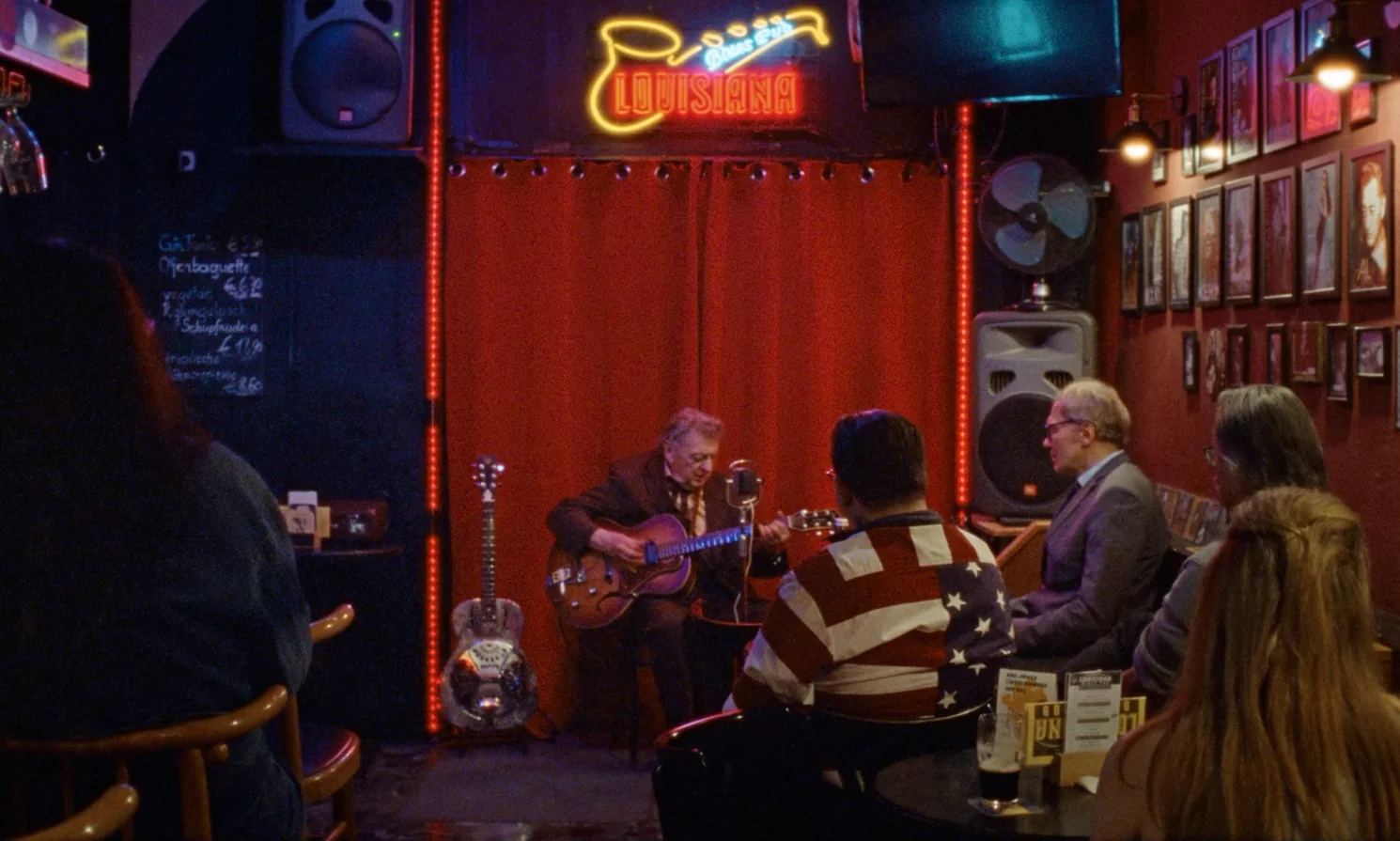
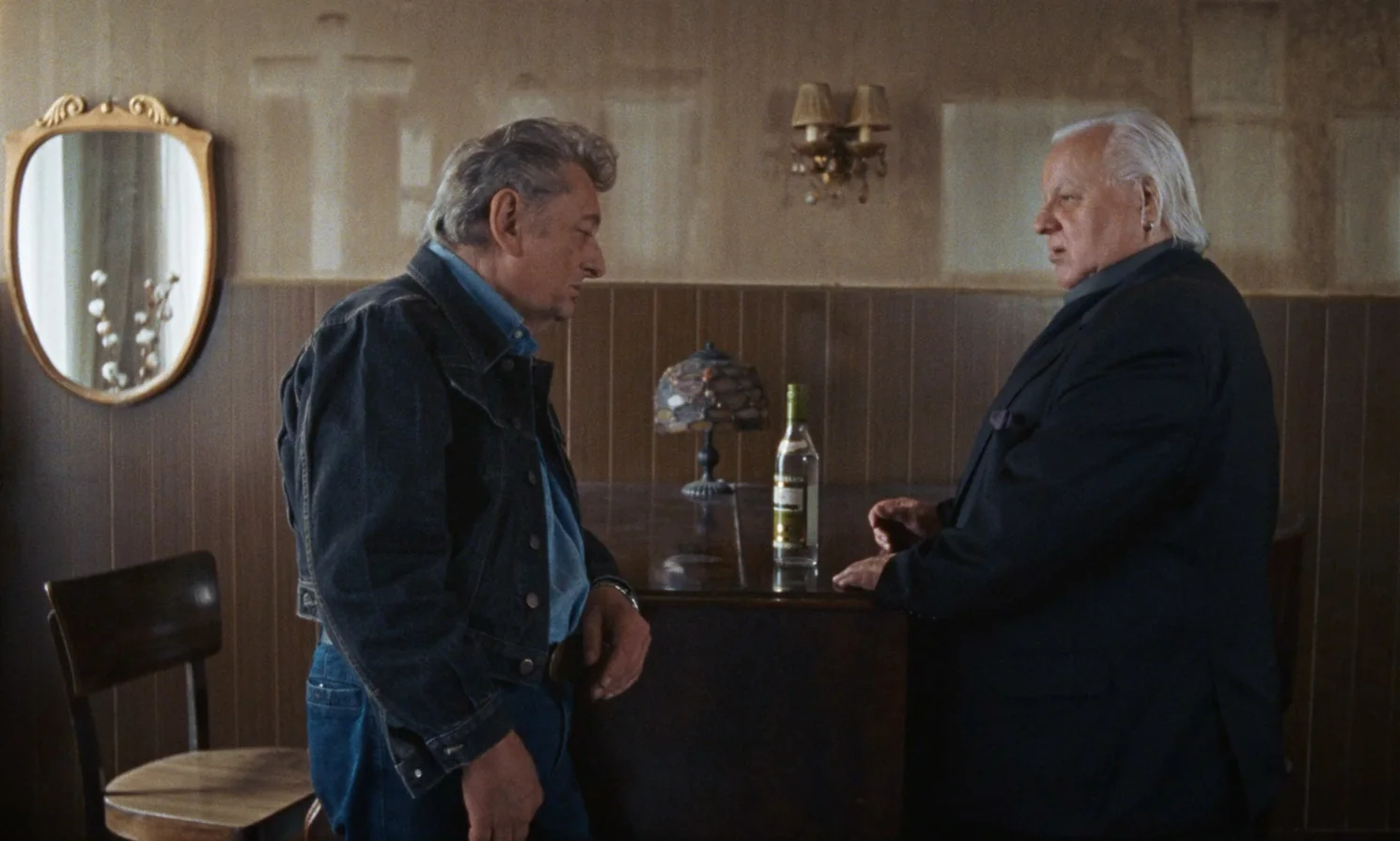
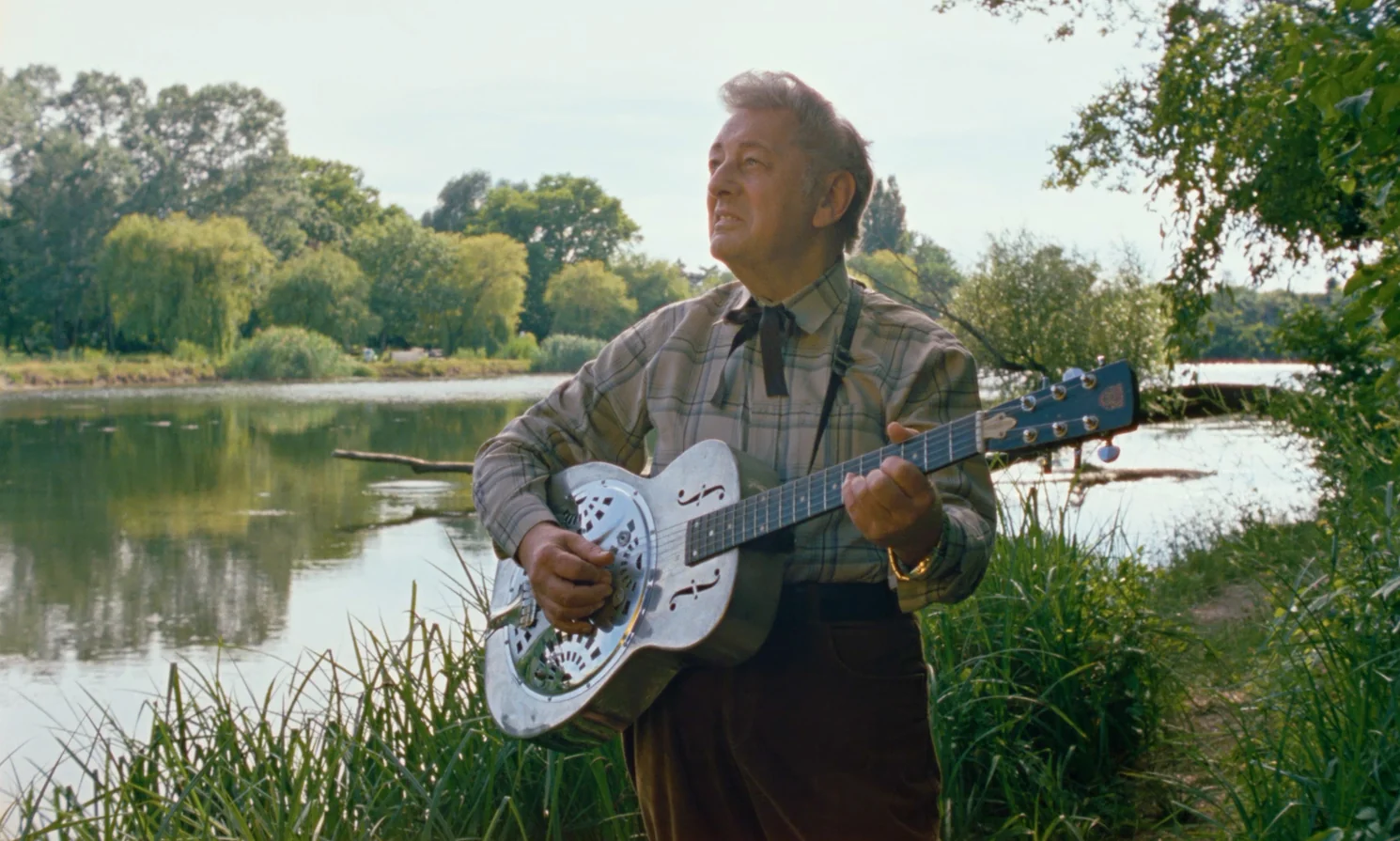
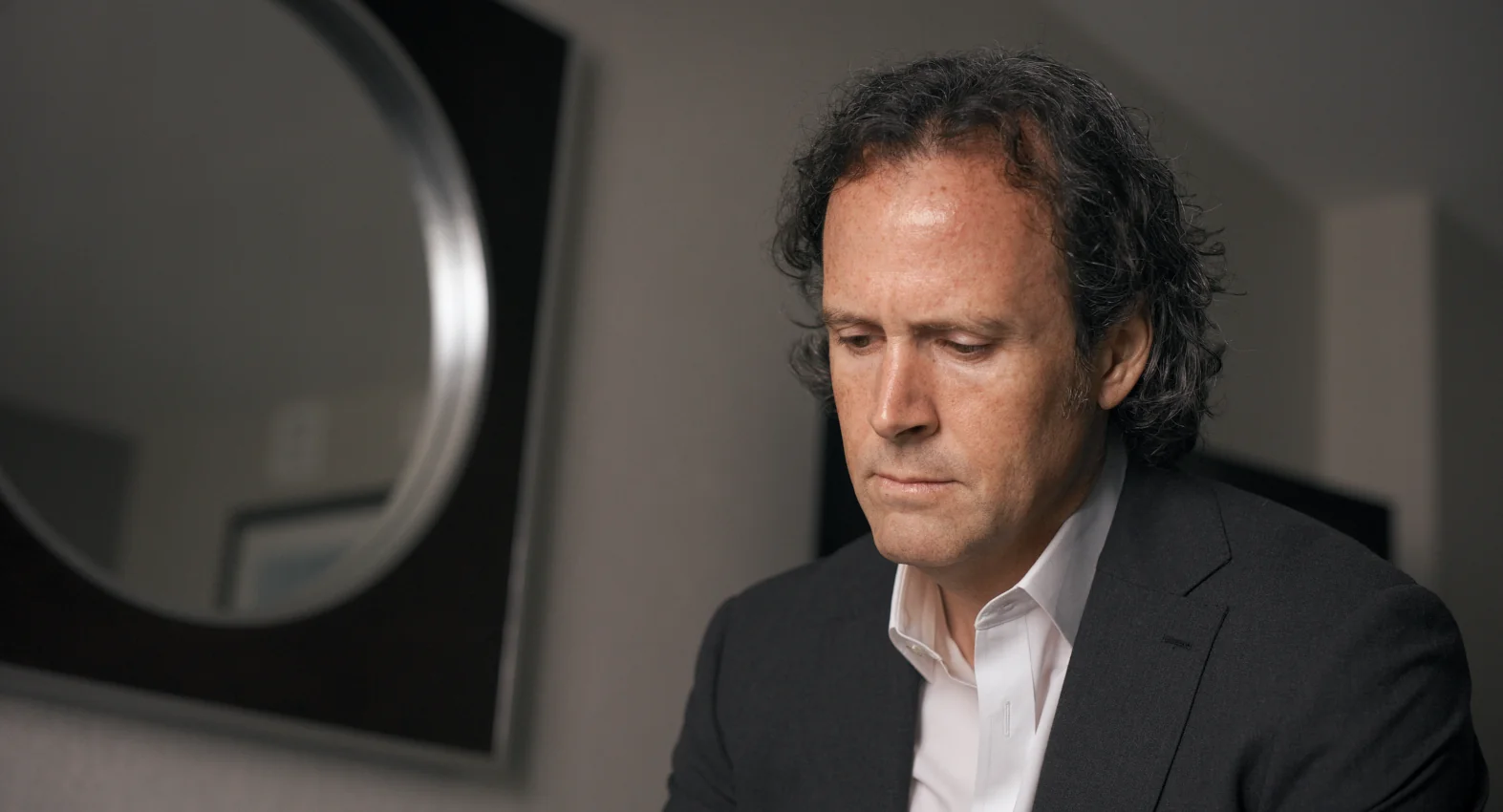
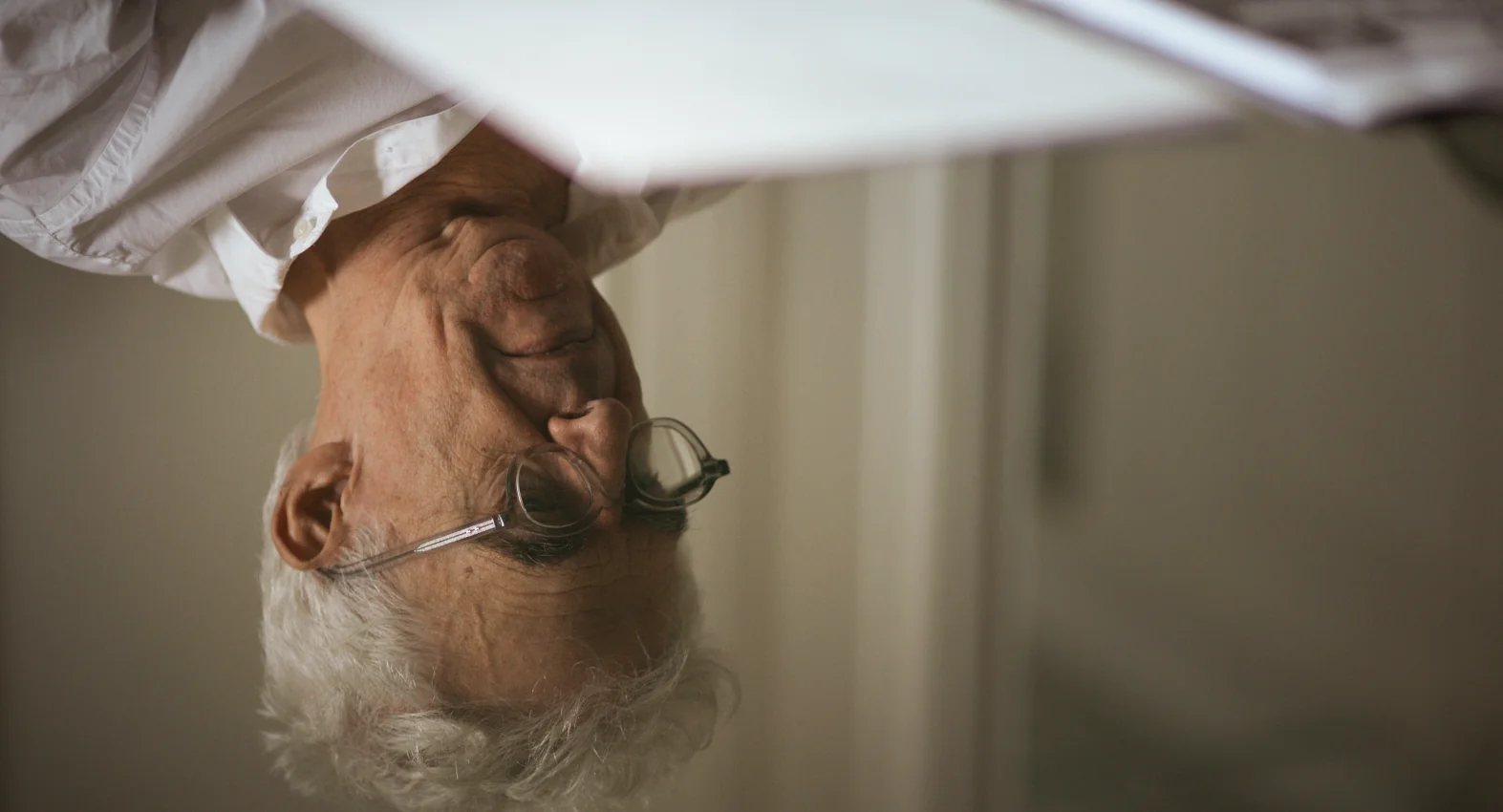
Al Cook lives surrounded by memories. His apartment and basement studio are crammed full of books, videotapes and vinyl records – all that remains of a life once fully lived. Here, time seems to stand still while, beyond these four walls, the world has moved on. The blues, the music that means everything to Al, is slowly being forgotten. His hometown no longer feels like home, and the loss of his beloved wife, Silvia, still weighs heavy on his heart. When a ruthless real estate company targets his home for demolition, his refuge is taken away, leaving him to face the ruins of his life. As Al is forced to let go of his treasures one by one, he must ask himself the painful question: How do you move forward when memories are all you have left? In the face of total loss, he chooses a radical new beginning.
„Despite all the nostalgic melancholy that echoes through this film and the character of Al Cooke, The Loneliest Man in Town is at the same time a life-affirming, at times very funny and exceedingly tender film. When the cool blues musician places flowers on the altar at home for his late wife, or awkwardly flirts with a former lover who dumped him because, whilst she was into the Beatles, he preferred Elvis records, then these small gestures strike you right in the heart and also reveal the loneliness already hinted at in the title (which, in turn, comes from a song that Cooke performs at one point in front of a very small audience). (…) And Cooke / Koch himself fits seamlessly into the long line of characters from Tizza Covi and Rainer Frimmel’s previous films, who are often musicians, circus performers, travellers or actors and actresses. Yet the directing duo are not particularly interested in the glitz and glamour associated with such lives. Rather, with deep affection for those they portray, they reveal all the frailties and fractures within a life that these people have dedicated to art, regardless of material security. All their attention, all their love, is directed towards them. The fact that they repeatedly succeed in making such magnificent, utterly unique, immensely humorous and at the same time deeply moving films about true masters of (survival) art, such as Alois Koch, makes Tizza Covi and Rainer Frimmel exceptional figures and their films truly precious treasures, which, with all their warmth and empathy, one would not wish to be without.„ Joachim Kurz | Kino-Zeit
Credits:
AT 2026, 86 mins, German Directed by: Tizza Covi and Rainer Frimmel Screenplay: Tizza Covi Cinematography: Rainer Frimmel Editing: Tizza Covi, Emily Artmann Starring: Alois Koch, Brigitte Meduna, Alfred Blechinger, Flurina Schneider
Trailer:
Wiener Blues – The Loneliest Man in Town | Trailer Deutsch | Ab 19. November im Kino
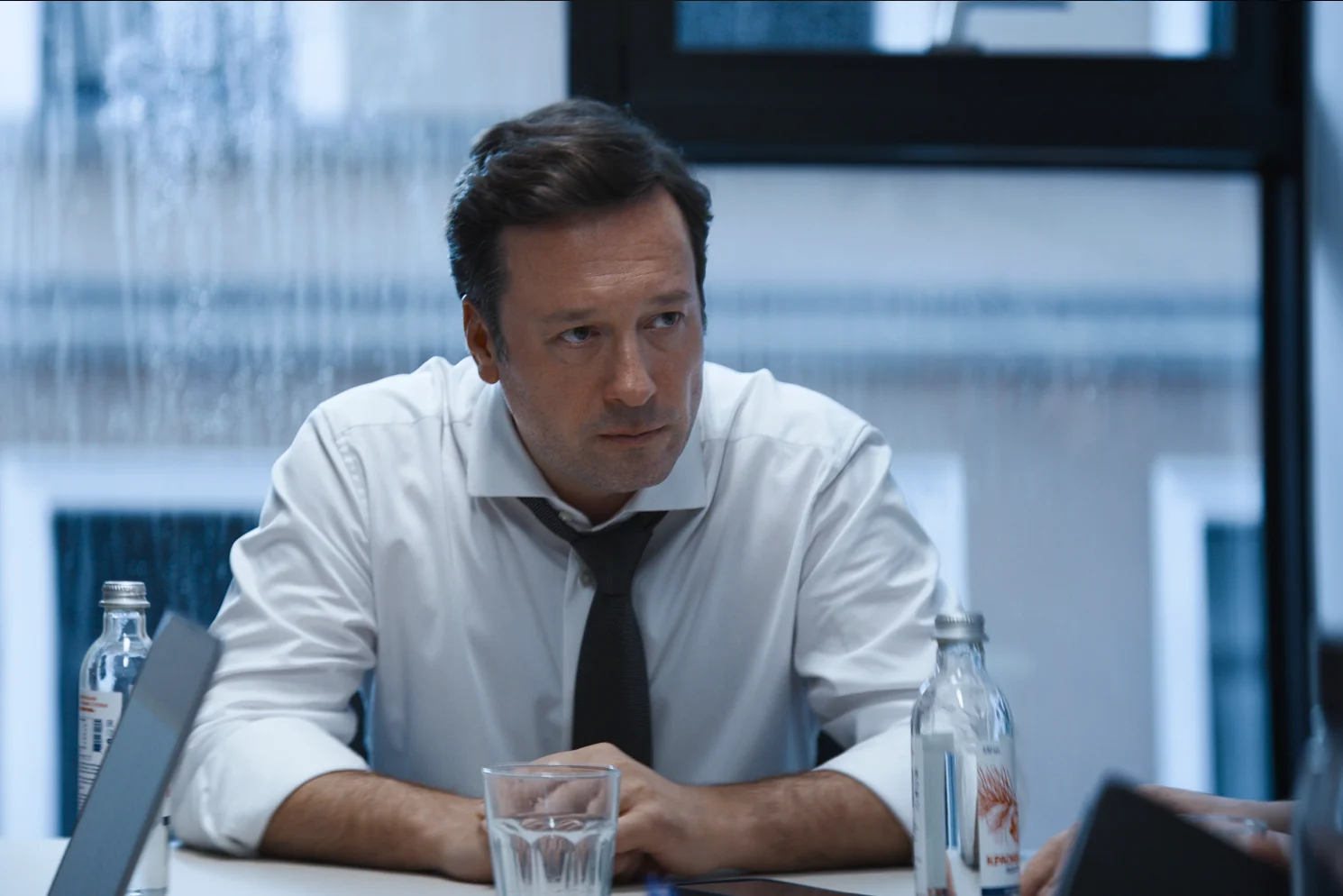
Russia, 2022. Gleb, a successful businessman, finds himself facing mounting business pressures and political instability. The more he loses control over his carefully structured life, the more relentlessly he heads towards violence.
“With *Minotaur*, Andrey Zvyagintsev returns to the cinema after nine years and makes it immediately clear that his view of Russia has not changed. If anything, he has become even more uncompromising. His previous films, *Leviathan* and *Loveless*, already depicted a country whose social and moral structures had long since begun to crumble. *Minotaur* now feels like the ultimate escalation of this world: a film about people who have become so accustomed to violence, corruption and emotional coldness that they barely realise how deeply they themselves have already sunk into it. (…)
Above all, *Minotaur* is a film that reaches far beyond its specific political context. It tells the story of a society in which people have, bit by bit, traded their humanity for stability, prosperity and self-preservation – and recognises this as a tragedy.” Mia Pflüger | kinozeit
Cannes Film Festival 2026: Grand Prix
Credits:
Original title: Minotaur FR/DE/LT 2026, 140 mins, Russian with original subtitles Director & Editor: Andrei Zvyagintsev Screenplay: Seymen Lyashenko and Andrey Zvyagintsev Cinematography: Mikhail Krichman Starring: Dmitrii Mazurov, Iris Lebedeva, Boris Kudrin, Yuriy Zavalnyouk
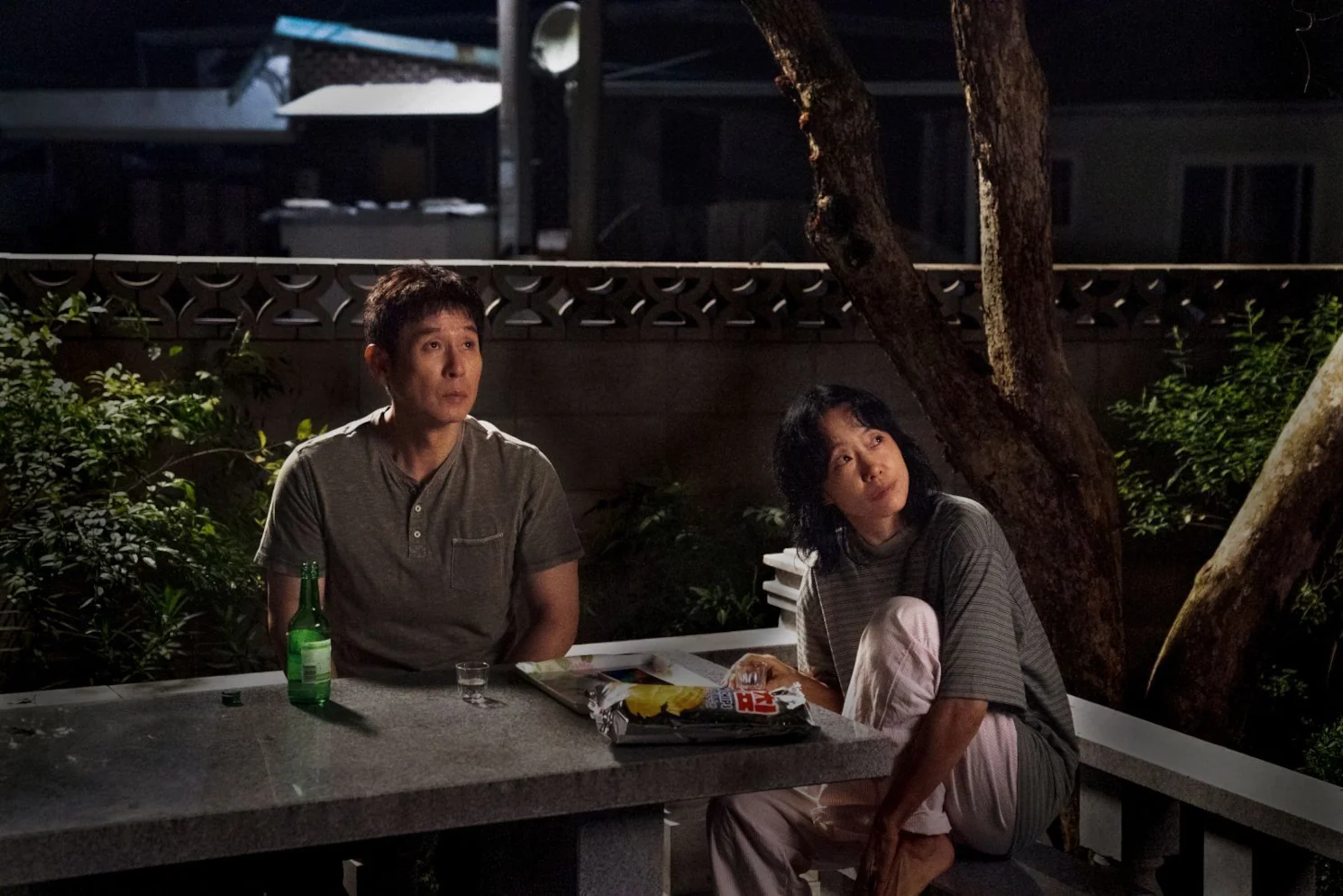
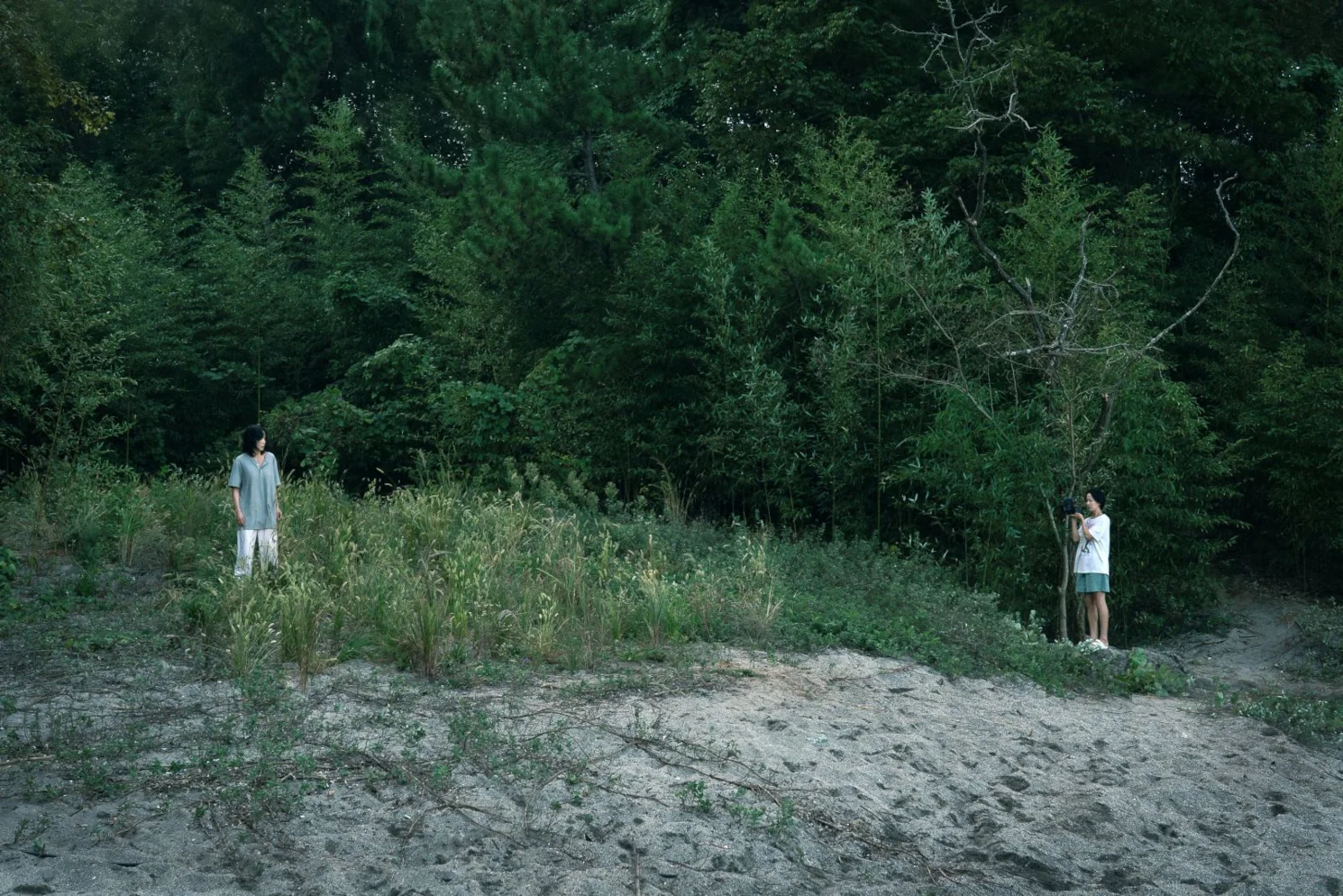
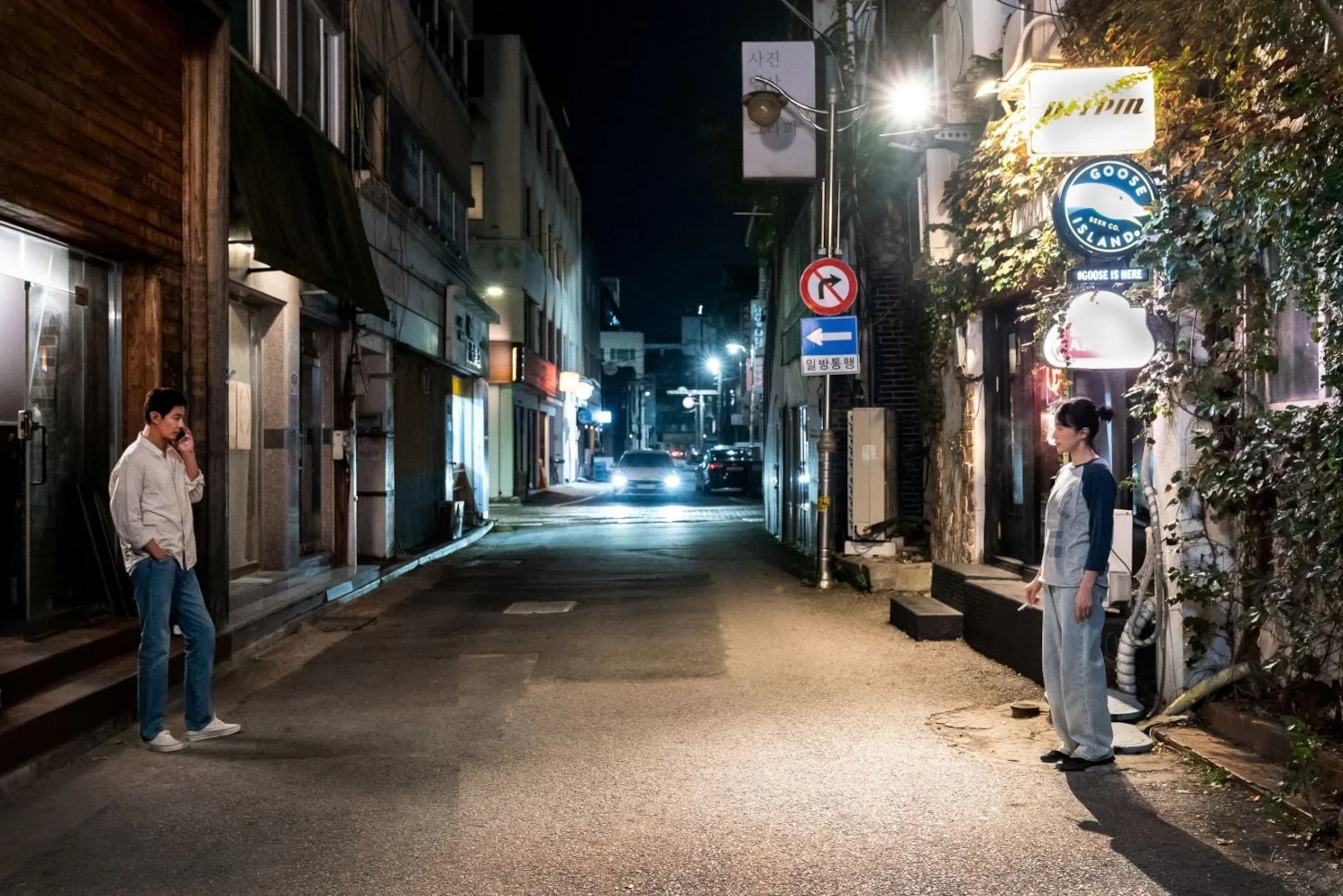
In a clash between two families, class differences, moral convictions and secret desires are laid bare. Following the violent end to a strike, Ho-seok and his wife Mi-ok try to get their lives back on track. But when the young, ambitious filmmaker Ye-ji enters their lives – intent on documenting the story of this labour dispute in a documentary – suppressed anger and hurt resurface. At the same time, Possible Love explores questions of artistic and personal responsibility, weaving them into a complex, multi-perspective character study.
‘Verdict: The masterpiece of the century, Burning, is one of those films that leaves you wondering afterwards what on earth could possibly come next. With Possible Love – his second absolutely brilliant five-star masterpiece in a row – Lee Chang-dong provides an impressive answer.’ Christoph Petersen | filmstarts.de
Credits:
Original title: 가능한 사랑 (Ga-neung-han Sa-rang) South Korea 2026, 164 mins, Korean with original subtitles Director: Lee Chang-dong Screenplay: Lee Chang-dong, Oh Jung-mi Cinematography: Kim Ji-Yong Editing: Kim Da-won Starring: Jeon Do-yeon, Sul Kyung-gu, Zo In-sung, Cho Yeo-jeong
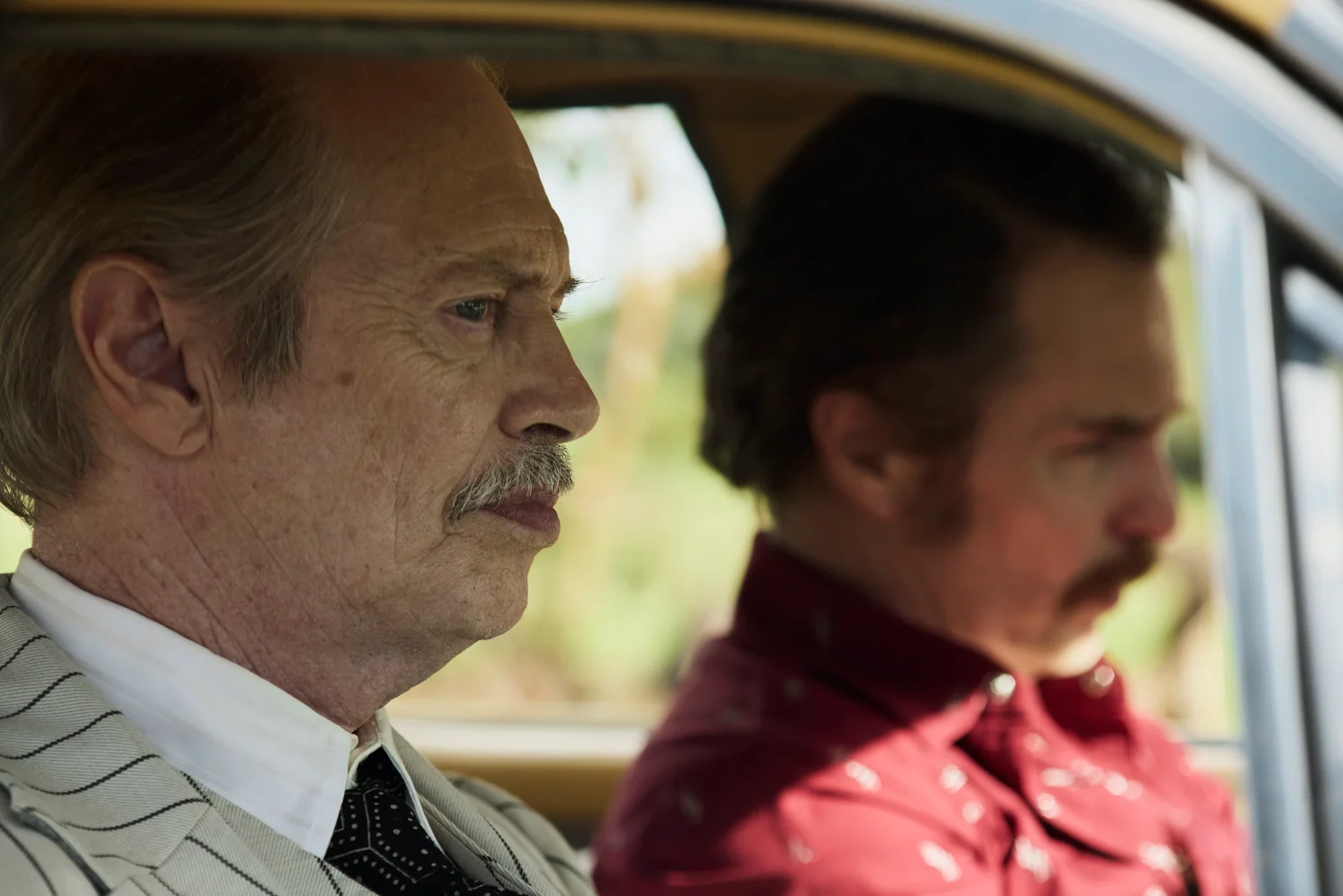
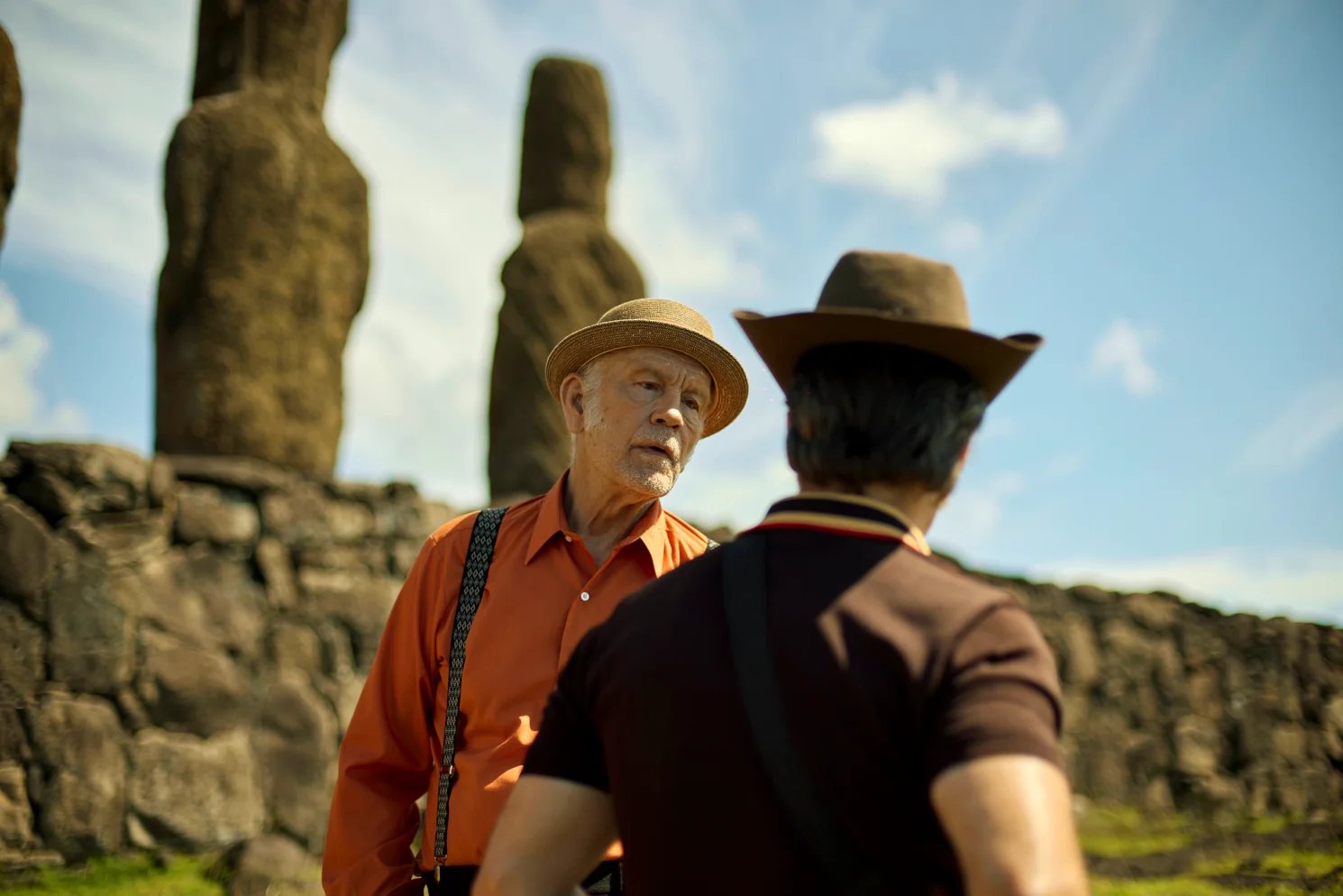
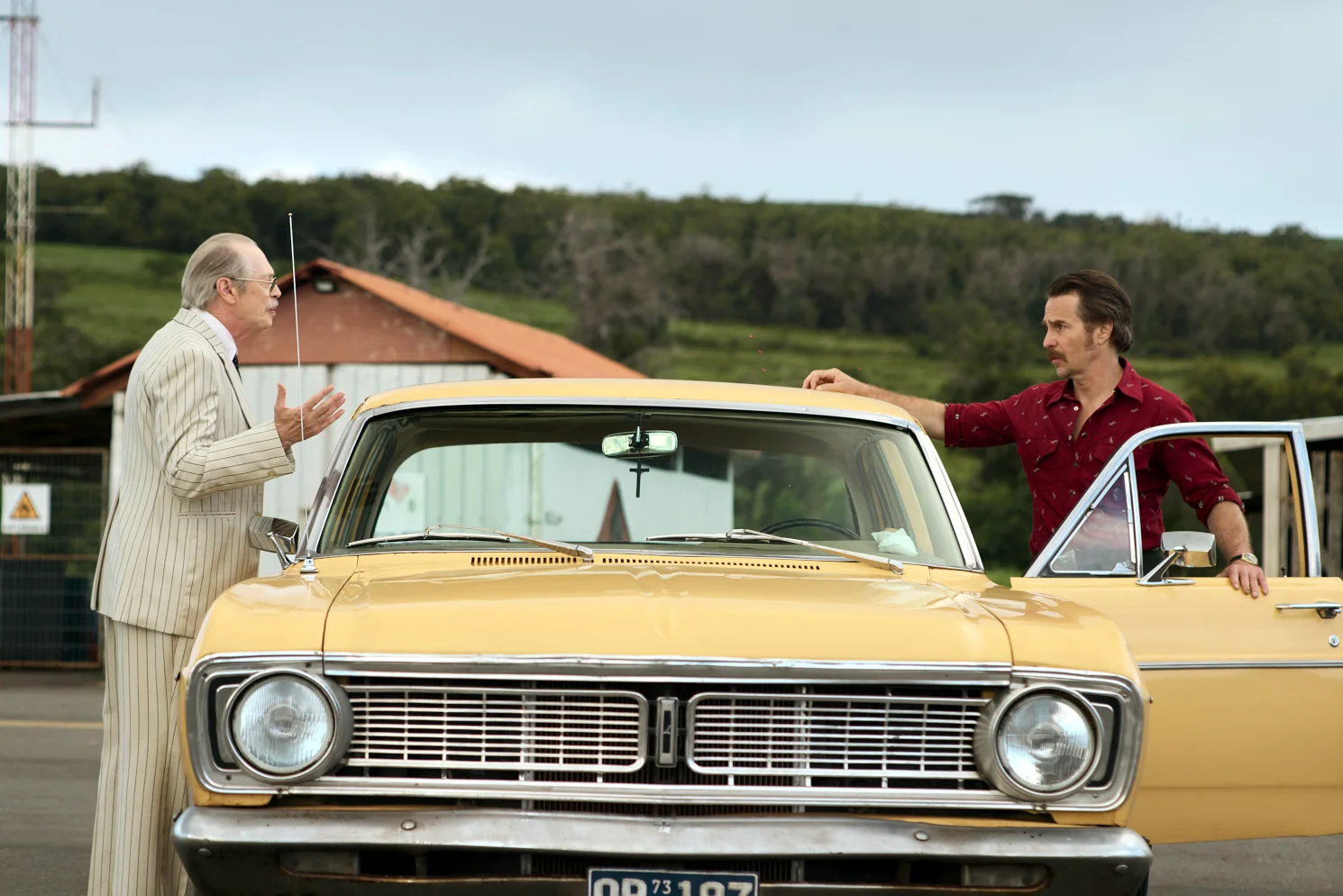
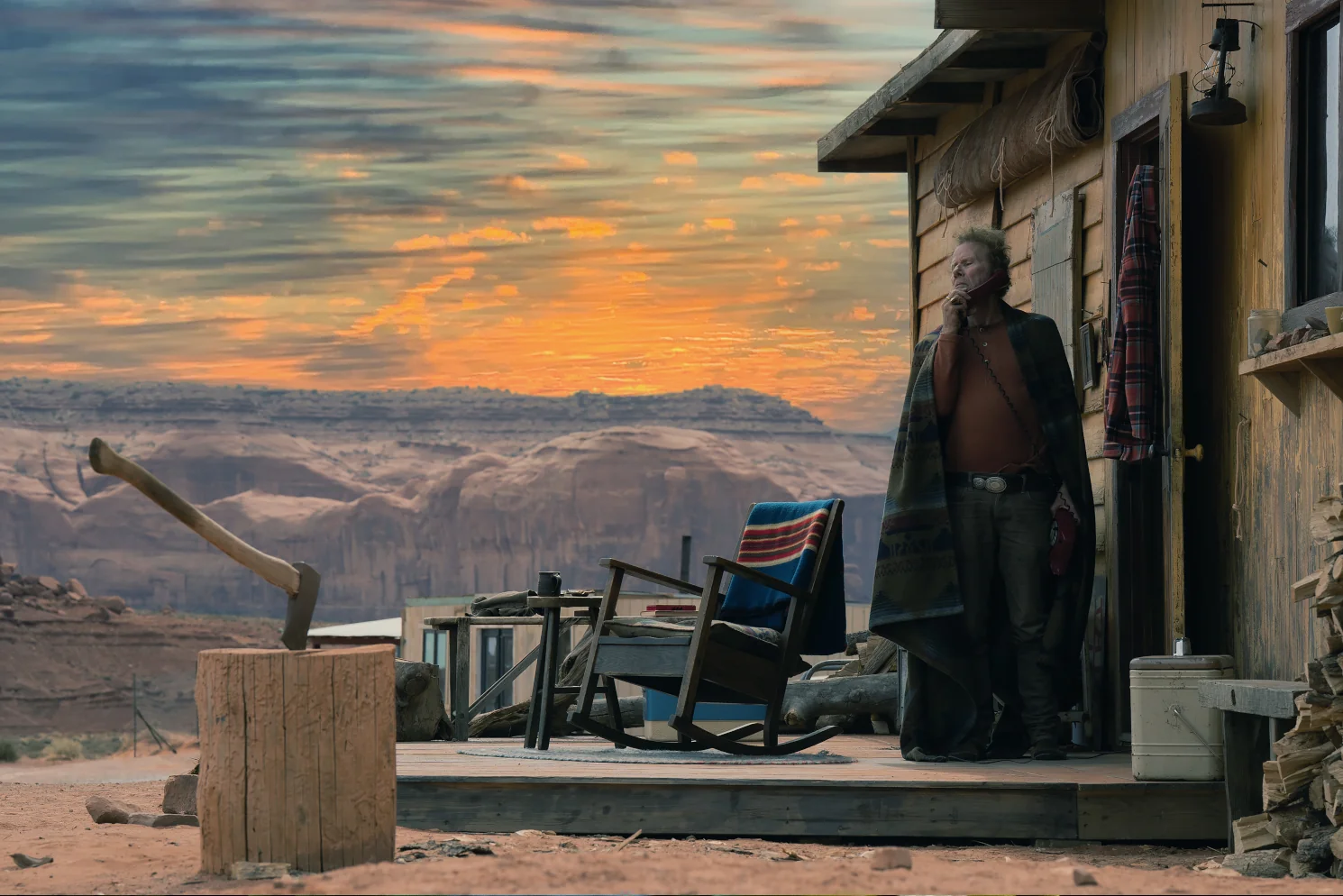
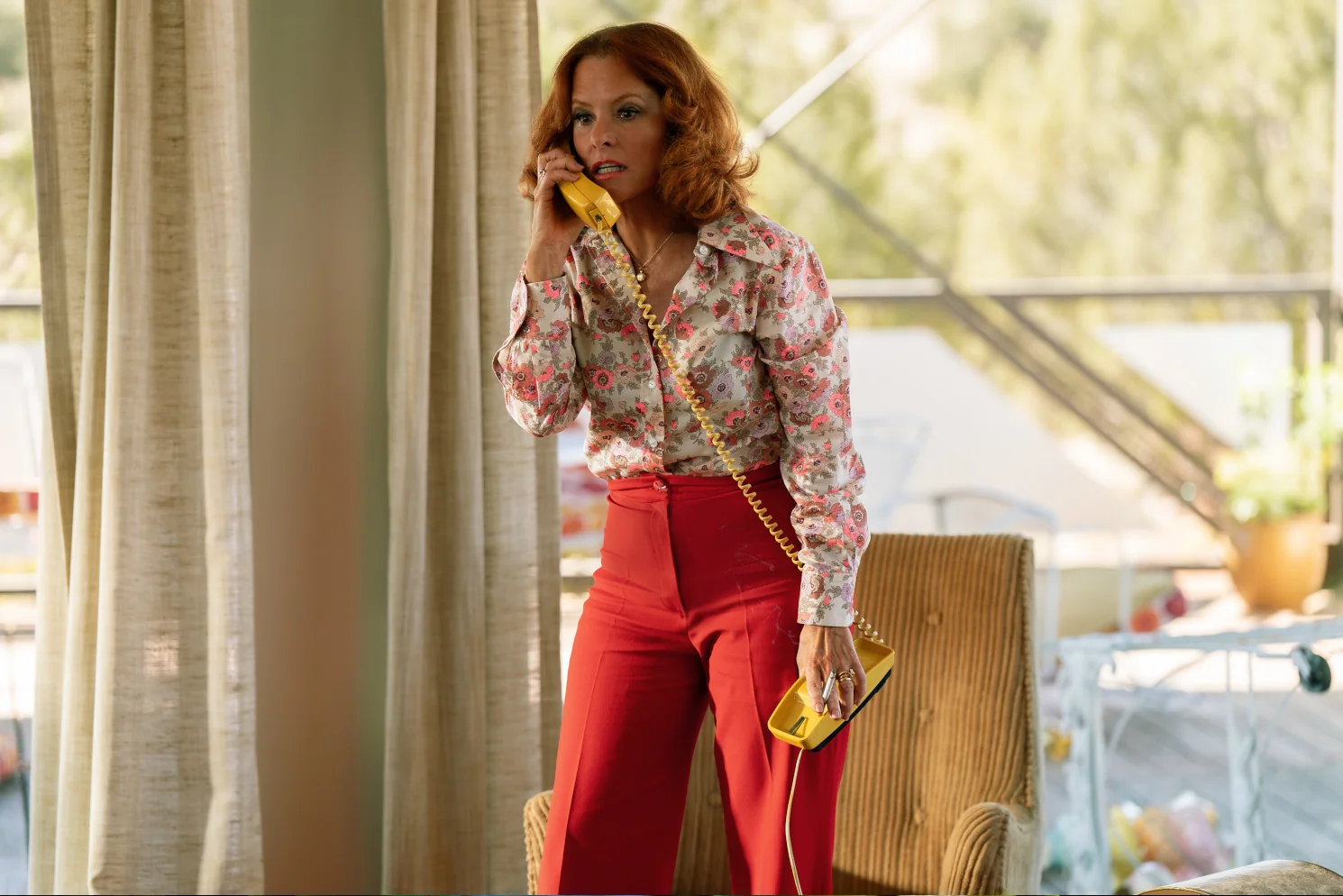
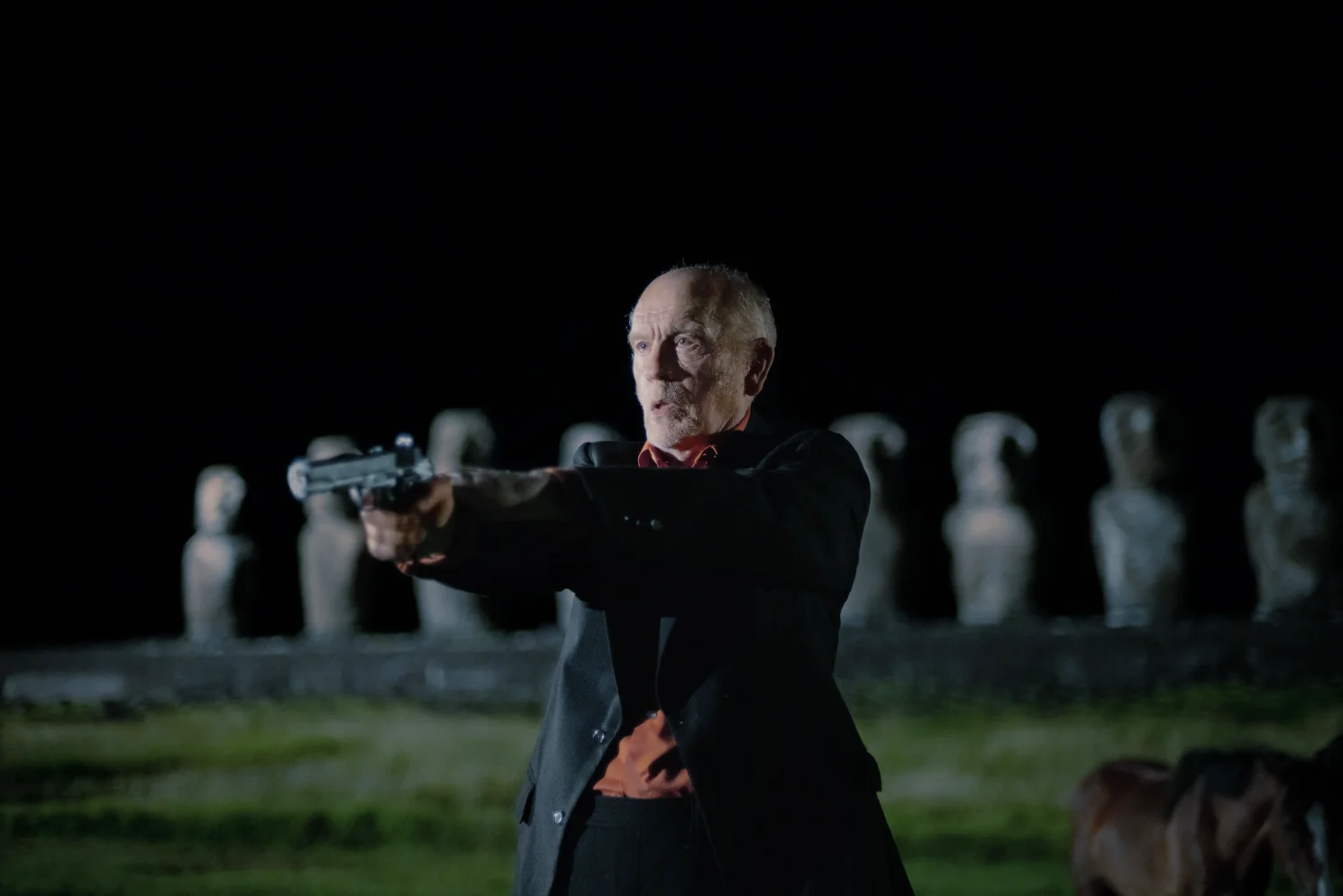
CIA agents Lee (Sam Rockwell) and Chris (John Malkovich) are stationed in Santiago de Chile. In the summer of 1973, they are working to destabilise the Allende government, but Chris is increasingly becoming a security risk. He is terminally ill, forgets a great deal and likes to talk about what the CIA gets up to. Lee and Chris travel to Easter Island because Chris has always wanted to see the giant heads, but that’s not the only reason. It is a remote place that is virtually ideal for saying goodbye to life.
In *In Bruges*, the older hitman was supposed to kill the younger one; here it’s the other way round, and the reasons are different, but at its core, it’s the same story that McDonagh is telling here. One might view this negatively; at first glance, it’s also a little bit disappointing, because McDonagh, as a playwright and screenwriter, usually tells stories in a far, far more original way. But he proves once again that he not only knows how to create vivid characters, but – as a master of dialogue – also how to put polished lines into their mouths. The script is pure gold; the dialogue is witty, over-the-top and dramatic, yet never so over-the-top that it ceases to feel authentic. For actors of the calibre of Sam Rockwell or John Malkovich, this is pure gold. Their performances are simply brilliant.
McDonagh also knows how to showcase the beauty of Easter Island; and he uses this splendour for a story that can also be astonishingly dark. For the backdrop is the coup by the Pinochet regime in Chile, supported by the US – which took place on 11 September 1973. There are scenes that send shivers down your spine, such as when Chris speaks to a student from Chile and explains to her what will happen on 11 September. How she and her friends will be taken to the stadium, how they will be tortured, and how many of them will die. Chris, the eternal liar, tells the truth, and coming from the mouth of a man who has done cruel things in the service of the greater good, it is electrifying.
McDonagh has a perfect command of the full range of narrative beauty. When he introduces something in one act, it takes on significance in the final act, be it the rifle used in an assassination – which feels like a MacGuffin for a long time – or a warning never to let yourself be lured into a car.
The dialogue thrives on biting humour; it can veer into the absurd, yet it is always multi-layered and contributes to character development. Even if the story itself may not be entirely new, McDonagh turns it into clever entertainment of the highest calibre. Cinema for people who love great acting and great dialogue.
Peter Osteried | programmkino.de
Credits:
UK/US/Chile 2026, 118 mins, English with German subtitles Director & Screenplay: Martin McDonagh Cinematography: Ben Davis Editing: Mikkel E.G. Nielsen Starring: John Malkovich, Sam Rockwell, Steve Buscemi, Mariana di Girolamo, Ailín Salas; Tom Waits, Parker Posey, Paola Giannini
Trailer:
WILDHORSENINE | Official Trailer | Searchlight Pictures
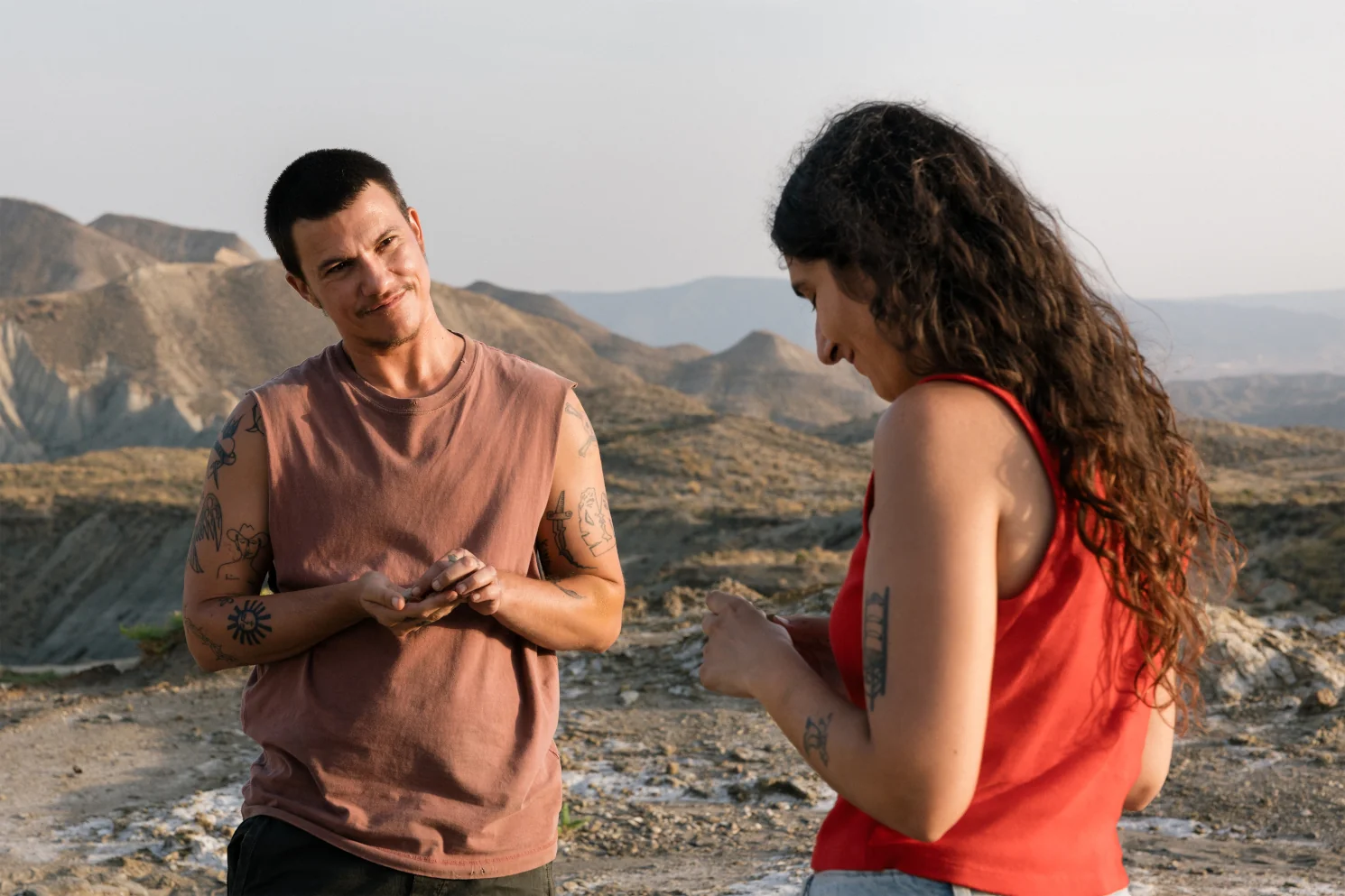
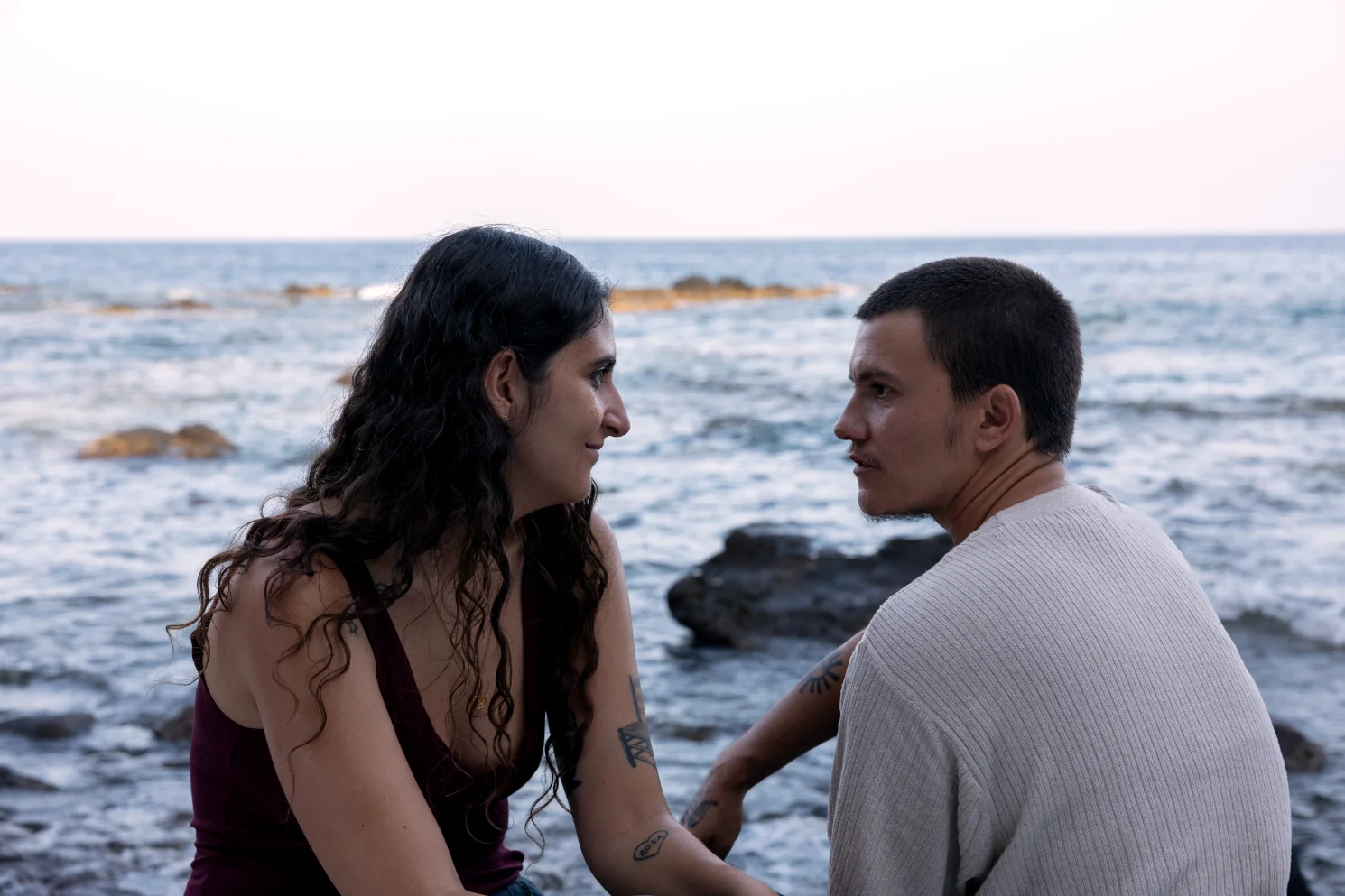
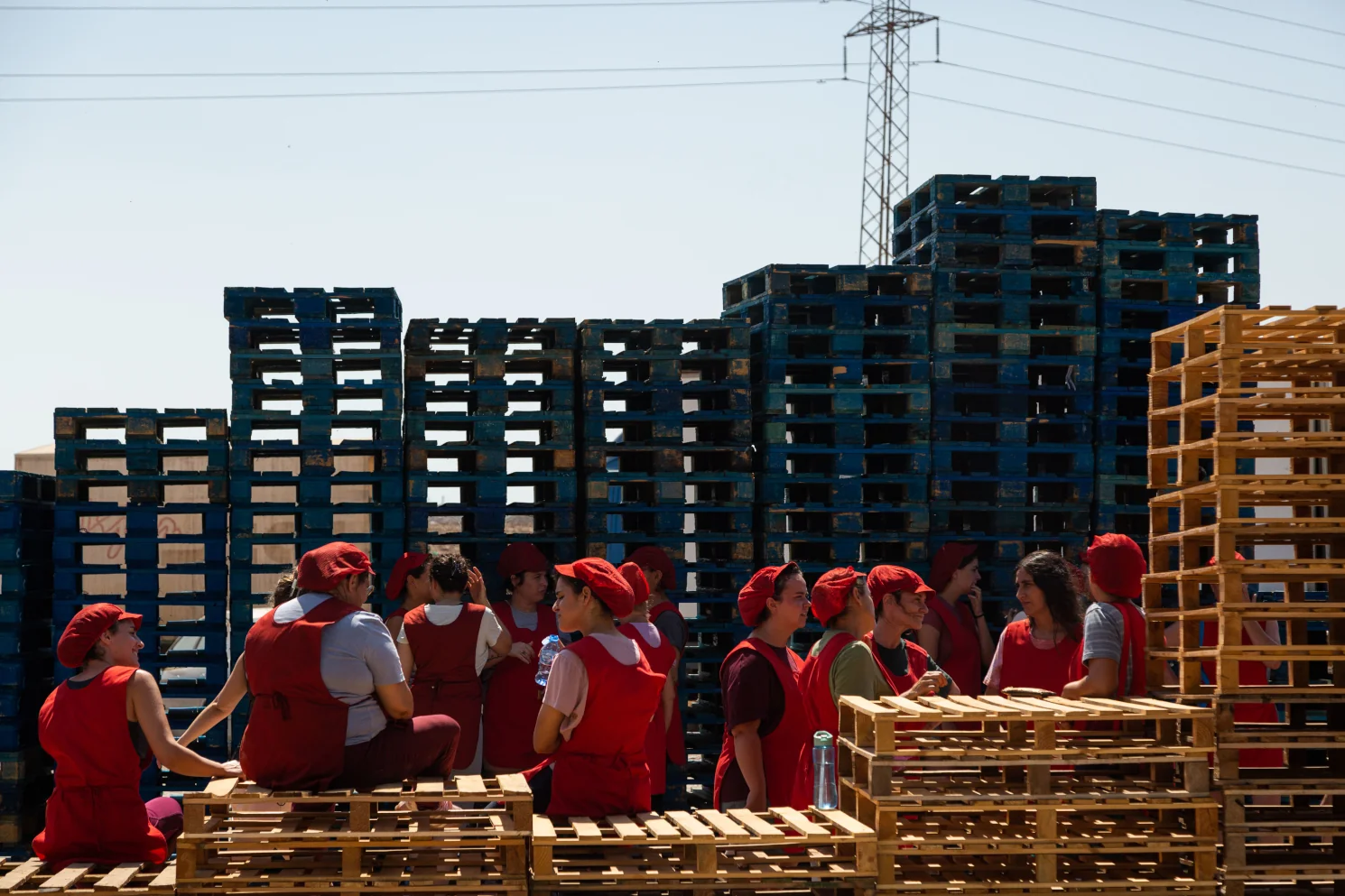
Summer in southern Spain. Iván works in a greenhouse complex and is on the verge of being promoted to manager, a move that is set to give his family a better life. But when Hadoum joins the business as a seasonal worker, old feelings are reawakened. Iván knows Hadoum from his school days, before her transition. After a night on the beach, their relationship deepens. But Hadoum, who has always had to stand up to prejudice because of her Moroccan heritage, is also a passionate advocate for workers’ rights at the farm. Iván must decide whose side he is on and who he truly wants to be. In Iván & Hadoum, Ian de la Rosa tells the story of two outsiders who must break down social barriers to find their way to one another. “A moving, provocative and unforgettable story,” praised the jury of the Teddy Award, the queer film prize at the Berlinale.
Credits:
ES/DE/BE 2026, 100 min., Spanish, Arabic with German subtitles Director & Screenplay: Ian de la Rosa Cinematography: Beatriz Sastre Editing: Yannick Leroy Starring: Silver Chicón, Herminia Loh
Trailer:
IVÁN&HADOUM – Offizieller Trailer (OmU) | Ab 5.11.26 im Kino
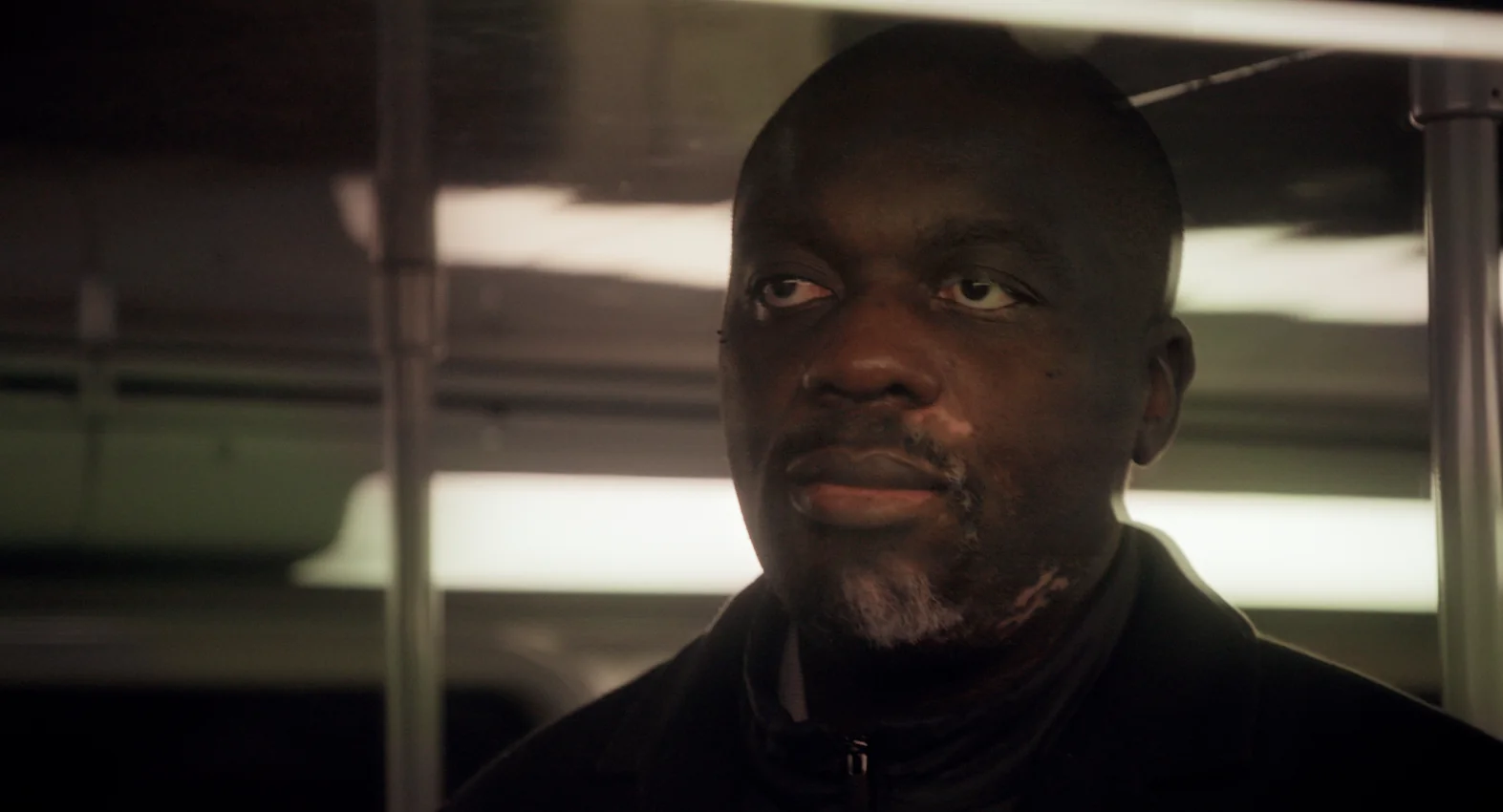
WHISTLEBLOWER is a deep dive into a world where extreme caution is essential for survival. Three courageous protagonists in Africa, Europe, and the US put their lives, careers, and families at risk to reveal informations that are being kept secret from us purely for the sake of power.
An in-depth exploration of a world where survival demands both courage and extreme caution. Three protagonists from Africa, Europe, and the United States risk their lives, careers, and their families’ safety to expose truths carefully concealed from the public.
For the first time, the film presents the universal dimension of whistleblowing and the price paid by those who choose to speak out. Whistleblowers become targets of lobbyists, governments, and intelligence agencies conducting relentless campaigns of intimidation and defamation. Among the protagonists is Jean-Jacques Lumumba, the grandson of Congolese independence leader Patrice Lumumba, who faces harassment and threats while living in exile in France. Alongside him is Daniel Hale, a former NSA intelligence analyst who, during the Trump administration, faced up to ten years in prison for allegedly disclosing classified information.
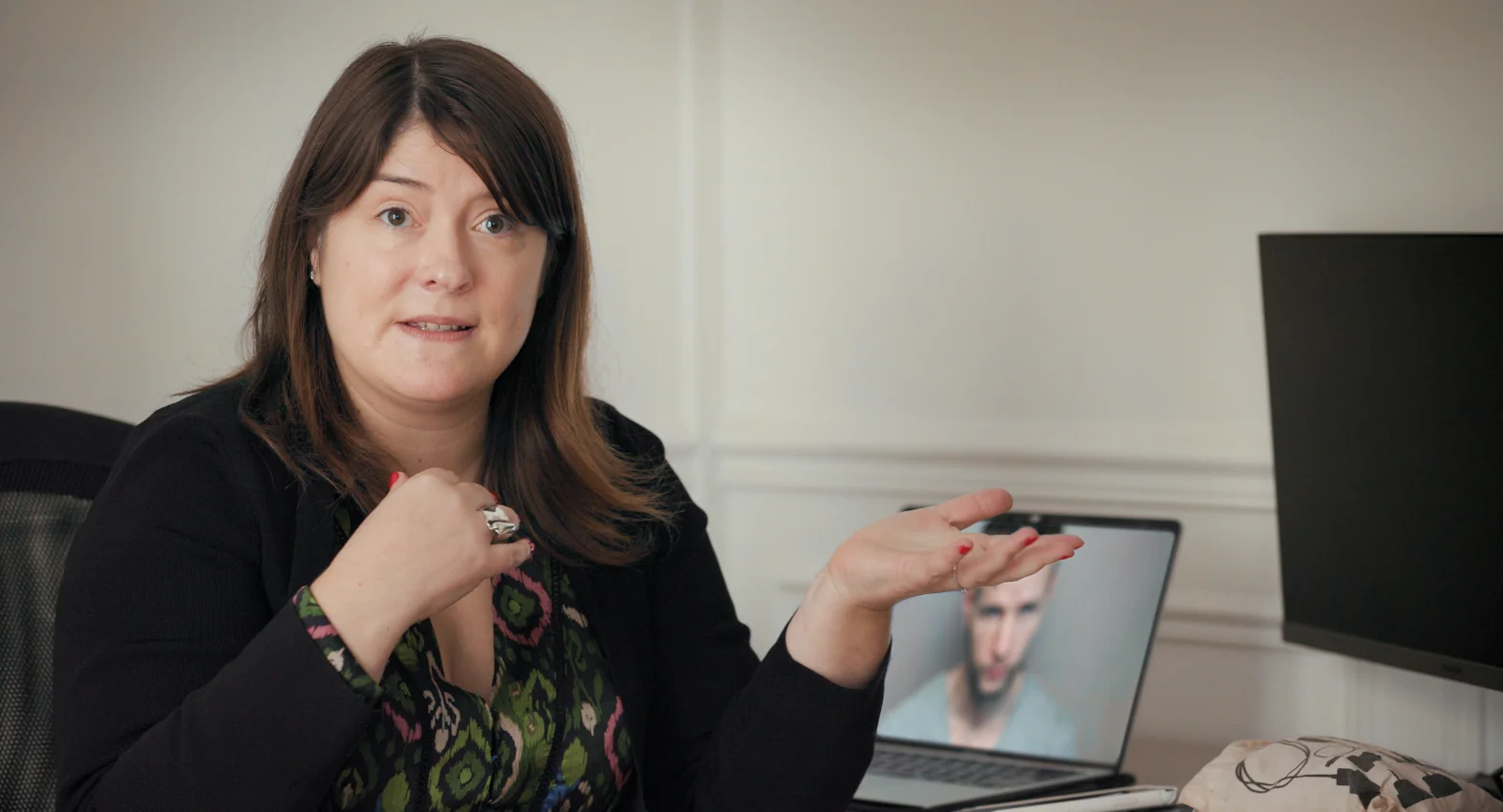
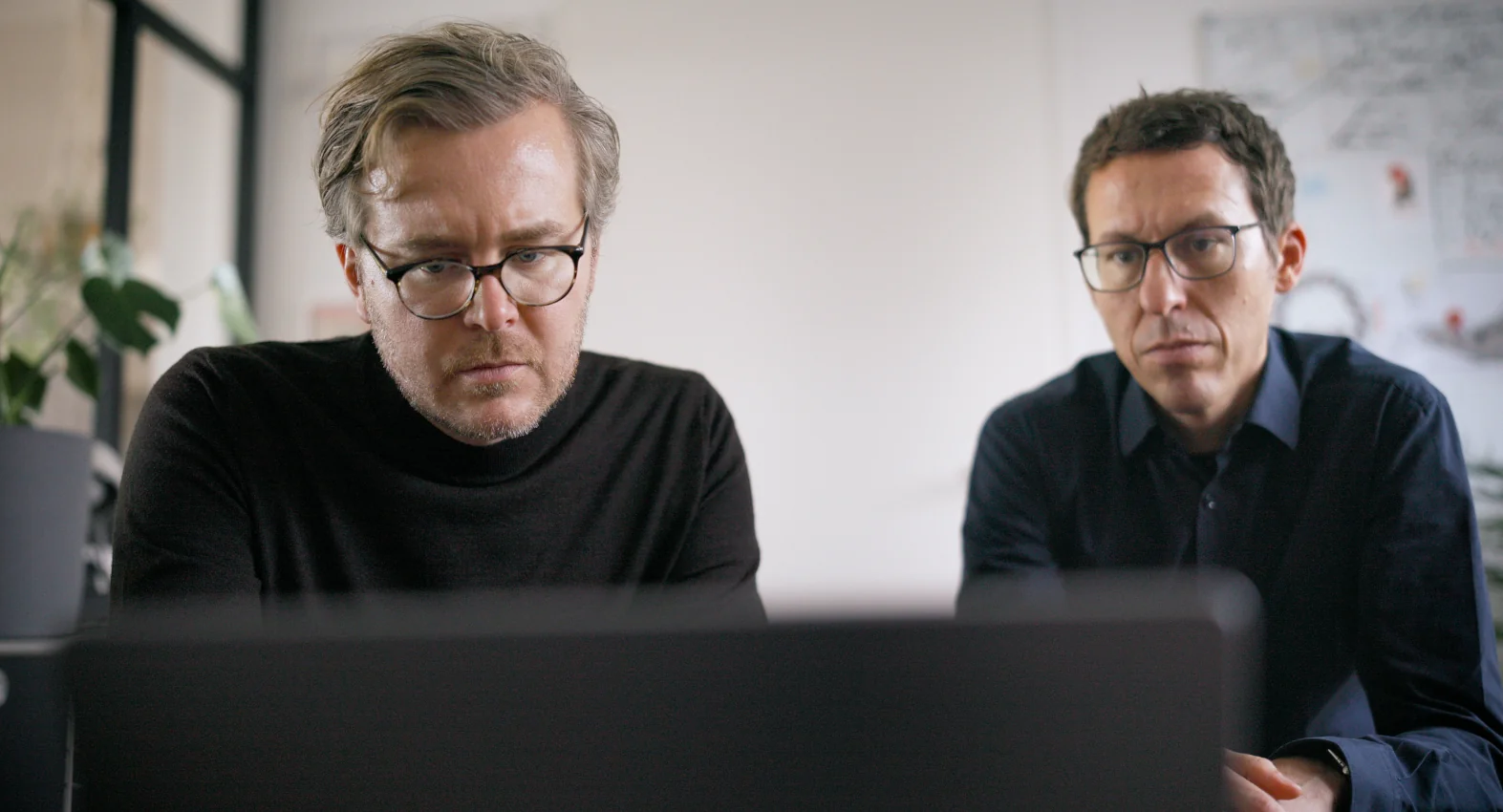
The film also portrays those supporting whistleblowers: Delphine Halgand-Mishra and her organization, The Signals Network, which provides them with protection and assistance, as well as Holden Triplett, the former head of counterintelligence at the White House. Journalists behind the Panama Papers investigation also play a key role, as new whistleblowers approach them with further shocking revelations.
This is a story about courage, responsibility, and the fight for truth in a world where silence is often safer than speaking out.
Credits:
DE 2026, 90 mins, Director & Screenplay: Marc Bauder Cinematography: Börres Weiffenbach Editing: Stefan Stabenow, Olaf Voigtländer, Janine Dauterich, Marc Bauder
A film by Mariko Minoguchi. Showing at the fsk from 22 October. In German. On 29 October at 8.00 pm, followed by a discussion with Mariko Minoguchi
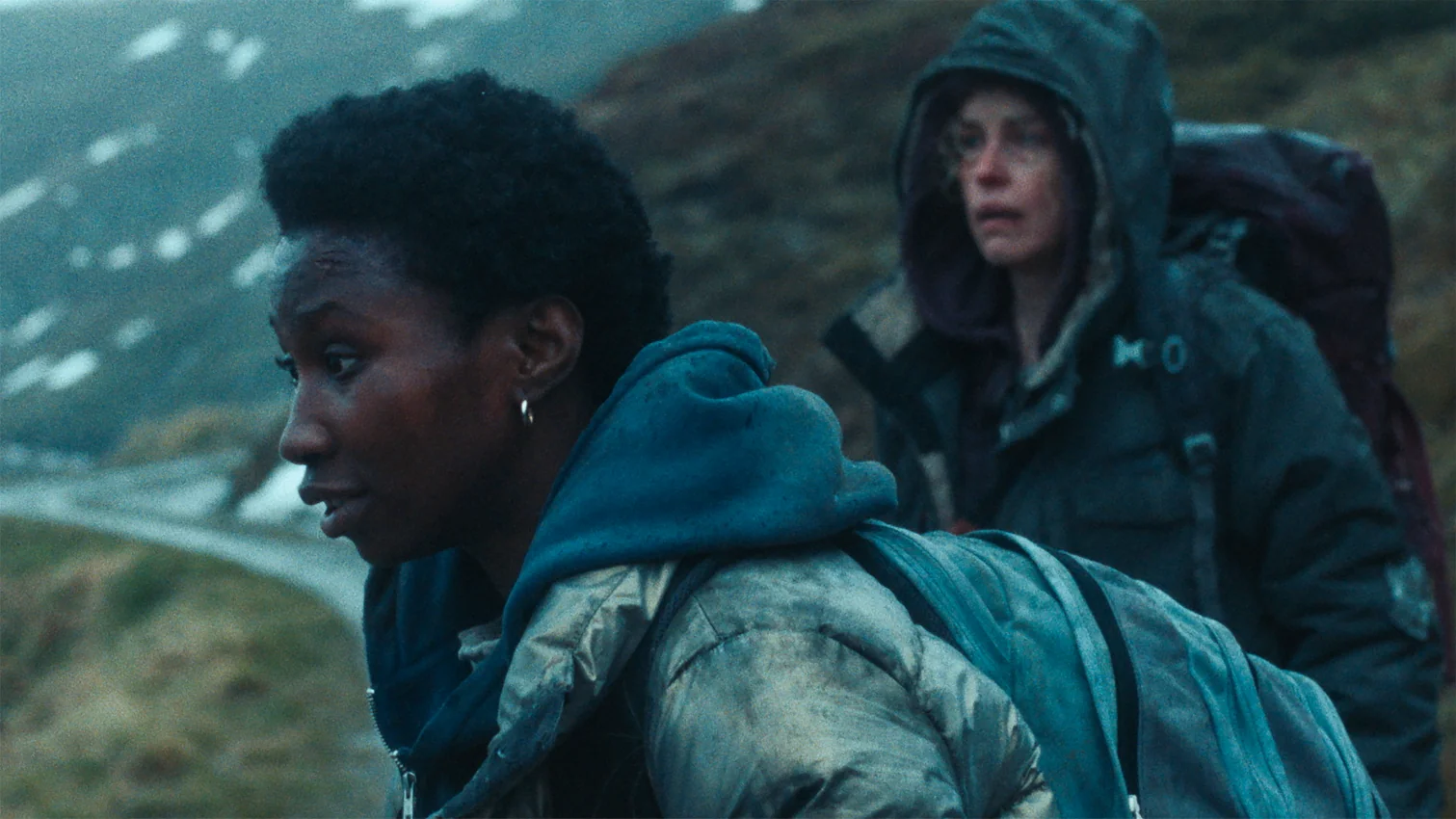
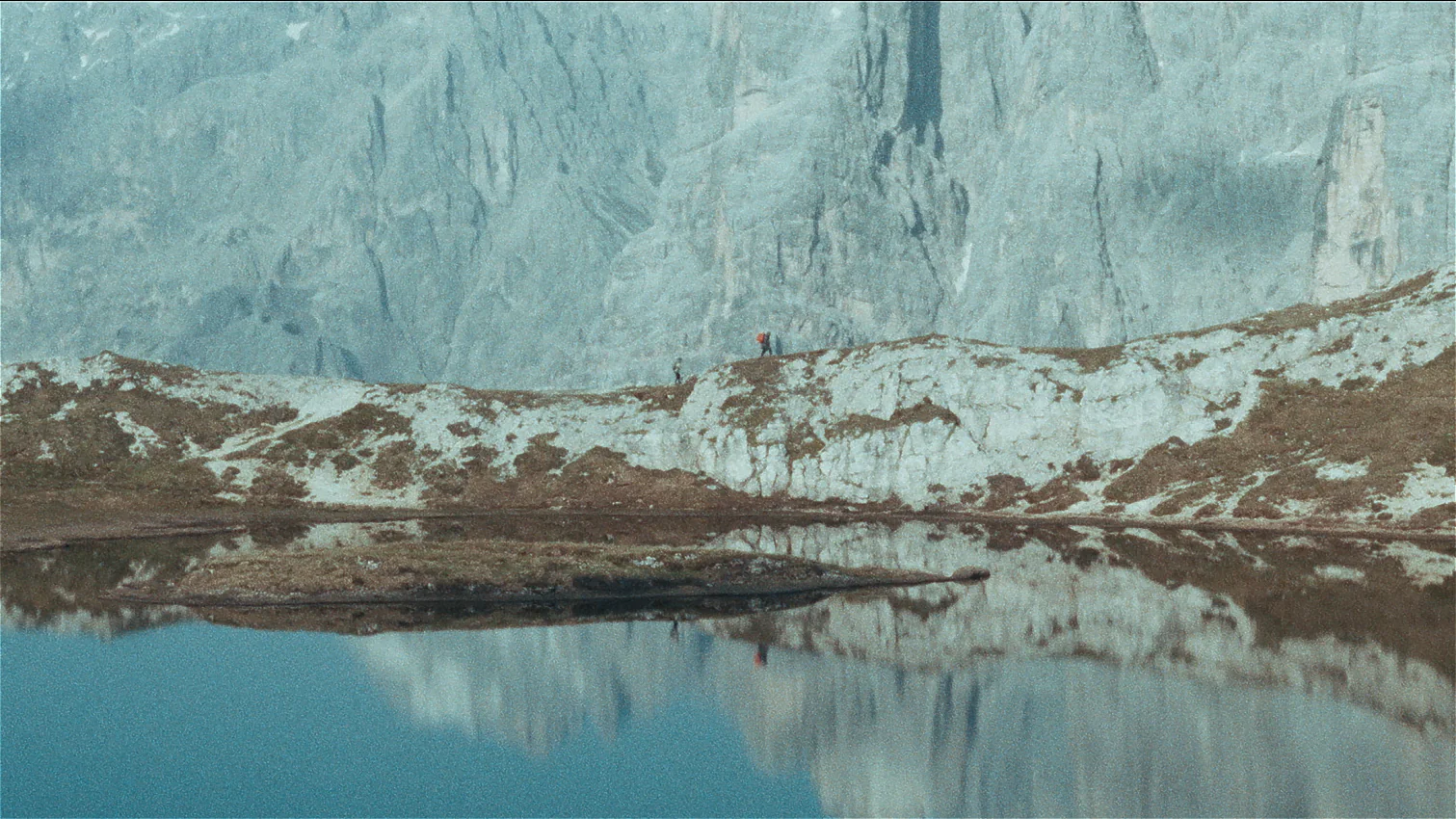
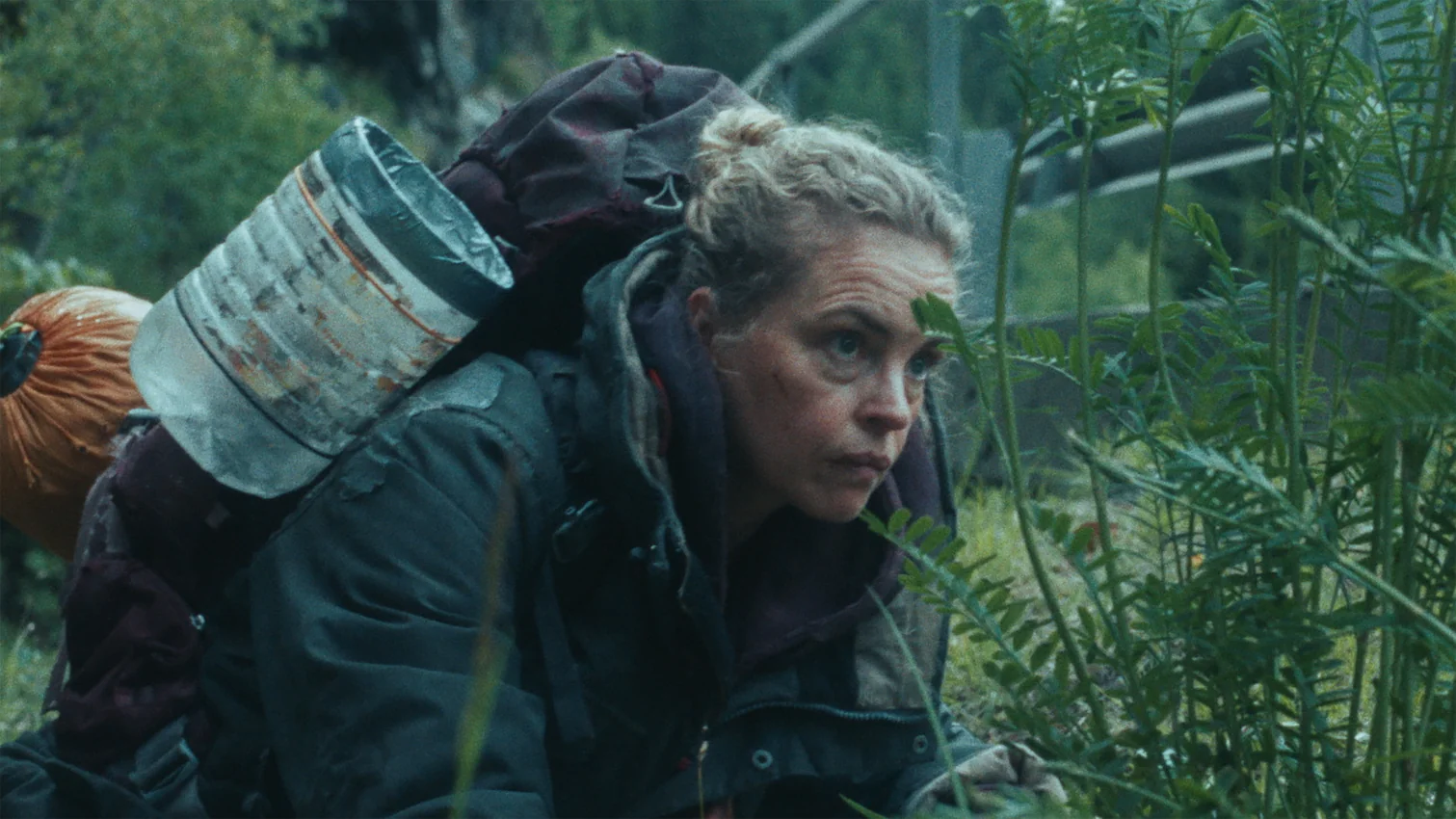
What does it mean to be torn away from a community and marginalised? Writer and director Mariko Minoguchi (My End. Your Beginning., Zeit Verbrechen: December) in her second feature film. A doctor has contracted a contagious disease and been ostracised from society. She lives in solitude in the Alps until she meets a young woman who is also among the outcasts. Together, they plan to make their way south, where life in freedom still seems possible. A survival drama featuring just a few characters.
Credits:
DE 2026, 106 mins, Director & Screenplay: Mariko Minoguchi Cinematography: Felix Pflieger Editing: Monika Willi Starring: Nina Hoss, Precious Mariam Sanusi
Trailer:
DIEANDERESEITE | Trailer | Ab 22. Oktober 2026 im Kino
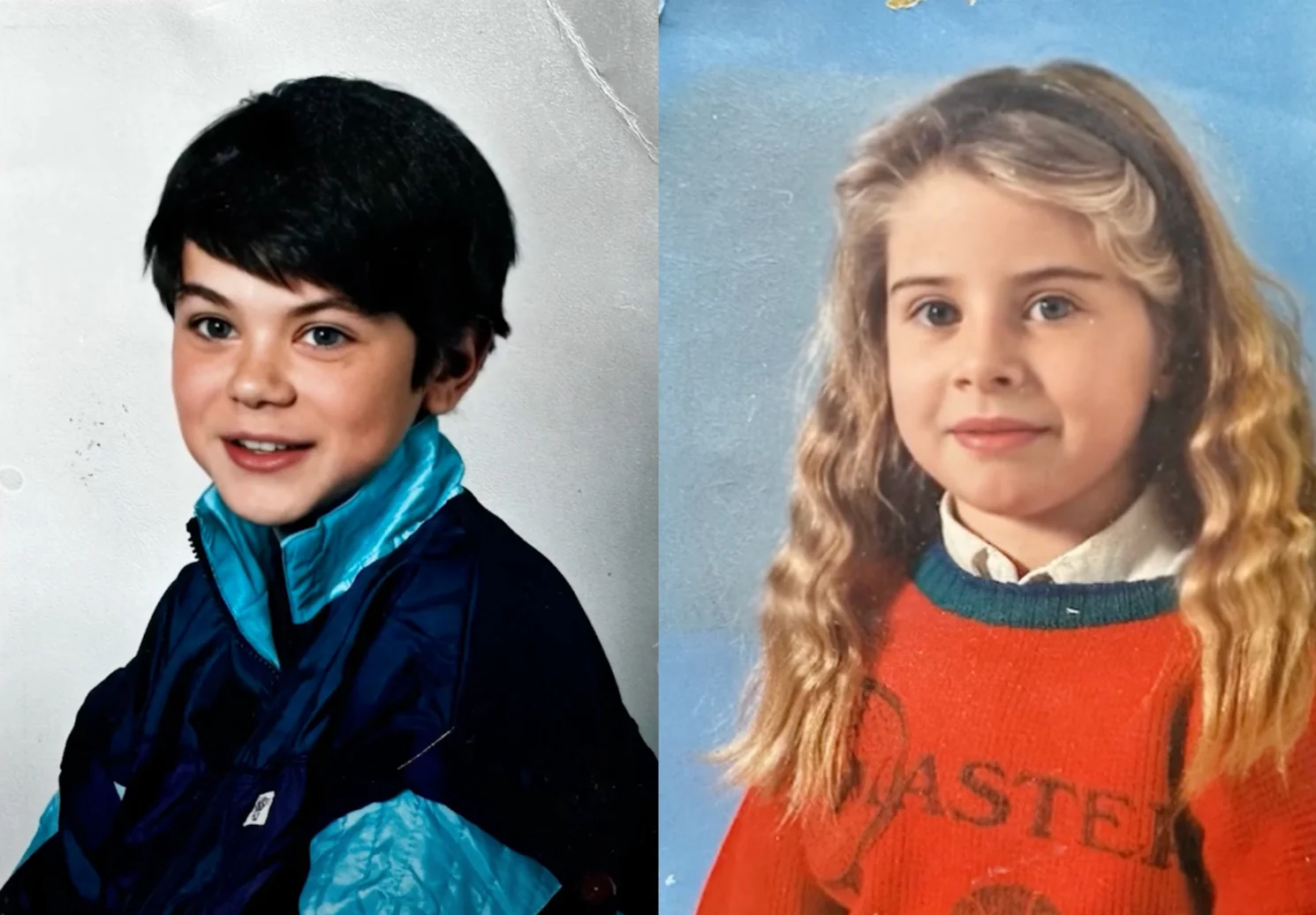
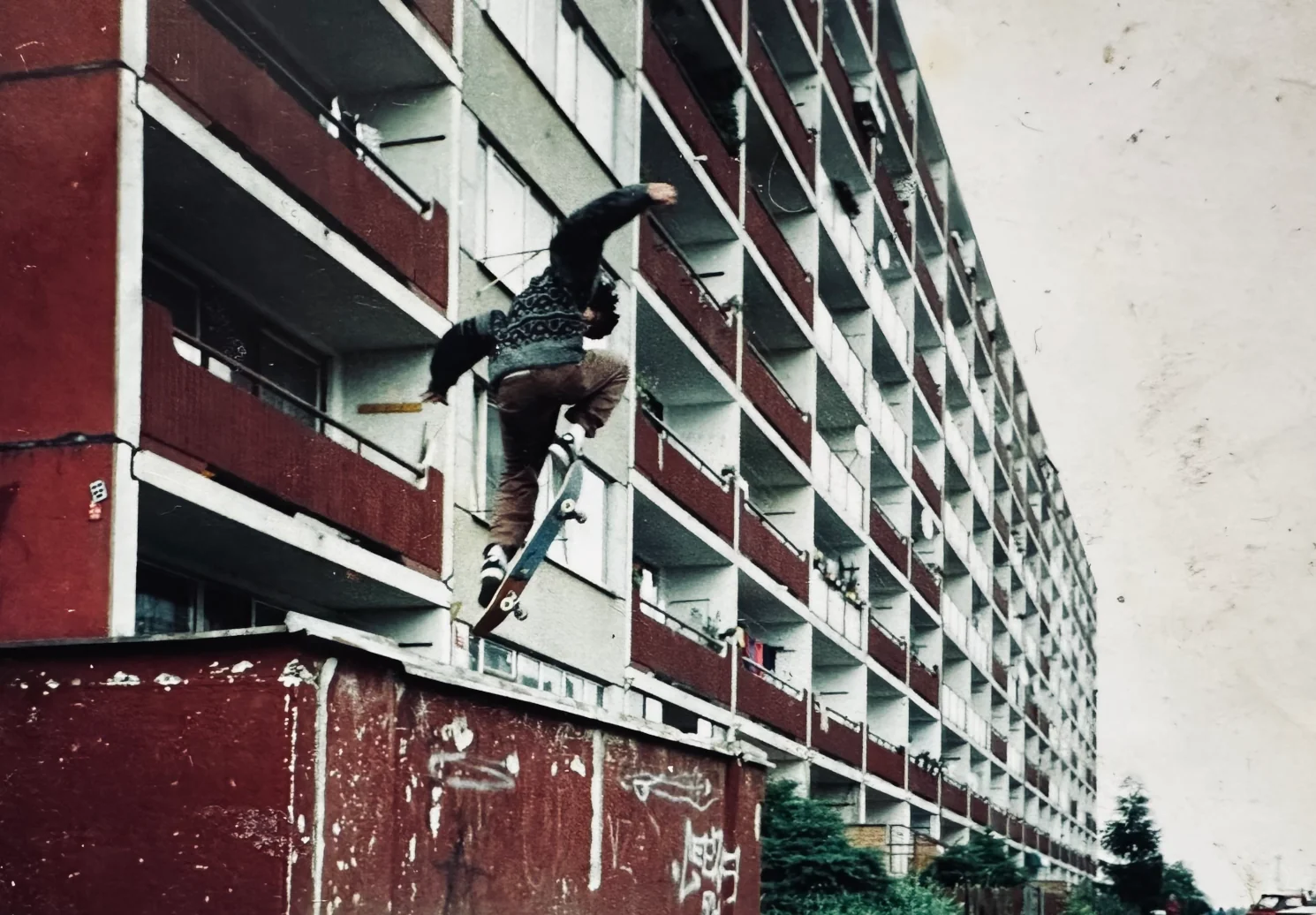
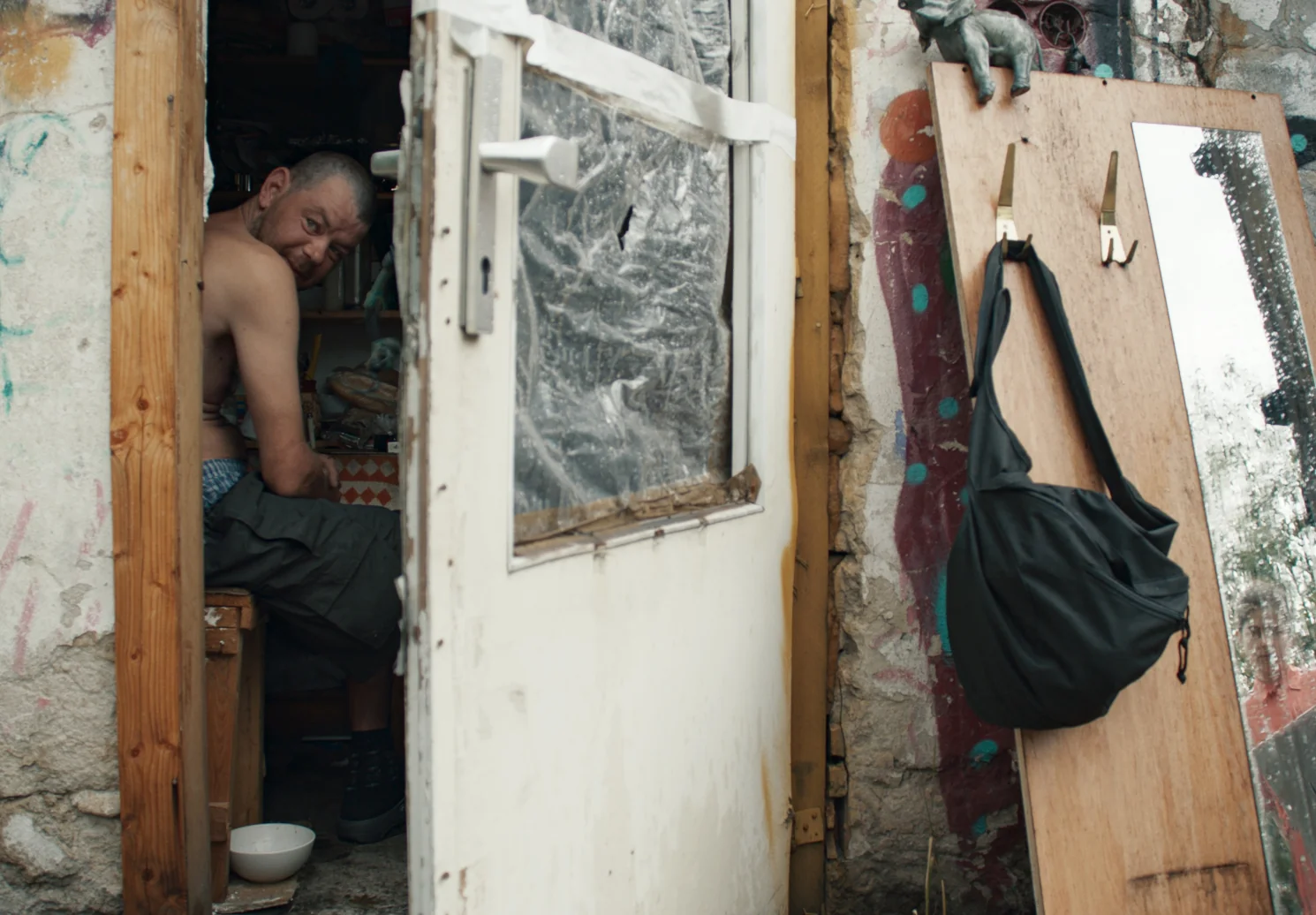
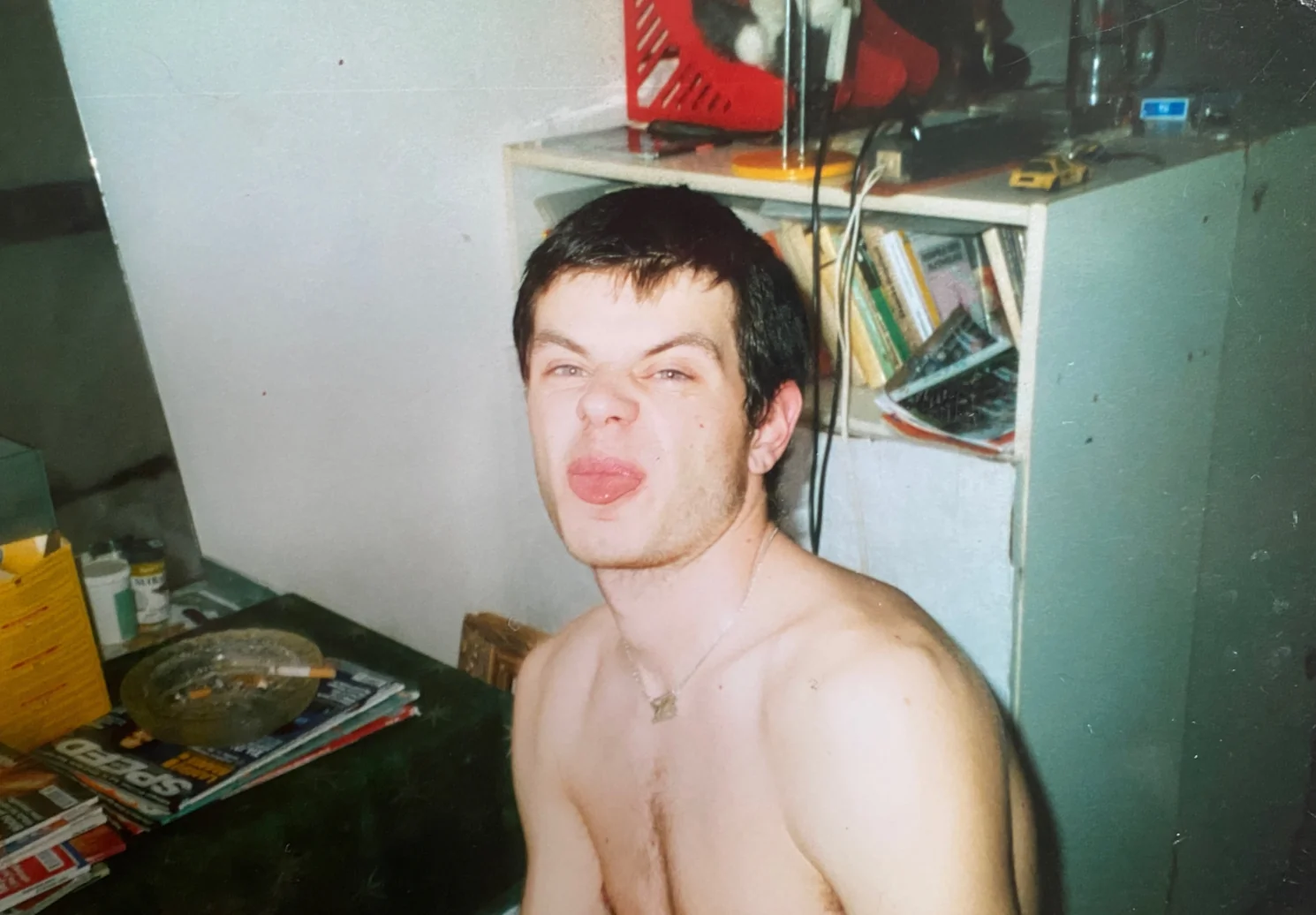
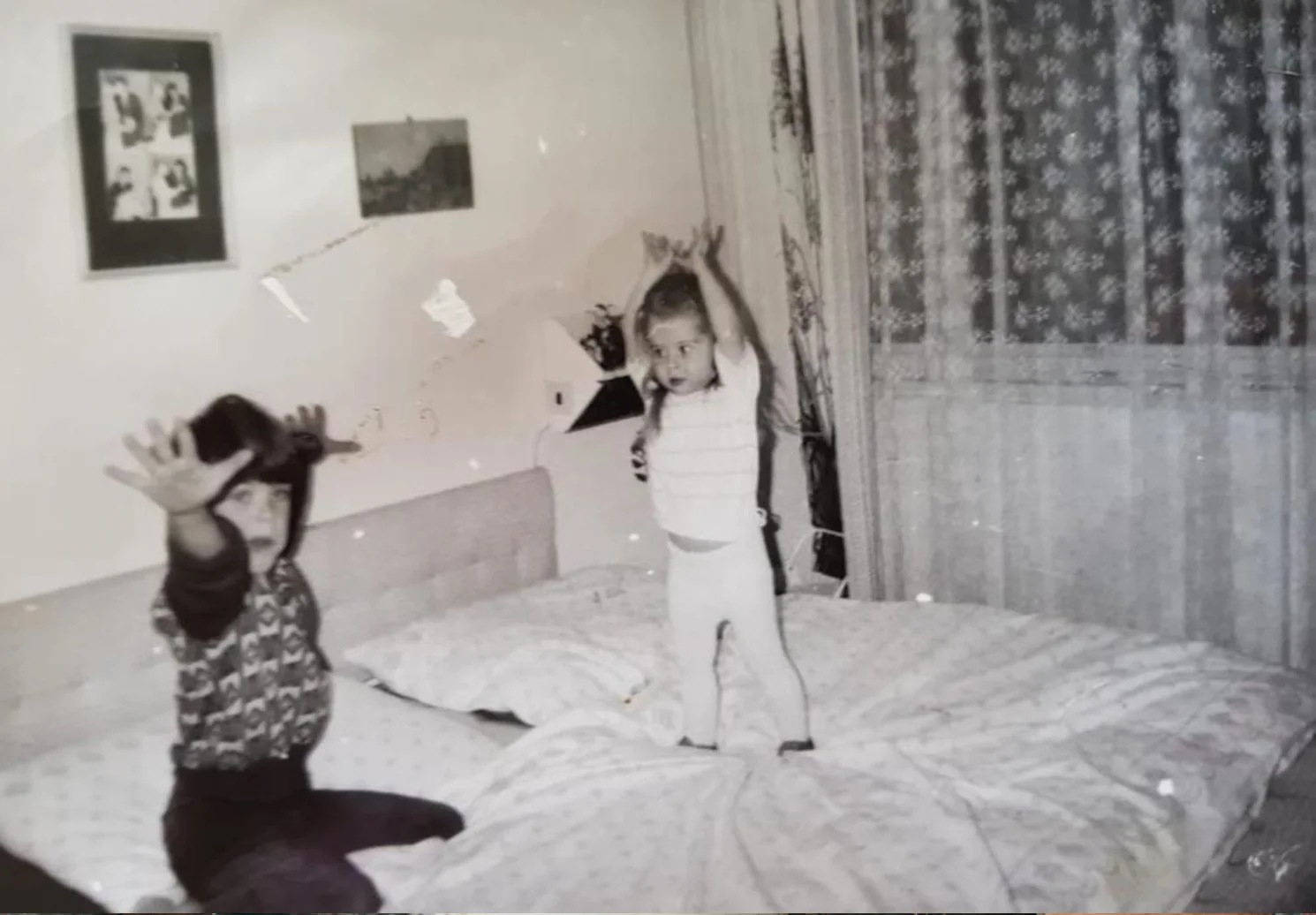
Over a five-year period, Pepa Lubojacki documents the lives of four family members, first and foremost his brother David who is an alcoholic and homeless. Using a highly personal, diary-like collage, Lubojacki attempts to lay bare the roots of intergenerational misfortune repeatedly manifested in severe addiction. Text sculptures, long-term observations, synth-infused beats and AI-animated childhood photos merge here into a striking and playful, unsparing yet loving revelation. If Pigeons Turned to Gold is both an act of surrender and a shimmer of hope, a show of strength and a process of resolution. Pepa Lubojacki thus brings the past to life, creating a context that shields David and their cousins, also suffering from addiction, from the judgmental gaze of the outside world – and its ignorance. In their gentle encounter, for one moment they become lonely children once again. Not so much in search of guilt but more healing, the end brings the possibility of a transformation, symbolised in the father’s dilapidated house that Pepa transforms into a safe space: Home, I’m coming.
Credits:
CZ/SK 2026, 110 mins, Czech, English with German subtitles Director, Screenplay, Editor: Pepa Lubojacki Cinematography: Pepa Lubojacki, Tomáš Šťastný
Wir verwenden Cookies, um unsere Website und unseren Service zu optimieren.
Funktionale Cookies
Always active
Die technische Speicherung oder der Zugang ist unbedingt erforderlich für den rechtmäßigen Zweck, die Nutzung eines bestimmten Dienstes zu ermöglichen, der vom Teilnehmer oder Nutzer ausdrücklich gewünscht wird, oder für den alleinigen Zweck, die Übertragung einer Nachricht über ein elektronisches Kommunikationsnetz durchzuführen.
Vorlieben
Die technische Speicherung oder der Zugriff ist für den rechtmäßigen Zweck der Speicherung von Präferenzen erforderlich, die nicht vom Abonnenten oder Benutzer angefordert wurden.
Statistiken
Die technische Speicherung oder der Zugriff, der ausschließlich zu statistischen Zwecken erfolgt.Die technische Speicherung oder der Zugriff, der ausschließlich zu anonymen statistischen Zwecken verwendet wird. Ohne eine Vorladung, die freiwillige Zustimmung deines Internetdienstanbieters oder zusätzliche Aufzeichnungen von Dritten können die zu diesem Zweck gespeicherten oder abgerufenen Informationen allein in der Regel nicht dazu verwendet werden, dich zu identifizieren.
Marketing
Die technische Speicherung oder der Zugriff ist erforderlich, um Nutzerprofile zu erstellen, um Werbung zu versenden oder um den Nutzer auf einer Website oder über mehrere Websites hinweg zu ähnlichen Marketingzwecken zu verfolgen.