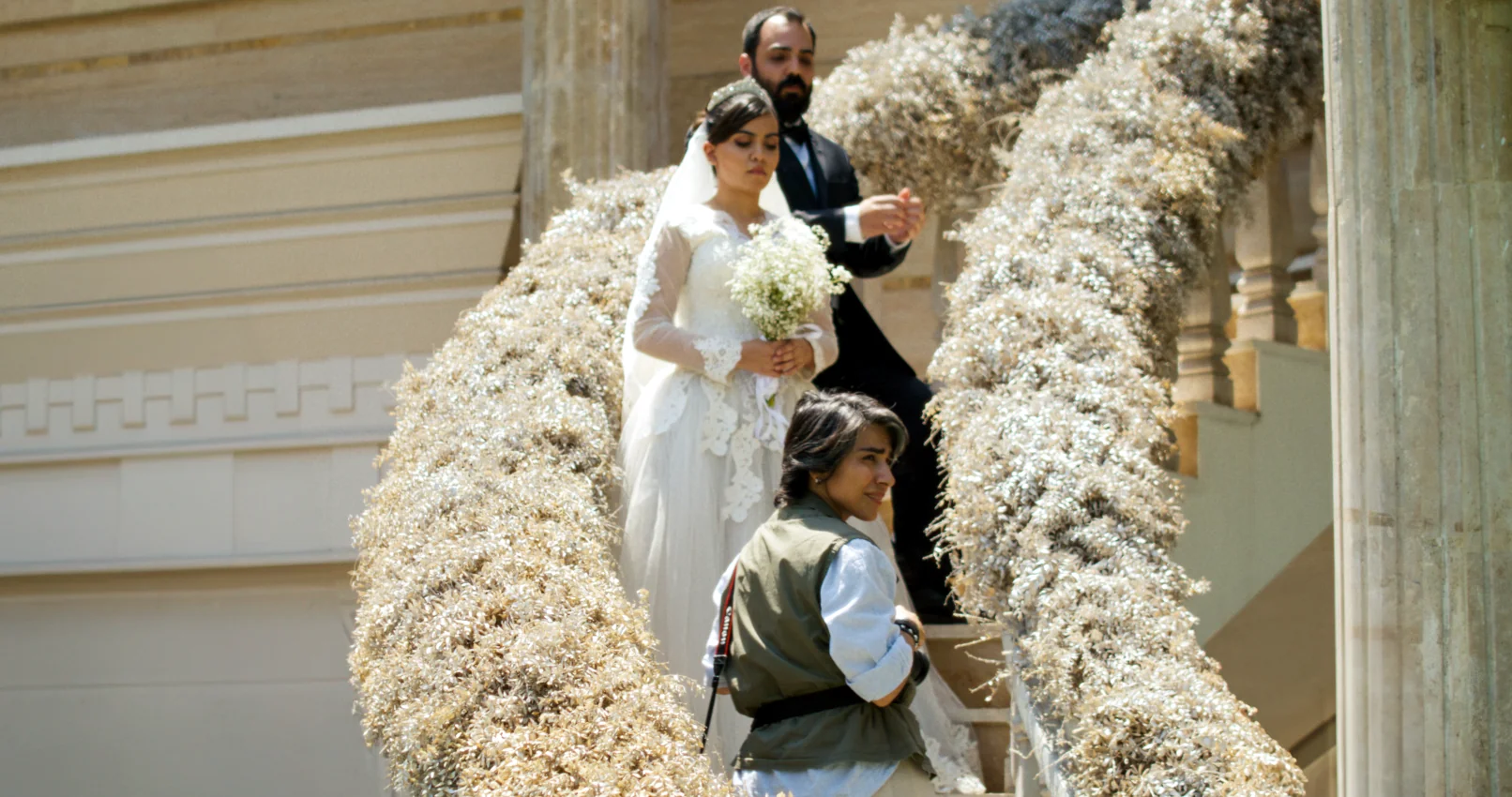
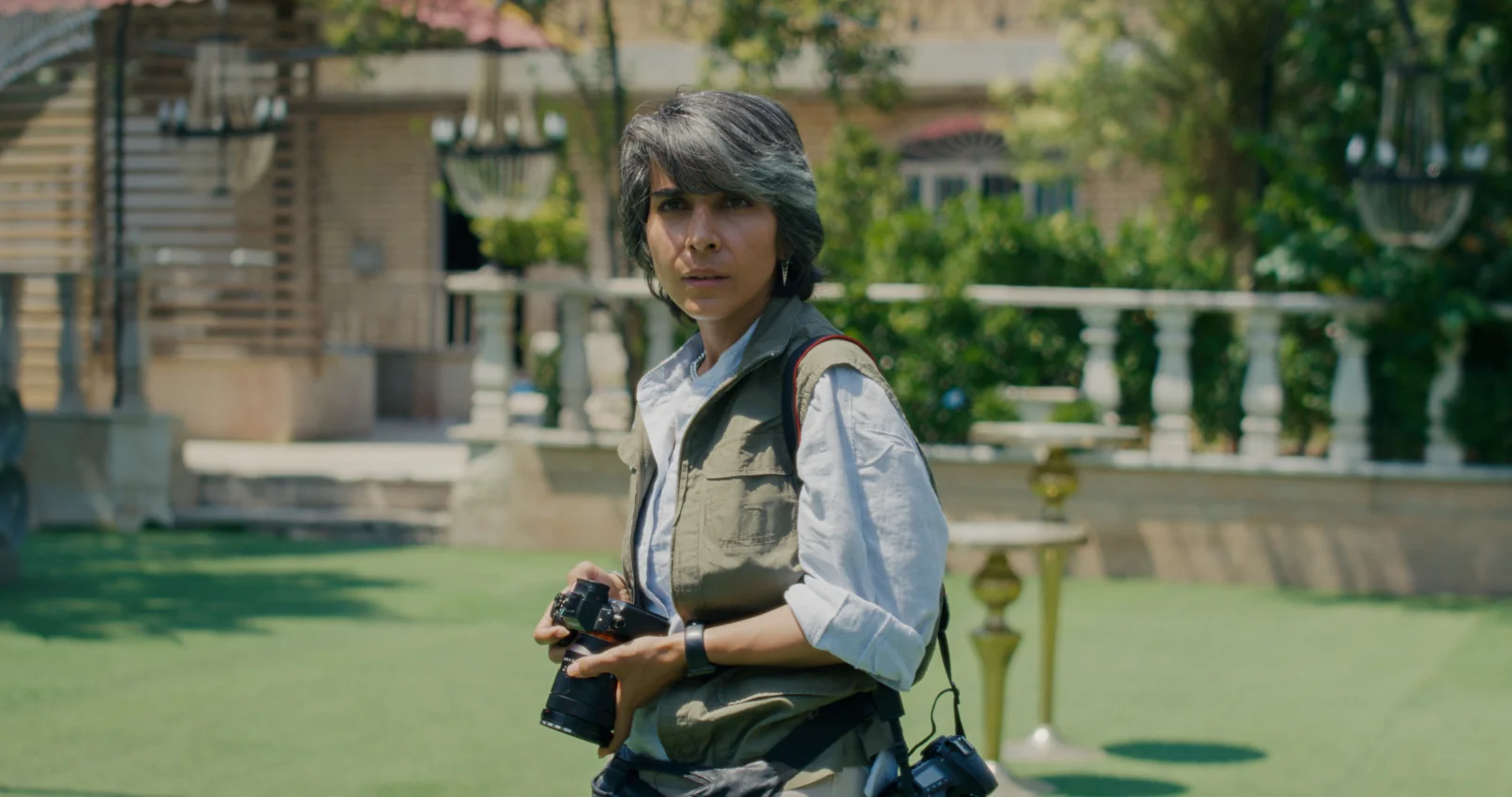
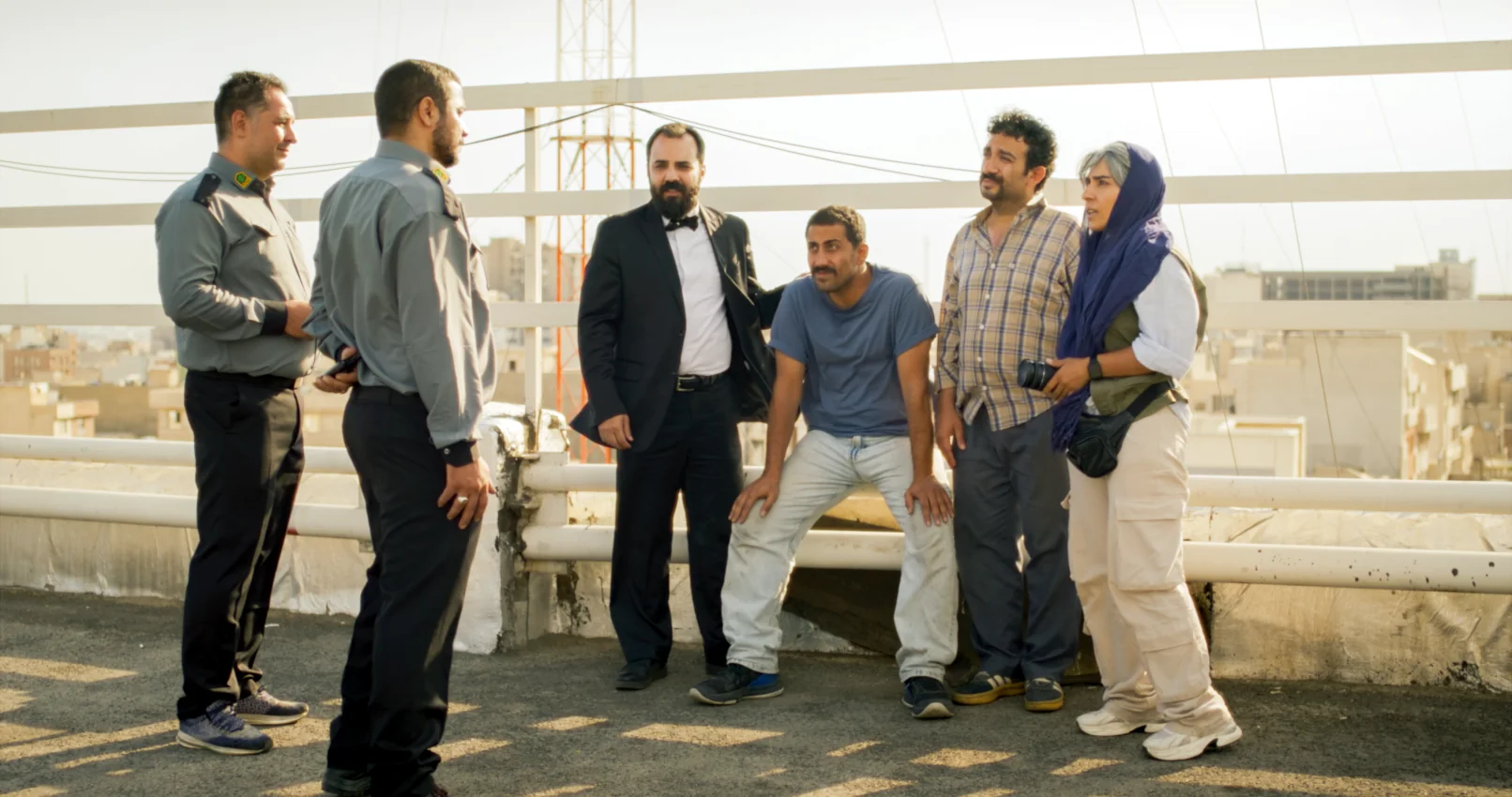
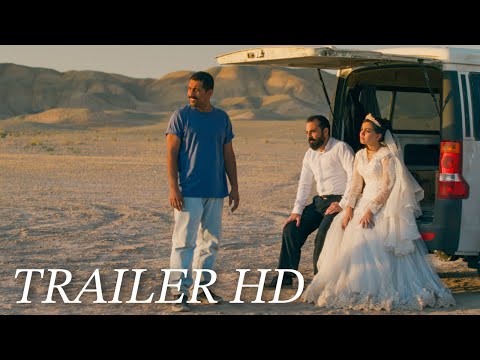
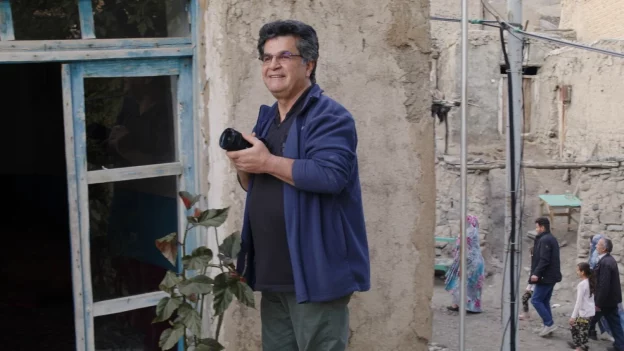
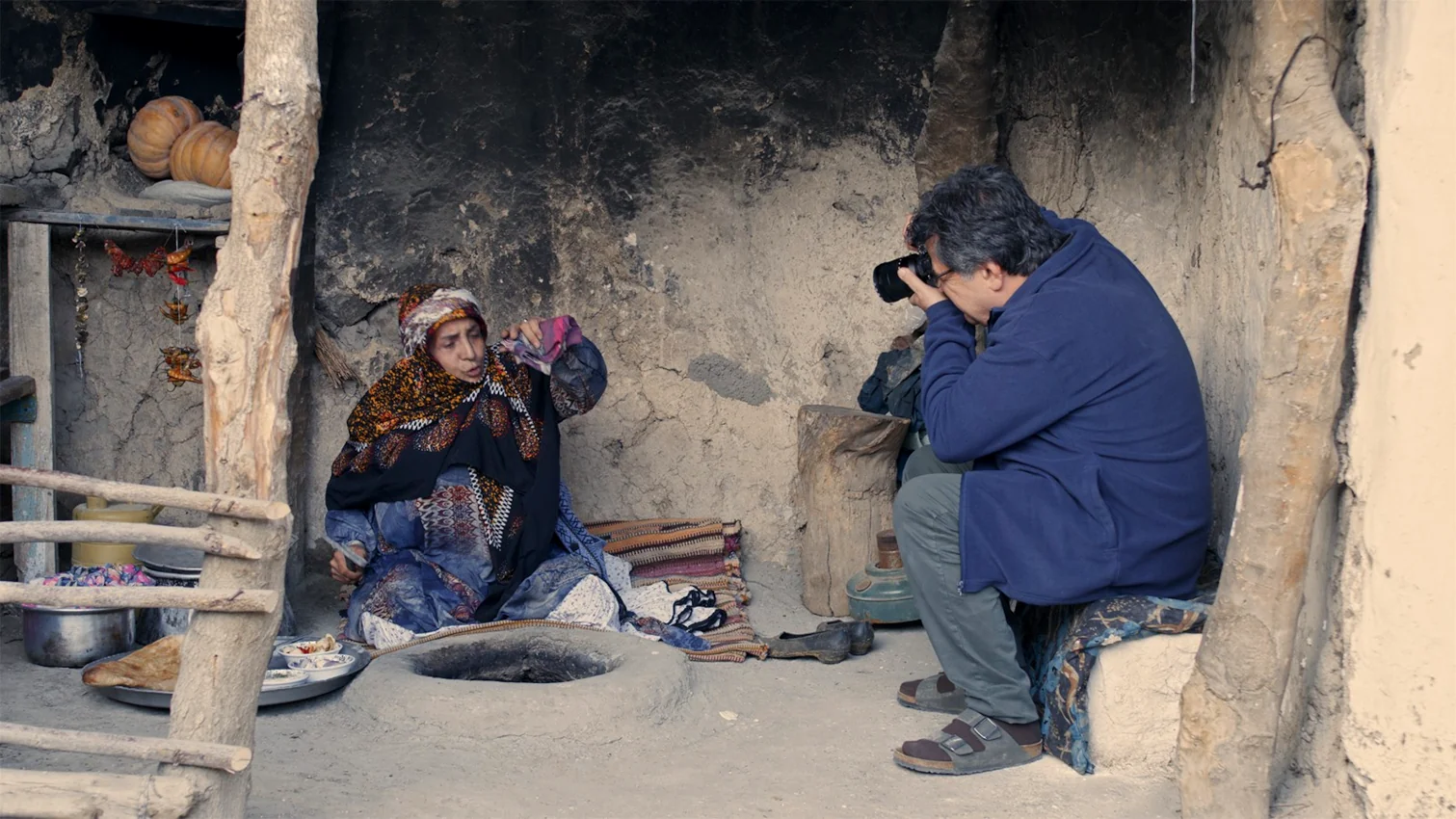
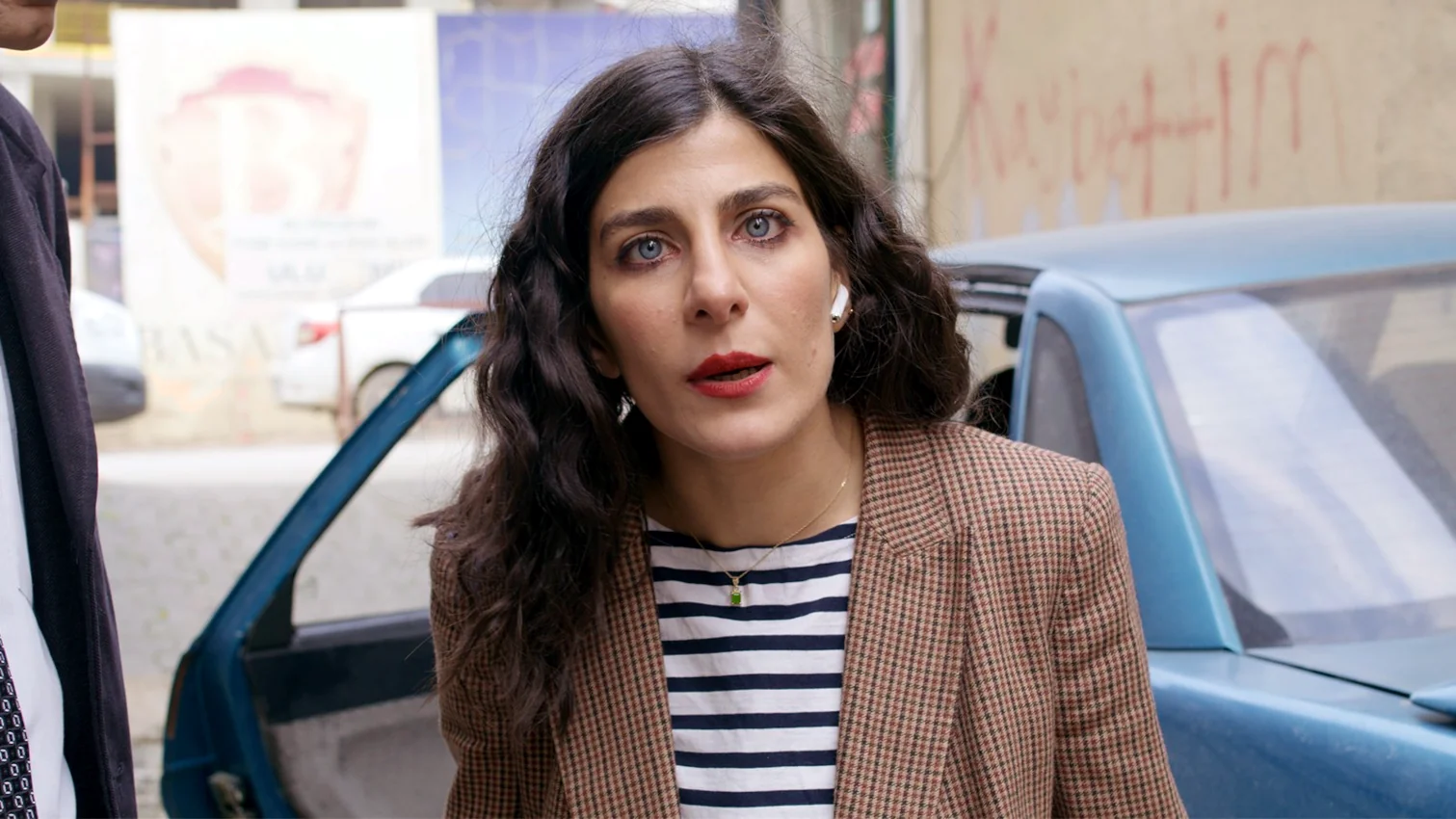
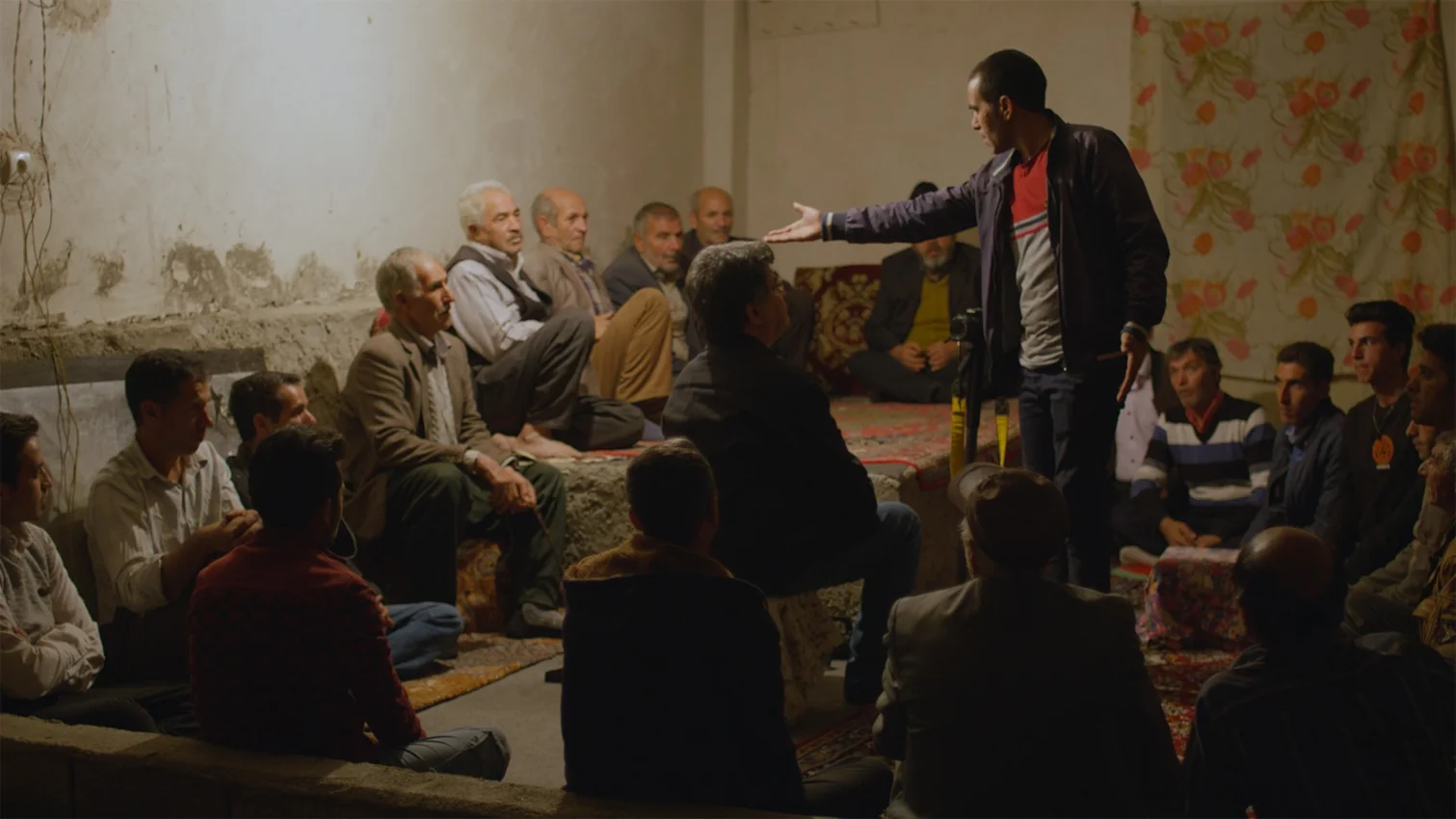
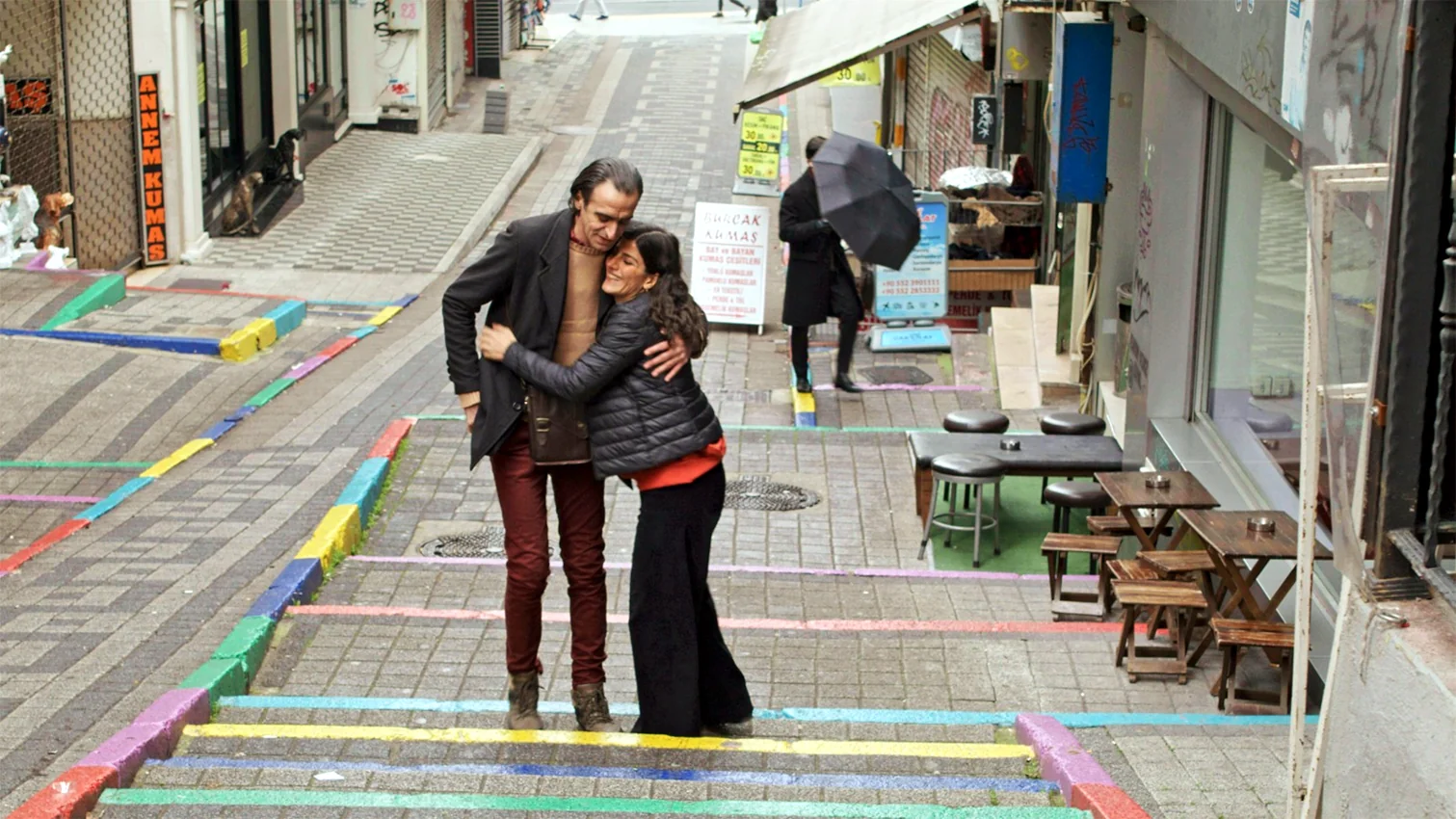
Iranian director Jafar Panahi, who has been barred from leaving the country, arrives at a village on the Iran-Turkey border to supervise a film based on a real-life couple seeking passports to Europe being shot in Turkey, but both his stay and the production run into trouble.
Credits:
Khers nist IR 2022, 107 Min., farsi OmU Regie: Jafar Panahi Kamera: Amin Jafari Schnitt: Amir Etminan mit: Naser Hashemi, Jafar Panahi, Vahid Mobasheri, Mina Kavani
Iranian director Jafar Panahi, who has been barred from leaving the country, arrives at a village on the Iran-Turkey border to supervise a film based on a real-life couple seeking passports to Europe being shot in Turkey, but both his stay and the production run into trouble.
Credits:
Khers nist IR 2022, 107 Min., farsi OmU Regie: Jafar Panahi Kamera: Amin Jafari Schnitt: Amir Etminan mit: Naser Hashemi, Jafar Panahi, Vahid Mobasheri, Mina Kavani
“They want you to say something in Hebrew. Like a prayer or blessing.” – “I don’t know what to say, so … like … I prefer not to do that.” – “Ok, but just something short. And then they’ll leave you alone.”
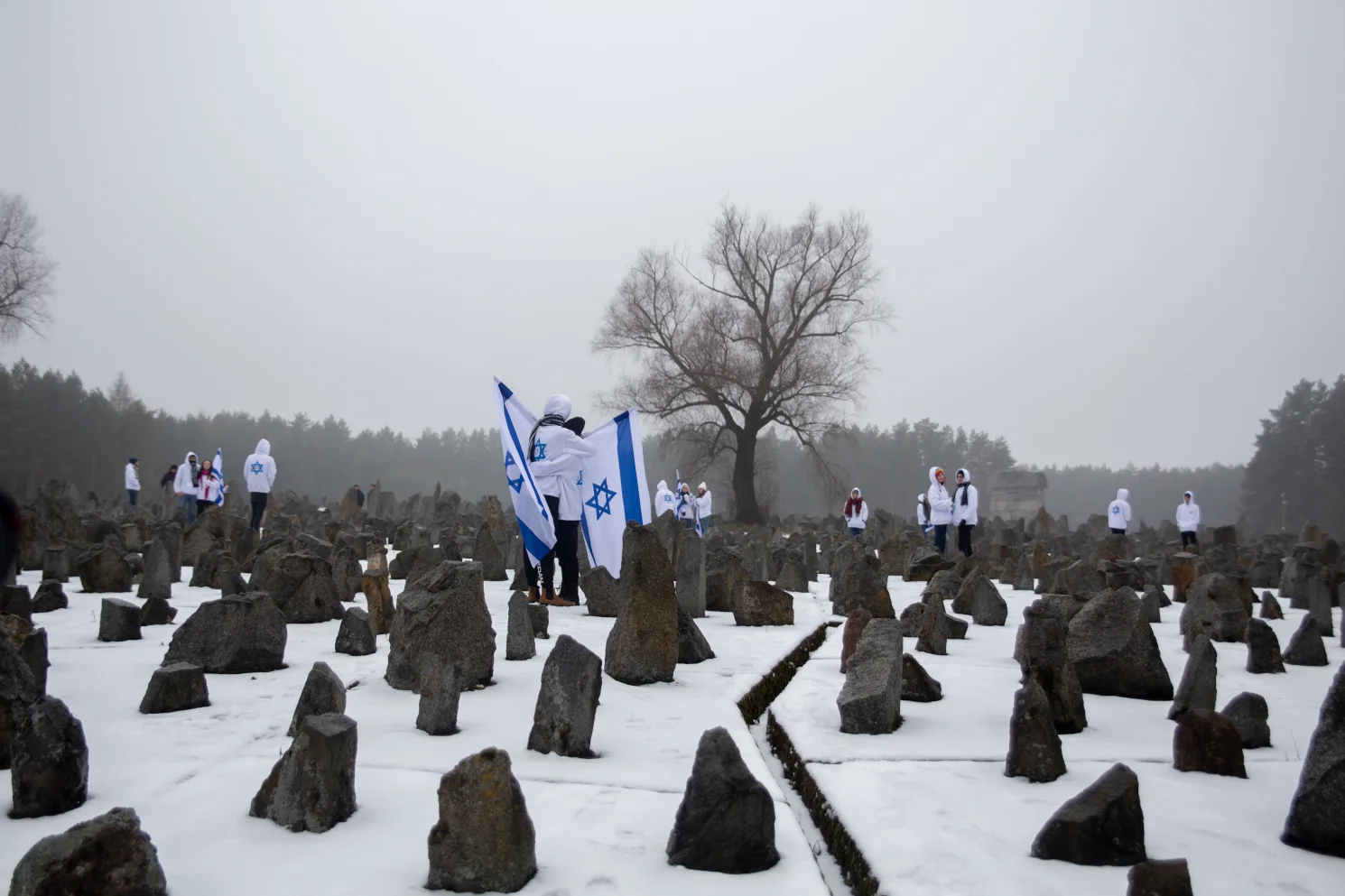
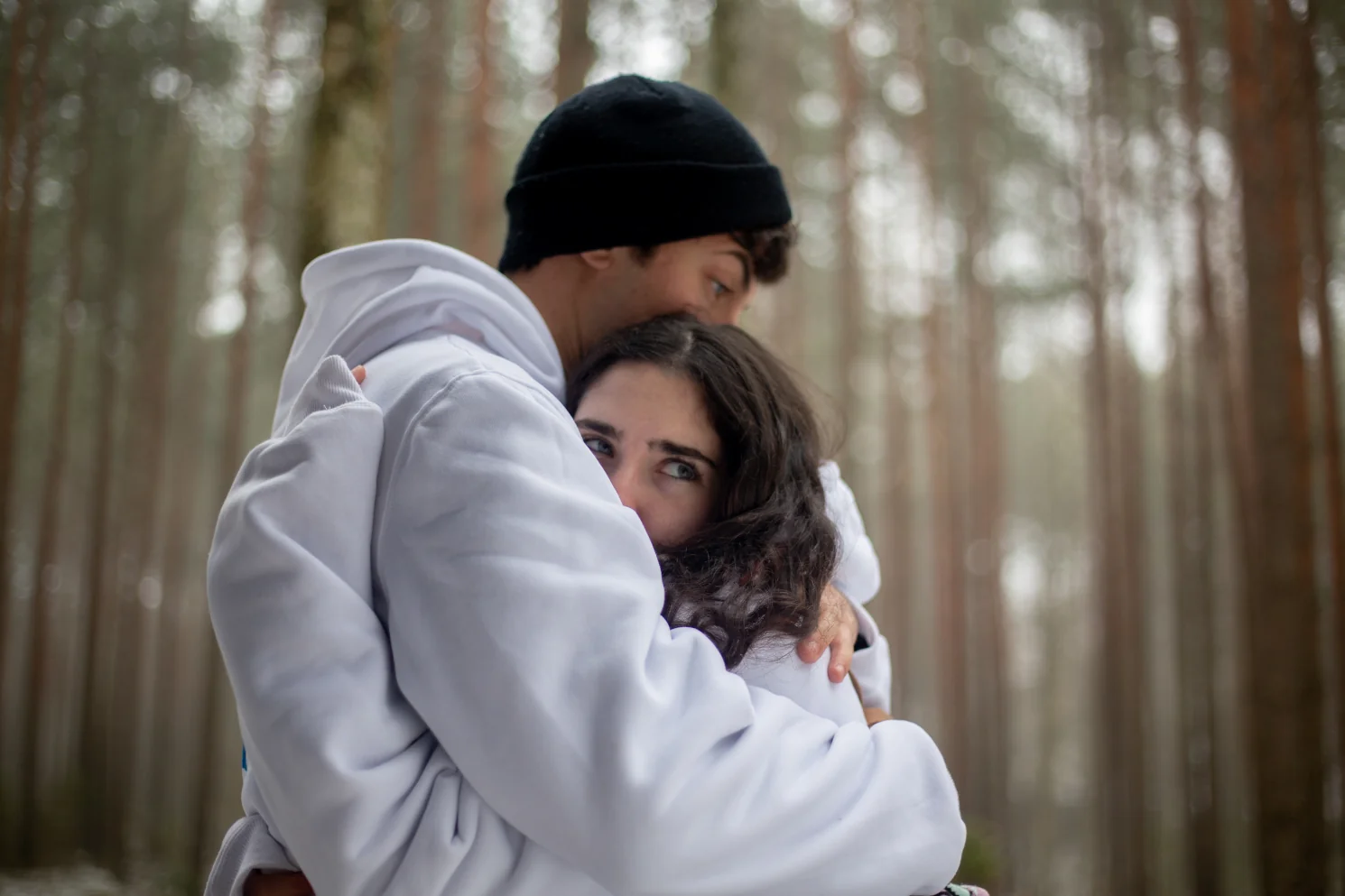
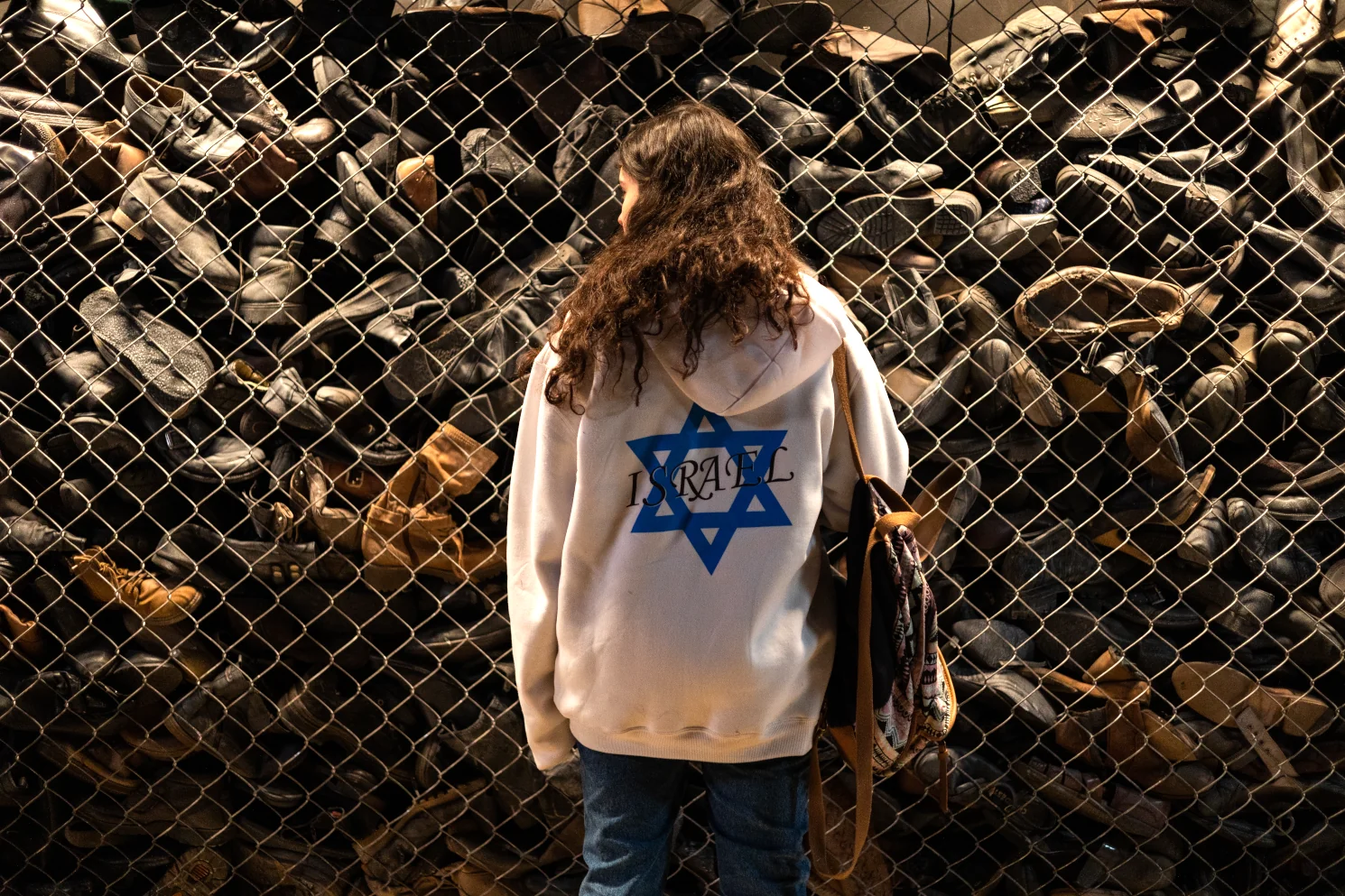
The end of school is approaching. Together with their class and a Shoah survivor, Frisch, Nitzan and Ido embark on a bus trip through Poland to visit former concentration camps and memorials of the Shoah. The trip, which is customary for teenagers in Israel, confronts them with their identity, sometimes in a very emotional way. Simultaneously, as on every school trip, group dynamics, emotional confusion and conflicts of desire are also present. Ha’Mishlahat tells of a culture of remembrance from the perspective of young Israelis, whose lively energy collides with a static system of memorial sites and modes. tells of a culture of remembrance from the perspective of young Israelis, whose lively energy collides with a static system of memorial sites and modes.
Credits:
Ha’Mishlahat IL/PL/DE 2023, 101 Min., Polish, English, HebrewOmU Regie: Asaf Saban Kamera: Bogumił Godfrejów Schnitt: Michal Oppenheim mit: Neomi Harari, Yoav Bavly, Leib Lev Levin, Ezra Dagan, Alma Dishy u. a.
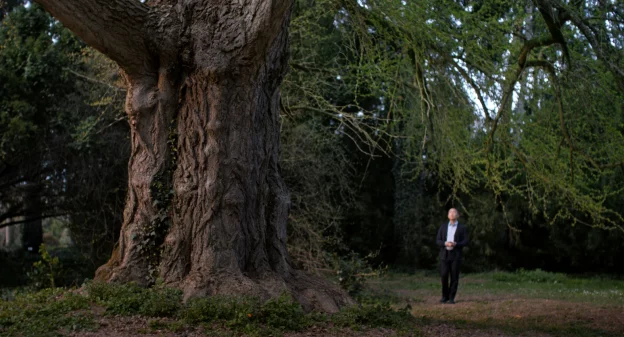
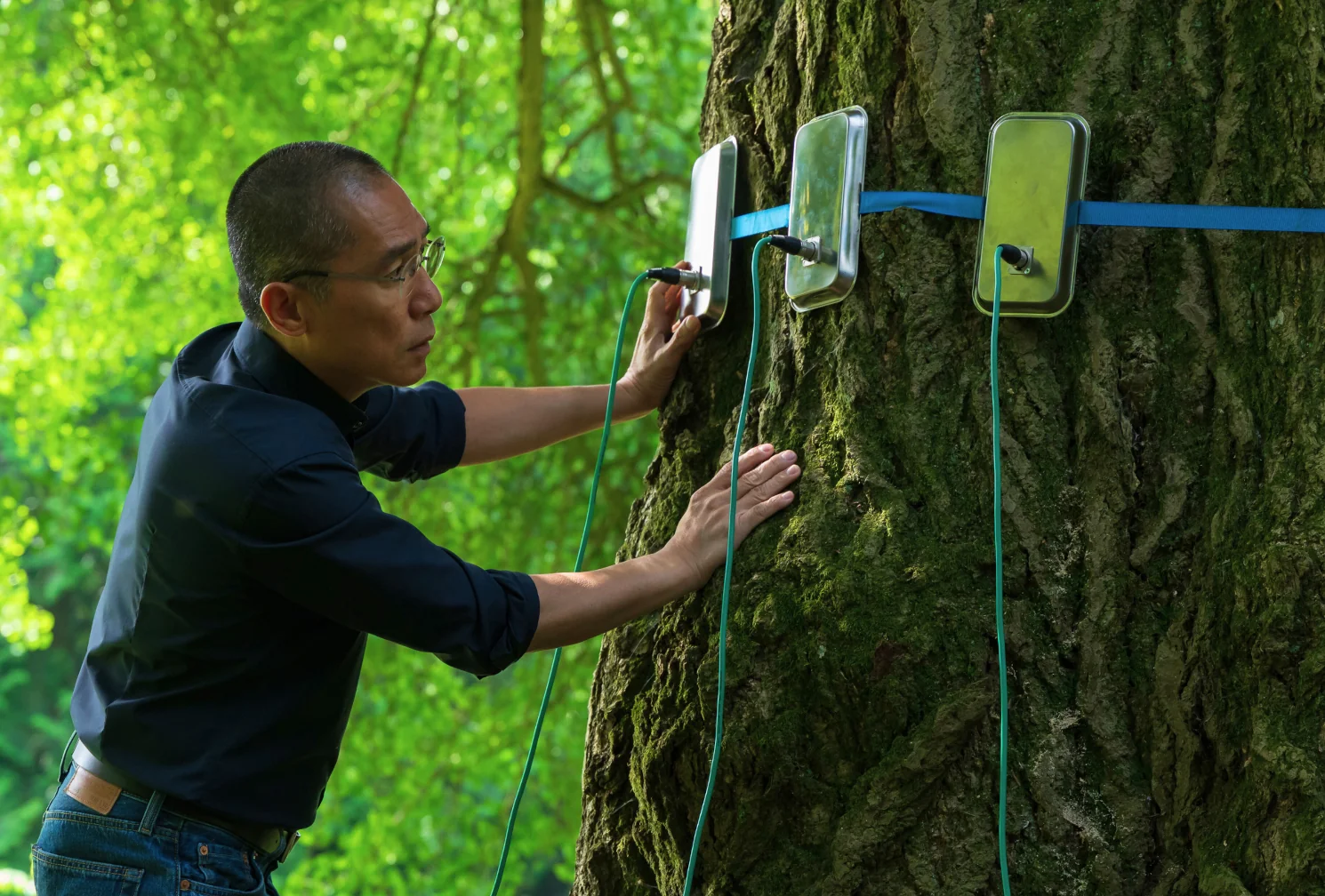
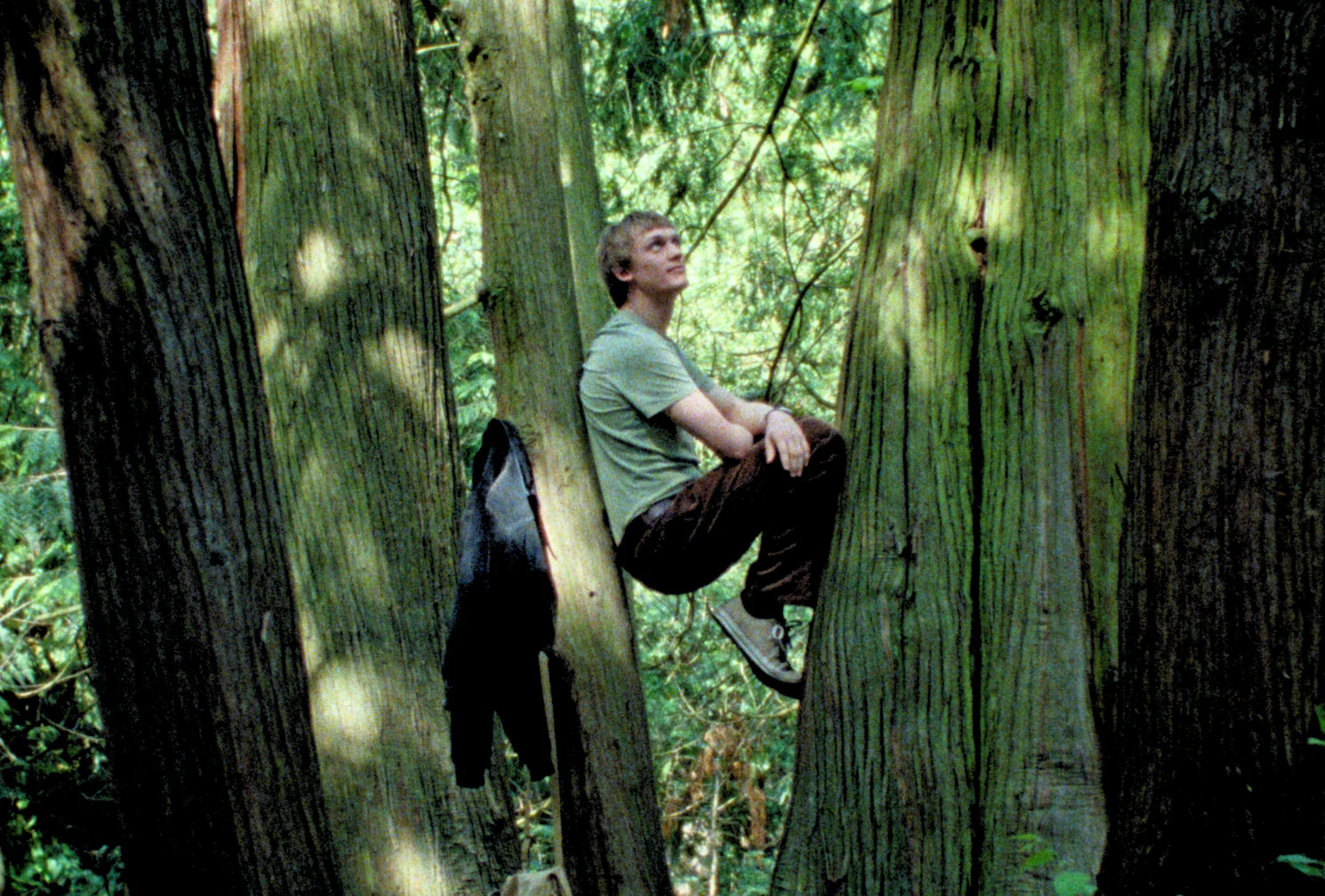
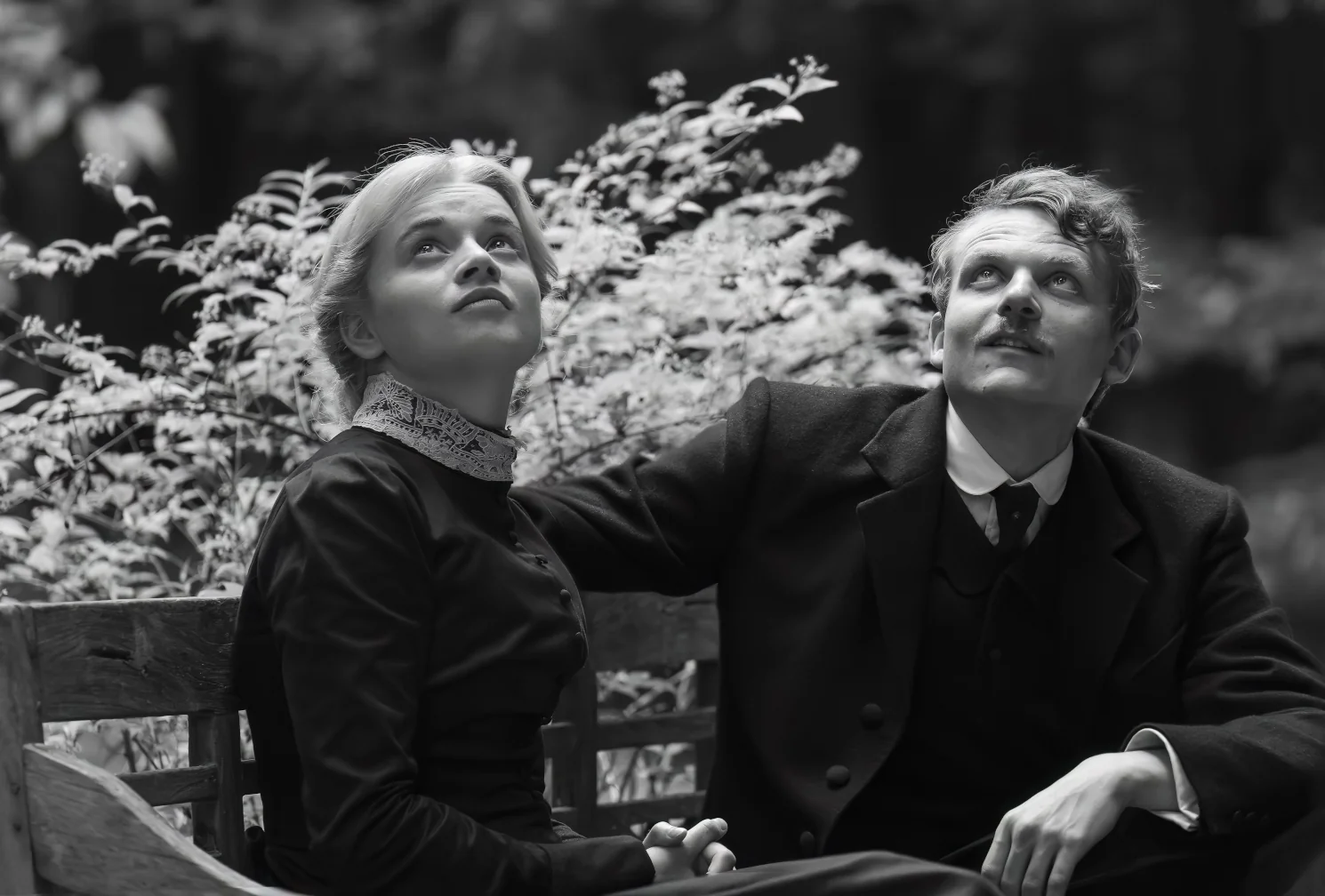
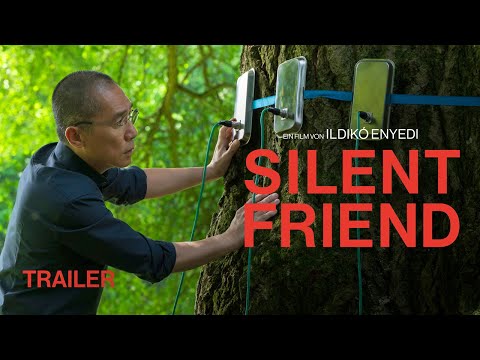
In the heart of a botanical garden in a medieval university town in Germany stands a majestic ginkgo tree. This silent witness has observed over a century the quiet rhythms of transformation across three human lives. 2020, a neuroscientist from Hong Kong, exploring the mind of babies, begins an unexpected experiment with the old tree. 1972, a young student is profoundly changed by the simple act of observing and connecting with a geranium. 1908, the university’s first female student discovers, through the lens of photography, sacred patterns of the universe hidden within the humblest of plants. We follow their clumsy, awkward attempts to connect — each one of them deeply rooted in their own present — as they are transformed by the quiet, enduring, and mysterious power of nature. The ancient ginkgo tree brings us closer to what it means to be human — to our longing to belong.
Credits:
DE/HU/FR 2025, 147 Min., deutsch, englische OmU Regie: Ildikó Enyedi Kamera: Gergely Pálos Schnitt: Károly Szala mit: Tony Leung Chiu-wai, Luna Wedler, Enzo Brumm, Sylvester Groth, Martin Wuttke, Johannes Hegemann, Rainer Bock, Marlene Burow, Léa Seydoux
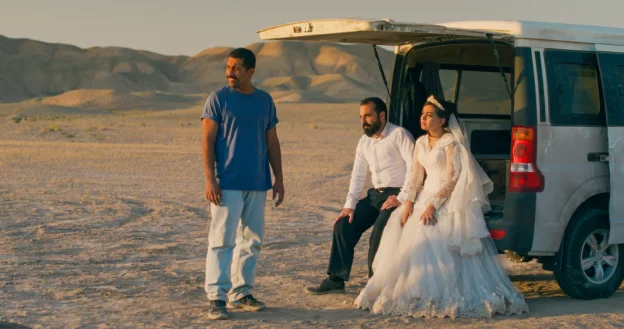
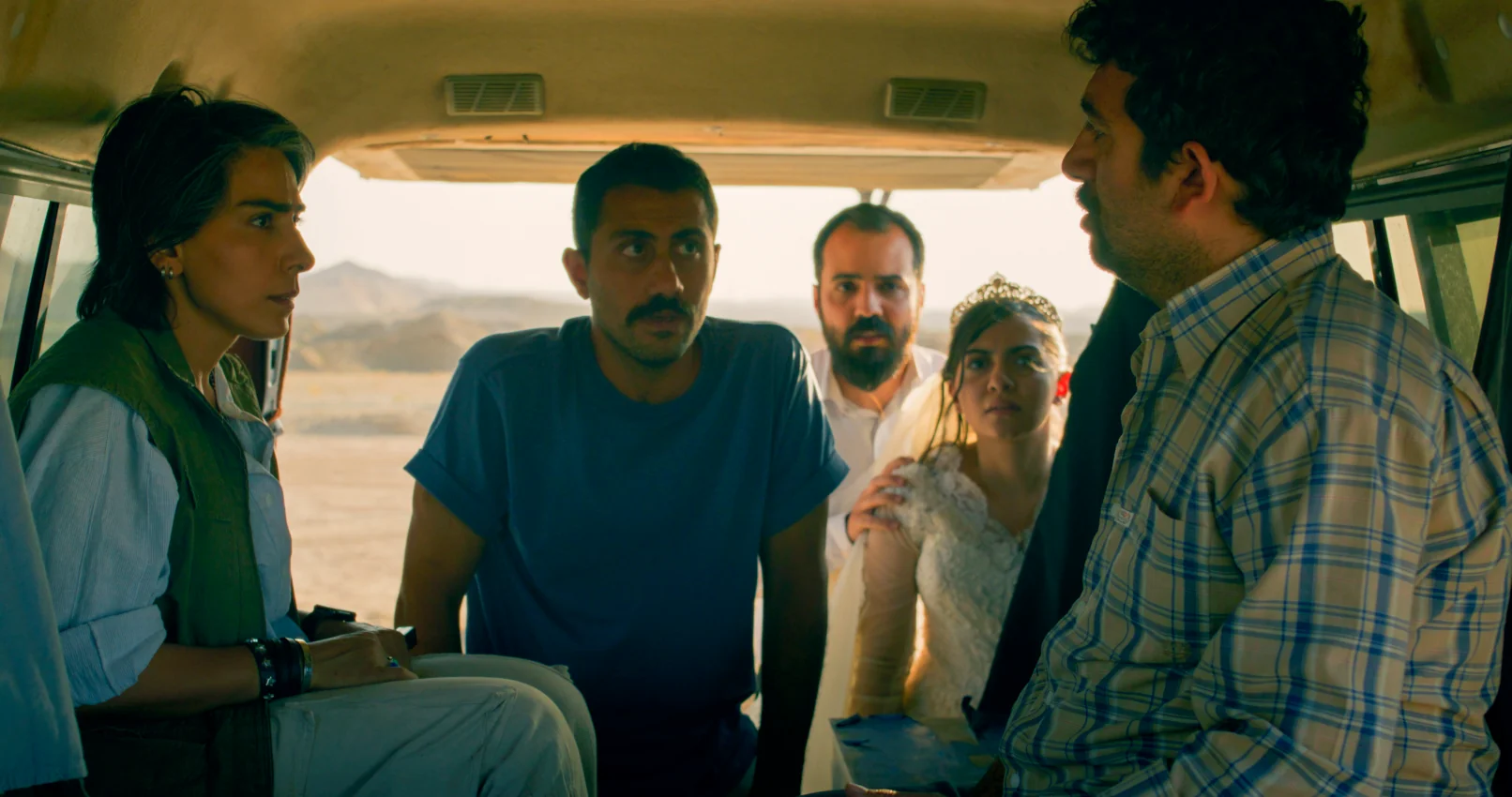
Vahid, who was once imprisoned and tortured by the Iranian authorities, meets a man he believes to have been his most sadistic torturer. He can’t be sure though, as he was blindfolded during the interrogations. Intent on violent revenge but afraid of hurting an innocent person, he kidnaps the man and asks another former inmate to corroborate his suspicion. Neither absolutely confident, they decide to track down other survivors. The group keeps growing as they drive around in Vahid’s van with their prisoner in tow, desperately pursuing a certainty that remains just beyond reach. A taut thriller nuanced by an undercurrent of absurdist farce, YEKTASADOF‑E SADEH, winner of this year’s Palme d’Or, is Jafar Panahi’s most outspoken and explicitly political film to date. That it was made after he was himself released from Tehran’s notorious Evin Prison gives the story an obvious autobiographical dimension. Yet its moral implications extend beyond the personal to encompass all of Iranian society in the wake of the Woman, Life, Freedom protests. Now that new freedoms have been achieved, opening an unprecedented window of opportunity, the film sets the desire for vengeance against the imperative to keep pushing forward. (Giovanni Marchini Camia)
Credits:
Yek tasadef sadeh یک تصادف ساده, IR/FR/LU 2025, 102 Min., farsi OmU Regie: Jafar Panahi Kamera: Amin Jafari Schnitt: Amir Etminan mit: Vahid Mobasseri, Maryam Afshari, Ebrahim Azizi, Hadis Pakbaten
Wir verwenden Cookies, um unsere Website und unseren Service zu optimieren.
Funktionale Cookies
Always active
Die technische Speicherung oder der Zugang ist unbedingt erforderlich für den rechtmäßigen Zweck, die Nutzung eines bestimmten Dienstes zu ermöglichen, der vom Teilnehmer oder Nutzer ausdrücklich gewünscht wird, oder für den alleinigen Zweck, die Übertragung einer Nachricht über ein elektronisches Kommunikationsnetz durchzuführen.
Vorlieben
Die technische Speicherung oder der Zugriff ist für den rechtmäßigen Zweck der Speicherung von Präferenzen erforderlich, die nicht vom Abonnenten oder Benutzer angefordert wurden.
Statistiken
Die technische Speicherung oder der Zugriff, der ausschließlich zu statistischen Zwecken erfolgt.Die technische Speicherung oder der Zugriff, der ausschließlich zu anonymen statistischen Zwecken verwendet wird. Ohne eine Vorladung, die freiwillige Zustimmung deines Internetdienstanbieters oder zusätzliche Aufzeichnungen von Dritten können die zu diesem Zweck gespeicherten oder abgerufenen Informationen allein in der Regel nicht dazu verwendet werden, dich zu identifizieren.
Marketing
Die technische Speicherung oder der Zugriff ist erforderlich, um Nutzerprofile zu erstellen, um Werbung zu versenden oder um den Nutzer auf einer Website oder über mehrere Websites hinweg zu ähnlichen Marketingzwecken zu verfolgen.



![Delegation | Trailer [HD]](https://fsk-kino.peripherfilm.de/wp-content/plugins/wp-youtube-lyte/lyteCache.php?origThumbUrl=https%3A%2F%2Fi.ytimg.com%2Fvi%2F9fGP4gSsuvc%2F0.jpg)