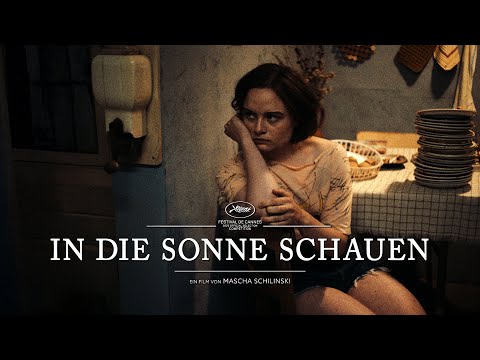
Four girls, Alma, Erika, Angelika, and Lenka, each spend their youth on the same farm in northern Germany. As the home evolves over a century, echoes of the past linger in its walls. Though separated by time, their lives begin to mirror each other.
Cannes 2025 – Jury Prize
Credits:
DE 2024, 149 Min., Regie: Mascha Schilinski Kamera: Fabian Gamper Schnitt: Evelyn Rack Darsteller*innen: Luise Heyer, Lena Urzendowsky, Claudia Geisler-Bading, Lea Drinda, Hanna Heckt
Trailer:
Kinotrailer „In die Sonne schauen” – Kinostart 28. August 2025
Four girls, Alma, Erika, Angelika, and Lenka, each spend their youth on the same farm in northern Germany. As the home evolves over a century, echoes of the past linger in its walls. Though separated by time, their lives begin to mirror each other.
Cannes 2025 – Jury Prize
Credits:
DE 2024, 149 Min., Regie: Mascha Schilinski Kamera: Fabian Gamper Schnitt: Evelyn Rack Darsteller*innen: Luise Heyer, Lena Urzendowsky, Claudia Geisler-Bading, Lea Drinda, Hanna Heckt
Trailer:
Kinotrailer „In die Sonne schauen” – Kinostart 28. August 2025
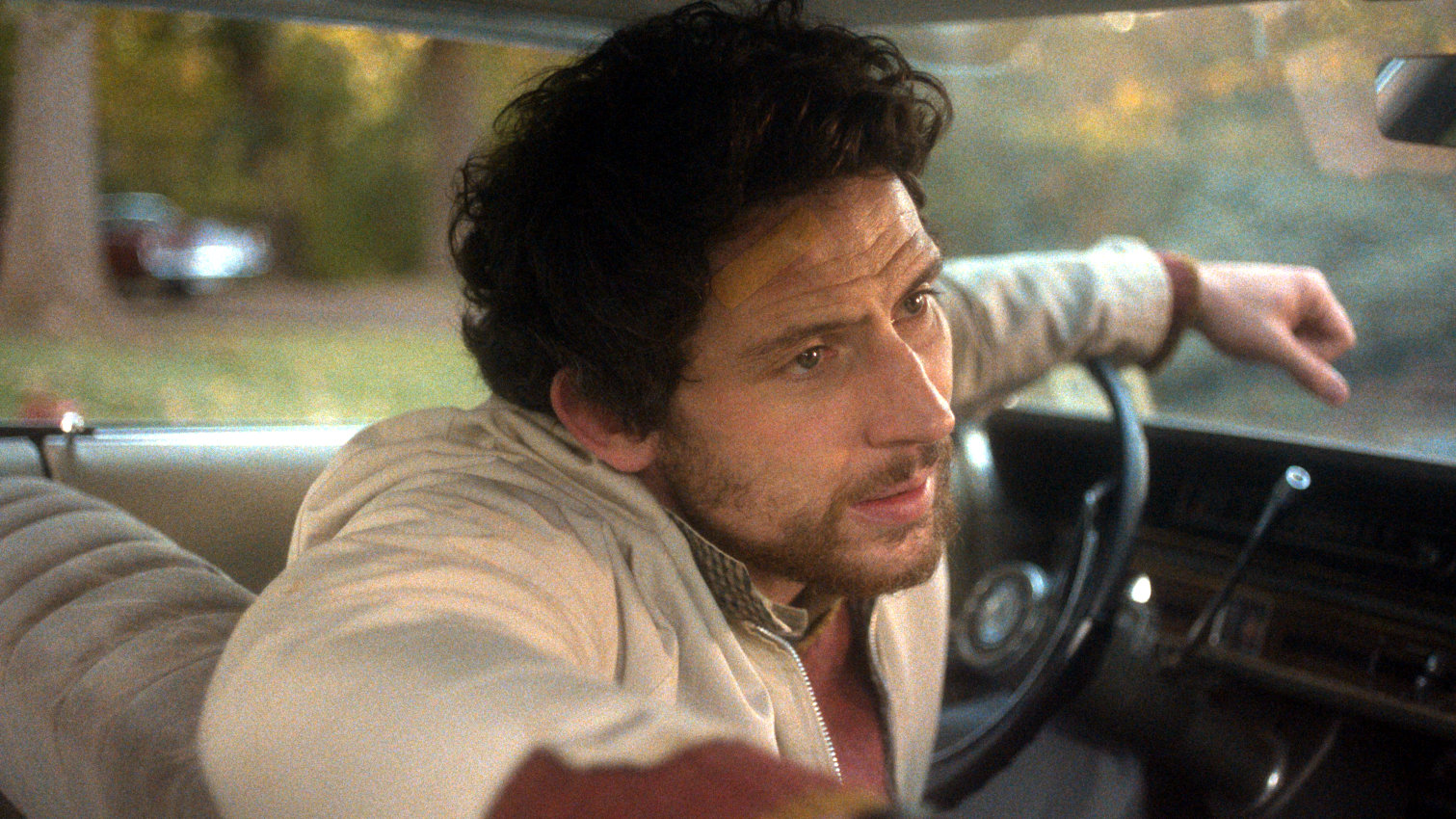
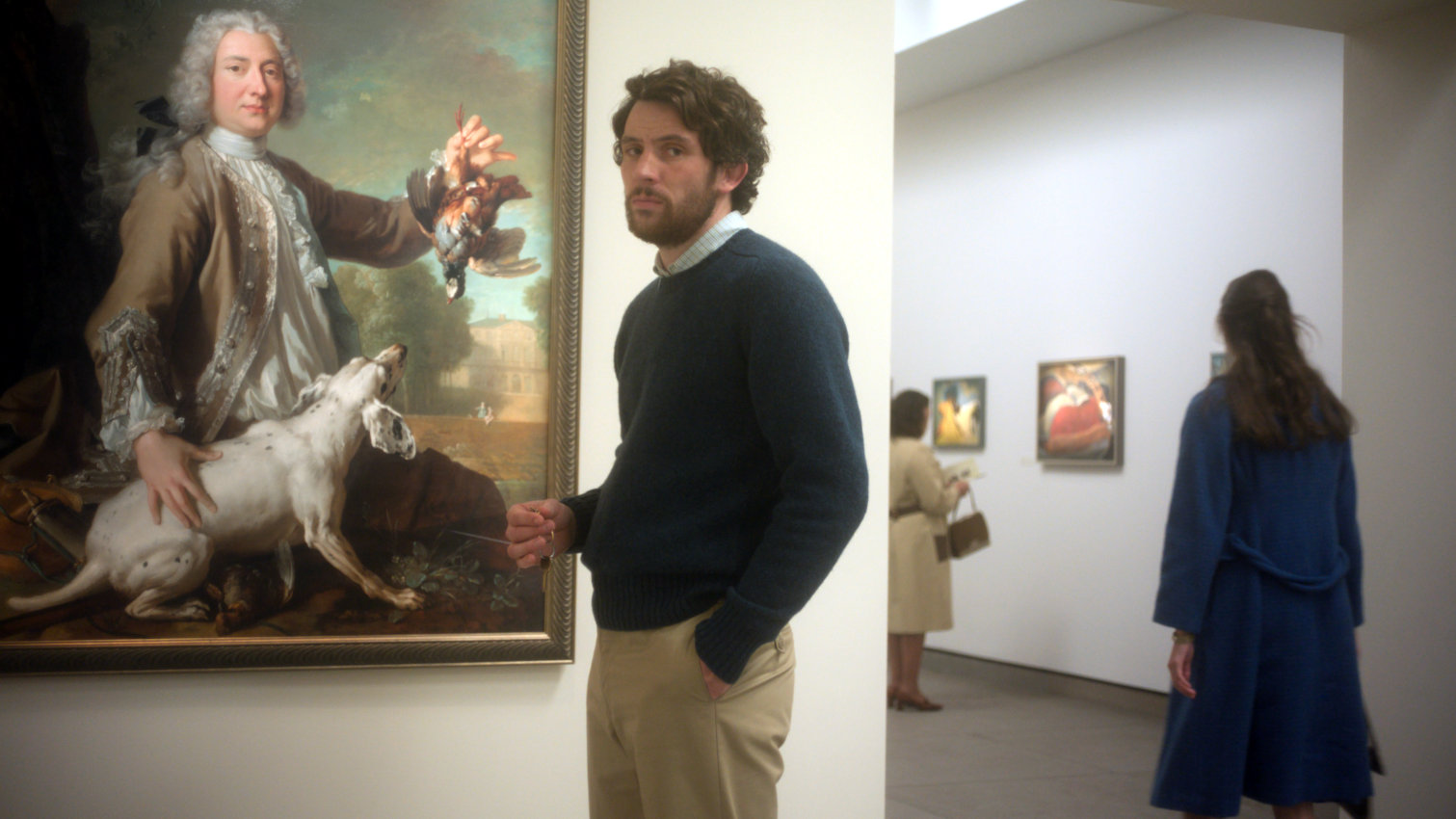
In a sedate corner of Massachusetts circa 1970, JB Mooney (Josh O’Connor) an unemployed carpenter turned amateur art thief, plans his first big heist. When things go haywire, his life unravels.
Credits:
US 2025, 110 Min., engl. OmU Regie & Schnitt: Kelly Reichardt Kamera: Christopher Blauvelt mit: Josh O’Connor, Alana Haim, Hope Davis, John Magaro, Gaby Hoffmann, Bill Camp
Trailer:
THEMASTERMIND | Offizieller Trailer | Ab 16. Oktober im Kino
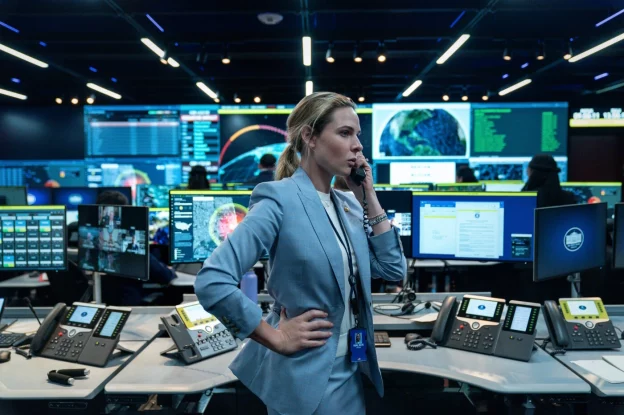
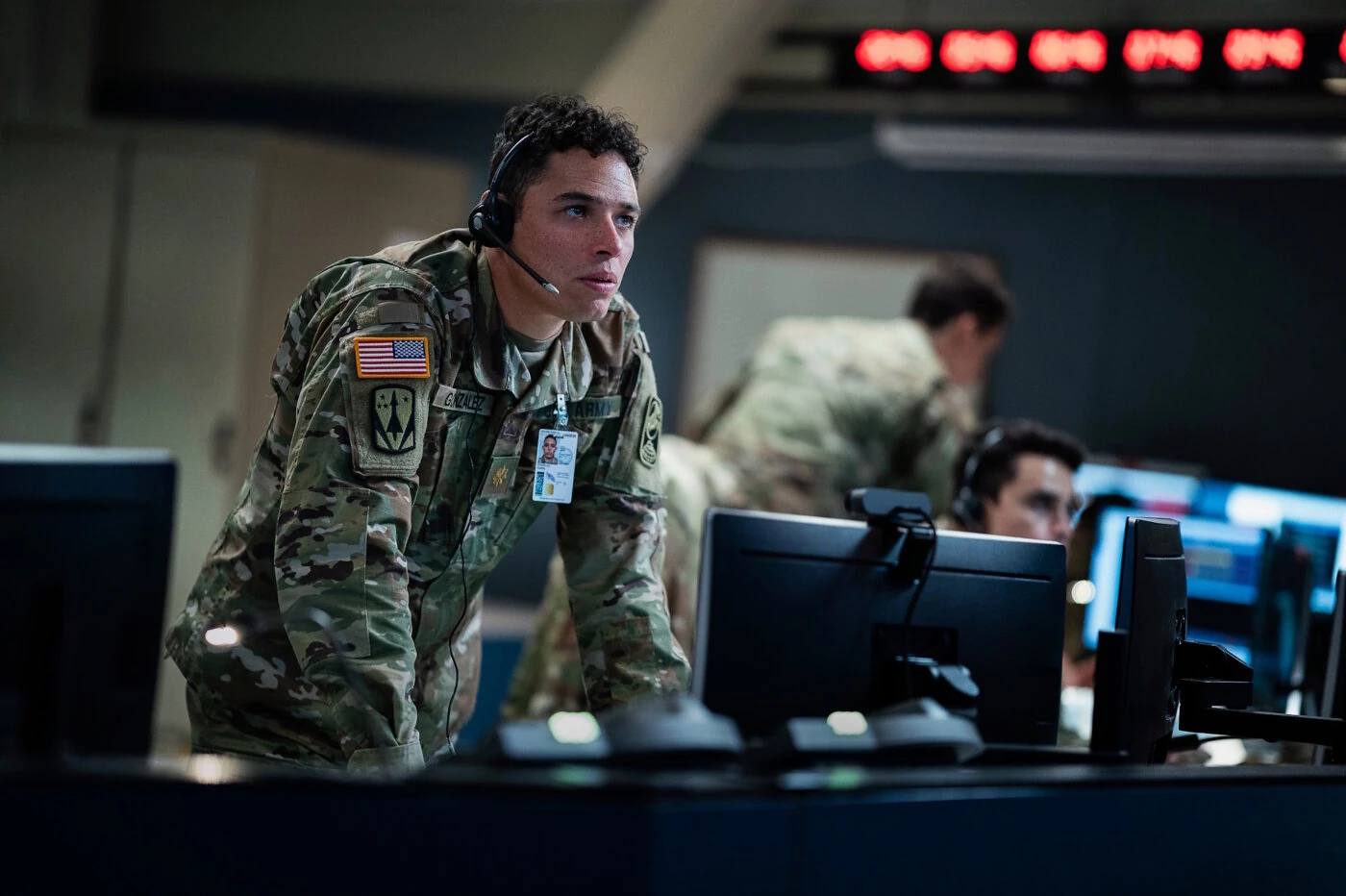
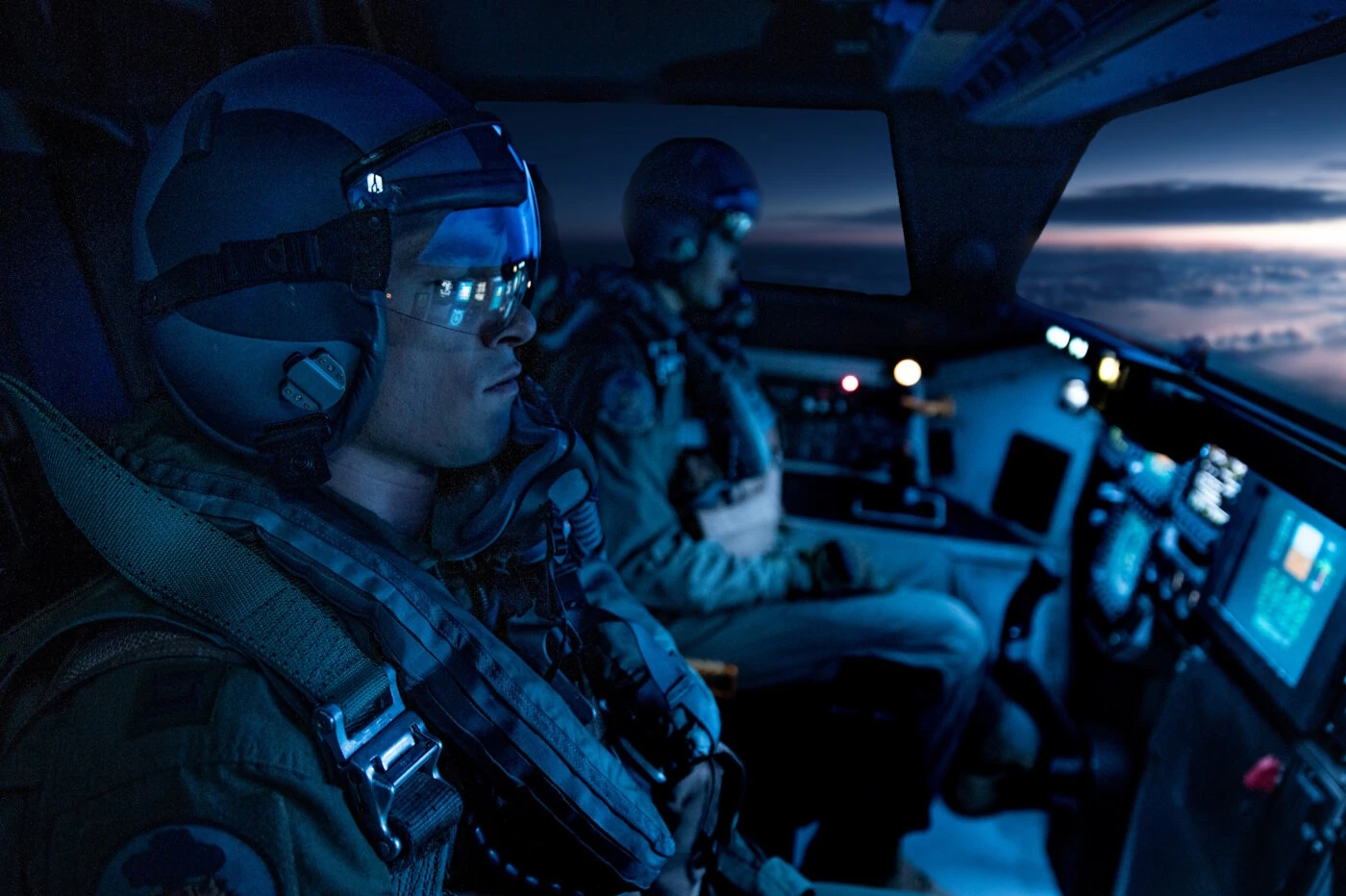
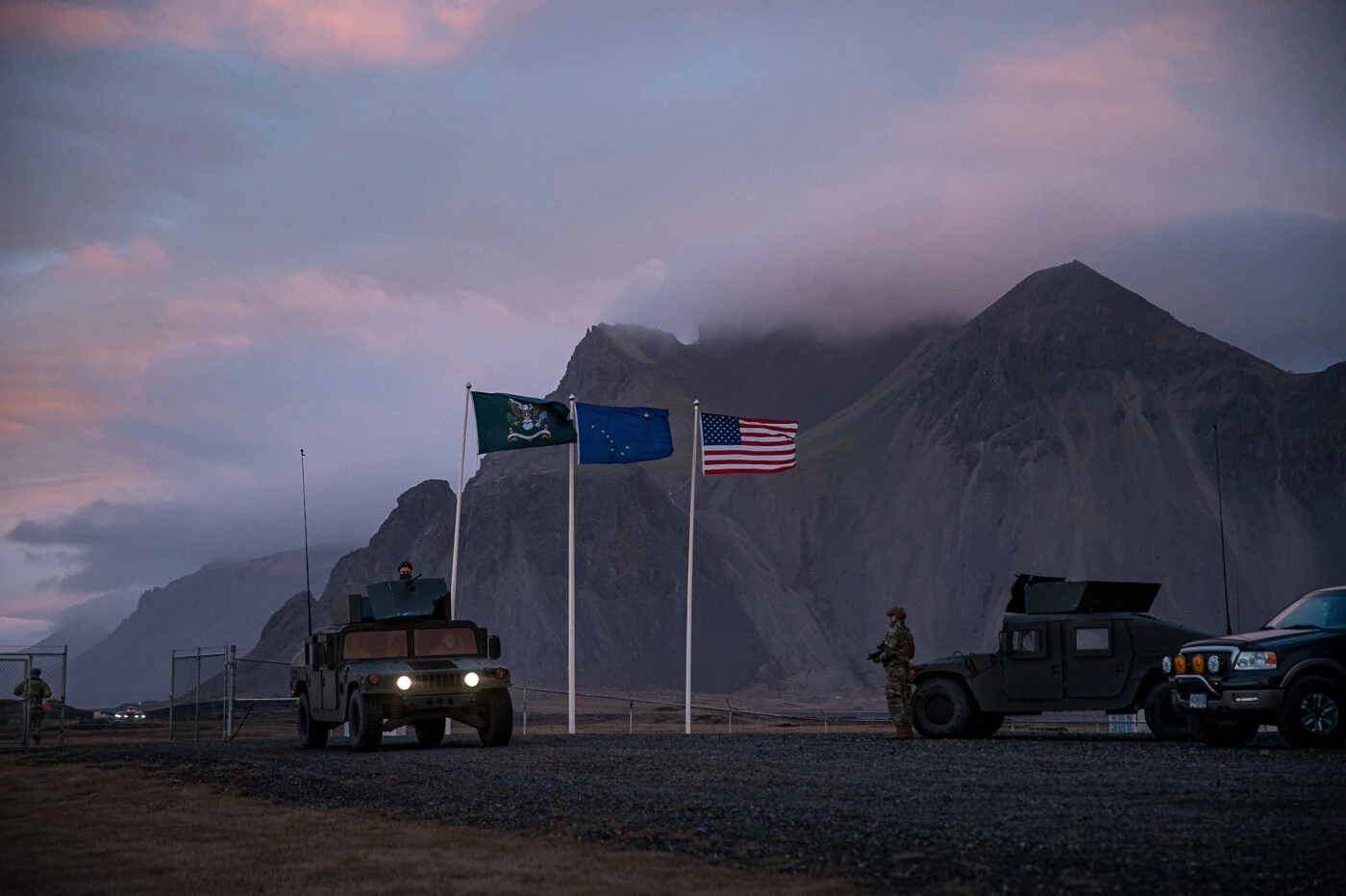
When a single, unattributed missile is launched at the United States, a race begins to determine who is responsible and how to respond.
Director’s Statement I grew up in an era when hiding under your school desk was considered the go-to protocol for surviving an atomic bomb. It seems absurd now — and it was — but at the time, the threat felt so immediate that such measures were taken seriously. Today, the danger has only escalated. Multiple nations possess enough nuclear weapons to end civilisation within minutes. And yet, there’s a kind of collective numbness — a quiet normalisation of the unthinkable. How can we call this “defense” when the inevitable outcome is total destruction? I wanted to make a film that confronts this paradox — to explore the madness of a world that lives under the constant shadow of annihilation, yet rarely speaks of it.
Credits:
US 2025, 112 Min., Englisch OmU Regie: Kathryn Bigelow Kamera: Barry Ackroyd Schnitt: Kirk Baxter mit: Idris Elba, Rebecca Ferguson, Gabriel Basso, Jason Clarke, Greta Lee, Jared Harris, Tracy Letts, Anthony Ramos, Moses Ingram und Jonah Hauer-King
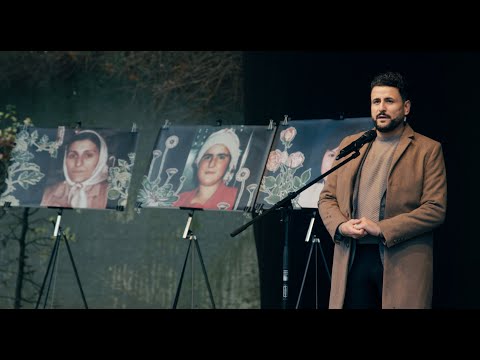
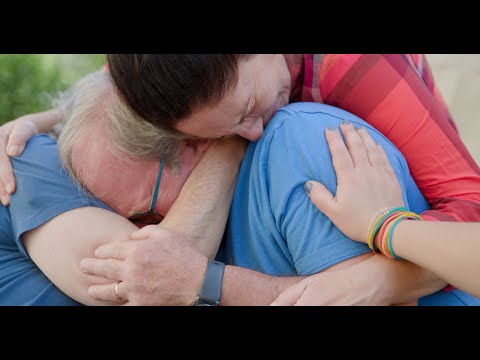
In November 1992, a racist arson attack in Mölln shattered the lives of İbrahim Arslan and his family. At just seven years old, İbrahim survived, but he lost his sister, his cousin and his grandmother. In the aftermath of the attacks, the city received hundreds of letters of solidarity which were ignored for nearly three decades. Woven into İbrahim’s poignant journey of discovery and his encounters with three letter writers, these rediscovered letters form a visual and emotional bridge between past and present. The film follows İbrahim and his siblings, painting a complex portrait of the lasting trauma that continues to affect them to this day. While İbrahim has found a way to cope by fighting against racism and advocating for a remembrance culture centred on the victims’ perspectives, his brother Namik is still at the beginning of his journey to come to terms with the traumatic experiences. The film not only amplifies the perspectives of the victims and survivors but also uncovers the vibrant solidarity that once existed – a solidarity of which the victims and survivors were previously unaware. It offers a new perspective on remembrance – one that takes the voices of survivors and their experiences seriously and provides them with the space and recognition that they deserve.
Credits:
DE 2025, 96 Min., deutsch, türkische Originalfassung mit deutschen und türkischen Untertiteln Regie: Martina Priessner Schnitt: Maja Tennstedt Kamera: Ayşe Alacakaptan, Julia Geiß
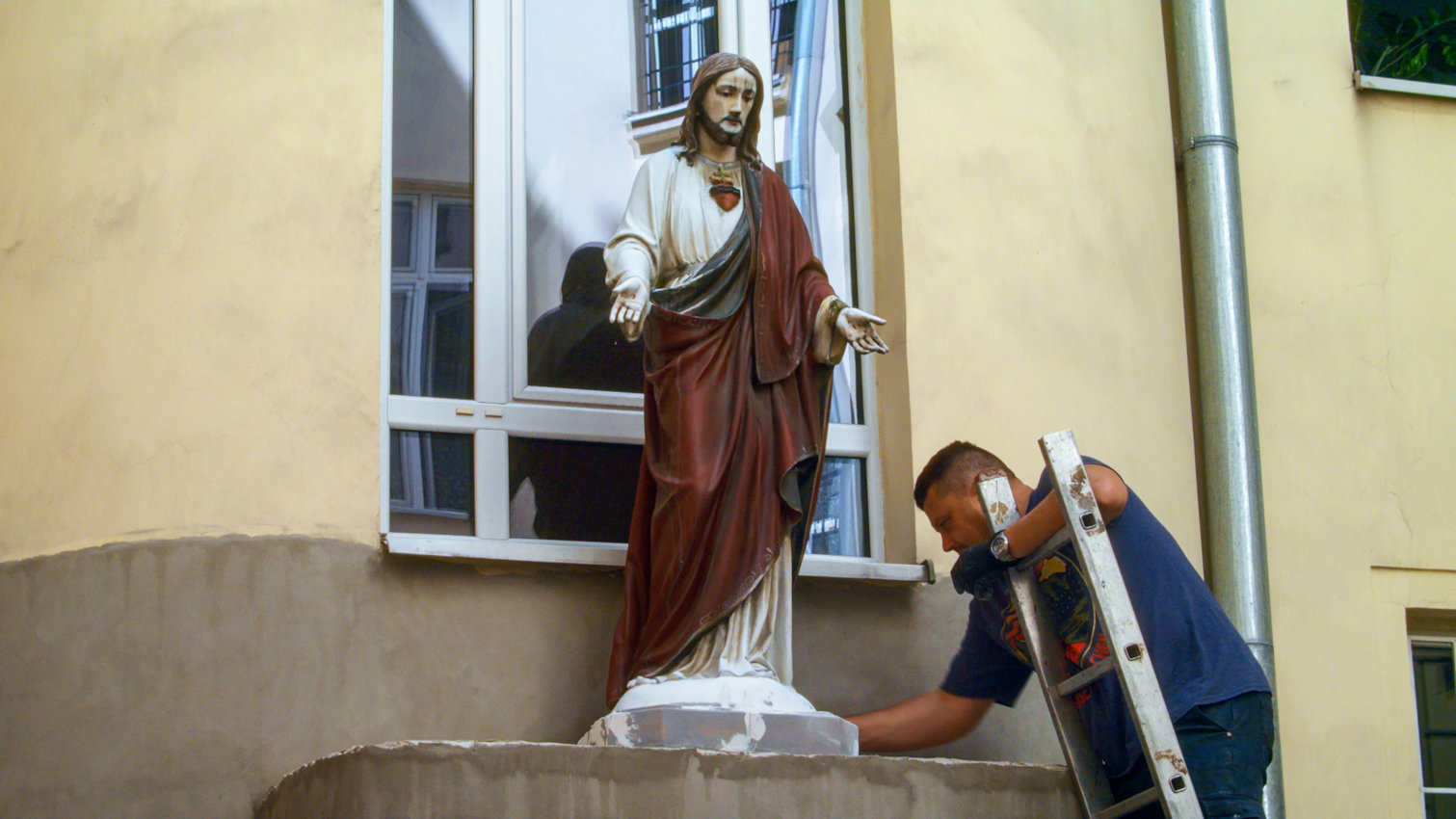
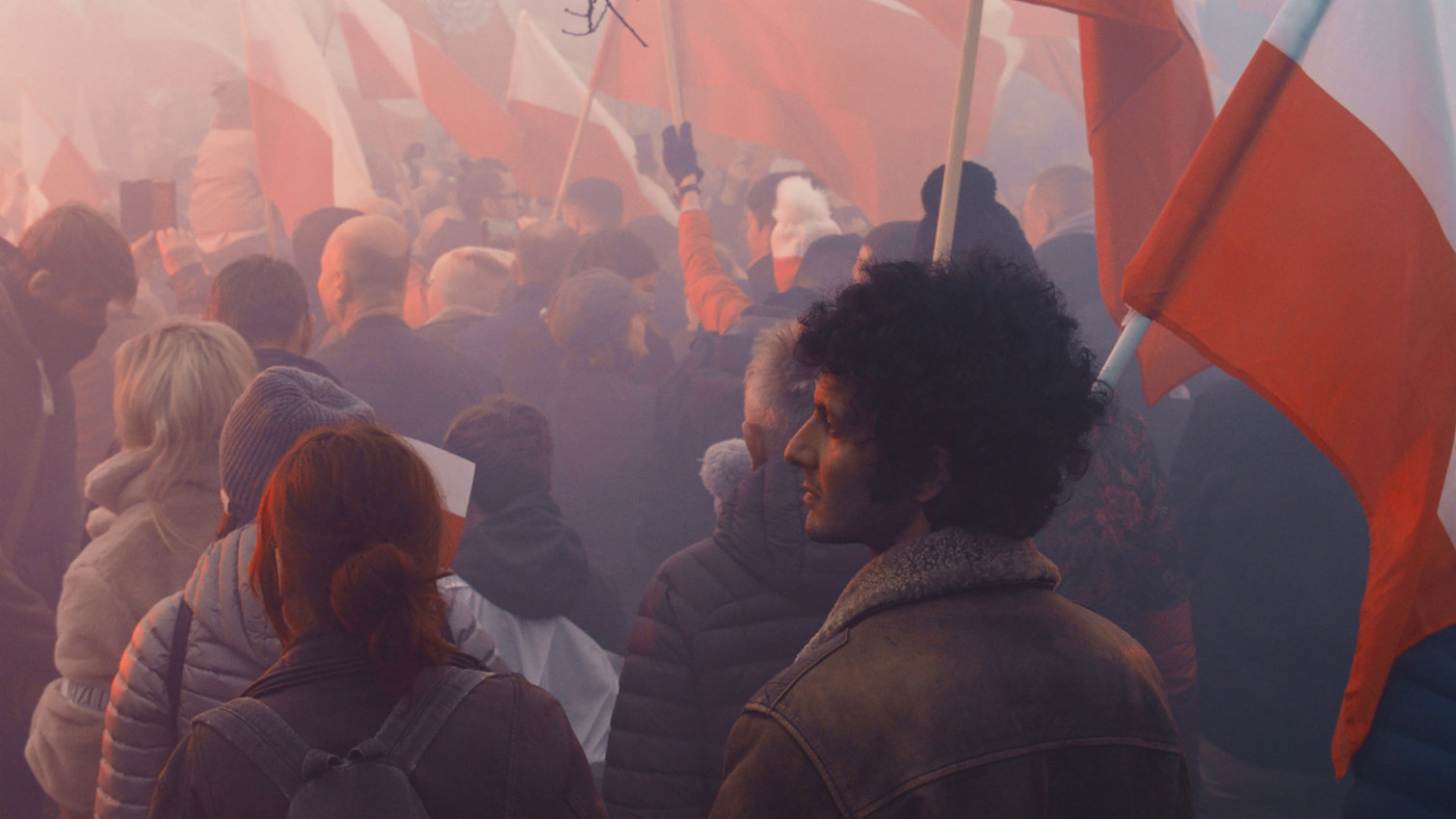
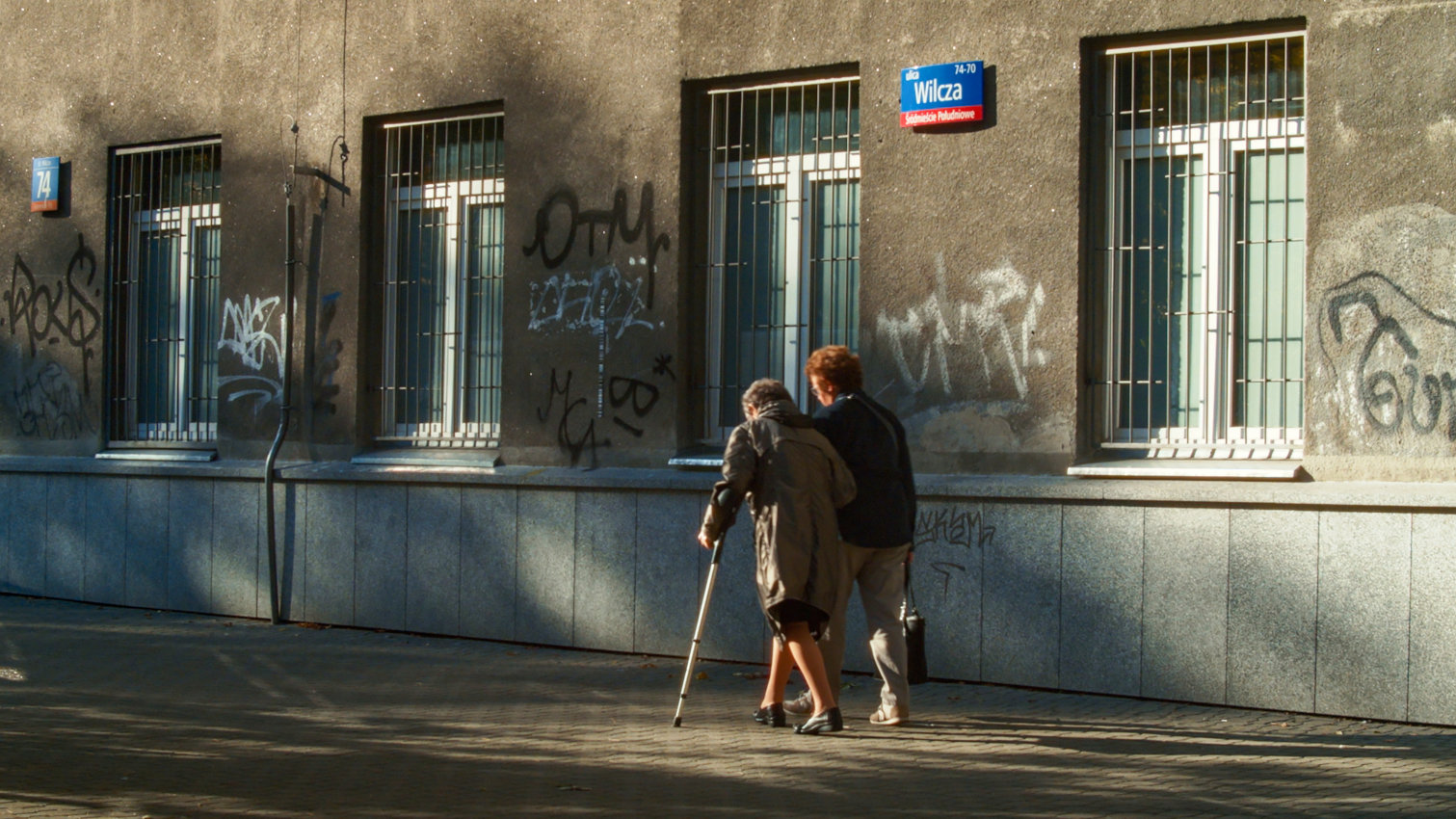
A street in central Warsaw is the focus of this witty and personal portrait of Poland. Filmmaker Arjun Talwar immigrated to the country a decade ago but still struggles to fit in. Ulica Wilcza, the street where he lives, has not really helped matters. In an attempt to accelerate his integration, he begins filming his neighbours, sounding out his relationships with them and seeking ways to overcome his own feelings of alienation. With the help of his friend Mo, another immigrant-turned-filmmaker, Arjun uncovers the hidden secrets of the street, revealing a host of charming inhabitants. He finds other people like himself who are living between the past and present, between an imagined homeland and the real one. The street connects them all like an invisible thread, offering solace in the melancholy of everyday life. Along this kilometre-long stretch, a picture of modern Europe emerges, exposing a kaleidoscope of contradictions and anxieties as a foreign filmmaker holds up a mirror to a country that is often perceived as homogeneous, unwelcoming and politically right-wing.
A film that is shot truly open-endedly, in the thick of it, even though – at the outset – it was impossible to predict what would happen. Liat is forcibly abducted from her kibbutz by members of Hamas on 7 October 2023 and shortly afterwards Brandon Kramer starts filming with her family. He’s right there with them, up close, as the parents Yehuda and Chaya try to deal with their fear – or to sway the fate of their adult daughter and her husband in dialogue with the authorities. As a US citizen, Yehuda flies to the USA, accompanied by Liat’s son, who is burdened by more than the public attention, and Liat’s sister, who will try to cushion Yehuda’s temper and anger. Because even within this family views are polarised: despite his pain, the father takes a critical view of Israel’s role in the Middle East conflict. He is a pacifist and will not be dissuaded from the path of reconciliation, even at the geopolitical epicentre of diplomacy and trauma. He persistently swims against the tide, takes issue with himself and everyone else and berates the Israeli government. A candid film of the hour. Insights don’t come from politics, but from Liat’s family.
Credits:
US 2025, 97 Min., Englisch, Hebräisch OmU Regie: Brandon Kramer Kamera: Yoni Brook, Omer Manor Schnitt: Jeff Gilbert
In a sedate corner of Massachusetts circa 1970, JB Mooney (Josh O’Connor) an unemployed carpenter turned amateur art thief, plans his first big heist. When things go haywire, his life unravels.
Credits:
US 2025, 110 Min., engl. OmU Regie & Schnitt: Kelly Reichardt Kamera: Christopher Blauvelt mit: Josh O’Connor, Alana Haim, Hope Davis, John Magaro, Gaby Hoffmann, Bill Camp
Trailer:
THEMASTERMIND | Offizieller Trailer | Ab 16. Oktober im Kino
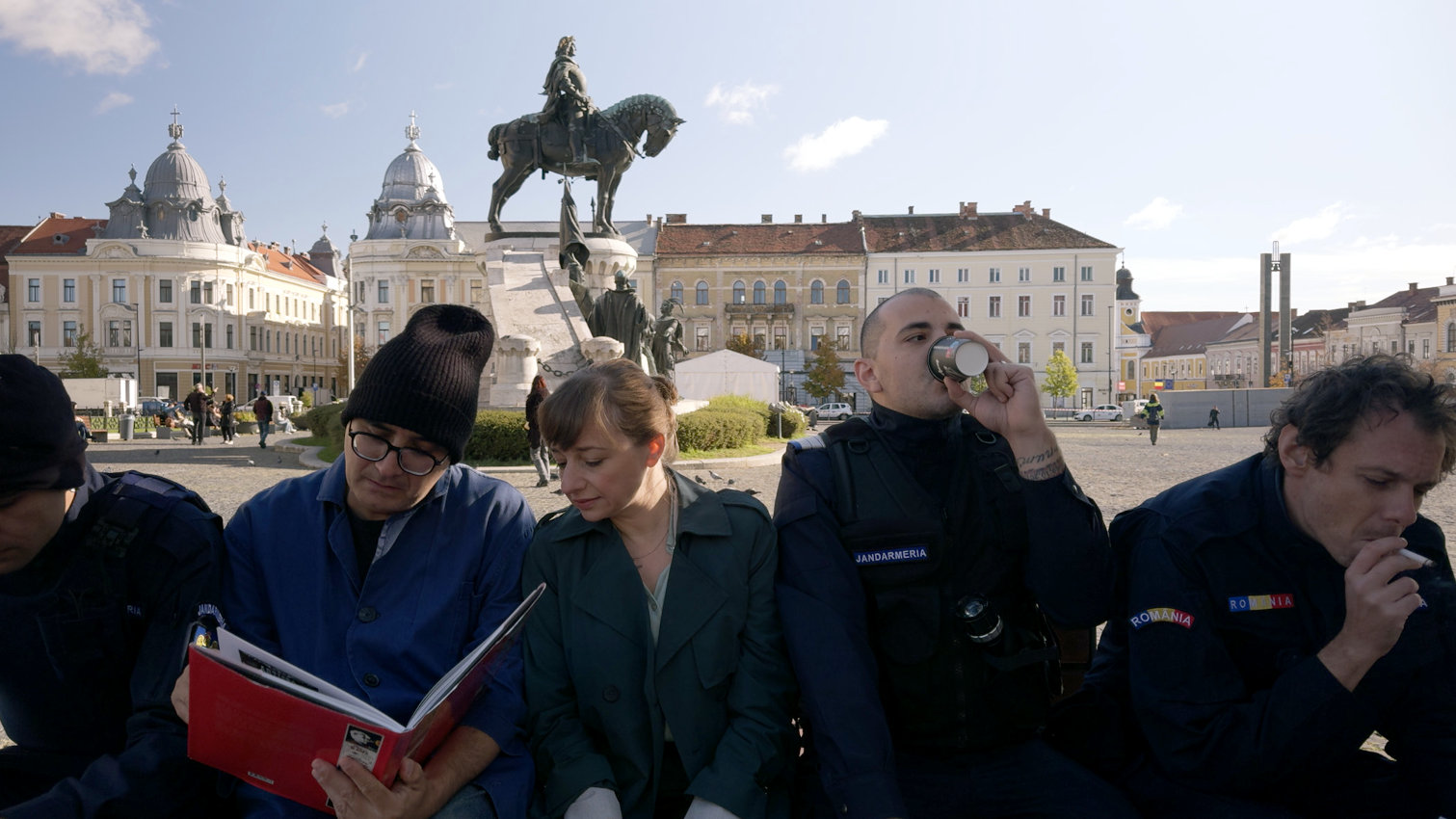
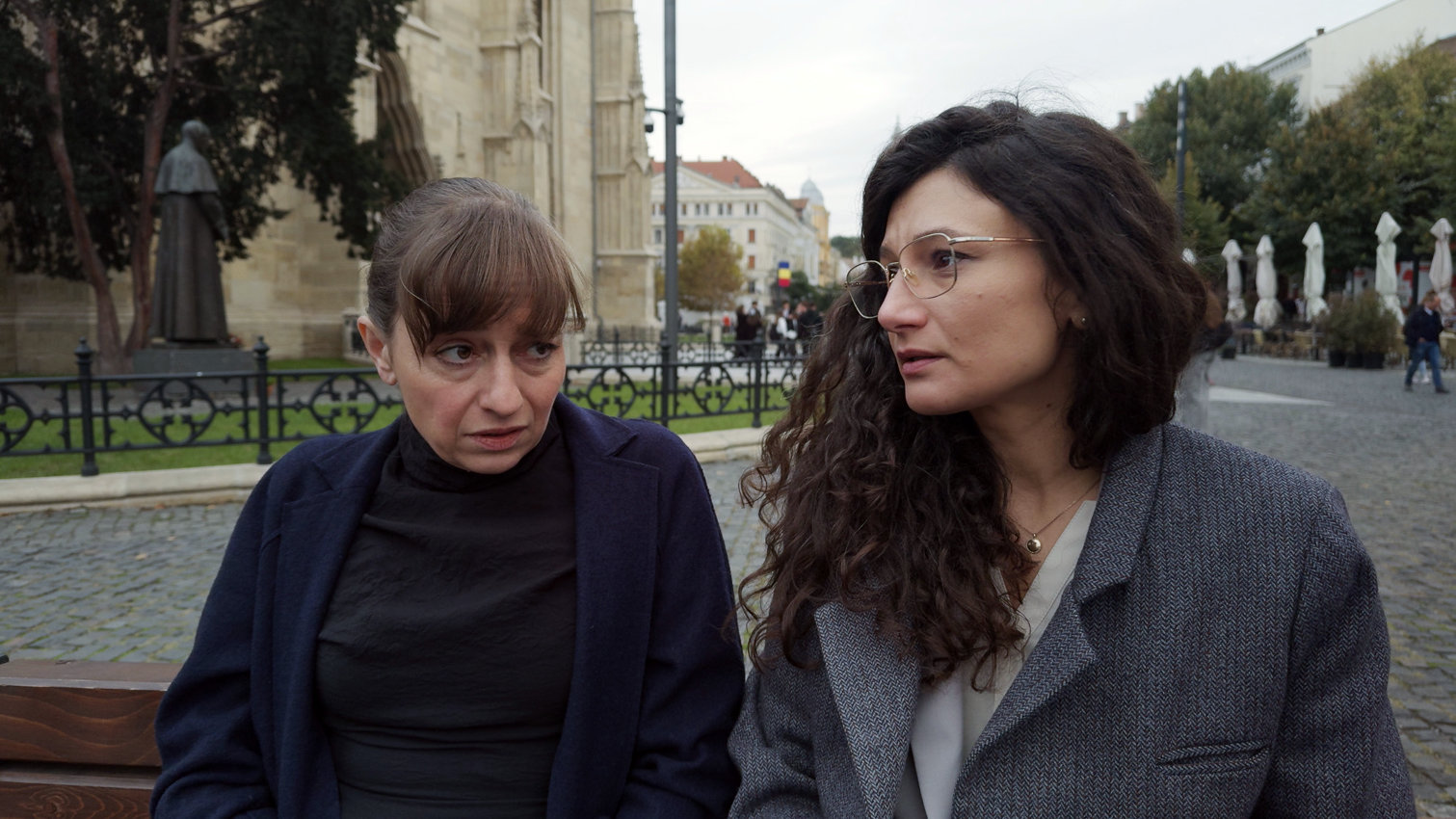
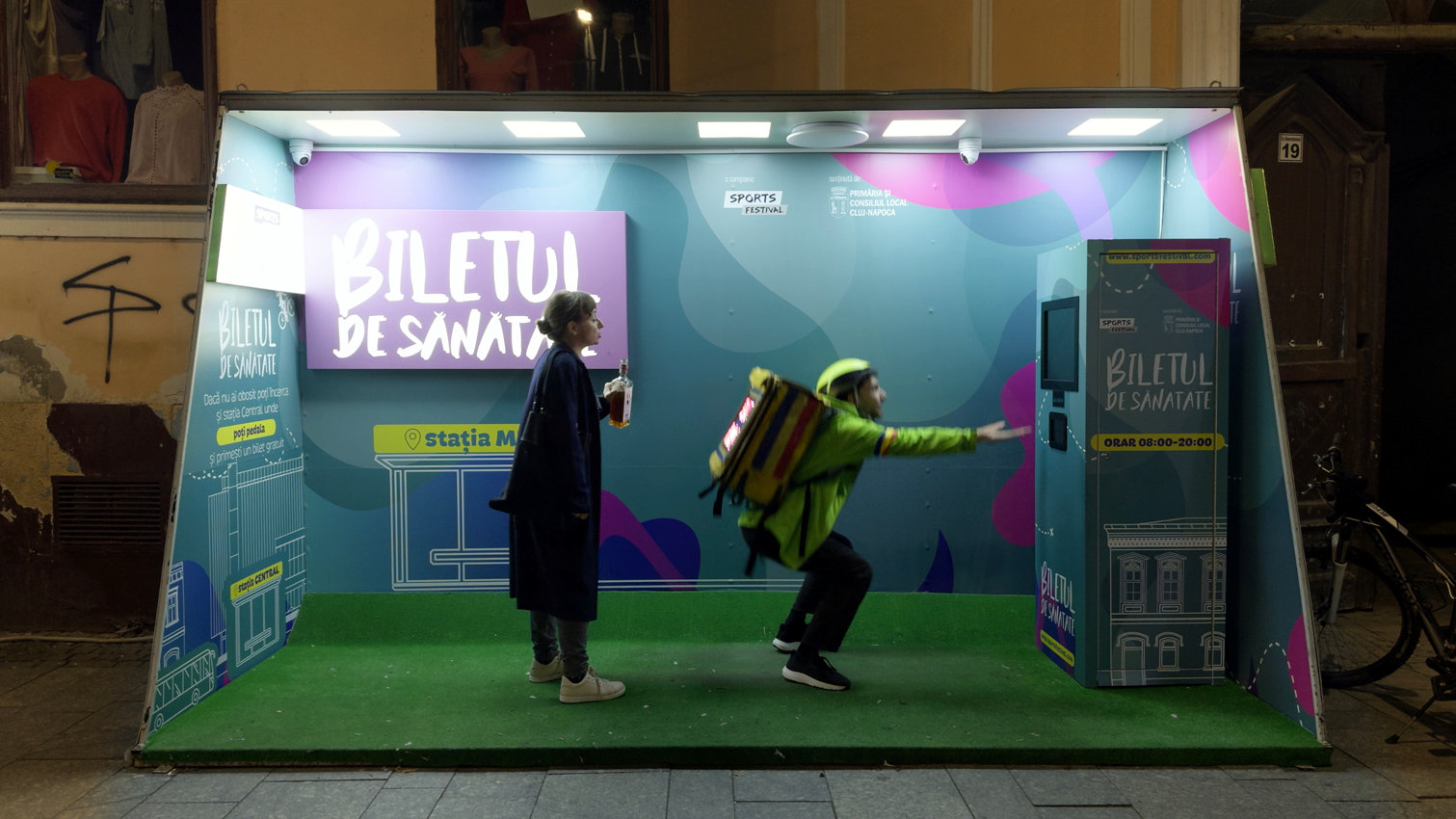
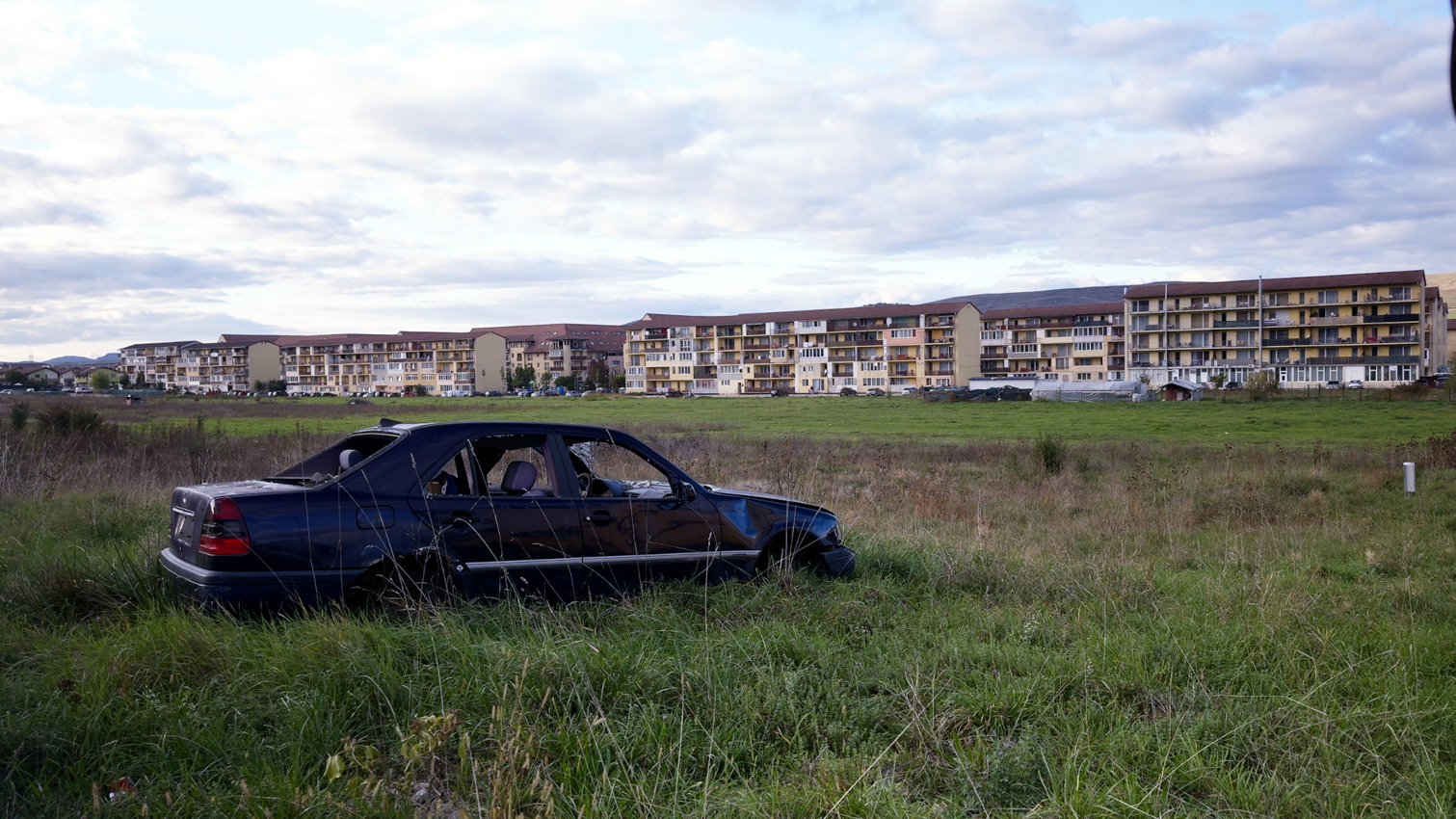
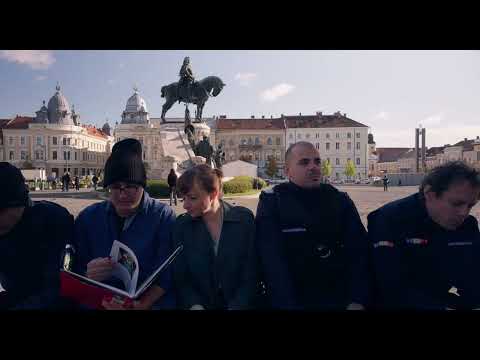
Cluj, Transylvania. After being driven from his shelter in a house cellar, a homeless man commits suicide. Orsolya, the bailiff who carried out the eviction, is impelled to make various attempts to address her feelings of guilt. Using a mixture of drama and comedy, topics as diverse as the housing crisis, post-socialist economics, nationalism and the power of language to maintain social status are dissected with a sharp, absurdist scalpel, in a movie-literate narrative that plays partly as a homage to Rossellini’s Europa ’51 – not least in the modesty of this independent, low-budget production’s means. But while in Rossellini’s film a woman’s crisis of conscience leads to meaningful activity, here the protagonist facing the dilemma is unable to find anybody to understand her and becomes increasingly desperate for external reassurance and validation, in a manner that would be easy to condemn if Orsolya’s moral relativism were not such an uncomfortably accurate reflection of a modern-day malaise from which few of us are wholly immune.
Wir verwenden Cookies, um unsere Website und unseren Service zu optimieren.
Funktionale Cookies
Always active
Die technische Speicherung oder der Zugang ist unbedingt erforderlich für den rechtmäßigen Zweck, die Nutzung eines bestimmten Dienstes zu ermöglichen, der vom Teilnehmer oder Nutzer ausdrücklich gewünscht wird, oder für den alleinigen Zweck, die Übertragung einer Nachricht über ein elektronisches Kommunikationsnetz durchzuführen.
Vorlieben
Die technische Speicherung oder der Zugriff ist für den rechtmäßigen Zweck der Speicherung von Präferenzen erforderlich, die nicht vom Abonnenten oder Benutzer angefordert wurden.
Statistiken
Die technische Speicherung oder der Zugriff, der ausschließlich zu statistischen Zwecken erfolgt.Die technische Speicherung oder der Zugriff, der ausschließlich zu anonymen statistischen Zwecken verwendet wird. Ohne eine Vorladung, die freiwillige Zustimmung deines Internetdienstanbieters oder zusätzliche Aufzeichnungen von Dritten können die zu diesem Zweck gespeicherten oder abgerufenen Informationen allein in der Regel nicht dazu verwendet werden, dich zu identifizieren.
Marketing
Die technische Speicherung oder der Zugriff ist erforderlich, um Nutzerprofile zu erstellen, um Werbung zu versenden oder um den Nutzer auf einer Website oder über mehrere Websites hinweg zu ähnlichen Marketingzwecken zu verfolgen.