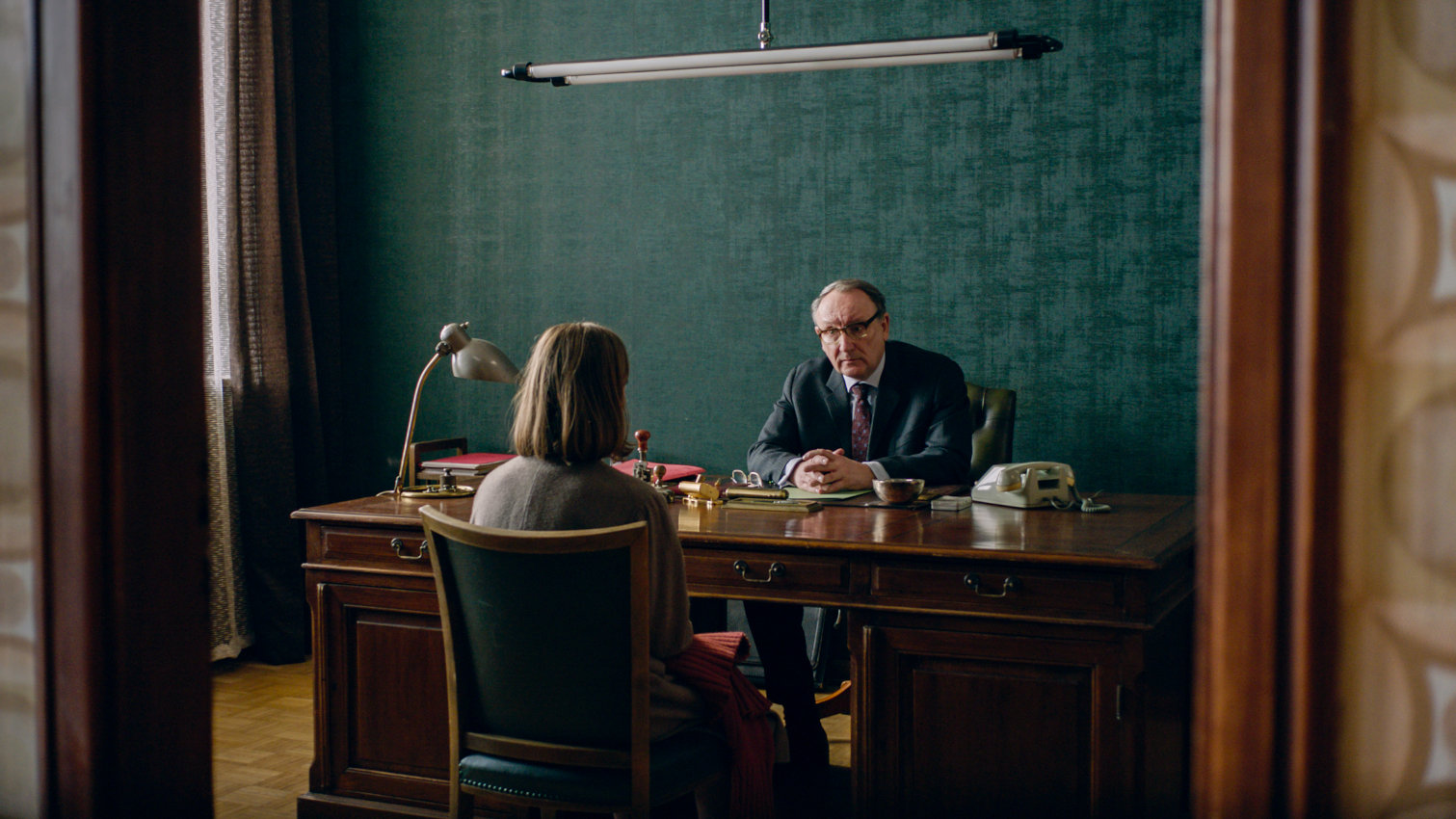
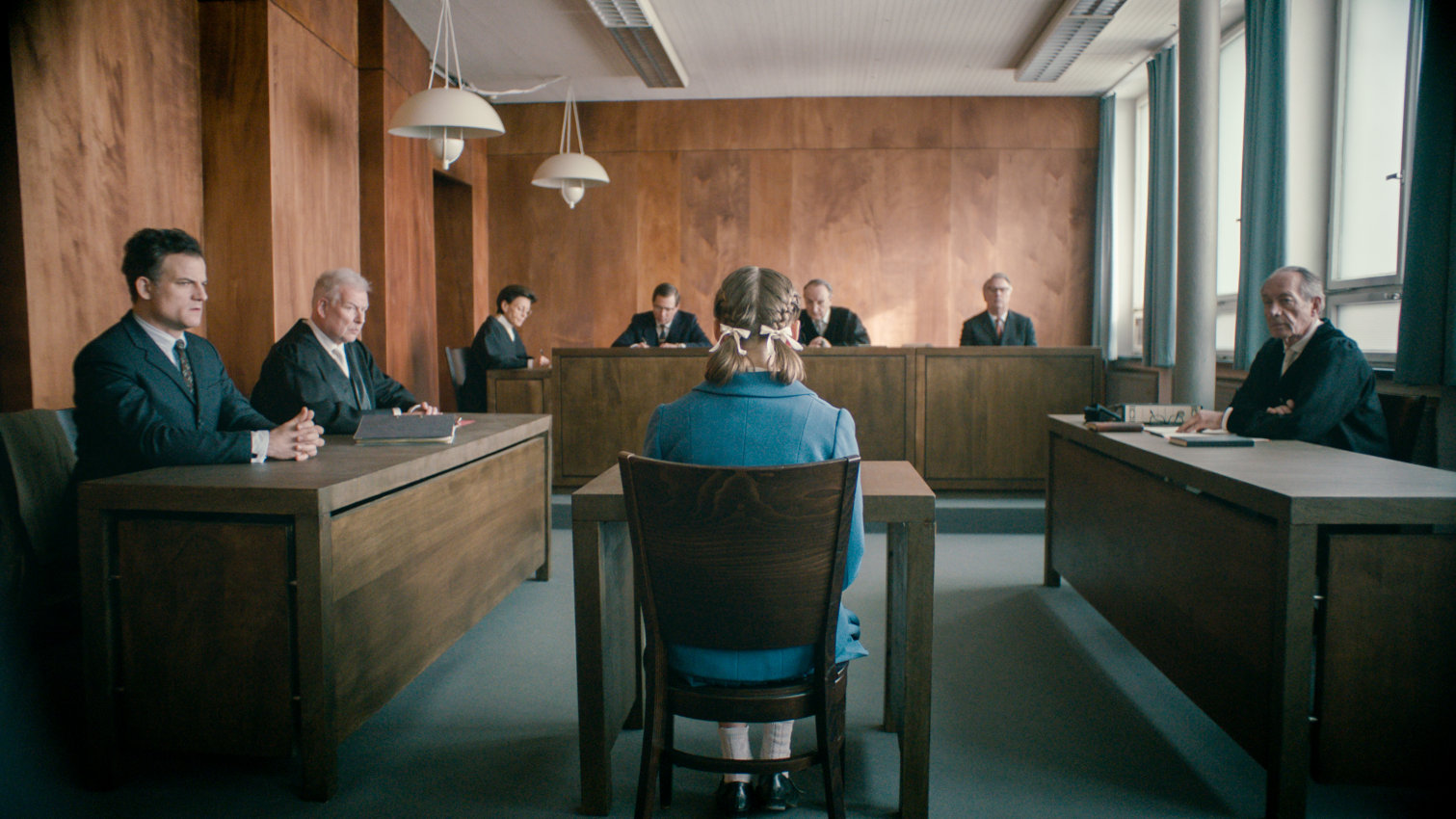
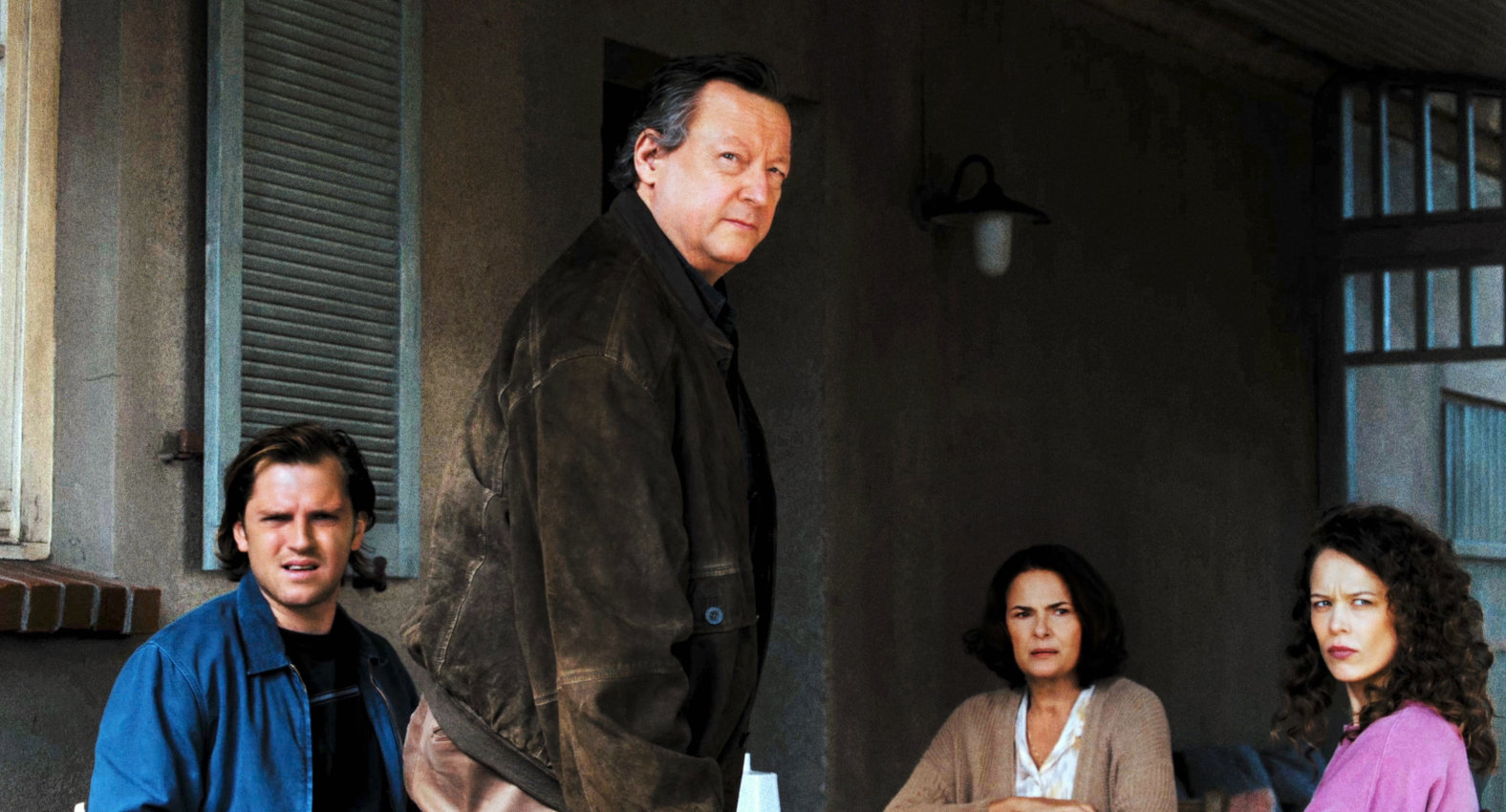
1962 – Twelve-year-old Karla is a witness in court. She files charges against the very person who was supposed to protect her: Her father. Judge Lamy is the hope at her side.
Credits:
DE 2025, 104 Min., deutsche Originalfassung mit englischen Untertiteln Regie: Christina Tournatzés Kamera: Florian Emmerich Schnitt: Isabel Meier mit: Elise Krieps, Rainer Bock, Imogen Kogge, Torben Liebrecht, Katharina Schüttler
1962 – Twelve-year-old Karla is a witness in court. She files charges against the very person who was supposed to protect her: Her father. Judge Lamy is the hope at her side.
Credits:
DE 2025, 104 Min., deutsche Originalfassung mit englischen Untertiteln Regie: Christina Tournatzés Kamera: Florian Emmerich Schnitt: Isabel Meier mit: Elise Krieps, Rainer Bock, Imogen Kogge, Torben Liebrecht, Katharina Schüttler
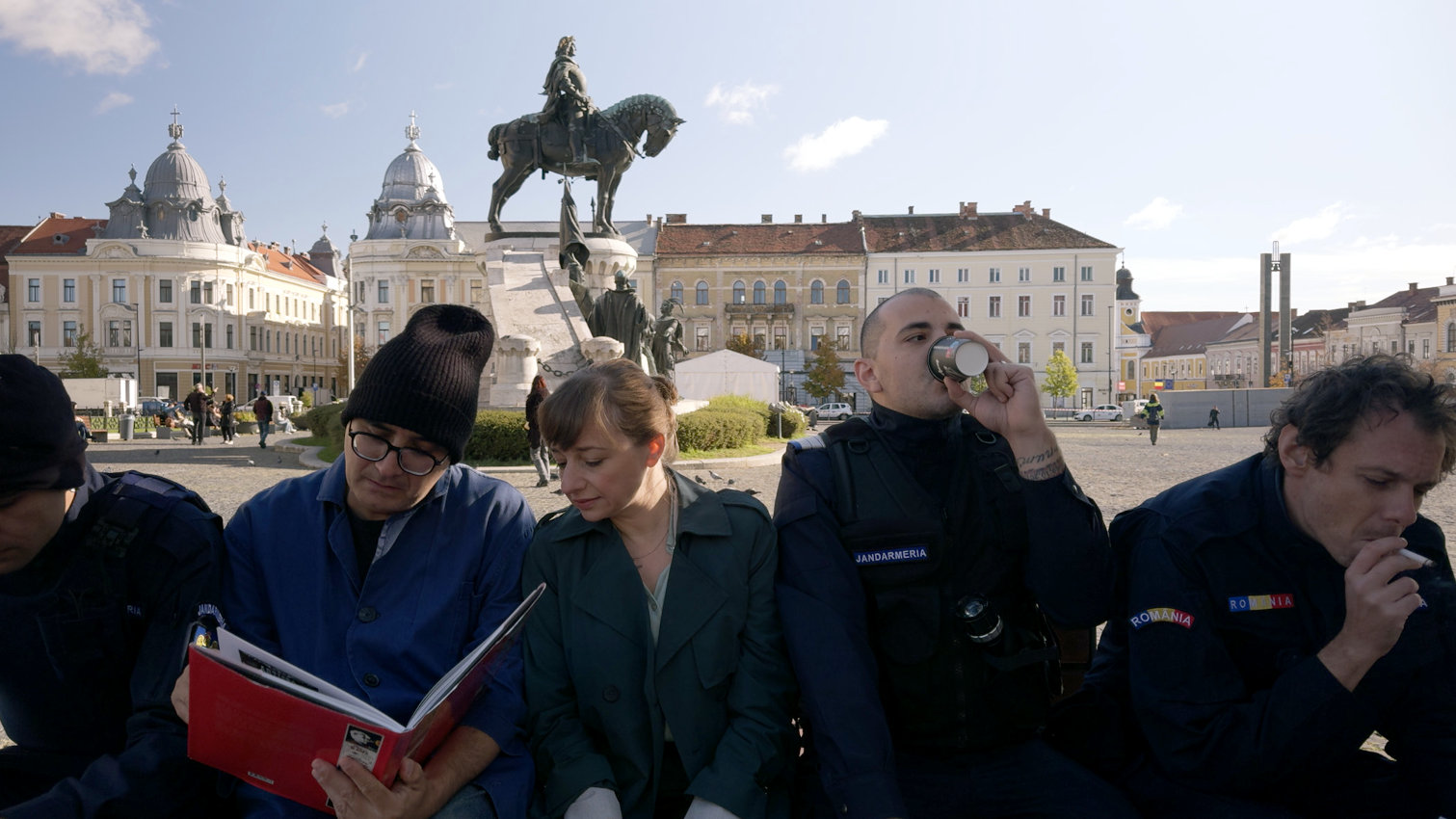
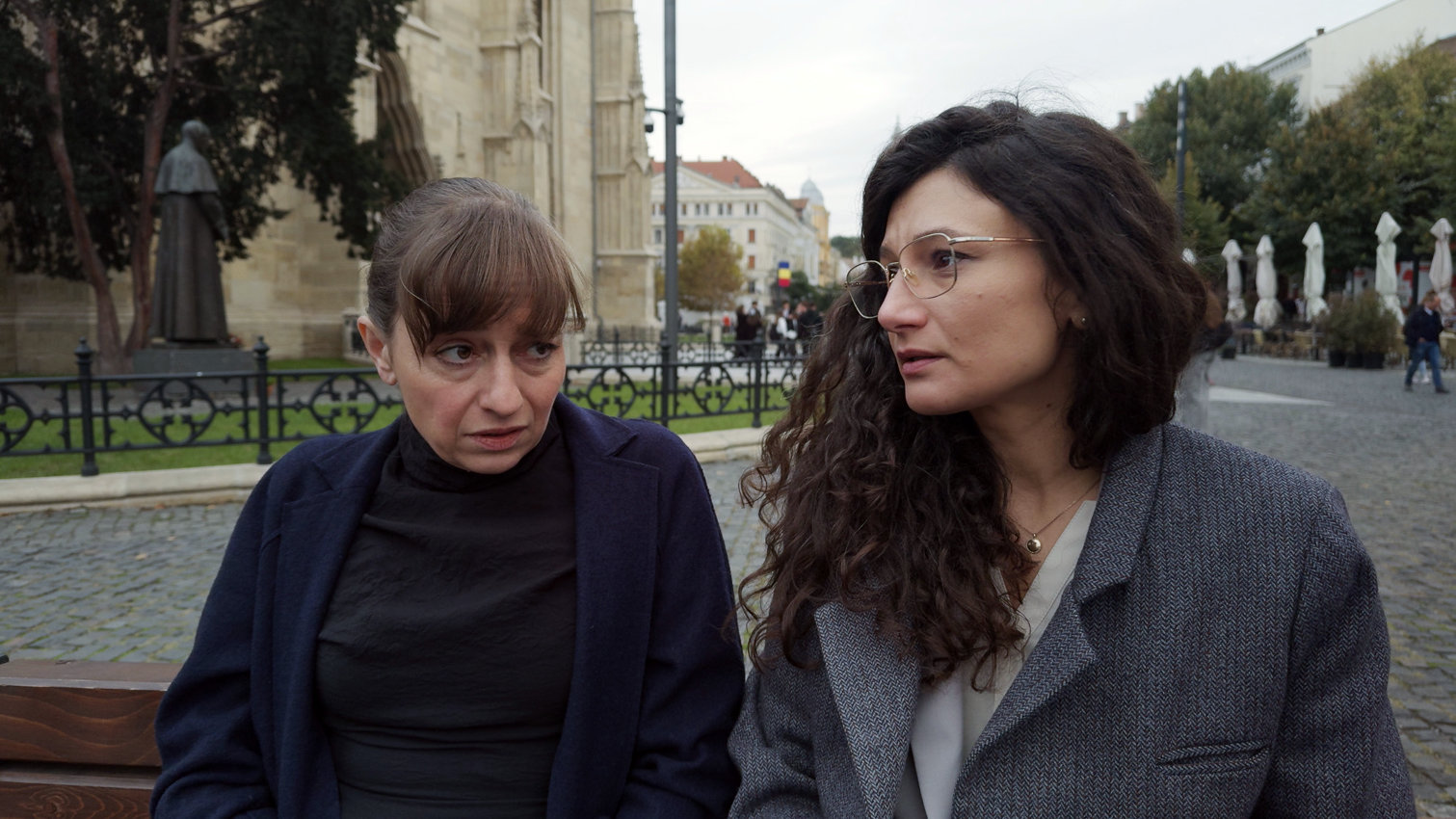
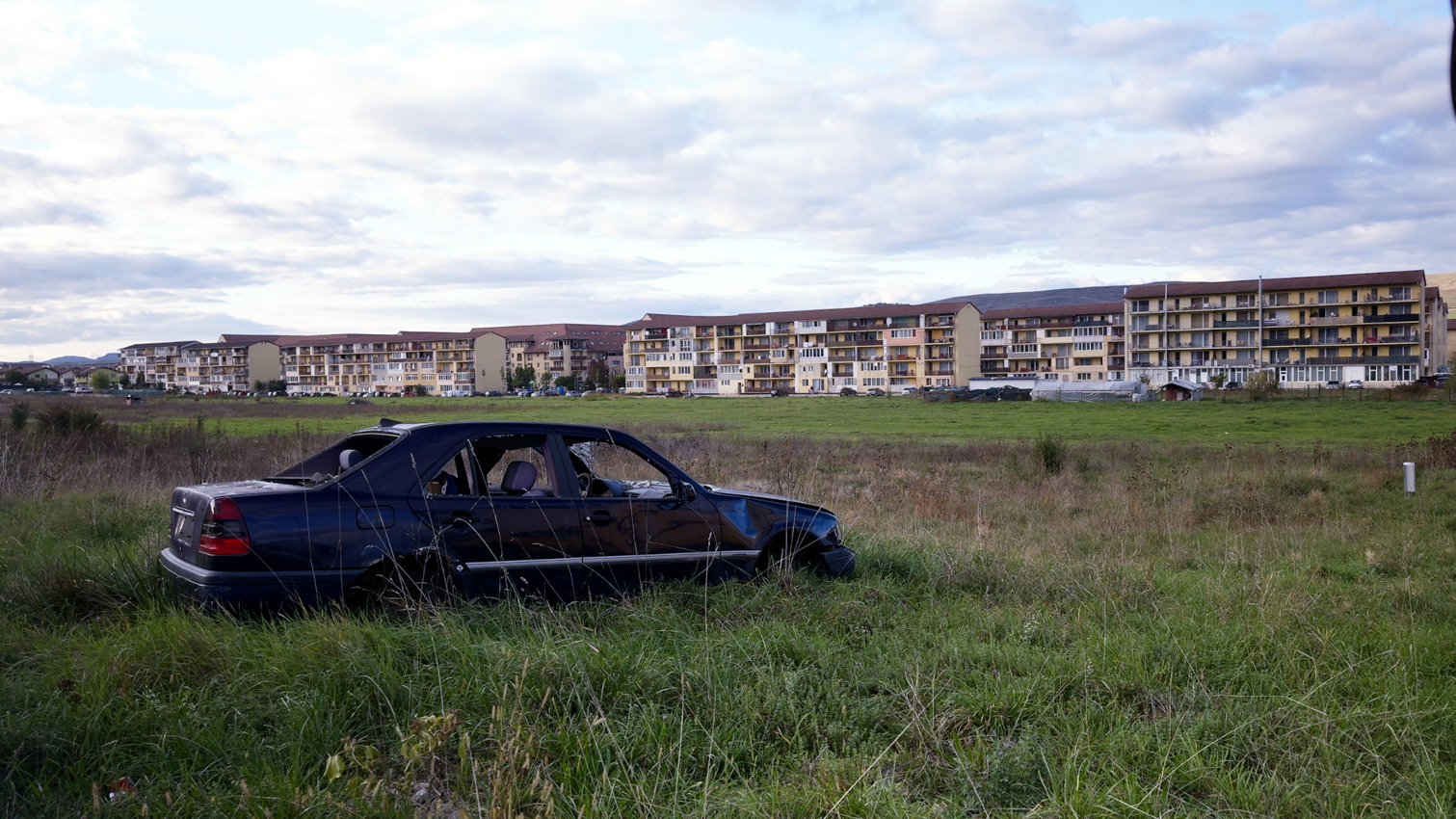
Cluj, Transylvania. After being driven from his shelter in a house cellar, a homeless man commits suicide. Orsolya, the bailiff who carried out the eviction, is impelled to make various attempts to address her feelings of guilt. Using a mixture of drama and comedy, topics as diverse as the housing crisis, post-socialist economics, nationalism and the power of language to maintain social status are dissected with a sharp, absurdist scalpel, in a movie-literate narrative that plays partly as a homage to Rossellini’s Europa ’51 – not least in the modesty of this independent, low-budget production’s means. But while in Rossellini’s film a woman’s crisis of conscience leads to meaningful activity, here the protagonist facing the dilemma is unable to find anybody to understand her and becomes increasingly desperate for external reassurance and validation, in a manner that would be easy to condemn if Orsolya’s moral relativism were not such an uncomfortably accurate reflection of a modern-day malaise from which few of us are wholly immune.
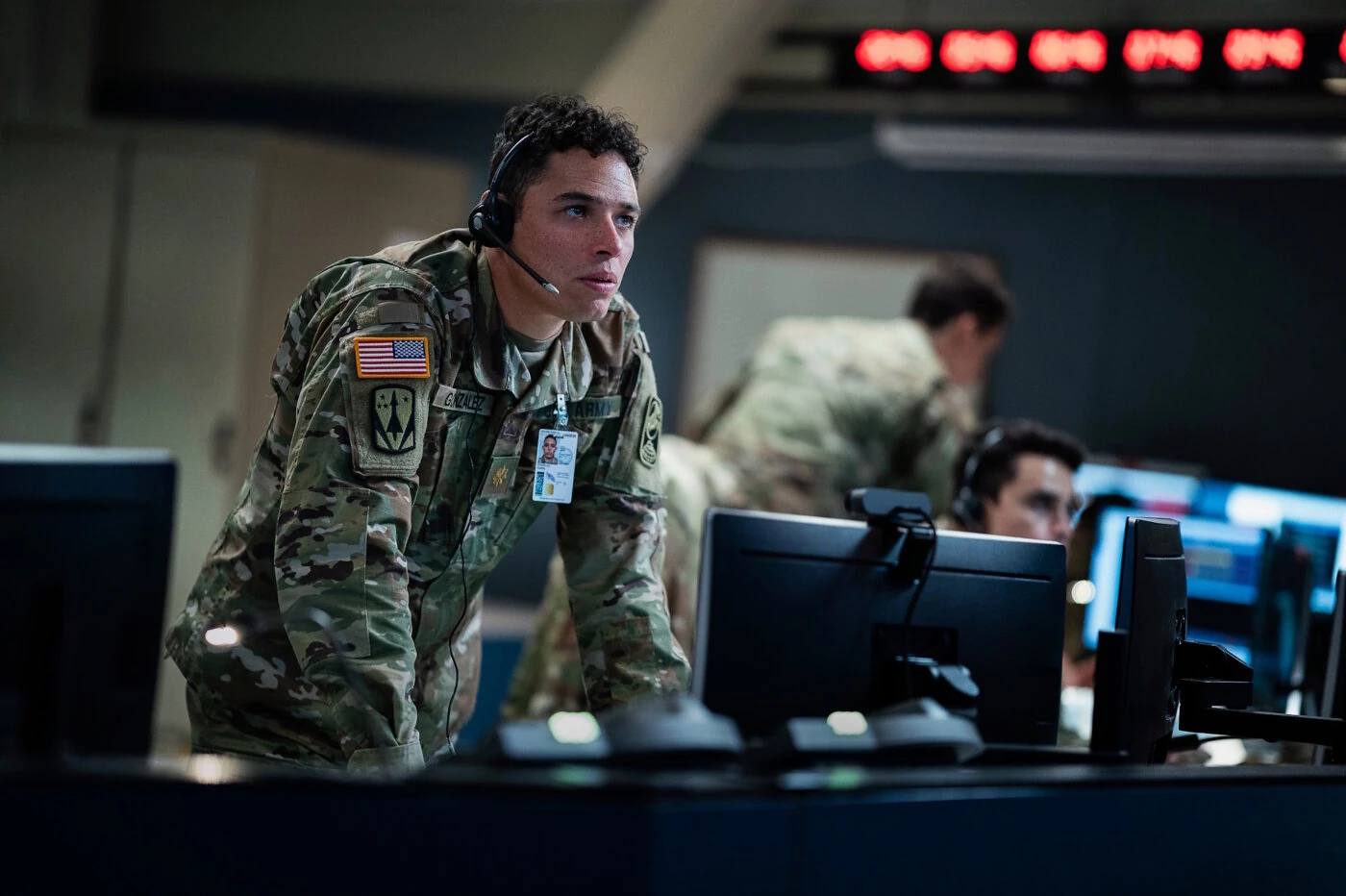
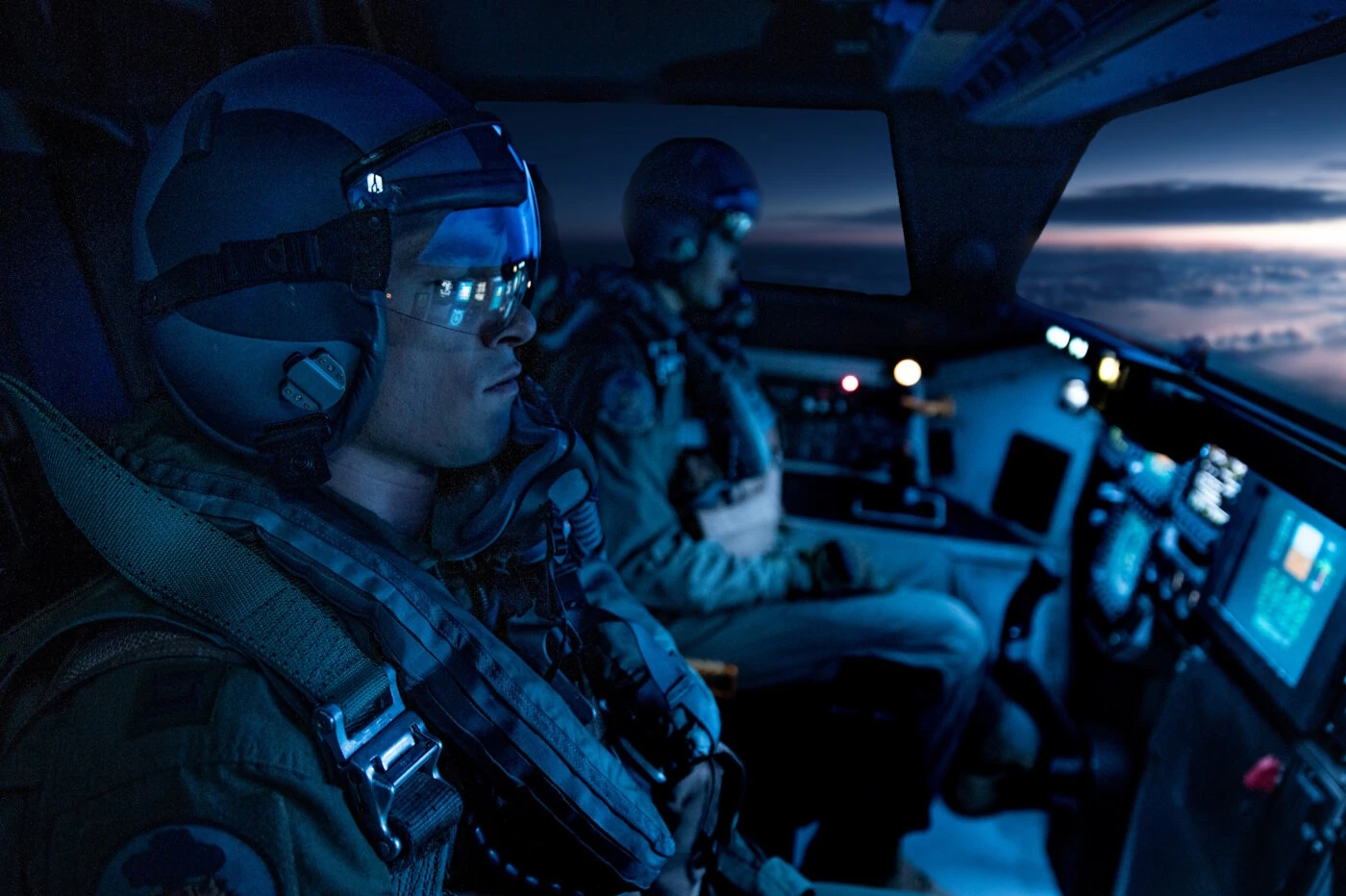
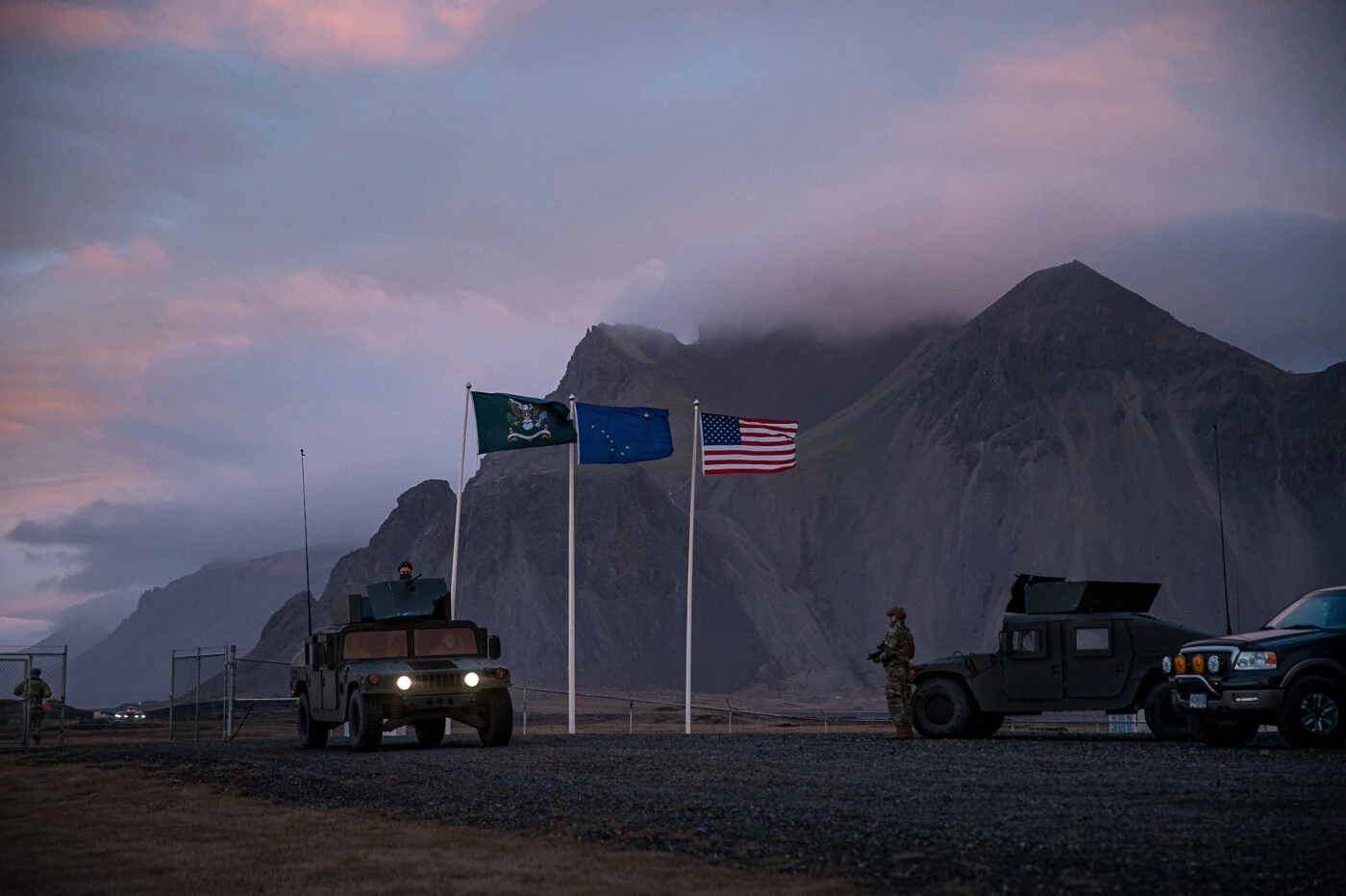
When a single, unattributed missile is launched at the United States, a race begins to determine who is responsible and how to respond.
Director’s Statement I grew up in an era when hiding under your school desk was considered the go-to protocol for surviving an atomic bomb. It seems absurd now — and it was — but at the time, the threat felt so immediate that such measures were taken seriously. Today, the danger has only escalated. Multiple nations possess enough nuclear weapons to end civilisation within minutes. And yet, there’s a kind of collective numbness — a quiet normalisation of the unthinkable. How can we call this “defense” when the inevitable outcome is total destruction? I wanted to make a film that confronts this paradox — to explore the madness of a world that lives under the constant shadow of annihilation, yet rarely speaks of it.
Credits:
US 2025, 112 Min., Englisch OmU Regie: Kathryn Bigelow Kamera: Barry Ackroyd Schnitt: Kirk Baxter mit: Idris Elba, Rebecca Ferguson, Gabriel Basso, Jason Clarke, Greta Lee, Jared Harris, Tracy Letts, Anthony Ramos, Moses Ingram und Jonah Hauer-King
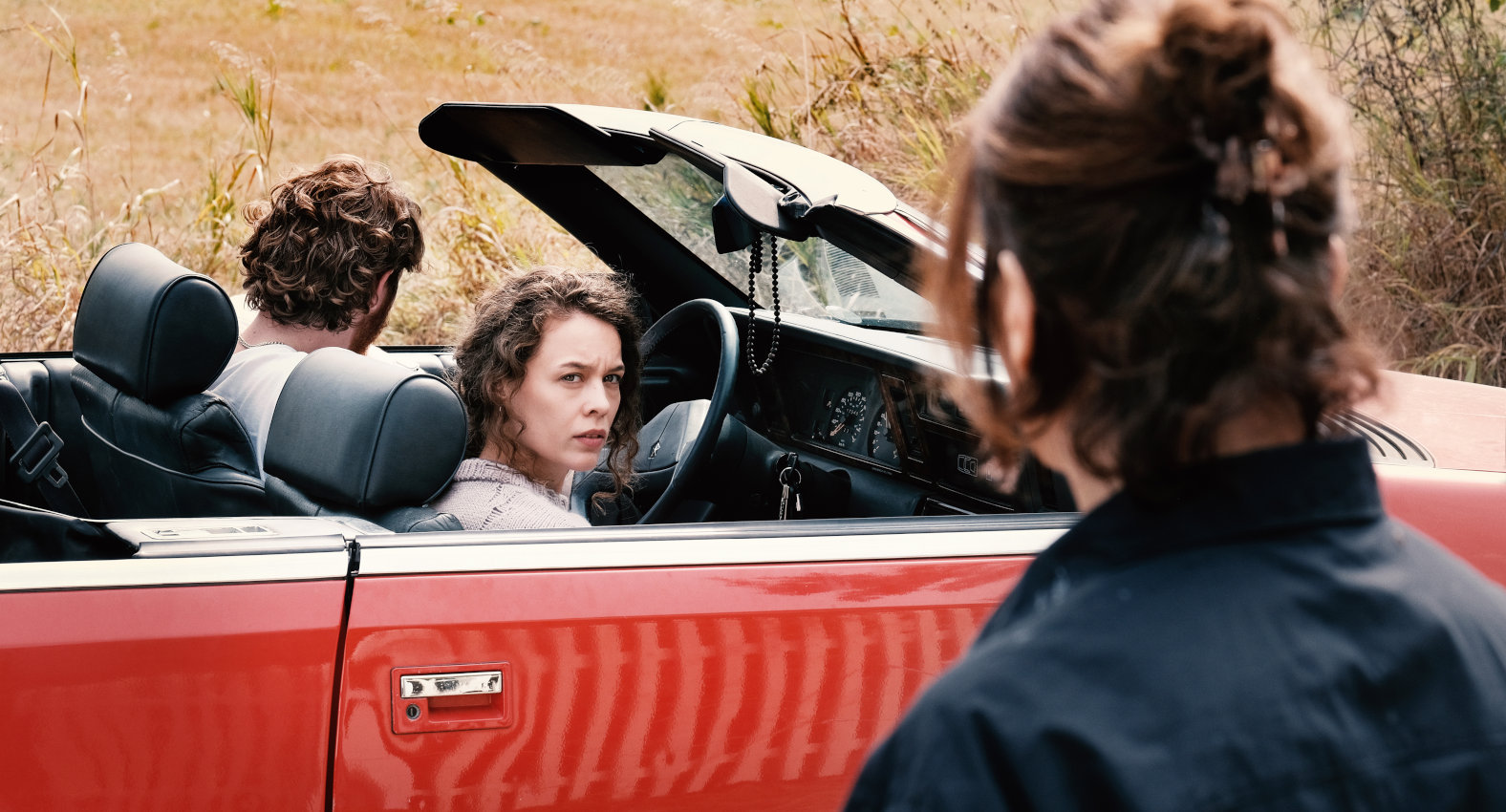
On a weekend trip to the countryside, Laura miraculously survives a car crash. Physically unhurt but deeply shaken, she is taken in by a local woman who witnessed the accident and now cares for Laura with motherly devotion. When her husband and adult son also give up their initial resistance to Laura’s presence, the four of them slowly build up some family-like routine. But soon they can no longer ignore their past…
Credits:
DE 2025, 86 Min., deutsche OmeU Regie: Christian Petzold Schnitt: Bettina Böhler Kamera: Hans Fromm mit: Paula Beer, Barbara Auer, Matthias Brandt, Enno Trebs
1962 – Twelve-year-old Karla is a witness in court. She files charges against the very person who was supposed to protect her: Her father. Judge Lamy is the hope at her side.
Credits:
DE 2025, 104 Min., deutsche Originalfassung mit englischen Untertiteln Regie: Christina Tournatzés Kamera: Florian Emmerich Schnitt: Isabel Meier mit: Elise Krieps, Rainer Bock, Imogen Kogge, Torben Liebrecht, Katharina Schüttler
Cluj, Transylvania. After being driven from his shelter in a house cellar, a homeless man commits suicide. Orsolya, the bailiff who carried out the eviction, is impelled to make various attempts to address her feelings of guilt. Using a mixture of drama and comedy, topics as diverse as the housing crisis, post-socialist economics, nationalism and the power of language to maintain social status are dissected with a sharp, absurdist scalpel, in a movie-literate narrative that plays partly as a homage to Rossellini’s Europa ’51 – not least in the modesty of this independent, low-budget production’s means. But while in Rossellini’s film a woman’s crisis of conscience leads to meaningful activity, here the protagonist facing the dilemma is unable to find anybody to understand her and becomes increasingly desperate for external reassurance and validation, in a manner that would be easy to condemn if Orsolya’s moral relativism were not such an uncomfortably accurate reflection of a modern-day malaise from which few of us are wholly immune.
When a single, unattributed missile is launched at the United States, a race begins to determine who is responsible and how to respond.
Director’s Statement I grew up in an era when hiding under your school desk was considered the go-to protocol for surviving an atomic bomb. It seems absurd now — and it was — but at the time, the threat felt so immediate that such measures were taken seriously. Today, the danger has only escalated. Multiple nations possess enough nuclear weapons to end civilisation within minutes. And yet, there’s a kind of collective numbness — a quiet normalisation of the unthinkable. How can we call this “defense” when the inevitable outcome is total destruction? I wanted to make a film that confronts this paradox — to explore the madness of a world that lives under the constant shadow of annihilation, yet rarely speaks of it.
Credits:
US 2025, 112 Min., Englisch OmU Regie: Kathryn Bigelow Kamera: Barry Ackroyd Schnitt: Kirk Baxter mit: Idris Elba, Rebecca Ferguson, Gabriel Basso, Jason Clarke, Greta Lee, Jared Harris, Tracy Letts, Anthony Ramos, Moses Ingram und Jonah Hauer-King
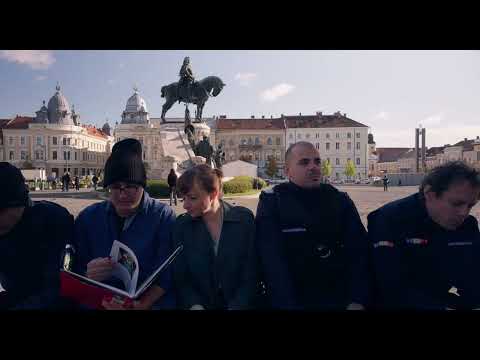
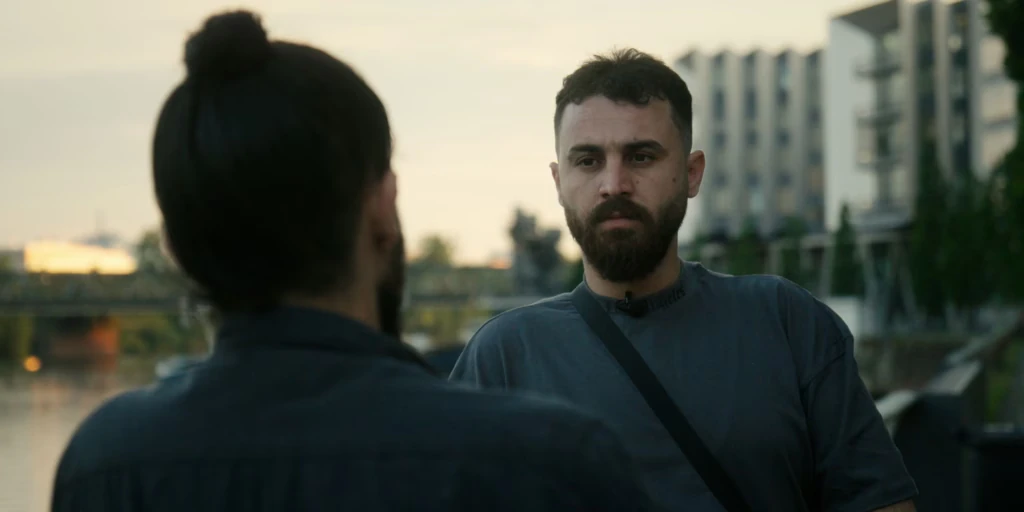
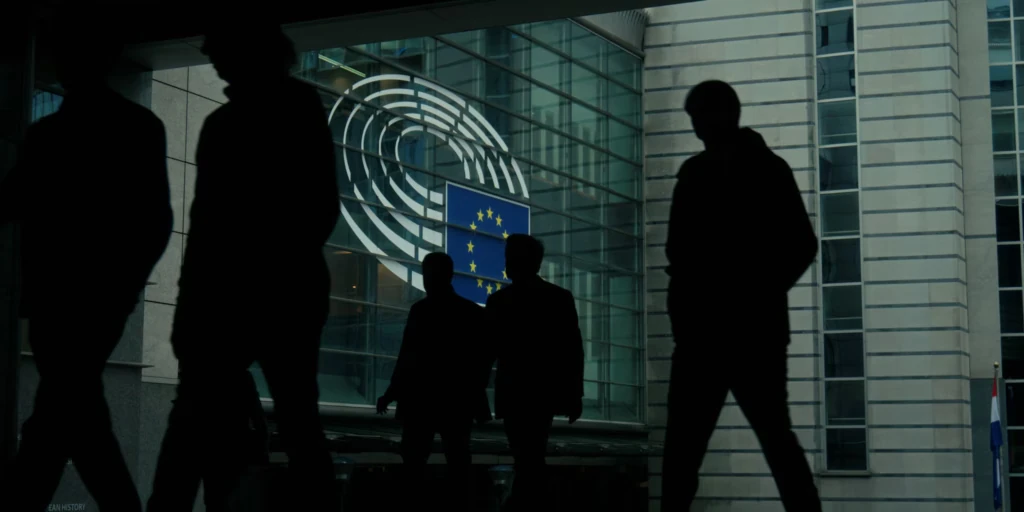
When, at the beginning of 2025, a motion on migration policy is passed in the Bundestag with the support of the AfD, a party classified as right-wing extremist, the political landscape is shaken and a nationwide wave of protests is triggered. Nevertheless, the so-called ‘migration debate’ is in full swing and is increasingly dominated by right-wing positions that stir up fears and endanger not only human lives at Europe’s external borders. KEINLANDFÜRNIEMAND (No Country for Anyone) sets out to investigate the causes of this development.
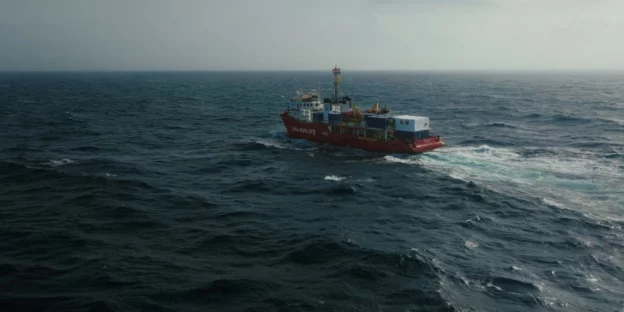
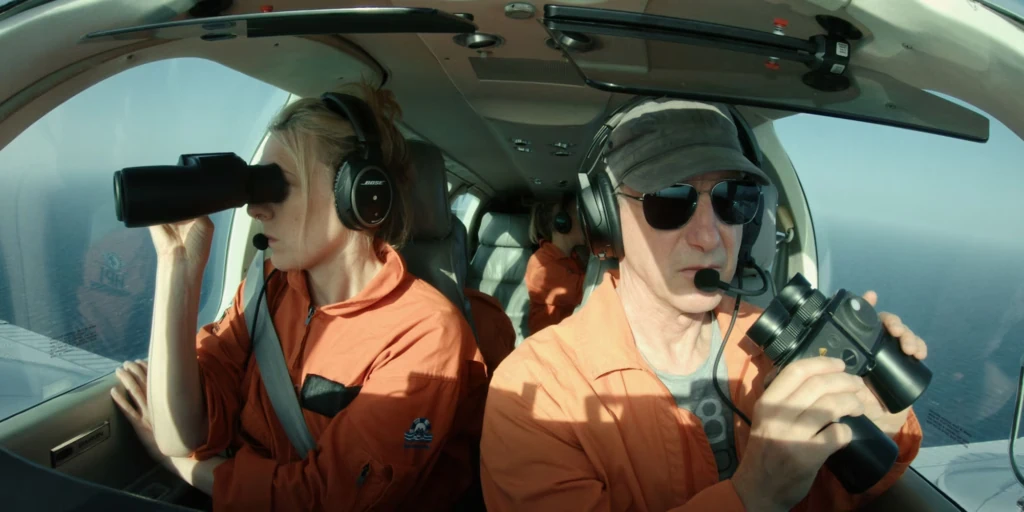
The film crew accompanies a civilian rescue mission in the Mediterranean, provides insight into the tightening of European asylum law, lets refugees describe their perspectives and, in dialogue with activists, scientists and publicists, analyses the dynamics behind the shift to the right.
Credits:
DE 2025, 111 Min., OmU Regie: Max Ahrens & Maik Lüdemann Kamera: Nils Kohstall, Maik Lüdemann Schnitt: Lino Thaesler
Trailer:
Kein Land für Niemand – Abschottung eines Einwanderungslandes (Trailer)
When a single, unattributed missile is launched at the United States, a race begins to determine who is responsible and how to respond.
Director’s Statement I grew up in an era when hiding under your school desk was considered the go-to protocol for surviving an atomic bomb. It seems absurd now — and it was — but at the time, the threat felt so immediate that such measures were taken seriously. Today, the danger has only escalated. Multiple nations possess enough nuclear weapons to end civilisation within minutes. And yet, there’s a kind of collective numbness — a quiet normalisation of the unthinkable. How can we call this “defense” when the inevitable outcome is total destruction? I wanted to make a film that confronts this paradox — to explore the madness of a world that lives under the constant shadow of annihilation, yet rarely speaks of it.
Credits:
US 2025, 112 Min., Englisch OmU Regie: Kathryn Bigelow Kamera: Barry Ackroyd Schnitt: Kirk Baxter mit: Idris Elba, Rebecca Ferguson, Gabriel Basso, Jason Clarke, Greta Lee, Jared Harris, Tracy Letts, Anthony Ramos, Moses Ingram und Jonah Hauer-King
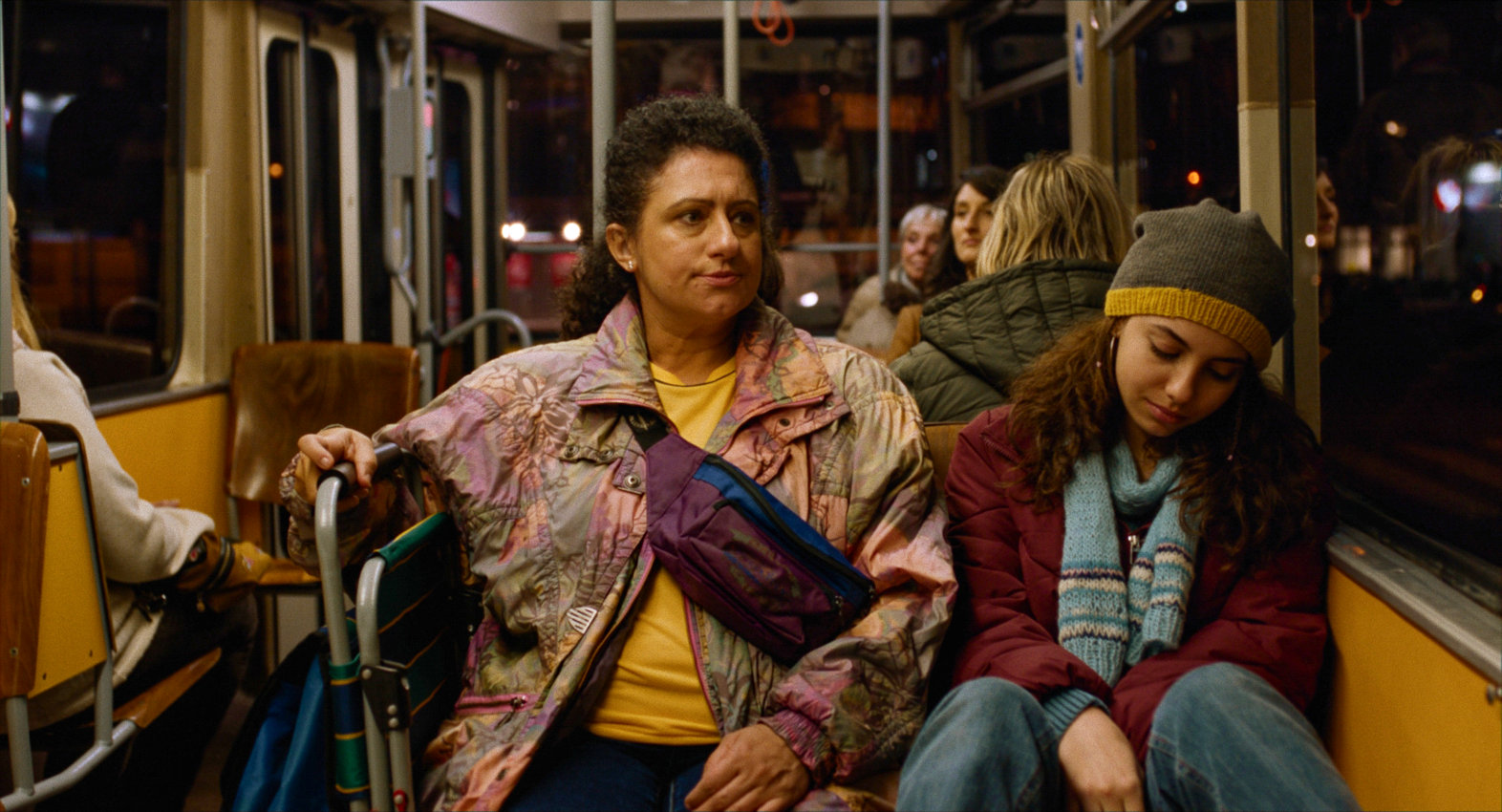
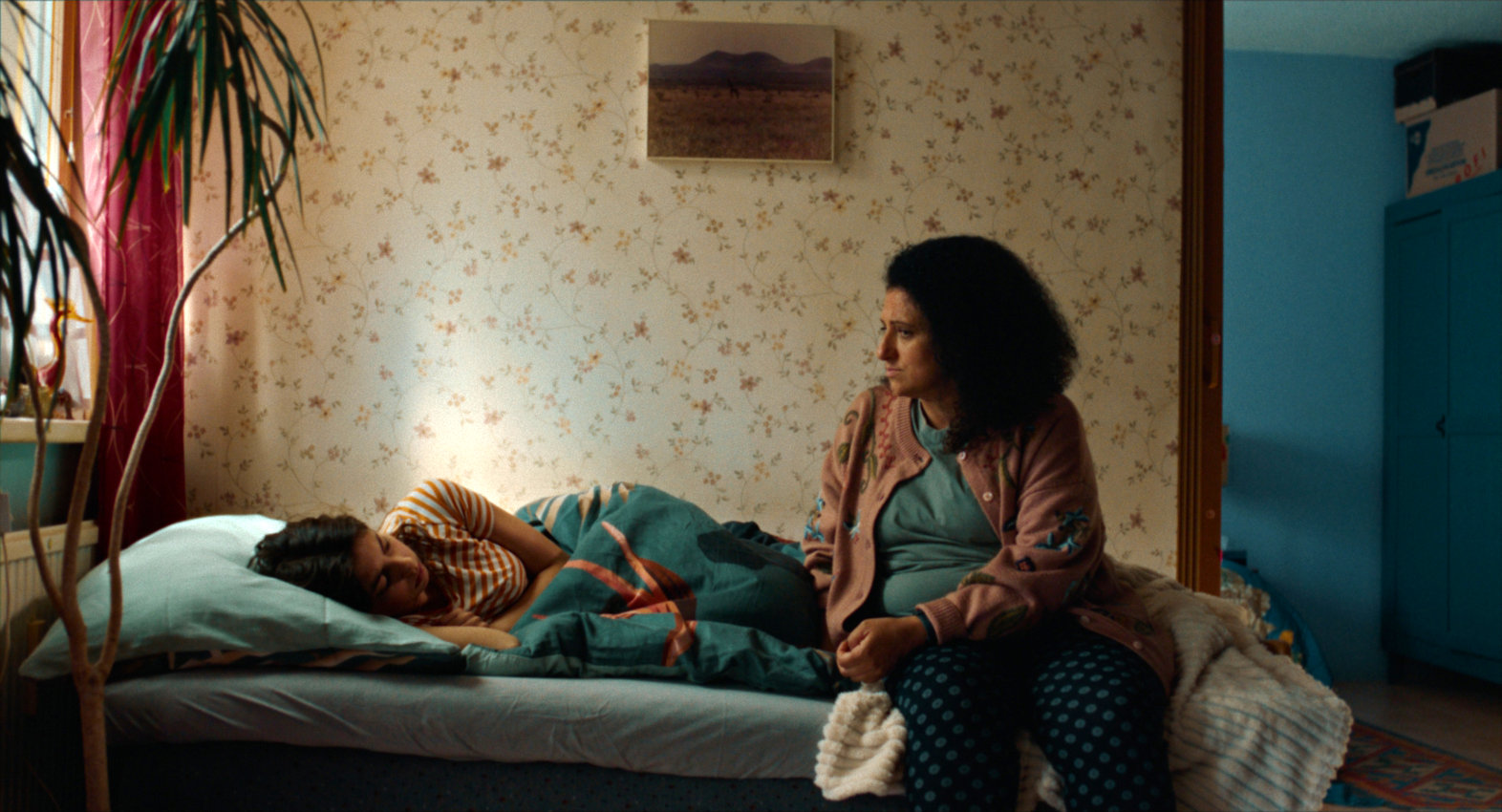
Slowly, 12-year-old Anna and her deaf mum are starting to feel a bit cramped in their flat. It’s not just the lack of privacy that’s causing friction – Anna has just started secondary school and quickly realises what’s important now: brand-name clothes and a sense of belonging. She quickly gets hold of a fake Ralph Lauren jumper, but money’s still tight. In her debut, director and author Marie Luise Lehner stages a confrontation with classist structures, which Anna tackles with a mixture of shame and grit. She finds an ally in Mara, who challenges others with feminist issues and who also lives alone with her queer father. Lehner stands by her heroes unconditionally, giving them space for introspection and outbursts, allowing them to row back and reconcile. Not fitting in allows them to get to know and appreciate who they are. Lehner flies the flag of solidarity, quite naturally and with plenty of references to pop culture. And closes with a liberating “Fuck you, Vienna”, high above the city’s rooftops.
Credits:
AT 2025, 87 Min., Deutsch, Deutsche Gebärdensprache, Englisch OmU Regie: Marie Luise Lehner Kamera: Simone Hart Schnitt: Jana Libnik, Joana Scrinzi, Alexandra Schneider mit: Siena Popović, Mariya Menner, Jessica Paar, Daniel Sea
Wir verwenden Cookies, um unsere Website und unseren Service zu optimieren.
Funktionale Cookies
Always active
Die technische Speicherung oder der Zugang ist unbedingt erforderlich für den rechtmäßigen Zweck, die Nutzung eines bestimmten Dienstes zu ermöglichen, der vom Teilnehmer oder Nutzer ausdrücklich gewünscht wird, oder für den alleinigen Zweck, die Übertragung einer Nachricht über ein elektronisches Kommunikationsnetz durchzuführen.
Vorlieben
Die technische Speicherung oder der Zugriff ist für den rechtmäßigen Zweck der Speicherung von Präferenzen erforderlich, die nicht vom Abonnenten oder Benutzer angefordert wurden.
Statistiken
Die technische Speicherung oder der Zugriff, der ausschließlich zu statistischen Zwecken erfolgt.Die technische Speicherung oder der Zugriff, der ausschließlich zu anonymen statistischen Zwecken verwendet wird. Ohne eine Vorladung, die freiwillige Zustimmung deines Internetdienstanbieters oder zusätzliche Aufzeichnungen von Dritten können die zu diesem Zweck gespeicherten oder abgerufenen Informationen allein in der Regel nicht dazu verwendet werden, dich zu identifizieren.
Marketing
Die technische Speicherung oder der Zugriff ist erforderlich, um Nutzerprofile zu erstellen, um Werbung zu versenden oder um den Nutzer auf einer Website oder über mehrere Websites hinweg zu ähnlichen Marketingzwecken zu verfolgen.