Frankreich 1980: Die kleine Marinette Pichon beginnt heimlich mit dem Fußballtraining. Fußballplatz und Mannschaft werden zu dem Zuhause, das sie nie hatte. Obwohl kaum jemand an Marinettes Traum einer Karriere im Profifußball glaubt, schafft sie es bis ins französische Nationalteam. Doch unfaire Bezahlung und Ignoranz legen allen Spielerinnen Steine in den Weg. Als Marinette von einem professionellen US-Team unter Vertrag genommen wird, verändert das alles für sie.
Die USA bieten ihr die Freiheit, sich auf dem Platz und in ihrem Privatleben zu entfalten. Auch kann sie endlich offen zu ihrer Homosexualität stehen. Der amerikanische Traum hält jedoch nicht lange an, ihre erste Beziehung wird zum Albtraum und die US-Frauenfußball-Liga geht bankrott. Zurück in Frankreich muss Marinette erneut gegen eine Sportindustrie ankämpfen, in der Frauen weiterhin nicht ernst genommen werden.
Das Biopic MARINETTE – KÄMPFERIN. FUSSBALLERIN. LEGENDE. erzählt die berührende und wahre Lebensgeschichte der Fußballerin Marinette Pichon, die sich in den 90er Jahren in einer männerdominierten Sportwelt als Ausnahmetalent durchsetzt und so zur Pionierin für die Sichtbarkeit von Frauen und der LGBTQIA+-Community im Sport wird. Hauptdarstellerin Garance Marillier (TITANE, RAW) spielt die Fußballerin enorm nahbar: emotional, wütend und vor allem ein Leben lang unglaublich ehrgeizig. Die Regisseurin Virginie Verrier (TWOHOURSFROMPARIS) ist mit diesem Film die erste Frau, die bei einem Sport-Biopic allein Regie führt. Beim Centre Film Festival wurden der Film als „Best Feature Film“ und als „Best Pride Movie“ und die Hauptdarstellerin in der Kategorie „Best Acting“ ausgezeichnet.
Frankreich 1980: Die kleine Marinette Pichon beginnt heimlich mit dem Fußballtraining. Fußballplatz und Mannschaft werden zu dem Zuhause, das sie nie hatte. Obwohl kaum jemand an Marinettes Traum einer Karriere im Profifußball glaubt, schafft sie es bis ins französische Nationalteam. Doch unfaire Bezahlung und Ignoranz legen allen Spielerinnen Steine in den Weg. Als Marinette von einem professionellen US-Team unter Vertrag genommen wird, verändert das alles für sie.
Die USA bieten ihr die Freiheit, sich auf dem Platz und in ihrem Privatleben zu entfalten. Auch kann sie endlich offen zu ihrer Homosexualität stehen. Der amerikanische Traum hält jedoch nicht lange an, ihre erste Beziehung wird zum Albtraum und die US-Frauenfußball-Liga geht bankrott. Zurück in Frankreich muss Marinette erneut gegen eine Sportindustrie ankämpfen, in der Frauen weiterhin nicht ernst genommen werden.
Das Biopic MARINETTE – KÄMPFERIN. FUSSBALLERIN. LEGENDE. erzählt die berührende und wahre Lebensgeschichte der Fußballerin Marinette Pichon, die sich in den 90er Jahren in einer männerdominierten Sportwelt als Ausnahmetalent durchsetzt und so zur Pionierin für die Sichtbarkeit von Frauen und der LGBTQIA+-Community im Sport wird. Hauptdarstellerin Garance Marillier (TITANE, RAW) spielt die Fußballerin enorm nahbar: emotional, wütend und vor allem ein Leben lang unglaublich ehrgeizig. Die Regisseurin Virginie Verrier (TWOHOURSFROMPARIS) ist mit diesem Film die erste Frau, die bei einem Sport-Biopic allein Regie führt. Beim Centre Film Festival wurden der Film als „Best Feature Film“ und als „Best Pride Movie“ und die Hauptdarstellerin in der Kategorie „Best Acting“ ausgezeichnet.
An expansive and revelatory inside look at John Lennon and Yoko Ono’s life in Greenwich Village in the early 1970s, ONETOONE: JOHN&YOKO delivers an immersive cinematic experience that brings to life electrifying, never-before-seen material and newly restored footage of John and Yoko’s only full-length concert. Featuring mind-blowing music newly remixed and produced by Sean Ono Lennon, the film is a seismic revelation that will challenge pre-existing notions of the iconic couple.
Credits:
UK 2024, 100 Min., engl. OmU Regie: Kevin Macdonald Kamera: David Katznelson Schnitt: Sam Rice-Edwards
In four seasons nature completes its cycle. A girl can become a woman. A belly can swell and become a creature. One can lose the path that led safely home, one can sail seas towards unknown lands. In four seasons one can die and be reborn. Vermiglio tells of the last year of the Second World War in a large family and how, by a paradox of fate, with the arrival of a refugee soldier it loses its peace at the very moment in which the world finds its own.
Credits:
IT/FR/BE 2024, 119 Min., ital. OmU Regie: Maura Delpero Kamera: Mikhail Krichman Schnitt: Luca Mattei mit: Tommaso Ragno, Giuseppe De Domenico, Roberta Rovelli, Martina Scrinzi, Orietta Notari, Carlotta Gamba
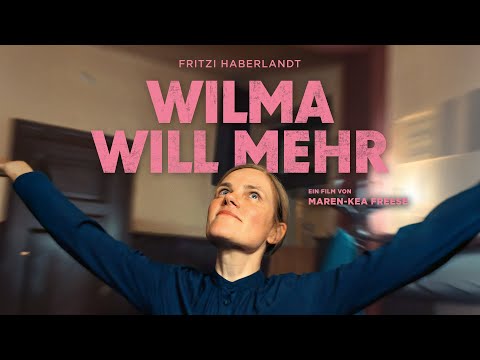
Former power plant worker Wilma, who survived two political systems, faces a fresh start. After living her entire life in the rural lignite mining area (Ex-GDR), she left her village in the late 1990s when her world crumbled. Escaping to Vienna, she wants to rebuild her life. Old dreams of a better society resurface, and she embraces them with renewed energy, determined to create new paths for herself.
Credits:
DE 2025, 112 Min., Regie: Maren-Kea Freese Kamera: Michael Kotschi Schnitt: Andrea Muñoz Darsteller*innen: Fritzi Haberlandt, Thomas Gerber, Stephan Grossmann, Xenia Snagowski, Katrin Schwingel, Isabel Schosnig
Trailer:
Kinotrailer „Wilma will mehr” – Kinostart 31. Juli 2025
Milk has been an unprofitable commodity for a while now. Farming in general is suffering, and more and more farms are having to close. But Katinka is holding on to the family business, is being trained in farming, and is seeking her future in a place that remembers how things once were.
Credits:
DE 2024, 78 Min., deutsche Fassung Regie: Justine Bauer Kamera: Pedro Carnicer Schnitt: Semih Korhan Güner, Justine Bauer mit: Johanna Wokalek, Pauline Bullinger, Anne Nothacker, Sara Nothacker, Lore Bauer
La Haine opens with a montage of news footage depicting urban riots in a banlieue in the commune of Chanteloup-les-Vignes near Paris. In the aftermath of the riots, a local man named Abdel Ichaha is gravely injured in police custody and is in intensive care. The riots escalate, leading to a siege of the local police station and the loss of a police officer’s revolver. The film follows the lives of three friends of Abdel, who are all young men from immigrant families, over approximately twenty consecutive hours.
Vinz, a young Jewish man with an aggressive temperament, seeks revenge for Abdel’s condition. He harbors a deep hatred for all police officers and secretly emulates Travis Bickle from Taxi Driver in front of his bathroom mirror. Hubert, an Afro-French boxer and small-time drug dealer, aspires to escape the banlieue and create a better life for himself. However, his boxing gymnasium was destroyed in the riots. Saïd, a young North African Muslim, acts as a mediator between Vinz and Hubert who constantly argue.
The three friends lead a directionless daily routine and frequently find themselves under police surveillance. At a rooftop party which is broken up by the police, Vinz insults a plainclothes police officer. After the trio leaves, Vinz reveals that he has discovered the .44 Magnum revolver lost during the riot. He plans to use it to kill a police officer if Abdel dies. While Hubert disapproves, Vinz secretly takes the gun with him. They try to visit Abdel in the hospital but are stopped by the police. Saïd is arrested after they aggressively refuse to leave, but he is later released with the assistance of a police officer who knows his brother.
A disagreement arises between Vinz and Hubert regarding their perspectives on policing and violence, leading them to part ways temporarily. Saïd accompanies Vinz, while Hubert briefly returns home. They reunite at another gathering in the banlieue, which quickly descends into chaos when Abdel’s brother attempts to murder a police officer as an act of revenge. This triggers a confrontation with the police, and the group narrowly escapes after Vinz almost shoots a riot officer. They board a train to Paris, where their interactions with both friendly and hostile Parisians escalate several situations into dangerous confrontations.
In a public restroom, they encounter a Polish survivor of the gulag who tells them a story about a man who froze to death after he refused to relieve himself in public near the train and then failed to re-board in time. The trio is perplexed by the meaning of the story.
Later, they visit Astérix, a frequent cocaine user who owes money to Saïd. This visit leads to a violent confrontation, as Astérix appears to force Vinz to play Russian roulette, although the gun is secretly unloaded. They encounter sadistic plainclothes police officers who arrest Saïd and Hubert while Vinz manages to escape. The police officers verbally and physically abuse the duo before imprisoning them until late at night, causing the three friends to miss the last train from Saint-Lazare station and spend the night on the streets.
After being kicked out of an art gallery and failing to hotwire a car, the trio takes shelter in a shopping mall. They hear from a news broadcast that Abdel has died. They make their way to a rooftop, where they insult skinheads. However, they encounter the same group of skinheads who mercilessly attack Saïd and Hubert. Vinz intervenes, holding one of the skinheads at gunpoint. Despite Hubert pushing Vinz to execute him, Vinz hesitates and ultimately lets the skinhead go.
In the early morning, the trio returns home, and Vinz hands the gun over to Hubert. Vinz and Saïd encounter the officer whom Vinz had insulted at the rooftop party. The officer seizes Vinz, threatening him with a loaded gun against his head. Hubert rushes to their aid, but the officer accidentally discharges his gun, killing Vinz. A tense standoff ensues between Hubert and the officer, as Saïd closes his eyes. A single gunshot is heard, leaving it unclear who fired the shot or who may have been struck.
This climactic standoff is accompanied by a voice-over of Hubert’s slightly modified opening lines („It’s about a society in free fall…”) and the recurring phrase jusqu’ici tout va bien („so far so good”). The film portrays a microcosm of French society’s descent from hostility into senseless violence, emphasizing that despite appearances, all is not well and the future remains uncertain. Wikipedia
Credits:
FR 1995, 98 Min., franz. OmU Regie und Buch: Mathieu Kassovitz Kamera: Pierre Aïm Schnitt: Mathieu Kassovitz, Scott Stevenson mit: Vincent Cassel, Hubert Kounde, Said Taghmaoui
La Haine opens with a montage of news footage depicting urban riots in a banlieue in the commune of Chanteloup-les-Vignes near Paris. In the aftermath of the riots, a local man named Abdel Ichaha is gravely injured in police custody and is in intensive care. The riots escalate, leading to a siege of the local police station and the loss of a police officer’s revolver. The film follows the lives of three friends of Abdel, who are all young men from immigrant families, over approximately twenty consecutive hours.
Vinz, a young Jewish man with an aggressive temperament, seeks revenge for Abdel’s condition. He harbors a deep hatred for all police officers and secretly emulates Travis Bickle from Taxi Driver in front of his bathroom mirror. Hubert, an Afro-French boxer and small-time drug dealer, aspires to escape the banlieue and create a better life for himself. However, his boxing gymnasium was destroyed in the riots. Saïd, a young North African Muslim, acts as a mediator between Vinz and Hubert who constantly argue.
The three friends lead a directionless daily routine and frequently find themselves under police surveillance. At a rooftop party which is broken up by the police, Vinz insults a plainclothes police officer. After the trio leaves, Vinz reveals that he has discovered the .44 Magnum revolver lost during the riot. He plans to use it to kill a police officer if Abdel dies. While Hubert disapproves, Vinz secretly takes the gun with him. They try to visit Abdel in the hospital but are stopped by the police. Saïd is arrested after they aggressively refuse to leave, but he is later released with the assistance of a police officer who knows his brother.
A disagreement arises between Vinz and Hubert regarding their perspectives on policing and violence, leading them to part ways temporarily. Saïd accompanies Vinz, while Hubert briefly returns home. They reunite at another gathering in the banlieue, which quickly descends into chaos when Abdel’s brother attempts to murder a police officer as an act of revenge. This triggers a confrontation with the police, and the group narrowly escapes after Vinz almost shoots a riot officer. They board a train to Paris, where their interactions with both friendly and hostile Parisians escalate several situations into dangerous confrontations.
In a public restroom, they encounter a Polish survivor of the gulag who tells them a story about a man who froze to death after he refused to relieve himself in public near the train and then failed to re-board in time. The trio is perplexed by the meaning of the story.
Later, they visit Astérix, a frequent cocaine user who owes money to Saïd. This visit leads to a violent confrontation, as Astérix appears to force Vinz to play Russian roulette, although the gun is secretly unloaded. They encounter sadistic plainclothes police officers who arrest Saïd and Hubert while Vinz manages to escape. The police officers verbally and physically abuse the duo before imprisoning them until late at night, causing the three friends to miss the last train from Saint-Lazare station and spend the night on the streets.
After being kicked out of an art gallery and failing to hotwire a car, the trio takes shelter in a shopping mall. They hear from a news broadcast that Abdel has died. They make their way to a rooftop, where they insult skinheads. However, they encounter the same group of skinheads who mercilessly attack Saïd and Hubert. Vinz intervenes, holding one of the skinheads at gunpoint. Despite Hubert pushing Vinz to execute him, Vinz hesitates and ultimately lets the skinhead go.
In the early morning, the trio returns home, and Vinz hands the gun over to Hubert. Vinz and Saïd encounter the officer whom Vinz had insulted at the rooftop party. The officer seizes Vinz, threatening him with a loaded gun against his head. Hubert rushes to their aid, but the officer accidentally discharges his gun, killing Vinz. A tense standoff ensues between Hubert and the officer, as Saïd closes his eyes. A single gunshot is heard, leaving it unclear who fired the shot or who may have been struck.
This climactic standoff is accompanied by a voice-over of Hubert’s slightly modified opening lines („It’s about a society in free fall…”) and the recurring phrase jusqu’ici tout va bien („so far so good”). The film portrays a microcosm of French society’s descent from hostility into senseless violence, emphasizing that despite appearances, all is not well and the future remains uncertain. Wikipedia
Credits:
FR 1995, 98 Min., franz. OmU Regie und Buch: Mathieu Kassovitz Kamera: Pierre Aïm Schnitt: Mathieu Kassovitz, Scott Stevenson mit: Vincent Cassel, Hubert Kounde, Said Taghmaoui
In four seasons nature completes its cycle. A girl can become a woman. A belly can swell and become a creature. One can lose the path that led safely home, one can sail seas towards unknown lands. In four seasons one can die and be reborn. Vermiglio tells of the last year of the Second World War in a large family and how, by a paradox of fate, with the arrival of a refugee soldier it loses its peace at the very moment in which the world finds its own.
Credits:
IT/FR/BE 2024, 119 Min., ital. OmU Regie: Maura Delpero Kamera: Mikhail Krichman Schnitt: Luca Mattei mit: Tommaso Ragno, Giuseppe De Domenico, Roberta Rovelli, Martina Scrinzi, Orietta Notari, Carlotta Gamba
Milk has been an unprofitable commodity for a while now. Farming in general is suffering, and more and more farms are having to close. But Katinka is holding on to the family business, is being trained in farming, and is seeking her future in a place that remembers how things once were.
Credits:
DE 2024, 78 Min., deutsche Fassung Regie: Justine Bauer Kamera: Pedro Carnicer Schnitt: Semih Korhan Güner, Justine Bauer mit: Johanna Wokalek, Pauline Bullinger, Anne Nothacker, Sara Nothacker, Lore Bauer
Frankreich 1980: Die kleine Marinette Pichon beginnt heimlich mit dem Fußballtraining. Fußballplatz und Mannschaft werden zu dem Zuhause, das sie nie hatte. Obwohl kaum jemand an Marinettes Traum einer Karriere im Profifußball glaubt, schafft sie es bis ins französische Nationalteam. Doch unfaire Bezahlung und Ignoranz legen allen Spielerinnen Steine in den Weg. Als Marinette von einem professionellen US-Team unter Vertrag genommen wird, verändert das alles für sie.
Die USA bieten ihr die Freiheit, sich auf dem Platz und in ihrem Privatleben zu entfalten. Auch kann sie endlich offen zu ihrer Homosexualität stehen. Der amerikanische Traum hält jedoch nicht lange an, ihre erste Beziehung wird zum Albtraum und die US-Frauenfußball-Liga geht bankrott. Zurück in Frankreich muss Marinette erneut gegen eine Sportindustrie ankämpfen, in der Frauen weiterhin nicht ernst genommen werden.
Das Biopic MARINETTE – KÄMPFERIN. FUSSBALLERIN. LEGENDE. erzählt die berührende und wahre Lebensgeschichte der Fußballerin Marinette Pichon, die sich in den 90er Jahren in einer männerdominierten Sportwelt als Ausnahmetalent durchsetzt und so zur Pionierin für die Sichtbarkeit von Frauen und der LGBTQIA+-Community im Sport wird. Hauptdarstellerin Garance Marillier (TITANE, RAW) spielt die Fußballerin enorm nahbar: emotional, wütend und vor allem ein Leben lang unglaublich ehrgeizig. Die Regisseurin Virginie Verrier (TWOHOURSFROMPARIS) ist mit diesem Film die erste Frau, die bei einem Sport-Biopic allein Regie führt. Beim Centre Film Festival wurden der Film als „Best Feature Film“ und als „Best Pride Movie“ und die Hauptdarstellerin in der Kategorie „Best Acting“ ausgezeichnet.
Wir verwenden Cookies, um unsere Website und unseren Service zu optimieren.
Funktionale Cookies
Always active
Die technische Speicherung oder der Zugang ist unbedingt erforderlich für den rechtmäßigen Zweck, die Nutzung eines bestimmten Dienstes zu ermöglichen, der vom Teilnehmer oder Nutzer ausdrücklich gewünscht wird, oder für den alleinigen Zweck, die Übertragung einer Nachricht über ein elektronisches Kommunikationsnetz durchzuführen.
Vorlieben
Die technische Speicherung oder der Zugriff ist für den rechtmäßigen Zweck der Speicherung von Präferenzen erforderlich, die nicht vom Abonnenten oder Benutzer angefordert wurden.
Statistiken
Die technische Speicherung oder der Zugriff, der ausschließlich zu statistischen Zwecken erfolgt.Die technische Speicherung oder der Zugriff, der ausschließlich zu anonymen statistischen Zwecken verwendet wird. Ohne eine Vorladung, die freiwillige Zustimmung deines Internetdienstanbieters oder zusätzliche Aufzeichnungen von Dritten können die zu diesem Zweck gespeicherten oder abgerufenen Informationen allein in der Regel nicht dazu verwendet werden, dich zu identifizieren.
Marketing
Die technische Speicherung oder der Zugriff ist erforderlich, um Nutzerprofile zu erstellen, um Werbung zu versenden oder um den Nutzer auf einer Website oder über mehrere Websites hinweg zu ähnlichen Marketingzwecken zu verfolgen.